
The Chevy 454 big-block V8 is a legendary engine that has left a lasting mark on automotive history. Introduced in 1970 as part of Chevrolet’s Mark IV engine family, the 454 quickly became synonymous with raw power, torque, and performance.
With its massive displacement of 7.4 liters, this engine was capable of producing astonishing horsepower and torque, making it a favorite among muscle car enthusiasts, hot rodders, and performance builders. The 454’s reputation was not only built on its performance but also on its versatility.
It could be found powering everything from factory muscle cars and trucks to custom builds, boats, and even industrial applications. Over the decades, it became a benchmark for those seeking brute strength under the hood.
While many people associate the 454 with high-end, expensive muscle cars, the reality is that there have been several budget-friendly vehicles that were either built around this engine or were compatible with it, offering a chance to experience extreme performance without spending a fortune.
These cars often started life as affordable sedans, wagons, or even trucks, and with some mechanical know-how, enthusiasts could transplant the 454 to create powerful yet economical builds. The appeal of such projects lies not only in the performance but in the creativity required to bring them to life.
Budget-conscious car enthusiasts could find these vehicles at salvage yards, auctions, or from private sellers, and with careful planning, build a powerful machine for a fraction of the cost of high-end exotics or factory muscle cars.
This article will examine ten of the cheapest cars ever built around the Chevy 454 big-block V8. These vehicles represent the intersection of affordability and extreme performance. From vintage sedans to classic trucks, each car demonstrates that you do not need a six-figure budget to experience the thrill of a massive V8.
For some, these projects are about nostalgia, recalling the golden age of American muscle cars. For others, they are about engineering ingenuity, finding ways to fit a colossal engine into a chassis not originally designed for it. Regardless of the motivation, these builds showcase the enduring legacy of the 454 engine and how it continues to inspire automotive creativity today.
Whether you are a seasoned gearhead or a casual enthusiast, these cars prove that with the right engine and some determination, raw power can be made accessible.
By focusing on affordability and availability, this article highlights vehicles that, when paired with a Chevy 454, offer incredible performance without the price tag of rare collectibles. Each example has a unique story and set of challenges, making them compelling choices for those who love speed, torque, and the satisfaction of a project well done.
In a world where high-performance cars are often out of reach for the average enthusiast, these cheap 454-powered cars remind us that ingenuity, effort, and a powerful engine can create machines that rival much more expensive offerings. They serve as a testament to the enduring legacy of American muscle, proving that true performance is not always measured by price.
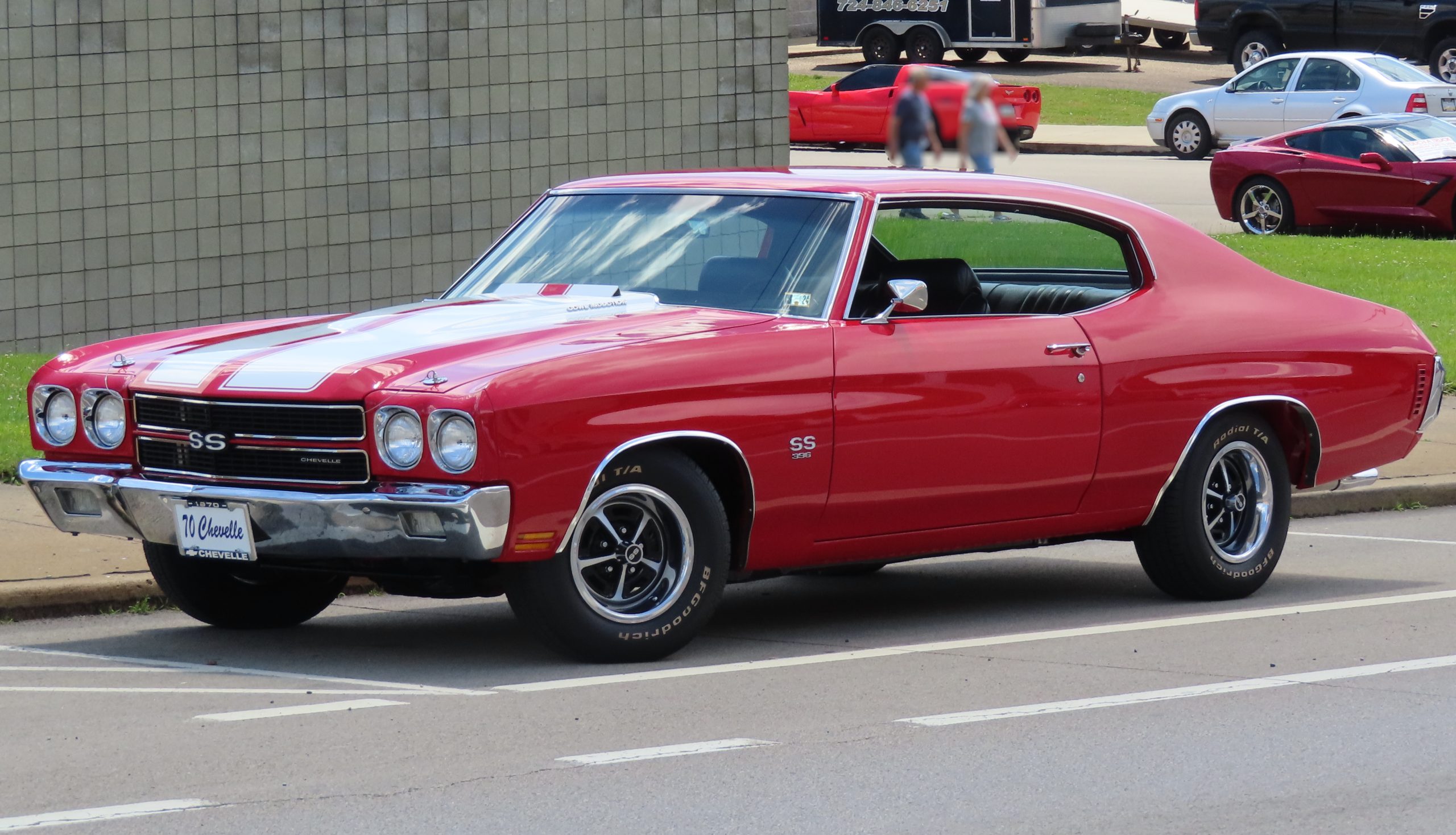
1. 1970–1972 Chevrolet Chevelle
The Chevrolet Chevelle is widely regarded as one of the quintessential muscle cars of the 1970s, and when paired with the 454 big-block V8, it becomes a formidable performance machine. During the early 1970s, Chevelles were affordable and plentiful, making them an ideal candidate for budget builds.
The Chevelle’s design offered a perfect balance of weight, suspension geometry, and engine bay space, allowing the 454 to fit with minimal modifications. For enthusiasts seeking a cheap yet powerful car, the Chevelle provided a platform that could be built on without breaking the bank.
The affordability of Chevelles today stems from their mass production during the muscle car era. Even though fully restored SS versions with original 454s can command high prices, standard Chevelles are often available for reasonable amounts, especially models with smaller engines that can be swapped.
This makes them a popular choice for 454 swaps, as the original engine can often be upgraded without the need for major chassis reinforcements. In addition, the aftermarket for Chevelles is vast, providing affordable parts for suspension, brakes, and transmission upgrades. Enthusiasts can thus turn a low-cost vehicle into a high-performance machine capable of rivaling far more expensive muscle cars.
One of the key advantages of the Chevelle is its straightforward design. The engine bay is large, and the front suspension is simple, making it easier to install a big-block engine without extensive modifications. The Chevelle’s frame is also robust enough to handle the torque of the 454, ensuring reliability even under high-performance conditions.
Many budget builders start with a rust-free body and focus on mechanical upgrades first, creating a car that performs exceptionally well while retaining a classic muscle car appearance. The Chevelle’s popularity also ensures that replacement parts and donor components are accessible, further reducing costs.
Beyond its affordability and ease of modification, the Chevelle carries a strong cultural significance that appeals to many enthusiasts. Driving a 454-powered Chevelle evokes the golden age of American muscle cars, offering both nostalgia and raw performance.
While the project may require effort and mechanical skill, the results are often stunning: a car that combines classic styling, massive torque, and exhilarating acceleration. For those willing to put in the work, the 1970–1972 Chevelle provides a budget-friendly path to one of the most powerful and iconic muscle car experiences available.
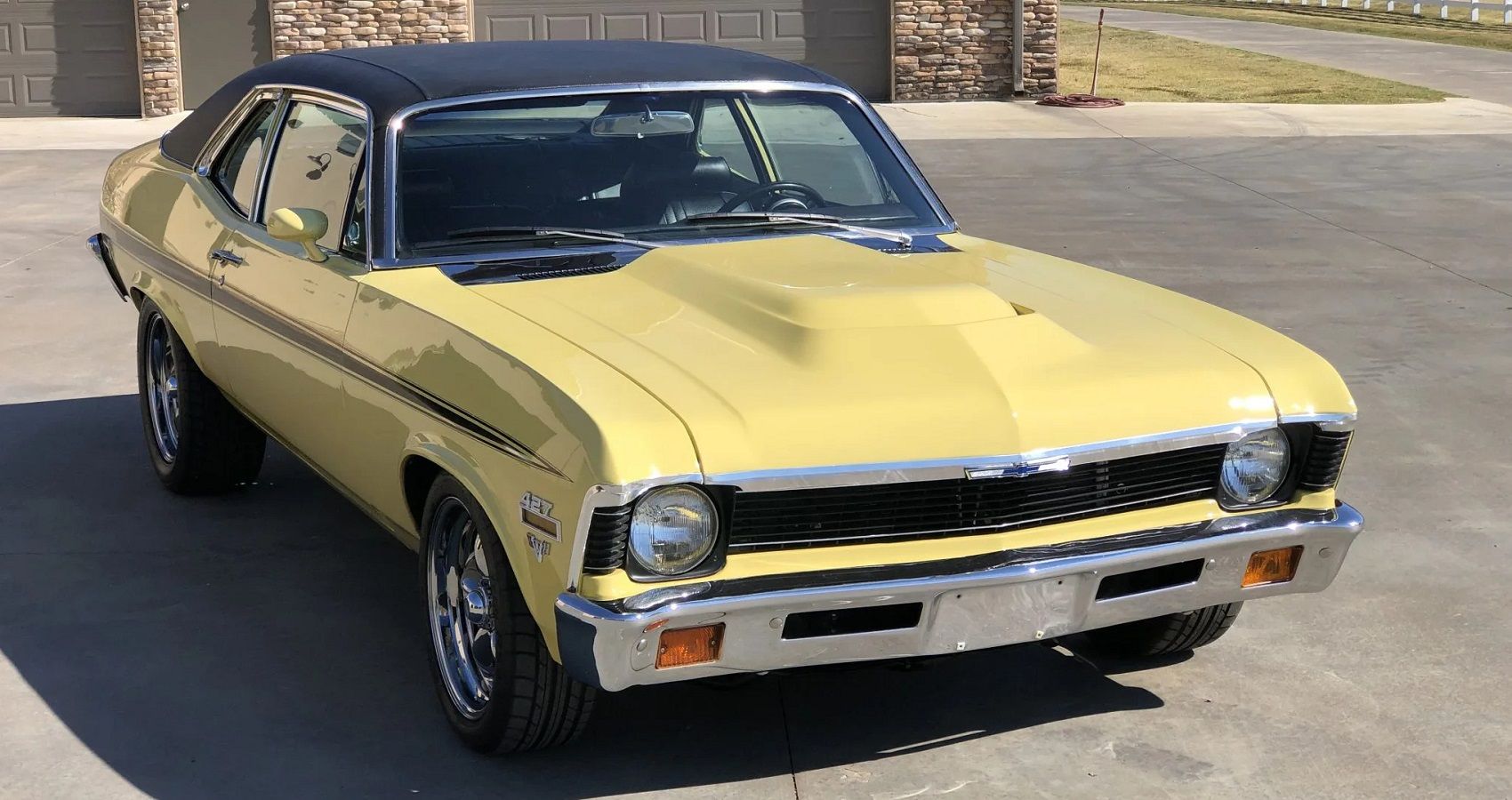
2. 1971–1974 Chevrolet Nova
The Chevrolet Nova was originally designed as a compact car, but when fitted with a 454, it becomes a pocket-sized powerhouse. Novas from the early 1970s were lightweight, which makes the massive torque of the 454 even more pronounced. For enthusiasts on a budget, the Nova offers one of the most dramatic performance gains per dollar spent.
These cars are widely available at low cost due to their unassuming nature and high production numbers during their era. Their smaller size also makes them easier to maneuver, adding a practical dimension to the sheer power they can house.
One of the main attractions of the Nova is its simplicity. Its body-on-frame construction allows for relatively straightforward engine swaps, and the availability of aftermarket parts ensures that performance upgrades are accessible. The 454 V8, when installed in a Nova, transforms a modest compact car into a high-performance drag strip contender.
Even with budget constraints, a well-built Nova with a 454 can produce jaw-dropping acceleration times, making it a favorite for amateur racers and hobbyists alike. The lightweight chassis and balanced design amplify the sensation of speed, creating an experience that belies the car’s original modest intentions.
Cost-effectiveness is another major factor in the Nova’s appeal. Original high-performance variants, like the SS 396, can be expensive, but standard Novas are often extremely affordable. This means enthusiasts can purchase a cheap donor car and focus their resources on the engine swap and supporting modifications.
Brakes, suspension, and transmission upgrades can be sourced economically from aftermarket suppliers, ensuring that safety and performance are not compromised. The result is a car that feels fast and responsive while remaining well within a reasonable budget for most hobbyists.
The visual impact of a 454-powered Nova should not be underestimated. While the car itself is compact and unassuming, the presence of a massive big-block engine under the hood immediately commands attention.
The combination of small size and enormous power delivers a thrilling driving experience, with acceleration that rivals far more expensive performance cars. For enthusiasts seeking the bang for their buck, the Chevrolet Nova of this era remains one of the most accessible and rewarding vehicles to build around the Chevy 454 big-block V8.
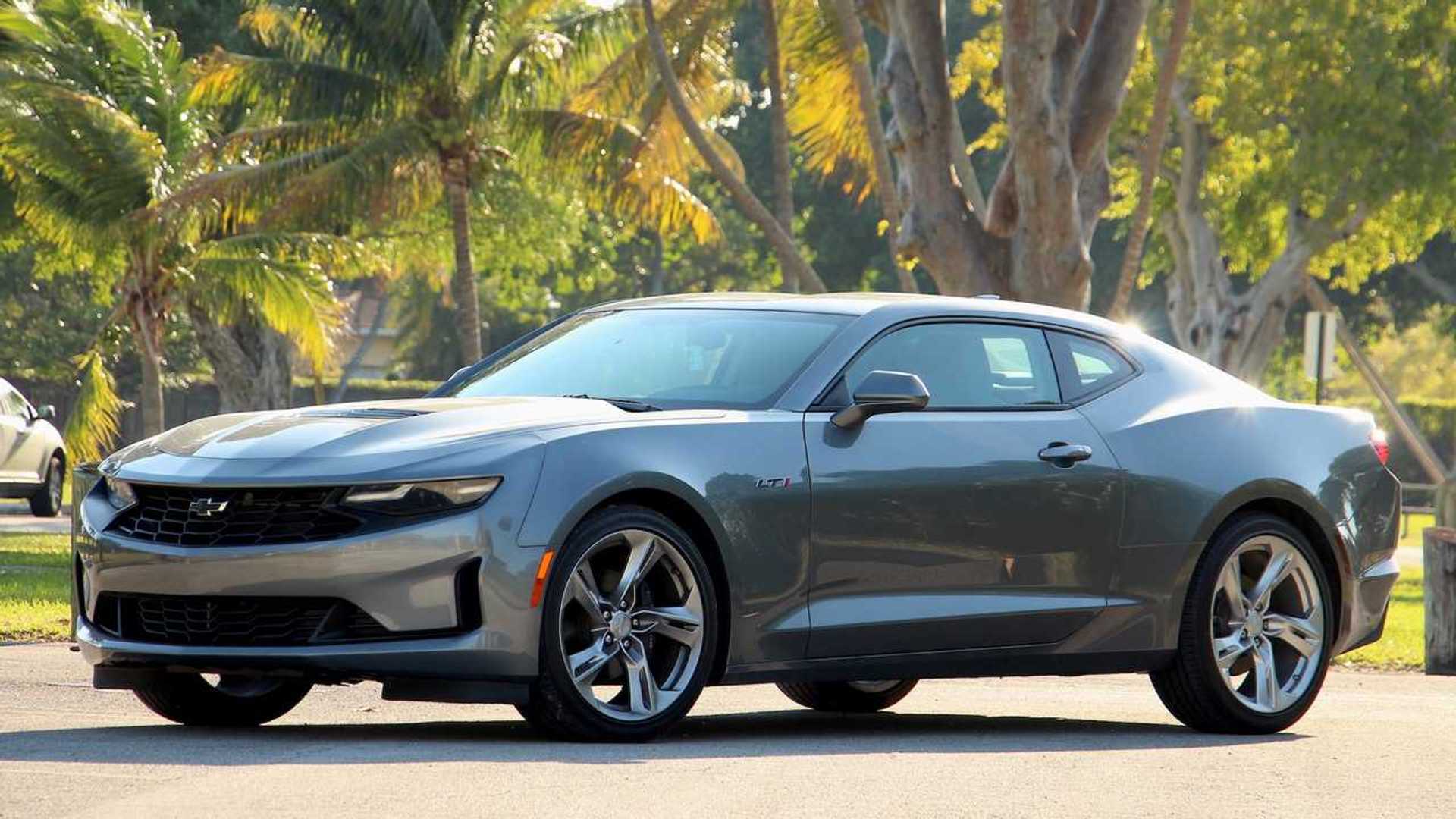
3. 1969–1972 Chevrolet Camaro
The Chevrolet Camaro, introduced in 1967, quickly became a direct competitor to the Ford Mustang, and its second-generation models offered plenty of opportunities for budget-friendly 454 swaps. Camaros from 1969 to 1972 are highly desirable in stock form, but base models with smaller engines are often affordable enough for budget builds.
The engine bay is deep and wide, making it suitable for accommodating the massive 454 without extensive modifications. The Camaro’s sporty design and iconic styling make it a favorite among muscle car enthusiasts, offering both aesthetic appeal and performance potential.
One of the Camaro’s biggest advantages is its adaptability. While high-performance SS models with big-block engines are collectible and expensive, a standard Camaro can be purchased for a fraction of the cost. Enthusiasts can then focus on upgrading the drivetrain, suspension, and brakes to handle the 454.
This approach allows for a high-performance muscle car experience without the premium price tag. Aftermarket support for Camaros is extensive, providing parts for nearly every conceivable upgrade. This ensures that even budget-conscious builders can create a powerful and reliable vehicle.
From a cultural perspective, a 454-powered Camaro embodies the spirit of classic American muscle. Even a budget build can generate impressive attention at car shows or on the street.
The sound of a big-block V8, coupled with the aggressive styling of the Camaro, ensures that the car stands out. For enthusiasts seeking both affordability and authenticity, a 1969–1972 Camaro with a Chevy 454 represents an ideal project: a vehicle that combines iconic design, mechanical potential, and raw performance at a reasonable cost.

4. 1970–1973 Chevrolet C10 Pickup
The Chevrolet C10 pickup from the early 1970s may not immediately come to mind when thinking of muscle cars, but it is one of the most versatile and affordable platforms for a Chevy 454 swap. These trucks were built with strong frames and simple mechanical designs, which make them ideal candidates for handling the torque and weight of a big-block V8.
Unlike cars, pickups have larger engine bays and more room for modifications, allowing for a smoother installation process. A C10 fitted with a 454 becomes a unique combination of brute force and utility, capable of towing, hauling, or simply delivering impressive acceleration on the street. For budget-conscious enthusiasts, the C10 represents an accessible way to experience massive horsepower without investing in rare or collectible muscle cars.
The affordability of the C10 is another major factor in its appeal. While classic pickups in pristine condition can be pricey, many rust-free or partially restored examples are available at reasonable costs. Even if the body shows wear, the truck’s frame and suspension are often sound, which is critical when planning a big-block swap.
Furthermore, the aftermarket for C10 trucks is enormous, offering everything from high-performance suspension kits to upgraded braking systems, which makes building a 454-powered pickup both feasible and cost-effective.
Beyond the mechanical and performance aspects, a 454 C10 carries a cultural charm that resonates with enthusiasts. It bridges the gap between traditional muscle cars and functional vehicles, offering a project that is both rewarding and unique.
Unlike conventional muscle cars, a pickup allows for more creativity in customization, from paint and interior design to engine presentation. The wide availability of donor trucks and engines, combined with the strong aftermarket support, ensures that a 454 C10 can be assembled on a budget without sacrificing performance or reliability.
For those seeking a rare combination of affordability, power, and personality, the early 1970s Chevrolet C10 pickup is an ideal platform for the legendary Chevy 454 engine.
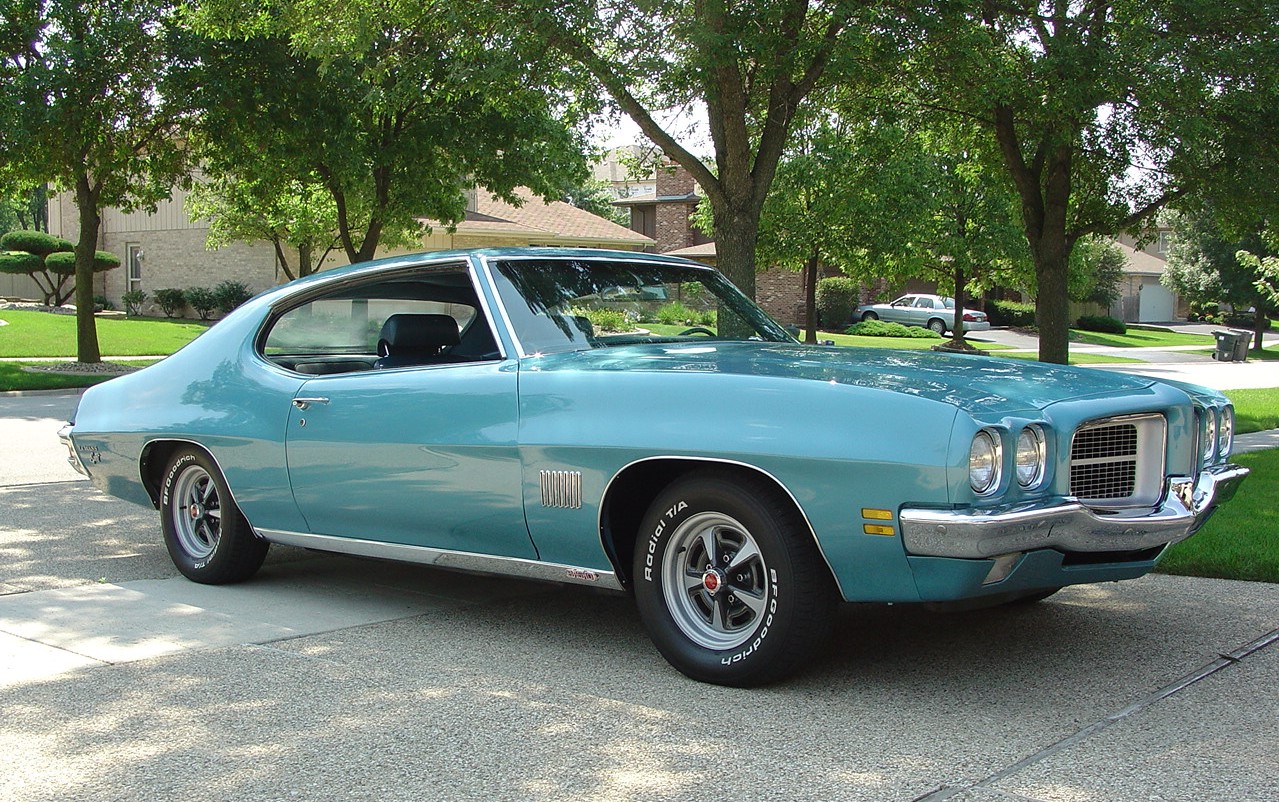
5. 1971–1974 Pontiac LeMans
While Chevrolet is the most common home for the 454, Pontiac vehicles like the LeMans have also served as surprisingly affordable platforms for big-block swaps. The early 1970s LeMans was a compact to mid-size car with a sturdy chassis capable of handling a V8 engine.
These cars were not initially built with big-blocks in mind, but the dimensions of the engine bay, combined with Pontiac’s solid frame design, make them feasible candidates for a 454 transplant. Enthusiasts who want a car that stands out from the typical Chevelle or Camaro build often turn to the LeMans, taking advantage of its lighter weight and relatively low cost to achieve extreme performance.
A budget-friendly LeMans with a 454 offers acceleration that rivals many more expensive muscle cars while providing a distinctive alternative for collectors and racers alike.
Base models are often inexpensive, making them ideal starting points for performance builds. The unassuming styling also helps keep costs down, as these cars were not originally marketed as high-performance vehicles, which means they are plentiful in salvage yards and online auctions.
Aesthetically, a LeMans with a 454 offers a striking combination of subtlety and performance. While the exterior may appear stock at first glance, the moment the engine roars to life, it reveals the car’s true potential.
The experience of driving such a vehicle is exhilarating, as the light frame combined with massive power creates a sensation of speed that is rarely matched in modern cars. For those looking for a unique, affordable, and powerful classic car, the early 1970s Pontiac LeMans provides a compelling platform for a Chevy 454 swap, blending raw performance with individuality.
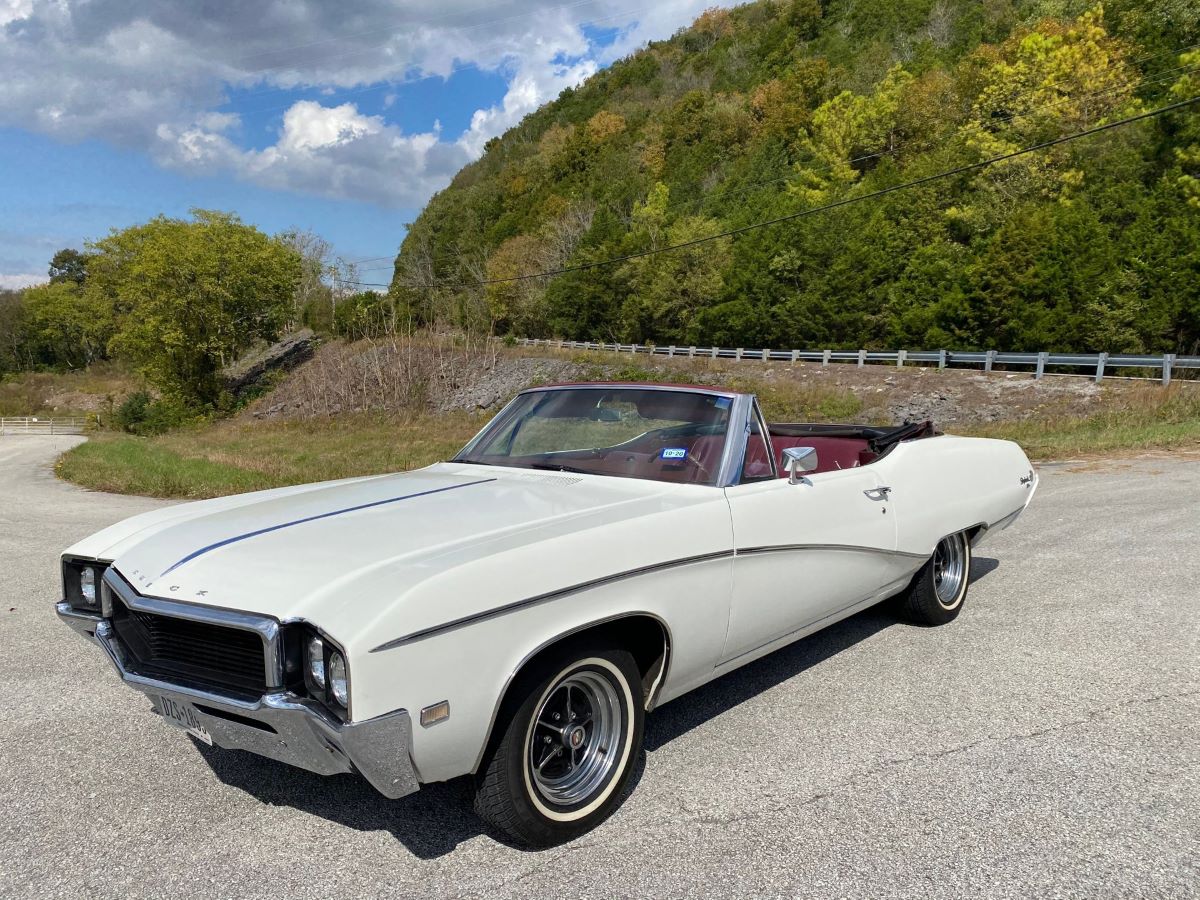
6. 1970–1973 Buick Skylark
The Buick Skylark from the early 1970s is another underrated platform for a budget-friendly 454 build. While Buick was traditionally associated with luxury and comfort, the Skylark’s body-on-frame construction and reasonably sized engine bay make it compatible with a Chevy 454 V8. Enthusiasts seeking a sleeper build often choose the Skylark because of its understated appearance.
Unlike traditional muscle cars, a Skylark does not draw attention until the engine fires up, making it an ideal choice for drivers who value performance without ostentation. The combination of a lightweight frame and a massive engine creates an impressive power-to-weight ratio, providing acceleration and driving dynamics that can rival more expensive muscle cars.
The affordability of the Skylark is a significant factor in its appeal. Unlike high-profile muscle cars, Skylarks were produced in large numbers and many were not preserved as collectible vehicles. This means that rust-free or repairable examples are often available for low prices.
Builders can acquire these cars cheaply and allocate most of their budget to engine and drivetrain upgrades. In addition, the Buick shares many mechanical components with other GM A-body cars, which simplifies sourcing parts and reduces costs. From suspension components to transmission options, the shared platform ensures that a 454-powered Skylark can be built efficiently and economically.
Culturally, a 454-powered Skylark offers a mix of surprise and excitement. Its ordinary exterior hides an extraordinary engine, making it a perfect sleeper vehicle for enthusiasts who enjoy startling fellow drivers and car enthusiasts alike.
The driving experience is equally impressive, as the combination of torque, acceleration, and responsive handling creates a sense of controlled chaos that is both exhilarating and rewarding. For those seeking a powerful, affordable, and unique classic car, the early 1970s Buick Skylark is a strong candidate for a Chevy 454 swap, proving that performance and subtlety can coexist beautifully.
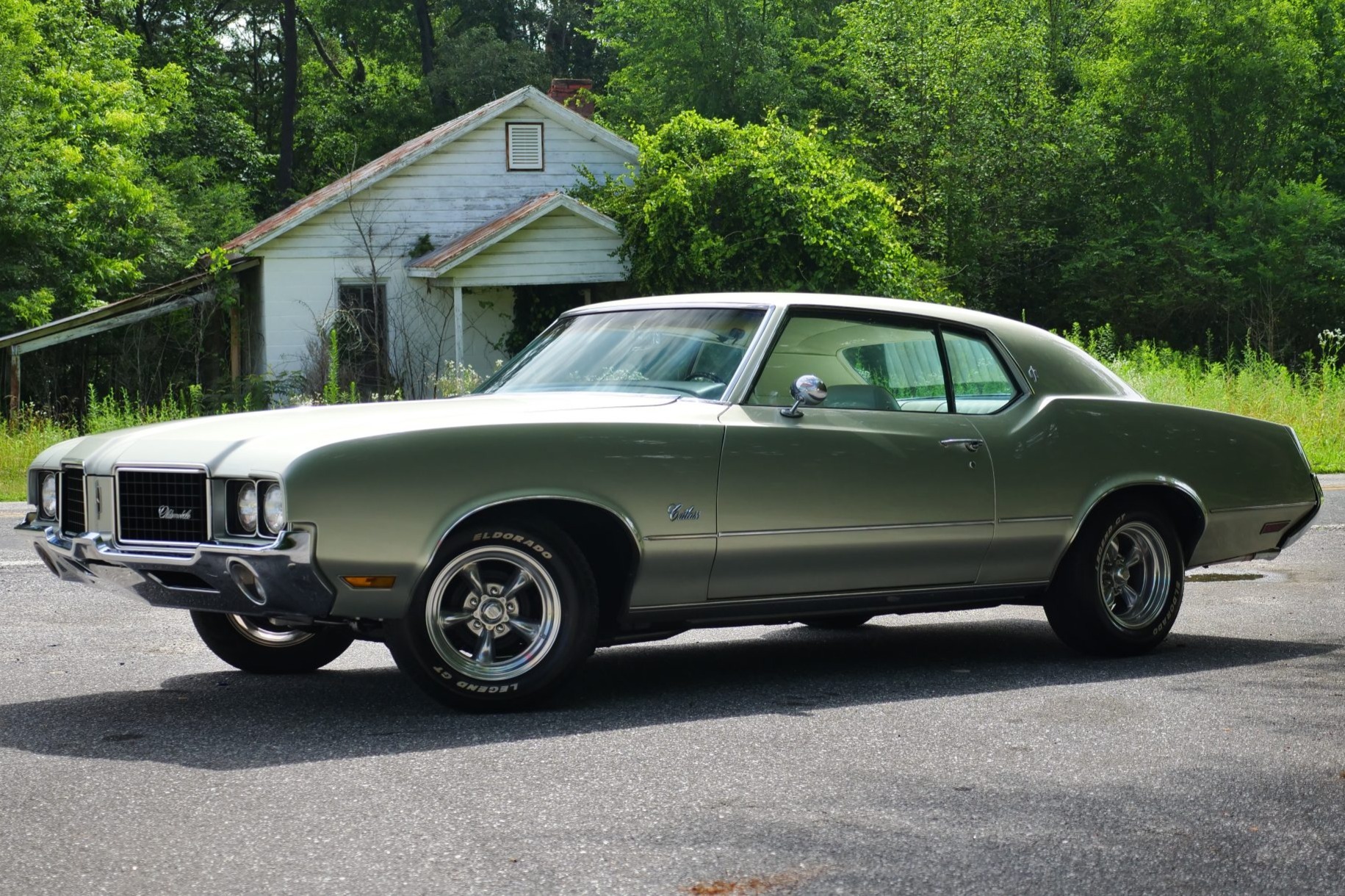
7. 1969–1972 Oldsmobile Cutlass
The Oldsmobile Cutlass from the late 1960s and early 1970s is another often-overlooked platform for a budget-friendly Chevy 454 swap. The Cutlass was marketed as a mid-size car with a balance of comfort, style, and performance, and while its standard engines were modest compared to a big-block, its body-on-frame design makes it surprisingly compatible with a 454.
Enthusiasts who choose the Cutlass often appreciate the combination of understated styling and enormous performance potential. The heavier body compared to a Nova or Camaro means the car has more presence on the road, and when paired with a 454, it transforms into a powerful street machine capable of thrilling acceleration.
Its interior space and relatively roomy engine bay make the installation of a large V8 easier than in smaller cars, reducing the number of modifications needed for a successful swap.
Affordability is one of the Cutlass’s strongest advantages. Unlike Camaros or Chevelles of the same era, Cutlasses were not as aggressively collected, which means base models or even worn examples can often be purchased at reasonable prices. This allows builders to prioritize budget allocation for high-quality performance components such as the 454 engine itself, transmission upgrades, or heavy-duty cooling systems.
The shared GM A-body platform also ensures that parts for drivetrain, suspension, and brakes are widely available at affordable prices. This makes the Cutlass an ideal platform for those seeking maximum performance without being forced to hunt for rare or expensive donor vehicles.
From a cultural perspective, the Oldsmobile Cutlass with a 454 has a unique appeal. It combines understated elegance with raw, unapologetic power, making it a sleeper vehicle that commands attention when driven.
Unlike flashy muscle cars, the Cutlass often surprises other enthusiasts and drivers when it launches off the line, providing both a visual and auditory thrill. For builders seeking a budget-friendly classic with exceptional potential, the 1969–1972 Oldsmobile Cutlass stands out as a versatile, powerful, and surprisingly attainable platform for the legendary Chevy 454 engine.
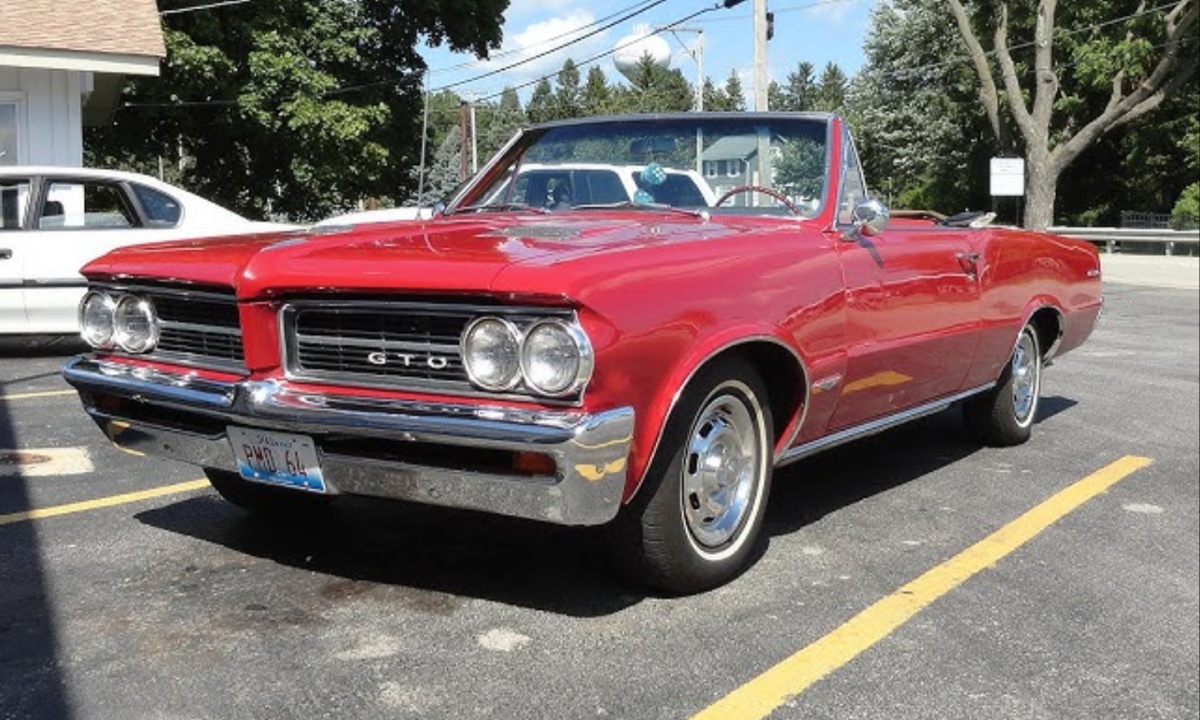
8. 1968–1972 Pontiac GTO
The Pontiac GTO, often hailed as one of the first true muscle cars, naturally lends itself to performance upgrades, including the installation of a Chevy 454 for budget builds. Early GTOs were originally equipped with Pontiac’s own V8s, but their robust chassis, wide engine bays, and sturdy suspension make them capable of handling even larger big-block engines from other GM divisions.
For enthusiasts, the GTO offers a combination of classic styling and performance potential, and pairing it with a Chevy 454 creates a unique blend of brute force and vintage aesthetics. Even with lower-cost donor cars, a 454-powered GTO can deliver acceleration, torque, and street presence that rival much more expensive performance cars of the era.
Affordability is a key factor in choosing a GTO for a 454 swap. While original high-performance models can fetch exorbitant prices among collectors, base or mid-tier GTOs remain relatively accessible. Many of these cars are available at reasonable costs, particularly if they require minor cosmetic work.
From a cultural standpoint, a 454-powered GTO is a perfect example of blending heritage with innovation. The car retains its classic muscle car appearance, preserving its collectible aesthetic, while the massive V8 under the hood delivers raw, modern-style performance.
For enthusiasts seeking a car that embodies both nostalgia and thrilling power, the Pontiac GTO fitted with a Chevy 454 offers a unique and highly rewarding experience. The blend of affordability, performance potential, and distinctive styling ensures that this combination remains a popular choice among budget-conscious muscle car builders.
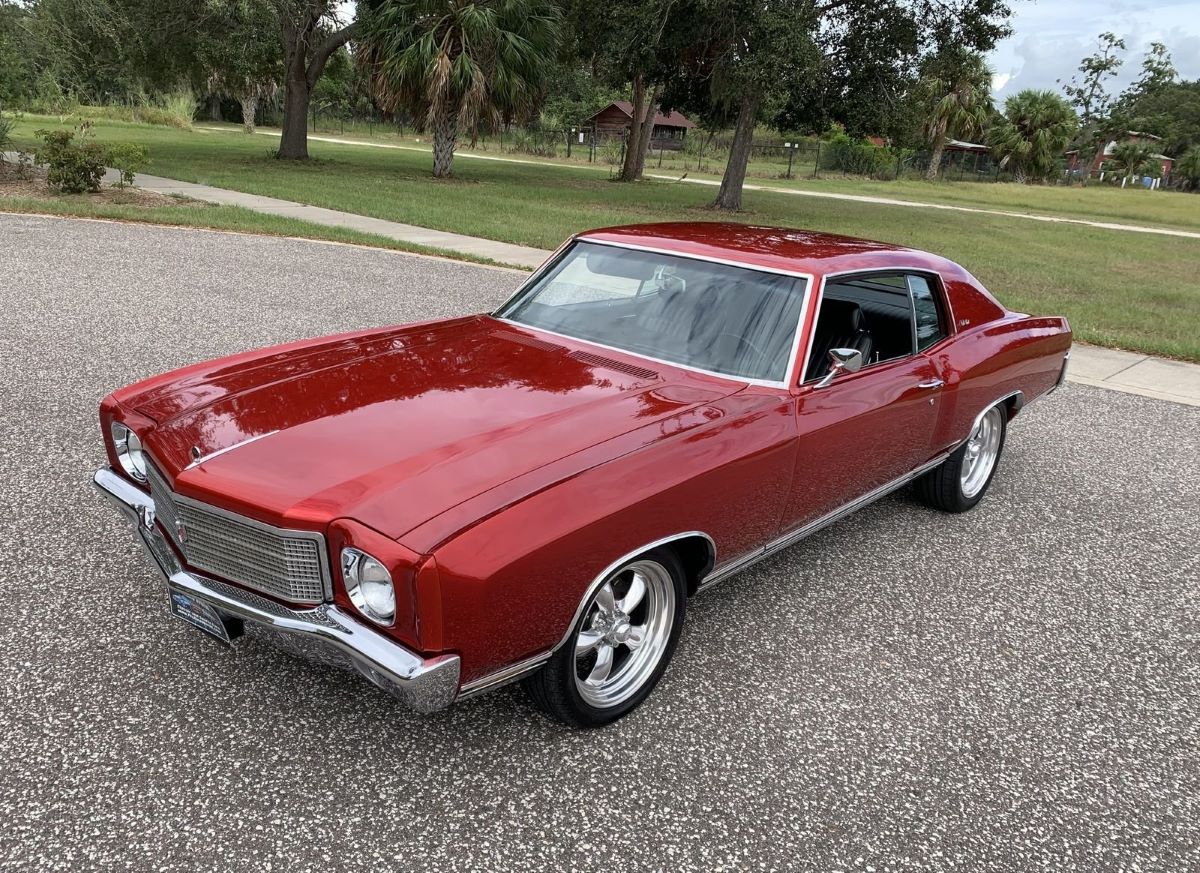
9. 1971–1974 Chevrolet Monte Carlo
The Chevrolet Monte Carlo, introduced in 1970 as a personal luxury coupe, is often overlooked in the muscle car community, yet it serves as an excellent candidate for a 454 swap on a budget. The Monte Carlo’s relatively large engine bay, solid frame, and roomy chassis allow for the installation of a big-block engine without excessive modifications.
Enthusiasts often choose the Monte Carlo when they want a car with understated styling and comfortable interior space but still crave the raw power of a high-performance engine. With a 454 installed, the Monte Carlo delivers exceptional torque, impressive acceleration, and a commanding presence on the road, all while remaining one of the more affordable platforms from its era.
Affordability is one of the Monte Carlo’s main advantages. Early models were produced in significant numbers, and many examples can still be found at low cost, particularly those with lower-powered engines. This allows builders to focus financial resources on engine upgrades, drivetrain improvements, and supporting modifications without the stress of purchasing a rare collectible.
Additionally, because the Monte Carlo shares many components with other GM A-body and G-body cars, sourcing parts for suspension, brakes, and transmission is relatively inexpensive. This extensive aftermarket support makes it possible to build a high-performance car while keeping costs within a reasonable range.
Culturally, the Monte Carlo represents a sleeper choice among muscle cars. Its classic design, combined with the massive V8, surprises other drivers while providing a unique ownership experience. Enthusiasts appreciate the Monte Carlo for its blend of comfort, style, and power, making it an attractive platform for budget builds.
For those seeking a combination of practicality, performance, and individuality, the 1971–1974 Chevrolet Monte Carlo is an excellent vehicle to pair with the legendary Chevy 454 big-block V8.
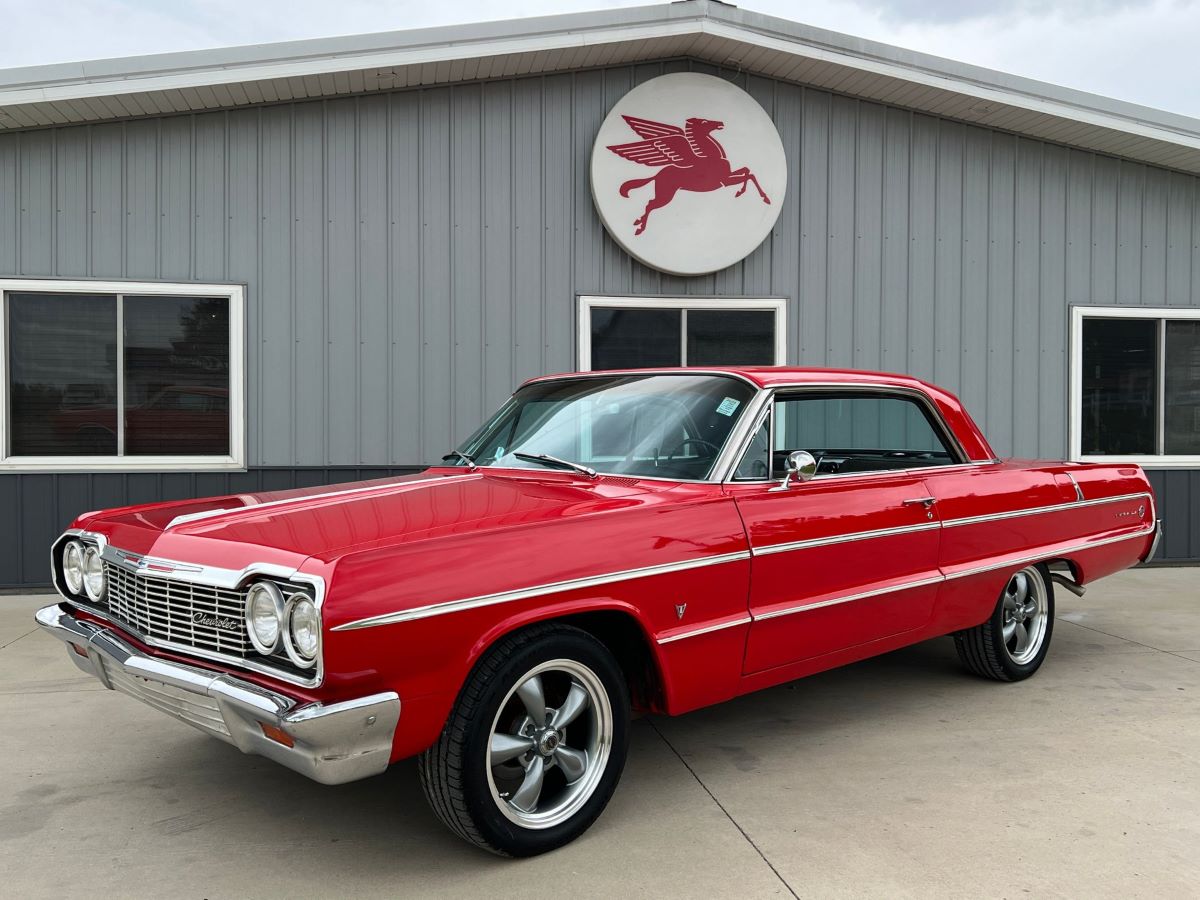
10. 1970–1972 Chevrolet Impala
The Chevrolet Impala, particularly the early 1970s models, is one of the largest and most robust GM vehicles ever built, making it an ideal platform for a Chevy 454 swap. Originally available with V8 engines, the Impala’s massive frame and engine bay can accommodate a big-block with relative ease, providing a straightforward path for enthusiasts seeking extreme performance without investing in rare or expensive cars.
The Impala’s size and weight make it a unique driving experience, as the massive torque from the 454 can propel the car forward with a sense of power rarely experienced in smaller vehicles. Its classic styling, spacious interior, and strong frame allow builders to create a powerful yet practical muscle car that can still be used for daily driving or long trips.
Affordability is a defining feature of the Impala for budget builders. While high-performance or rare versions of the car can be costly, standard models are often available at low prices, especially those that have cosmetic wear or minor rust issues.
These vehicles can serve as inexpensive donor cars for a big-block swap, allowing enthusiasts to invest in the engine, transmission, and other performance upgrades. In addition, the Impala’s compatibility with many GM A-body and full-size parts means that sourcing aftermarket solutions for brakes, suspension, and cooling is both easy and economical.
This ensures that a 454-powered Impala can be built without exceeding a modest budget while still achieving impressive performance.
From a cultural perspective, the Impala is a symbol of American automotive strength and versatility. A 454-powered version combines classic style with extraordinary performance, surprising onlookers with its acceleration and presence.
Its practicality, combined with the legendary V8, makes it a rewarding project for enthusiasts seeking a powerful, affordable, and historically significant vehicle. The early 1970s Chevrolet Impala demonstrates that even a large family car can be transformed into a high-performance muscle machine with the right engine and vision.
