
The 1970s marked a remarkable era in American automotive history, where raw power, aggressive styling, and driver engagement defined an entire generation of vehicles. Muscle cars from this decade were more than just machines; they were statements of freedom and performance, built to dominate straightaways and turn heads at every corner.
Unlike the modern era, where technology often smooths out the driving experience, muscle cars of the ’70s demanded involvement, with manual gearboxes placing the driver in direct command of massive engines producing extraordinary torque. These cars were designed for those who wanted not just speed but the thrill of harnessing power through their own skill and timing.
Torque, the rotational force that moves a car from rest and gives it the ability to surge forward, was especially prized. In combination with manual transmissions, it created a visceral connection between car and driver, translating the raw output of big V8 engines into a physical and auditory experience unlike anything else.
In addition to raw performance, aesthetics played a huge role in the muscle car identity. Wide stances, long hoods, and aggressive front ends were complemented by bold stripes, scoops, and spoilers, ensuring that these vehicles were unmistakable on the road.
These cars often carried personalities as distinct as the drivers themselves, blending performance engineering with the cultural trends of the decade, from disco and rock to the tail end of the Vietnam War era, all influencing style and attitude. Collectors today value these machines not just for their speed, but for the connection they offer to an era when automotive design was unrestrained and unapologetically powerful.
The combination of high torque and manual gearboxes was particularly significant. Unlike automatic transmissions, which could smooth over engine characteristics, manual gearboxes required precise timing, clutch control, and an understanding of engine behavior to get the most out of a car.
This article will focus on ten remarkable muscle cars from the ’70s that combined big torque engines with manual gearboxes. These are vehicles that continue to excite collectors and driving enthusiasts because they offer something rare today: unfiltered performance and a direct, tangible connection between human and machine.
Each of these cars not only delivered impressive straight-line speed but also provided a driving experience defined by the feel of torque underfoot, the control of a manual shifter, and the unmistakable roar of a V8 built to perform.
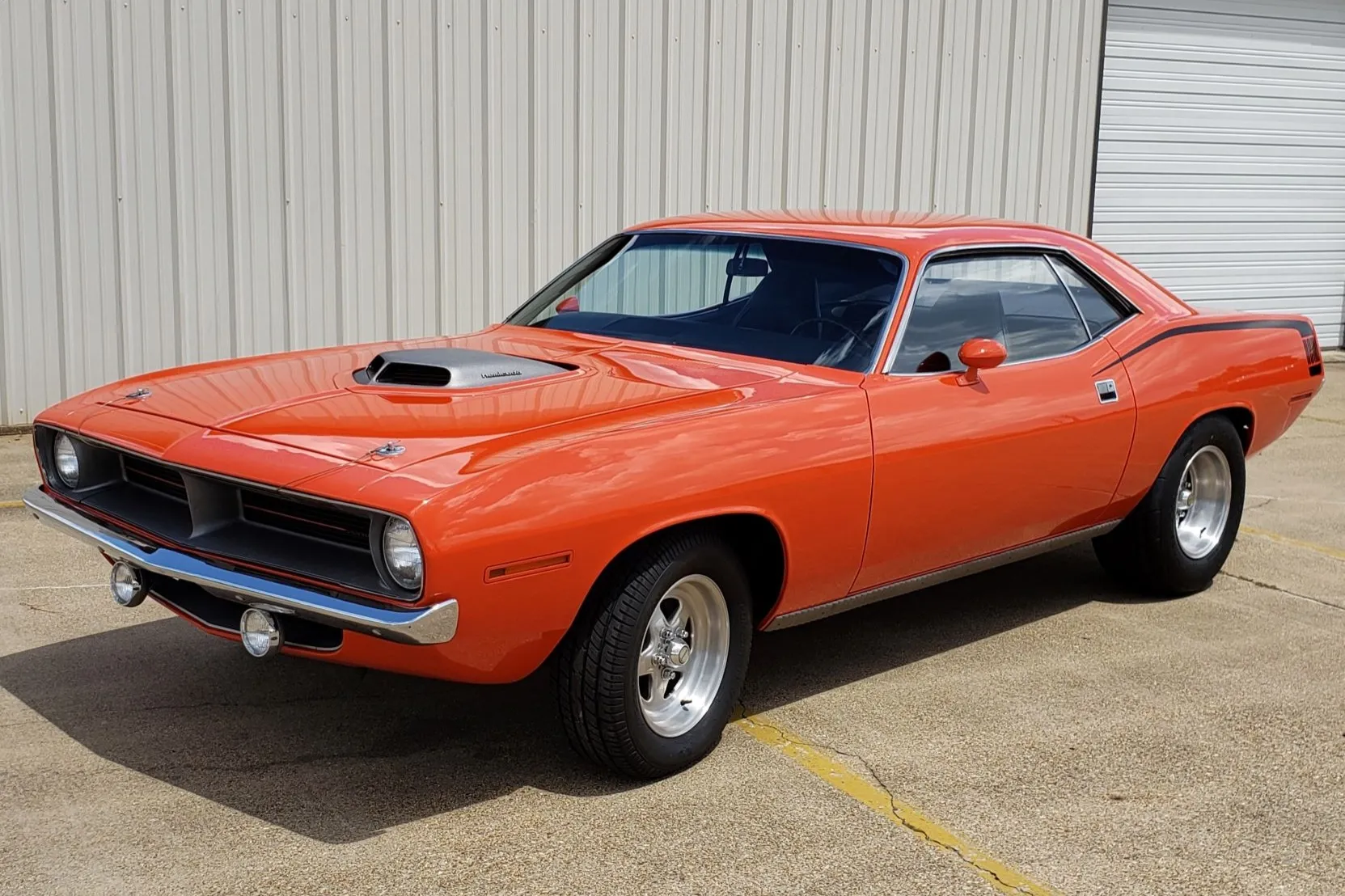
1. 1970 Plymouth Hemi ’Cuda
The 1970 Plymouth Hemi ’Cuda represents one of the most celebrated muscle cars of the decade. Its 426-cubic-inch Hemi V8 engine produced a remarkable amount of torque, allowing it to launch off the line with authority. Unlike many high-powered vehicles of the era that were paired with automatic transmissions for convenience, the Hemi ’Cuda offered a four-speed manual gearbox, giving drivers the ability to control every ounce of its raw energy.
This combination made it a favorite among drag racers and enthusiasts who demanded performance without compromise. The car’s lightweight body and aerodynamic shape further enhanced its capabilities, making it not only fast in a straight line but also surprisingly responsive on corners when handled skillfully.
Styling played a critical role in the ’Cuda’s appeal. With a long hood, short deck, and aggressive front grille, the vehicle exuded a sense of menace even while standing still. Optional hood scoops and performance stripes added to its visual intensity, signaling to onlookers that it was built for more than just cruising.
Performance figures for the Hemi ’Cuda remain impressive even today. With 425 horsepower and a torque rating exceeding 490 lb-ft, the car could achieve 0 to 60 miles per hour in under six seconds, a remarkable feat for the period.
Collectors and enthusiasts value the Hemi ’Cuda not only for its performance but also for its rarity and cultural significance. Limited production numbers and the legendary reputation of the Hemi engine have made it one of the most sought-after muscle cars in the classic car market.
Original examples equipped with manual gearboxes are especially prized, as they represent the purest form of what Plymouth engineers intended: a car that delivers maximum torque, maximum engagement, and maximum excitement.
Owning or driving one today is a direct connection to an era when performance was measured not just in numbers, but in the thrill of controlling a machine that demanded respect.
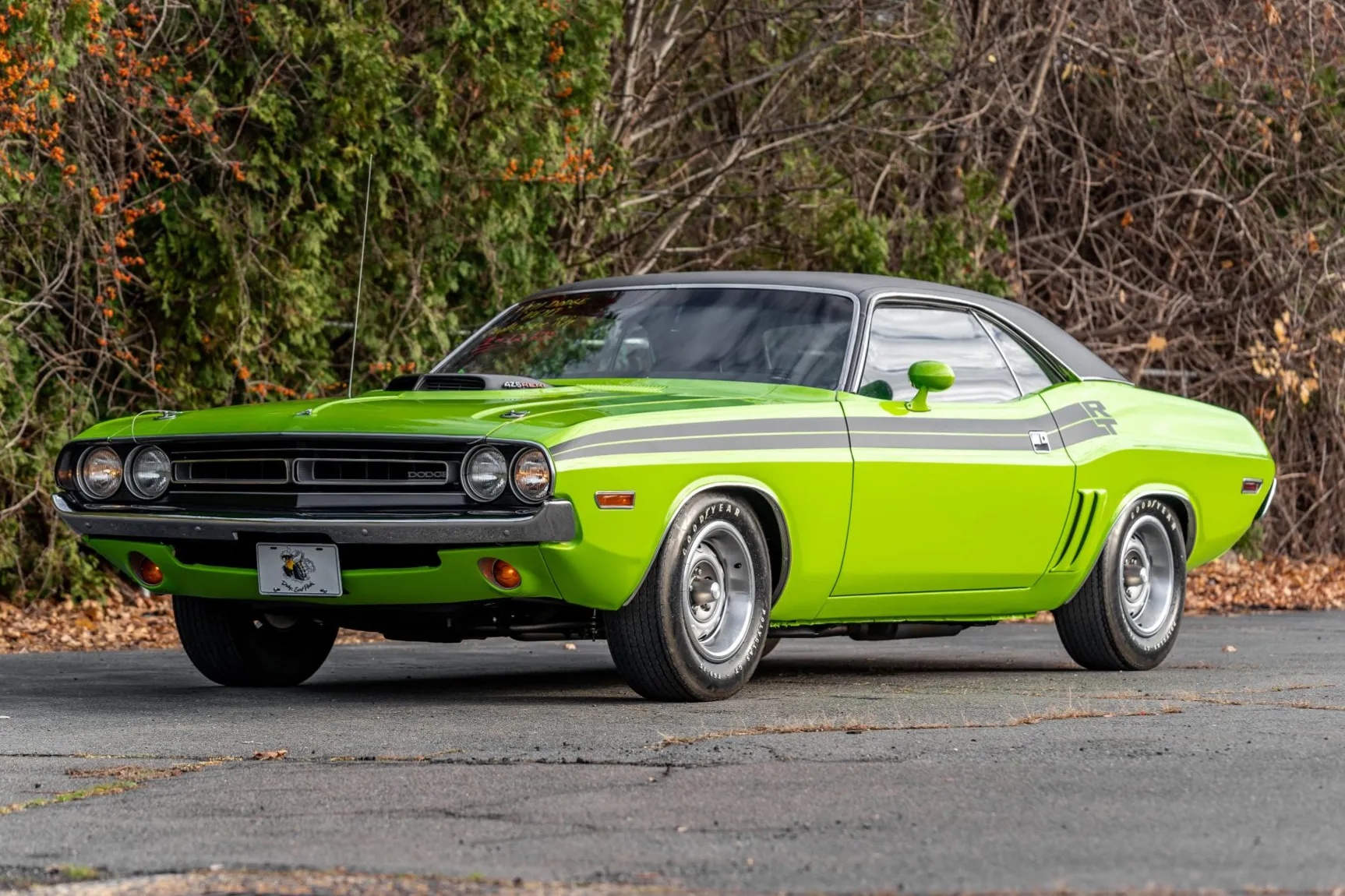
2. 1971 Dodge Challenger R/T
The 1971 Dodge Challenger R/T was Dodge’s answer to the growing pony and muscle car market, and it quickly became a favorite among those who wanted both style and substance. Under the hood, it offered a range of engines, with the most being the 440 Magnum V8 and the legendary 426 Hemi.
Both engines produced massive torque, ideal for high-speed acceleration and thrilling driving experiences. The availability of a four-speed manual gearbox allowed drivers to fully exploit the engines’ potential, making the Challenger R/T a formidable presence on drag strips and open roads alike. Its performance-oriented suspension and weight distribution complemented the high torque output, ensuring that drivers could feel every pulse of the engine through the chassis.
Visually, the Challenger R/T was designed to impress. Its long, muscular body and pronounced fender lines created a commanding presence, while aggressive front-end styling and optional hood scoops emphasized its performance pedigree.
On the road, the Challenger R/T with a manual gearbox was a different beast compared to automatic-equipped versions. Torque delivery was immediate, and the driver could manipulate the power band to suit various conditions, whether launching from a stop or merging onto highways.
The Dodge Challenger R/T remains a symbol of the golden age of American muscle cars. Its combination of styling, performance, and manual transmission engagement makes it a favorite for collectors and performance enthusiasts alike.
The rarity of certain high-torque engine options paired with a manual gearbox adds to its allure, and those fortunate enough to experience one understand why it continues to be celebrated. Its enduring legacy is not just about straight-line speed, but the way it allows the driver to feel every ounce of torque through every shift, creating a connection that few modern cars can match.
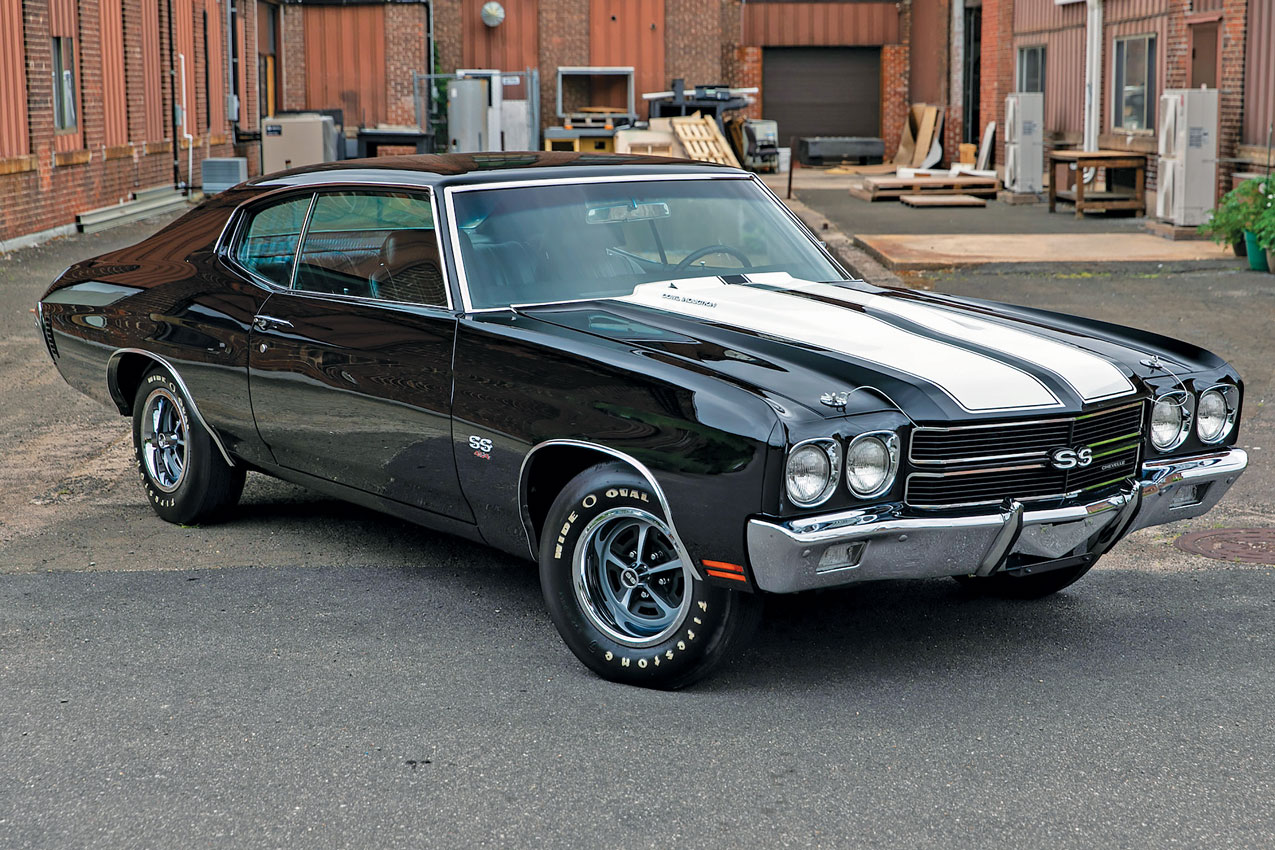
3. 1970 Chevrolet Chevelle SS 454
The 1970 Chevrolet Chevelle SS 454 was a cornerstone of GM’s muscle car offerings, representing a perfect blend of raw power and classic styling. Its 454-cubic-inch big-block V8 was capable of producing over 450 horsepower and an enormous amount of torque, making it one of the most forceful engines of its era.
A four-speed manual gearbox was available to complement this power, allowing drivers to take full control of the car’s performance. The Chevelle’s balanced chassis and rear-wheel-drive layout enhanced its drivability, making it responsive despite the engine’s brute strength. Torque delivery was immediate and persistent, making the car feel alive under the right hands and demanding respect from anyone who attempted to harness its energy.
Aesthetically, the Chevelle SS 454 was unmistakable. Its muscular stance, long hood, and short rear deck communicated performance at a glance, while bold SS badging and optional racing stripes emphasized its racing-oriented pedigree. Chevrolet also offered a variety of wheel and trim options, allowing buyers to create a look that suited their personality.
The interior, though focused on function, included clear instrumentation and driver-centric controls that made the experience of managing a high-torque engine more intuitive. The manual transmission further reinforced the Chevelle’s driver-focused character, giving enthusiasts the satisfaction of shifting through gears in harmony with the engine’s torque curve.
Performance numbers for the Chevelle SS 454 were staggering for the time. Its acceleration was immediate, with torque providing explosive launches that required careful clutch management when paired with the manual gearbox.
Owning or driving one is a reminder of a time when muscle cars were not just tools for speed, but machines designed to connect the driver to the power beneath the hood in a way that few cars today can replicate.
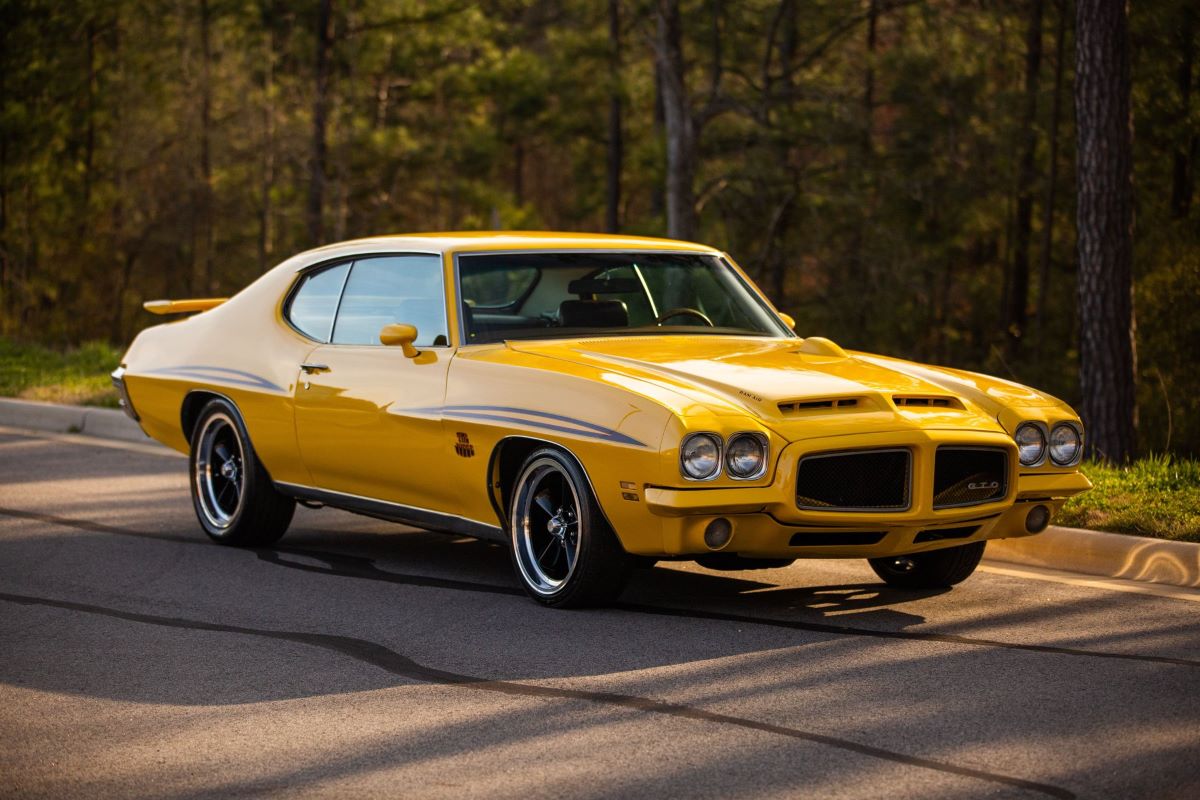
4. 1971 Pontiac GTO Judge
The 1971 Pontiac GTO Judge was a flamboyant, high-performance version of the already legendary GTO, combining big-block V8 power with striking styling and a manual transmission option. Its 455-cubic-inch engine produced significant torque, allowing the car to accelerate aggressively while maintaining a composed ride.
A four-speed manual gearbox was standard on many high-performance configurations, giving drivers complete control over power delivery. This direct engagement with the drivetrain made the GTO Judge particularly exciting for enthusiasts who wanted more than just straight-line speed, as precise shifting and throttle control were required to handle the car’s formidable output.
Styling was a defining characteristic of the GTO Judge. Bold colors, unique decals, and a distinctive front-end design set it apart from other muscle cars of the period. The rear spoiler and cowl induction hood not only added visual flair but also hinted at the car’s performance capabilities.
Performance for the 1971 GTO Judge was impressive, with the big-block V8 providing substantial low-end torque for rapid launches and effortless highway acceleration. The manual gearbox allowed the driver to optimize engine output, making the car feel alive and responsive.
Collectors today value the Pontiac GTO Judge not only for its performance but also for its cultural significance. Limited production numbers, unique styling, and the availability of manual transmission versions make it a sought-after classic.
The combination of torque, power, and engagement continues to attract enthusiasts who want an authentic muscle car experience, one that emphasizes control, excitement, and the unmistakable thrill of commanding a high-powered V8 engine.
The 1971 GTO Judge remains a symbol of an era when muscle cars were designed to be felt as much as they were seen, and when a manual gearbox was the key to unlocking their full potential.
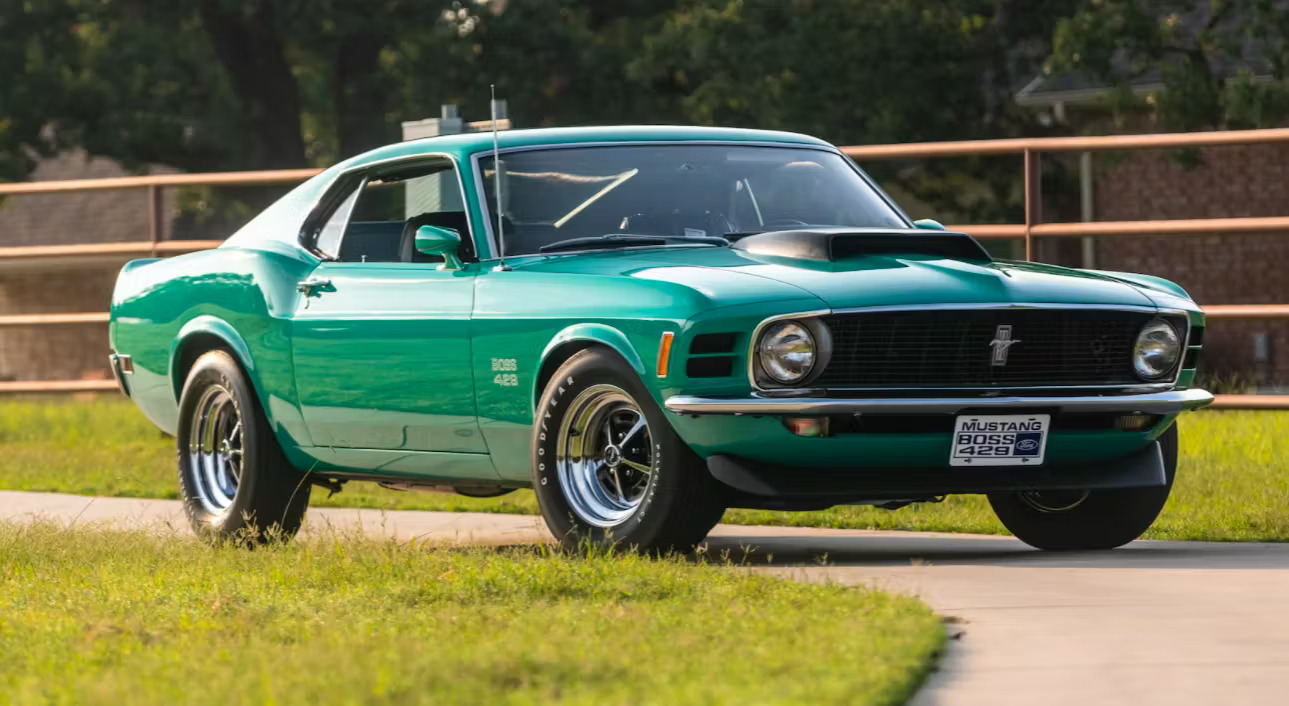
5. 1970 Ford Mustang Boss 429
The 1970 Ford Mustang Boss 429 stands as one of the most legendary and rare muscle cars of the decade, with a reputation built on its massive engine, extraordinary torque, and manual gearbox. Under the hood, the 429-cubic-inch V8 was designed to handle the rigors of NASCAR racing, which meant it was both high-strung and capable of delivering phenomenal low-end and mid-range torque.
This torque translated directly into the ability to launch the car with authority, making it feel like a machine eager to propel itself forward at any given moment. Unlike smaller engines that relied on high RPMs for power, the Boss 429’s torque allowed the Mustang to accelerate effortlessly even in the lower gears, giving it a unique and commanding presence on both drag strips and open highways.
Visually, the Boss 429 was designed to convey its performance capabilities in a striking, uncompromising way. Its wide front end, raised cowl induction hood, and aggressive stance made it instantly recognizable, signaling the muscle that lay beneath the sheet metal.
Wide fender flares accommodated larger tires, allowing the car to grip the road better and translate the torque into meaningful acceleration without excessive wheelspin. The interior, though not lavish by modern standards, emphasized function over luxury, with straightforward controls and a driver-centric layout.
Performance numbers for the Boss 429 were staggering for the time and remain impressive even by modern standards. The engine produced over 375 horsepower and torque in excess of 450 lb-ft, which allowed the Mustang to accelerate from 0 to 60 in just over six seconds, a feat that challenged most contemporary supercars.
The manual gearbox was the critical link between driver and engine, giving the driver the ability to exploit every ounce of torque at the perfect moment, whether in a drag race or on a winding back road.
The combination of raw torque, aggressive styling, and the engagement of a four-speed manual makes the Boss 429 a perfect example of what muscle cars of the ’70s were truly about: pure, unfiltered performance that demanded attention, skill, and respect from anyone daring enough to get behind the wheel.
Owning or driving one is less about convenience and more about experiencing a level of connection with a machine that modern vehicles can rarely replicate.
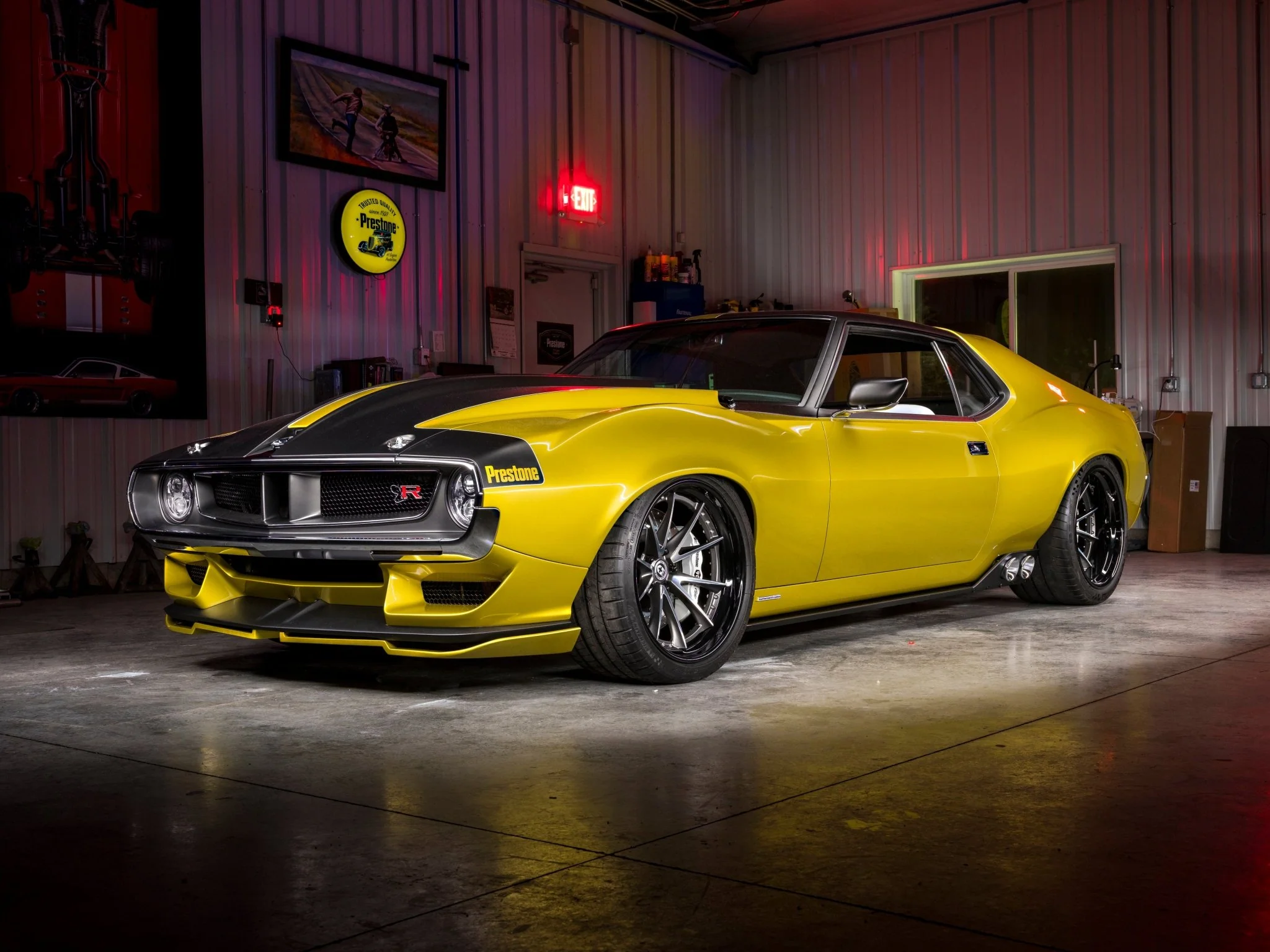
6. 1971 AMC Javelin AMX
The 1971 AMC Javelin AMX may not be as universally recognized as the Chevrolet or Dodge offerings of the era, yet it deserves a place among the top torque-heavy muscle cars of the ’70s. AMC, often seen as the underdog manufacturer, pushed the envelope with the Javelin AMX by offering powerful engines, sharp handling, and the option of a four-speed manual gearbox, which allowed drivers to exploit the engine’s torque-rich output fully.
The Javelin AMX could be equipped with a 390-cubic-inch V8 or the legendary 401 V8, each providing robust torque that translated into quick launches and strong mid-range acceleration. What set the AMX apart was the way it combined straight-line power with a surprisingly agile chassis, giving the driver a sense of command over both speed and handling.
The design of the Javelin AMX reflected AMC’s attempt to compete with the muscle car elite while carving out a distinctive identity. Its long hood, sharply raked roofline, and pronounced front grille conveyed aggression without appearing excessive, while optional stripes and bold paint colors allowed for personalization.
The interior mirrored the car’s exterior philosophy, blending functional simplicity with driver-focused ergonomics. The manual transmission was strategically placed within easy reach, ensuring that gear changes could be executed with minimal distraction from the road or clutch control.
The combination of torque-rich engines and a well-balanced chassis allowed the Javelin AMX to feel surprisingly planted, even under hard acceleration, giving the driver confidence that the car could handle both straight-line speed and light cornering maneuvers.
AMC’s Javelin AMX continues to gain recognition among collectors and enthusiasts for its combination of rarity, performance, and driver engagement. Manual transmission models are particularly prized, as they allow the full potential of the torque-heavy engines to be harnessed in a way that automatic versions cannot replicate.
The car exemplifies the creativity and ambition of a smaller manufacturer willing to challenge the dominance of Detroit’s larger muscle car producers, delivering a package that balances raw power with driver involvement, style, and mechanical sophistication.
The 1971 Javelin AMX is a testament to the fact that thrilling torque and manual control were not the exclusive domain of the most famous muscle cars, but could be found in underappreciated machines that demanded respect and rewarded skill.
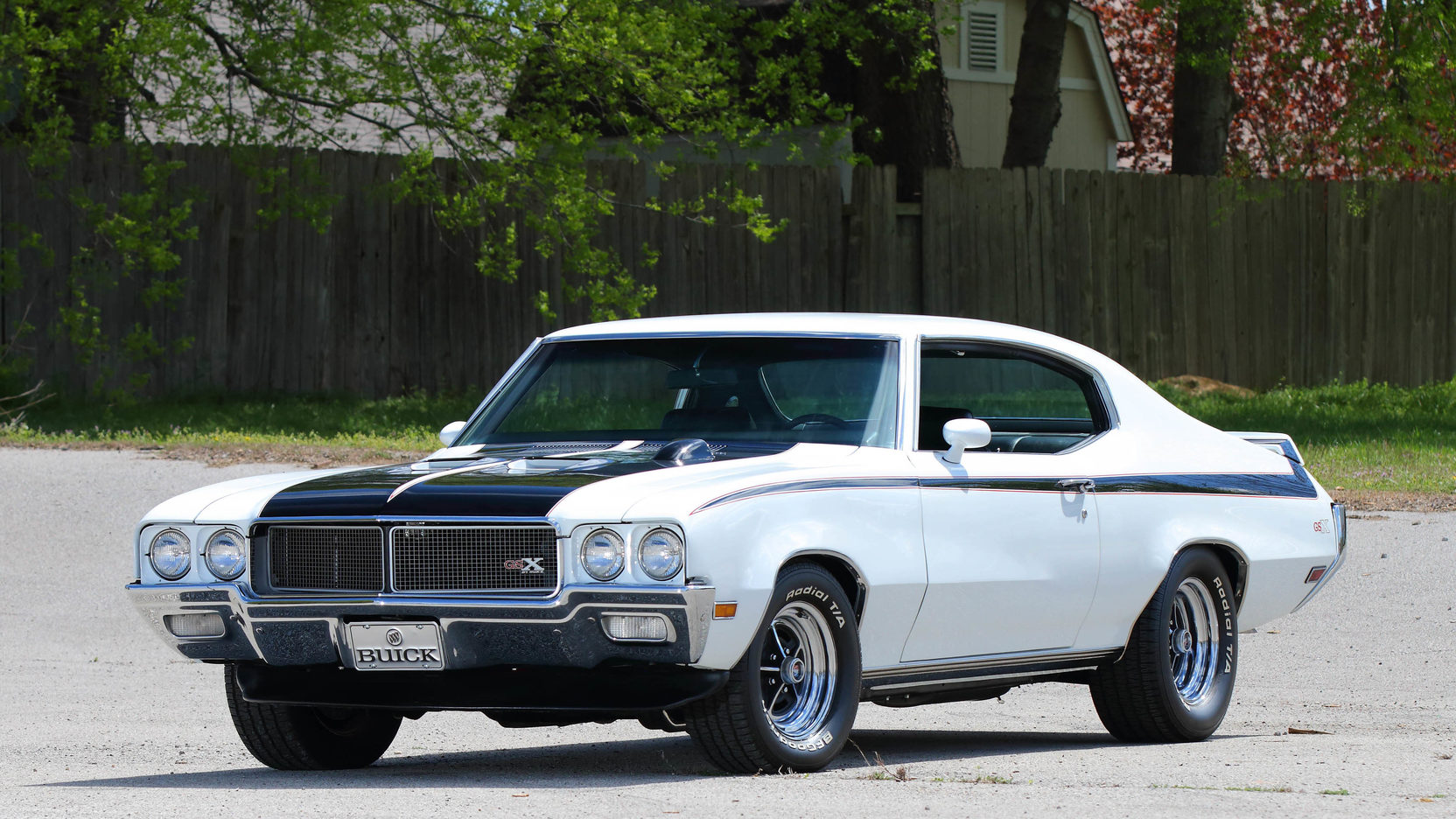
7. 1970 Buick GSX
The 1970 Buick GSX is often overlooked in discussions of high-torque muscle cars, yet it stands as one of the most brutal performers of its time. Buick’s GSX package featured the 455-cubic-inch Stage 1 V8, producing one of the most significant torque outputs available in the muscle car era, often exceeding 500 lb-ft.
This immense torque, when paired with the optional four-speed manual gearbox, provided drivers with a raw and explosive driving experience that was difficult to match. Unlike some of its competitors, the GSX combined this engine power with a well-tuned chassis and heavy-duty suspension, allowing drivers to feel the torque in a controlled yet thrilling manner.
The car could accelerate with authority from a standstill, but it also demanded precise clutch work and gear selection to fully exploit the engine’s potential. The mechanical symphony of torque, shifter engagement, and exhaust note created a driving experience that was both visceral and rewarding, highlighting the GSX’s status as a driver-focused muscle car.
Styling for the GSX was aggressive yet sophisticated, with wide fender flares, optional racing stripes, and bold badging signaling its performance credentials. Buick’s approach was less about flash and more about presence, creating a vehicle that commanded attention through proportion, stance, and subtle details rather than overt gimmicks.
The interior complemented this philosophy, offering straightforward gauges, comfortable seating, and controls that allowed the driver to focus on the engagement of the manual gearbox and the engine’s immense torque.
The tactile experience of holding the steering wheel, feeling the clutch’s resistance, and shifting through a four-speed transmission made driving the GSX an event rather than a routine, reinforcing the connection between car and driver in a way that few contemporaries could replicate.
Performance figures for the GSX were extraordinary for the era. Its massive torque allowed for lightning-fast launches, quick roll-on acceleration, and confident overtaking on highways. Unlike some muscle cars that were prone to wheelspin and instability, the GSX’s combination of torque and suspension tuning created a balance that made high-speed driving both thrilling and manageable.
Today, the 1970 Buick GSX is celebrated by collectors and enthusiasts who value torque, performance, and rarity. Manual transmission models are especially prized, as they represent the purest form of Buick’s muscle car ambitions.

8. 1971 Oldsmobile 442 W-30
The 1971 Oldsmobile 442 W-30 is widely regarded as one of the most sophisticated yet brutally powerful muscle cars of the early ’70s, blending big-block torque with a driver-focused manual transmission.
The W-30 package upgraded the standard 400-cubic-inch V8 to a high-performance 455-cubic-inch engine, producing enormous torque in the neighborhood of 500 lb-ft. Unlike many competitors that emphasized horsepower alone, Oldsmobile engineered the 442 W-30 to deliver smooth, usable torque across the rev range, making it an exceptionally fast car in both street and drag conditions.
When paired with a four-speed manual gearbox, the engine’s torque became an interactive experience: the driver could modulate launches, manage traction, and exploit the power band precisely when needed. The feedback from the clutch and shifter was pronounced, giving a sense of mechanical engagement that made even routine accelerations feel dynamic and rewarding.
This connection between man and machine transformed the W-30 from merely a fast car into a visceral driving instrument, where the torque of a massive V8 could be felt in every shift, every downshift, and every acceleration from a stop.
Visually, the Oldsmobile 442 W-30 communicated performance with purposeful elegance. Its sculpted body lines, aggressive front grille, and distinctive badging made it immediately recognizable on the road.
Optional stripes, hood scoops, and rally wheels emphasized the car’s sporty character without veering into the excessive flamboyance seen in some contemporaries. Inside, the cockpit was designed to focus the driver on the task of managing the car’s power.
Large, clear gauges and a well-placed shifter made operating the four-speed manual gearbox intuitive, allowing the driver to remain in harmony with the high-torque engine. The combination of visual aggression and functional design reflected Oldsmobile’s philosophy of performance married to sophistication, making the W-30 stand out not only for its speed but for its driving experience.
Performance from the W-30 was nothing short of remarkable. With the massive torque output, the car could accelerate rapidly from a stop while maintaining control, a balance achieved through careful suspension tuning, heavy-duty brakes, and well-considered weight distribution.
The four-speed manual transmission allowed drivers to exploit this torque to its fullest, whether launching from a light or heavy gear or maintaining momentum on long stretches of open road.
Driving one today evokes the spirit of the early ’70s muscle car era, reminding enthusiasts that performance is not just about numbers on a sheet but about the tangible sensation of controlling one of the most potent machines ever built. The W-30 remains a testament to the era’s ingenuity and willingness to combine raw power with a truly engaging driving experience.
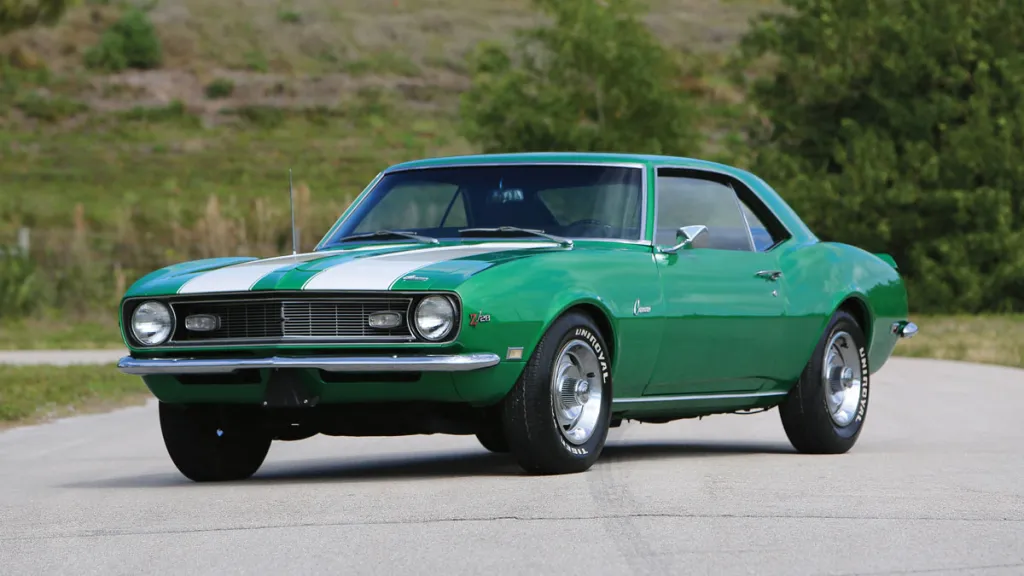
9. 1970 Chevrolet Camaro Z/28
The 1970 Chevrolet Camaro Z/28 is widely celebrated as a performance icon of the early ’70s, pairing a high-revving small-block V8 with a manual gearbox to create a driver-focused muscle car experience. While it may not have had the cubic inches of a big-block competitor, the 302-cubic-inch V8 of the Z/28 was specifically engineered to provide maximum torque in the mid-range, perfect for both road racing and spirited street driving.
Unlike automatic-equipped versions, which smoothed out power delivery, the manual Z/28 gave the driver complete command over the engine, rewarding skill and attention with a direct, thrilling experience that emphasized mechanical engagement and control.
The Camaro Z/28’s styling emphasized both aggression and balance. Its long hood, short deck, and muscular fenders conveyed speed even when stationary, while racing stripes and front spoilers highlighted the car’s performance intentions.
Chevrolet carefully tuned the interior for functionality, placing the shifter and gauges within easy reach to enhance driver control and feedback. Seats offered support without sacrificing comfort, ensuring that drivers could remain in command during spirited driving sessions.
The combination of visual presence and driver-focused ergonomics created a cohesive package, emphasizing that the Z/28 was built not just for speed, but for an interactive and satisfying driving experience. Every element, from suspension geometry to shifter feel, was designed to complement the torque-heavy engine, creating a harmony between man and machine that few cars of the era could match.
Today, the 1970 Chevrolet Camaro Z/28 remains a highly desirable collector car. Manual transmission models, particularly those with the original 302 V8 and performance options, are prized for their rarity and authenticity.
Enthusiasts continue to seek out Z/28s for their ability to combine approachable handling, impressive torque, and the engagement of a manual gearbox, creating a package that delivers an authentic slice of the muscle car era.
Driving one evokes the excitement of the early ’70s, when power was tangible, gear changes mattered, and the connection between driver and machine was immediate and exhilarating. The Z/28 is not only a performance car but a reminder of an era when American muscle cars offered pure, mechanical thrill.
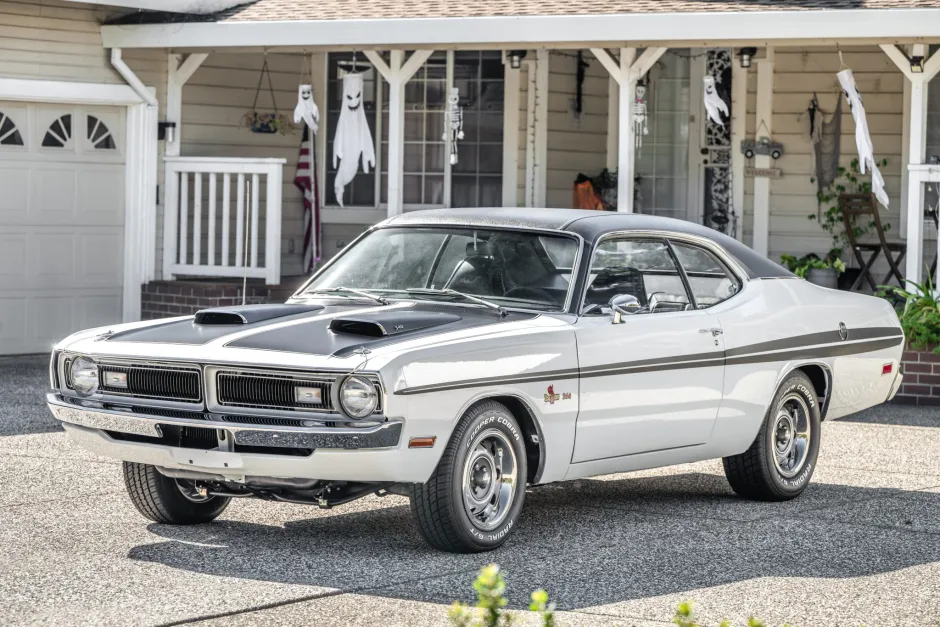
10. 1971 Dodge Demon 340
The 1971 Dodge Demon 340 is a standout example of a lightweight, torque-rich muscle car designed to deliver maximum excitement in a compact package. Equipped with a 340-cubic-inch small-block V8, the Demon was engineered to produce strong low- and mid-range torque, making it exceptionally quick off the line despite its relatively modest displacement.
Its lightweight design and short wheelbase enhanced acceleration and handling, allowing the driver to feel the immediate impact of torque through every gear.
Visually, the Dodge Demon 340 reflected its aggressive character with a short, wide stance, sharp lines, and bold color options that highlighted the car’s performance intent. Optional stripes and shaker hoods accentuated the vehicle’s athletic personality, while interior touches emphasized function over luxury.
The shifter’s location, the clutch’s resistance, and the pedal layout were all designed to facilitate precise control over the car’s torque-rich engine, ensuring that the driver remained fully connected to the vehicle at all times. The combination of styling and ergonomics reinforced the idea that the Demon 340 was not just about speed, but about engagement and the thrill of controlling a finely tuned machine.
Today, the Dodge Demon 340 is celebrated as one of the purest examples of a lightweight, high-torque muscle car from the early ’70s. Manual-equipped models are especially prized for their authenticity, as they offer the most engaging and unfiltered experience possible.
