
The automotive world has always been a industry of rapid change, marked by innovations, regulations, and shifting consumer preferences. Among the most significant shifts in recent years has been the transition from internal combustion engines to electrified powertrains.
This transition, driven by stricter emission regulations, increasing fuel efficiency standards, and a global push for sustainability, has forced automakers to make difficult choices. One of the most poignant outcomes of this transformation is the planned discontinuation of several iconic performance cars.
These vehicles, each celebrated for their engineering brilliance, distinct design, and visceral driving experiences, are reaching the end of their production life by 2026. Many of these models have not only defined their respective brands but also influenced the culture of automotive enthusiasts worldwide.
Whether it is the raw power of a naturally aspirated engine, the precise handling of a sports coupe, or the legacy of decades-long motorsport heritage, these cars occupy a special place in automotive history. Their departure marks the closing of a chapter that has celebrated mechanical ingenuity and human connection with machines, leaving fans to reminisce about the sensory and emotional experiences they provided.
The decision to end production is seldom taken lightly. Factors such as declining sales due to evolving market demands, rising costs of production, and stricter safety and emission regulations all play a role. Yet, there is also a sense of inevitability as manufacturers embrace new technologies like electric motors, hybrid systems, and advanced driver assistance technologies.
For enthusiasts, 2026 represents both a year of farewell and a moment to appreciate these remarkable vehicles while they still exist. Each car on this list has left a unique mark on the automotive industry, whether through record-breaking performance, groundbreaking design, or a loyal following of devoted fans.
This article will examine ten landmark performance cars slated to end production in 2026, highlighting their history, significance, and the legacy they leave behind. The discussion will include not only the technical specifications that made these cars extraordinary but also the cultural and emotional impact they carried throughout their production lives.
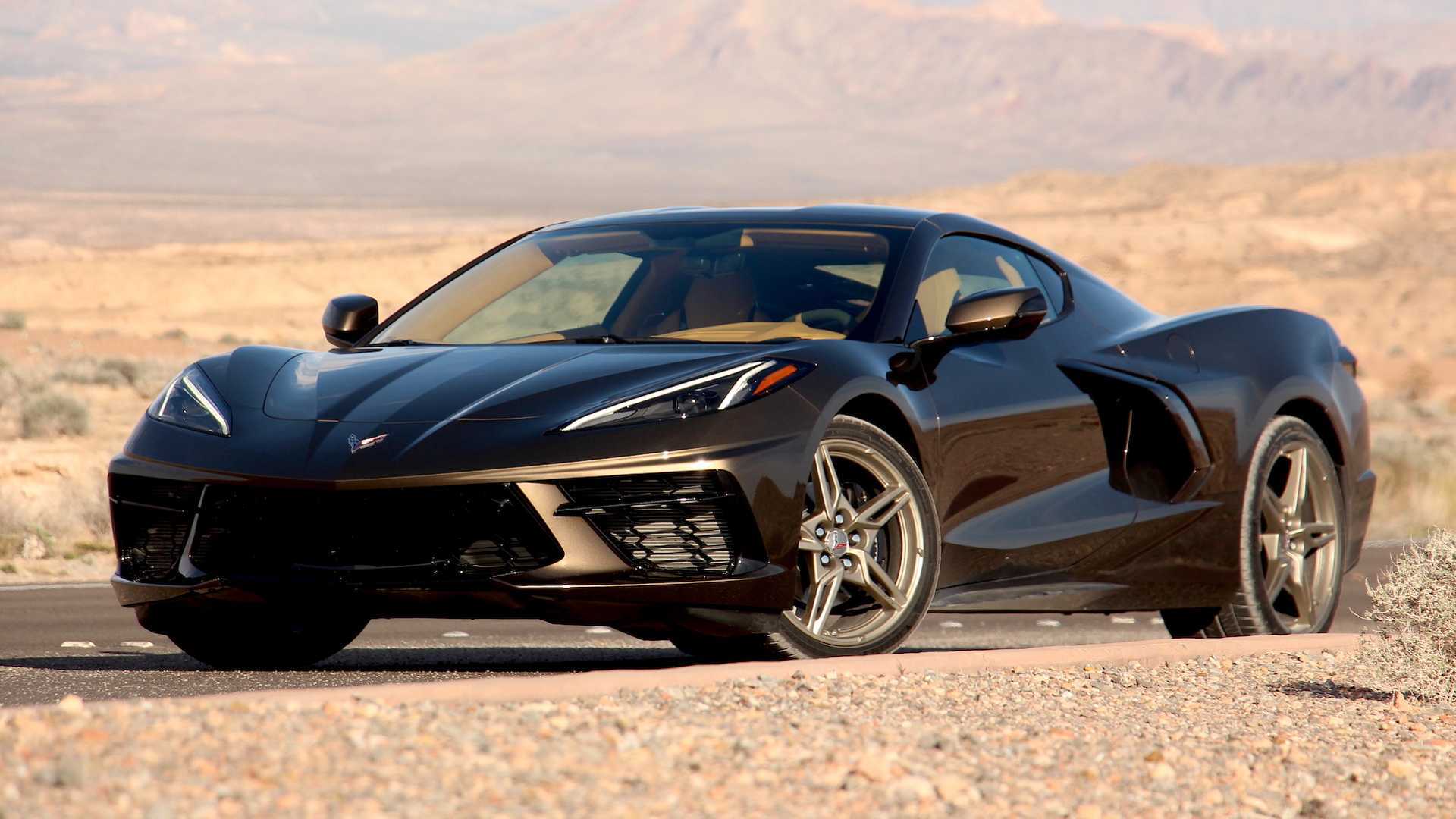
1. Chevrolet Corvette C8
The Chevrolet Corvette C8 represents a significant evolution for America’s sports car icon. Launched with a mid-engine layout, it broke with decades of tradition while delivering unprecedented levels of performance for its price point.
The car’s naturally aspirated V8 engine, combined with precise handling and lightweight construction, made it a favorite among driving enthusiasts. The design, with aggressive lines and an aerodynamic profile, emphasized both aesthetics and functional performance.
Inside, the C8 offered a driver-focused cockpit, integrating modern technology without losing the raw connection between driver and machine. Chevrolet invested heavily in balancing power with daily usability, ensuring that the Corvette was not just a track-focused machine but also a comfortable vehicle for longer drives.
Over the years, multiple special editions and performance packages expanded the range, including models with enhanced suspension, upgraded brakes, and aerodynamic improvements that pushed the car closer to supercar territory.
This change, initially met with skepticism, proved successful, as owners reported improvements in cornering stability, braking performance, and driving enjoyment. Moreover, Chevrolet’s focus on value ensured that the C8 remained accessible to a wide audience, making high-level performance attainable for a larger number of enthusiasts.
The car’s reliability and build quality also improved over earlier generations, further cementing its reputation. Its popularity spurred the growth of aftermarket support, with numerous tuners offering upgrades ranging from performance enhancements to cosmetic modifications, ensuring that each C8 could be customized to the owner’s taste.
The combination of these factors made the C8 a significant model in Chevrolet’s history and a symbol of modern American engineering.
The Corvette C8’s influence on motorsport was more subtle but no less important. While primarily designed as a road car, the C8’s chassis and powertrain found applications in track-focused versions and racing derivatives.
Its mid-engine layout allowed for better weight distribution, which enhanced lap times and performance in competitive environments. Furthermore, special editions, such as the Z06 variant, provided even higher levels of output, refined aerodynamics, and advanced suspension setups that allowed drivers to push the car to its limits on closed circuits.
These developments highlighted the C8’s potential not just as a road car but as a platform capable of competing with the best in its class. Enthusiasts could enjoy a car that offered both everyday usability and a taste of professional-grade performance. The balance of these elements solidified the C8’s place in automotive history, making its eventual discontinuation a poignant moment for fans.
Finally, the legacy of the C8 will likely persist long after production ends. Its introduction marked a turning point for Chevrolet, symbolizing a willingness to innovate and embrace new approaches while honoring the Corvette’s heritage. Collectors have already begun recognizing its potential as a future classic, particularly first-generation models and special editions with limited production numbers.
Its influence is likely to extend into future Corvette models, even as the brand transitions toward electrification. For enthusiasts, the C8 represents a rare convergence of design, performance, and accessibility, and its 2026 exit will signal the end of a defining era in American sports cars.

2. Porsche 911 GT3
The Porsche 911 GT3 is the epitome of a track-focused sports car built for the road. Combining a naturally aspirated engine with precise handling and lightweight construction, it has long been celebrated for offering pure driving excitement. Its high-revving flat-six engine produces a distinctive sound and exhilarating performance that few cars in its segment can match.
The GT3 emphasizes driver engagement, with manual transmission options available alongside Porsche’s advanced dual-clutch system. The suspension is engineered for maximum responsiveness, allowing the car to maintain stability at high speeds while navigating tight corners.
Aerodynamic enhancements, such as active rear wings and front splitters, improve downforce without compromising balance or agility. Porsche has consistently refined the GT3 over successive generations, incorporating new technologies while maintaining the fundamental characteristics that make it unmistakably a 911.
Over the years, the 911 GT3 has evolved to offer more than just raw speed. The car strikes a delicate balance between performance and usability, allowing owners to drive it on the street without sacrificing comfort.
Interior improvements, modern infotainment systems, and safety features have made the GT3 a practical vehicle for enthusiasts who also want reliability and convenience.
The car’s precision engineering, combined with its motorsport-derived technologies, makes it an ideal choice for both weekend track days and spirited drives on winding roads. This combination of attributes has ensured its popularity among collectors and driving purists alike.
The 911 GT3’s reputation is also reinforced by its motorsport heritage. Many versions of the GT3 have been used as a basis for racing models, demonstrating Porsche’s commitment to performance and engineering excellence.
With its planned discontinuation in 2026, the 911 GT3 represents the end of an era in naturally aspirated sports cars. Porsche is expected to focus more heavily on hybrid and electric variants for future high-performance models.
The GT3’s departure will mark a significant moment for fans who appreciate the visceral feedback, engine sound, and mechanical purity that defined the model. Collectors are likely to see these final editions as highly desirable, preserving the GT3’s legacy as one of the most celebrated sports cars of its generation.
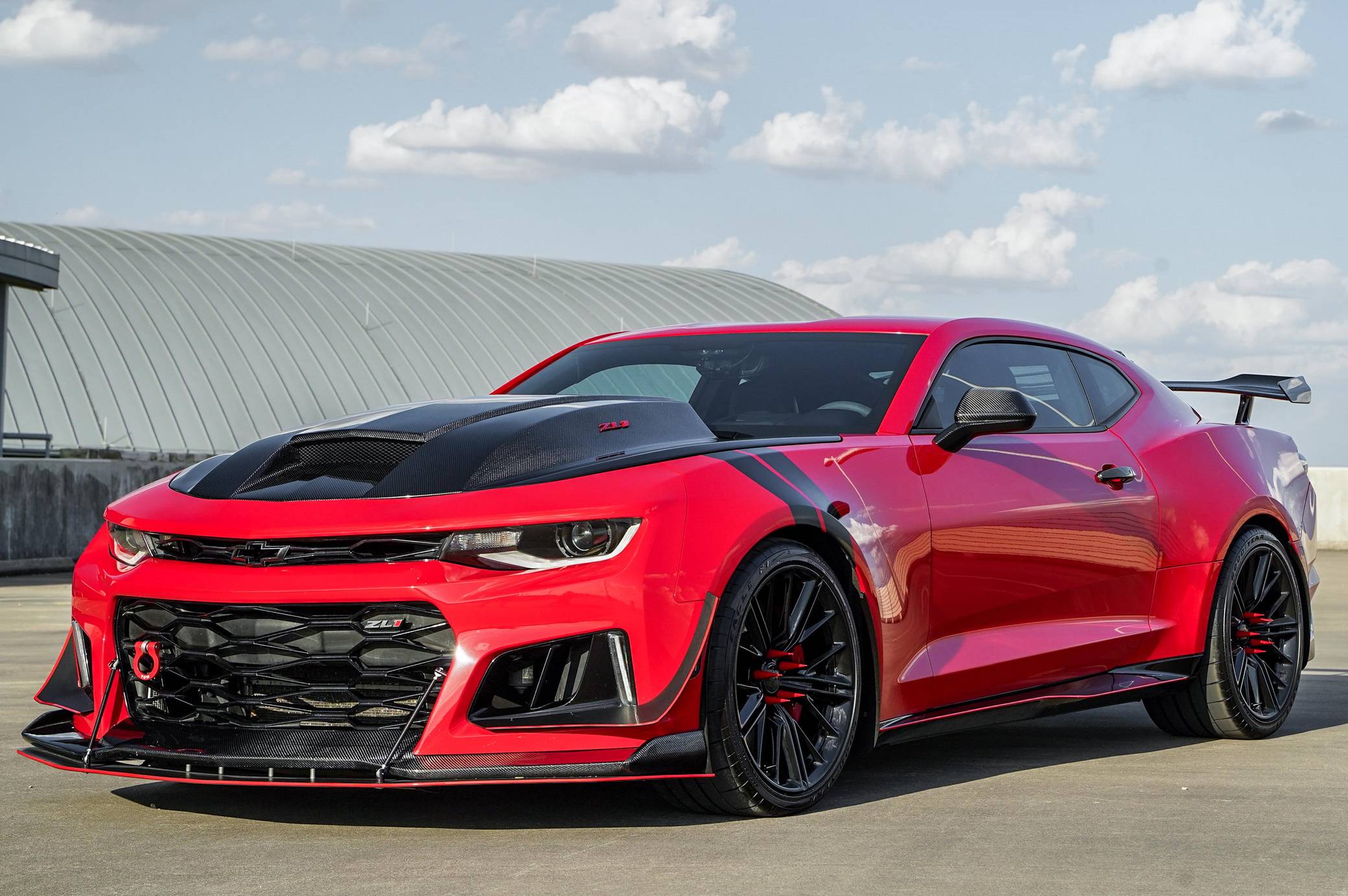
3. Chevrolet Camaro ZL1
The Chevrolet Camaro ZL1 represents the pinnacle of the Camaro lineup, combining raw power, aggressive styling, and track-capable engineering. Powered by a supercharged V8 engine, it produces heart-pounding acceleration and a commanding presence on both the road and track.
The ZL1’s chassis is reinforced for better rigidity, while advanced suspension systems provide stability through high-speed corners and spirited driving sessions. Aerodynamic features, including a prominent front splitter, rear spoiler, and functional vents, enhance downforce and cooling, ensuring the car performs consistently under extreme conditions.
Its muscular design, characterized by broad shoulders, sculpted body lines, and an aggressive stance, communicates performance even when stationary. Inside, the ZL1 combines driver-focused ergonomics with modern technology, offering supportive seats, intuitive controls, and customizable displays that provide information on every aspect of the car’s performance.
Beyond its technical specifications, the Camaro ZL1 represents an accessible American muscle car experience with supercar-level performance. While its competitors may boast exotic credentials, the ZL1 delivers comparable acceleration, handling, and braking at a fraction of the price.
The ZL1’s performance is complemented by an equally impressive track record. Its suspension tuning, braking systems, and electronic aids allow drivers to push the car to its limits safely, while optional performance packages further refine its capabilities.
Enthusiasts frequently praise the ZL1 for its balance between power and control, noting that it provides a rewarding experience whether on a race track or winding country roads.
The engine’s supercharged output delivers immediate throttle response, while the handling characteristics ensure confidence during aggressive maneuvers. The combination of brute force and precise engineering has made the ZL1 a symbol of modern muscle car evolution, blending heritage with advanced technology.
The discontinuation of the Camaro ZL1 in 2026 is tied to Chevrolet’s broader shift toward electric performance vehicles and stricter emission standards. While it will no longer be produced, its legacy will endure among collectors and enthusiasts who appreciate the unique blend of raw American power and refined engineering.
The ZL1 represents a final celebration of naturally aspirated and supercharged muscle cars, serving as a reminder of an era defined by tactile driving experiences, high-performance engines, and unfiltered connection between driver and machine. Its departure is a moment of reflection for those who witnessed its dominance on both the street and track.
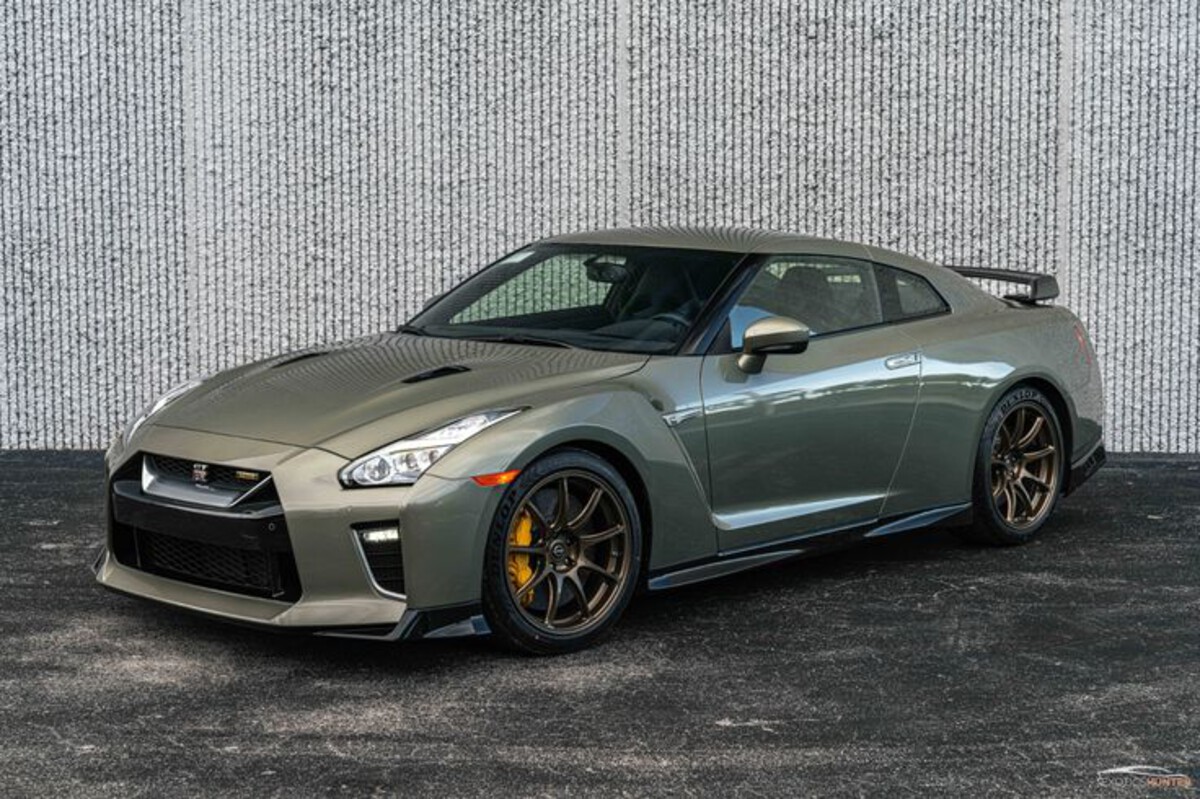
4. Nissan GT-R
The Nissan GT-R, often referred to as “Godzilla,” has long been celebrated for its extraordinary performance, technological sophistication, and iconic design. Equipped with a twin-turbocharged V6 engine and an advanced all-wheel-drive system, the GT-R delivers blistering acceleration and cornering prowess, often rivaling far more expensive supercars.
Its design is characterized by aggressive aerodynamics, muscular fenders, and a commanding presence that reflects the car’s performance capabilities. The interior combines luxury and function, providing supportive seats, intuitive controls, and digital displays that track the car’s performance metrics in real time.
Throughout its production life, the GT-R has been praised for its ability to blend daily usability with track-capable performance, making it a versatile choice for enthusiasts who demand both speed and practicality.
The GT-R’s cultural significance is equally noteworthy. It has achieved legendary status in automotive communities worldwide due to its combination of performance, affordability relative to competitors, and motorsport heritage.
Its presence in video games, films, and car culture has only amplified its reputation, creating a lasting connection between the car and enthusiasts of all ages. The GT-R has also demonstrated versatility on the track, competing successfully in various racing formats and serving as a benchmark for performance tuning. Its engineering has inspired countless aftermarket modifications, allowing owners to tailor the car to individual driving preferences and performance goals.
The announcement of the GT-R’s production ending in 2026 marks the end of a chapter in Japanese performance car history. As Nissan pivots toward electrification and hybrid systems, the GT-R will remain a symbol of pure internal combustion performance and technological excellence.
For fans and collectors, these final models will carry historical and emotional significance, representing the culmination of decades of innovation, racing success, and enthusiast devotion. Its departure underscores the change in the industry of performance cars while cementing the GT-R’s legendary status.
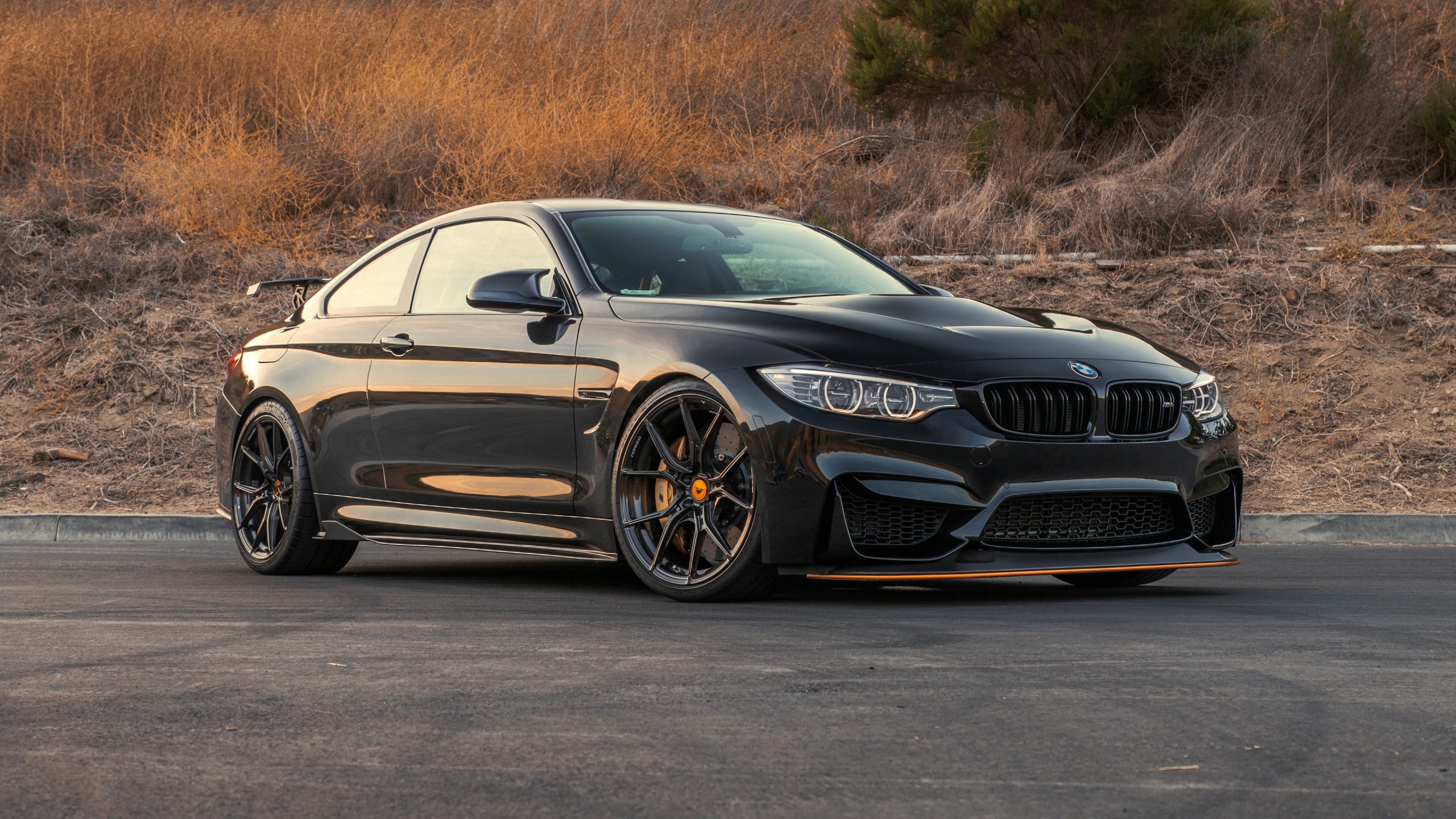
5. BMW M4 GTS
The BMW M4 GTS is an extreme, track-oriented variant of BMW’s celebrated M4, combining lightweight engineering, advanced aerodynamics, and powerful performance. Powered by a high-output turbocharged inline-six engine, the M4 GTS produces exhilarating acceleration while maintaining precise handling characteristics.
The car features an adaptive suspension, lightweight body panels, and aerodynamic enhancements that improve downforce and stability, making it capable on both track and street. Its aggressive styling includes functional vents, splitters, and spoilers, emphasizing performance while maintaining BMW’s distinctive design language.
The interior is stripped down for weight savings but retains key amenities to ensure driver comfort and control, including supportive bucket seats, a driver-focused cockpit, and advanced performance monitoring systems.
The M4 GTS represents BMW’s commitment to performance engineering and driver engagement. Its lightweight construction reduces mass, enhancing acceleration, braking, and cornering capabilities. Carbon fiber components, including the roof and certain body panels, contribute to weight reduction without compromising structural integrity.
The suspension is fully adjustable, allowing drivers to fine-tune handling for track sessions or spirited road driving. BMW also integrated high-performance braking systems, ensuring precise stopping power under extreme conditions. This combination of engineering choices makes the M4 GTS a highly capable machine that rewards skillful driving with exceptional feedback and control.
The planned end of the M4 GTS in 2026 marks the end of one of BMW’s most extreme performance vehicles. As regulations and market trends push manufacturers toward electrification, models like the GTS may no longer fit within production strategies.
Collectors and enthusiasts will likely view the final GTS units as highly desirable, given their limited production, track-capable performance, and engineering significance. The M4 GTS leaves behind a legacy of innovation, driving purity, and dedication to delivering an uncompromised performance experience, representing one of BMW’s finest achievements in its performance division.
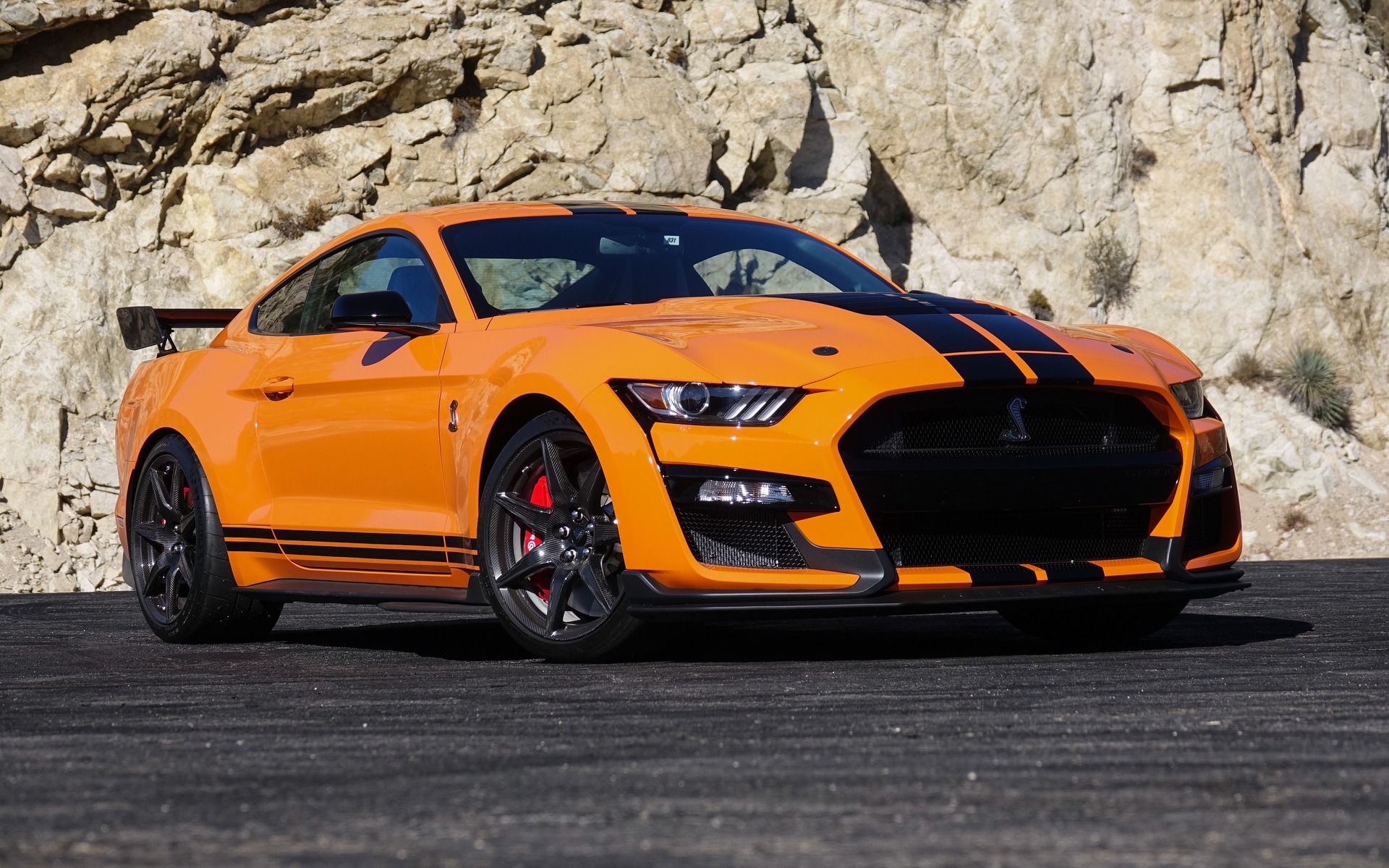
6. Ford Mustang Shelby GT500
The Ford Mustang Shelby GT500 is the pinnacle of Mustang performance, blending American muscle heritage with cutting-edge engineering and aggressive design. Powered by a supercharged V8 engine, the GT500 produces staggering horsepower and torque figures that deliver thrilling straight-line speed.
Its chassis and suspension are tuned for both track performance and road comfort, offering precise steering feedback and controlled handling during high-speed maneuvers. Aerodynamic enhancements, including a prominent front splitter, rear wing, and functional air vents, help optimize downforce and stability while also signaling the car’s performance intentions.
The interior balances driver-focused ergonomics with modern technology, including high-performance seats, intuitive controls, and advanced infotainment systems, ensuring both comfort and control on spirited drives.
The planned discontinuation of the GT500 in 2026 reflects Ford’s strategic shift toward electrification and stricter emissions regulations. As one of the last naturally aspirated and supercharged Mustangs, it will be remembered for its raw power, visceral driving experience, and contribution to the evolution of American performance cars.
Collectors are likely to prize the final GT500 models for their rarity and performance pedigree, ensuring the car’s legacy endures. Its departure signifies the closing of a chapter in Mustang history, marking the end of an era in which raw mechanical power and driver engagement were central to the brand’s identity.
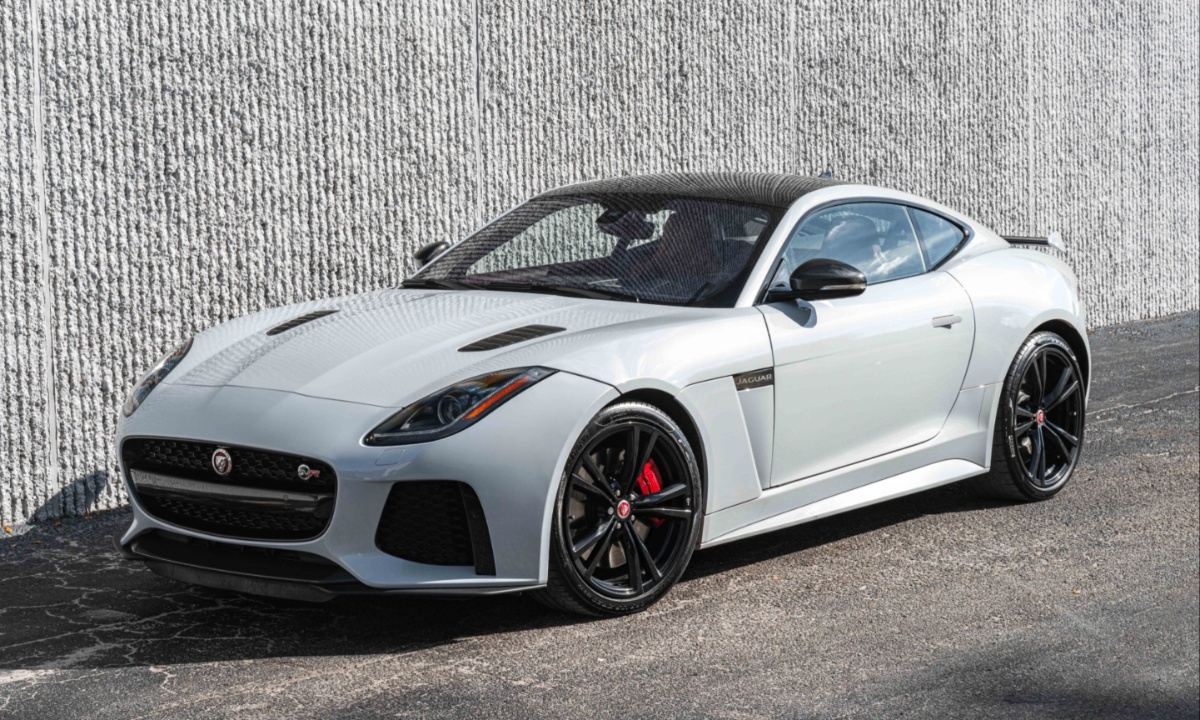
7. Jaguar F-Type R
The Jaguar F-Type R is the flagship of Jaguar’s sports car lineup, combining British elegance with high-performance engineering. Equipped with a supercharged V8 engine, the F-Type R delivers exhilarating acceleration, a commanding exhaust note, and precise handling dynamics.
Its lightweight aluminum architecture contributes to nimble agility, while adaptive suspension systems ensure that performance is maintained across diverse driving conditions. Aerodynamic elements, including sculpted vents, rear diffusers, and active spoilers, enhance stability at high speeds and emphasize the car’s aggressive yet refined design.
Inside, the F-Type R offers a luxurious cockpit with high-quality materials, advanced infotainment, and ergonomically designed controls, making it suitable for both spirited drives and comfortable touring.
Culturally, the F-Type R has become synonymous with British sports car excellence. Its combination of design, performance, and sound engineering appeals to enthusiasts who appreciate both aesthetics and driving engagement.
The F-Type R’s production ending in 2026 represents the end of a chapter in Jaguar’s performance car lineage. As Jaguar shifts toward electrification, this supercharged V8 model will no longer be produced, making the final units highly collectible.
Its departure marks the end of a sports car era defined by naturally aspirated and supercharged engines, precision engineering, and a distinct character that blends luxury and performance. Enthusiasts will remember the F-Type R for its elegance, thrilling performance, and the unique sensory experience it provided, ensuring its legacy endures long after production ceases.

8. Audi R8 V10
The Audi R8 V10 stands as Audi’s flagship sports car, combining cutting-edge technology, high-performance engineering, and aggressive design language. Powered by a naturally aspirated or optionally enhanced V10 engine, the R8 produces outstanding acceleration, precise handling, and a visceral driving experience.
Its Quattro all-wheel-drive system ensures exceptional grip and stability, while a lightweight aluminum and carbon fiber chassis optimizes balance and agility. Aerodynamic elements, including active spoilers, diffusers, and side air intakes, enhance downforce and cooling, ensuring peak performance under demanding conditions.
The R8’s interior combines luxury and functionality, featuring driver-focused controls, high-quality materials, and advanced infotainment systems, providing both comfort and a sense of connection to the car’s engineering excellence.
Beyond technical excellence, the R8 V10 has cultural significance as a symbol of German engineering and supercar accessibility. Its presence in media, movies, and motorsport-inspired promotions has amplified its recognition worldwide.
Automotive enthusiasts value the R8 not only for its speed and handling but also for its engineering sophistication, balance, and aesthetic appeal. The R8’s combination of naturally aspirated power, lightweight construction, and advanced technology has positioned it as a benchmark in the modern supercar segment, demonstrating that precision engineering and exhilarating performance can coexist with usability.
The discontinuation of the R8 V10 in 2026 marks the end of an era for Audi’s internal combustion performance cars. As the industry shifts toward electrification, the final R8 models will carry historical significance and collector interest.
The R8 V10 leaves a legacy of balanced performance, engineering innovation, and design excellence, representing one of the finest expressions of naturally aspirated supercars of the modern era. Its departure will be felt among enthusiasts who value the unique combination of auditory, visual, and mechanical engagement that this model provides.
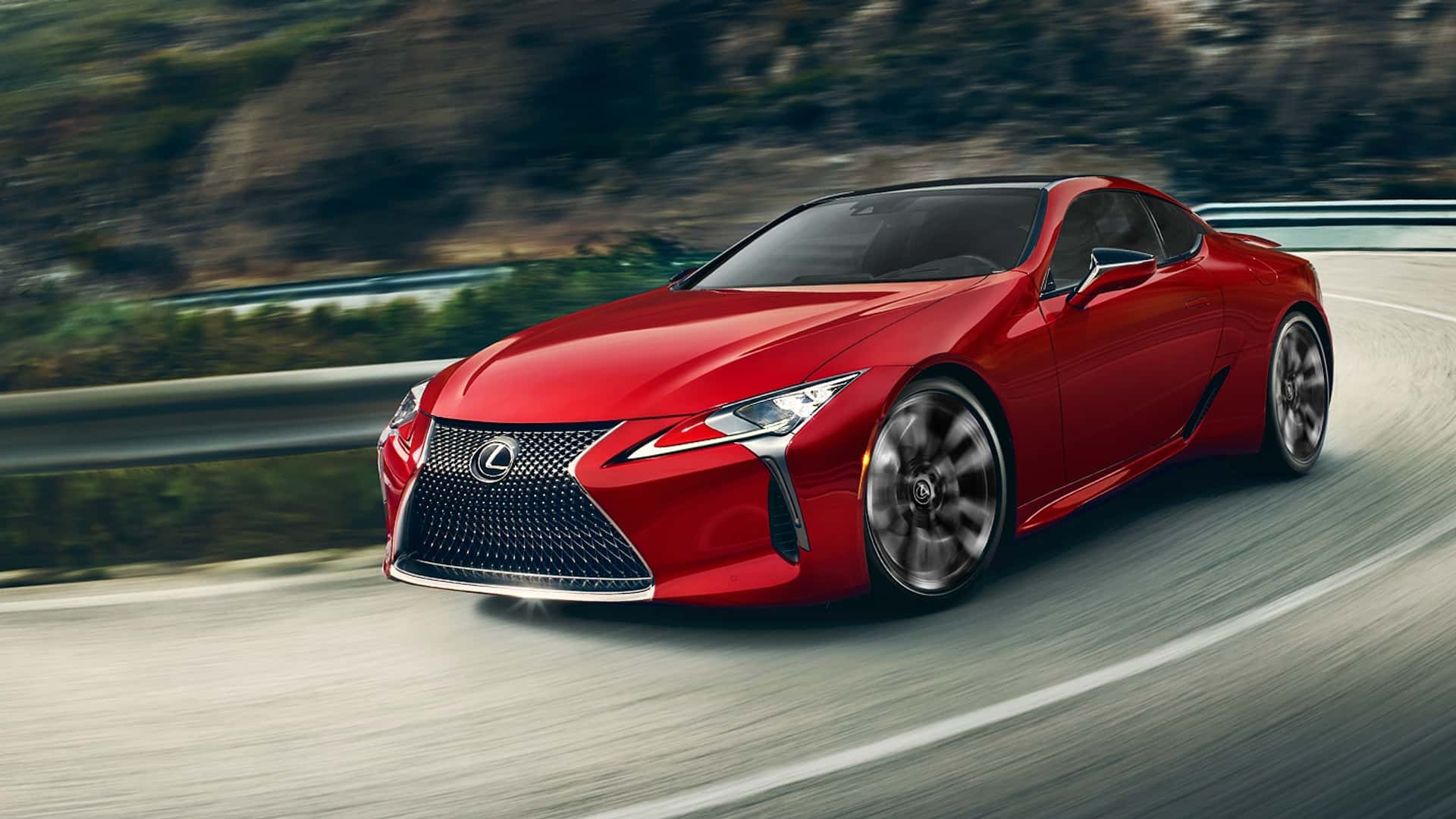
9. Lexus LC 500
The Lexus LC 500 is a luxury grand tourer that merges striking design, refined craftsmanship, and powerful performance. Its naturally aspirated V8 engine produces smooth yet exhilarating acceleration, while a rear-wheel-drive chassis provides engaging handling dynamics.
The LC 500 features a lightweight yet rigid structure, advanced suspension systems, and precision steering, ensuring that cornering and road manners are confident and responsive. Its exterior design combines flowing lines, aggressive front fascia, and sculpted surfaces, creating a vehicle that is both visually stunning and aerodynamically efficient.
Inside, the LC 500 offers a luxurious cabin with premium materials, advanced infotainment, and driver-focused ergonomics, balancing performance with comfort for long-distance driving.
From a design and cultural perspective, the LC 500 represents a statement of luxury performance. Its distinctive styling captures attention on the road, while the combination of technology, craftsmanship, and engineering highlights Lexus’s commitment to refinement and performance.
Enthusiasts appreciate the LC 500 for offering a balance between comfort, usability, and performance that few grand tourers achieve, making it a standout choice in its segment. Its naturally aspirated V8 engine also adds to its emotional appeal, delivering sound and sensation often absent in turbocharged or hybrid alternatives.
The LC 500’s discontinuation in 2026 will signal the end of a naturally aspirated grand tourer for Lexus. As manufacturers increasingly adopt electrified powertrains, the final LC 500 models will carry collectible significance and emotional value for enthusiasts.
Its departure marks the closing of a chapter in Lexus’s performance history, preserving the LC 500 as a rare blend of design, engineering, and driver engagement in an era moving toward hybrid and electric alternatives. The car will remain a symbol of refinement and high-performance craftsmanship, celebrated for its combination of elegance, power, and driving enjoyment.
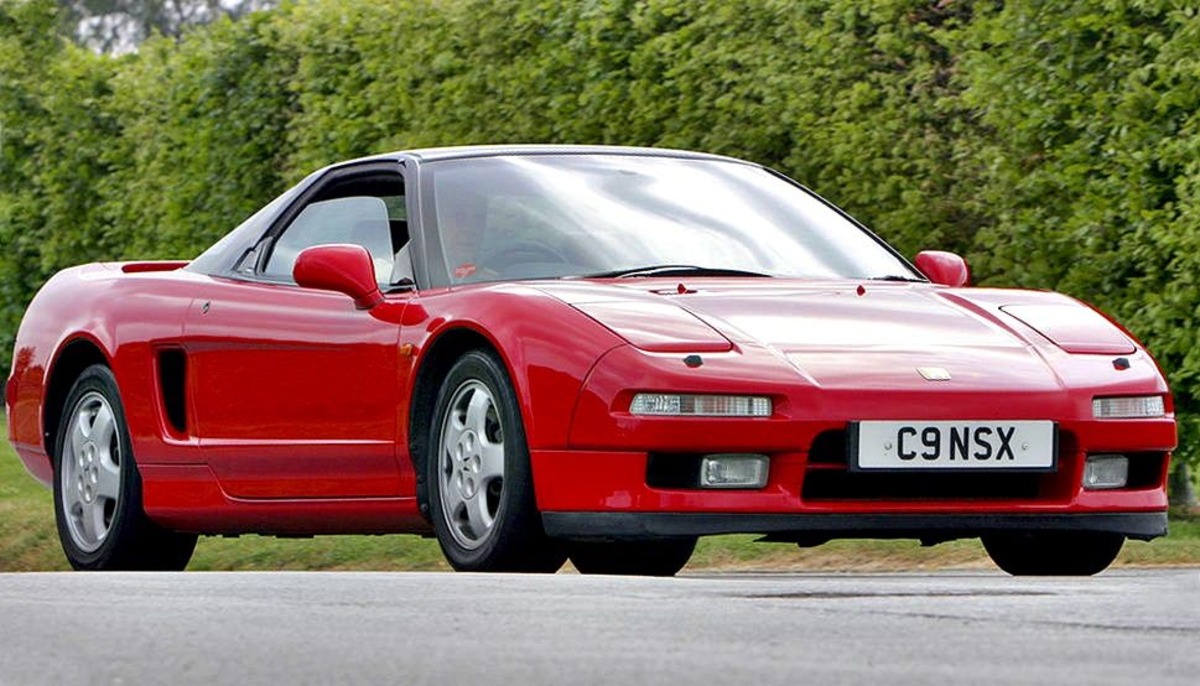
10. Honda NSX
The Honda NSX, also known as the Acura NSX in some markets, represents Honda’s dedication to precision engineering, innovation, and high-performance driving. Its hybrid powertrain, combining a twin-turbo V6 engine with electric motors, delivers exceptional acceleration, torque vectoring, and handling precision.
The NSX’s lightweight construction, aerodynamic design, and advanced suspension systems ensure optimal performance on both track and road. Exterior styling blends sleek lines, aggressive proportions, and functional vents, highlighting both performance and aesthetic appeal. Inside, the NSX offers a driver-centric cabin with premium materials, intuitive controls, and advanced infotainment, combining comfort with technology tailored for performance enthusiasts.
Culturally, the NSX has long been a symbol of Japanese engineering excellence. Its combination of high performance, technological innovation, and distinctive design has earned worldwide recognition among enthusiasts.
The car bridges the gap between traditional sports cars and modern hybrid technology, offering a unique driving experience that combines emotional engagement with advanced engineering. Motorsport-inspired features, including precise chassis tuning and advanced braking systems, further reinforce its identity as a performance-oriented vehicle capable of competing with established supercars.
The NSX’s production ending in 2026 marks the end of a chapter in Honda’s high-performance history. As the industry moves toward fully electric vehicles, the NSX represents one of the last hybrid supercars that successfully balances driver involvement and technological advancement.
Its legacy will endure among enthusiasts and collectors who appreciate its innovation, performance, and character. The final NSX models will be celebrated as milestones in hybrid sports car development, preserving the car’s place in automotive history as a symbol of precision, engineering ingenuity, and driving excitement.
