
American muscle cars have long been a symbol of raw power, aggressive styling, and a deep connection to automotive culture. From the rumble of their engines to the sleek lines that define their iconic designs, muscle cars have carved out a place in the hearts of car enthusiasts across generations.
Among the most thrilling experiences for fans is watching these vehicles tested against one another on a drag strip, where acceleration, torque, and handling are put to the test. Drag racing, with its intense bursts of speed over a short quarter-mile distance, emphasizes performance and driver skill while revealing subtle differences in engineering and power delivery between competing vehicles.
The fascination with muscle cars is not just about speed. It is also about heritage, craftsmanship, and the legacy of American automakers who have consistently pushed the boundaries of performance over decades.
Models that were once seen as family sedans or mid-tier coupes have been transformed into performance monsters, boasting engines capable of producing hundreds of horsepower and transmitting that power directly to the pavement with minimal delay.
The anticipation at a drag strip showdown brings together a unique mix of drivers, mechanics, and fans who are united by their appreciation for automotive excellence. Each muscle car carries its own reputation and history, creating an environment where comparisons are inevitable.
Fans debate the merits of different engines, suspension setups, and aerodynamics, while drivers concentrate on the perfect launch, clutch timing, and gear shifts. Every run on the strip becomes a story of precision, engineering, and sheer daring. These competitions are not merely about who crosses the finish line first. They reflect decades of innovation, cultural influence, and the evolution of performance standards in the automotive industry.
In this article, ten American muscle cars will go head-to-head in a drag strip showdown. The focus will be on their acceleration, stability, engine performance, and capability in a straight-line sprint. Each vehicle offers a distinct driving experience, whether it is the thunderous roar of a V8 engine, the grip of advanced tires on asphalt, or the strategic combination of weight and aerodynamics designed to maximize speed.
By examining these vehicles in detail, we gain a better understanding of how tradition and modern technology coexist in the muscle car world. This comparison is not just a technical analysis but also a celebration of the enduring appeal of American muscle cars and their place in automotive culture.
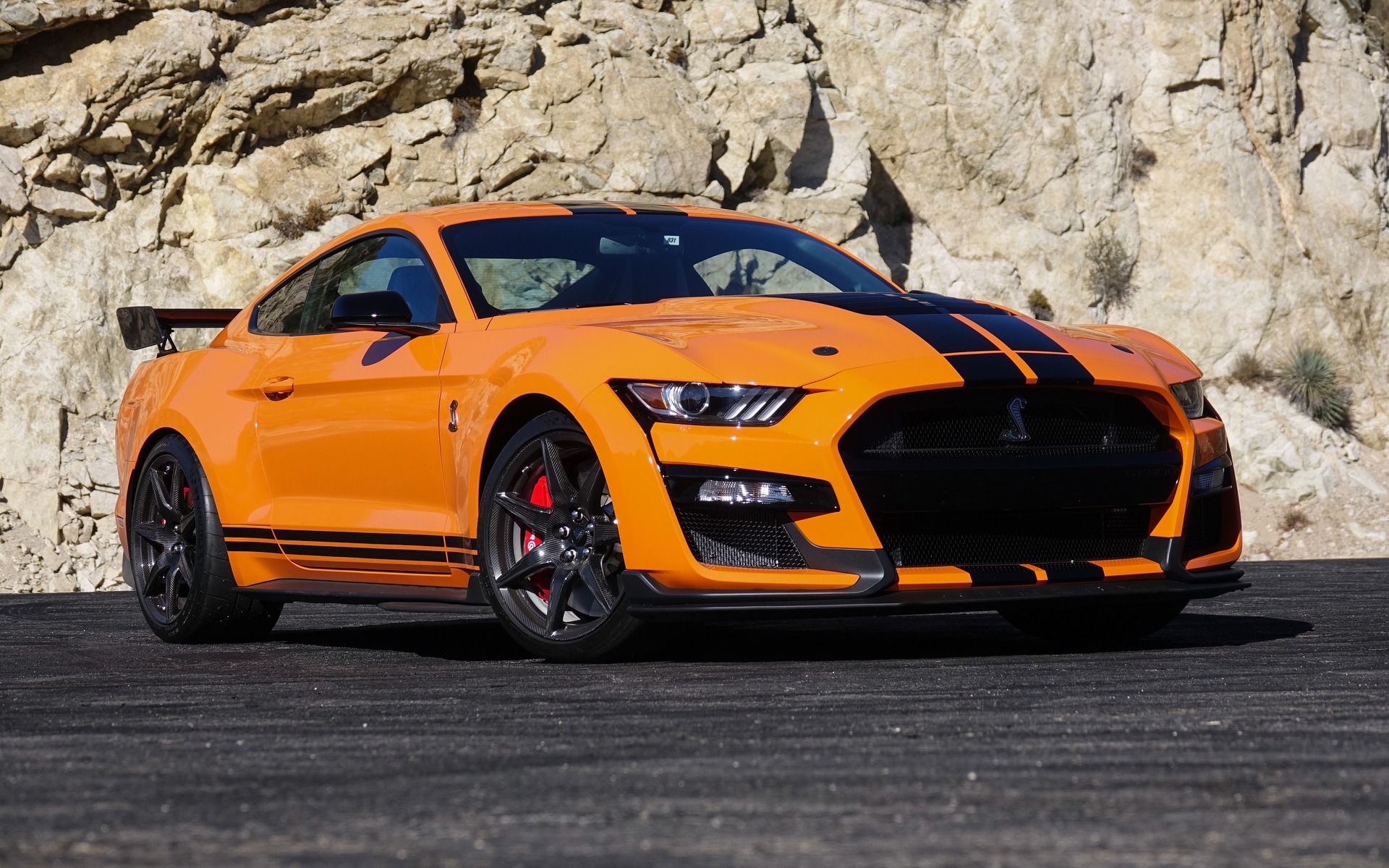
1. Ford Mustang Shelby GT500
The Ford Mustang Shelby GT500 represents one of the most powerful iterations of the Mustang lineup, combining a supercharged V8 engine with advanced performance features. The vehicle’s 760-horsepower engine provides immense straight-line acceleration, making it a formidable competitor on any drag strip.
Its design balances aggressive aesthetics with aerodynamic efficiency, helping the car maintain stability at high speeds. The GT500’s launch control system ensures that power is effectively transferred to the wheels, minimizing wheel spin and maximizing acceleration. The Shelby has a heritage that stretches back decades, connecting contemporary technology to a storied legacy of racing performance.
Handling is another area where the GT500 excels, despite its focus on raw power. The suspension system is tuned to provide a balance between straight-line stability and cornering control, though on a drag strip, the emphasis remains on forward acceleration.
The GT500’s role in this drag strip showdown highlights the evolution of muscle cars toward more technologically advanced machines. The integration of modern electronics, traction control systems, and advanced materials demonstrates that muscle cars can maintain their traditional appeal while embracing innovations that improve performance.
While some critics argue that electronic aids detract from the raw driving experience, in a high-stakes drag racing environment, these systems can make a decisive difference. The GT500 offers both an authentic muscle car feel and the reliability required to consistently perform at a competitive level.
Beyond its technical specifications, the Mustang Shelby GT500 carries a cultural significance that enhances its presence on the drag strip. The iconic status of the Shelby name resonates with fans who associate it with decades of racing achievements and high-performance standards.
Driving this vehicle is as much about participating in a tradition as it is about speed. Each run becomes a statement of power and precision, allowing enthusiasts to witness firsthand how classic muscle car heritage meets modern engineering excellence.
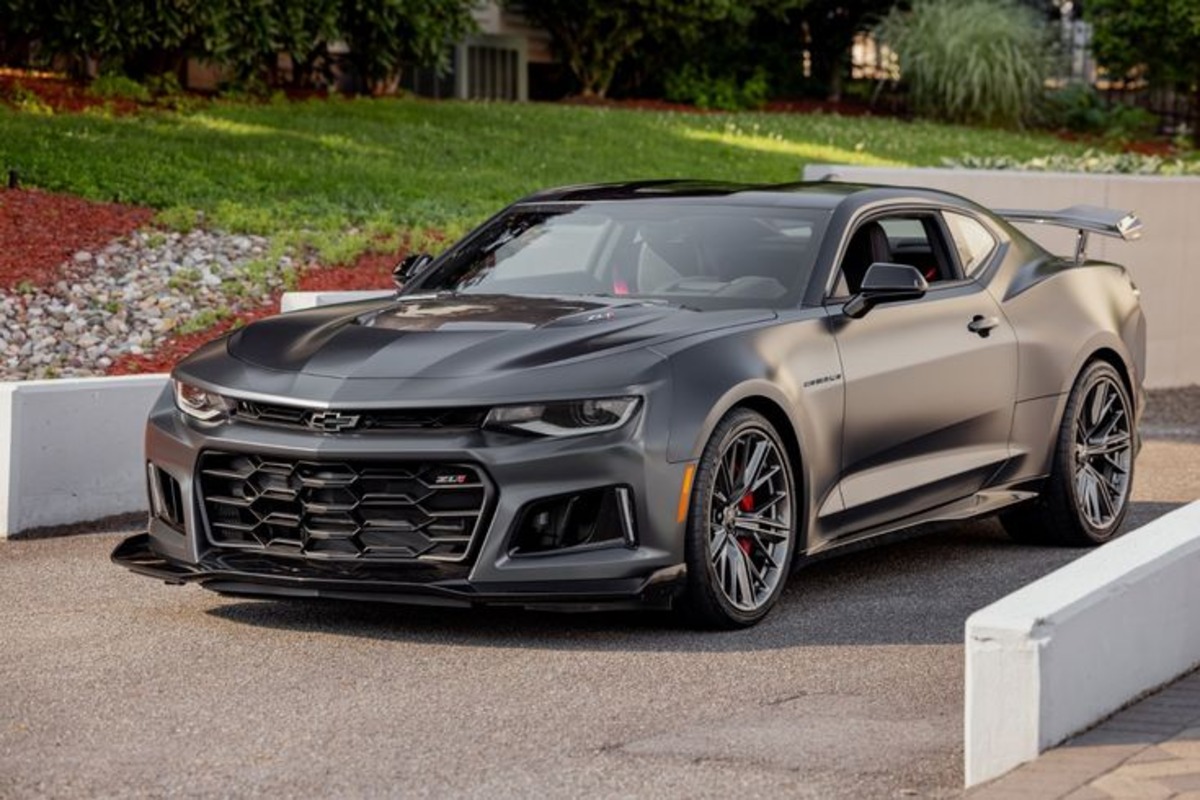
2. Chevrolet Camaro ZL1
The Chevrolet Camaro ZL1 stands as a testament to GM’s dedication to producing high-performance muscle cars capable of challenging any competitor on the drag strip. Its supercharged V8 engine produces over 650 horsepower, allowing it to accelerate quickly and maintain strong performance throughout a quarter-mile run.
Advanced aerodynamics and suspension tuning give the ZL1 a combination of stability and responsiveness that is vital in drag racing. Its braking and traction systems are engineered for reliability, ensuring that the driver can focus on optimal gear shifts and launch techniques. Every element of the Camaro ZL1 reflects careful design intended to balance raw power with control.
The ZL1’s launch performance is particularly impressive due to its electronic aids and weight distribution. By keeping the front wheels planted and optimizing traction, the Camaro minimizes loss of power during initial acceleration. The car’s transmission system is calibrated to provide rapid, precise gear shifts, reducing any delay in power delivery.
Drivers experience a sensation of controlled force, where the vehicle’s acceleration feels both immediate and manageable. This precise engineering allows the ZL1 to compete effectively against other high-powered muscle cars in short sprints, making it a consistent choice for drag strip enthusiasts.
The design of the Camaro ZL1 also emphasizes driver engagement. Inside, the cockpit includes performance-focused instrumentation, with clear readouts for speed, engine performance, and g-forces. Seating and controls are designed to keep the driver connected to the car’s behavior, encouraging confident handling even during intense acceleration.
Externally, the car combines muscular styling with functional features that enhance cooling, downforce, and airflow. These details ensure that the Camaro is not only visually striking but also capable of enduring repeated high-performance runs without sacrificing efficiency.
Cultural impact is a key part of the Camaro ZL1’s appeal. Fans admire its history as a formidable competitor in drag racing and as a symbol of American automotive power.
The car represents a fusion of tradition and modernity, showing that contemporary muscle cars can retain their classic character while incorporating cutting-edge technology. On the drag strip, this balance allows the ZL1 to command attention, not just for its speed, but for the way it embodies the spirit of American muscle in every performance run.
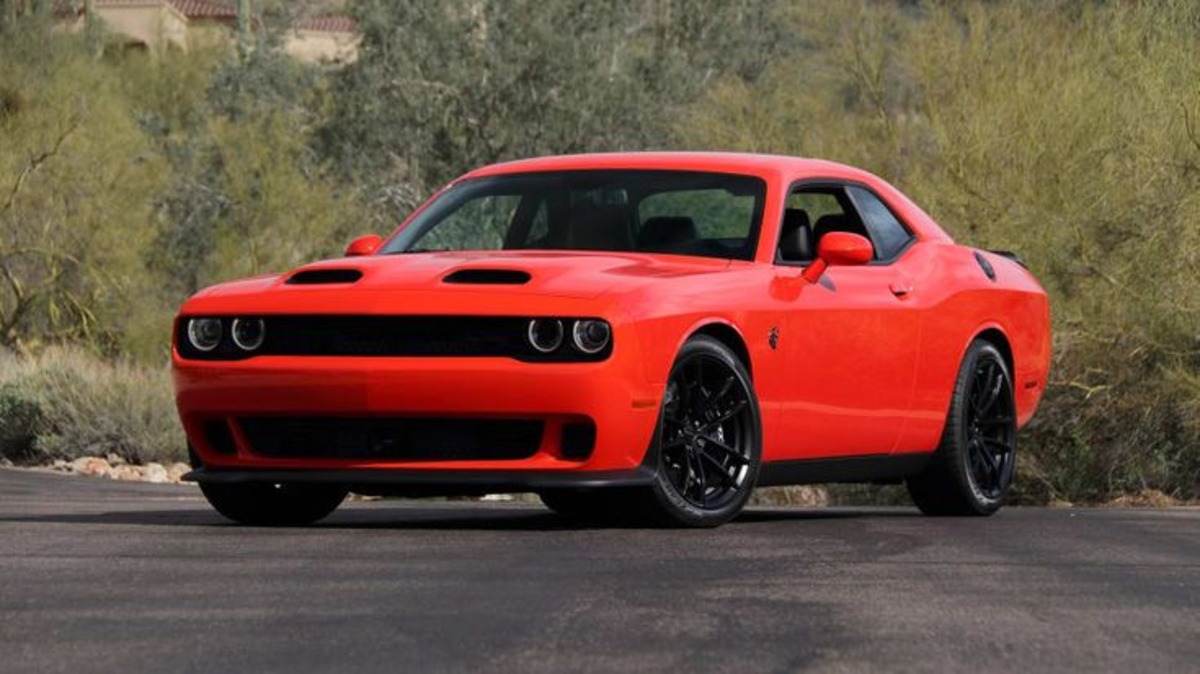
3. Dodge Challenger SRT Hellcat
The Dodge Challenger SRT Hellcat is synonymous with extreme horsepower and a commanding presence on the drag strip. Its supercharged V8 engine produces more than 700 horsepower, providing explosive acceleration and an unmistakable engine note that resonates with enthusiasts.
The Hellcat’s weight and size do not hinder its ability to launch quickly, thanks to advanced suspension tuning and electronic stability aids. The car emphasizes straight-line performance, with precise engineering that allows it to transfer its enormous power to the pavement efficiently. The aggressive styling of the Challenger complements its performance, making it a visually intimidating competitor.
The Hellcat’s launch capabilities are enhanced by its traction control systems, which help manage wheel spin during initial acceleration. Drivers can experience the thrill of instant torque while maintaining control, a crucial factor in drag racing where fractions of a second determine outcomes.
Gear shifts are fast and synchronized, ensuring that the Hellcat’s power is delivered consistently over the course of a run. In addition, the car’s braking systems are robust, providing confidence for repeated runs during competitive events. Every component has been calibrated to maximize performance without compromising safety.
One of the defining features of the Hellcat is the combination of raw power and comfort. While primarily built for performance, the interior includes features that make the driving experience manageable over extended periods. Seats provide support during high-speed acceleration, and controls are arranged for quick access to performance adjustments.
The vehicle’s aerodynamics are optimized for stability, with subtle enhancements that reduce drag and increase downforce without sacrificing the iconic muscular design. This combination ensures that the Hellcat remains competitive even in highly demanding drag strip scenarios.
Beyond technical considerations, the Dodge Challenger SRT Hellcat has a cultural resonance that amplifies its impact on the drag strip. The vehicle is celebrated for its unapologetic approach to horsepower and performance, representing the peak of modern muscle car engineering.
Fans are drawn to the Hellcat not only for its capability but also for the spectacle it creates when unleashed on a straight track. Each run is a display of power, precision, and the enduring allure of American muscle cars that continue to excite enthusiasts across generations.
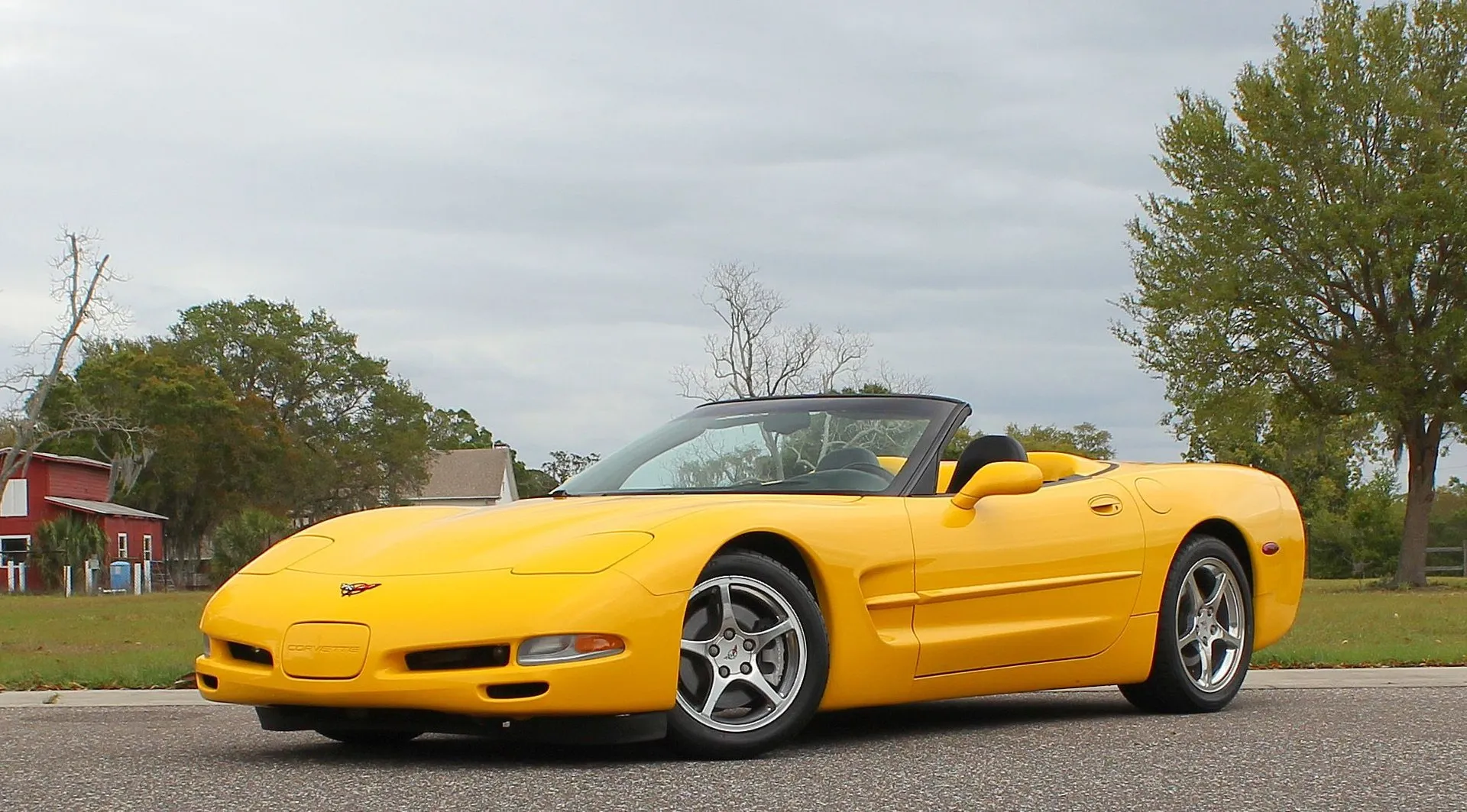
4. Chevrolet Corvette Z06
The Chevrolet Corvette Z06 combines a long-standing sports car heritage with modern muscle car performance, making it a highly capable contender on the drag strip. Equipped with a supercharged V8 producing over 650 horsepower, the Z06 can accelerate from a standstill with astonishing rapidity.
Unlike some muscle cars that prioritize sheer size and intimidation, the Corvette focuses on precision engineering, balancing power with handling to ensure optimal performance over a short sprint.
The Corvette’s transmission system plays a crucial role in maximizing acceleration. Its dual-clutch automatic or manual gearbox options allow for rapid gear changes without losing momentum, which is particularly valuable during competitive drag runs. Coupled with launch control technology, the Z06 ensures that power delivery is smooth yet explosive.
Its braking system complements the acceleration, enabling drivers to decelerate efficiently after a run while maintaining stability. Tire composition and traction management are also optimized, allowing the car to harness its full horsepower without excessive wheel spin. These features collectively make the Corvette Z06 one of the most consistent and reliable performers in a drag strip environment.
Handling dynamics are another area where the Z06 stands out. While many muscle cars can feel unwieldy due to their large size and weight, the Corvette is engineered to maintain composure under extreme acceleration. The suspension absorbs road imperfections and manages weight transfer effectively, giving drivers confidence to push the car to its limits.
Beyond its technical specifications, the Corvette Z06 carries a reputation that resonates with enthusiasts worldwide. Its legacy as a high-performance sports car complements its drag strip performance, and fans appreciate the combination of American muscle aesthetics with refined engineering.
On the track, the Z06 demonstrates that speed alone does not define excellence; control, precision, and balance are equally critical. Each run becomes a demonstration of how engineering sophistication can enhance raw power, solidifying the Corvette’s status as a modern muscle car capable of standing toe-to-toe with the most powerful competitors.
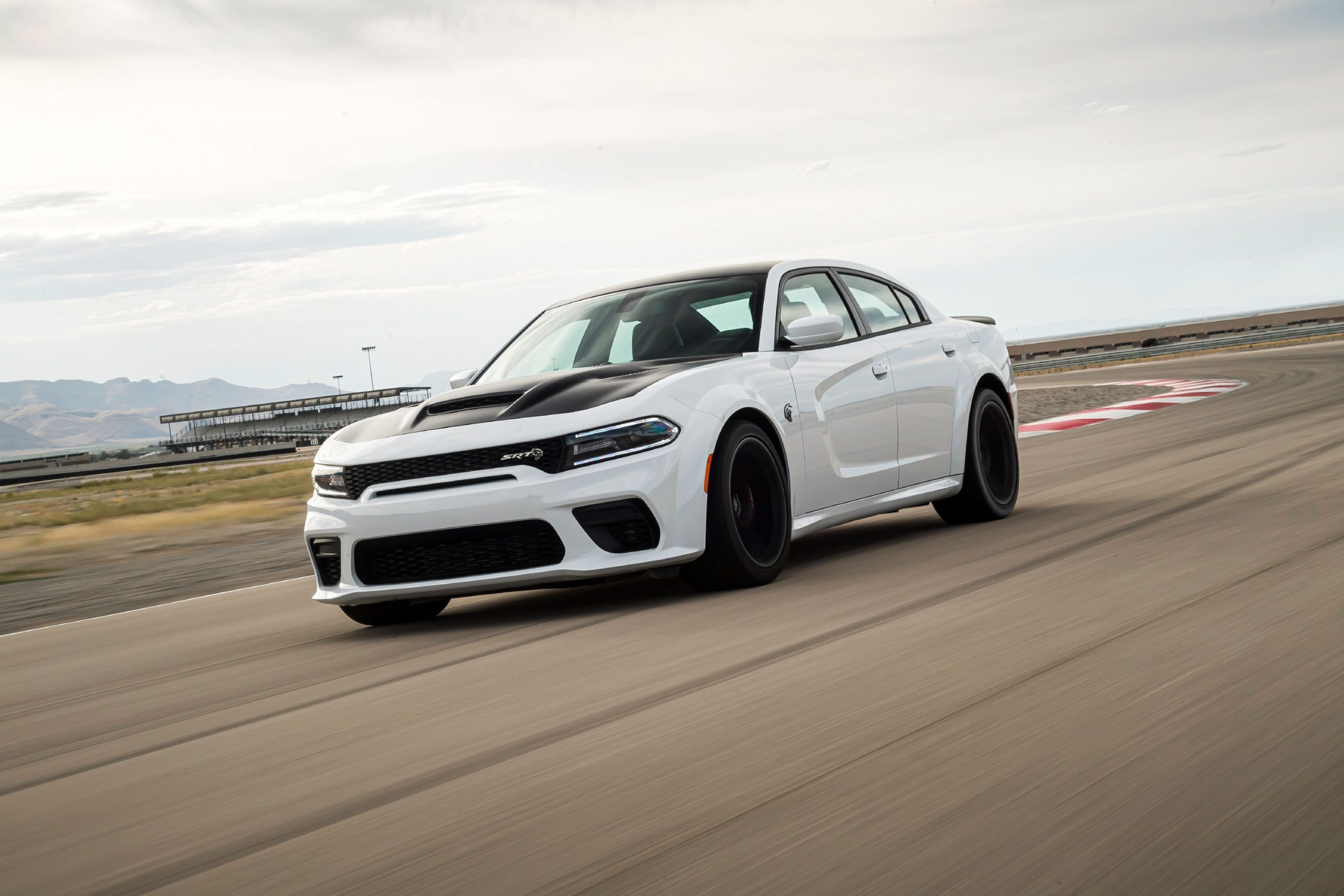
5. Dodge Charger SRT Hellcat
The Dodge Charger SRT Hellcat brings the same brute force as its two-door sibling, the Challenger, but in a four-door configuration that merges practicality with extreme performance. Its supercharged 6.2-liter V8 produces over 700 horsepower, providing instantaneous torque and explosive acceleration on the drag strip.
Despite its size and weight, the Charger manages to launch effectively due to carefully tuned suspension and traction management systems. The car’s aerodynamics and weight distribution help maintain stability at high speeds, allowing drivers to focus on timing and precision without worrying about control issues.
Every aspect of the vehicle is designed to ensure that immense power is harnessed effectively, making it a serious competitor in any drag racing scenario.
The result is a vehicle that feels explosive from the start but remains manageable, giving drivers confidence to push the limits without compromising control. Braking systems are also reinforced to handle repeated high-speed runs, allowing the Charger to be used in consecutive sprints with minimal performance degradation.
The interior design of the Charger SRT Hellcat reflects its performance orientation while maintaining driver comfort. Ergonomically placed controls, supportive seating, and a comprehensive performance dashboard enable the driver to monitor vehicle behavior and make adjustments as needed.
Outside, the vehicle’s bold design communicates power and dominance, with wide fenders, aggressive front fascia, and functional air intakes that support engine cooling. These elements are not just aesthetic; they are integral to the vehicle’s ability to perform consistently during demanding runs. Every detail is oriented toward ensuring that both driver and machine can operate at peak performance on the drag strip.
Culturally, the Charger SRT Hellcat reinforces Dodge’s commitment to unapologetic power. It combines traditional muscle car elements, such as a massive V8 and commanding styling, with contemporary technology that enhances performance reliability. The vehicle appeals to enthusiasts who value raw acceleration and the auditory thrill of a high-performance engine.
On the drag strip, the Charger’s presence is undeniable, as it merges size, speed, and control into a package that demonstrates the enduring appeal of American muscle cars capable of delivering both spectacle and substance.
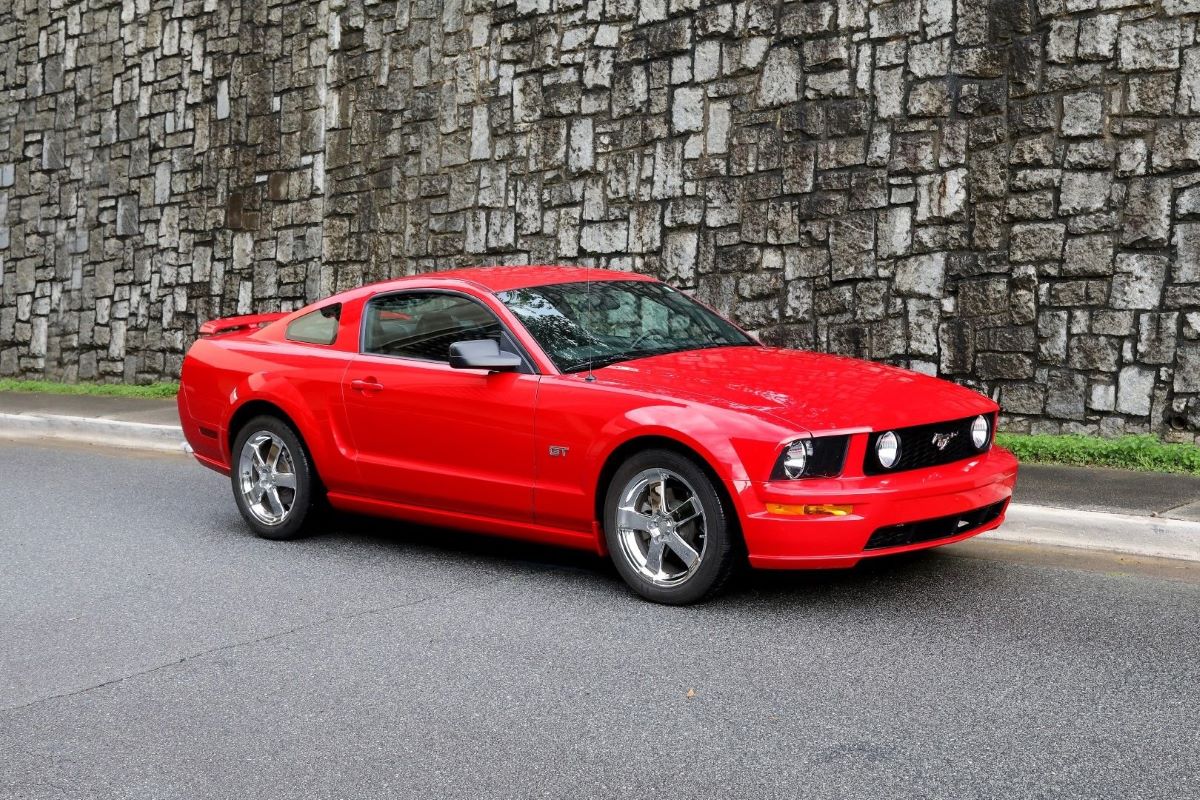
6. Ford Mustang GT
The Ford Mustang GT represents a slightly more accessible muscle car option while still offering significant power and performance capabilities. Equipped with a naturally aspirated or optional turbocharged V8 engine, the GT delivers rapid acceleration and responsive handling.
Launch performance is critical in the Mustang GT, and Ford has implemented systems to optimize traction and reduce wheel spin. The vehicle’s electronic aids help maintain a consistent start, while the gearbox allows for rapid, precise shifts that maximize acceleration over a quarter-mile run.
Tire composition and weight distribution also contribute to stability during launches, allowing the GT to perform reliably against more powerful competitors. The car demonstrates that with careful engineering, a slightly lower-powered vehicle can remain competitive through efficient power management and driver control.
Inside, the Mustang GT’s cockpit emphasizes usability and driver engagement. Performance displays provide real-time data on speed, engine output, and other critical parameters, allowing the driver to adjust techniques and strategies during runs. Seats and controls are designed to support high-speed maneuvers while maintaining comfort for extended use.
Externally, the car combines sleek lines with functional design elements, such as spoilers and vents, that enhance aerodynamics and cooling. These features ensure that the Mustang GT remains capable of repeated high-performance runs without compromising safety or reliability.
The Mustang GT carries cultural significance as a symbol of accessible American muscle. Its performance is strong enough to be competitive on the drag strip, yet it remains approachable for drivers who may not seek the extreme power of higher-end models.
The car embodies the philosophy that muscle cars can be both exciting and practical, offering fans a blend of tradition, performance, and usability. Each drag strip run showcases the GT’s ability to deliver thrilling acceleration while maintaining control, demonstrating the balance between power and precision that defines the Mustang lineage.

7. Chevrolet Camaro SS
The Chevrolet Camaro SS is a cornerstone of modern muscle car engineering, blending traditional performance traits with contemporary technology. Its naturally aspirated V8 engine produces over 455 horsepower, providing strong acceleration and a responsive driving experience on the drag strip.
Unlike supercharged variants, the Camaro SS relies on its linear power delivery to allow drivers to modulate throttle input with precision. This characteristic makes it especially appealing to enthusiasts who enjoy the tactile connection between the engine and the driver.
Aerodynamic features, including a sculpted front fascia and rear spoiler, reduce lift and improve stability at high speeds, while weight distribution enhancements ensure that the power reaches the ground efficiently.
Launch performance is a defining strength of the Camaro SS. The car is equipped with advanced traction control systems and a finely tuned suspension that minimizes wheel spin and maximizes grip during initial acceleration. Its transmission, whether automatic or manual, allows for rapid gear changes that maintain engine power in the optimal range.
The SS’s braking and tire systems are engineered to handle repeated runs on the strip, ensuring consistent performance across multiple attempts. Drivers can rely on a balance of raw horsepower and controlled stability, a combination that proves essential in competitive drag racing scenarios.
The interior of the Camaro SS emphasizes driver engagement and usability. Ergonomic seats provide support during hard acceleration, while performance instrumentation allows real-time monitoring of key metrics such as engine RPM, speed, and g-forces.
Culturally, the Camaro SS continues Chevrolet’s legacy of producing approachable, high-performance vehicles that balance power and control. While not the most extreme in terms of raw horsepower, the SS exemplifies a philosophy that emphasizes driver skill and vehicle balance.
On the drag strip, it demonstrates that speed is not solely determined by engine size, but also by the integration of traction, aerodynamics, and driver control. Each run serves as a testament to the enduring appeal of the Camaro name, proving that thoughtful engineering and traditional muscle car styling can combine to create a formidable competitor.
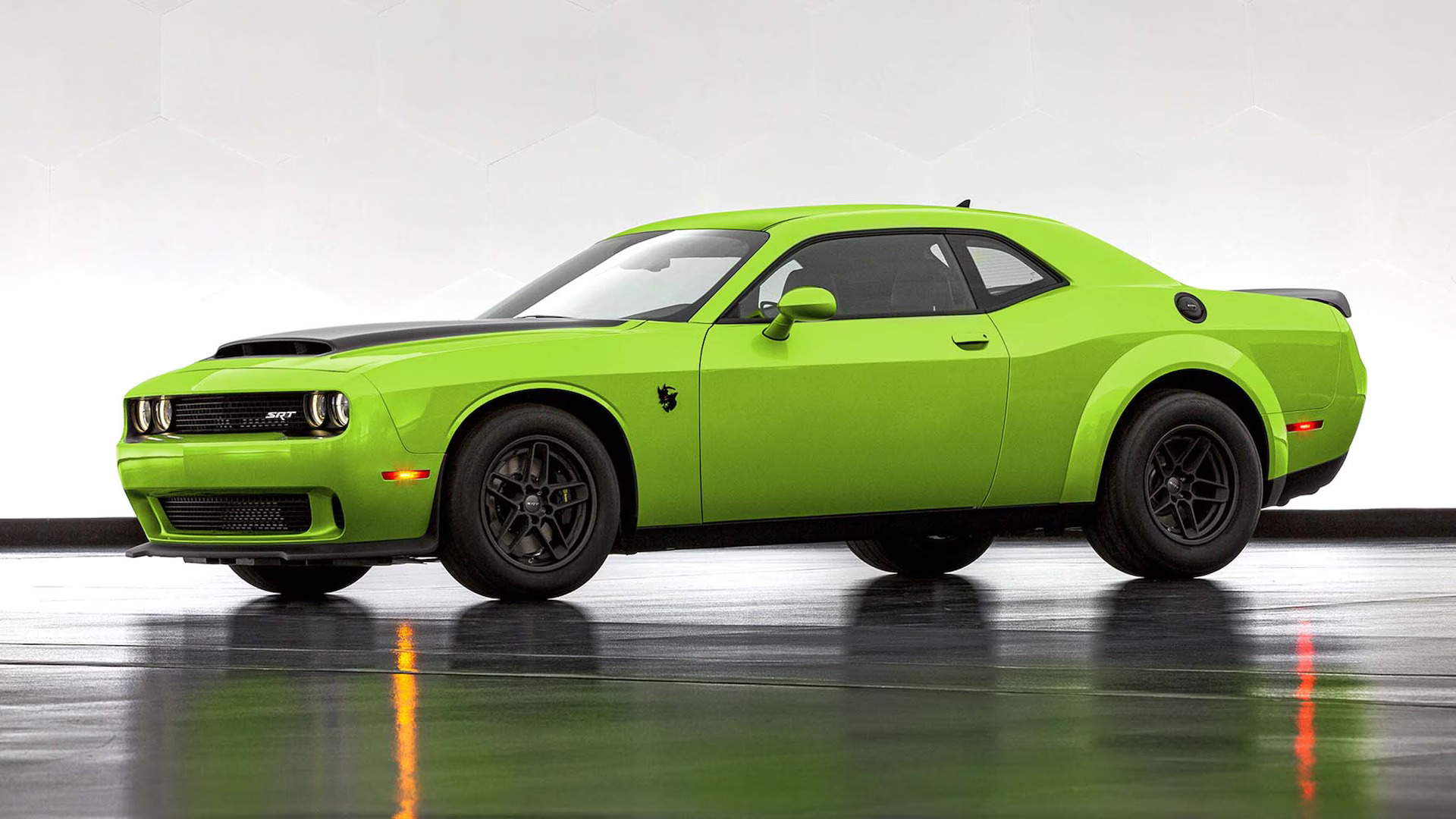
8. Dodge Challenger SRT Demon
The Dodge Challenger SRT Demon is arguably one of the most extreme muscle cars ever built, designed with drag strip dominance as its primary objective. Its supercharged 6.2-liter V8 engine produces an astonishing 840 horsepower when using high-octane fuel, allowing the car to accelerate with nearly uncontrollable force.
The launch system on the Challenger Demon is revolutionary. It features an integrated transbrake and launch control that allow drivers to hold the car in place while the engine revs to the optimal range. When released, the vehicle propels forward with nearly instantaneous acceleration, minimizing wheel spin and delivering maximum power to the rear wheels.
Its eight-speed automatic transmission is tuned for drag racing, ensuring shifts occur in milliseconds to maintain uninterrupted acceleration. These systems give drivers confidence to exploit the immense power without losing control, which is vital given the Demon’s extreme output.
The Dodge Challenger SRT Demon holds a special place in the muscle car community due to its sheer power and specialized design. It embodies the concept of a purpose-built drag strip vehicle that still retains street legality, a rare combination in the muscle car world.
Fans appreciate not only its astonishing acceleration but also the engineering ingenuity that allows a production car to achieve such performance. On the drag strip, the Demon demonstrates the limits of what is possible with American muscle, delivering an unforgettable performance that cements its legacy in automotive history.
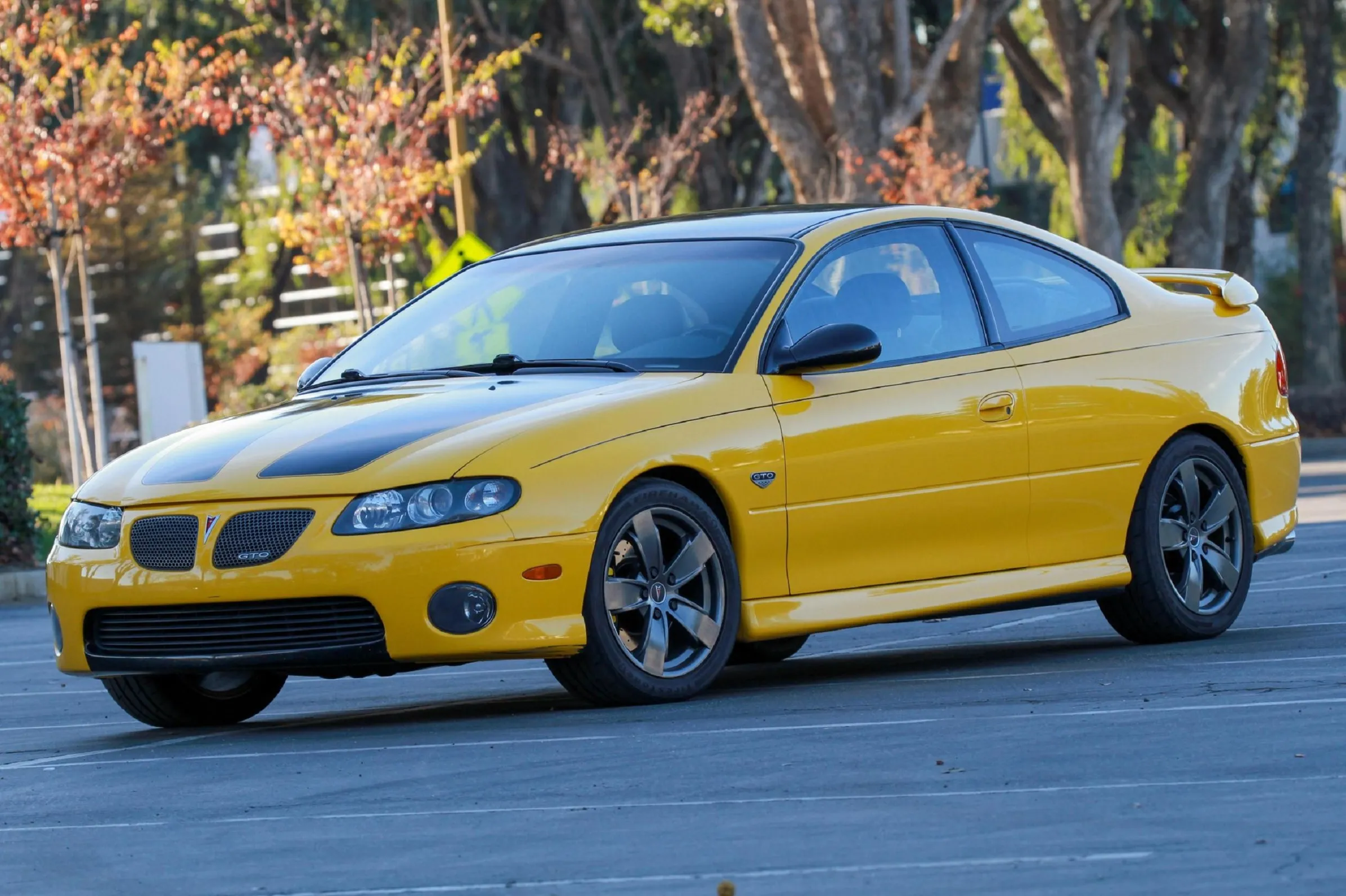
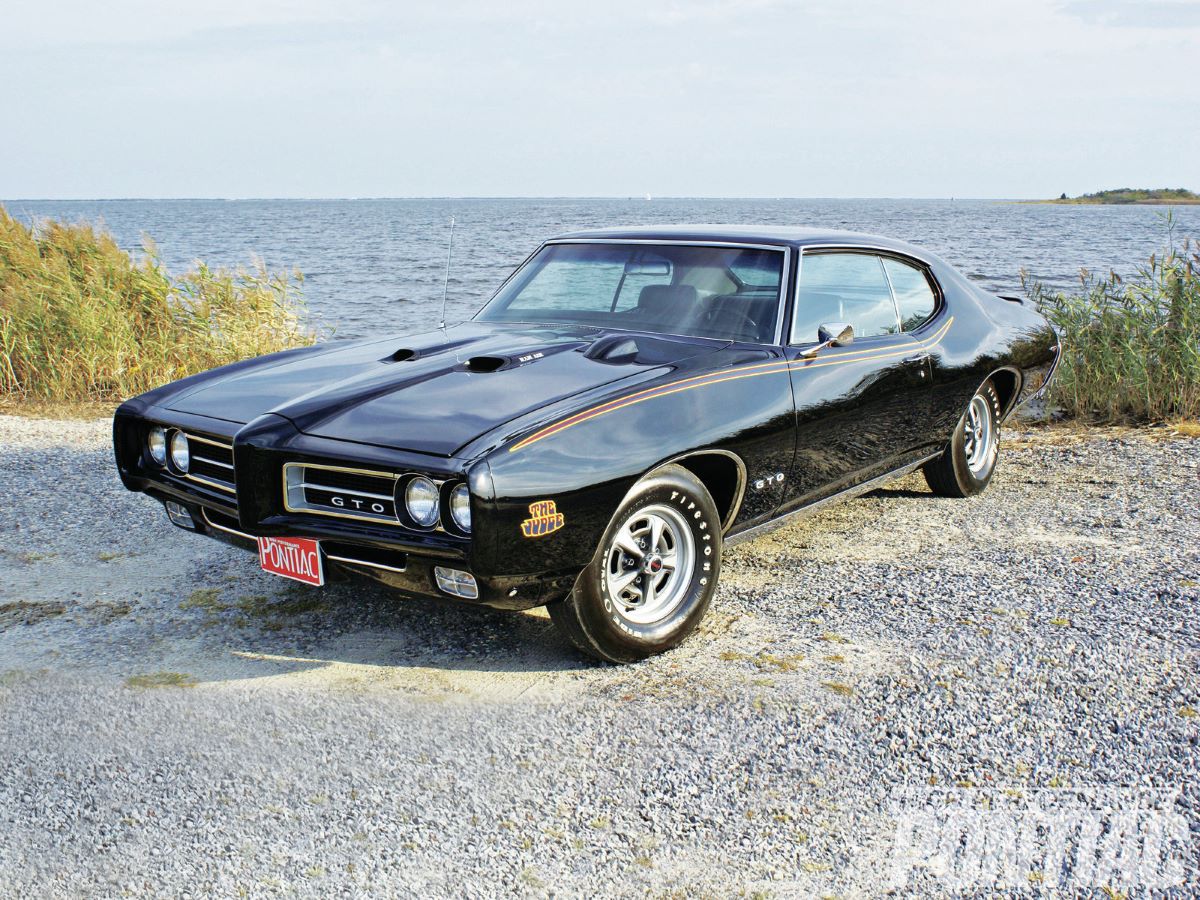
9. Pontiac GTO
The Pontiac GTO is a classic representation of muscle car heritage, combining raw V8 power with straightforward engineering that has stood the test of time. Though modern iterations have been updated with advanced components, the GTO retains the simplicity and driver-focused performance that made the model iconic.
Its engine produces sufficient horsepower to deliver competitive acceleration on a drag strip while maintaining a linear power curve that is predictable and manageable. The GTO emphasizes weight balance and suspension tuning to ensure that launches are stable and consistent, giving drivers the ability to exploit its full potential without sacrificing control.
Launch performance in the GTO benefits from its straightforward mechanical setup. While lacking some of the sophisticated electronic aids found in newer models, the car’s suspension, tire choice, and weight distribution allow it to achieve strong initial acceleration with minimal wheel spin.
Inside, the GTO’s design is functional and driver-oriented. Controls are accessible, and instrumentation provides critical feedback regarding speed and engine performance. Comfort is secondary to performance, but the car maintains a level of usability that makes it suitable for repeated runs.
Exterior styling reflects the classic muscle car aesthetic, with wide fenders, bold lines, and a powerful stance that communicates performance at a glance. These features enhance both visual appeal and aerodynamic stability, contributing to consistent drag strip results.
The Pontiac GTO represents an important link between past and present in American muscle car history. Its performance characteristics, while not as extreme as some modern vehicles, are grounded in a philosophy of driver engagement and mechanical excellence.
On the drag strip, the GTO showcases the enduring appeal of classic muscle car design, proving that balanced engineering and careful attention to weight, traction, and handling can deliver competitive acceleration and memorable driving experiences. Fans appreciate its combination of heritage, style, and capability, making it a celebrated competitor in any drag race setting.
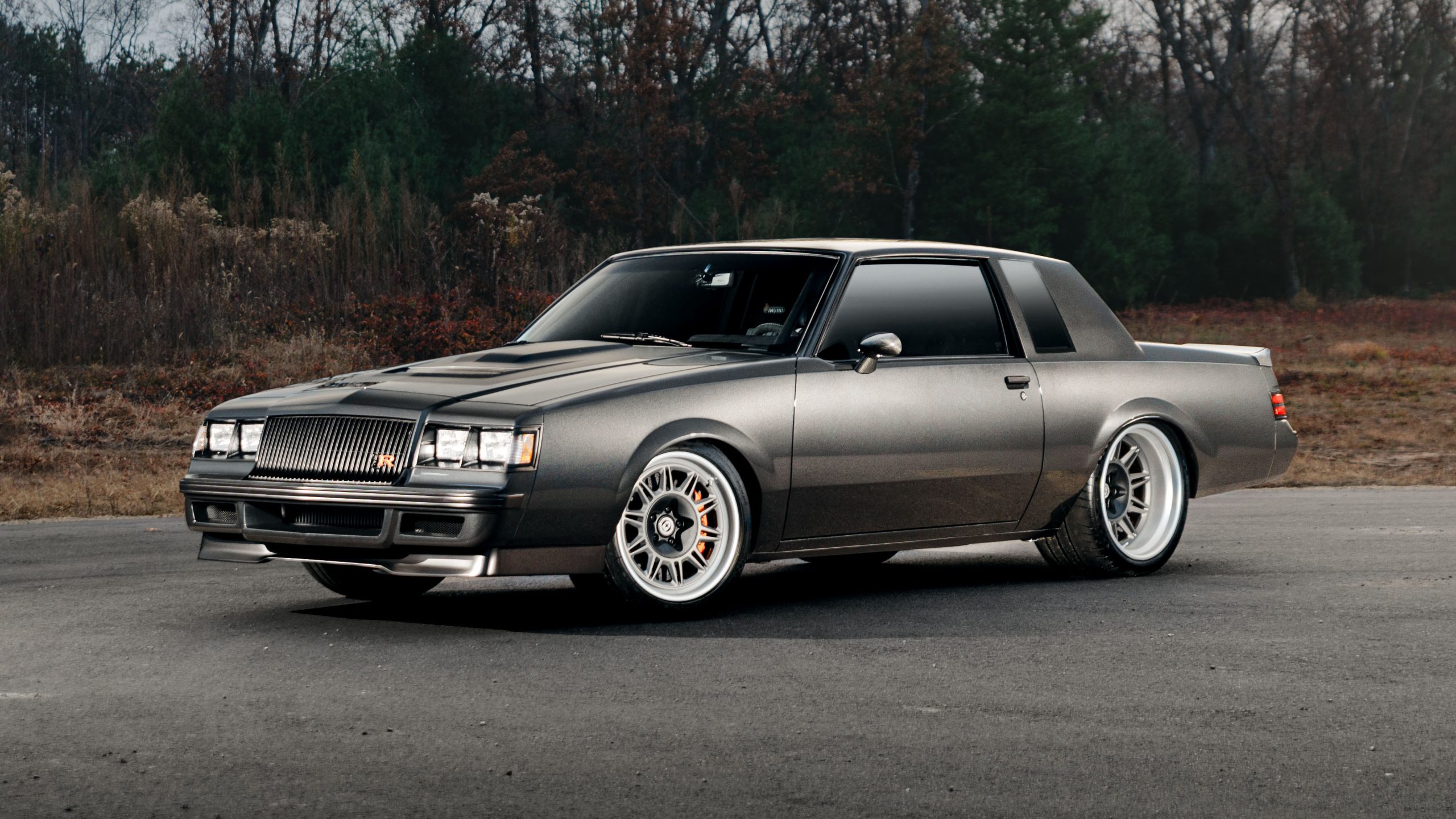
10. Buick Grand National
The Buick Grand National is a unique member of the muscle car pantheon, distinguished by its turbocharged V6 engine and reputation for surprising performance. Unlike many V8-powered muscle cars, the Grand National delivers significant acceleration from a smaller, forced-induction engine, proving that turbocharging can compete with traditional naturally aspirated or supercharged V8 setups.
Its performance on the drag strip is impressive due to the combination of lightweight construction, turbocharged torque delivery, and rear-wheel-drive dynamics. The car’s engine produces a sudden and forceful burst of power that challenges drivers to maintain control during rapid launches, emphasizing skill and precision.
Launch performance is a hallmark of the Grand National. The turbocharged V6 provides immediate torque that accelerates the car rapidly, though careful throttle modulation is necessary to avoid oversteer or loss of traction. Its suspension and tire choices are optimized to channel power effectively to the asphalt, allowing for controlled yet explosive starts.
The transmission system, although less complex than some modern competitors, is engineered to support quick gear changes and maintain consistent acceleration throughout a run. Drivers must balance the engine’s sudden power delivery with the vehicle’s weight and handling characteristics to achieve optimal results.
The Grand National’s interior and exterior design prioritize performance and durability. Seating supports the driver during rapid acceleration, while instrumentation provides essential feedback for managing power and monitoring engine performance.
Culturally, the Buick Grand National stands out as a symbol of unconventional excellence in American muscle. Its success challenges assumptions about engine size and performance, demonstrating that innovative engineering can produce results comparable to larger V8-powered vehicles.
On the drag strip, the Grand National surprises spectators with its acceleration and handling, offering a unique driving experience that combines historical significance with modern muscle car capability. Its legacy continues to resonate with enthusiasts who value performance, ingenuity, and the thrill of a well-executed drag run.
