
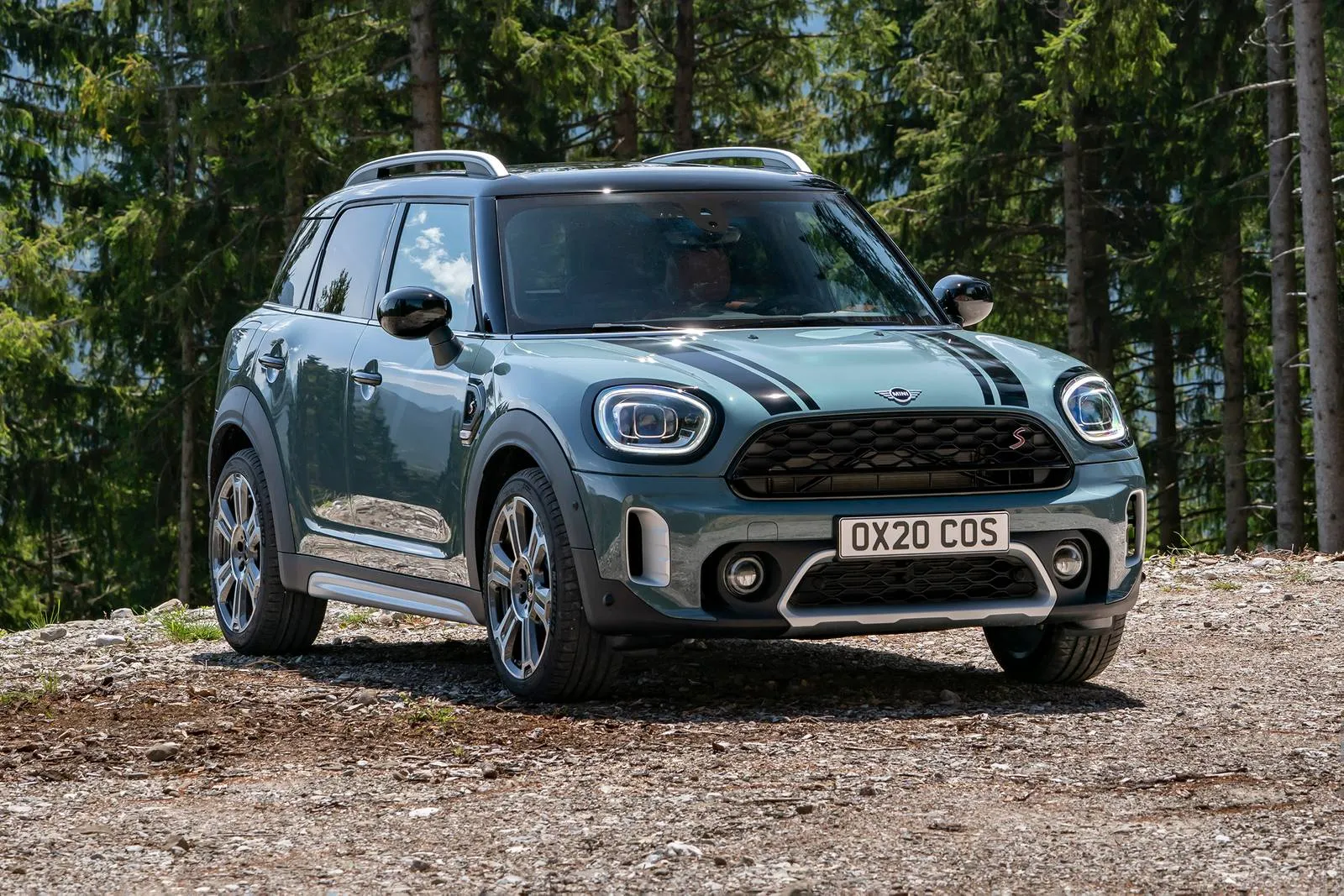
Grand Forks, North Dakota, is known for its harsh winters, where temperatures can plummet well below freezing and snow can accumulate for weeks on end. For drivers in this region, choosing the right vehicle is not simply a matter of aesthetics or performance on clear roads.
It requires careful consideration of factors such as traction, all-wheel or four-wheel drive capabilities, engine performance in extreme cold, and the durability of components against road salt and moisture. Winter in Grand Forks is not just cold; it is persistent and unforgiving.
Vehicles that handle such conditions poorly can leave drivers stranded, or worse, in dangerous situations. Beyond basic functionality, residents also need vehicles that offer reliability and longevity, as harsh weather can accelerate wear and tear on both mechanical and body components.
The right vehicle should combine safety, durability, and comfort, allowing drivers to navigate icy streets and snow-packed highways with confidence. Factors such as heated seats, remote start, and defrosting features, though often overlooked, can drastically improve the driving experience during months when temperatures rarely rise above freezing.
Additionally, tire performance in snow and ice is essential, as even a powerful engine is of limited use without proper traction. While some vehicles excel under these conditions, others struggle, particularly if they are not designed to resist corrosion from road salt or do not maintain consistent performance in extreme cold.
In this article, we will examine five vehicles that are especially suitable for enduring Grand Forks’ long winters, and five vehicles that tend to corrode faster, highlighting the differences that make some vehicles a wise investment while others may lead to premature deterioration.
This comparison aims to provide practical guidance for drivers who must balance safety, reliability, and longevity against environmental challenges, helping them make informed decisions about the vehicles they choose to drive through harsh winter conditions.
Understanding these differences can prevent costly repairs and ensure a smoother, safer driving experience throughout the season.
Five Cars for Grand Forks Long Winters
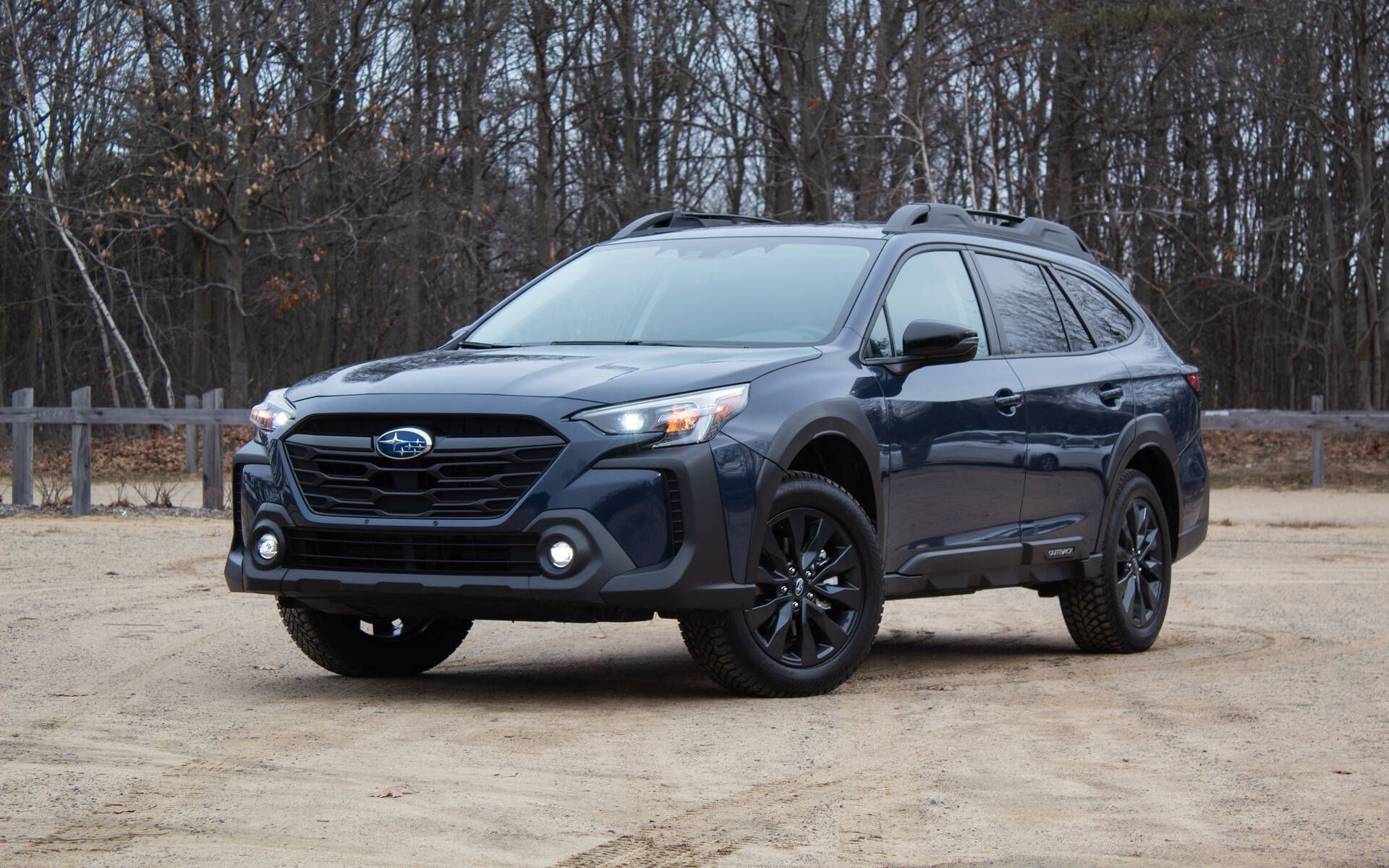
1. Subaru Outback
The Subaru Outback is a staple for cold-weather drivers due to its standard all-wheel drive system and high ground clearance. In Grand Forks, where snow can pile up quickly, these features allow the Outback to navigate roads that might stop other vehicles in their tracks.
Its symmetrical all-wheel drive provides consistent traction on icy surfaces, and the vehicle’s low center of gravity improves stability during sudden maneuvers. Beyond performance, the Outback has a reputation for reliability in extreme temperatures, with engines designed to start easily in subzero conditions.
Many models come with heated seats and mirrors, essential for comfort and visibility during long winter commutes. Another advantage of the Outback is its safety technology. Equipped with stability control, adaptive headlights, and collision avoidance systems, the vehicle reduces the risk of accidents on slick streets.
Drivers also benefit from ample cargo space, which allows them to carry winter gear or emergency supplies without compromising handling. The combination of rugged capability, practical interior design, and cold-weather features makes the Subaru Outback a strong choice for those facing harsh winters. Its proven performance in snowy climates has earned it a loyal following among drivers who prioritize reliability and safety during winter months.
Subaru’s engineering philosophy focuses on durability, which is particularly valuable in Grand Forks where long winters test every mechanical component. The Outback’s engine components are designed to resist freezing and maintain performance in low temperatures.
This resilience extends to the transmission system, which can handle gradual acceleration on slick roads without excessive slippage. Additionally, the Outback’s suspension system is tuned to absorb uneven surfaces created by snowplows or ice patches, offering a smoother ride compared to smaller vehicles that may struggle on rough winter roads.
The heated seats and mirrors mentioned earlier are more than luxury features; they are functional necessities that improve safety by reducing the risk of frost obscuring vision. Subarus are also known for longevity, meaning that even if exposed to harsh winter salt and moisture, they generally maintain structural integrity better than many competitors.
The combination of advanced traction, safety features, and winter durability positions the Outback as a vehicle that can reliably handle Grand Forks’ extreme climate.
Finally, the Outback’s resale value remains strong due to its reputation as a reliable winter vehicle. Potential buyers often seek vehicles with proven cold-weather performance, and the Outback fits that criterion well.
Its combination of AWD capability, safety technology, and resilience against harsh conditions provides peace of mind to drivers who face months of snow and ice. For residents of Grand Forks, this vehicle is more than a choice; it is a practical necessity that balances winter readiness with long-term dependability.
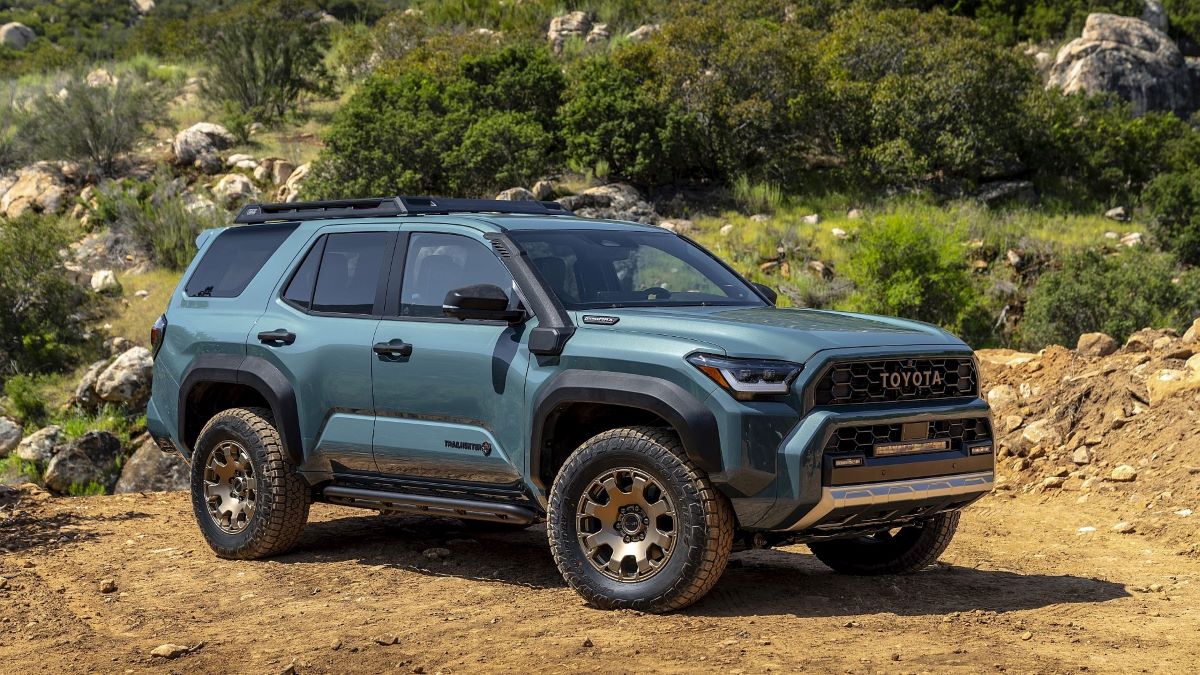
2. Toyota 4Runner
The Toyota 4Runner is another highly capable winter vehicle, known for its rugged body-on-frame construction and off-road abilities. For drivers in Grand Forks, this translates into excellent performance on snow-covered roads and the ability to handle unpredictable winter terrain. Four-wheel drive options allow for controlled handling, even on steep inclines or icy slopes.
The 4Runner’s powerful engine ensures consistent performance, and the vehicle’s durable suspension system absorbs shocks from uneven, icy roads. Interior features like heated seats and climate control further enhance comfort during prolonged exposure to cold. The vehicle’s cargo capacity is ideal for transporting winter equipment, groceries, or emergency supplies, ensuring drivers are prepared for extended winter journeys.
Another key advantage is the vehicle’s stability in winter conditions. The 4Runner’s weight distribution and traction control systems work in tandem to prevent slipping and maintain control on ice.
Drivers can confidently navigate snow-packed roads without the constant worry of sliding or losing traction. Additionally, features such as hill start assist and multiple driving modes further enhance its capability in cold-weather environments, providing a sense of security that is critical during winter commutes.
Finally, the 4Runner remains a practical choice due to its versatility. While primarily designed as a rugged SUV, it performs well in urban settings and suburban neighborhoods. Its combination of off-road capability and daily usability makes it a vehicle that can handle both the extreme winters and the varied driving demands of Grand Forks.
The 4Runner’s reputation as a dependable winter vehicle is well earned, making it a wise investment for those seeking a long-lasting, safe, and capable option.
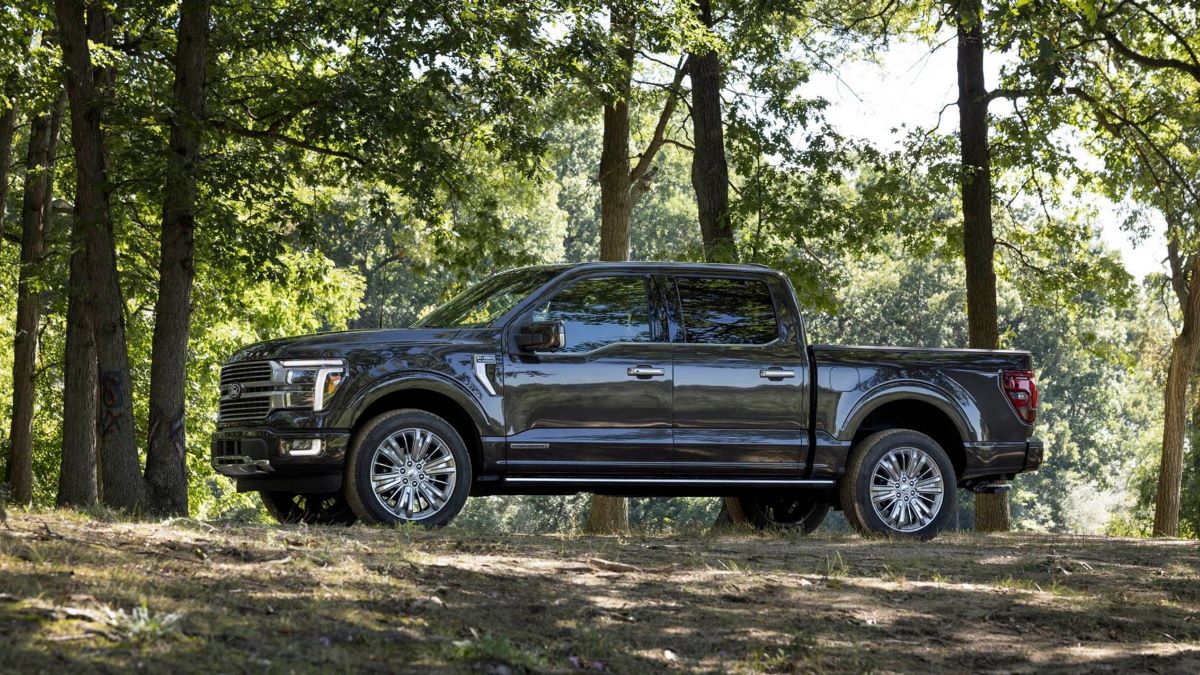
3. Ford F-150
The Ford F-150 is a full-size pickup truck that excels in winter environments thanks to its powerful engine lineup, optional four-wheel drive, and rugged frame construction. In Grand Forks, where snow removal may be inconsistent, the F-150’s size and traction make it easier to traverse unplowed roads or driveways.
Heated features, including seats and steering wheels, increase comfort for drivers during extended winter trips. Modern F-150 models include advanced safety systems, such as stability control and traction monitoring, which reduce the risk of accidents on ice. Cargo space is another significant advantage, allowing for storage of shovels, snow chains, or other winter equipment without compromising performance.
Another strength of the F-150 is its adaptability. Multiple trim levels and options allow buyers to select features tailored to cold-weather performance. For example, trucks equipped with snow tires, skid plates, and upgraded suspension systems perform even better in winter conditions.
Drivers also benefit from interior comfort features that reduce fatigue during long periods on the road, an important factor during months when commutes can take longer due to weather.
The F-150’s reputation for durability and longevity is reinforced by its winter performance. Even with exposure to snow, ice, and road salt, the truck maintains structural integrity when properly maintained. Its resale value is supported by this reputation, making it a practical choice for long-term ownership.
The combination of rugged construction, winter-oriented features, and everyday usability ensures that the F-150 remains a strong contender for Grand Forks winters.
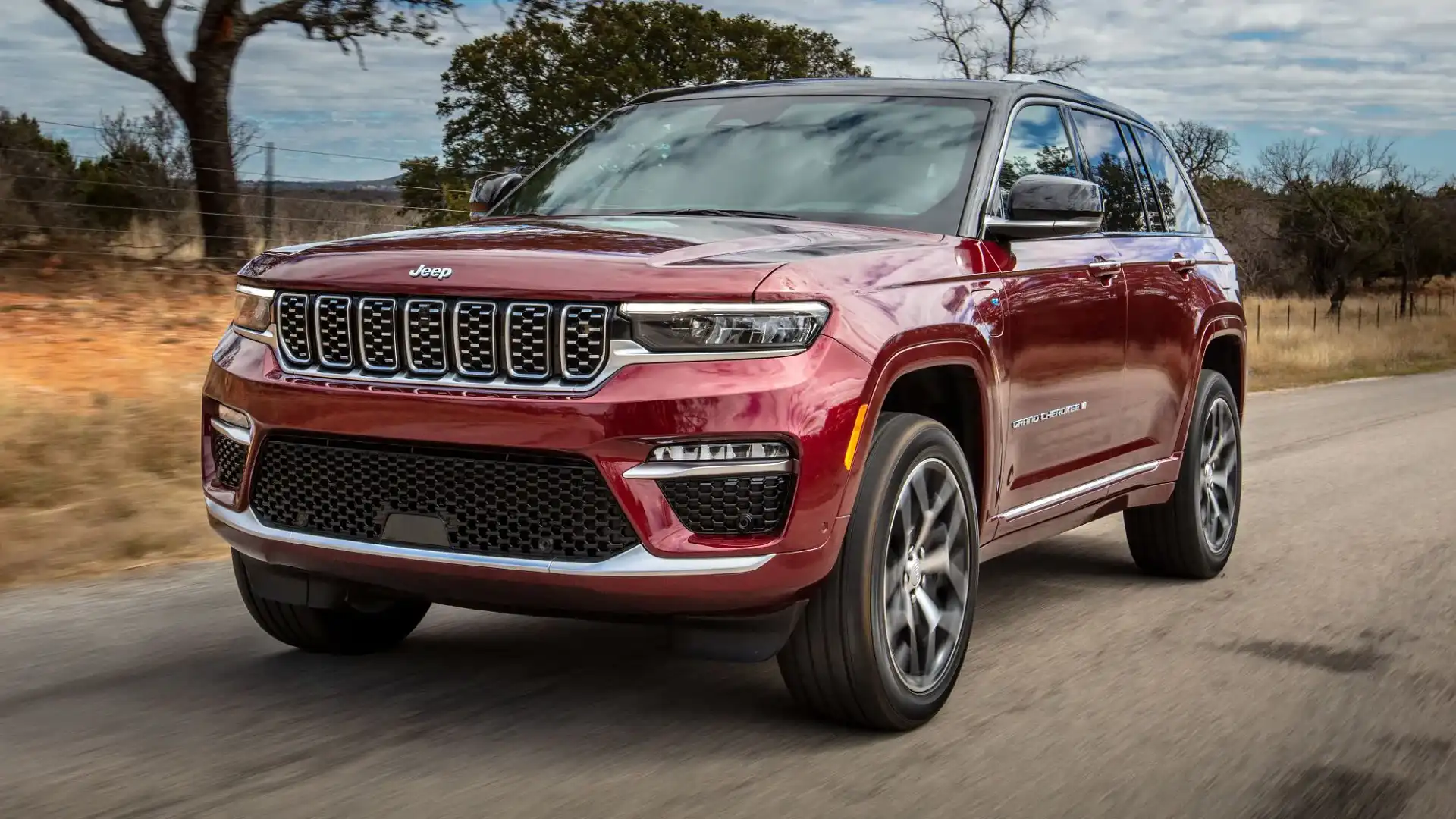
4. Jeep Grand Cherokee
The Jeep Grand Cherokee combines off-road capability with a comfortable interior, making it well-suited for harsh winter climates. Its four-wheel drive systems allow drivers to maintain traction on icy or snow-covered roads.
Ground clearance is adequate for deep snow, and modern models include features such as hill descent control and terrain management systems. Heated seats, mirrors, and steering wheels further enhance winter comfort, while the vehicle’s infotainment and safety systems keep drivers connected and alert in challenging conditions. Cargo space is generous, allowing for the transport of winter gear or emergency supplies.
Durability and performance are major strengths of the Grand Cherokee. Its engine options deliver consistent power even in subzero temperatures, and the suspension is designed to handle uneven or icy surfaces.
Components are tested for reliability in extreme weather, reducing the risk of mechanical failure during prolonged winter exposure. Many owners report that their Grand Cherokees maintain performance for years, even with repeated winter use.
Traction control and stability systems work effectively to prevent skidding or loss of control on slippery roads. The Grand Cherokee’s weight distribution and four-wheel drive capability make it a stable and reliable option for drivers facing snowstorms or icy patches. Additional safety features, including adaptive cruise control and lane-keeping assistance, enhance confidence in winter driving.
Finally, the Grand Cherokee offers versatility. It performs well in urban areas while retaining off-road capability for rural or unplowed roads. The combination of winter-ready features, comfort, and reliability makes it a vehicle that can handle the demands of long Grand Forks winters while maintaining everyday usability.
Its reputation for winter resilience ensures it remains a preferred choice for those who experience extended periods of snow and ice.
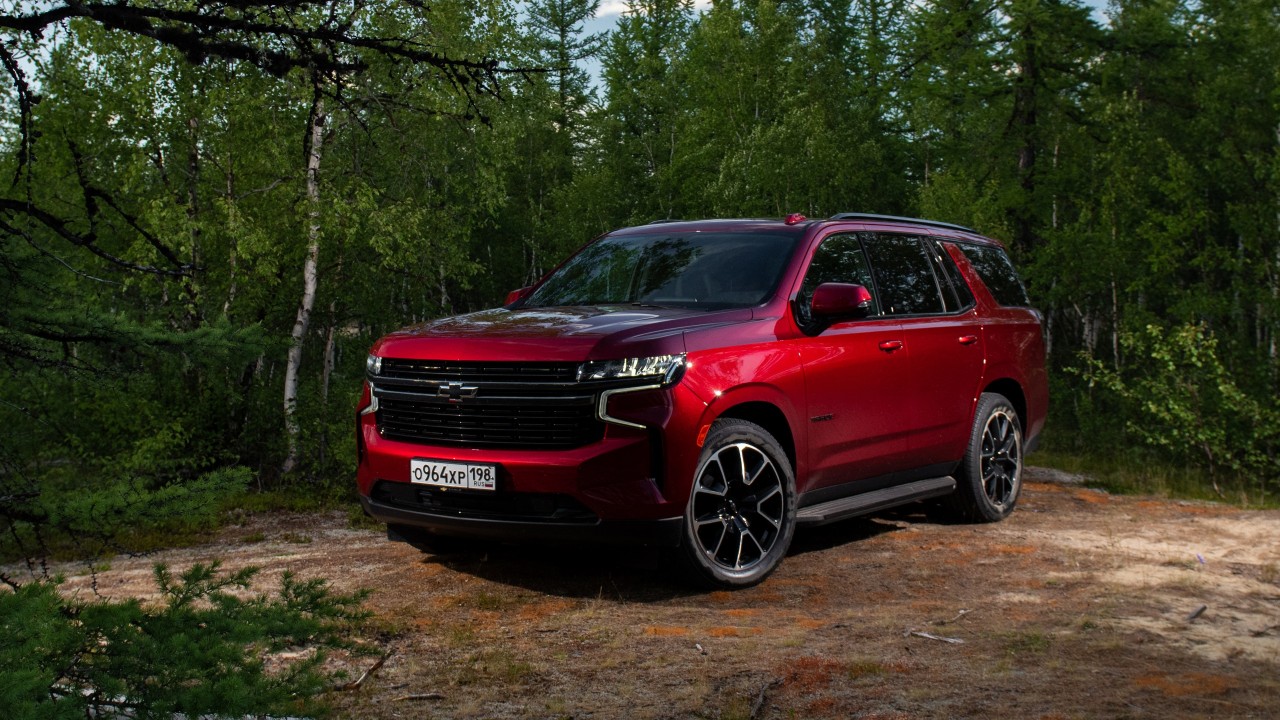
5. Chevrolet Tahoe
The Chevrolet Tahoe is a full-size SUV known for its winter-ready capabilities, including four-wheel drive and high ground clearance. Its large size provides stability on snow-covered roads, and modern models include advanced traction control and stability systems to prevent slipping on ice.
Heated features in the cabin increase comfort during prolonged winter travel, and the spacious interior allows for the transport of passengers and winter equipment. Engine performance remains strong in cold temperatures, ensuring reliable starts and smooth operation even during extended subzero periods.
Durability is central to the Tahoe’s design. Its frame and suspension are built to withstand harsh conditions, and many owners report minimal issues with corrosion or mechanical failure when the vehicle is properly maintained. The SUV’s size allows it to handle deep snow with confidence, making it a practical choice for both urban and rural winter driving.
Its towing and cargo capabilities are additional benefits for those needing to transport large loads or trailers during the winter months.
The Tahoe also offers advanced safety systems, including forward collision alerts and lane departure warnings, which are particularly valuable on icy or slippery roads. These features help prevent accidents and improve driver confidence, which is critical during Grand Forks’ long winters. The vehicle’s interior comfort features, combined with robust exterior performance, make it a reliable choice for extended use in harsh weather.
Finally, the Tahoe’s versatility ensures that it can serve as both a daily driver and a winter workhorse. Its durability, reliability, and winter-focused features make it an ideal choice for residents who need a dependable vehicle capable of handling heavy snow, ice, and long winter commutes. For families or individuals requiring both comfort and capability, the Chevrolet Tahoe meets the challenge effectively.
Five Cars That Corrode Faster
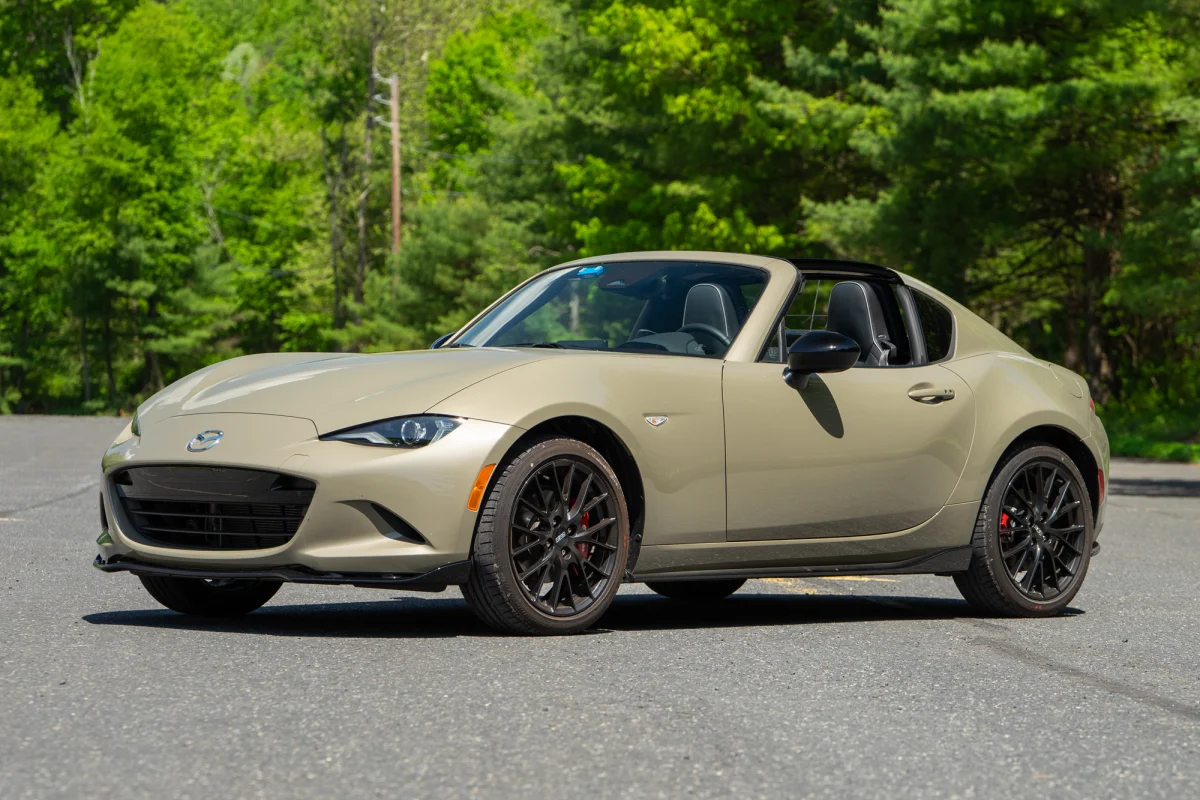
1. Mazda MX-5 Miata
The Mazda MX-5 Miata is a lightweight sports car celebrated for its agility and performance, but it is not designed for prolonged exposure to harsh winter conditions.
Its low ground clearance makes it particularly vulnerable on snow-packed roads, forcing drivers to contend with snowbanks, slush, and ice. More critically, the Miata’s body panels and undercarriage are prone to corrosion if consistently exposed to road salt and moisture, both common in Grand Forks winters.
While the car excels in dry or mild conditions, salt accumulation on the chassis and wheel wells accelerates rusting, compromising structural integrity over time. Even with careful maintenance, repeated winter use significantly shortens the lifespan of these components. The vehicle’s limited interior space and lack of extensive winter comfort features, such as heated seats or advanced climate control, further reduce its practicality in extremely cold climates.
The design of the Miata emphasizes aesthetics and performance rather than winter durability. Its smooth body lines, low profile, and exposed components make it susceptible to damage from debris hidden under snow or ice.
Road salt, a necessary element for maintaining safer streets in winter, reacts with the metal surfaces of the vehicle, creating rust spots that spread quickly if not addressed immediately. Paint chips from stones and gravel are common in snowy conditions, and these chips often become starting points for corrosion. Over time, even well-maintained Miatas show signs of wear from winter use, reducing both resale value and longevity.
Finally, while the Miata is a fun and nimble car for enthusiasts, it lacks the engineering features that mitigate corrosion. There is little insulation or protective coating on exposed underbody components, and the lightweight construction, though excellent for performance, offers minimal resistance against the harsh combination of snow, slush, and road chemicals.
In regions with prolonged winters like Grand Forks, frequent exposure to these conditions makes the Miata a vehicle that corrodes faster than more robust options. Its focus on performance and style comes at the expense of winter durability, making it a poor choice for drivers seeking longevity and reliability in severe climates.
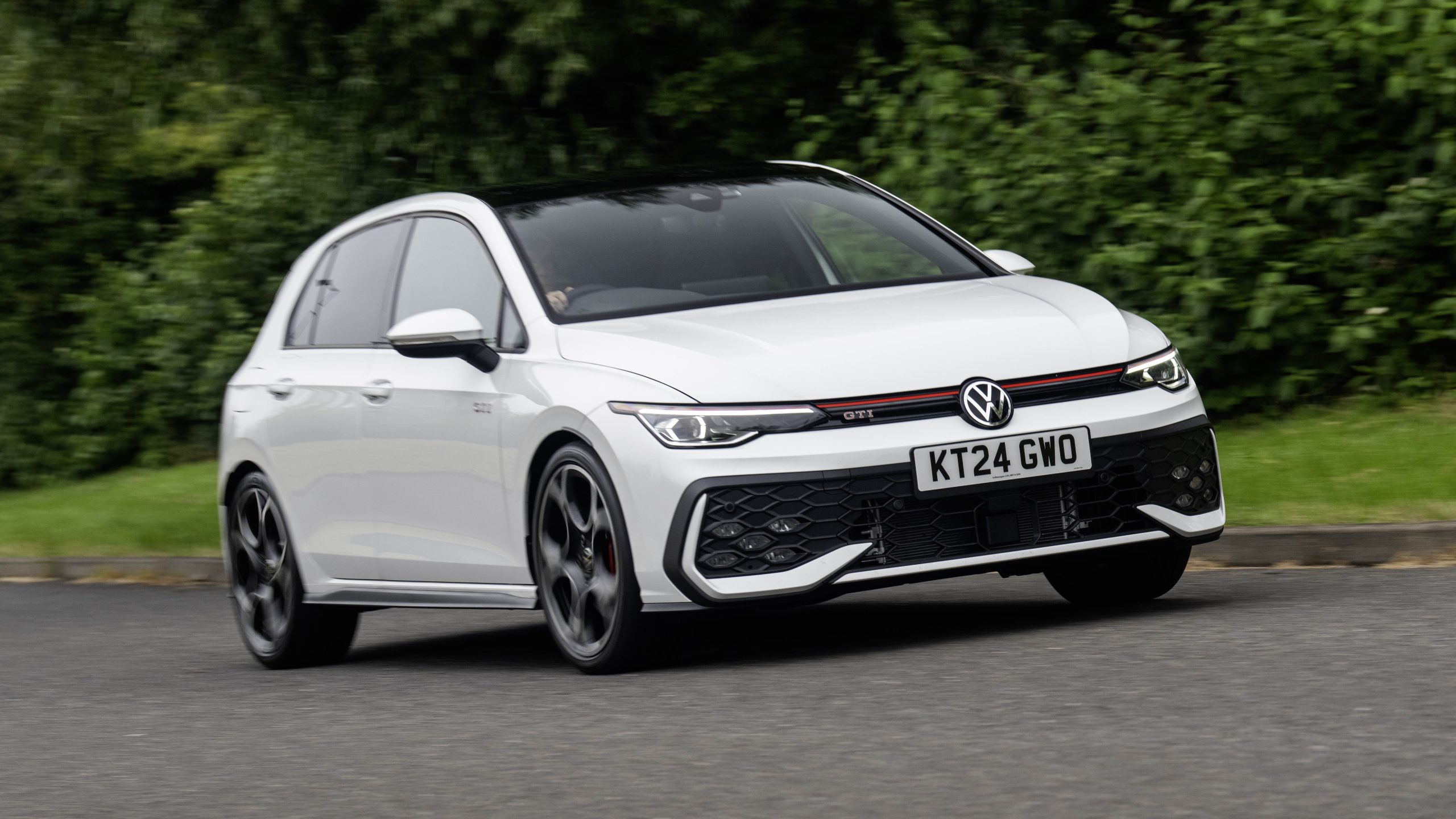
2. Volkswagen Golf
The Volkswagen Golf is a popular compact hatchback known for its efficiency and handling, but it has a history of corrosion issues when subjected to prolonged winter conditions. Its relatively low ground clearance exposes the undercarriage and wheel wells to excessive moisture and road salt, both of which are abundant in Grand Forks winters.
Rust often develops along the rocker panels, wheel arches, and around the suspension mounts, compromising structural integrity. While the Golf is enjoyable to drive on dry roads and mild weather, repeated exposure to snow and salt accelerates deterioration. Protective coatings in earlier models were often insufficient to prevent corrosion, requiring more frequent inspections and rust treatment for winter use.
Winter performance is also limited in the Golf, particularly in non-all-wheel-drive variants. Front-wheel drive provides some traction, but the vehicle struggles on steep, icy inclines, and snow tires alone cannot fully compensate for low clearance or weight distribution.
The heating system, though functional, may be less effective during extended exposure to subzero temperatures compared to vehicles designed for extreme cold. Electrical components, such as door locks and window mechanisms, are more vulnerable to freezing or moisture-related issues, which increases maintenance needs in areas with heavy snowfall.
The corrosion problem is compounded by the Golf’s metal composition and design. Thin sheet metal in certain areas, especially the lower body panels, reacts quickly to salt and moisture accumulation. Over time, untreated rust can spread to critical components such as the suspension mounts, brake lines, and subframe.
Repairs are often costly, and corrosion can reduce the safety of the vehicle if left unchecked. Regular washing and underbody protection are essential for mitigating these issues, but these preventive measures can be labor-intensive and may not fully prevent corrosion over multiple harsh winters.
Finally, while the Golf remains a practical, fuel-efficient vehicle in urban or temperate climates, its susceptibility to corrosion limits its longevity in regions with prolonged winters. Road salt, snow, and ice combined with the car’s construction make it a prime candidate for accelerated rust formation.
Drivers who prioritize durability and reliability in areas like Grand Forks would find the Golf less suited for long-term use unless extensive preventive measures are taken. Its corrosion vulnerability, low clearance, and limited winter-oriented features underscore why this compact hatchback may not withstand the challenges of severe winter climates effectively.
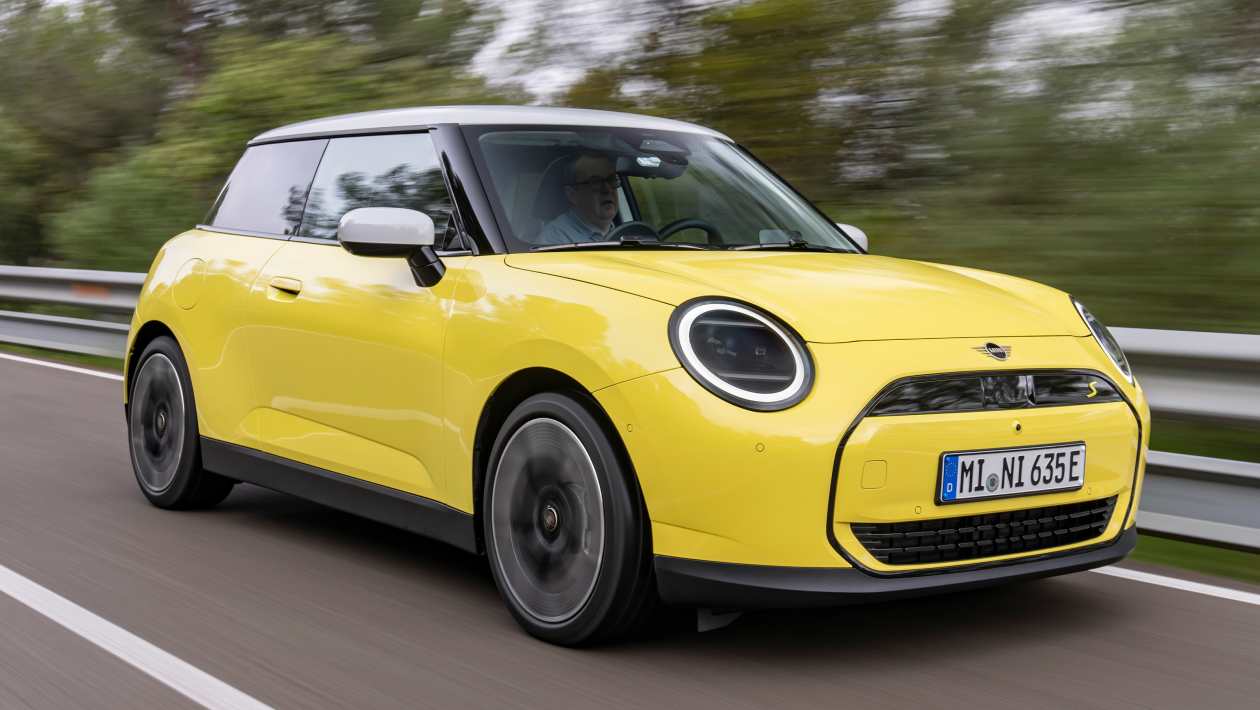
3. Mini Cooper
The Mini Cooper is a compact, stylish car known for sharp handling and urban agility, but it is ill-suited to winter climates where corrosion is a constant threat. Its small size and low clearance make driving through deep snow or slush challenging, while its body panels are prone to rust from consistent exposure to salt and moisture.
Even minimal contact with road salt can lead to corrosion along the wheel arches, lower doors, and undercarriage. While owners may enjoy its fun driving experience in fair weather, repeated winter use accelerates deterioration and reduces the vehicle’s lifespan. Early models, in particular, were known to have limited protective coatings against corrosion, requiring frequent maintenance to prevent rust from compromising structural integrity.
Mechanically, the Mini Cooper faces difficulties in extreme cold. Its compact engine bay, designed for efficiency and tight urban spaces, leaves less room for insulation and protection of critical components. Cold starts in subzero temperatures can strain the battery and starter motor, and the small tires may lack sufficient traction for icy or snow-covered roads.
Without winter-specific upgrades, such as all-weather tires and rustproofing treatments, the vehicle quickly accumulates damage that impacts performance and safety. Even with modifications, the lightweight suspension struggles with uneven winter surfaces, leading to accelerated wear on shocks and struts.
The design aesthetics of the Mini Cooper, while visually appealing, contribute to corrosion risks. Its exposed metal surfaces, tight panel gaps, and lower body positioning make it susceptible to salt buildup.
Minor scratches or paint chips caused by ice, gravel, or road debris serve as starting points for rust, and once corrosion begins, it spreads rapidly if not addressed. Body repairs on the Mini Cooper are often expensive due to its compact, engineered construction, further complicating ownership in areas with long, harsh winters.
Finally, the Mini Cooper’s winter limitations and corrosion susceptibility highlight why it is better suited for temperate climates. Road salt and moisture, combined with the vehicle’s low clearance and minimal protective measures, lead to faster deterioration than larger, winter-focused vehicles.
For residents of Grand Forks or similarly harsh regions, the Mini Cooper represents a car that, while fun and nimble in good weather, will likely suffer from accelerated corrosion and mechanical strain if used as a year-round vehicle. Its design prioritizes style and performance over durability in extreme conditions.
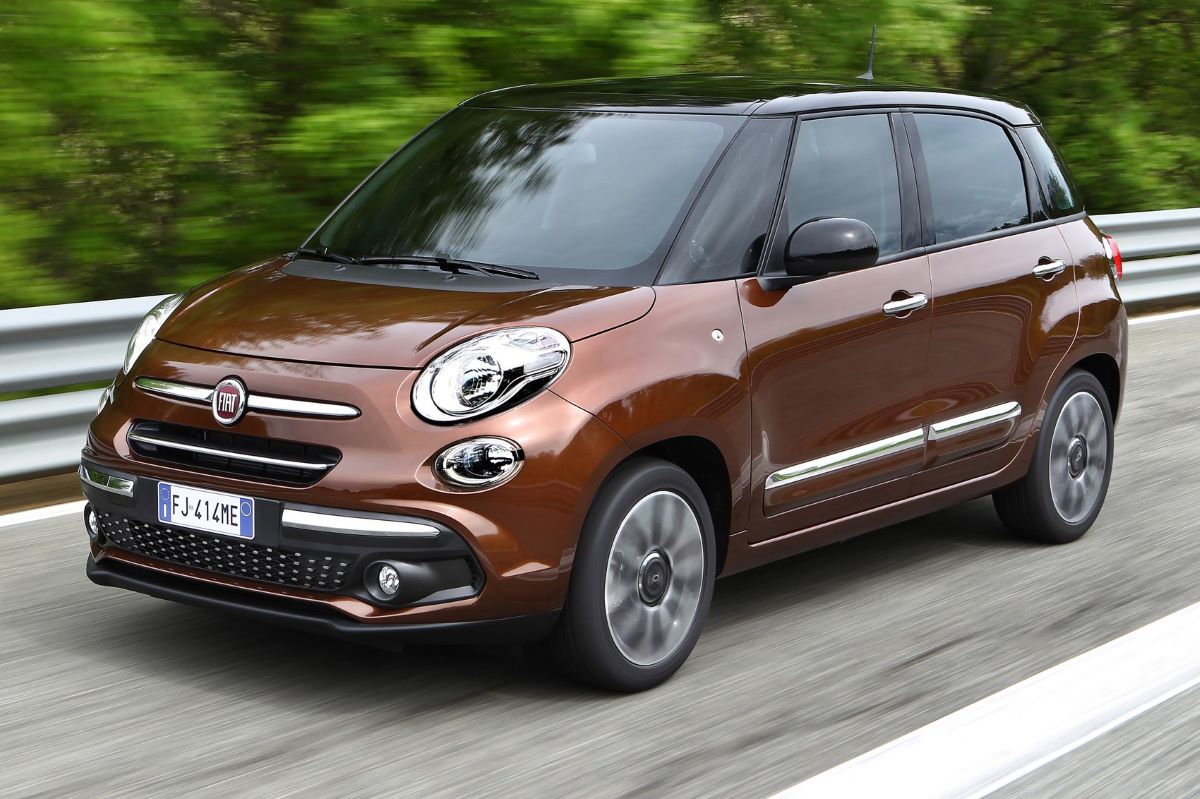
4. Fiat 500
The Fiat 500 is a compact city car prized for maneuverability and retro styling, yet it faces significant challenges in winter climates due to corrosion vulnerability and limited ground clearance. Its small frame sits close to the road, exposing critical underbody components to moisture, salt, and slush.
Rust frequently develops along wheel wells, rocker panels, and suspension mounts if the vehicle is consistently used in harsh winter conditions. This accelerated corrosion can affect structural integrity and lead to costly repairs over time. While the Fiat 500 performs well in urban settings during mild weather, repeated exposure to winter elements significantly reduces its longevity.
Winter driving presents additional difficulties. The Fiat 500’s compact size and front-wheel-drive configuration offer minimal traction on icy roads, and small tires may struggle to grip snow-covered surfaces. Engine performance in extreme cold can be inconsistent, with longer warm-up times and increased strain on the battery.
Heating systems, though adequate for short trips, may not maintain comfort during extended exposure to subzero temperatures. Drivers frequently report increased maintenance needs, particularly related to rust prevention, suspension wear, and electrical system issues caused by winter moisture.
The Fiat 500’s metal construction and design contribute to corrosion problems. Thin sheet metal panels are easily compromised by salt and gravel, and paint chips often become rust initiation points. Components such as brake lines and subframes are particularly vulnerable when salt accumulates in hidden areas.
Even with diligent washing and protective coatings, prolonged winter exposure can cause visible rust and potential safety issues. Over time, corrosion may spread beyond cosmetic areas to critical mechanical components, requiring significant repairs or replacements.
Finally, while the Fiat 500 offers a fun driving experience in temperate climates, it is not engineered for the harsh winters of Grand Forks. The combination of low clearance, limited winter features, and susceptibility to corrosion makes it a high-maintenance option for year-round winter use.
For drivers prioritizing longevity and durability, the Fiat 500’s weaknesses in cold and salty conditions illustrate why it corrodes faster than more robust vehicles designed to handle extreme climates.
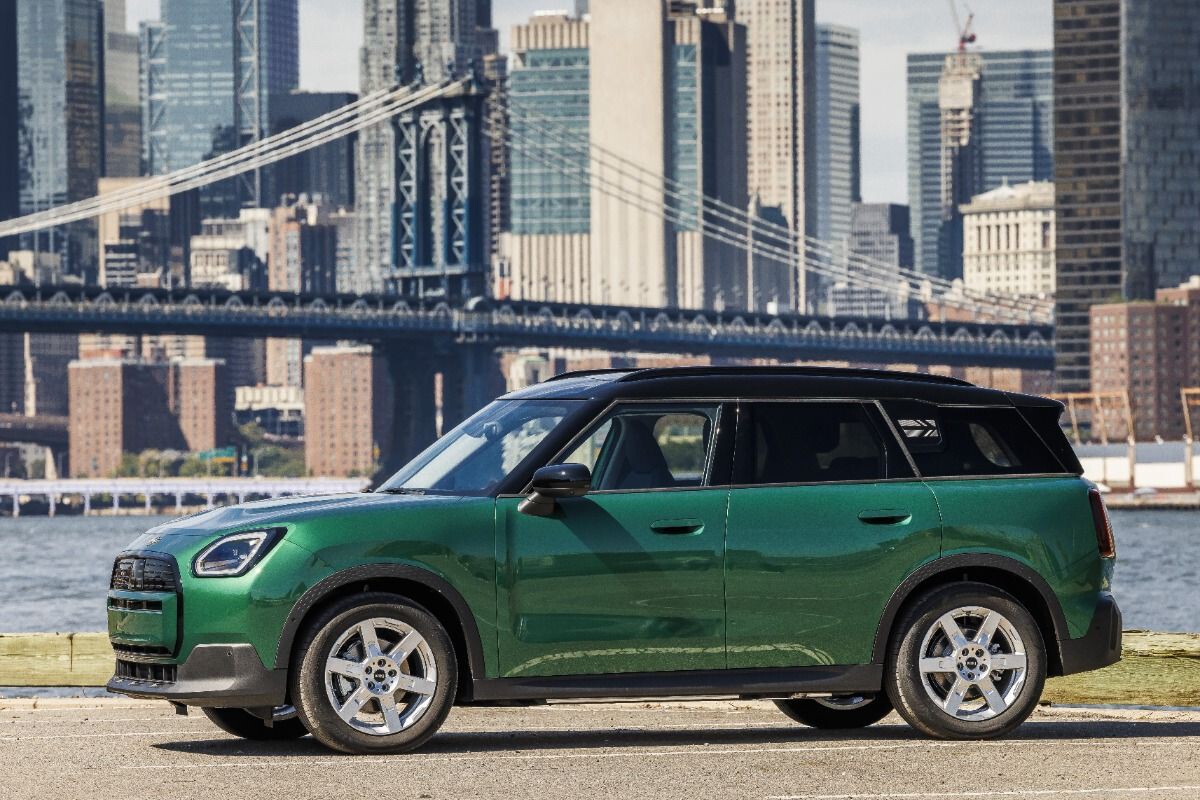
5. Mini Countryman (Older Models)
The Mini Countryman, particularly older models, offers slightly more space and versatility than other Mini vehicles but retains many of the same corrosion and winter-related vulnerabilities. While newer Countrymans may include all-wheel-drive options, older models were primarily front-wheel-drive and feature exposed underbody components that are prone to rust.
Winter salt and slush accumulate in wheel wells and along the lower body, leading to accelerated corrosion over time. Owners frequently report rust around doors, rocker panels, and suspension components after several winters of exposure. This corrosion can compromise safety and reduce vehicle longevity, particularly in harsh winter climates like Grand Forks.
The vehicle’s compact design and aesthetic priorities also exacerbate corrosion issues. Exposed metal panels, narrow wheel arches, and limited underbody protection increase the likelihood of rust formation. Small paint chips or scratches from road debris can quickly evolve into larger areas of corrosion, particularly when salt is present.
Repair costs for rusted areas are often high due to the complex design and limited availability of replacement panels for older models. Preventive maintenance, including frequent washing and rustproofing, is necessary but does not fully prevent long-term deterioration.
Finally, while the Mini Countryman provides a stylish and fun option for urban driving, its older models are not suited for sustained winter use in corrosive environments. Structural vulnerabilities, limited winter performance, and accelerated rusting make it one of the vehicles that deteriorate fastest when exposed to prolonged snow, ice, and salt.
Drivers in regions like Grand Forks who prioritize durability and longevity would find the Countryman less reliable than larger, winter-focused SUVs designed to withstand extreme conditions.
