
Commuting in Harrisburg presents a unique set of challenges and opportunities for drivers. As the capital of Pennsylvania, Harrisburg features a mix of urban streets, suburban routes, and highways connecting surrounding towns, which means that the choice of a vehicle can significantly impact both the daily experience and long-term expenses.
Many residents travel between residential neighborhoods and downtown offices, while others rely on their vehicles for longer trips to nearby cities like Lancaster or York. In such a context, the ideal commuting car needs to balance reliability, fuel efficiency, comfort, and affordability.
For some drivers, a vehicle that requires minimal attention and can handle daily traffic stress without frequent repairs is the priority. Others may focus on cost per mile and insurance rates, knowing that these can accumulate over months of routine driving.
Traffic patterns in Harrisburg also vary depending on time and location, so vehicles with good maneuverability and easy parking options are often preferred.
Beyond daily commuting, vehicle ownership carries hidden costs, including maintenance, repairs, and depreciation. Even a car that seems affordable at first can become expensive if parts wear out quickly or if the vehicle requires specialized service.
On the other hand, some cars offer years of dependable service with only routine maintenance, making them excellent choices for residents seeking peace of mind. These differences can influence decisions dramatically.
For instance, a small sedan with high fuel efficiency may outperform a luxury SUV in terms of monthly costs, even if the SUV has more advanced features. In Harrisburg, the balance between initial purchase price, operating cost, and convenience is critical, especially for those who rely on their cars every day.
Additionally, the culture of commuting in Harrisburg is influenced by seasonal conditions. Winter weather often brings snow and ice, which can affect road conditions and vehicle handling. Drivers must consider traction, stability, and safety features when choosing a car that will perform consistently throughout the year.
Likewise, summer traffic and occasional heavy rain require reliable brakes, responsive steering, and dependable air conditioning systems. A car that handles well in various conditions not only increases comfort but can prevent accidents and reduce insurance premiums. These factors, combined with the financial aspect of ownership, highlight the need for careful planning before purchasing a vehicle.
This article will examine two contrasting groups of vehicles: those that are practical and suitable for commuting in Harrisburg, offering reliability and efficiency, and those that are notorious for high maintenance costs. By comparing these groups, readers can make informed decisions based on both lifestyle and budget.
The following sections will provide detailed analyses of each car, explaining why some vehicles thrive in everyday commuting conditions while others can become financial burdens due to costly upkeep. Understanding these differences allows drivers to anticipate challenges and maximize their investment in a vehicle, ensuring a smoother, safer, and more cost-effective driving experience.
5 Cars Suitable for Harrisburg Commuting
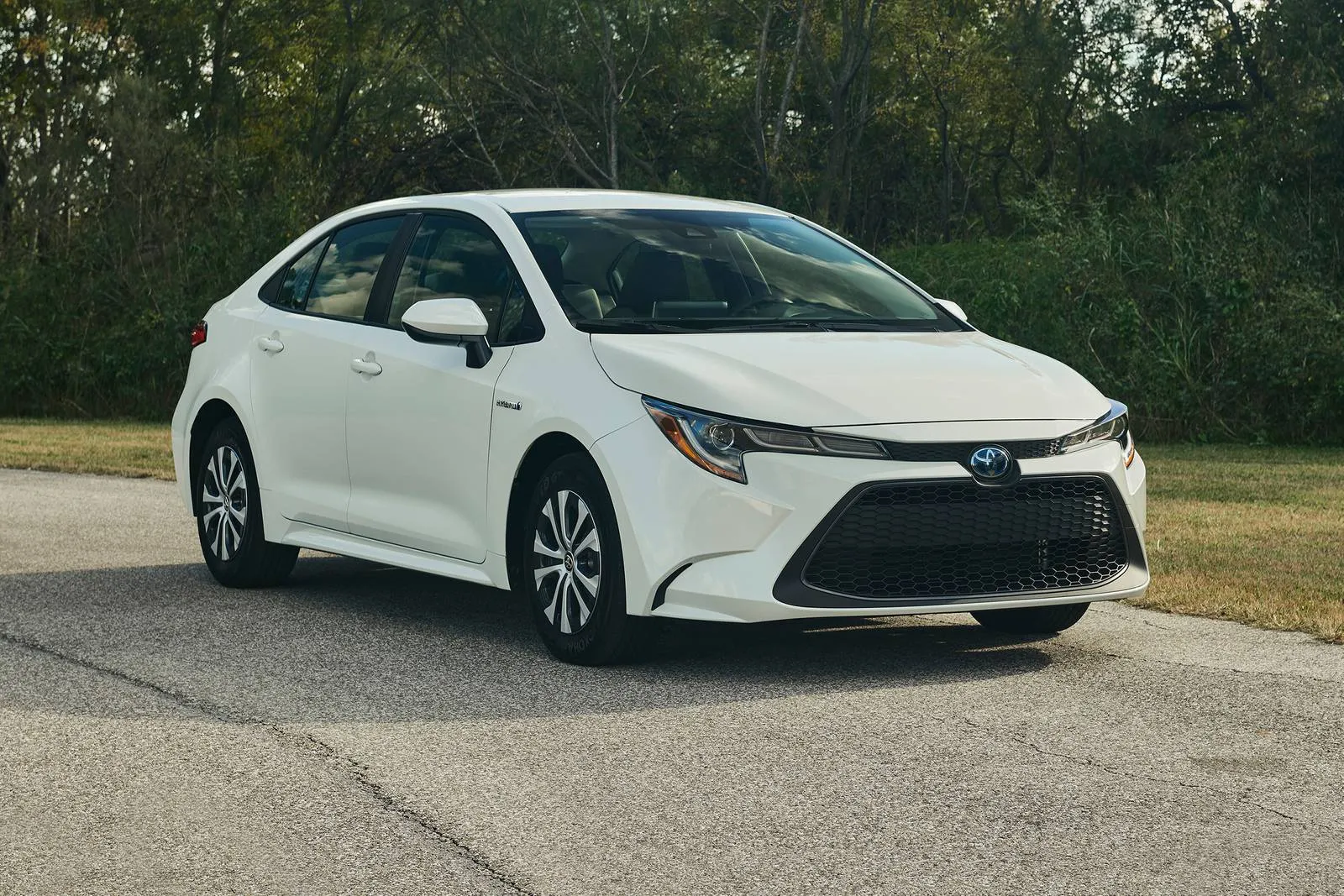
1. Toyota Corolla
The Toyota Corolla has long been regarded as one of the most reliable compact cars available, making it a favorite for daily commuting in cities like Harrisburg. Its combination of fuel efficiency, low maintenance costs, and consistent performance has earned it a reputation as a practical choice for drivers seeking a balance between affordability and comfort.
A typical Corolla can achieve high miles per gallon, which reduces the frequency of visits to gas stations and helps keep monthly operating costs low. For commuters traveling from suburban neighborhoods into the city, this fuel efficiency is particularly valuable, especially when traffic congestion increases the amount of fuel consumed during short trips.
Comfort is another reason the Corolla is ideal for regular commuting. Its cabin is quiet, seats are designed for extended periods of sitting, and controls are intuitive, allowing drivers to focus on the road rather than adjusting complex systems.
This simplicity contributes to a more relaxed commuting experience, especially in stop-and-go traffic or during long drives to nearby towns. Even with older models, the Corolla remains mechanically dependable, which reduces the likelihood of unexpected breakdowns. Regular oil changes and standard maintenance procedures are generally inexpensive, meaning that drivers can enjoy consistent performance without large, sudden expenses.
Safety features in the Toyota Corolla are also noteworthy. Modern models come equipped with advanced safety systems, including automatic emergency braking, lane departure warning, and adaptive cruise control. For commuters navigating busy intersections, highways, and residential streets, these features provide an extra layer of protection and peace of mind.
Even in older models, the Corolla is engineered with solid crashworthiness, which can lower insurance premiums over time. Families and solo commuters alike benefit from the combination of reliable safety and predictable driving performance.
Finally, resale value makes the Corolla an attractive choice for those considering long-term ownership. Vehicles that maintain their value allow owners to trade in or sell their cars with minimal financial loss, making the Corolla not only cost-effective for commuting but also a smart investment.
Many Harrisburg commuters find that they can drive a Corolla for several years, accumulate hundreds of thousands of miles, and still receive a fair price if they decide to upgrade. This combination of efficiency, comfort, safety, and value explains why the Toyota Corolla remains a staple among daily drivers in and around Harrisburg.
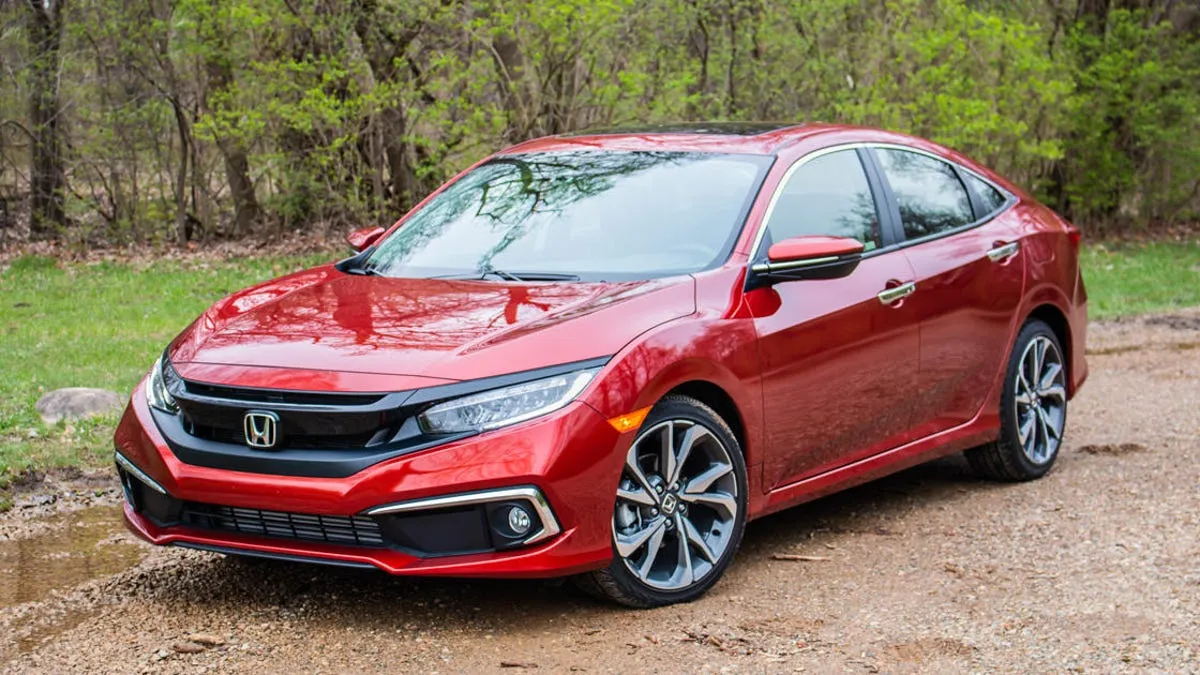
2. Honda Civic
The Honda Civic is another top contender for reliable commuting in Harrisburg. Known for its long-lasting engines, excellent fuel economy, and smooth handling, the Civic offers a blend of practicality and enjoyment that suits a wide range of driving conditions.
Residents often appreciate its responsive acceleration when merging onto highways, which is helpful when navigating busy entrances or avoiding sudden stops in city traffic. This combination of performance and reliability makes it a consistent choice for daily commuting.
Maintenance costs for the Civic are generally manageable. Parts are widely available, and routine services such as oil changes, tire rotations, and brake replacements are affordable compared with luxury or performance vehicles.
The Civic’s engineering emphasizes durability, which means that many models remain in excellent working condition well beyond 150,000 miles. Drivers can anticipate fewer unexpected mechanical issues, reducing stress and allowing them to focus on commuting safely. Additionally, the Civic’s reliability contributes to lower insurance costs, which is an important consideration for budget-conscious commuters.
Inside the cabin, the Civic offers ergonomic seating, user-friendly infotainment, and sufficient legroom for longer drives. Commuters traveling from the suburbs into Harrisburg city center benefit from a quiet interior and efficient air conditioning, which enhances comfort during peak summer months.
The vehicle’s size strikes a balance between maneuverability and interior space, allowing drivers to park in tighter urban spaces while still accommodating passengers or small cargo.
Finally, the Civic holds its value well in the resale market. Similar to the Corolla, a well-maintained Civic can be sold or traded in after several years without significant depreciation loss.
Its combination of fuel efficiency, low maintenance costs, and durability makes it an ideal car for drivers who need a dependable vehicle for everyday use. For those prioritizing consistent performance, comfort, and financial prudence, the Honda Civic offers a practical solution for commuting in Harrisburg.
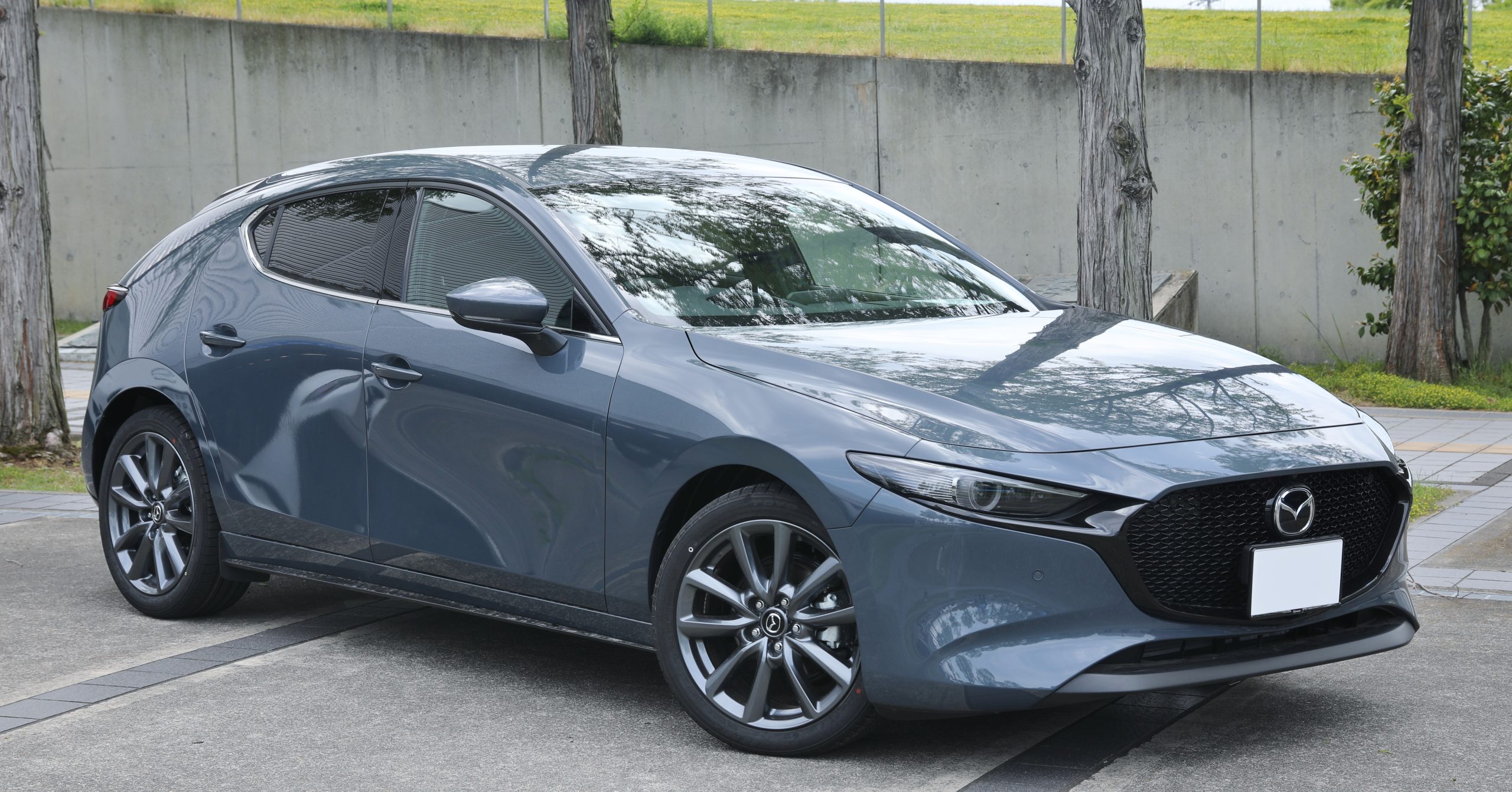
3. Mazda3
The Mazda3 is a compact car that combines reliability with a slightly sportier driving experience. Many commuters in Harrisburg appreciate its nimble handling, smooth ride, and responsive steering, which make city streets and highway exits easier to navigate.
Unlike some vehicles that prioritize utility over driving experience, the Mazda3 strikes a balance that allows daily drivers to enjoy their commute without sacrificing comfort or efficiency.
Fuel economy is another strong advantage of the Mazda3. With modern engines designed for both performance and efficiency, this vehicle provides competitive miles per gallon, which reduces commuting costs.
Additionally, Mazda vehicles are generally engineered to require standard maintenance procedures without frequent visits to specialized repair shops. The accessibility of parts and service ensures that drivers do not encounter sudden, expensive repair bills.
The interior of the Mazda3 is also designed with commuter comfort in mind. Seats are supportive, materials are durable, and technology features are straightforward and effective.
For drivers spending significant time in traffic or on highways, these features reduce fatigue and improve focus. Safety systems are robust, with many models including lane-keeping assist, blind-spot monitoring, and collision mitigation systems, further enhancing the vehicle’s suitability for daily use.
Finally, Mazda3 owners often report high levels of satisfaction due to the combination of driving enjoyment, low running costs, and dependability. While it may not match the resale value of a Toyota or Honda, it still maintains a reasonable market price if sold after several years.
For Harrisburg commuters seeking a practical car that also offers a more engaging driving experience, the Mazda3 represents an excellent compromise between affordability and performance.
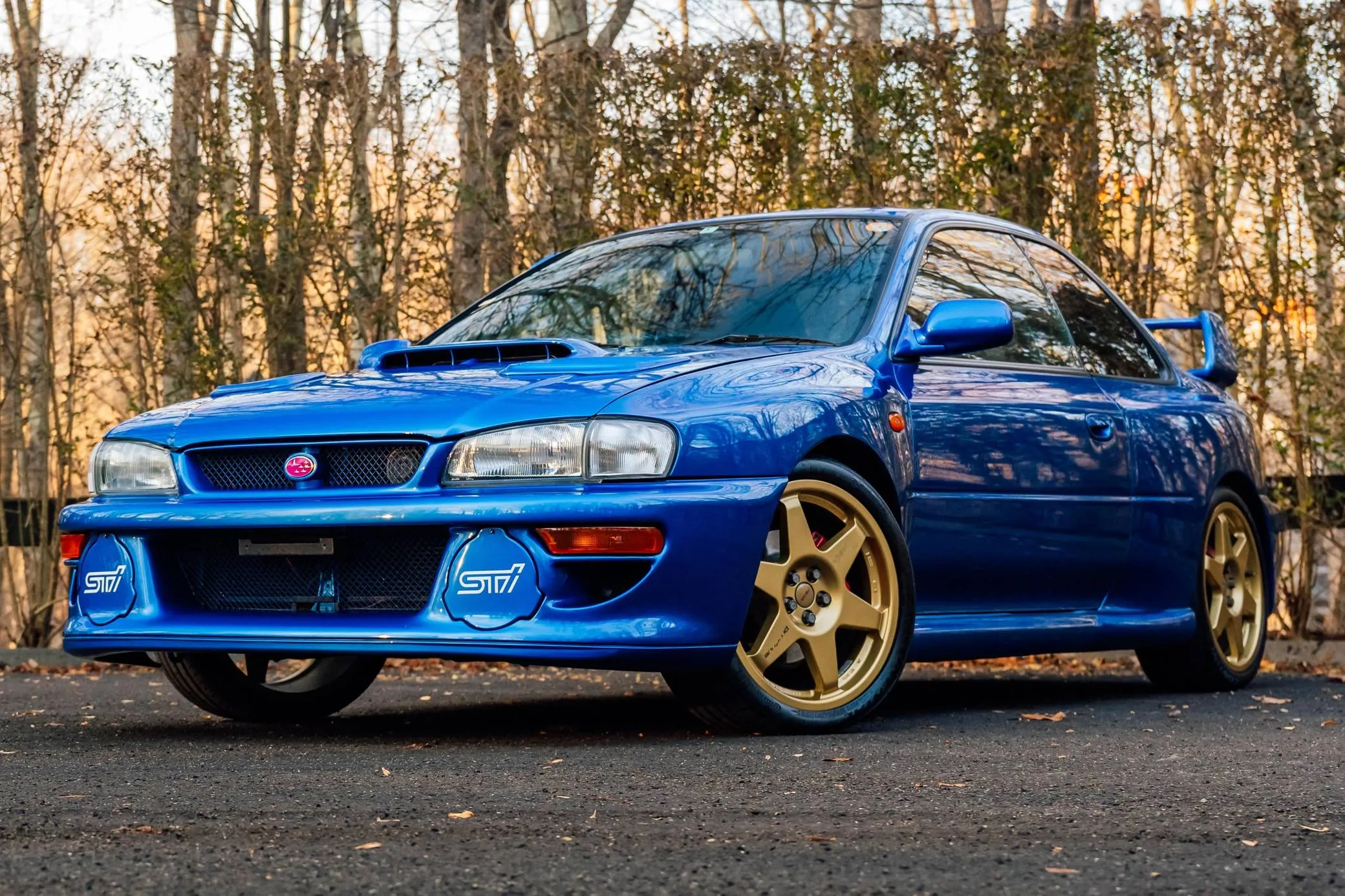
4. Subaru Impreza
The Subaru Impreza stands out for commuters who value all-weather capability. With standard all-wheel drive in most models, it provides better traction in rain, snow, and icy conditions, which is particularly useful in Harrisburg’s variable climate.
Drivers can feel confident navigating suburban roads and highways, especially during the winter months when road conditions can become unpredictable. Its compact size makes parking in the city easier while maintaining sufficient interior space for passengers or groceries.
Fuel efficiency in the Impreza is competitive for an all-wheel-drive vehicle. While slightly lower than front-wheel-drive compact cars, it still offers reasonable miles per gallon for city and highway driving.
Routine maintenance is straightforward, and Subaru parts are widely available, making repairs predictable and affordable for standard upkeep. This reliability reduces the likelihood of being stranded due to mechanical failure and keeps ownership costs manageable.
Inside, the Impreza offers practical features such as user-friendly infotainment systems, comfortable seating, and adequate storage. Drivers who spend extended periods in traffic or on longer suburban routes benefit from these thoughtful design choices, which reduce commuting fatigue.
Safety is a key feature, with many models equipped with advanced braking systems, adaptive cruise control, and lane departure warning, making it easier to navigate busy streets safely.
The Subaru Impreza provides an excellent combination of all-weather performance, reliability, and practicality. For Harrisburg commuters who prioritize consistent handling in all conditions and a dependable daily vehicle, the Impreza is a strong contender. Its balance of performance, efficiency, and safety makes it particularly appealing for drivers facing seasonal challenges.
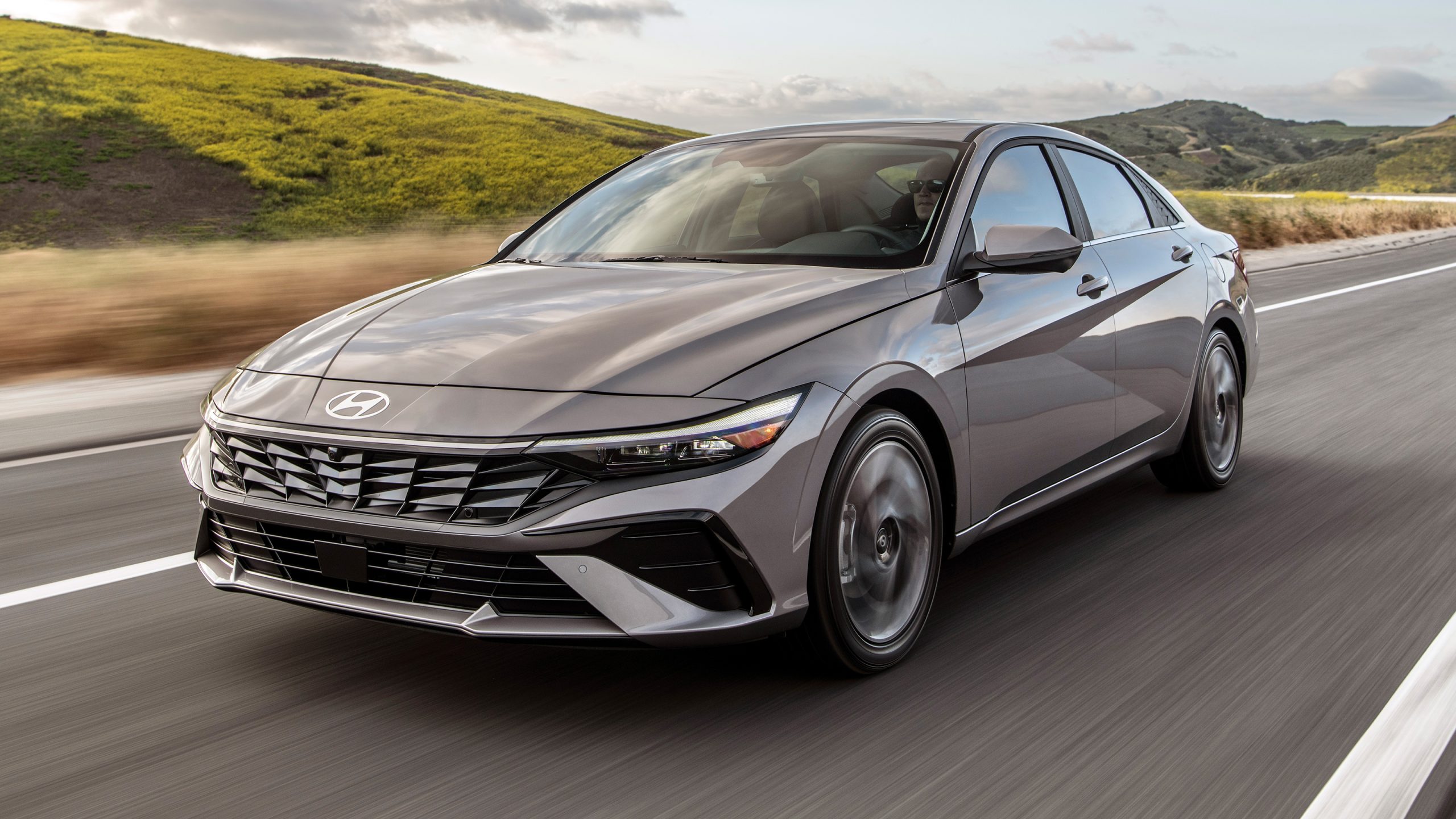
5. Hyundai Elantra
The Hyundai Elantra has emerged as a popular choice for commuters seeking affordability without sacrificing features. Modern Elantra models offer impressive fuel economy, smooth rides, and comfortable interiors, making daily commuting less stressful.
Its size is ideal for urban streets, allowing drivers to maneuver easily and find parking in busier parts of Harrisburg. Additionally, Hyundai’s warranties and reliability records make the Elantra appealing to those who want predictable costs over the life of the car.
Maintenance costs for the Elantra are generally low. Replacement parts are inexpensive and widely available, and the vehicle is designed to perform well with routine care such as oil changes and brake inspections.
Unlike some luxury vehicles, the Elantra does not demand specialized tools or service, keeping both scheduled and unexpected repairs affordable. This predictability is particularly useful for commuters who rely on a consistent vehicle for daily transportation.
Drivers benefit from supportive seats, straightforward control layouts, and efficient climate systems. Infotainment and connectivity features are designed for convenience, allowing commuters to focus on traffic without being distracted by complex interfaces. These factors contribute to a less stressful commuting experience and can enhance productivity during longer trips.
Finally, the Hyundai Elantra retains a respectable resale value relative to its price. Its combination of low cost, reliable performance, and practical features makes it a strong choice for Harrisburg residents who want an affordable, efficient, and dependable vehicle. For those prioritizing cost-effectiveness, comfort, and usability, the Elantra represents a sensible investment for everyday commuting.
5 Cars That Cost a Lot to Maintain

1. BMW 5 Series
The BMW 5 Series has long been a symbol of luxury, performance, and advanced engineering. While it offers a smooth and powerful driving experience, owning one comes with significant financial responsibility.
Routine maintenance for the 5 Series is often more expensive than for standard sedans due to the precision engineering of its engines, transmissions, and electronics. Parts such as brakes, suspension components, and filters are usually high-end and costly to replace. Even regular oil changes or software updates at certified service centers can run much higher than for mainstream vehicles, which quickly adds up over time.
Insurance and repair costs are also higher for the 5 Series. Because it is a luxury vehicle, replacement parts are often imported and may require specialized mechanics to handle repairs. Components like turbochargers, advanced electronic control units, or adaptive suspension systems are expensive to fix or replace if they fail.
Drivers who do not maintain strict service schedules can face cascading problems, where one small issue escalates into multiple expensive repairs. This makes owning a BMW 5 Series less suitable for commuters seeking predictability and cost control.
Fuel efficiency, while reasonable for a luxury sedan, tends to be lower than smaller commuter cars. Combined with higher insurance and maintenance costs, this reduces the affordability of daily commuting.
For Harrisburg residents who must navigate both city streets and suburban highways, the 5 Series offers performance and style but demands financial commitment. Even minor cosmetic damages, such as scratches or dings, often require specialized paintwork that adds to the expense.
Despite its high costs, the 5 Series continues to attract buyers for its luxury, comfort, and driving dynamics. Leather interiors, advanced infotainment, and responsive handling make it appealing to those who prioritize experience over cost.
However, for commuters focused on efficiency, reliability, and long-term affordability, the 5 Series represents a significant financial burden. Its combination of expensive maintenance, specialized parts, and higher operational costs positions it firmly as a vehicle that is enjoyable but costly to maintain over time.
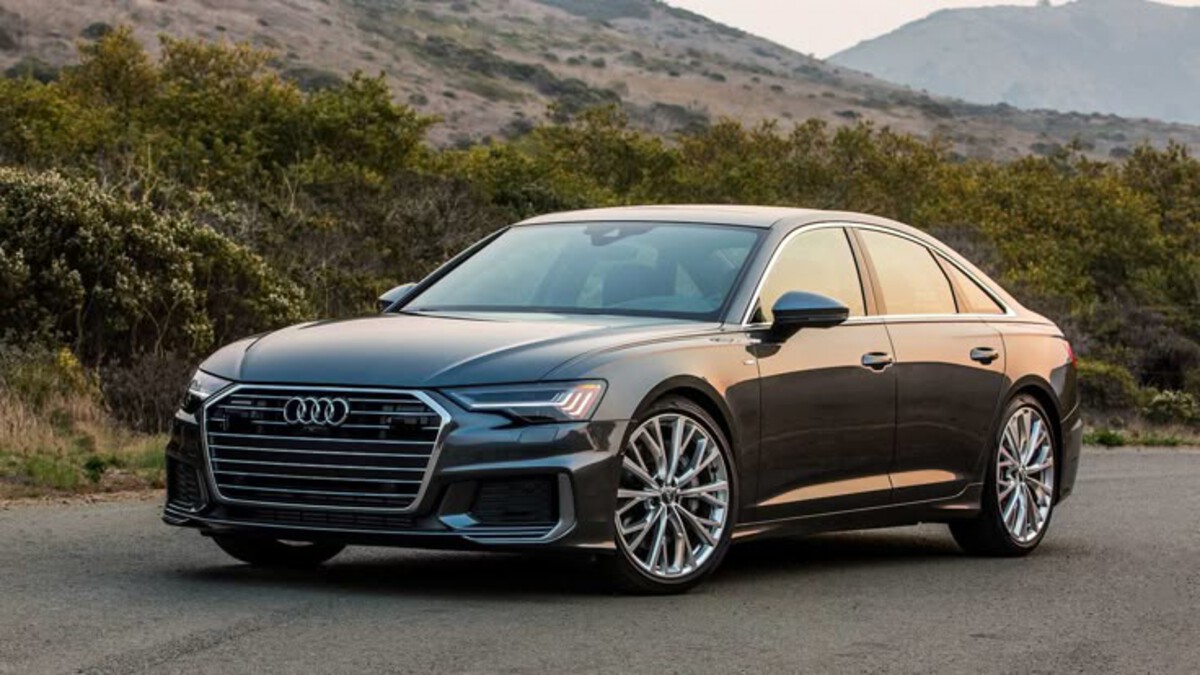
2. Audi A6
The Audi A6 offers refined design, excellent handling, and advanced technology, making it an attractive option for drivers seeking a premium experience. However, its ownership costs can be daunting. Routine maintenance and repairs tend to be more expensive than for standard sedans due to Audi’s intricate engineering and reliance on imported parts.
Simple tasks such as brake replacement, oil changes, or tire rotation can cost several times more than comparable mainstream vehicles. Over time, these costs accumulate and can make commuting in an A6 a surprisingly expensive proposition.
Repairs for major systems, such as the turbocharged engine or all-wheel-drive components, are also costly. Audi vehicles are equipped with numerous electronic sensors and computer systems that monitor performance, safety, and comfort.
While these features enhance driving, they also increase the likelihood of expensive repairs if any component malfunctions. Owners may encounter issues such as electronic glitches, air suspension failures, or transmission problems, each requiring specialized attention. The combination of high labor costs and expensive parts can make even minor repairs a financial strain.
Fuel economy is moderate but does not offset other operational costs. For city and highway commuting, the A6 consumes more fuel than compact sedans or hybrids, which contributes to higher monthly expenditures.
Insurance premiums are also higher due to the vehicle’s classification as a luxury car, adding another layer of cost for those commuting daily. Additionally, cosmetic repairs to the interior or exterior, such as leather care or paint touch-ups, tend to be more expensive than for standard vehicles, making maintenance a persistent consideration.
Despite these challenges, the Audi A6 delivers excellent comfort, technology, and driving performance. Leather interiors, premium sound systems, and smooth handling make it desirable for those willing to invest in luxury.
However, for Harrisburg commuters seeking a practical and cost-effective daily driver, the A6 represents a high-maintenance option that demands attention, budgeting, and planning to manage ongoing expenses effectively.
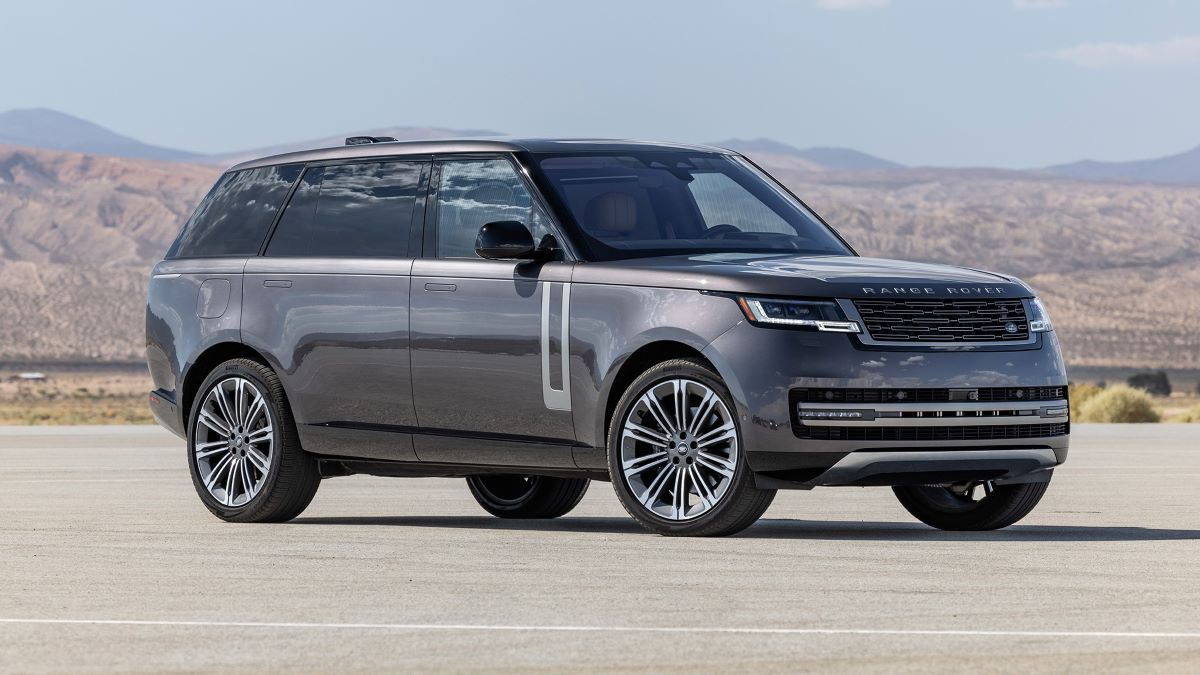
3. Land Rover Range Rover
The Range Rover is known for its combination of off-road capability, luxury, and presence on the road. While it performs impressively in various conditions, including snow, mud, and rough terrain, it is infamous for its high maintenance costs.
Routine services, such as oil changes, brake inspections, and tire replacements, are significantly more expensive than average. The complexity of its air suspension system, electronic control units, and drivetrain components often requires specialized service, which drives costs even higher for owners.
Parts availability can also be a challenge. Land Rover components are often imported and may not be immediately available in local markets, leading to longer wait times for repairs and higher prices for installation.
Common issues reported by owners include suspension failures, electronic malfunctions, and air compressor problems, all of which can be extremely costly. Because many of these systems are integral to the vehicle’s comfort and off-road capability, addressing them promptly is essential, further increasing ongoing expenses.
Fuel efficiency is generally low due to the vehicle’s size, weight, and engine power. Commuters in Harrisburg who must navigate both stop-and-go city streets and suburban roads may find themselves refueling frequently, which contributes to the expense of ownership.
Insurance rates are also elevated due to the vehicle’s classification as a luxury SUV, combined with the higher cost of repairs in case of accidents or damages. These factors make the Range Rover an expensive vehicle to operate daily.
Despite the high maintenance and operational costs, the Range Rover continues to attract buyers seeking luxury, status, and off-road capability. Its combination of premium materials, advanced technology, and commanding presence makes it appealing for those willing to absorb high expenses.
For daily commuters focused on reliability and budget management, however, the Range Rover remains one of the most expensive vehicles to maintain, requiring careful planning and significant financial commitment.
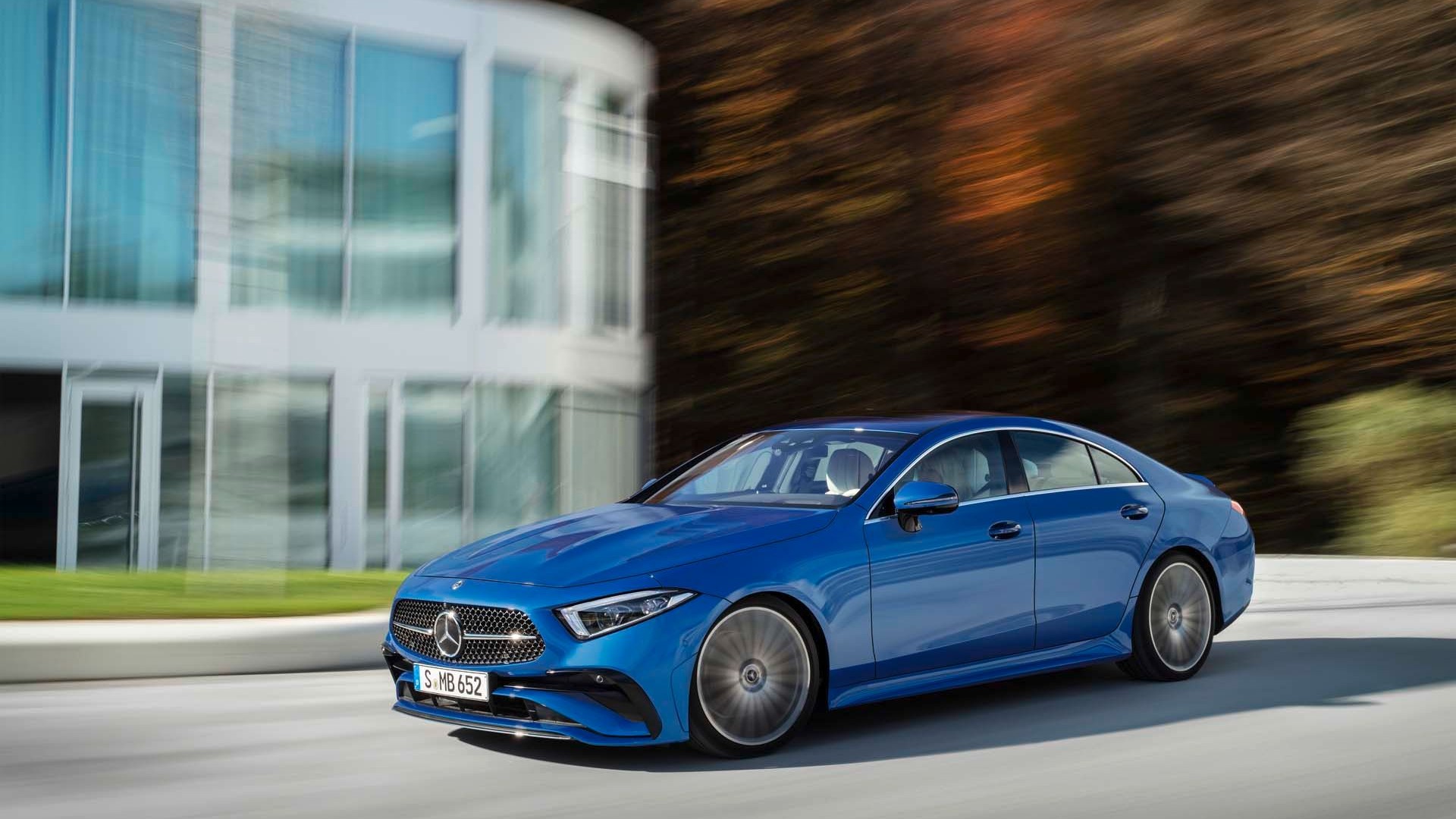
4. Mercedes-Benz S-Class
The Mercedes-Benz S-Class is often regarded as the pinnacle of luxury sedans, offering advanced technology, comfort, and performance. However, these attributes come with exceptionally high maintenance costs.
Routine maintenance such as fluid changes, brake services, and tire replacements, are significantly more expensive than typical commuter vehicles. The complexity of the vehicle’s suspension systems, electronic modules, and safety features means that even minor issues often require professional service, which drives up repair costs.
Repairs for major components can be exorbitant. Engines, transmissions, and electronic systems are highly engineered and sensitive, making DIY fixes impractical. Owners who delay maintenance or ignore minor problems risk more extensive and expensive repairs over time.
Common issues reported in older S-Class models include electronic failures, air suspension malfunctions, and advanced sensor problems. Addressing these issues promptly is critical to maintaining vehicle performance and safety, but it comes at a high financial cost.
Fuel consumption is also high due to powerful engines and the vehicle’s weight. Commuters in urban and suburban areas may find that fuel alone constitutes a significant portion of their monthly operating budget.
Insurance premiums are elevated for luxury vehicles like the S-Class, further increasing the cost of ownership. Even cosmetic maintenance, such as leather care, paint protection, and interior detailing, can be more expensive than in standard sedans, adding to the ongoing financial responsibility.
Despite these challenges, the S-Class remains highly desirable for those who prioritize luxury, technology, and performance. Its interior comfort, advanced driver-assistance systems, and smooth ride make it an attractive choice for those who can afford the maintenance.
However, for Harrisburg commuters seeking a reliable, cost-effective vehicle, the S-Class represents a significant financial commitment, and ownership requires careful budgeting to manage its high operating costs effectively.
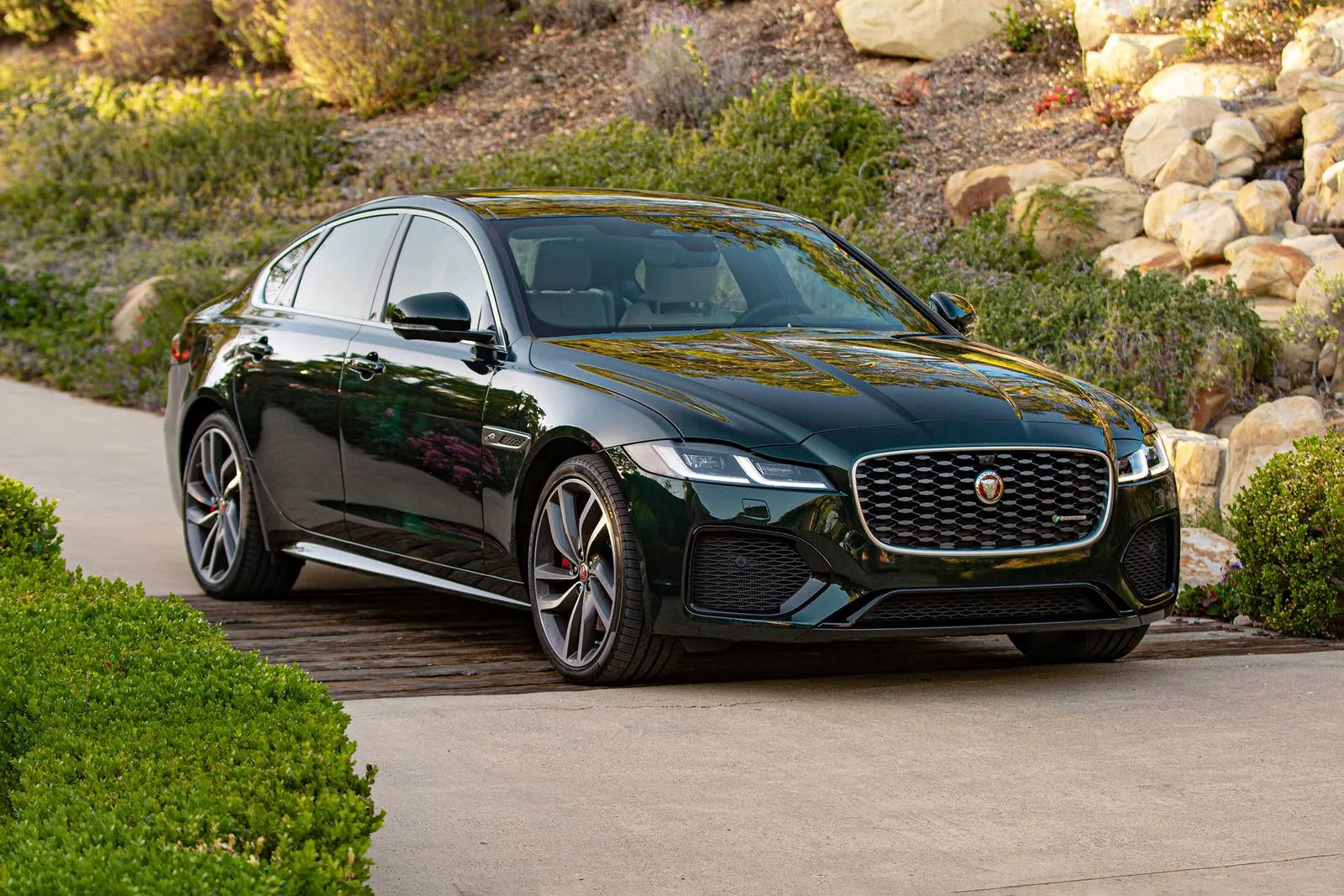
5. Jaguar XF
The Jaguar XF combines sleek design, performance, and a premium driving experience. While visually appealing and fun to drive, it is notorious for high maintenance and repair costs.
Routine upkeep, such as oil changes, brake servicing, and tire replacements, tends to be more expensive than mainstream vehicles. Parts often need to be imported, and Jaguar’s specialized engineering can make repairs labor-intensive, increasing both the cost and time required to maintain the vehicle.
Major repairs can be particularly costly. The XF’s complex engines, transmissions, and electronic systems are prone to failures if not carefully maintained. Owners may encounter issues such as electrical malfunctions, suspension problems, or engine component wear, each of which requires specialized service. These repairs are often far more expensive than for standard sedans, and ignoring minor problems can escalate costs significantly over time.
Fuel efficiency is generally moderate to low, meaning that daily commuting can be more expensive compared with compact sedans or hybrids. Additionally, insurance premiums for the Jaguar XF are higher due to its classification as a luxury vehicle and the cost of replacement parts.
Cosmetic care, such as paint protection, leather conditioning, and wheel maintenance, also adds to ownership costs. These expenses make the Jaguar XF a vehicle that demands both financial resources and careful attention from its owner.
Despite its high maintenance and operating costs, the Jaguar XF offers excellent driving dynamics, luxury interior features, and a stylish design that appeals to those seeking performance and sophistication.
However, for daily commuters in Harrisburg focused on cost-effectiveness and reliability, the XF represents a vehicle that can quickly become a financial burden. Its combination of luxurious appeal and expensive maintenance highlights the trade-off between style and practicality.
