
For decades, the global automobile scene has been dominated by European brands when it comes to speed, luxury, and high-performance engineering. Names like Ferrari, Porsche, BMW, and Mercedes have long been associated with precision, power, and automotive excellence.
While these brands certainly set benchmarks in performance, a growing wave of innovation has emerged from an unexpected region: South Korea. Over the last two decades, Korean automakers have steadily evolved from producing affordable, practical vehicles to designing cars that challenge traditional notions of speed and performance.
Companies such as Hyundai, Kia, and Genesis have made significant investments in research and development, creating engines, chassis systems, and aerodynamic designs that rival their European counterparts. What makes these developments particularly is that they combine speed with affordability and practicality, which has allowed them to reach a wider audience than the exclusive market traditionally dominated by European sports cars.
Korean manufacturers have also embraced new technologies that enhance both speed and handling. Turbocharged engines, all-wheel-drive systems, adaptive suspensions, and advanced electronic control units have all found their way into Korean high-performance models.
This technological commitment has allowed cars like the Hyundai i30 N and the Genesis G70 to compete in performance metrics once reserved for European sports sedans and hatchbacks. Beyond raw speed, Korean cars have gained attention for their driving dynamics, balance, and refinement, creating vehicles that are not just fast in straight lines but also agile on winding roads.
This growing reputation has been supported by racing achievements, automotive awards, and enthusiastic communities of drivers who appreciate the combination of innovation, affordability, and thrilling performance.
Furthermore, Korean automakers have begun to push the boundaries in electric performance cars. With models like the Hyundai Ioniq 5 N and the Kia EV6 GT, they are demonstrating that speed is not confined to internal combustion engines.
Electric powertrains have allowed Korean brands to produce astonishing acceleration figures while maintaining strong handling and comfort. This fusion of speed, design, and technology has cemented South Korea as a serious player in the high-performance automotive world, challenging the long-standing European dominance.
In this article, we will highlight ten Korean cars that prove speed is no longer just a European game. Each model showcases the unique approach Korean manufacturers take to performance, style, and innovation.
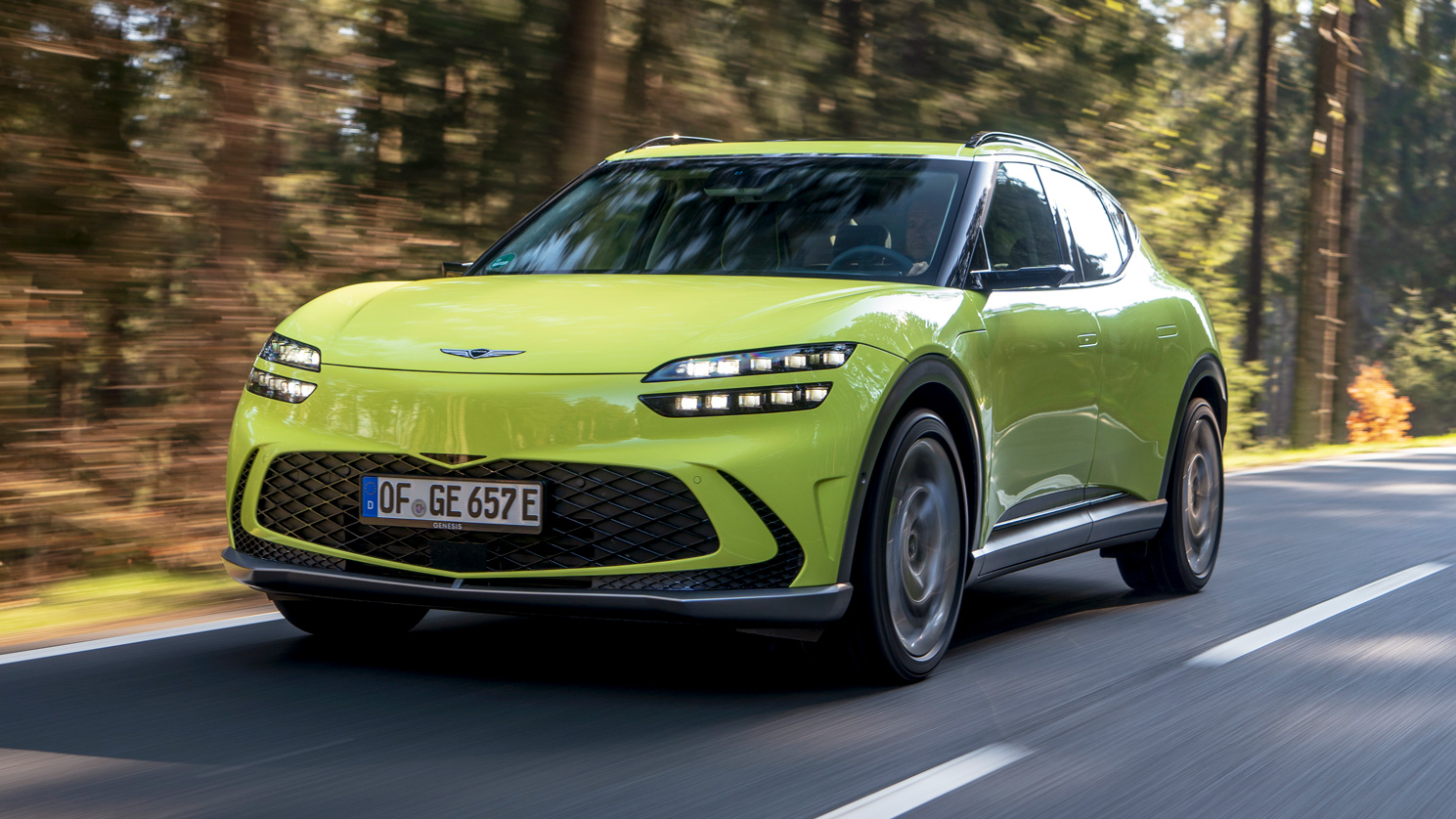
1. Hyundai Genesis G70
The Hyundai Genesis G70 has firmly established itself as a serious competitor in the compact luxury sports sedan category. Unlike traditional sedans focused on comfort, the G70 blends luxury and performance seamlessly.
It offers a choice between a turbocharged 2.0-liter four-cylinder engine and a more powerful 3.3-liter twin-turbo V6, both of which deliver impressive acceleration and smooth power delivery. What sets the G70 apart is its chassis engineering. With a near-perfect weight distribution and precise steering, it handles tight corners with confidence, making it as enjoyable on twisty roads as it is on highways.
Inside, the G70 continues to impress. The cabin design combines luxury touches with driver-focused ergonomics, including a supportive seat layout and intuitive controls. High-quality materials give the interior a premium feel, rivaling German competitors at a lower price point.
Moreover, Genesis has integrated modern technology like adaptive cruise control, lane-keeping assistance, and a responsive infotainment system, ensuring the driving experience is both safe and engaging. This combination of luxury and performance makes it a compelling choice for drivers seeking speed without sacrificing comfort.
In terms of performance metrics, the twin-turbo V6 G70 can sprint from 0 to 60 miles per hour in just over four seconds, which is remarkable for a sedan in this class. The available all-wheel-drive system enhances traction, particularly in adverse conditions, allowing drivers to extract maximum performance from the engine.
Suspension tuning focuses on a balance between comfort and sporty handling, allowing the car to remain composed under hard acceleration or braking. For enthusiasts who want a vehicle that can handle daily driving while offering occasional track excitement, the G70 stands out.
The G70 has also received recognition in automotive circles for its design and engineering. Its exterior features a bold grille, sleek lines, and a muscular stance, signaling that it is more than just a luxury sedan.
The combination of aggressive styling, dynamic handling, and a range of powerful engine options demonstrates that Hyundai is capable of producing vehicles that compete on a global stage with established European brands. For those who want a high-performance sedan that delivers thrills without exorbitant costs, the Genesis G70 is a clear example of Korean innovation in speed.
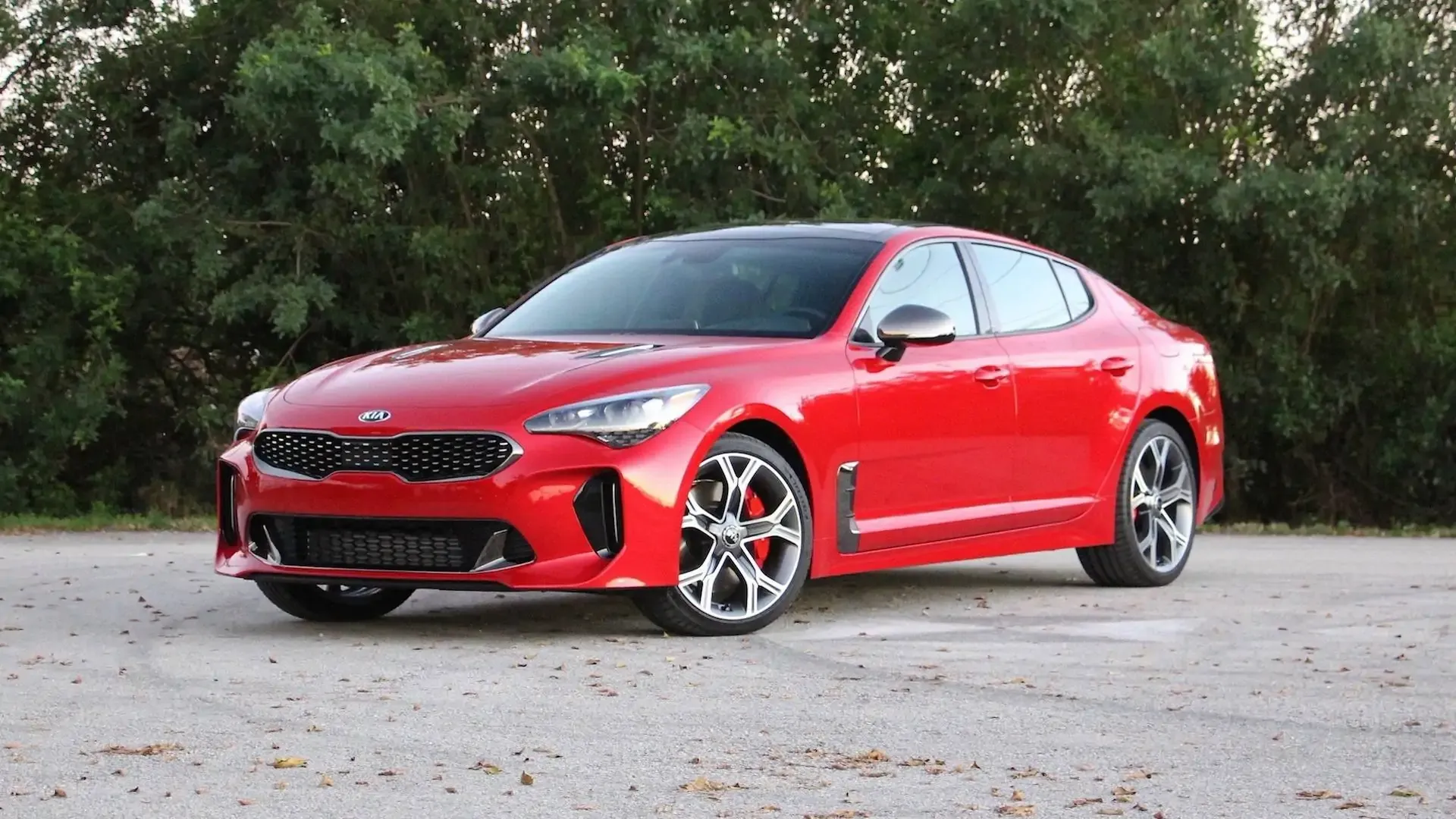
2. Kia Stinger GT
The Kia Stinger GT redefined perceptions of the Kia brand by combining aggressive styling with serious performance credentials.
Initially, Kia was known for affordable and practical vehicles, but the Stinger GT signaled a new direction: producing a grand touring sports sedan capable of competing with German rivals. Its 3.3-liter twin-turbo V6 engine produces over 365 horsepower, allowing it to accelerate from 0 to 60 miles per hour in just over 4.5 seconds. The car’s rear-wheel-drive layout, or optional all-wheel drive, provides a classic sporty feel, enhancing both control and driving enjoyment.
Handling is a standout feature of the Stinger GT. Engineers focused on chassis stiffness, suspension tuning, and weight distribution to create a car that remains stable at high speeds while offering precise cornering.
Unlike many sedans, it doesn’t rely solely on engine power for excitement; the Stinger GT is balanced, providing drivers with confidence whether they are navigating highways or mountain passes. Braking performance is equally impressive, with large ventilated discs and precise pedal feel contributing to an sense of security during spirited driving.
Inside, the Stinger GT delivers a blend of comfort and sportiness. High-quality leather seats, a modern infotainment system, and thoughtful interior design elements make it suitable for both long drives and daily commutes.
The cabin is driver-oriented, with controls positioned for convenience and accessibility. Advanced safety features such as blind-spot monitoring, adaptive cruise control, and lane departure warning are standard in higher trims, further solidifying its position as a modern sports sedan.
Beyond performance, the Stinger GT challenges stereotypes about Korean cars by demonstrating that style and presence are just as important as raw power. Its long, sleek silhouette, sculpted lines, and distinctive front grille give it a road presence that rivals European luxury sedans. The Stinger GT proves that Korean automakers can create vehicles that combine speed, comfort, and style in a single package.
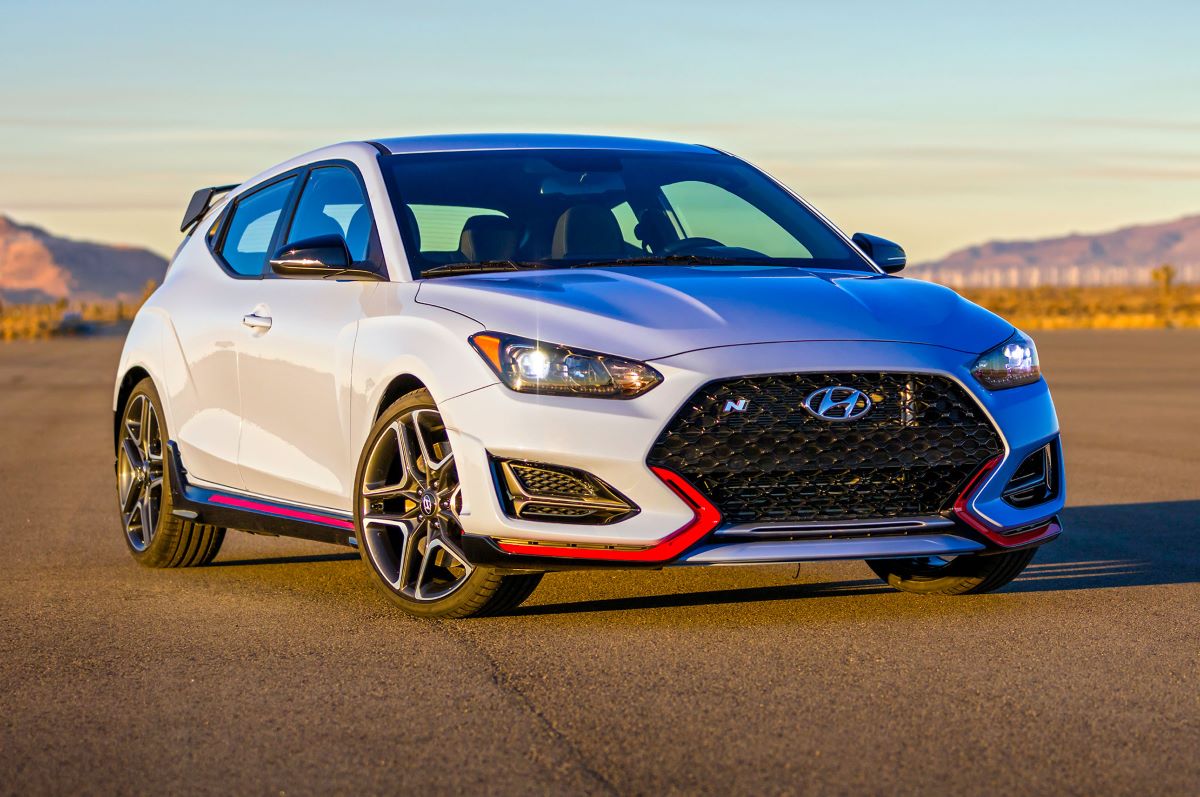
3. Hyundai Veloster N
The Hyundai Veloster N represents the brand’s commitment to producing small, affordable performance cars that are fun to drive. Its unique three-door design is instantly recognizable, giving it a sporty and unconventional appearance. Under the hood, the Veloster N features a 2.0-liter turbocharged engine producing around 275 horsepower.
While this might not sound extreme on paper, the car’s lightweight chassis, sport-tuned suspension, and aggressive gearing allow it to accelerate quickly and maintain nimble handling through corners.
One of the key strengths of the Veloster N is its driving dynamics. Hyundai engineers focused on creating a car that responds precisely to driver input, with minimal body roll and predictable behavior under hard cornering. The N mode allows drivers to sharpen throttle response, stiffen suspension, and enhance steering feedback, creating an engaging driving experience. Its limited-slip differential ensures that power is efficiently delivered to the wheels, providing stability during spirited driving or when exiting corners.
The interior of the Veloster N emphasizes driver engagement. Sport seats, a flat-bottom steering wheel, and red-accented details create a racing-inspired environment.
Technology such as drive mode selection, rev-matching, and performance telemetry give drivers tools to maximize the car’s potential on both the street and track. While compact, the cabin balances sportiness with practicality, including enough space for daily commuting needs.
Hyundai’s N division has made a name for itself by creating small cars capable of competing with traditional hot hatches from Europe. The Veloster N proves that Korean automakers can engineer vehicles that prioritize driver enjoyment without compromising reliability or affordability. Its combination of sharp styling, agile handling, and turbocharged power makes it a standout in the global performance car scene.
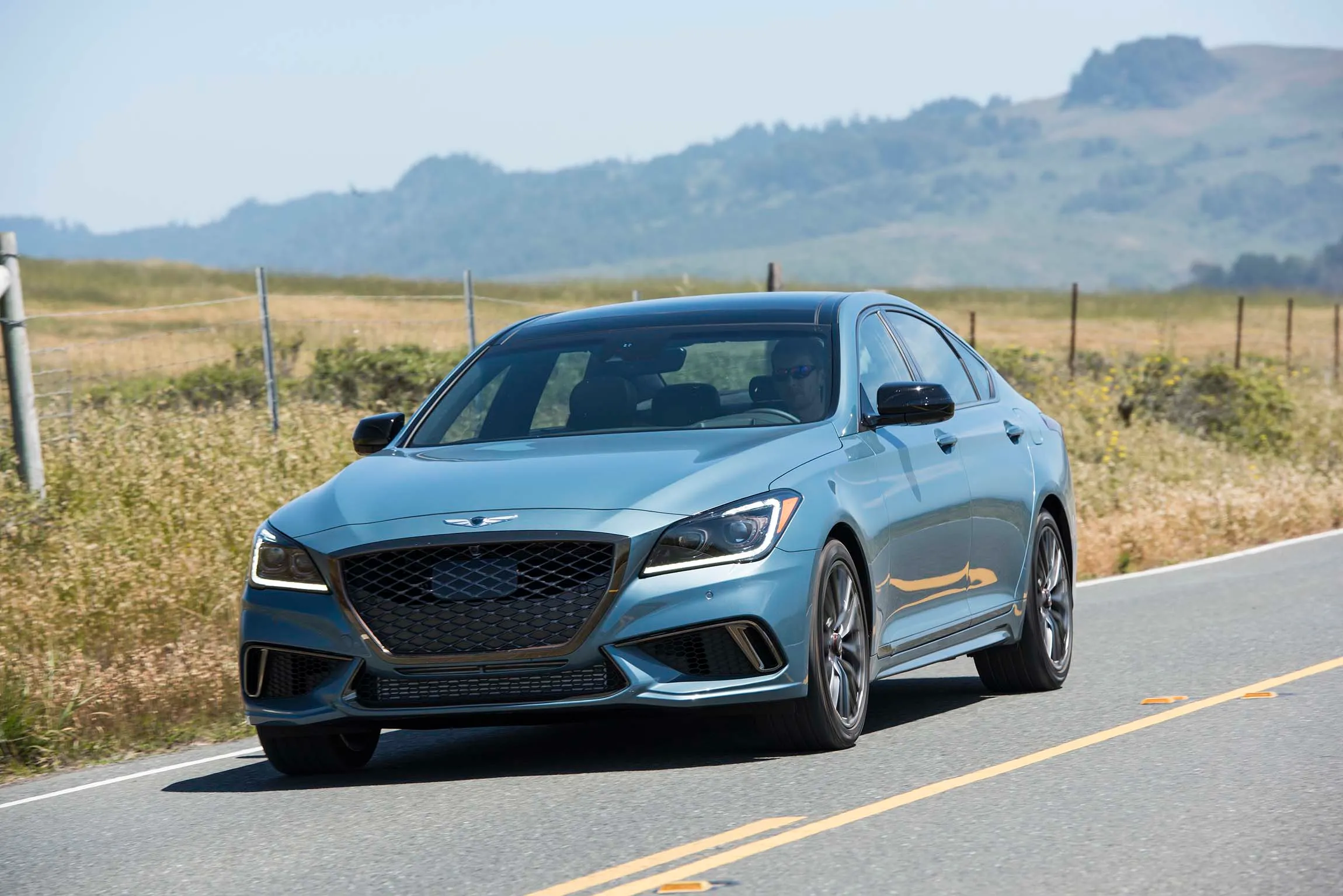
4. Genesis G80 Sport
The Genesis G80 Sport takes the luxury sedan formula and injects it with performance-oriented engineering. Unlike the standard G80, the Sport variant features a twin-turbocharged 3.5-liter V6 engine producing over 375 horsepower, paired with an eight-speed automatic transmission.
Acceleration is brisk, and the all-wheel-drive system ensures optimal traction under various road conditions. While it is larger than some sports sedans, the G80 Sport handles surprisingly well, thanks to its adaptive suspension and precise steering calibration.
Comfort remains a priority, even with the performance upgrades. The interior offers high-quality materials, ambient lighting, and supportive seating. A spacious cabin ensures that passengers enjoy luxury alongside the thrill of driving a performance sedan. Technology plays a significant role, with features like advanced navigation, premium audio systems, and driver assistance technologies enhancing both convenience and safety.
The G80 Sport is designed to balance everyday usability with high-speed performance. Its braking system is strong and reliable, allowing drivers to approach high speeds with confidence. Additionally, chassis tuning ensures minimal body roll, and the suspension adapts to driving conditions, making it a sedan that can handle both aggressive driving and relaxed cruising.
This vehicle exemplifies how Korean automakers have embraced the concept of a luxury performance car. It proves that speed and sophistication are not mutually exclusive, and the G80 Sport demonstrates that Korean engineering can rival European standards in both power and refinement.
Its presence in the luxury segment reinforces South Korea’s growing reputation for producing cars that deliver excitement, comfort, and cutting-edge technology.
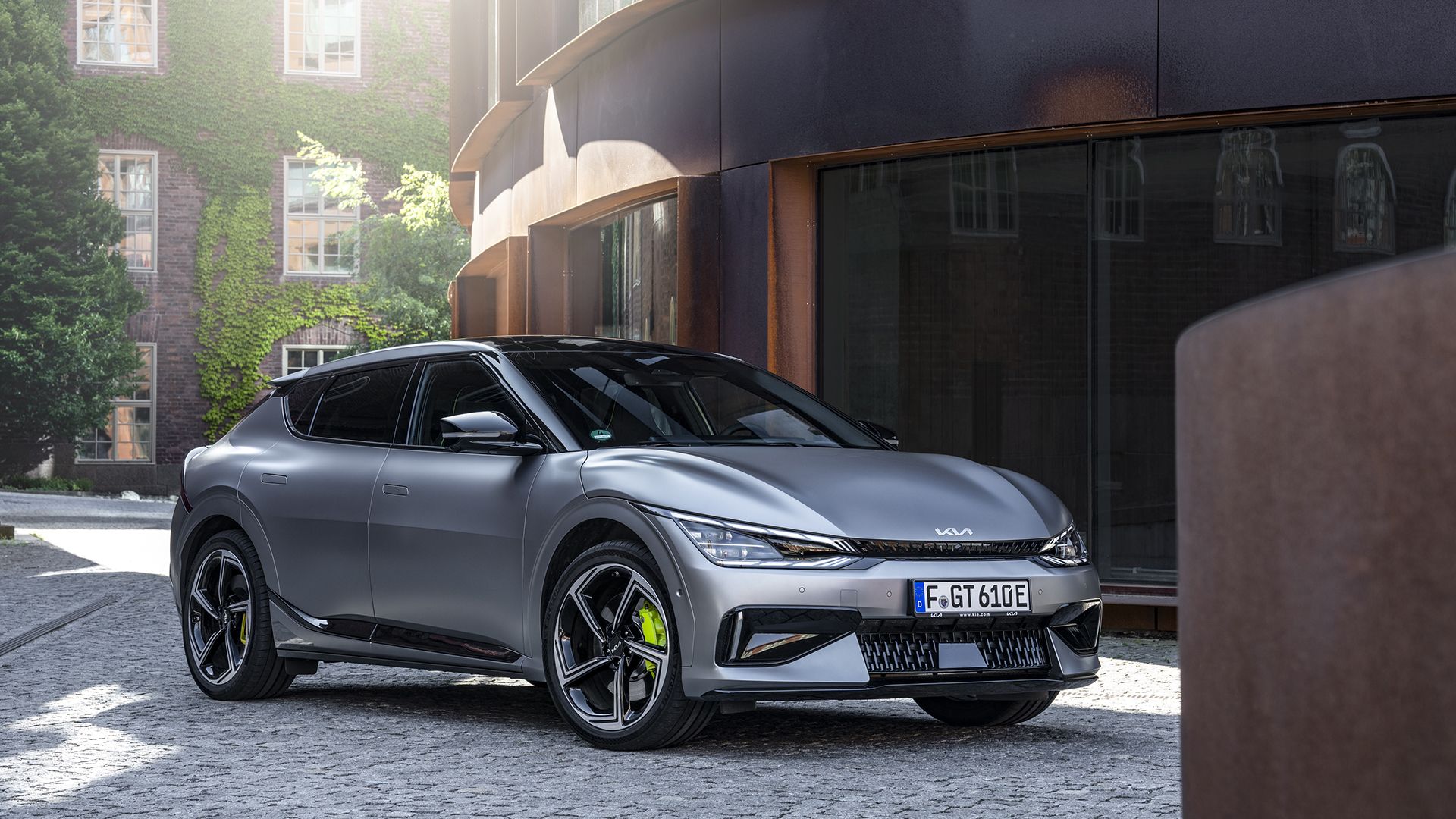
5. Kia EV6 GT
The Kia EV6 GT represents the future of Korean performance, showcasing how speed and electric powertrains can coexist. Unlike traditional combustion-engine cars, the EV6 GT leverages dual electric motors to produce a combined output of over 576 horsepower, propelling the vehicle from 0 to 60 miles per hour in just 3.5 seconds.
This acceleration rivals that of many high-end European electric sports cars, yet the EV6 GT maintains the accessibility and usability that Kia is known for. Its low center of gravity, courtesy of the battery placement, enhances cornering stability, allowing it to handle tight bends and high-speed maneuvers with surprising confidence.
The driving dynamics of the EV6 GT are further enhanced by its torque vectoring system, which distributes power between the wheels to optimize traction and agility. This system ensures that power delivery is smooth yet immediate, giving drivers a sense of connection with the road that is often absent in heavier electric vehicles.
Additionally, the EV6 GT’s adaptive suspension system provides a balance between comfort and sportiness, allowing it to switch seamlessly from relaxed cruising to aggressive driving on winding roads. Even at high speeds, the vehicle maintains composure, reflecting Kia’s commitment to engineering precision.
Inside, the EV6 GT continues to impress with a futuristic yet functional cabin. High-quality materials, a wide curved digital display, and supportive seating create an environment that combines luxury with practicality.
The car also features an array of driver-focused technologies, including customizable drive modes, regenerative braking adjustments, and advanced infotainment options, all designed to enhance the driving experience. Unlike many performance EVs, the EV6 GT prioritizes both comfort and excitement, allowing it to be equally enjoyable on long journeys and track-like conditions.
The EV6 GT also marks a turning point for the perception of Korean electric vehicles. It demonstrates that South Korean manufacturers are not just following global EV trends but actively challenging the dominance of established European and American brands in the high-performance electric segment.
Its combination of extreme acceleration, sharp handling, and thoughtful technology highlights that speed is no longer restricted to gasoline-powered cars and that Korean innovation is now at the forefront of the electric performance revolution.
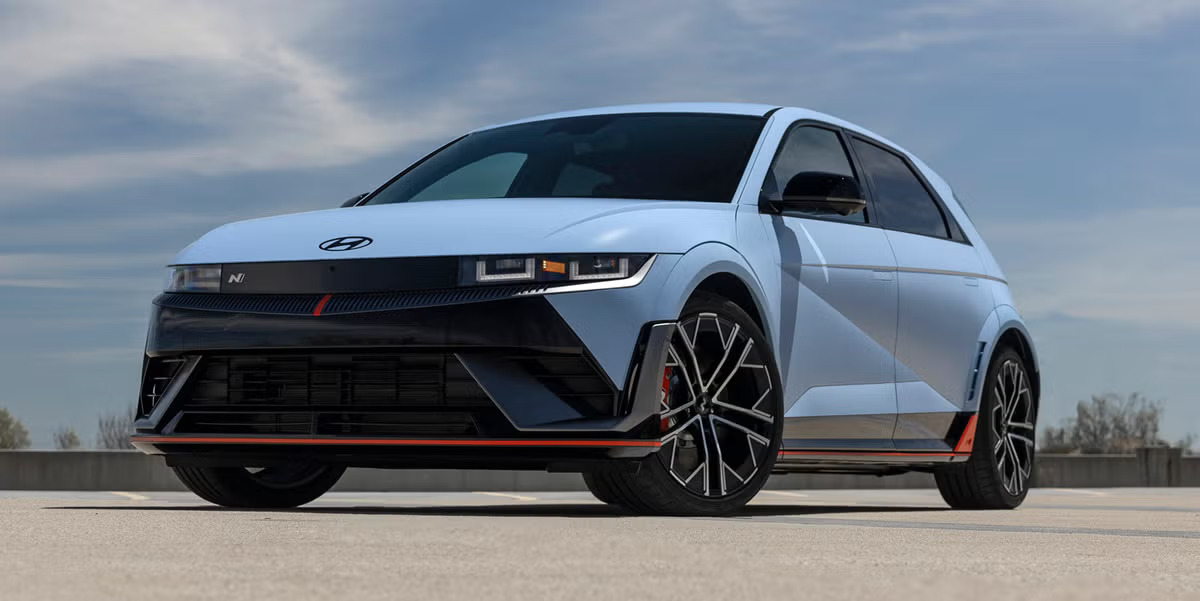
6. Hyundai Ioniq 5 N
The Hyundai Ioniq 5 N expands Hyundai’s N performance division into the realm of electric crossovers. While most high-performance SUVs and crossovers prioritize size and luxury over speed, the Ioniq 5 N delivers astonishing acceleration and agile handling while maintaining the versatility of a crossover.
Equipped with dual electric motors, the vehicle produces over 590 horsepower and can accelerate from 0 to 60 miles per hour in under 4 seconds. Its all-wheel-drive system and advanced torque vectoring ensure that power is delivered efficiently to all wheels, allowing precise control even during aggressive cornering.
Hyundai’s engineers focused heavily on the vehicle’s suspension and chassis dynamics to ensure that the Ioniq 5 N handles like a sports car despite its larger size. The adaptive suspension adjusts in real-time to road conditions and driving style, providing stability at high speeds and comfort during everyday driving.
Steering response is sharp and communicative, giving the driver confidence during tight maneuvers and high-speed runs. Additionally, the Ioniq 5 N incorporates performance-oriented braking systems capable of handling the extra weight and power of an electric crossover, enhancing both safety and driving enjoyment.
Inside, the Ioniq 5 N combines futuristic design with performance-focused elements. Driver-oriented displays provide real-time performance data, while adjustable regenerative braking allows drivers to tailor the driving feel to their preferences.
The cabin materials are both sustainable and high-quality, reflecting Hyundai’s commitment to modern design and environmental consciousness. Despite its electric powertrain, the Ioniq 5 N maintains a spacious interior with enough room for passengers and cargo, proving that speed and practicality can coexist.
By introducing the Ioniq 5 N, Hyundai has challenged the conventional wisdom that electric crossovers cannot deliver thrilling driving experiences. Its combination of extreme acceleration, agile handling, and innovative technology shows that Korean automakers are capable of redefining performance in multiple vehicle categories. The Ioniq 5 N is a testament to how speed, style, and environmental responsibility can merge into a single, exhilarating package.
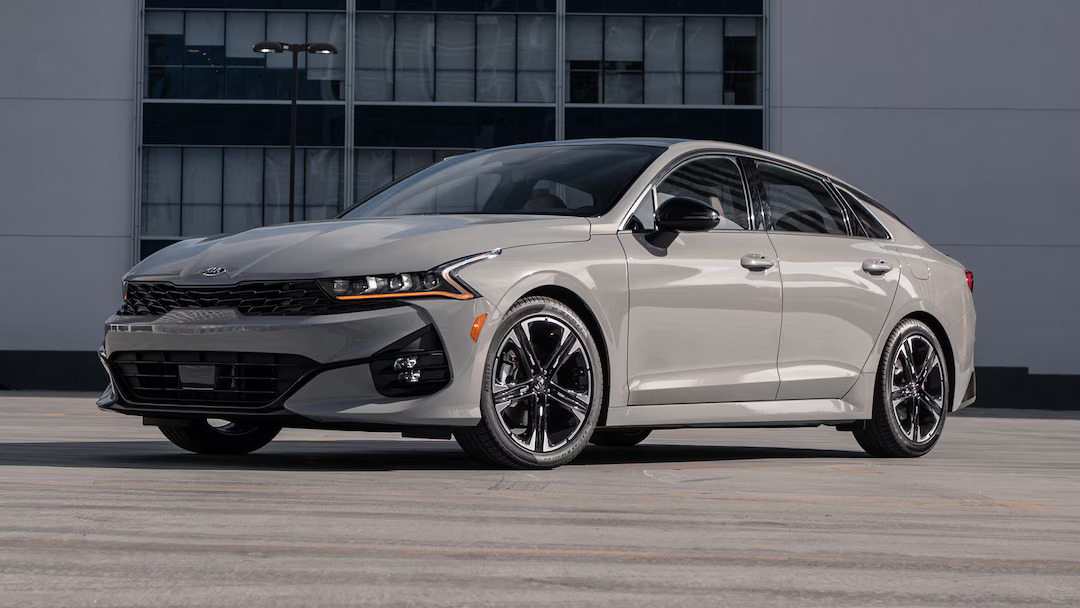
7. Kia K5 GT
The Kia K5 GT brought sportiness to the mid-size sedan segment, transforming a practical car into a performance-oriented machine. Equipped with a 2.5-liter turbocharged four-cylinder engine producing 290 horsepower, the K5 GT accelerates rapidly while maintaining precise handling thanks to its performance-tuned suspension.
Unlike some sporty sedans that sacrifice comfort for speed, the K5 GT strikes a balance, offering an engaging driving experience while remaining a comfortable daily driver. Its well-engineered chassis minimizes body roll and ensures confidence during aggressive driving, while the responsive steering provides excellent feedback for spirited cornering.
In terms of performance technology, the K5 GT incorporates a limited-slip differential and multiple drive modes, which allow drivers to customize the vehicle’s behavior to suit different road conditions or driving preferences.
The braking system is equally robust, providing strong stopping power and consistent performance during extended spirited driving sessions. This combination of power, precision, and safety makes the K5 GT a credible competitor in a segment historically dominated by Japanese and European sedans.
The interior of the K5 GT reinforces its sporty character while maintaining a high level of comfort. Features such as sport seats with bolstering, a flat-bottom steering wheel, and performance-oriented displays ensure that drivers feel connected to the car.
Infotainment and safety technology are seamlessly integrated, providing a modern and intuitive experience for both driver and passengers. The cabin manages to be practical and stylish, proving that a performance car does not need to sacrifice daily usability.
The K5 GT also played a significant role in changing perceptions of Korean sedans. It demonstrated that speed, performance, and excitement could be offered at an accessible price point without compromising build quality or comfort. By combining aggressive styling, precise handling, and turbocharged power, the K5 GT exemplifies how Korean automakers can compete with long-established global brands in the performance sedan category.
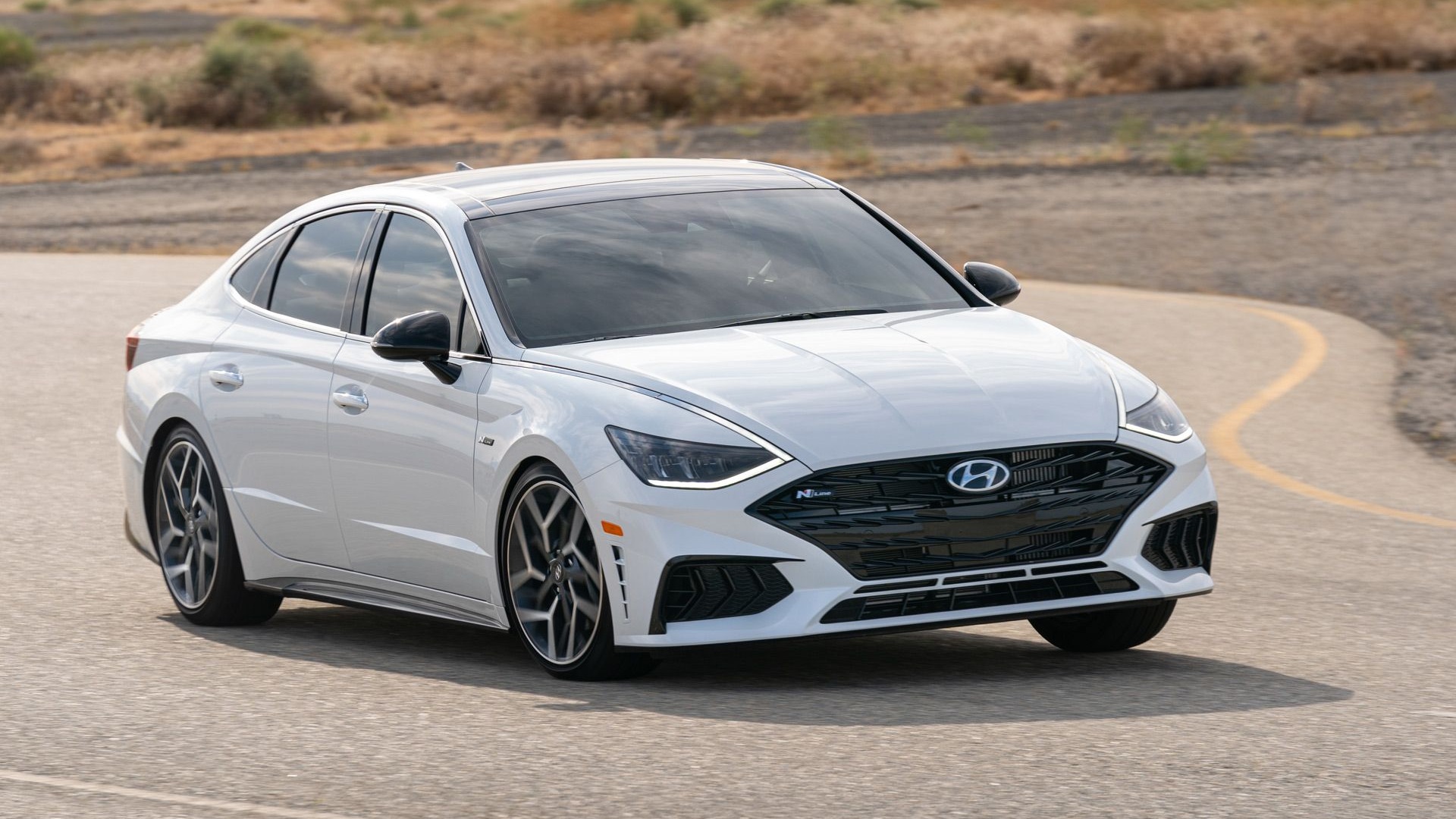
8. Hyundai Sonata N Line
The Hyundai Sonata N Line transforms a mainstream sedan into a performance machine that rivals many European rivals in both style and speed. Its 2.5-liter turbocharged engine produces around 290 horsepower, which, combined with an eight-speed dual-clutch transmission, allows the car to accelerate quickly and maintain smooth performance at high speeds.
The N Line version focuses on sportiness with enhanced suspension tuning, improved brakes, and a sharper steering response. This ensures that the Sonata N Line not only performs well in straight-line acceleration but also handles curves and corners with confidence and precision.
Hyundai’s engineering emphasis on driving dynamics is evident in the N Line’s chassis design. Weight distribution is carefully considered, and adaptive suspension allows drivers to switch between comfort and sport modes depending on their preference.
The car maintains composure at high speeds, providing stability while absorbing road imperfections. Performance brakes ensure consistent stopping power, enhancing safety and driving confidence during spirited driving. This combination of power and handling proves that mainstream sedans can deliver excitement without extreme pricing.
Inside, the Sonata N Line balances performance-oriented elements with comfort and technology. Sport seats provide excellent support during aggressive driving, while the cabin features an intuitive digital display and driver-focused controls.
The interior materials are high quality, and the design conveys a sense of refinement that complements the car’s sporty exterior. Infotainment features and advanced safety technology make the Sonata N Line practical for everyday use while enhancing the driving experience.
By offering the Sonata N Line, Hyundai has shown that speed and sportiness are not limited to traditional sports cars. It demonstrates that a Korean mid-size sedan can compete with European rivals in terms of acceleration, handling, and driving enjoyment.
The Sonata N Line exemplifies Hyundai’s commitment to producing performance vehicles that are both accessible and exciting, further proving that Korean engineering can deliver on speed and style simultaneously.
9. Genesis GV70 Sport
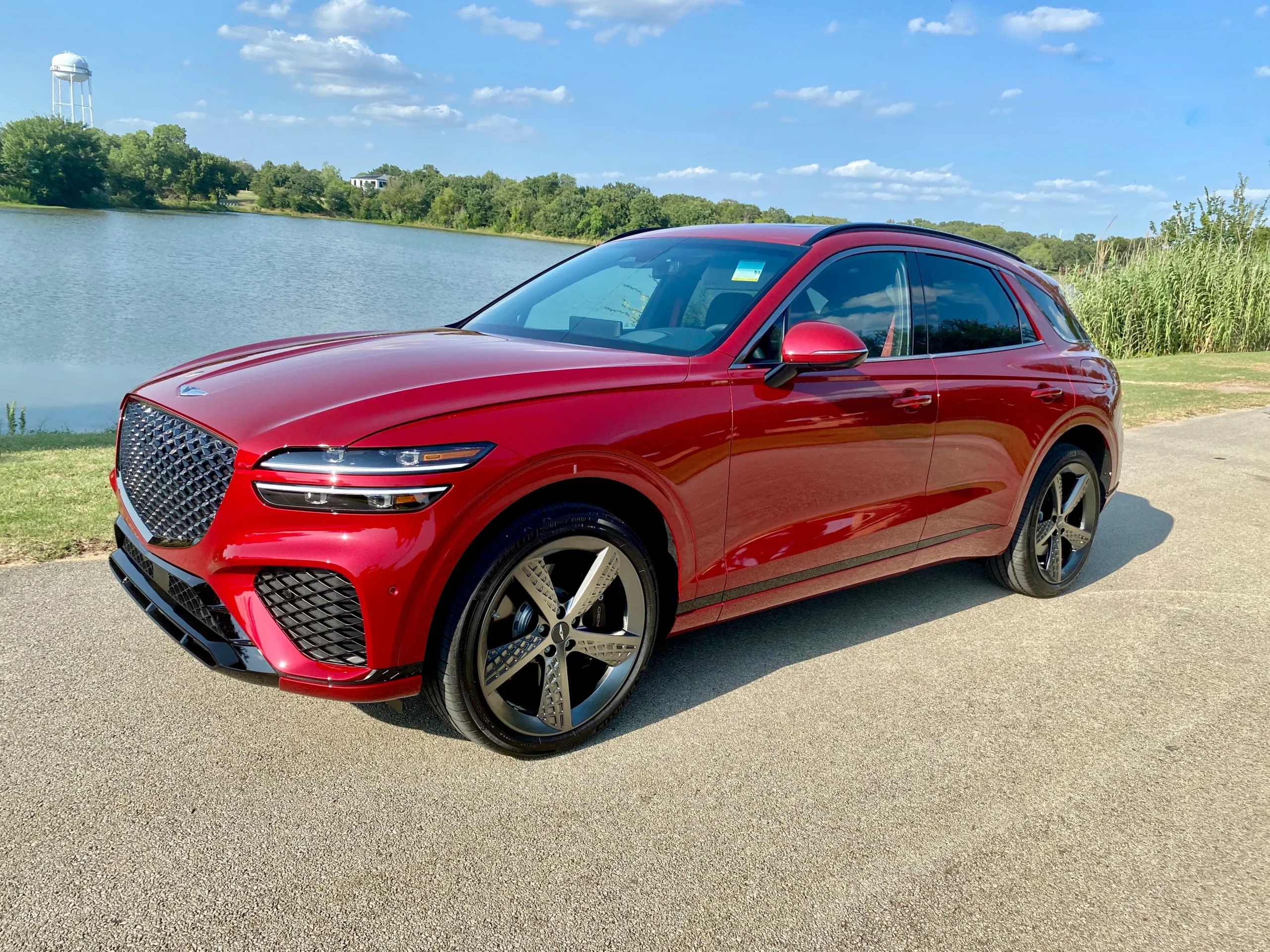
The Genesis GV70 Sport brings performance to the luxury compact SUV segment, combining powerful engines with refined handling and advanced technology. The twin-turbocharged 3.5-liter V6 produces around 375 horsepower, enabling brisk acceleration while maintaining the poise expected of a luxury vehicle.
The GV70 Sport’s all-wheel-drive system provides traction in all conditions, and its performance-tuned suspension ensures that cornering feels stable and controlled. Unlike many SUVs, the GV70 Sport balances the demands of speed with comfort, creating a vehicle that is both exciting to drive and suitable for daily use.
Handling is a key strength of the GV70 Sport. Engineers have focused on chassis rigidity, suspension tuning, and steering precision to ensure the vehicle responds predictably during aggressive driving. The SUV maintains minimal body roll, and weight distribution has been optimized to enhance stability and agility.
Performance brakes provide strong stopping power, ensuring that the GV70 Sport can handle spirited driving without compromise. Adaptive systems allow drivers to adjust driving modes, tailoring the experience from comfortable cruising to high-speed performance.
The interior is luxurious yet driver-focused. High-quality materials, advanced infotainment, and spacious seating combine to create a comfortable cabin that does not compromise on the excitement of driving.
The cockpit includes sport-oriented features such as performance displays, adjustable seating, and tactile controls that enhance the connection between driver and vehicle. Technology and luxury are integrated seamlessly, providing convenience and engagement in equal measure.
By delivering a high-performance SUV, Genesis challenges the traditional notion that speed and agility are reserved for sedans or sports cars. The GV70 Sport demonstrates that Korean automakers can produce vehicles that merge luxury, technology, and performance into a cohesive package. Its presence in the compact luxury SUV segment proves that speed, style, and innovation are no longer exclusive to European brands.
10. Hyundai Palisade N Concept
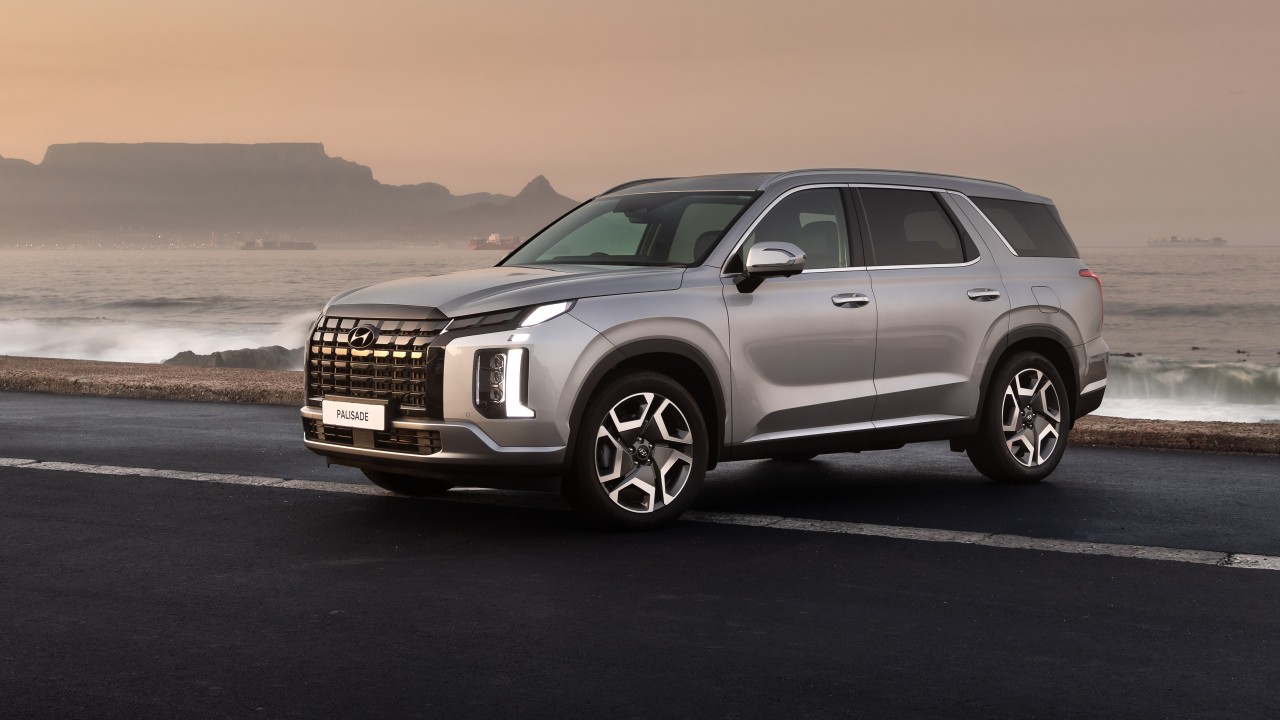
The Hyundai Palisade N Concept represents the company’s ambitious vision of combining performance with one of its largest SUV platforms. While the standard Palisade focuses on comfort and family usability, the N Concept aims to inject high-performance engineering into a full-size vehicle.
Although it is a concept, the design and engineering showcase Hyundai’s capability to push boundaries in terms of speed and dynamics. The N Concept features aggressive aerodynamic enhancements, high-output engines, and chassis improvements that suggest the potential for a full-size SUV capable of rivaling performance SUVs in speed and handling.
Driving dynamics are at the core of the Palisade N Concept’s vision. Engineers focused on weight distribution, suspension tuning, and powertrain optimization to ensure that even a large SUV could handle curves and high-speed driving effectively.
Braking systems are upgraded to match the vehicle’s increased performance, ensuring safety and control during spirited maneuvers. Despite its size, the N Concept aims to provide a level of agility uncommon for full-size SUVs, demonstrating Hyundai’s innovative approach to performance.
Inside, the N Concept reflects a blend of luxury and sportiness. Conceptual features such as performance-focused displays, advanced driver-assistance systems, and sporty seating hint at a future where large SUVs can combine speed and usability. The interior materials and design language maintain Hyundai’s premium standards while suggesting that performance need not come at the cost of comfort or refinement.
The Palisade N Concept underscores the message that Korean automakers are serious about challenging perceptions of speed and performance across all vehicle segments.
It demonstrates that even large SUVs can be engineered for excitement, proving that speed is no longer confined to small sports cars or European-dominated categories. The concept represents a bold statement that Korean innovation in automotive performance is expanding into every corner of the market.
