
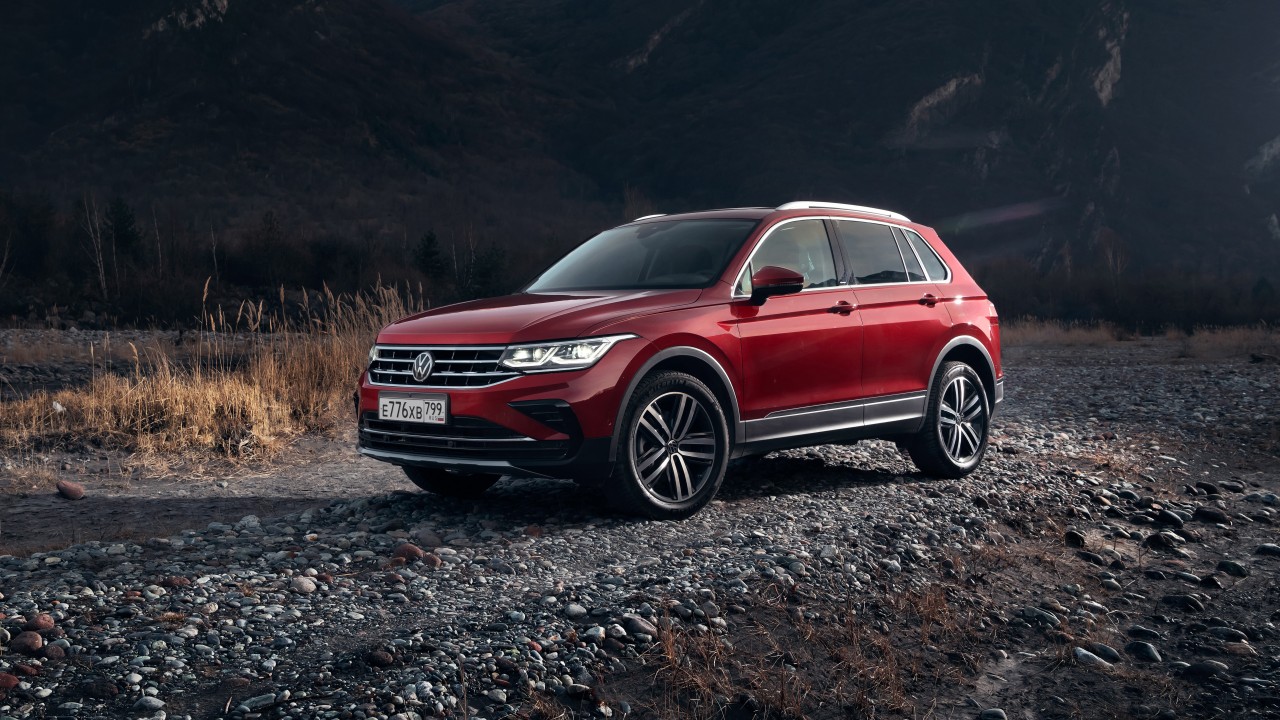
Keeping a vehicle on the road involves far more than the price paid at the dealership. Fuel costs, routine servicing, insurance, replacement parts, reliability, and long term durability all play major roles in determining how expensive a vehicle becomes over time.
Sport utility vehicles have grown in popularity because they offer higher seating positions, flexible cargo space, and a sense of security, but many people still assume that SUVs are costly to own. That assumption is not always accurate.
Some SUVs are designed with simplicity, proven mechanical components, and efficient engines that reduce ownership costs year after year. These vehicles focus on practical engineering rather than unnecessary complexity, which helps owners avoid frequent repairs and high maintenance bills.
Low ownership cost SUVs often share several characteristics. They tend to use naturally aspirated engines instead of complex turbocharged systems, which lowers repair risks. Many are built on platforms that have been refined for years, allowing manufacturers to correct early weaknesses.
Parts availability also plays a critical role, since vehicles that sell in high numbers usually have cheaper replacement components. Fuel efficiency matters as well, especially for drivers who rely on their vehicle for daily commuting or family transport. Insurance premiums can also be lower for models with strong safety records and modest performance figures.
Another important factor is how well a vehicle ages. Some SUVs maintain their reliability well beyond the warranty period, reducing the need for expensive out-of-pocket repairs.
The following list focuses on ten SUVs that are widely regarded as affordable to keep on the road. These models are known for dependable engineering, reasonable fuel consumption, and manageable maintenance requirements. Each section discusses why the SUV stands out in terms of long term affordability, looking at reliability history, running costs, and real world practicality.
The goal is not to highlight luxury or high performance, but to identify vehicles that serve owners faithfully without draining their finances over time.
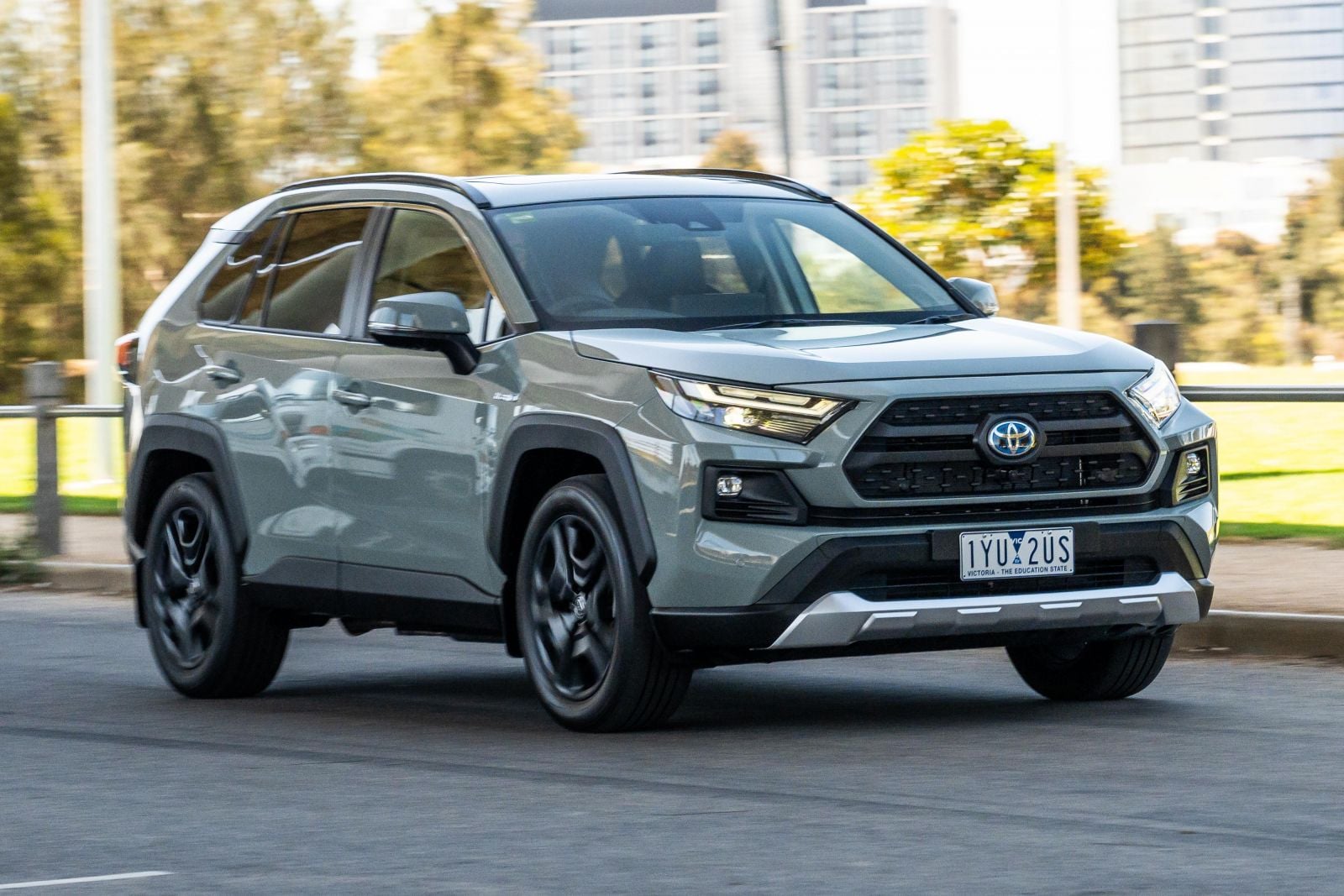
Toyota RAV4
The Toyota RAV4 has earned its reputation as a dependable and practical SUV, and its popularity stems from its consistent performance, reliability, and ease of ownership. One of the main reasons it costs so little to keep on the road is the careful selection of mechanical components.
Toyota has maintained a tradition of using well-tested engines and transmissions, which reduces the likelihood of major repairs. The RAV4’s naturally aspirated four cylinder engine provides a balance between performance and fuel efficiency, avoiding the high maintenance costs often associated with turbocharged or highly complex systems.
Because these engines are designed to endure high mileage, many RAV4 owners report driving their vehicles well past 200,000 miles with minimal issues. Additionally, Toyota’s approach to incremental improvements rather than complete redesigns ensures that the vehicle evolves without introducing unforeseen mechanical problems, which directly contributes to long-term affordability.
Routine maintenance on the RAV4 is relatively straightforward and generally less expensive than many competitors. Oil changes, brake service, tire rotations, and suspension checks are easy for mechanics to perform and do not require specialized tools or knowledge.
The RAV4’s high global popularity ensures that replacement parts, from brake pads to alternators, are plentiful and competitively priced, which helps prevent labor and parts costs from escalating.
Fuel efficiency is another area where the RAV4 shines, further lowering ownership costs. While compact SUVs are generally less efficient than sedans, the RAV4 manages to offer respectable fuel economy figures that keep day-to-day running expenses manageable.
Insurance premiums are also moderate, reflecting the vehicle’s solid safety ratings, its non-aggressive performance, and its appeal as a family-friendly SUV, making the RAV4 financially practical from multiple angles.
Longevity is one of the RAV4’s strongest attributes, contributing directly to its low total cost of ownership. Many owners have reported minimal repairs even after years of use, and the vehicle’s durable interior materials prevent wear and tear from accumulating quickly.
Seats, dashboard components, and door panels are designed to handle daily use without deterioration, which means owners rarely have to spend money on cosmetic repairs. Strong resale value is another factor that contributes to long-term affordability.
Vehicles that retain their value well reduce the financial impact of trading in or selling the car, effectively lowering the cost of ownership. Considering all these aspects, the Toyota RAV4 stands out as an SUV that combines dependability, practicality, and reasonable costs over an extended period.
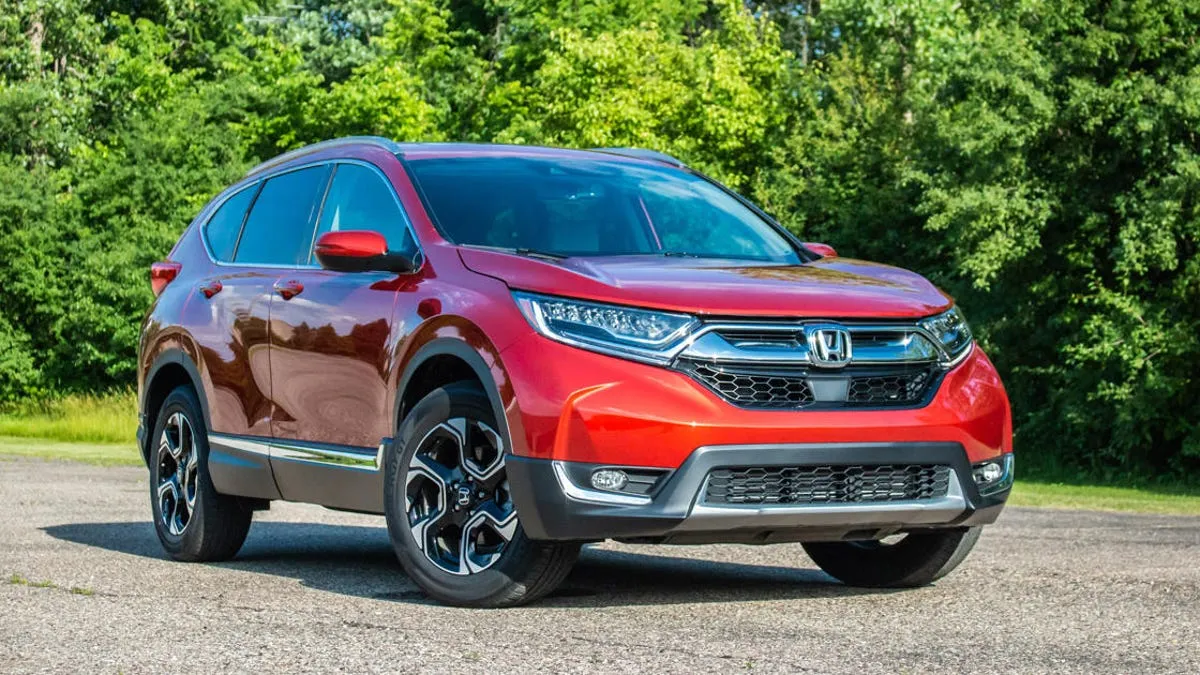
Honda CR-V
The Honda CR-V has long been recognized as a reliable, cost-effective compact SUV that appeals to families, commuters, and those looking for practicality. A significant reason the CR-V is inexpensive to maintain is Honda’s emphasis on producing engines and transmissions that are durable and proven over decades of engineering refinement.
The CR-V typically features four cylinder engines that offer consistent performance without the complexity of high-performance or turbocharged systems. These engines are known for their smooth operation, reliability, and longevity.
When paired with Honda’s well-regarded automatic transmissions, the result is a vehicle that rarely demands costly mechanical repairs, especially when routine maintenance is performed. This long-term reliability makes the CR-V a favorite among those seeking an SUV that will remain functional and affordable for many years.
Routine maintenance for the CR-V is straightforward and predictable, which contributes to lower ownership costs. The car’s design allows for easy access to components that require regular attention, such as brakes, oil filters, and fluid reservoirs.
This means mechanics can perform scheduled services quickly, reducing labor costs for owners. Parts availability is another advantage, as the CR-V shares many components with other Honda models. From filters and brakes to suspension parts, replacement components are plentiful and often cheaper than equivalent parts for less common SUVs.
This familiarity and widespread availability of parts make the CR-V a vehicle that avoids the hidden costs of rare or proprietary components, ensuring that keeping it on the road is manageable.
Fuel efficiency plays an important role in reducing the CR-V’s total ownership cost. The vehicle achieves a good balance between engine output and fuel consumption, making it ideal for both city driving and highway trips.
Its compact design and lightweight build help improve gas mileage, and newer generations include even more efficient transmissions and engine technologies. For drivers who cover substantial distances daily, the CR-V’s efficiency can translate into significant savings over the life of the vehicle.
Additionally, insurance premiums tend to remain reasonable due to the vehicle’s moderate engine power, safety features, and family-oriented design, further reducing costs for budget-conscious owners.
The long-term durability of the CR-V is a major factor in its affordability. Suspension components, steering systems, and engine parts are designed to withstand high mileage and rough usage without frequent replacement. Interior materials are chosen for their durability and resistance to wear, which reduces the need for repairs or cosmetic touch-ups.
The vehicle’s reputation for holding value is another contributing factor, as strong resale prices make trading in or selling the car less financially punishing. The CR-V is an excellent choice for individuals or families looking for an SUV that combines dependable performance, reasonable maintenance requirements, and cost-effective long-term ownership.
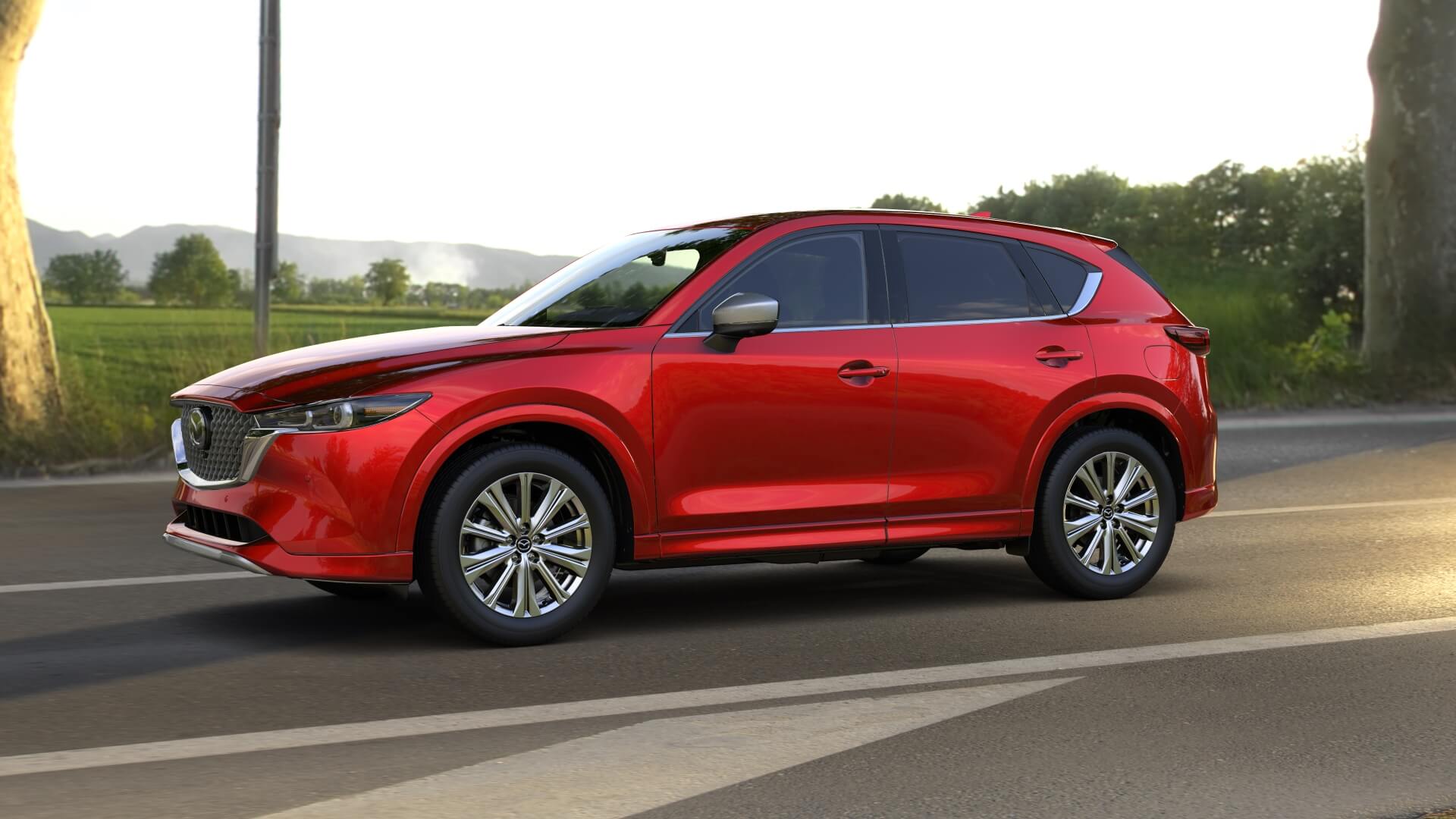
Mazda CX-5
The Mazda CX-5 has become a popular choice for drivers who want the driving enjoyment of a small SUV without the financial burden often associated with European luxury models. Mazda has focused on creating vehicles that are mechanically simple, efficient, and durable, which reduces the cost of ownership.
Most CX-5 models use naturally aspirated engines instead of turbocharged units, which reduces the number of components that can fail and avoids the high repair bills often associated with complex systems.
The engines are designed to perform reliably even under daily commuting pressures and light towing, making the CX-5 a practical choice for long-term ownership. Its transmissions are similarly robust, designed to deliver smooth operation over high mileage while minimizing the risk of costly failures.
Maintenance costs on the CX-5 are generally reasonable, thanks to a combination of thoughtful engineering and accessibility. Routine services such as oil changes, brake servicing, and tire replacements are straightforward, reducing labor costs compared to more complex vehicles.
Parts availability is also favorable because the CX-5 shares components with other Mazda models, allowing replacement parts to be sourced affordably. Independent mechanics are familiar with Mazda designs, which increases service options and further drives down costs.
Owners often report fewer unplanned repairs compared to competitors, making the CX-5 a vehicle that is easier on the wallet over time.
Fuel efficiency is a strength of the Mazda CX-5. Its engines, combined with aerodynamic design and a relatively lightweight chassis, help the SUV achieve strong mileage for its class. This is beneficial for drivers who use the vehicle daily or for longer trips, as it reduces fuel expenses and contributes to affordability.
Durability is another reason the CX-5 ranks highly as a low-cost SUV. Interior materials are thoughtfully selected to resist scratches, stains, and general wear, which reduces long-term repair or replacement needs. The exterior finish is resilient against environmental factors such as sunlight and rain, helping to maintain the vehicle’s appearance without additional expense.
Components such as suspension bushings and steering linkages are designed to last, further minimizing long-term repair costs. With its combination of mechanical reliability, fuel efficiency, and thoughtful design, the CX-5 provides a practical and enjoyable SUV experience at a manageable cost.
Subaru Forester
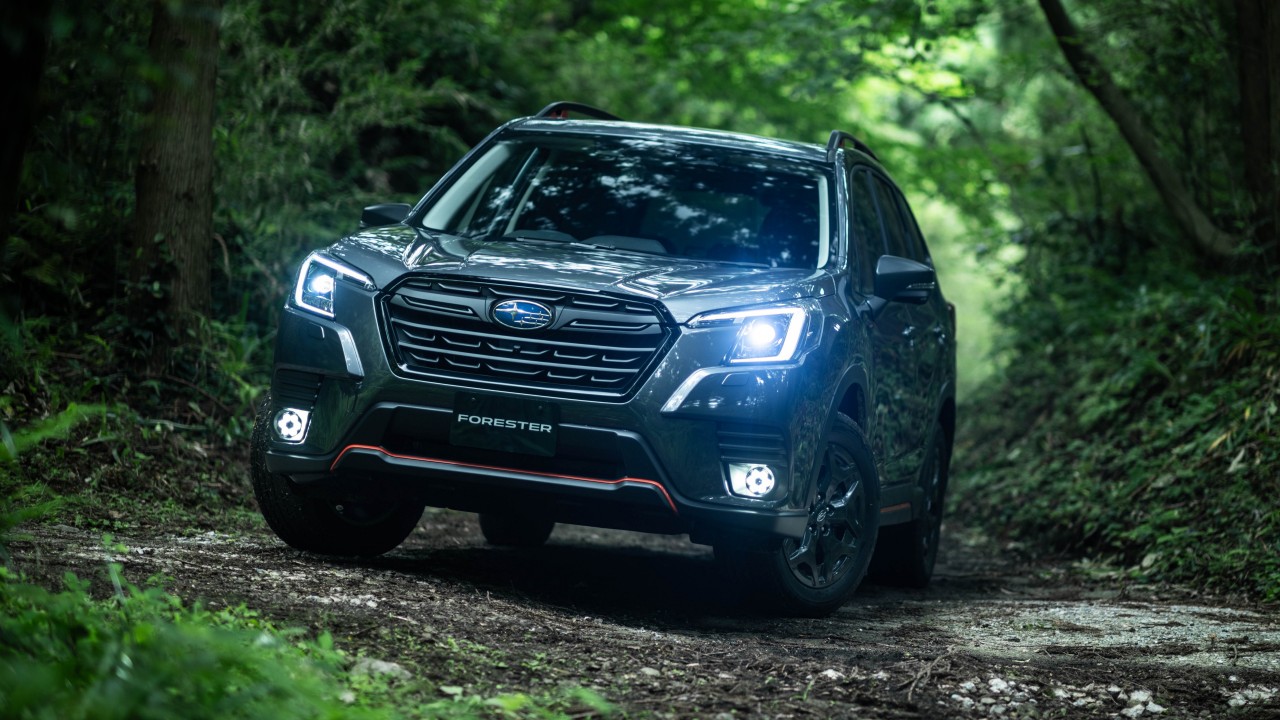
The Subaru Forester is widely praised for its standard all wheel drive system, which offers improved traction and stability in a variety of driving conditions. Despite this additional feature, the Forester manages to remain affordable to operate thanks to Subaru’s focus on durable, proven mechanical components.
Its engines are engineered for balance and efficiency, allowing the vehicle to achieve strong longevity when serviced properly. While some Subaru engines have been known to require careful maintenance to avoid specific issues, the majority of Foresters deliver dependable performance over many years.
This combination of All Wheel Drive capability and reliable engineering makes the Forester a practical choice for families and individuals living in regions with variable weather.
Maintenance costs are reasonable for the Forester, even with its more complex drivetrain. While all wheel drive systems may require attention to components like the differential or transfer case, Subaru’s design minimizes the risk of frequent or costly repairs.
Regular servicing, such as oil changes and brake work, is simple and predictable. Parts are widely available, and many independent mechanics have experience with Subaru models, keeping labor costs under control. This accessibility ensures that owners do not face inflated expenses due to uncommon components or specialized repair requirements.
Fuel efficiency for the Forester is respectable, particularly considering its all wheel drive capabilities. Many older SUVs with similar features experience significant reductions in mileage, but the Forester balances traction and efficiency well. This makes it suitable for daily commuting or long-distance travel.
Tire and brake wear is also managed effectively due to the vehicle’s well-designed suspension and weight distribution. Insurance costs are moderate, reflecting the vehicle’s safety ratings and All Wheel Drive functionality, which often appeals to families and outdoor enthusiasts.
Durability is a key factor that keeps the Forester’s ownership costs low over time. The suspension and chassis are built to handle rough terrain, uneven roads, and heavy loads without frequent repairs.
Interior materials are robust and functional, with minimal wear even under daily use. Subaru’s focus on reliability and long-term performance ensures that a Forester can remain operational and comfortable for many years, reducing unexpected repair expenses and making it one of the most cost-effective SUVs to maintain.
Hyundai Tucson
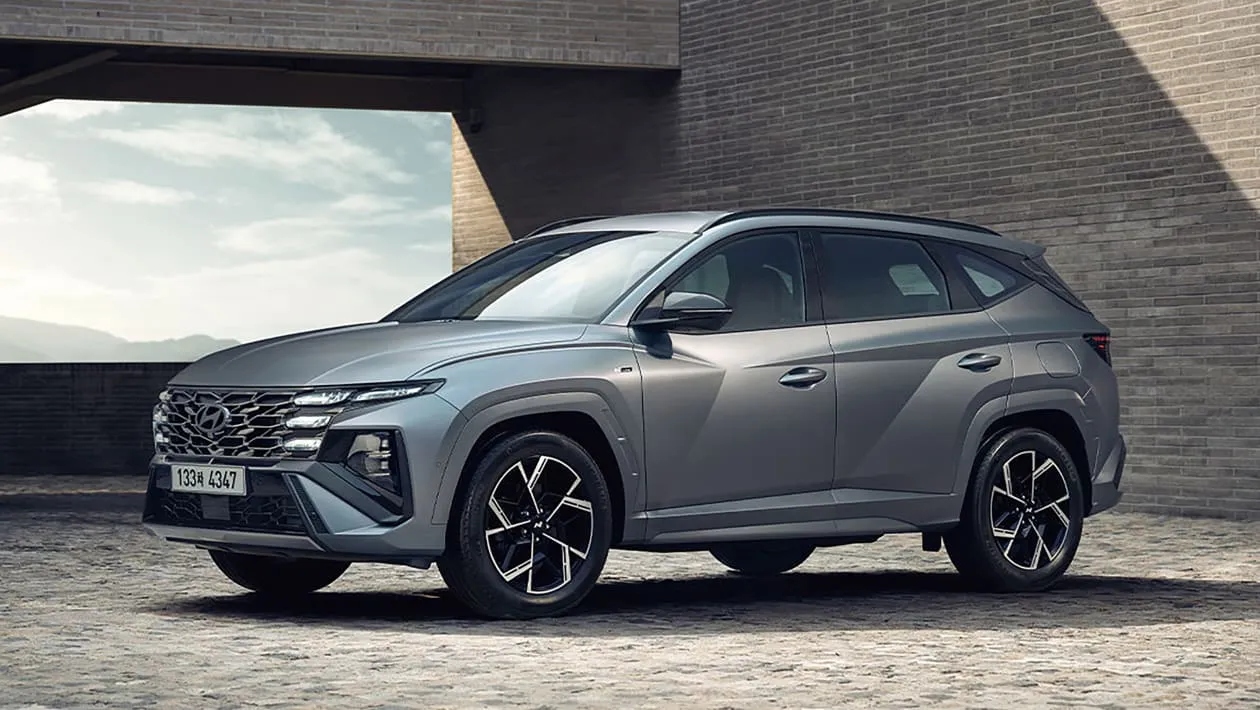
The Hyundai Tucson has grown in popularity due to its combination of affordability, efficiency, and reliability. Hyundai has significantly improved its engineering standards in recent years, and the Tucson reflects these advances through its use of durable engines, reliable transmissions, and thoughtfully designed components.
Routine maintenance on the Tucson is manageable and generally affordable. Regular services, such as oil changes, brake servicing, and tire rotations, are straightforward and do not require specialized skills or tools.
Parts are widely available due to Hyundai’s growing presence in the global market, and many components are compatible with other Hyundai models. This accessibility ensures competitive pricing for repairs and allows owners to choose between dealership service and independent mechanics, keeping long-term costs under control.
Fuel efficiency is another important factor in the Tucson’s low total ownership costs. The vehicle achieves solid mileage figures for a compact SUV, making it suitable for daily commuting or extended trips.
Hyundai has also refined transmissions and engine management systems to maximize efficiency and reduce strain on components, which helps prolong service intervals and reduce fuel expenses. Insurance premiums for the Tucson are generally reasonable, reflecting its safety ratings and modest engine performance, which further contributes to its cost-effectiveness.
Long-term durability enhances the Tucson’s appeal as a low-cost SUV to own. The interior materials are designed to withstand daily use, resisting scratches, stains, and premature wear. Exterior finishes are similarly resilient, reducing the need for frequent cosmetic repairs.
The combination of mechanical reliability, accessible maintenance, and well-engineered materials ensures that the Tucson can remain a dependable vehicle for many years without excessive costs, making it an attractive option for budget-conscious buyers seeking practicality and efficiency.
Kia Sportage
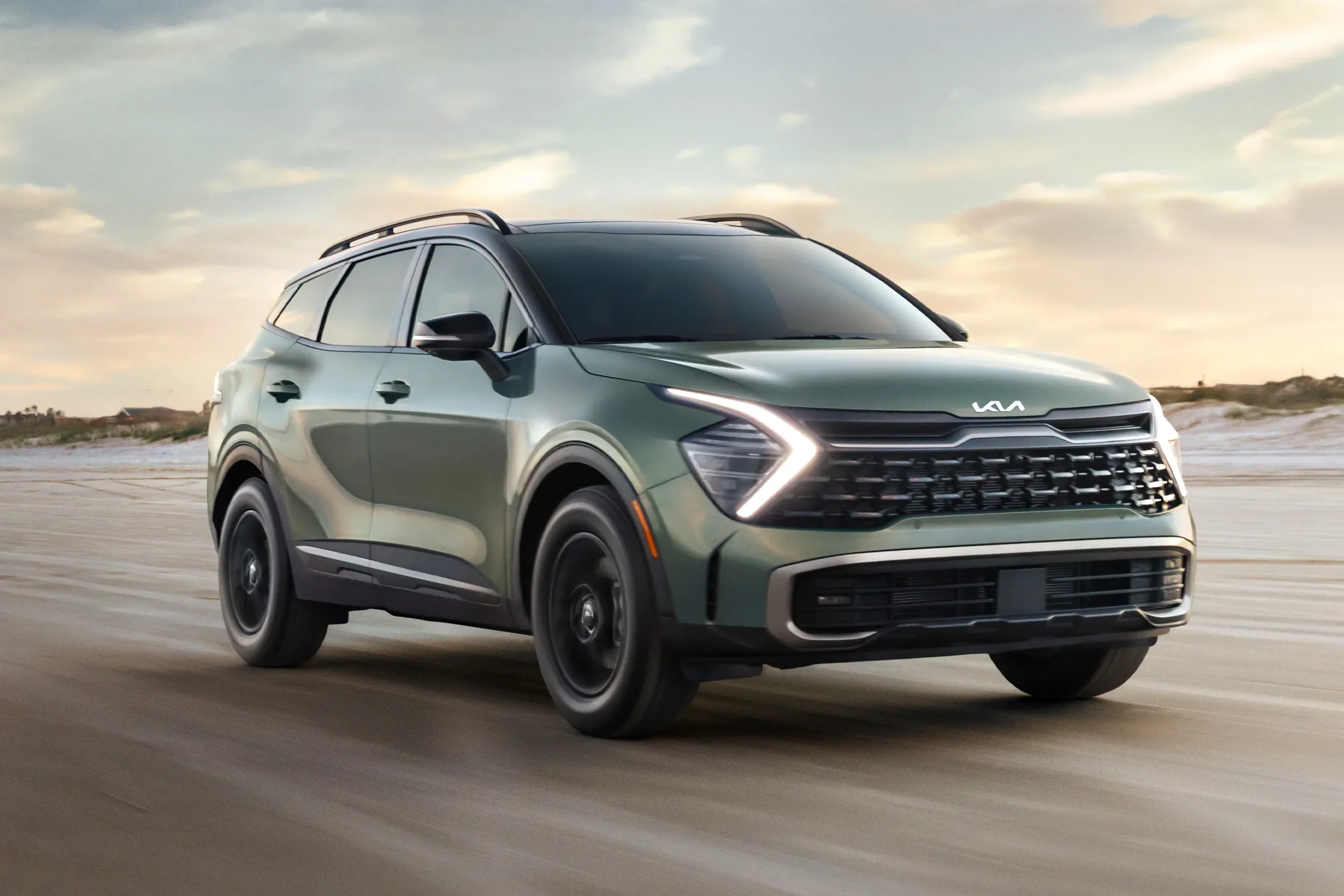
The Kia Sportage has become a well-known compact SUV for drivers who want a balance between affordability, reliability, and modern features. One of the main reasons it remains inexpensive to own is Kia’s dedication to durable and straightforward engineering.
The engines used in the Sportage are designed for long-term performance, with naturally aspirated and efficiently tuned four cylinder options that avoid overly complex technologies. These powertrains provide smooth operation while minimizing potential repair issues, which is important for owners looking for a vehicle that will remain dependable over many years.
Over time, this focus on reliability helps reduce costly visits to mechanics and ensures that the vehicle continues to perform consistently without major interventions.
Routine maintenance for the Sportage is relatively simple and predictable, which contributes to its low ownership cost. Oil changes, brake servicing, tire replacements, and coolant flushes are designed to be accessible for mechanics, keeping labor costs lower than for more complex SUVs.
Fuel efficiency is another strong point for the Kia Sportage, helping drivers save money on long-term operation. Even with its slightly higher weight compared to subcompact SUVs, the Sportage achieves respectable mileage in both city and highway driving, thanks to efficient engine design and modern transmissions.
The Sportage also stands out for its long-term durability, which further reduces ownership costs. Its suspension and drivetrain components are engineered to handle regular wear without frequent replacements, and the interior materials are selected to withstand everyday use, including seating, dashboard surfaces, and trim panels.
The exterior finish resists fading and minor scratches, helping the vehicle maintain a fresh appearance over time. Combined with Kia’s improving reputation for reliability and solid resale values, the Sportage provides owners with an SUV that balances performance, comfort, and low running costs for years.
Ford Escape
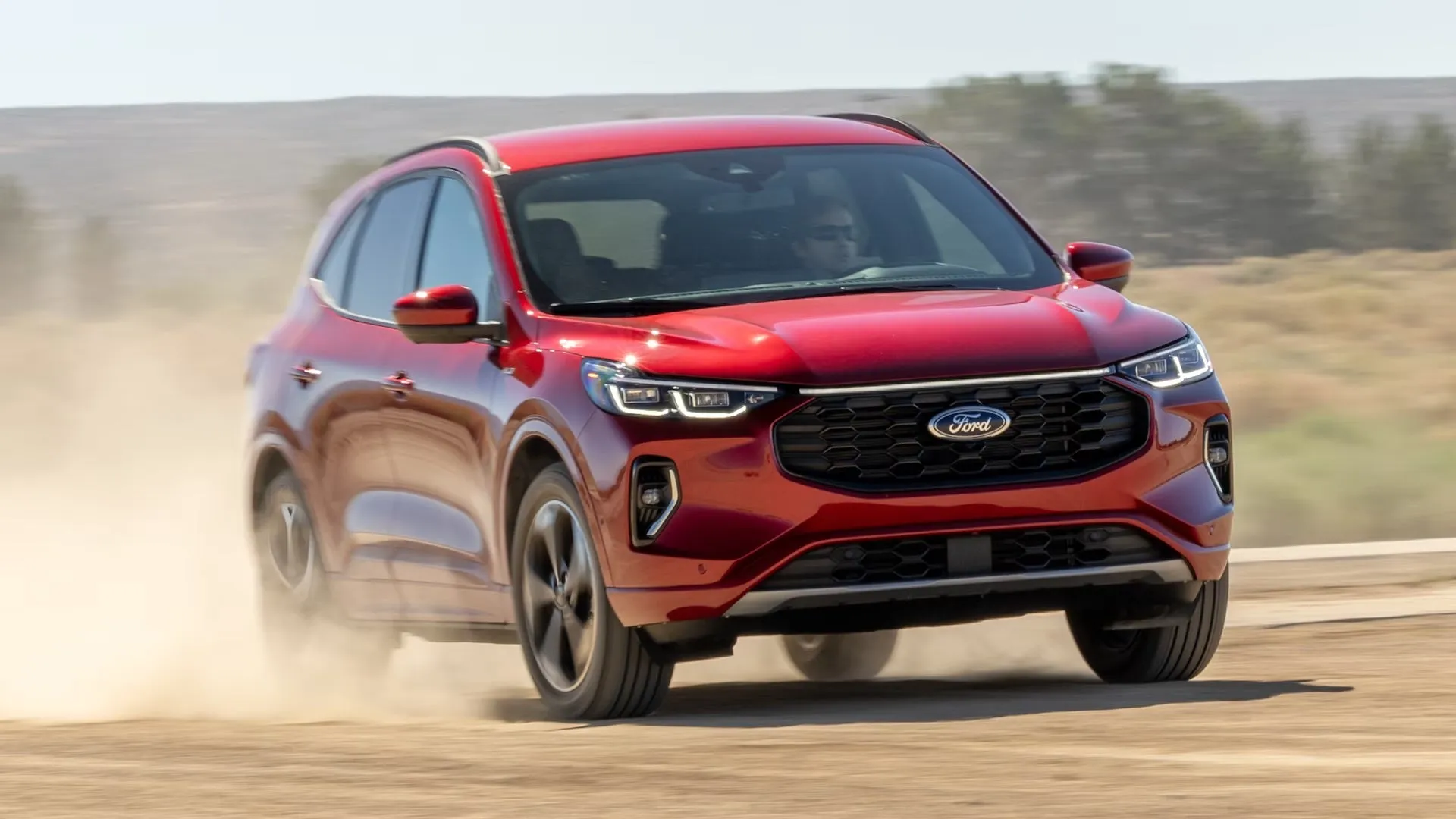
The Ford Escape offers a versatile and practical SUV experience without a heavy financial burden for owners. Ford has continually refined this model across multiple generations, focusing on improving reliability and simplifying maintenance.
Many Escape models feature four-cylinder engines that are straightforward in design, offering sufficient power for city and highway driving without requiring overly complex components. This simplicity contributes to lower repair risks, and the vehicle’s popularity ensures that mechanics are familiar with its systems.
Over time, the Escape’s efficient and reliable powertrain helps keep long-term maintenance costs manageable for drivers seeking a dependable SUV.
Routine maintenance is another factor that makes the Escape affordable to own. Tasks such as oil changes, brake servicing, and tire rotations are straightforward, reducing labor costs and simplifying long-term upkeep.
Fuel efficiency contributes significantly to the Escape’s low total cost of ownership. The SUV’s engines are designed to balance performance and economy, resulting in reasonable fuel consumption for both city commuting and highway driving.
Long-term durability enhances the Escape’s value as an affordable SUV. The suspension, steering, and chassis components are built to handle the wear of daily driving, while interior materials are designed to endure frequent use without deterioration.
Dashboard surfaces, seat fabrics, and trim panels are resistant to scratches and fading, helping maintain the vehicle’s appeal. With proper maintenance, many Escape owners report reliable performance over 150,000 to 200,000 miles, making it a practical and cost-effective choice for individuals and families seeking a long-term SUV solution.
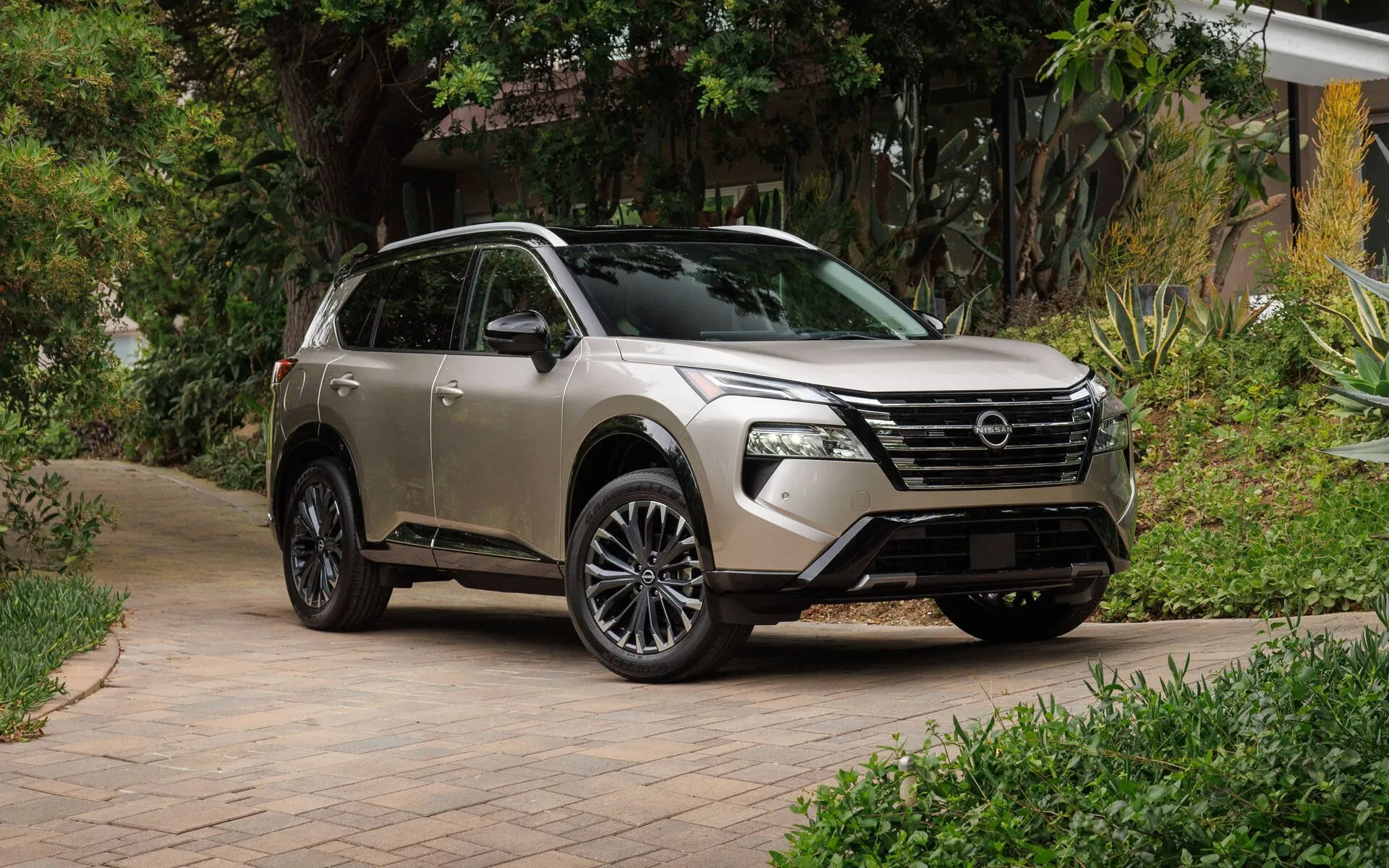
Nissan Rogue
The Nissan Rogue is a compact SUV designed to combine efficiency, practicality, and low ownership costs. One of the primary reasons the Rogue is affordable to maintain is Nissan’s focus on reliable and efficient engine designs. Most Rogue models use naturally aspirated four-cylinder engines that balance power with fuel economy, reducing stress on internal components.
The drivetrain and transmission systems are engineered for longevity, which means the vehicle can operate smoothly for many years without major repairs. These factors, along with its simple mechanical layout, make the Rogue an attractive choice for owners seeking minimal surprises in long-term ownership.
Maintenance for the Rogue is generally predictable and manageable. Regular servicing tasks such as oil and filter changes, brake maintenance, and tire rotations are simple and do not require specialized tools, keeping labor costs down.
Insurance premiums for the Rogue are also generally moderate, reflecting the vehicle’s safety features, modest performance, and family-oriented design, which makes it an attractive and practical choice for a wide range of drivers.
Durability plays a key role in the Rogue’s low cost of ownership. Suspension components, steering systems, and engine parts are designed to withstand prolonged use without frequent repairs, while the interior materials are chosen to resist wear and tear.
Seats, dashboard surfaces, and trim pieces are built to endure daily use, minimizing the need for replacements or cosmetic repairs. The combination of reliable mechanics, efficient fuel use, and thoughtful interior design ensures that the Rogue remains a practical, low-maintenance SUV for long-term ownership.
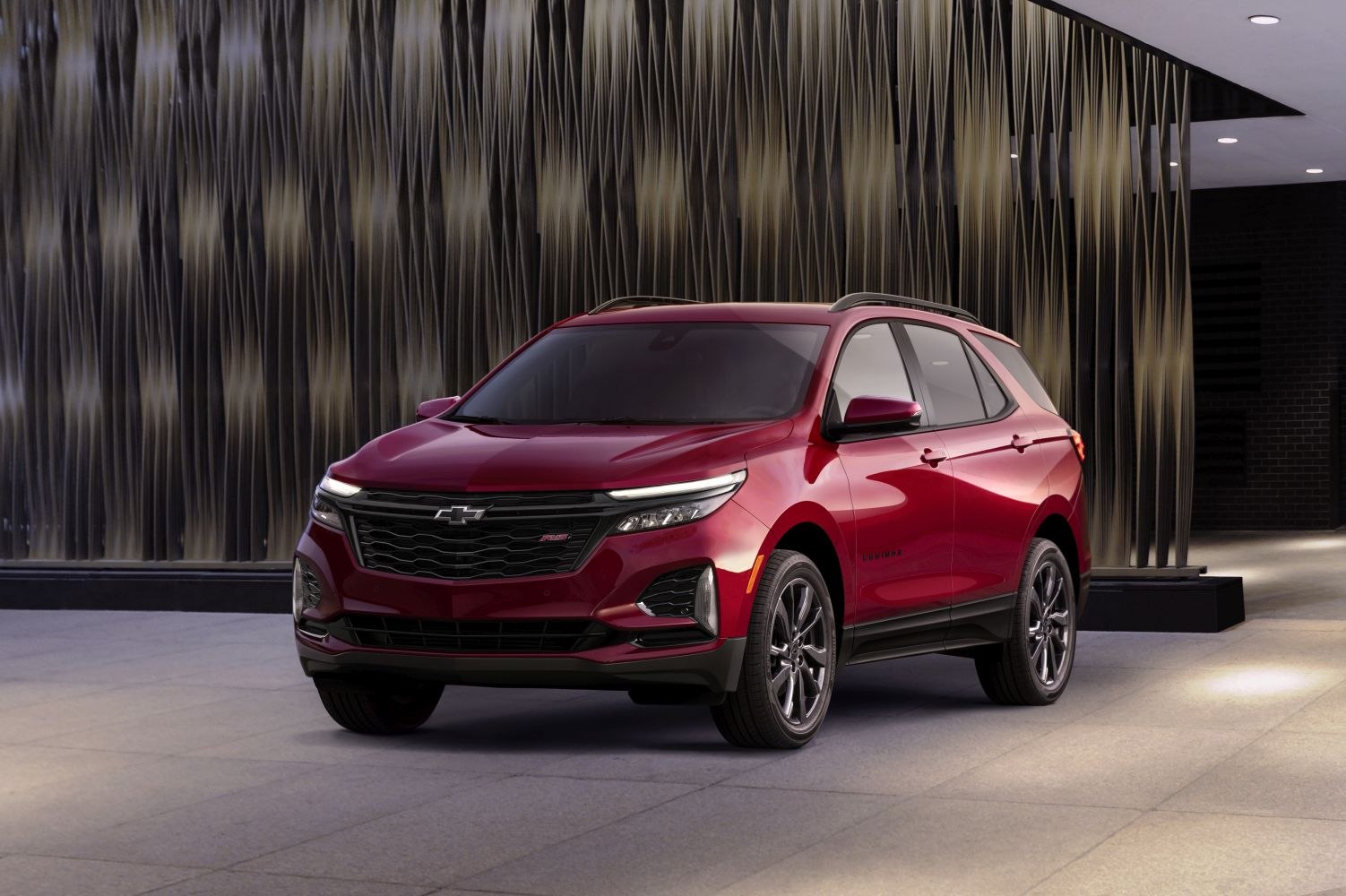
Chevrolet Equinox
The Chevrolet Equinox has gained a reputation as a practical SUV that balances performance, comfort, and affordability. Its mechanical simplicity is one of the primary reasons it is inexpensive to own. The Equinox often uses four cylinder engines that are durable and require minimal repairs, avoiding the complexity of turbocharged or high-performance variants.
Independent repair shops are familiar with common Equinox issues, which provides additional options for cost-effective service and repairs. The vehicle’s accessible design ensures that regular maintenance is convenient and inexpensive, reducing the financial burden of long-term ownership.
Fuel efficiency is another area where the Equinox contributes to reduced ownership costs. Its four-cylinder engines and modern transmissions provide reasonable mileage for a compact SUV, making it suitable for daily commuting, errands, and long-distance driving.
Tire and brake wear is minimized by the vehicle’s weight distribution and suspension design, which prolongs the lifespan of these components. Insurance premiums are often moderate for the Equinox, reflecting its safe, practical nature and average performance, further helping drivers keep long-term costs low.
Durability is a key factor in the Equinox’s affordability. Suspension components, steering systems, and drivetrain parts are designed to withstand regular wear, while interior materials resist scratches, stains, and fading over time.
Dashboard surfaces, seat fabrics, and trim panels are engineered to remain functional and visually appealing even after years of use. These design choices, combined with mechanical reliability and fuel efficiency, make the Equinox a solid choice for owners looking for a cost-effective SUV that can handle daily life without excessive maintenance expenses.
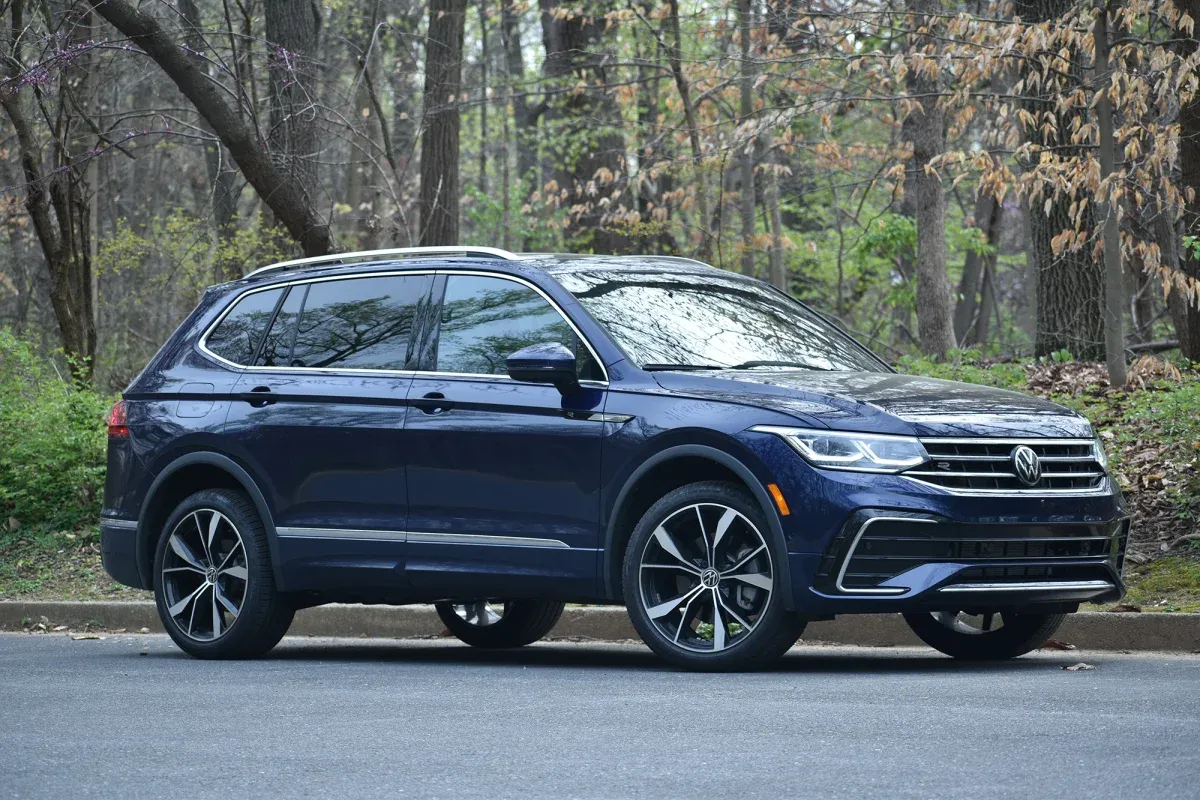
Volkswagen Tiguan
The Volkswagen Tiguan combines European styling and engineering with affordability in terms of long-term maintenance. Volkswagen has focused on refining the Tiguan’s engines and drivetrain for reliability and efficiency, which helps keep ownership costs manageable.
Additionally, independent mechanics familiar with Volkswagen vehicles provide an affordable alternative to dealership servicing. These factors reduce unexpected expenses, contributing to the Tiguan’s low cost of ownership compared to other European SUVs.
Fuel efficiency is another important aspect of the Tiguan’s affordability. Despite its all wheel drive capabilities and European engineering, the Tiguan offers respectable mileage in both city and highway conditions.
Efficient engine design, lightweight materials, and aerodynamic construction contribute to reduced fuel consumption, which benefits owners who drive regularly. Insurance premiums are typically moderate, supported by the vehicle’s safety ratings and practical design, which further reduces the cost of ownership over time.
Durability also makes the Tiguan a cost-effective SUV to maintain. Interior materials are carefully selected to resist wear, including seating fabrics, dashboard surfaces, and trim pieces. The suspension and chassis are engineered to handle regular driving conditions without frequent repair requirements.
Volkswagen’s attention to mechanical longevity and component quality ensures that the Tiguan remains reliable over the years, helping owners avoid costly repairs and maintain a functional, stylish vehicle for long-term use.
