
Drifting, as a motorsport and cultural phenomenon, has its roots deeply embedded in Japan’s car culture. Unlike traditional racing, drifting emphasizes style, control, and precision over pure speed. It is a delicate balance between power, skill, and timing, requiring drivers to manipulate their vehicles to slide through corners while maintaining high speeds.
Japan, being the birthplace of drifting, has produced some of the most iconic and influential cars in the history of this sport. These cars are not only revered for their performance on the track but also for their contributions to the evolution of drifting techniques and automotive modifications.
Many of these vehicles were born from humble beginnings as street cars, yet through engineering, tuning, and creativity, they transformed into legends that defined an era. The cars highlighted in this article are not just machines; they represent milestones in drifting history, influencing both amateur enthusiasts and professional drivers worldwide.
Their combination of lightweight frames, rear-wheel-drive layouts, and tunable engines made them ideal candidates for sliding through corners at extreme angles. Additionally, the aesthetic modifications, from wide body kits to aggressive suspension setups, added personality to each machine, turning them into symbols of individuality and mechanical artistry.
This list focuses on vehicles that shaped the sport through innovation, performance, and cultural impact, spanning several decades and including cars that dominated both street scenes and professional drift competitions. From the early pioneers who laid the groundwork to modern machines that pushed the limits of drift dynamics, each car has a unique story tied to the evolution of drifting.
The following sections highlight the top ten most influential drift cars ever built in Japan, examining their specifications, historical significance, and the lasting impression they have left on enthusiasts and the drifting community at large.
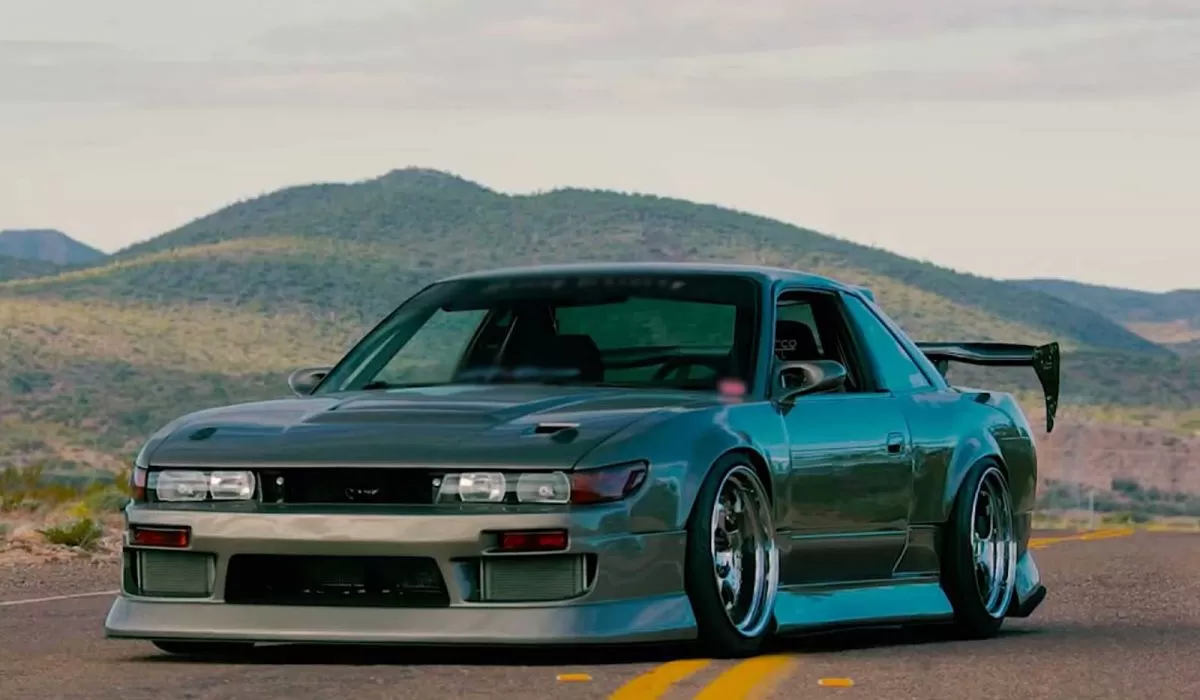
1. Nissan Silvia S13
The Nissan Silvia S13 is one of the most iconic drift cars ever built in Japan, representing a turning point in the popularity of drifting. Its lightweight chassis and rear-wheel-drive setup provided an ideal platform for both street and competition drifting.
Enthusiasts quickly recognized the potential of the S13 for modifications, making it one of the most versatile vehicles in Japanese car culture. The car’s SR20DET engine delivered a perfect balance of power and responsiveness, allowing drivers to maintain control during extended drift sequences. The relatively simple mechanical design made it accessible to tuners and hobbyists alike, further solidifying its reputation.
Many professional drifters of the 1990s and early 2000s favored the S13 because it allowed for precise control at high speeds. Its suspension could be easily upgraded with coilovers and reinforced components, making it suitable for both entry-level and competitive drifting.
The car’s compact size also allowed drivers to maneuver through tight corners and maintain high angles, a skill highly valued in judged drift competitions. Over time, the S13 became a staple in drift events, appearing in countless magazines, videos, and competitions, further cementing its status as a legendary drift car.
Aesthetic modifications played a crucial role in the S13’s cultural impact. Many drivers opted for wide body kits, aftermarket wheels, and custom paint jobs to personalize their vehicles, making each car unique while still maintaining peak performance.
The car’s appearance often mirrored the driver’s style, creating a strong connection between man and machine. This balance between performance and aesthetics helped popularize the drifting scene outside Japan, influencing enthusiasts in the United States, Europe, and other parts of Asia.
The legacy of the Nissan Silvia S13 continues today, with many still considered top choices for drift builds. Its influence can be seen in modern drift cars that borrow heavily from the tuning philosophies developed around this platform. Even decades after its release, the S13 remains a symbol of Japanese drift culture and a benchmark for anyone seeking to understand the evolution of drifting as both a sport and an art form.
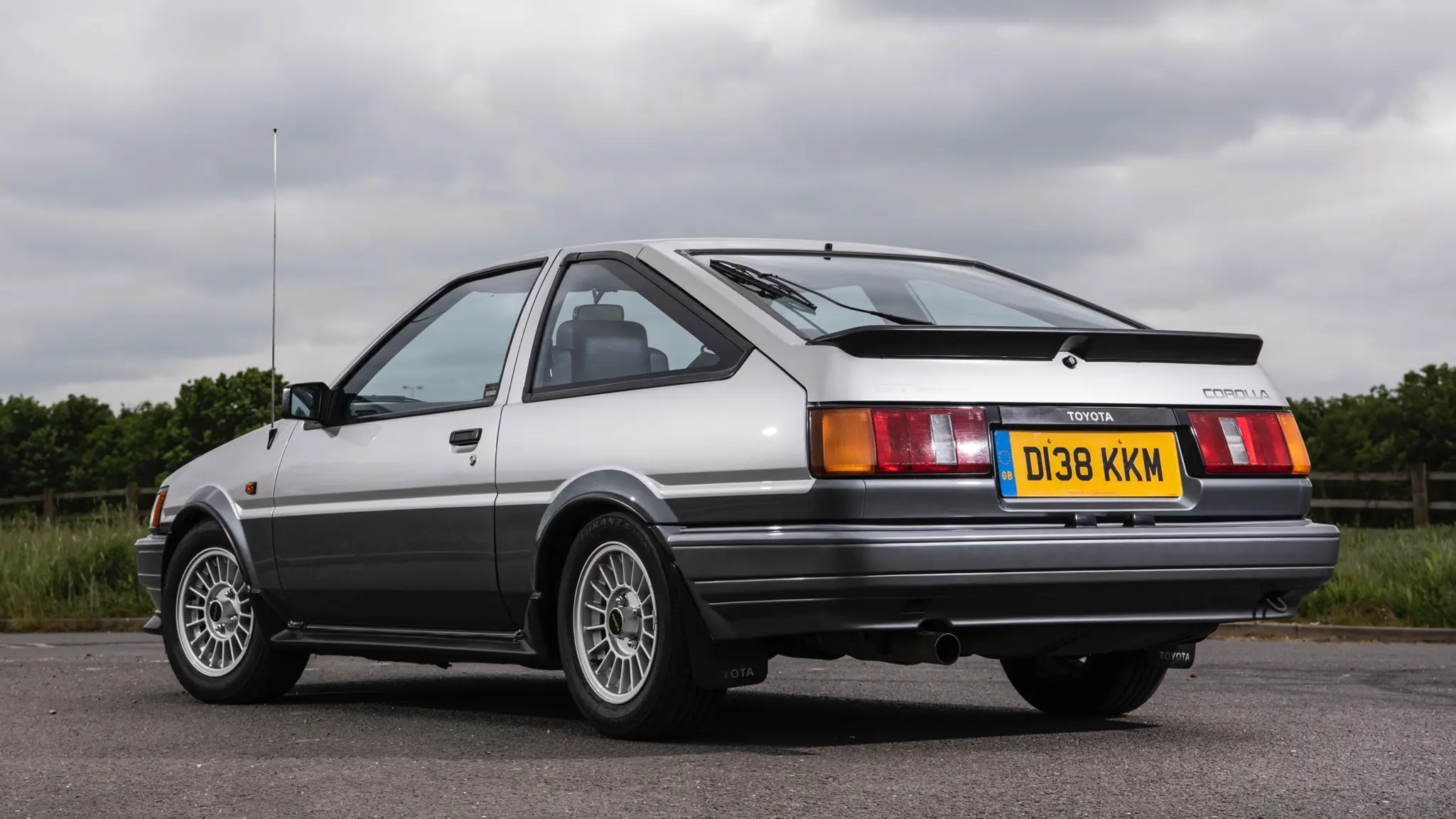
2. Toyota AE86 Corolla
The Toyota AE86 Corolla is often referred to as the car that ignited the drifting movement in Japan. Released in the mid-1980s, it was lightweight, rear-wheel-drive, and perfectly balanced for sliding around corners. The 4A-GE engine provided reliable power for aggressive drifting without overwhelming the chassis, making it ideal for both novice and skilled drivers.
Its compact size allowed for agile handling, especially on winding mountain roads, which were popular practice spots for early drifters. The AE86’s influence extended beyond performance; it became a cultural icon, immortalized in anime and manga, inspiring a generation to embrace drifting as a lifestyle.
Professional drifters quickly recognized the AE86’s capabilities. Its simplicity allowed for easy modifications, from suspension upgrades to engine tuning, enabling drivers to extract maximum performance without heavy investment. The car’s balance and predictable handling made it an excellent training platform for developing drifting techniques.
Many modern drift techniques were first honed on the AE86, including weight transfer control, clutch kicking, and counter-steering strategies, all of which are still essential in today’s drifting.
The AE86 also sparked a shift in car culture, bridging the gap between street drifting and organized competitions. Its success in early drift contests established a foundation for what would become modern drift championships.
The car’s popularity encouraged other manufacturers to develop drift-friendly vehicles, indirectly shaping the design philosophy of many future Japanese drift cars. Its compact and lightweight frame demonstrated the importance of handling dynamics over raw horsepower, a principle that remains central to drifting today.
Even decades after its release, the AE86 continues to inspire enthusiasts. Restorations, replica builds, and aftermarket modifications keep the car relevant in both the drifting scene and the broader automotive culture. Its legendary status is not merely based on performance but on the emotional connection it fosters between drivers and fans. For many, the AE86 represents the essence of drifting: control, skill, and passion.
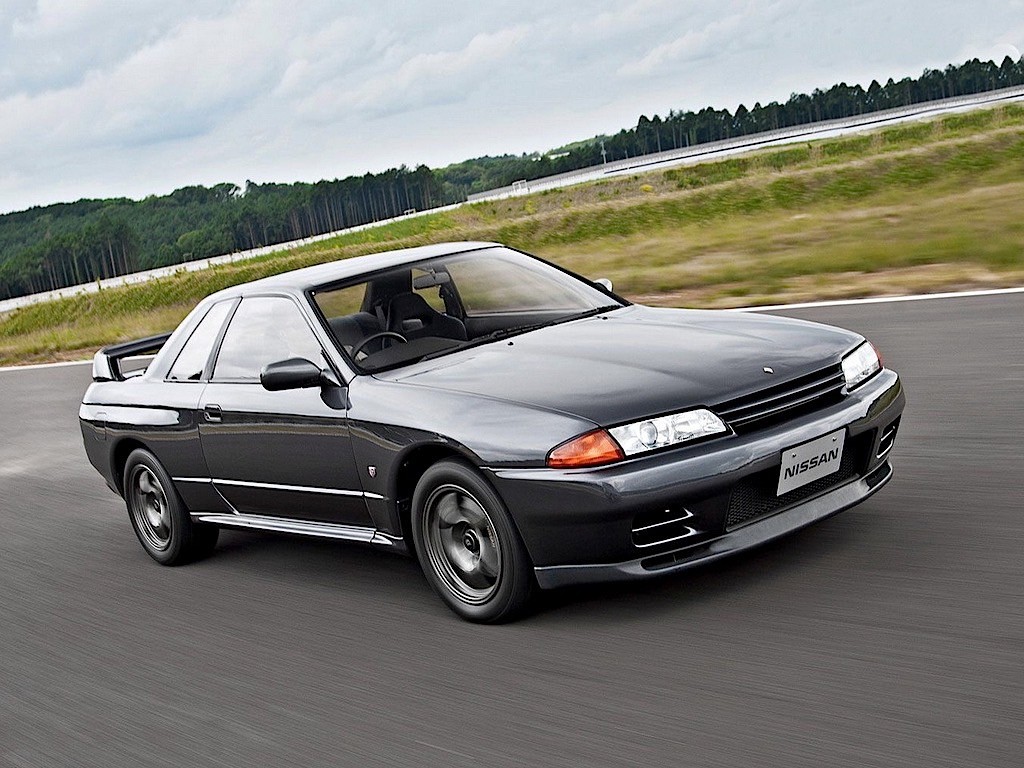
3. Nissan Skyline R32 GT-R
The Nissan Skyline R32 GT-R is often celebrated for its dominance in motorsports, including drift competitions, due to its advanced engineering and performance potential. While originally designed as a high-performance sports car, its modifications allowed it to excel in drifting as well.
The RB26DETT engine, a 2.6-liter twin-turbo inline-six, provided immense power that could be harnessed through careful tuning, making it a favorite among skilled drifters who required precision and control. Its rear-wheel-drive capabilities, when modified from the all-wheel-drive system in some variants, allowed for high-speed drifting with stability.
One of the key reasons the R32 GT-R became influential in drifting was its combination of technological sophistication and tunability. The car featured an advanced multi-link suspension system, which could be adjusted to suit drift dynamics.
Coupled with lightweight construction, it offered a platform that could handle both extreme angles and aggressive cornering. The car’s presence on the drift scene showcased the potential of blending high-performance sports cars with traditional drift techniques, inspiring other manufacturers and builders to explore similar modifications.
Culturally, the R32 GT-R symbolized a new era where power and control could coexist in drift cars. It challenged the notion that drifting was limited to small, lightweight vehicles, proving that even high-powered cars could slide gracefully with the right skill and setup. Its appearance in professional drift competitions and media further amplified its impact, influencing both drivers and fans to reconsider what a drift car could be capable of.
Today, the Nissan Skyline R32 GT-R remains a benchmark for drift builds, with many enthusiasts continuing to modify and adapt it for modern drift events.
Its engineering excellence and performance potential make it a timeless choice for those seeking a combination of power, precision, and drift heritage. The R32 GT-R is more than a car; it represents a technical and cultural milestone in the evolution of drifting in Japan.
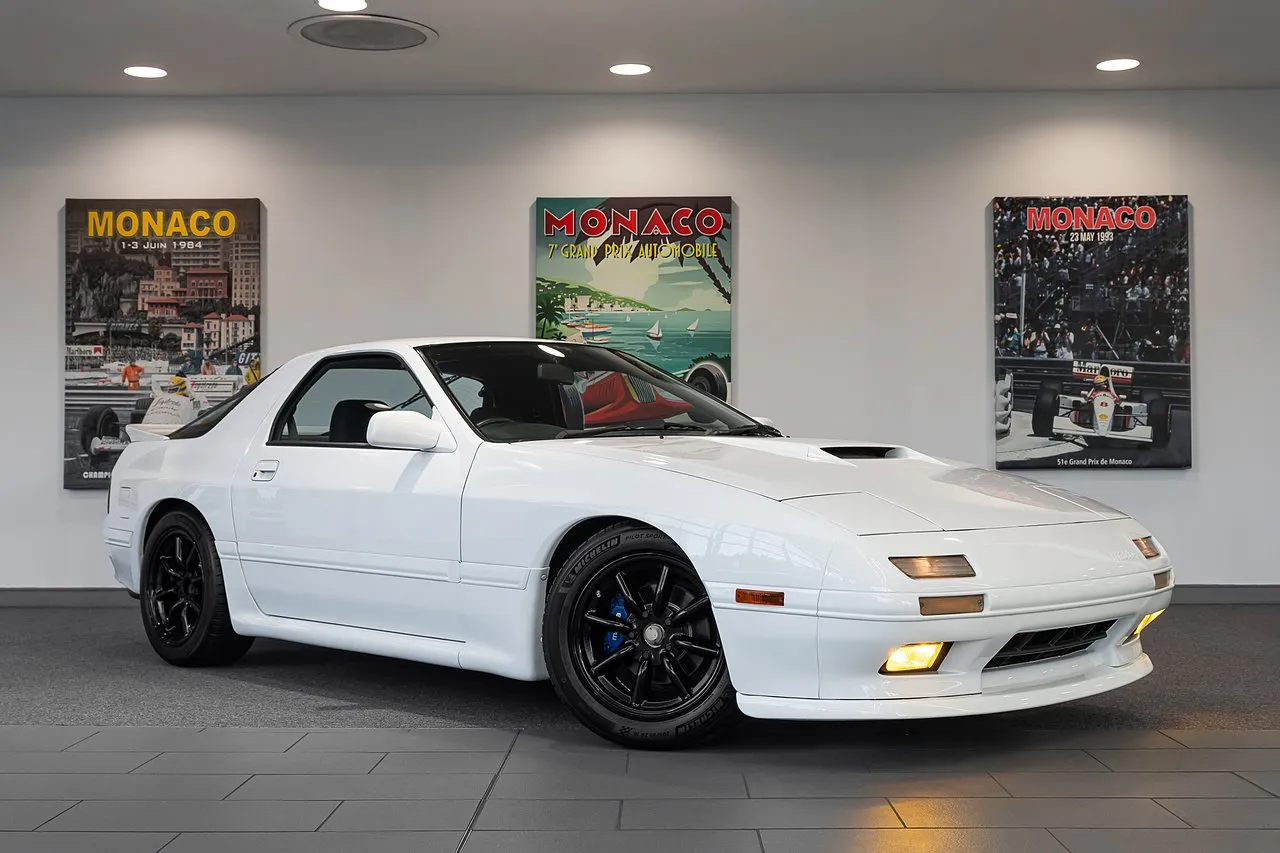
4. Mazda RX-7 FC3S
The Mazda RX-7 FC3S played a significant role in the history of Japanese drifting due to its unique rotary engine and lightweight design. Unlike conventional piston engines, the 13B rotary engine offered a high-revving performance profile that allowed drifters to maintain consistent power throughout long corners.
Its naturally balanced chassis, rear-wheel-drive layout, and compact dimensions made it an ideal candidate for both street and professional drifting. The car’s potential for modification further increased its appeal, as enthusiasts could tune it for higher horsepower or improved handling characteristics.
Many drift drivers appreciated the RX-7 FC3S for its predictability and responsiveness. The car’s steering and suspension setup allowed for precise control at high speeds, which is critical for maintaining drift lines and angles.
Unlike heavier cars that could become unwieldy during extended slides, the FC3S remained agile, giving drivers confidence to attempt complex maneuvers. Its combination of lightweight construction and reliable performance established it as a key platform for developing advanced drifting techniques.
The aesthetic appeal of the RX-7 FC3S also contributed to its status as an influential drift car. Its sleek design, pop-up headlights, and aerodynamic shape made it stand out both on the street and in competitions.
Many enthusiasts enhanced these features with aftermarket modifications, wide body kits, and aggressive styling, creating a strong identity within the drift community. This blend of performance and visual appeal helped the RX-7 FC3S gain a loyal following that persists today.
The RX-7 FC3S remains relevant in modern drifting due to its tunability, handling characteristics, and cultural significance. It has influenced a generation of builders and drivers who continue to experiment with rotary engines and lightweight platforms. Its place in Japanese drift history is secure, serving as a reminder of the innovative approaches to car design and performance that have shaped the sport over the years.
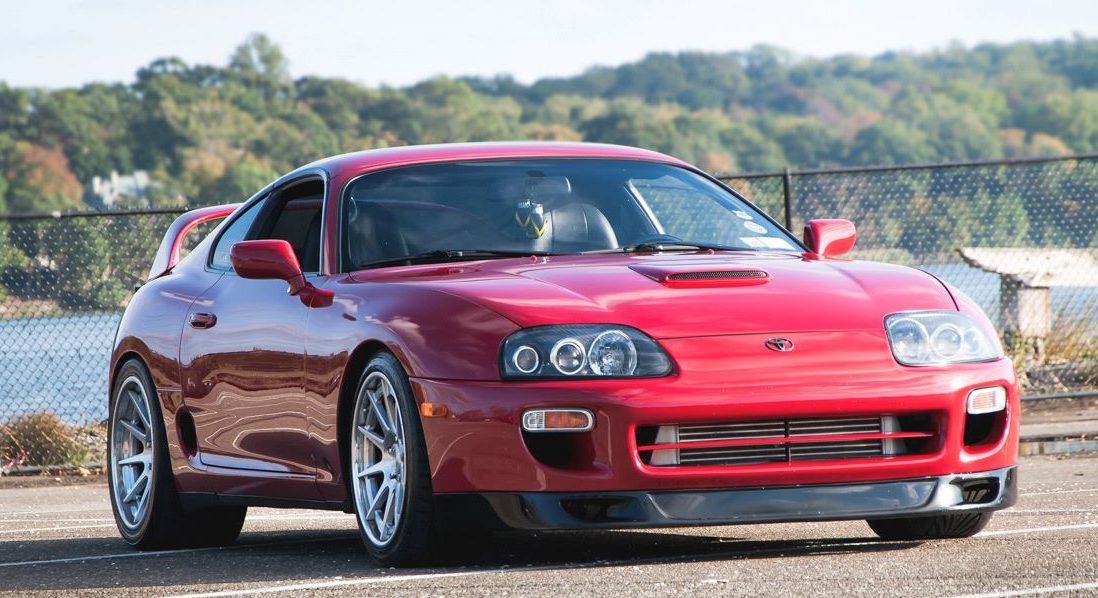
5. Toyota Supra Mark IV (A80)
The Toyota Supra Mark IV, commonly known as the A80, is one of Japan’s most legendary drift-capable sports cars. Released in the 1990s, it became famous for its 2JZ-GTE inline-six engine, which offered immense tuning potential. The engine’s durability and ability to handle extremely high horsepower made it a favorite among drift enthusiasts who sought powerful, controllable slides.
While initially designed for high-speed performance rather than drifting, skilled drivers quickly discovered that the Supra’s long wheelbase and rear-wheel-drive layout allowed for smooth, extended drifts when paired with suspension modifications. The car’s combination of raw power and aerodynamic stability enabled drifters to attempt high-speed cornering with confidence, something smaller vehicles struggled to achieve.
The Supra A80’s influence in drifting extends beyond its mechanical capabilities. Its presence in drift events demonstrated that a heavier, more powerful sports car could still achieve precise and stylish drifts. Drivers who mastered the Supra’s handling learned to balance throttle control and counter-steering at higher speeds, setting new standards for drift technique.
Its adaptability allowed for numerous modifications, including coilover suspension setups, limited-slip differentials, and reinforced chassis components, which enhanced the vehicle’s drifting potential. For many enthusiasts, building a drift Supra became a challenge of engineering skill and personal creativity, merging technical tuning with artistic expression.
Culturally, the Supra A80 gained iconic status due to its appearance in media, especially in movies, magazines, and racing games. Its sleek design and aggressive stance made it a visual symbol of performance and speed, inspiring both fans and drivers to replicate its style.
This cultural impact strengthened its presence in the drift community, making it more than a car for racing; it became a statement of capability, dedication, and identity for Japanese car enthusiasts. Many drift teams around the world still regard the Supra as a reference platform for power-based drift builds.
Even decades after its release, the Supra A80 remains a dream car for many drift enthusiasts. Modern drift competitions often feature highly tuned versions capable of exceeding traditional performance expectations, proving that the platform’s potential remains relevant.
Its combination of legendary engineering, tunability, and cultural impact ensures that the Supra A80 maintains its place among the most influential Japanese drift cars ever built, bridging the gap between pure performance and drift artistry.
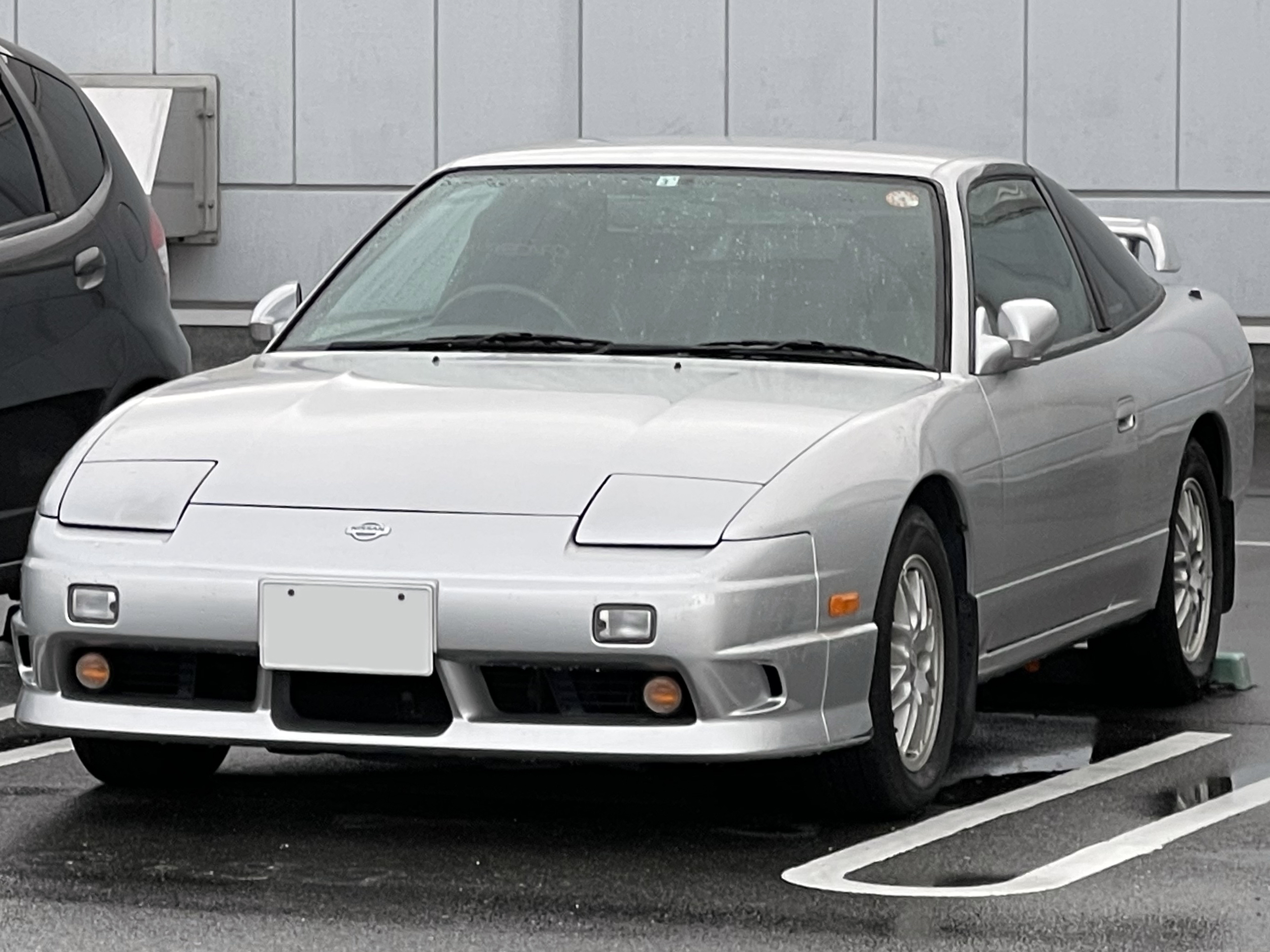
6. Nissan 180SX / 200SX (S13/S14)
The Nissan 180SX, along with its closely related counterpart the 200SX, has been a cornerstone of Japanese drift culture for decades. Its popularity stems from a balanced rear-wheel-drive chassis, lightweight design, and SR20DET engine, which offered excellent power delivery and reliability.
The car’s practical size and responsive handling made it ideal for navigating tight corners while maintaining controlled slides, a key aspect of drifting competitions. The platform’s versatility allowed for modifications ranging from suspension tuning to engine swaps, making it accessible for both amateur enthusiasts and professional drivers alike.
One of the defining aspects of the 180SX/200SX in drifting was its adaptability. Drivers could fine-tune steering ratios, adjust suspension geometry, and upgrade brakes to suit specific drift styles, whether it involved precision control or aggressive high-speed slides.
Its weight distribution and responsive chassis allowed for predictable behavior even under extreme angles, helping drivers refine skills that could be transferred to other drift cars. The car’s inherent balance encouraged innovation in drift techniques, including power oversteer, clutch kicking, and throttle modulation, which became essential skills for competitive drifting.
The aesthetic appeal of the 180SX/200SX also contributed to its influence. Pop-up headlights, sleek coupe design, and wide modification potential allowed owners to create visually distinct drift machines.
Wide body kits, aftermarket wheels, and custom paint jobs became signature elements of drift culture, with the 180SX/200SX often serving as a canvas for both performance upgrades and artistic expression.
Its appearance in magazines, drift videos, and media coverage helped spread Japanese drifting culture internationally, inspiring enthusiasts to emulate both its style and performance.
Even today, the 180SX and 200SX continue to be prominent in drift events around the world. Their combination of affordability, tunability, and performance makes them a go-to platform for both novice and experienced drifters. The car’s influence on the evolution of drift competitions and tuning philosophies demonstrates its enduring legacy, solidifying its place among Japan’s most important drift cars.
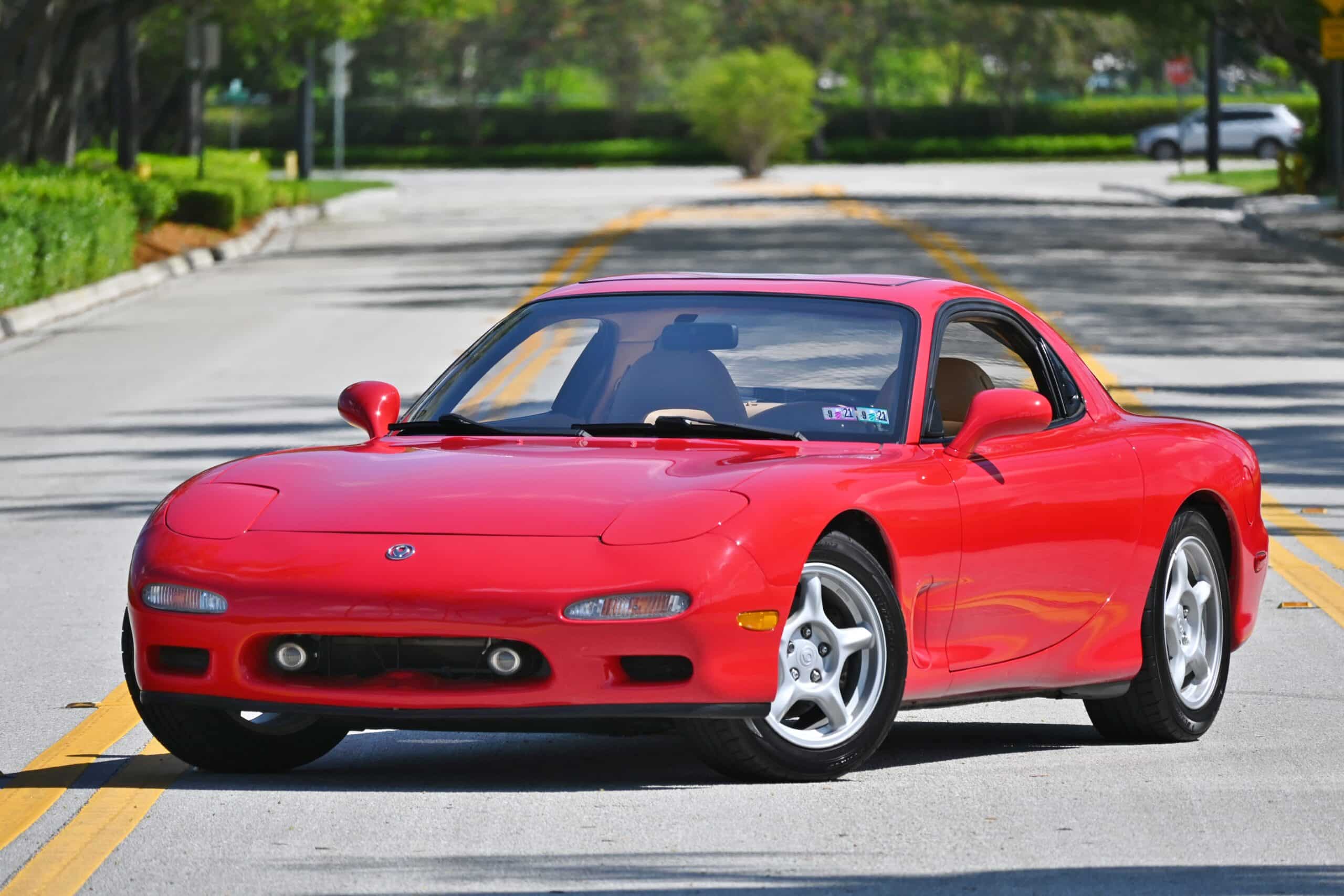
7. Mazda RX-7 FD3S
The Mazda RX-7 FD3S is celebrated as one of the most technically advanced drift cars of its era. Its third-generation chassis, combined with a sequential twin-rotor 13B-REW rotary engine, provided a unique driving experience. The engine’s lightweight and high-revving nature allowed for precise throttle control, which is crucial when executing extended drifts.
The FD3S featured near-perfect weight distribution and an exceptionally low center of gravity, enhancing cornering stability and reducing the risk of understeer during aggressive slides. These characteristics made it a favorite for professional drift drivers seeking precision and consistency.
The RX-7 FD3S’s handling dynamics allowed drivers to experiment with advanced drift techniques. Its lightweight frame, paired with responsive suspension, made it highly controllable even at extreme drift angles.
Drifters could maintain long, flowing drifts while adjusting steering input and throttle modulation to compensate for changing grip conditions. This made the FD3S an ideal platform for honing advanced skills and performing dramatic drift sequences, which became highly sought after in professional competitions and exhibitions.
In addition to performance, the RX-7 FD3S contributed significantly to the aesthetic evolution of drift cars. Its sleek, aerodynamic body allowed for extensive modifications, including wide body kits, aggressive spoilers, and custom wheel setups.
These visual enhancements not only improved performance by reducing lift and increasing downforce but also created an unmistakable drift identity. The FD3S became a symbol of technical excellence, combining engineering innovation with stylish presentation.
Today, the RX-7 FD3S remains highly revered within the drift community. Modern builds often push the platform’s limits with higher horsepower, upgraded suspension, and advanced differential setups.
Its influence on contemporary drift car design, tuning philosophy, and driving technique ensures that it retains its position as one of Japan’s most influential drift cars, bridging the gap between engineering mastery and competitive performance.
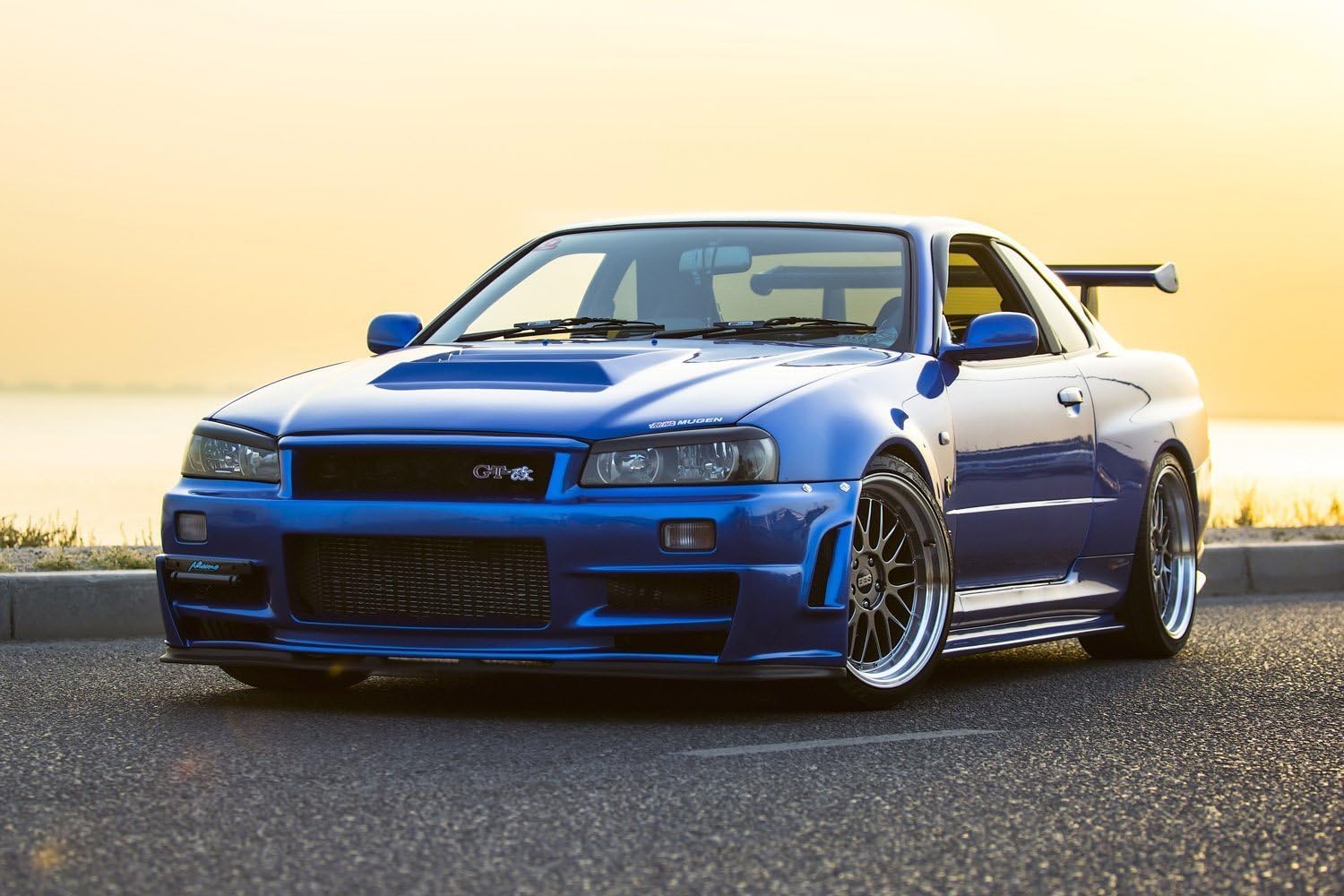
8. Nissan GT-R R34
The Nissan GT-R R34, while primarily recognized as a high-performance sports car, has left an impact on Japanese drifting. Equipped with the RB26DETT engine and advanced ATTESA E-TS all-wheel-drive system, the R34 required skillful modification to convert it for drift purposes.
Skilled builders often adapted its AWD system into a rear-wheel-drive setup or fine-tuned the torque distribution to favor drifting. The R34’s rigid chassis and precise steering offered a stable platform, allowing drivers to experiment with high-speed drift angles and complex corner sequences, demonstrating that even advanced sports cars could excel in drifting with proper adjustments.
The R34’s influence extends beyond its powertrain and handling. Its aerodynamic design, reinforced suspension, and robust braking system allowed drifters to achieve higher speeds while maintaining control during extended slides.
The car’s balance and stability encouraged experimentation with drift techniques, including feint motions, throttle-induced oversteer, and high-speed transitions, which became essential for modern competitive drifting. It challenged the notion that only lightweight, simple chassis vehicles were suitable for drifting, inspiring builders to innovate with heavier, high-powered cars.
Its appearance in media, movies, and motorsport events cemented its status as an aspirational drift machine. Enthusiasts admired its combination of engineering sophistication and tunability, encouraging a wave of builds that balanced performance, aesthetics, and style.
The R34 bridged the gap between street-legal drift machines and professional-level drift cars, demonstrating the potential for high-tech sports cars to participate in the drifting scene.
Even today, the GT-R R34 remains a coveted platform for drift enthusiasts seeking a unique combination of power and control. Its influence is evident in the modern drift scene, where high-performance sports cars are increasingly adapted for drifting purposes. The R34’s legacy reflects both technical innovation and cultural impact, solidifying its position among Japan’s most influential drift cars.
9. Lexus SC430
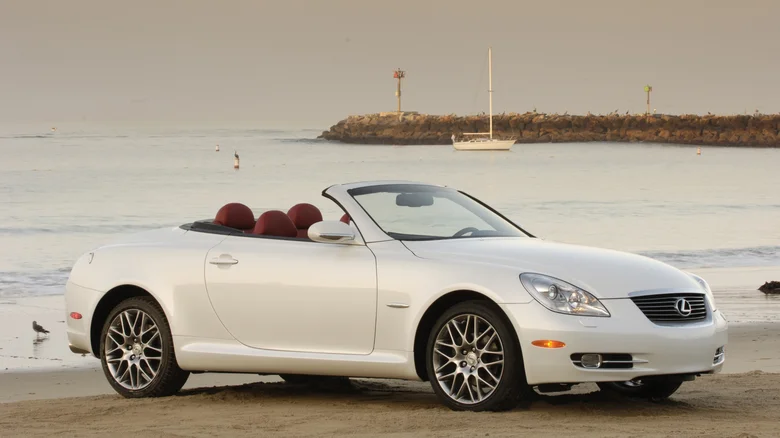
The Lexus SC430 is an unconventional choice for drifting but holds importance due to its role in pushing the boundaries of drift car selection. While larger and heavier than traditional drift vehicles, its rear-wheel-drive setup and powerful V8 engine allowed for dramatic slides when properly modified.
Its rigid chassis and smooth power delivery enabled long, flowing drifts on wide courses, demonstrating that vehicles outside the typical lightweight coupe category could still excel in drift competitions. The SC430 challenged conventional thinking, inspiring builders to explore alternative platforms.
Drifting the SC430 required significant skill and precision due to its weight and size. Drivers had to carefully balance throttle input, counter-steering, and weight transfer to maintain control during slides.
This encouraged a more technical approach to drifting, emphasizing understanding of vehicle dynamics and adaptation to different platforms. Many professional drifters experimented with the SC430 to develop advanced handling techniques and demonstrate versatility in vehicle selection.
The aesthetic appeal of the SC430 also contributed to its influence. Its elegant, streamlined body allowed for extensive customizations, from wide body kits to performance-oriented visual enhancements. These modifications improved handling and gave the car a distinct identity within the drift scene.
By combining style with performance, the SC430 became a symbol of experimentation and innovation, showing that drifting was not limited to traditional vehicles.
Today, the Lexus SC430 remains a niche but respected platform in the drift community. Its influence lies in encouraging diversity in drift car selection, highlighting the importance of technical skill over vehicle size or weight. The SC430’s role in broadening the possibilities for drift vehicles ensures its place in Japan’s influential drift car history.
10. Honda S2000
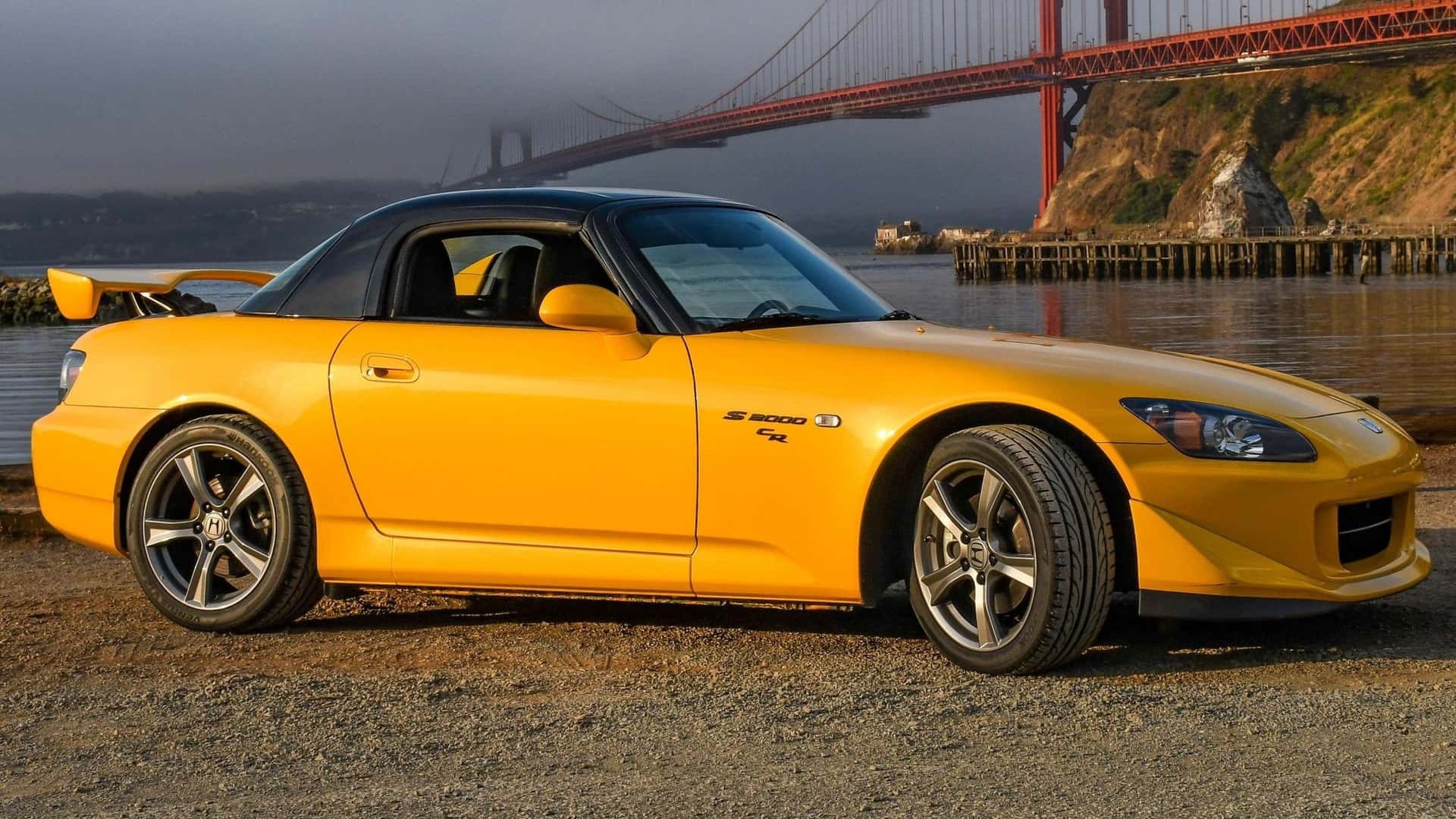
The Honda S2000, with its high-revving F20C engine and lightweight roadster chassis, is one of Japan’s most respected drift platforms. Its naturally aspirated engine delivers linear power, allowing precise control over throttle input, which is essential for maintaining drift lines.
The S2000’s near-perfect weight distribution and responsive suspension provide excellent handling characteristics, making it agile and predictable during complex drift maneuvers. While more commonly associated with track racing, the S2000 proved itself capable in drifting, offering a blend of power, balance, and responsiveness that rivaled traditional drift machines.
The S2000’s contribution to drifting lies in its driver-centric dynamics. Its lightweight chassis and mechanical simplicity allowed enthusiasts to experiment with various drift techniques, including clutch kicking, handbrake turns, and high-speed transitions.
The car rewarded precision and skill, encouraging drivers to refine their abilities rather than relying solely on engine power. This made it a valuable platform for both beginners and professional drifters seeking to master vehicle control.
Visually, the S2000’s compact, sporty design allowed for extensive modifications without compromising its performance. Many builders enhanced the car’s appearance with aerodynamic kits, suspension upgrades, and custom wheels while simultaneously improving its drift capabilities. Its combination of style and performance made it a symbol of versatility and innovation within Japanese drifting culture.
Even today, the Honda S2000 continues to influence drift enthusiasts around the world. Its focus on precision, balance, and high-revving performance has inspired a generation of drivers to prioritize skillful control over raw horsepower.
The S2000 stands as a testament to the variety of platforms capable of excelling in drifting, securing its position as one of Japan’s most influential drift cars.
