
The Chevrolet Camaro has long been a symbol of American muscle and performance, a car that embodies speed, style, and a sense of freedom on the open road.
Since its debut in 1966 as a 1967 model, the Camaro has undergone numerous transformations, balancing raw power with technological advancements to stay competitive among the fastest cars of each era.
What sets the quickest Camaro generations apart is not just the horsepower, but also the engineering precision, the chassis dynamics, and the careful balance of aerodynamics and weight distribution.
Over the years, Chevrolet has produced models with varying focuses, some emphasizing straight-line speed with supercharged or naturally aspirated V8 engines, while others integrate handling packages and suspension upgrades to dominate twisty roads without sacrificing acceleration.
Identifying the top ten fastest Camaro generations is not merely about comparing horsepower figures; it requires examining performance enhancements, engine innovations, and the driving experience that each generation offered.
Each Camaro generation brought unique features and improvements that pushed the boundaries of speed and performance. For instance, earlier generations relied heavily on naturally aspirated V8 engines and lightweight designs to maximize acceleration.
Later models incorporated modern technologies such as turbocharging, advanced fuel injection systems, and electronic performance controls, which allowed newer Camaros to achieve incredible 0–60 times and quarter-mile performance. While enthusiasts may have personal favorites among the many iterations, certain generations stand out due to their remarkable speed records and racing heritage.
The combination of raw engine power, efficient transmission systems, and aerodynamic design enabled these models to secure a reputation as some of the fastest vehicles Chevrolet has ever produced.
From the first-generation Z28s to the latest high-performance variants, the Camaro consistently proved that American muscle could compete on both the street and the track.
Speed alone does not define the Camaro experience. Each generation also brought styling updates and technological improvements that enhanced the driving experience.
From improved suspension geometries to stronger brakes and traction control systems, the quickest Camaro generations are a blend of raw horsepower and controlled agility.
These cars demonstrate how Chevrolet engineers constantly refined the platform to deliver not just straight-line speed, but stability and confidence at high velocity.
Many of these high-performance models also left an impression in racing history, taking part in drag races, track events, and even international competitions, solidifying their status as true performance icons.
The combination of historical significance, engineering innovation, and pure speed makes the list of the top ten quickest Camaro generations a fascinating study of American automotive ingenuity.
This article examines the six fastest Camaro generations ever produced by Chevrolet. Each section will highlight the specific performance models within a generation, describing the engines, acceleration capabilities, and distinguishing features that made them exceptionally fast.
Additionally, the article will provide context on how each generation improved upon its predecessor, showing a clear progression of speed and refinement over time.
By the end of this discussion, it will be clear why certain Camaro generations earned a place among the quickest ever built, showcasing the blend of power, design, and engineering that has made the Camaro a legendary performance vehicle.
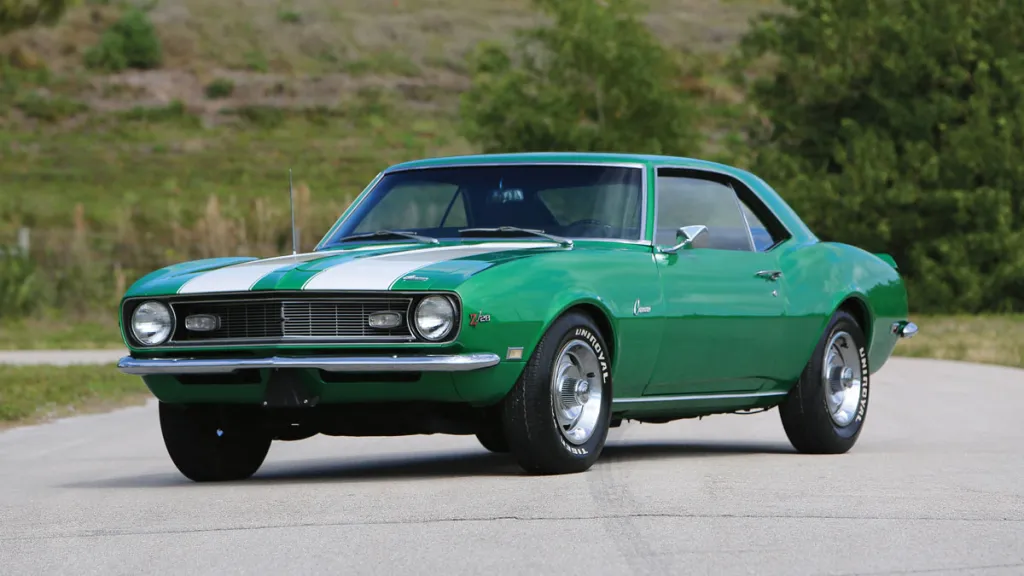
1. First Generation (1967–1969) – The Classic Muscle Era
The first-generation Camaro quickly established itself as a competitor to the Ford Mustang, combining sleek styling with formidable performance potential. Within this generation, the Z28 model was the standout for speed enthusiasts.
The Z28 came with a small-block 302 cubic inch V8 engine designed for high-revving performance, producing around 290 horsepower and offering a lightweight package that enhanced acceleration and handling.
Its power-to-weight ratio and relatively nimble chassis made it ideal for road courses and drag strips alike, proving that American muscle cars could deliver both speed and maneuverability.
Acceleration in the first-generation Camaro was impressive for its time, with the Z28 capable of reaching 0–60 miles per hour in just over six seconds, an achievement in the late 1960s.
Higher-displacement SS (Super Sport) models with 350 or 396 cubic inch V8 engines offered even more raw power, pushing quarter-mile times into the low 14-second range.
Chevrolet emphasized simplicity in these cars, relying on manual transmissions, solid rear axles, and minimal electronic intervention, which gave drivers a pure connection to the road. This approach ensured that acceleration was only limited by traction and driver skill, rather than complex electronics.
Handling and braking were also carefully considered in the first generation, especially in performance variants. Heavy-duty suspension packages, front disc brakes, and wider tires provided the necessary grip to harness the engine’s power effectively.
Although technology was primitive compared to modern standards, Chevrolet engineers created a balance that allowed these Camaros to perform exceptionally on both streets and tracks. The combination of lightweight construction, powerful engines, and practical performance upgrades made this generation a strong contender in its era.
The first-generation Camaro left an enduring legacy in speed and performance, influencing future models and establishing benchmarks that would be challenged by later generations.
Its classic styling, combined with performance-focused engineering, captured the spirit of American muscle while proving that Chevrolet could compete with any high-powered sports car of the time.
Enthusiasts continue to celebrate this generation not just for its aesthetic appeal but also for its genuine performance credentials, earning it a rightful place among the quickest Camaro generations ever built.
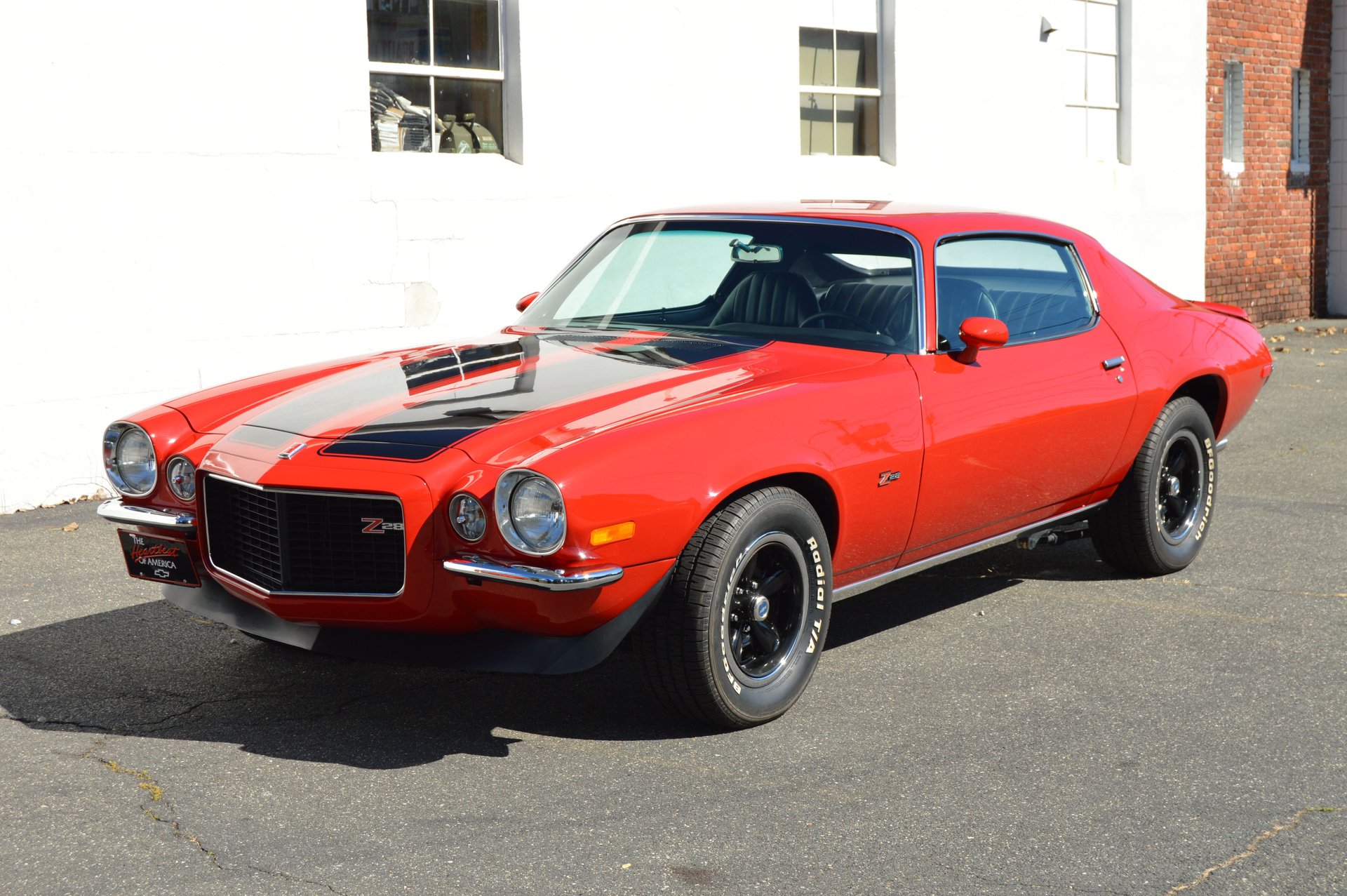
2. Second Generation (1970–1981) – Refined Power and Aerodynamics
The second-generation Camaro represented a shift toward a slightly larger and more aerodynamic design. The goal was to maintain strong performance while improving comfort and stability at higher speeds. Models like the Z28 continued to dominate the speed charts, now equipped with larger engines and refined suspension setups.
The 350 cubic inch V8 became the standard for many performance variants, while the 396 and 402 cubic inch engines offered serious straight-line power for drag racing enthusiasts. Acceleration figures improved over the first generation due to better engine tuning and reduced weight in key areas.
During the early 1970s, the second-generation Camaro achieved 0–60 times in the mid-6-second range with the high-performance engines, while quarter-mile runs dipped below 14 seconds for top-tier models.
Chevrolet’s focus on torque made these cars especially strong in the midrange, allowing for fast launches and powerful passing maneuvers on highways and tracks.
The availability of both manual and automatic transmissions offered versatility for drivers seeking either control or convenience, and the performance-oriented automatic options were designed to handle higher engine outputs without sacrificing reliability.
The second-generation Camaro also benefited from suspension advancements, including improved front and rear geometry, better shock absorbers, and optional heavy-duty packages for track-focused applications.
Wider tires and disc brakes further enhanced performance, ensuring that the added horsepower could be effectively translated to speed.
Aerodynamic changes, such as a lower profile and sleeker body lines, allowed for reduced drag, which contributed to higher top speeds and stability during spirited driving sessions.
This generation solidified the Camaro’s reputation as a serious performance car while maintaining practicality for daily driving. It was a period of experimentation and refinement, with Chevrolet balancing raw muscle with more sophisticated engineering.
Collectors and speed enthusiasts recognize the second-generation Camaro for its blend of power, style, and handling, which enabled it to compete against both domestic and European performance cars of the era, ensuring its spot on the list of quickest Camaro generations.
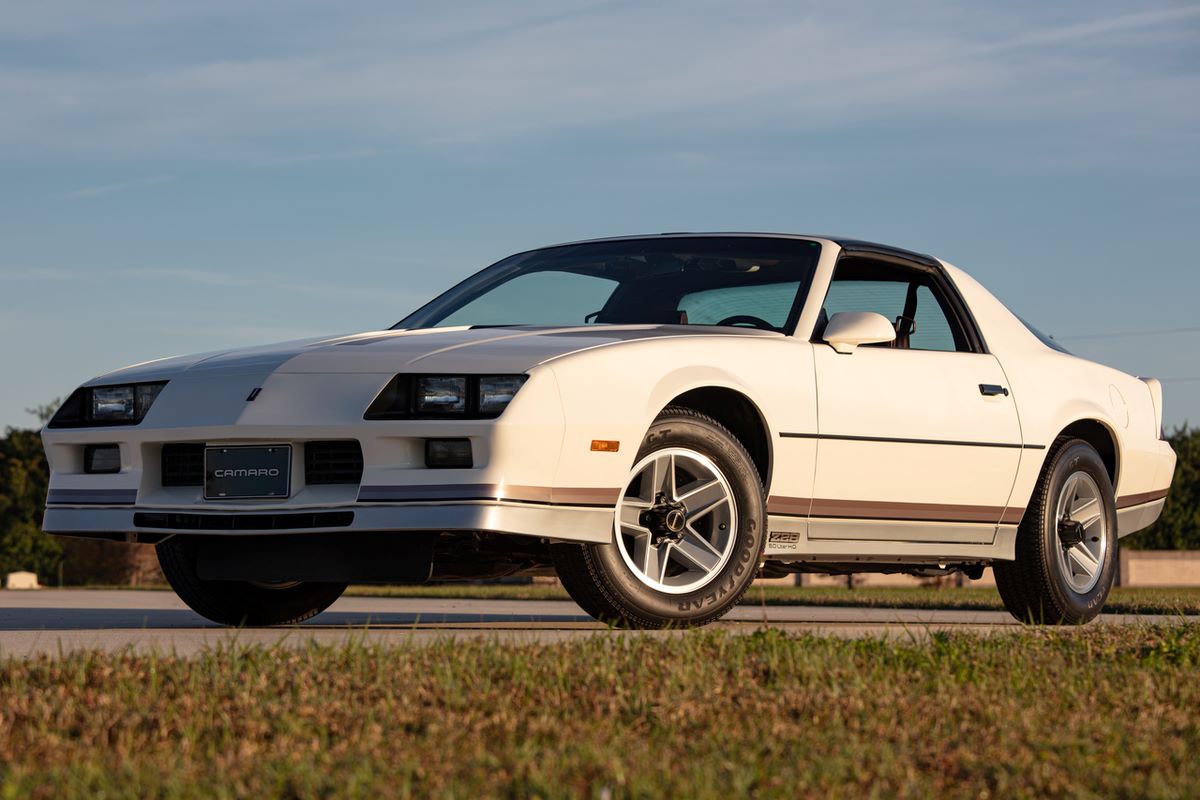
3. Third Generation (1982–1992) – Modernized Performance
The third-generation Camaro brought a more modern, angular design and significant technical improvements, including electronic fuel injection, improved aerodynamics, and lighter chassis construction. This era saw the rise of the IROC-Z, a model specifically engineered for speed and performance, named after the International Race of Champions series.
The IROC-Z combined a high-output V8 engine with modern suspension tuning, allowing drivers to experience faster acceleration and more precise handling than ever before. The introduction of electronic fuel injection increased power output and throttle response, contributing to quicker 0–60 times and improved quarter-mile performance.
High-performance third-generation Camaros could accelerate from 0–60 in just under six seconds, while quarter-mile runs dipped into the low 14-second range for top variants. Chevrolet offered several V8 engine options, including the 5.0-liter and 5.7-liter units, with some tuned for maximum torque and others for peak horsepower.
Manual transmissions became more precise and responsive, while automatic options were optimized for fast shifting without sacrificing durability. The combination of modern engine management systems and lighter chassis construction made these Camaros considerably quicker than their second-generation predecessors.
Suspension improvements were significant, with tuned shock absorbers, upgraded sway bars, and stiffer subframes allowing the car to handle higher speeds with confidence. Aerodynamic enhancements reduced lift and drag at highway and track speeds, improving both top-end velocity and stability through corners.
Additionally, Chevrolet introduced performance-focused tire and wheel options, allowing drivers to take full advantage of the vehicle’s increased power and handling capabilities.
The third-generation Camaro cemented its role as a modern muscle car, bridging the gap between classic designs and contemporary performance standards. Its combination of acceleration, handling, and technological refinement positioned it as one of the fastest and most capable Camaros ever built.
Enthusiasts today celebrate this generation not only for its straight-line speed but also for its ability to deliver a thrilling, well-rounded driving experience.

4. Fourth Generation (1993–2002) – High-Tech Muscle
The fourth-generation Camaro marked a significant evolution in both styling and performance, embracing a sleeker, more modern appearance while integrating advanced technology that enhanced speed and driving dynamics. This generation was for offering a wide variety of performance packages, including the SS and the high-output Z28 models.
These vehicles often featured 5.7-liter V8 engines equipped with Tuned Port Injection or LS-series architecture in later years, which increased horsepower and torque outputs considerably.
As a result, acceleration times improved dramatically over previous generations, allowing 0–60 runs in the low six-second range for SS models and approaching 14-second quarter-mile times for more optimized builds.
The engineering focus during this era was on extracting maximum speed while maintaining handling precision, a combination that gave the fourth-generation Camaro a distinct reputation among muscle cars of the 1990s.
Chevrolet also placed significant emphasis on braking, suspension, and chassis refinement for this generation, making the cars capable of handling higher speeds without sacrificing control. Multi-link rear suspensions, stiffer subframes, and upgraded sway bars allowed drivers to corner more aggressively, while larger disc brakes improved stopping power.
These improvements were particularly important given the increased output of the engines; the faster acceleration required braking and handling systems that could keep pace with the power delivered to the rear wheels.
The fourth-generation Camaro also experimented with various performance tires and wheel packages, further enhancing grip and stability at high speeds.
This combination of technology and engineering sophistication allowed Chevrolet to offer muscle cars that were not only fast in a straight line but also capable of spirited driving on twisty roads.
Aerodynamics also played a role in the fourth-generation Camaro’s speed capabilities. The car’s body was designed with smoother lines and reduced drag compared to earlier generations, which increased high-speed stability and efficiency.
Hood scoops, rear spoilers, and subtle ground effects contributed to better airflow management, while the relatively low profile of the vehicle helped reduce lift at highway speeds. These refinements made a noticeable difference in acceleration, top speed, and driving confidence.
Drivers could experience the thrill of straight-line speed without compromising stability, a balance that few muscle cars of the era managed to achieve so effectively. The fourth-generation Camaro thus represented a blend of raw power, modern engineering, and thoughtful aerodynamic design.
Another feature of this generation was the increasing use of electronic systems to optimize performance. Advanced engine management systems, improved fuel injection, and optional performance packages allowed drivers to extract the maximum potential from their engines.
Traction control and limited-slip differentials ensured that acceleration was not wasted through wheel spin, making these cars surprisingly quick even on less-than-perfect road surfaces. The fourth-generation Camaro demonstrated that muscle cars could evolve with technology without losing the raw driving excitement that enthusiasts valued.
Its combination of power, handling, and high-speed stability solidified its position among the fastest Camaro generations ever produced, bridging the gap between classic muscle and modern performance cars.
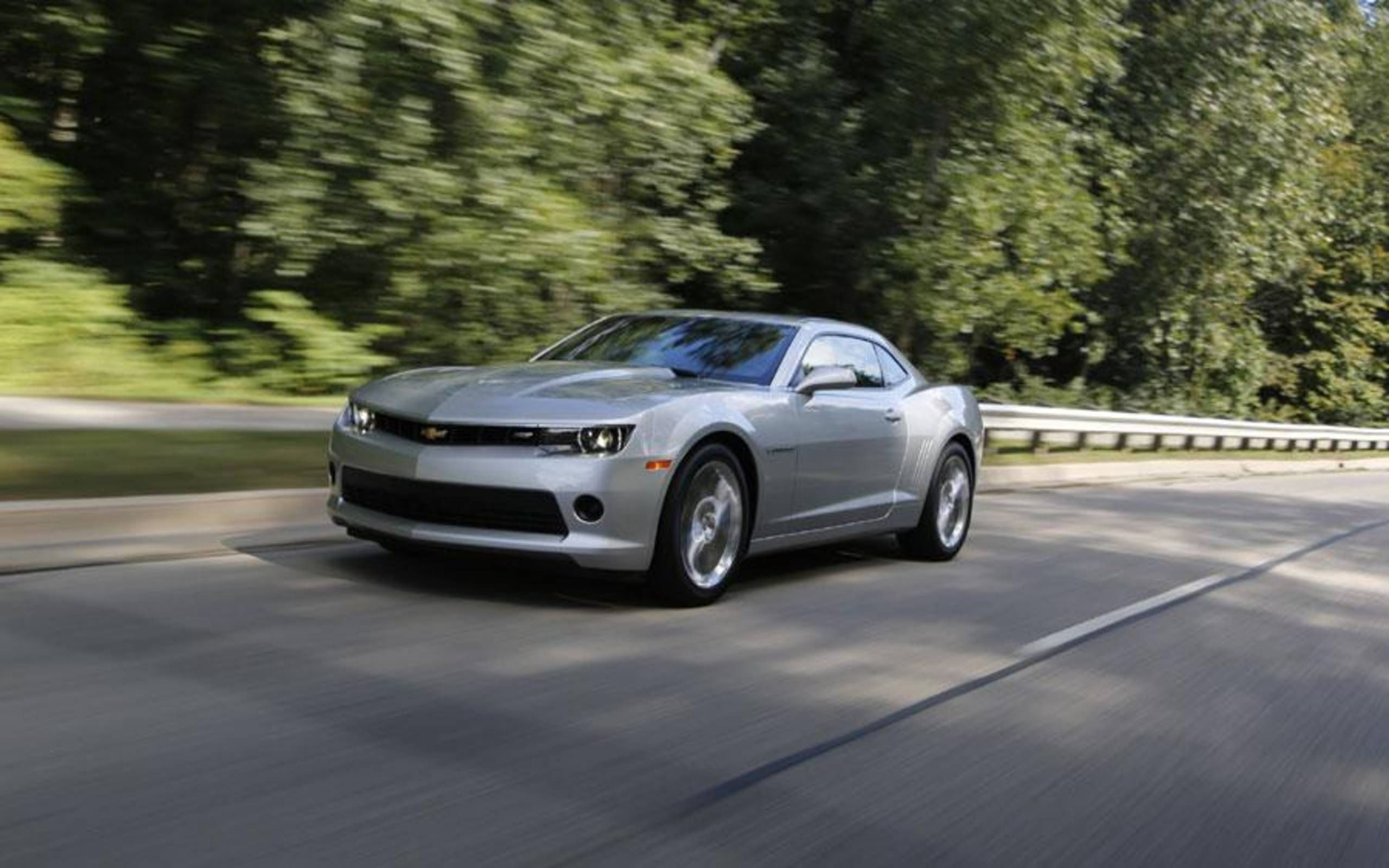
5. Fifth Generation (2010–2015) – A Return to Muscle Glory
The fifth-generation Camaro represented a major comeback for Chevrolet, embracing retro styling cues from the original first-generation model while incorporating modern performance technology. This generation saw the introduction of powerful SS and ZL1 variants that pushed the Camaro to unprecedented levels of speed.
The SS model featured a 6.2-liter V8 engine producing over 400 horsepower, while the supercharged ZL1 offered nearly 580 horsepower, making it one of the quickest Camaros ever built.
Acceleration became truly remarkable, with the ZL1 capable of reaching 60 miles per hour in under four seconds, rivaling many European sports cars in terms of performance.
These figures highlighted Chevrolet’s commitment to blending traditional muscle car characteristics with cutting-edge engineering to produce a high-speed experience unlike any previous Camaro.
Handling and stability were dramatically improved in the fifth-generation Camaro through extensive chassis refinement, weight reduction, and suspension upgrades. The platform featured a more rigid structure compared to earlier generations, reducing body flex and improving responsiveness.
Magnetic Ride Control suspension became available on high-performance models, allowing real-time adjustments to damping based on driving conditions. This innovation enabled drivers to enjoy both blistering straight-line acceleration and composed cornering performance, making the Camaro a more complete performance vehicle.
Additionally, wider tires and high-performance brakes helped ensure that the power delivered to the rear wheels could be effectively utilized, reducing the likelihood of traction loss and improving confidence during high-speed maneuvers.
Aerodynamic improvements also played a critical role in this generation, particularly on the ZL1 and track-focused models. Enhanced front splitters, rear diffusers, and integrated spoilers reduced lift and drag, allowing the car to maintain stability at high velocities.
Even the SS model benefited from subtle aerodynamic adjustments that improved airflow and minimized turbulence, contributing to higher top speeds and better fuel efficiency relative to its power output.
These design choices, combined with a lowered stance and muscular body lines, allowed the fifth-generation Camaro to merge visual aggression with practical high-speed performance. The result was a car that felt as fast as it looked, delivering both the psychological thrill and measurable metrics of speed.
Finally, the fifth-generation Camaro emphasized technological sophistication to complement raw power. Electronic stability control, advanced traction management, and engine tuning software allowed drivers to fully exploit the massive horsepower without risking control.
Optional performance packages included track-oriented enhancements such as Brembo brakes, limited-slip differentials, and sport exhaust systems, further improving both acceleration and driving dynamics.
By combining high horsepower, advanced handling systems, and aerodynamic refinement, the fifth-generation Camaro earned a reputation as a modern muscle car capable of competing with contemporary supercars in terms of speed. It marked a significant milestone in the Camaro’s evolution, blending nostalgic design with extreme performance capabilities.
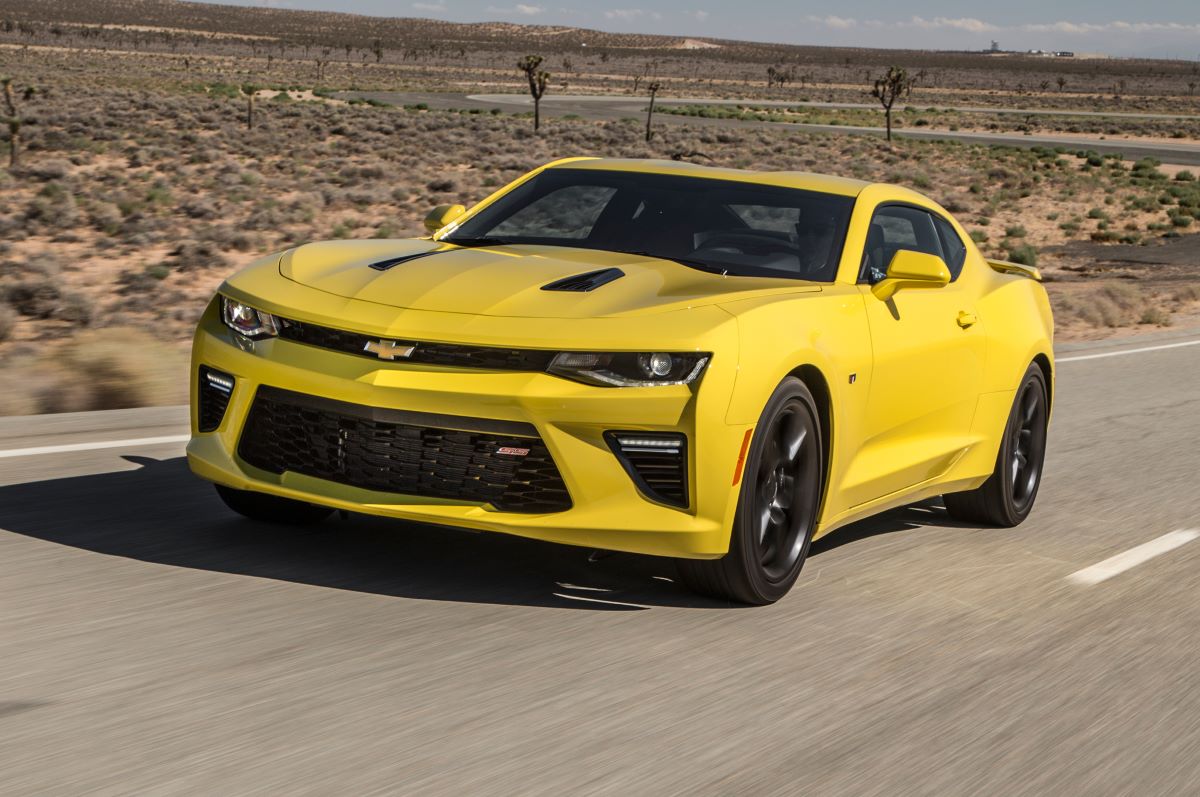
6. Sixth Generation (2016–Present) – Precision and Power
The sixth-generation Camaro represents the pinnacle of Chevrolet’s muscle car engineering to date, combining lightweight construction, advanced aerodynamics, and high-output engines.
Built on the Alpha platform shared with the Cadillac ATS, this Camaro emphasizes agility without compromising the raw power muscle cars are known for.
High-performance trims such as the SS and ZL1 pushed the boundaries of speed, with the ZL1 featuring a supercharged 6.2-liter V8 producing over 650 horsepower. The result is acceleration that rivals even some exotic sports cars, with 0–60 times dipping into the low three-second range under optimal conditions.
The combination of reduced weight, improved engine efficiency, and advanced driveline technology has made the sixth-generation Camaro one of the quickest models Chevrolet has ever produced.
Handling is another area where the sixth-generation Camaro excels. The car’s lighter architecture, combined with a fully independent suspension, offers exceptional balance and precision at high speeds.
Magnetic Ride Control continues to provide real-time damping adjustments, allowing the car to remain composed during aggressive driving while maintaining maximum traction.
Brake systems are larger and more advanced than in previous generations, offering powerful stopping capability to match the car’s immense acceleration.
Additionally, adaptive performance technologies help drivers maintain control even under extreme conditions, making the sixth-generation Camaro a precise and confidence-inspiring high-speed machine.
Aerodynamics has also received significant attention in this generation. The car’s sculpted bodywork, active front splitters, and rear diffusers reduce lift and improve airflow efficiency, contributing to both higher top speeds and improved handling. Even subtle changes, such as optimized underbody panels, help stabilize the car at elevated velocities.
These enhancements allow the Camaro to maintain stability and control during high-speed driving, whether on a straight drag strip or a winding road. The careful integration of form and function ensures that the car’s aggressive design is not only visually striking but also functionally beneficial for speed performance.
Finally, technological sophistication elevates the sixth-generation Camaro above its predecessors. Advanced engine management, electronic limited-slip differentials, and selectable drive modes allow drivers to tailor performance to their exact preferences.
Supercharged variants provide instantaneous throttle response and immense torque delivery, making launches blisteringly fast. Combined with aerodynamic efficiency and weight optimization, these features make the sixth-generation Camaro the fastest and most refined iteration Chevrolet has produced.
It demonstrates that American muscle can compete with modern supercars in speed, handling, and driving excitement, earning its place among the quickest Camaro generations ever built.
