
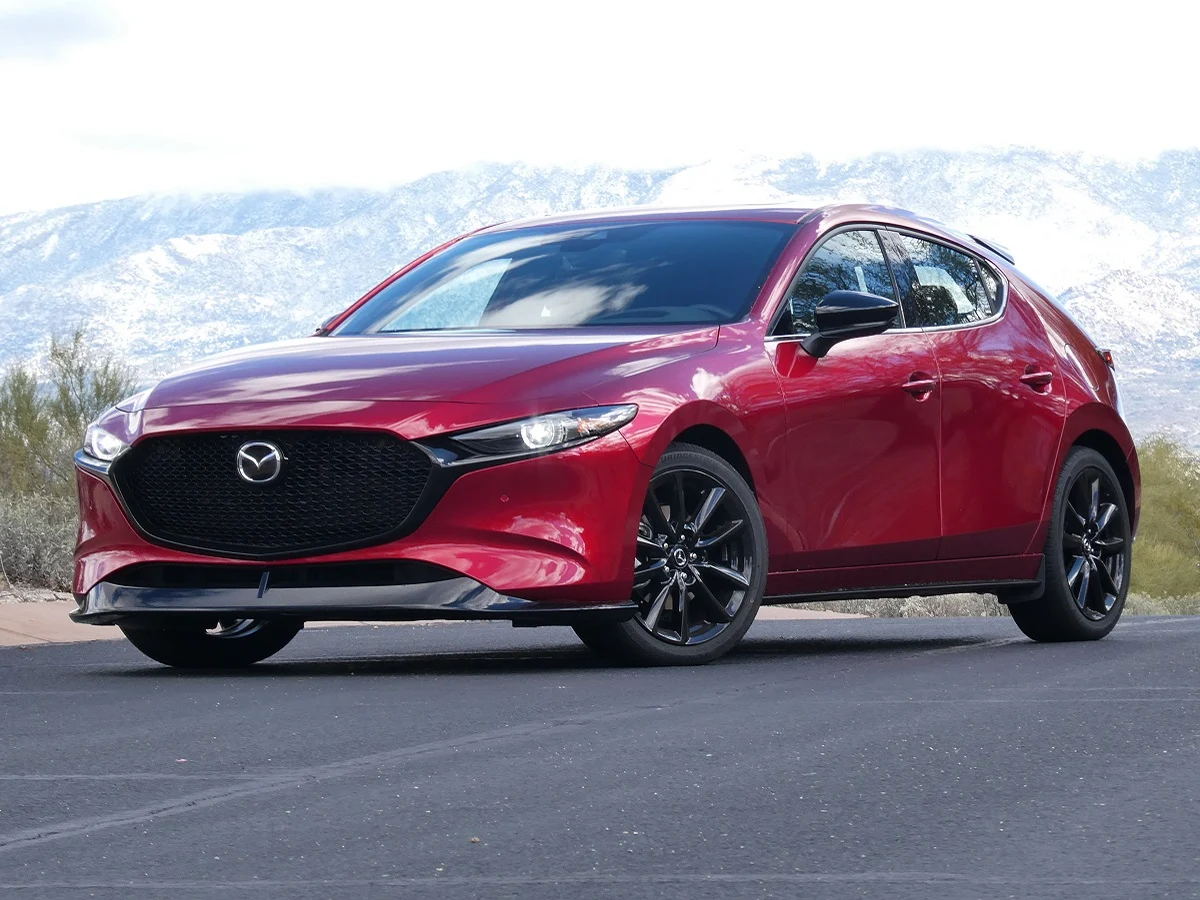
Driving at high altitudes presents unique challenges for vehicles that are often overlooked at lower elevations. When a car climbs into mountainous regions, the thinner air affects both the engine and the driving experience.
Engines rely on a mix of air and fuel to produce power, and as the oxygen level decreases with altitude, the combustion process becomes less efficient. This can lead to noticeable reductions in acceleration, climbing ability, and even fuel efficiency. While modern engines have some ability to compensate, not all vehicles handle these changes equally.
Cars with turbochargers or superchargers tend to perform better because they force more air into the engine, maintaining power even when the air is thin. Naturally aspirated engines, on the other hand, often struggle to maintain performance, and drivers may notice a drop in both speed and responsiveness.
High-altitude driving also impacts other systems beyond the engine. Cooling systems may work harder due to changes in air density and temperature, and braking systems can experience additional strain on steep descents.
Vehicles with all-wheel-drive or four-wheel-drive systems tend to provide better traction on winding mountain roads, especially where conditions might include snow or loose gravel. Suspension and handling characteristics also play a larger role at altitude, as roads can be steeper and curves sharper than in lowland driving.
Choosing the right vehicle for these conditions requires careful consideration of both engine performance and drivability. A car that excels at high-altitude driving can make long climbs effortless, while a car that loses power can make even short trips uphill feel challenging.
Another factor to consider is fuel type and engine tuning. Diesel engines generally lose less power at high elevations compared to gasoline engines because of the differences in air-fuel combustion.
Vehicles equipped with turbochargers, as mentioned, are especially advantageous because they compress the thinner mountain air, keeping engine output higher.
Conversely, older or naturally aspirated engines are more prone to a significant power drop, which can be frustrating for drivers not prepared for the change. For anyone frequently driving in mountainous regions, understanding which cars maintain power and which lose it can help with safety, efficiency, and enjoyment of the drive.
Finally, high-altitude driving can influence driver comfort and vehicle reliability. Drivers may experience fatigue more quickly at elevations above 8,000 feet, and a sluggish car can increase stress levels.
Vehicles that maintain power and respond well allow drivers to maintain speed safely, navigate curves with confidence, and handle steep inclines without overworking the engine.
Cars that struggle in these conditions can feel unsafe and unreliable, making even routine drives difficult. Understanding the differences between cars that perform well in high-altitude conditions and those that do not is essential for anyone planning regular trips into mountainous regions.
Five Cars That Perform Well in High-Altitude Driving
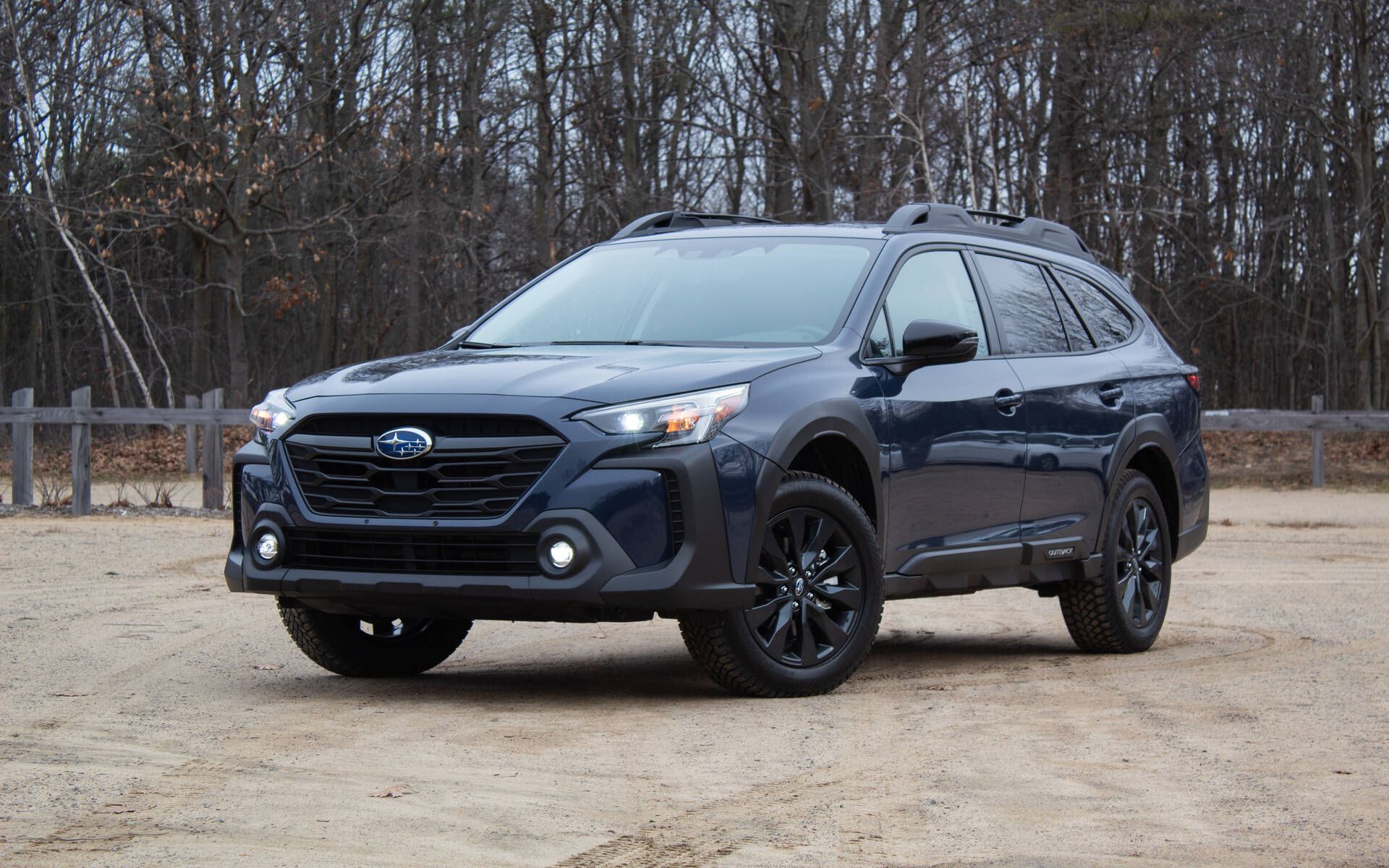
1. Subaru Outback
The Subaru Outback has earned a reputation for being an exceptionally reliable vehicle in challenging driving conditions, and high-altitude terrain is no exception. One of its primary advantages is its symmetrical all-wheel-drive system, which ensures that power is evenly distributed between the front and rear wheels.
This feature is particularly beneficial when driving on steep mountain passes, where traction can be inconsistent due to loose gravel, sudden weather changes, or uneven road surfaces. The all-wheel-drive system allows the Outback to maintain stability even in situations where a standard front-wheel-drive vehicle might lose grip.
Additionally, the engine’s turbocharged options, available in higher trims, allow drivers to experience minimal reductions in acceleration, ensuring that climbing steep inclines feels controlled and responsive.
Many drivers report that even when the air becomes thin at elevations exceeding 8,000 feet, the Outback retains a consistent level of power that provides confidence and control over difficult terrain.
The Outback’s suspension system is another factor that contributes to its high-altitude performance. Designed with a balance of comfort and ruggedness in mind, the suspension absorbs bumps, potholes, and uneven terrain without transferring excessive strain to the driver or passengers.
This capability is especially important in mountainous regions, where roads often vary in quality and can include both paved and unpaved sections. Furthermore, the higher ground clearance compared to standard sedans prevents damage to the undercarriage and allows the vehicle to tackle steep inclines without scraping.
The combination of power retention and suspension resilience makes the Outback an ideal choice for long-distance driving in elevated regions, providing a smooth ride even in demanding conditions.
Another critical element in the Outback’s high-altitude performance is its turbocharged engine’s ability to maintain combustion efficiency. The turbocharger compresses the thinner mountain air, allowing the engine to access sufficient oxygen to sustain its power output.
This prevents the dramatic drops in horsepower that often occur in naturally aspirated engines, ensuring that the vehicle responds predictably when merging onto highways, overtaking slower vehicles, or accelerating up steep grades.
Even when carrying a full load of passengers or cargo, the Outback manages to maintain performance levels that make high-altitude driving feel effortless. Drivers often note that this consistency allows them to focus on navigating the road rather than compensating for a lack of power.
Finally, Subaru’s reputation for reliability and durability plays a significant role in why the Outback excels in high-altitude driving. Beyond engine performance, the vehicle’s cooling systems, transmission, and braking components are all engineered to withstand the additional strain associated with elevation changes.
Long drives through mountainous areas, often lasting several hours, are handled with minimal risk of overheating or mechanical issues.
The interior comfort and ergonomic seating further enhance the driving experience, reducing fatigue and making the journey more enjoyable for both drivers and passengers. This combination of power, stability, and longevity solidifies the Subaru Outback as one of the most capable vehicles for high-altitude conditions.
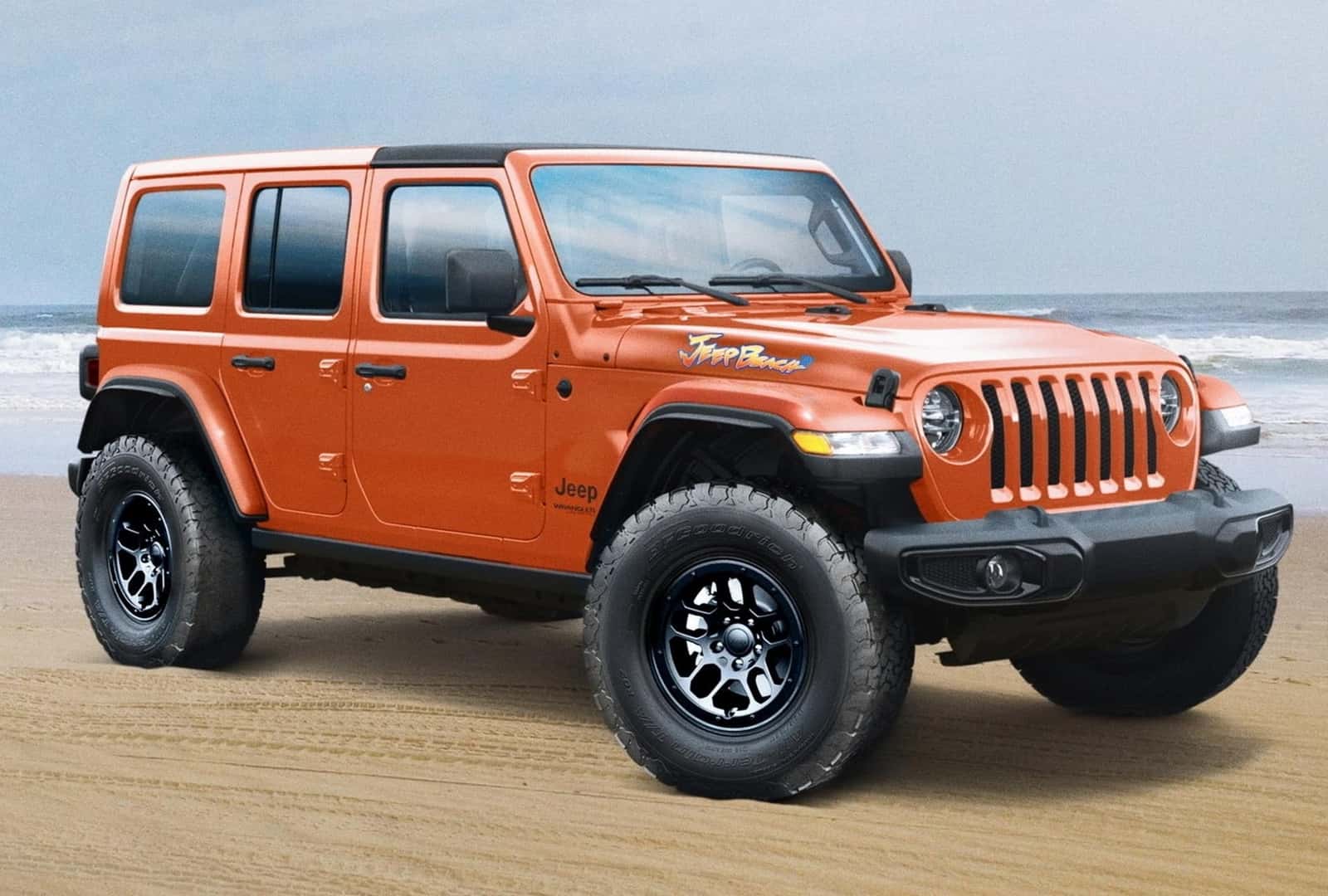
2. Jeep Wrangler
The Jeep Wrangler is widely recognized as one of the most capable off-road vehicles on the market, and its performance extends effectively into high-altitude driving. The Wrangler’s four-wheel-drive system provides exceptional traction, allowing it to handle steep inclines, loose gravel, and rocky surfaces commonly found in mountainous terrain.
Even models with naturally aspirated engines are equipped with substantial torque, enabling the vehicle to climb steep roads more efficiently than smaller, less robust cars. The Wrangler’s rugged construction, high ground clearance, and durable suspension further enhance its capability to navigate uneven and unpredictable surfaces.
Its design allows drivers to maintain a high degree of control, reducing the risk of wheel slippage or instability when ascending or descending mountain passes.
Some Wrangler models come equipped with turbocharged four-cylinder engines, which greatly improve their performance in high-altitude conditions. Turbocharging allows the engine to compress thinner mountain air, maintaining power levels that would otherwise drop significantly in naturally aspirated engines.
This is particularly beneficial for climbing long hills or passing slower vehicles on mountainous highways.
Additionally, the Wrangler’s low-range gearing options provide precise control over power delivery, allowing drivers to tackle steep inclines with confidence while reducing strain on the engine. This combination of mechanical advantages makes the Wrangler a reliable companion in regions where other vehicles might struggle.
The Jeep Wrangler’s lightweight body and rugged design contribute to its high-altitude performance. Unlike larger, heavier SUVs that can feel cumbersome, the Wrangler maintains maneuverability and responsiveness even on tight switchbacks or narrow mountain roads.
The steering remains precise, giving drivers confidence when navigating sharp turns at elevation. Furthermore, the elevated seating position offers excellent visibility, enabling drivers to anticipate road changes and obstacles effectively.
These design features, combined with the vehicle’s torque and traction capabilities, make the Wrangler exceptionally suited for high-altitude driving.
Finally, the Wrangler’s long-standing reputation for reliability in extreme conditions extends to mountainous driving scenarios. Many drivers rely on the vehicle for extended trips through remote areas, knowing that it can handle rough terrain, sudden weather changes, and thin air without mechanical failures.
While fuel efficiency is not its primary strength, the combination of engine performance, traction, and structural durability ensures that the Wrangler rarely experiences the significant power loss that can make high-altitude driving difficult.
Its consistent performance, adaptability, and resilience make it a top choice for drivers who frequently encounter mountainous environments.
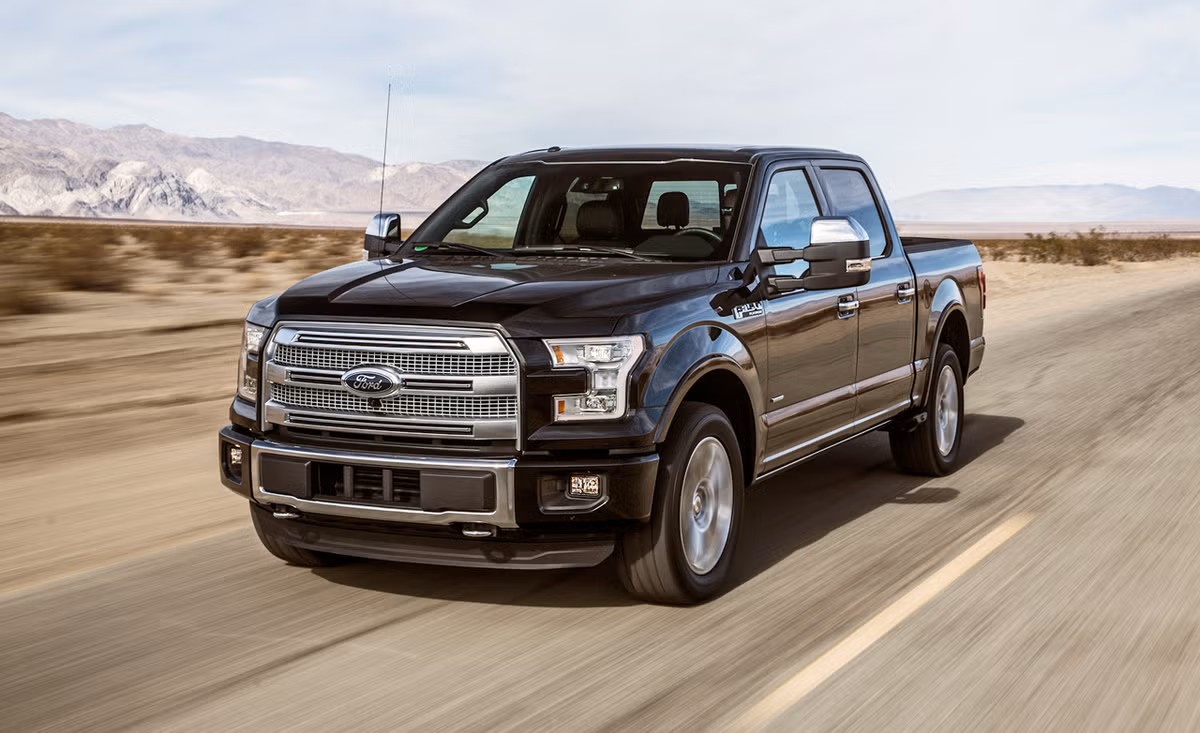
3. Ford F-150 EcoBoost
The Ford F-150 equipped with the EcoBoost engine is engineered to perform exceptionally well in conditions where other trucks might struggle. The twin-turbocharged engine compensates for reduced oxygen levels at high elevations, allowing it to retain horsepower and torque that naturally aspirated engines would lose.
This capability ensures that the F-150 remains responsive and capable, even when climbing steep inclines or towing heavy loads.
Drivers frequently report that the EcoBoost engine allows them to maintain highway speeds without feeling underpowered, which is particularly important in regions with significant elevation changes. The truck’s chassis and suspension also provide stability on uneven mountain roads, preventing excessive body roll or discomfort during long drives.
The F-150’s robust construction further enhances its performance in high-altitude scenarios. The vehicle is designed to handle heavy loads and sustained power demands, which can put stress on the engine and transmission during mountain driving.
The cooling system is engineered to cope with thinner air and higher ambient temperatures, reducing the risk of overheating on long climbs.
Torque distribution and weight balance are optimized to maintain traction, ensuring the truck handles well on sharp curves or loose surfaces. This combination of engineering features allows the F-150 EcoBoost to remain both powerful and stable in challenging conditions.
Another advantage of the EcoBoost engine is its ability to maintain performance under load. Whether towing a trailer or carrying a full passenger and cargo load, the F-150 retains sufficient torque to climb hills without sacrificing drivability.
This is particularly beneficial for drivers who frequently travel in mountainous regions or transport heavy equipment. The engine’s low-end torque provides controlled acceleration, preventing the truck from feeling sluggish on inclines, which is a common problem for naturally aspirated engines at elevation.
Finally, the F-150 combines mechanical performance with driver comfort and assistance systems. Features such as advanced stability control, hill descent assist, and supportive seating reduce driver fatigue during extended drives at high altitude.
Visibility is also enhanced by the vehicle’s height and design, allowing drivers to anticipate road conditions and adjust accordingly.
The combination of power retention, durability, and driver-focused technology makes the Ford F-150 EcoBoost one of the most capable trucks for high-altitude driving, offering both confidence and comfort for demanding journeys.
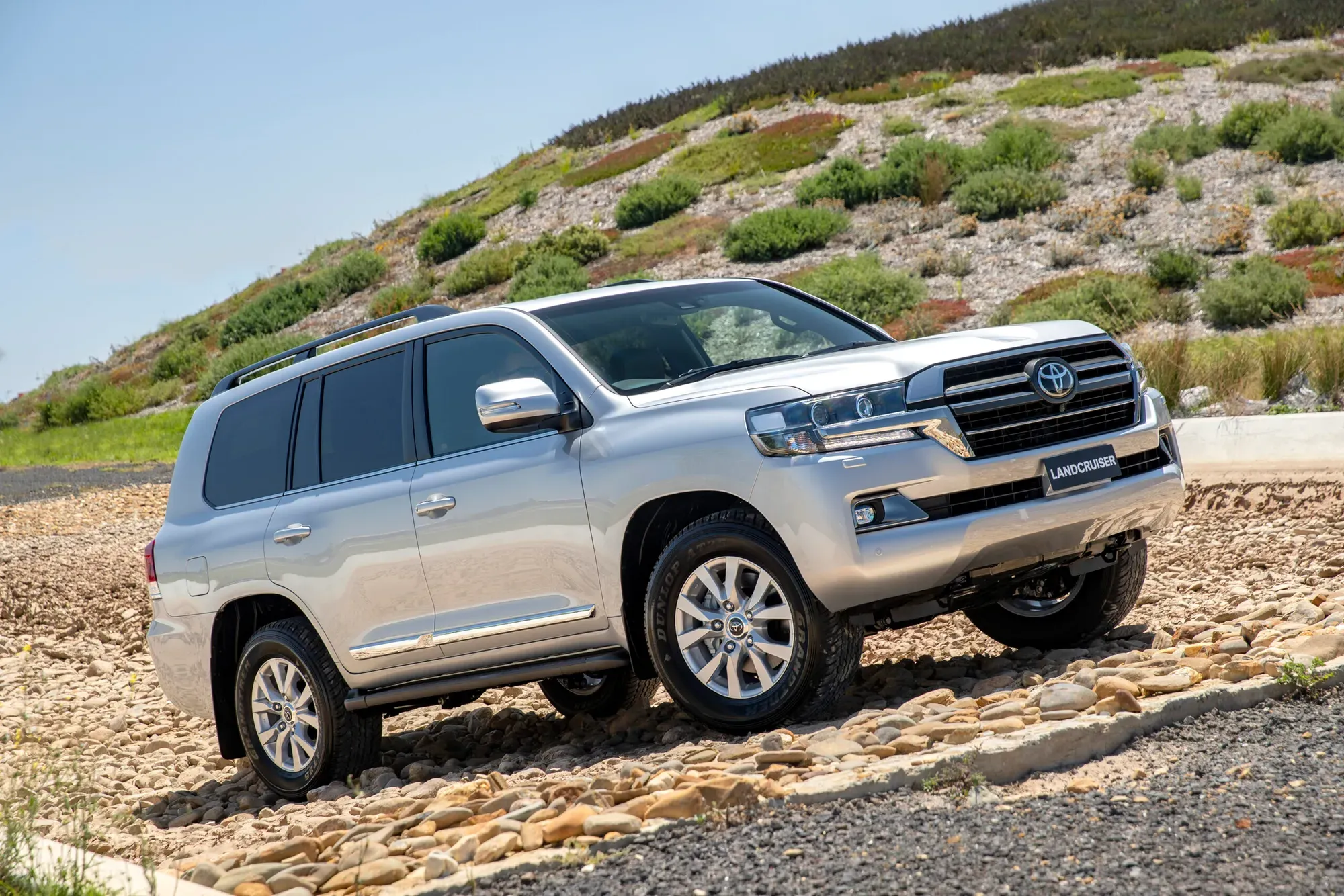
4. Toyota Land Cruiser
The Toyota Land Cruiser is a legendary vehicle recognized for its ability to conquer extreme terrain, and high-altitude driving is no exception. Its large V8 engine provides ample torque, which is crucial for maintaining performance when oxygen levels are lower.
Unlike smaller engines that lose significant power at elevation, the Land Cruiser continues to deliver steady acceleration, making long climbs and steep descents manageable.
Its four-wheel-drive system ensures that traction is never a concern, even on slippery or uneven surfaces, which is essential in mountainous driving conditions where weather and road quality can change rapidly.
The Land Cruiser’s suspension and chassis design enhance both stability and comfort. Long hours on steep, winding roads can be exhausting if a vehicle does not absorb shocks effectively.
The Land Cruiser’s suspension smooths out bumps and uneven surfaces, ensuring passengers remain comfortable while the vehicle maintains optimal traction and control.
Ground clearance is generous, allowing the vehicle to navigate rocky or uneven roads without risking damage to the undercarriage. These features, combined with the engine’s high torque output, make the Land Cruiser a confident performer at high elevations.
In addition to raw mechanical power, the Land Cruiser is engineered for high-altitude efficiency. Its fuel and air management systems optimize combustion even in thin air, reducing the likelihood of noticeable power loss.
Unlike smaller engines, the large V8 displacement naturally compensates for reduced oxygen, and the vehicle does not require a turbocharger to maintain performance. This allows for consistent acceleration, predictable handling, and reliable performance, even under the strain of prolonged climbs or heavy loads.
Finally, durability and long-term reliability are hallmarks of the Land Cruiser. Its drivetrain, transmission, and cooling systems are designed to withstand harsh conditions over extended periods.
Drivers traveling through mountainous regions often encounter vehicles that overheat or lose power, but the Land Cruiser continues to function with minimal strain.
Interior comfort, spacious seating, and a well-organized cabin further enhance the driving experience, allowing long high-altitude trips to be undertaken with both confidence and ease. These qualities make the Toyota Land Cruiser one of the most capable vehicles for challenging mountain driving.
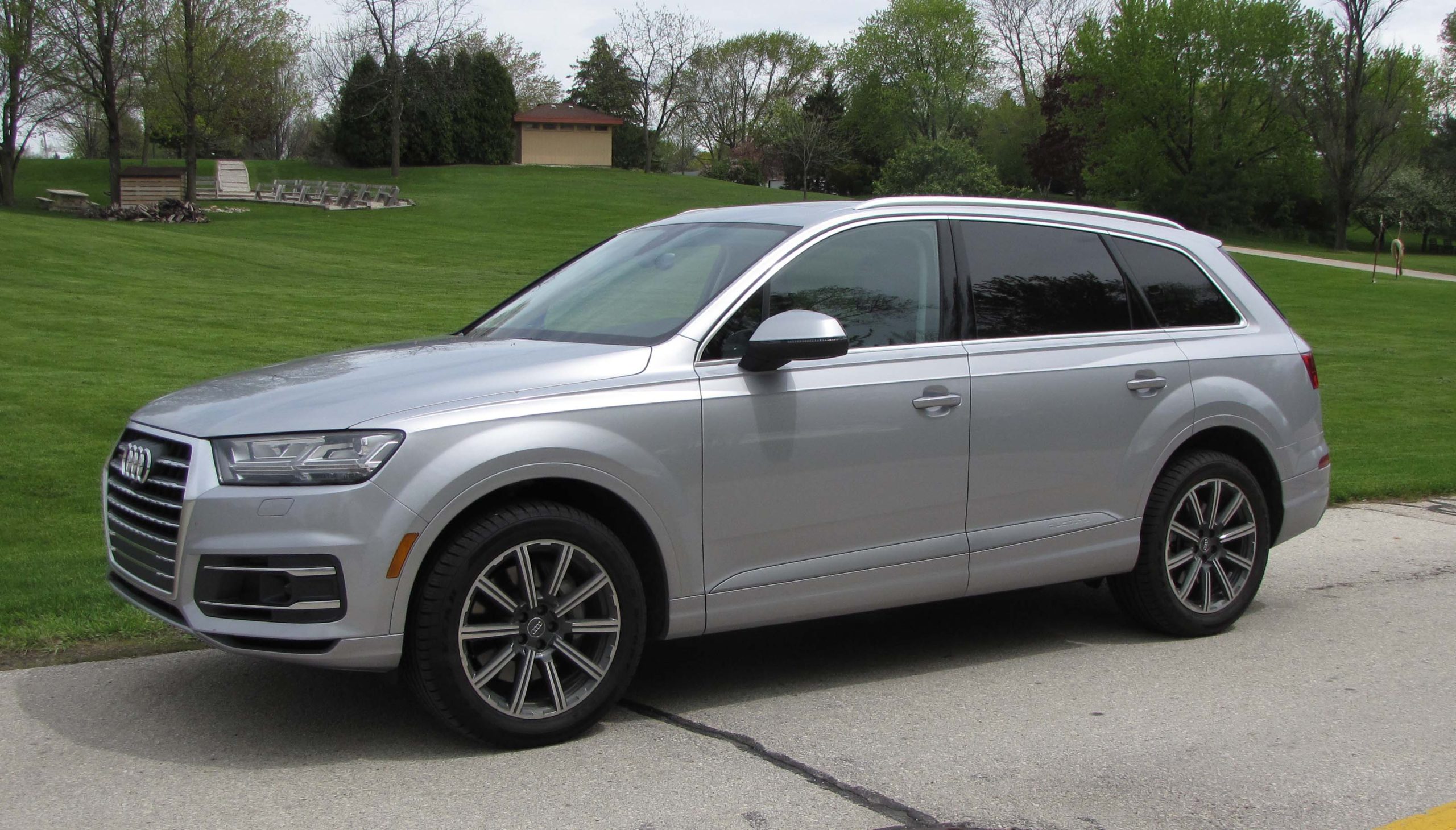
5. Audi Q7 3.0 TFSI
The Audi Q7 3.0 TFSI is a luxury SUV that excels in maintaining power at high altitudes due to its turbocharged V6 engine. The forced induction system allows the engine to compress thin mountain air, preventing the power drops commonly experienced by naturally aspirated engines.
Drivers benefit from consistent acceleration, smooth highway performance, and responsive throttle control even when navigating steep inclines.
Audi’s Quattro all-wheel-drive system ensures maximum traction on a variety of surfaces, including snow, gravel, and wet mountain roads. Electronic stability and traction controls complement the mechanical systems, allowing drivers to maintain control during challenging maneuvers.
The Q7’s adaptive suspension system adds another layer of high-altitude capability. By automatically adjusting damping and ride height, the vehicle smooths out bumps and uneven road surfaces, providing both comfort and stability.
On long mountain passes, this adaptive suspension ensures that the chassis remains balanced, reducing the risk of body roll or loss of control. This feature allows the Q7 to maintain composure even on roads that combine steep inclines, sharp curves, and rough surfaces.
Turbocharging allows the Q7 to retain fuel efficiency while providing sufficient power for demanding driving conditions. The engine compensates for thinner air, allowing for predictable acceleration and minimal driver adjustment.
Whether carrying passengers or heavy cargo, the Q7 delivers steady torque and horsepower, preventing the sluggishness often associated with high-altitude driving. Drivers report that the vehicle’s responsiveness and smooth handling provide a sense of confidence, even in steep or challenging terrain.
Finally, the Q7 incorporates luxury and technological features that enhance safety and comfort during high-altitude drives. Navigation systems assist with planning routes through mountainous regions, while driver assistance systems monitor vehicle performance, including engine load and braking efficiency.
The interior provides ample space, ergonomic seating, and advanced climate control, all of which contribute to a less fatiguing driving experience. These combined features make the Audi Q7 3.0 TFSI one of the most capable luxury SUVs for maintaining power and performance at high elevations.
Five Cars That Lose Power at High Altitude
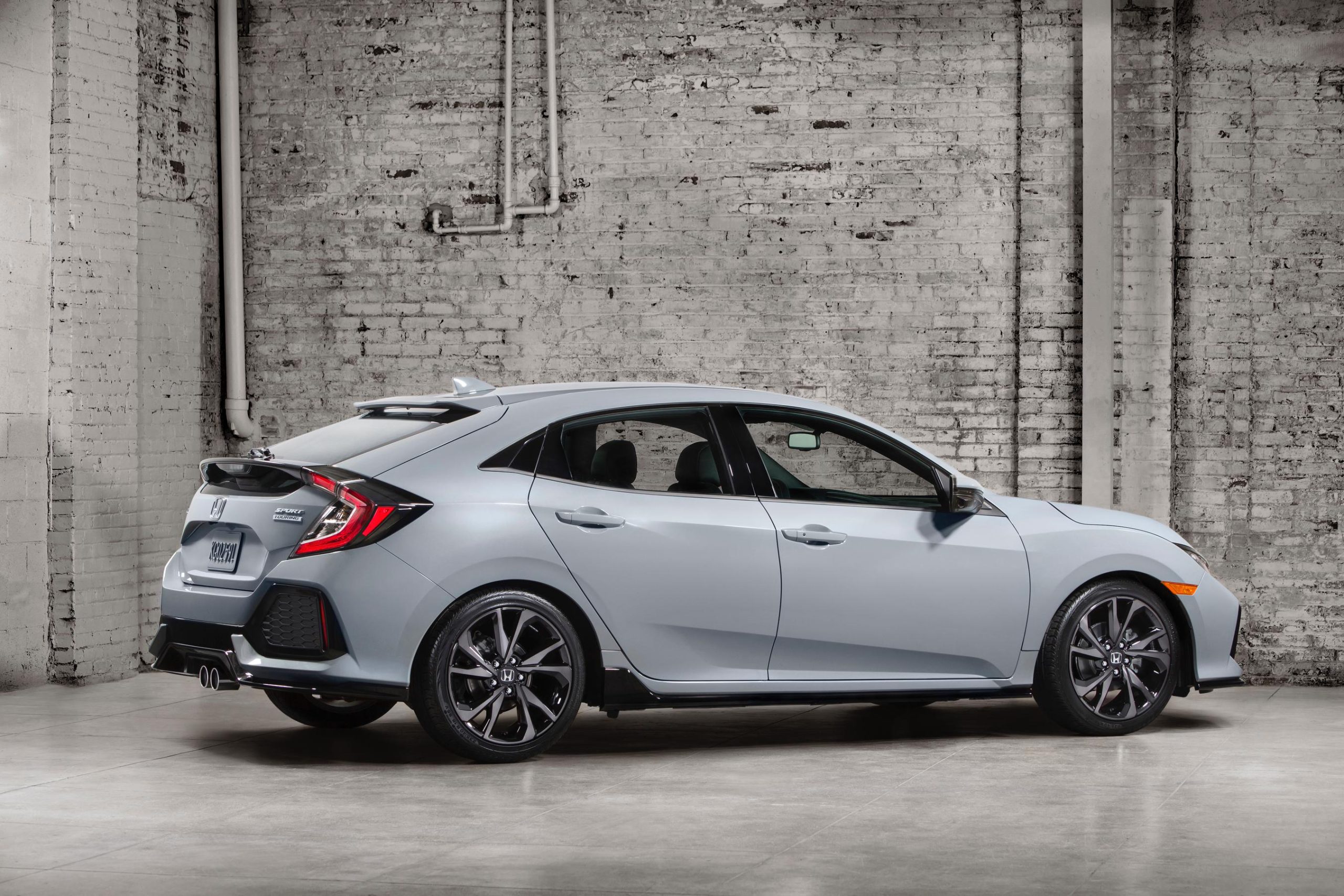
1. Honda Civic (Naturally Aspirated Models)
Naturally aspirated Honda Civics, particularly older models or base trims without turbocharged engines, often struggle in high-altitude driving conditions. The primary issue is the reduction in oxygen levels that occurs as elevation increases.
Internal combustion engines rely on a precise mix of air and fuel to produce power, and when there is less oxygen available, the engine cannot combust fuel efficiently. In practical terms, this results in noticeable decreases in acceleration, slower responses during merging, and a general sense of sluggishness when driving uphill.
Even minor inclines can feel significantly more challenging compared to sea-level driving, and drivers may find themselves needing to downshift frequently to maintain a reasonable speed.
The Civic’s smaller engine displacement exacerbates the problem. With less low-end torque available, these engines have limited ability to push the car forward when air density is reduced.
Naturally aspirated engines cannot compensate for the thinner air, and the lack of forced induction means that any decrease in oxygen directly reduces horsepower.
Drivers might notice longer times to reach highway speeds or difficulty overtaking slower vehicles, making high-altitude driving more stressful and less safe, particularly on winding mountain roads where sudden acceleration is sometimes necessary.
In addition, fuel efficiency can also be affected. While the Civic is generally economical at lower elevations, engines that struggle to maintain power at high altitudes may consume slightly more fuel as they attempt to compensate for the thinner air.
This is because the engine may run richer or operate under increased load, which increases fuel consumption. Over long mountainous drives, these factors can lead to both higher stress for the driver and reduced efficiency.
Finally, while Honda Civics are mechanically reliable and well-engineered, the driving experience at high altitudes can feel compromised. Reduced acceleration, slower climbing ability, and the need for constant gear adjustments can lead to fatigue over extended trips.
For drivers who frequently navigate mountainous regions or areas with significant elevation changes, naturally aspirated Civics may feel underpowered and less confident compared to vehicles equipped with turbocharging or larger engines.
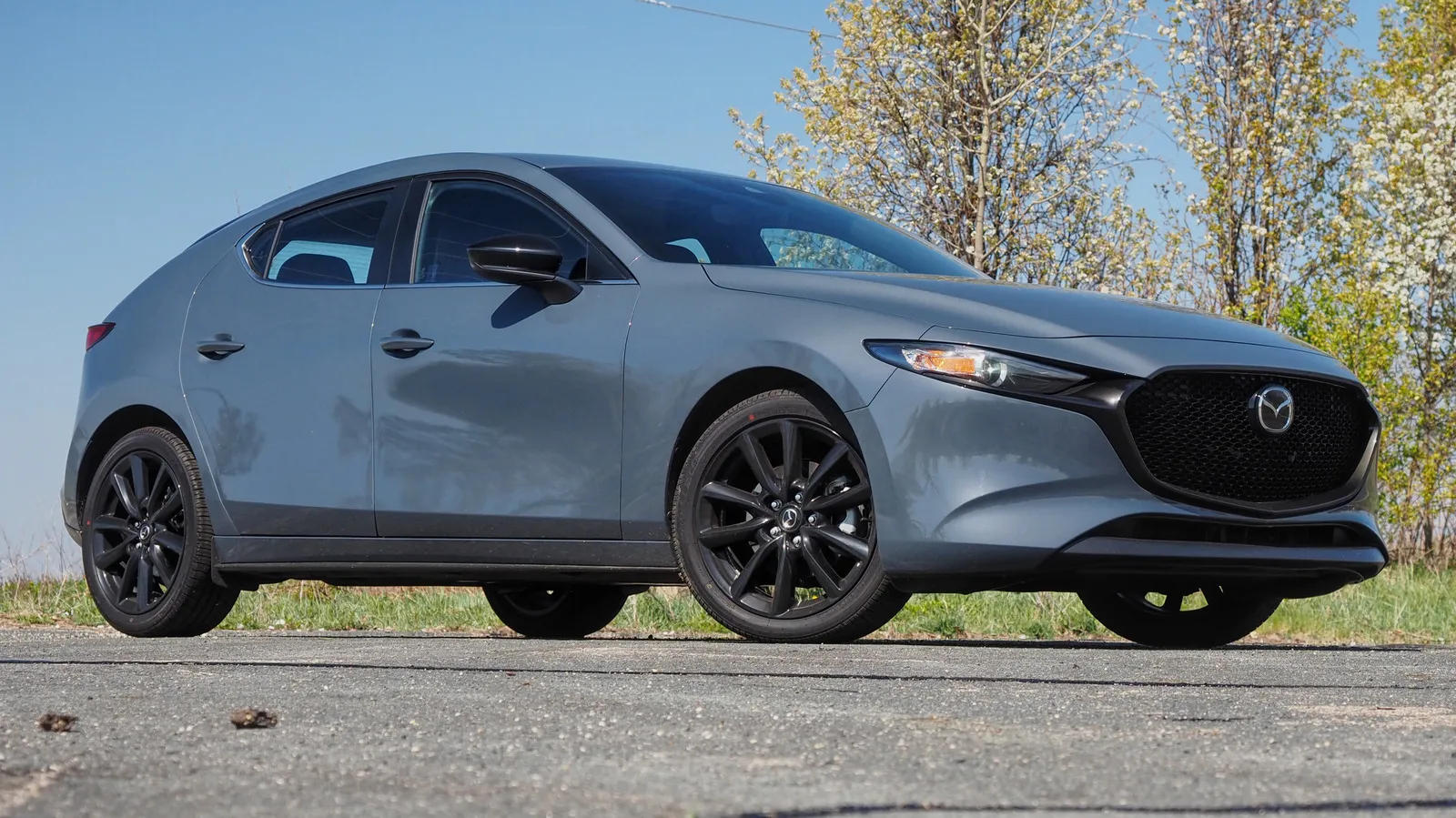
2. Mazda3 (Non-Turbo Models)
The Mazda3, particularly in its naturally aspirated four-cylinder configuration, faces similar challenges when ascending to higher elevations. Its engine loses a significant portion of horsepower as the air becomes thinner, resulting in sluggish acceleration and diminished climbing capability.
On long inclines, drivers may notice that the vehicle struggles to maintain consistent speed, and highway driving can become stressful when attempting to merge or pass slower vehicles.
The lack of turbocharging means that the engine has no way to compensate for the reduced oxygen, leaving the car underpowered compared to vehicles designed for high-altitude conditions.
The Mazda3’s lightweight frame provides excellent efficiency at lower elevations but offers little advantage when climbing steep mountain roads. When carrying additional passengers or cargo, the vehicle’s naturally aspirated engine is forced to work harder, increasing the likelihood of power loss and reducing responsiveness.
Drivers often need to make frequent gear changes to maintain adequate engine RPM, which can become tiring on long drives through hilly terrain.
Another issue is torque delivery. The Mazda3’s naturally aspirated engine produces limited torque at lower RPMs, making steep inclines more challenging to navigate.
Without forced induction, power drops are more pronounced at high altitudes, leading to slower acceleration and a feeling of underperformance. This can also affect confidence when negotiating sharp curves or mountain passes, where sudden bursts of power may be necessary to maintain control.
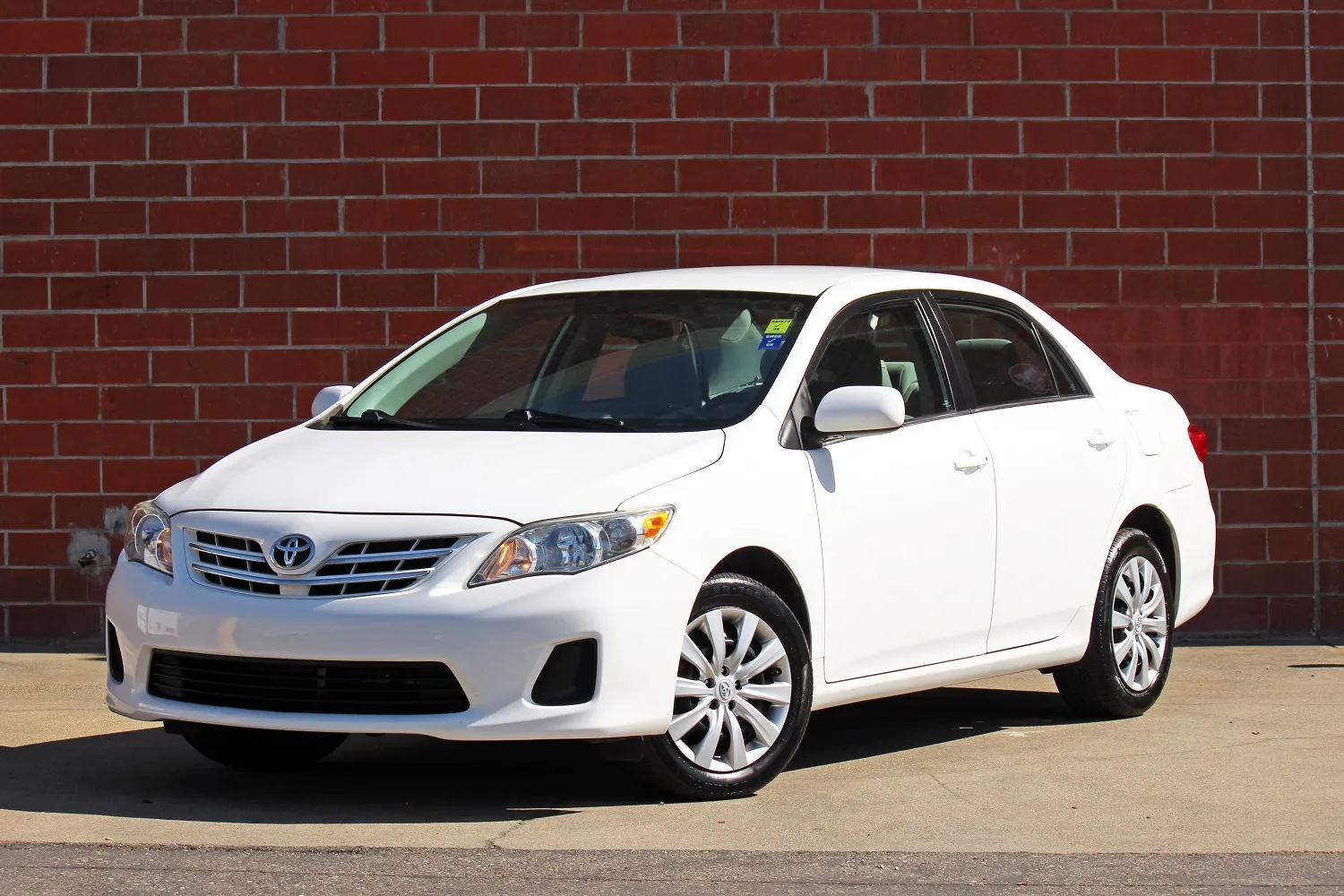
3. Toyota Corolla (Naturally Aspirated Models)
The Toyota Corolla is widely recognized for its reliability and efficiency at lower elevations, but naturally aspirated versions of the Corolla lose significant performance in high-altitude conditions. The thinner air reduces combustion efficiency, which directly affects acceleration and climbing power.
Drivers often notice that even moderate inclines require more effort from the engine, making the vehicle feel sluggish and less responsive than it would at sea level. These effects are most noticeable during long drives through mountainous terrain or when carrying passengers and cargo.
Additionally, fuel efficiency is affected when the engine operates under higher strain at elevation. While the Corolla is economical at lower elevations, the engine may consume more fuel as it attempts to maintain adequate performance.
Long drives in mountainous regions can therefore become less efficient, increasing both travel time and operating costs.
Finally, the driving experience suffers due to reduced engine output. While the Corolla remains mechanically reliable, the combination of slower acceleration, weaker torque, and the need for constant adjustments can make driving in mountainous areas tiring and less enjoyable.
For drivers who frequently navigate steep inclines or high-altitude regions, naturally aspirated Corollas may feel less capable and less safe compared to vehicles designed to retain power in thin air.
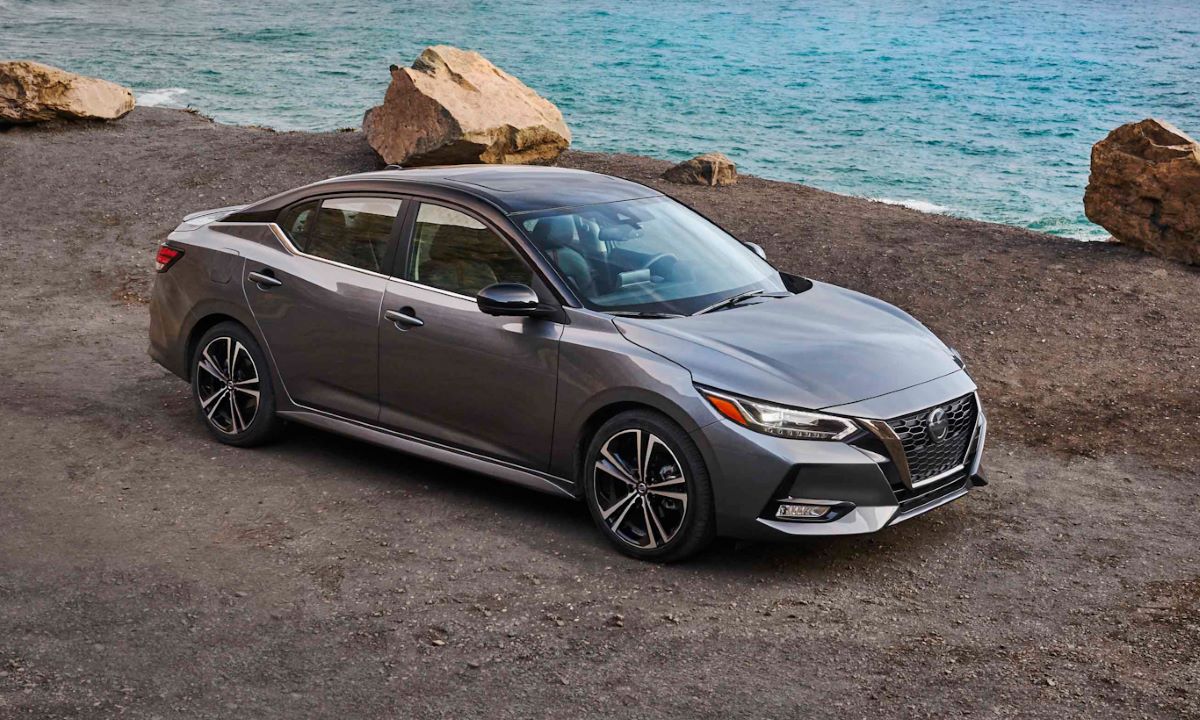
4. Nissan Sentra (Non-Turbo Models)
Non-turbo Nissan Sentras are another example of vehicles that struggle at high elevations. The naturally aspirated four-cylinder engine loses horsepower and torque as air density decreases, making acceleration slower and hill climbs more difficult.
Drivers often notice that the car struggles to maintain speed on steep inclines, and merging onto highways in mountainous areas can be a challenge. The reduced engine output forces drivers to compensate by downshifting or applying additional throttle, which can increase stress and reduce comfort over long trips.
Another factor is the lack of forced induction. Naturally aspirated engines in the Sentra cannot force more air into the cylinders, so any oxygen reduction directly impacts power output.
This leads to noticeable delays in acceleration and a decrease in responsiveness. On curvy mountain roads, this can reduce confidence and make precise driving more difficult, as the engine may not respond quickly enough to sudden demands.
Finally, while the Sentra remains reliable mechanically, the driving experience at high altitude can feel compromised. Reduced acceleration, limited climbing power, and the need for constant adjustments make mountain driving more tiring and less enjoyable.
Non-turbo Sentras are better suited for urban and suburban roads at lower elevations, and drivers frequently navigating high-altitude terrain may find this model less practical and capable than alternatives designed to retain power.
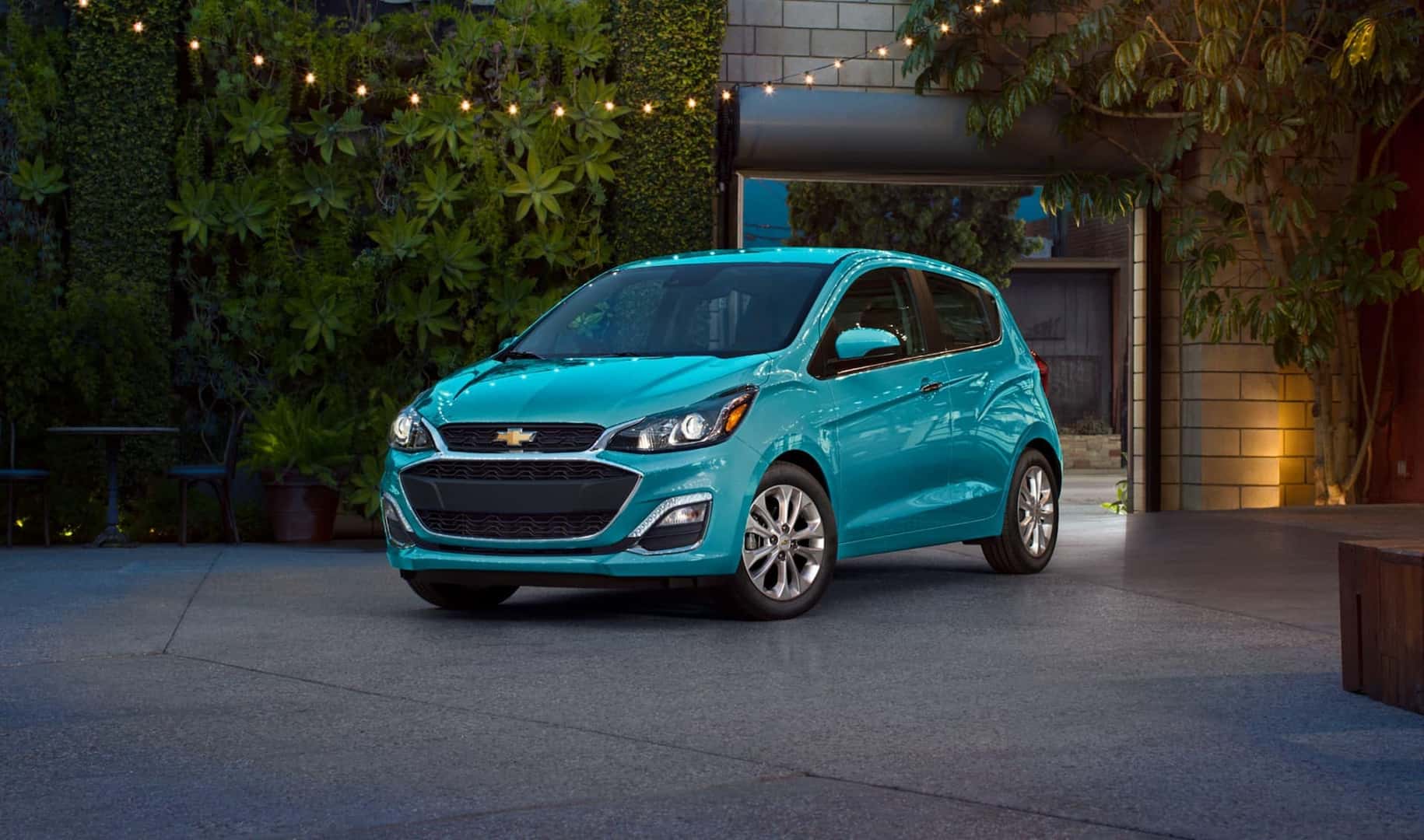
5. Chevrolet Spark
The Chevrolet Spark is a small, city-focused vehicle designed for efficiency rather than power, and it is particularly affected by high-altitude conditions. Its tiny naturally aspirated engine struggles as oxygen levels drop, resulting in sluggish acceleration and reduced climbing capability.
Even minor hills can feel challenging, and drivers may notice that the car takes longer to reach highway speeds. This power loss is compounded when carrying passengers or luggage, as the small engine is quickly overburdened in thin air conditions.
Without turbocharging or forced induction, the Spark cannot compensate for reduced oxygen levels, leaving it underpowered in high-altitude conditions.
Drivers may experience difficulty maintaining speed on long inclines, and overtaking slower vehicles becomes challenging. The naturally aspirated engine simply does not produce enough torque or horsepower to provide confidence in demanding terrain, making the Spark less suitable for mountainous areas.
Finally, the Spark’s handling and suspension are designed primarily for city streets rather than steep or winding mountain roads. Reduced engine performance combined with lighter suspension can make driving at elevation feel less stable, particularly on longer ascents or descents.
While economical and practical for lowland commuting, the Spark struggles to provide a safe and comfortable high-altitude driving experience, making it one of the least capable vehicles in mountainous regions.
