
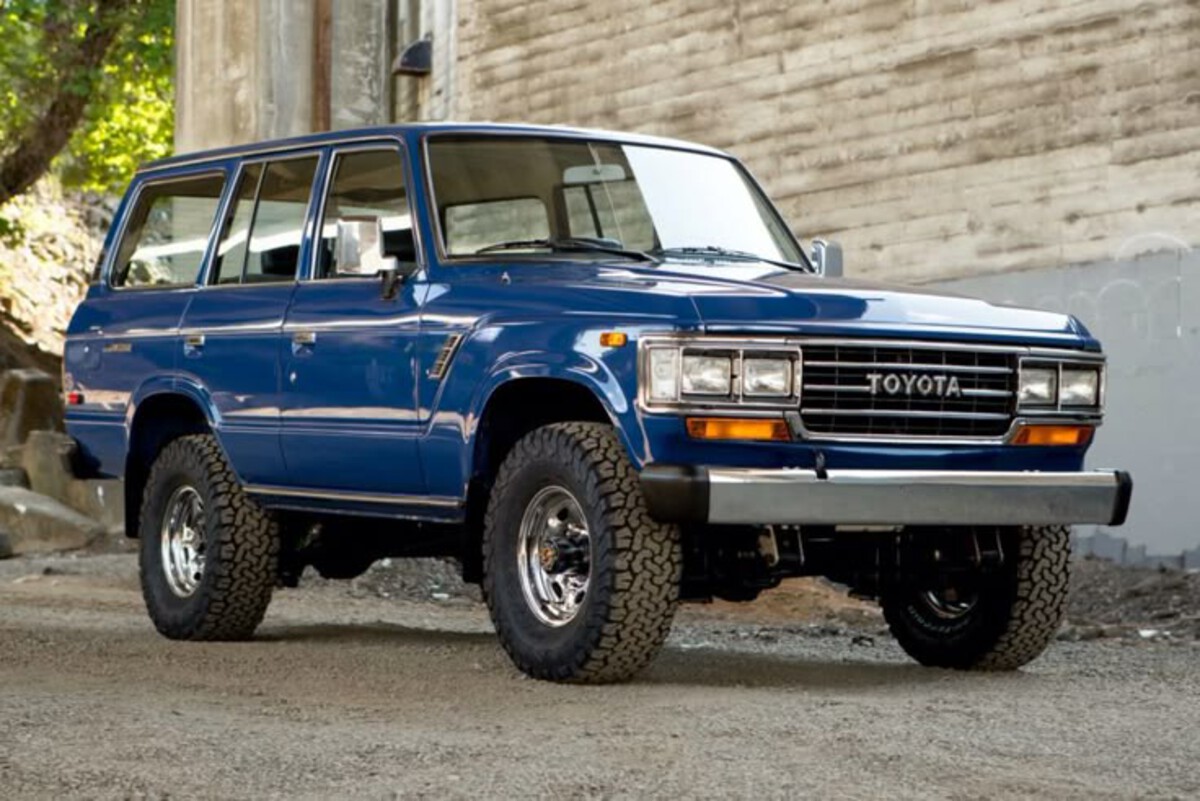
The 1990s marked a transformative era for sport utility vehicles, as automakers began combining rugged off-road capabilities with comfort and style suitable for everyday driving. During this decade, SUVs gained immense popularity because they offered versatility that traditional cars or trucks could not.
Families appreciated the spacious interiors, while outdoor enthusiasts valued the durability and four-wheel drive options that allowed them to handle diverse terrains.
At the same time, these vehicles were often simpler mechanically than today’s technologically complex SUVs, which means many of them can still perform reliably with proper maintenance even decades later.
For collectors, hobbyists, or anyone looking for a dependable used SUV, the ’90s offer a unique selection where durability often met affordability.
Some models have earned reputations as almost indestructible, maintaining performance and comfort even in high mileage, while others suffered from mechanical weaknesses or design flaws that make them difficult to recommend today.
The ’90s was a time when automakers experimented with features that are now considered standard, including better safety measures, improved suspension systems, and more efficient engines. Many of these vehicles were designed with simplicity in mind, which sometimes made repairs easier and parts more widely available.
However, not all vehicles from this era were created equal. Some models were plagued by recurring issues that continue to challenge owners decades later. Understanding which SUVs from this period are worth investing in, and which should be approached cautiously, requires looking at reliability, build quality, performance, and the availability of replacement parts.
Enthusiasts often note that certain brands focused heavily on durability, while others prioritized style over substance. This balance between long-term reliability and modern conveniences separates the SUVs that still hold up today from those better left on the used car lot.
For buyers who are nostalgic for the ’90s, this decade offers a mix of compact and full-size SUVs, each with its own strengths and weaknesses. Vehicles like the Toyota 4Runner, Jeep Cherokee, and Ford Explorer became household names because they could handle daily driving while also taking on tougher conditions.
On the other hand, some models suffered from rushed engineering, outdated electronics, or weak drivetrains that make them prone to failure after years of use. A careful evaluation of these SUVs can help potential buyers avoid costly mistakes.
This guide highlights ten vehicles from the ’90s that continue to perform well today, as well as several models that are best avoided due to persistent problems. It provides practical advice for anyone interested in purchasing a used SUV from this iconic decade, focusing on reliability, performance, and ease of maintenance.
By understanding the strengths and weaknesses of these vehicles, buyers can make informed decisions and enjoy the benefits of a ’90s SUV without inheriting unnecessary problems. Whether the goal is off-road capability, daily commuting, or simply owning a vehicle with character, the ’90s left behind several models that continue to impress.
Choosing the right SUV requires careful consideration of historical reliability, known issues, and durability.
The following sections examine the best and worst of this era, offering insight into which vehicles are worth seeking out and which should be avoided at all costs. This guide is meant to serve as a roadmap for anyone interested in owning a ’90s SUV, helping to balance nostalgia with practical reliability.
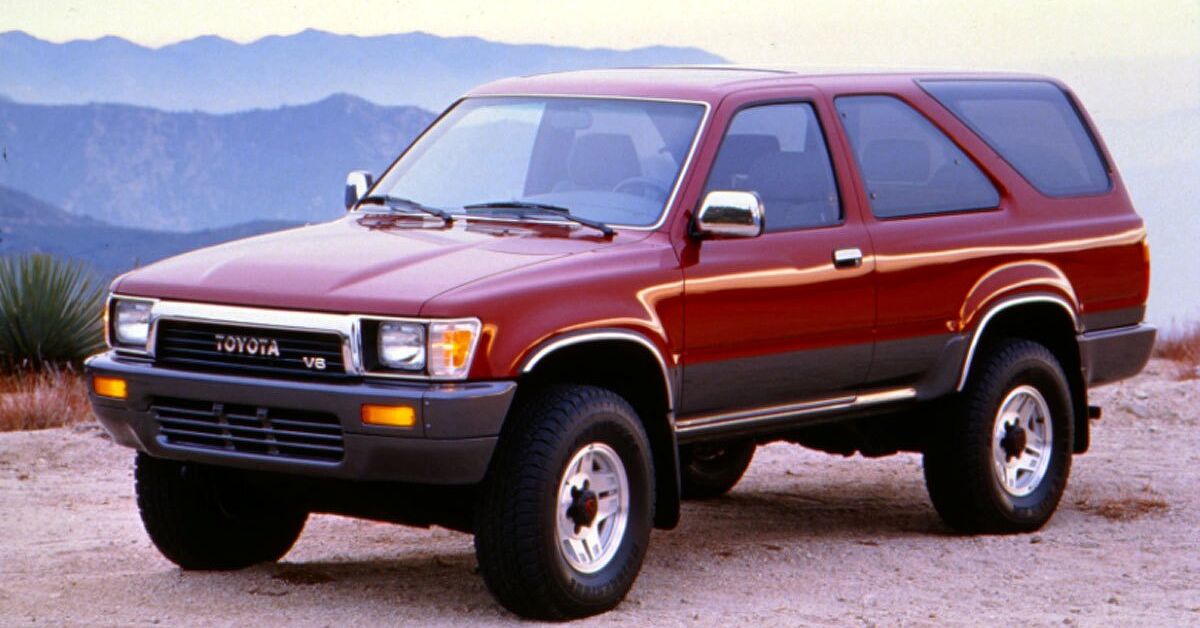
1. Toyota 4Runner (1990–1999)
The Toyota 4Runner has earned a reputation as one of the most durable SUVs of the ’90s. Its combination of body-on-frame construction, reliable engines, and off-road capabilities made it a favorite for both families and adventurers. Many 4Runners from this era are still on the road today, often surpassing 200,000 miles with minimal issues.
The vehicle’s four-wheel-drive system was engineered to handle rugged terrain, yet it remained manageable for daily commuting. Interior layouts were functional and straightforward, which means fewer electronics to fail as the vehicle ages.
The 4Runner also had a variety of trims and configurations, allowing buyers to choose between more basic models or those equipped with additional comfort features.
Maintenance on the ’90s 4Runner is relatively straightforward, thanks to Toyota’s reputation for long-lasting engineering and the availability of replacement parts. Engines like the 3.0-liter V6 or the 3.4-liter V6 in later models were known for longevity when regular maintenance was performed.
Common issues were minor, such as wear on suspension components or aging rubber seals, but none were significant enough to compromise the vehicle’s reliability. Many owners still report minimal engine or transmission problems even after decades of use.
The vehicle’s durability also made it a favorite among enthusiasts who modify SUVs for off-road adventures, as aftermarket support is extensive.
The 4Runner’s handling and comfort were not groundbreaking, but they struck a balance that made it practical for a wide range of drivers. Seats were supportive for long trips, and the cargo area remained spacious enough for camping gear, sports equipment, or luggage.
Fuel efficiency was modest compared to modern SUVs, but it was competitive for its class at the time. The 4Runner’s simple design contributed to its longevity, as fewer electronic components meant fewer potential failures. Even today, the 4Runner maintains a strong resale value, which is a testament to its enduring reputation.
The Toyota 4Runner from the ’90s remains a benchmark for reliability and versatility. It offers a combination of ruggedness, ease of maintenance, and practical design that few other vehicles from the era can match.
Buyers seeking a dependable SUV that can handle both daily driving and weekend adventures will likely find that a well-maintained 4Runner is an excellent investment. Its durability, simplicity, and off-road capabilities make it one of the most desirable SUVs from the decade.
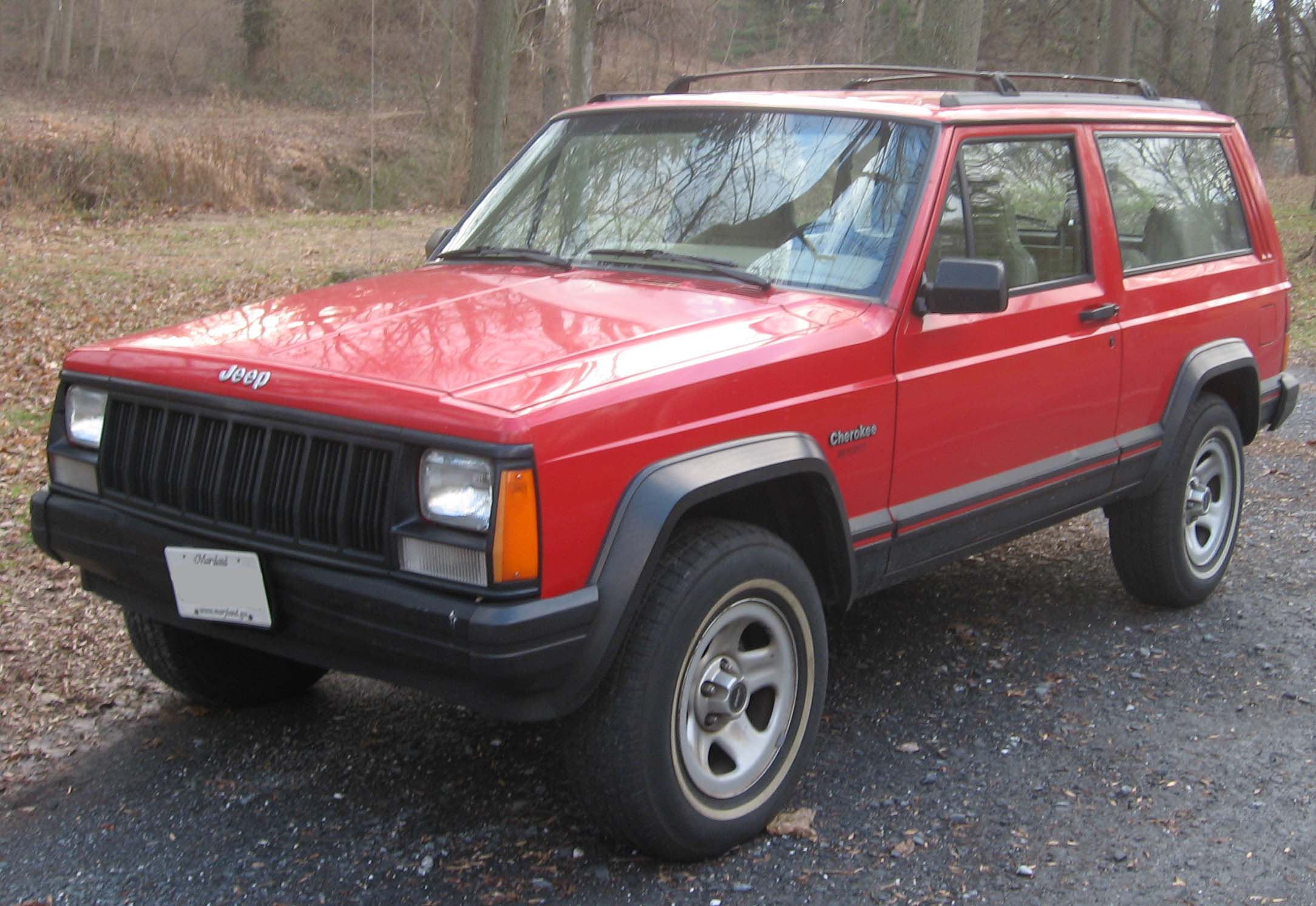
2. Jeep Cherokee XJ (1984–2001)
The Jeep Cherokee XJ became a cultural icon during the ’90s due to its boxy design and rugged off-road performance.
Its unibody construction was unusual for an SUV, combining the lightness of a car with the strength needed for challenging terrain. Many of these vehicles still operate reliably today, thanks to their simple mechanical systems and durable engines.
The Cherokee’s inline-six engine, in particular, gained a reputation for longevity, and the four-cylinder options offered a balance of performance and fuel economy. Interior space was generous for a compact SUV, and the straightforward dashboard layout made it easy to use and repair.
Maintenance for the XJ Cherokee is relatively easy compared to other SUVs of the era. The engine bay is accessible, parts are plentiful, and the vehicle’s simple electronics reduce the risk of costly repairs. While rust can be an issue, especially in regions with harsh winters, many Cherokee owners report high mileage without significant mechanical problems.
The suspension and drivetrain components are robust, and off-road enthusiasts appreciate how easily the vehicle can be modified for more extreme conditions. Many examples of the Cherokee still see regular use both on highways and trails.
Ride quality in the Cherokee XJ is firm, but it provides a level of control that makes it capable in a variety of conditions. Despite its age, the interior remains functional, with supportive seating and intuitive controls.
The rear cargo area is versatile, accommodating both passengers and gear for outdoor activities. Fuel economy is modest, especially with the inline-six, but acceptable for a vehicle of its size and capability. Reliability and simplicity remain the Cherokee’s strongest selling points, making it a favorite among collectors and off-road enthusiasts alike.
The Jeep Cherokee XJ is one of the few SUVs from the ’90s that continues to perform well in both urban and rugged environments. Its durability, mechanical simplicity, and modifiable platform make it a standout choice for anyone seeking a reliable older SUV.
While attention to rust and preventive maintenance is necessary, a well-maintained Cherokee XJ can remain a dependable vehicle for years. Its reputation as a durable, versatile SUV has only grown with time.

3. Ford Explorer (1991–1999)
The Ford Explorer helped define the SUV market in the ’90s, becoming a popular choice for families and commuters.
Early models were built with a focus on comfort and utility, providing roomy interiors and competitive towing capacity. The Explorer was available with both four-cylinder and V6 engines, giving buyers a range of options depending on their performance needs.
The vehicle also offered four-wheel-drive configurations that allowed it to tackle light off-road work while remaining manageable in urban settings. Its appearance was more rounded than the boxy SUVs of the time, which appealed to buyers looking for a modern style.
Reliability on the ’90s Explorer varies depending on the year and engine choice. The V6 engines are generally regarded as robust, while some of the four-cylinder options were less powerful and more prone to mechanical issues. Transmission problems occasionally appeared in high-mileage examples, particularly in earlier models.
However, many Explorers remain operational today thanks to the wide availability of replacement parts and knowledgeable mechanics familiar with the platform. Maintenance is generally straightforward, though attention to the cooling system, suspension, and electronics is recommended.
The interior of the Explorer was designed with comfort and family use in mind. Seats were roomy, controls were accessible, and the cargo area could accommodate luggage or sports equipment.
Ride quality was smoother than some of its competitors, making it more appealing for daily commuting. Fuel economy is average, though many buyers in the ’90s prioritized utility over efficiency.
Safety features improved throughout the decade, and later models included enhanced braking systems and better crash protection, which adds to their appeal today.
The Ford Explorer of the ’90s can still be a practical vehicle for buyers who are willing to pay attention to maintenance. While it may not match the durability of a 4Runner or Cherokee, it provides a comfortable and functional SUV experience.
With careful selection of year and engine, an older Explorer can serve as a reliable daily driver or a weekend family vehicle. Its combination of style, comfort, and utility ensures it remains a noteworthy SUV from this era.
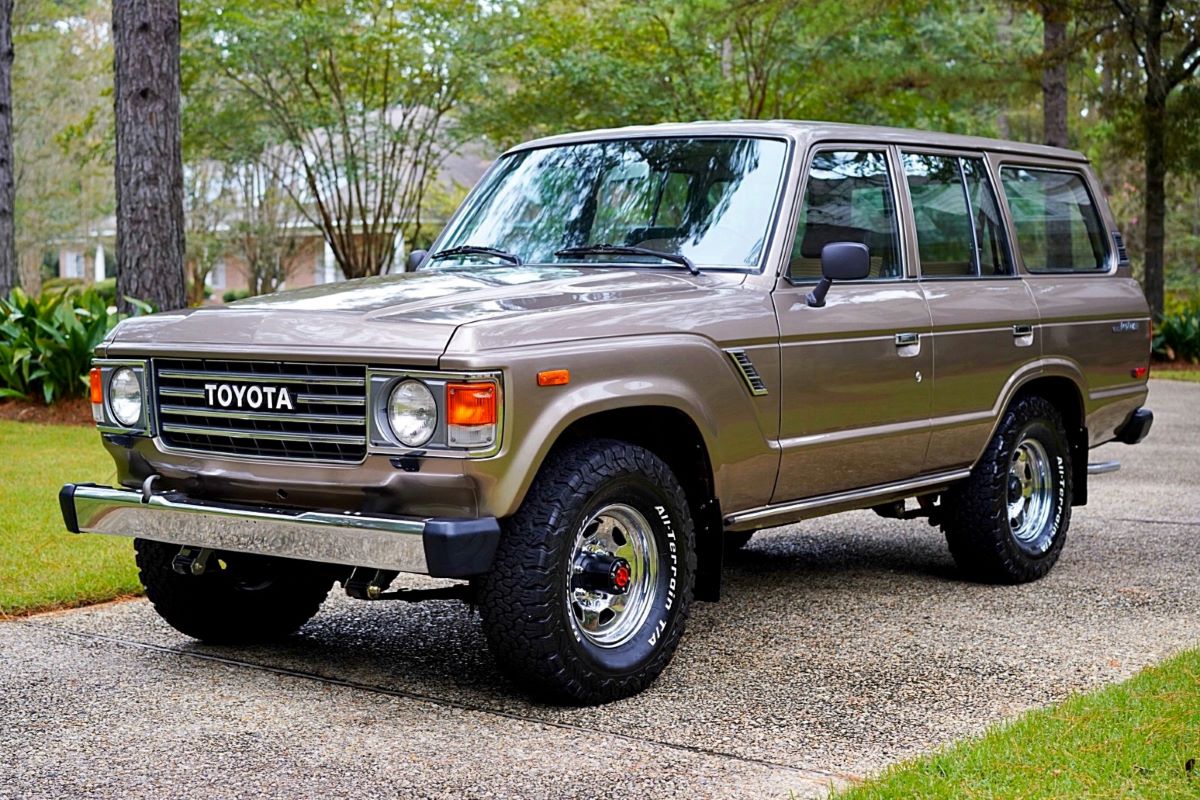
4. Toyota Land Cruiser (1990–1997)
The Toyota Land Cruiser from the ’90s is widely regarded as one of the most enduring SUVs ever built. Known for its exceptional off-road capability, the Land Cruiser combines rugged construction with surprisingly refined interiors.
The body-on-frame design and solid axles make it capable of handling challenging terrains, from rocky trails to sandy deserts, without significant wear.
Engine choices, like the inline-six and V8 options, were built to last and are often seen running reliably well beyond 300,000 miles when properly maintained. Many Land Cruiser owners note that it is rare to encounter a major failure, and the vehicle’s simplicity in critical areas such as the drivetrain contributes to its legendary longevity.
Maintenance on the Land Cruiser is simpler than modern vehicles, and replacement parts remain widely available thanks to its long production history. The engines are famously tough, and routine servicing such as oil changes, timing belt replacement, and suspension upkeep is usually sufficient to maintain reliability.
While fuel economy is not exceptional, most owners are willing to accept this trade-off for the unparalleled durability and performance. Rust is less of an issue than many other SUVs from the same era, particularly in vehicles that have been garaged or lightly used.
The Land Cruiser’s reputation for longevity has only grown over time, and older models continue to command higher resale values compared to other ’90s SUVs.
The Toyota Land Cruiser stands as a symbol of longevity and resilience in the SUV world. Its balance of comfort, durability, and off-road capability is unmatched by many of its contemporaries. For anyone seeking a vehicle that will remain reliable for decades, the Land Cruiser is difficult to surpass.
The combination of engineering foresight, attention to detail, and simple yet effective mechanics makes it one of the most recommended SUVs to consider from the ’90s. Whether for daily use, long road trips, or off-road adventures, it remains a benchmark for durability and performance.
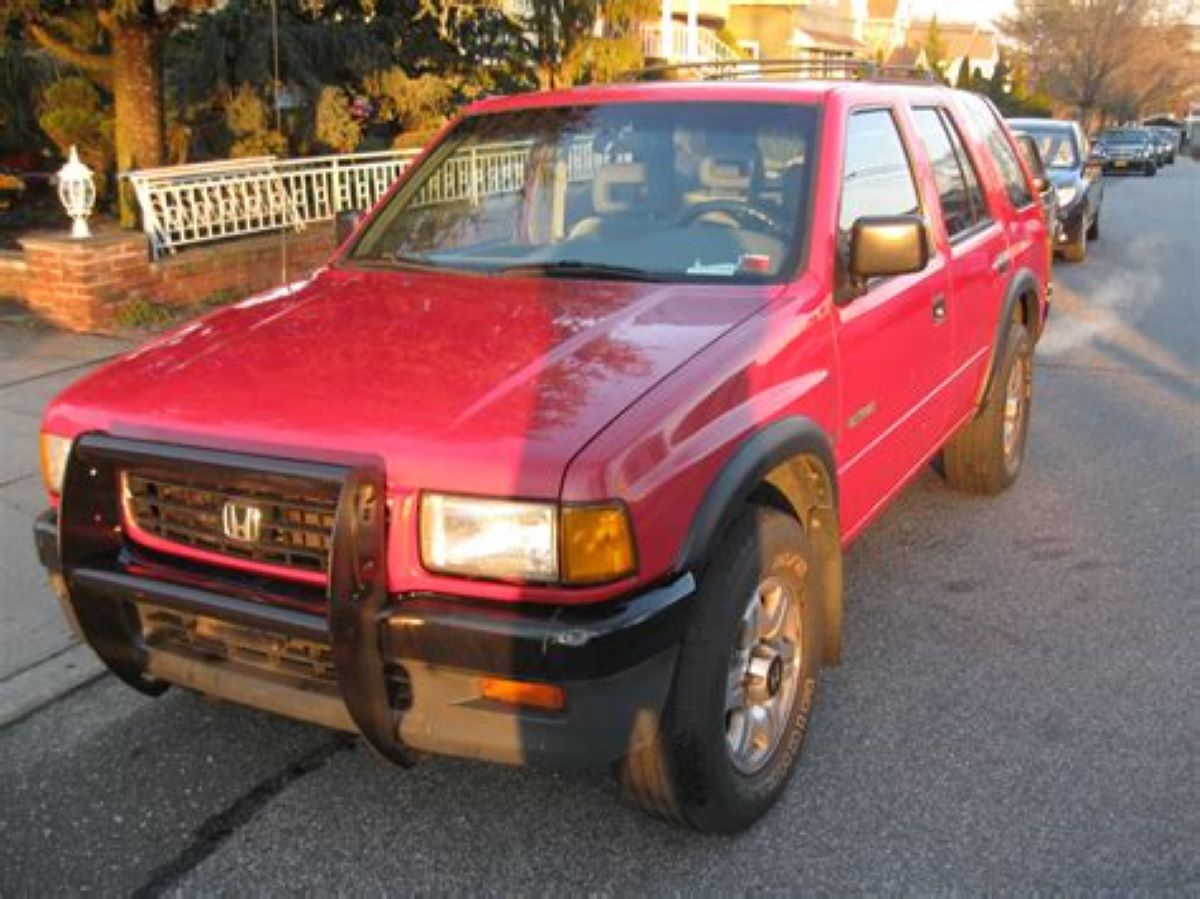
5. Honda Passport (1994–2002)
The Honda Passport emerged in the mid-’90s as a collaboration between Honda and Isuzu, combining Japanese engineering with SUV utility. It was designed to offer the reliability associated with Honda while delivering a practical SUV experience similar to trucks.
The Passport’s V6 engine and four-wheel-drive system provided sufficient power and traction for most driving conditions, and its compact size made it easier to maneuver than larger SUVs.
While not designed as a hardcore off-roader, it excelled in light to moderate terrain, making it suitable for weekend trips and urban use alike. Interior space was functional, with adequate seating and cargo capacity for families or active individuals.
Reliability was one of the Passport’s strong points. The V6 engine proved durable, and many vehicles have exceeded 200,000 miles without major mechanical failures. Routine maintenance, including fluid changes and suspension checks, was sufficient to maintain performance.
Electronics and interior components were simple compared to modern SUVs, which means fewer problems with aging switches, displays, or sensors.
However, some models experienced transmission wear over time, particularly those used heavily in hilly or mountainous regions. Despite this, the Passport’s longevity makes it a strong contender among ’90s SUVs still holding up today.
The Honda Passport remains a noteworthy choice for anyone seeking a ’90s SUV that balances reliability, practicality, and manageable maintenance. It may not have the extreme off-road capabilities of a Land Cruiser, but its simplicity, solid engine performance, and reasonable fuel economy make it an attractive option.
Buyers willing to research the vehicle’s history and ensure regular maintenance can expect a dependable SUV that is still functional decades later. The Passport demonstrates that smaller, well-built SUVs can provide both value and versatility even after twenty years.
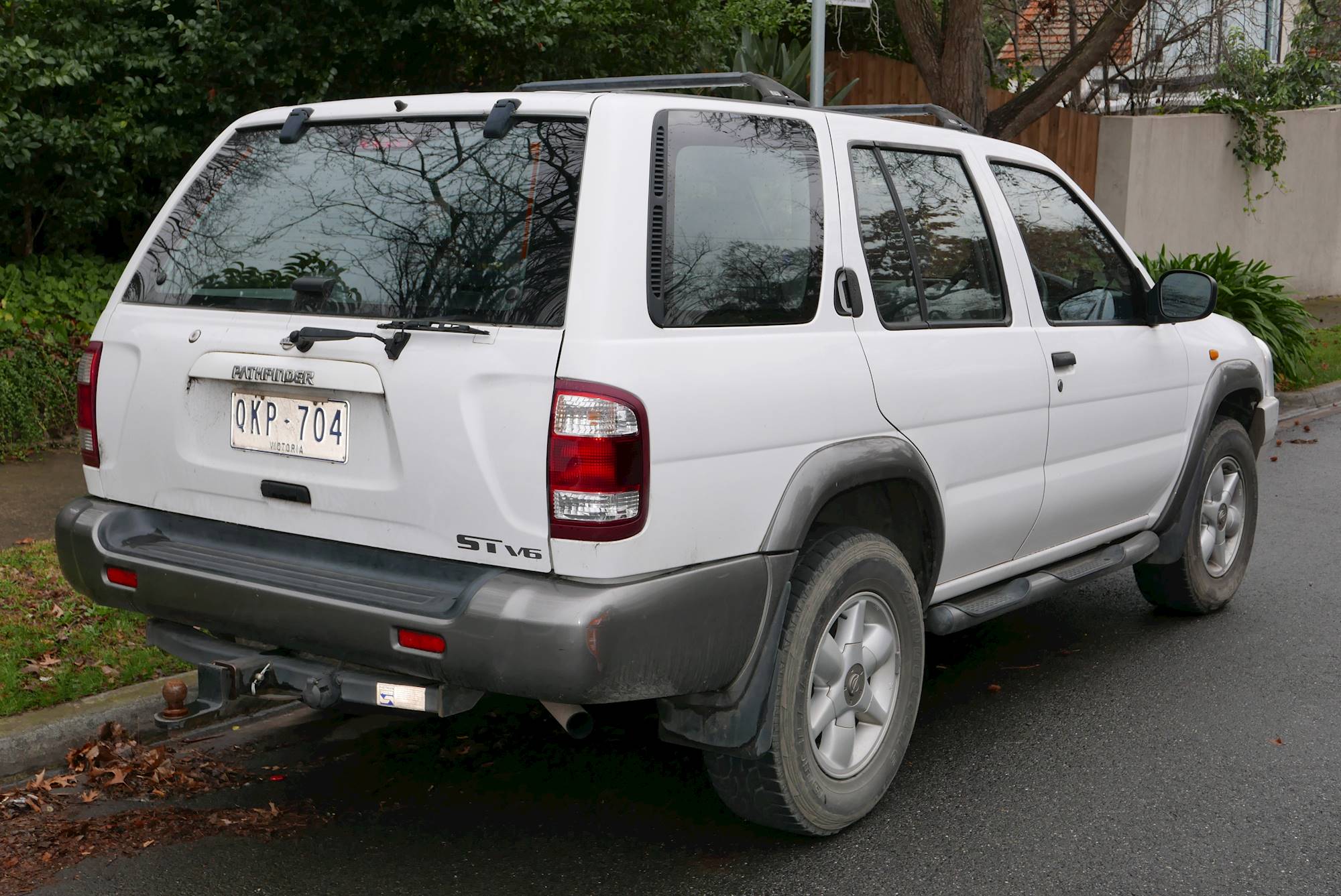
6. Nissan Pathfinder (1986–1995)
The Nissan Pathfinder of the early ’90s carved out a reputation for ruggedness and long-term reliability. Built with a body-on-frame design, it was capable of handling heavier loads and off-road conditions while maintaining a stable ride on paved roads.
Engine choices, including a V6 and four-cylinder option, offered a balance between power and efficiency, though the V6 models were preferred for higher durability and towing capacity.
Interior space was functional, with seating for five and room for cargo, which made it appealing to families or those needing a practical SUV for daily use and weekend adventures.
Reliability on the Pathfinder was generally solid, especially for vehicles equipped with the V6 engine. Routine maintenance, such as oil changes, timing chain inspections, and brake checks, helped these vehicles remain in good working condition for decades.
Some models were prone to transmission wear or rust, particularly in regions with heavy road salt use, but these issues were manageable with regular upkeep. Many Pathfinders from the ’90s are still operational today, demonstrating the vehicle’s durability and sound engineering. Spare parts remain relatively easy to source, further supporting the long-term usability of these SUVs.
The Nissan Pathfinder remains a solid option for anyone interested in a ’90s SUV that combines durability, practicality, and ease of maintenance. Its body-on-frame construction, simple electronics, and reliable engines contribute to its continued performance today.
Buyers seeking a dependable vehicle for family use, light off-road work, or recreational activities will find that the Pathfinder can still meet their needs. With proper care, it remains a practical and enduring choice from the decade.

7. Chevrolet Tahoe (1995–1999)
The Chevrolet Tahoe quickly became one of the most popular full-size SUVs of the mid-to-late ’90s. Designed on the sturdy GMT400 truck platform, it offered substantial towing capacity, spacious interiors, and rugged body-on-frame construction. Its size made it ideal for families, outdoor enthusiasts, and those who needed cargo space for work or recreation.
The Tahoe combined durability with comfort, offering higher seating, roomy second and third rows, and a cargo area capable of carrying luggage, camping gear, or sports equipment. Early models were available with V8 engines that provided ample power for both city driving and highway cruising.
Interior comfort was a major selling point for the Tahoe. Seats were plush and supportive, often with adjustable features to accommodate long drives. Cabin materials were durable and designed to withstand heavy use, making them ideal for families or frequent travelers.
Technology was limited compared to modern standards, but the simplicity of controls and instrumentation added to the vehicle’s reliability. Fuel economy was modest, as expected for a full-size SUV of this era, but buyers often prioritized space and capability over efficiency. Ride quality remained smooth even with the larger tires and higher center of gravity.
The Chevrolet Tahoe remains a noteworthy choice for anyone seeking a durable ’90s SUV that can handle both heavy-duty tasks and daily driving. Its combination of power, interior space, and mechanical simplicity makes it one of the most practical full-size SUVs from the decade.
For those willing to perform regular maintenance and monitor potential issues like rust or suspension wear, a well-maintained Tahoe can provide reliable service for many years. Its versatility and rugged design ensure it remains a desirable option among classic SUV enthusiasts.
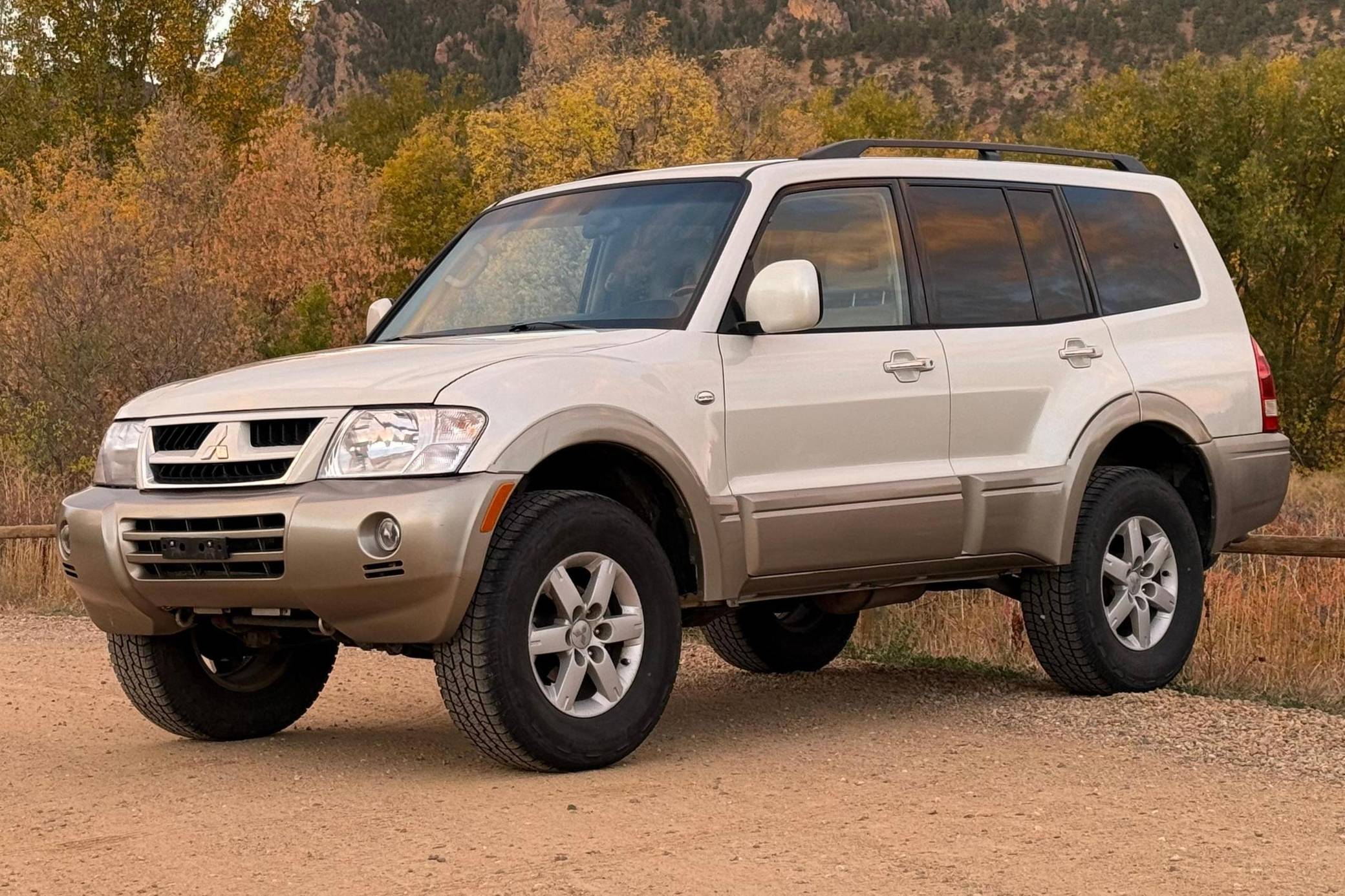
8. Mitsubishi Montero (1991–1999)
The Mitsubishi Montero, also known as the Pajero in other markets, gained attention during the ’90s for combining off-road ability with comfortable interiors. It featured a solid body-on-frame design and a reputation for handling challenging terrains such as mud, sand, or rocky paths with ease.
Mitsubishi equipped the Montero with engines ranging from reliable four-cylinder units to more powerful V6s, depending on the trim and year.
Suspension design allowed for better articulation off-road without sacrificing on-road comfort, making it a flexible SUV for both daily driving and outdoor adventures. Interior space was adequate, with seating for five and practical storage solutions, while higher trims offered more luxury-focused features.
The ride and handling of the Montero were considered competent for its size, with a higher center of gravity that could affect cornering stability but did not diminish confidence on highways. Interior ergonomics were practical, with easy-to-reach controls, supportive seats, and functional storage compartments.
Fuel economy was adequate for its class, though heavier V6 models consumed more gas. Mitsubishi’s engineering focused on durability, which meant fewer electronic problems compared to modern SUVs, and simpler mechanical systems allowed owners to address issues without significant expense.
The Mitsubishi Montero remains a solid choice for buyers seeking a ’90s SUV that balances off-road capability, durability, and comfort. It may not be as iconic as a Toyota Land Cruiser or Jeep Cherokee, but its ability to handle diverse terrains while maintaining reliable mechanical performance makes it a practical option.
With proper care, it continues to serve as both a functional daily driver and an adventurous weekend vehicle. Enthusiasts often appreciate the Montero for its rugged reliability and relative simplicity compared to newer SUVs.
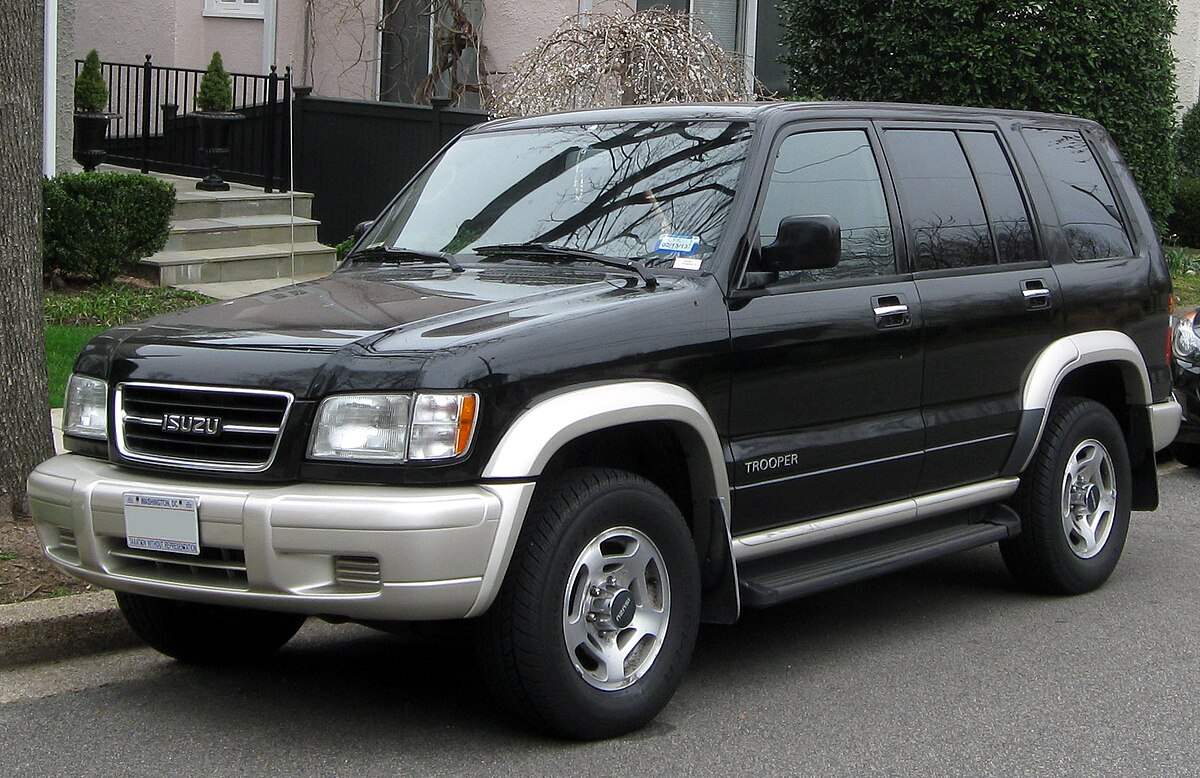
9. Isuzu Trooper (1991–1999)
The Isuzu Trooper is an often overlooked ’90s SUV that offered serious off-road capability combined with simple, reliable engineering.
Its boxy, utilitarian design reflected its practical purpose, and it was built on a strong body-on-frame chassis suitable for towing, hauling, and challenging terrain.
Engine choices included four-cylinder and V6 options, both known for durability when maintained properly. The Trooper was not flashy, but it prioritized functionality and mechanical resilience, which is why many examples are still operational decades later.
Interior space was sufficient for passengers and cargo, though ride quality was firm, reflecting its rugged nature.
Reliability is one of the Trooper’s key strengths. The engines were mechanically simple, and major failures were rare with regular maintenance. Suspension and drivetrain components were robust, designed to withstand off-road stresses.
Some models had minor issues with rust, particularly in areas exposed to winter salt, but the Trooper was built to last. Parts are available, though less abundant than mainstream SUVs, so sourcing some components may require extra effort. Still, the Trooper remains a capable and dependable vehicle when maintained with care.
The Isuzu Trooper is ideal for anyone seeking a ’90s SUV built to endure challenging conditions. Its strong mechanical foundation, straightforward design, and off-road capability make it a rare find among older SUVs.
While it lacks the brand recognition of Toyota or Jeep, the Trooper offers a reliable and functional alternative for buyers who prioritize durability and practicality. With care and attention to maintenance, it continues to operate effectively, making it a hidden gem from the decade.
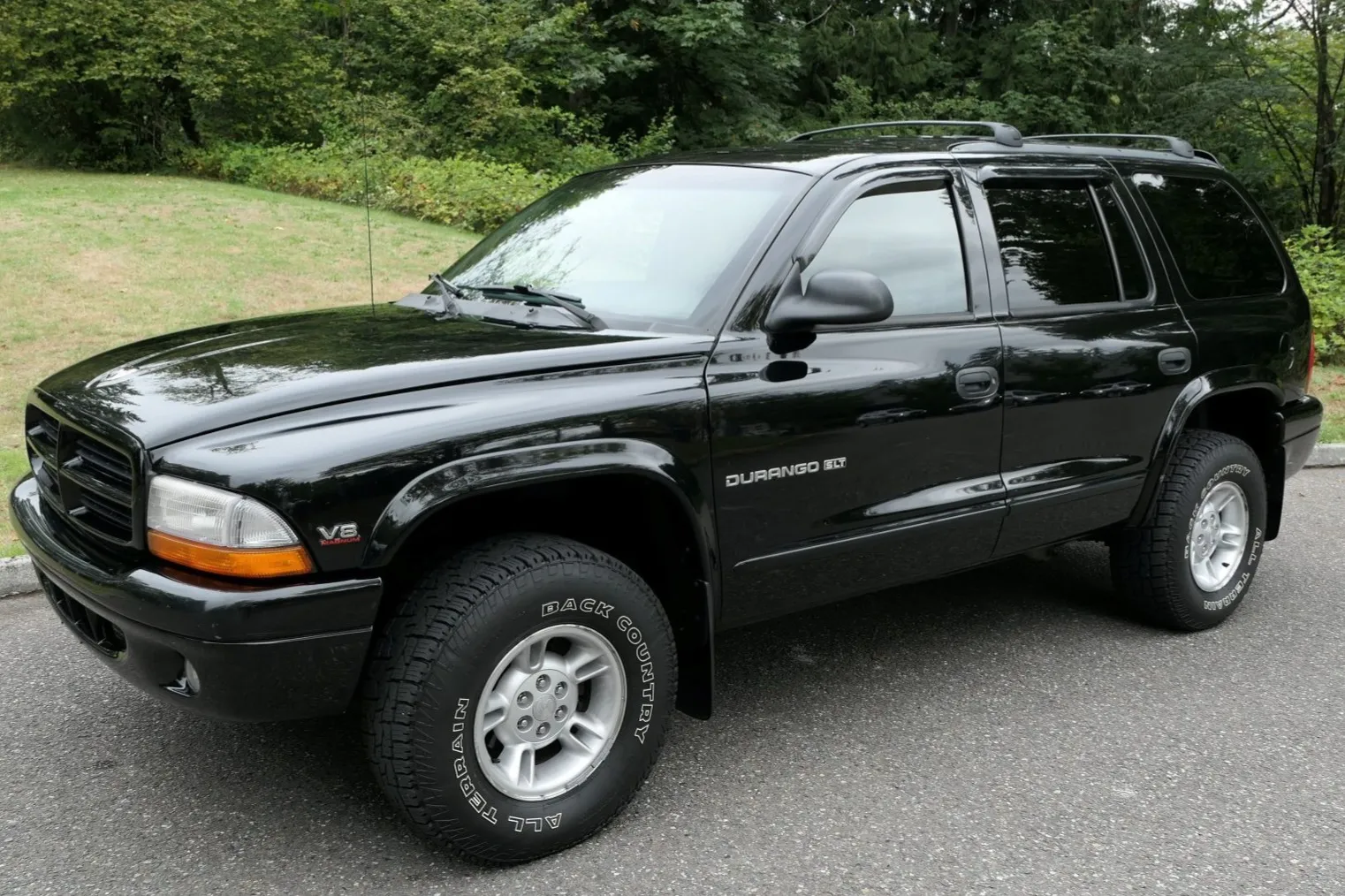
10. Dodge Durango (1998–1999)
The Dodge Durango entered the SUV market in the late ’90s, combining truck-based durability with family-friendly interiors. Built on the Dodge Dakota platform, it offered body-on-frame construction and available V8 engines capable of towing substantial loads.
The Durango’s design was aimed at buyers seeking a large, capable SUV without the higher costs associated with other full-size options.
Seating for five to seven, depending on configuration, made it practical for families, while the cargo area accommodated significant luggage or recreational gear. Ride quality was relatively smooth for a truck-based SUV, balancing comfort with durability.
The interior of the Dodge Durango was spacious and comfortable for its class, with features designed for convenience and practicality. Seats were supportive, and the cabin included storage solutions suitable for families. Controls were simple and durable, reducing the risk of electrical or electronic failure over time.
Fuel economy was typical for a full-size SUV of the late ’90s, which required acceptance of higher gas costs in exchange for space, power, and towing capability. Ride comfort and handling were satisfactory, particularly for long trips or highway driving.
The Dodge Durango remains a viable option for buyers seeking a late ’90s SUV with solid mechanical foundations and family-oriented interiors. While not as universally praised for longevity as a Toyota 4Runner or Land Cruiser, careful selection and maintenance allow the Durango to remain reliable.
Its combination of size, power, and functionality make it appealing for those needing a practical SUV with some towing capacity, while its relative affordability makes it accessible compared to other full-size vehicles from the same era.
