
Volvo has built a reputation for producing cars that stand the test of time, not just in terms of miles traveled but also in terms of reliability, safety, and usability.
Across decades, Volvo vehicles have become synonymous with longevity, earning the trust of drivers who need a vehicle that can handle long road trips, daily commutes, and harsh weather conditions with minimal fuss.
Unlike other brands that prioritize flashy designs, high-speed thrills, or advanced electronics that might fail over time, Volvo has focused on engineering vehicles that work predictably and steadily over many years. The company’s philosophy prioritizes durable components, thoughtful layouts, and mechanical simplicity over short-term trends.
This has led to cars that remain operational far beyond what owners often expect, with some examples still covering hundreds of thousands of miles while retaining structural integrity and comfort.
Mechanically, Volvo cars often feature engines that are robust rather than overstressed. Naturally aspirated engines were tuned for smooth operation and long service life, while even turbocharged engines were developed with durability in mind rather than peak performance.
Transmissions, whether manual or automatic, were similarly conservative, allowing the drivetrain to last far longer than comparable models from other manufacturers.
Suspension systems were designed to absorb rough roads, maintain stability, and minimize wear, making long drives easier and reducing the likelihood of expensive repairs. The interior design focused on ergonomics and comfort, giving drivers and passengers a less fatiguing experience over long distances.
This article highlights ten Volvo models that have earned a reputation for exceptional endurance. Each model was chosen not for style, speed, or rarity but for its ability to maintain performance and reliability over extended periods of use.
From classic boxy sedans to versatile wagons and SUVs, these cars reflect Volvo’s consistent approach to engineering for durability and practical performance.
The following discussion examines the qualities, features, and engineering choices that make each of these vehicles a top contender for anyone looking for a Volvo capable of going the distance without breaking a sweat.
1. Volvo 240 Series
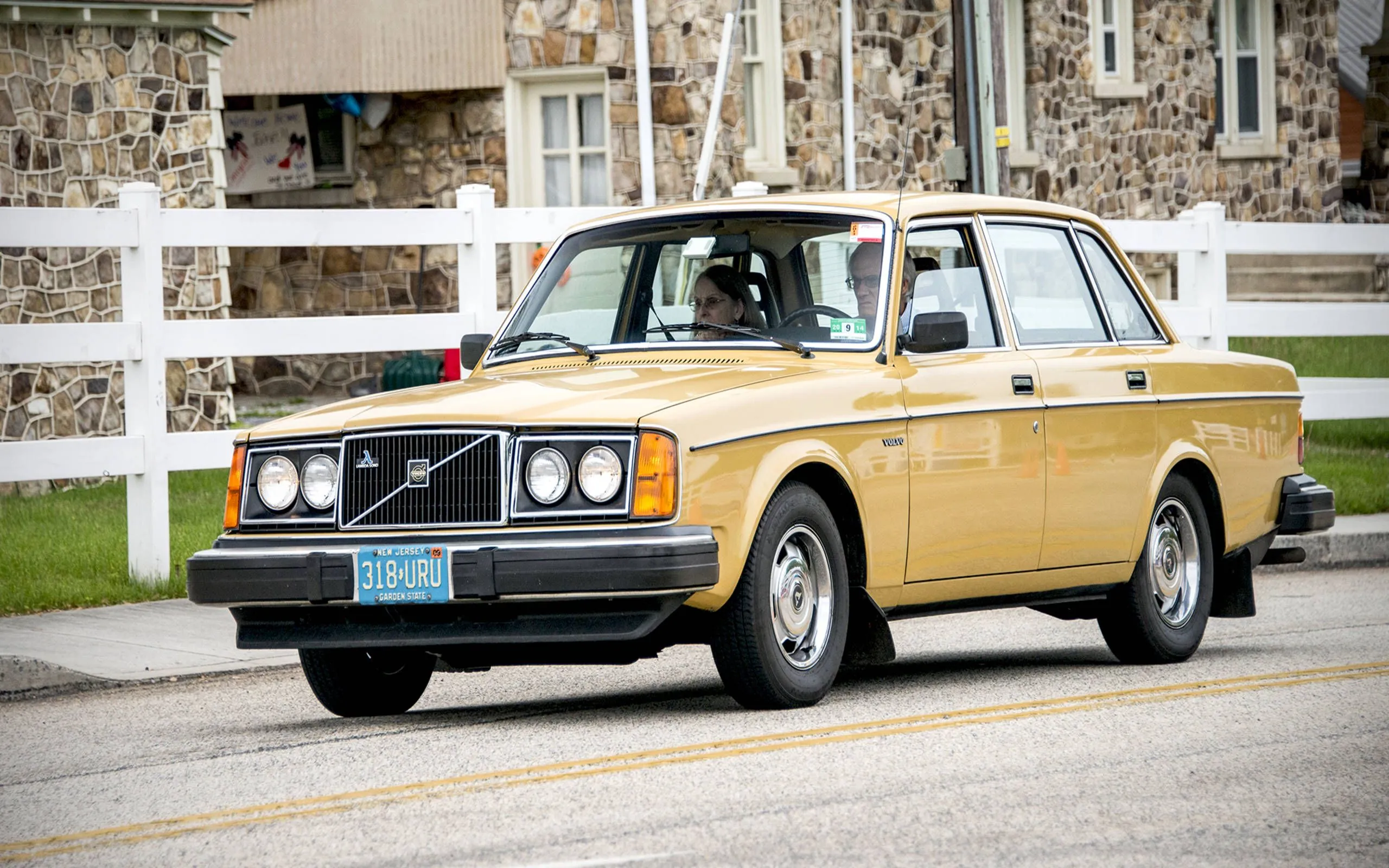
The Volvo 240 series, produced from the early 1970s to the early 1990s, has become an icon in the world of dependable automobiles. Its boxy, upright design was not intended to win beauty contests, yet the structural simplicity of the 240 contributed directly to its legendary durability.
The vehicle’s frame and body panels were robust, able to withstand years of daily use, and its generous interior space allowed for comfortable seating during long drives.
Beyond aesthetics, the design made repairs straightforward; panels and components were easy to reach and replace, which extended the vehicle’s lifespan for owners willing to perform regular maintenance or minor repairs. These traits made the 240 an ideal car for families, taxi operators, and anyone in need of a practical, long-lasting vehicle.
Under the hood, the 240 relied mainly on naturally aspirated four cylinder engines. These engines were tuned conservatively, prioritizing reliability over performance, which meant that the stress on moving parts was minimized. With routine oil changes, filter replacements, and basic care, the engine could run smoothly for well over 300,000 miles.
Owners frequently praised the 240 for its ability to endure extreme weather, whether frozen winters in northern climates or the hot, dry conditions found in other parts of the world. It wasn’t uncommon for these engines to remain functional decades after production, a testament to Volvo’s attention to longevity.
The 240’s suspension and steering systems complemented the durability of its engine. The car offered a stable and predictable ride without overly complex components that could fail unexpectedly.
The firm suspension absorbed bumps efficiently while keeping the car balanced, and the steering was precise enough for highway driving yet forgiving enough to handle potholes and rough roads. Replacement parts were affordable and widely available, meaning that even a high-mileage 240 could be maintained without breaking the bank.
Inside, the 240 offered a functional and comfortable cabin. Seats were supportive for long trips, materials were resilient, and controls were logically arranged to reduce driver fatigue. Unlike more trend-focused vehicles, the 240 was not burdened with electronics prone to failure, contributing further to its long-lasting appeal.
Many owners today still drive well-maintained 240s, proving that Volvo’s philosophy of reliability and practical design continues to deliver on its promise.
2. Volvo 740 and 760 Series
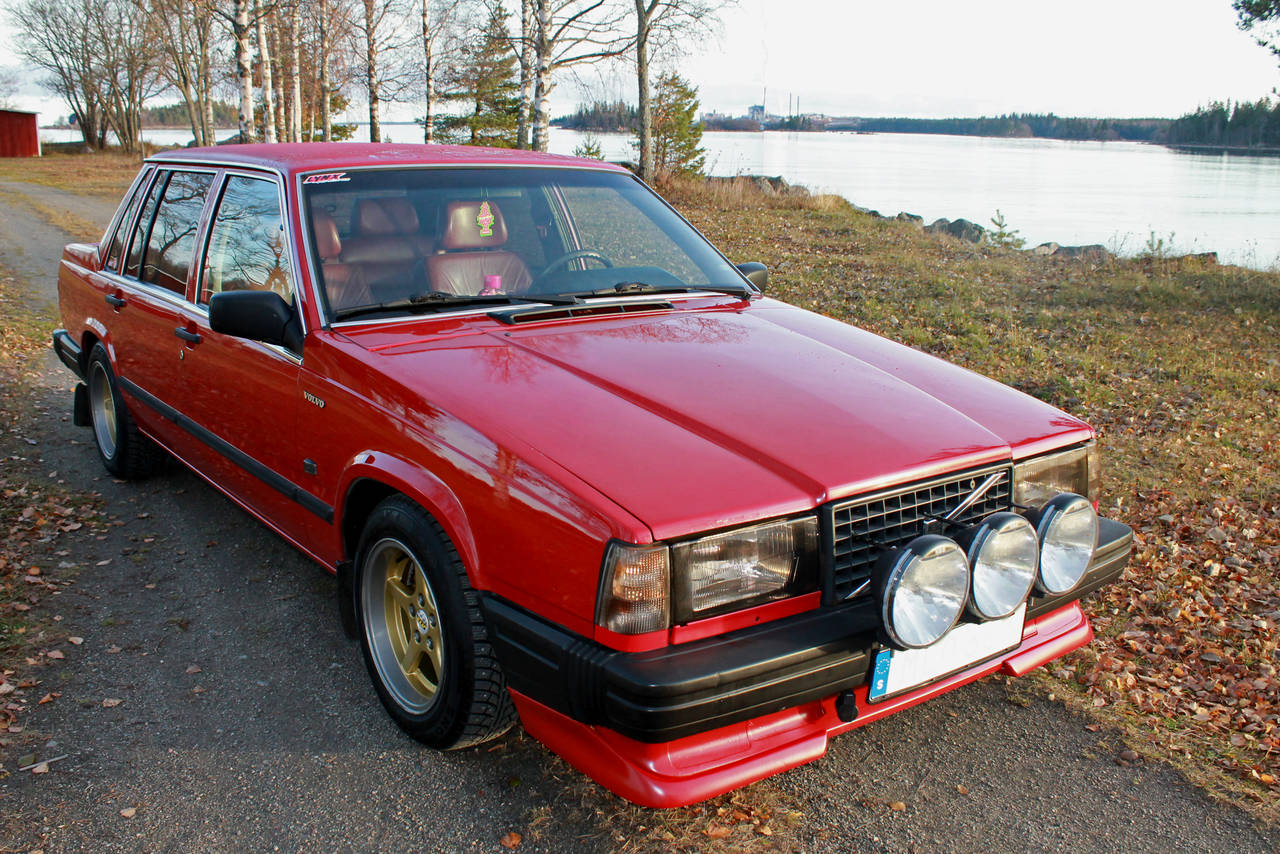
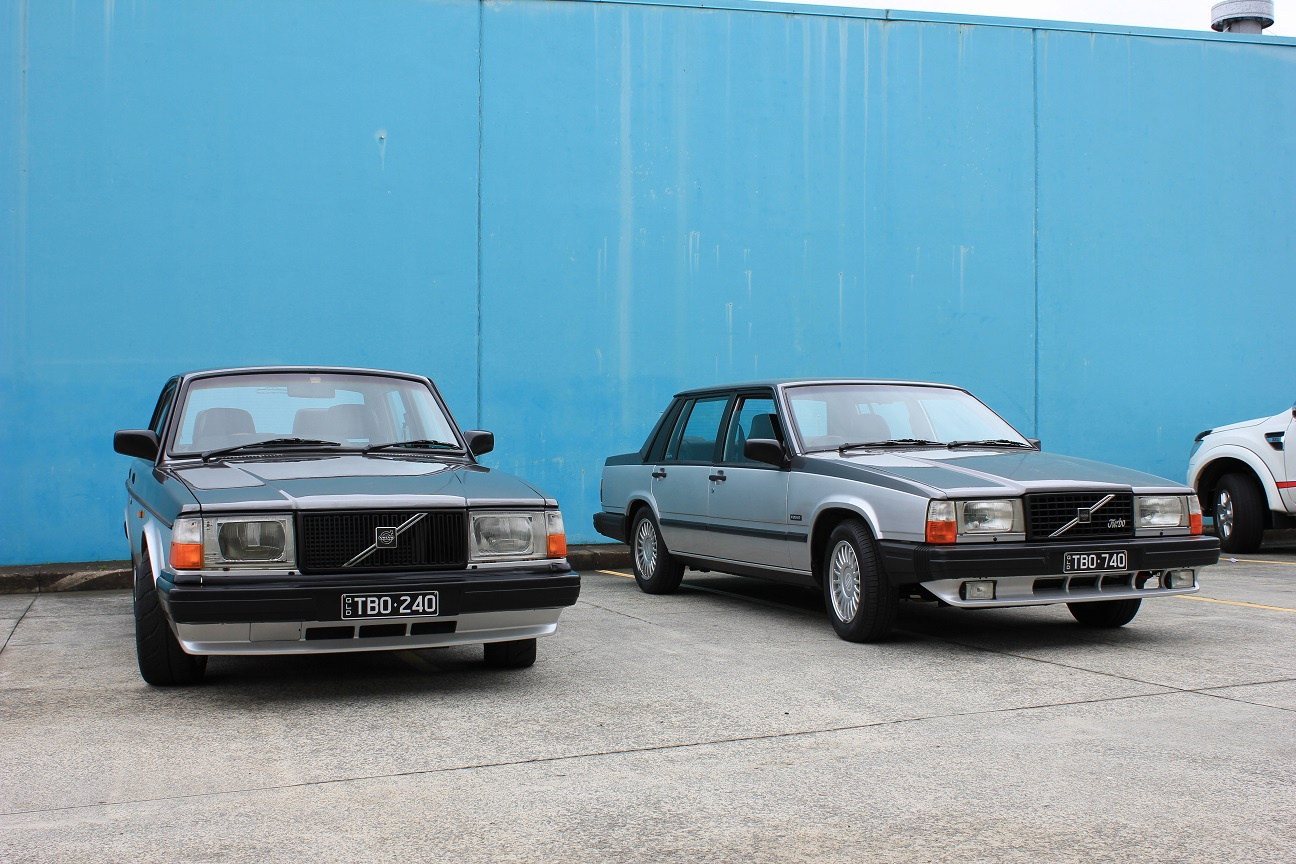
The Volvo 740 and 760 series built upon the foundation laid by the 240 while offering improved comfort, space, and mechanical refinement. Introduced in the 1980s, these cars were designed for those who wanted a dependable vehicle capable of handling frequent travel, heavy cargo, and family needs without sacrificing long-term reliability.
Unlike competitors that might chase transient style trends or high performance at the expense of endurance, Volvo focused on consistent engineering practices that had proven successful in earlier models.
Engine choices for the 740 and 760 included both four and six cylinder configurations, some naturally aspirated and some turbocharged. The naturally aspirated units were particularly durable, requiring only standard maintenance to achieve extremely high mileage.
Even the turbo versions, while more complex, were engineered to run safely under sustained use, demonstrating Volvo’s ability to integrate modern features without compromising longevity. Drivers who maintained their cars carefully found these engines capable of handling years of highway travel and urban driving without significant failures.
The chassis design of these models emphasized safety and stability. Rear wheel drive provided predictable handling, and suspension systems were tuned for comfort under heavy loads.
Bushings, joints, and other wear-prone components were designed to last, and replacements were relatively inexpensive and straightforward to install. This made the 740 and 760 series vehicles that could continue performing well even when subjected to long-term wear and tear.
Inside, Volvo focused on practical comfort. The cabin was spacious and logically arranged, providing supportive seating for long journeys. The dashboard was simple, controls were easily accessible, and materials were selected for durability rather than flash.
Electrical systems were robust and largely reliable, avoiding the common failure points seen in competing vehicles of the same era. The 740 and 760 series proved that it was possible to combine comfort, performance, and longevity without compromise.
3. Volvo 940
The Volvo 940, introduced in the early 1990s, is considered by many enthusiasts as the culmination of Volvo’s classic rear wheel drive design philosophy. With incremental improvements over the 740 series, the 940 incorporated lessons learned over decades of producing reliable vehicles.
It retained the mechanical simplicity and durability Volvo had become known for while adding refinements in comfort, safety, and drivability. The 940 quickly became a favorite for drivers who wanted a car that could endure high mileage without frequent or expensive repairs.
The engine options in the 940 were particularly well regarded. Naturally aspirated four cylinder engines were the most durable, running smoothly for hundreds of thousands of miles when maintained properly.
Turbocharged versions offered more power but remained conservative in their design, avoiding excessive stress on internal components. Cooling systems, lubrication circuits, and engine materials were all designed for longevity, which allowed the 940 to perform reliably even under extended highway use or heavy urban driving.
Transmission options also reflected Volvo’s commitment to durability. Manual gearboxes were simple, strong, and easy to service, while automatic transmissions prioritized smooth operation over aggressive shifts, reducing wear and prolonging life.
The car’s rear wheel drive layout contributed to mechanical accessibility, making repairs easier and often less expensive than more complex contemporary designs.
Inside, the 940 remained functional, comfortable, and understated. Seating was supportive for long journeys, materials were resistant to wear, and the layout of controls minimized fatigue and confusion.
Many 940s still remain on the road today, offering an enduring example of Volvo’s approach to engineering vehicles that combine simplicity, safety, and long-term reliability.
4. Volvo 850
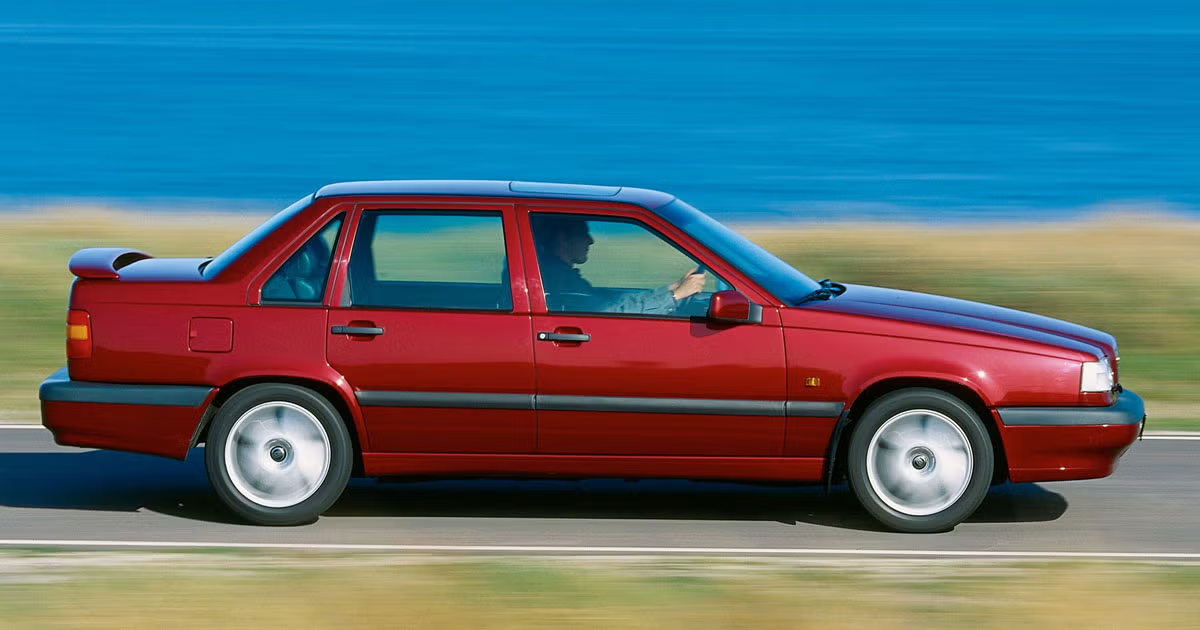
The Volvo 850, released in the early 1990s, represented a major evolution for the brand. It was the first widely produced front wheel drive Volvo and introduced a new generation of five cylinder engines, yet it retained the company’s longstanding reputation for reliability.
Unlike other manufacturers who struggled with early Front Wheel Drive designs, Volvo engineered the 850 to withstand long-term use while delivering smooth, predictable performance under various conditions. This model marked a turning point, proving that Volvo could innovate without compromising durability.
The 850’s inline five cylinder engines became one of its most recognized features. Naturally aspirated versions were particularly long-lived, capable of exceeding high mileage thresholds with regular maintenance.
Turbocharged versions offered additional performance while still reflecting Volvo’s philosophy of engineering for endurance rather than maximum output. Cooling systems, fuel delivery, and engine internals were designed to cope with long periods of operation, helping the car remain reliable under extended use.
The 850’s chassis and suspension system were carefully tuned to balance comfort, control, and durability.
The front wheel drive layout improved interior space without sacrificing handling, while suspension components absorbed bumps efficiently and remained robust over time. Safety features, including side impact protection and reinforced structures, were integrated thoughtfully without excessive complexity that could compromise reliability.
Inside, the 850’s cabin reflected Volvo’s commitment to ergonomics and long-term usability. Seats were supportive and comfortable for long drives, controls were logically arranged, and materials resisted wear even after years of use.
Drivers found the 850 to be an excellent long-distance companion, combining modern styling and practical features with mechanical honesty. The 850 proved that Volvo could evolve technologically while maintaining its signature durability.
5. Volvo V70 First Generation
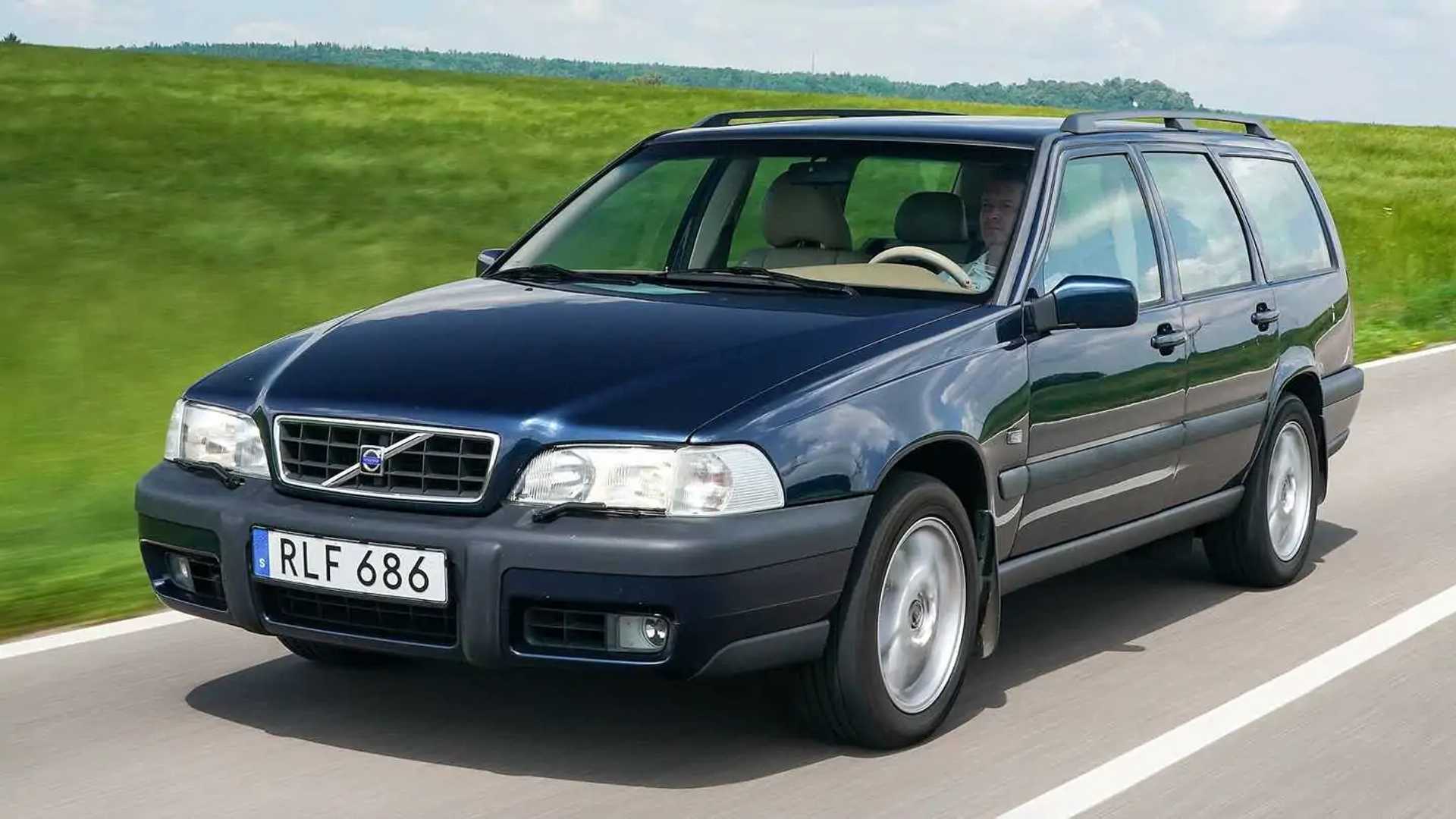
The first generation Volvo V70 built on the mechanical foundations of the 850 while adding wagon practicality that appealed to families, travelers, and professionals alike. Introduced in the late 1990s, the V70 became popular for its spacious interior, cargo capacity, and ability to handle long trips with minimal stress.
Its durable construction and reliable drivetrain made it a frequent choice for those who required a versatile vehicle capable of withstanding both daily use and extended journeys.
Engine options mirrored those of the 850, including five cylinder naturally aspirated and turbocharged units. The naturally aspirated engines proved particularly dependable, capable of enduring heavy mileage with routine oil changes and basic servicing.
Turbocharged engines offered more power for hauling or highway driving but were engineered to operate safely under long-term load conditions. Cooling systems, fuel injection, and engine management were all designed for consistent performance rather than maximum output, contributing to the car’s longevity.
The wagon body style added practicality without sacrificing durability. Cargo space was generous and easy to access, suspension tuning accommodated heavy loads while maintaining a stable ride, and the chassis remained robust even when carrying full weight. The car’s layout made maintenance straightforward, with accessible components and parts that were relatively inexpensive to replace.
Inside, the V70 focused on comfort, ergonomics, and long-term usability. Seats were supportive for long drives, the dashboard layout was intuitive, and interior materials were designed to resist wear and staining.
The V70 quickly earned a reputation as a dependable family and utility vehicle that could go the distance without constant repairs. Its combination of practicality, comfort, and mechanical honesty made it a benchmark for long-lasting wagons in Volvo’s lineup.
6. Volvo S60 First Generation
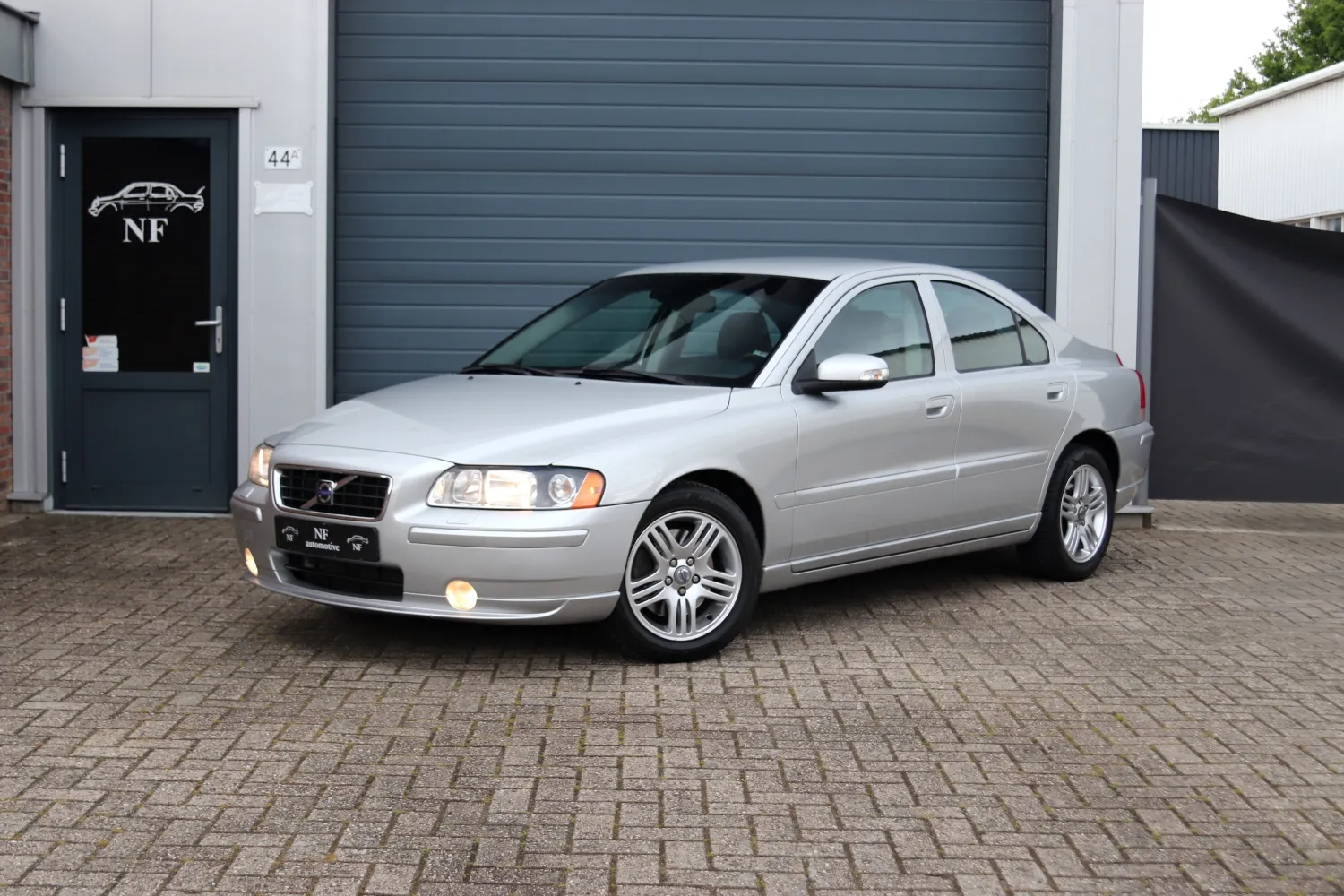
The first generation Volvo S60 marked a turning point for the brand, introducing a sleeker, more modern sedan design while maintaining the company’s focus on durability and safety. Released in the early 2000s, the S60 appealed to drivers who wanted a car that combined a refined driving experience with long-term reliability.
Unlike some competitors that sacrificed mechanical robustness for sporty handling or aesthetic appeal, Volvo engineered the S60 to endure extended daily use and long highway trips without compromising comfort or longevity. Its balance of performance and practicality made it a versatile choice for families, commuters, and long-distance travelers alike.
Engine options in the S60 included naturally aspirated and turbocharged five cylinder engines. Naturally aspirated engines were particularly well regarded for their ability to run smoothly for hundreds of thousands of miles when maintained properly.
Turbocharged versions offered enhanced performance and acceleration, but still adhered to Volvo’s philosophy of restrained tuning, ensuring that internal components were not overstressed. Cooling, lubrication, and fuel management systems were all designed to handle sustained use without frequent intervention, which contributed significantly to the vehicle’s reputation for reliability.
The S60’s chassis offered a blend of comfort and stability, making it particularly suitable for long-distance travel. Suspension components were tuned to absorb bumps effectively while maintaining predictable handling, and the steering system provided precise yet forgiving feedback at highway speeds. This combination reduced driver fatigue during extended drives and contributed to the car’s sense of stability and control.
Inside, the S60 combined modern design with the practical ergonomics that Volvo had become known for. Seating was supportive, particularly on long trips, while controls were arranged intuitively for ease of use.
Materials were chosen to withstand wear over time, and the cabin layout contributed to a sense of spaciousness and calm. Despite its more contemporary appearance, the S60 retained the reliability-focused philosophy that made earlier Volvos legendary for endurance, proving that longevity and modern styling could coexist successfully.
7. Volvo XC70
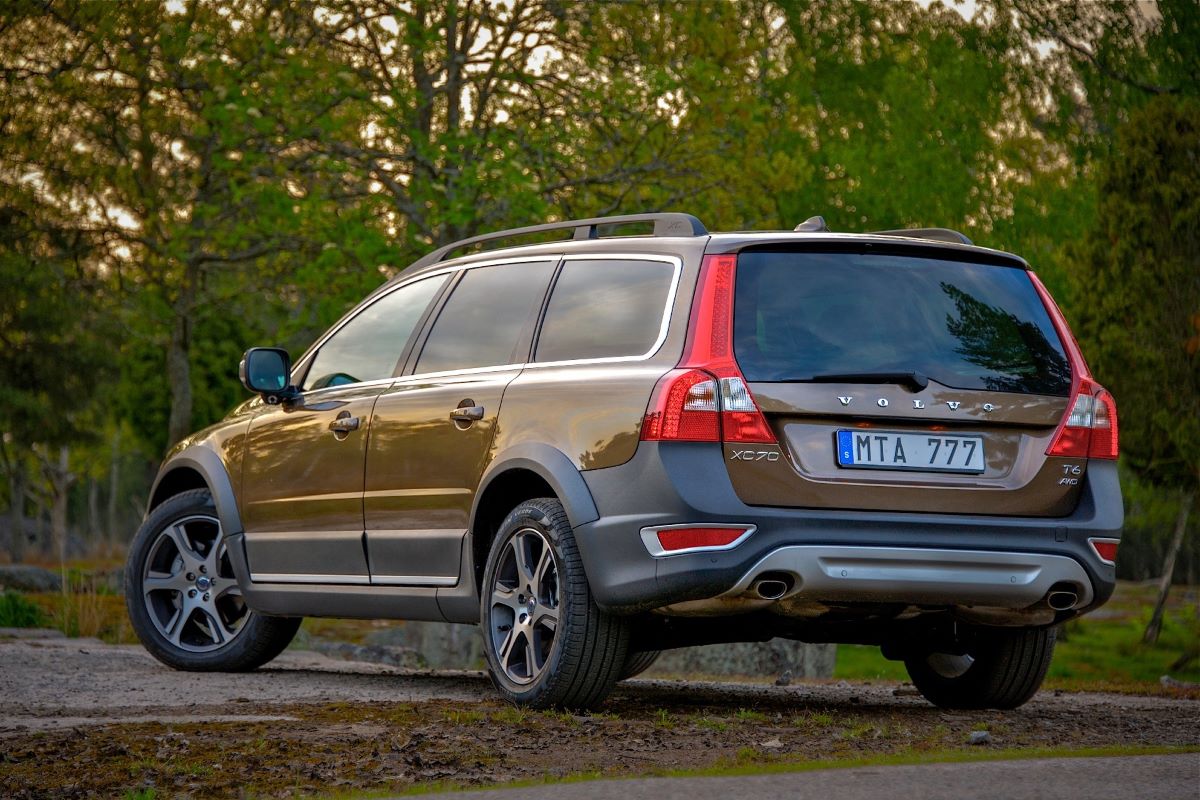
The Volvo XC70 was a wagon designed to merge versatility with ruggedness, appealing to drivers who needed a car capable of handling both long road trips and rougher terrain. Introduced in the late 1990s, the XC70 was built on the platform of the V70 but included all wheel drive, higher ground clearance, and reinforced suspension components.
This made it capable of handling snow, rain, gravel roads, and uneven urban streets without compromising its mechanical integrity. Its durability earned it a loyal following among families, outdoor enthusiasts, and professionals who required a dependable vehicle for varied conditions.
Under the hood, the XC70 typically featured turbocharged five cylinder engines. While turbocharged engines require more attentive maintenance, Volvo’s conservative tuning ensured that these engines could perform reliably under extended stress.
Naturally aspirated versions were even easier to maintain, often achieving high mileage with routine servicing. Components like cooling systems, fuel delivery, and engine internals were designed with longevity in mind, helping the XC70 maintain consistent performance across different driving conditions.
The XC70’s all wheel drive system added stability and traction, particularly in adverse weather or off-road conditions. Suspension components were reinforced to handle additional stress, yet the ride remained comfortable for passengers.
The drivetrain and chassis were engineered to endure long-term use, making the XC70 suitable for drivers who demanded a vehicle that could remain reliable over extended service periods.
Inside, the XC70 continued Volvo’s tradition of practicality and comfort. Seats were spacious and supportive, controls were simple and intuitive, and interior materials resisted wear from daily use.
The cabin could accommodate passengers and cargo comfortably, even on extended trips. The combination of mechanical durability, versatile performance, and ergonomic interior design made the XC70 a strong choice for those seeking a wagon capable of going the distance without frequent repairs or breakdowns.
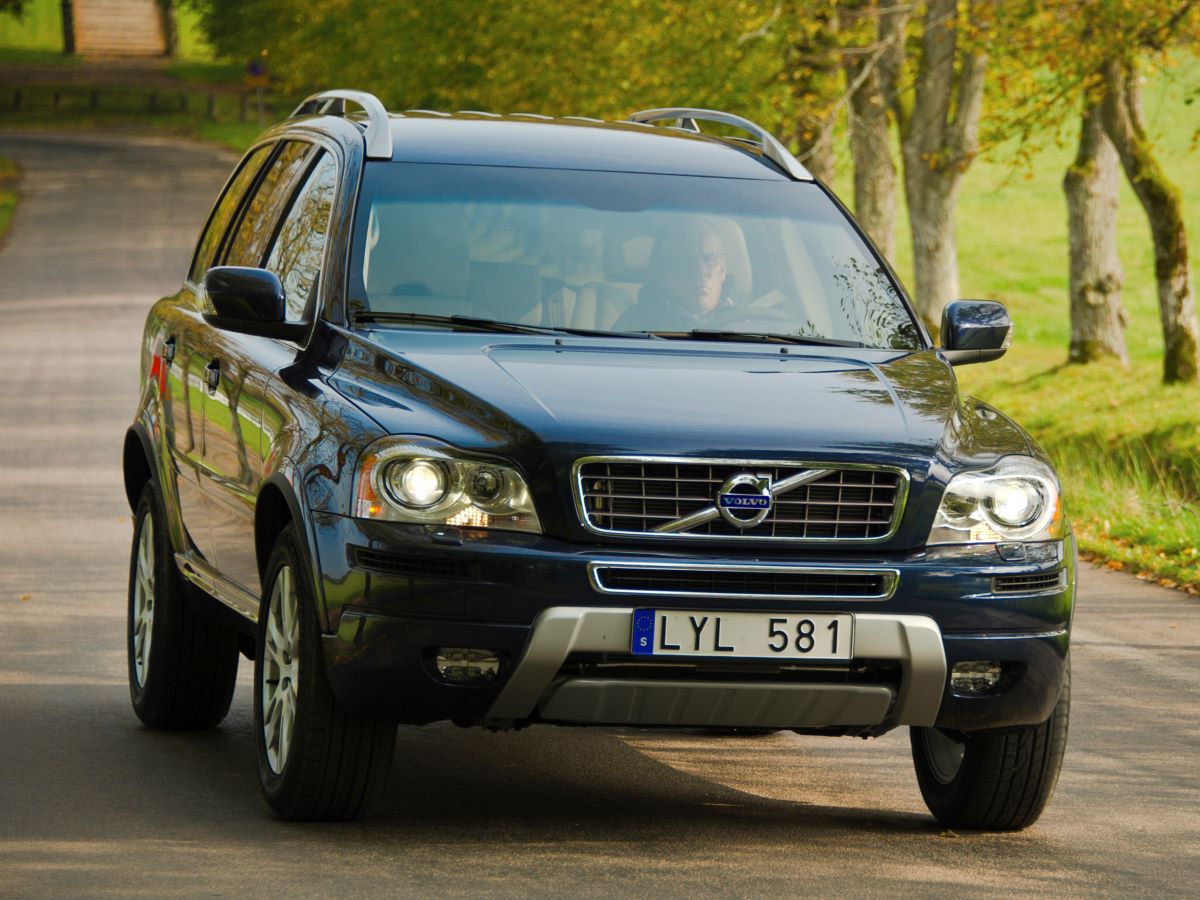
8. Volvo XC90 First Generation
The first generation Volvo XC90 represented Volvo’s entry into the SUV market, combining the brand’s legendary focus on safety and reliability with the larger size and capability expected of a sport utility vehicle.
Introduced in the early 2000s, the XC90 was designed to provide families and long-distance travelers with a vehicle capable of handling multiple passengers, heavy cargo, and extended highway driving while remaining mechanically dependable. It was built to last, even under challenging conditions, reflecting Volvo’s consistent dedication to long-term usability.
The engine options for the XC90 included inline six and V8 configurations, each designed for smooth and consistent performance rather than aggressive power output. While more complex than smaller models, these engines were engineered to handle the vehicle’s weight and intended use with minimal internal stress.
Proper maintenance, such as timely oil changes and cooling system checks, allowed the engines to maintain performance over many years. Owners often found these powertrains capable of traveling hundreds of thousands of miles with minimal major repairs.
Chassis and suspension design prioritized comfort, stability, and safety. The XC90 provided a smooth ride even with multiple passengers and cargo, and the handling remained predictable at highway speeds.
Suspension components were reinforced to withstand additional weight without accelerated wear, making the vehicle reliable for long-term use. The engineering focused on practical performance rather than high-speed agility, which contributed significantly to the XC90’s long-lasting appeal.
The interior emphasized family comfort and usability. Seats were spacious and supportive for extended drives, controls were logically arranged, and materials were chosen to resist wear and staining over time.
The XC90 was also equipped with safety features that improved durability and reliability, such as reinforced crash structures and robust electronic systems. The combination of practicality, safety, and mechanical resilience made the first generation XC90 a highly dependable SUV capable of enduring years of use.
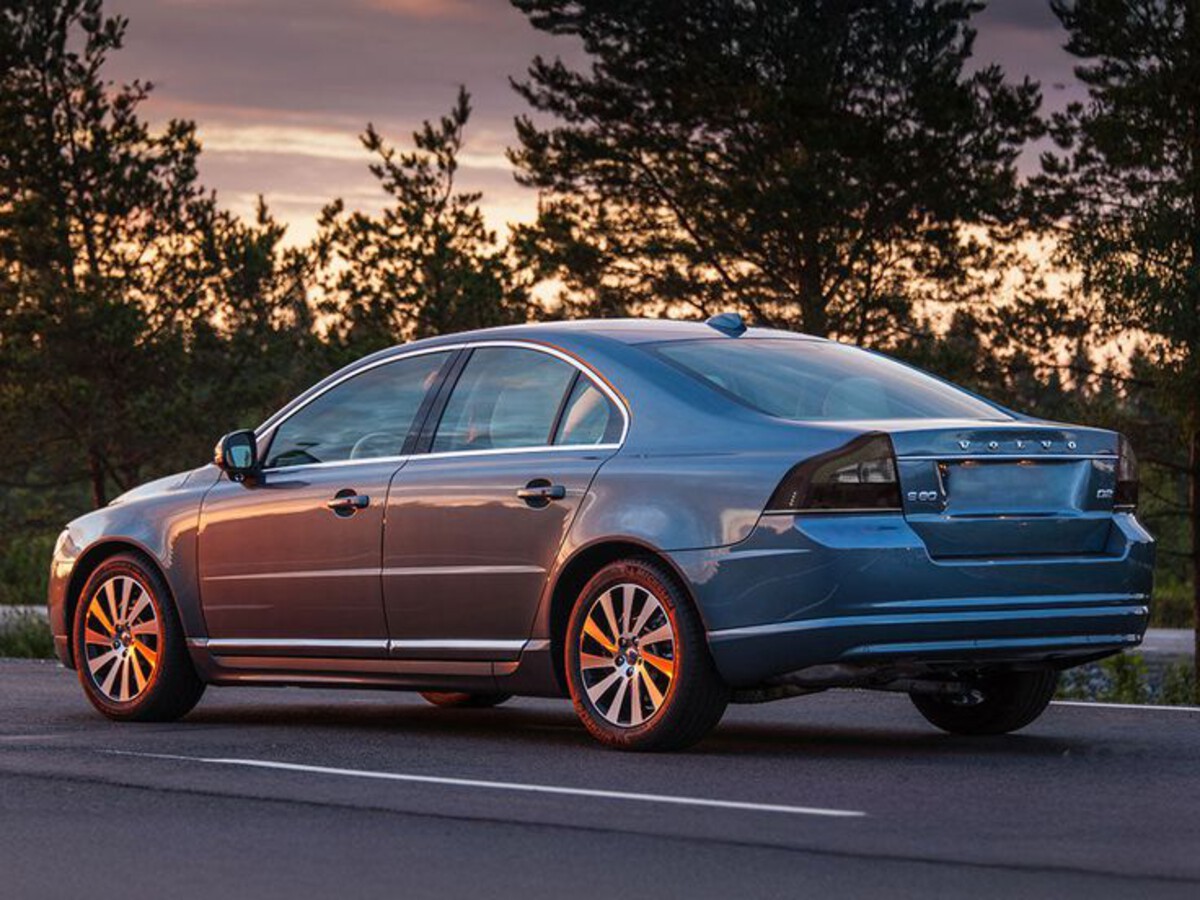
9. Volvo S80
The Volvo S80 served as the brand’s flagship sedan, combining luxury, comfort, and long-term reliability. Introduced in the late 1990s, the S80 aimed to offer a high-end driving experience without compromising the durability and mechanical honesty that had defined Volvo for decades.
Unlike other flagship sedans that relied heavily on delicate electronics or high-strung engines, the S80 prioritized long-lasting components, smooth performance, and practical comfort, making it ideal for those who frequently drove long distances or required a dependable executive car.
Engine options included inline six and V8 configurations, each engineered to operate smoothly under normal driving conditions. These engines emphasized longevity and reliability rather than extreme power output.
Cooling systems, engine internals, and lubrication pathways were designed to minimize stress and wear, allowing the S80 to cover extensive mileage without major mechanical issues. With regular maintenance, these engines often proved capable of maintaining consistent performance over many years.
The S80’s suspension provided a balance between comfort and control, particularly suited to highway driving and long trips. Steering was precise but forgiving, and the chassis absorbed road imperfections effectively. This combination reduced driver fatigue and maintained stability even under full passenger loads, reflecting Volvo’s focus on practical and durable design.
Inside, the S80 offered a serene and supportive cabin. Seats were designed for comfort during extended drives, controls were intuitive, and materials were chosen to age gracefully. Electronics were integrated thoughtfully, reducing points of potential failure compared to other luxury sedans of the same era. The S80 successfully merged comfort, reliability, and longevity, demonstrating that Volvo could offer a high-end sedan built to withstand the test of time.
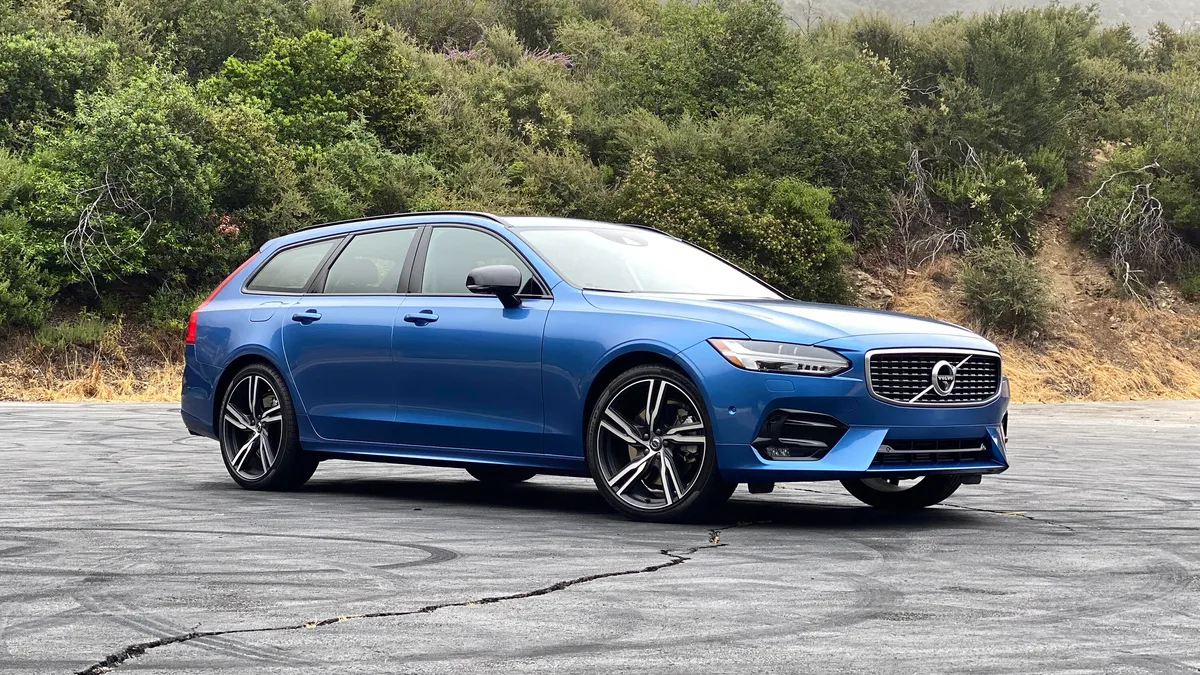
10. Volvo V90
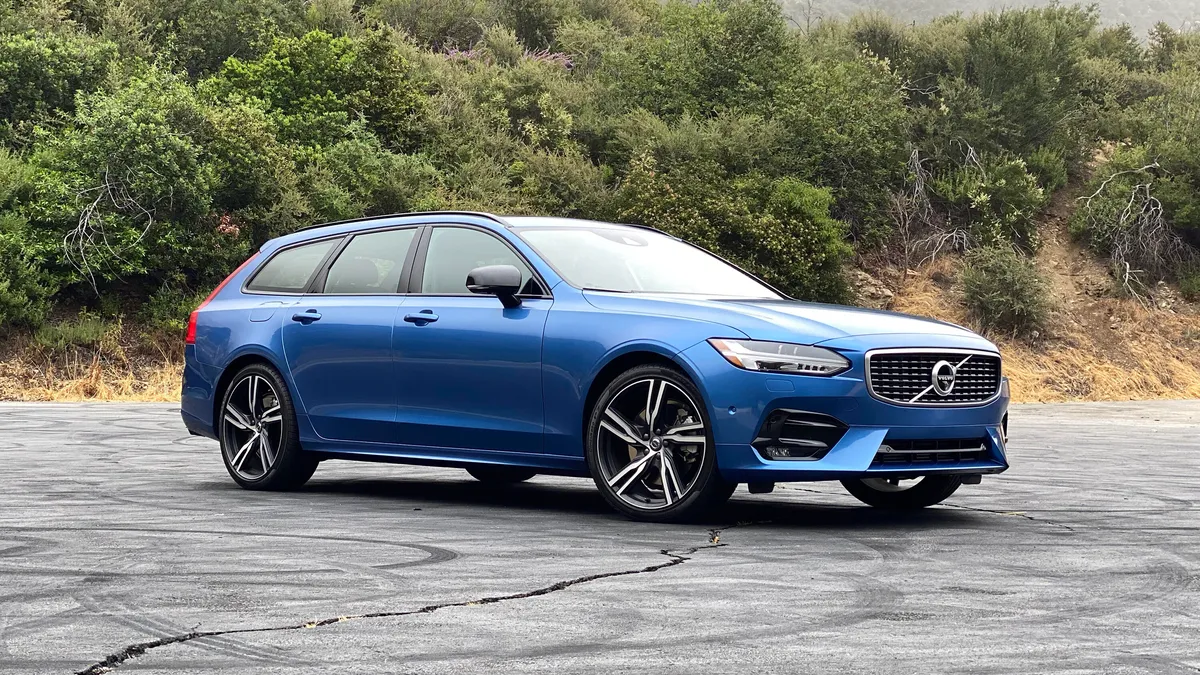
The Volvo V90 represents the continuation of Volvo’s long-standing commitment to practical, long-lasting wagons in a modern format. Introduced in the mid-2010s, the V90 combines sleek styling, advanced technology, and robust mechanical design, proving that Volvo’s philosophy of durability has carried into the contemporary era.
The vehicle was designed to handle long journeys, family trips, and cargo loads while maintaining mechanical integrity and interior comfort over time.
Engine options emphasized smooth, efficient operation rather than extreme performance. Naturally aspirated and turbocharged units were designed with longevity in mind, ensuring that critical components were not subjected to excessive stress.
When maintained according to recommended schedules, these engines are capable of enduring long-term use and high mileage, consistent with Volvo’s reputation for mechanical reliability.
The V90’s chassis and suspension were designed to provide a composed and comfortable ride. Stability at highway speeds, precise handling, and effective absorption of road irregularities made it well suited for long-distance travel.
Despite its modern features and electronic systems, the vehicle was engineered with attention to durability, ensuring that it could serve as a reliable daily driver for many years.
Inside, the V90 blends modern aesthetics with Volvo’s signature ergonomic expertise. Seats are supportive and adjustable for long drives, controls are user-friendly, and materials are durable enough to withstand heavy usage.
Cabin space and cargo capacity further enhance its practicality for long trips. The V90 proves that even contemporary Volvos maintain the tradition of creating vehicles capable of going the distance with confidence and minimal maintenance concerns.
