
Oldsmobile, once a cornerstone of American automotive history, has left a lasting impression on car enthusiasts and collectors alike.
Founded in 1897, the brand grew to be a symbol of innovation, luxury, and performance in its heyday. While it ceased production in 2004, many of its vehicles have taken on a new life in the collector car market.
Some models, once overlooked or considered ordinary during their production years, are now highly sought after by enthusiasts who recognize their design, performance, or historical significance. The appeal of Oldsmobiles lies not only in their engineering but also in their unique combination of style and comfort.
Unlike some other American brands that relied heavily on flashy design or raw power alone, Oldsmobile often struck a balance, producing cars that were enjoyable to drive while maintaining a distinct personality.
Collectors are particularly drawn to models that represent milestones in the brand’s history, whether that be the introduction of innovative technology, distinctive styling, or exceptional performance.
Certain Oldsmobiles that were produced in limited numbers or featured special trim levels have quietly appreciated over time, offering an opportunity for enthusiasts to own a piece of automotive history without the extreme price tags seen with more famous muscle cars.
The rarity, condition, and originality of these vehicles play a significant role in their collectible value. In many cases, a car that seemed commonplace when it first appeared on dealer lots now commands respect and admiration from collectors for its contribution to the brand’s legacy.
From classic muscle cars to understated luxury sedans, Oldsmobiles have maintained a diverse appeal. While they may not always grab headlines in car magazines or at auction houses, their enduring charm is undeniable. This article highlights ten Oldsmobiles that have quietly emerged as serious collector cars.
Each model reflects a different aspect of the brand’s history and showcases why Oldsmobile continues to hold a special place in the hearts of enthusiasts. These cars combine performance, design, and cultural significance, making them worthy of recognition among collectors.
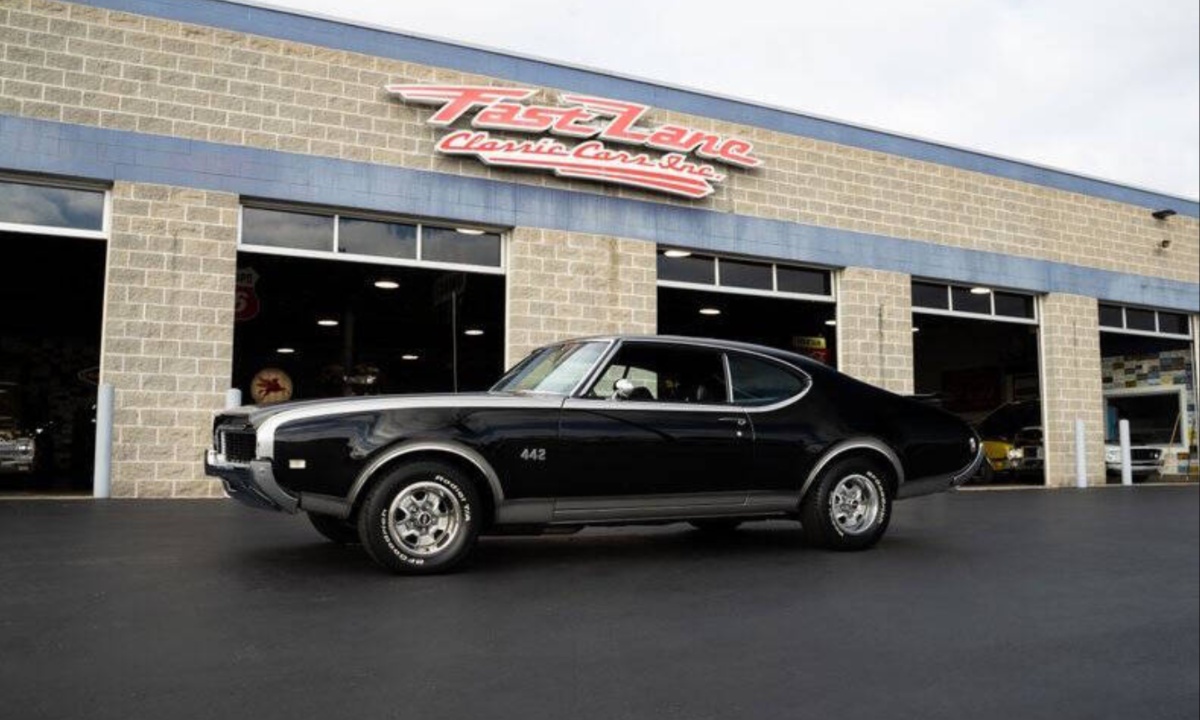
1. Oldsmobile 442 (1964–1971)
The Oldsmobile 442 remains one of the brand’s most iconic muscle cars. Introduced in the mid-1960s, it quickly gained attention for its combination of performance and refinement.
Unlike other muscle cars that prioritized raw power above all, the 442 offered a balanced driving experience with a focus on handling, acceleration, and interior comfort.
The name itself originated from its four-barrel carburetor, four-speed manual transmission, and dual exhausts, making it a straightforward declaration of performance. Collectors today value the 442 for its classic styling and historical significance in the muscle car era.
The design of the 442 reflects the transitional period of the 1960s when American automakers were moving from conservative designs toward more aggressive, sporty lines. The long hood, short deck, and sculpted fenders gave it a presence that could rival more expensive competitors.
Early models featured simple but effective interiors that combined functionality with comfort. Buyers seeking a car that could perform on the street yet remain practical for everyday driving found the 442 appealing.
As a result, these cars were not only driven hard but also maintained with care, contributing to the number of well-preserved examples today.
In terms of performance, the 442 consistently offered engines capable of delivering impressive horsepower for its era.
Engine options varied, but even the base models provided a thrilling driving experience. The car’s suspension was tuned to handle the extra power, offering a balanced ride that allowed it to shine both on the drag strip and on winding roads.
Transmission options also included automatic choices for those who wanted muscle without sacrificing convenience. This versatility helped the 442 appeal to a broader range of buyers and contributed to its continued popularity among collectors.
Collectors are particularly interested in the 442 from the 1968 to 1971 period due to the introduction of high-performance engine options, bold styling updates, and limited production numbers for specific trims. Well-preserved or restored examples often command premium prices at auctions.
Enthusiasts value originality, including factory-installed options like special trim packages or rally wheels. With its combination of performance, style, and historical relevance, the Oldsmobile 442 remains a cornerstone of any muscle car collection, quietly achieving the respect it deserves among serious collectors.
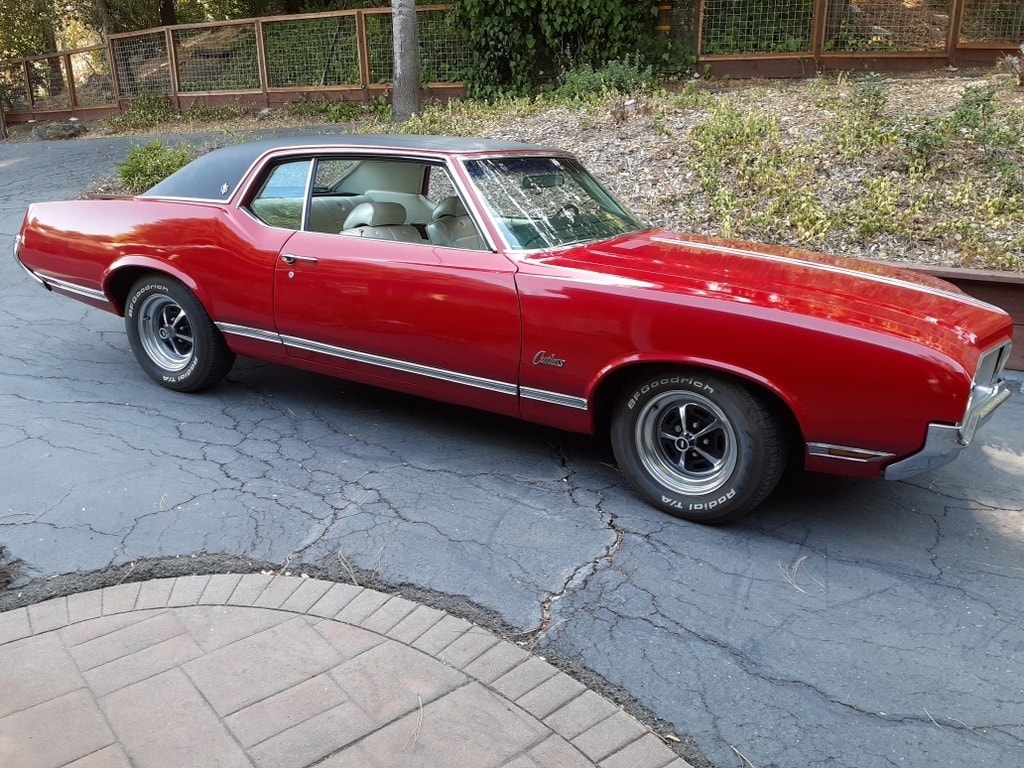
2. Oldsmobile Cutlass Supreme (1966–1972)
The Oldsmobile Cutlass Supreme is often remembered as a midsize luxury car that blended comfort and style with an understated level of performance. Initially introduced in the mid-1960s, the Cutlass Supreme represented Oldsmobile’s effort to capture a market looking for a car that offered more than basic transportation.
Its elegant lines, refined interiors, and strong engine options made it an appealing choice for those who wanted a touch of luxury without stepping into full-size models. Over time, the Cutlass Supreme gained a reputation among collectors for being a practical yet stylish classic.
Design played a crucial role in the Cutlass Supreme’s appeal. With clean lines, a slightly elongated hood, and a well-proportioned body, the car had a presence that was noticeable without being overly flashy.
The interior often featured high-quality materials, comfortable seating, and thoughtful layouts that enhanced the driving experience.
Buyers appreciated these features because they offered a level of sophistication that was uncommon in midsize American cars of the era. These qualities helped ensure the model’s popularity and contributed to its long-term collectible potential.
Performance was another factor that helped the Cutlass Supreme stand out. While it was not as aggressive as the 442, the car offered strong V8 engine options and smooth handling. The suspension and chassis were engineered for comfort without sacrificing stability, making the Cutlass Supreme a car that could handle long drives or spirited weekend outings with ease.
Transmission options included manual and automatic configurations, giving buyers flexibility based on their preferences. This combination of performance and comfort made it an attractive option for a variety of drivers.
Collectors today are particularly drawn to early production models from the late 1960s. Limited edition packages, unique trim combinations, and original factory options enhance the car’s desirability. A well-maintained Cutlass Supreme can serve as both a showpiece and a practical collector car, offering modern reliability while maintaining its classic charm.
Its quiet rise in collector status reflects the enduring appeal of a car that offered style, comfort, and performance in equal measure, proving that Oldsmobile could compete effectively across multiple market segments.
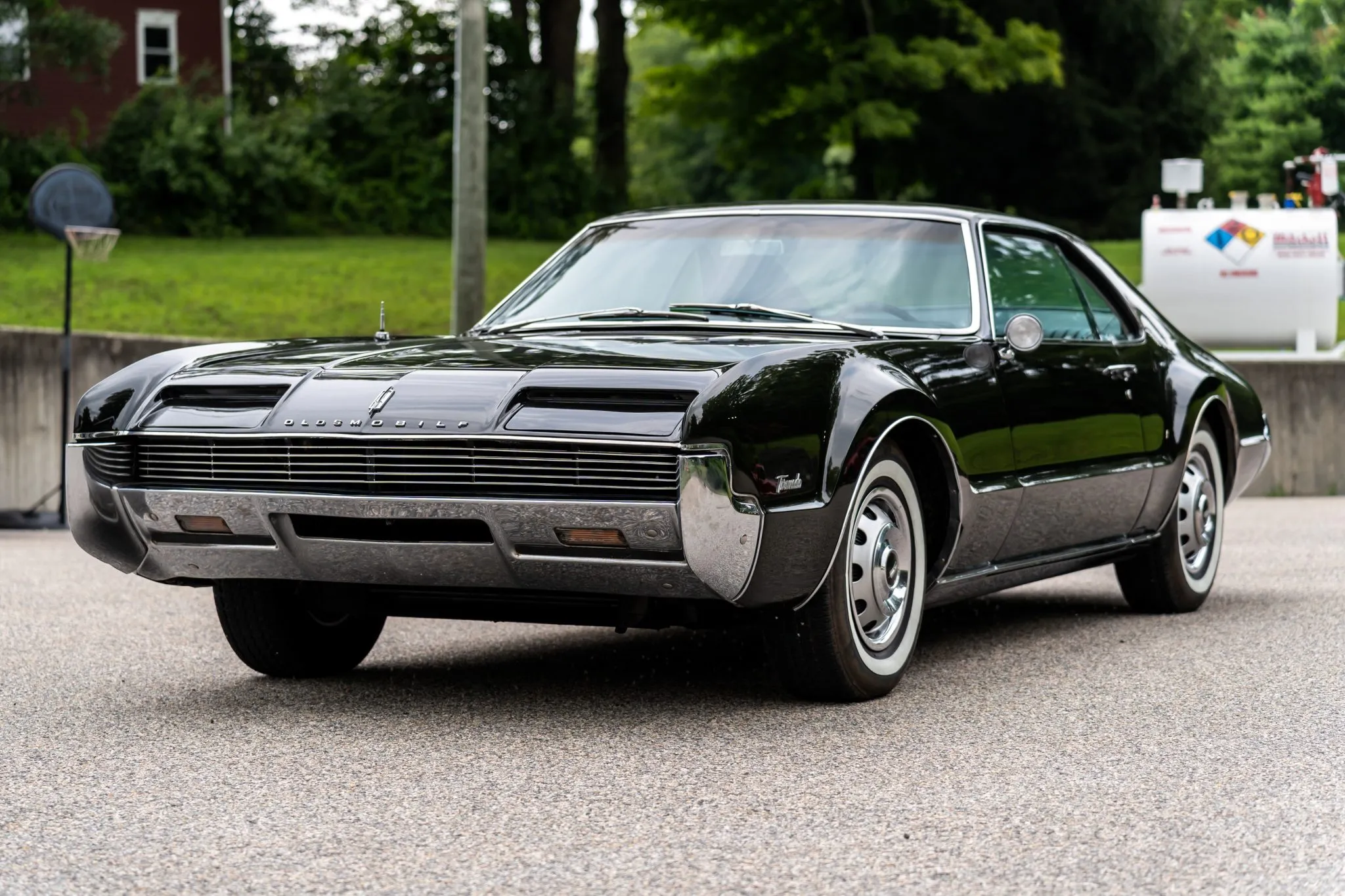
3. Oldsmobile Toronado (1966–1970)
The Oldsmobile Toronado represents one of the most innovative achievements of its era. Introduced in 1966, it was a full-size luxury car with front-wheel drive, a configuration almost unheard of for American cars at the time.
This engineering choice made the Toronado unique, giving it improved traction, a lower floor, and a spacious interior compared to rear-wheel-drive competitors. The car was a bold statement by Oldsmobile, demonstrating the brand’s willingness to experiment with technology and layout.
For collectors, the Toronado is significant not only as a stylish classic but also as a technical milestone, illustrating a period when American automakers were challenging traditional automotive norms.
Design was another standout feature of the Toronado. Its long, sleek body, hidden headlamps, and sharply sculpted lines gave it an aggressive yet elegant presence. Unlike other cars that relied solely on ornamentation, the Toronado combined functionality and flair, creating a car that looked modern and purposeful.
The interior mirrored this innovation, offering luxurious materials, a spacious cabin, and ergonomic controls that enhanced the driving experience. Its unique styling has aged well, with collectors appreciating both the originality and the forward-thinking design elements that set it apart from its contemporaries.
Equipped with powerful V8 engines, it offered smooth acceleration and a confident ride. The front-wheel-drive layout allowed for better weight distribution and traction, particularly under heavy loads or adverse road conditions.
Despite its size, the car handled remarkably well for a luxury vehicle, offering a driving experience that balanced comfort and performance. Transmission options, including the advanced Hydra-Matic automatic, further reinforced the car’s reputation as a sophisticated and capable machine.
Collector interest in the Toronado has grown steadily. Early examples in excellent condition are highly prized, especially models with rare options or limited production features. The car’s unique place in automotive history as one of the first high-performance front-wheel-drive vehicles adds to its appeal, making it a conversation piece in any collection.
Enthusiasts value not only the Toronado’s visual presence but also the mechanical ingenuity it represents, confirming its status as a quietly collectible Oldsmobile that deserves recognition.
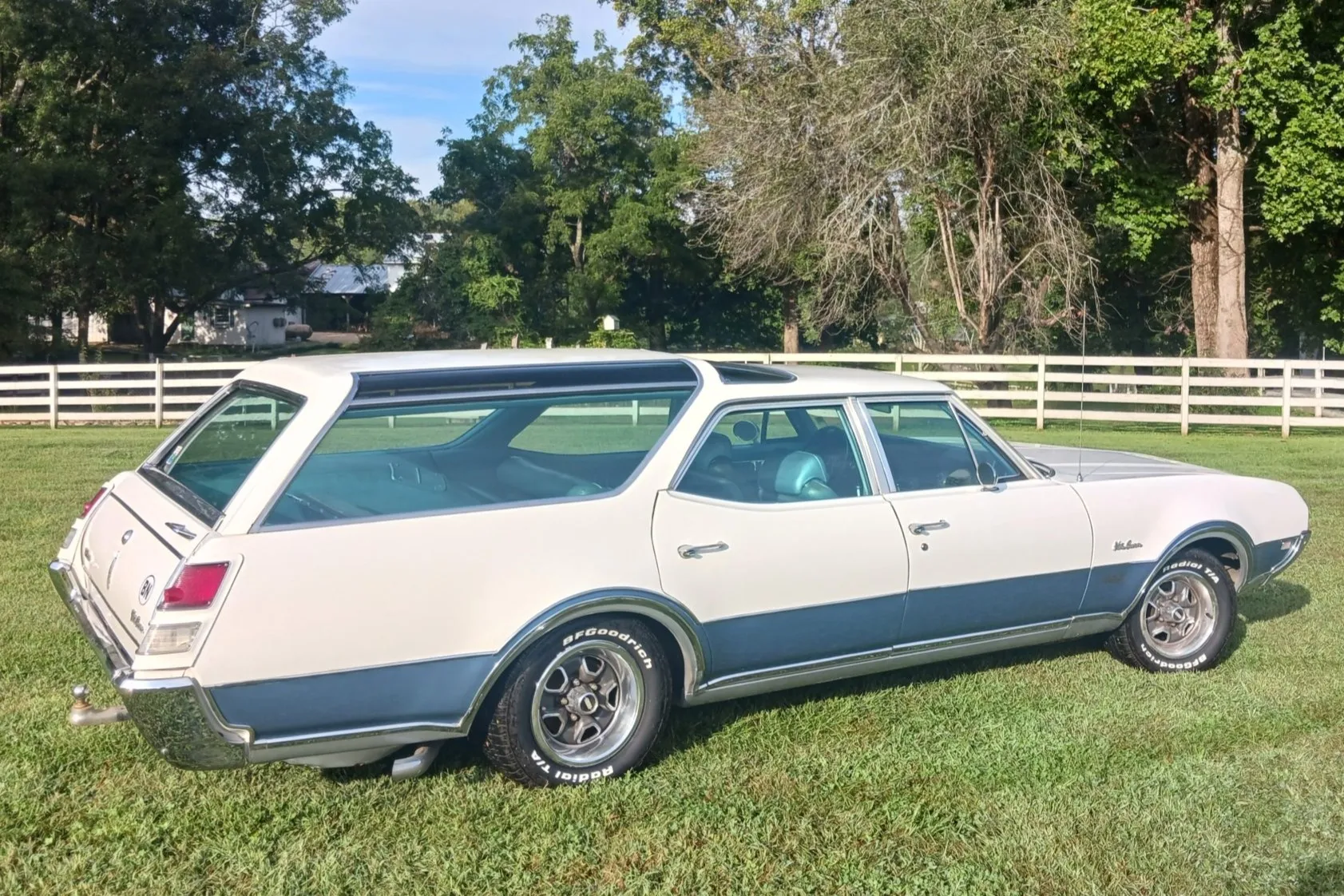
4. Oldsmobile Vista Cruiser (1964–1977)
The Vista Cruiser occupies a special niche in Oldsmobile history as one of the brand’s most versatile and practical models. Introduced in 1964, it was a station wagon designed for families but infused with style and innovation that set it apart from other wagons of the period.
The car featured a raised roofline with skylights over the rear passenger area, offering a bright, airy interior that became an instant favorite for long trips and family outings. Its combination of utility and visual appeal made it more than just a practical vehicle; it became a lifestyle statement, reflecting the optimism and creativity of 1960s American car design.
The exterior design of the Vista Cruiser was both functional and attractive. Its elongated body provided ample cargo space while maintaining a sleek profile that avoided the boxy appearance typical of wagons.
The raised roof and glass panels were not only aesthetic flourishes but also functional enhancements, providing light and a sense of openness to passengers.
Interior layouts emphasized comfort and flexibility, with multiple seating configurations and easy access to the rear seats. These thoughtful design elements have contributed to the car’s enduring appeal among collectors, who appreciate the blend of utility and design innovation.
Mechanically, the Vista Cruiser shared components with other Oldsmobile models but often featured powerful V8 engines and smooth suspension setups that allowed it to carry heavy loads with ease.
While not a performance car in the traditional sense, it handled well for its size, providing a comfortable ride for both driver and passengers. Its reliability and versatility made it a practical choice when new, and today those same qualities make it a sought-after classic, especially for enthusiasts interested in restored or well-preserved examples.
Collector demand for the Vista Cruiser has increased in recent years, driven by nostalgia for unique American station wagons and the vehicle’s relative rarity.
Original paint, intact skylights, and properly functioning interiors are highly valued. While often overshadowed by Oldsmobile’s muscle cars, the Vista Cruiser quietly commands attention at shows and auctions.
Its combination of practicality, distinctive design, and period charm ensures that it remains a highly desirable addition to any classic car collection.
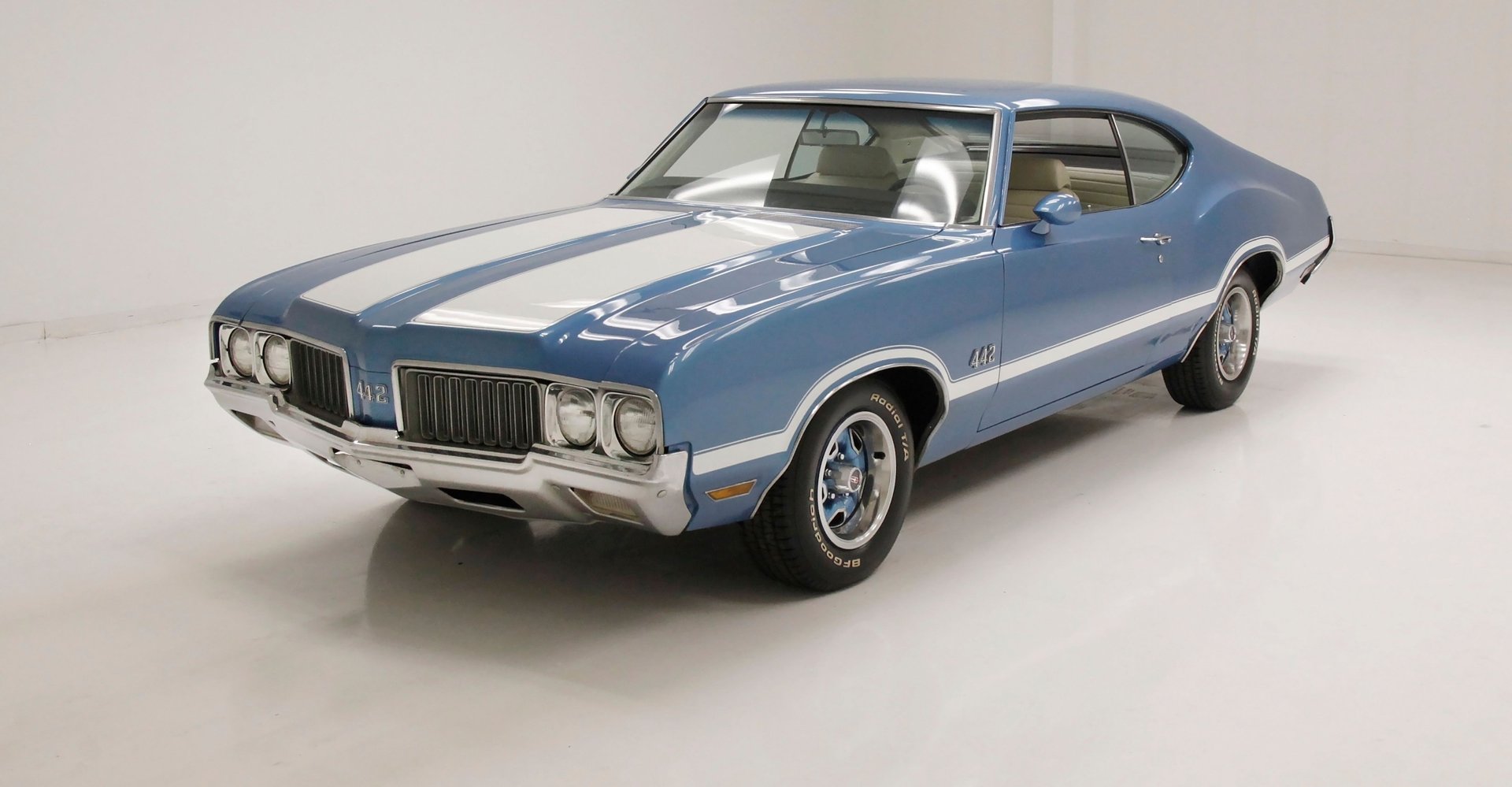
5. Oldsmobile Cutlass 442 Hurst/Olds (1968–1972)
The Hurst/Olds edition of the Cutlass 442 represents a fascinating collaboration between Oldsmobile and Hurst Performance, a company known for producing high-performance shifters and racing parts. This limited-production model was created for enthusiasts seeking both style and extreme performance in a factory-backed package.
Unlike the standard 442, the Hurst/Olds featured upgraded suspension, distinctive trim, and often a more powerful engine option. Its rarity and connection to performance culture have made it one of the most collectible Oldsmobiles of the muscle car era.
Visually, the Hurst/Olds stood out immediately. Bold stripes, unique badging, and specific wheel designs set it apart from standard models, signaling its performance pedigree. Inside, upgraded instrumentation and bucket seats emphasized the car’s sporty character, blending comfort with racing-inspired cues.
Collectors value these details because they represent a factory-sanctioned approach to performance rather than aftermarket modification. Every element of the car was carefully designed to appeal to enthusiasts, creating a cohesive and highly desirable package.
Performance was where the Hurst/Olds truly shone. High-output engines combined with improved transmission options allowed for quick acceleration and confident handling. The car’s suspension was tuned to handle spirited driving while maintaining a degree of comfort suitable for street use.
As a result, it appealed to a wide range of buyers, from casual drivers to serious muscle car enthusiasts. The combination of rare production numbers and exceptional performance has made the Hurst/Olds a highlight of any muscle car collection.
Today, the Hurst/Olds commands respect among collectors because it represents a unique moment in American automotive history. Its limited production, distinctive design, and performance capabilities make it a sought-after vehicle at auctions and car shows.
Enthusiasts often look for originality, including matching numbers, proper paint, and intact interiors. Its status as a quietly collectible Oldsmobile stems from both its rarity and the cultural significance of the Hurst/Olds collaboration, highlighting the brand’s ability to produce cars that still excite enthusiasts decades later.
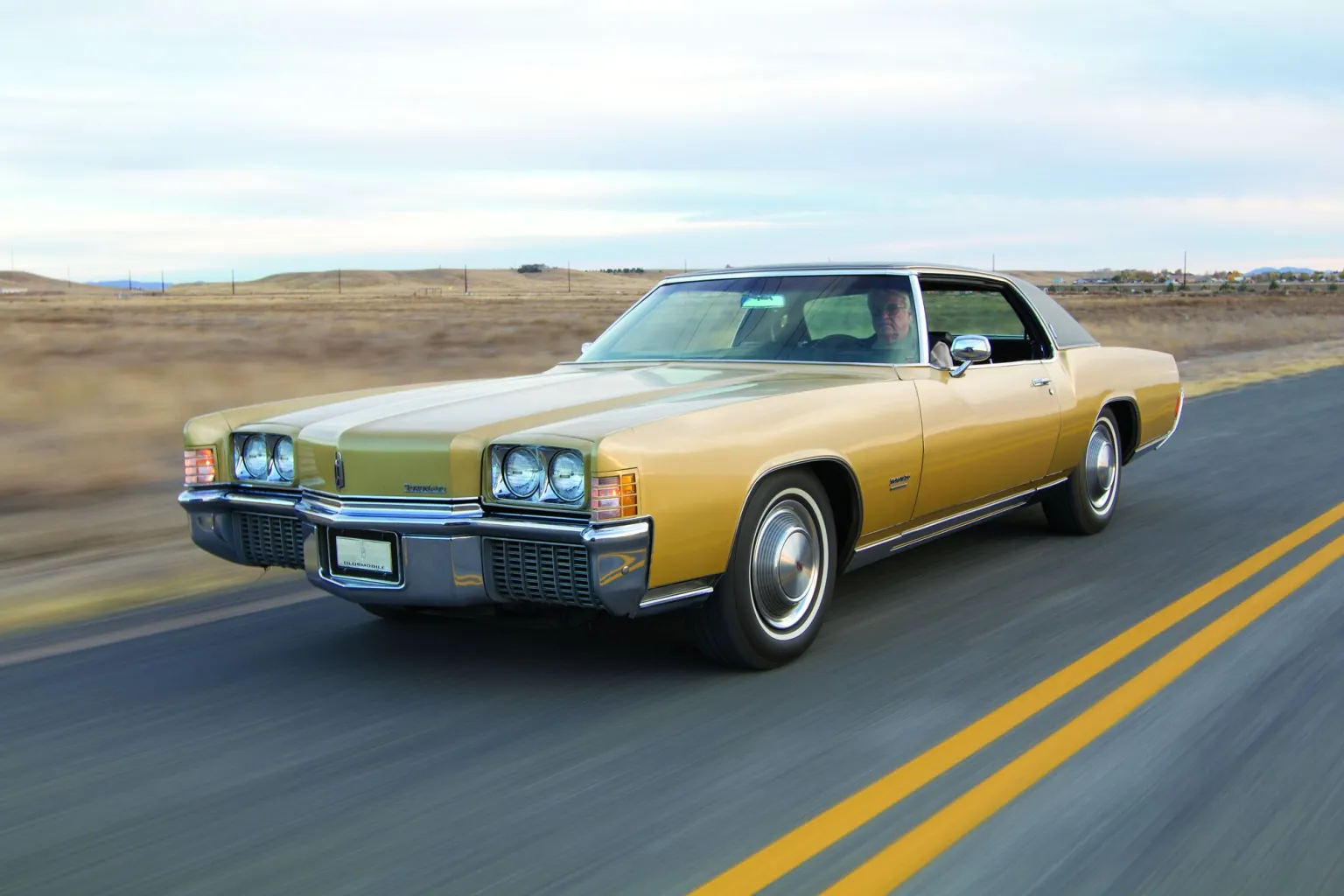
6. Oldsmobile Toronado XSR (1971–1973)
The Toronado XSR represents an evolution of Oldsmobile’s groundbreaking front-wheel-drive luxury car. While the original Toronado was already revolutionary, the XSR introduced more styling flair and performance-focused upgrades, targeting buyers who wanted both comfort and individuality.
With limited production numbers, the XSR was never a mainstream success, but its rarity has made it increasingly attractive to collectors over the decades.
Unlike other cars of its size, the XSR retained the original Toronado’s engineering benefits, such as the front-wheel-drive layout and spacious interior, while incorporating sportier features that enhanced both aesthetics and driving dynamics.
Its exterior design was bold and distinctive, with more aggressive front-end styling, unique paint options, and special badging that set it apart from standard Toronados. Hidden headlamps, sweeping rooflines, and chromed trim details emphasized the car’s luxurious yet performance-oriented character.
The interior complemented the exterior with premium materials, supportive bucket seats, and a driver-focused layout.
These design touches were not merely cosmetic; they elevated the car’s perceived value and made it a standout in Oldsmobile’s lineup. Collectors appreciate the XSR for these design details, which reflect the creativity and ambition of early 1970s American automakers.
Performance-wise, the Toronado XSR retained the original car’s robust V8 engines but often featured optional upgrades that increased horsepower and improved handling. The front-wheel-drive system provided better traction and a smooth ride, even in less-than-ideal road conditions.
Although it was not a pure muscle car, the XSR offered an engaging driving experience for those who appreciated both comfort and performance. Its engineering innovations continue to impress enthusiasts, particularly those who value the blend of luxury and capability that Oldsmobile successfully achieved in this model.
Collector demand for the Toronado XSR has steadily risen due to its rarity, unique styling, and historical significance. Models with original paint, intact interiors, and documented maintenance history are especially prized.
The car’s niche appeal ensures it is less commonly seen at auctions compared to more mainstream muscle cars, making it a hidden gem for collectors who value uniqueness. Its combination of engineering innovation, styling distinction, and limited production firmly establishes the Toronado XSR as a quietly collectible Oldsmobile.
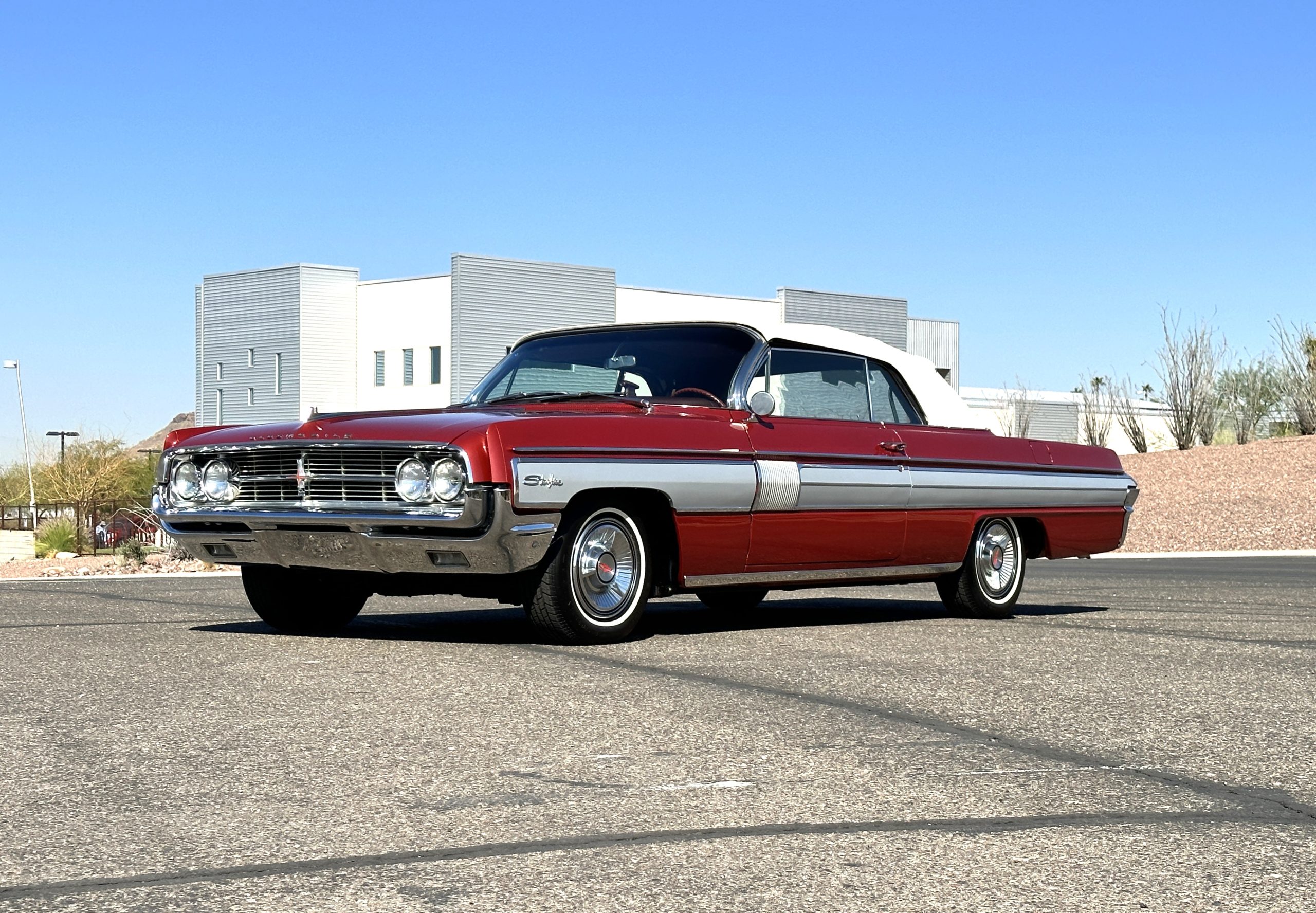
7. Oldsmobile Starfire (1961–1966)
The Oldsmobile Starfire occupies a special place in the brand’s history as a personal luxury car. Launched in 1961, it represented Oldsmobile’s attempt to combine sleek styling with high-performance capability, targeting buyers who wanted sophistication along with driving enjoyment.
The Starfire was smaller and lighter than many full-size Oldsmobiles, which enhanced its agility and responsiveness on the road. Its appeal was rooted in a combination of luxury features, stylish design, and powerful engine options, a mix that has made it increasingly desirable to collectors today.
The exterior design of the Starfire was elegant and forward-looking for its time. Sweeping lines, chrome accents, and a long hood gave it a refined, sporty appearance without appearing ostentatious.
The interiors were luxurious, with plush seating, high-quality materials, and thoughtfully arranged controls, emphasizing both driver comfort and passenger enjoyment.
Special options like power windows, air conditioning, and upgraded sound systems made the car feel sophisticated, even by today’s standards. Collectors value these design cues because they illustrate Oldsmobile’s ability to blend luxury and sportiness in a way that few other American brands managed in the early 1960s.
Performance was another area where the Starfire shone. Equipped with high-output V8 engines, it could deliver brisk acceleration while maintaining smooth, controlled handling. The lighter chassis allowed for better cornering and responsiveness, making it a fun car to drive without compromising comfort.
Transmission options, including manual and automatic, provided flexibility for different driving preferences. This combination of performance and refinement made the Starfire appealing to buyers seeking a car that could handle both spirited drives and long-distance cruising with equal ease.
Collectors have increasingly recognized the Starfire’s significance, particularly early production models from the first few years of its run. Limited production numbers, distinctive styling, and original luxury features contribute to its desirability.
Well-preserved examples with original paint and interiors are especially valued, and the car has quietly developed a reputation as a personal luxury classic that represents both style and performance. The Starfire’s continued appeal highlights Oldsmobile’s ability to produce vehicles that remain relevant and respected decades after their introduction.
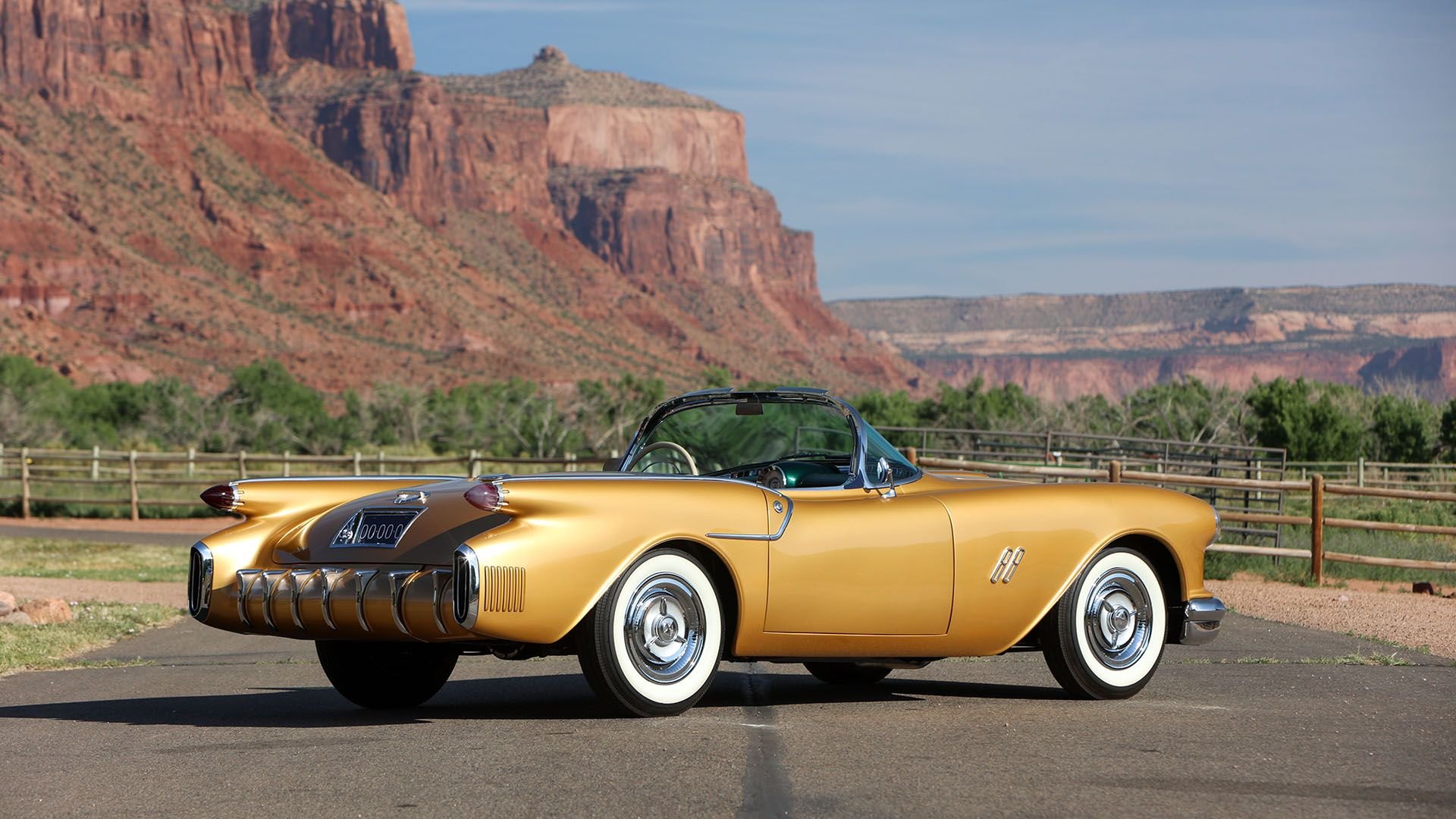
8. Oldsmobile 88 (1949–1953 “Rocket” Era)
The Oldsmobile 88 from the late 1940s and early 1950s is widely regarded as a landmark in American automotive history. With the introduction of the Rocket V8 engine in 1949, the 88 became one of the first cars to combine lightweight construction with a high-performance powertrain.
This combination made it an instant favorite among enthusiasts and set the stage for what would become known as the muscle car movement in the following decades. Collectors today prize these early Rocket 88 models not only for their performance but also for their role in shaping the direction of American car design and engineering.
Design played a crucial role in the 88’s popularity. Its streamlined body, integrated fenders, and prominent grille gave it a sleek, modern appearance compared to other cars of its era. The interiors offered surprising comfort, with supportive seating and simple, functional controls that emphasized driver convenience.
The design reflected a balance between style and practicality, making the car appealing to both everyday drivers and performance enthusiasts. Collectors appreciate these design elements for their originality and as a representation of postwar automotive innovation.
The Rocket V8 engine was the defining feature of the Oldsmobile 88. It delivered impressive power for the time, allowing the car to accelerate more quickly than many heavier vehicles on the road.
This engine also helped establish Oldsmobile as a performance-oriented brand within General Motors, paving the way for future muscle cars like the 442. Coupled with a smooth suspension and well-tuned chassis, the Rocket 88 offered a driving experience that was engaging, reliable, and ahead of its time.
Collector interest in the early 88s has grown steadily over the years. Original examples with intact interiors, matching numbers, and clean bodywork are highly sought after.
These cars frequently appear at classic car shows, auctions, and private collections, admired for their historical significance as well as their timeless style. The Rocket 88 remains a benchmark for early American performance cars and has quietly cemented its status as one of the most collectible Oldsmobiles in history.
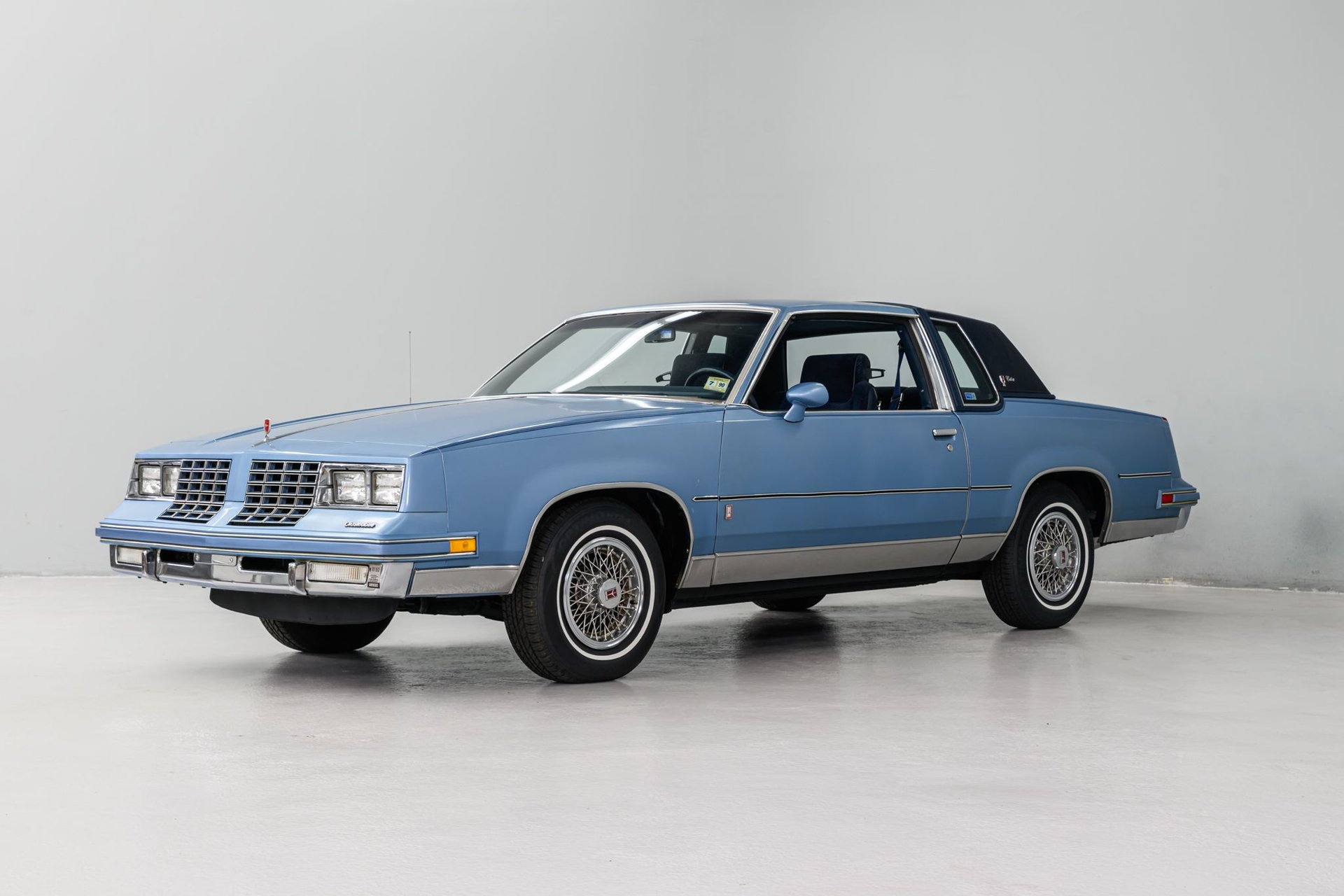
9. Oldsmobile Cutlass Calais (1980–1988)
The Cutlass Calais may not have been the flashiest Oldsmobile, but it has earned a quiet reputation among collectors for its understated charm and reliability. Introduced in 1980 as a smaller, sportier variant of the Cutlass line, the Calais offered a more modern driving experience while retaining the brand’s hallmark comfort and practicality.
While it was often overlooked at the time due to the popularity of larger, more powerful cars, its balanced design and approachable performance have made it a sought-after collector car for those who appreciate early 1980s American vehicles.
Its design reflected the era’s shift toward more aerodynamic and compact cars. The Calais featured clean lines, sloping hoods, and modest styling cues that were visually appealing without being flashy.
Interiors emphasized comfort and ergonomics, with user-friendly dashboards, supportive seats, and options like air conditioning and premium sound systems.
For collectors, the Calais represents a period when American automakers were adjusting to changing tastes and fuel efficiency standards while maintaining a sense of style.
Performance was adequate for the era, with a range of four- and six-cylinder engines providing reliable and smooth power delivery. The Calais offered a comfortable ride and responsive handling, making it suitable for both daily commuting and weekend driving.
Optional sport packages and trim upgrades added appeal for buyers seeking a slightly more dynamic driving experience. While it was not a high-performance car by traditional standards, it offered a balanced package that combined practicality and enjoyment.
Collectors value the Cutlass Calais today because of its relative rarity, solid engineering, and representation of early 1980s American automotive design. Well-preserved models, particularly those with original paint and interiors, are increasingly difficult to find.
The car’s understated style and reliability make it an attractive choice for enthusiasts seeking a classic that is both functional and historically significant. Its quiet rise as a collectible vehicle underscores how cars without extreme performance or flash can still achieve long-term desirability.
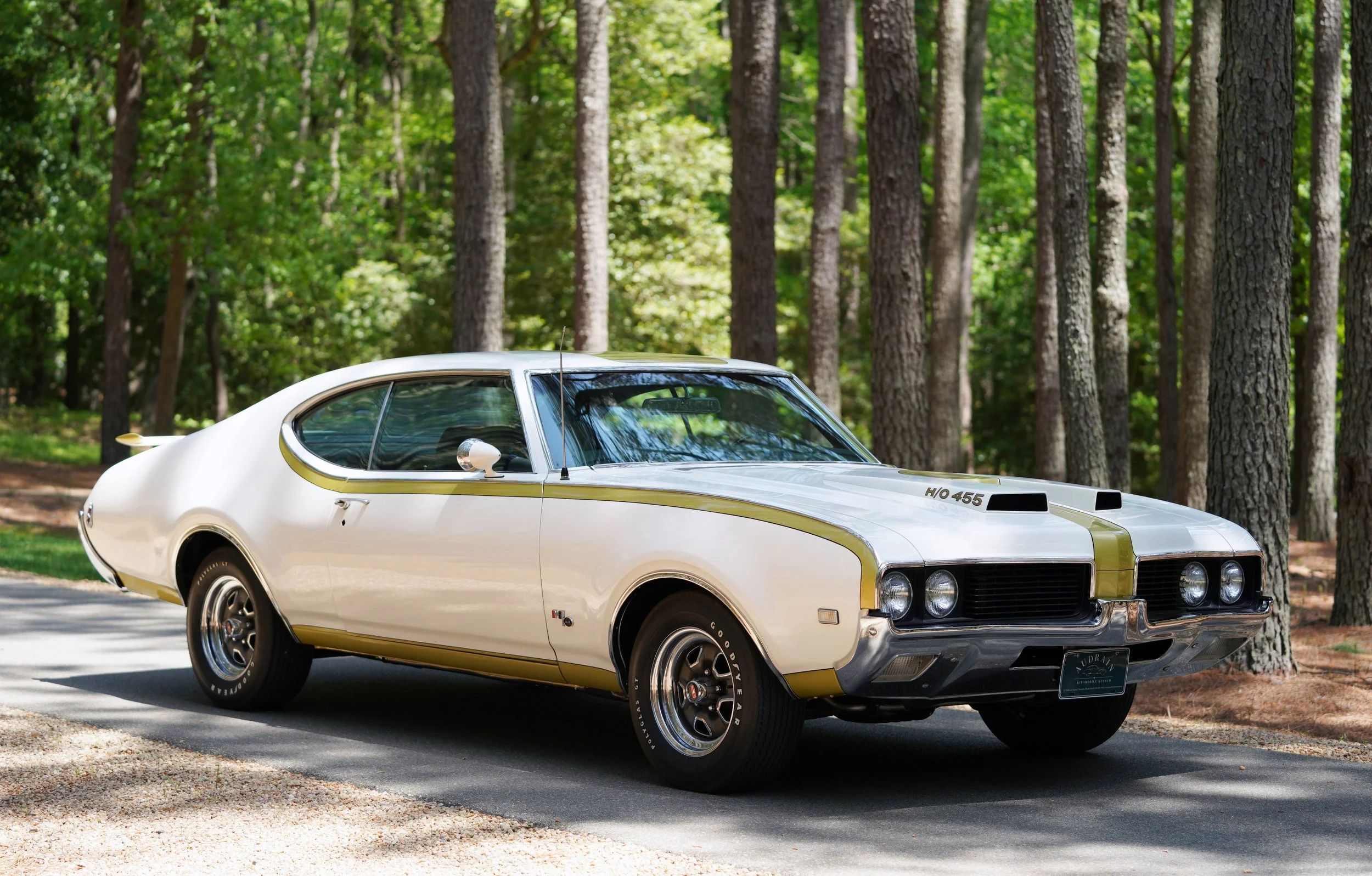
10. Oldsmobile 455 Hurst/Olds (1970–1972)
The 455 Hurst/Olds represents the pinnacle of Oldsmobile muscle car engineering. Introduced in 1970, it was built to showcase the brand’s high-performance capabilities in collaboration with Hurst Performance.
The car featured the legendary 455 cubic inch V8 engine, capable of producing impressive horsepower and torque figures for its time. Its combination of raw power, limited production numbers, and distinctive styling has made it one of the most prized Oldsmobiles among collectors and muscle car enthusiasts alike.
Design elements emphasized the car’s aggressive nature. Bold stripes, unique badging, and special wheel designs distinguished the Hurst/Olds from other Cutlass 442 models. Inside, the car offered driver-focused seating, performance gauges, and optional convenience features that maintained a level of comfort despite its focus on speed.
These design choices helped reinforce the car’s identity as a serious performance machine while still retaining usability for everyday driving. Collectors appreciate both the aesthetic and functional aspects of these details, which exemplify thoughtful performance-oriented design.
Collector demand for the 455 Hurst/Olds has remained strong over the decades. Limited production numbers, documented originality, and surviving examples in excellent condition command premium prices at auctions.
The car is widely regarded as one of the expressions of Oldsmobile performance, combining rare engineering, bold design, and historical significance. Its place in automotive history as a high-performance, limited-production Oldsmobile ensures its status as a quietly coveted collector car for enthusiasts worldwide.
