

The LS engine series from General Motors has become one of the most popular platforms for engine swaps due to its compact size, impressive power output, and availability. For car enthusiasts on a budget, finding a platform that balances affordability with ease of installation is critical.
An LS swap allows drivers to significantly increase the performance of their vehicle without spending the same amount as a full custom build or a high-end performance car.
What makes the LS engine even more appealing is its versatility. It can fit into a variety of cars, from older muscle cars to modern compact vehicles, with the right preparation and components.
Budget builders often face the challenge of selecting a base vehicle that will not only accommodate the LS engine physically but also support the mechanical modifications needed. Some cars require minimal modifications to engine mounts, wiring, or drivetrain components, which can save hundreds or even thousands of dollars.
Other vehicles, while theoretically capable of hosting an LS engine, involve extensive labor, custom fabrication, or specialized parts, which can push costs far beyond what a budget builder may want to spend.
When selecting an LS swap platform, factors like availability of parts, compatibility with the engine, aftermarket support, and existing vehicle condition all play a role.
Popular platforms for LS swaps often have large online communities and documented guides, making it easier for first-time builders to navigate the challenges of a swap. Choosing the right platform can also affect the performance outcomes, including power-to-weight ratio, handling, and long-term reliability.
For budget builders, the key is finding a balance between initial investment, ease of installation, and the potential for future upgrades. This article highlights ten of the simplest and most affordable LS swap platforms for builders who want to maximize performance without breaking the bank.
Each platform listed provides unique advantages for different types of projects, whether the goal is a weekend project, a street-performance build, or a drifting machine. By understanding the strengths and limitations of each option, a builder can make an informed choice that saves time, money, and effort.
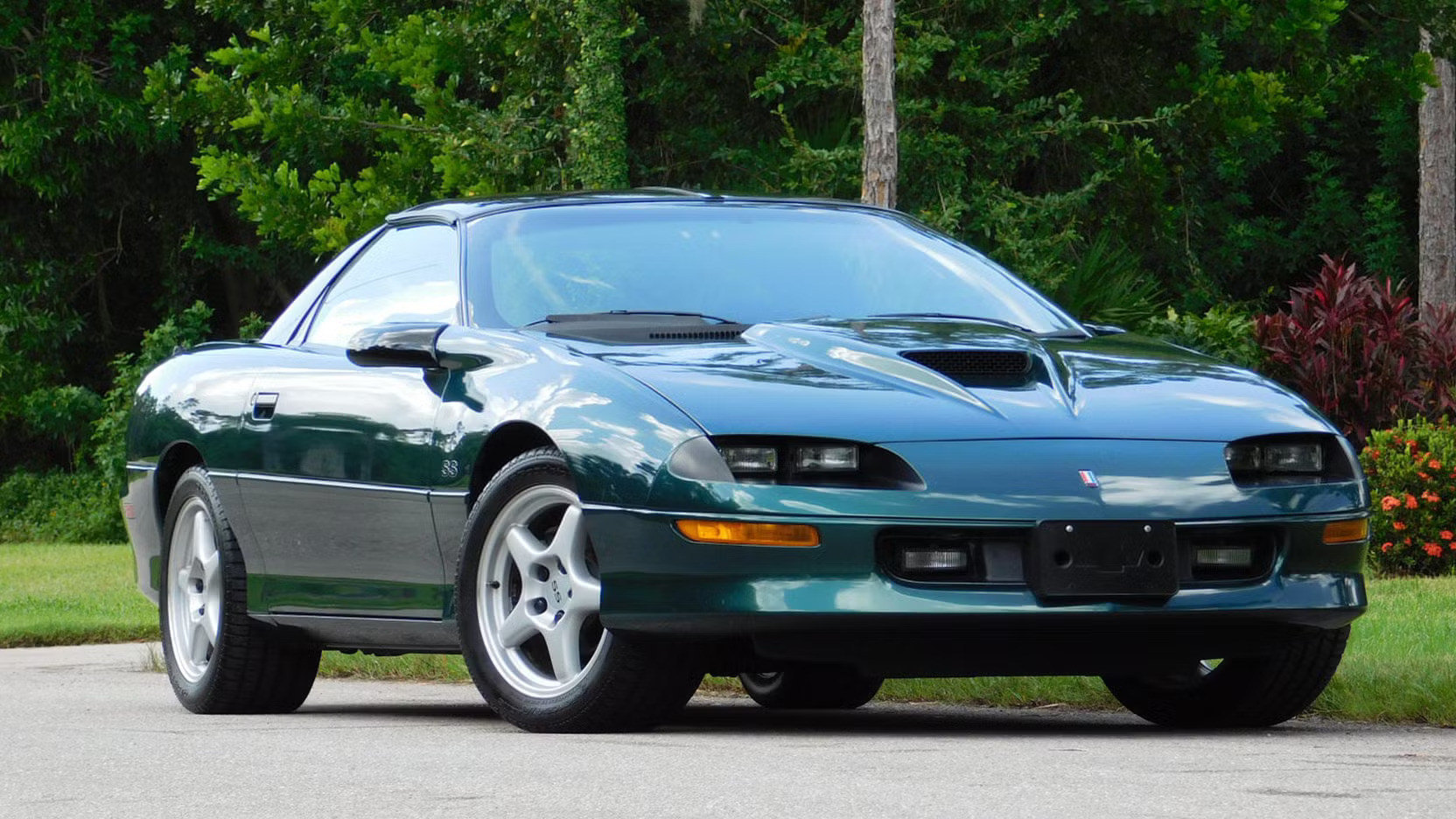
1. Fourth-Generation Chevrolet Camaro (1993–2002)
The fourth-generation Chevrolet Camaro is one of the easiest platforms for an LS swap. The engine bay is naturally accommodating, providing sufficient room for the LS engine without extensive modifications.
Many aftermarket companies have designed swap kits specifically for this platform, making installation straightforward. These kits often include mounts, headers, and wiring harnesses, which drastically reduce the complexity of the project.
Camaro owners also benefit from the car’s rear-wheel-drive setup, which aligns perfectly with LS engines. This compatibility reduces the need for transmission adapters or modifications to the drivetrain.
Additionally, the suspension and chassis design can handle increased power with minimal upgrades, allowing builders to focus on engine performance rather than reinforcing the car’s structure. The availability of donor cars is another advantage, as fourth-generation Camaros are abundant and relatively affordable on the used market.
Another factor making the Camaro appealing is the strong community support. Forums and social media groups provide step-by-step guides, troubleshooting advice, and tips for budget-conscious builders.
Whether it is sourcing parts from junkyards or purchasing affordable aftermarket solutions, the knowledge base is extensive. This community support can be invaluable for builders attempting their first LS swap.
Lastly, the Camaro offers flexibility for performance tuning. With an LS engine installed, the car can handle mild street performance or more aggressive setups, including forced induction. The combination of affordability, ease of installation, and performance potential makes the fourth-generation Camaro a top choice for budget LS swap projects.
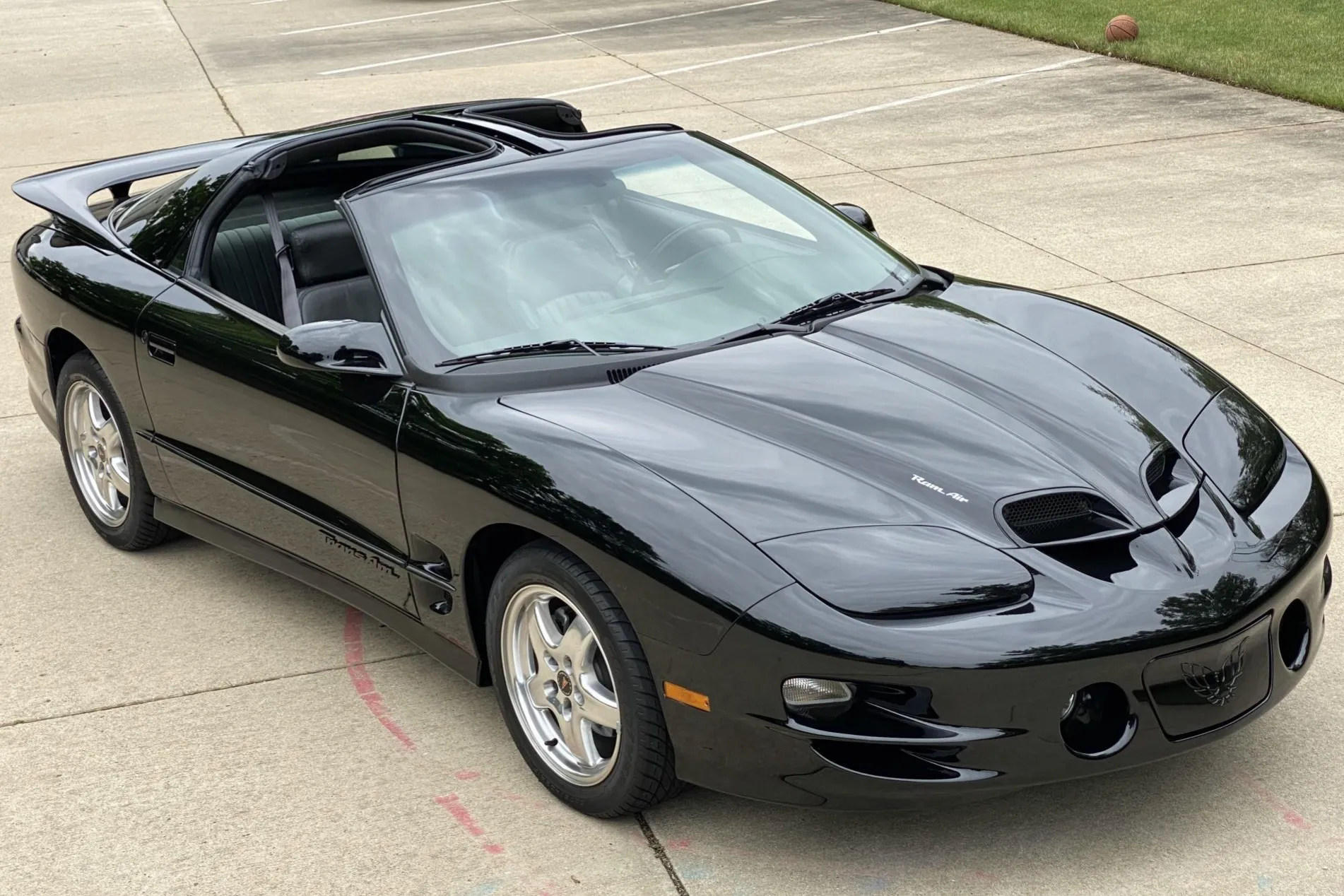
2. Pontiac Firebird (1993–2002)
The Pontiac Firebird shares a similar platform with the fourth-generation Camaro, making it another strong candidate for a budget LS swap. Its layout provides ample engine bay space, and the rear-wheel-drive design simplifies integration with LS engines.
The similarity to the Camaro means that many swap kits and aftermarket parts designed for Camaros also fit the Firebird, reducing costs and complexity.
From a performance standpoint, the Firebird is capable of handling significant power increases without major suspension modifications.
Stock components such as control arms and subframes are strong enough to manage the weight and torque of an LS engine. Budget builders can focus on engine upgrades rather than reinforcing the chassis or fabricating custom mounts.
Another advantage is the availability of donor cars. Many Firebirds were produced during this era, and their prices have remained reasonable.
Finding a clean, rust-free platform may take some searching, but parts can be sourced easily. Enthusiast communities for Firebirds offer detailed swap guides, making the process less intimidating for first-time builders.
Lastly, the Firebird’s design allows for versatility in project goals. Whether the builder wants a street car, a drag car, or a drift project, the Firebird provides the necessary structural and mechanical support. Its combination of affordability, simplicity, and support makes it one of the top choices for budget LS swap builders.

3. Fifth-Generation Chevrolet Camaro (2010–2015)
The fifth-generation Camaro offers a slightly more modern platform for LS swaps while remaining affordable for budget builders.
Although these models are newer, they retain the rear-wheel-drive layout and engine bay design that makes LS swaps straightforward. Swap kits are available, which include motor mounts, wiring, and headers designed for this generation, simplifying installation.
One advantage of the fifth-generation Camaro is the lighter chassis compared to older models. This reduces the weight of the vehicle while retaining structural strength, which is beneficial for performance applications.
Builders can install an LS engine and achieve a strong power-to-weight ratio, improving acceleration and handling.
The car’s suspension can be upgraded with relatively inexpensive aftermarket components if needed, allowing budget-conscious builders to focus on essential modifications.
The platform also supports modern transmission options. Many LS engines can pair with stock transmissions from this generation, or builders can opt for aftermarket transmissions that are designed to bolt up to the engine. This flexibility allows a budget builder to scale the project based on performance goals and cost constraints.
Community support for fifth-generation Camaros is strong, with forums and social media groups dedicated to LS swaps. Builders can find wiring diagrams, step-by-step swap instructions, and parts recommendations.
For budget-conscious enthusiasts who want a modern vehicle with simple LS compatibility, this Camaro generation provides an excellent balance of cost, ease of installation, and upgrade potential.

4. Mazda MX-5 Miata (NA/NB)
The first and second-generation Mazda MX-5 Miata is surprisingly popular for LS swaps despite being a smaller car.
The light weight of the Miata combined with the power of an LS engine creates a high-performance vehicle with an exceptional power-to-weight ratio. While the swap is more complex due to the smaller engine bay, many kits exist that streamline the process for budget builders.
The Miata’s lightweight chassis makes it a prime candidate for performance builds. Even a modest LS engine can dramatically improve acceleration and driving dynamics.
The compact design also allows builders to experiment with engine placement and suspension tuning, leading to better handling outcomes. Many budget builders find satisfaction in achieving impressive results without spending excessively on high-end parts.
Another advantage is the strong enthusiast community. Miata builders have been swapping LS engines for years, and extensive documentation is available.
Guides often cover everything from wiring and drivetrain integration to suspension tuning and exhaust fabrication. This knowledge base is invaluable for budget-conscious builders attempting an LS swap for the first time.
Additionally, the Miata offers versatility in project goals. It can be a street car, track car, or drift machine depending on the builder’s preference. Its light weight ensures that even moderate power gains result in significant performance improvements.
For budget LS swap builders who want a unique and agile platform, the NA and NB Miatas provide an excellent starting point.

5. Nissan 240SX (S13/S14)
The Nissan 240SX is a classic choice for budget LS swaps due to its rear-wheel-drive layout and plentiful aftermarket support. These vehicles are widely available and relatively affordable, making them ideal for builders looking to maximize performance on a budget. The LS engine fits well within the engine bay, and numerous swap kits simplify installation.
From a performance standpoint, the 240SX is lightweight and well-balanced, which complements the added power of an LS engine.
The chassis can handle significant horsepower with minimal reinforcements, and suspension components are easily upgraded on a budget. Additionally, the car’s drivetrain is compatible with many LS transmissions, reducing the need for complex adapters or fabrication.
Community support for LS-swapped 240SX builds is extensive. Builders can find step-by-step instructions, wiring guides, and parts recommendations for affordable solutions.
Many enthusiasts document their projects in detail, helping new builders avoid common pitfalls. This support network makes the platform particularly attractive for those approaching their first swap.
The 240SX also offers flexibility in project goals. It can be a drift machine, track car, or street performance build, allowing the LS engine to shine in a variety of driving scenarios. Its combination of affordability, compatibility, and community resources makes the 240SX a top contender for budget-conscious LS swap builders.

6. Chevrolet C10 Pickup (1967–1972)
The Chevrolet C10 pickup from the late 1960s to early 1970s has long been a favorite among budget LS swap builders. Its engine bay is spacious, allowing an LS engine to fit with minimal fabrication.
While some older trucks require slight modifications to the crossmember or motor mounts, there are many aftermarket solutions that make this process straightforward. For budget builders, the availability of inexpensive swap kits simplifies installation, and most of the parts needed are either stock replacements or affordable aftermarket components.
The C10’s solid chassis and rear-wheel-drive layout make it an ideal platform for both daily driving and performance builds. Unlike modern trucks, these older models were designed with durability in mind, so they can handle the increased torque of LS engines without extensive reinforcement.
Suspension upgrades are relatively simple and cost-effective, often requiring only coilovers or upgraded leaf springs to improve handling and stability. For a builder on a budget, this means the majority of funds can be allocated to the engine and drivetrain rather than chassis modifications.
Another significant advantage is the truck’s versatility. Whether the goal is a show truck with modern performance, a weekend cruiser, or a drag machine, the C10 provides a solid foundation. Its classic styling adds value to the project, and because many trucks are still in circulation, finding a clean example at an affordable price is possible.
Parts availability is strong, as many components are shared with other GM vehicles of the same era, reducing the cost and complexity of sourcing parts.
Community support is another reason the C10 is a great LS swap platform. Many forums, YouTube channels, and social media groups document successful swaps, including wiring diagrams, fabrication tips, and drivetrain integration advice.
For a budget builder, this wealth of information can significantly reduce trial-and-error, saving both time and money. The combination of affordability, durability, and adaptability makes the C10 a top choice for LS swaps.
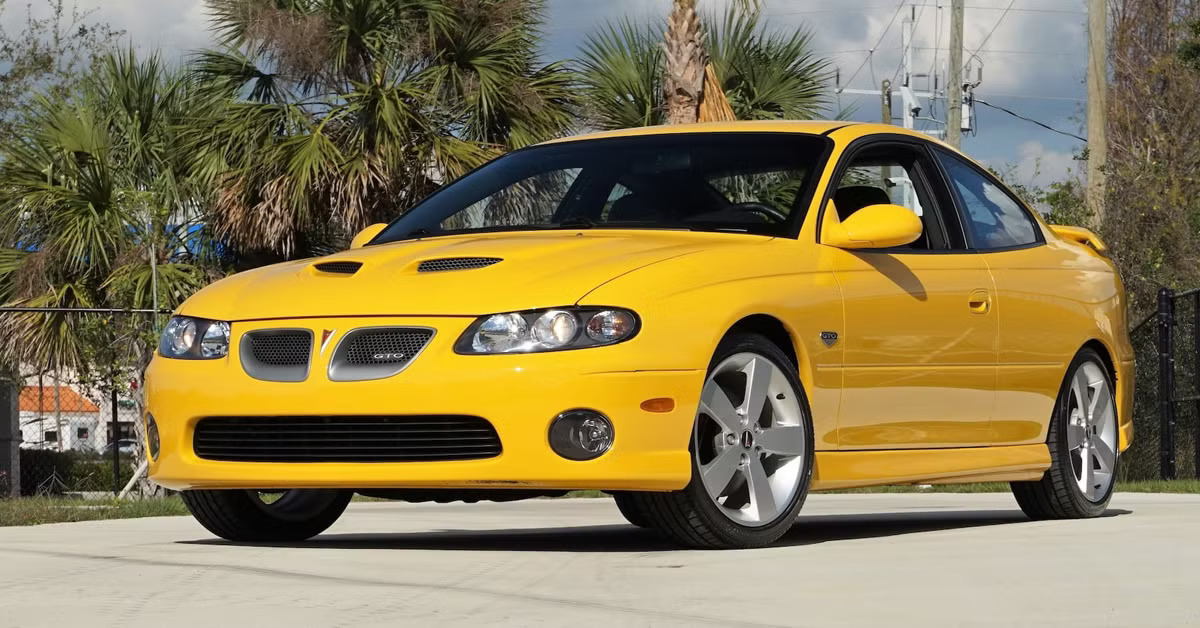
7. Pontiac GTO (2004–2006)
The mid-2000s Pontiac GTO offers a modern muscle car experience at a relatively low cost, making it an appealing LS swap candidate. Its engine bay is designed for V8 engines, which simplifies installation of an LS motor.
Although the car already comes with a V8 in some models, swapping to an LS engine can offer improved reliability, aftermarket support, and tuning potential. Budget builders can take advantage of existing engine mounts and compatible transmissions to minimize fabrication costs.
Performance potential is one of the GTO’s strongest features. The vehicle is designed to handle high horsepower, so even a moderately powered LS engine can transform the car into a high-performance street or track machine.
Suspension upgrades are straightforward, and the rear-wheel-drive chassis is well-engineered to handle increased torque and power without extensive modifications. For a budget builder, this means that much of the money can be spent on engine performance rather than costly chassis reinforcements.
Another benefit of the GTO is the relative affordability of donor cars. While not as common as Camaros or Firebirds, GTOs from this generation can still be found at reasonable prices, particularly those in fair cosmetic condition.
The aftermarket community provides extensive support for engine swaps, offering pre-made kits, wiring solutions, and advice for integrating LS engines with the car’s electronics and drivetrain. This support reduces the learning curve for first-time builders.
The Pontiac GTO is versatile for a variety of project goals. It can serve as a street car, track machine, or even a drag project without requiring extensive customization. Its balance of cost, engine bay accessibility, and aftermarket support makes it a strong candidate for budget LS swaps, particularly for builders who want a modern muscle car platform with strong performance potential.
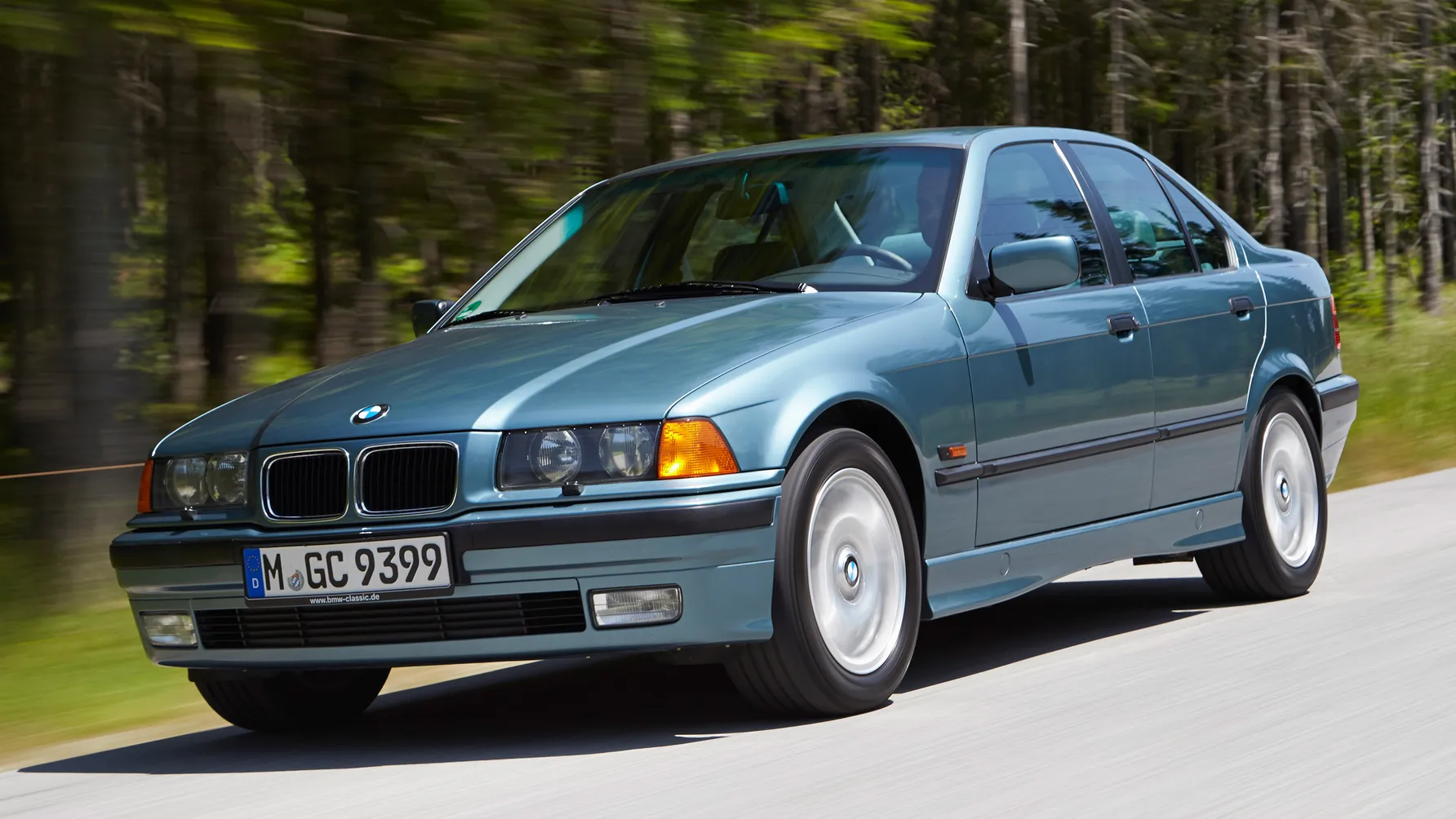
8. BMW E36 3-Series (1992–1999)
The BMW E36 3-Series is an unconventional but increasingly popular platform for LS swaps, especially among builders interested in lightweight, rear-wheel-drive European cars.
While the engine bay is tighter than American muscle cars, LS swap kits exist specifically for the E36, including motor mounts, wiring adapters, and transmission bellhousing solutions. These kits streamline the process and make it more accessible to budget builders.
One of the E36’s main advantages is its lightweight chassis. Pairing an LS engine with a car that weighs roughly 2,800 pounds creates an impressive power-to-weight ratio. This makes the vehicle extremely fun to drive, whether on the street, track, or autocross course.
The suspension and steering geometry are well-engineered, and aftermarket support is robust, providing options for handling upgrades to match the new power output. Budget builders can often focus on engine performance and tires rather than expensive suspension overhauls.
Parts availability and donor car affordability also make the E36 an appealing choice. These cars are widely available, often at very reasonable prices due to the number of models imported and driven in the 1990s.
Many owners part out older cars, creating opportunities for budget builders to source components at low cost. Community support for LS-swapped E36s is growing rapidly, with numerous documented builds showing how to adapt wiring, cooling, and drivetrain components efficiently.
Additionally, the E36 allows for creative project goals. It can be transformed into a street performance car, a track day machine, or even a drift build.
The combination of light weight, rear-wheel drive, and LS engine power gives builders a versatile and exciting platform without requiring a large budget. Its popularity among enthusiasts is steadily increasing, making it a viable and rewarding LS swap choice.
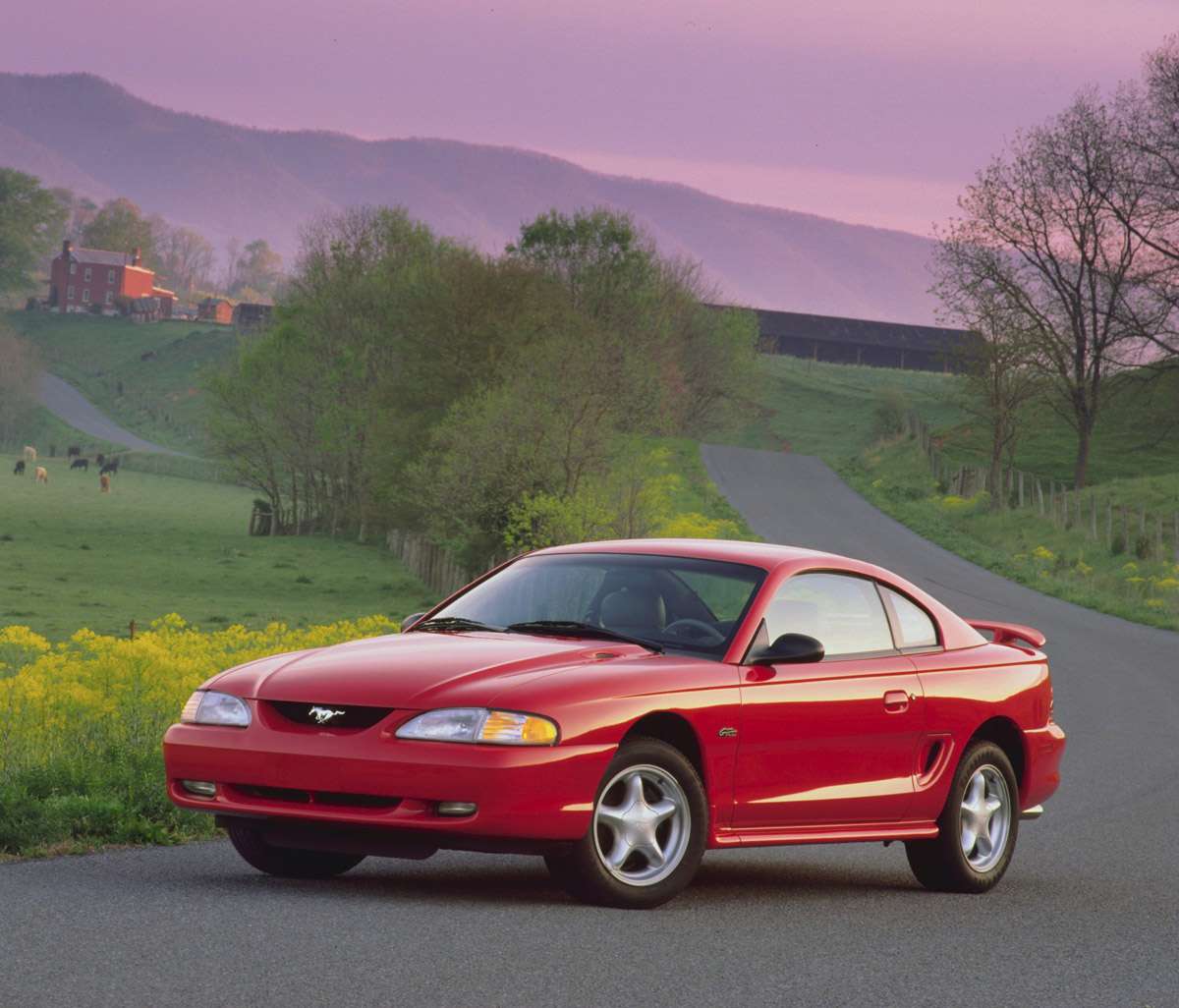
9. Ford Mustang (1994–2004 SN95)
The SN95 Ford Mustang is another accessible platform for budget LS swaps. While the Mustang is typically associated with Ford’s own V8 engines, the engine bay is surprisingly accommodating to an LS swap with the right mounts and transmission adapters.
Aftermarket companies offer comprehensive kits that simplify the installation process, including motor mounts, headers, and wiring harnesses. For a budget-conscious builder, these kits reduce the need for custom fabrication and troubleshooting.
The SN95 chassis is designed to handle significant power output, especially from V8 engines, which makes integrating an LS motor feasible without costly reinforcement.
Rear suspension components are durable and can support additional torque with minor upgrades. This allows budget builders to allocate more of their funds toward engine performance, exhaust, or drivetrain improvements rather than chassis modifications.
One advantage of choosing the Mustang is the abundance of donor cars and parts. These Mustangs are widely available and can often be purchased at low prices. Many components, including transmissions, driveshafts, and axles, can be sourced cheaply from junkyards or online marketplaces.
Enthusiast communities provide extensive documentation for LS swaps in Mustangs, including wiring diagrams, cooling solutions, and transmission compatibility guides, which saves time and money for first-time builders.
The Mustang also allows for a wide range of project types. It can be built as a daily driver, a drag car, or a track-focused performance vehicle depending on the goals of the builder. Its combination of affordability, strong aftermarket support, and engine bay accessibility makes the SN95 Mustang a solid choice for a budget LS swap.
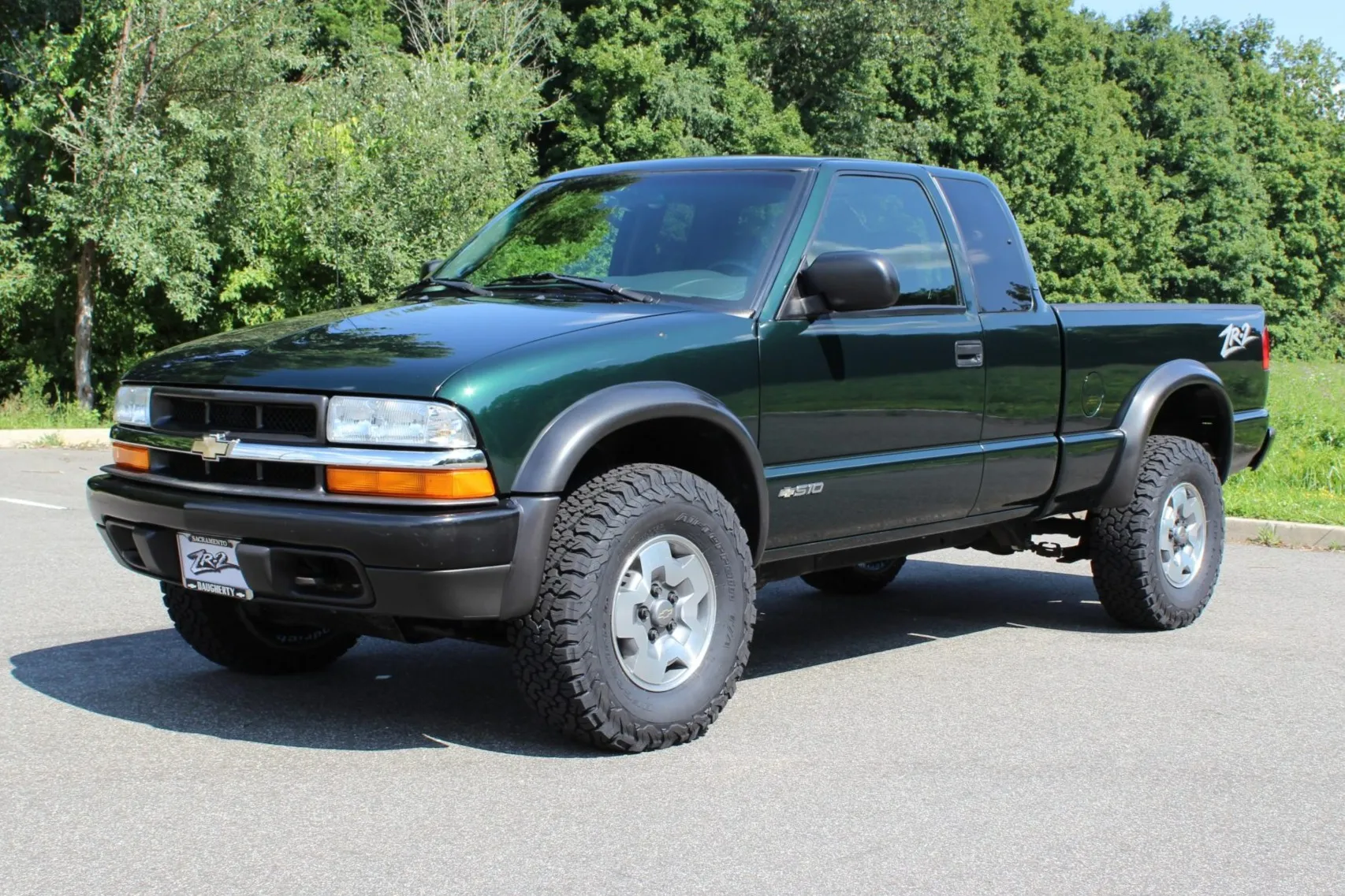
10. Chevrolet S10 Pickup (1982–2004)
The Chevrolet S10 compact pickup is one of the most versatile and affordable LS swap platforms. Its engine bay can accommodate an LS engine with minimal modifications, and numerous aftermarket kits exist to make the installation straightforward.
These kits typically include motor mounts, headers, and wiring harness adapters, reducing the need for custom work. For budget builders, this saves significant time and money while allowing the focus to remain on performance improvements.
The S10 chassis is lightweight yet strong, making it suitable for moderate to high-power builds. Rear-wheel-drive models simplify drivetrain integration, and the suspension can be upgraded relatively cheaply with coilovers, shocks, or leaf springs depending on the build style.
For builders on a budget, this means less money spent reinforcing the vehicle and more toward engine performance and exhaust upgrades.
Parts availability is excellent for the S10, thanks to the popularity of these trucks over their production run. Donor vehicles are abundant and often inexpensive, and many components are shared with other GM trucks and cars, making it easy to source affordable replacements.
Community support is strong, with many builders documenting their LS swaps with step-by-step guides, tips for wiring, and advice for cooling and transmission integration.
The S10 offers flexibility in project goals. It can be a fun daily driver, a drag truck, or even a small project for off-road performance.
Its combination of affordability, ease of installation, and versatility makes it a top choice for budget builders looking to complete a successful LS swap without exceeding their financial limits.
