
Off-roading in extreme desert conditions requires vehicles that can handle not only rough terrain but also intense heat. The Yuma Desert in Arizona is one of the hottest regions in the United States, with summer temperatures often soaring above 110 degrees Fahrenheit.
In such conditions, vehicles face unique challenges, including engine overheating, tire wear, suspension stress, and the need for efficient cooling systems. Selecting the right off-road vehicle for this environment is crucial for safety, performance, and reliability. Drivers must consider factors like engine cooling efficiency, chassis durability, off-road suspension, and tire traction when navigating sand dunes, rocky stretches, and dry riverbeds.
In addition to understanding which vehicles perform best under extreme heat, it is equally important to recognize models that are prone to overheating in desert conditions. Some vehicles, while excellent in moderate climates or light off-road use, struggle under prolonged exposure to high temperatures.
Engine design, cooling capacity, weight distribution, and airflow management all play a role in determining how a vehicle responds to extreme heat. Drivers who ignore these factors may face unexpected breakdowns, increased maintenance costs, or even dangerous situations if a vehicle fails in the middle of a remote desert area.
The goal of this article is to guide off-road enthusiasts who plan to venture into the Yuma Desert or other similar environments. It identifies five vehicles known for their ability to withstand extreme desert heat, highlighting features that make them reliable choices for harsh conditions.
Conversely, it also identifies five vehicles that are more prone to overheating, providing insights into why they may struggle under the stress of high temperatures. By understanding these distinctions, drivers can make informed decisions when purchasing or preparing an off-road vehicle for desert adventures. Proper planning, maintenance, and vehicle selection can mean the difference between a successful desert journey and a frustrating or dangerous experience.
Off-roading is a pursuit that combines skill, endurance, and respect for the terrain. In extreme environments like the Yuma Desert, the importance of vehicle selection becomes even more critical.
A capable off-road vehicle can handle sand, rocks, and heat with minimal strain, while a poorly suited vehicle can quickly become a liability. This article aims to serve as a comprehensive guide for enthusiasts seeking vehicles that balance power, durability, and reliability in some of the hottest and most challenging off-road conditions in the United States.
5 Off-Road Cars for Yuma Desert Heat

1. Toyota Land Cruiser
The Toyota Land Cruiser has long been celebrated for its ability to endure extreme off-road conditions, and it excels particularly well in hot desert environments like the Yuma Desert. One of the key reasons for this reliability is its advanced engine cooling system.
The Land Cruiser’s V8 engine is paired with a high-capacity radiator, which is designed to dissipate heat efficiently even under prolonged high-speed driving or when climbing dunes. The engine’s design allows for consistent power output without the frequent overheating issues that many vehicles experience in extreme heat.
Additionally, the Land Cruiser features enhanced airflow channels that help move hot air away from the engine, preventing localized hotspots that can cause damage over time.
Beyond the engine, the Land Cruiser’s suspension and chassis are engineered to handle prolonged off-road travel without putting excessive stress on critical components. Its independent front suspension and solid rear axle allow the vehicle to absorb shocks and impacts while maintaining stability over uneven terrain.
In desert conditions, where soft sand, rocky outcrops, and sudden dips are common, the Land Cruiser’s suspension ensures that wheels maintain contact with the ground, maximizing traction and reducing engine strain. This durability also means that drivers can maintain steady speeds over long distances without worrying about mechanical breakdowns caused by excessive heat or vibration.
The Land Cruiser’s interior is another factor that makes it ideal for desert heat. Its climate control system is capable of maintaining a comfortable cabin temperature even when outside temperatures are extreme. This prevents driver fatigue and helps maintain focus during long excursions.
Seating is ergonomically designed to provide comfort over extended periods, and the layout of controls ensures that the driver can manage critical functions efficiently. Together, these interior features allow for longer, safer drives in desert heat without compromising vehicle performance or passenger comfort.
Finally, maintenance and aftermarket support make the Land Cruiser particularly well-suited for desert enthusiasts. High-performance cooling upgrades, heavy-duty radiators, desert-specific tires, and reinforced suspension components are widely available for this model.
These modifications allow drivers to tailor their vehicle for even harsher desert conditions or prolonged use in extreme heat. The Land Cruiser’s combination of robust engine cooling, durable suspension, and adaptability makes it one of the most reliable vehicles for off-road driving in environments where heat and terrain challenges can easily overwhelm lesser vehicles.
Its long-standing reputation among desert off-road enthusiasts is a testament to its unmatched balance of power, reliability, and comfort.
2. Jeep Wrangler Rubicon
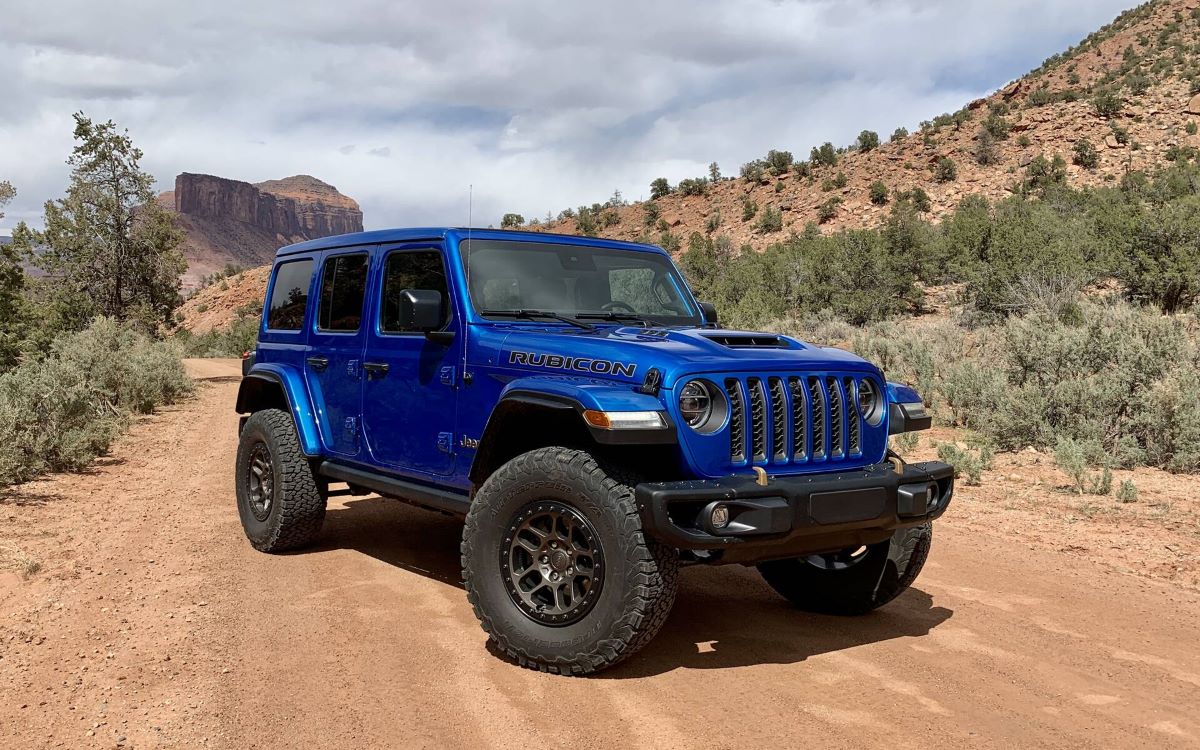
The Jeep Wrangler Rubicon is purpose-built for demanding off-road conditions, making it highly effective in desert environments. One of its standout features is the robust engine cooling system, which includes a heavy-duty radiator and optimized airflow design.
These components ensure the engine maintains a stable temperature during extended driving in high heat. The Rubicon’s engine, while not as large as some trucks, is designed to deliver strong torque and horsepower without generating excessive heat. In sandy conditions, where resistance increases due to soft surfaces, the Rubicon’s ability to balance power output with heat management is critical to preventing overheating.
Its suspension system and driveline further enhance its desert capabilities. The Rubicon comes equipped with rock rails, locking differentials, and a reinforced axle configuration, all of which contribute to superior traction on sand and rocks.
In desert environments, where wheel slip can cause engines to overwork, these features reduce unnecessary stress and heat buildup. Additionally, the Rubicon’s suspension absorbs shocks from uneven terrain and prevents the chassis from transferring vibrations to the drivetrain, which can otherwise contribute to overheating. This thoughtful engineering allows drivers to maintain higher speeds over rough terrain without risking engine failure.
The Rubicon’s design also emphasizes driver awareness and comfort in extreme conditions. The seating position provides excellent visibility, and the modular roof and ventilation system improve airflow within the cabin. This helps drivers stay alert and reduces fatigue when driving for hours under the intense desert sun.
Finally, the Jeep community and aftermarket support play a significant role in the Rubicon’s desert performance. There are numerous aftermarket solutions designed to enhance cooling, improve traction, and protect the engine from heat-related damage.
Upgraded radiators, heavy-duty fans, sand tires, and reinforced suspension kits allow owners to optimize the Rubicon for desert conditions beyond stock specifications. This adaptability, combined with its durable design, makes the Wrangler Rubicon a reliable and capable vehicle for long trips across the Yuma Desert, capable of withstanding both extreme heat and challenging terrain.
3. Ford Raptor
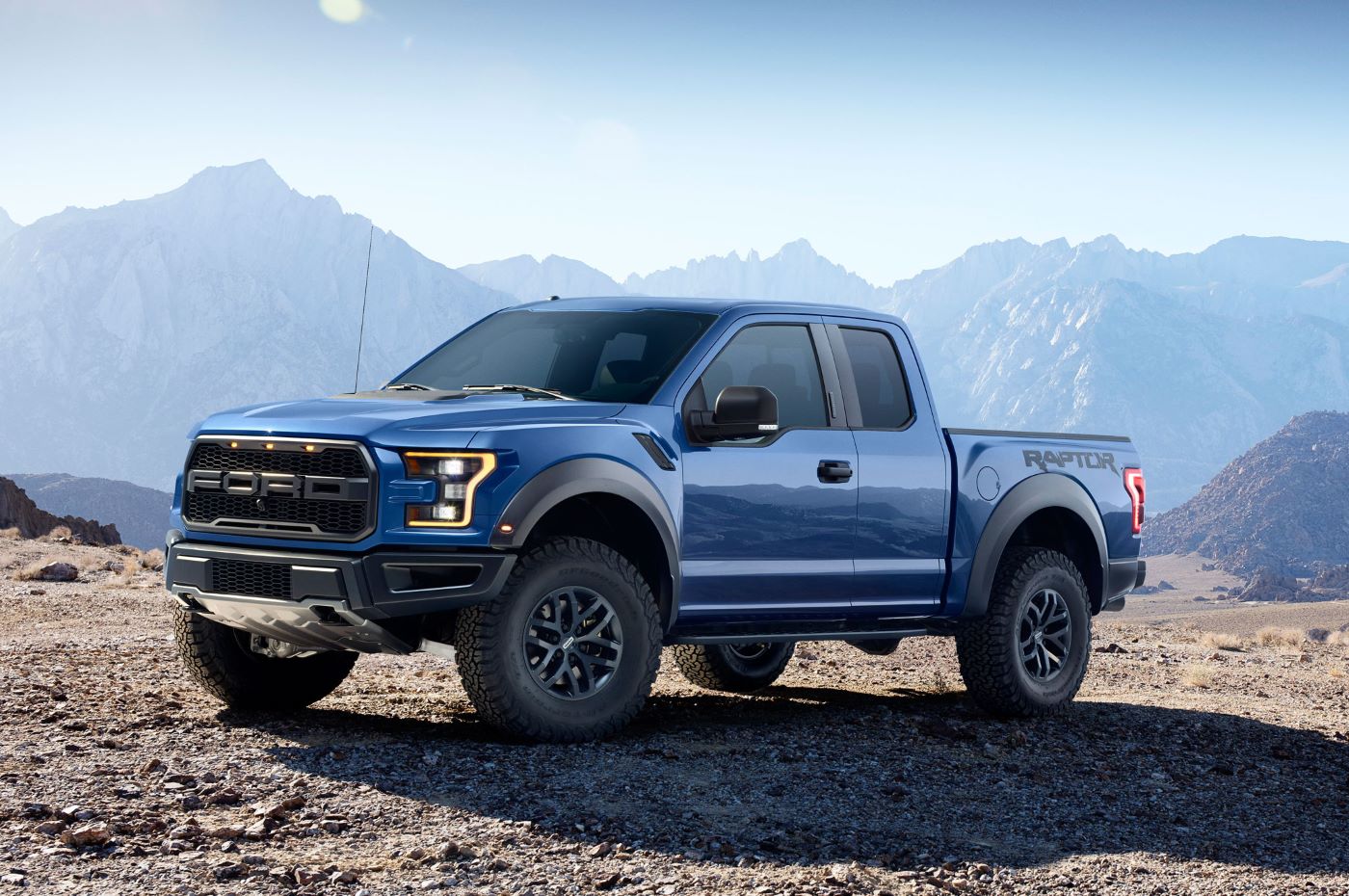
The Ford Raptor is a high-performance off-road truck engineered to excel in harsh environments, including extreme desert heat. One of the most important factors contributing to its desert performance is its twin-turbocharged V6 engine, which is paired with high-capacity radiators and intercoolers.
These cooling components ensure the engine maintains optimal operating temperatures even under prolonged, high-output conditions. The Raptor’s engine design allows it to sustain high speeds over sand dunes and rocky trails without succumbing to the overheating issues that commonly affect other trucks in similar conditions.
Its suspension system is another reason the Raptor thrives in desert conditions. Long-travel shocks, reinforced control arms, and a lightweight yet durable frame allow the truck to absorb impacts from jumps and rough terrain without transferring excessive stress to the engine or drivetrain.
This reduces the likelihood of overheating caused by engine strain or friction in the suspension system. In addition, the Raptor’s suspension allows drivers to maintain higher speeds across uneven terrain, which is essential for desert driving where slow movement can cause engines to overheat in sand or loose soil.
The Raptor also places emphasis on driver comfort and vehicle monitoring. Its cabin features efficient climate control and seating designed to reduce fatigue, which is crucial when driving in high temperatures.
Onboard performance monitoring systems give real-time feedback on engine temperature and other critical metrics, enabling drivers to take preemptive action if the vehicle begins to heat up. This combination of comfort and monitoring ensures that both the vehicle and driver can handle prolonged desert excursions without unnecessary risk.
Finally, aftermarket support and upgrade options make the Raptor even more suitable for extreme environments. Drivers can install additional cooling systems, protective skid plates, high-traction desert tires, and other enhancements to improve desert performance.
These modifications allow the Raptor to maintain reliability under extreme heat and mechanical stress. With its combination of raw power, engineered resilience, and upgradeability, the Ford Raptor is a top choice for those who intend to tackle the Yuma Desert or similar challenging deserts.
4. Land Rover Defender
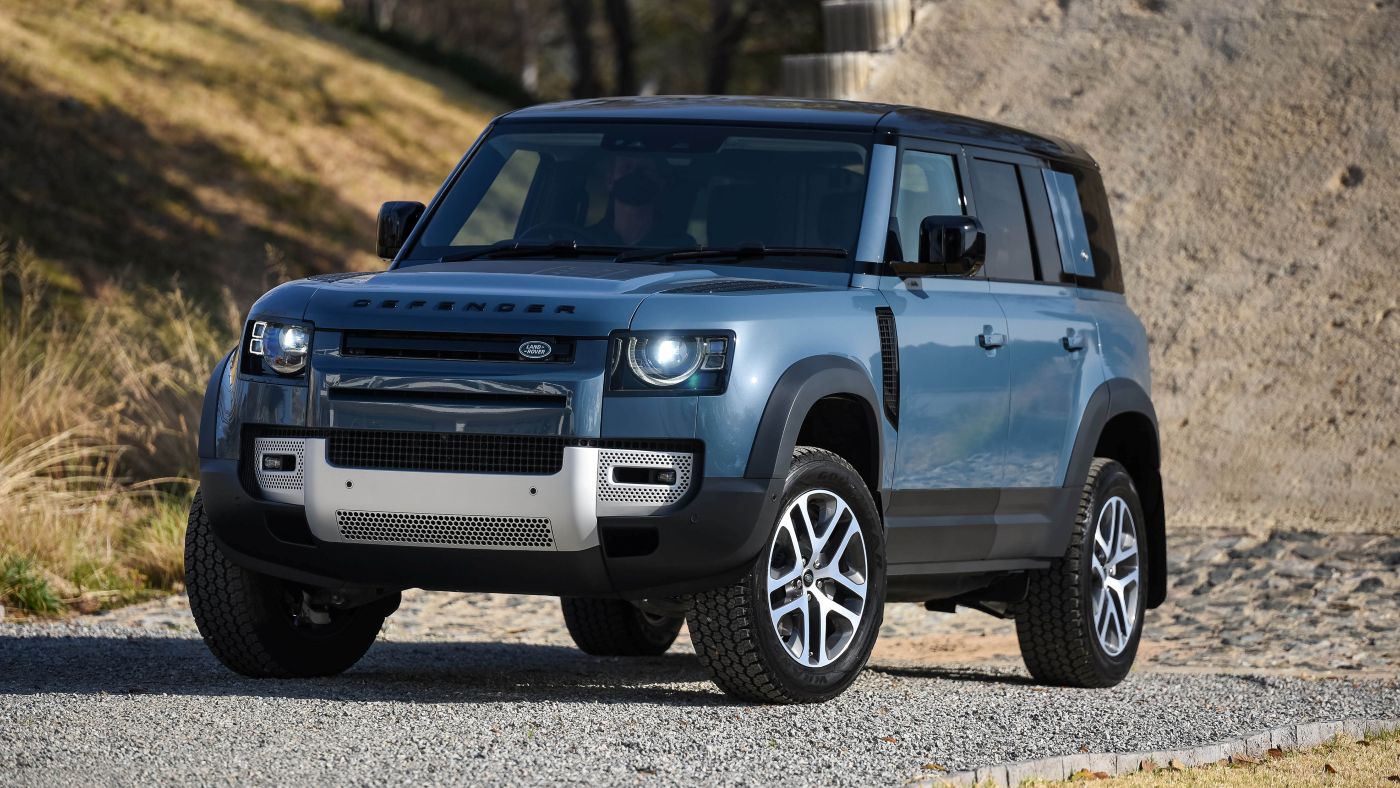
The Land Rover Defender is engineered for challenging environments, making it a reliable choice for desert heat. Its aluminum-intensive body reduces vehicle weight, which helps the engine operate more efficiently under prolonged stress.
The cooling system is carefully designed to maintain consistent engine temperatures even during high-intensity driving on hot desert terrain. The Defender’s advanced radiator placement and airflow management prevent overheating, which is a common issue for heavier off-road vehicles in extreme heat.
The Defender’s suspension system is a major contributor to its off-road capability. Independent front suspension combined with air springs allows the vehicle to navigate sand, rocks, and uneven terrain with minimal shock transmission to the engine or chassis.
This reduces the risk of overheating caused by overworked drivetrain components. Additionally, the Defender’s all-wheel-drive system ensures traction on loose surfaces, minimizing wheel spin and conserving engine energy. This combination of suspension and drivetrain engineering ensures smooth, safe travel across even the most difficult desert terrain.
Interior comfort is another area where the Defender excels. The climate control system is designed to maintain a cool, comfortable cabin even in extreme heat. Driver-focused design ensures that critical controls are within easy reach, reducing fatigue during long drives.
Comfortable seating and thoughtful cabin ergonomics allow drivers to maintain focus and make better decisions while driving in challenging desert conditions, indirectly supporting engine health by encouraging smoother, more consistent driving.
The Defender also benefits from extensive aftermarket and upgrade options. Desert-specific tires, reinforced suspension components, additional cooling systems, and protective underbody panels allow drivers to enhance the vehicle’s reliability under extreme conditions.
This adaptability ensures that the Defender remains operational even when faced with prolonged desert heat. Its combination of lightweight design, effective cooling, suspension durability, and interior comfort makes it one of the most capable vehicles for off-road driving in environments like the Yuma Desert.
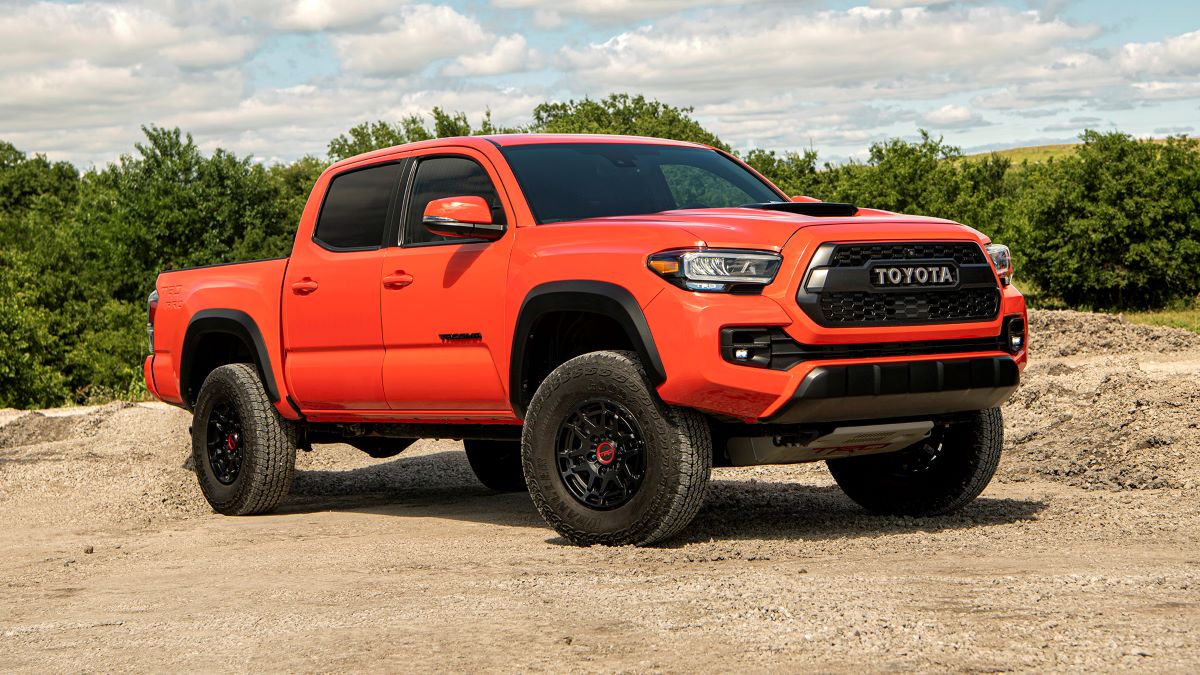
5. Toyota Tacoma TRD Pro
The Toyota Tacoma TRD Pro is designed with off-road endurance in mind, making it highly effective in desert heat. Its V6 engine is paired with an efficient cooling system and a high-capacity radiator, which ensures the engine operates at optimal temperatures even under extreme conditions.
Lightweight design elements reduce engine stress, and the vehicle’s balance contributes to its ability to sustain long desert journeys without succumbing to heat-related failures.
The TRD Pro’s suspension system plays a significant role in its desert performance. Equipped with Bilstein shocks, reinforced control arms, and skid-resistant underbody panels, it can handle rocky, sandy, and uneven terrain with minimal strain on the engine. The vehicle’s four-wheel-drive system provides excellent traction on loose surfaces, preventing wheel spin and conserving engine power. These features reduce the likelihood of overheating during prolonged off-road use.
Interior climate control is built to maximize comfort in high-heat environments. Efficient air conditioning systems and strategically placed vents allow drivers and passengers to maintain a comfortable cabin temperature, reducing fatigue during extended desert excursions.
Comfortable seating and intuitive controls help the driver maintain focus, which is critical for avoiding aggressive driving that could overwork the engine and lead to overheating.
Finally, the Tacoma TRD Pro benefits from widespread aftermarket support, enabling owners to optimize the vehicle for desert conditions. Upgraded cooling systems, desert-specific tires, reinforced suspension components, and additional protective modifications allow the TRD Pro to handle more extreme conditions than the stock configuration.
Its combination of reliability, heat management, suspension durability, and off-road capability makes it a dependable choice for desert adventures, ensuring that drivers can tackle the harsh terrain of the Yuma Desert with confidence.
5 Off-Road Cars That Overheat Often

1. Jeep Cherokee (Older Models)
Older Jeep Cherokee models are known for their vulnerability to overheating, especially in extreme desert environments. These vehicles were designed primarily for moderate off-road use and urban driving, meaning their engine cooling systems are not equipped to handle prolonged exposure to high temperatures.
The engine bays in these older models are compact, limiting airflow around critical components. When driving over sand dunes or rocky desert trails, the engine must work harder to maintain momentum, generating additional heat that the cooling system struggles to dissipate.
The suspension and chassis of older Cherokees contribute indirectly to overheating issues. The vehicle’s suspension was not designed for continuous desert driving, so rough terrain can lead to uneven power delivery and increased engine load.
When climbing soft sand or rocky inclines, repeated throttle input is required, which raises engine temperatures significantly. In addition, vibrations from uneven terrain can stress other components, further challenging the cooling system’s ability to maintain a safe operating temperature.
Cabin climate control in older Jeep Cherokees is also insufficient for extreme heat. Air conditioning units in these models are often less efficient than modern systems, making it difficult to maintain a comfortable interior.
Drivers may be tempted to run the AC at full power, which adds load to the engine and increases the risk of overheating. Additionally, the lack of insulation in older models can allow engine heat to radiate into the cabin, compounding the discomfort and contributing indirectly to mechanical strain during long drives.
Maintenance challenges make older Cherokees less suitable for desert use. Radiators, hoses, and cooling components may be prone to clogging or degradation after years of service. Replacement parts may also be more difficult to source, and engine designs do not allow for easy upgrades to improve cooling efficiency.
As a result, even routine desert driving can push these vehicles beyond their design limits, making overheating a common problem in extreme heat conditions. For off-road enthusiasts planning extended desert trips, older Jeep Cherokees are best avoided unless extensive modifications are made.

2. Ford Explorer (Early 2000s)
Early 2000s Ford Explorer models frequently experience overheating when subjected to extended desert driving. These vehicles were designed more for family use and light off-road conditions, meaning the engine cooling capacity is limited.
In the extreme heat of desert environments, such as the Yuma Desert, this becomes a significant issue. When driving over sand or climbing dunes, the engine must work harder than in standard road conditions, and the stock cooling system often cannot cope with the additional thermal stress.
The Explorer’s suspension and drivetrain also contribute to its overheating tendencies. While suitable for light trails, the suspension cannot absorb prolonged desert terrain efficiently. Repeated impacts and uneven surfaces cause the engine to operate under higher loads, which increases heat generation. In sand, maintaining forward momentum often requires constant acceleration, causing the engine to operate at higher RPMs than it was designed for, further challenging the cooling system.
Airflow is another factor that affects the Explorer’s desert performance. Dust and sand can easily accumulate in the radiator and front vents, restricting airflow and reducing the cooling system’s efficiency.
Without proper maintenance, this can rapidly lead to engine overheating. Additionally, older models lack advanced airflow management and heat shielding technologies present in modern vehicles, making them more prone to temperature spikes under extreme conditions.
Cabin climate control is limited in early Explorers, which indirectly affects engine health. Drivers attempting to maintain comfort by running the air conditioning at maximum capacity add additional strain to the engine, creating a feedback loop where heat increases inside the vehicle while the cooling system struggles to cope.
Combined with suspension limitations, airflow challenges, and engine design, early 2000s Ford Explorers are prone to overheating and are less reliable for extended desert use.
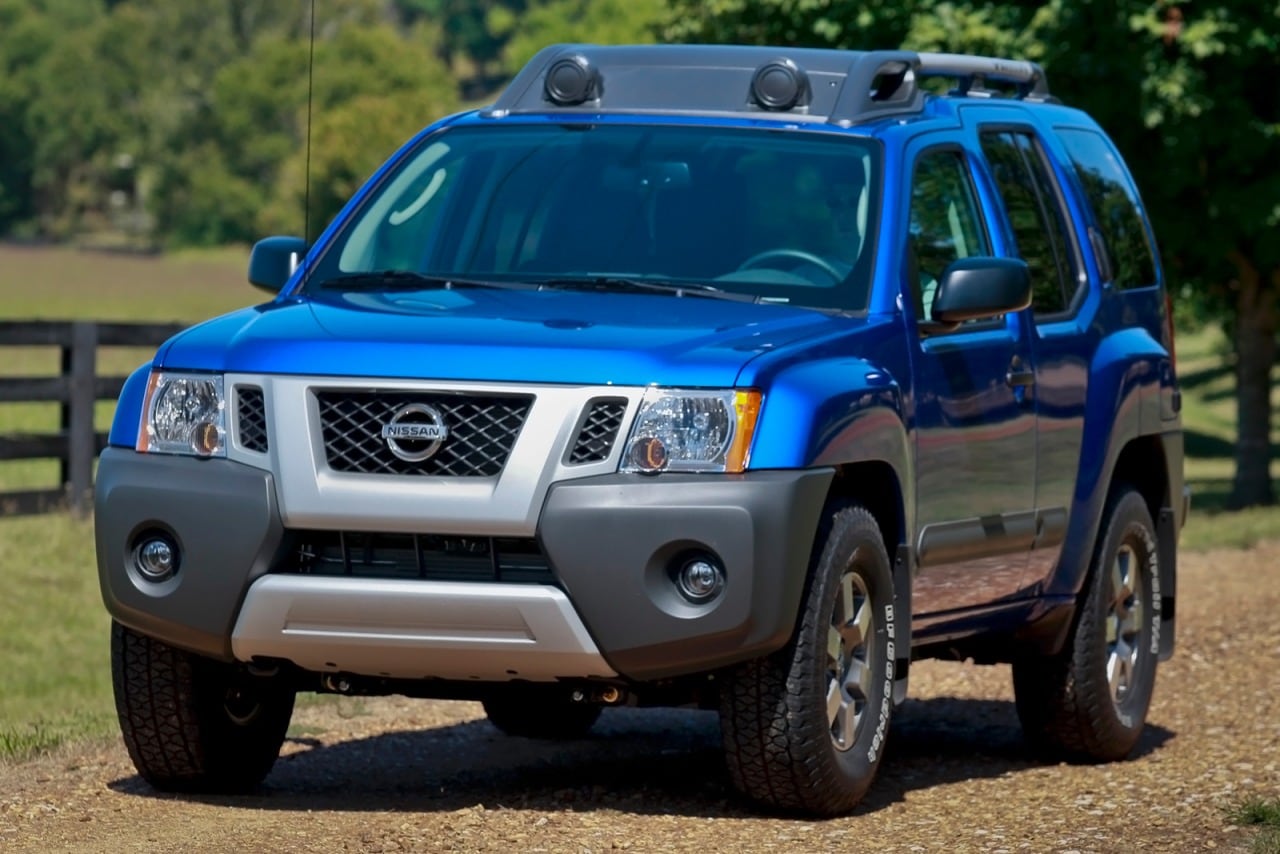
3. Nissan Xterra (First Generation)
The first-generation Nissan Xterra, while capable in moderate off-road conditions, tends to struggle in extreme desert heat. Its engine and cooling system were designed for light off-road excursions rather than prolonged desert use.
In hot conditions, the radiator may struggle to dissipate heat effectively, particularly during sustained climbs, high-speed sand driving, or when the vehicle is fully loaded with passengers and gear. Repeated exposure to extreme heat can push the engine beyond its safe operating limits, resulting in overheating.
Suspension and weight distribution also contribute to overheating risk. The Xterra’s suspension, while robust for moderate terrain, is not optimized for long hours of desert driving.
Uneven terrain and soft sand driving place repeated load on the engine as it works to maintain speed and traction. The vehicle’s weight distribution can exacerbate this issue, as unevenly loaded vehicles may cause the engine to work harder to prevent wheel spin or maintain balance on shifting sand surfaces.
Interior climate control in older Xterras further limits desert performance. Air conditioning units may struggle to keep the cabin cool in high heat, forcing drivers to make compromises that can add to engine strain, such as opening windows or running the AC at full power. These actions create additional heat inside the cabin, which indirectly affects engine efficiency and vehicle performance.
Finally, aftermarket solutions for the first-generation Xterra are less widespread than for more popular off-road models. Upgrading cooling systems, installing heavy-duty radiators, or improving airflow can be expensive and require specialized knowledge.
Without such modifications, the stock Xterra remains a vehicle prone to overheating in the extreme heat and challenging conditions of desert environments, making it a less reliable choice for extended off-road use.
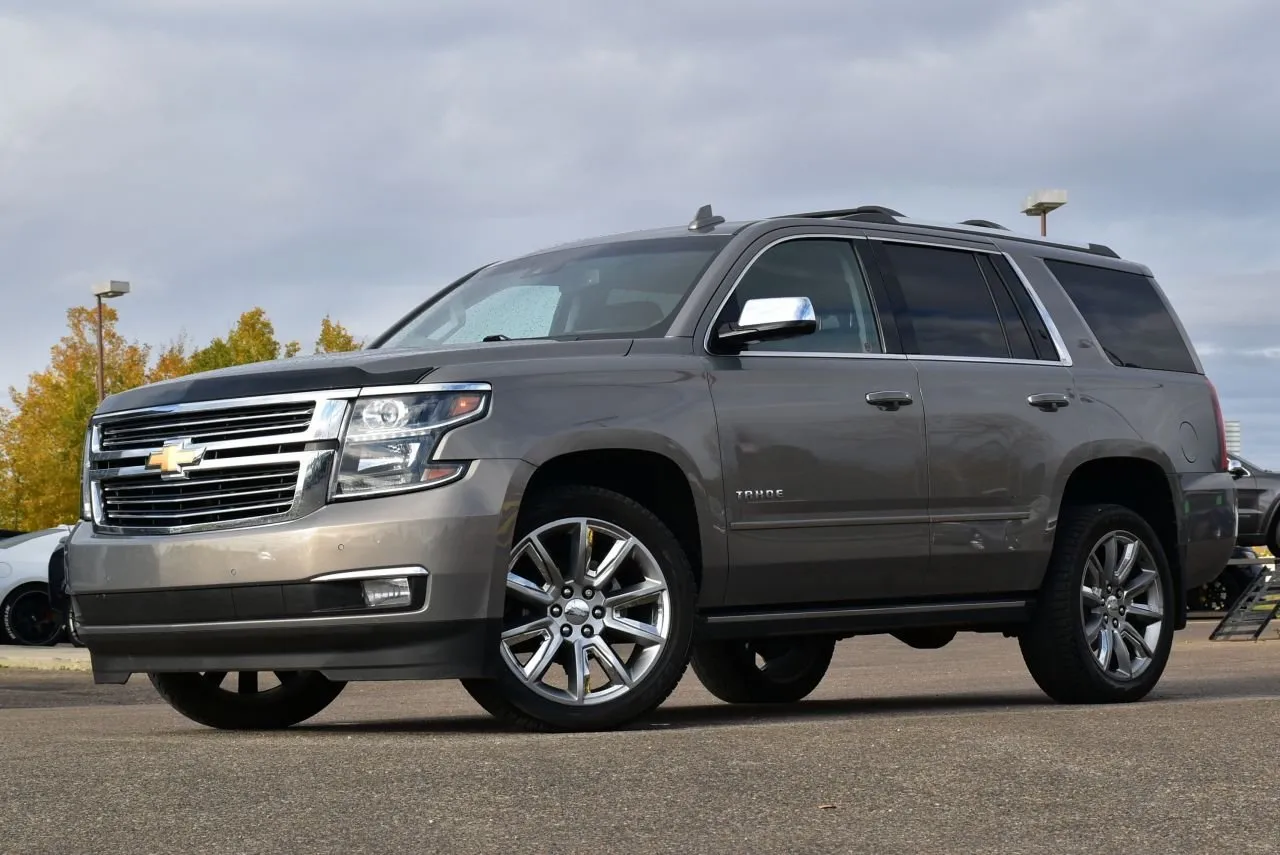
4. Chevrolet Tahoe (Older Models)
Older Chevrolet Tahoe models face overheating issues in desert conditions due to a combination of engine design and cooling system limitations. Large engines paired with moderate cooling capacity struggle when subjected to prolonged high-temperature driving.
When navigating sand dunes, climbing rocky inclines, or driving at sustained speeds under the desert sun, these engines often generate more heat than the cooling system can effectively manage. This can lead to frequent high-temperature warnings and increased risk of mechanical failure.
The Tahoe’s suspension and frame were not designed for continuous desert driving. Heavy vehicle weight combined with uneven terrain increases the load on the engine and cooling system.
Driving over soft sand often requires repeated acceleration and braking, which generates additional heat in the engine and transmission. Even minor vibrations from rough terrain can affect heat distribution and contribute to the vehicle’s tendency to overheat under extreme conditions.
Cabin climate control is another area where older Tahoes struggle. The air conditioning system may not maintain a comfortable cabin temperature during long desert drives, forcing drivers to run the system at maximum power.
This increases engine load and accelerates heat buildup, particularly when paired with extreme external temperatures. Driver fatigue caused by high cabin temperatures can also result in aggressive driving, which further stresses the engine.
Maintenance is a critical factor for older Tahoes. Cooling system components, such as radiators, hoses, and fans, may degrade over time and are prone to clogging or reduced efficiency. These vehicles often require careful monitoring of engine temperature and frequent maintenance to prevent overheating. Without these precautions, older Chevrolet Tahoes are highly susceptible to heat-related mechanical issues in extreme desert environments.
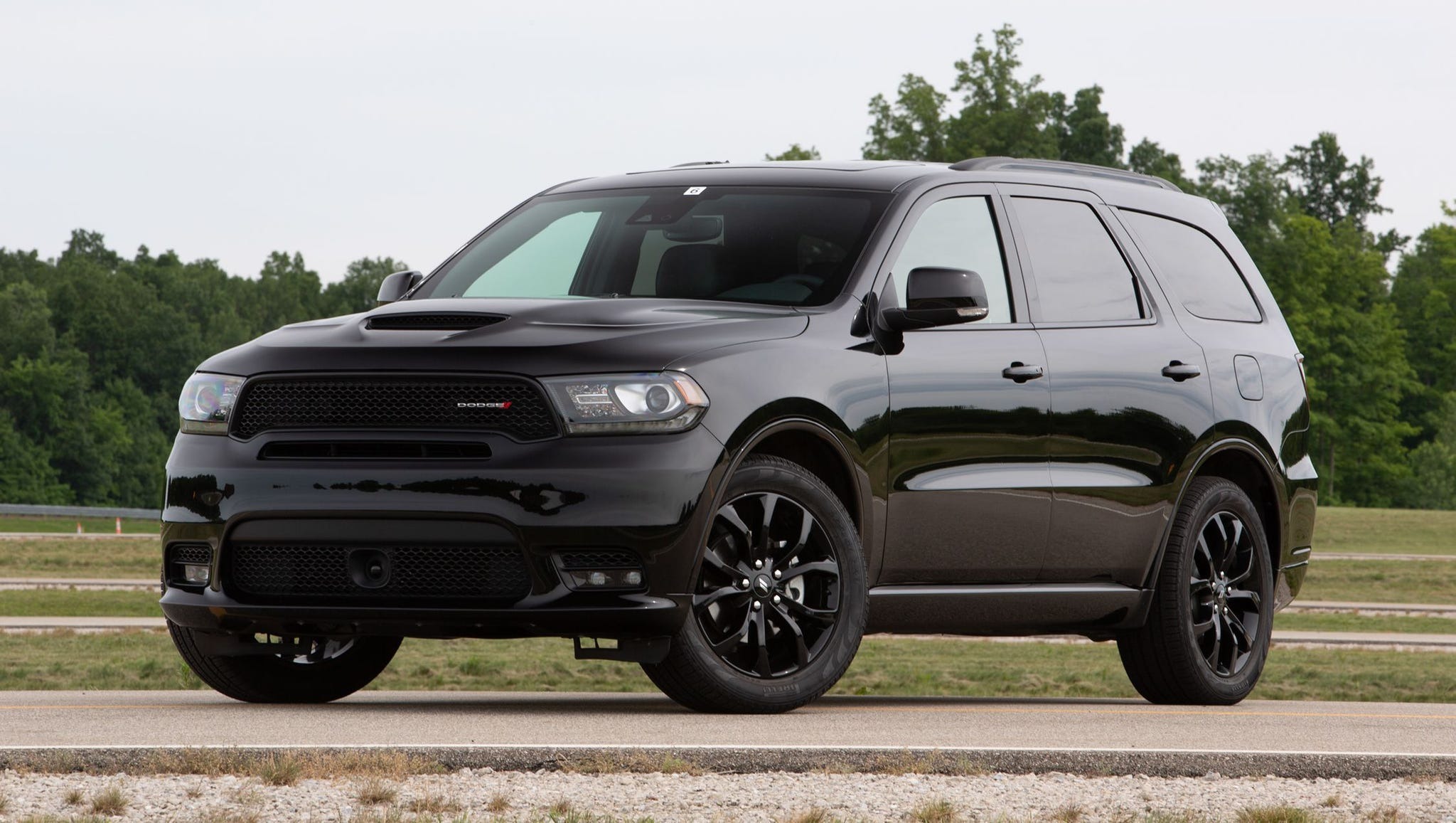
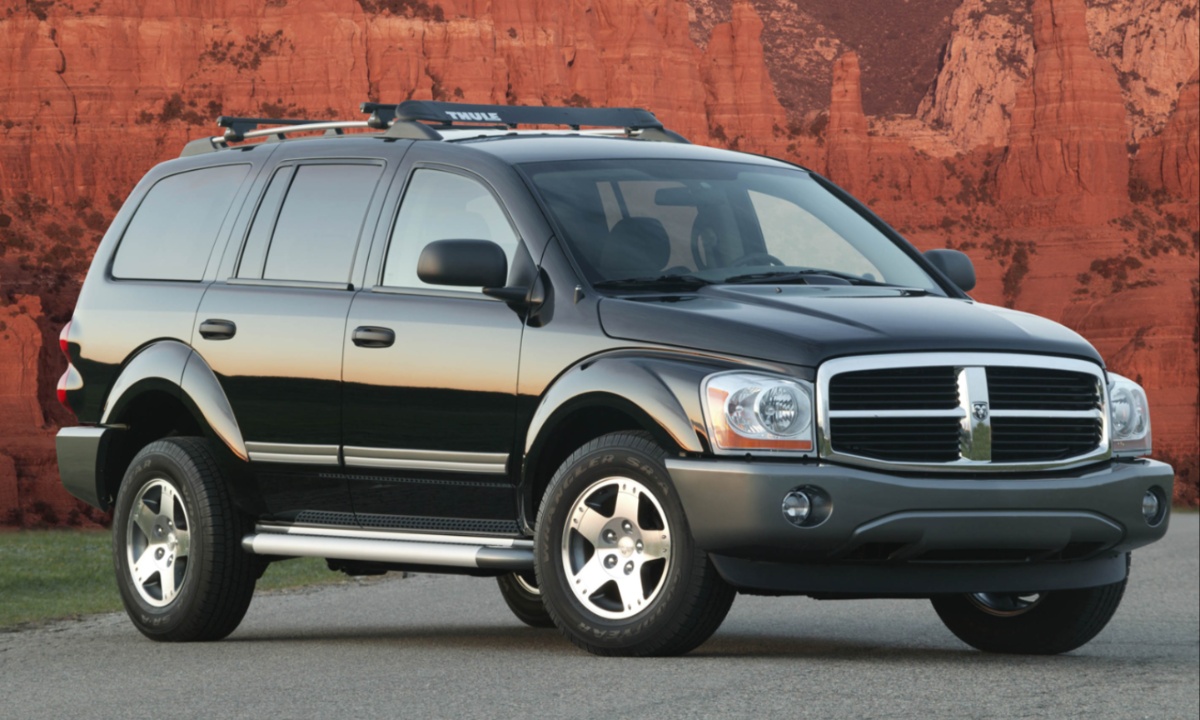
5. Dodge Durango (Early Models)
Early Dodge Durango models are prone to overheating under desert driving conditions due to limitations in engine cooling and vehicle design. The radiators in these models are often smaller, and airflow management is less efficient than in modern off-road vehicles.
Prolonged driving in high heat, such as on sand dunes or desert trails, can quickly push the engine beyond safe operating temperatures. Overheating is especially common during sustained acceleration, towing, or when the vehicle is fully loaded with cargo or passengers.
The Durango’s suspension is designed primarily for highway and light off-road use, rather than the extreme stresses of desert terrain.
Driving over sand, rocks, or uneven terrain can increase engine workload significantly, creating additional heat. Repeated acceleration in soft sand often leads to wheel spin, which in turn causes the engine to generate more heat as it struggles to maintain traction.
Interior climate control in early Durangos also contributes to overheating issues. Air conditioning systems may fail to maintain a comfortable temperature during extended periods of extreme heat, prompting drivers to run the system at full capacity. This adds further strain to the engine and increases the likelihood of overheating. Combined with the vehicle’s design limitations, this makes early Dodge Durangos a less reliable option for desert conditions.
Finally, aftermarket support for early Durangos is limited compared to more popular off-road vehicles. Upgrades such as larger radiators, additional cooling fans, and heat management modifications are less common, making it difficult to adapt these vehicles for extreme desert use.
Without extensive modifications and careful driving habits, early Dodge Durangos are at high risk of overheating during prolonged exposure to desert heat, making them unsuitable for serious off-road expeditions.
