

Living in a place like Fargo, North Dakota, means that winter is not just a season but a challenge that tests both people and vehicles. Temperatures regularly drop well below zero, roads are covered in snow and ice, and the wind can make the cold feel even harsher.
In these conditions, having a reliable SUV is not just a convenience; it can be a matter of safety. People need vehicles that can handle deep snow, icy roads, and freezing temperatures without hesitation. This is where winter workhorse SUVs come into play.
These vehicles are engineered for cold-weather resilience, offering features like all-wheel or four-wheel drive, strong battery performance, advanced traction control systems, and durable engines that perform even when temperatures are well below freezing.
On the other hand, not every SUV fares well in these conditions. Some vehicles are prone to battery failures, struggle to start in extreme cold, or have drivetrains that are not designed for heavy winter use. Understanding which vehicles can be trusted during harsh winters and which ones tend to fail is essential for anyone living in a place like Fargo.
This article will provide a guide to SUVs that are excellent winter performers, capable of handling snow, ice, and cold-start challenges. It will also highlight SUVs that have a reputation for struggling in low temperatures, so potential buyers can avoid unnecessary frustrations.
Winter driving is more than just handling snow; it’s about confidence, reliability, and preparedness. The SUVs recommended for Fargo winters often come with additional features such as heated seats and steering wheels, remote start systems to warm the engine and cabin, and tires that can grip icy roads.
In contrast, vehicles that fail to start or lose traction in cold weather can leave drivers stranded or cause accidents. By reviewing both groups of SUVs, people can make informed decisions when purchasing a vehicle for areas with severe winters.
This article will provide detailed insights into ten SUVs, five that excel in Fargo winters and five that tend to struggle when temperatures drop. The focus will be on performance, reliability, and cold-weather suitability rather than luxury or style, providing practical advice for drivers who need vehicles that work when the weather is at its worst.
5 SUVs for Fargo Winter Workhorses
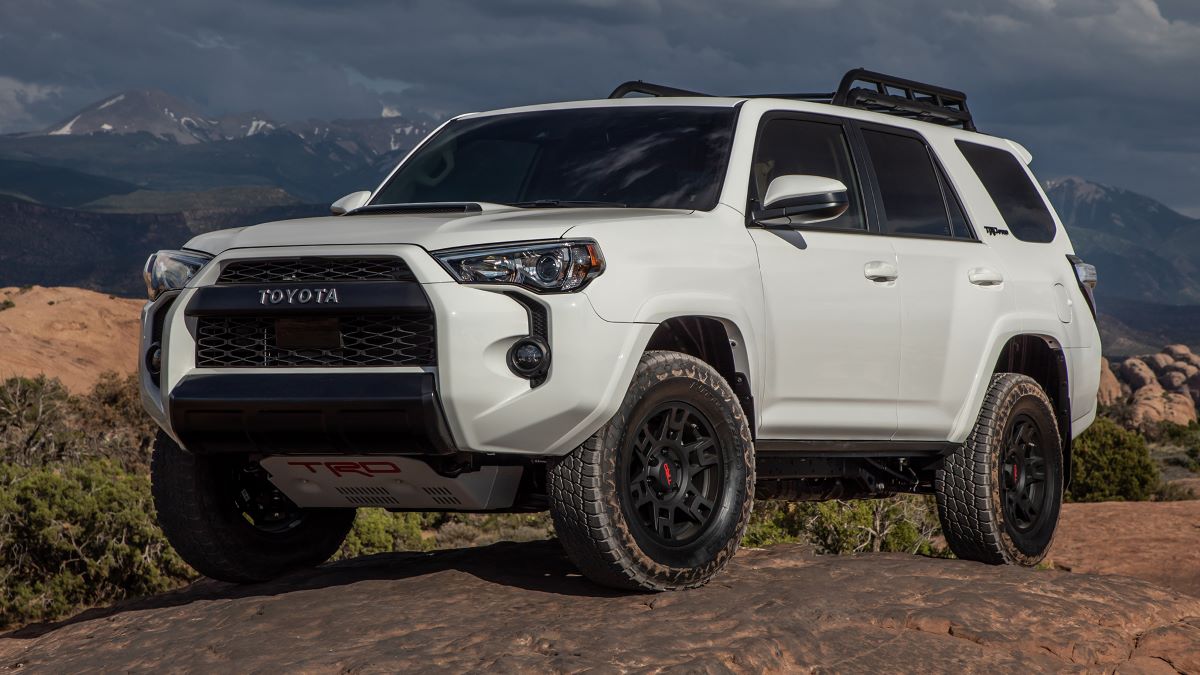
1. Toyota 4Runner
The Toyota 4Runner is a well-established choice for drivers who need a vehicle that can handle harsh winter conditions with confidence. Its body-on-frame construction gives it a rugged durability that smaller SUVs simply cannot match, allowing it to endure the stress of icy roads and snow-packed highways.
The 4Runner comes with either part-time four-wheel drive or full-time four-wheel drive systems, giving drivers flexibility in managing traction depending on road conditions. The vehicle’s high ground clearance, typically around 9.6 inches, allows it to navigate through snowdrifts or uneven icy surfaces without scraping the undercarriage, a common problem for vehicles with lower profiles.
The suspension system is designed for both off-road and on-road performance, meaning it can absorb bumps and uneven terrain while maintaining stability, which is critical when driving in winter storms or through unplowed rural roads.
Beyond its mechanical strengths, the 4Runner is equipped with features that enhance safety and control during winter driving. Traction control and stability control systems are standard, allowing the vehicle to automatically adjust power to the wheels that have grip, reducing the risk of slipping on ice.
Drivers can also add snow-specific tires to improve traction even further. The interior includes practical winter conveniences such as heated seats and an available heated steering wheel, ensuring comfort during frigid mornings. The cabin materials are chosen to resist moisture and snow-related wear, meaning the floor mats, seats, and door panels are less likely to suffer damage from melting snow or salt used on roads.
The 4Runner also offers excellent cargo space, making it a practical choice for those who need to transport winter gear, such as shovels, salt bags, or emergency kits. Its towing capacity, ranging from 5,000 to 5,500 pounds depending on the model, means it can haul snowmobiles, small trailers, or other equipment for winter recreation or work purposes.
This combination of performance, space, and towing capability makes it versatile for both urban and rural settings. Owners in cold climates often report that the 4Runner’s engine starts reliably even during extreme sub-zero temperatures, reflecting Toyota’s commitment to building durable vehicles that can withstand repeated exposure to harsh winter conditions without major maintenance issues.
Another advantage of the 4Runner is its aftermarket support, which is strong and varied. Drivers can easily find snow chains, upgraded winter tires, skid plates, and other accessories to enhance winter performance.
The vehicle’s reliability and low maintenance frequency mean that Fargo drivers can depend on it for years without experiencing frequent mechanical issues that are common in vehicles not designed for cold climates. Its combination of off-road ability, practical interior features, and cold-weather reliability makes the 4Runner a top choice for anyone looking for a winter-ready SUV capable of handling the challenges of Fargo’s severe winters.
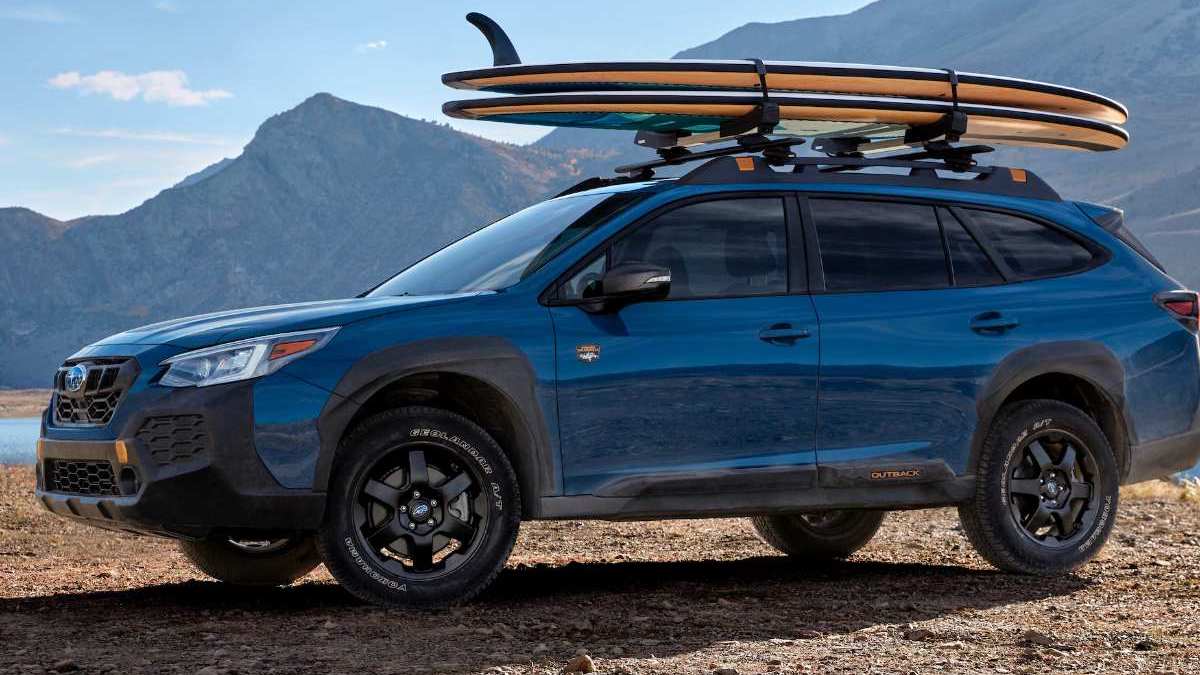
2. Subaru Outback
The Subaru Outback is a unique option because it combines the handling of a car with the capabilities of an SUV. Its full-time symmetrical all-wheel-drive system is one of the key reasons it excels in winter conditions. Power is distributed evenly to all four wheels, which enhances stability on icy roads and prevents wheel spin when accelerating on snow-covered streets.
While the Outback’s ground clearance is slightly lower than traditional SUVs, typically around 8.7 inches, it is still adequate for most winter situations, particularly when equipped with winter tires. The design of the Outback emphasizes predictability and control, which is essential for drivers navigating snow, ice, or slush, especially when visibility is low and reaction time is limited.
The Outback’s Boxer engine is designed with a low center of gravity, which improves stability and makes it easier to control the vehicle on slippery surfaces. Cold-weather reliability is another strength; engines tend to start consistently in freezing temperatures, minimizing morning frustrations during extreme winter conditions.
Subaru also integrates features like hill descent control and traction management, allowing drivers to descend icy slopes safely without losing control. Drivers in regions like Fargo often praise the Outback for responding predictably to steering and braking inputs, which can be critical in preventing accidents on slippery roads.
Comfort and winter convenience are important considerations for long commutes or family travel during cold weather. Many Outback models come with heated seats, mirrors, and available remote start, allowing the interior to warm before entering the vehicle. This not only improves comfort but also ensures the windshield is defrosted for better visibility.
The interior is designed for durability, resisting damage from snow, slush, and salt. There is also enough cargo space to carry winter sports gear, groceries, or emergency kits, making it a versatile option for both work and recreation during winter months.
Finally, Subaru vehicles are known for their longevity, often lasting hundreds of thousands of miles when properly maintained. This durability extends to their performance in winter conditions, as older models tend to remain reliable in cold weather.
The Outback’s combination of all-wheel-drive capability, reliable cold starts, practical interior design, and safety-focused features makes it an excellent choice for a winter workhorse SUV, able to handle both city streets and rural roads under harsh Fargo winter conditions.
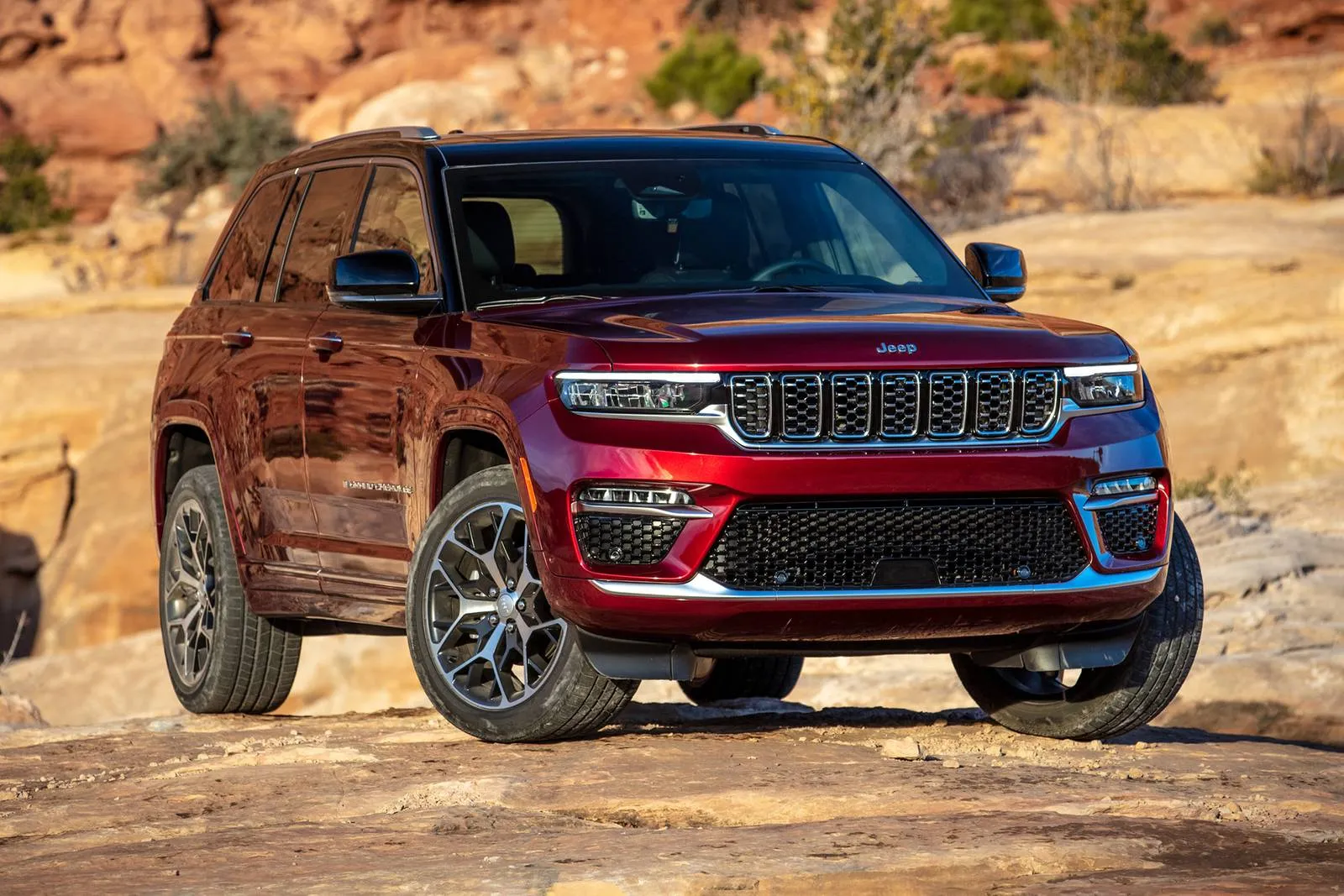
3. Jeep Grand Cherokee
The Jeep Grand Cherokee is a highly capable SUV designed for both off-road performance and extreme weather conditions. Its four-wheel-drive systems, including Quadra-Trac and Quadra-Drive II, automatically adjust torque distribution to provide maximum traction under varying road conditions.
This makes it particularly effective when driving through heavy snow, icy roads, or slushy streets, where maintaining momentum can be challenging. With ground clearance around 8.6 inches and robust suspension systems, the Grand Cherokee can navigate uneven winter terrain without compromising stability or control, an essential feature for drivers in areas that experience significant snowfall or unplowed roads.
Engine performance is another reason the Grand Cherokee excels in winter climates. Options range from efficient V6 engines to powerful V8 engines, allowing drivers to select the level of performance that suits their needs. The engines are designed to handle cold starts reliably, even when temperatures drop well below freezing.
Safety and comfort are enhanced with optional heated seats, heated steering wheels, and advanced traction control systems, which reduce wheel spin and improve handling on icy surfaces. Drivers benefit from predictable vehicle behavior when steering, braking, and accelerating, which increases confidence when navigating winter roads.
The Grand Cherokee is also highly versatile, suitable for both daily commuting and outdoor winter adventures. Cargo space is ample, allowing drivers to transport gear such as skis, snowboards, firewood, or emergency equipment.
Its towing capacity, ranging up to 7,200 pounds depending on the model, provides additional flexibility for hauling trailers or recreational vehicles during the winter months. The interior materials are durable and resistant to moisture and salt, which helps maintain the vehicle’s condition over years of winter exposure.
Finally, aftermarket support is strong for the Jeep Grand Cherokee. Drivers can easily access winter accessories such as snow tires, chains, skid plates, and specialized lighting options, which further enhance the vehicle’s performance in extreme conditions. Its combination of off-road ability, engine reliability, and winter-specific features make the Grand Cherokee an excellent choice for Fargo residents who need a dependable SUV to navigate severe winter weather safely and comfortably.
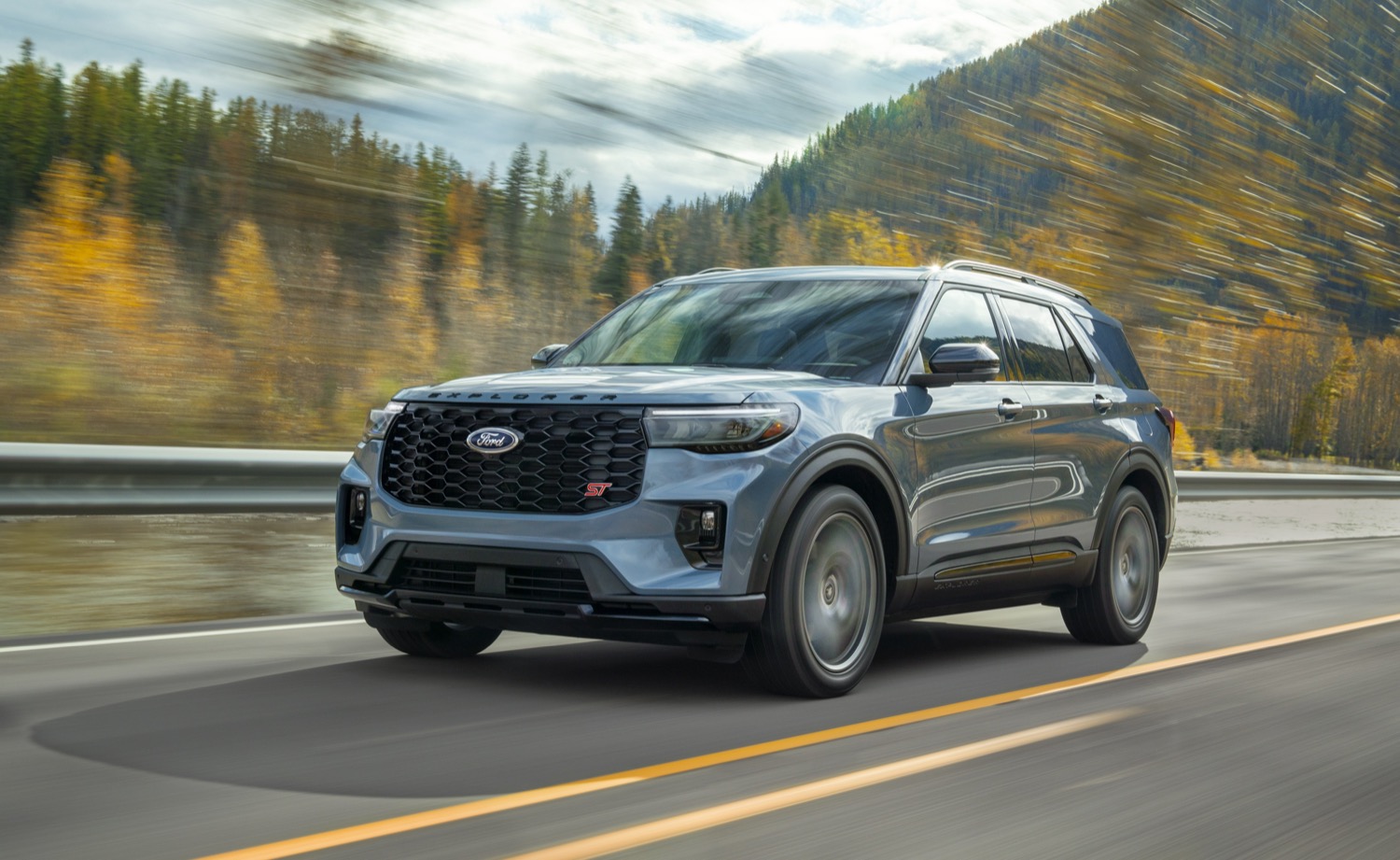
4. Ford Explorer
The Ford Explorer is a versatile midsize SUV that performs exceptionally well in winter conditions. Its Intelligent 4WD system monitors road conditions and automatically distributes torque to the wheels with the most grip, helping drivers maintain traction on icy or snow-covered roads.
This is particularly important in Fargo, where winter conditions can change rapidly, with sudden snowstorms and black ice creating unpredictable driving situations. The Explorer’s ground clearance, around 8.3 inches, is adequate for most snow-covered roads, and its suspension is tuned to balance ride comfort with winter road stability, allowing the vehicle to absorb bumps, ruts, or uneven patches caused by frozen roads.
Cold-weather reliability is a key strength of the Explorer. Its engines are engineered to start consistently in sub-zero temperatures, reducing the risk of being stranded on cold winter mornings. Stability and traction control systems provide additional support, helping the vehicle maintain predictable handling on slippery roads.
Optional features such as heated seats, heated steering wheels, and remote start enhance comfort and convenience during winter commutes, allowing the cabin to warm up quickly while the windshield defrosts.
The Explorer’s cargo capacity is another asset for winter driving. Its rear storage area can accommodate winter sports gear, groceries, or work equipment, while the vehicle’s towing capability allows it to haul trailers, snowmobiles, or other heavy loads safely through winter conditions.
The interior materials are durable, designed to withstand repeated exposure to moisture, snow, and salt without significant wear or damage. These qualities make it a practical choice for both families and individuals who need a reliable SUV in extreme winter climates.
Finally, the Explorer benefits from modern technology and safety features that improve winter driving performance. Systems such as hill descent assist, roll stability control, and multiple driving modes allow the driver to adapt the vehicle to varying snow or ice conditions.
Its combination of reliability, safety, and cold-weather convenience makes the Ford Explorer a strong contender for drivers seeking a dependable winter workhorse SUV capable of handling the challenges of Fargo winters.
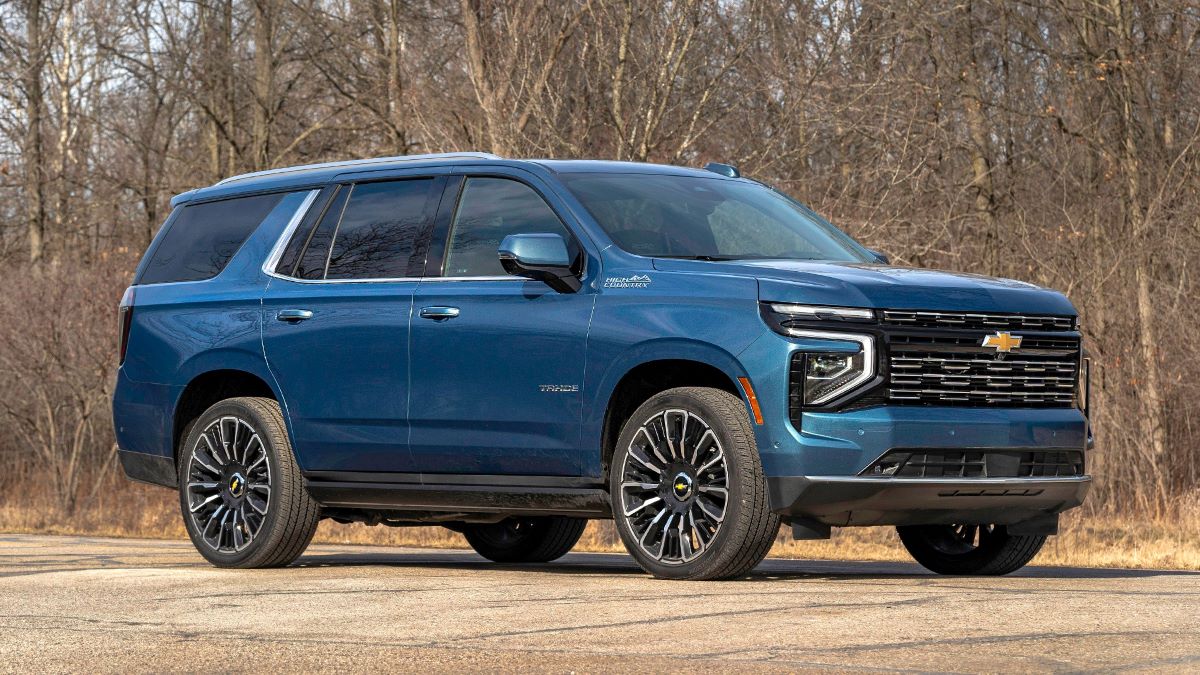
5. Chevrolet Tahoe
The Chevrolet Tahoe is a full-size SUV that offers both power and durability for severe winter conditions. Its four-wheel-drive systems, including options with automatic traction control, provide excellent handling on snow-covered or icy roads. The Tahoe’s larger size and weight contribute to stability, helping prevent slipping or sliding when driving on slick surfaces.
With ground clearance around 8.1 inches and a robust suspension system, the Tahoe can handle deep snow and uneven winter roads with ease, making it particularly suitable for both urban and rural environments where snow accumulation is significant.
Engine performance is a critical factor in cold-weather reliability, and the Tahoe delivers consistently. Its engines are capable of starting reliably in extremely low temperatures, reducing the risk of morning starting failures that are common in cold climates.
Optional heated seats, heated steering wheels, and remote start allow the interior to warm before passengers enter, increasing comfort and safety. Advanced safety features such as hill descent control, traction control, and anti-lock brakes improve handling on slippery surfaces, providing confidence to drivers navigating winter conditions.
The Tahoe also offers exceptional interior space and versatility. Its cargo area is large enough to store winter gear, emergency supplies, or family belongings, while the SUV’s towing capacity, which can reach up to 8,600 pounds depending on the configuration, allows it to haul trailers or recreational vehicles safely during the winter. Interior materials are designed to resist moisture, snow, and salt, maintaining durability and comfort even after repeated exposure to harsh conditions.
Finally, aftermarket support for the Tahoe is strong, making it easy to equip the SUV with winter-specific accessories like snow tires, chains, or protective skid plates.
Its combination of size, engine reliability, traction capability, and cold-weather convenience makes the Chevrolet Tahoe an excellent choice for drivers in Fargo who need a winter-ready SUV capable of handling extreme conditions without compromise.
5 SUVs That Don’t Start in Cold
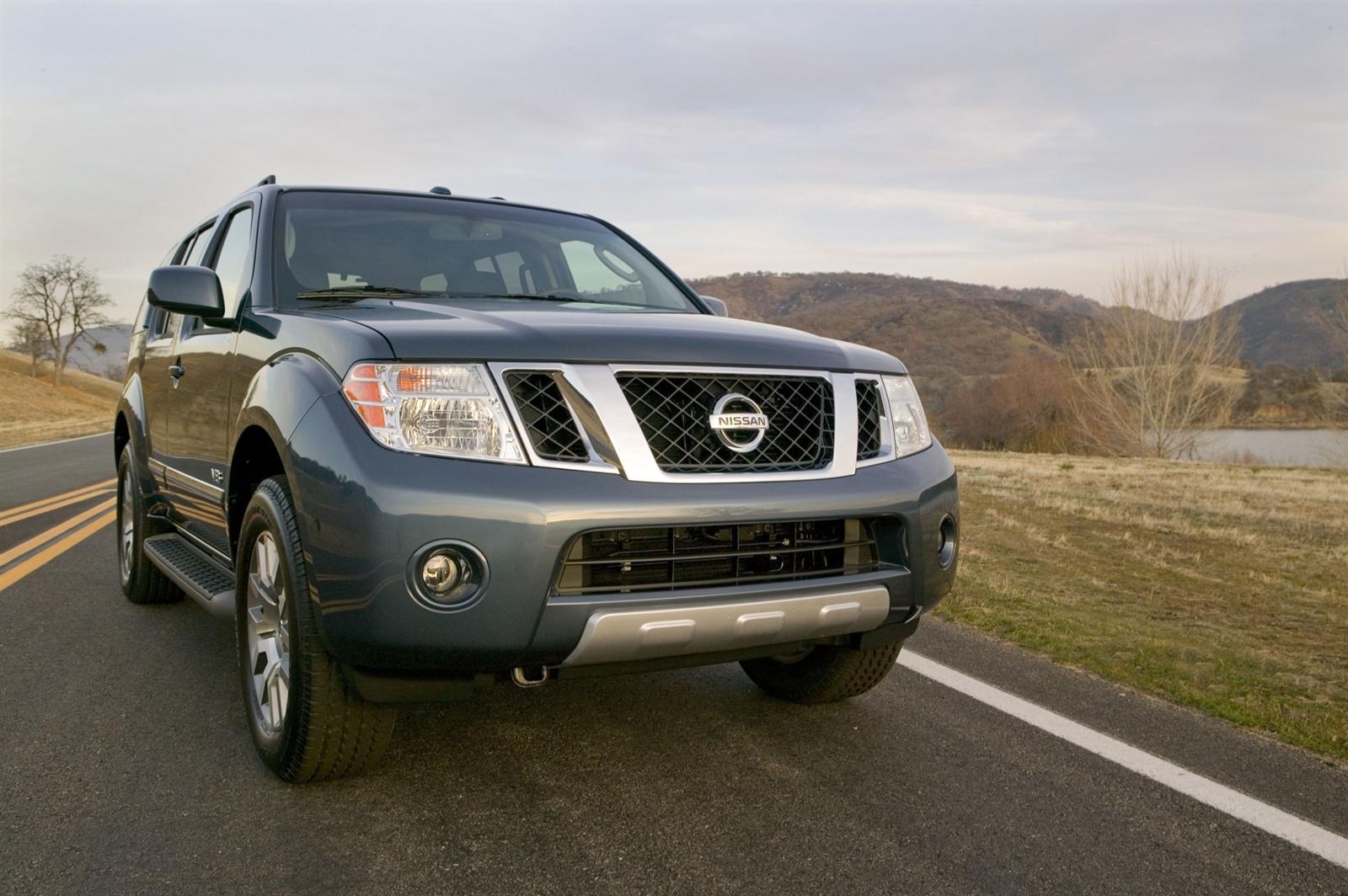
1. Nissan Pathfinder (Older Models)
Older Nissan Pathfinder models have a reputation for struggling with cold-weather starts, making them less reliable for extreme winter conditions. Many of these vehicles feature V6 engines that can have difficulty turning over when temperatures drop below zero, particularly if the battery is older or not fully charged.
Cold weather thickens engine oil, increases resistance in the starter motor, and reduces battery efficiency, which can all combine to make ignition a challenge. Drivers in regions like Fargo often report needing multiple attempts to start the engine, sometimes leaving them delayed or even stranded in freezing conditions.
In addition to engine starting issues, some older Pathfinders experience electrical system challenges in extremely low temperatures. Sensors, wiring, and onboard electronics can react unpredictably when exposed to severe cold, resulting in warning lights or intermittent failures of systems essential for safe driving, such as anti-lock brakes or traction control. For drivers who rely on these systems to navigate icy roads safely, this can present both inconvenience and potential hazards.
Traction and drivetrain performance in older Pathfinders can also be inconsistent during winter. While some models feature all-wheel drive, it may not respond as effectively as modern systems when acceleration is needed on snow or ice.
Combined with moderate ground clearance, these limitations make traversing deeper snow or unmaintained roads more difficult and sometimes risky. Drivers may find themselves stuck in heavy snow where more capable SUVs would maintain momentum without issue.
Comfort and winter convenience features in older Pathfinders were also limited. Heated seats, mirrors, and steering wheels were not standard on many trims, which reduces usability during harsh winter conditions.
Combined with engine starting problems and inconsistent traction, these factors make older Nissan Pathfinders a less reliable choice for areas like Fargo, where dependable winter performance is critical for daily commuting and safety.
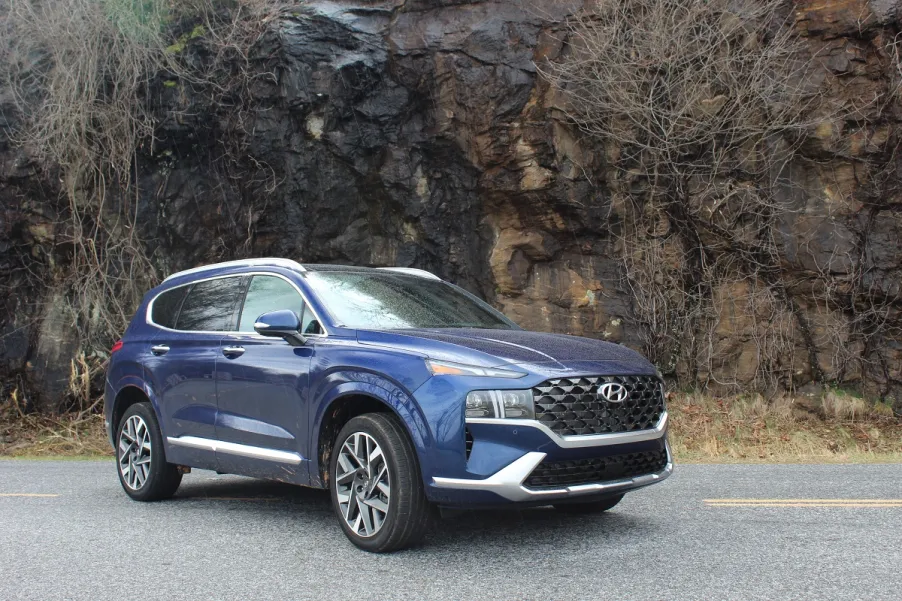
2. Hyundai Santa Fe (Older Models)
Older Hyundai Santa Fe models are known to struggle with cold starts and winter reliability. Engines in these models sometimes crank slowly or fail to start efficiently in sub-zero temperatures, particularly if the battery is not in peak condition.
Cold temperatures reduce battery output and can make starting the engine difficult, which becomes a frequent frustration for drivers facing long winter mornings. Even when the vehicle starts, the engine may run roughly until it warms up, affecting drivability on slick or icy roads.
Traction control and all-wheel-drive systems in older Santa Fe models are not as advanced as those in newer vehicles, leading to reduced performance on icy surfaces. Drivers may notice wheel spin or slower response when accelerating on snow-covered streets, especially without winter tires.
Ground clearance is also moderate, making it more challenging to navigate through snowbanks or deep drifts that can occur during heavy Fargo snowfall. These limitations reduce confidence in the vehicle’s ability to handle extreme winter conditions safely.
Electrical components in older Santa Fes are susceptible to cold weather as well. Sensors, dashboard alerts, and other electronics may become inconsistent or unresponsive in freezing temperatures, creating distractions or requiring repeated attention from the driver.
Heating systems in older models may also take longer to warm the cabin, making early morning commutes uncomfortable and potentially unsafe if windows take longer to defrost.
Finally, older Santa Fe models often lacked winter-focused convenience features such as heated seats, mirrors, and steering wheels. Without these amenities, drivers and passengers endure longer periods of discomfort in freezing weather, which can affect both safety and convenience.
The combination of starting issues, limited traction, and reduced cold-weather comfort makes older Hyundai Santa Fe models less suitable for extreme winter climates such as Fargo, where reliability and performance are essential.
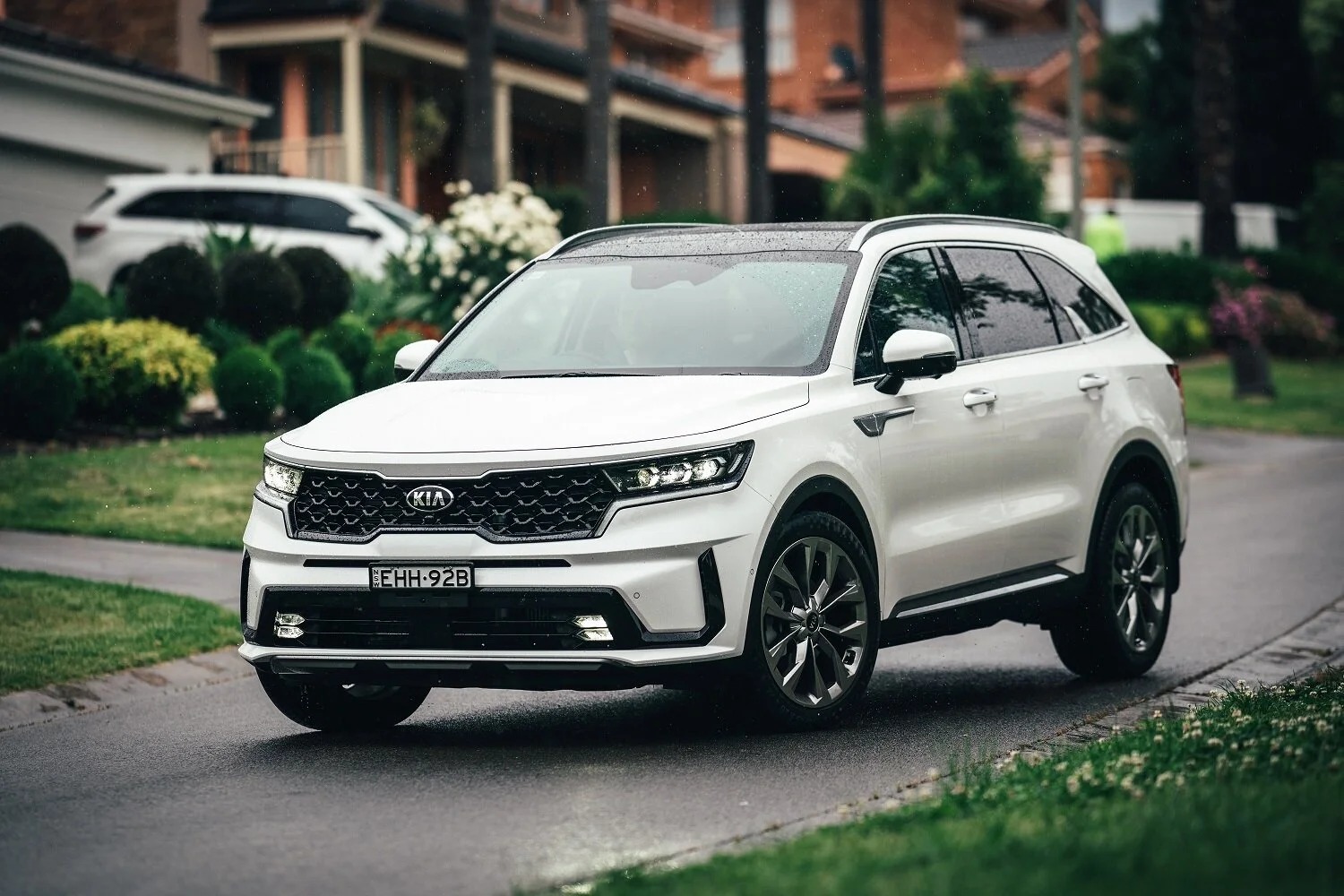
3. Kia Sorento (Older Models)
Older Kia Sorento models sometimes encounter significant challenges with cold-weather starting, which can make winter driving stressful and unreliable. Engines can crank slowly or fail to start efficiently when exposed to sub-zero temperatures, especially if the battery has aged or is not fully charged.
Cold engine oil and battery strain exacerbate these issues, requiring multiple attempts to start the vehicle in extreme winter conditions. This is particularly inconvenient for early morning commutes or emergency travel in areas like Fargo, where temperatures frequently dip far below freezing.
Electrical reliability can also be problematic in older Sorento models. Sensors, dashboard alerts, and other electronics may malfunction or respond unpredictably in extreme cold, making the vehicle less dependable for winter driving.
Heating systems may take longer to warm the cabin, reducing comfort and potentially visibility if defrosting is delayed. These factors combine to create an SUV that is less forgiving in cold climates.
Older Sorento models also often lack winter-focused features such as heated seats, mirrors, or steering wheels, which are increasingly standard in modern SUVs.
Without these amenities, passengers may endure long periods of discomfort, and the driver may experience reduced convenience during winter commutes. Combined with starting and traction issues, this makes older Kia Sorento models less than ideal for areas with severe winters, like Fargo, where reliability and cold-weather performance are essential.
4. Jeep Cherokee (Older Models)
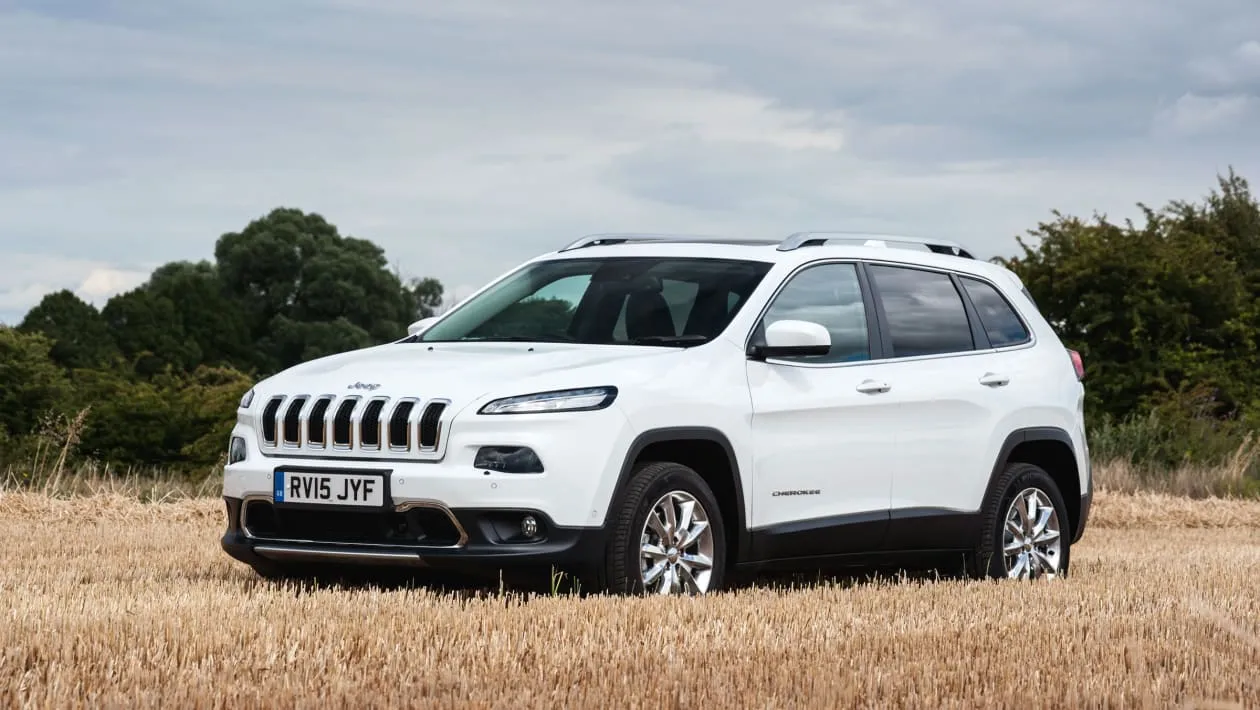
Older Jeep Cherokee models have developed a reputation for cold-weather starting problems, which can make them unreliable during harsh winter conditions. Engines, particularly four-cylinder variants, often struggle to turn over when temperatures drop below zero.
Batteries in these vehicles may become strained, reducing starting power, and combined with cold engine oil, this often leads to multiple attempts before the vehicle starts. For drivers living in extreme cold regions, such as Fargo, this can be frustrating and potentially hazardous if immediate mobility is required.
All-wheel-drive systems in older Cherokee models are less refined than those in newer Jeeps. Traction can be inconsistent on snow or ice, and drivers may notice wheel spin during acceleration or loss of control on steep or uneven surfaces.
Ground clearance is also lower than newer off-road-oriented SUVs, which can make traversing deeper snow or icy patches more difficult. These limitations reduce the Cherokee’s reliability as a winter-ready vehicle.
Electrical components and onboard systems in older Cherokees are also prone to cold-weather malfunctions. Sensors may act inconsistently, dashboard warnings may appear without cause, and other electronic functions can slow down or fail temporarily in freezing conditions. Cabin heating systems may take longer to respond, which reduces comfort for both driver and passengers during cold mornings.
5. Ford Edge (Older Models)
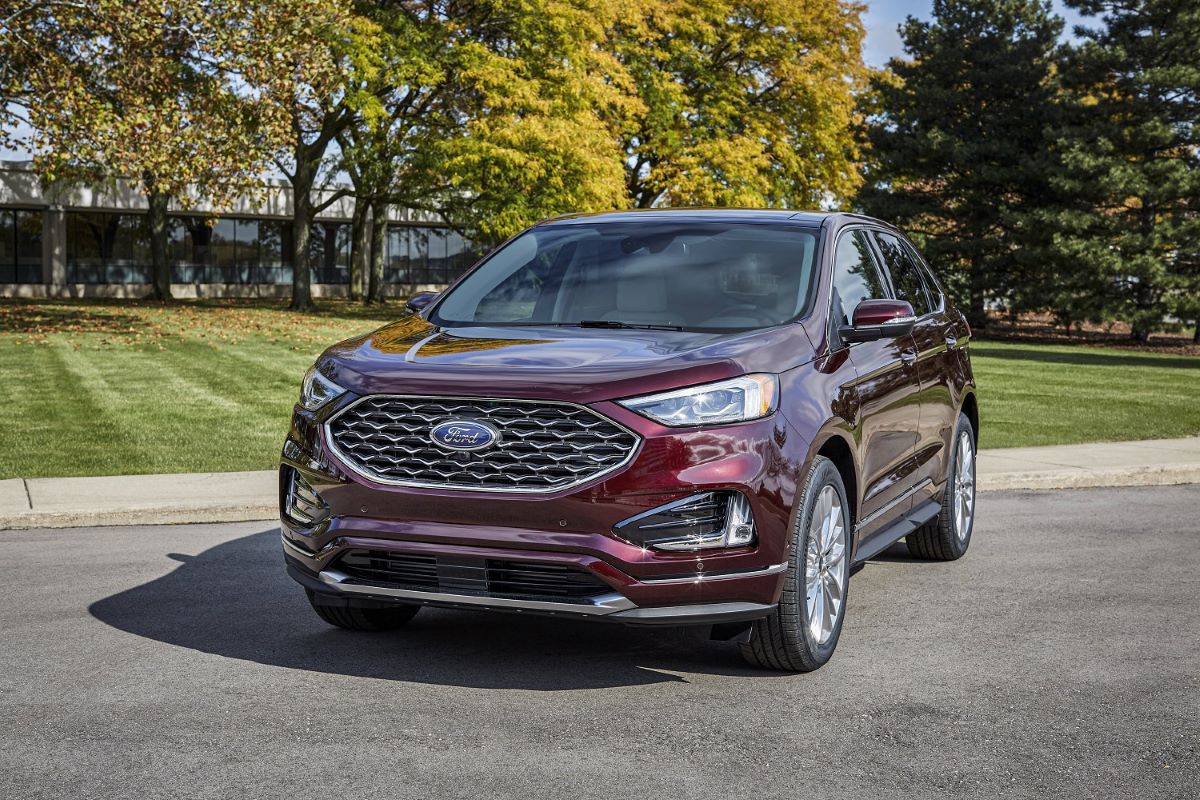
Older Ford Edge models have a history of struggling with cold starts, making them less suitable for extreme winter conditions. Engines may crank slowly or fail to start entirely when exposed to sub-zero temperatures, especially if the battery is older or partially discharged.
Cold weather reduces battery output and thickens engine oil, creating added resistance that challenges the starter motor. These issues can result in frustrating delays for drivers needing reliable transportation during early morning winter commutes.
Traction on icy or snow-covered roads is inconsistent in older Edge models. While some trims feature all-wheel drive, the system is less advanced than modern SUVs and may not adjust power effectively to maintain grip.
Ground clearance is limited, which increases the risk of getting stuck in deeper snow or struggling over unplowed roads. Older vehicles may also lack modern stability and traction control features, reducing confidence when driving on slippery surfaces.
Electrical systems, including sensors and dashboard displays, may act unpredictably in extreme cold, potentially interfering with vehicle operation or creating distractions. Cabin heating may take longer to reach a comfortable temperature, which can reduce both comfort and visibility during frosty mornings. These limitations, combined with cold-start issues, make older Ford Edge models less dependable during severe winter conditions.
