
Muscle cars have long held a special place in American automotive culture. They combine raw power, striking design, and the thrill of driving in a way few other vehicles can match.
In Oklahoma City, where the roads can range from wide highways to rural routes, muscle cars aren’t just a matter of style, they can serve practical purposes, too. Many residents of the city appreciate cars that can perform heavy-duty tasks such as towing, hauling, or handling long-distance trips without compromise.
However, not every muscle car is built to carry a load or endure extended work-like conditions, which makes distinguishing between workhorse models and showpiece machines essential for car enthusiasts.
The right muscle car in Oklahoma City can serve as a powerful tool for weekend projects, trips to the lake, or even small-scale hauling tasks, while still delivering the heart-pounding acceleration and aggressive styling the segment is known for.
Conversely, there are models designed primarily for speed, handling, or aesthetic appeal that are less suitable for demanding work. Choosing between these categories often depends on understanding engine configurations, chassis strength, transmission capabilities, and towing limits.
In this article, we will examine ten muscle cars, separating them into two groups: five that are Oklahoma City workhorses capable of towing or hauling, and five that are built more for show and performance than practical utility.
By reviewing these options, drivers can make informed decisions, appreciating both the power and limitations of each machine. Whether the goal is raw strength or pure driving enjoyment, knowing which cars can handle hard labor versus which are best enjoyed in open stretches of highway is essential for any muscle car enthusiast in the region.
5 Muscle Cars for Oklahoma City Workhorses
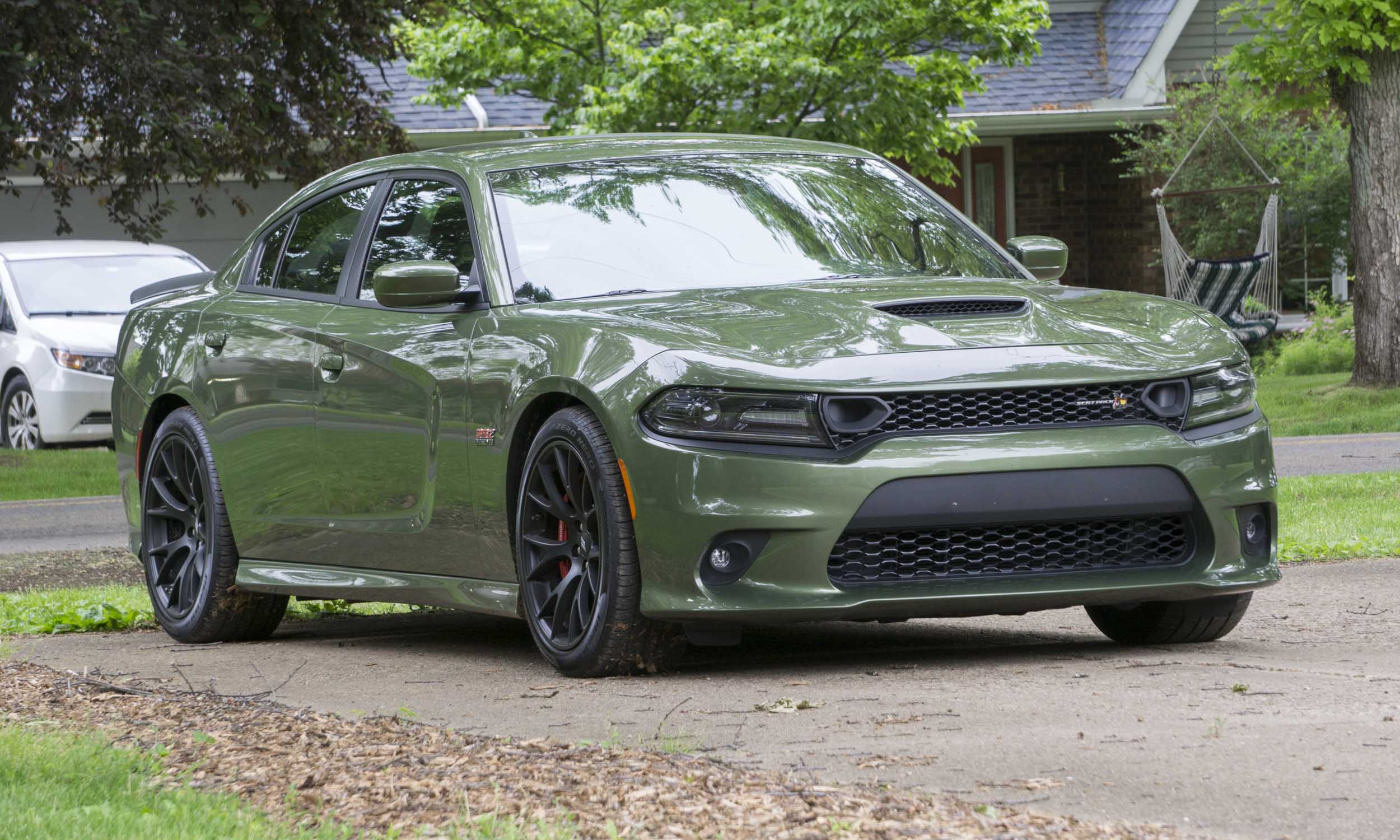
1. Dodge Charger R/T
The Dodge Charger R/T has earned its reputation as a powerful yet practical muscle car for drivers who want more than just speed. Its HEMI V8 engine delivers substantial horsepower and torque, making it capable of moderate towing and hauling.
This is particularly useful in Oklahoma City, where drivers may need to pull small trailers or carry additional equipment for recreational activities or work tasks. Beyond raw power, the Charger’s structure is designed for durability.
Its reinforced frame allows it to maintain stability even when handling extra weight, reducing the stress that towing might place on lesser vehicles. Compared to traditional sedans or even other muscle cars, this level of robustness gives the Charger R/T a clear advantage for drivers who want muscle car performance without sacrificing utility.
Another key feature is the vehicle’s four-door configuration, which adds practicality to its performance-focused design. Many muscle cars prioritize style and speed over passenger comfort, but the Charger R/T allows for the transport of multiple passengers without compromising the driving experience.
Interior comfort plays a big role when tackling longer drives, whether across the city or to surrounding rural areas. The cabin is equipped with supportive seating and user-friendly technology that ensures drivers can focus on handling heavy loads without distraction. The combination of comfort, space, and performance makes the Charger R/T one of the more versatile muscle cars suitable for Oklahoma City conditions.
Handling is another area where the Charger R/T shines as a workhorse. The suspension system is engineered to accommodate changes in weight distribution, allowing the vehicle to remain steady under moderate towing conditions.
Whether navigating highways, city streets, or occasional rough patches common in Oklahoma City outskirts, the car responds predictably, which is crucial when hauling extra weight. The powertrain works in tandem with the chassis to provide smooth acceleration and braking under load, enhancing control.
Unlike lighter, track-focused muscle cars, the Charger’s design balances comfort, stability, and performance, ensuring that practicality does not come at the cost of the classic muscle car driving experience.
Finally, the Dodge Charger R/T is also equipped with modern technology that enhances both utility and safety. Features such as traction control, advanced braking systems, and driver-assist options ensure that the vehicle can handle towing tasks without unnecessary risk.
Engine cooling and transmission durability are optimized to prevent overheating under stress, which is a frequent concern for vehicles attempting to combine high performance with work-oriented functionality.
This makes the Charger R/T not only a thrilling vehicle to drive but also a dependable tool for Oklahoma City drivers who need a muscle car that can go beyond aesthetic appeal. The blend of practicality, power, and comfort places it among the top workhorse muscle cars in its class.
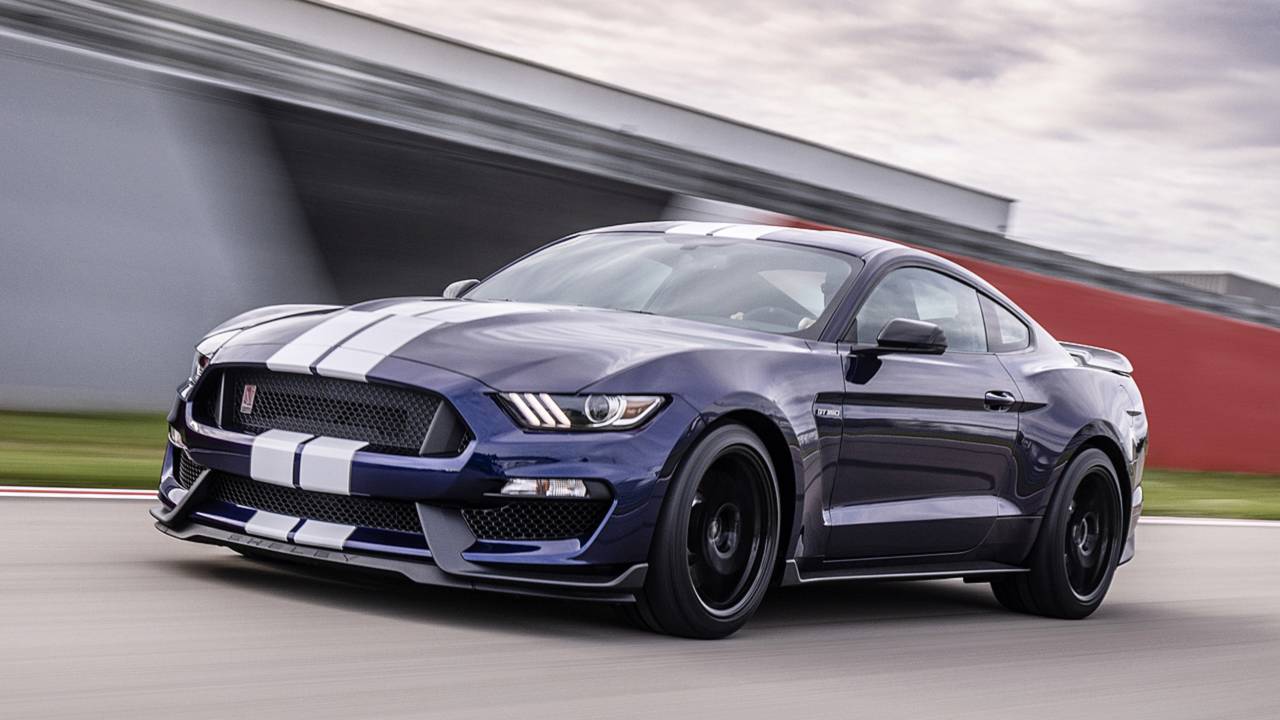
2. Ford Mustang GT with Performance Package
The Ford Mustang GT is widely celebrated for its iconic styling and exhilarating driving dynamics. When equipped with the performance package, it gains additional capabilities that make it more suitable for work-related tasks than standard Mustang trims.
Its 5.0-liter V8 engine produces high torque, allowing the vehicle to manage light towing or hauling tasks that would overwhelm smaller muscle cars. Oklahoma City drivers often face a mix of urban highways and rural roads, and the Mustang GT’s powertrain is robust enough to handle both scenarios.
The reinforced chassis and upgraded suspension components found in the performance package ensure that weight distribution remains balanced, preventing excessive wear on critical components. This blend of performance and strength makes the Mustang GT a muscle car capable of meeting practical demands.
Interior comfort and usability are also crucial elements of the Mustang GT’s workhorse appeal. Despite being a sports-oriented vehicle, the cabin provides sufficient space for drivers and passengers, making longer trips manageable. Seating is designed for support during extended drives, and the trunk space, while not massive, can accommodate moderate cargo.
Technology features, such as traction control and adaptive driving modes, improve stability under varying loads and road conditions, enhancing the vehicle’s versatility. For drivers who want a balance between adrenaline-pumping acceleration and everyday practicality, the Mustang GT offers a compelling combination.
The Mustang GT also stands out for its handling capabilities, which are enhanced by the performance package. The upgraded suspension and braking systems allow for precise control under both normal driving and moderate towing scenarios.
Its responsive steering ensures confidence when navigating turns or emergency maneuvers, while the transmission provides smooth shifts that accommodate extra weight. These features are particularly valuable for Oklahoma City drivers who may encounter sudden changes in road conditions or need to transport equipment safely and efficiently. The Mustang GT demonstrates that muscle cars can be fun to drive while still maintaining a degree of utility.
Finally, the durability and maintenance features of the Mustang GT contribute to its workhorse reputation. Engine cooling systems, reinforced components, and heavy-duty transmission options reduce the likelihood of mechanical issues during demanding tasks.
Drivers can feel confident using the vehicle for more than just street performance, knowing that it is engineered to handle practical demands in addition to high-speed thrills. Whether hauling small loads, commuting long distances, or tackling weekend projects, the Mustang GT with the performance package offers an impressive combination of reliability, versatility, and muscle car excitement.
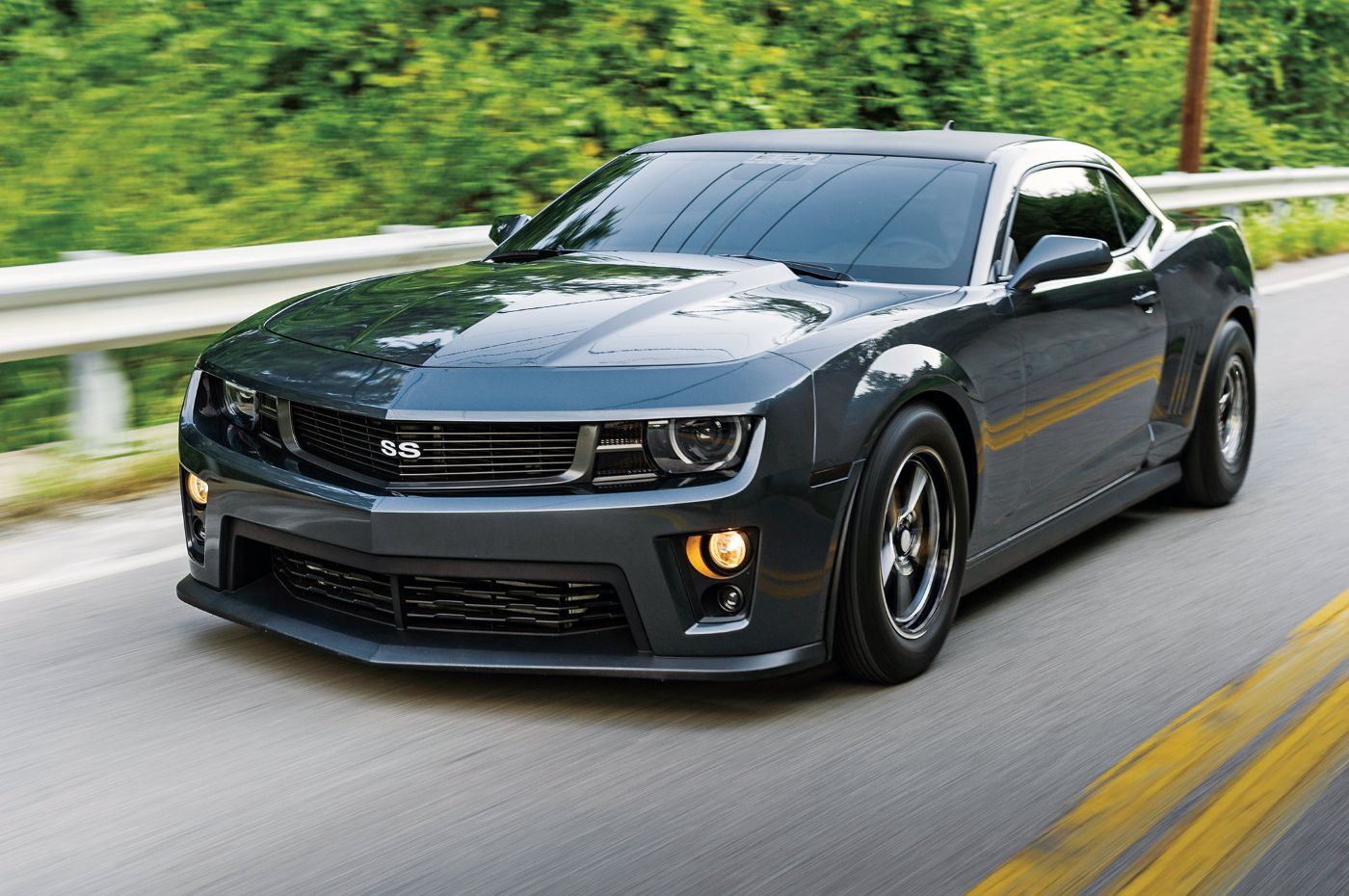
3. Chevrolet Camaro SS
The Chevrolet Camaro SS has long been a symbol of American muscle car power, and it also possesses qualities that make it suitable for work-oriented tasks. Its 6.2-liter V8 engine produces ample torque, providing the strength necessary to tow light trailers or transport moderate loads.
The vehicle’s chassis is engineered to handle additional weight without compromising control, making it one of the more versatile muscle cars available. For Oklahoma City drivers, this combination of power and structural integrity allows the Camaro SS to function beyond a street-only vehicle. Its reputation for performance does not come at the expense of durability, which is essential when practical applications, such as towing small trailers or carrying equipment, are required.
Comfort and interior usability are other areas where the Camaro SS excels. Seating is supportive and spacious enough to accommodate multiple passengers comfortably, even on longer drives. Storage options, including trunk space, can manage essential equipment or materials without crowding the cabin.
Driver-assist technologies, such as traction control and adjustable driving modes, ensure that the vehicle remains stable under additional weight, enhancing safety and ease of use. These features collectively make the Camaro SS a muscle car capable of blending everyday practicality with performance thrills.
Handling and driving dynamics are enhanced through advanced suspension tuning in the Camaro SS. The system allows for precise weight management and responsive steering, critical when transporting heavier items. The vehicle maintains balance and stability, even during acceleration or braking under load.
Unlike lighter, purely performance-focused muscle cars, the Camaro SS is able to provide consistent handling and driver confidence, whether traveling at high speeds or navigating city streets. This makes it an ideal choice for Oklahoma City drivers who need a vehicle that can perform well in multiple contexts.
Finally, the Camaro SS’s reliability under stress is a major factor in its workhorse classification. Cooling systems, braking upgrades, and durable drivetrain components allow the car to endure repeated use without compromising engine performance.
For drivers who need a muscle car capable of handling moderate towing, longer trips, or everyday driving tasks, the Camaro SS delivers both power and practical usability. Its combination of aggressive styling, performance capabilities, and work-oriented reliability makes it a standout option for Oklahoma City residents who value versatility without losing the classic muscle car experience.
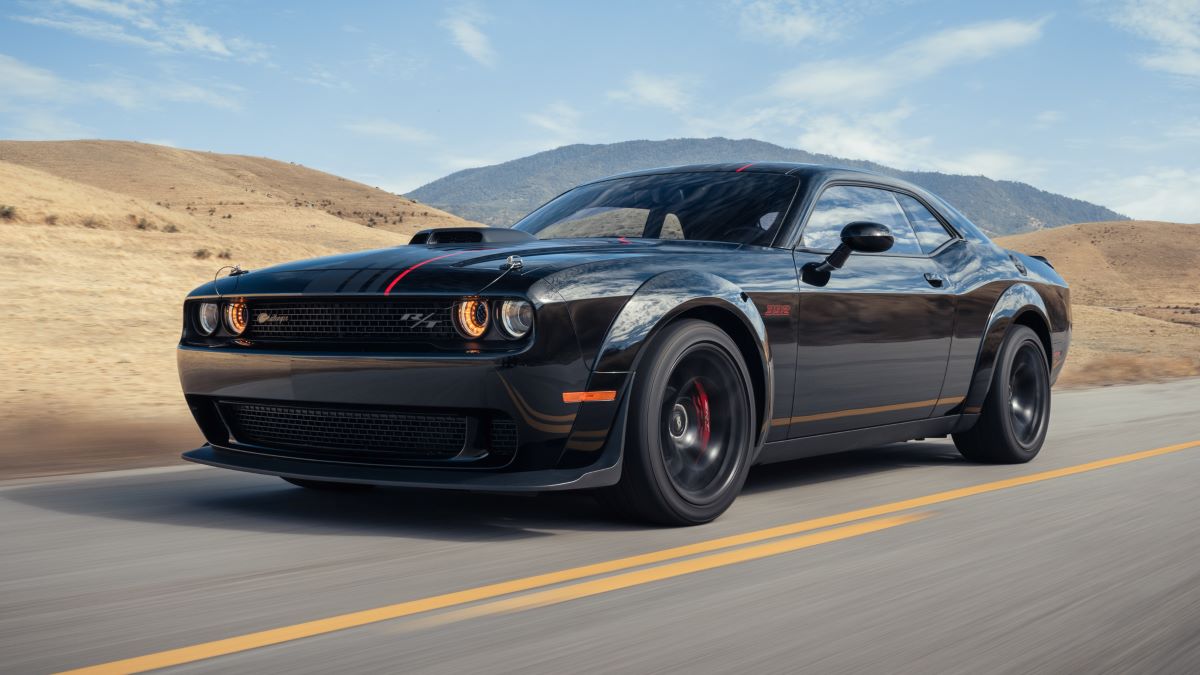
4. Dodge Challenger R/T Scat Pack
The Dodge Challenger R/T Scat Pack is a classic muscle car design elevated with practicality and raw power, making it a strong candidate for Oklahoma City drivers who need more than just straight-line speed. Its 6.4-liter V8 engine produces a high amount of torque, which is ideal for light towing or hauling moderate loads.
The wide-body design of the Scat Pack provides a more stable platform for added weight, reducing the risk of handling issues when carrying extra cargo. The vehicle’s frame is reinforced, making it durable enough to handle occasional work-oriented tasks without compromising safety. For residents of Oklahoma City who face a mix of city streets and rural routes, this stability is particularly valuable, offering confidence that the car can handle both performance driving and practical demands.
Interior comfort and usability are key strengths of the Scat Pack. The cabin is spacious, allowing for multiple passengers or the transport of equipment without feeling cramped. Seats are designed to provide support during longer drives, while technology features such as traction control, stability assist, and drive mode selectors make handling additional weight safer and easier.
The trunk offers sufficient space for smaller equipment or supplies, making the car versatile for weekend projects or recreational trips. The balance between muscle car excitement and everyday practicality is a rare combination, giving the Challenger Scat Pack a unique place among vehicles in Oklahoma City that require both style and function.
Handling and driving dynamics are carefully tuned in the Scat Pack to support both speed and stability under load. Its suspension system absorbs bumps and weight shifts, providing confidence when hauling or towing lighter items. Braking performance is also upgraded, allowing drivers to stop safely even when extra weight is added.
Unlike lighter muscle cars that prioritize speed above all else, the Challenger R/T Scat Pack provides predictable handling in a variety of conditions, including highways, city streets, and rural roads common in and around Oklahoma City. This makes it suitable for drivers who need a muscle car capable of performing under both recreational and practical demands.
Finally, the durability and reliability of the Scat Pack contribute to its status as a workhorse. Engine cooling and transmission tuning allow the car to sustain heavier workloads without overheating or stressing key components. Safety features, combined with the robust frame and reinforced suspension, ensure that occasional towing or hauling tasks do not lead to accelerated wear.
For Oklahoma City drivers seeking a combination of aggressive performance, comfort, and utility, the Dodge Challenger R/T Scat Pack offers a balanced solution. It remains a true muscle car at heart while also capable of handling practical responsibilities, making it a versatile choice for those who want the best of both worlds.
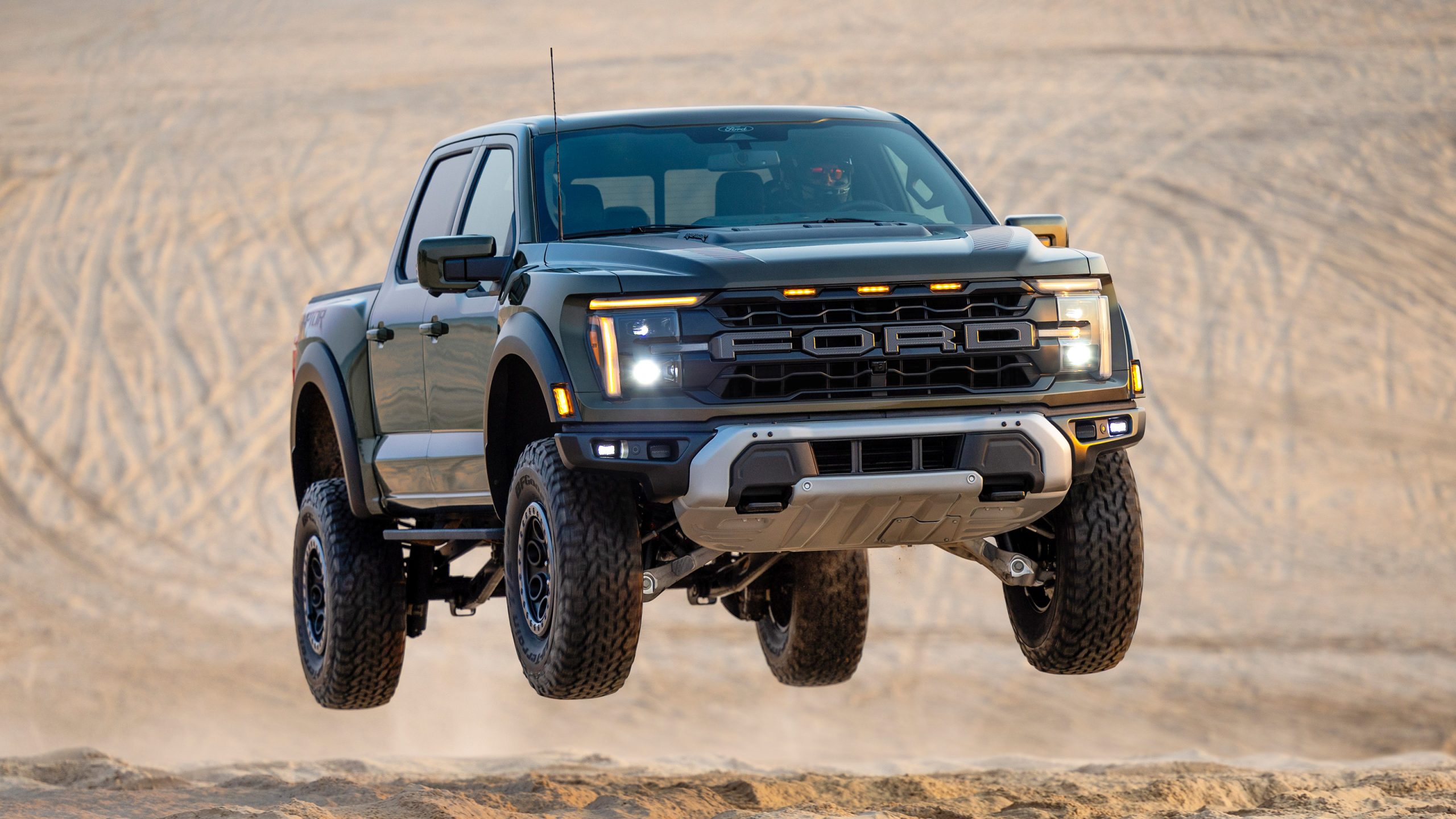
5. Ford F-150 Raptor with Muscle Styling Package
Although technically a pickup truck, the Ford F-150 Raptor with a muscle styling package deserves recognition among muscle car workhorses for its blend of performance and utility. The high-output engine options, including a twin-turbo V6 or optional V8 configurations, provide impressive horsepower and torque.
This enables the Raptor to tow large trailers, haul heavy loads, and navigate rough roads with ease. Its reinforced suspension and chassis are engineered for heavy-duty use, giving drivers confidence when transporting equipment or recreational vehicles. For Oklahoma City residents who want muscle-like performance without losing the practical advantages of a pickup, the Raptor represents a rare and powerful combination.
The interior of the F-150 Raptor combines comfort with functionality. Spacious seating and a well-designed cabin make long trips less tiring, while modern infotainment and driver-assist features enhance usability. Whether commuting across the city or heading out to rural destinations, drivers benefit from ergonomic controls, a smooth ride, and excellent visibility.
Storage in the cabin and truck bed allows for organized transportation of both personal items and work materials, making it practical for day-to-day and recreational use. Its versatility stands out compared to traditional muscle cars, as it combines the high power-to-weight ratio of muscle vehicles with the utility of a pickup truck.
Handling and driving dynamics are key aspects that make the Raptor feel more like a muscle car than a conventional pickup. Its advanced suspension system is tuned to maintain stability under heavy loads and off-road conditions. Enhanced braking systems and transmission calibration allow for precise control, even when hauling large items.
Despite its size, the Raptor remains responsive and agile, reflecting the performance-driven nature of muscle cars. This makes it a unique choice for drivers in Oklahoma City who want both excitement behind the wheel and the ability to tackle practical challenges.
Durability and reliability make the F-150 Raptor a true workhorse. Engine cooling, reinforced frame components, and a heavy-duty drivetrain ensure that repeated heavy use does not compromise performance or longevity. Safety systems are designed to protect both driver and cargo, while advanced technology ensures optimal handling under varying conditions.
For Oklahoma City drivers seeking a muscle-inspired vehicle that can handle towing, hauling, and off-road adventures, the Ford F-150 Raptor with muscle styling package provides unmatched versatility. It delivers power, style, and utility in a single vehicle, bridging the gap between classic muscle car excitement and practical functionality.
5 Muscle Cars That Aren’t Towing-Ready
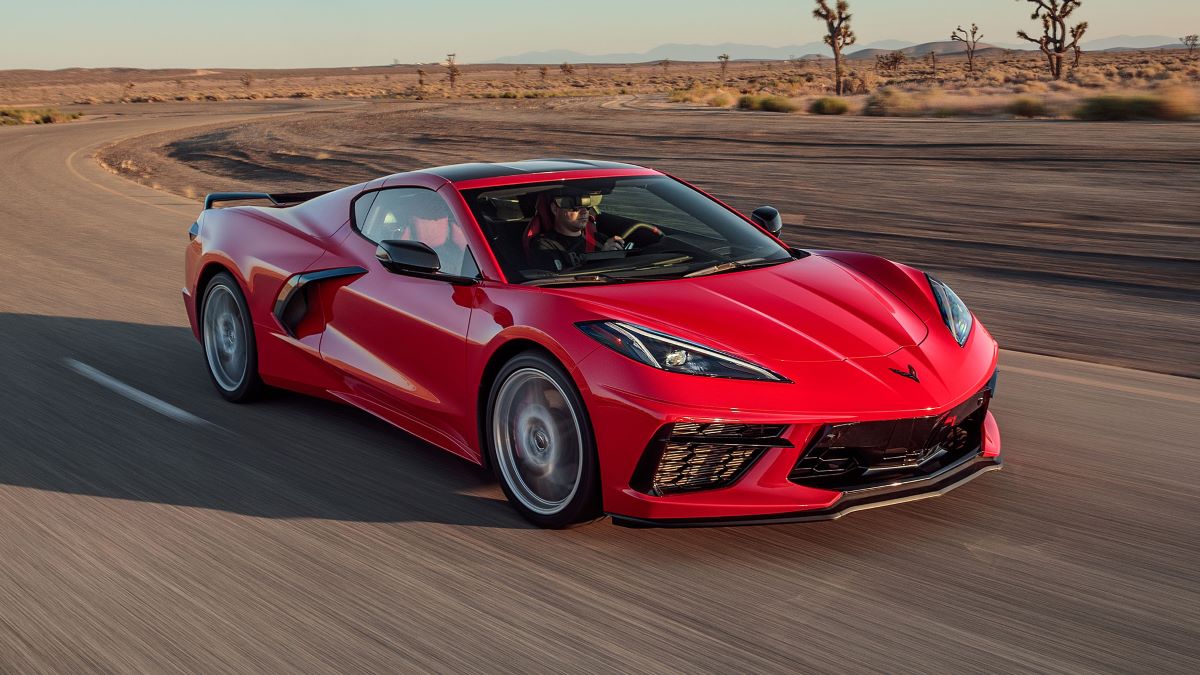
1. Chevrolet Corvette Stingray
The Chevrolet Corvette Stingray is often considered the epitome of American performance, known for its speed, handling, and aerodynamic design. The Stingray’s mid-engine layout places the engine behind the driver, which optimizes weight distribution for acceleration and cornering but makes the car unsuitable for towing.
Its lightweight frame and focus on agility over strength mean that carrying additional weight or towing even small trailers can compromise handling and put unnecessary stress on the chassis. For drivers in Oklahoma City who prioritize speed and precision on highways and winding roads, the Stingray offers a thrilling experience, but it cannot function as a work-oriented vehicle.
In addition to its structural limitations, the Corvette Stingray prioritizes performance features over practicality. Its suspension and braking systems are optimized for high-speed cornering rather than weight management, which further reduces its ability to handle towing or hauling.
The interior emphasizes driver engagement and ergonomics, providing a cockpit-like experience, but it lacks the cargo space and passenger versatility required for utility tasks. While it can transport one or two people comfortably, carrying additional items or attempting to tow a trailer is both unsafe and mechanically risky. The Stingray’s design choices cater to speed enthusiasts rather than those needing workhorse capabilities.
The driving experience of the Corvette Stingray is highly responsive, making it perfect for open roads and performance-oriented driving. Acceleration is immediate, handling is precise, and cornering feels controlled, which adds to its allure as a performance machine.
However, these same qualities make the vehicle delicate when subjected to additional weight. Oklahoma City drivers who attempt to push the Corvette beyond its intended performance envelope for towing or hauling would quickly find the car struggling and potentially damaging key components. Its balance, suspension, and powertrain are all optimized for speed, meaning utility tasks are not feasible.
Finally, the Corvette Stingray is built for enthusiasts who value aesthetics, engineering, and driving thrills above practicality. Advanced cooling systems, lightweight materials, and aerodynamic enhancements are all geared toward achieving maximum performance rather than accommodating towing.
The car is a symbol of speed and precision, offering excitement unmatched by most muscle cars, but any work-related applications would fall outside its design parameters. In Oklahoma City, it serves best as a weekend or recreational vehicle rather than a tool for hauling, proving that not all muscle cars are created with utility in mind.
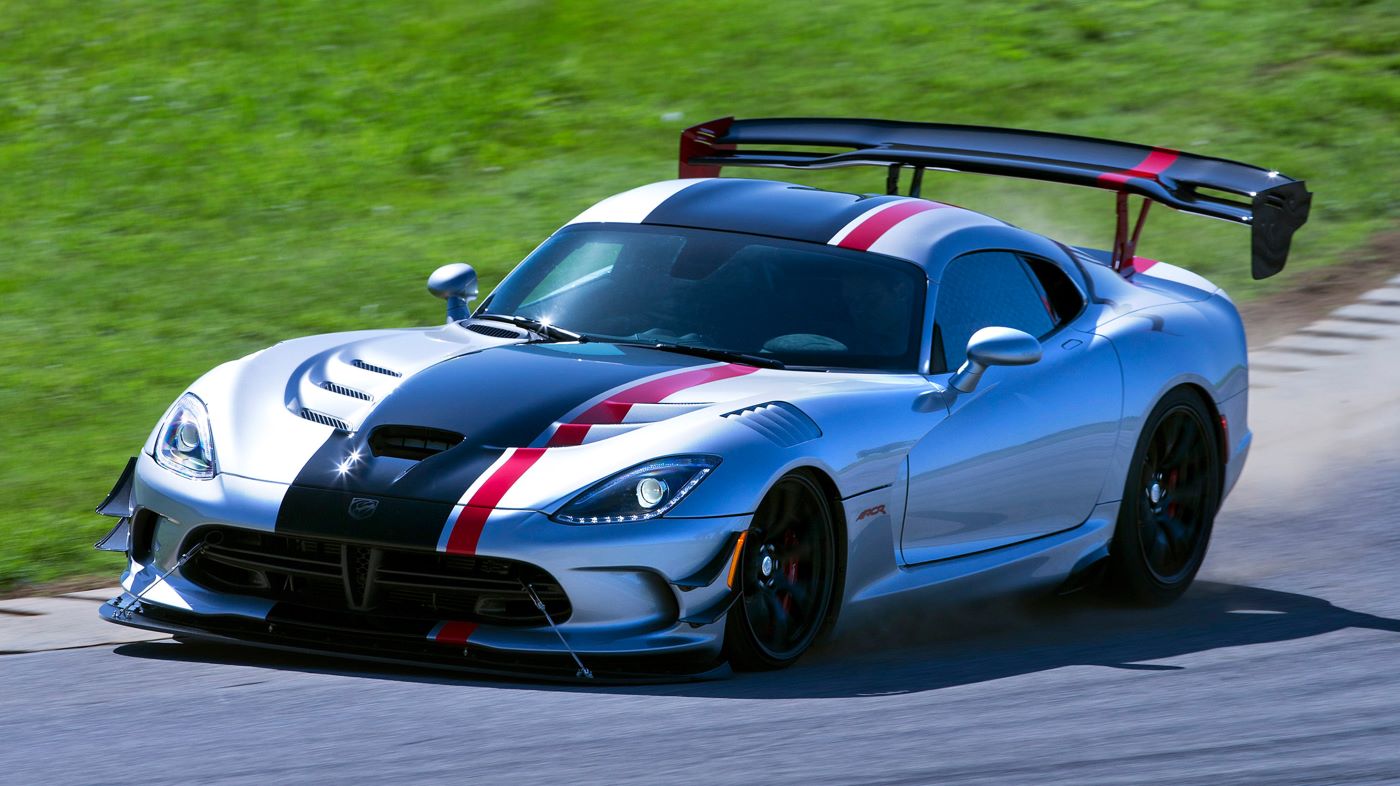
2. Dodge Viper
The Dodge Viper is a legendary American sports car that has become synonymous with raw power and aggressive styling. Its V10 engine delivers enormous horsepower and torque, providing thrilling acceleration that few cars can match. However, the Viper is built exclusively for performance on open roads or tracks.
Its lightweight construction, minimal cargo space, and performance-oriented suspension make it unsuitable for towing or hauling. The chassis is designed to optimize road grip, handling, and acceleration, not to bear additional loads. For Oklahoma City drivers who crave an unfiltered driving experience, the Viper delivers, but it cannot be relied upon for work-related tasks.
Handling is one of the Viper’s most celebrated features, with a chassis designed to hug curves and maintain stability during aggressive maneuvers. However, this precision comes at a cost when weight is added.
Even minor towing attempts could throw off balance and overwork the suspension or brakes. Oklahoma City drivers who seek a car capable of occasional work-related tasks would quickly find the Viper’s capabilities limited. Its cornering abilities and acceleration remain optimized for speed alone, highlighting its role as a pure performance car rather than a practical workhorse.
Finally, the Dodge Viper’s reputation is built on excitement, style, and adrenaline rather than utility. Its V10 engine, aggressive exterior design, and performance-focused engineering make it a collector’s dream and a track-day favorite.
For those in Oklahoma City who prioritize muscle car thrill over practicality, the Viper offers unmatched engagement. However, when it comes to towing or hauling, it fails to meet even modest expectations. It remains a symbol of raw American performance, reminding drivers that not all muscle cars are designed with work capabilities in mind.
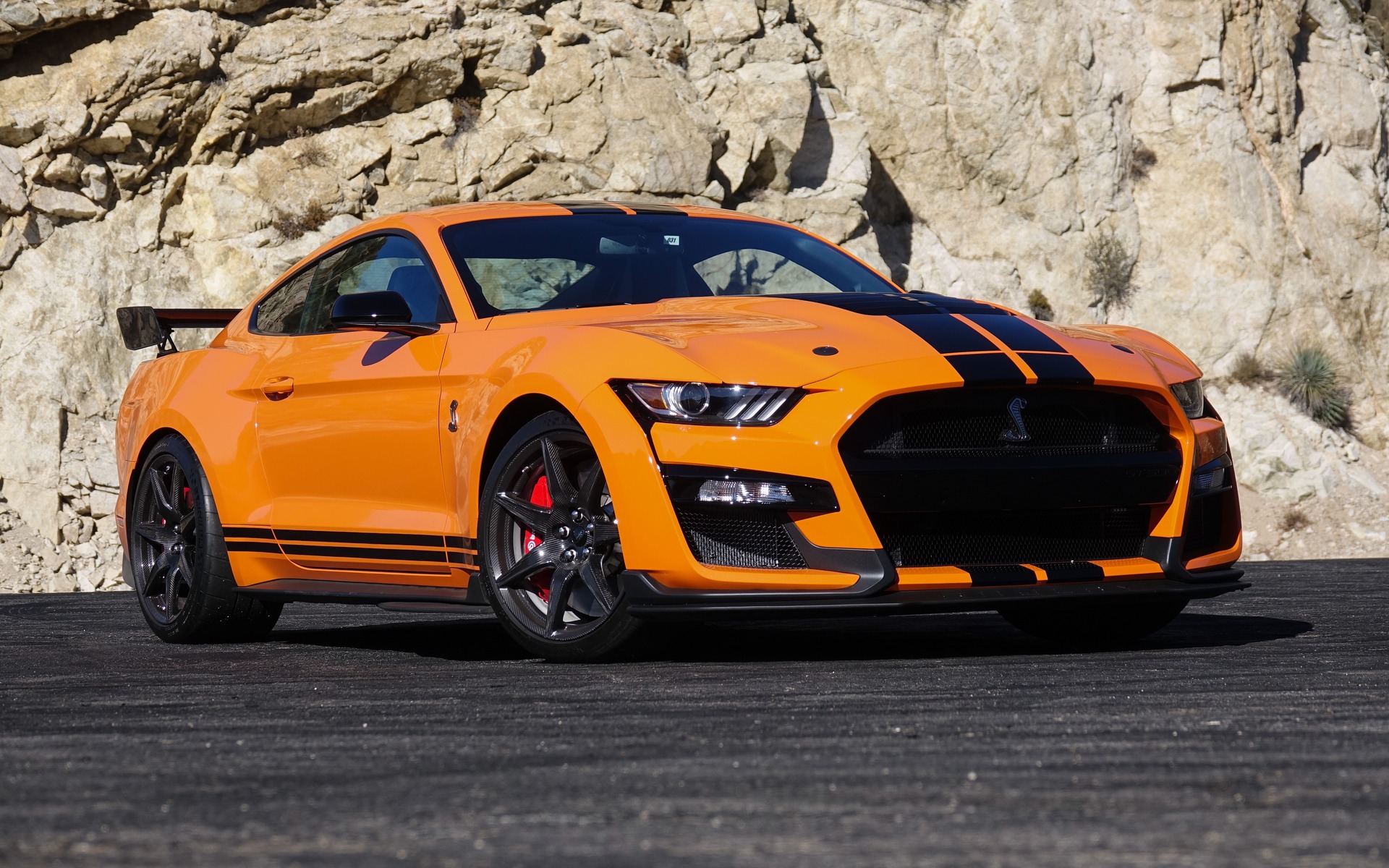
3. Ford Mustang Shelby GT500
The Ford Mustang Shelby GT500 is a high-performance variant of the iconic Mustang lineup, equipped with a supercharged V8 engine capable of producing extraordinary horsepower. Its acceleration and top-end speed are designed to provide maximum thrill, but the vehicle is not equipped to handle towing or hauling.
The suspension, transmission, and braking systems are all optimized for performance driving, meaning that placing additional weight on the vehicle could compromise handling and safety. Oklahoma City drivers may enjoy the GT500 for highway runs or track-style driving, but it is unsuitable for work-related applications.
The driving experience of the Shelby GT500 is one of its defining characteristics. Steering response is immediate, acceleration is explosive, and cornering precision is exceptional. These qualities make the car highly desirable for enthusiasts who want a pure muscle car experience in Oklahoma City.
However, the GT500’s performance tuning comes with trade-offs. Added weight from towing or heavy cargo could disrupt suspension balance and increase brake wear, making practical applications risky. It is built to perform at high speeds and deliver excitement, not to function as a tool for work.
Finally, the Shelby GT500 represents the extreme end of Mustang performance, with engineering that prioritizes speed, precision, and driver satisfaction. Its supercharged V8 and advanced handling systems provide one of the most exhilarating driving experiences available in the muscle car segment.
For Oklahoma City residents who want a high-powered, visually striking vehicle for recreational use, the GT500 delivers unmatched thrills. However, its design limitations make it clear that it is not a workhorse, and any attempt to use it for towing would be both impractical and potentially damaging.
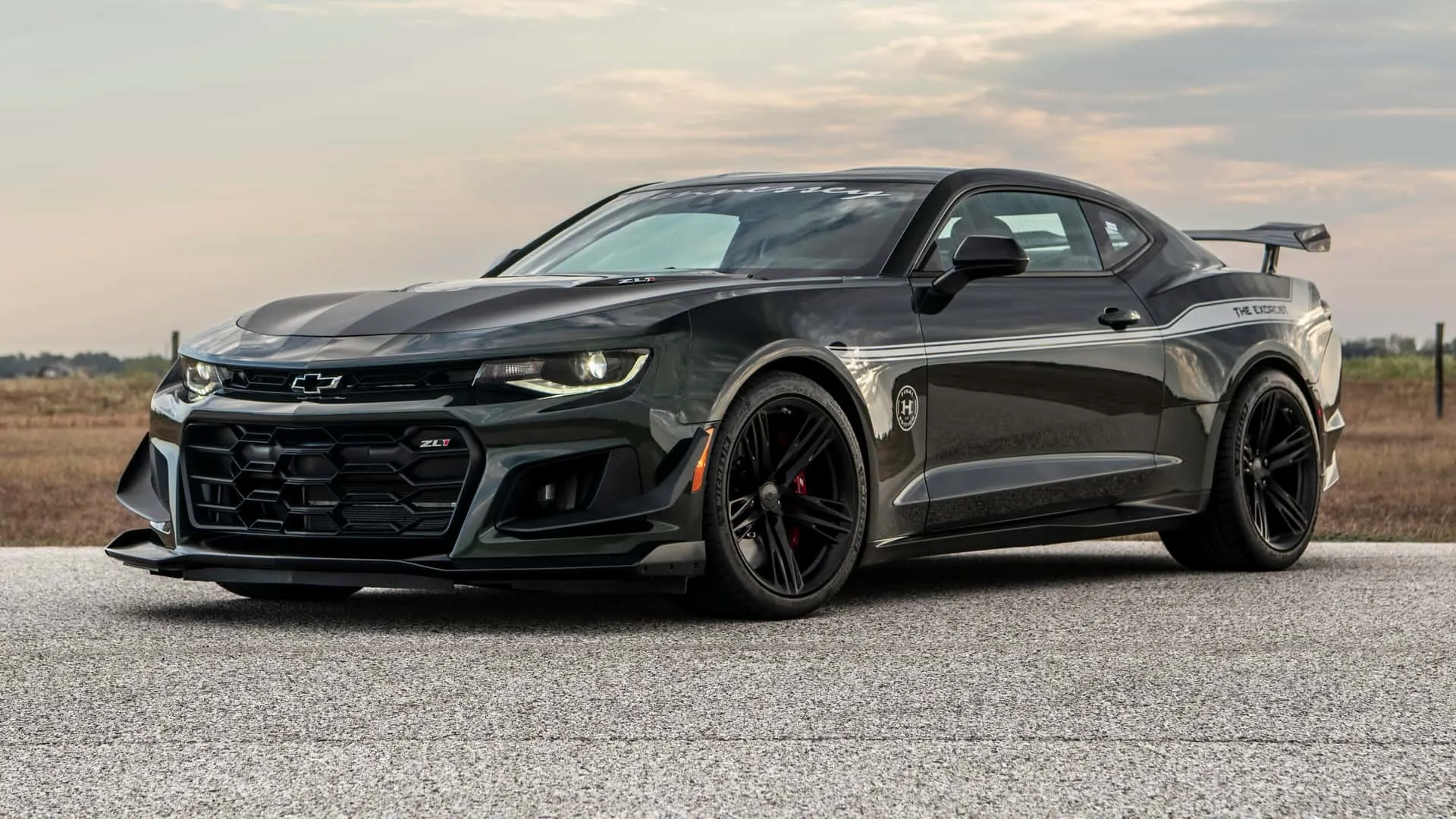
4. Chevrolet Camaro ZL1
The Chevrolet Camaro ZL1 is a track-focused variant of the Camaro, designed for maximum acceleration, handling, and cornering precision. Its supercharged V8 engine delivers exceptional horsepower, making it one of the fastest options in the muscle car lineup. Despite its raw power, the ZL1 is not designed to tow or haul anything beyond very light loads.
Its frame and suspension are optimized for handling and performance, meaning that adding weight could negatively affect balance, stability, and braking. Oklahoma City drivers who choose the ZL1 are prioritizing street and track performance over practical utility.
Handling in the Camaro ZL1 is precise and responsive, allowing drivers to exploit its speed and acceleration on highways or track environments. The performance-tuned suspension ensures tight cornering and stability at high velocities, but these features are compromised under added weight.
Oklahoma City drivers attempting to tow even moderate loads would quickly find the car’s performance degraded and the risk of mechanical strain increased. The ZL1 demonstrates the trade-offs between speed-oriented engineering and practical functionality in muscle cars.
Finally, the Camaro ZL1 is built for enthusiasts who want a high-powered, visually aggressive, and performance-driven experience. Its supercharged engine, aerodynamic design, and tuned chassis make it ideal for recreational driving and track days.
For those who need a muscle car capable of towing or hauling, however, the ZL1 is not suitable. It remains a high-performance icon, proving that not all muscle cars are built with workhorse capabilities in mind.
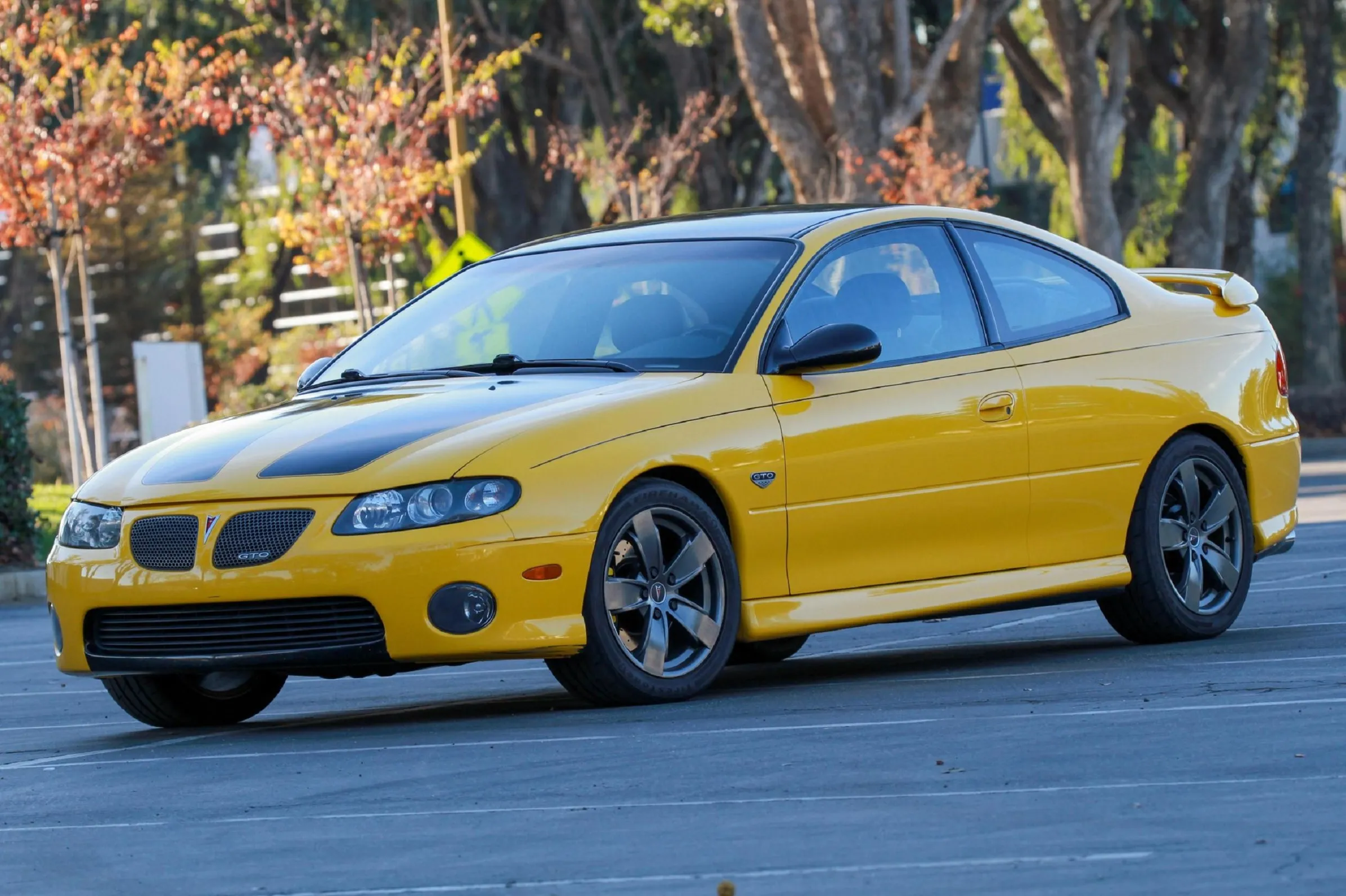
5. Pontiac GTO
The modern-era Pontiac GTO emphasizes style, speed, and performance over practical utility. Its V8 engine provides strong acceleration and high torque for a muscle car, but the vehicle is not designed to handle towing or heavy loads.
The lightweight chassis and suspension tuning are focused on enhancing performance on highways and smooth roads, making any attempt at hauling risky. Oklahoma City drivers who seek thrill and speed may enjoy the GTO’s capabilities, but its structural and design limitations prevent it from being a work-oriented vehicle.
Driving dynamics in the GTO emphasize acceleration, responsive handling, and smooth cornering. The car feels agile and engaging, providing a satisfying muscle car experience for enthusiasts. However, these qualities do not translate into practical towing ability.
Added weight can quickly impact balance, braking, and suspension, creating risk in both performance and safety. Oklahoma City drivers must recognize that while the GTO excels in thrill and aesthetics, it does not perform as a workhorse capable of handling additional loads.
Finally, the Pontiac GTO remains a symbol of American muscle car performance. Its emphasis on engine output, styling, and speed makes it a desirable choice for recreational drivers, collectors, or enthusiasts looking for a weekend vehicle.
However, its limitations in cargo capacity, suspension, and chassis strength confirm that it is unsuitable for towing or work-related applications. For Oklahoma City residents who prioritize driving enjoyment over practical tasks, the GTO delivers excitement, but it cannot serve as a reliable muscle car workhorse.
