
Toyota has long been associated with reliability, cost efficiency, and vehicles that retain value across many years of ownership. As the automotive industry moves toward 2026, economic pressures such as rising manufacturing costs, stricter emissions standards, and evolving consumer expectations have made affordability a central concern for buyers.
Many drivers are no longer searching for luxury features or oversized engines. Instead, they want dependable transportation that is fuel-efficient, practical, and financially manageable both at purchase and over long-term ownership. Toyota’s global reputation positions it well to meet these demands, particularly for budget-conscious consumers.
Affordability does not only refer to sticker price. For many households, true value is found in maintenance costs, fuel economy, insurance rates, and long-term durability. Toyota’s engineering philosophy has historically prioritized proven mechanical systems over experimental designs, which tends to reduce repair frequency and ownership stress.
As 2026 approaches, this conservative approach may continue to serve buyers who prioritize financial stability over novelty. The brand’s commitment to hybrid technology also helps lower fuel expenses without forcing buyers into fully electric platforms that may still feel unfamiliar or impractical in some regions.
Another factor shaping budget-friendly vehicle choices is versatility. Compact sedans, hatchbacks, and small crossovers dominate this space because they meet the needs of commuting, small families, and light utility without unnecessary size or cost.
Toyota’s lineup traditionally includes multiple options in these segments, allowing buyers to choose based on lifestyle rather than price alone. For younger drivers, first-time car owners, and families managing tight budgets, these vehicles often represent a sensible balance between modern features and financial responsibility.
This article presents 10 Toyota models that are expected to remain among the most budget-friendly choices for 2026. The selections focus on affordability, efficiency, reliability, and accessibility rather than premium trims or high-performance variants.
While exact specifications and pricing may evolve, these models reflect Toyota’s historical strengths and its likely direction as it continues to serve cost-conscious consumers in a changing automotive environment.
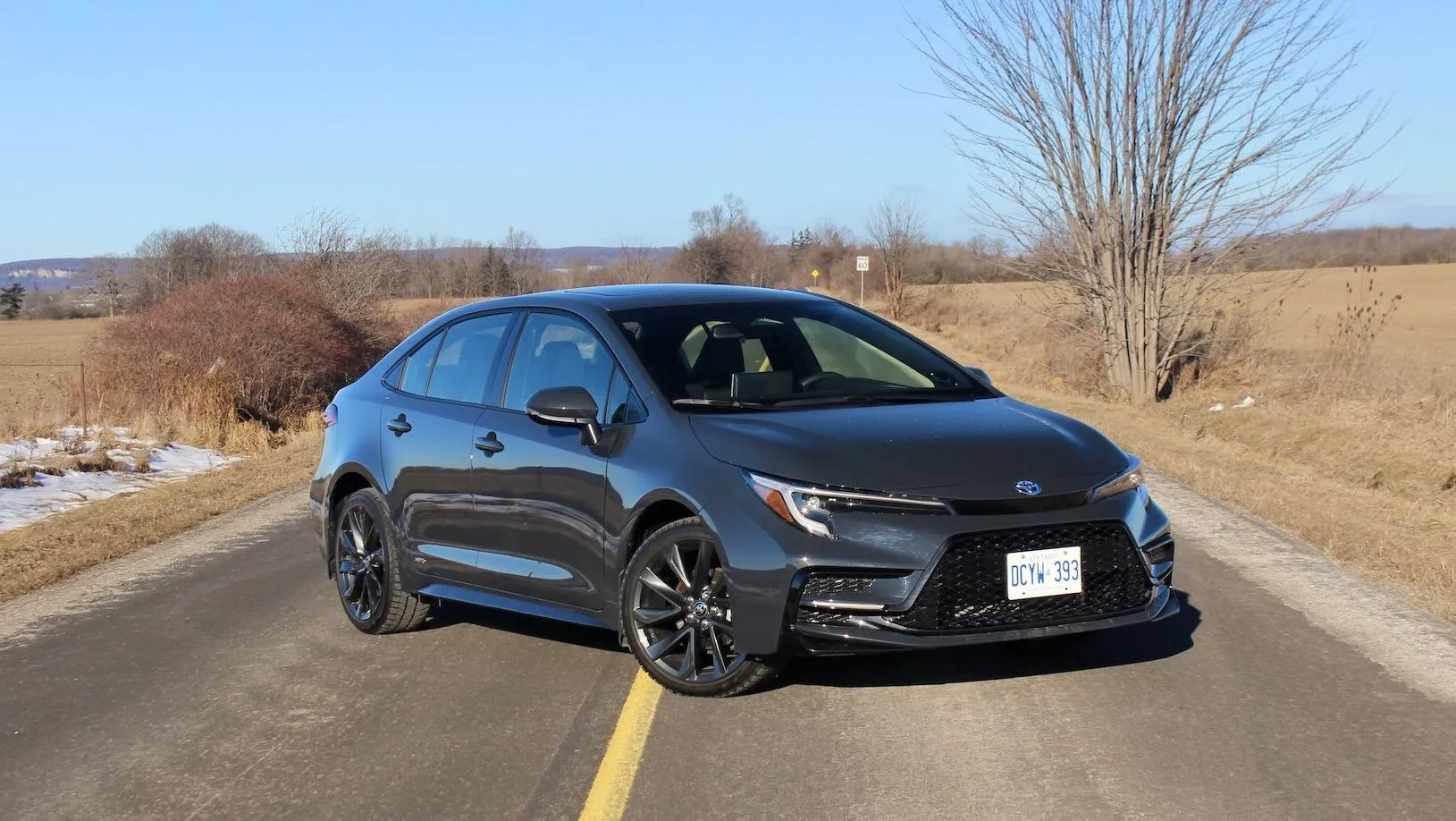
Toyota Corolla
The Toyota Corolla has long been recognized for its balance of affordability, reliability, and practicality. Its compact size makes it an ideal choice for city dwellers, commuters, and small families. By 2026, the Corolla is expected to continue its legacy as one of Toyota’s most accessible vehicles.
Its design prioritizes functionality, providing comfortable seating, straightforward controls, and adequate cargo space for everyday needs. This combination of practicality and efficiency has helped the Corolla maintain its reputation as a dependable option for budget-conscious buyers.
Beyond the initial purchase price, the Corolla offers long-term financial advantages. Insurance premiums are generally lower due to its classification as a safe, reliable compact car. Replacement parts are widely available and affordable, reducing maintenance costs over the vehicle’s lifetime.
Routine services, such as oil changes, brake inspections, and tire rotations, can be performed without specialized tools or high costs, making it a sensible choice for first-time car owners or anyone seeking a worry-free ownership experience.
Fuel efficiency remains one of the Corolla’s standout features. Even the standard gasoline engine provides respectable mileage, and Toyota has consistently refined its powertrains to improve consumption over successive generations.
By 2026, incremental improvements in engine design and transmission efficiency are expected to make the Corolla even more economical to drive. For drivers with long daily commutes, the savings on fuel can be substantial, reinforcing the Corolla’s appeal as a cost-conscious choice.
The Corolla’s reputation for reliability is further enhanced by its conservative approach to technology. While modern safety and infotainment features are integrated, they are implemented in a way that prioritizes usability and durability.
Drivers benefit from features like adaptive cruise control, lane departure warnings, and touchscreen systems without being exposed to overly complex or untested components. This approach reduces repair risks and keeps long-term ownership expenses manageable.
Finally, the Corolla has maintained a strong resale value, which adds to its affordability. Its continued popularity in the used car market ensures that owners can recover a reasonable portion of their investment when selling or trading in the vehicle. For buyers looking for an economical option that is both reliable and financially practical, the Toyota Corolla remains a top contender heading into 2026.
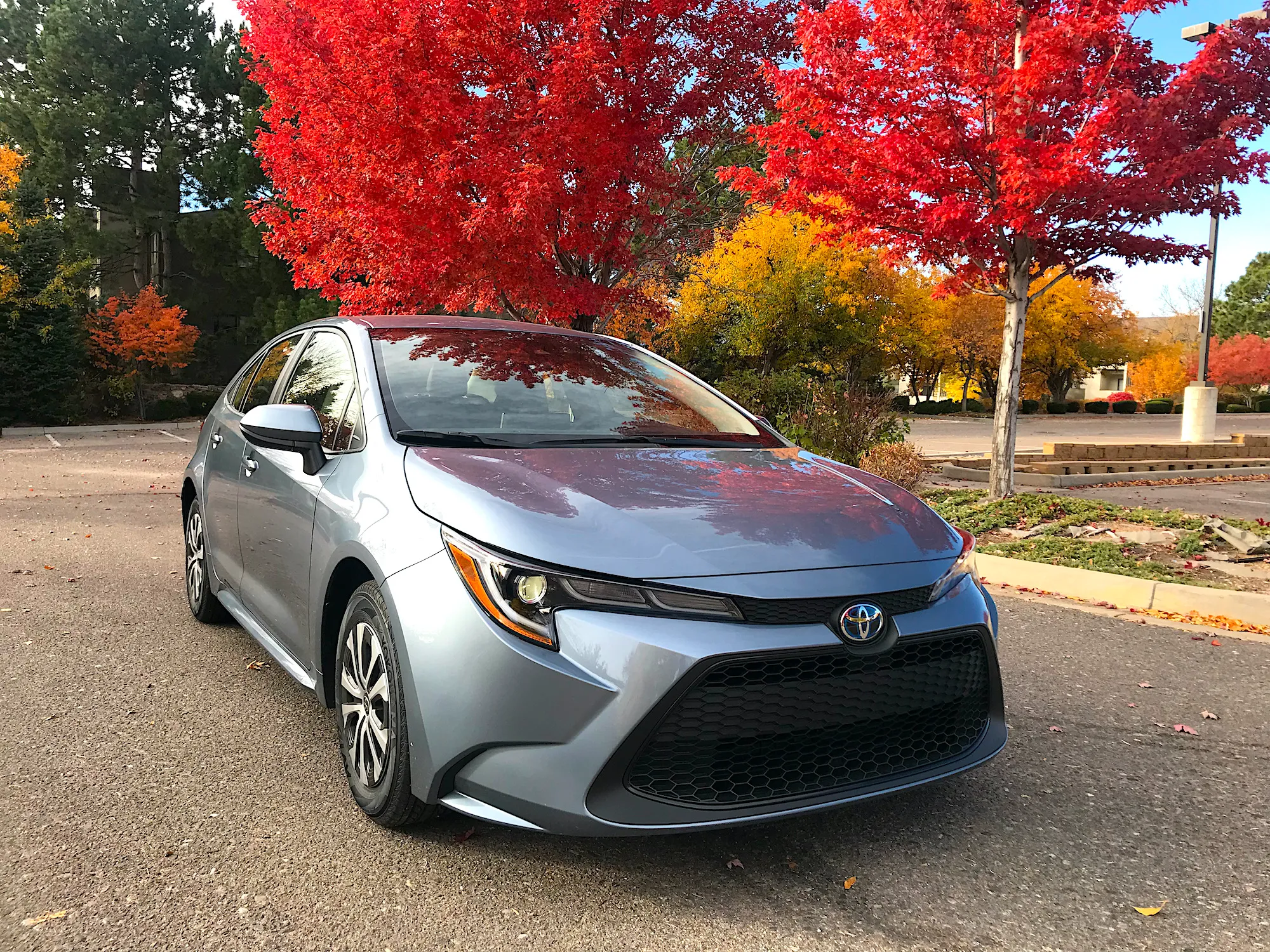
Toyota Corolla Hybrid
The Toyota Corolla Hybrid builds upon the Corolla’s reputation for affordability while introducing additional savings through hybrid technology. The integration of an electric motor with a gasoline engine allows for significantly improved fuel efficiency, particularly in city driving where electric power is frequently utilized.
By 2026, advancements in battery efficiency and energy management are expected to make the Corolla Hybrid even more economical than current models, while maintaining Toyota’s characteristic reliability.
Though the hybrid model may carry a higher initial price than the standard Corolla, the financial benefits over time can be substantial. Reduced fuel consumption translates into monthly savings, and the long lifespan of Toyota hybrid systems minimizes the risk of expensive repairs.
Hybrid components, such as the battery and electric motor, are designed for longevity, often outlasting comparable systems in competing brands. This combination of fuel efficiency and reliability makes the Corolla Hybrid a smart investment for budget-conscious drivers.
Comfort and practicality are also key selling points of the Corolla Hybrid. The hybrid system operates smoothly and quietly, particularly in low-speed, stop-and-go driving. This not only enhances the driving experience but also reduces wear and tear on mechanical components, further lowering maintenance costs. Interior design remains spacious and user-friendly, with technology and storage solutions optimized for everyday use.
Another advantage of the Corolla Hybrid is its positive environmental impact. Reduced fuel consumption translates into lower greenhouse gas emissions, which may also result in tax incentives or reduced fuel-related expenses in certain regions. For buyers looking to balance financial responsibility with eco-conscious choices, the Corolla Hybrid provides an attractive compromise.
Finally, resale value is an important consideration. Hybrid models from Toyota tend to retain value well due to continued demand for fuel-efficient vehicles. Buyers in the used market recognize the longevity of Toyota’s hybrid systems, which supports stronger resale prices. This combination of efficiency, reliability, and retained value makes the Corolla Hybrid a standout option for budget-focused buyers in 2026.
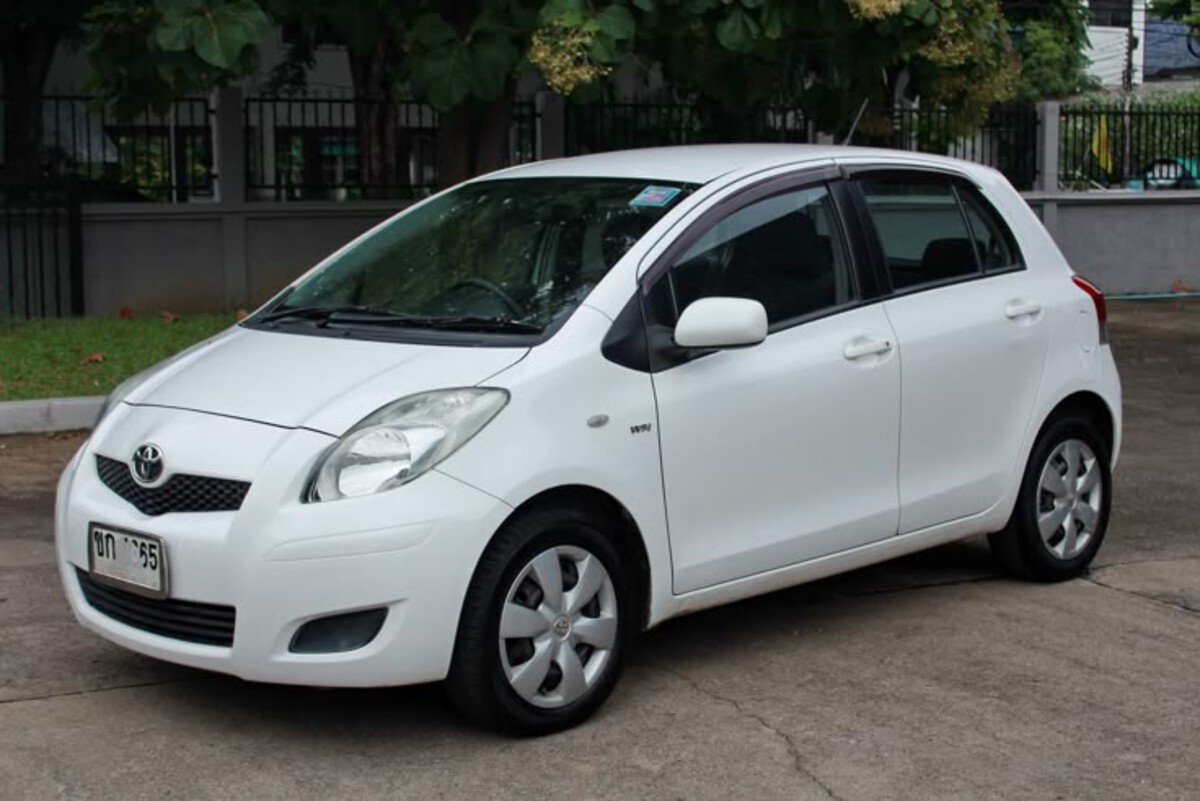
Toyota Yaris
The Toyota Yaris is widely recognized as one of the most affordable entry-level vehicles in Toyota’s lineup. Its compact size and nimble handling make it particularly suited for city driving, short commutes, and crowded urban environments. By 2026, the Yaris is expected to continue offering a reliable, budget-conscious option for new drivers, students, and anyone seeking a practical, low-cost vehicle.
From a financial standpoint, the Yaris excels due to low purchase price and operational efficiency. Its smaller engine requires less fuel, and routine maintenance is simple and inexpensive. The vehicle’s lightweight construction contributes to reduced wear on components such as brakes and tires, which helps owners minimize repair expenses over the years. This makes the Yaris particularly appealing to first-time buyers who are seeking a low-risk entry into vehicle ownership.
Despite its modest dimensions, the Yaris offers practical interior design. Seating for four adults is achievable, and cargo space can accommodate groceries, luggage, or school supplies. Controls are designed to be intuitive, with an emphasis on essential features over luxury additions. This functional approach ensures that buyers receive a practical vehicle without unnecessary costs.
Safety is another strength of the Yaris. Standard safety features such as airbags, stability control, and anti-lock braking systems help reduce accident risk, which can influence insurance premiums.
Toyota has also made advancements in driver-assist technologies for entry-level vehicles, helping the Yaris maintain high safety standards without inflating costs. For budget-conscious consumers, this combination of efficiency, safety, and simplicity makes the Yaris an appealing choice in 2026.
Additionally, the Yaris benefits from strong resale value relative to its segment. Compact vehicles with a reputation for reliability are consistently in demand on the used market, allowing owners to recover a significant portion of their initial investment. Its combination of low operating costs, efficiency, and dependable performance ensures that the Yaris remains a practical, affordable option for drivers of all ages.
Toyota Prius
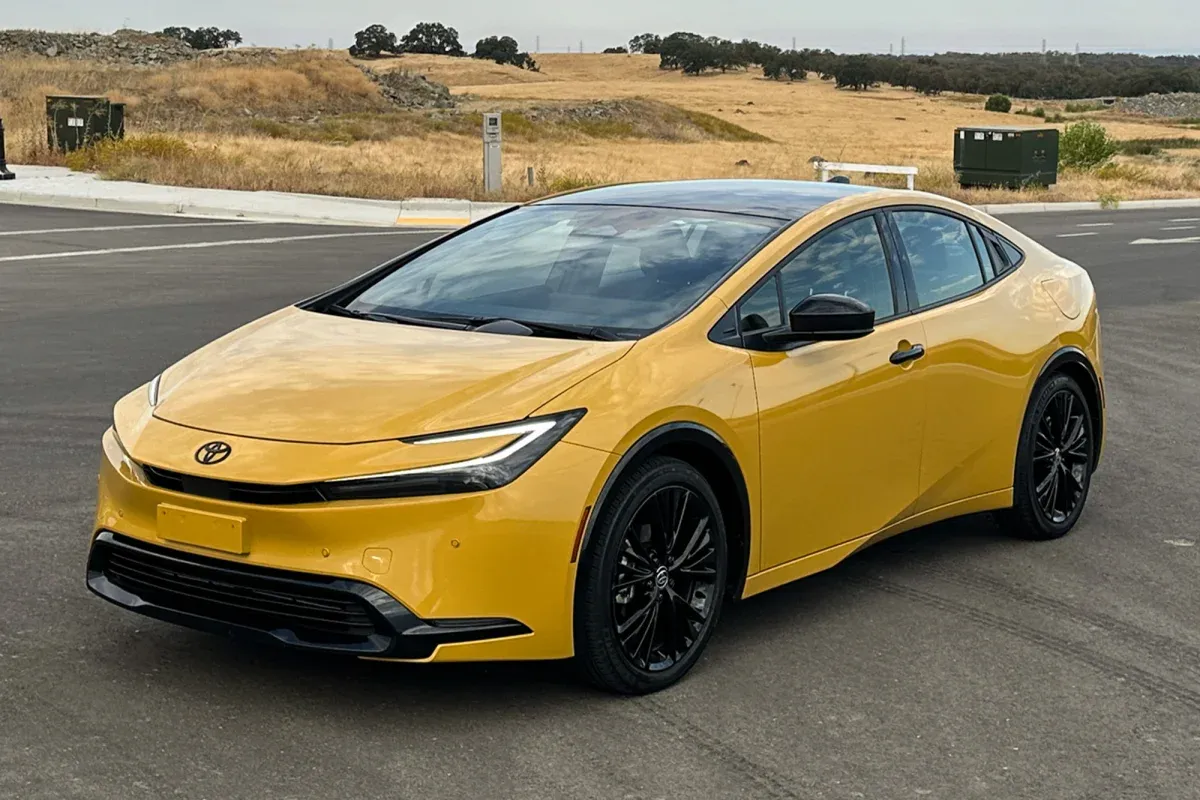
The Toyota Prius has historically defined the hybrid vehicle market, and its status is expected to continue into 2026. It is recognized for its fuel efficiency, durability, and practicality, making it a compelling option for buyers seeking long-term savings on transportation costs.
Unlike many vehicles in the hybrid market, the Prius has demonstrated proven reliability over multiple generations, reinforcing its position as an affordable and practical choice.
Fuel efficiency remains the Prius’s primary selling point. By combining gasoline and electric power, it achieves higher miles per gallon than most conventional vehicles in its segment. For individuals with long commutes or frequent driving needs, this efficiency significantly reduces fuel expenses, making the vehicle more cost-effective over time. Toyota’s continuous improvements in hybrid technology are expected to enhance efficiency even further by 2026.
Reliability is central to the Prius’s affordability. The hybrid system has been refined over decades, with batteries, motors, and electronics designed for longevity.
Unlike some competing hybrids, the Prius rarely requires expensive repairs or replacement components during its lifespan. Owners benefit from predictable maintenance schedules and widespread availability of parts and service expertise, contributing to lower ownership costs.
The Prius is also practical in terms of space and versatility. Its hatchback design allows for flexible cargo arrangements and accommodates a small family comfortably. This utility eliminates the need for a larger, more expensive vehicle, providing financial savings while meeting everyday needs. Additionally, the Prius often includes user-friendly technology, such as driver assistance and navigation features, without overcomplicating ownership.
Finally, strong resale value further enhances the Prius’s budget-friendly appeal. Fuel-efficient and reliable vehicles continue to attract buyers in the used market, which supports higher resale prices. For drivers who plan to sell or trade their vehicle in the future, this retained value offsets some of the initial purchase cost, making the Prius a long-term economical choice.
Toyota Camry
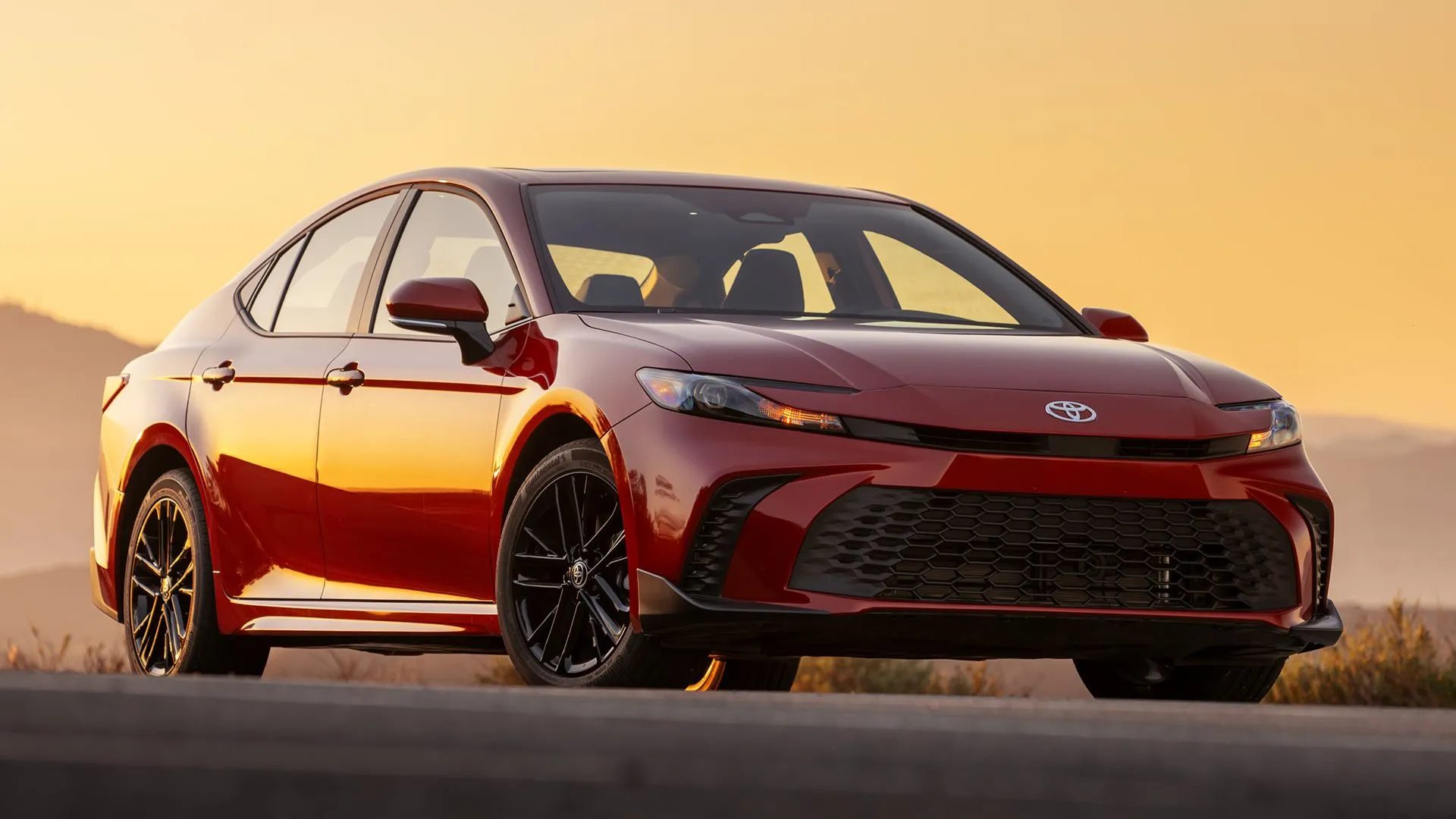
The Toyota Camry is one of the most recognized midsize sedans globally, and it has consistently offered a blend of affordability, reliability, and comfort.
By 2026, it is expected to maintain its role as a budget-conscious option for buyers who want a spacious, practical vehicle without excessive expenses. Its midsize dimensions provide ample interior space, making it suitable for families, professionals, and long-distance commuters.
Affordability is reinforced by the Camry’s long-term reliability. Toyota’s engineering emphasizes durability and predictability, which reduces the likelihood of unexpected repairs.
Maintenance schedules are straightforward, and parts are widely available, keeping service costs manageable. These attributes make the Camry a financially responsible choice for buyers looking to invest in a vehicle with minimal long-term risk.
While larger than compact sedans, the Camry maintains respectable mileage thanks to careful powertrain design and lightweight construction. Hybrid variants are also available, providing even greater savings for those who travel frequently. These factors help buyers manage ongoing fuel expenses without sacrificing the comfort and space offered by a midsize sedan.
The Camry’s popularity contributes to its accessibility and value. High demand ensures a robust used car market, which supports resale value and reduces depreciation-related losses. Additionally, widespread familiarity among mechanics ensures that repair labor costs remain reasonable. For those seeking a vehicle that balances comfort, practicality, and cost efficiency, the Camry remains a compelling option in 2026.
Finally, Toyota continues to integrate modern safety and technology features into the Camry without compromising reliability or affordability. Standard driver-assist systems, improved infotainment, and user-friendly controls provide convenience and protection without introducing costly complexity. This approach ensures that the Camry continues to offer long-term value, making it an ideal midsize sedan for budget-minded consumers.
Toyota Camry Hybrid
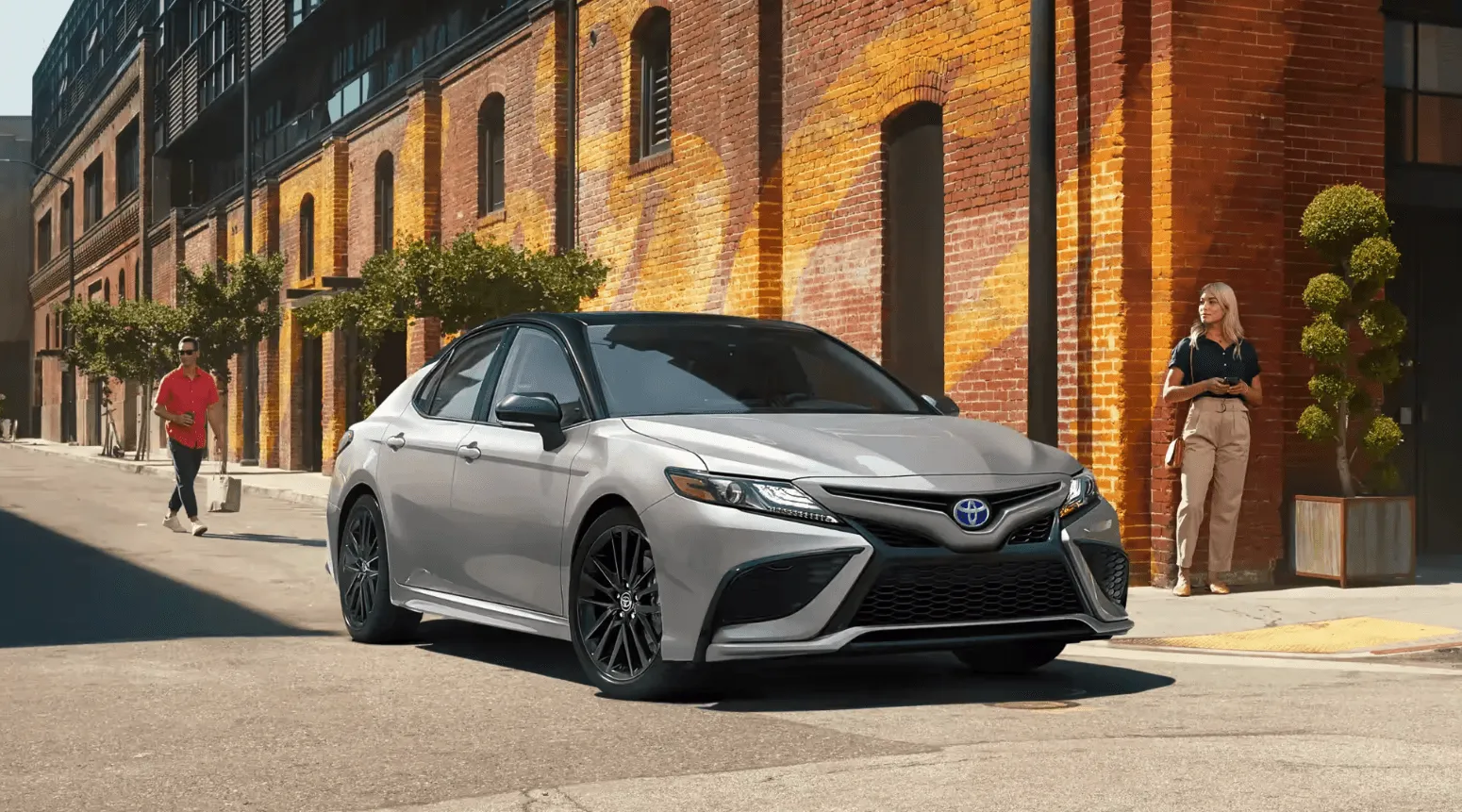
The Toyota Camry Hybrid builds upon the practicality and comfort of the standard Camry while offering significantly improved fuel efficiency. By combining a gasoline engine with an electric motor, it provides an attractive balance between performance and economy.
By 2026, advancements in hybrid technology are expected to make the Camry Hybrid even more efficient, allowing drivers to save on fuel costs without sacrificing comfort or interior space.
Though the hybrid model may carry a higher initial purchase price, the long-term financial benefits often outweigh this difference. Reduced fuel consumption can lead to substantial savings, particularly for those who commute daily or frequently drive long distances.
In addition, Toyota’s proven hybrid systems have demonstrated durability, which lowers the risk of unexpected repair costs over time. The hybrid’s regenerative braking system also reduces wear on brake components, further reducing maintenance expenses.
Comfort and refinement are key strengths of the Camry Hybrid. The vehicle operates smoothly and quietly, especially during low-speed or city driving when the electric motor handles most of the work. This not only enhances driving enjoyment but also reduces mechanical strain, contributing to the vehicle’s long-term reliability. Interior features are thoughtfully designed, with spacious seating and intuitive controls, making the car suitable for families, professionals, and frequent travelers.
Safety and technology are also well-integrated into the Camry Hybrid. Advanced driver-assist systems, including adaptive cruise control, lane-keeping assist, and automatic emergency braking, help improve road safety without complicating vehicle maintenance.
Infotainment features are practical and easy to use, providing connectivity and convenience without high cost. These factors reinforce the model’s value proposition for budget-conscious buyers seeking long-term reliability.
The Camry Hybrid’s resale value further strengthens its affordability. As hybrid vehicles become increasingly popular due to rising fuel costs and environmental considerations, demand for used hybrids remains strong.
Owners are likely to recover a significant portion of their investment when selling or trading in the vehicle, reducing the effective ownership cost. For those seeking a midsize sedan with both comfort and long-term financial advantages, the Camry Hybrid is a strong contender heading into 2026.
Toyota Corolla Cross
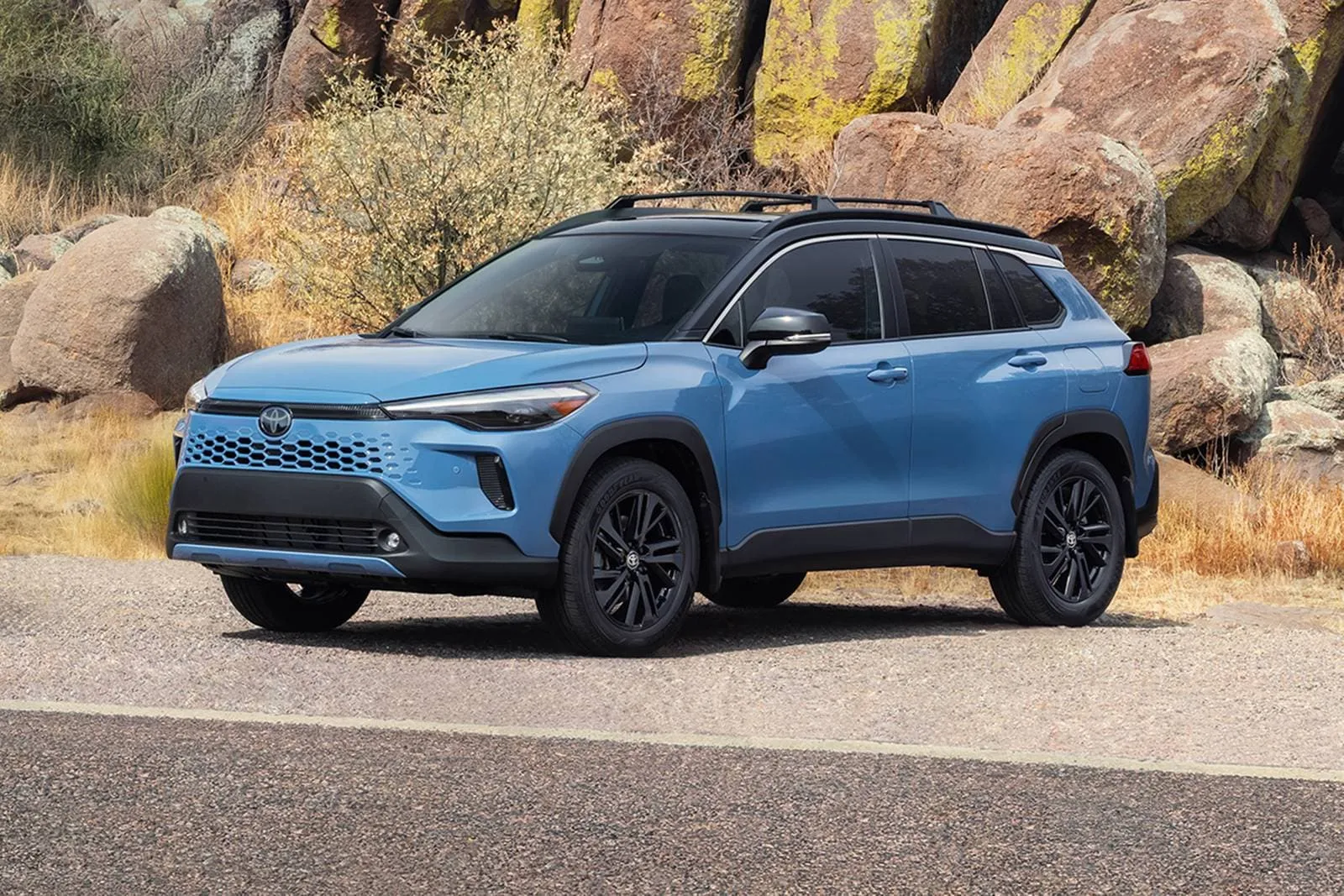
The Toyota Corolla Cross is Toyota’s compact crossover offering, designed to combine the Corolla’s efficiency with the versatility and elevated driving position of an SUV.
By 2026, it is expected to continue being a practical and budget-friendly option for buyers who need extra cargo space and passenger comfort without moving into higher-priced SUV segments. Its compact size makes it easy to maneuver in urban settings while still providing room for families, shopping, or light recreational use.
Affordability is one of the Corolla Cross’s key attributes. By sharing components and engineering principles with the Corolla sedan, production and maintenance costs remain controlled. Parts are widely available, and routine servicing is relatively inexpensive, making it a logical choice for budget-conscious families or individuals. In addition, fuel efficiency remains competitive for the crossover segment, allowing drivers to enjoy utility without facing high operating expenses.
The Corolla Cross also emphasizes practicality. Its interior layout is versatile, with foldable rear seats that expand cargo space when needed. Despite being a smaller SUV, it can accommodate passengers comfortably, and its elevated seating position provides improved visibility, which is valuable for city driving and highway travel. These features reduce the need for a larger, more expensive vehicle while meeting everyday needs.
Safety is another area where the Corolla Cross stands out. Toyota typically equips its crossovers with a range of standard safety features, including lane departure warnings, adaptive cruise control, and automatic emergency braking.
These systems improve driver confidence and reduce potential accident-related expenses, which can influence insurance costs. For buyers seeking an affordable, safe, and practical SUV, the Corolla Cross is a strong candidate for 2026.
Resale value is also important to the Corolla Cross’s budget appeal. Small crossovers remain popular in the used market due to their practicality and efficiency, which helps maintain stable resale prices. Combined with its relatively low operating costs and Toyota’s reputation for durability, the Corolla Cross represents a long-term, economical choice for buyers who want SUV utility without overspending.
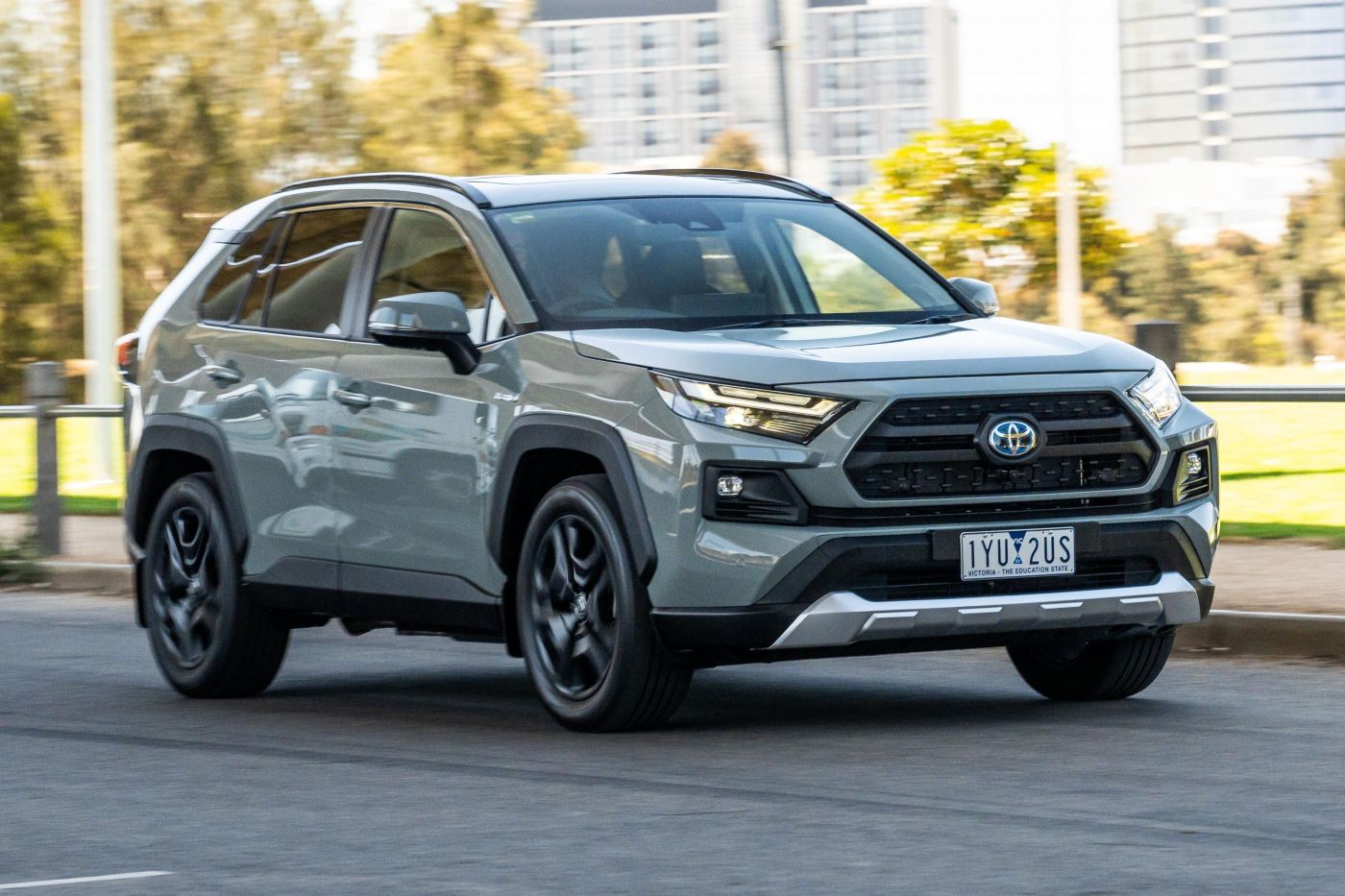
Toyota RAV4 Hybrid
The Toyota RAV4 Hybrid is a larger, more capable alternative to compact crossovers, offering the combination of space, utility, and fuel efficiency.
By 2026, it is expected to remain a highly practical option for families, outdoor enthusiasts, and drivers who need more versatility than a compact car can provide. Its hybrid system allows for strong performance and reduced fuel consumption, making it a compelling choice for budget-conscious buyers who require a midsize SUV.
The hybrid system in the RAV4 Hybrid is designed for long-term durability. Toyota has extensive experience with hybrid technology, and components such as the battery and electric motor are engineered to last for many years with minimal maintenance. This reliability reduces the risk of costly repairs, helping to maintain affordability despite the vehicle’s larger size and higher initial purchase price.
Fuel efficiency remains a significant advantage for the RAV4 Hybrid. Compared to traditional gasoline-powered SUVs, it offers lower consumption and fewer emissions, translating to long-term savings on fuel costs. This makes it especially appealing for families with daily commutes or frequent road trips.
Additionally, the hybrid system provides smooth acceleration and responsive performance, improving the driving experience without adding complexity that could increase maintenance costs.
The RAV4 Hybrid also emphasizes practicality and versatility. Its spacious interior accommodates passengers comfortably, while its cargo area can handle groceries, sports equipment, or luggage with ease.
All-wheel-drive options are available for added traction in various weather conditions, enhancing the vehicle’s utility. Safety features, such as adaptive cruise control and lane departure alerts, are standard, providing added protection without significantly increasing the cost of ownership.
Strong resale value contributes to the RAV4 Hybrid’s affordability. Efficient, reliable SUVs are in high demand in the used market, allowing owners to recover a portion of their investment if they decide to sell. When combined with low fuel and maintenance costs, the RAV4 Hybrid offers a comprehensive value package for budget-conscious buyers seeking a capable and versatile SUV in 2026.
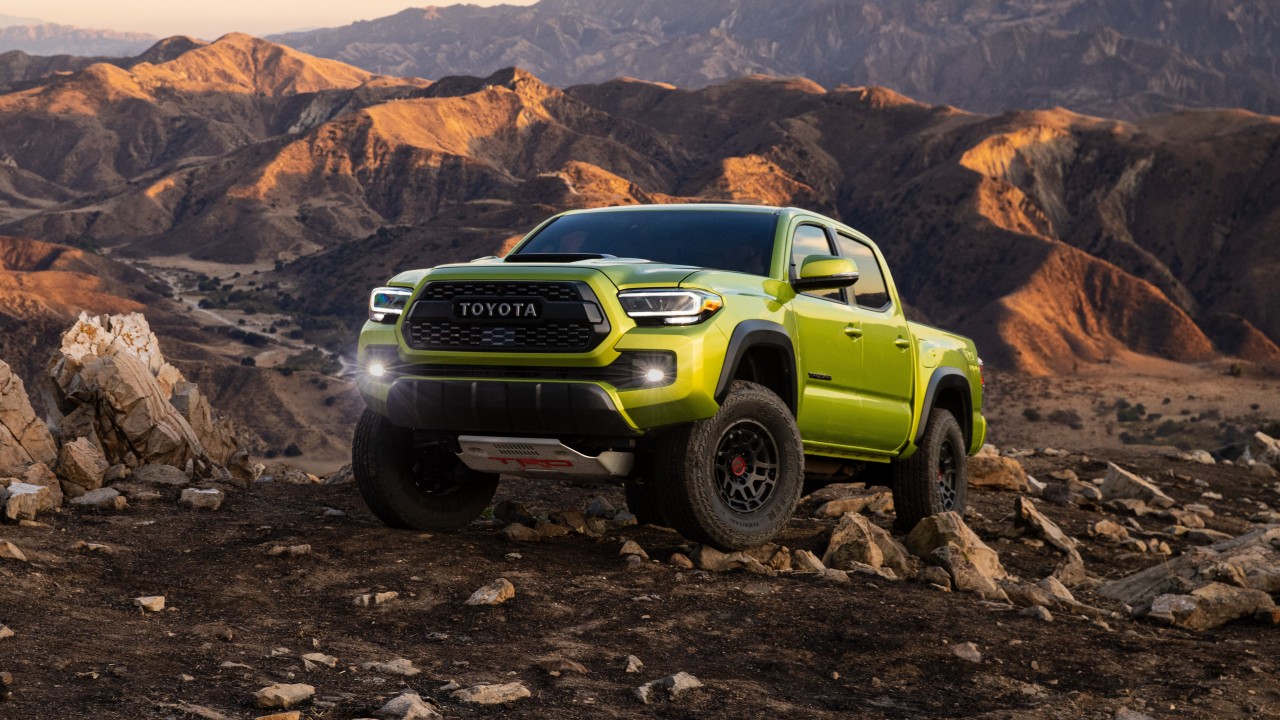
Toyota Tacoma
The Toyota Tacoma is a midsize pickup truck known for durability, reliability, and long-term value. By 2026, it is expected to remain a popular choice for buyers who require a capable truck for work, outdoor activities, or general utility. While the purchase price is higher than smaller vehicles, its longevity and strong resale value make it a financially sound option over time.
Durability is one of the Tacoma’s strongest attributes. The truck is built to withstand heavy use, including towing, hauling, and off-road driving.
This toughness reduces the likelihood of major mechanical issues and extends the vehicle’s lifespan, allowing owners to retain their investment longer than with many competing vehicles. Routine maintenance is straightforward, with widely available parts and knowledgeable service providers.
Fuel efficiency may not match smaller vehicles, but Toyota has implemented engine and transmission improvements that optimize consumption for a truck of its size.
The Tacoma’s powertrains are engineered to balance strength and economy, providing sufficient performance for work or recreational use without unnecessary fuel expenditure. This makes it more manageable for buyers who require utility but are mindful of costs.
Comfort and technology have improved in recent Tacoma models. Despite being a work-focused truck, it offers a well-designed cabin, supportive seats, and standard infotainment features. Safety features, such as stability control, airbags, and optional driver-assist technologies, further enhance its value by reducing potential accident-related expenses.
Resale value is another factor that contributes to the Tacoma’s affordability. Pickup trucks, particularly durable models like the Tacoma, tend to hold value extremely well.
Many owners keep Tacomas for years, and used models often maintain high market demand. This strong resale value offsets the initial purchase price, making the Tacoma a practical choice for buyers who need a long-lasting truck without overspending over its lifetime.
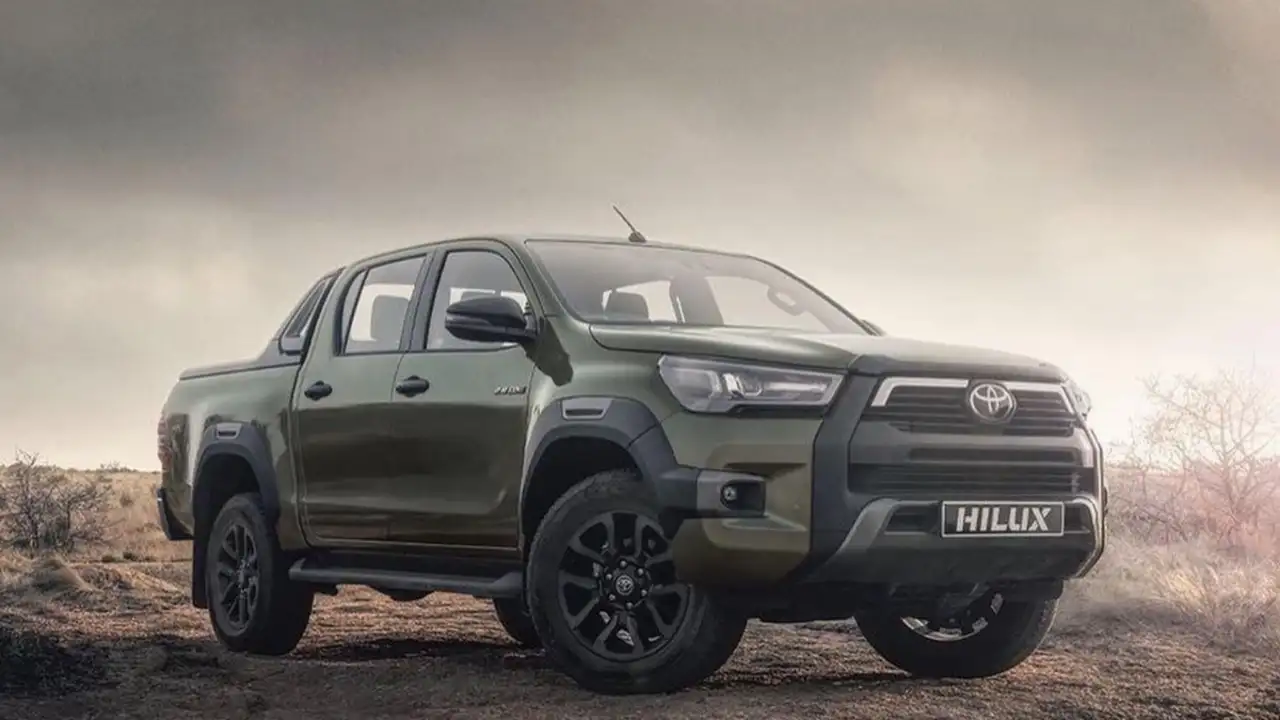
Toyota Hilux
The Toyota Hilux is a globally recognized pickup known for ruggedness and reliability. In markets where it is available, it remains a practical, budget-conscious choice for those who require a durable work or utility vehicle. By 2026, the Hilux is expected to continue offering dependable performance with minimal long-term costs, making it a sensible option for buyers who prioritize durability over luxury features.
The Hilux’s primary advantage lies in its robust construction. Designed to endure harsh conditions, it can withstand heavy loads, off-road driving, and frequent use with minimal maintenance. This longevity reduces repair frequency and ownership costs. The truck’s simple yet durable mechanical systems make servicing straightforward and widely accessible, further reinforcing its cost-effectiveness.
Fuel efficiency and engine design have improved over recent generations, helping control operating costs. While it does not compete with smaller cars in terms of fuel economy, the Hilux provides a practical balance between capability and efficiency. Its engines are designed to offer reliable performance while minimizing unnecessary expenses over time.
The Hilux also emphasizes functionality and practicality. Its cargo bed allows for versatile hauling, and the cabin accommodates passengers comfortably.
Safety features such as airbags, stability control, and reinforced frames are integrated to protect occupants without substantially increasing the cost of ownership. This combination of safety, utility, and durability makes the Hilux a well-rounded, economical choice.
Finally, resale value supports the Hilux’s long-term affordability. Pickup trucks with reputations for toughness and reliability are in high demand on the used market, ensuring strong resale prices. Buyers can recover a significant portion of their investment, which reduces the effective cost of ownership. For individuals seeking a dependable and durable pickup in 2026, the Hilux remains a strong, budget-conscious option.
