
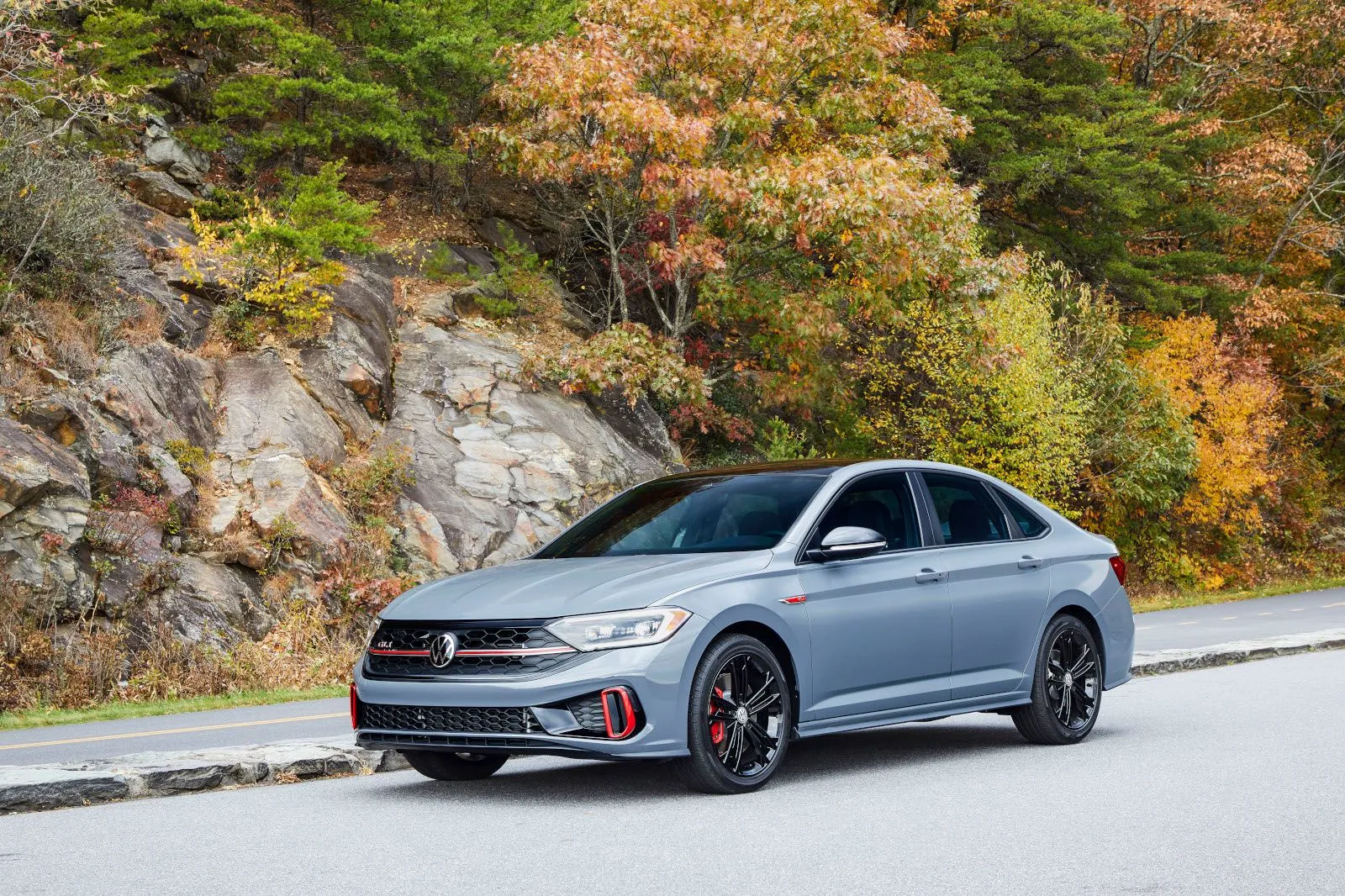
Turbocharged 4-cylinder engines have become a cornerstone of modern automotive design, providing a balance of power, fuel efficiency, and long-term reliability. Over the years, manufacturers have refined turbocharging technology, allowing these engines to deliver impressive performance without sacrificing longevity.
While traditional larger engines often relied on displacement to generate power, turbo 4-cylinders achieve similar results by forcing air into the combustion chamber, which improves efficiency and output. For drivers who value a car that lasts for many years without major mechanical issues, turbo 4-cylinder engines offer a compelling choice. These engines can sustain high mileage, often surpassing 200,000 miles, provided they receive consistent maintenance and proper care.
The appeal of turbo 4-cylinders is not limited to their mechanical benefits. They offer lighter weight compared to V6 or V8 engines, which can improve handling and vehicle dynamics. This means that cars equipped with these engines often feel more responsive, agile, and enjoyable to drive, whether on city streets or winding roads.
Additionally, the compact design of these engines allows for more efficient use of interior space, giving drivers a roomier cabin or better cargo capacity. Automakers from Japan, Europe, and the United States have all invested heavily in turbocharging technology, resulting in a variety of options for consumers who want both reliability and performance.
Another factor that contributes to the long-term dependability of these vehicles is the evolution of engine management systems. Modern turbocharged engines come with sophisticated cooling systems, oil circulation, and computerized monitoring that protect vital components from excessive wear.
Unlike early turbo engines that were prone to overheating and mechanical stress, contemporary designs offer a balance of durability and responsiveness. Many of these engines feature direct fuel injection and variable valve timing, which further enhances efficiency and reduces the likelihood of engine knock, a common problem in earlier turbocharged designs.
Finally, the growing popularity of turbo 4-cylinder engines is driven by changing environmental and economic factors. As fuel economy standards become stricter and consumers seek to reduce fuel costs, these engines provide a practical solution without forcing a compromise on performance.
Drivers can enjoy spirited acceleration, highway passing power, and towing capability in some models, all while benefiting from a smaller carbon footprint compared to larger engines. For anyone looking to invest in a car that offers both reliability and performance for many years, a turbocharged 4-cylinder is a smart choice, combining the best of modern technology with a proven track record of longevity.
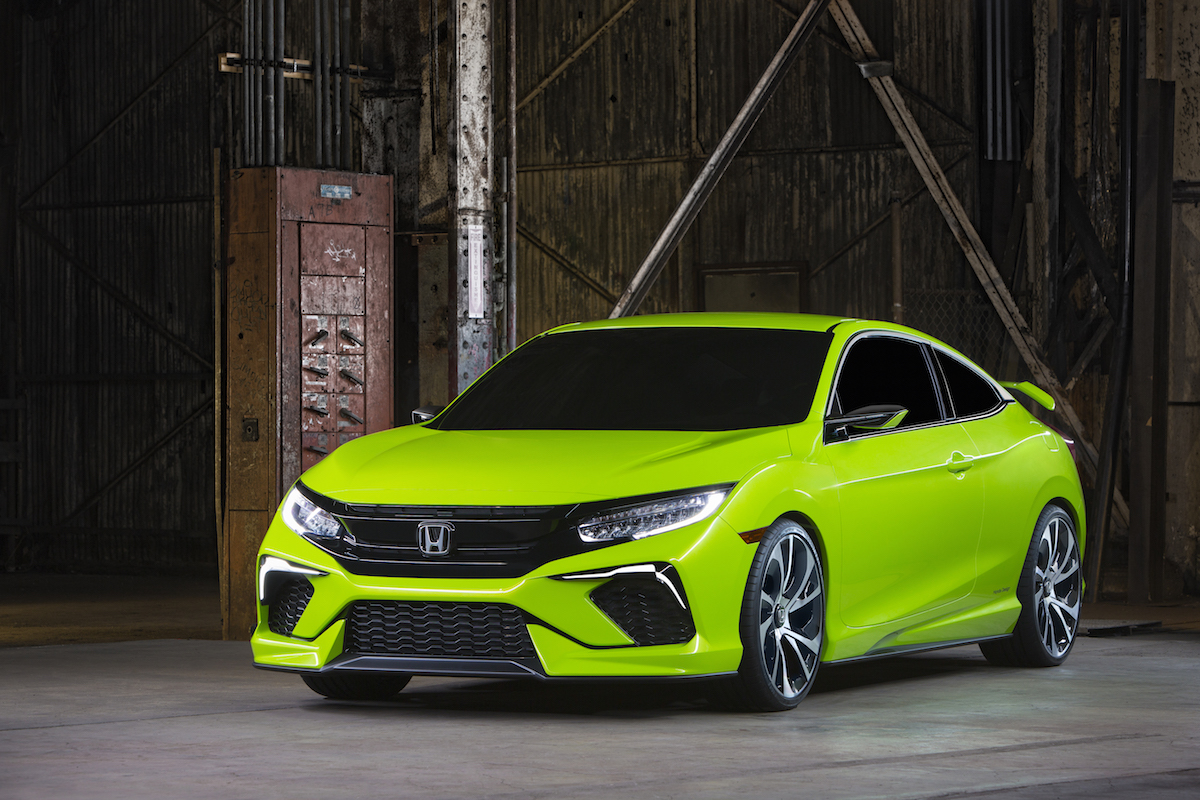
1. Honda Civic Turbo
The Honda Civic has long been celebrated for its reliability, and the turbocharged variants take this reputation a step further. The Civic’s 1.5-liter turbocharged engine combines fuel efficiency with enough power to make daily driving enjoyable.
This engine is known to maintain performance well past the 200,000-mile mark, provided regular oil changes and recommended maintenance schedules are followed. Honda’s engineering focuses on durability, with a robust block and well-designed turbo system that reduces the likelihood of premature failure.
Owners of turbo Civics often report minimal issues even after extensive use, which contributes to the car’s long-term appeal. Components like the timing chain, water pump, and turbo itself are built to last, meaning drivers can often avoid expensive repairs.
Additionally, parts are widely available, and Honda has a strong reputation for providing reliable service information and replacement components. This makes it easier to maintain the vehicle over the years without running into unexpected mechanical problems.
The Civic Turbo also benefits from a well-tuned transmission. Whether paired with a manual gearbox or Honda’s continuously variable transmission, the engine maintains smooth performance and minimal stress on drivetrain components.
The combination of a high-quality transmission and a turbocharged engine designed for longevity ensures a balanced driving experience without sacrificing fuel economy. Many owners find that the car remains lively and responsive even after years of daily commuting.
Finally, the Civic Turbo offers a practical and well-rounded driving experience. Its lightweight chassis, efficient suspension, and aerodynamic design contribute to reliability by reducing strain on mechanical components.
This means the engine, brakes, and suspension can endure more miles without premature wear. For drivers seeking a dependable, long-lasting turbo 4-cylinder car that can handle daily use and occasional spirited driving, the Honda Civic Turbo is a standout option.
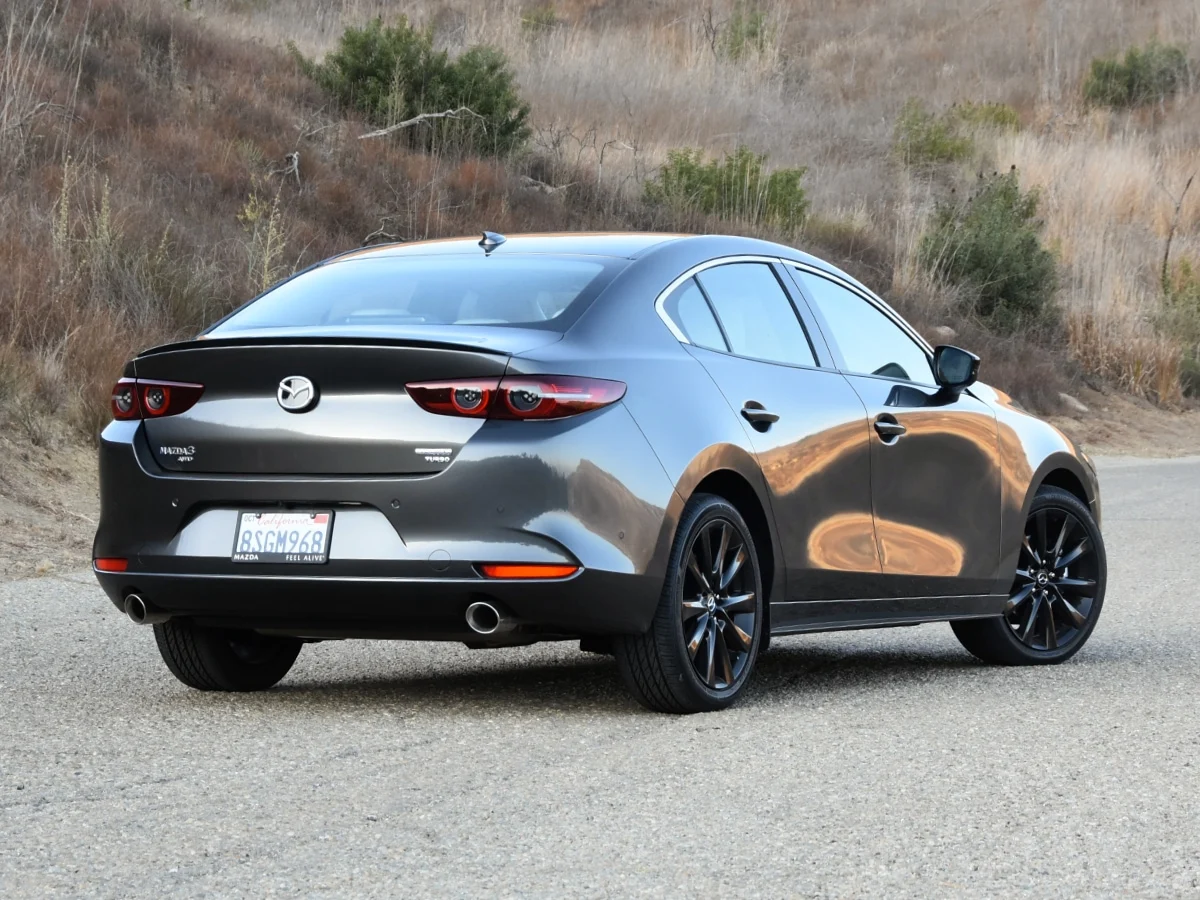
2. Mazda3 Turbo
Mazda’s approach to turbocharged engines emphasizes smooth power delivery and efficient performance. The Mazda3 with a 2.5-liter turbocharged engine combines strong acceleration with Mazda’s renowned engineering for reliability.
Known for its responsive throttle and precise handling, this engine can last for many years without major mechanical issues if maintained correctly. Regular oil changes and attention to the cooling system are essential for preserving the turbocharger’s longevity.
The Mazda3 Turbo is designed to be resilient under daily driving conditions. The turbocharger itself operates with minimal lag, thanks to advanced engineering that balances performance and durability. Components such as the intercooler, intake system, and exhaust manifold are carefully engineered to withstand high temperatures and maintain consistent airflow. This reduces the risk of turbo failure, which was a common concern in earlier models of other manufacturers.
Beyond the engine, the Mazda3 Turbo benefits from a well-constructed chassis and suspension system. These elements contribute indirectly to the engine’s longevity by minimizing vibration and stress during acceleration and cornering.
Drivers often note that the car feels planted and responsive even after several years on the road, which is a testament to the durability of the vehicle. The careful integration of the turbo engine with the rest of the drivetrain ensures that each component supports long-term reliability.
Finally, the interior and technological features of the Mazda3 Turbo complement its dependable performance. Advanced driver assistance systems, high-quality materials, and efficient electronics mean fewer headaches from ancillary systems over time. The combination of a robust turbo engine and a carefully engineered vehicle platform makes the Mazda3 Turbo a reliable choice for drivers who want a car that combines longevity, efficiency, and spirited performance.
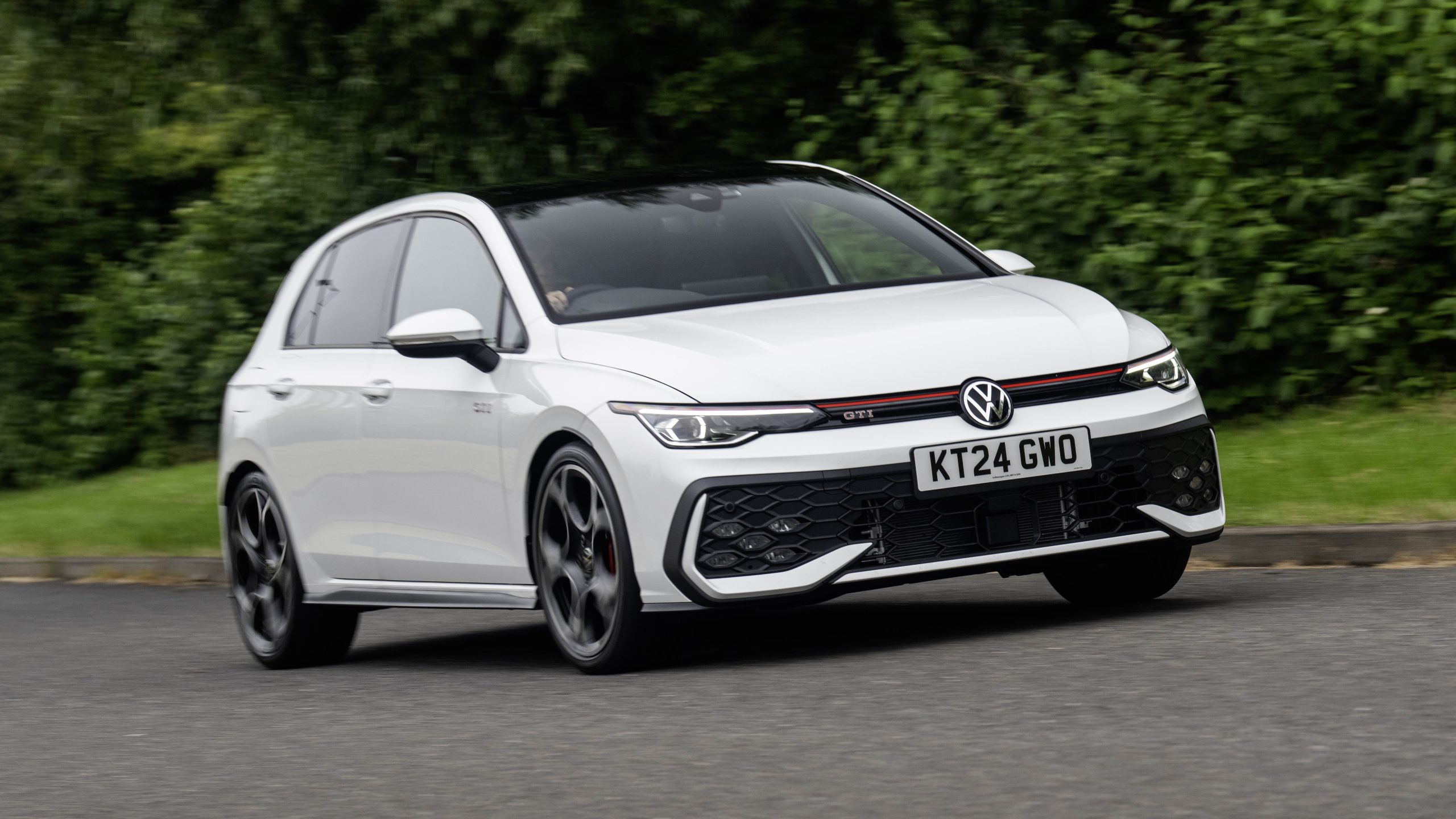
3. Volkswagen Golf GTI
The Volkswagen Golf GTI has been a benchmark for sporty, reliable hatchbacks for decades. Its 2.0-liter turbocharged 4-cylinder engine delivers both performance and durability. VW has invested in engineering improvements that enhance the longevity of the GTI’s turbo system, including reinforced pistons, improved cooling, and high-quality lubricants. This ensures that drivers can enjoy the car for many years without facing common turbo engine issues.
The GTI’s turbo engine is designed to handle high mileage, and many owners report reliability well beyond 150,000 miles. Proper maintenance, including timely oil changes with manufacturer-recommended synthetic oil, is key to keeping the turbocharger in good condition. Additionally, VW’s extensive service network and availability of parts make repairs easier and less costly than might be expected for a performance-oriented vehicle.
Another factor in the GTI’s long-term reliability is the transmission. Whether paired with a manual gearbox or Volkswagen’s dual-clutch automatic, the drivetrain is built to handle the torque generated by the turbo engine.
This ensures smooth power delivery and minimal stress on key components, contributing to the longevity of the vehicle. Many owners find that the car maintains its sporty character while remaining mechanically sound over the years.
Finally, the Golf GTI offers a balanced combination of performance and comfort. Its suspension, braking system, and aerodynamic design all support long-term durability by reducing unnecessary stress on the turbocharged engine. With proper care, the GTI remains a practical daily driver while offering spirited performance, making it one of the most dependable turbo 4-cylinder options on the market.
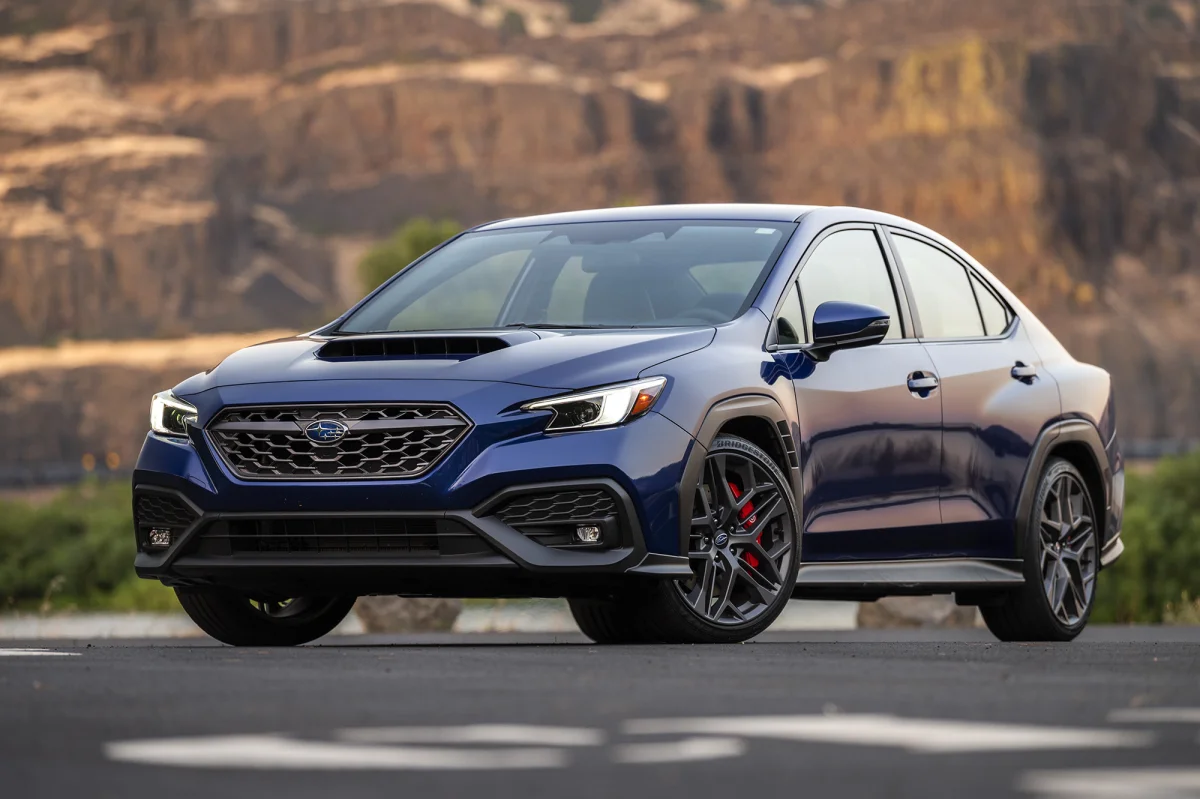
4. Subaru WRX
The Subaru WRX is a favorite among enthusiasts who appreciate performance and reliability. Its 2.0-liter or 2.4-liter turbocharged flat-four engine provides strong acceleration and a responsive driving experience.
Subaru’s engineering emphasizes longevity, with a robust boxer engine layout that lowers the car’s center of gravity and reduces stress on internal components. With regular maintenance, the WRX’s turbo engines can endure high mileage without significant issues.
One reason the WRX’s turbo engines last is their cooling system. Subaru integrates efficient intercoolers and oil cooling systems to ensure that high-temperature operation does not degrade engine components prematurely. This careful attention to thermal management protects the turbocharger and prevents common issues such as overheating or oil coking, which were concerns in earlier turbocharged engines.
The WRX also benefits from a durable drivetrain. The symmetrical all-wheel-drive system distributes power evenly and reduces the strain on the engine and transmission. Drivers often notice that the car remains stable and responsive even under demanding conditions, which indirectly contributes to the longevity of the turbo engine. Subaru’s focus on balanced engineering ensures that no single component bears excessive stress over time.
Finally, the WRX’s reliability extends beyond the engine. High-quality suspension components, brakes, and body structure ensure that the car remains safe and dependable through years of use.
With proper maintenance and attention to fluid changes, the WRX provides a long-lasting, turbocharged 4-cylinder option that balances everyday usability with spirited performance, making it a practical choice for enthusiasts and commuters alike.
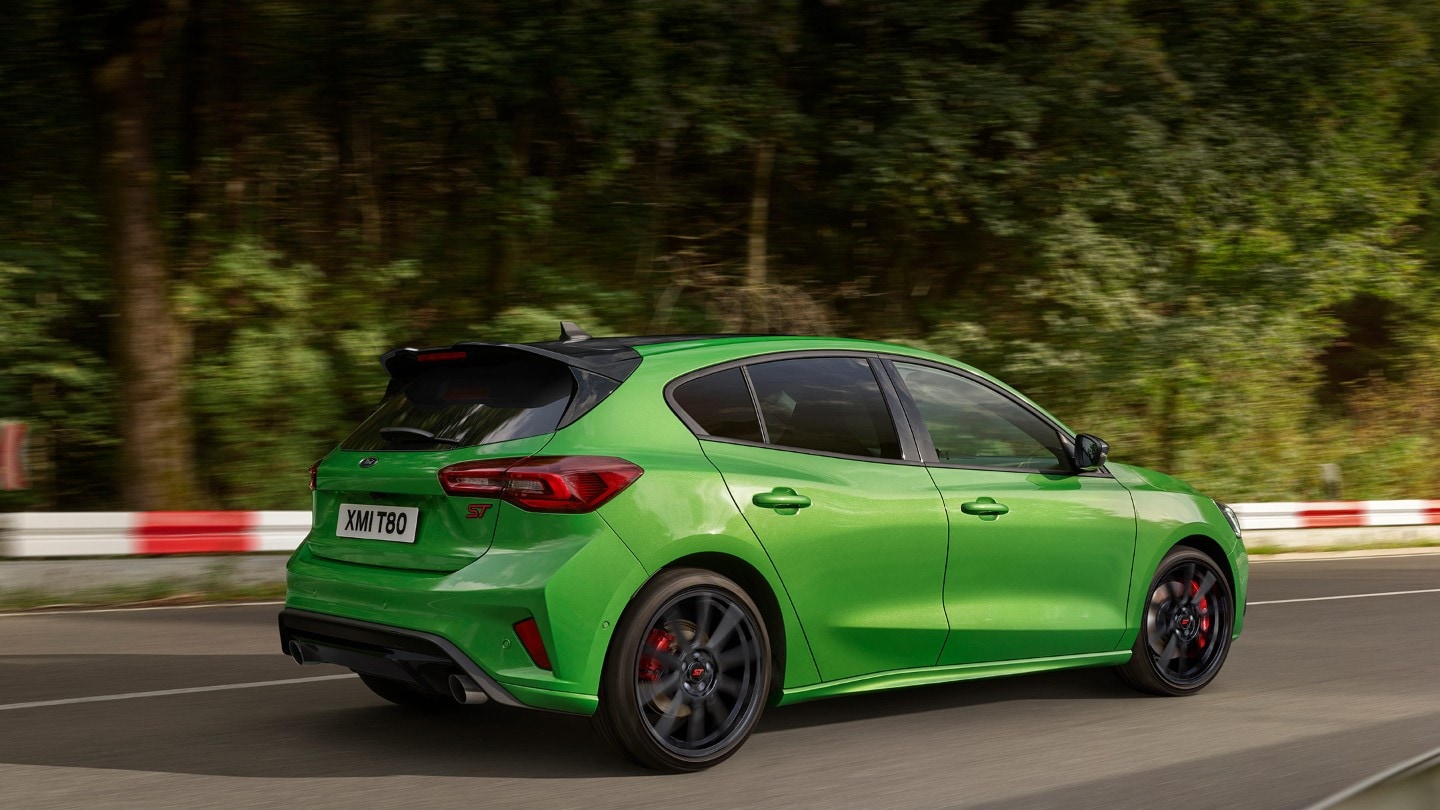
5. Ford Focus ST
The Ford Focus ST has been a popular choice for drivers seeking a practical hatchback with sporty performance. Its 2.0-liter turbocharged engine delivers a remarkable balance between power and reliability, allowing it to remain competitive in its segment for years.
Ford engineered this engine to handle spirited driving while maintaining long-term durability. The turbo system benefits from a robust design, including reinforced pistons and a well-ventilated intercooler, which ensures that the engine can sustain high pressures without compromising its lifespan. With routine oil changes and adherence to recommended maintenance schedules, the Focus ST’s turbo engine is capable of lasting well beyond 150,000 miles, providing confidence for long-term ownership.
Owners frequently praise the Focus ST for its smooth power delivery. The engine provides instant response at low RPMs while maintaining linear performance at higher speeds, a result of careful turbocharger calibration and software tuning.
This design not only improves drivability but also reduces stress on the engine and turbo components. Unlike some earlier turbocharged engines that were prone to lag or early wear, the Focus ST delivers performance predictably, allowing drivers to enjoy both daily commuting and more spirited driving without concern for premature mechanical issues.
Another aspect that contributes to the Focus ST’s durability is its transmission. Paired with either a six-speed manual or a well-designed automatic gearbox, the drivetrain efficiently handles the engine’s torque without placing undue strain on internal components.
The clutch, flywheel, and differential are engineered for long-term resilience, ensuring that high mileage does not compromise performance. Many owners report that their cars remain responsive and reliable even after extensive use, a testament to the careful integration of the turbo engine with the rest of the vehicle’s mechanical systems.
Finally, the Focus ST offers a comprehensive driving experience that supports long-term reliability. Its suspension, braking system, and chassis rigidity reduce vibrations and mechanical stress, which protects the engine and drivetrain over time.
Additionally, the car’s electronics and auxiliary systems are designed for longevity, minimizing the risk of failures that could indirectly affect engine performance. The Ford Focus ST represents a well-rounded option for anyone seeking a long-lasting, turbocharged 4-cylinder car that combines performance, practicality, and dependability.
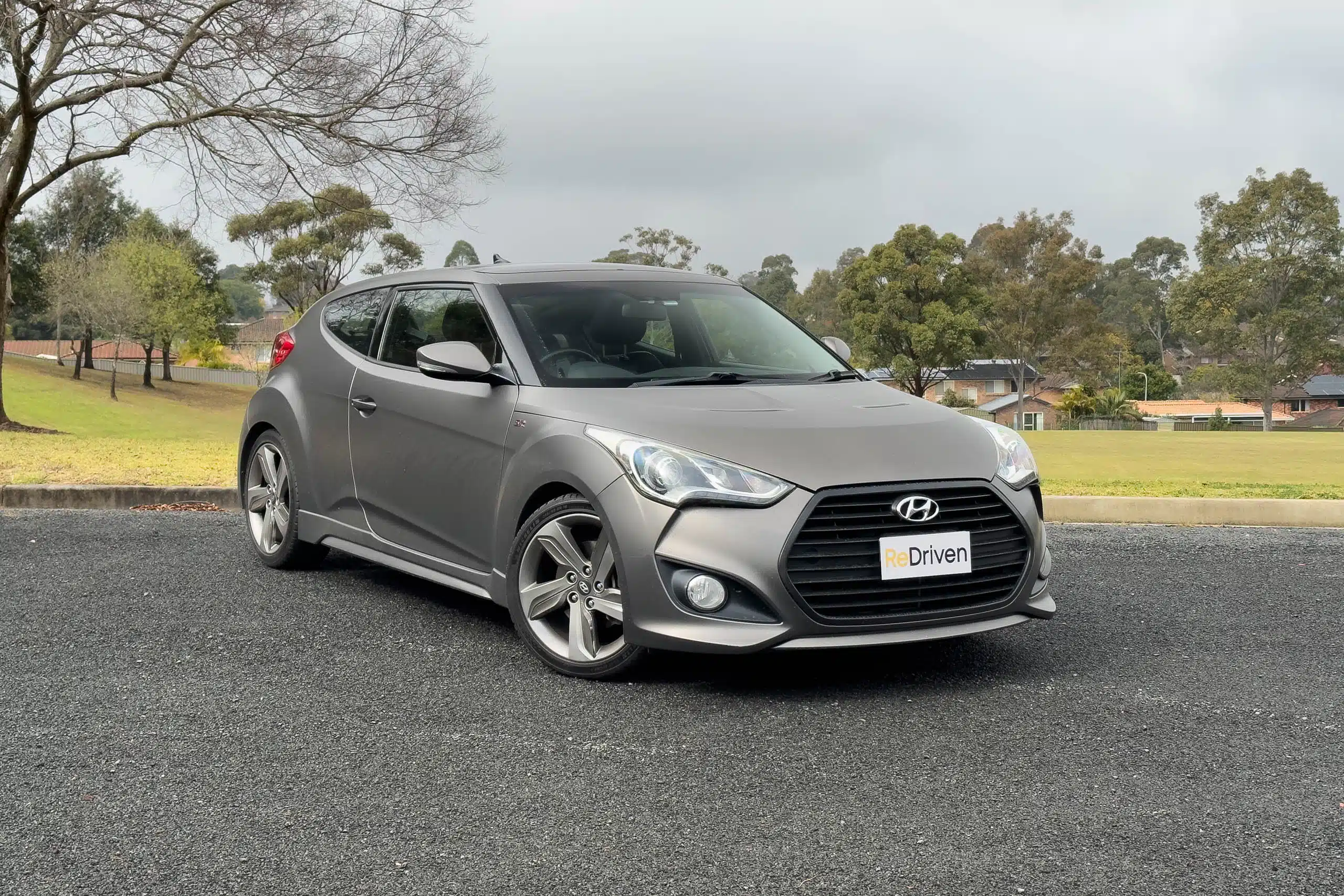
6. Hyundai Veloster Turbo
The Hyundai Veloster Turbo has emerged as a unique option in the compact sporty segment. Its 1.6-liter turbocharged engine delivers impressive acceleration and a fun driving experience while maintaining strong reliability.
Hyundai’s engineering focuses on longevity, with components designed to endure high temperatures and consistent use. Many owners report that with regular maintenance, including oil changes and occasional turbo inspection, the Veloster Turbo remains mechanically sound well past 150,000 miles.
The Veloster Turbo benefits from a turbo system that is optimized for both performance and endurance. The engine uses advanced cooling systems and a carefully designed intercooler to manage heat effectively, protecting vital components from premature wear.
Additionally, Hyundai has reinforced the internal components of the engine, such as pistons, connecting rods, and valves, to withstand the pressures associated with forced induction. These engineering decisions allow the engine to maintain consistent performance without the issues that sometimes plague high-output turbo engines.
Beyond the engine itself, the Veloster Turbo integrates well with the vehicle’s drivetrain and chassis. Its lightweight design and responsive suspension reduce stress on the engine and turbo components, contributing to longevity.
Drivers often note that the car feels agile and stable even during spirited driving, a combination that is unusual for a small turbocharged hatchback. This careful engineering ensures that the car can endure years of daily driving while still providing a lively performance experience.
The Veloster Turbo’s reliability extends to its broader systems as well. Hyundai has focused on ensuring that electrical systems, turbo plumbing, and transmission components are durable and low-maintenance.
The combination of a dependable turbo engine with a well-engineered vehicle platform makes the Veloster Turbo a standout choice for those who want a car that can deliver long-term performance, efficiency, and enjoyment. Its balance of spirited driving and mechanical resilience makes it particularly appealing to young drivers or anyone who appreciates compact sporty cars with proven durability.
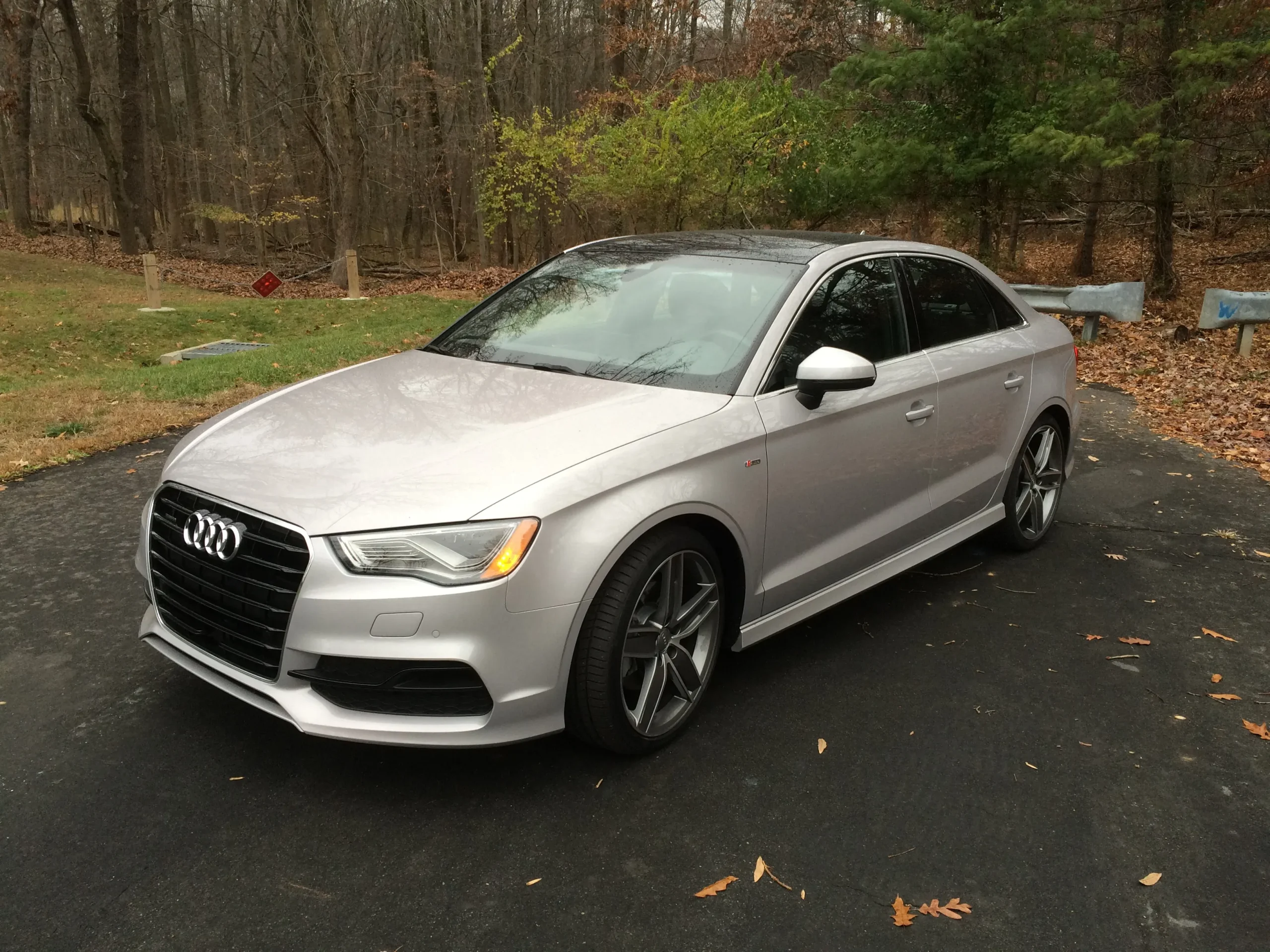
7. Audi A3 2.0T
Audi’s A3 equipped with a 2.0-liter turbocharged 4-cylinder engine represents a European approach to combining performance and longevity. Known for its refined engineering, the A3’s turbo engine delivers smooth acceleration and reliable performance for high-mileage drivers.
Audi has designed the 2.0T engine to withstand long-term use by focusing on robust construction, efficient cooling, and precise fuel management. With proper maintenance, these engines frequently surpass 200,000 miles without major mechanical failures, making them a dependable choice for a premium compact car.
The turbocharger in the Audi A3 2.0T is integrated with advanced technology to reduce mechanical stress. Intercoolers, variable geometry turbo design, and direct injection work together to maintain consistent performance under a variety of driving conditions.
These engineering improvements help prevent common turbo problems such as overheating, boost leaks, or premature wear, allowing the engine to maintain efficiency and power over many years. Audi’s emphasis on build quality ensures that every component in the turbo system is designed for long-term durability.
Transmission and drivetrain integration also play a key role in the A3’s reliability. Paired with either a manual gearbox or the well-known dual-clutch S tronic automatic, the turbo engine is supported by a system designed for smooth, efficient power transfer.
This reduces unnecessary strain on internal components and helps preserve the engine’s lifespan. Drivers can enjoy consistent performance and the sporty character of the car without facing early wear issues common in other high-performance compact cars.
Finally, the Audi A3 2.0T benefits from a premium chassis and structural design that support vehicle longevity. Its suspension and braking systems are engineered to reduce vibrations and mechanical stress on the engine, while high-quality materials in the cabin and body prevent deterioration over time.
For those seeking a long-lasting, turbocharged 4-cylinder car with refined performance and German engineering reliability, the Audi A3 2.0T remains a strong candidate, blending efficiency, durability, and sporty driving appeal.
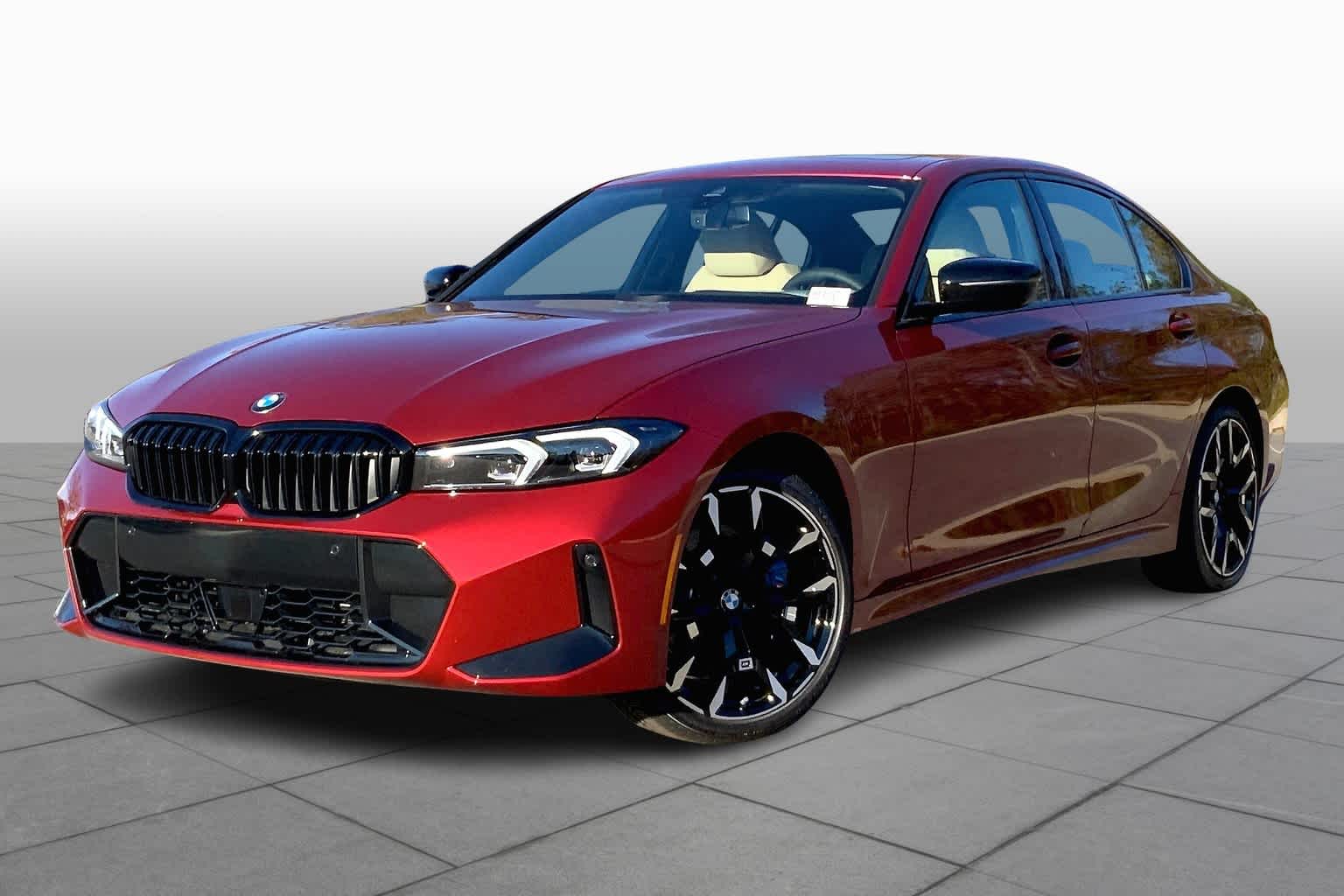
8. BMW 330i
The BMW 330i, equipped with a 2.0-liter turbocharged engine, exemplifies the balance of performance, efficiency, and long-term reliability in the luxury sedan segment. BMW’s turbocharged 4-cylinder engines have a reputation for durability when properly maintained.
Regular oil changes with high-quality synthetic oil, attention to cooling system maintenance, and adherence to service intervals ensure the engine remains mechanically sound for hundreds of thousands of miles. Drivers appreciate that the 330i delivers strong acceleration, responsive handling, and a premium driving experience without sacrificing long-term dependability.
The 330i’s turbo engine incorporates sophisticated engineering features to enhance reliability. Components such as forged pistons, high-pressure fuel systems, and efficient turbochargers are carefully designed to manage high temperatures and maintain consistent performance.
BMW also employs precise electronic engine management systems that monitor key variables to prevent overboost, overheating, and other conditions that could compromise engine longevity. These design choices contribute to the engine’s ability to maintain power and efficiency over many years of use.
Transmission and chassis integration further enhance the 330i’s reliability. Paired with either a manual gearbox or BMW’s Steptronic automatic, the turbo engine is supported by a drivetrain that can handle torque efficiently without placing undue stress on mechanical components.
The suspension and handling systems are also engineered to provide a smooth, controlled ride, reducing vibration and wear on the engine and related parts. Drivers often report that the car maintains its sporty feel even after extensive mileage.
Finally, the BMW 330i’s build quality reinforces long-term dependability. High-quality materials, corrosion-resistant body panels, and well-engineered electronics contribute to a lower likelihood of premature failure in auxiliary systems.
Combined with the robust turbo engine and well-integrated drivetrain, the 330i provides a reliable, long-lasting driving experience that blends luxury, performance, and practical durability. For those seeking a premium vehicle with a dependable turbocharged 4-cylinder engine, the 330i is an excellent choice.
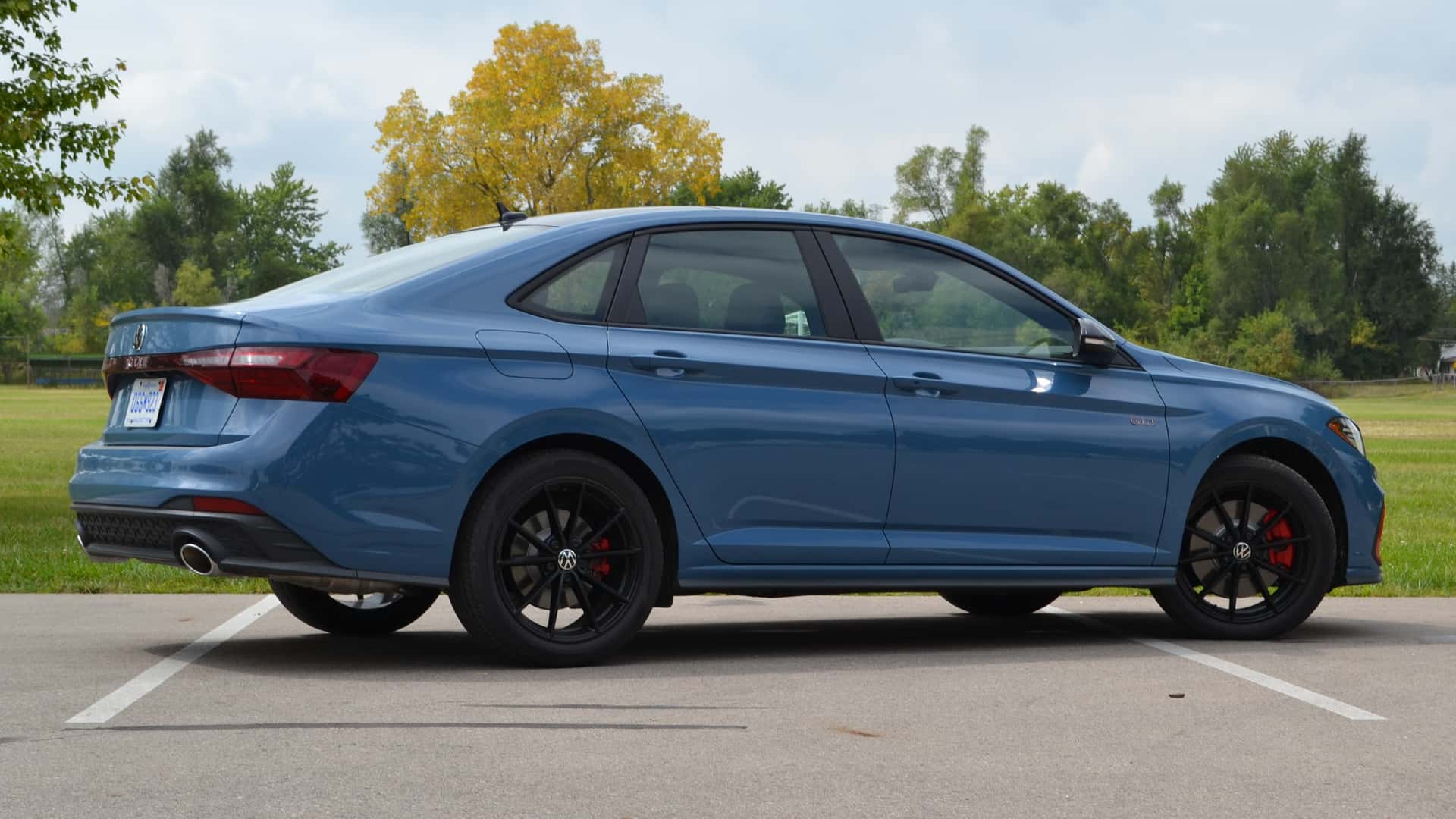
9. Volkswagen Jetta GLI
The Volkswagen Jetta GLI offers a sporty sedan experience with a turbocharged 2.0-liter engine that balances performance and longevity. VW has focused on building a turbo system that remains reliable over high mileage, with reinforced internal components and an effective cooling system.
Owners frequently report that, with regular maintenance, the GLI’s engine performs reliably past 200,000 miles. The car combines everyday practicality with spirited driving dynamics, making it an appealing option for long-term ownership.
The GLI’s turbocharged engine is tuned for smooth power delivery across a wide range of driving conditions. Its engineering ensures that the boost is gradual and predictable, which reduces strain on the turbocharger and associated components.
The use of high-quality materials, precision manufacturing, and careful calibration contributes to the engine’s durability. Additionally, VW’s attention to turbo system design, including intercoolers and oil circulation, reduces the likelihood of overheating or premature wear.
Transmission integration also supports the GLI’s long-term reliability. Whether paired with a manual gearbox or VW’s dual-clutch automatic, the engine’s torque is handled efficiently without overloading drivetrain components.
This allows drivers to enjoy spirited acceleration without placing undue stress on the mechanical systems. Many owners note that the Jetta GLI continues to deliver responsive performance even after several years of use, a testament to the quality of the turbo engine and drivetrain design.
Finally, the Jetta GLI’s reliability extends beyond the engine. Its suspension and braking systems are engineered to minimize stress on mechanical components, while the interior and electronics are built with durable materials to ensure longevity. The combination of a robust turbocharged engine, well-integrated drivetrain, and solid vehicle construction makes the Jetta GLI a dependable choice for anyone seeking a sporty yet long-lasting 4-cylinder car.

10. Kia Forte GT
The Kia Forte GT rounds out the list as a turbocharged compact sedan designed for durability and performance. Equipped with a 1.6-liter turbocharged engine, the Forte GT combines fuel efficiency with reliable power delivery.
Kia has engineered this engine to endure high mileage, with reinforced components and advanced cooling systems that maintain performance over the long term. Many owners report minimal mechanical issues when adhering to recommended maintenance schedules, making it a practical choice for a dependable, spirited compact sedan.
The turbo system in the Forte GT is optimized for both responsiveness and durability. Its design includes an efficient intercooler, robust turbo housing, and well-calibrated boost levels, which prevent common turbo issues such as excessive heat buildup or premature wear.
The engine’s internal components, including pistons, rods, and valves, are constructed with long-term reliability in mind, ensuring that the car can withstand the demands of daily driving and spirited acceleration without mechanical problems.
Transmission and drivetrain integration also play a role in the Forte GT’s longevity. Whether paired with a manual or automatic transmission, the engine delivers smooth, efficient power transfer that reduces stress on drivetrain components. The vehicle’s suspension and chassis design further support reliability by minimizing vibration and load on the engine. Owners often note that the Forte GT continues to provide consistent performance over many years, making it a dependable daily driver.
Finally, the Forte GT’s engineering emphasizes durability and practicality. High-quality materials in the cabin, reliable electronics, and a corrosion-resistant body contribute to long-term dependability.
When combined with the robust turbocharged engine, the Forte GT offers an excellent blend of performance, efficiency, and reliability. For anyone looking for a turbo 4-cylinder car that will last for years while delivering a fun and practical driving experience, the Kia Forte GT stands out as a strong contender.
