
Turbocharged four cylinder engines once carried a reputation for being fragile, complex, and short lived. Early turbo systems often suffered from heat management issues, poor oil circulation, and materials that could not tolerate sustained boost pressure.
As a result, many drivers believed that reliability and turbocharging could not comfortably coexist, especially in small cars designed for daily transportation rather than performance extremes.
Over time, however, engineering philosophies changed, and manufacturers began prioritizing durability alongside efficiency and power output. Advances in metallurgy, lubrication systems, cooling design, and electronic engine management played a major role in reshaping expectations.
Small cars equipped with turbocharged four cylinder engines eventually became common in both economy and sport oriented segments.
The key difference between dependable examples and problematic ones was not horsepower figures or marketing promises, but rather conservative tuning, robust internal components, and a focus on long-term usability.
Automakers that treated turbocharging as a tool for efficiency rather than a shortcut to aggressive performance tended to achieve better longevity. Lower boost pressures, thicker engine blocks, reinforced pistons, and carefully calibrated fuel systems proved essential in maintaining engine health over hundreds of thousands of miles.
Reliability is also influenced by how engines respond to real world driving conditions. Daily commuting involves cold starts, stop and go traffic, inconsistent fuel quality, and infrequent maintenance for many owners.
Turbo engines that tolerate these realities without catastrophic failure earn reputations for being nearly indestructible.
When paired with simple drivetrains and well engineered cooling systems, these engines often outlast more complex powerplants that chase higher output numbers.
This article focuses on ten small cars powered by turbocharged four cylinder engines that developed reputations for exceptional durability. These vehicles were not necessarily the fastest or most luxurious in their classes, but they consistently demonstrated the ability to run reliably for years with routine maintenance.
Their engines proved resilient under stock conditions and forgiving of owner neglect, earning trust among mechanics and long term owners alike. Each section examines why these cars achieved such dependable status and what made their turbo four cylinder setups remarkably tough.
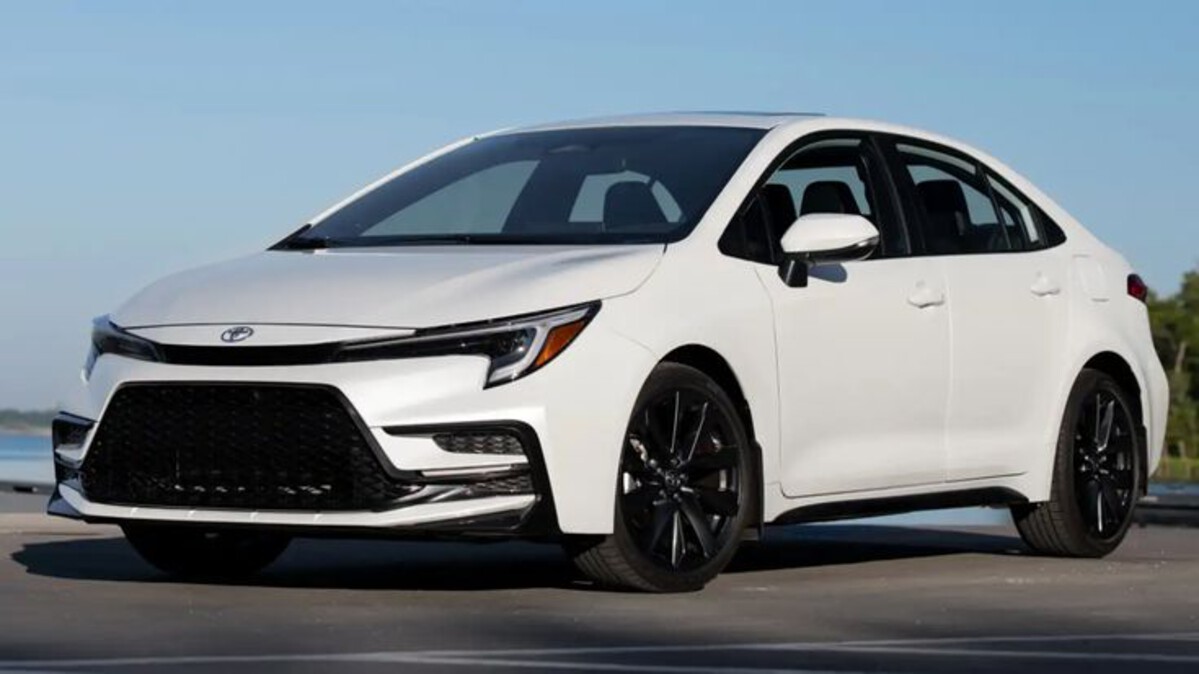
Toyota Corolla GT Turbo
The Toyota Corolla GT Turbo stood out as an example of how conservative engineering can produce lasting results. Built during a time when turbocharging was still gaining mainstream acceptance, the car relied on Toyota’s emphasis on durability rather than experimental performance tuning.
The turbocharged four cylinder engine used thick castings and modest boost levels that avoided excessive internal stress. This approach allowed the engine to operate comfortably within its mechanical limits even during extended highway use or aggressive driving.
Another key factor behind its reliability was thermal control. The cooling system was designed with a generous safety margin, ensuring that heat generated by the turbocharger did not overwhelm engine components.
Oil circulation paths were carefully planned to prevent starvation during high load conditions, which is critical in turbo engines. Toyota also used materials known for wear resistance, reducing the likelihood of premature failure in critical moving parts.
The Corolla GT Turbo also benefited from straightforward engine management. Electronic systems were calibrated for stability rather than maximum output, allowing the engine to adapt smoothly to varying fuel quality and environmental conditions.
This reduced the risk of detonation, a common killer of turbocharged engines. The result was a powerplant that felt consistent and predictable across different driving scenarios.
Long term ownership reports often highlight how these engines remain mechanically sound even after decades of use.
While ancillary components such as hoses and seals may require replacement, the core engine structure has proven capable of handling sustained mileage without internal rebuilds. This reputation firmly established the Corolla GT Turbo as a small car with exceptional long term dependability.
The vehicle’s suspension and transmission systems were equally designed with longevity in mind. Smooth power delivery from the turbo engine reduced stress on the gearbox, and Toyota paired the engine with a clutch and manual transmission capable of handling torque reliably.
Even under spirited driving, these supporting systems rarely failed, complementing the engine’s mechanical resilience.
Owners also praised the accessibility of maintenance items. Spark plugs, belts, and turbo-related components could be serviced without complex disassembly, making it easier to follow recommended schedules. This practical design meant that the car’s reliability was not just theoretical but achievable for ordinary owners with minimal effort.
Corolla GT Turbo’s global presence contributed to its enduring reputation. Parts were widely available, and mechanics familiar with Toyota’s approach to turbo engines were plentiful. This combination of design, serviceability, and community knowledge created a support network that helped preserve reliability over decades.
Finally, the car’s consistent performance under varied climates reinforced its dependability. Whether exposed to extreme heat, cold, or high humidity, the engine maintained stable operation. Its tolerance for environmental challenges, combined with careful engineering, secured its status as a small turbocharged car that could reliably serve owners for many years.

Saab 900 Turbo
The Saab 900 Turbo became legendary for combining turbocharging with remarkable longevity. Saab approached turbo technology with caution and precision, viewing it as a means of improving drivability rather than sheer performance.
The four cylinder engine featured low compression ratios and reinforced internals that allowed it to withstand continuous boost without excessive wear. This conservative design philosophy paid dividends over time.
A defining feature of the Saab 900 Turbo was its robust oiling system. Saab engineers understood the importance of lubrication in turbocharged engines, particularly in cold climates where oil viscosity can become an issue.
The engine maintained consistent oil pressure even under heavy load, reducing bearing wear and extending turbocharger life. This attention to detail significantly reduced the frequency of catastrophic failures.
The engine’s ability to tolerate abuse also contributed to its bulletproof reputation. Many owners drove these cars hard without adhering strictly to warm up or cool down procedures. Despite this, the engines often continued to operate reliably. The turbo system was engineered to handle heat cycles effectively, preventing cracking or warping that plagued less refined designs.
Even as the cars aged, the Saab 900 Turbo demonstrated impressive mechanical endurance. While electrical and interior components sometimes showed wear, the engine itself frequently outlasted the body. This durability cemented its status as one of the most reliable turbocharged small cars ever produced.
The car’s intercooler design further reinforced reliability. By keeping intake air temperatures moderate, Saab minimized the risk of detonation and pre-ignition, which can destroy turbo engines quickly. This approach allowed owners to enjoy strong performance without compromising engine longevity.
Maintenance simplicity also contributed to dependability. Critical systems were accessible, and replacement parts, though specialized, were durable and often interchangeable with other Saab models. Mechanics familiar with the brand were able to address issues efficiently, extending service life.
The turbocharger itself was remarkably resilient. Saab used materials and bearing designs that could handle extended periods of high exhaust temperatures without failure. This careful component selection helped the engine remain strong for hundreds of thousands of miles.
Finally, owner communities reported that proper use and periodic inspection could prevent nearly all major engine failures. With attention to oil changes, cooling system checks, and routine maintenance, the Saab 900 Turbo could achieve extraordinary longevity, making it a benchmark for small car turbo reliability.

Volkswagen Golf GTI 1.8T
The Volkswagen Golf GTI equipped with the 1.8 liter turbocharged engine marked a turning point for modern turbo reliability. Unlike earlier high strung turbo engines, the 1.8T was built with versatility in mind.
It featured a sturdy iron block, forged crankshaft, and conservative factory tuning that prioritized longevity over peak output. These choices allowed the engine to handle daily use with minimal stress.
One of the strengths of the 1.8T was its adaptability to different driving styles. Whether used for commuting or spirited driving, the engine maintained stable operating temperatures and consistent oil pressure. The turbocharger itself was sized to provide smooth, early boost rather than aggressive top end power, reducing strain on internal components.
Maintenance accessibility also contributed to its dependable nature. Routine servicing such as oil changes and timing belt replacements could be performed without excessive difficulty, encouraging owners to keep up with preventive care. When properly maintained, these engines often exceeded expected service life with few internal issues.
The long term durability of the Golf GTI 1.8T made it popular not only among everyday drivers but also among tuners. Even when modified moderately, the engine demonstrated resilience. In stock form, however, it earned recognition as a reliable turbocharged platform that balanced performance and endurance effectively.
Cooling system design further strengthened reliability. The 1.8T employed effective water and oil circulation to prevent hotspots in both the engine block and turbocharger. Owners rarely experienced overheating, which is a common issue in turbo engines that compromises longevity.
Component quality and consistency were also significant. Volkswagen used high grade pistons, rings, and bearings, reducing wear under normal and spirited driving conditions. Tolerance management during manufacturing ensured that each engine performed similarly, enhancing predictability and trust in long term performance.
Turbo system durability was supported by an integrated wastegate and reliable intercooler. These features maintained boost pressure within safe limits and minimized thermal stress on the engine, allowing extended mileage without internal damage.
Finally, owner experience consistently pointed to the 1.8T’s ability to remain reliable for well beyond 200,000 miles. The combination of engineering foresight, robust components, and owner maintenance created one of the most dependable small turbo engines of its era.

Honda Civic 1.5 Turbo
Honda’s reputation for engine reliability extended into the turbocharged era with the 1.5 liter turbo Civic. Honda approached turbocharging methodically, integrating it into an already proven engine architecture. The result was a compact four cylinder that delivered improved torque without sacrificing the brand’s traditional longevity standards.
The engine’s design focused heavily on reducing friction and controlling combustion temperatures. Precision fuel injection and efficient cooling passages helped maintain stable operating conditions even during extended use. The turbocharger operated at relatively modest pressure, allowing the engine to avoid the thermal extremes that shorten lifespan.
Another factor in the Civic 1.5 Turbo’s reliability was its manufacturing consistency. Honda’s tight quality control ensured that engines left the factory with minimal variance between units. This consistency reduced the occurrence of weak components that could fail prematurely, reinforcing the engine’s dependable image.
Owners frequently report high mileage figures with few major engine issues. While routine maintenance remains essential, the engine’s tolerance for everyday driving conditions has made it a dependable choice for drivers seeking efficiency without sacrificing durability.
Turbocharger longevity was enhanced by careful selection of materials and bearings. Honda used designs capable of tolerating heat and pressure fluctuations over long periods. This ensured that even the turbo itself did not become a weak link in the powertrain.
The Civic 1.5 Turbo also benefited from lightweight, balanced internals. Pistons, rods, and crankshaft components were engineered to withstand repeated thermal and mechanical cycles without deforming or wearing prematurely. This design approach contributed to high durability under normal and spirited driving.
Finally, the engine’s packaging and accessibility simplified maintenance. Oil, coolant, and filter changes could be completed efficiently, encouraging adherence to maintenance schedules. With this combination of careful design, quality materials, and user friendly serviceability, the Civic 1.5 Turbo became one of the most reliable modern small turbo cars.
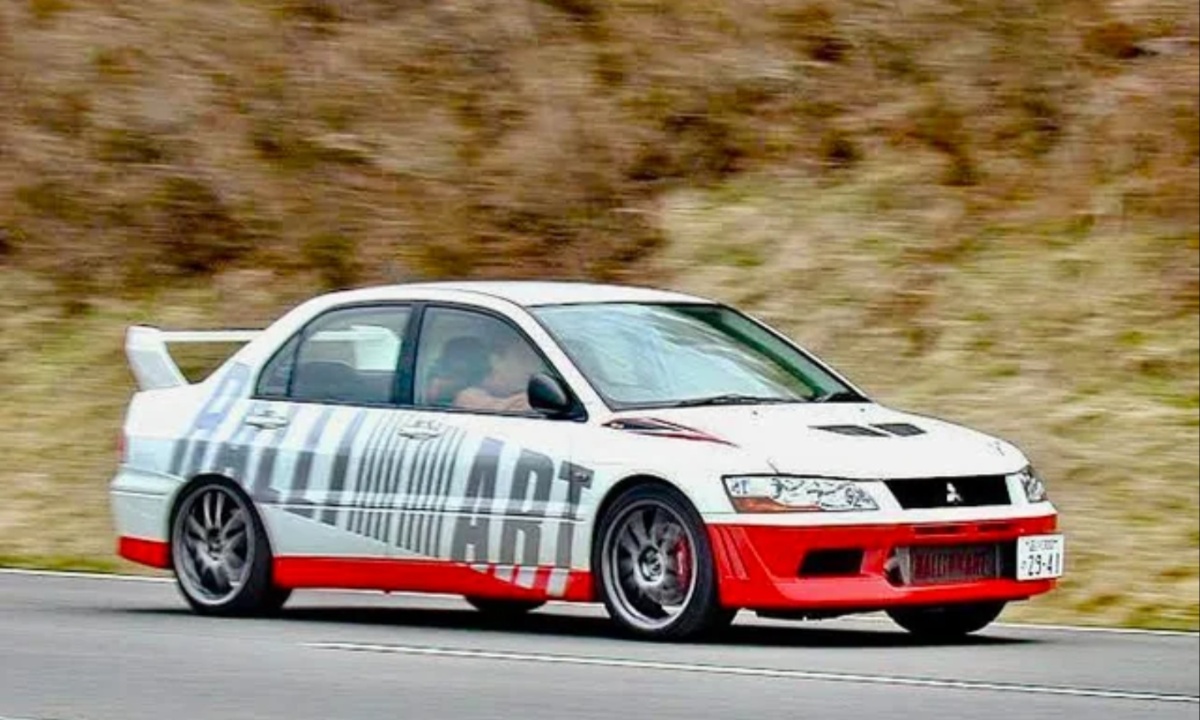
Mitsubishi Lancer Ralliart
The Mitsubishi Lancer Ralliart represented a balance between performance heritage and practical engineering. Its turbocharged four cylinder engine was derived from platforms known for rally competition, but it was detuned for street reliability. This detuning significantly reduced internal stress while preserving strong mid range power delivery.
Mitsubishi reinforced the engine block and crankshaft to withstand boost pressure over long periods. The cooling system was designed to manage heat effectively, even when the vehicle was driven aggressively. These features helped prevent common turbo engine issues such as overheating and detonation.
Another strength of the Ralliart engine was its straightforward mechanical layout. Fewer unnecessary complexities meant fewer failure points. The turbo system itself was robust, designed to endure repeated heat cycles without degradation.
As a result, the Lancer Ralliart gained a reputation for being mechanically dependable despite its sporty image. With proper maintenance, the engine demonstrated the ability to sustain high mileage without requiring major internal repairs.
The engine’s timing components were engineered for longevity. Timing belts and tensioners were robust and easy to service, contributing to predictable maintenance schedules. Mitsubishi ensured that these components would not compromise engine life, even under spirited driving conditions.
Fuel delivery systems were similarly well designed. Injectors and fuel rails were capable of precise metering, allowing the engine to maintain consistent air fuel ratios. This careful tuning protected engine internals from lean or rich conditions that can accelerate wear in turbo engines.
Finally, the Ralliart engine’s turbocharger was designed for durability rather than extreme performance. With attention to bearing quality, heat shielding, and oil supply, Mitsubishi ensured that the turbo remained reliable across high mileage ownership, solidifying the car’s reputation as a dependable small turbo vehicle.

Subaru Legacy GT
The Subaru Legacy GT combined turbocharging with the brand’s signature flat four engine configuration. While horizontally opposed engines present unique engineering challenges, Subaru managed to create a turbocharged setup that balanced performance and durability effectively. The flat design allowed for a lower center of gravity, which not only improved handling but also distributed stress evenly across the engine block, contributing to mechanical longevity.
The engine featured reinforced pistons and a carefully calibrated turbo system that delivered smooth, consistent boost. Subaru focused on maintaining stable air fuel ratios and managing exhaust temperatures, both critical for long term engine health. This careful balance minimized the risk of detonation and excessive wear that could shorten the lifespan of turbocharged engines.
Maintenance accessibility added to the engine’s dependable reputation. Regular servicing items such as belts, plugs, and filters were easy to reach, and the turbo components were straightforward to inspect and replace. This practical approach encouraged owners to maintain the car properly, which further enhanced its reliability over time.
The turbocharger itself was designed for long term use, with durable bearings and effective heat shielding. Subaru ensured that the turbo could handle repeated thermal cycles without premature wear or failure, which is a frequent issue in less carefully designed systems.
Another element supporting reliability was the vehicle’s engine management system. Sensors monitored knock, air fuel ratios, and temperature to prevent engine stress. Adjustments were made automatically to reduce the risk of component failure, allowing the engine to perform safely under a wide range of conditions.
Finally, the Legacy GT’s engine architecture, combined with Subaru’s focus on robust engineering and practical maintenance, allowed it to achieve high mileage with minimal major issues. Owners routinely report engines running reliably beyond 200,000 miles, cementing its status as a durable turbocharged small car.

Volvo S40 T5
Volvo engineered the S40 T5 with safety and durability as primary goals, and its turbocharged four cylinder engine reflected this mindset.
The engine was built with a strong block and conservative tuning that prioritized smooth power delivery rather than extreme output. By avoiding excessive stress on internal components, Volvo achieved a balance between performance and longevity that few contemporaries matched.
Thermal management was central to the S40 T5’s reliability. The cooling system, intercooler, and oil circuits were designed to maintain moderate temperatures across both the engine and the turbocharger. This reduced the likelihood of overheating and helped preserve critical components over extended mileage.
The engine’s reliability was also supported by robust engine management software. The system monitored operating conditions closely and adjusted parameters to prevent damaging scenarios such as lean combustion or overboost. This protective approach reduced mechanical stress and helped ensure consistent long term performance.
Material selection played a key role in the T5’s durability. Pistons, rods, and crankshaft components were manufactured from high strength alloys capable of withstanding the pressures of turbocharging without deformation or excessive wear. Combined with careful assembly tolerances, these materials formed a foundation for a long lasting engine.
Oiling systems were engineered to handle both city and highway driving. High capacity pumps and precise routing ensured all critical components, including the turbo, received adequate lubrication. This design minimized bearing wear and helped maintain smooth operation even under demanding driving conditions.
Maintenance accessibility also contributed to dependability. The S40 T5 allowed owners and mechanics to service routine items efficiently, which encouraged adherence to recommended maintenance intervals. Proper care of belts, filters, and fluids kept the engine performing reliably over many years.
Finally, the combination of conservative tuning, quality materials, and advanced engine management gave the S40 T5 a reputation for enduring reliability. Owners frequently reported high mileage achievements with minimal internal engine issues, establishing it as a dependable small turbocharged vehicle in its segment.
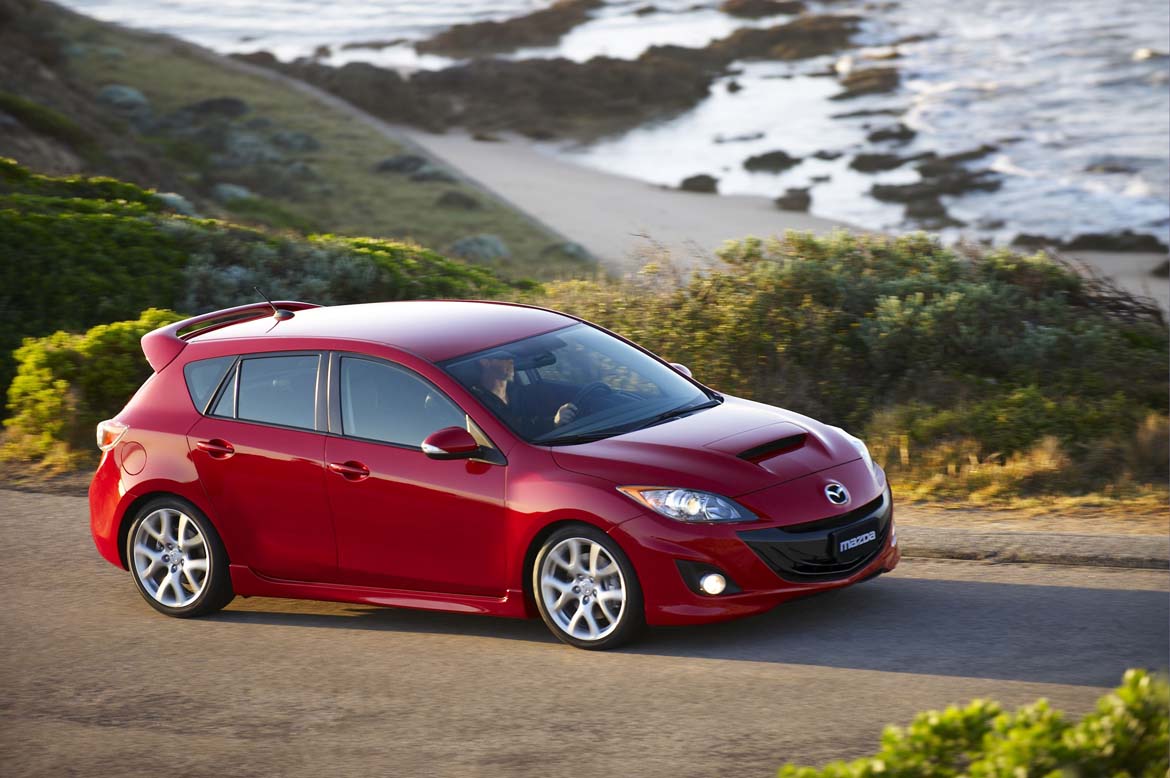
MazdaSpeed 3
The MazdaSpeed 3 offered impressive performance from a turbocharged four cylinder while still maintaining a reputation for durability. Mazda reinforced engine internals to handle boost pressure and focused on cooling efficiency to prevent heat related wear. The combination of strong mechanical design and controlled turbo operation contributed to long term reliability.
The engine’s responsiveness was balanced by careful tuning that avoided excessive stress. Mazda ensured the turbo system delivered power smoothly, reducing sudden spikes that could damage pistons, rods, or the crankshaft. This tuning philosophy helped preserve engine life even during spirited driving.
Cooling and lubrication systems were engineered to manage the additional thermal and mechanical load imposed by the turbocharger. Oil and coolant passages were designed to ensure all critical components remained within safe operating temperatures. Many owners noted that overheating and turbo failures were rare, provided routine maintenance was performed.
Material quality contributed heavily to durability. Pistons, rods, and bearings were engineered to withstand repeated thermal and mechanical cycles without premature wear. Mazda also incorporated heat resistant gaskets and seals to prevent oil leaks, a common cause of premature turbo damage.
Maintenance practices played a significant role in sustaining engine reliability. Routine servicing, including oil changes, filter replacement, and periodic inspection of turbo components, ensured long term performance. Mazda’s design allowed owners to perform these tasks relatively easily, which encouraged proper care.
Engine management technology also contributed to resilience. Knock sensors, boost control, and fuel monitoring allowed the ECU to adjust parameters automatically, preventing conditions that could otherwise damage the engine. This system provided a safety net that extended component life.
Finally, the MazdaSpeed 3’s combination of performance, careful engineering, and owner maintainability allowed it to achieve high mileage without significant mechanical issues. Its reputation as a reliable small turbo car made it popular among enthusiasts who valued both excitement and durability.
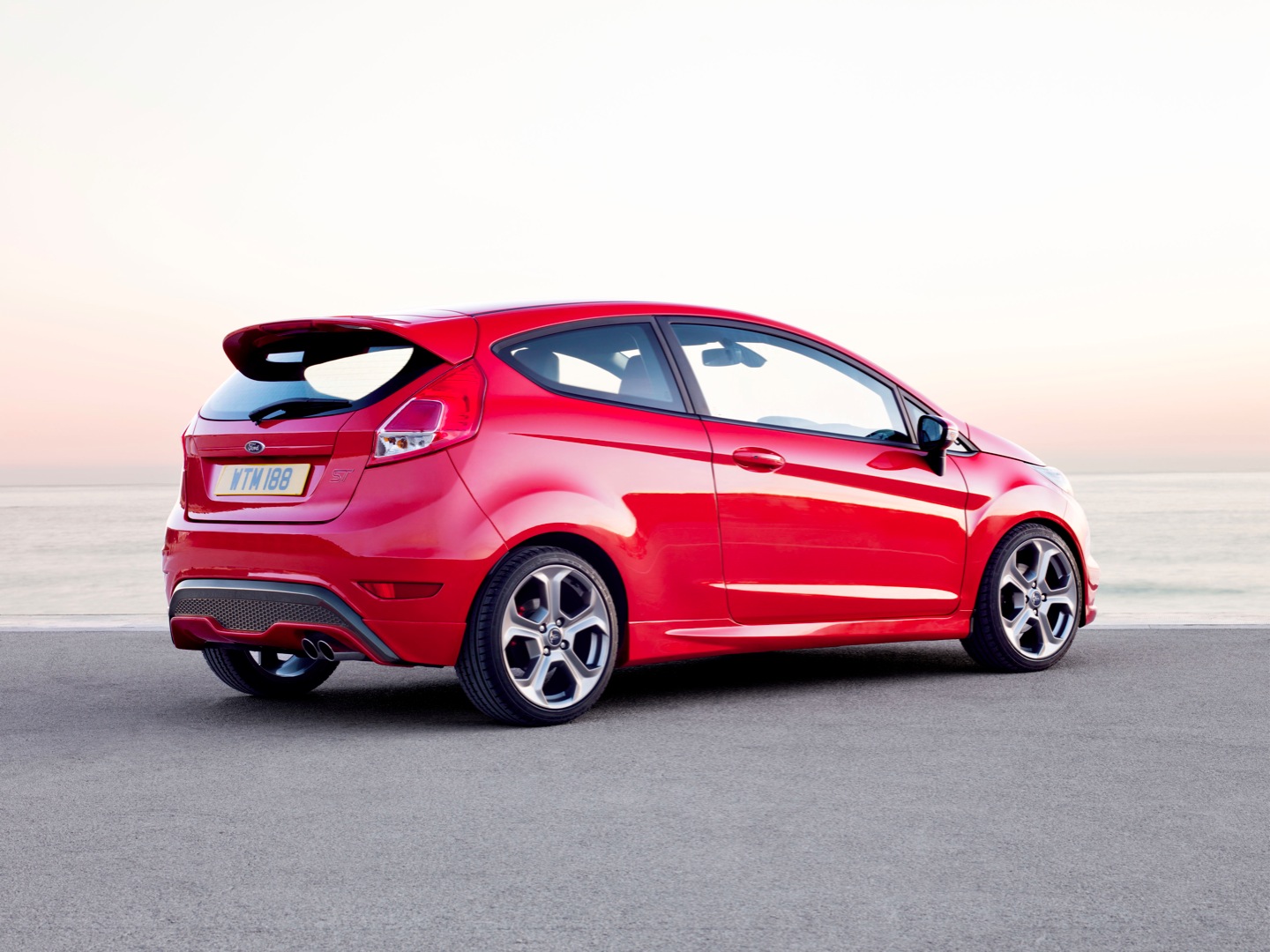
Ford Fiesta ST
The Ford Fiesta ST showcased how modern turbo engineering could achieve impressive durability in a compact package. Its turbocharged four cylinder engine was designed with lightweight yet strong components capable of sustaining long term operation. By balancing performance and reliability, Ford created an engine that was spirited without being fragile.
Optimized airflow and combustion efficiency reduced unnecessary heat buildup, which is a common stressor in turbocharged engines. The turbocharger was sized appropriately to deliver torque without pushing the engine beyond its structural limits, reducing stress on pistons, rods, and the crankshaft.
Engine management systems played a significant role in maintaining reliability. Sensors monitored boost, knock, and temperature to prevent engine stress. The ECU could make rapid adjustments to preserve component health, allowing the engine to operate safely under various driving scenarios.
Cooling and lubrication systems were carefully designed. Oil and coolant flowed efficiently through all critical areas, preventing overheating and minimizing wear on turbo bearings and engine internals. This system ensured consistent performance under both urban and spirited driving conditions.
Maintenance accessibility enhanced the engine’s dependable reputation. Filters, belts, and plugs were straightforward to service, encouraging adherence to recommended schedules. Owners who maintained the vehicle properly often experienced minimal issues even after extended use.
The turbocharger itself was built to endure extended use. Bearings and housings were designed for repeated thermal cycles, while heat shielding prevented damage to surrounding components. These design choices helped ensure that the turbo remained functional for the life of the engine.
Finally, the Fiesta ST’s balance of performance, engineering foresight, and practical maintenance made it a small turbocharged car that owners could rely on. Reports of high mileage with minimal engine repairs reinforced its reputation as a dependable and durable vehicle.
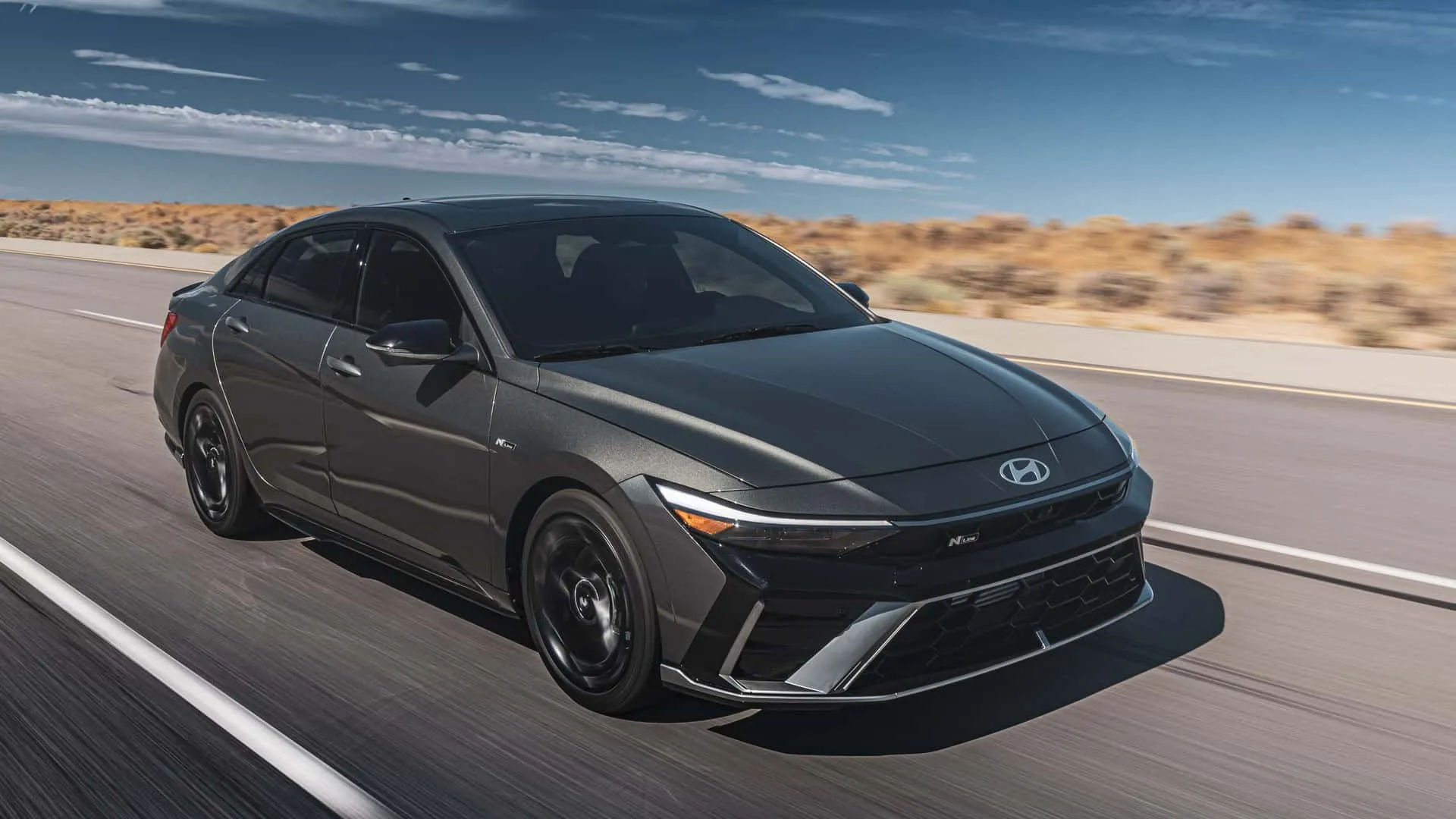
Hyundai Elantra Sport Turbo
The Hyundai Elantra Sport Turbo represented a shift in perception regarding Hyundai’s engineering capabilities.
Its turbocharged four cylinder engine was designed with durability as a central goal, combining conservative boost levels with high quality materials. This careful approach allowed the engine to achieve strong reliability despite being performance oriented.
Hyundai emphasized precise manufacturing and quality control. Engines left the factory with consistent tolerances, reducing variability that could lead to premature failure. This consistency helped ensure that each engine would perform reliably under normal and spirited use.
Cooling and lubrication systems were engineered to support long term reliability. High flow oil pumps, effective oil routing, and efficient cooling passages ensured that the engine and turbocharger remained within safe operating temperatures. This careful design prevented overheating and reduced wear.
Material selection also contributed to durability. Pistons, rods, crankshaft, and cylinder heads were designed to tolerate turbo pressures over extended periods. Heat resistant gaskets and seals further protected the engine from oil leaks and related failures.
Turbocharger longevity was enhanced through robust bearing design and heat shielding. The unit could tolerate repeated thermal cycles without premature wear, ensuring consistent boost delivery throughout the engine’s life.
Engine management played a critical role in reliability. The ECU monitored knock, boost pressure, and temperature to prevent conditions that could harm internal components. Automatic adjustments helped maintain safe operation across a range of driving scenarios.
Finally, the combination of careful engineering, quality materials, and practical maintenance allowed the Hyundai Elantra Sport Turbo to achieve impressive long term reliability. Owners consistently report high mileage with minimal mechanical issues, confirming its status as a dependable small turbocharged car.
