
Living in Denver presents unique challenges for vehicles. The combination of high altitude and significant winter snowfall requires cars that can perform reliably under conditions that can strain engines, transmissions, and traction systems.
At 5,280 feet above sea level, Denver’s altitude reduces air density, which can lower engine performance in vehicles not designed to compensate for thinner air. This means naturally aspirated engines may feel sluggish, and fuel efficiency can decline.
Snow and ice create another layer of complexity, requiring cars to have capable traction control, anti-lock braking systems, and stability features.
Tire choice becomes a critical factor as well, since all-season tires may not provide the grip needed on icy roads. Drivers who underestimate these conditions often find themselves struggling to maintain safe control, highlighting the importance of vehicle selection and preparation for winter months in this environment.
Beyond the mechanical considerations, the driver experience is affected by both altitude and snow. Vehicles with turbocharged engines tend to retain more power at higher elevations because the turbo can force more air into the engine, partially offsetting the reduced oxygen in the atmosphere.
Similarly, vehicles equipped with all-wheel drive or four-wheel drive systems have a clear advantage when navigating snowy streets and icy inclines.
Suspension systems, ground clearance, and weight distribution also play crucial roles in handling, as compact vehicles with low clearance may become stuck or slide on poorly plowed streets, while heavier SUVs or crossovers can provide a more stable ride.
The right combination of these features ensures that drivers can remain confident and safe even when roads are slick and weather conditions are unpredictable.
Winter driving in Denver is not just about performance but also about durability. Cars with robust heating systems, corrosion-resistant bodies, and high-capacity batteries tend to withstand cold starts and harsh weather better than others.
Extreme temperatures and road salt can accelerate wear and tear, especially for vehicles not built to cope with snow, ice, and rapid temperature changes.
Additionally, drivers must consider fuel types, as some engines may be more sensitive to cold weather, leading to misfires or difficulty starting.
Practical considerations, such as trunk space for emergency kits or snow equipment, become more relevant during winter months, further emphasizing that some cars are better suited to Denver’s climate than others.
Choosing the right vehicle for winter in Denver is a blend of engineering, safety features, and personal needs. While some vehicles are naturally more capable of managing altitude and snow, others may require modifications such as winter tires or weight distribution adjustments to function safely.
The difference between a car that struggles and one that thrives often comes down to the synergy between its engine, drivetrain, traction systems, and chassis.
Drivers who consider all these factors are more likely to enjoy reliable winter travel, whereas those who overlook even small deficiencies may find themselves dealing with performance problems, safety risks, or unexpected maintenance issues.
Selecting the right car is therefore as much a matter of careful evaluation as it is of personal preference.
Cars That Handle Denver Altitude and Snow Well
1. Subaru Outback
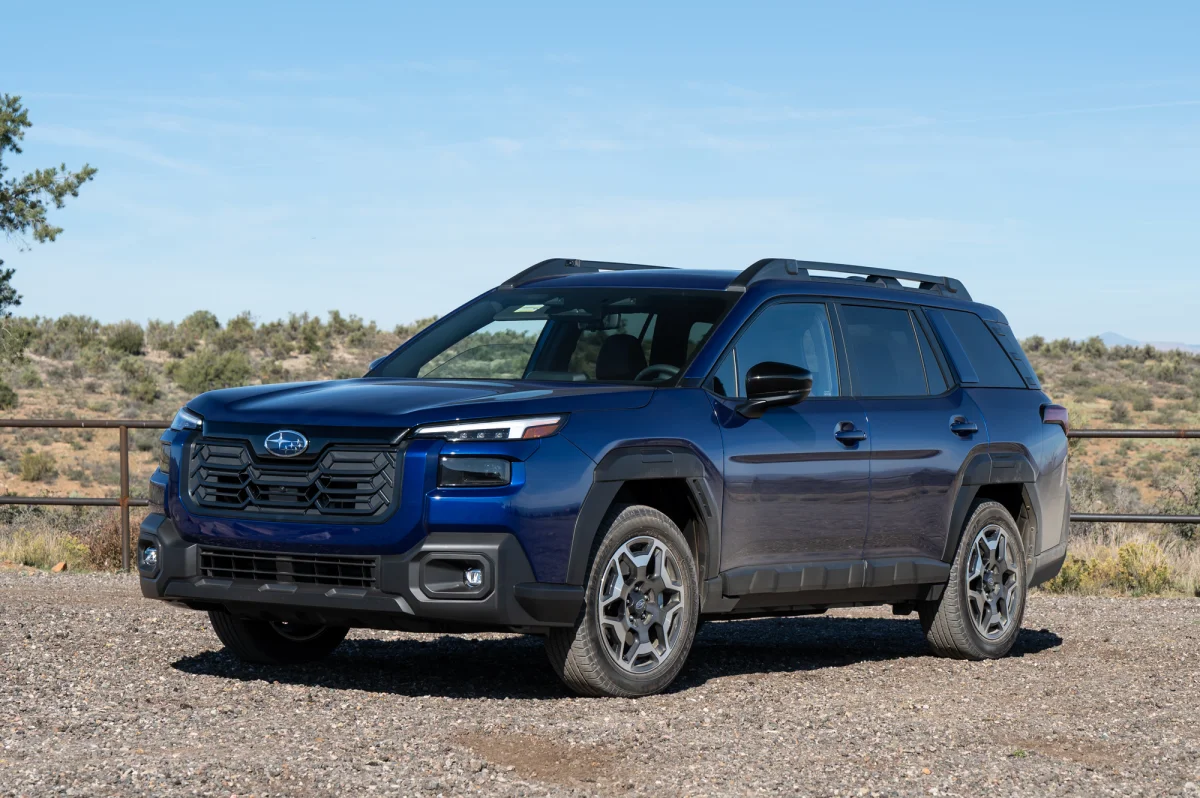
The Subaru Outback has earned a reputation for reliability and winter performance, making it an ideal choice for Denver drivers who face snowy roads and high-altitude challenges. Its symmetrical all-wheel drive system is a standout feature, distributing power evenly to all four wheels for maximum traction.
This system is particularly effective in ice, snow, and slush, reducing the likelihood of wheel spin and enhancing stability. The vehicle’s ground clearance is higher than that of most sedans and hatchbacks, allowing it to handle deeper snow and uneven road surfaces that are common during winter in Denver.
Additionally, turbocharged engine options help counteract the effects of thinner air at higher elevations, ensuring that the Outback maintains power even in challenging conditions.
The combination of AWD, ground clearance, and altitude-friendly engines creates a vehicle that feels confident whether driving on steep hills or navigating residential streets after a snowfall.
Inside, the Outback is designed for both comfort and practicality, offering heated seats and mirrors to ease winter travel. Its cabin is well-insulated, reducing the impact of cold temperatures and wind chill.
The vehicle features X-Mode, a system that optimizes throttle, transmission, and braking performance for low-traction environments, making slippery roads safer.
Additionally, the Outback offers ample cargo space, providing room for winter equipment such as skis, snowboards, and emergency kits, without compromising passenger comfort. Families and outdoor enthusiasts alike benefit from the vehicle’s versatility, which allows it to serve as both a daily commuter and a capable weekend adventure vehicle.
The interior’s ergonomic design, combined with its thoughtful winter-focused features, ensures that drivers remain comfortable and in control regardless of external conditions.
2. Toyota 4Runner
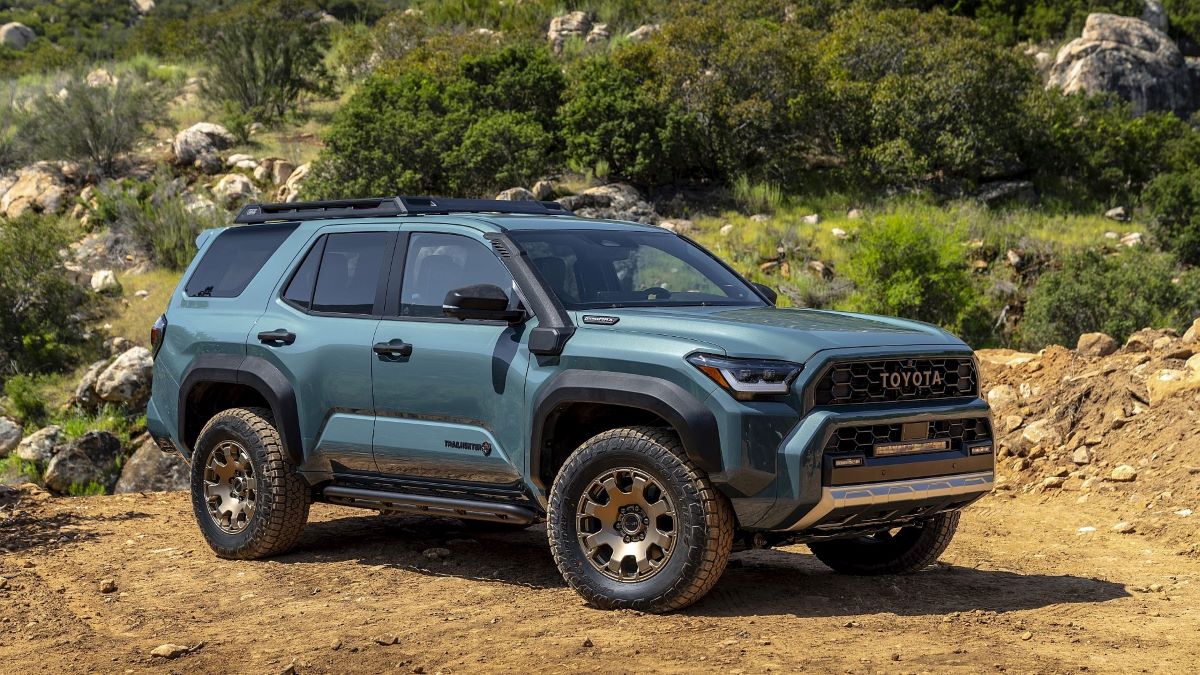
The Toyota 4Runner is a rugged SUV engineered for challenging conditions, and it performs exceptionally well in Denver’s high-altitude, snow-prone winters. Its body-on-frame construction provides remarkable durability and stability, particularly on slippery roads.
Coupled with a high ground clearance, it easily navigates deeper snow, avoiding common pitfalls of lower vehicles. The available four-wheel-drive system includes low-range gearing, which enhances control when ascending icy slopes or descending steep, snow-covered hills.
This feature is particularly useful for Denver drivers, as the city’s hilly terrain combined with winter weather can create treacherous driving scenarios.
The 4Runner’s design also emphasizes robustness, allowing it to tackle rugged roads and snow-packed trails without compromising performance or reliability, making it a dependable option for both city and outdoor adventures.
Engine performance is another strength of the 4Runner in high-altitude conditions. Its V6 engine delivers consistent torque and power, allowing it to maintain strong acceleration despite reduced oxygen levels.
Unlike naturally aspirated engines in smaller cars, which can struggle at altitude, the 4Runner’s engine design ensures reliable performance even on long uphill drives in snowy weather.
While fuel efficiency may not be its strongest suit, the vehicle compensates with exceptional durability and long-term reliability, both of which are crucial for winter driving.
For drivers who prioritize a dependable, capable vehicle over speed or economy, the 4Runner offers a balance that few SUVs can match, making it a practical choice for families and outdoor enthusiasts alike.
The interior of the 4Runner emphasizes functionality and comfort. Heated seating and a well-insulated cabin ensure passengers remain warm, while durable materials handle wet or muddy winter gear without damage.
The SUV also offers generous cargo space, making it easy to carry skis, snowboards, or other recreational equipment during winter trips.
Advanced safety features, including traction control and reinforced frame construction, provide additional confidence on icy roads. These elements combine to create a vehicle that is not only capable of handling snow and ice but also versatile enough for everyday commuting and recreational use.
Despite its many advantages, drivers should be mindful of the 4Runner’s size, which can make maneuvering in tight city spaces or crowded parking areas more challenging. Regular maintenance, including checks on tires, brakes, and battery health, ensures continued reliability during the coldest months.
When properly cared for, the 4Runner excels at handling altitude, snow, and harsh winter terrain. Its combination of robust construction, dependable engine performance, practical interior design, and advanced safety systems makes it one of the best choices for anyone navigating Denver’s winter roads.
3. Audi Q5
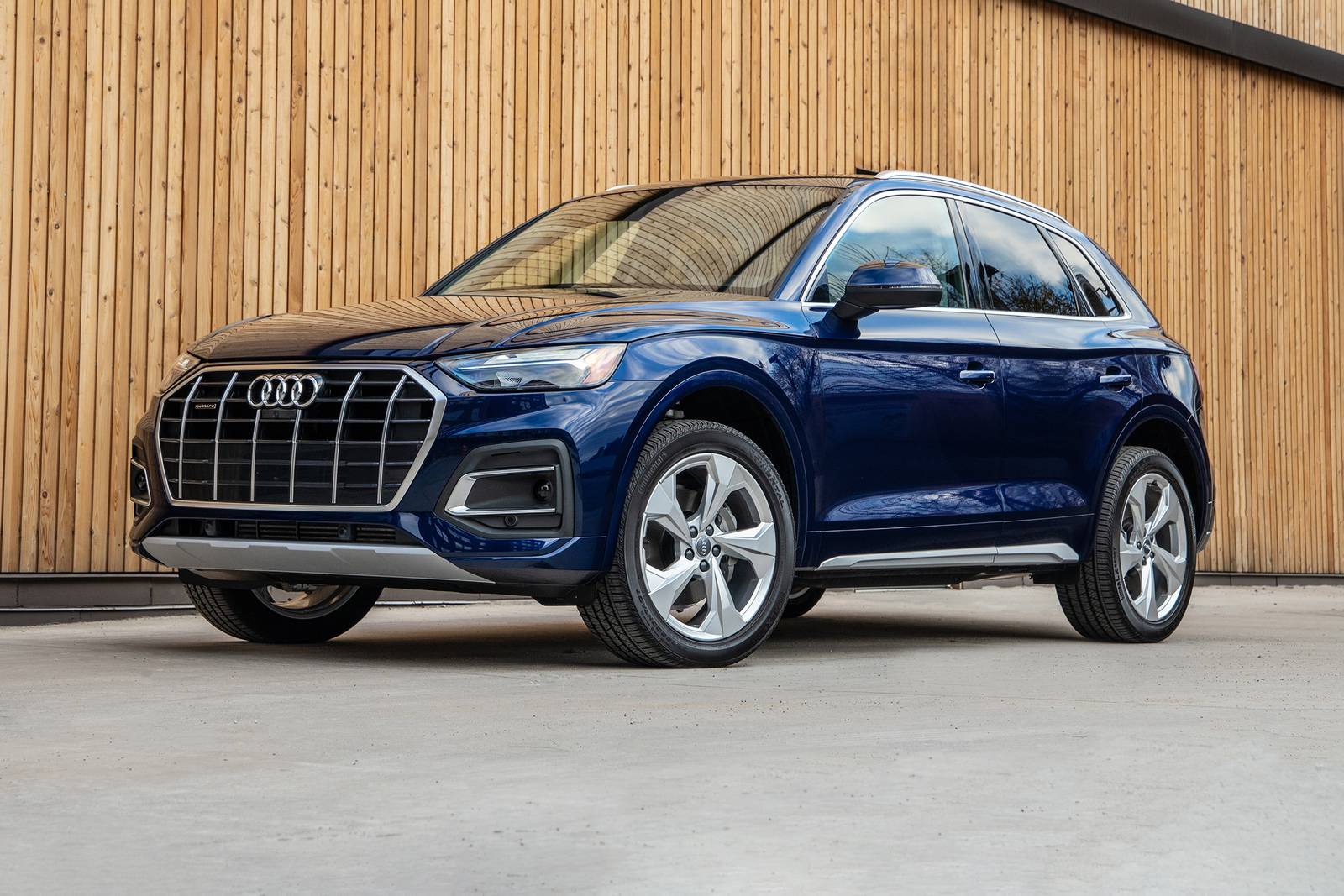
The Audi Q5 offers an impressive combination of luxury and winter capability, making it a strong contender for Denver drivers who need both comfort and reliability in challenging conditions. Its Quattro all-wheel drive system actively distributes torque between wheels, enhancing stability and control on ice, snow, and slush.
The Q5’s advanced traction and stability controls adjust engine power and braking response in real time, providing a level of precision that helps drivers navigate slippery streets with confidence.
Turbocharged engine options also allow the Q5 to maintain power at high altitudes, ensuring responsive acceleration and performance when naturally aspirated engines may falter. These engineering features allow the Q5 to remain both capable and refined in winter conditions.
Inside, the Q5 provides a comfortable and well-appointed cabin designed for cold-weather driving. Heated seats, a heated steering wheel, and dual-zone climate control keep passengers warm, while the spacious interior accommodates winter gear and luggage with ease.
Audi’s focus on ergonomics ensures that controls are intuitive, allowing drivers to adjust settings quickly even while wearing gloves.
Storage options are versatile, and the cabin design balances luxury with practicality, making the vehicle suitable for both daily commuting and extended winter trips. The combination of warmth, space, and technology enhances the driving experience during Denver’s often harsh winter months.
Safety is another area where the Q5 excels. Advanced driver assistance systems include adaptive cruise control, lane-keeping assist, and forward collision warning, all of which are especially useful on icy roads where reaction time and vehicle stability are critical.
The vehicle’s braking and traction systems work in tandem to maintain control even on snow-packed streets, reducing the likelihood of accidents.
Audi’s engineering ensures that even in the most challenging winter conditions, the Q5 can respond quickly to changes in traction, road surface, or weather, helping drivers maintain control and confidence on the road.
Maintenance and winter preparation for the Q5 are important but manageable. Ensuring proper tire selection, battery health, and fluid levels helps maintain optimal performance in cold weather. Audi’s corrosion-resistant design also helps protect the vehicle from the damaging effects of road salt and snow.
The Q5 offers a compelling mix of luxury, technology, and winter capability. Its combination of AWD performance, turbocharged engine options, safety features, and passenger comfort makes it a vehicle that thrives in Denver’s snow and altitude challenges while providing a refined driving experience.
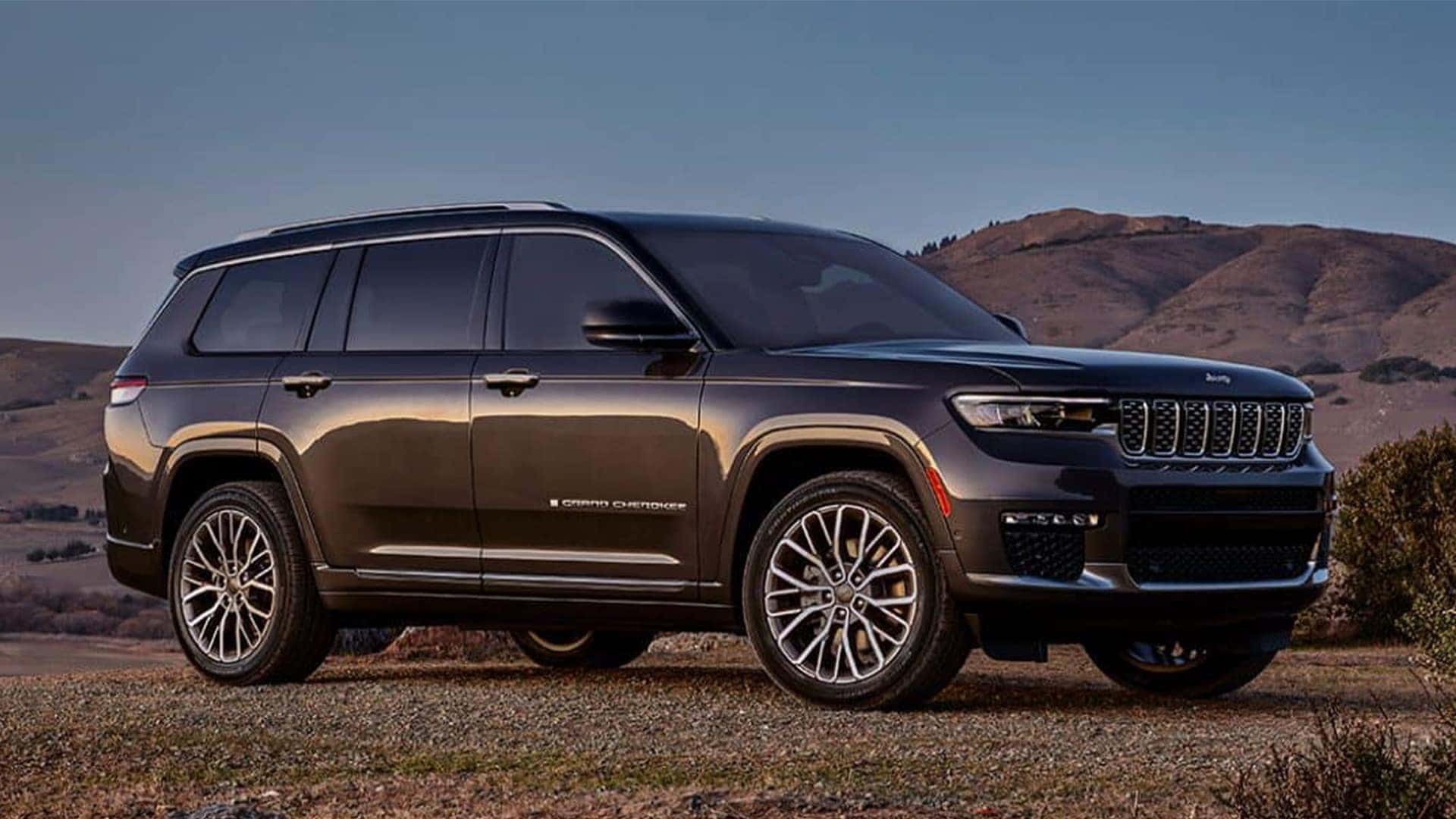
4. Jeep Grand Cherokee
The Jeep Grand Cherokee is engineered for versatility and resilience, qualities that make it well-suited for Denver’s challenging winter environment. Its four-wheel-drive system allows for confident navigation on snowy and icy streets, while features such as hill descent control ensure stability on steep inclines.
The vehicle’s high ground clearance makes it capable of traversing deeper snow without getting stuck, and turbocharged engine options maintain reliable power at high elevations.
This combination of drivetrain technology, engine performance, and structural design ensures the Grand Cherokee can handle both urban streets and more rugged winter terrain effectively.
The interior of the Grand Cherokee emphasizes both comfort and utility. Heated seats, climate control, and durable materials make winter trips comfortable and reduce the wear and tear associated with snow and mud.
Cargo capacity is generous, allowing drivers to transport winter sports equipment, groceries, or emergency supplies without compromising passenger space.
Technology features such as navigation and advanced driver-assistance systems further enhance safety and convenience, especially when road conditions are unpredictable. The cabin is designed to withstand the rigors of winter driving while maintaining a sense of comfort and luxury for all occupants.
Traction and stability systems in the Grand Cherokee are highly effective. Electronic stability control, anti-lock braking, and advanced traction management reduce the likelihood of losing control on ice or snow.
These systems adjust power distribution and braking dynamically, helping the driver maintain confidence even in challenging winter conditions.
The vehicle’s reinforced frame and corrosion-resistant components also protect it from long-term damage caused by road salt, snow, and fluctuating temperatures, making it a durable choice for snowy environments.
While the Grand Cherokee offers exceptional winter performance, drivers should be mindful of its fuel consumption, which tends to be higher than smaller vehicles, particularly when driving in four-wheel-drive mode.
Routine maintenance, including tire inspections, brake checks, and battery monitoring, ensures the vehicle continues to perform reliably in extreme conditions.
The Jeep Grand Cherokee provides a powerful combination of off-road capability, winter-ready systems, interior comfort, and durability, making it one of the most capable vehicles for Denver’s snowy streets and high-altitude conditions.
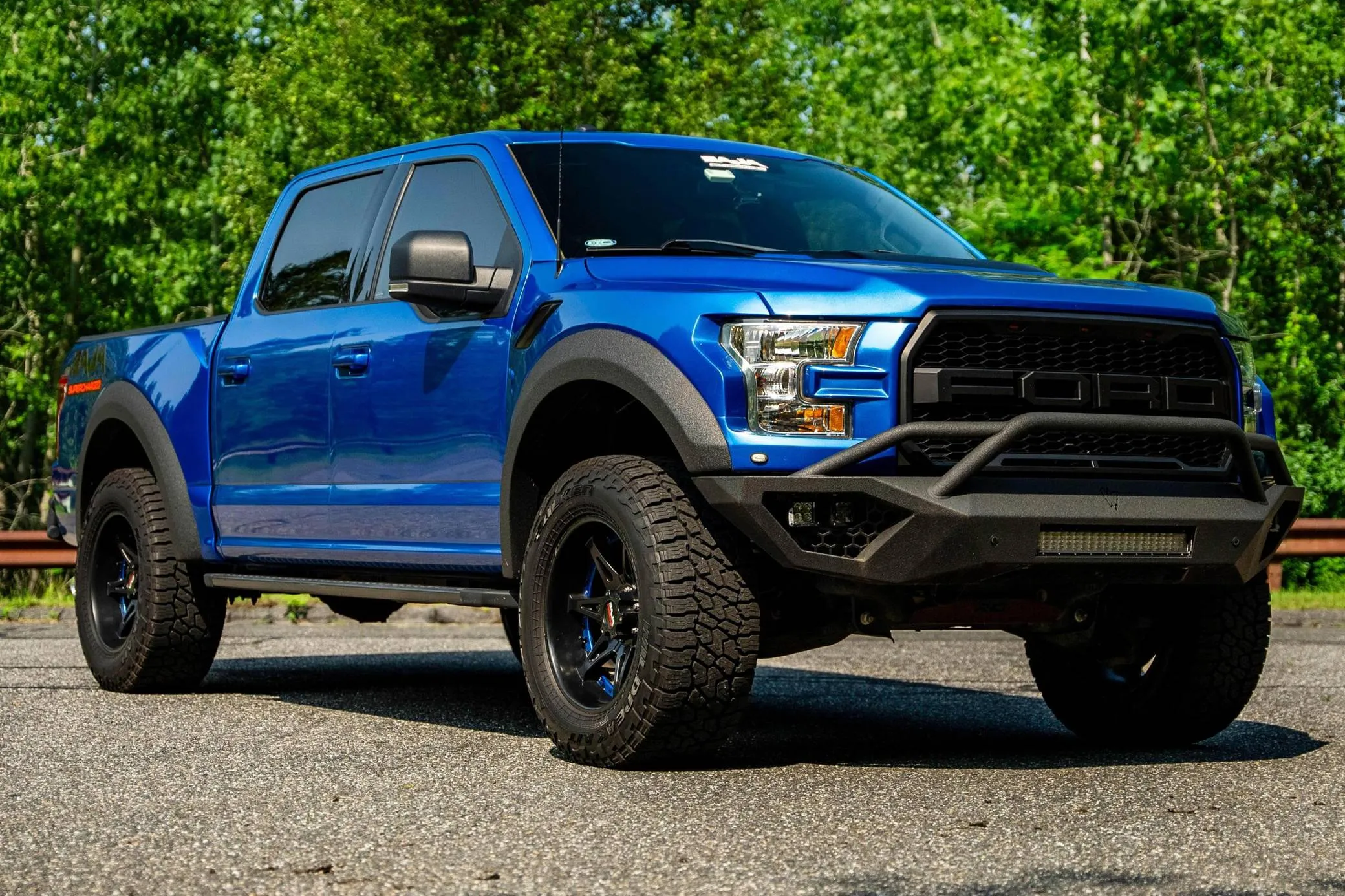
5. Ford F-150 4×4
The Ford F-150 with four-wheel drive is a highly capable vehicle for Denver drivers dealing with winter weather. Its large size and high ground clearance allow it to navigate snowdrifts and icy roads with confidence.
The 4×4 system ensures traction is maintained across all four wheels, while turbocharged engine options provide sufficient power to handle Denver’s high-altitude terrain without significant loss in performance.
The vehicle’s robust suspension system helps absorb uneven surfaces caused by ice, snow, and plowed roads, making it a reliable choice for winter driving, both in urban and off-road settings.
Inside, the F-150 balances comfort and utility. Heated seats and steering wheels, along with a climate-controlled cabin, make winter commuting more comfortable for drivers and passengers.
The truck bed offers practical storage for winter gear, emergency kits, and recreational equipment, which is especially useful for outdoor enthusiasts.
This blend of cabin comfort and functional utility ensures the F-150 is versatile, meeting the needs of both everyday drivers and those who frequently transport cargo or equipment during winter months.
Safety systems on the F-150 are robust, including anti-lock brakes, electronic stability control, and traction management systems. These features work together to maintain vehicle stability and reduce the risk of accidents on icy or snow-covered roads.
The vehicle’s heavy frame also provides additional stability, which is particularly valuable when driving in winter conditions. Routine maintenance, including tire checks, fluid inspections, and battery monitoring, helps ensure that the F-150 continues to perform reliably in subzero temperatures.
The Ford F-150 4×4 offers a combination of power, winter-specific engineering, and versatility that few other vehicles can match. Its ability to navigate snowy roads, maintain performance at high altitudes, and accommodate both passengers and cargo makes it a strong choice for Denver winters.
Drivers who require both capability and reliability will find the F-150’s design, safety features, and utility particularly well-suited for handling the city’s unique combination of snow, ice, and elevation challenges.
Cars That Struggle in Winter
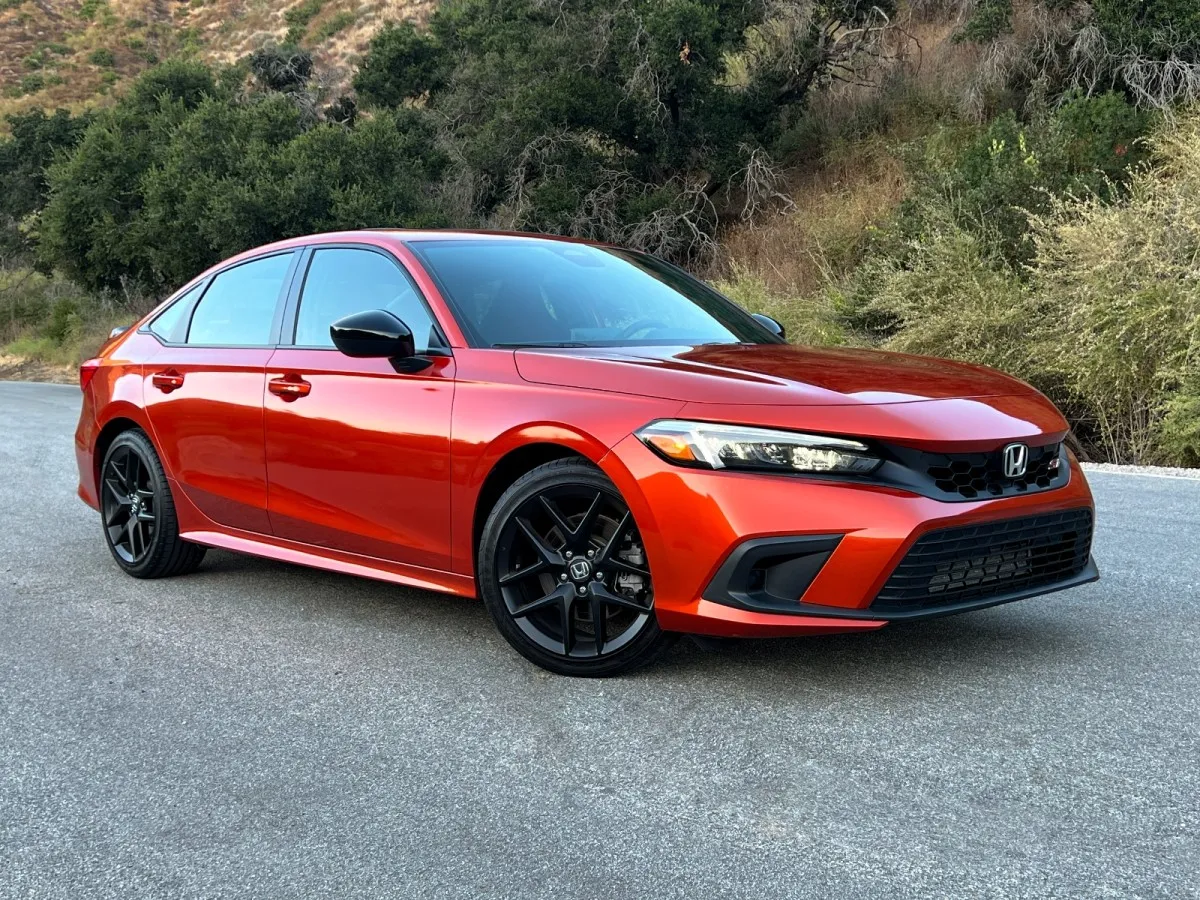
1. Honda Civic
The Honda Civic is widely appreciated for its fuel efficiency, reliability, and compact design, but these same traits often make it less suitable for Denver’s winter conditions. Its front-wheel-drive system provides only limited traction on icy or snow-covered roads, and low ground clearance increases the likelihood of getting stuck in deeper snow.
While the Civic performs admirably on dry streets and in mild climates, snow and ice can create significant challenges.
Acceleration and braking become less predictable, particularly when tackling hills or intersections, which are common in Denver.
Naturally aspirated engines in base models can also feel underpowered at high altitudes, making uphill acceleration in winter conditions sluggish and frustrating for drivers.
The interior of the Civic is functional but offers limited protection from winter weather. Heated seat options exist in higher trims, but the cabin does not offer the same level of insulation or climate comfort as larger SUVs or crossovers. Cargo space is small, making it difficult to transport winter sports equipment, snow shovels, or emergency kits.
For drivers with families or those who often carry passengers and gear, the Civic’s limited space can become a challenge during snowy months. These factors combined can make winter commuting more stressful, requiring extra attention and careful maneuvering to avoid accidents or getting stuck.
Maintenance is critical to keeping the Civic functional in winter, but even diligent upkeep cannot overcome its fundamental limitations in snowy and high-altitude environments. Ensuring that tires are properly rated for winter, checking battery health, and maintaining fluid levels can improve performance, but the car remains ill-suited for prolonged or deep snow.
In comparison to AWD crossovers and trucks, the Civic is often better used as a secondary vehicle or in mild winter climates rather than as a primary winter commuter in Denver. Drivers seeking efficiency over winter capability may still find it appealing, but it is not ideal for consistently snowy or icy conditions.
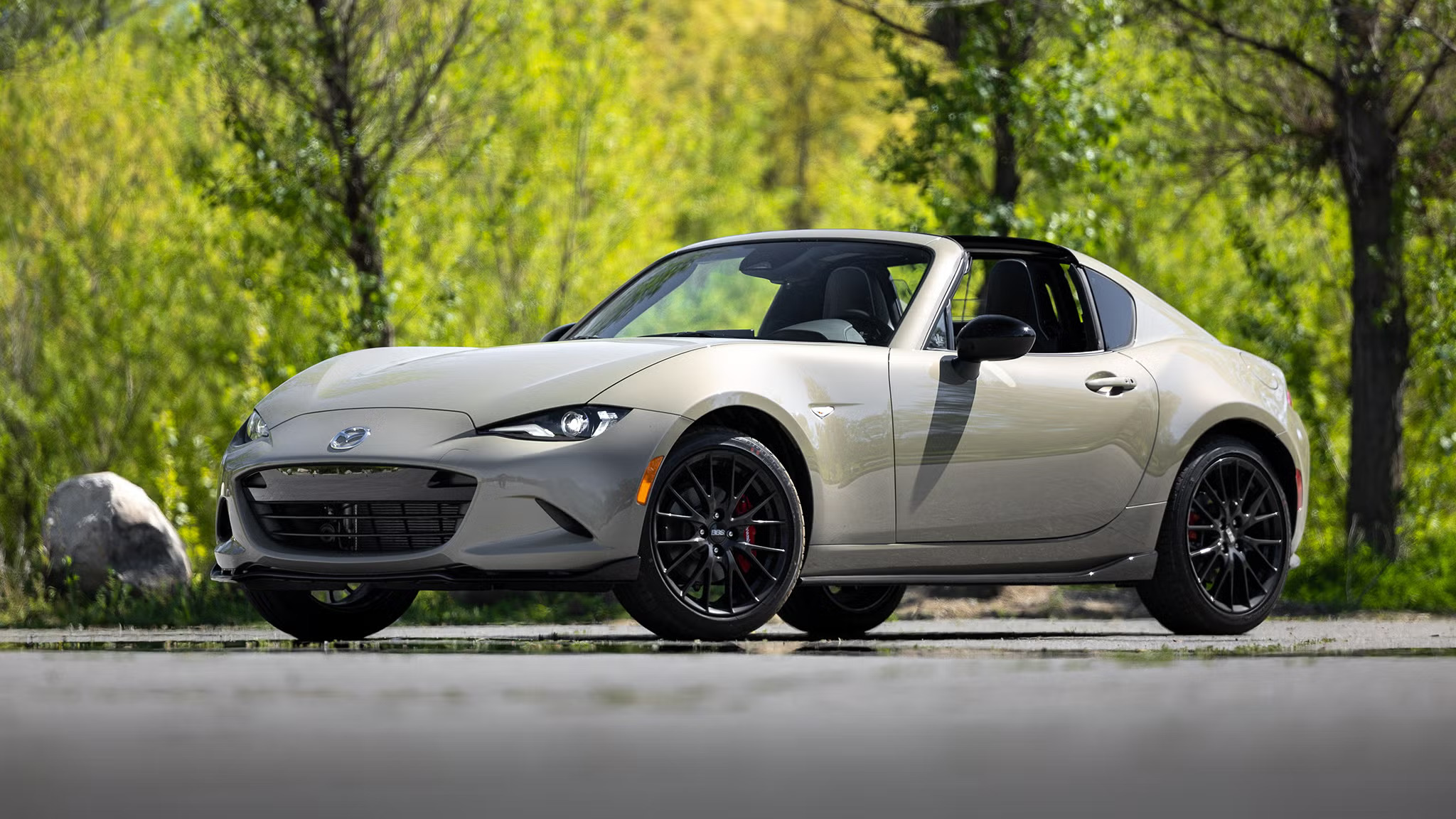
2. Mazda MX-5 Miata
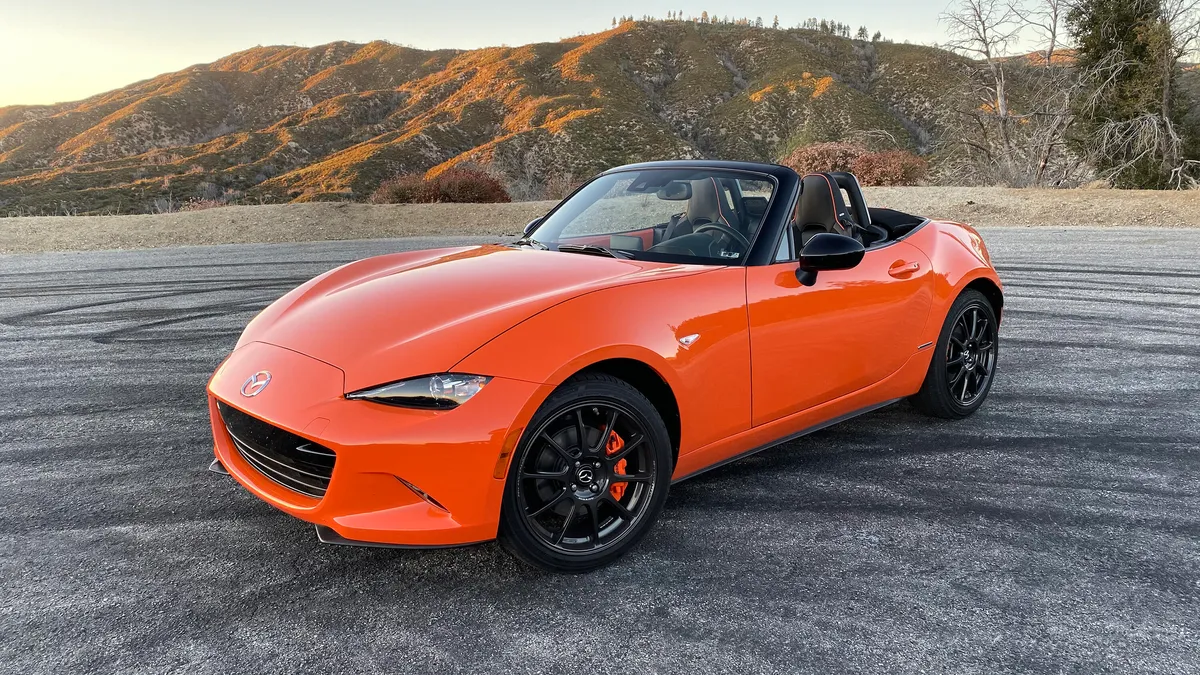
The Mazda MX-5 Miata is a lightweight, rear-wheel-drive sports car that excels in dry conditions but struggles significantly in snow. Its low weight, short wheelbase, and rear-wheel-drive layout make it prone to wheel spin and loss of control on ice or snow.
Even modest snow accumulation can create serious challenges, as the vehicle’s limited ground clearance makes it vulnerable to getting stuck.
While turbocharged engine variants maintain power at high altitudes, the Miata’s handling characteristics and lack of winter-specific traction systems make it unsuitable for winter commuting. Drivers often find that even simple turns or hill starts require extreme caution, limiting the vehicle’s practicality during Denver winters.
The interior of the MX-5 Miata is compact, designed primarily for sport and agility rather than winter comfort or utility. Heated seat options exist in some trims, but cabin space is minimal, leaving little room for winter gear, passengers, or emergency equipment.
In addition, the convertible roof design in many models can exacerbate cold-weather discomfort, even with heating systems active.
While the Miata offers an exhilarating driving experience in fair weather, it is not designed for consistent winter use, particularly in areas with icy streets, snow drifts, or steep inclines like those found in Denver.
Maintenance for the MX-5 Miata during winter can help, but it cannot compensate for structural and design limitations. Ensuring proper winter tires, battery health, and engine fluids are crucial, but snow and ice still present a constant challenge.
For many owners in snowy regions like Denver, the Miata is often relegated to a secondary, seasonal vehicle rather than a reliable year-round option. Its light weight and sporty design, while ideal for performance driving, make it fundamentally unsuited for consistent winter conditions.
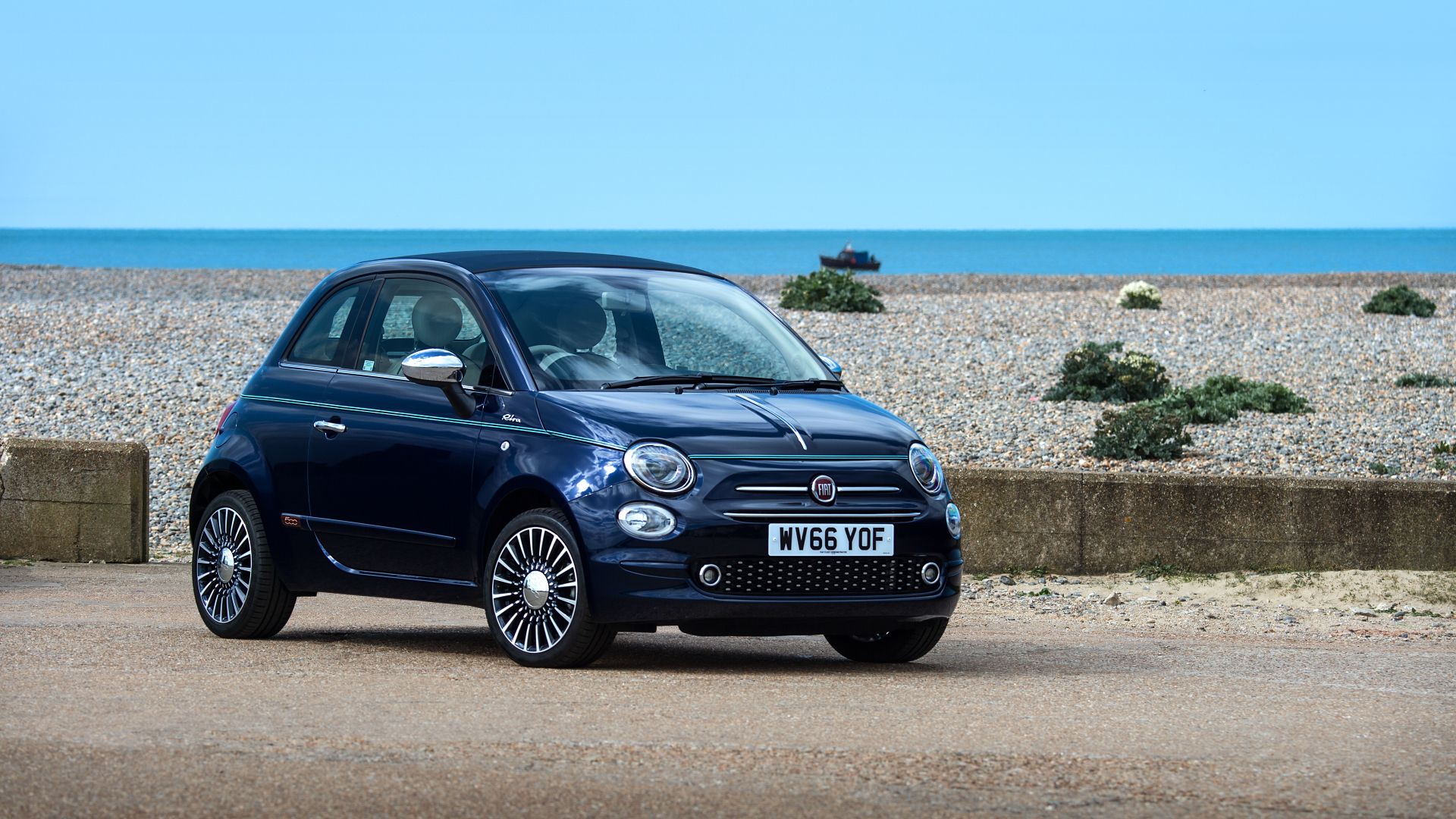
3. Fiat 500
The Fiat 500 is a compact urban vehicle that performs well in city traffic but struggles in snowy and high-altitude environments. Its front-wheel-drive system provides limited traction on ice and snow, while low weight and minimal ground clearance make it susceptible to getting stuck in even moderate snowfall.
Turbocharged versions help maintain engine performance at higher altitudes, but acceleration on slick surfaces remains unpredictable. The Fiat 500 is designed primarily for urban streets rather than winter conditions, and drivers often encounter challenges when navigating hills, unplowed streets, or icy intersections in Denver.
The Fiat 500’s safety systems are basic compared to winter-optimized vehicles. Traction control provides some assistance, but the lack of all-wheel drive or low-traction modes leaves it vulnerable on icy roads.
Braking distances are longer, and acceleration may feel hesitant when starting on snowy hills. Drivers must exercise extra caution and drive at reduced speeds, increasing commute times and requiring heightened attention in challenging winter conditions.
Maintenance is simple but cannot fully address the Fiat 500’s weaknesses in snow and ice. Regular checks on tires, battery health, and fluids are essential, but the vehicle remains prone to sliding, getting stuck, or struggling with uphill starts.
For Denver drivers, the Fiat 500 is better suited for city driving in mild winter weather rather than as a primary vehicle for consistent snow or ice. Its combination of low weight, limited traction, and small size makes it a challenging choice for winter reliability.
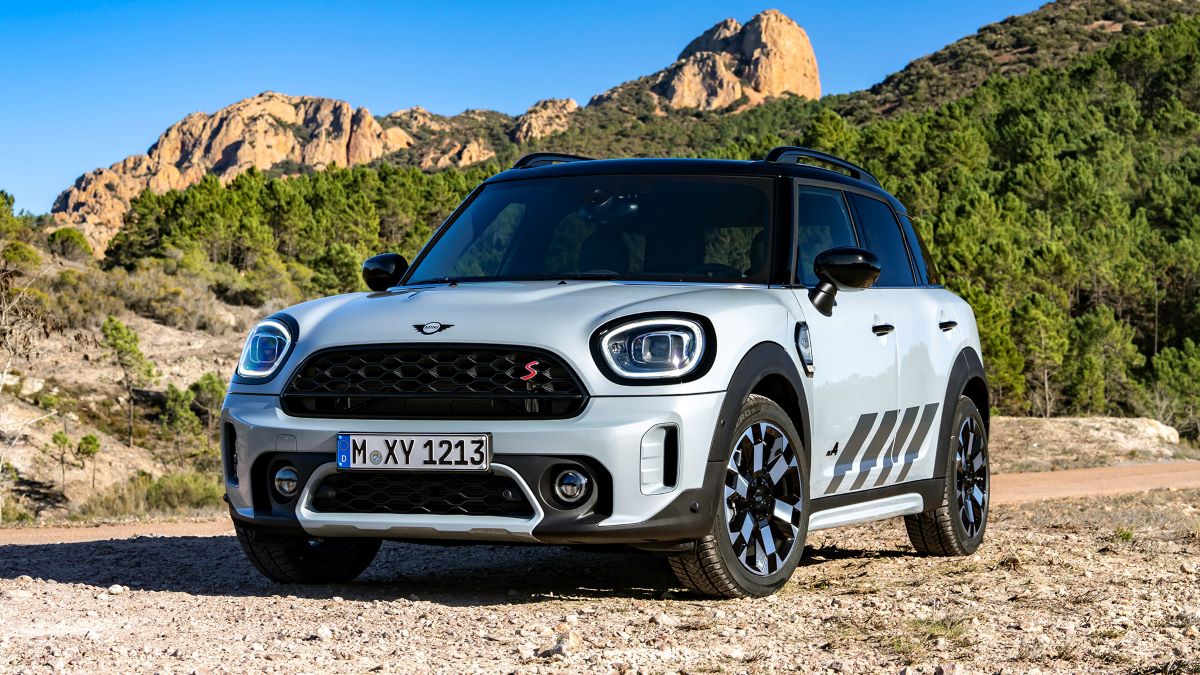
4. Mini Cooper (2-Door)
The Mini Cooper, particularly the 2-door model, is stylish and fun to drive but not well-suited for winter driving in Denver. Its low ground clearance and compact size make it prone to getting stuck in snow or struggling on icy roads.
Front-wheel drive provides some traction but is not as effective as all-wheel-drive systems found in crossovers or SUVs.
Turbocharged engines maintain performance at high altitudes, but the vehicle’s handling on snow and ice can be unpredictable, especially on hills or sloped streets, making winter driving more stressful and less safe.
Inside, the Mini Cooper’s interior is cozy but limited in space and comfort for winter use. Heated seats may be available in higher trims, but cabin insulation and room are minimal.
There is little space for winter equipment, including snowboards, skis, or emergency kits. While the Mini Cooper offers a fun driving experience in dry conditions, snow and ice expose the limitations of its design, reducing both practicality and reliability in winter commuting.
Maintenance is essential for preserving performance, but it cannot compensate for design weaknesses. Exposure to road salt and moisture accelerates wear on suspension, brakes, and the undercarriage.
For Denver drivers, the Mini Cooper is often better suited as a seasonal or fair-weather vehicle rather than a primary winter commuter. Its combination of low ground clearance, front-wheel drive, and compact dimensions means it struggles to provide consistent traction, stability, and comfort in snow-heavy conditions.
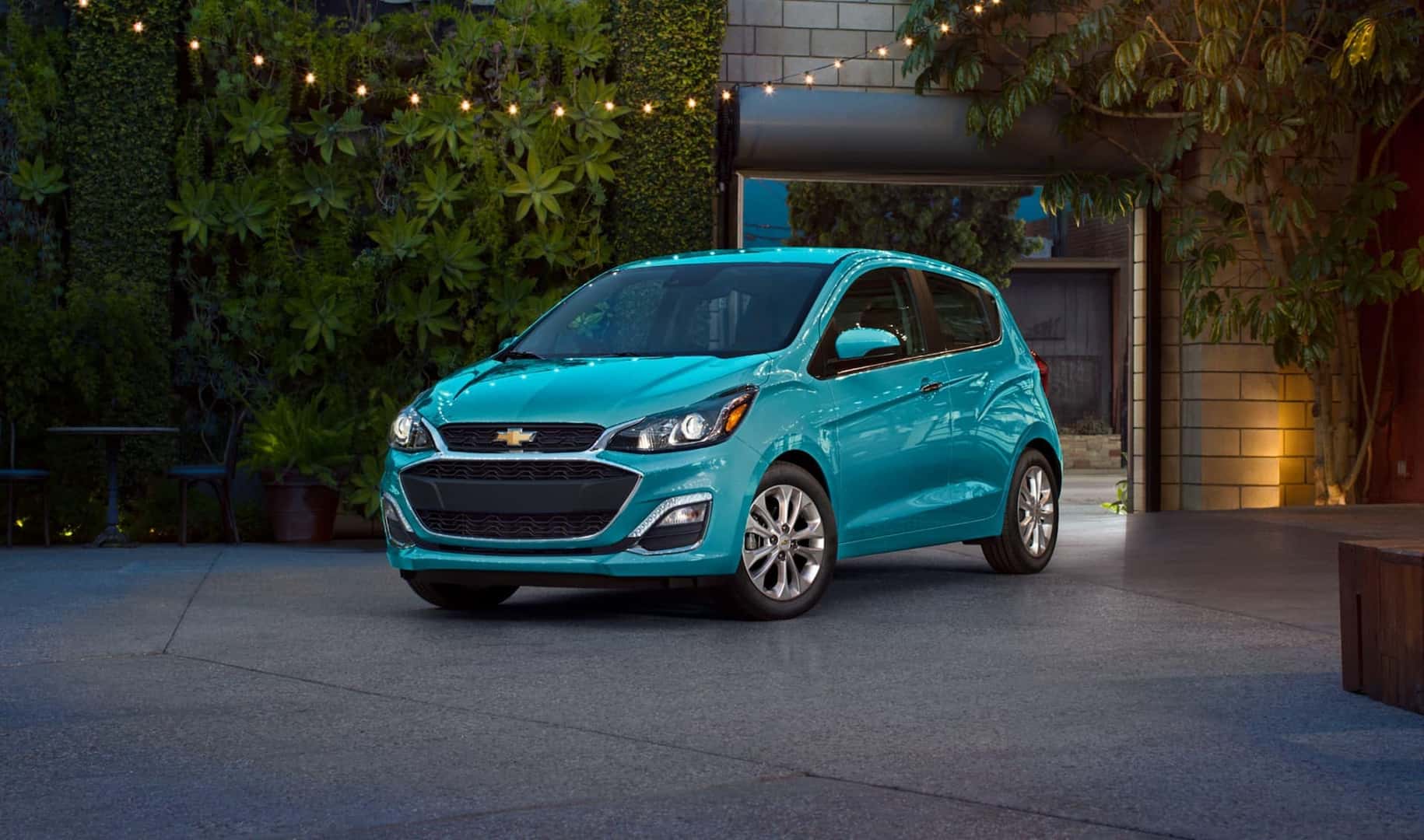
5. Chevrolet Spark
The Chevrolet Spark is a small, economical subcompact car designed for city driving rather than snowy conditions. Its front-wheel-drive layout offers minimal traction on ice and snow, and its low ground clearance makes it highly susceptible to getting stuck in even modest snow accumulations.
Naturally aspirated engines struggle at high altitudes, reducing acceleration and responsiveness when starting on hills, which are common in Denver’s terrain. The Spark’s lightweight frame can also contribute to instability on slippery surfaces, making winter driving a challenge for many owners.
Safety systems are basic and provide only limited support for winter driving. Traction control exists but cannot replace the benefits of an all-wheel-drive system.
Braking distances can be longer on ice, and uphill acceleration is often sluggish, increasing the risk of slipping or losing control. The Spark requires cautious driving and reduced speeds, which can make winter commuting more time-consuming and stressful.
Maintenance is straightforward but does not eliminate the Spark’s inherent challenges in snow and ice. Road salt, snow, and cold temperatures can accelerate corrosion and wear, particularly on suspension and underbody components.
For Denver drivers, the Chevrolet Spark is often relegated to light-duty city driving in mild winter conditions, rather than serving as a primary winter vehicle. Its combination of low traction, minimal ground clearance, and limited interior space makes it unsuitable for consistent winter reliability in high-altitude snowy environments.
