
Casper Mountain in Wyoming is a unique destination that offers both recreational opportunities and challenging driving conditions.
Its combination of steep grades, narrow switchbacks, and varying weather conditions requires vehicles that are not only capable of handling rough terrain but also provide stability and control for the driver.
While some SUVs are well-suited for these conditions, others struggle to maintain traction or engine performance, especially on the steeper portions of the mountain.
Understanding which vehicles perform reliably on Casper Mountain can be essential for both safety and enjoyment, particularly for families, adventurers, or anyone looking to navigate the mountain roads without frequent stops or mechanical issues.
When considering SUVs for mountain driving, several factors come into play, including ground clearance, torque, weight distribution, and drivetrain type. Vehicles with all-wheel drive or four-wheel drive systems generally have a better chance of maintaining traction on steep or uneven surfaces.
Engine power also plays a critical role, especially when climbing sustained grades where lower-powered SUVs may stall or overheat. Suspension design and braking systems further contribute to the vehicle’s ability to handle the mountain’s challenges.
Beyond mechanical specifications, practical considerations like cargo space, fuel capacity, and seating comfort also affect the experience, particularly for longer trips or outdoor excursions where supplies and equipment are necessary.
Despite these requirements, many SUVs marketed for off-road or adventurous driving may still underperform in extreme conditions. Factors such as underpowered engines, front-wheel drive limitations, or inadequate weight distribution can result in difficulty maintaining momentum, wheel slip, or even safety hazards.
Knowing which vehicles excel and which tend to struggle can save drivers time, stress, and potential accidents. By examining specific models and their performance characteristics, it becomes clear which SUVs are most appropriate for Casper Mountain and which ones are better suited for flatter, less demanding terrain.
This article will outline ten SUVs in total, divided into two categories. The first category highlights five SUVs that manage Casper Mountain’s conditions with relative ease, providing reliability, traction, and driver confidence.
The second category identifies five SUVs that encounter significant challenges on steep grades and rugged paths, illustrating why their performance may fall short in mountain environments.
These assessments are based on vehicle capabilities, reported user experiences, and general mechanical attributes that affect performance on steep or uneven terrain.
Five SUVs for Casper Mountain Access
1. Jeep Grand Cherokee
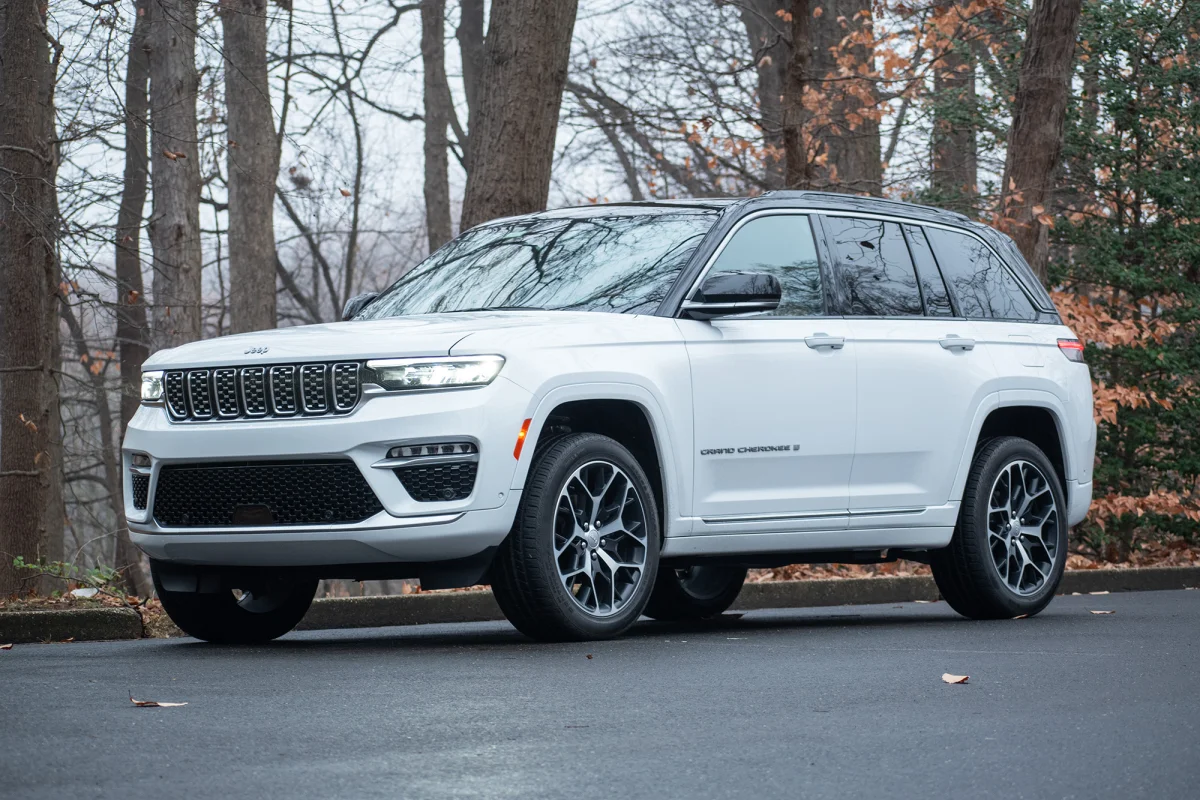
The Jeep Grand Cherokee is one of the most reliable and versatile SUVs when it comes to tackling challenging terrain such as Casper Mountain.
One of its most important features is its four-wheel-drive system, which allows the vehicle to maintain traction on steep inclines, loose gravel, or uneven surfaces.
The Grand Cherokee’s engine options, which include both V6 and V8 configurations, provide ample torque to climb even the most demanding grades without putting excessive strain on the transmission.
Its high ground clearance also allows the vehicle to navigate rocks, roots, and other trail obstacles that are commonly found on mountain roads.
Higher trims offer adjustable air suspension, which allows the driver to raise the vehicle for rough trails or lower it for smoother highway driving.
This flexibility makes the Grand Cherokee suitable for both off-road adventures and everyday driving, ensuring that it can handle a wide variety of situations without requiring major modifications.
Beyond the drivetrain and suspension, the Grand Cherokee excels in safety and stability. Its hill descent control system helps manage steep downhill sections, reducing the risk of skidding or losing control, while its advanced traction control system ensures that even when one wheel loses grip, the vehicle can maintain forward momentum.
The braking system is also designed to provide consistent stopping power in a variety of conditions, which is particularly important when navigating mountain roads where sudden stops may be required.
These features work together to give the driver confidence when tackling the steep, winding roads of Casper Mountain, ensuring that both passengers and cargo remain secure.
The Grand Cherokee is designed not just for performance, but also for reliability, which means drivers can feel confident that it will handle repeated climbs without mechanical issues.
In addition to its mechanical performance, the Grand Cherokee is built with comfort and convenience in mind. Its interior provides ample space for passengers, offering both comfort and visibility, which are important when driving on winding mountain roads.
The cargo space is generous, making it possible to bring along gear for hiking, camping, or other outdoor activities without compromising passenger comfort.
Technology features, such as navigation, adaptive cruise control, and driver assistance systems, further enhance the experience by making navigation easier and reducing the mental load on the driver.
This combination of rugged capability and interior refinement allows the Grand Cherokee to perform well in harsh mountain conditions while maintaining the convenience and comfort needed for longer trips.
Finally, the Grand Cherokee’s reputation for reliability is a key reason it is well-suited for Casper Mountain. Many drivers report consistent performance in a variety of weather and road conditions, including snow, rain, and dirt trails.
Its combination of engine power, traction systems, suspension flexibility, and comfort makes it one of the most balanced SUVs available for mountain driving.
Whether carrying passengers, towing equipment, or climbing steep trails, the Grand Cherokee can meet the demands of challenging terrain without sacrificing performance or safety, making it an ideal choice for anyone seeking dependable access to Casper Mountain.
2. Toyota 4Runner
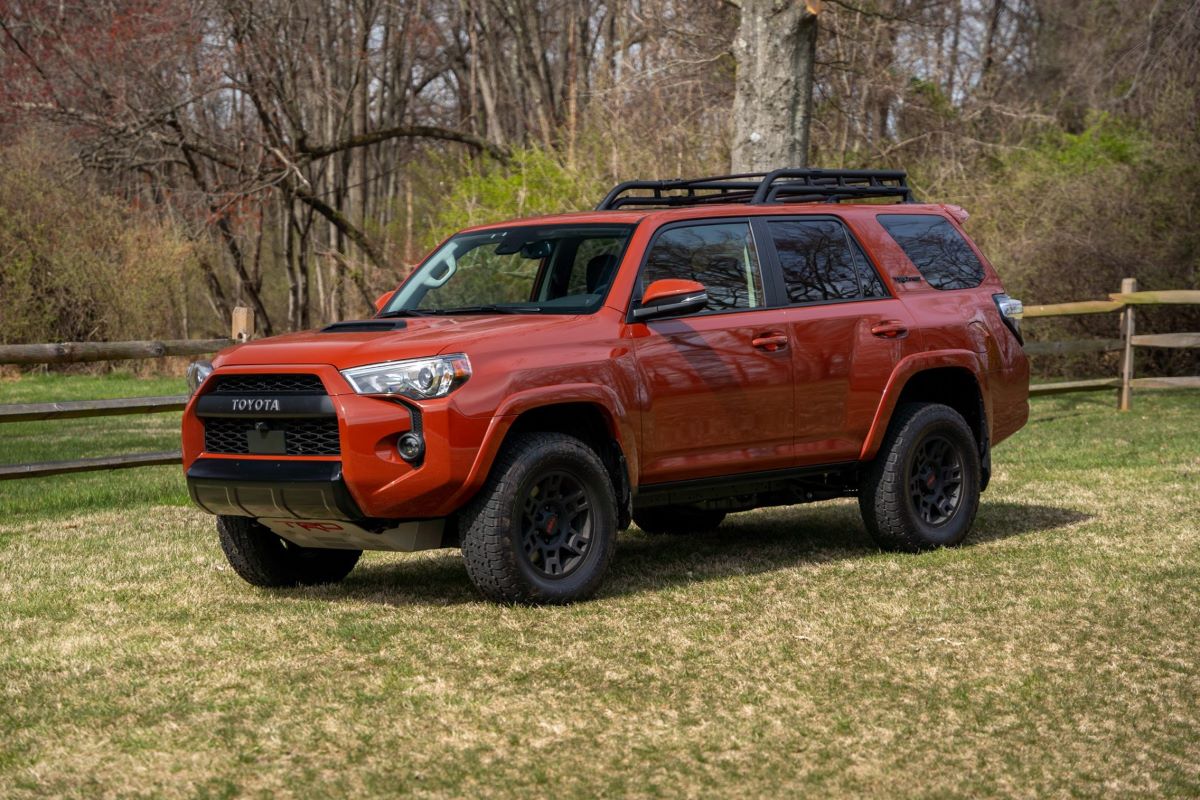
The Toyota 4Runner has long been recognized as a durable, dependable SUV, particularly when it comes to off-road performance and rugged conditions like those found on Casper Mountain. Its body-on-frame construction provides the strength necessary to navigate rocky trails, steep inclines, and uneven surfaces without compromising structural integrity.
Ground clearance is a major advantage of the 4Runner, as it allows the vehicle to clear obstacles such as rocks, tree roots, and rough patches of trail without scraping the undercarriage.
Its four-wheel-drive system, available with a locking rear differential in specific trims, ensures that power is efficiently distributed between the wheels, which is essential for maintaining traction on loose gravel, dirt, or slippery surfaces. This makes the 4Runner capable of tackling difficult sections of mountain roads that might challenge other SUVs.
The 4Runner’s engine performance further enhances its suitability for mountain driving. Its V6 engine provides sufficient torque at low speeds, allowing drivers to maintain steady momentum on sustained inclines without frequently downshifting.
The automatic transmission complements this by delivering smooth power and reducing the chance of stalling or losing momentum. Additionally, the suspension system is designed to absorb shocks from rough trails, ensuring that passengers remain relatively comfortable even when traveling over uneven or bumpy terrain.
Many drivers appreciate how the 4Runner balances rugged performance with ride comfort, making it a practical choice for both short trips up steep roads and longer excursions where both passengers and cargo need to be accommodated.
Safety and control are also major strengths of the 4Runner. Features such as hill start assist, stability control, and traction management allow the driver to confidently navigate difficult sections of road without worrying about losing control.
Braking systems are engineered to handle sudden stops, even on slippery or steep terrain, while traction control ensures that wheel spin is minimized.
These systems work in concert to give drivers the confidence to take on challenging trails while maintaining stability and control at all times. This combination of features contributes to the 4Runner’s reputation as a dependable mountain SUV, capable of handling both expected and unexpected challenges with ease.
Practical considerations also make the 4Runner an excellent choice for mountain access. Its interior is spacious enough for passengers to sit comfortably, while the rear cargo area provides room for outdoor gear, camping equipment, or other necessary supplies.
Roof racks and towing capacity expand its versatility, making it suitable for carrying additional equipment or even small trailers.
The 4Runner is a proven performer in mountain conditions, offering a combination of strength, reliability, and comfort that ensures drivers can confidently navigate Casper Mountain’s roads without frequent stops, mechanical issues, or undue stress.
3. Subaru Outback
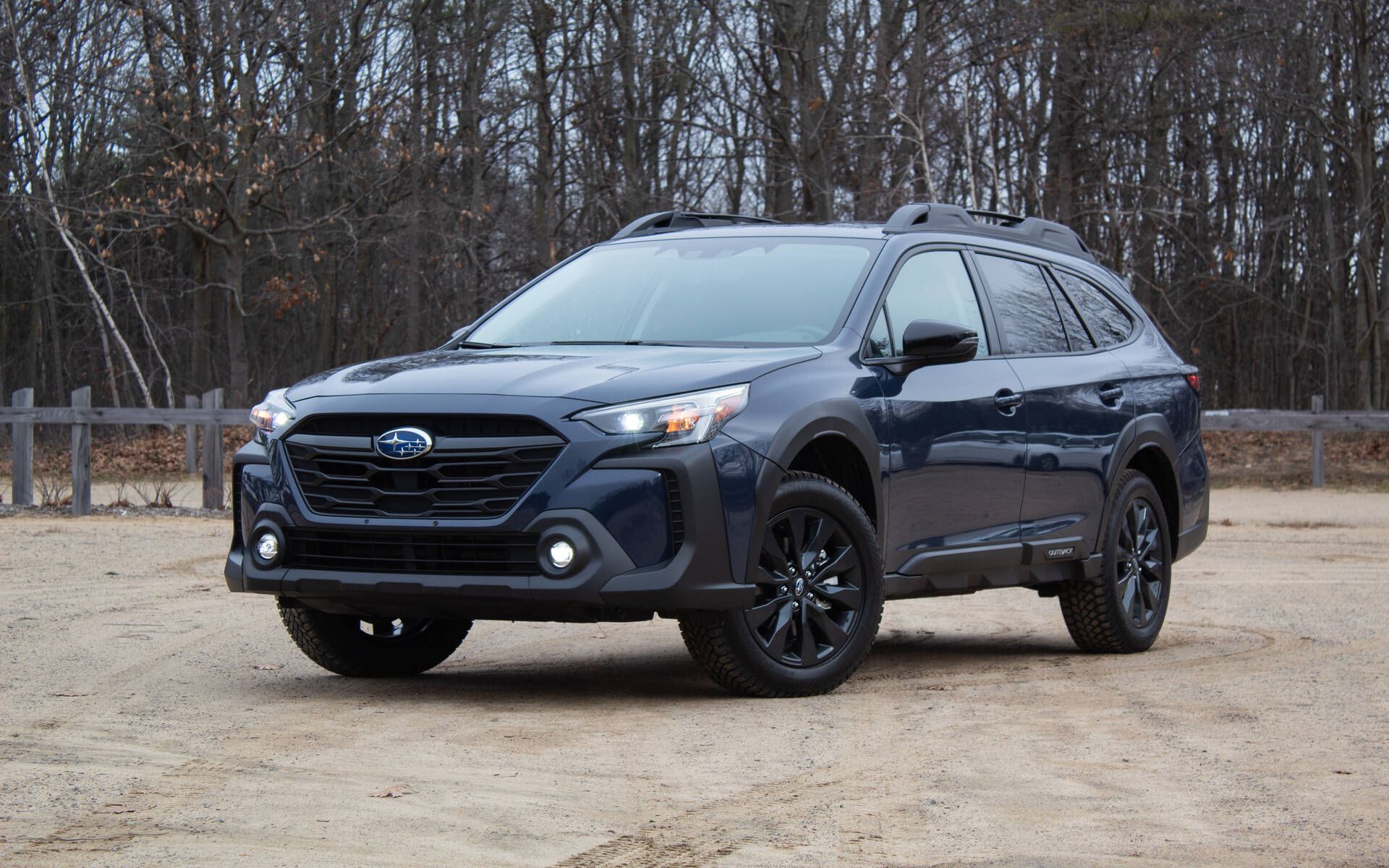
The Subaru Outback is a crossover-style SUV that combines all-wheel-drive capability with higher ground clearance than many standard vehicles, making it a practical option for mountain roads and moderate off-road conditions.
Its symmetrical all-wheel-drive system is particularly effective for maintaining traction on loose gravel, dirt roads, or areas with light snow, helping to prevent wheel slip and maintain forward momentum.
While it may not be as heavy-duty as some larger off-road SUVs, its balance of maneuverability, traction, and stability makes it ideal for navigating narrow switchbacks and sharp curves commonly found on mountain roads.
Drivers benefit from a vehicle that feels responsive and predictable, which is especially important on steep, winding trails where sudden movements can impact control.
In addition to its mechanical capabilities, the Outback offers a variety of features that support longer trips or outdoor activities. Cargo space is ample, allowing travelers to carry gear, supplies, or recreational equipment, while roof rails provide additional storage options for bulky items.
Safety systems, including stability control, hill assist, and traction management, enhance driver confidence, allowing for secure navigation over challenging terrain.
Combined with its manageable size, the Outback offers a balance of capability, practicality, and comfort, which is particularly valuable for drivers who need a reliable vehicle without the bulk of a full-size SUV.
Fuel efficiency is better than many larger SUVs, reducing the need for frequent fuel stops on long trips, while the interior is designed to comfortably accommodate both passengers and cargo.
Its smaller size and responsive handling make it easier to maneuver on narrow or winding mountain roads. The Subaru Outback is a well-rounded option for drivers seeking reliable access to Casper Mountain, providing adequate power, traction, and safety systems while maintaining comfort and practicality.
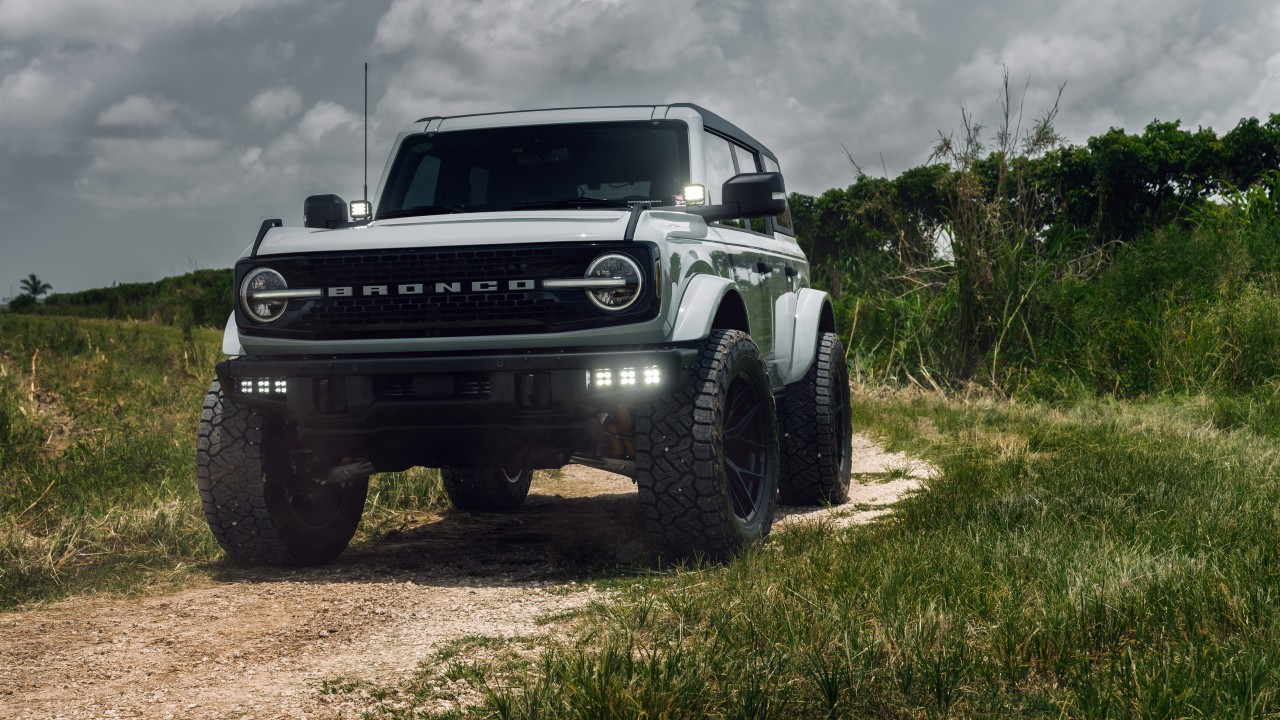
4. Ford Bronco
The modern Ford Bronco combines off-road capability with contemporary design and technology, making it a strong candidate for navigating mountain roads like those on Casper Mountain.
Its advanced four-wheel-drive system includes multiple selectable modes that adjust traction, throttle response, and braking characteristics depending on terrain conditions.
Ground clearance is substantial, allowing the Bronco to clear rocks, ruts, and other trail obstacles without difficulty.
Engine options range from turbocharged four-cylinders to V6 engines, all of which provide sufficient torque for climbing steep grades while maintaining smooth handling through curves and switchbacks.
The Bronco’s suspension is engineered for off-road use, absorbing shocks and uneven terrain effectively while keeping passengers comfortable.
Driver assistance systems add to the Bronco’s capabilities on challenging terrain. Hill descent control, traction management, and locking differentials ensure that even when one wheel loses traction, the vehicle can continue forward safely.
Its body-on-frame construction provides a durable foundation for towing, carrying heavy cargo, or navigating uneven surfaces without risking damage to the vehicle’s structure.
The interior is configurable, allowing passengers to ride comfortably while also providing ample space for gear. Multiple seating and storage options make the Bronco versatile for a range of outdoor activities.
Durability and reliability further reinforce the Bronco’s suitability for mountain driving. Its construction, combined with advanced drivetrain systems and powerful engine options, allows it to endure repeated climbs, rough surfaces, and challenging weather conditions.
For those seeking a rugged and versatile SUV capable of reliably accessing Casper Mountain, the Ford Bronco offers both mechanical strength and practical features, ensuring that the vehicle can handle extreme conditions without sacrificing comfort or control.
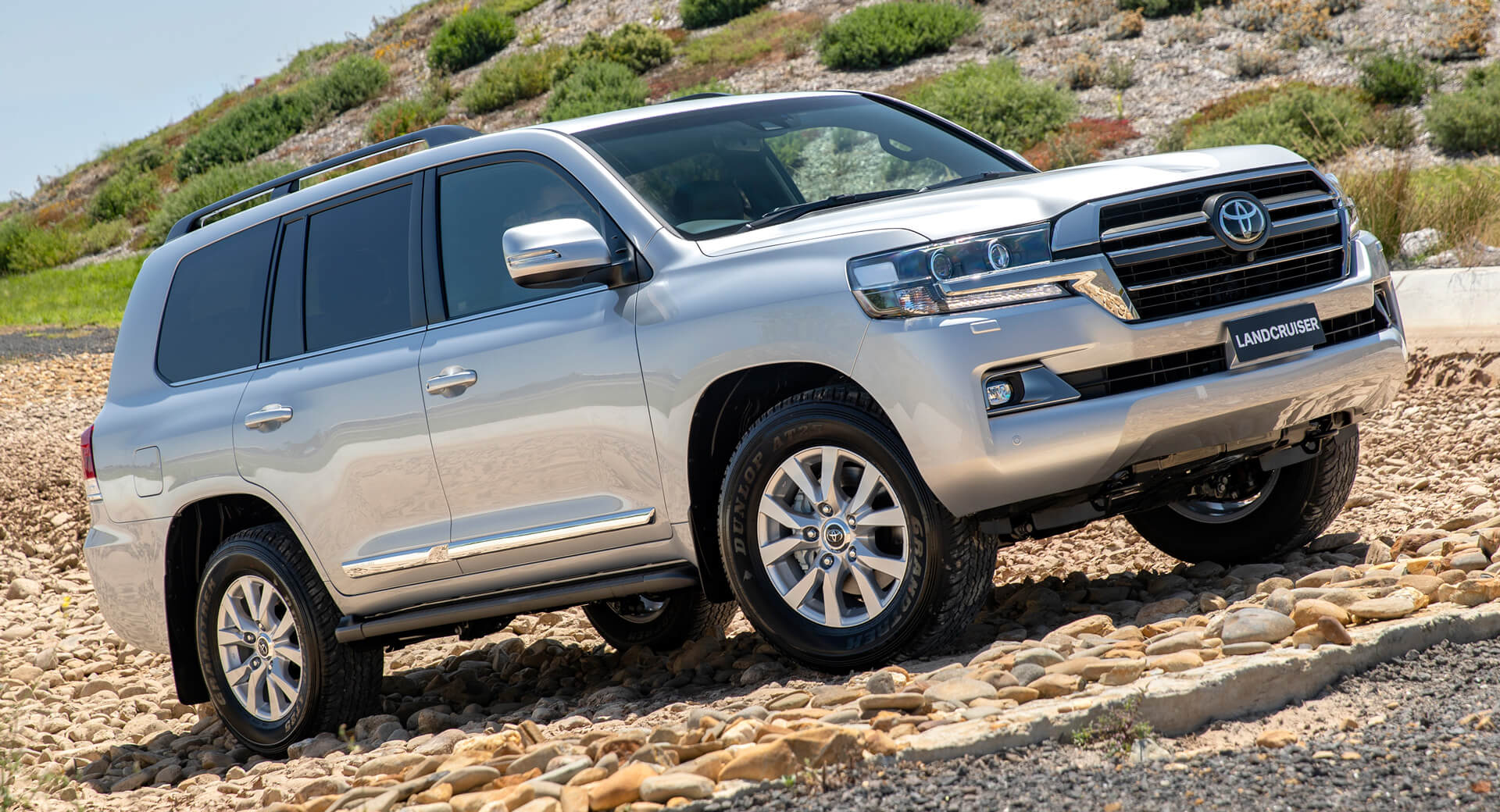
5. Toyota Land Cruiser
The Toyota Land Cruiser is a legendary SUV known for its exceptional off-road performance and long-term reliability, making it highly capable for navigating steep grades and rough terrain. Its four-wheel-drive system, high ground clearance, and body-on-frame construction allow it to handle challenging mountain roads with confidence.
The Land Cruiser’s V8 engine delivers powerful torque, which is essential for climbing sustained inclines while maintaining steady momentum. Its suspension system is engineered to absorb bumps and shocks effectively, ensuring that passengers experience minimal discomfort even on rugged trails.
These features combine to make the Land Cruiser a vehicle that can manage Casper Mountain’s toughest conditions without frequent stops or mechanical strain.
Practical considerations make the Land Cruiser ideal for extended mountain trips. Its spacious interior accommodates passengers comfortably, while cargo space allows for the transport of outdoor gear, camping equipment, or luggage.
The SUV also supports towing and roof-mounted storage options, increasing its versatility for trips requiring additional gear. Combined with its off-road prowess, these features make the Land Cruiser highly capable and practical for drivers seeking a reliable vehicle for mountain access.
Finally, the Land Cruiser’s reputation for durability and longevity reinforces its suitability for Casper Mountain. Many drivers report decades of reliable performance in demanding conditions, which is a testament to its engineering and build quality.
Its combination of engine power, advanced drivetrain, suspension durability, and safety systems ensures that it can handle steep grades, uneven terrain, and rough trails consistently, providing a safe and comfortable ride for passengers and equipment alike.
For those prioritizing dependability, capability, and comfort in mountain driving, the Toyota Land Cruiser remains a top choice.
Five SUVs That Struggle on Grades
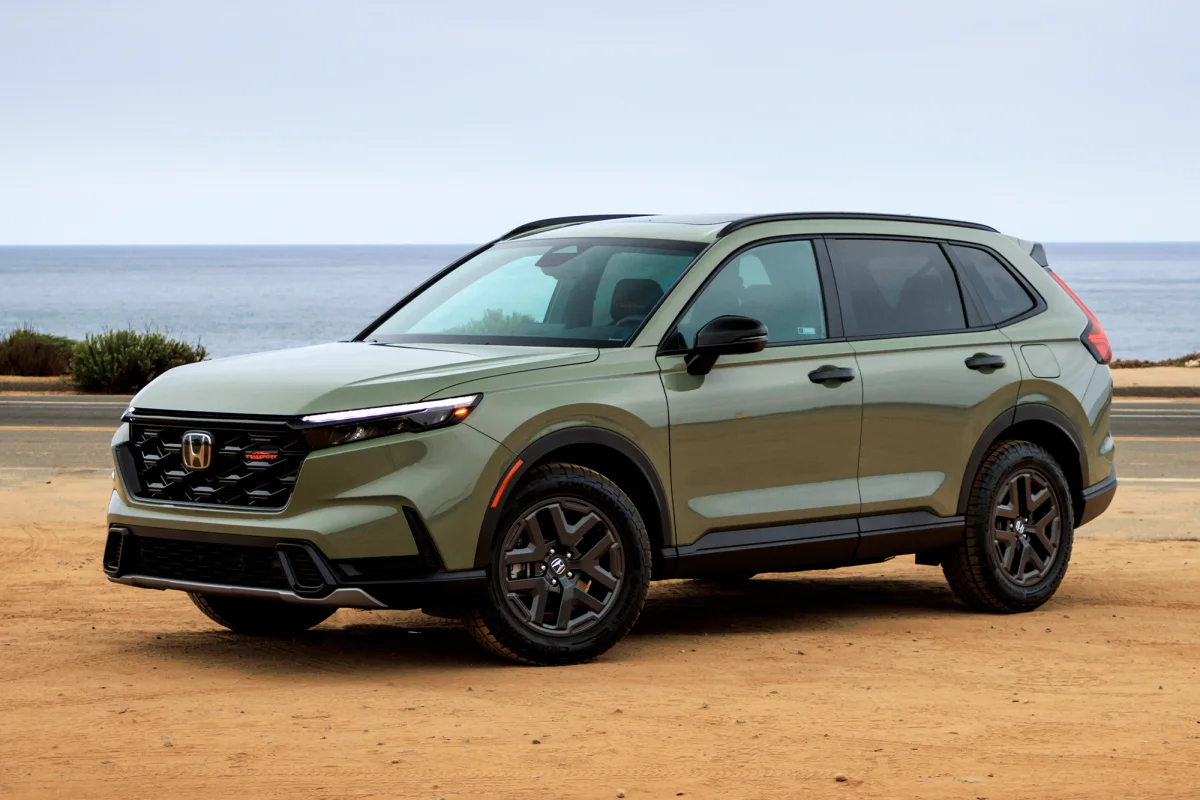
1. Honda CR-V
The Honda CR-V is a popular compact SUV that performs well on city streets and light off-road paths but tends to struggle on steep mountain grades. One of the primary reasons for this is its relatively modest engine power, which limits its ability to maintain momentum on inclines.
Its standard all-wheel-drive system provides some assistance on slippery surfaces, but it cannot match the torque and traction offered by more rugged four-wheel-drive systems found in larger SUVs.
When ascending steep sections of Casper Mountain, the CR-V may require frequent gear changes or downshifting, which can strain the transmission and reduce control.
Drivers may notice a slower response when attempting to accelerate on an incline, which can be frustrating and sometimes unsafe in demanding mountain conditions.
In addition to engine limitations, the CR-V’s ground clearance is another factor that hinders its performance on grades and rough terrain.
Compared to more off-road-oriented vehicles, the CR-V sits lower to the ground, increasing the risk of scraping the undercarriage on rocks, ruts, or uneven surfaces commonly encountered on mountain roads.
While it can handle paved or lightly gravelled roads without issue, any obstacle that requires higher clearance or aggressive maneuvering may present challenges. For drivers unfamiliar with off-road conditions, this can be particularly problematic, as the vehicle’s lower profile reduces the margin for error when navigating inclines, declines, or uneven surfaces.
Finally, practical factors such as weight distribution and suspension further affect the CR-V’s performance on mountain grades. Its relatively soft suspension, designed for comfort on smooth roads, may not adequately support heavy loads or absorb significant shocks from rough terrain.
Combined with its engine limitations, this can lead to a noticeable reduction in performance on steep inclines or uneven trails.
While the Honda CR-V is a reliable and efficient vehicle for everyday use, its ability to handle the demanding conditions of Casper Mountain is limited, making it better suited for lower grades or well-maintained roads rather than challenging mountain access.
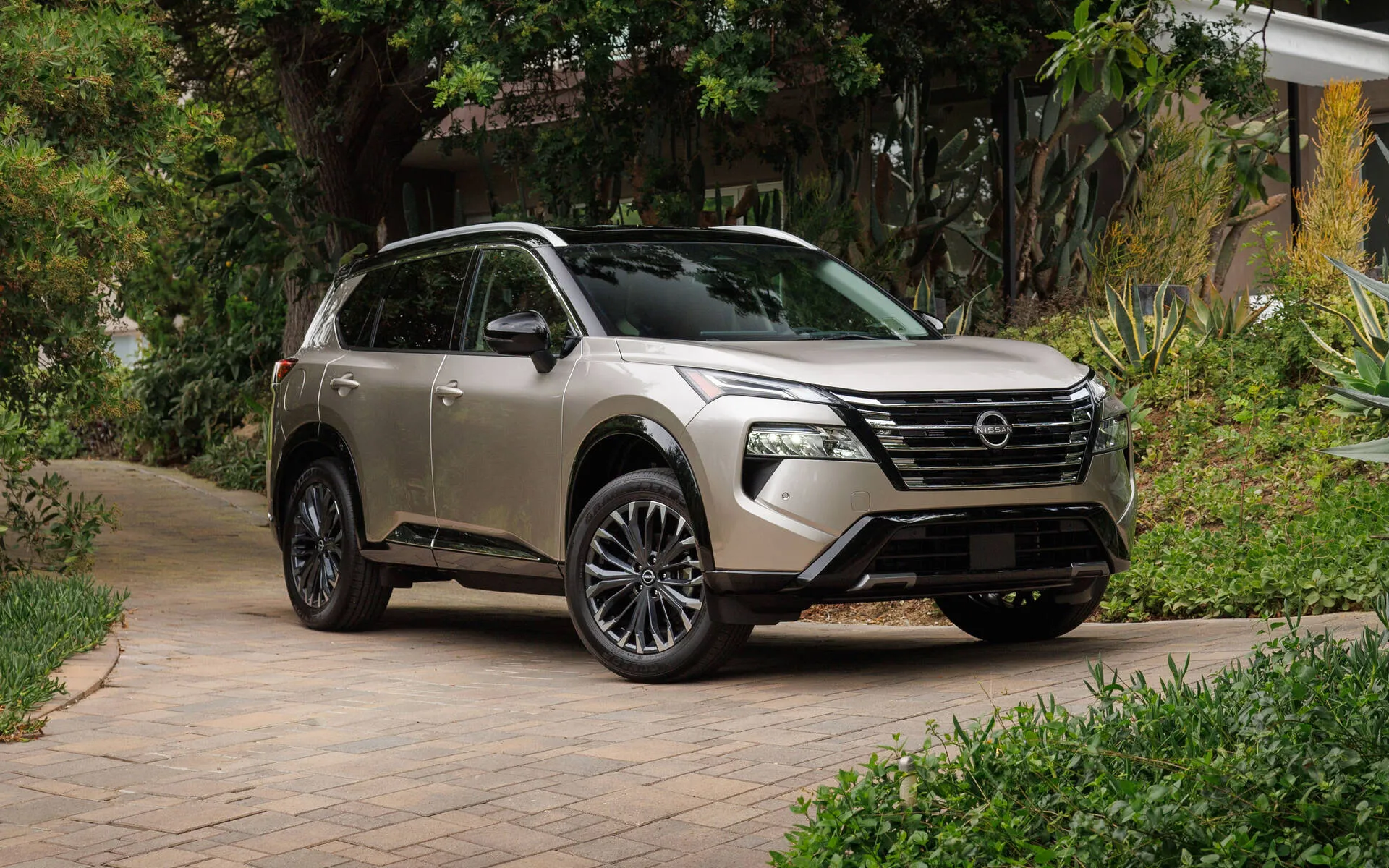
2. Nissan Rogue
The Nissan Rogue is another compact SUV that, while comfortable and efficient for urban driving, often struggles on steep grades and rugged terrain.
Its standard engine delivers moderate power, which is sufficient for highway merging and city traffic but can feel underpowered on sustained inclines.
The Rogue’s all-wheel-drive system is primarily intended for traction on wet or icy roads rather than off-road climbing. Drivers attempting to navigate steep sections of Casper Mountain may notice a lack of immediate throttle response, requiring careful acceleration to maintain control and prevent stalling.
The vehicle’s relatively light engine output can be a significant disadvantage when hauling passengers or cargo up steep grades, further impacting performance.
Another area of concern is the Rogue’s traction and drivetrain performance. While it includes an all-wheel-drive option, the system is not optimized for extreme inclines or off-road obstacles. On steep or loose terrain, wheel slip is more likely, requiring the driver to carefully modulate throttle input to maintain forward motion.
This can be exhausting during longer climbs or in conditions that demand consistent traction, such as wet gravel or snow patches. The lack of specialized off-road features, such as locking differentials or hill descent control, further limits the Rogue’s performance on Casper Mountain.
Finally, interior design and weight distribution contribute indirectly to the Rogue’s struggles. Its lightweight body, while advantageous for fuel efficiency, can feel less stable on steep inclines and uneven terrain.
Combined with its engine and suspension limitations, this makes it difficult to maintain consistent performance on grades where torque and traction are critical.
While the Nissan Rogue remains a solid choice for urban and suburban driving, its mechanical and structural attributes make it ill-suited for sustained climbs or challenging mountain roads. Drivers should be cautious when attempting steep grades or uneven trails with this vehicle.
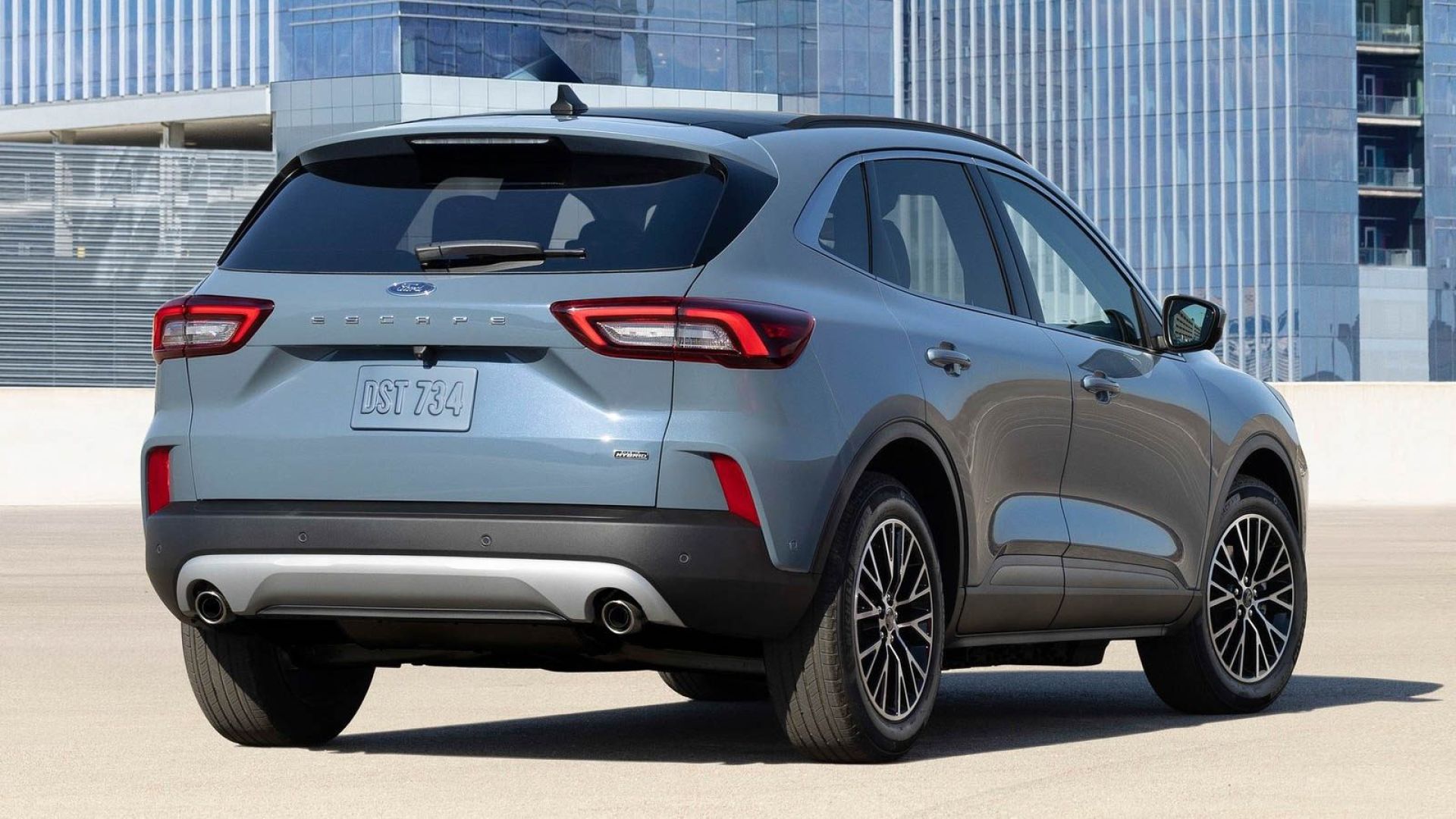
3. Ford Escape
The Ford Escape is a compact crossover that prioritizes comfort and fuel efficiency over rugged performance. Its engine options, which generally range from four-cylinder to small turbocharged engines, provide adequate power for city and highway driving but often fall short on steep grades.
When attempting to climb steep sections of Casper Mountain, drivers may experience slower acceleration and frequent gear changes, especially when carrying a full load of passengers or gear.
The Escape’s all-wheel-drive system is designed to enhance traction on wet or slippery surfaces rather than to support heavy off-road climbing. This means that on challenging inclines, the vehicle may struggle to maintain consistent momentum.
Traction control and drivetrain limitations further compound the Escape’s difficulties on steep terrain. While its all-wheel-drive system provides some assistance, it cannot match the performance of four-wheel-drive systems with low-range gearing found in more capable SUVs.
Wheel slip is more likely during steep climbs or on loose surfaces, requiring careful throttle control and patience from the driver. Additionally, the lack of advanced off-road features, such as hill start assist or locking differentials, reduces confidence when navigating challenging mountain roads.
Finally, weight distribution and engine performance contribute to the Escape’s underwhelming performance on grades. Its lighter body and softer suspension can lead to a lack of stability on inclines, while the engine’s modest torque may be insufficient for sustained climbs.
Although the Escape excels in comfort, efficiency, and daily usability, it is not designed for the demands of steep mountain roads. Drivers should be aware of its limitations and consider alternative vehicles for serious off-road or mountainous terrain.
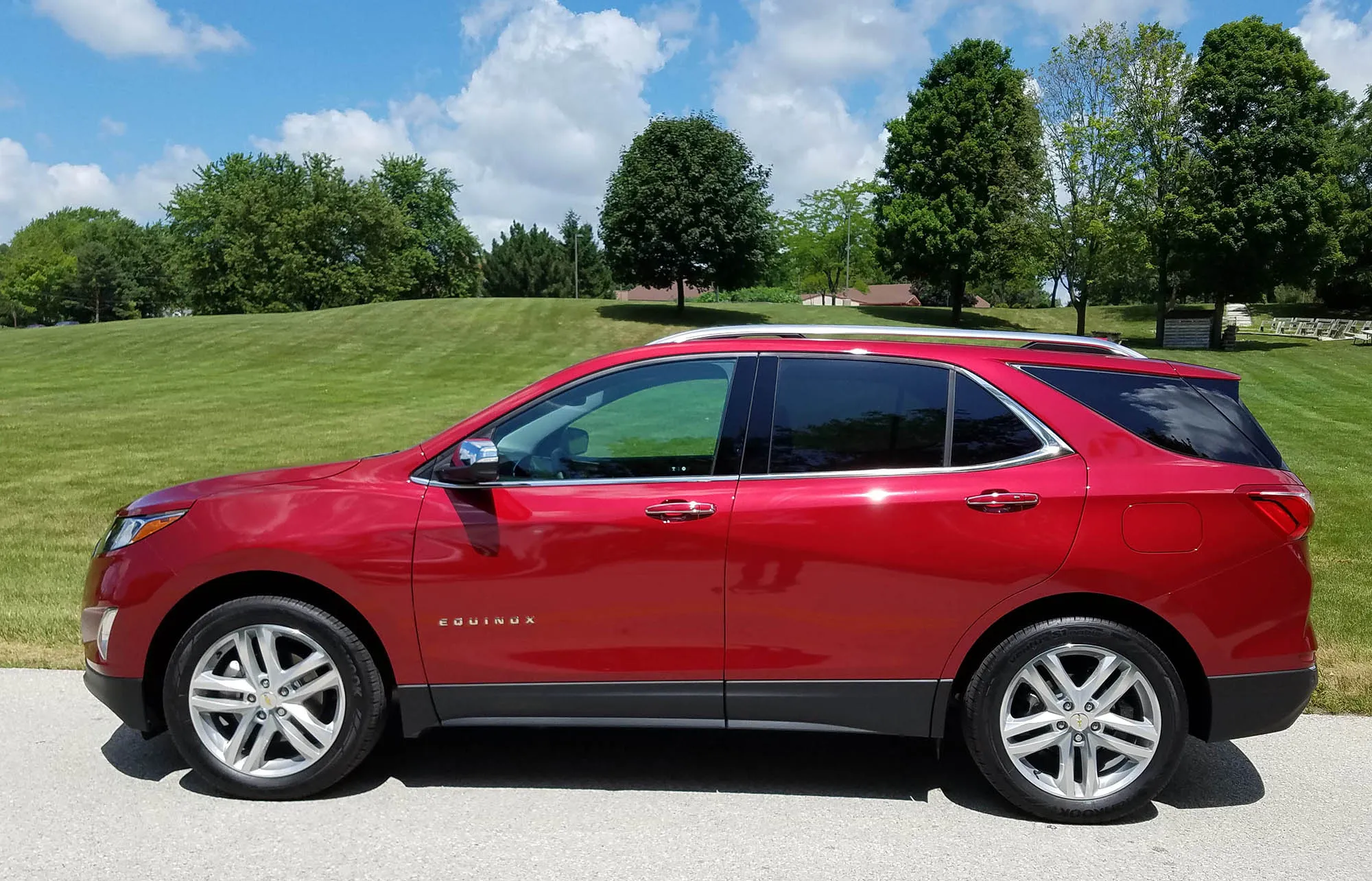
4. Chevrolet Equinox
The Chevrolet Equinox is a mid-size crossover that prioritizes comfort, fuel efficiency, and technology over rugged capability. Its base engine options provide moderate horsepower and torque, which are adequate for commuting or highway driving but can struggle on steep mountain grades.
Ascending sections of Casper Mountain can require careful throttle management and frequent gear adjustments, as the Equinox lacks the low-end torque and power distribution features found in off-road-focused SUVs.
Its standard all-wheel-drive system is helpful in wet or icy conditions but does not compensate for the vehicle’s lack of climbing power.
Ground clearance is another challenge for the Equinox. Its lower profile increases the risk of scraping or becoming hung up on rough surfaces, rocks, or uneven trails.
Unlike SUVs designed for off-road use, the Equinox’s suspension is tuned for comfort and smoothness on paved roads, which can compromise stability on bumpy or uneven terrain.
On steep inclines, this can translate to less predictable handling and reduced confidence for the driver. The combination of low clearance, moderate power, and comfort-focused suspension makes the Equinox less suited for mountain driving compared to more capable alternatives.
Traction and stability systems, while competent for everyday driving, are not optimized for sustained climbs. Wheel slip is more likely on loose gravel, dirt, or wet surfaces, requiring careful throttle control to prevent loss of momentum.
The Equinox lacks advanced off-road features, such as locking differentials or hill descent control, which are important for maintaining control on steep or uneven terrain.
As a result, drivers may find themselves struggling to navigate sections of Casper Mountain that are easily handled by more rugged SUVs.
Finally, practical considerations such as interior space and weight distribution do not significantly offset its limitations.
The Equinox is comfortable for passengers and offers adequate cargo capacity for city and highway trips, but its lighter weight and lack of off-road engineering reduce its ability to maintain stability and power on grades.
While it is a reliable and convenient SUV for everyday driving, the Chevrolet Equinox is not recommended for challenging mountain roads or trails where engine power, traction, and suspension robustness are critical.
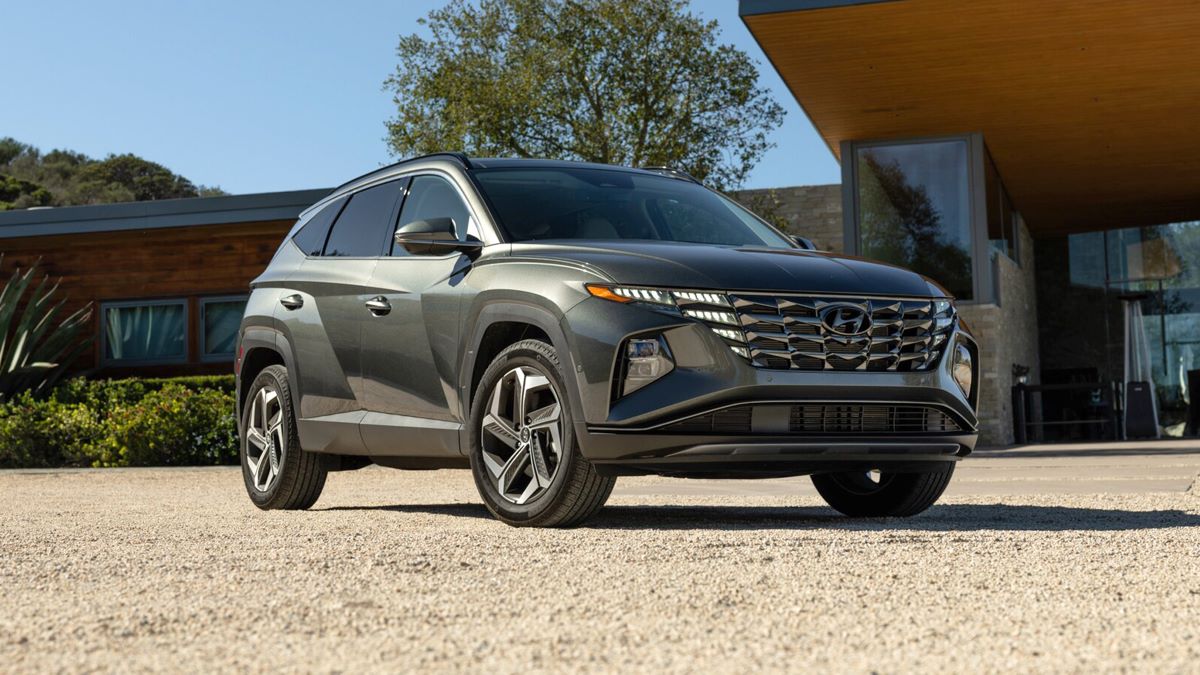
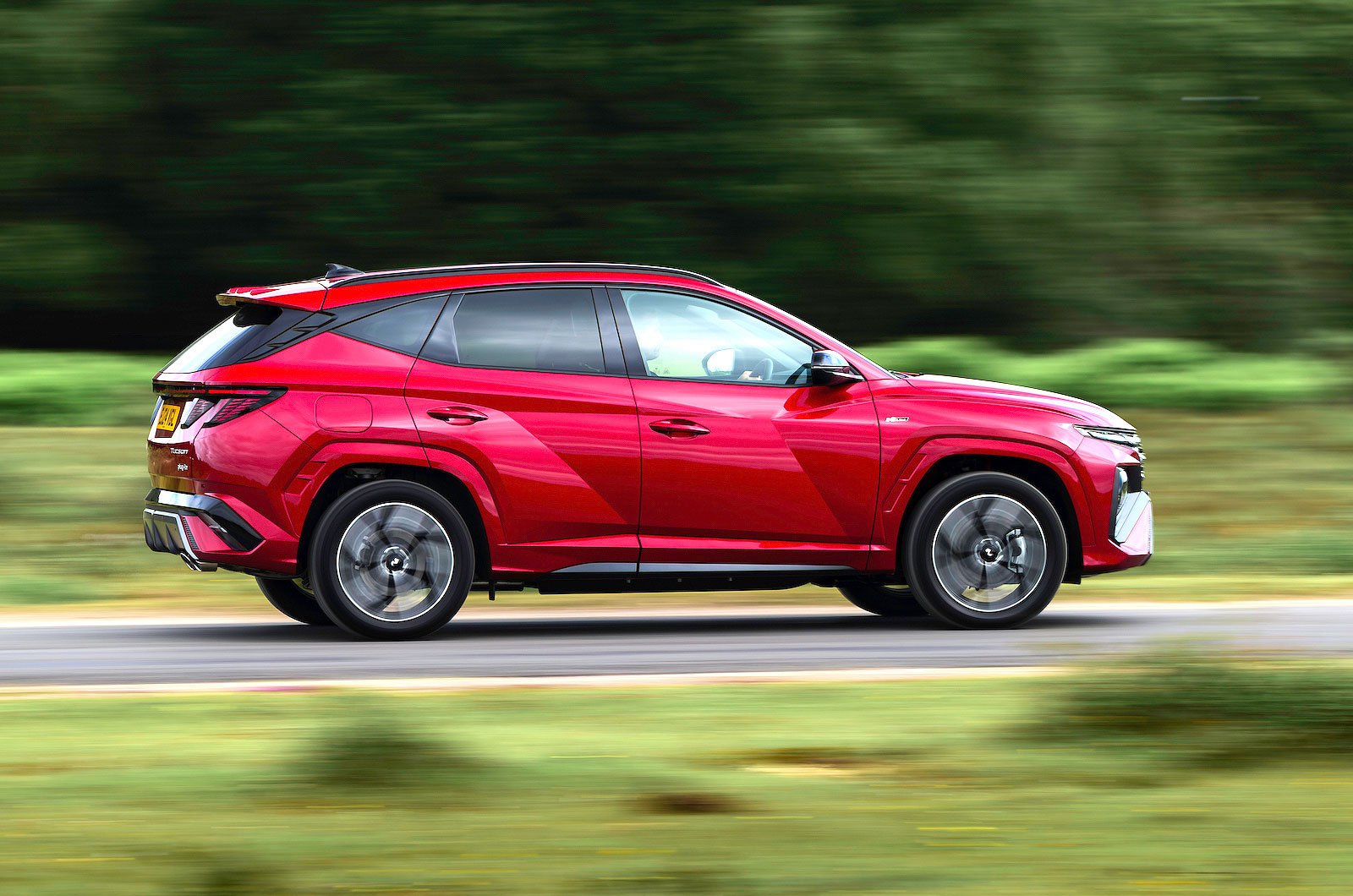
5. Hyundai Tucson
The Hyundai Tucson is a compact crossover that focuses on efficiency, technology, and style, rather than off-road performance. Its engine options, typically small four-cylinder or turbocharged variants, provide enough power for city driving but often feel underpowered when attempting steep grades on Casper Mountain.
Maintaining momentum on inclines can be difficult, and the vehicle may require frequent adjustments in throttle or gear selection to avoid stalling or losing traction.
The Tucson’s all-wheel-drive system helps in light snow or wet conditions but is not optimized for steep or rugged terrain, which limits its effectiveness on more challenging sections of mountain roads.
Traction management is another concern. The Tucson’s all-wheel-drive system distributes power to the wheels as needed for light traction assistance, but it lacks the low-range gearing, locking differentials, or advanced off-road modes that help SUVs conquer steep or loose surfaces.
On sustained climbs, wheel slip can occur, requiring careful throttle modulation and increased driver attention. This can reduce confidence, particularly on challenging or unfamiliar mountain roads.
Finally, engine performance, weight distribution, and vehicle dynamics further impact the Tucson’s performance on grades. Its relatively low torque output, combined with lightweight construction means that the vehicle struggles more than larger SUVs when climbing inclines or navigating uneven trails.
While the Hyundai Tucson excels in urban driving, fuel efficiency, and technology, it is not engineered for the demands of steep mountain roads, making it a less suitable choice for drivers seeking dependable performance in challenging mountain environments.
