
Choosing the right sedan is one of the most impactful decisions a commuter can make, especially for residents of a place like Great Falls. Weather conditions vary from cold winters to warm summers.
Local commuting often means balancing highway travel with city streets, while also being mindful of fuel economy, maintenance costs, comfort, reliability, and long-term ownership value.
A sedan that fits a practical commuter lifestyle must offer efficient performance, manageable operating costs, durability, and comfort for daily driving. For many drivers, these factors are far more important than sheer performance or brand prestige.
Evaluating sedans for everyday commuting involves understanding the strengths and limitations of different models. Reliable sedans can make daily routines smooth and cost-effective.
Cars that require less frequent repairs, have good fuel economy, and offer predictable service intervals will ease the financial burden of ownership.
Comfort plays a role too, especially when a driver spends significant time behind the wheel. Supportive seats, intuitive controls, and a quiet cabin can enhance satisfaction on long drives or during rush hour.
On the other hand, not all sedans are equally suited for practical commuters. Some vehicles present challenges that can increase stress and expense.
Models with high service requirements, expensive parts, sensitive electronics, or known reliability concerns tend to require frequent dealer visits for specialized care. These sedans, while appealing in certain ways, may not deliver the consistency and low operating costs a commuter wants.
This article groups sedans into two distinct lists. The first list highlights five sedans that align well with practical commuting needs. These cars have reputations for reliability, sensible operating costs, and comfort.
The second list calls out five sedans that, while they may have strong features or performance, are more likely to need careful attention from professional technicians and therefore may not be ideal for commuters who want to minimize trips to the dealership.
For each model mentioned, there is a thoughtful explanation of why it belongs in its respective category, taking into account everyday driving realities rather than hype or trend.
5 Sedans for Great Falls Practical Commuters
1. Toyota Camry
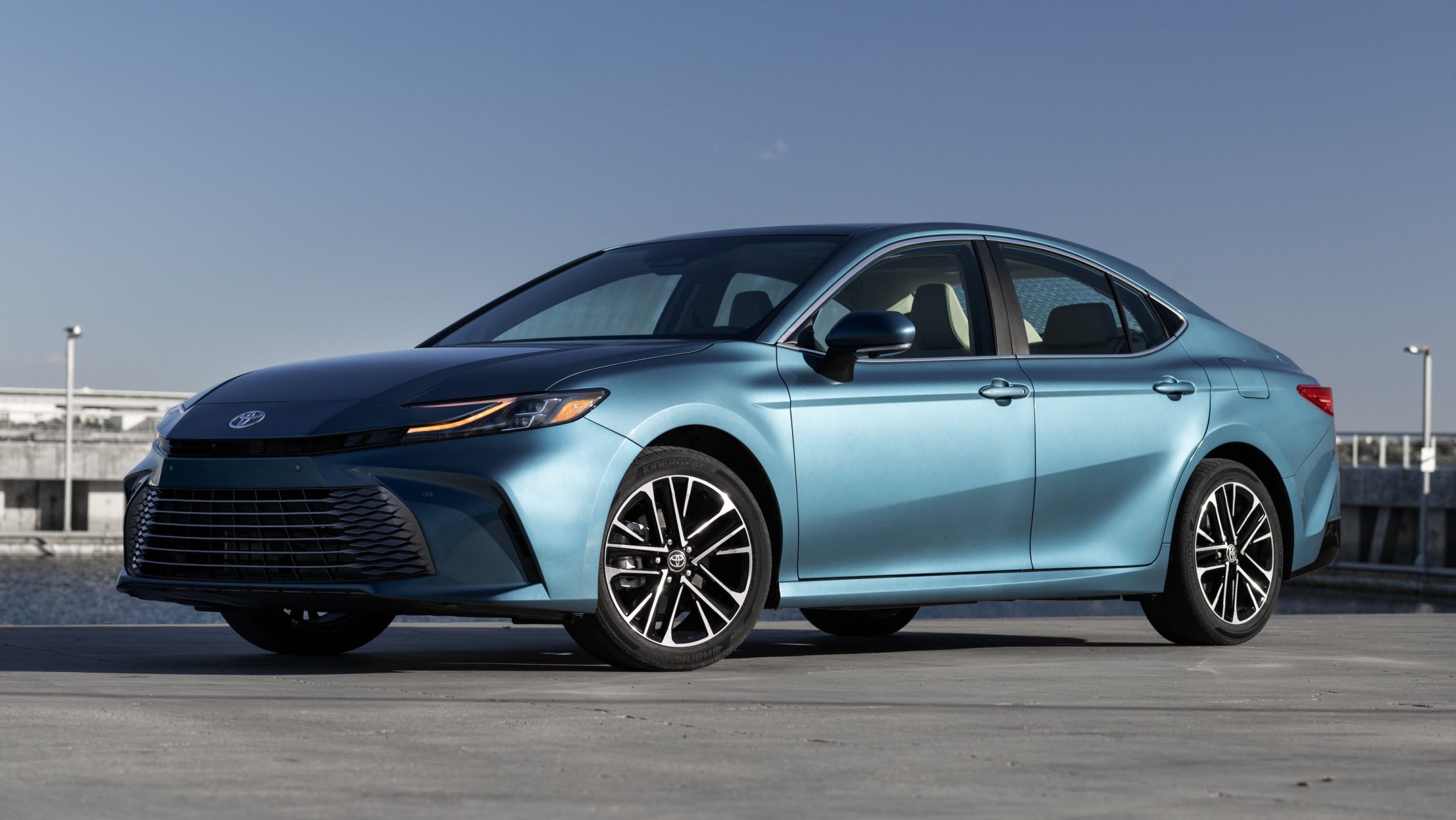
The Toyota Camry has long been a benchmark for reliable sedans. Its combination of fuel efficiency, comfort, and ongoing value retention makes it a strong fit for commuters who prioritize stability over flash. Camry models span various trims, each tuned for a slightly different balance of performance and economy.
For day-to-day travel, the base and mid-level trims provide responsive power and a smooth ride without burdening the owner with excessive costs. Many drivers appreciate the engineering consistency that comes from years of refinement.
The powertrain options, including efficient four-cylinder engines and available hybrid variants, offer fuel mileage that keeps trips to the gas station infrequent.
Camry’s predictable maintenance schedule also helps keep long-term servicing straightforward, enabling commuters to budget accurately for oil changes, tire replacement, and other routine care.
On the interior front, the Camry provides a cabin tuned for comfort and durability. Seats are designed to support long periods of sitting without discomfort, and controls are laid out logically so that interactions with the dashboard and infotainment system feel natural.
Cargo space remains useful for everyday needs like groceries or gym bags. Road noise is controlled especially well in recent generations, which means highway driving in and around Great Falls feels composed without constant drone from tires or wind.
The car’s ride quality balances firmness with compliance, ensuring that potholes and uneven pavement don’t translate into constant jarring for the driver and passengers.
Another important consideration for commuters is safety. Camry models consistently earn strong safety scores from independent testing bodies due to robust structural design and available advanced driver assistance systems.
Features like automatic emergency braking, lane departure alerts, and adaptive cruise control enhance long stretches on open roads and heavy traffic alike.
For drivers who want peace of mind behind the wheel, these systems represent genuine value because they actively assist in keeping the vehicle stable and controlled.
Resale value also contributes to Camry’s commuter appeal. Due to strong demand for used models, a well-maintained Camry holds its value well, which can soften the financial impact when it’s time to sell or trade.
Combined with historically low ownership costs and wide availability of parts and service knowledge, the Camry represents a consistent choice for commuters seeking a dependable daily driver. It is especially suitable when predictable performance and service routines are more meaningful than cutting-edge novelty.
2. Honda Accord
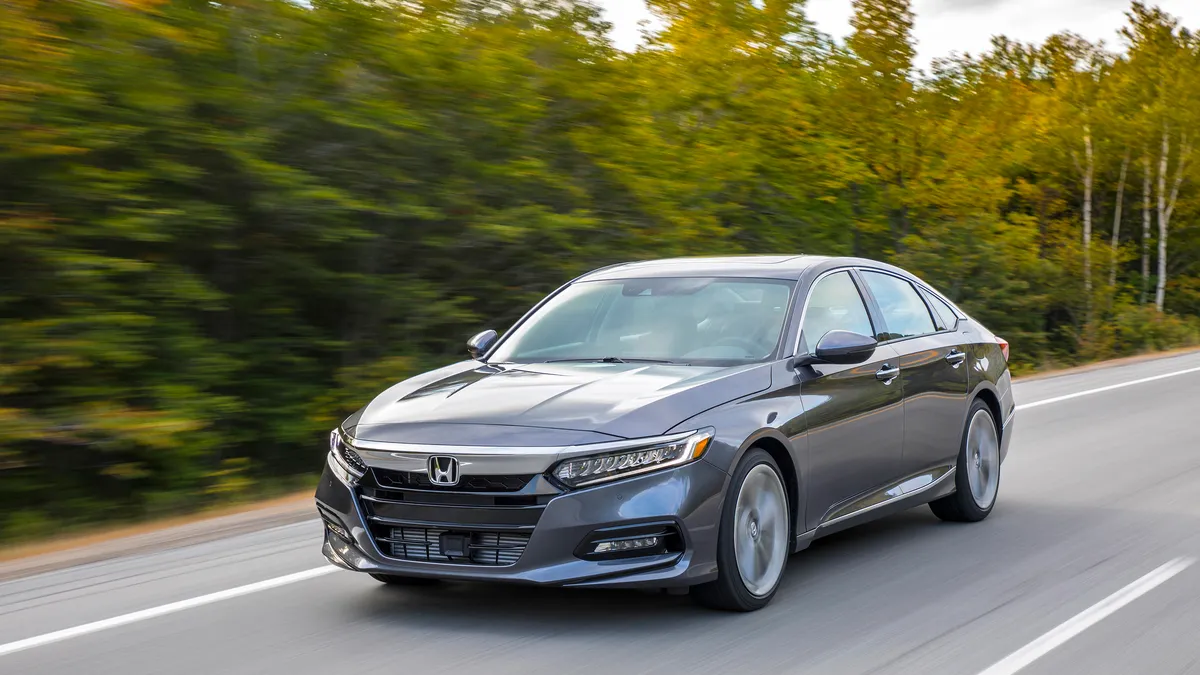
Honda Accord’s reputation in the sedan market stems from an enduring balance of performance, refinement, and practicality. As a commuter vehicle, the Accord stands out because it provides engaging yet efficient driving dynamics without demanding constant attention.
The engine offerings, including turbocharged four-cylinder units, deliver smooth responsiveness suitable for both highway merges and slow-moving urban traffic. Fuel economy remains competitive within its class, encouraging drivers to cover long distances without frequent refueling.
The transmission, typically a continuously variable unit or a smooth-shifting automatic, contributes to seamless power delivery. For drivers traveling regularly between residential and commercial areas, this can contribute to a more relaxed experience behind the wheel.
Interior space is another hit for commuters. The Accord offers one of the more generous cabins in its segment, with ample legroom for front and rear passengers. This translates into real comfort for drivers who spend extended time in traffic or on open stretches of road.
Materials in recent models strike a balance between durability and aesthetic appeal, with surfaces that resist wear even after prolonged use.
The instrument cluster and center display tend to be intuitive and focused on clarity, reducing distractions during hectic drives. Whether listening to music, navigating side streets, or checking vehicle status, the interface facilitates ease of access without overwhelming the user.
Reliability plays a role similar to the Camry when considering the Accord for daily commuting. Historically, the Accord demonstrates stable performance over high mileage and tends to avoid frequent mechanical surprises when routine maintenance is observed.
Brake service intervals, fluid changes, and tire care follow predictable patterns that are easy to plan around. On roads that vary in condition and weather, having such consistency can reduce the psychological burden of ownership.
Service professionals and independent mechanics alike are familiar with the Accord’s design and common practices, so obtaining repairs and parts tends to be straightforward and cost-effective.
Safety features and driver assistance technologies in the Accord reinforce confidence during long trips or congested conditions. Standard and optional systems like collision mitigation, lane keeping support, and adaptive cruise functionality help maintain a controlled experience.
Combined with strong crash test ratings, these elements help drivers feel secure regardless of shifting traffic scenarios. When merging onto highways or navigating downtown streets in Great Falls, such systems contribute tangible support.
For commuters who value a comprehensive package of comfort, reliability, and affordability, the Honda Accord represents a thoughtful choice that suits both daily needs and long-term ownership.
3. Hyundai Sonata
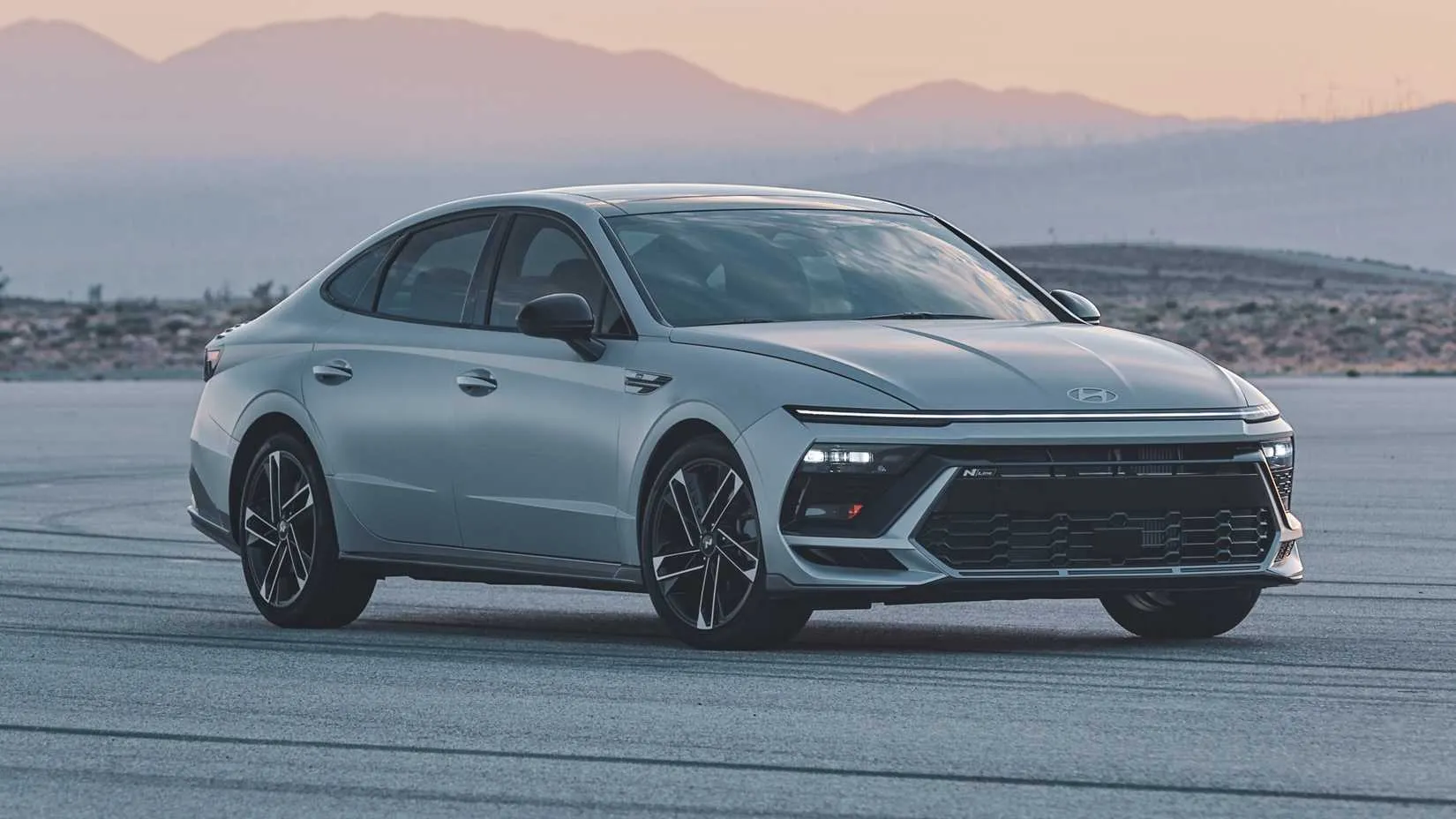
The Hyundai Sonata brings a compelling offering tailored toward commuters who seek strong value and inclusive features without sacrificing everyday usability.
In recent model years, Sonata has positioned itself as a well-rounded sedan, providing an attractive suite of standard technology and convenience features that enhance the commuting experience.
With efficient powertrains, including naturally aspirated and turbocharged options, the Sonata handles highway travel with ease while staying frugal on fuel.
Many drivers appreciate the balance of performance and efficiency that modern Sonata engines deliver, enabling confident merging and passing without drastically increasing fuel consumption. Whether traveling through town or cruising on long stretches of highway, this balance supports a smooth daily rhythm.
Inside, the Sonata focuses on ergonomics and user-friendly design. Seat comfort and lumbar support accommodate varied driver preferences, making long trips more comfortable. The infotainment system typically offers straightforward connectivity for smartphone integration, navigation aids, and audio controls.
For commuters who rely on their phones for directions or entertainment, this integration simplifies the user experience. Airflow, visibility, and ease of control also contribute to a less fatiguing commute, allowing drivers to remain focused on the road. Rear seat passengers also benefit from generous space, which matters on shared rides or carpool journeys.
Another point in the Sonata’s favor for commuters is warranty coverage. Hyundai offers one of the more generous limited warranty packages in the industry, which can reduce worry about unexpected component failures during the early years of ownership.
Routine maintenance intervals are clearly defined and accessible through most service networks, adding predictability to upkeep.
Over time, this clarity can help commuters plan expenses confidently rather than feeling surprised by automotive unpredictability. Tires, brake pads, and oil change intervals fit well into typical yearly travel ranges, minimizing disruption from frequent workshop visits.
Safety technologies in the Sonata now include many driver support systems that commuter drivers value. Features like blind spot warnings, forward collision alerts, and automated braking capabilities improve confidence in dynamic traffic conditions.
While these technologies do not replace attentive driving, they provide useful backups on crowded streets or when negotiating complex road patterns.
Crash avoidance and mitigation systems also contribute to broader peace of mind, which enhances daily satisfaction. For commuters seeking a feature-rich sedan that pairs reliability with modern convenience without excessive cost, the Hyundai Sonata stands as a strong contender.
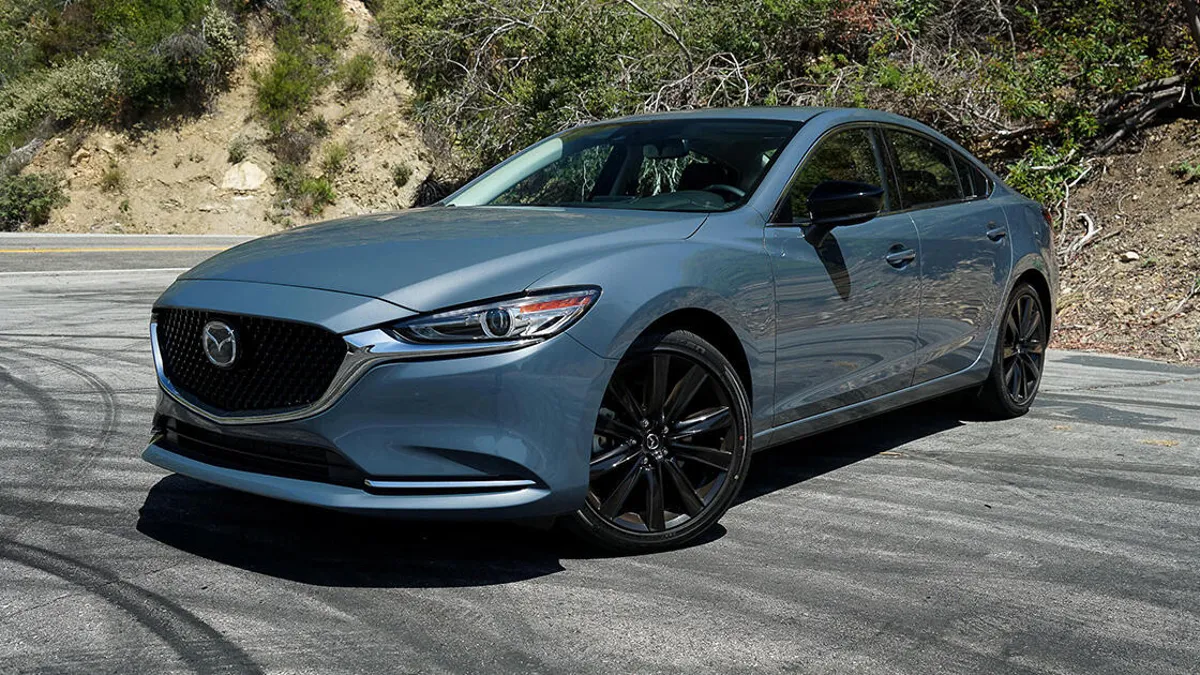
4. Mazda6
The Mazda6 appeals to commuters who want a sedan that feels engaging to drive without compromising everyday practicality. Its responsive steering and composed chassis make it more enjoyable on winding roads and highways alike, while fuel-efficient engines ensure that trips do not become costly over time.
Though the Mazda6 may lean into a more dynamic driving character than some of its peers, it maintains comfort suitable for everyday travel.
Acceleration feels connected and predictable, which helps drivers feel confident in urban merges or on open stretches where passing is required. Every day, the ease of motion and harmony between engine and transmission contribute to a pleasant commuting rhythm.
Inside the cabin, Mazda engineers emphasize quality materials and thoughtful layout. Drivers and passengers experience a space that feels more premium than its price might suggest.
Seats are supportive with attention to detail, and controls are spaced thoughtfully so that interaction is comfortable even during long sessions behind the wheel.
Noise insulation has improved in recent generations, which creates a calm environment for conversation and listening to audio content without constant intrusion from road or wind noise. Cargo capacity remains competitive, ensuring practicality for groceries, luggage, or equipment needed for everyday activities.
Reliability for the Mazda6 generally aligns with expectations for mainstream sedans, provided regular servicing is followed. While the Mazda may require a slightly more attentive approach to scheduled maintenance than the most austere commuter cars, the pattern remains predictable.
Brake checks, fluid replacements, and tire care follow regular intervals that are well documented and supported by most mechanics familiar with the brand.
Many owners find that sticking to recommended care results in smooth operation even as mileage increases. Obtaining parts and service knowledge is usually straightforward, especially because the Mazda6 shares platform elements with other popular models from the same manufacturer.
Safety and driver assistance technology in the Mazda6 enhances its practicality for commuters who spend significant time on highways or in dense traffic.
Systems like adaptive cruise support, automatic braking, and lane departure indicators help maintain focus and reduce stress during routine travel.
Combined with strong crashworthiness ratings, these systems contribute to peace of mind without overwhelming the driver with unnecessary alerts.
Whether in early morning traffic heading out of town or making solo runs on local streets, the Mazda6 supports everyday travel with a blend of capability, comfort, and handling that makes the commute feel less like a chore.
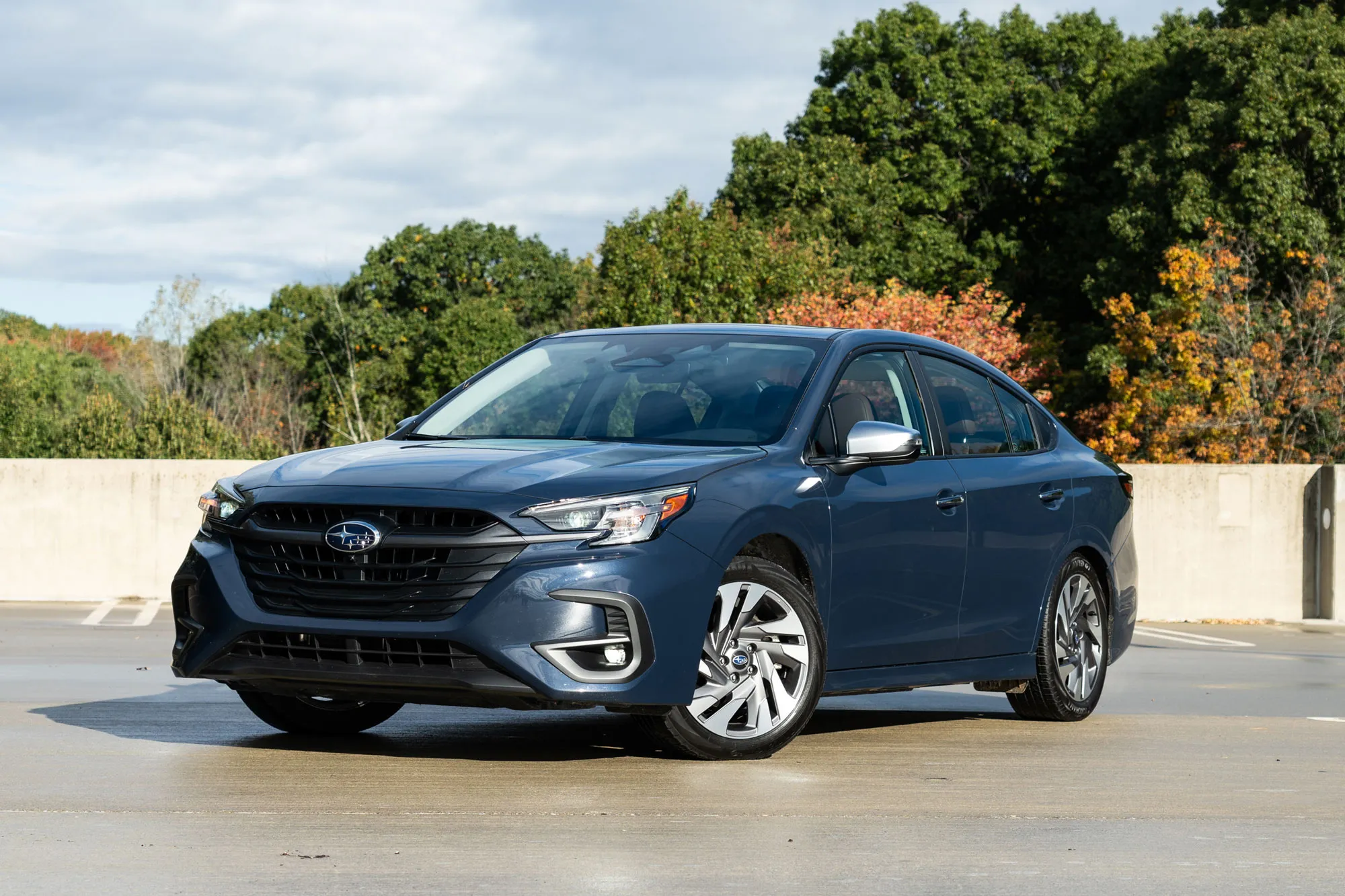
5. Subaru Legacy
The Subaru Legacy stands out among practical sedans largely because standard all-wheel drive enhances confidence in varied road and weather conditions.
For commuters in regions where snow, rain, or icy patches are common, having traction stability from a symmetrical all-wheel drive system makes daily travel safer and more predictable.
The engine lineup balances efficiency with sufficient power to blend smoothly into faster traffic without feeling strained. Comfort and ride quality provide a composed experience over long distances, with suspension tuning that soaks up rough pavement while maintaining steering feedback that helps the driver feel connected to the road.
Space inside the Legacy favors both front and rear passengers, making it easy to share rides or transport family members without feeling cramped. The center stack and dashboard prioritize simplicity over clutter, reducing distraction and helping drivers stay focused on traffic conditions.
Connectivity and audio systems provide reliable functionality, making it simple to manage calls, media, and navigation cues within easy reach. Cabin materials are durable and easy to maintain, which resonates with commuters who want a clean interior after months of regular use without frequent detailing.
Maintenance and service intervals for the Subaru Legacy are generally predictable, with widely available parts and service knowledge from both dealerships and independent shops. Routine replacements and inspections follow familiar patterns that most technicians understand well, which reduces unexpected visits for mysterious issues.
Subaru’s all-wheel drive system, while adding complexity compared to two-wheel-drive alternatives, has established itself as reliable when appropriately serviced. Commuters who anticipate seasonal changes appreciate having that traction advantage without frequent costly visits to professional service centers.
Safety has always been a central part of the Legacy’s design philosophy. Standard driver support features, robust structural integrity, and strong crash test performance help promote confidence on regular commutes.
Active systems like automated braking and lane assistance contribute to controlled driving without overwhelming the driver with unnecessary notifications.
On winding rural roads or busy urban arteries, drivers benefit from this combination of peace of mind and intuitive response. For commuters who value predictability, comfort, and all-weather capability, the Subaru Legacy represents a sensible and dependable choice.
5 Sedans That Need Dealer Cars
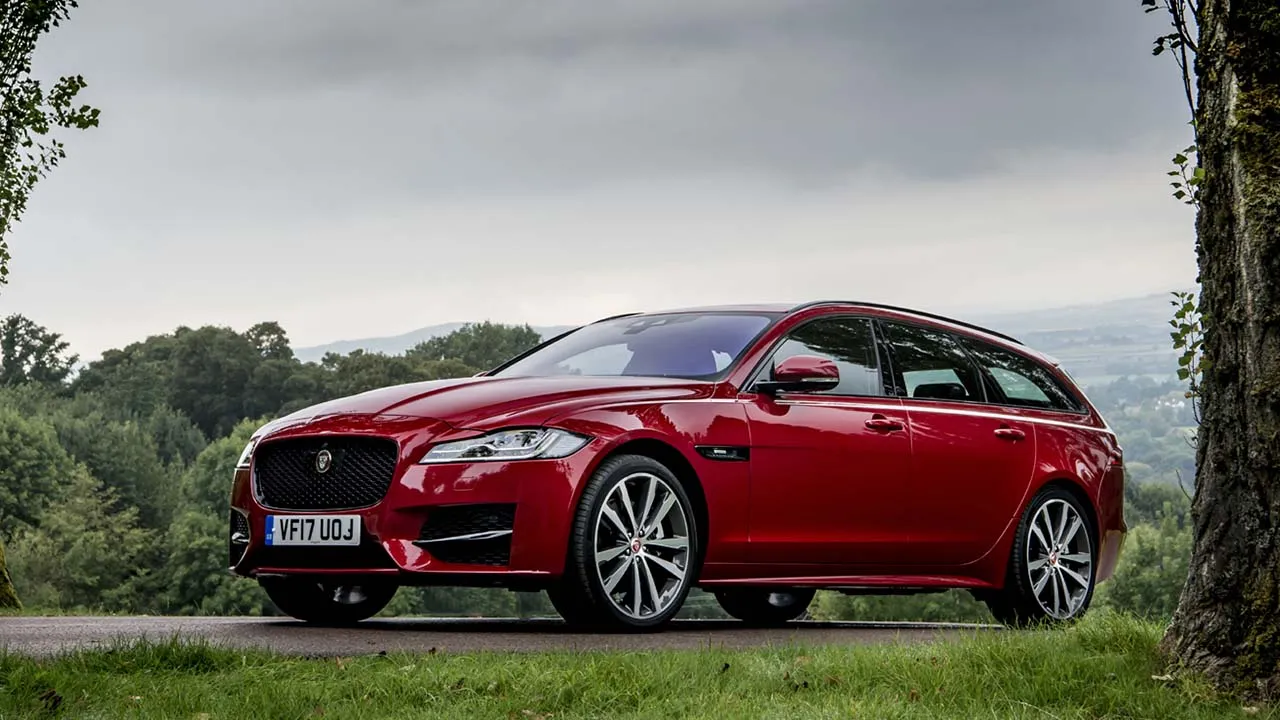
1. Jaguar XF
The Jaguar XF is an example of a sedan that offers striking style and dynamic performance but often requires more attentive maintenance than typical commuter cars.
Its British engineering brings refinement and responsive handling that appeals to drivers who enjoy a spirited feel, yet those qualities can come with increased long-term care expenses.
The XF’s complex suspension and electronically assisted systems may demand specialized knowledge during service appointments.
Routine work like brake servicing, alignment checks, or suspension calibration may require dealer-level diagnostics to ensure proper realignment and function. While the driving experience feels rewarding, the cost and frequency of professional attention can climb above those of mainstream sedans.
Beyond mechanics, the XF’s advanced electronics and integrated infotainment technology can challenge even seasoned technicians outside authorized networks.
Navigation systems, connectivity features, and driver assistance modules sometimes require proprietary software updates that only authorized service centers carry.
For commuters who prefer self-service routines or wish to limit frequent workshop visits, this need for dealer-level care becomes an added factor to consider. Understanding the sophistication of the vehicle helps owners prepare for specialized maintenance bills that may swing higher than fuel and routine maintenance alone.
Resale value for the Jaguar XF may struggle to match that of more practical sedans because higher service costs can deter used buyers. Potential owners often factor in anticipated dealer shop time and repair costs, which suppresses resale premiums relative to more mainstream competitors.
The luxury positioning of the XF does not always translate into higher reliability metrics, especially when compared with vehicles designed first and foremost for commuter reliability. This dynamic places the XF in a category where passionate owners accept higher costs in exchange for unique driving character and presence.
Despite these considerations, the Jaguar XF maintains appeal for enthusiasts who want expressive styling, refined ride quality, and strong performance attributes. For a commuter who values daily practicality above all else, though, the increased likelihood of dealer trips and specialized service weighs heavily against selecting this model.
Those willing to embrace premium maintenance might find the XF rewarding, but first-time buyers expecting predictability akin to a commuter-oriented sedan should budget for elevated care requirements.
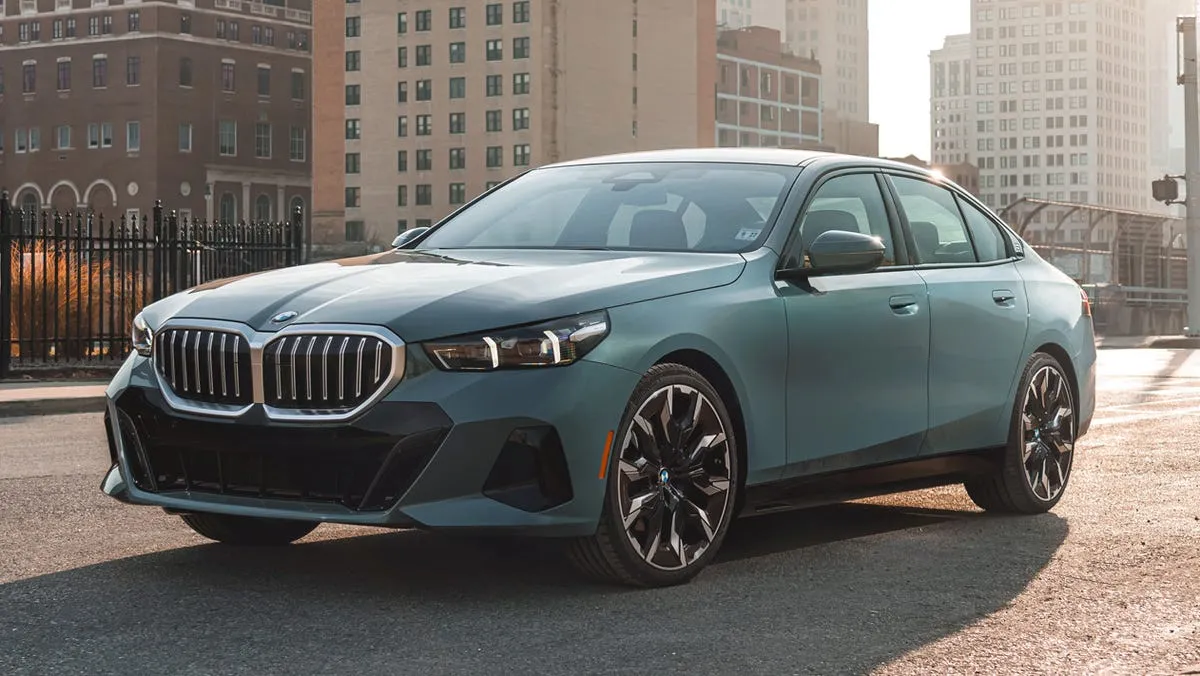
2. BMW 5 Series
The BMW 5 Series brings a balance of luxury, technology, and performance that makes it a distinguished executive sedan. Yet, this combination also introduces complexities that can make ownership more demanding than the average commuter vehicle. High-performance engines with turbocharging, advanced chassis systems, and integrated electronic controls mean that routine diagnostics often involve dealer-grade tools.
What might be a straightforward fix on more ordinary sedans can require specialized attention on a 5 Series.
For commuters who want a predictable maintenance schedule with inexpensive servicing, this can pose a challenge. The engineering brilliance of the 5 Series means systems work in concert, which is great for driving pleasure but increases care complexity.
Electronics and driver support systems in the 5 Series rank among the most sophisticated in the segment. Adaptive cruise systems, multi-mode suspension, dynamic drive adjustments, and a suite of connectivity features combine to create a highly capable vehicle, but they also introduce multiple points where dealer-level calibration and software management become necessary.
Infotainment, heads-up display units, and advanced driver aid sensors all require careful handling during updates or repairs. Independent shops may handle many surface-level services, yet deeper diagnostics often push owners toward authorized dealerships for comprehensive checks.
Despite these factors, drivers who value the refined driving experience, comfort, and prestige of the 5 Series find it rewarding. Its smooth ride and powerful acceleration make daily travel enjoyable, and advanced safety features help maintain confidence in varied traffic conditions.
Still, for someone whose priority is straightforward commuting with minimal professional service needs, the BMW 5 Series is likely to demand more attention from dealer service centers than most commuter-oriented sedans.
3. Audi A6
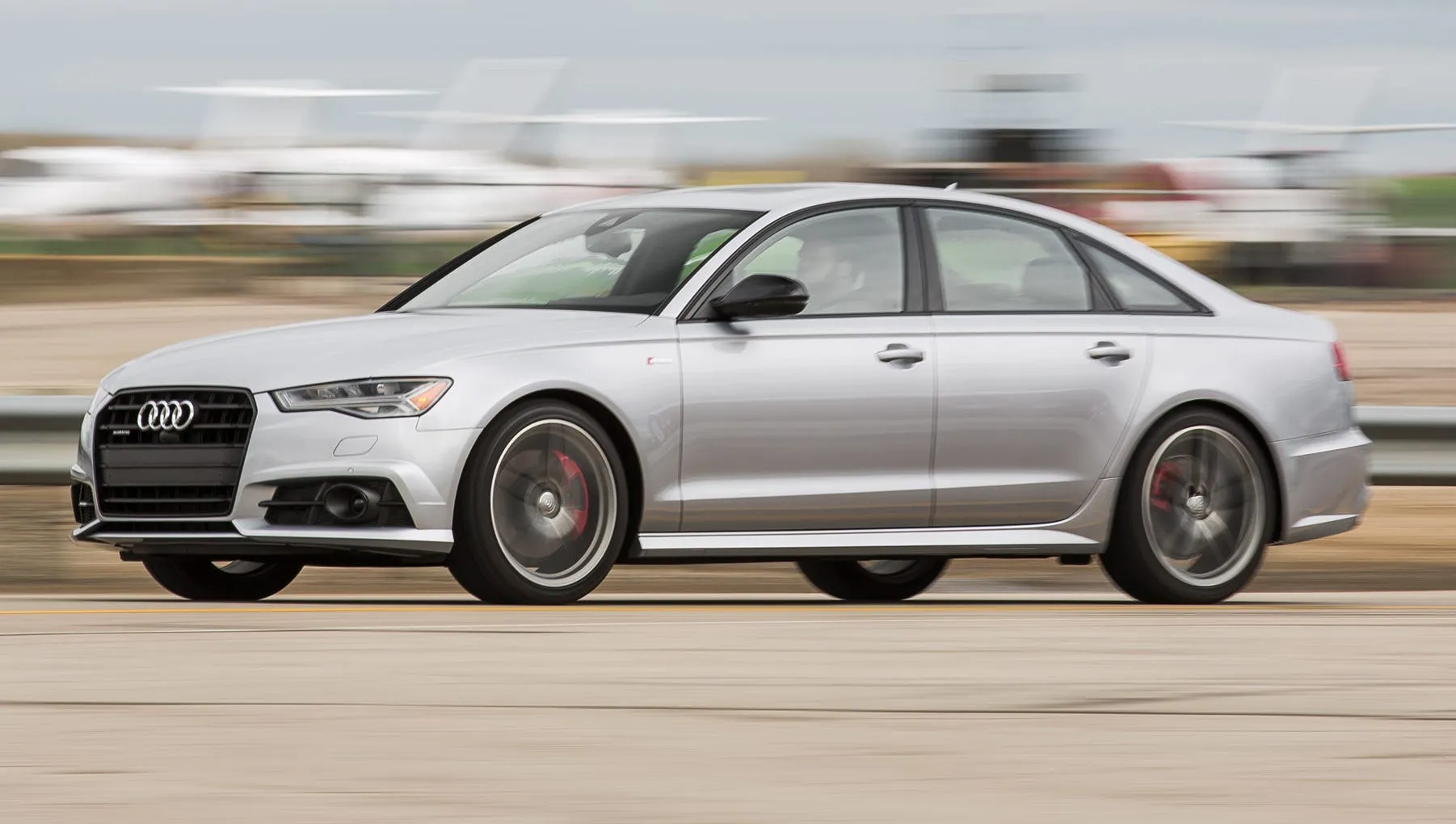
The Audi A6 presents another example where engineering sophistication and refined performance overlap with higher maintenance and dealer dependency.
Audi’s emphasis on quattro all-wheel drive, advanced powertrains, and high-tech infotainment and driver assistance systems contributes to an engaging driving experience.
However, this level of integration also means routine servicing may be more involved than on more basic commuter sedans.
Technologies such as sophisticated suspension setups, variable traction controls, and layered electronic architecture can require dealer-specific diagnostic tools and specialized knowledge to ensure proper care.
Routine maintenance, such as brake pad replacements, suspension tuning, and software management often needs dealer access for sensor calibration and electronic system checks.
Independent shops may handle general servicing up to a point, yet diagnosing complex interactions between drivetrain components and electronic management systems frequently points owners back to dealers.
This requirement tends to elevate the cost of ownership compared with more conventional sedans that rely on simpler, more widely understood systems. For commuters aiming to limit unexpected or frequent professional visits, this is a meaningful consideration.
Despite these trade-offs, the Audi A6’s blend of comfort, handling, and upscale amenities pulls in drivers who value an engaging experience on every trip.
Commuters willing to accommodate a more involved service schedule and occasional dealer visits may enjoy these benefits. For those focused on minimal service complexity and lower long-term care costs, though, the A6 sits in a category that rewards performance and luxury at the expense of simplicity.
4. Mercedes-Benz E-Class
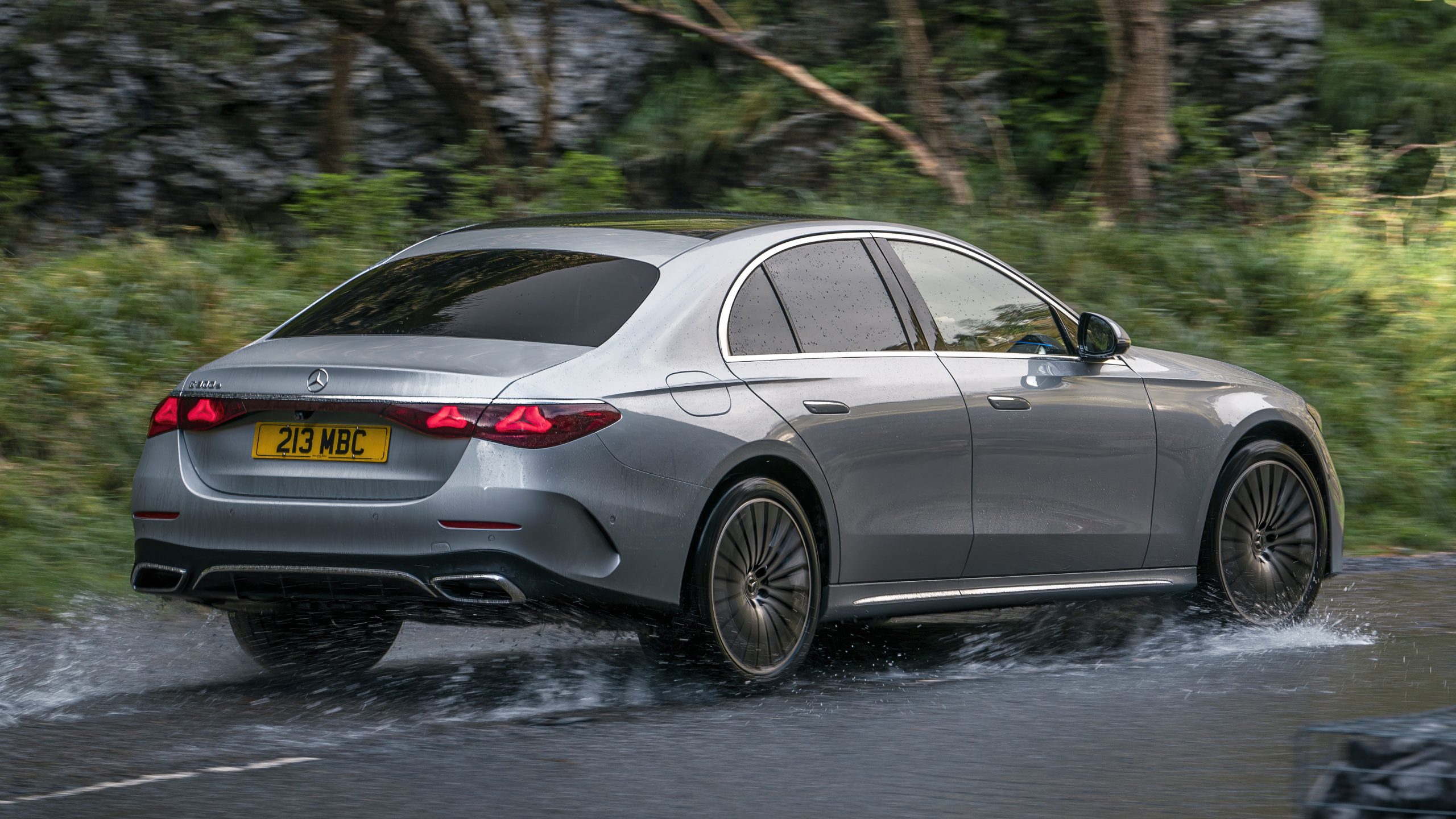
The Mercedes-Benz E-Class stands as a symbol of luxury sedan craftsmanship, with ride quality, interior appointments, and technology that uplift the driving experience. However, such refinement often pairs with sophisticated systems that require specialized service attention.
Mercedes-Benz engineering incorporates numerous electronic subsystems for suspension, braking, comfort features, and driver assistance.
While these systems improve ride comfort and convenience, they also raise the bar for diagnostic and repair procedures. Frequent or complicated issues often need dealer-level diagnostics to interpret data from multiple interconnected systems.
Cost of parts is another element that adds weight to the E-Class’s dealer-centered care pattern. Luxury-grade components for interior comfort systems, advanced safety sensors, and drivetrain electronics often exceed typical sedan parts costs. Even routine replacements may carry a premium because of the brand’s engineering complexity.
Owners should anticipate that some repair and maintenance tasks will not only be technically involved but also potentially costly due to parts pricing and calibration needs. While the E-Class’s features enhance the driving experience, they do so in a way that invites more professional oversight.
Despite these considerations, the E-Class remains desirable for drivers who prioritize ride comfort, prestige, and cutting-edge features.
The smoothness of the engine options, the refinement of cabin materials, and the comprehensive safety suite help make daily travel enjoyable. Yet for commuters whose top priority is straightforward, trouble-free ownership with few dealer interventions, the E-Class likely presents more maintenance demand than the average sedan.
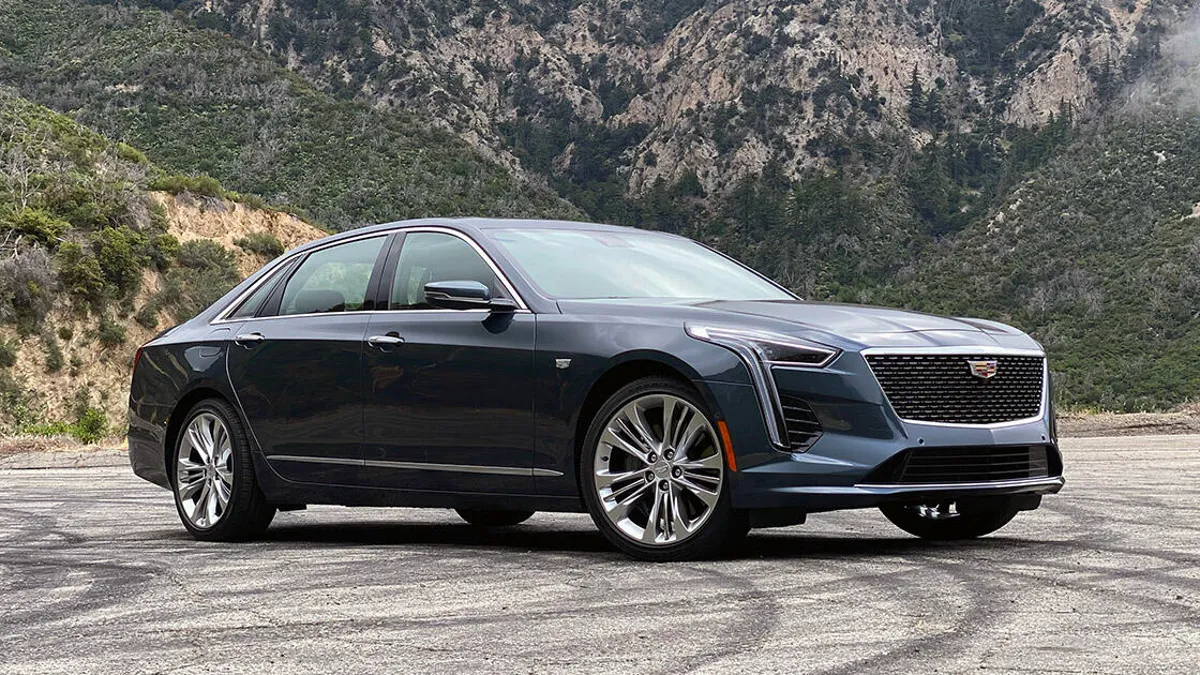
5. Cadillac CT6
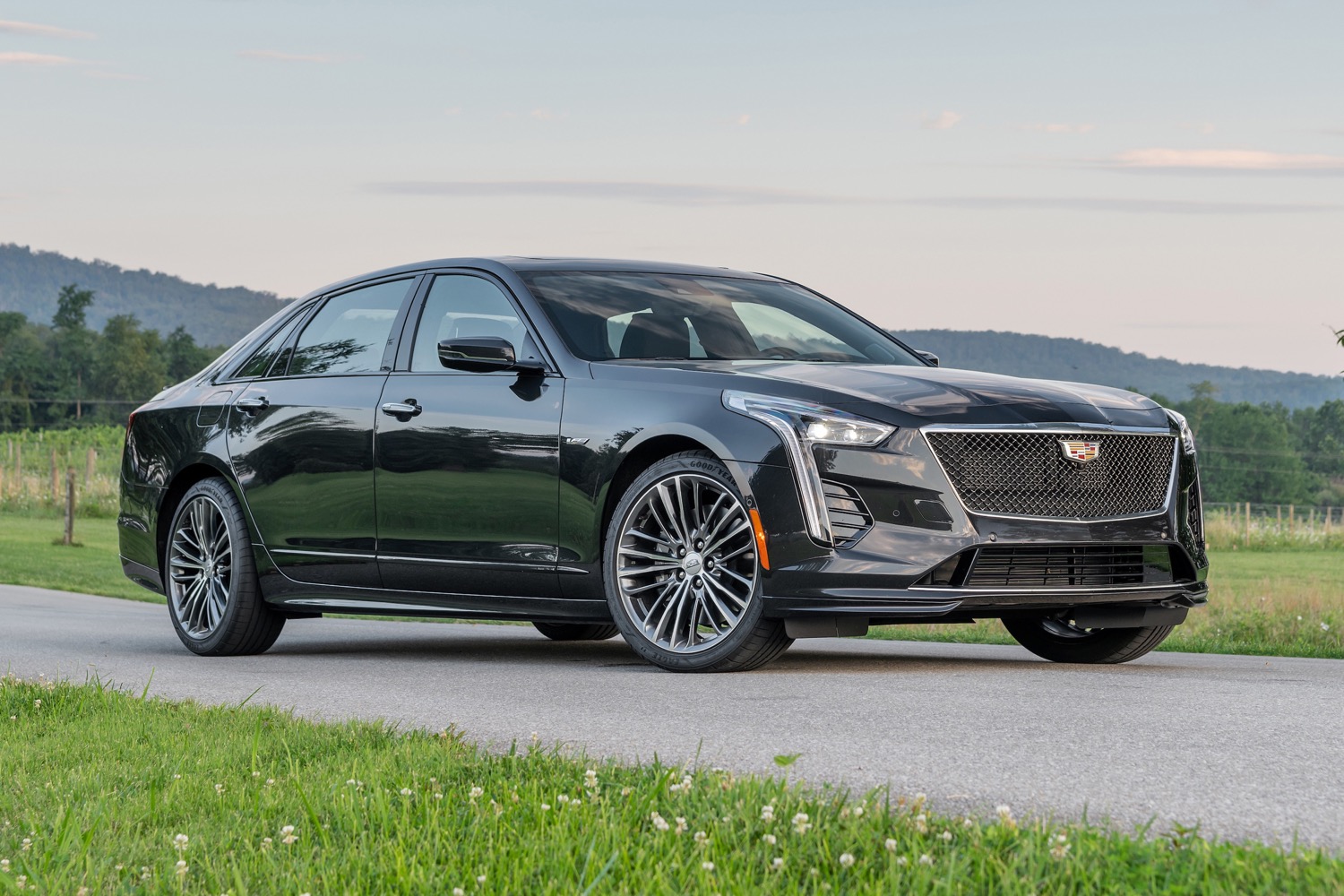
The Cadillac CT6 brings bold American luxury and advanced features to the full-size sedan category, but these qualities can also translate into increased maintenance attention that leans toward dealer care.
The CT6’s architecture includes cutting-edge tech in powertrain, suspension, and cabin systems, which deliver smooth power delivery and composed ride quality.
At the same time, these systems often rely on proprietary diagnostics for proper calibration and system health monitoring.
For commuters who prefer vehicles with simple routine service paths, the CT6’s intricacy may feel imposing because certain issues cannot be fully addressed without professional tools and specialized expertise.
Electronic and driver support systems in the Cadillac CT6 are rich in features, offering adaptive controls, dynamic ride modes, and comprehensive infotainment integration. While these features enhance the driving experience, they also introduce points of complexity that require careful attention during servicing.
Troubleshooting audio systems, heads-up displays, lane assist sensors, or adaptive suspension components without dealer-grade scanners and software can lead to incomplete solutions or repeated workshop visits.
This dynamic elevates the importance of dealer care relative to more conventional sedans that use simpler, more universally supported systems.
Despite the increased demand for attentive maintenance, the CT6 remains appealing for drivers who value its strong presence, spacious interior, and advanced technology suite. The combination of performance and upscale amenities rewards those willing to manage the complexities associated with dealer-centered care.
Commuters focused on minimizing shop time and operating costs, however, may find the CT6’s higher service expectations and dealer reliance less aligned with everyday ownership preferences.
