
For drivers who enjoy coastal or riverfront environments, selecting the right SUV is about more than aesthetics or speed. Vehicles in these areas face unique challenges: constant exposure to moisture, salt in the air, occasional sand or grit, and the need to handle variable terrain, from paved roads to gravel paths and light off-road trails.
While many SUVs perform admirably in urban or suburban settings, not all are equipped to handle these specific conditions. Choosing a vehicle suited for riverfront runs ensures durability, reliability, and long-term value, while the wrong choice can lead to accelerated wear, corrosion, and expensive maintenance issues.
Salt air is particularly harsh on vehicles, especially when combined with frequent driving near water. Metal components, undercarriages, and exposed electronics are all susceptible to corrosion over time. Even the most robust-looking SUV can struggle if it lacks proper protection against environmental exposure.
Additionally, SUVs designed primarily for performance or luxury rather than ruggedness may not withstand repeated contact with sand, mud, or salt spray. Drivers who underestimate these risks can find themselves facing frequent repairs, diminished resale value, and reduced safety over the lifespan of the vehicle.
On the other hand, some SUVs are naturally better equipped for waterfront lifestyles. Models with higher ground clearance, durable underbody protection, and corrosion-resistant materials are ideal. Four-wheel-drive or all-wheel-drive systems add traction for loose or slippery surfaces, while interiors made from high-quality synthetic materials resist mold and mildew caused by damp conditions.
Tires with good grip, robust suspension systems, and reliable braking mechanisms are additional advantages for handling the unpredictable environments of riverside or coastal roads. For those who enjoy weekend excursions along the water, these features make the difference between worry-free driving and a constant cycle of maintenance.
Beyond practical considerations, lifestyle plays a key role in selecting the right SUV for riverfront conditions. Families may prioritize spacious interiors and cargo space for boating, fishing, or outdoor gear, while solo drivers or couples might focus on maneuverability and fuel efficiency for daily commutes.
The ideal SUV balances rugged durability with comfort, style, and performance. In this article, we will highlight five SUVs that excel in waterfront environments and five that are more likely to struggle under the same conditions.
This guide provides a clear picture of how environmental factors, design choices, and engineering decisions impact SUV performance along rivers and coastlines. By the end, readers will have a stronger understanding of what to look for when selecting a vehicle that can handle both the beauty and the challenges of waterfront driving.
5 SUVs for Savannah Riverfront Runs
1. Toyota 4Runner
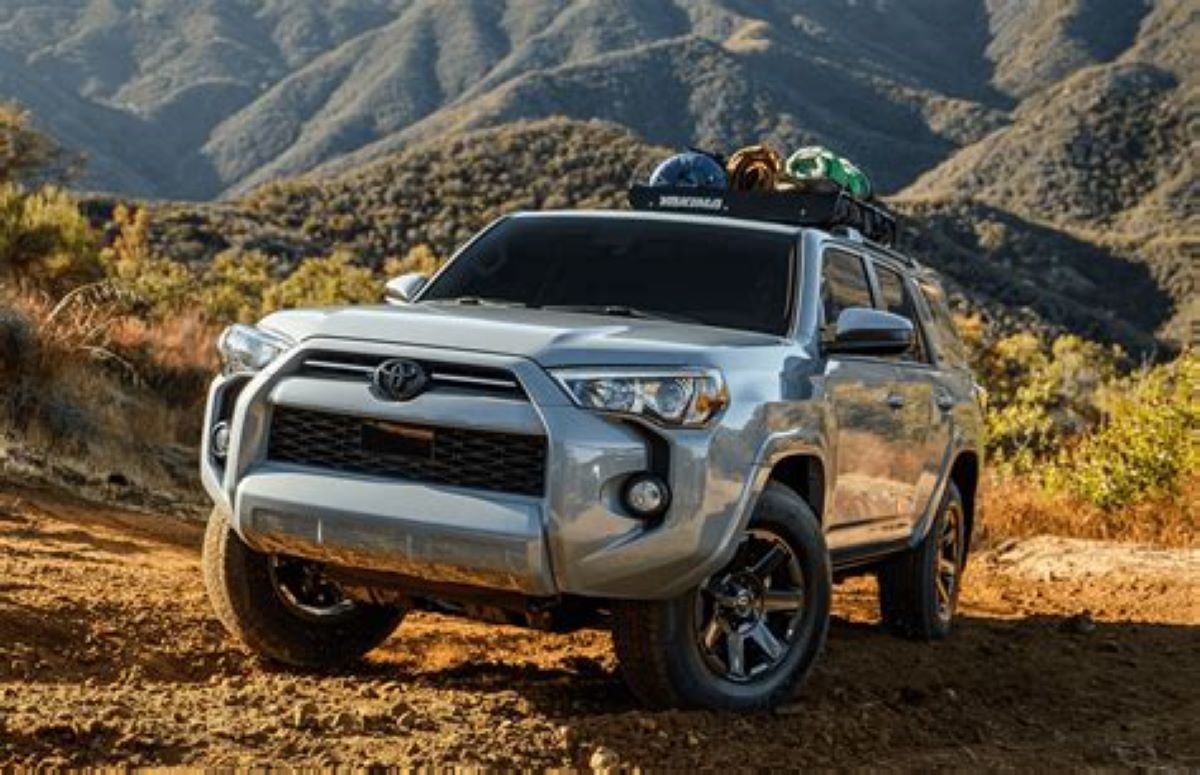
The Toyota 4Runner has earned a reputation for durability and ruggedness that few SUVs can match. Its body-on-frame construction provides a level of toughness suitable for rough roads, muddy trails, and sandy surfaces often found near riverfront areas.
High ground clearance allows drivers to navigate uneven terrain with confidence, while the suspension system is tuned for both comfort and stability. This combination makes it an ideal choice for those who need reliability and versatility without compromising performance.
Corrosion resistance is another key strength. Toyota has consistently used rust-resistant coatings and protective underbody components in the 4Runner, helping it endure exposure to moisture and salt-laden air.
This is crucial for vehicles frequently parked or driven near riverbanks, where humidity and salt accumulation can accelerate wear. Furthermore, 4Runner owners benefit from a long-lasting reputation for minimal mechanical issues, meaning fewer visits to the repair shop compared to less rugged competitors.
The interior is designed for both functionality and resilience. Durable materials, easy-to-clean surfaces, and thoughtful storage options make it practical for families or individuals transporting outdoor gear.
Its cargo space accommodates coolers, fishing equipment, or small watercraft accessories, adding convenience for riverfront excursions. Advanced safety features such as traction control, stability management, and multiple airbags further enhance the confidence of driving near slippery or uneven surfaces.
Performance-wise, the 4Runner balances power with efficiency. While it may not be the fastest SUV in its class, the engine provides sufficient torque to handle inclines, tow small boats, and carry heavy loads without strain. Its four-wheel-drive capabilities allow drivers to maintain control on wet or muddy paths, making it one of the most dependable options for waterfront adventures.
2. Subaru Outback
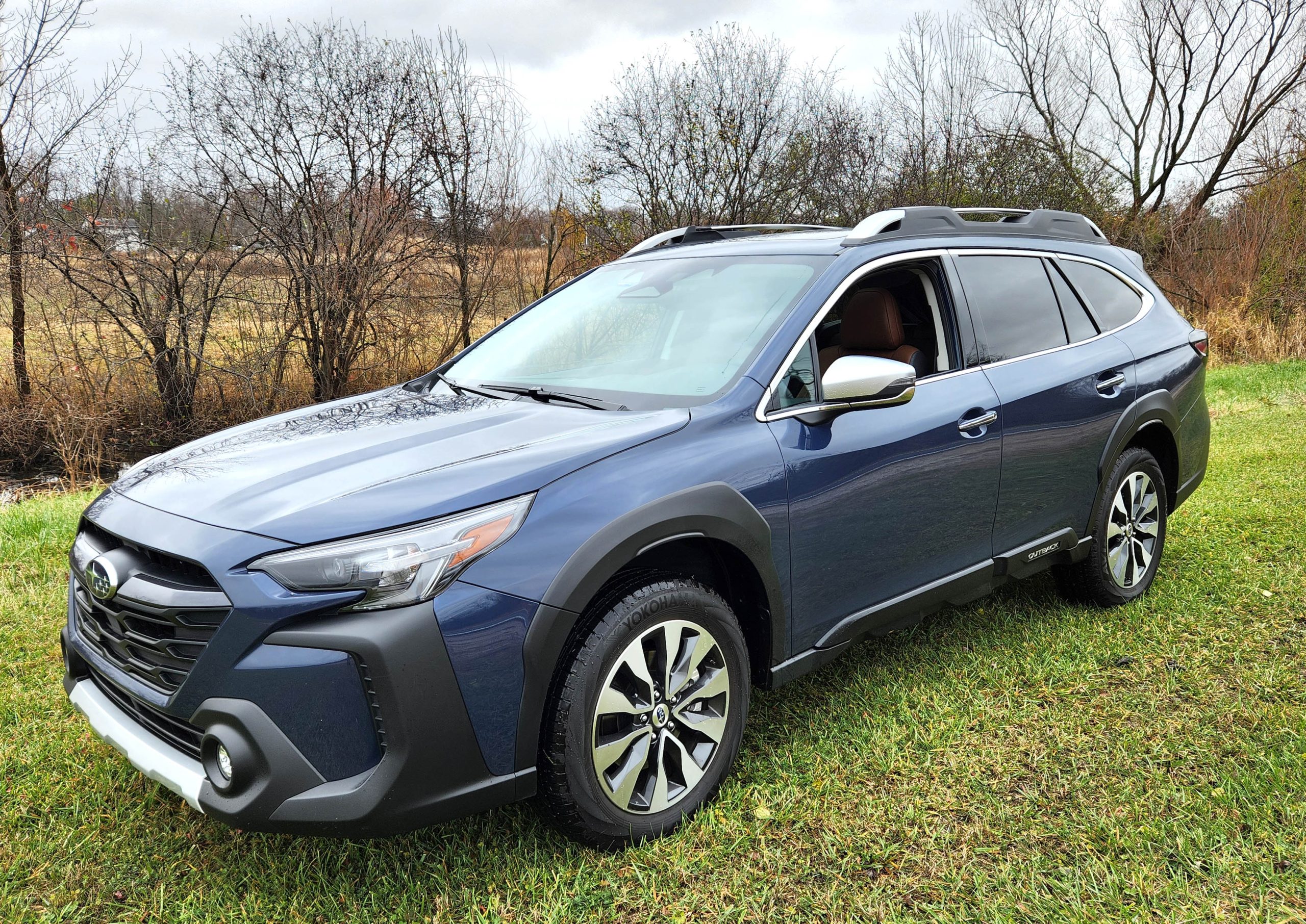
The Subaru Outback, though smaller than some traditional SUVs, offers a combination of ruggedness and efficiency that suits riverfront environments. Its standard all-wheel-drive system provides traction on wet or sandy roads, while the slightly raised suspension allows the vehicle to clear minor obstacles without difficulty.
For drivers navigating a mix of urban streets and riverside trails, the Outback offers practicality without sacrificing performance.
Salt resistance is enhanced by Subarus’ use of high-strength steel and rust-resistant coatings. While not entirely immune to corrosion, the Outback performs better than many crossover vehicles in environments with high humidity and salt exposure. Routine washing and protective undercoating treatments further prolong the vehicle’s life, making it a reliable option for coastal or riverfront drivers.
Interior design emphasizes comfort and versatility. The seats are made from materials that resist moisture absorption, and the cabin layout provides ample storage for gear, coolers, or fishing equipment.
Drivers appreciate the ergonomic controls, touchscreen interfaces, and well-placed cup holders, which enhance long trips along the riverfront. Safety features, including adaptive cruise control and lane-keeping assistance, add confidence when navigating both crowded streets and remote trails.
Fuel efficiency sets the Outback apart from larger SUVs. Its smaller engine consumes less gas while still providing enough power to carry multiple passengers and equipment. For individuals balancing weekend adventures with daily commuting, this combination of rugged capability, reliability, and efficiency makes the Outback a strong contender for riverfront driving.
3. Jeep Grand Cherokee
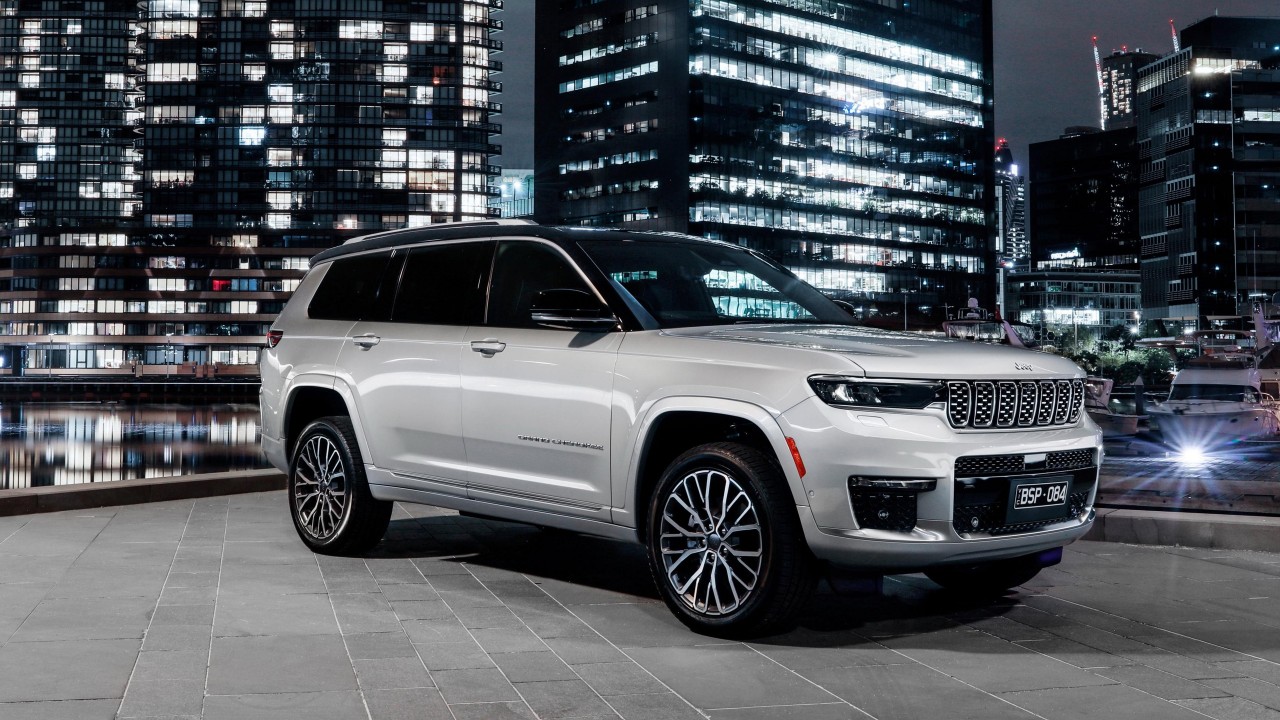
The Jeep Grand Cherokee combines off-road ability with luxury features, making it suitable for drivers who want comfort without sacrificing durability.
Its four-wheel-drive systems handle slippery or uneven terrain with ease, while adjustable suspension and high ground clearance enable navigation over rocks, sand, and wet paths near riverbanks. The Grand Cherokee is particularly well-regarded for towing, which is useful for hauling small boats or trailers.
Corrosion prevention is built into the vehicle’s design. Jeep incorporates protective coatings on exposed metal parts and ensures that electronics are sealed against moisture. This makes it better suited than many premium SUVs for frequent exposure to salt air or river spray. Proper maintenance, including regular underbody washes, ensures longevity even in harsher environments.
The interior balances rugged utility with luxury touches. Leather seats, modern infotainment systems, and ample cargo space make it comfortable for family trips while remaining functional for outdoor activities. The Grand Cherokee also includes multiple driver-assistance features, such as blind-spot monitoring and electronic stability control, enhancing safety on slippery surfaces.
Engine options vary, allowing drivers to prioritize fuel efficiency or raw power. The higher-powered models provide strong acceleration and towing capabilities, making them ideal for excursions requiring heavy loads or frequent off-road maneuvering. The Jeep Grand Cherokee remains a reliable and versatile choice for riverfront enthusiasts who value both comfort and capability.
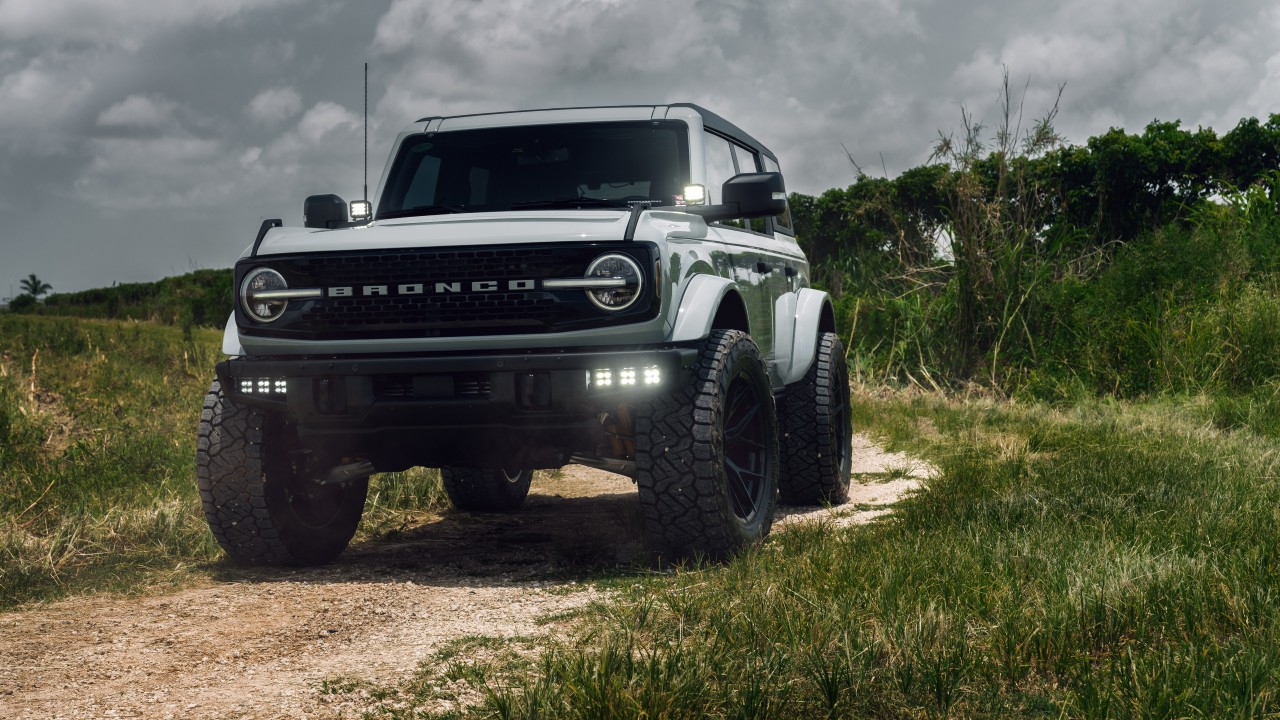
4. Ford Bronco
The Ford Bronco has reestablished itself as a modern off-road icon. Its design focuses on durability, traction, and adaptability, making it suitable for environments with loose gravel, mud, or water exposure.
High ground clearance, skid plates, and advanced four-wheel-drive systems allow drivers to tackle challenging terrain without worry, while the modular exterior design simplifies cleaning and maintenance after muddy or sandy trips.
Rust prevention measures are carefully implemented. Bronco models include protective coatings on the underbody, reinforced steel components, and sealed electrical systems.
For riverfront drivers, this reduces the risk of corrosion from prolonged exposure to moisture and salt air, provided routine care is performed. The SUV’s rugged construction ensures that structural integrity is maintained over years of demanding use.
The interior emphasizes both practicality and comfort. Seats are made from easy-to-clean materials, and the cabin layout accommodates outdoor gear or sports equipment.
Multiple storage compartments and modular features allow drivers to customize space for trips along the riverfront. Safety systems, including traction control, hill descent assist, and advanced braking, provide confidence in slippery or unstable conditions.
Performance options include capable engines and reliable transmissions that handle towing and off-road maneuvers effectively. Fuel economy may not match smaller crossovers, but the Bronco’s ability to manage tough conditions compensates for the trade-off. For drivers who value adventure, durability, and the ability to handle a mix of urban and rugged environments, the Ford Bronco is a top contender.
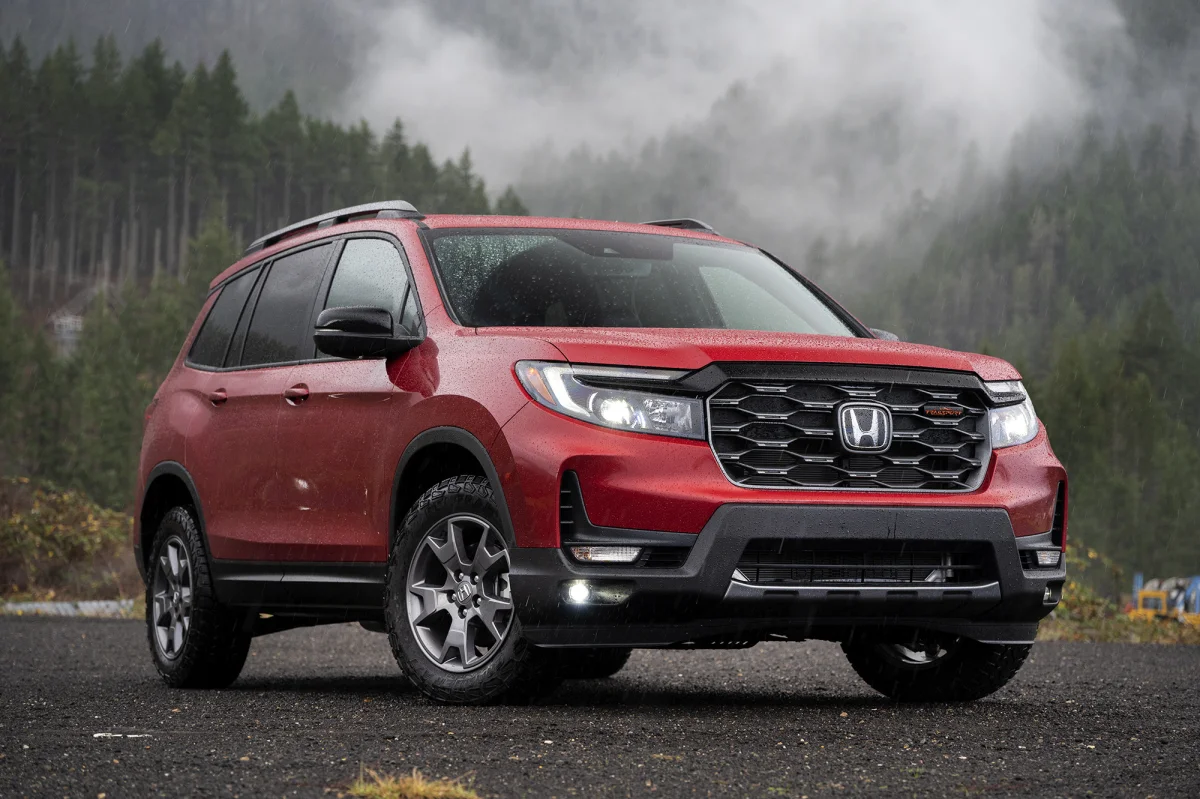
5. Honda Passport
The Honda Passport strikes a balance between comfort, capability, and durability. Its mid-size frame allows for easier maneuverability compared to larger SUVs, while the all-wheel-drive system and elevated suspension handle wet or sandy roads near rivers and coastlines.
The Passport’s combination of reliability and ease of maintenance makes it a practical choice for everyday use and weekend adventures alike.
Corrosion resistance is another advantage. Honda has long incorporated rust-resistant coatings, reinforced metal components, and well-protected underbodies in its SUVs. This reduces vulnerability to the damaging effects of salt air and moisture, making the Passport a dependable option for drivers in humid, coastal, or riverside climates. Routine cleaning and preventive care further extend its lifespan.
Inside, the cabin provides a practical and comfortable experience. Durable upholstery, spacious seating, and intelligently designed storage solutions accommodate passengers and gear.
Drivers also benefit from modern infotainment and safety features, including adaptive cruise control, collision mitigation, and lane departure warning, which add confidence when navigating unfamiliar or slippery paths.
The engine delivers adequate power while maintaining reasonable fuel efficiency. Its performance is well-suited for towing small boats, transporting heavy cargo, or navigating uneven terrain. For those seeking a versatile SUV that blends reliability, durability, and comfort, the Honda Passport performs well in environments exposed to moisture, salt, and occasional off-road conditions.
5 SUVs That Suffer in Salt Air
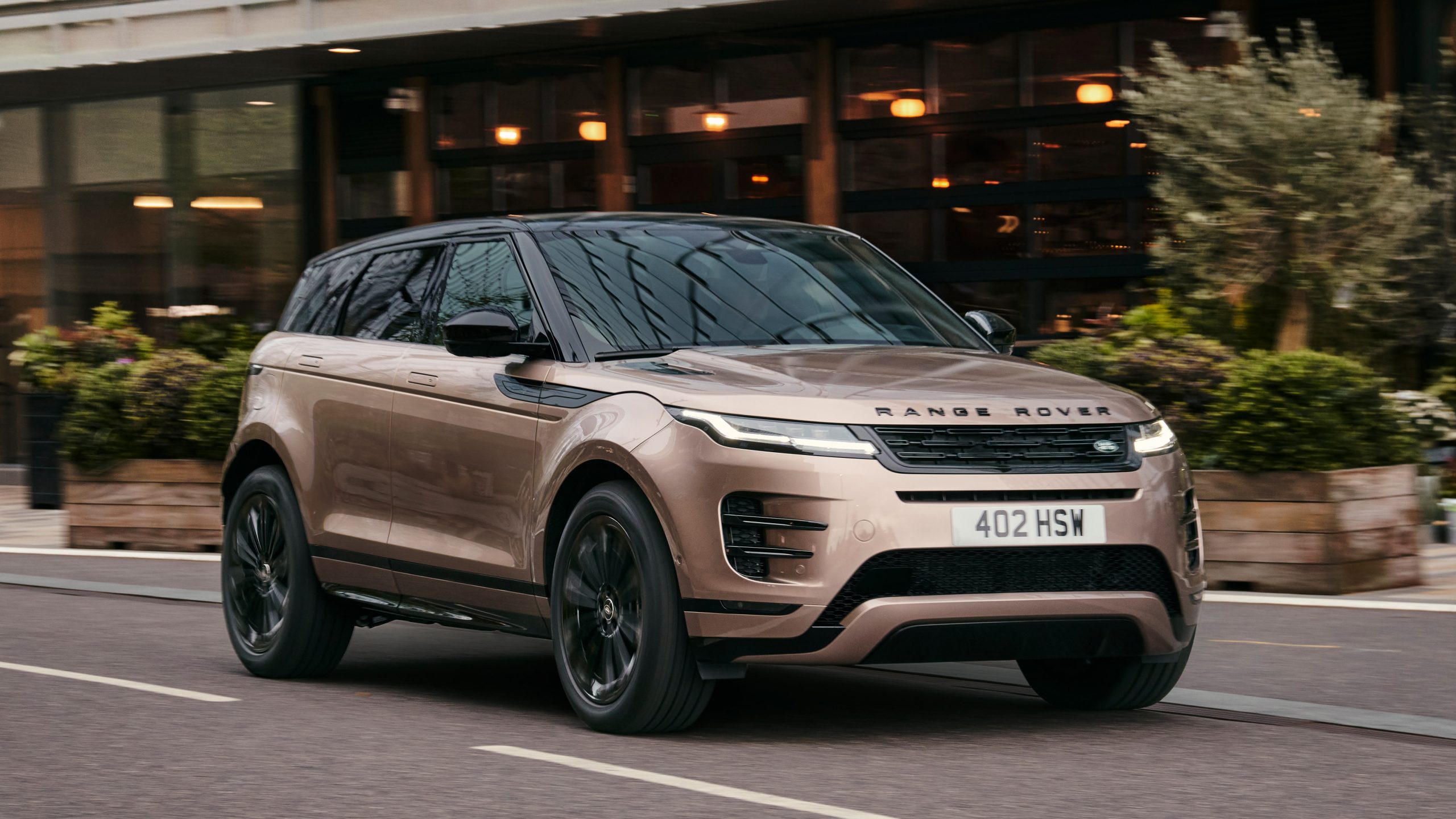
1. Land Rover Range Rover
The Land Rover Range Rover is widely admired for its luxury features and off-road capability, but these qualities also make it particularly vulnerable to damage in salt-rich environments. Its aluminum-heavy body, while lightweight and stylish, lacks the inherent corrosion resistance of traditional steel in areas where salt air is constant.
Components such as suspension mounts, underbody plates, and brake lines can develop rust faster than in other SUVs, especially if the vehicle is regularly parked near the coast or driven through misty riverfront conditions.
This susceptibility is compounded by the vehicle’s complex engineering, which includes multiple hydraulic and electronic systems that are exposed to moisture more than in simpler vehicles. Owners often find that maintenance costs rise significantly when the Range Rover is subjected to consistent environmental stress.
Electronics in the Range Rover, which are among the most advanced in the SUV market, also present challenges. Features like air suspension, adaptive traction systems, and multiple driver assistance modules rely on intricate wiring and sensors, many of which are located near the undercarriage or wheel wells.
Salt, moisture, and humidity can infiltrate these systems over time, potentially leading to malfunctions that are expensive and time-consuming to repair. Unlike simpler SUVs built with durability as a primary focus, the Range Rover requires meticulous preventive care, including frequent washing and professional inspections to ensure the longevity of its electronic components.
The interior, while lavish and highly customizable, is also susceptible to environmental stress. Leather surfaces, wood trim, and exposed stitching can deteriorate faster if moisture or salt residue is allowed to build up over time. Even small amounts of salt-laden air entering the cabin can affect sensitive electronic adjustments for seats, climate control, and infotainment systems.
Owners who regularly drive near rivers or coastal areas must take special precautions, such as using protective sprays, keeping the interior dry, and routinely cleaning areas where moisture might accumulate. Without these efforts, the luxury finish of the Range Rover can show signs of wear far more quickly than other SUVs designed for rugged use.
Finally, while the Range Rover excels in off-road capability, these environmental vulnerabilities limit its practical performance in salt-heavy areas. Towing and navigating sandy or wet surfaces can accelerate wear on brakes, undercarriage components, and metal suspension parts.
As a result, the Range Rover becomes less of a long-term, worry-free option for drivers seeking reliability in riverfront or coastal conditions. It remains a status symbol and a pleasure to drive under ideal conditions, but its susceptibility to corrosion and electronic issues makes it a poor choice for those prioritizing durability in harsh environments.
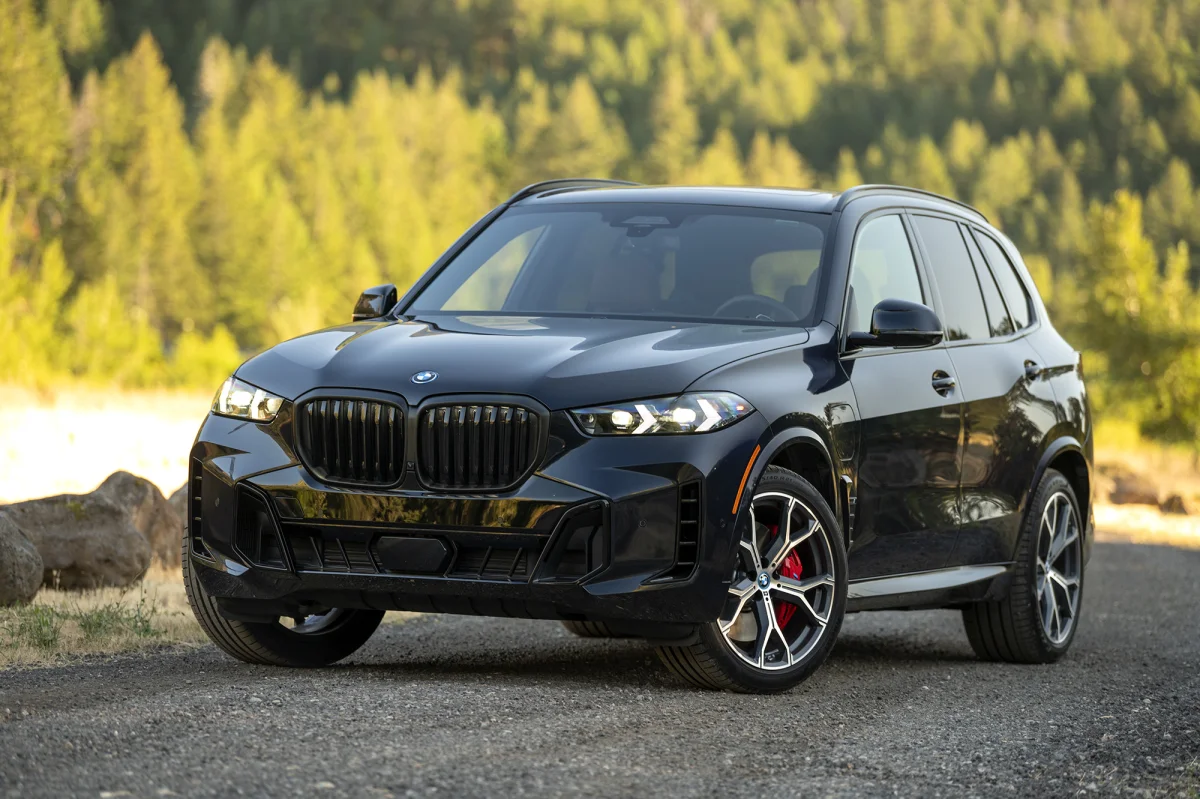
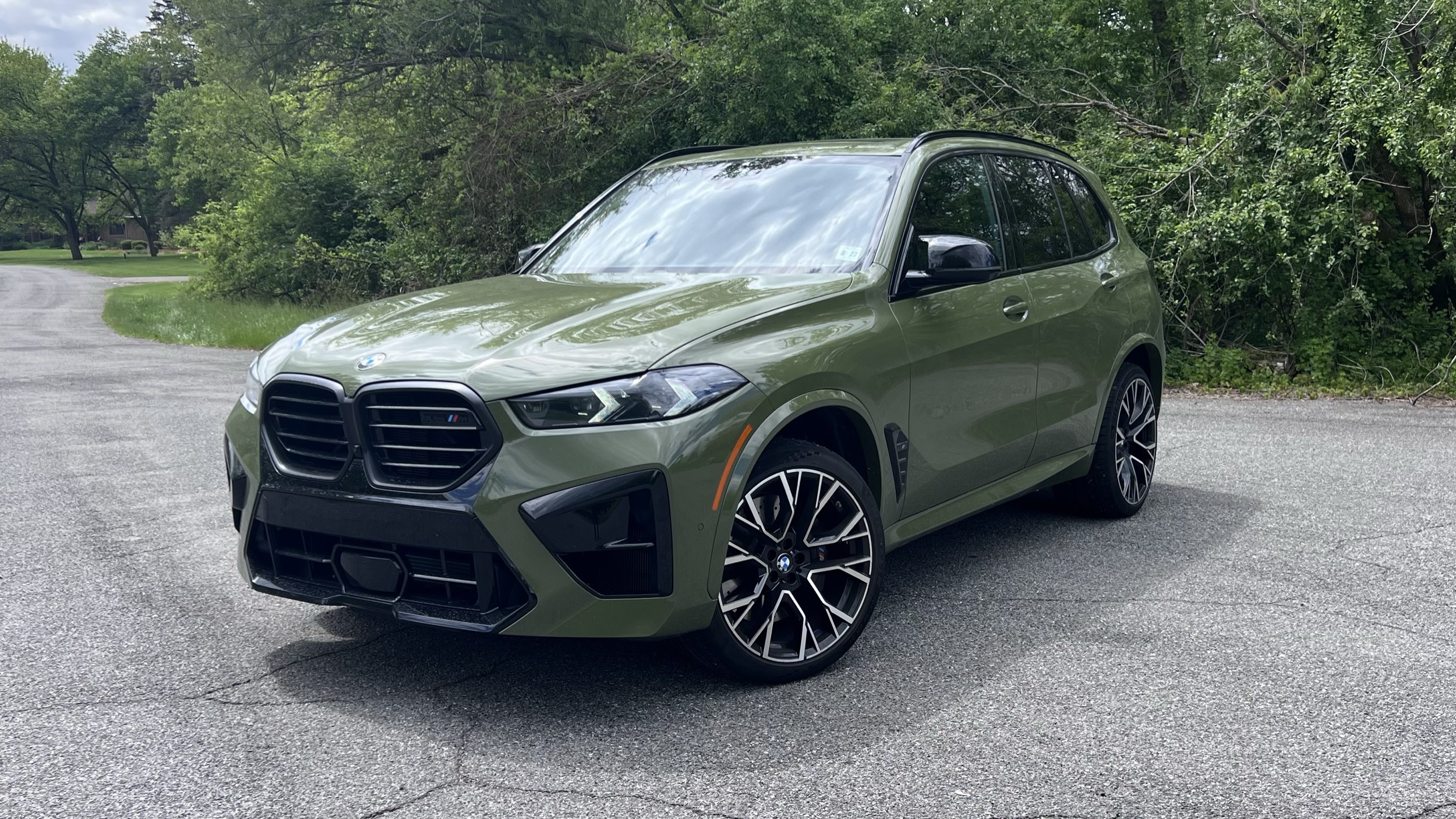
2. BMW X5
The BMW X5 is designed primarily for performance, comfort, and refinement rather than rugged durability. Its sophisticated suspension systems, aluminum body components, and electronically controlled drivetrains are highly sensitive to moisture and salt accumulation.
Vehicles frequently exposed to salt air are at increased risk of corrosion in critical areas such as brake lines, wheel hubs, and the undercarriage. While these systems deliver excellent handling on dry or wet pavement, they are not engineered to withstand constant exposure to corrosive elements, which can shorten the vehicle’s lifespan and increase repair costs.
Many owners underestimate the impact of environmental factors, assuming that luxury engineering automatically guarantees long-term durability.
Electronic modules and advanced driver-assist systems are particularly susceptible to salt-induced damage. The X5 relies on complex sensors, wiring harnesses, and electronic actuators that are sometimes positioned in areas prone to moisture accumulation.
When salt infiltrates these systems, it can lead to malfunctions that are difficult and expensive to address. Preventive measures, such as regular washing and underbody protection, are essential to maintain the SUV’s reliability, but even with careful maintenance, prolonged exposure to salt air can accelerate component degradation. This sensitivity makes the X5 less suited for sustained use in riverfront or coastal areas compared to SUVs built for rugged conditions.
The interior, while luxurious, is also affected by environmental exposure. Leather upholstery, electronic seat adjustments, and infotainment controls can experience wear faster in humid, salty conditions. Moisture can accumulate in hidden crevices or under panels, creating long-term issues such as corrosion of connectors or subtle malfunctions in electronic systems.
Drivers who regularly navigate riverside or coastal roads must adopt strict maintenance routines, including keeping the cabin dry and routinely cleaning salt deposits from door seals, vents, and exposed areas. Without diligent care, the interior’s refinement may deteriorate faster than in vehicles designed for tough conditions.
Although the BMW X5 performs admirably on highways and city streets, its susceptibility to corrosion, wear, and electronic issues limits its practicality in salt-heavy environments. Brake components, suspension elements, and the underbody are particularly vulnerable, and the SUV requires constant attention to prevent accelerated damage.
Drivers seeking a low-maintenance, long-lasting vehicle for riverfront adventures may find the X5 appealing in terms of comfort and driving experience, but not in terms of durability or environmental resilience.
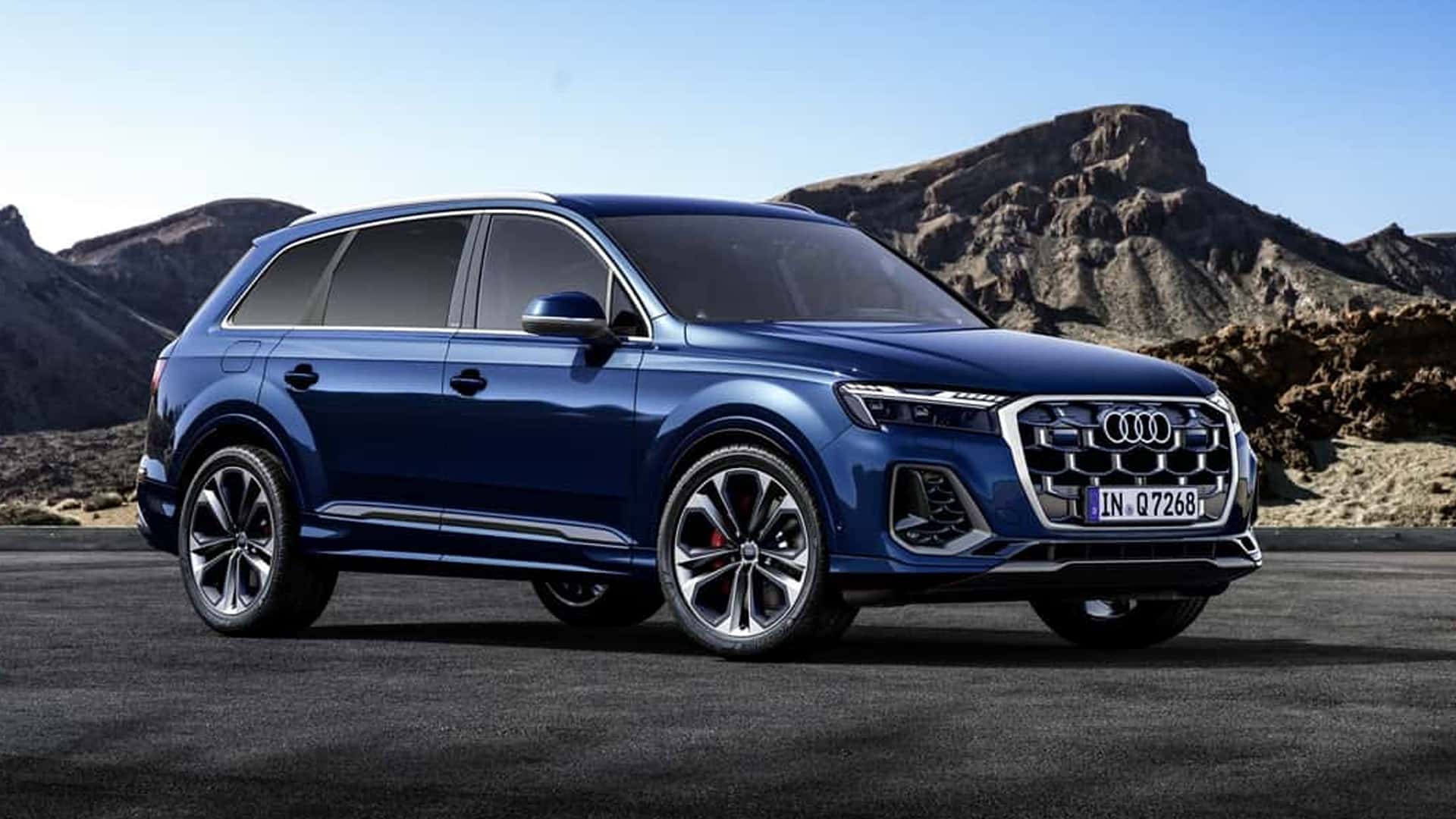
3. Audi Q7
The Audi Q7 is a premium SUV that emphasizes luxury, technology, and performance rather than rugged durability. Its aluminum-intensive body panels, sophisticated suspension, and high-tech electronics make it particularly sensitive to environmental factors such as salt-laden air.
Regular exposure to coastal or riverfront conditions can accelerate rust on the undercarriage, brake lines, and wheel hubs, creating potential safety issues and costly repairs. While the Q7 handles well on highways and urban roads, it is less capable of enduring long-term exposure to harsh environmental conditions without meticulous maintenance.
The Q7’s advanced electronics, including air suspension, adaptive driving aids, and multiple onboard sensors, are also at risk. Salt and moisture can infiltrate these systems, causing sensor failures or malfunctioning electronics. Repairs are often complex and expensive due to the sophisticated nature of Audi’s technology.
Preventive maintenance, such as frequent underbody washes and corrosion-resistant treatments, is essential but not foolproof. Over time, repeated exposure to salty environments can reduce reliability, making the vehicle a less practical choice for drivers near rivers or coasts.
Inside the Q7, luxury features such as leather seating, wood accents, and advanced infotainment systems are similarly vulnerable to environmental stress. High humidity and salt can affect materials, creating premature wear or degradation.
Electronics integrated into seats, climate control, or central consoles may fail more quickly if exposed repeatedly to moisture. Regular cleaning, drying, and use of protective coatings are required to maintain both functionality and aesthetics, adding to the maintenance burden of owning a Q7 in a salt-heavy setting.
While the Q7 offers impressive performance, handling, and comfort, its limitations in environmental durability make it less suited for long-term use near salt air. Metal components corrode faster, electronics require constant monitoring, and interior materials may degrade more quickly than in vehicles designed for rugged conditions.
Drivers prioritizing resilience and low maintenance in coastal or riverfront areas would be better served by alternatives engineered to withstand environmental challenges.
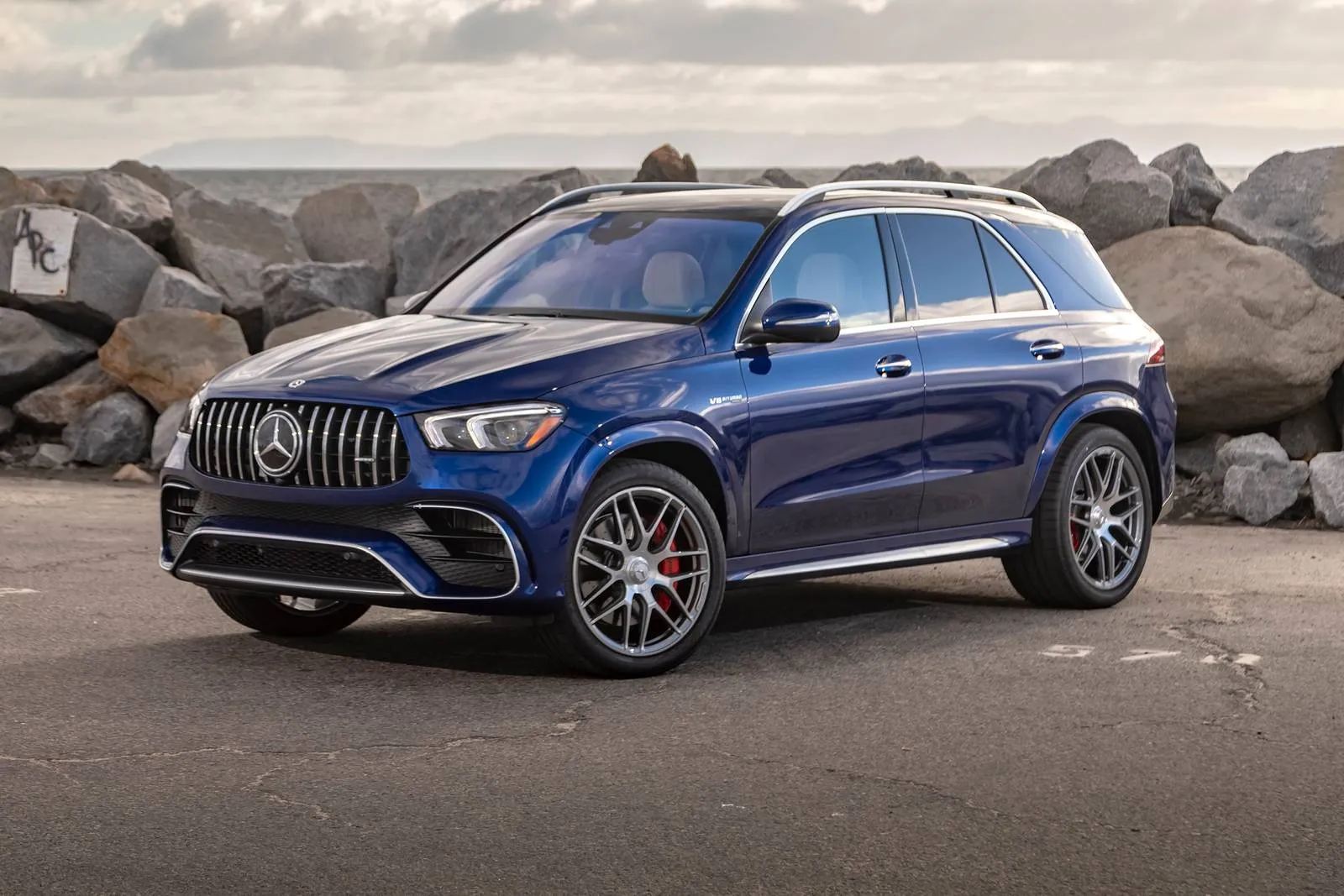
4. Mercedes-Benz GLE
The Mercedes-Benz GLE is known for its combination of style, performance, and advanced technology, but its materials and engineering make it vulnerable in salt-heavy environments. Its steel and aluminum components, while high-quality, are susceptible to corrosion over time when regularly exposed to salt-laden air.
Suspension elements, brake lines, and underbody panels are particularly at risk, and without consistent preventive care, rust can develop in areas that compromise structural integrity and safety. Luxury finishes and protective coatings help, but they cannot fully counteract the cumulative effect of environmental exposure.
Advanced electronics in the GLE, including air suspension, adaptive traction systems, and multiple driver-assist technologies, are particularly sensitive to salt and moisture. Even small amounts of salt infiltration can affect sensors, actuators, and wiring, leading to malfunctions that are both costly and time-consuming to repair.
While these systems provide an exceptional driving experience, they require owners to be vigilant in maintaining and protecting their vehicle from the corrosive effects of riverfront or coastal conditions.
The interior, while elegant and well-appointed, also requires careful attention. Leather upholstery, wood trim, and electronic controls can experience faster wear in humid, salty environments.
Moisture can accumulate in small crevices or under panels, potentially affecting electronics and causing subtle malfunctions. Regular cleaning, use of protective sprays, and minimizing exposure to salt-laden air are essential to maintain both aesthetic quality and functionality.
While the Mercedes-Benz GLE is an excellent vehicle for urban and highway driving, its susceptibility to environmental wear limits its suitability for consistent riverfront use.
Corrosion of undercarriage components, deterioration of electronic systems, and accelerated interior wear make it a challenging option for those seeking durability and low-maintenance performance in salt-prone areas. Its appeal lies more in luxury and driving experience than in rugged resilience.
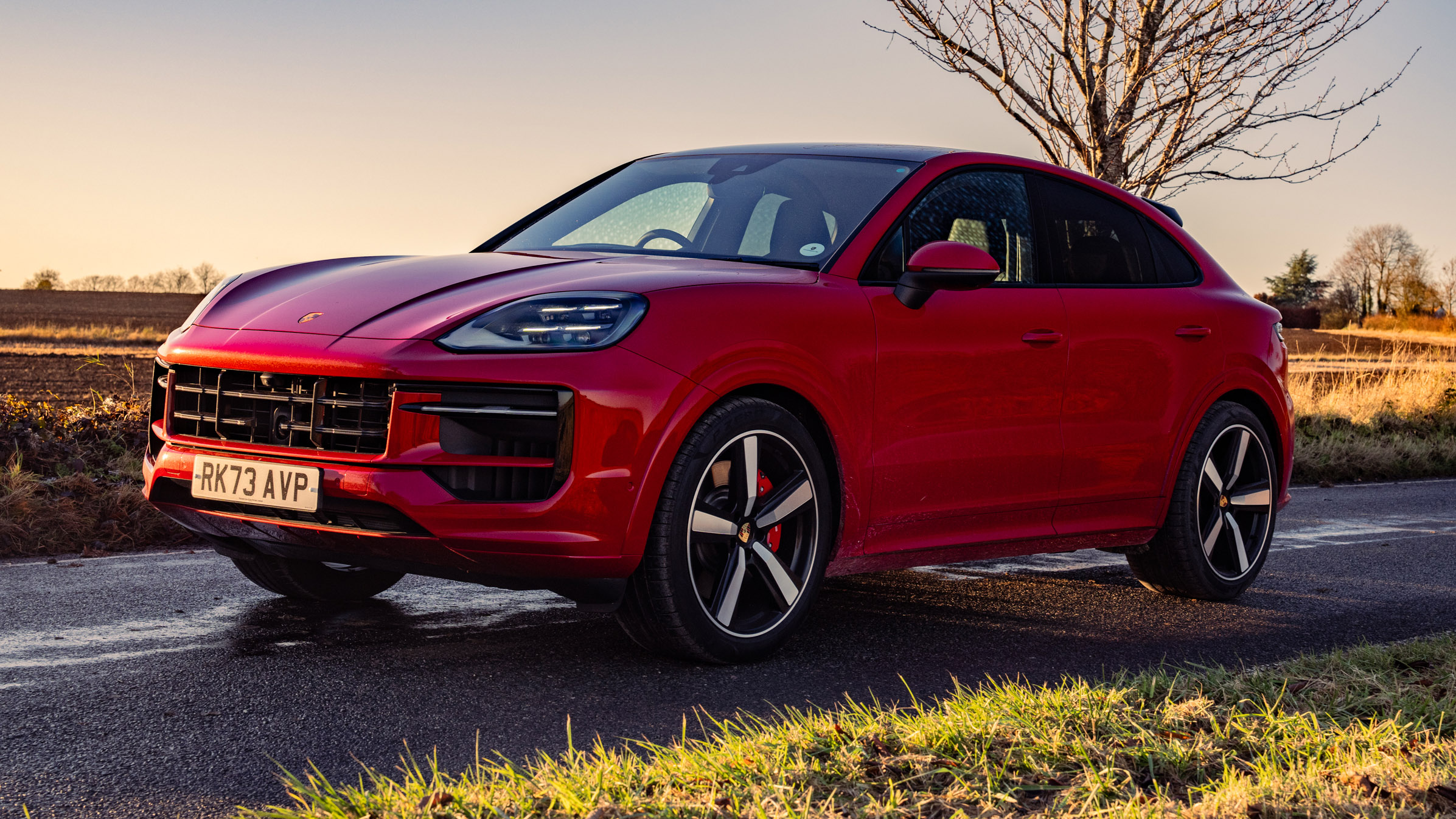
5. Porsche Cayenne
The Porsche Cayenne is designed to offer high performance, sporty handling, and a premium driving experience, but these qualities make it less suitable for environments with frequent exposure to salt air.
Suspension components, brake lines, and undercarriage elements are particularly susceptible to corrosion when regularly exposed to moisture and salt-laden environments.
This vulnerability can lead to accelerated wear, higher maintenance costs, and potential safety issues over time. While the Cayenne excels in speed, agility, and comfort, its long-term durability in harsh environmental conditions is limited compared to SUVs built with ruggedness in mind.
Advanced electronics in the Cayenne, including adaptive suspension, infotainment systems, and numerous driver-assist features, are also sensitive to salt exposure.
Moisture can infiltrate electronic modules, leading to malfunctions or system failures. Repairs are often complex and expensive due to the vehicle’s intricate design, and regular protective maintenance is necessary to reduce risk. Even with diligent care, extended exposure to salt air accelerates degradation, making the Cayenne less practical for riverfront or coastal lifestyles.
The interior of the Cayenne, featuring leather seats, high-end trim, and touch-sensitive controls, may degrade faster in humid, salty environments.
Moisture can accumulate in hidden areas, affecting both aesthetics and electronic functionality. Owners who frequently park or drive near water must take extensive measures, such as cleaning, drying, and using protective sprays, to preserve the quality of the cabin. Despite these efforts, interior wear and electronic sensitivity remain concerns for long-term use.
Although the Porsche Cayenne delivers outstanding performance, luxury, and driving enjoyment, it is not optimized for salt-heavy or riverfront conditions. Metal components corrode more quickly, electronics require constant monitoring, and interior materials are more susceptible to environmental damage.
Drivers seeking a durable, low-maintenance SUV for waterfront lifestyles would be better served by vehicles engineered with ruggedness, corrosion resistance, and longevity as priorities.
