
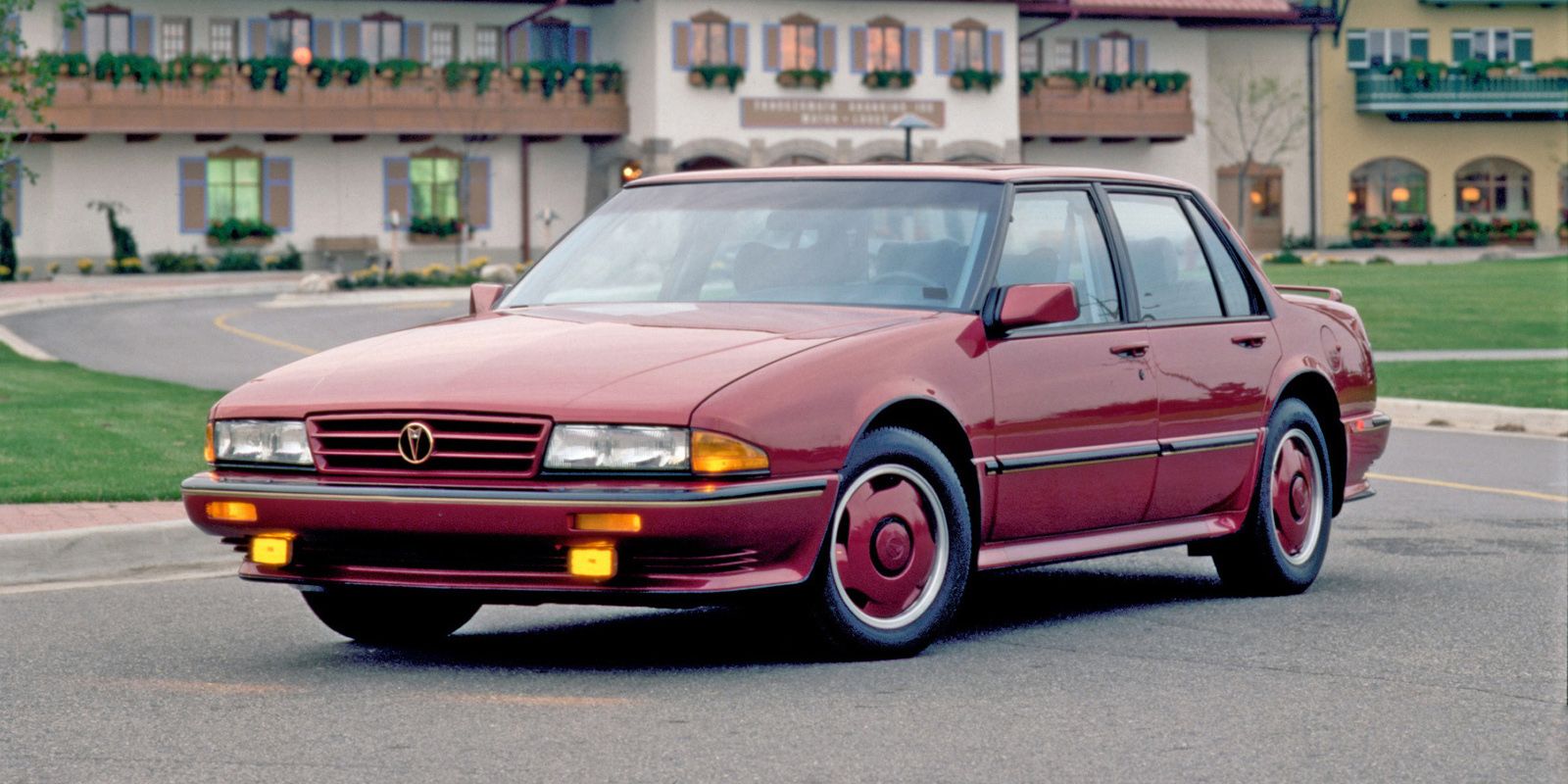
Vintage cars possess a charm that modern vehicles often struggle to match. They represent history, style, and the craftsmanship of an era when automobiles were more than mere transportation; they were statements of personality and taste. Driving a vintage car in a city presents both excitement and challenge.
On one hand, a classic vehicle can turn heads, spark conversations, and bring a sense of nostalgia to otherwise mundane commutes. On the other hand, older cars are often less practical for urban environments, where traffic congestion, tight parking spaces, and modern safety expectations pose significant difficulties.
Choosing a vintage car suitable for city driving involves more than just appearance. Factors such as maneuverability, size, fuel efficiency, visibility, and reliability play critical roles. Some cars, while stunning, are too large, delicate, or complicated to handle in urban settings, making them better suited for open roads, countryside tours, or weekend drives.
Others strike a balance between classic aesthetics and practical usability, allowing drivers to enjoy their timeless appeal without constantly worrying about daily city obstacles.
Understanding which vintage cars perform well in city conditions versus those that struggle can help collectors, enthusiasts, and casual drivers make informed decisions. It is not only about preserving a classic piece of history but also about ensuring safety, convenience, and an enjoyable driving experience.
The choices one makes in selecting a vintage car for city use or avoiding one that complicates city life reflect both practical considerations and personal taste. The following sections outline five vintage cars ideal for city driving in Columbus City, highlighting their advantages, and five vintage cars that, despite their beauty, present challenges for urban parking and maneuvering.
By understanding these distinctions, car enthusiasts can enjoy the best of classic automotive design while navigating the realities of modern city life effectively.
5 Vintage Cars Suitable for Columbus City Driving
1. Volkswagen Beetle (Classic 1960s–1970s Models)
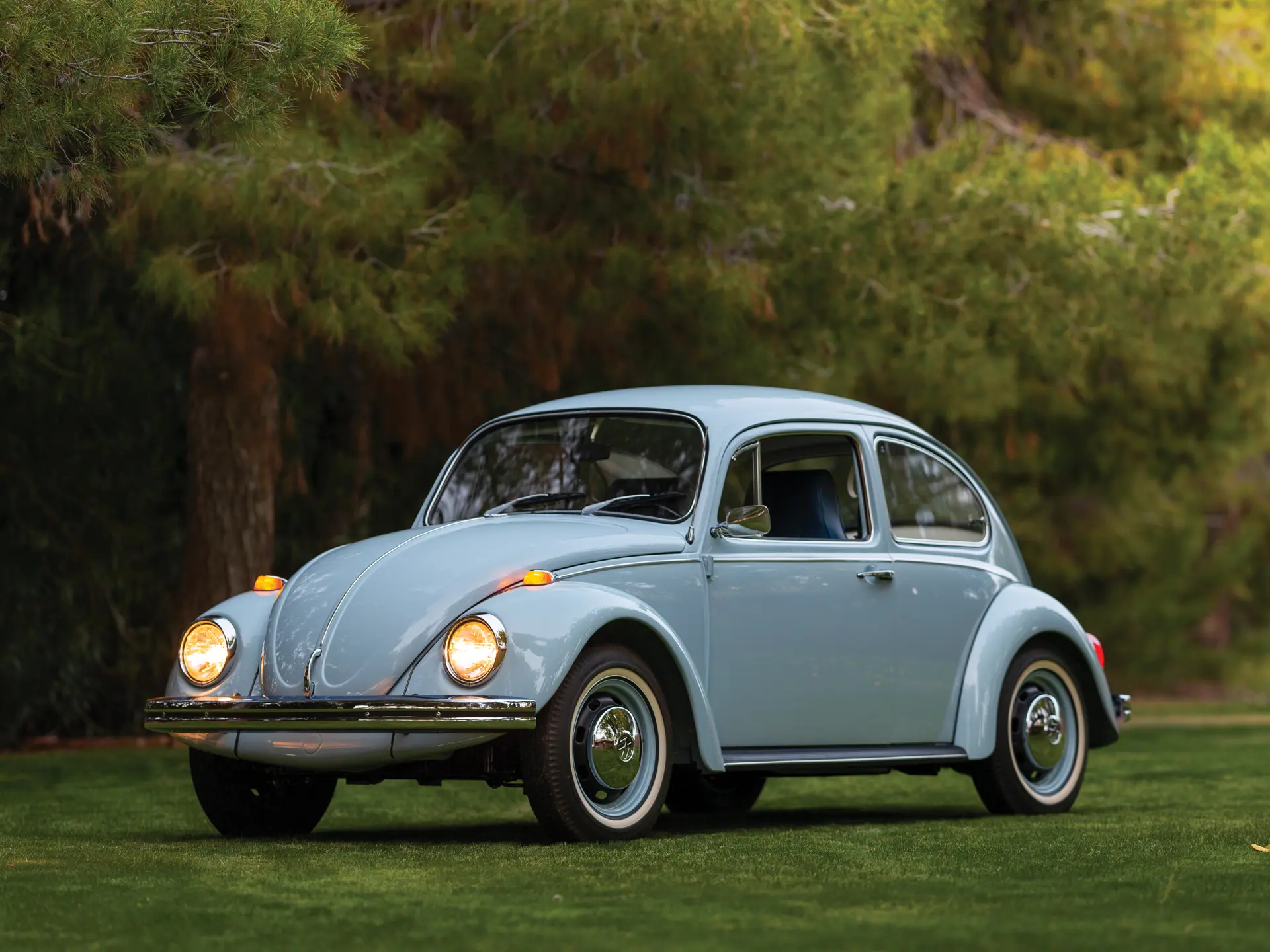
The Volkswagen Beetle is widely regarded as one of the most practical vintage cars for city driving, particularly in a place like Columbus City. Its compact dimensions make it exceptionally easy to maneuver through narrow streets and congested intersections, which are common challenges in urban areas.
Unlike larger vintage vehicles, the Beetle can slip into small parking spaces without requiring multiple adjustments, making parallel parking less stressful. Beyond its size, the car’s mechanical simplicity makes it relatively reliable, which is a key advantage for daily city use where frequent stops and starts can strain older vehicles.
Many drivers also appreciate the Beetle’s lightweight design, which allows for responsive steering and easier handling in traffic. Fuel efficiency, while modest by modern standards, is better than most other vintage vehicles of its time, helping reduce trips to the gas station during short city commutes.
Additionally, the Beetle’s rounded design provides excellent visibility from the driver’s seat, making it easier to anticipate pedestrians, cyclists, and other vehicles, a crucial consideration for city safety.
With a reputation for durability and charm, the Beetle combines practicality with style, allowing drivers to enjoy the nostalgic experience of a classic car without constantly worrying about urban obstacles. Its manageable size, easy maintenance, and straightforward design have helped it remain a favorite among enthusiasts who need a car suitable for everyday city driving.
2. Mini Cooper (Classic 1960s Model)
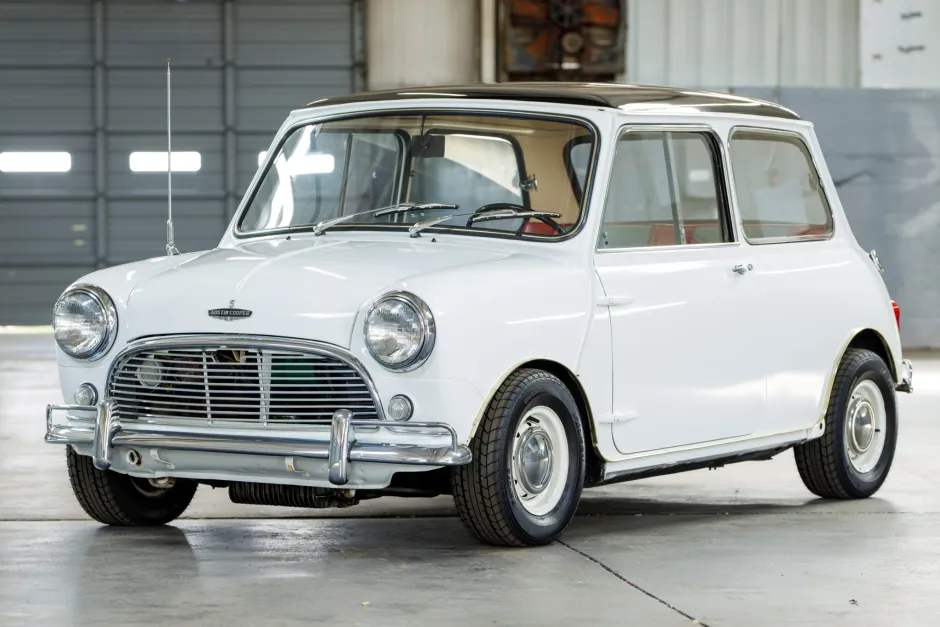
The Mini Cooper stands out as one of the most city-friendly vintage vehicles ever produced. Designed specifically with urban mobility in mind, its incredibly small footprint allows it to fit into spaces that larger cars cannot even approach. This makes parking, which is often a source of stress in Columbus City, much simpler.
The Mini’s lightweight and responsive steering allow for easy navigation around tight corners, busy streets, and sudden obstacles. Drivers can weave through traffic more easily than with heavier, longer vehicles, which is a significant advantage in areas with frequent congestion.
Another practical benefit is the car’s mechanical simplicity; older Minis are relatively easy to maintain compared with more complex vintage vehicles, reducing the chance of mechanical issues during daily urban use. Its small engine provides adequate power for city speeds and short trips, while fuel efficiency is excellent, allowing for economical driving even with frequent stop-and-go conditions.
Beyond practicality, the Mini Cooper carries a unique aesthetic appeal that draws attention and admiration on city streets. Its compact size, ease of handling, and low operational costs make it an ideal choice for anyone seeking a vintage car that combines classic design with real-world usability in an urban environment.
3. Fiat 500 (1957–1975 Models)
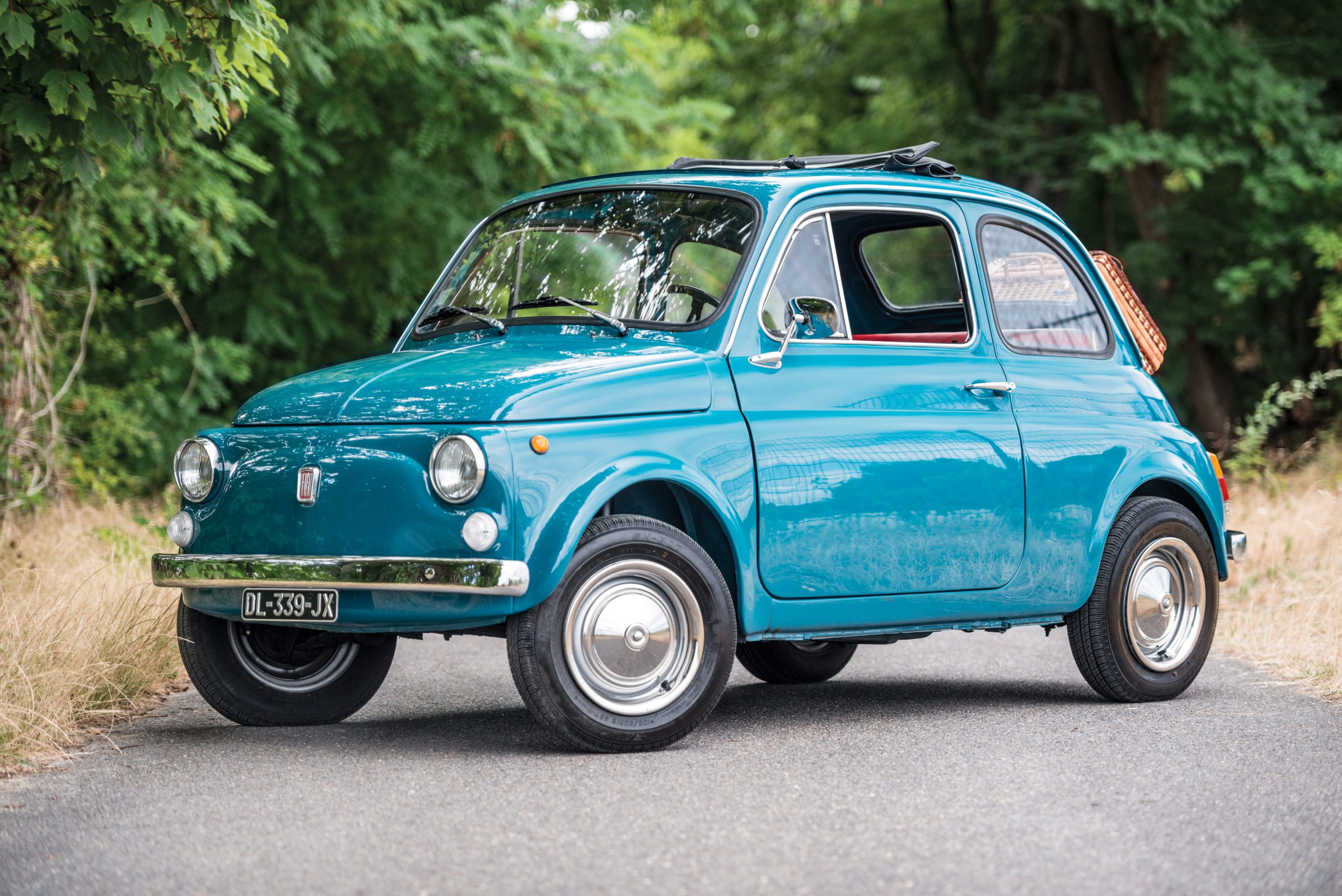
The Fiat 500 is one of the smallest and most practical vintage cars for urban driving. Its diminutive size allows it to slip effortlessly into tiny parking spots, which is particularly useful in areas of Columbus City with limited parking availability.
Navigating narrow streets is easy due to its compact body and tight turning radius, while the car’s lightweight frame ensures responsive handling during stop-and-go traffic. The 500’s engine, while modest in power, is perfectly suited for short city commutes, providing enough acceleration for traffic without consuming excessive fuel.
Fuel efficiency is another advantage, as frequent urban stops are less costly compared with larger, less economical vintage cars. Visibility is also excellent in the Fiat 500, giving drivers a clear view of their surroundings and helping them avoid collisions or obstacles in crowded streets.
Maintenance is relatively straightforward, and parts are more readily available than for many exotic vintage vehicles, further supporting its use as a practical city car. In addition to these functional benefits, the Fiat 500 carries a timeless style that complements modern urban life, offering drivers both practicality and personality. Its small size, low running costs, and easy maneuverability make it an excellent example of a vintage car perfectly suited for city driving.
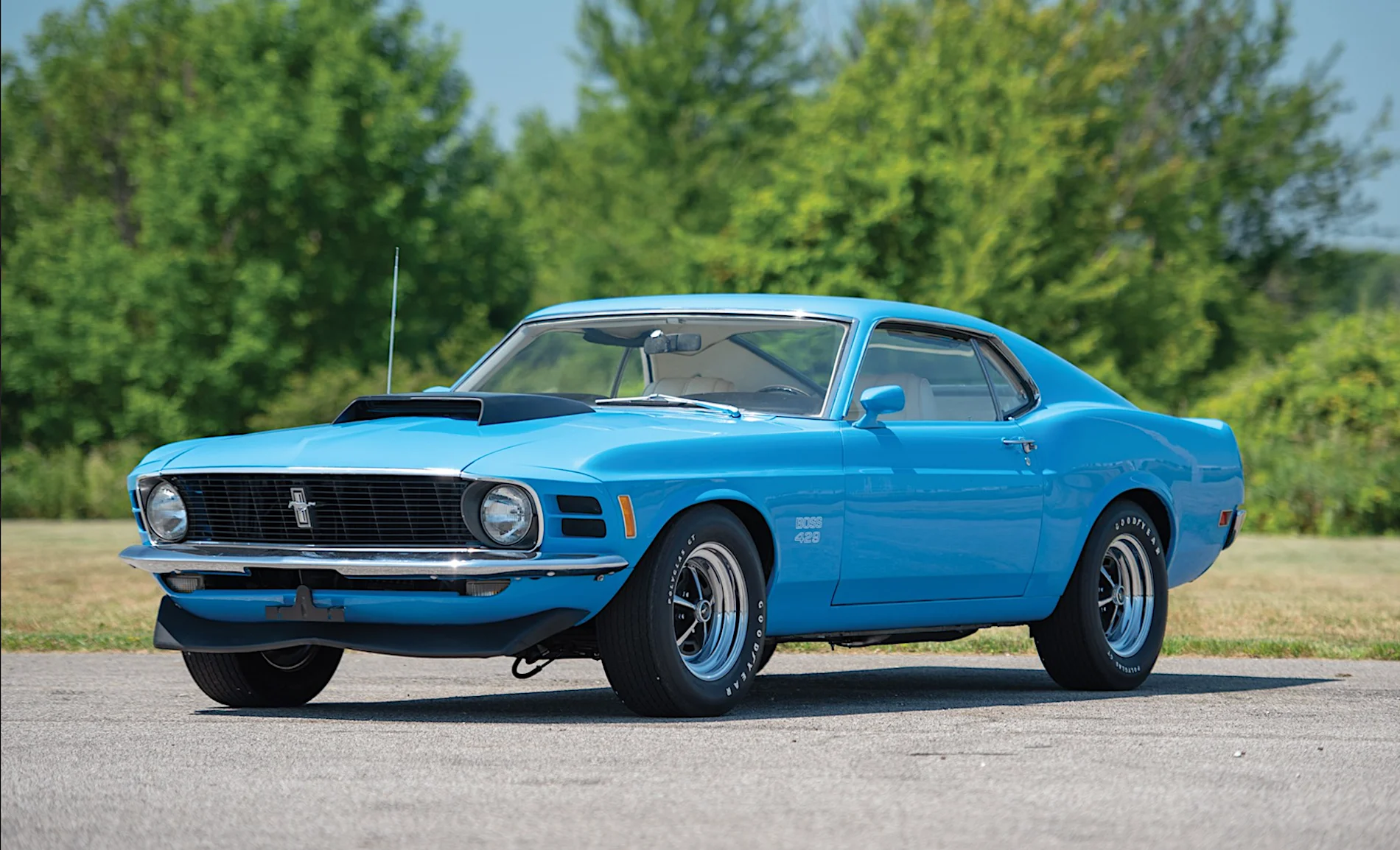
4. Ford Mustang (First Generation, 1964–1968)
The early Ford Mustang offers a unique combination of classic style and city practicality, making it a surprisingly effective vintage car for Columbus City driving. Although larger than the Beetle, Mini, or Fiat 500, the first-generation Mustang is still manageable in urban conditions due to its moderate length and width.
Its mechanical systems, while more complex than smaller cars, are generally robust and reliable for daily driving when properly maintained. Steering and handling are sufficiently responsive, allowing drivers to navigate tight corners and parking spaces with relative confidence.
The Mustang’s transmission, often a simple manual or early automatic, adds to the ease of driving in stop-and-go traffic, while its suspension provides comfort over uneven streets, which is important in older parts of the city.
Fuel efficiency is lower than the smaller vintage models, but the Mustang compensates with better performance and a more spacious interior, making it comfortable for longer commutes or carrying passengers. Its iconic styling, aggressive front grille, and muscular stance also give drivers a sense of pride and presence on the road, without being so large that city maneuvering becomes overly burdensome.
The first-generation Mustang offers a practical balance between vintage aesthetic appeal and functional usability in urban conditions. The first-generation Mustang offers a practical balance between vintage aesthetic ap
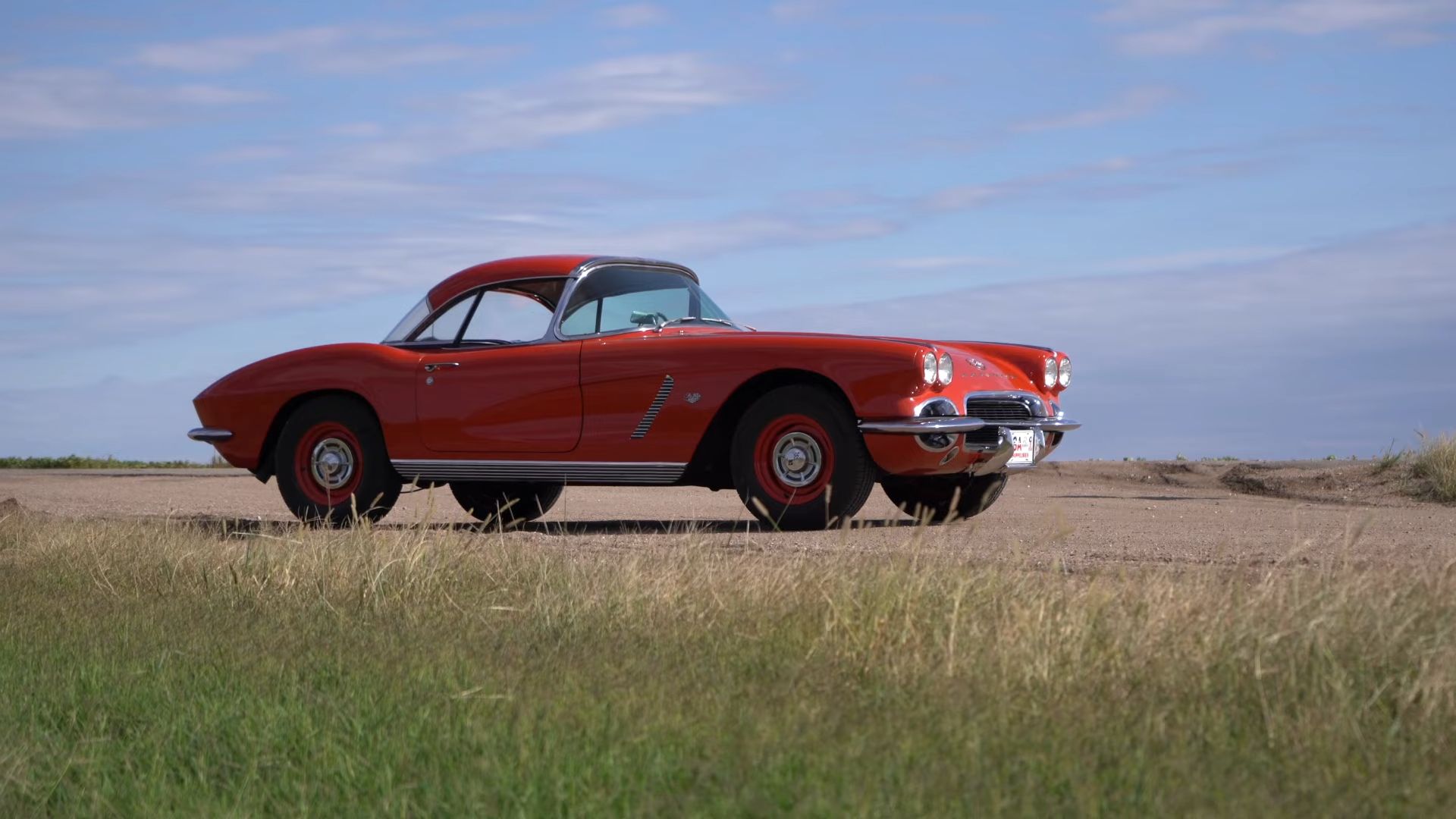
5. Chevrolet Corvette (C1 and C2 Models)
The first and second-generation Chevrolet Corvettes, renowned for their sleek design and sporty performance, are surprisingly well-suited for city driving in Columbus. Their relatively small size compared with later sports cars makes parking more manageable and allows for easier navigation through tight streets.
The lightweight construction contributes to nimble handling, which is beneficial in stop-and-go traffic, while the front-engine layout improves forward visibility, a crucial advantage in crowded urban areas. While engine maintenance is more involved than with simpler vehicles, moderate use in the city is feasible if properly cared for.
The Corvette’s suspension is smooth enough to handle potholes and uneven surfaces commonly found on urban streets, giving drivers confidence in less-than-perfect road conditions. Fuel consumption is not ideal, but for enthusiasts who enjoy the experience of driving a classic sports car, this is a manageable compromise.
Beyond functional considerations, driving a Corvette in the city is an enjoyable experience due to its striking appearance, low seating position, and historical significance.
It combines the thrill of classic sports car driving with practical features that make city travel enjoyable rather than frustrating. For enthusiasts who value both style and maneuverability, early Corvettes are an excellent choice for urban use.
5 Vintage Cars That Don’t Suit City Parking
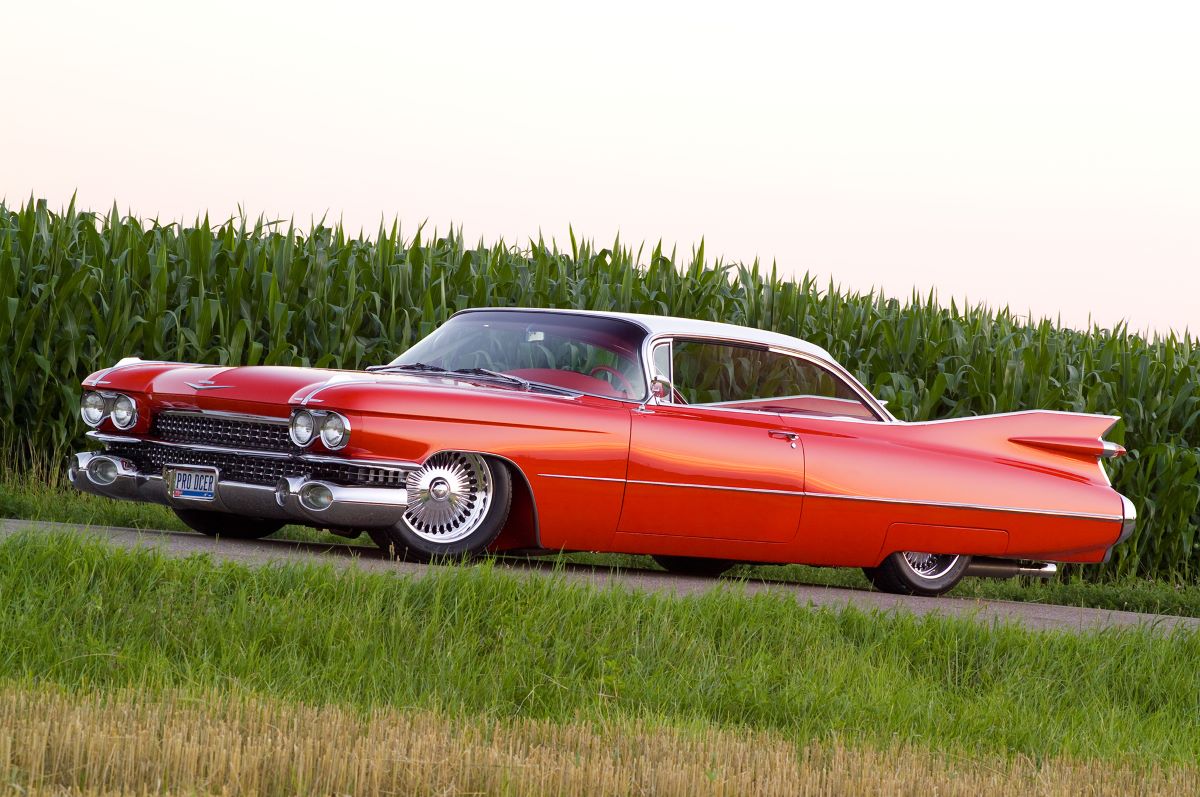
1. Cadillac Eldorado (1950s–1970s Models)
The Cadillac Eldorado is often considered a symbol of luxury and American automotive extravagance, but its sheer size makes it a nightmare for city parking. Early models were frequently over 18 feet long, with a wide frame that fills the majority of most urban parking spots.
Maneuvering such a vehicle on narrow city streets requires exceptional spatial awareness and patience, as misjudging even a small corner can result in scratches or damage to both the Eldorado and nearby vehicles.
Its heavy weight exacerbates handling difficulties; unlike smaller cars, it cannot make quick adjustments or react instantly to sudden obstacles, which is a significant disadvantage in heavy urban traffic. Fuel consumption further complicates city use because frequent stop-and-go driving forces higher fuel use, turning even short trips into costly exercises.
While the Eldorado exudes timeless style, its appeal is better suited for leisurely drives along highways or suburban roads where its size and comfort can be fully appreciated without constant stress about finding parking or squeezing through tight spaces.
Owners who insist on using it in a city often have to plan routes meticulously, avoid busy streets, and be extremely cautious when parking, which limits spontaneity and reduces the enjoyment of driving this classic car.
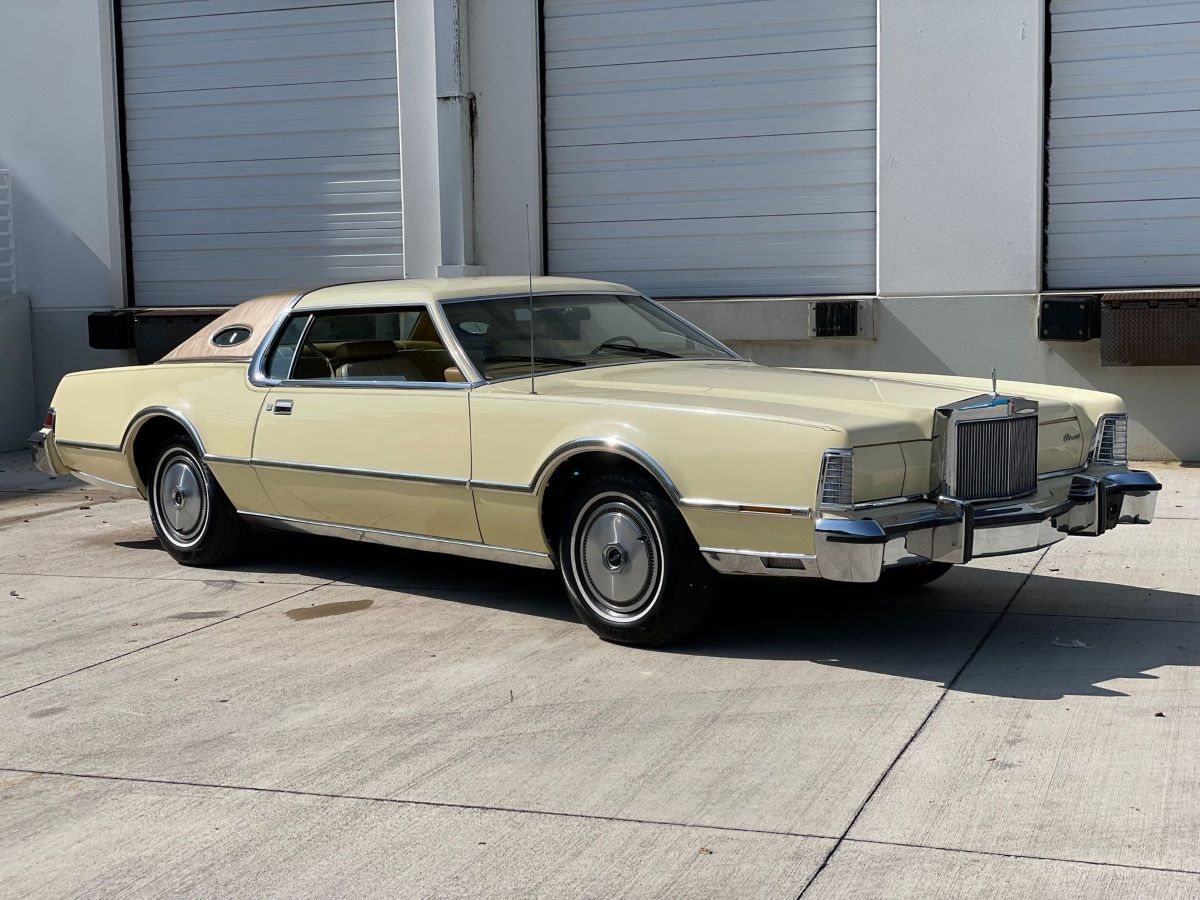
2. Lincoln Continental (1960s Models)
The Lincoln Continental of the 1960s is another classic car where elegance and practicality clash, particularly in urban environments. With its long wheelbase, sometimes exceeding 17 feet, and broad stance, this car is designed for comfort and highway cruising rather than tight city streets.
Parallel parking becomes a laborious task, often requiring multiple maneuvers to fit into spaces that would easily accommodate modern compact cars. Its size makes navigating through intersections, narrow streets, and heavy traffic a constant challenge.
Steering is not as responsive as in smaller vehicles, meaning drivers must plan turns carefully and anticipate obstructions far in advance. In addition to spatial difficulties, the Lincoln’s suspension is designed for a smooth ride on open roads rather than sudden stops or uneven city pavements, which can make driving feel less controlled in urban settings.
Its low fuel efficiency, combined with the complexity of maintaining a large luxury vehicle, adds additional stress for daily city use. While visually impressive and historically significant, the Continental’s design prioritizes comfort and style over practicality, making it a frustrating choice for those who frequently deal with parking constraints, tight corners, or traffic congestion in an urban environment.
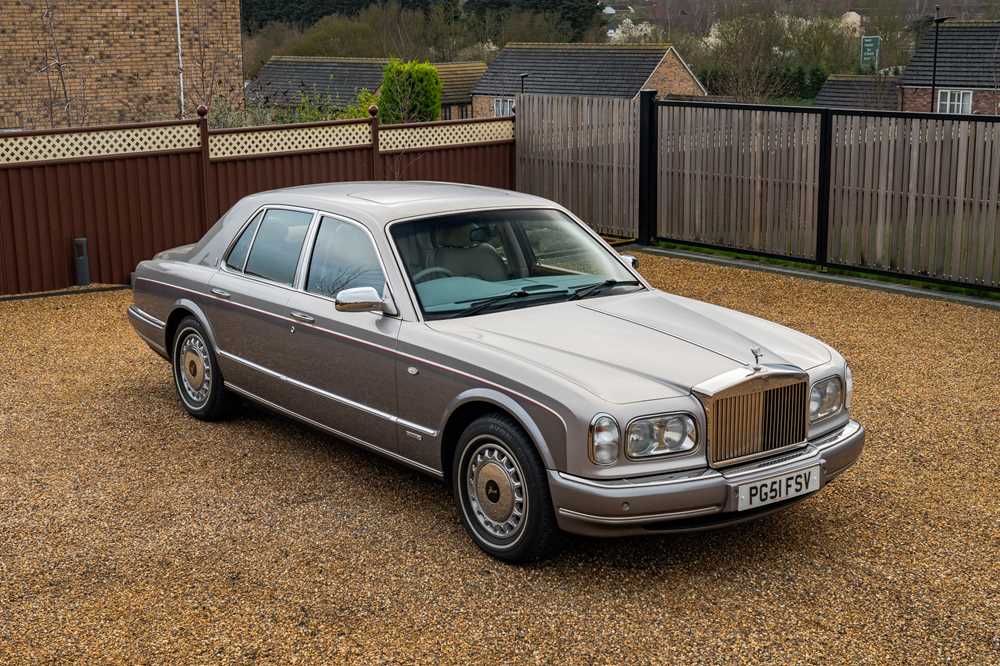
3. Rolls-Royce Silver Cloud (1955–1966 Models)
The Rolls-Royce Silver Cloud is a classic example of luxury and craftsmanship, but it is far from city-friendly. With a long, heavy body, drivers are constantly aware of the vehicle’s size while navigating narrow streets or parallel parking.
Unlike modern cars with parking sensors or tight-turn capabilities, the Silver Cloud relies entirely on the driver’s skill, making even simple urban maneuvers a careful exercise in precision. Its slow steering response adds to the challenge; sharp turns are cumbersome, and it cannot react quickly to sudden traffic changes.
Minor parking errors can lead to costly repairs due to the car’s high value and intricate bodywork, which is less forgiving than more practical vehicles. Fuel efficiency is minimal, making short urban trips disproportionately expensive.
While the car’s elegance and status symbol appeal make it perfect for ceremonial drives, country estates, or leisure cruises, it becomes stressful in the city where constant attention to tight spaces, curbs, and pedestrians is required.
Owning a Silver Cloud in an urban area often necessitates private parking solutions or valet services, which limits independence and spontaneity in city driving.
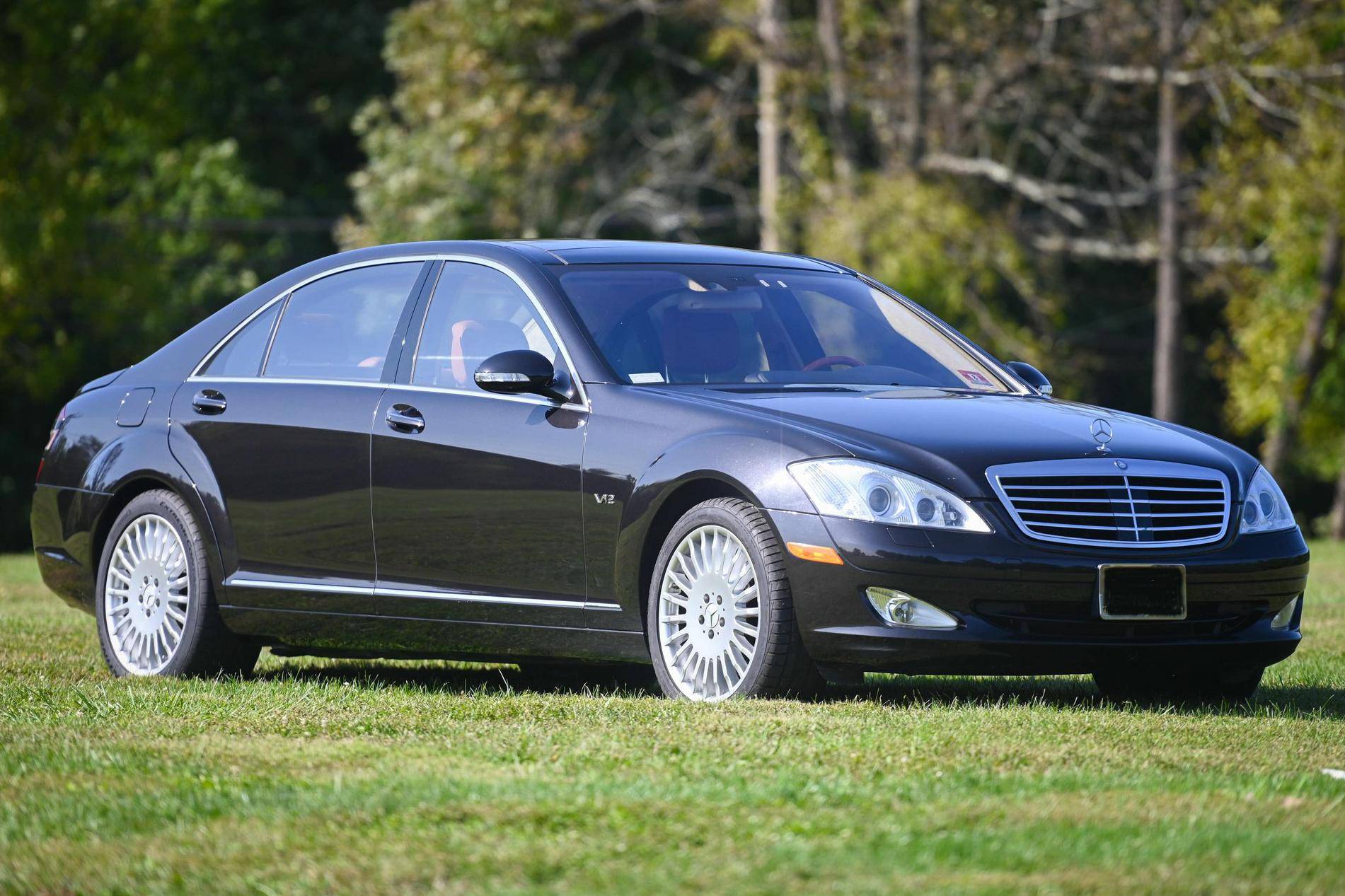
4. Mercedes-Benz 600 (1963–1981 Models)
The Mercedes-Benz 600 is widely regarded as the pinnacle of vintage luxury, yet it is particularly challenging in urban environments. Designed as a limousine for dignitaries and celebrities, its extended wheelbase and broad frame are intimidating in narrow streets or cramped parking lots.
Parallel parking is often impossible without significant adjustments, and even simple maneuvers demand careful calculation to avoid curbs, poles, or other vehicles. Its sophisticated hydraulic systems, which control everything from windows to suspension, are sensitive and can be easily damaged during minor urban collisions or uneven city roads.
Steering, while precise for open road cruising, feels heavy at low city speeds, requiring considerable effort for tight turns. Fuel consumption is high, and the car’s weight amplifies braking distances, which complicates stop-and-go traffic situations.
While driving a Mercedes 600 is a statement of status and refinement, the demands of city driving reduce its practicality, making it an inconvenient choice for everyday urban use. Owners of this classic typically reserve it for special events or leisurely drives on less congested roads, where its luxury and engineering can be appreciated without the constant stress of navigating tight city spaces.
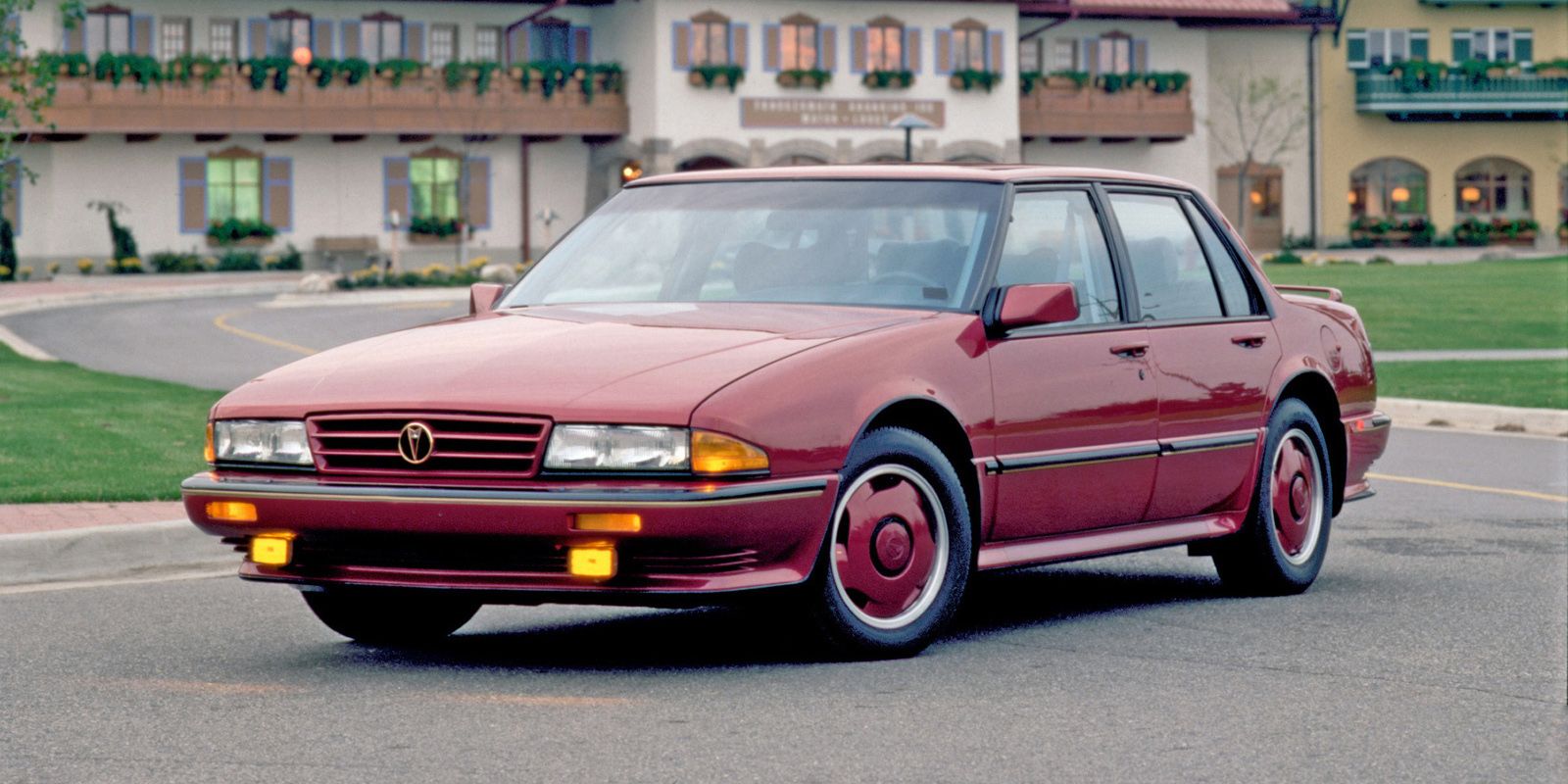
5. Pontiac Bonneville (1950s Models)
The Pontiac Bonneville from the 1950s is a beautiful example of postwar American automotive design, but its size and mechanical characteristics make it poorly suited for city driving. The Bonneville is long and wide, meaning that parking in standard urban spots requires precision, patience, and sometimes multiple adjustments.
Narrow streets and tight intersections challenge its turning radius and responsiveness, forcing drivers to proceed cautiously to avoid contact with curbs or other vehicles. Its suspension prioritizes smooth highway cruising over agile city handling, making it feel cumbersome in stop-and-go traffic.
Fuel efficiency is low, which is particularly noticeable during short urban trips, and maintenance can be demanding if minor dents or scratches occur during parking. While visually striking and historically significant, the Bonneville shines in environments where space is plentiful, such as suburban streets or long drives on open roads.
In the city, its size and mechanical demands make daily use more stressful than enjoyable, limiting its practicality despite its classic charm and powerful presence.
