
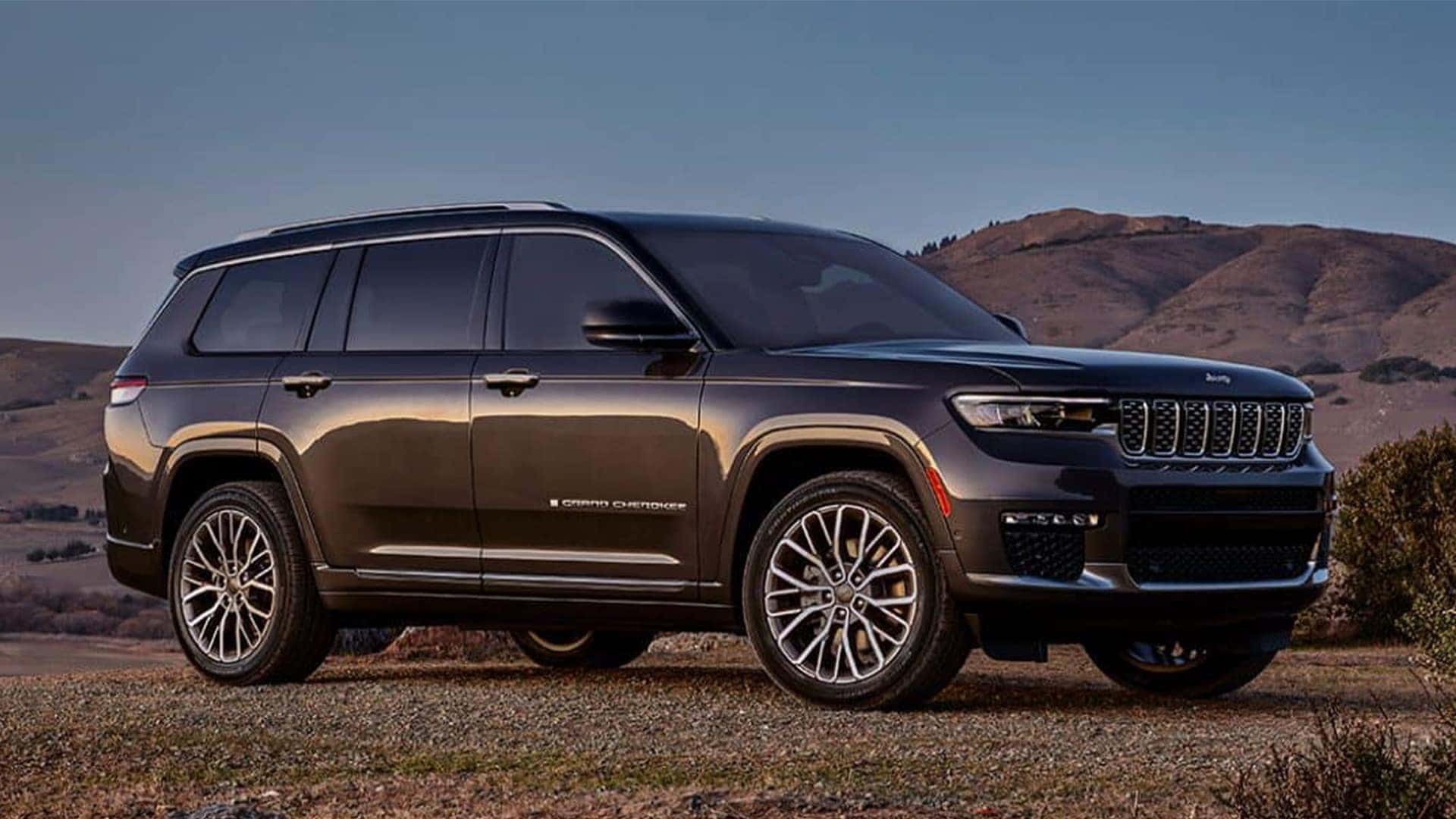
For many people living in or traveling to rural areas, having the right vehicle is essential. Sierra Vista, known for its rugged , winding dirt roads and occasional rough terrain, requires SUVs that are capable of handling uneven paths while providing comfort and reliability.
Rural driving is not just about speed or appearance; it is about dependability, off-road performance, and the ability to endure long drives on surfaces that may vary from rocky trails to soft sand or muddy tracks.
People who live in these areas often depend on vehicles that can operate in challenging conditions without frequent breakdowns, while also being safe enough for family travel or work purposes.
When it comes to off-road SUVs, there is a wide range of options, each designed with certain strengths and weaknesses.
Some are built to handle the toughest conditions without sacrificing comfort, while others, though appealing in appearance, may wear out faster under continuous stress.
Choosing the right SUV is a balance of understanding the terrain you will be driving on, your personal driving habits, and the level of maintenance you are willing to commit to.
A vehicle that can handle Sierra Vista’s rural roads might include features like all-wheel drive, high ground clearance, strong suspension systems, and durable tires that can grip loose surfaces.
At the same time, it is important to recognize that not all SUVs are created equally. Some models, while capable of short-term off-road performance, tend to experience faster wear and tear due to softer suspension components, less durable transmissions, or engines not designed for prolonged rugged driving.
Understanding which SUVs can handle the stress of rural life and which may require frequent repairs can save time, money, and frustration.
Additionally, rural driving often requires vehicles that are versatile enough to carry equipment, groceries, or even tow light trailers while still difficult terrain safely.
This article will focus on two main categories: first, SUVs that are ideal for Sierra Vista rural driving, offering reliability, comfort, and off-road capabilities; second, SUVs that are prone to wearing out faster under similar conditions.
By highlighting both the durable options and the ones that may pose challenges, readers can make informed choices when selecting an off-road SUV.
Each section will provide insight into why certain vehicles excel and why others may falter, giving a clear picture of what works and what should be approached with caution in rural driving situations.
5 Off-Road SUVs for Sierra Vista Rural Driving
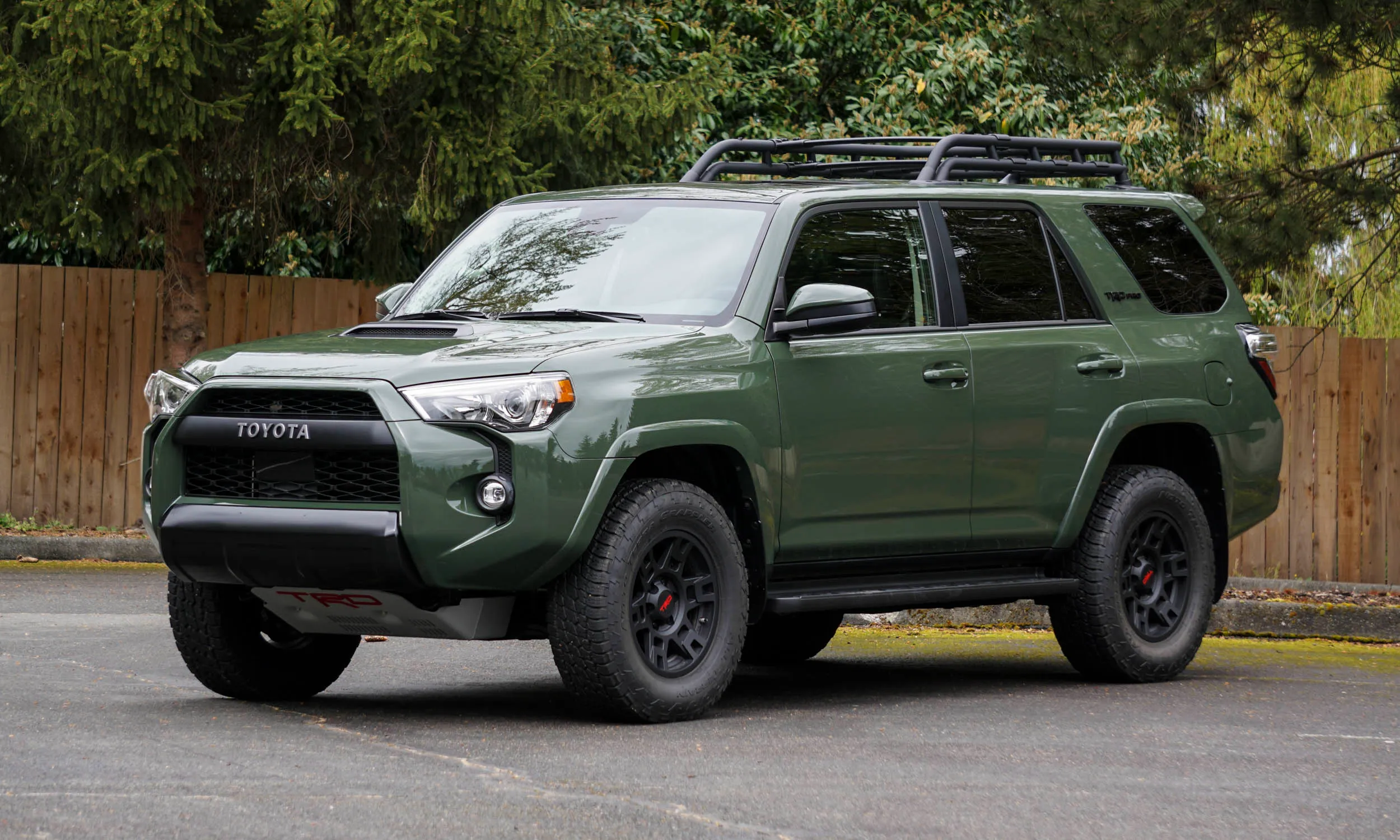
1. Toyota 4Runner
The Toyota 4Runner is widely recognized as a reliable SUV for off-road conditions. Its body-on-frame construction provides strength and durability, making it suitable for uneven terrain.
With a high ground clearance, skid plates, and an advanced four-wheel-drive system, the 4Runner is capable of tackling rocky trails and dirt roads without compromising stability.
The suspension system is designed to absorb shocks from rough surfaces, reducing wear and tear on both the vehicle and passengers. Many Sierra Vista drivers prefer this SUV for its ability to maintain performance even under extended use in rural conditions.
Inside the cabin, the 4Runner combines ruggedness with comfort. The seats are supportive for long drives on bumpy roads, and the cargo area provides ample space for outdoor equipment or groceries.
Despite its off-road focus, the vehicle maintains modern conveniences such as infotainment systems and safety features. Its engine is robust, typically a V6 that provides sufficient power for climbing hills or towing small trailers.
Maintenance is relatively straightforward due to Toyota’s reputation for reliability, making it a top choice for people living in rural areas.
Another advantage of the 4Runner is its versatility. It handles daily commuting, weekend adventures, and rural errands equally well.
The SUV’s traction control, hill start assist, and crawl control features improve maneuverability in challenging conditions, especially on loose gravel or muddy paths.
Its tires, often equipped with all-terrain options, contribute to both stability and durability. , this vehicle is designed to endure the stresses of rural driving without frequent breakdowns.
Finally, the resale value of the 4Runner is high compared to other SUVs, which indicates its long-term reliability. Even after years of off-road driving, many 4Runners maintain performance levels that other SUVs may struggle to achieve.
For those in Sierra Vista who need an SUV that can handle a combination of work, leisure, and off-road challenges, the 4Runner provides a balance of toughness, comfort, and consistent performance that is hard to match.

2. Jeep Wrangler
The Jeep Wrangler is often considered the archetype of off-road SUVs. Its design emphasizes ruggedness and capability on rough terrain.
The Wrangler features solid axles, high ground clearance, and short overhangs, allowing it to climb obstacles and uneven trails efficiently. Its four-wheel-drive system is adaptable to different surfaces, including rocks, mud, and sand.
The Wrangler’s removable roof and doors make it versatile for open-air experiences, which can be a bonus for outdoor enthusiasts. The interior is functional, focusing on durability rather than luxury.
Materials are designed to withstand dirt, water, and rough handling, which is practical for rural driving. Its engine options, including both four-cylinder and V6, offer sufficient power while maintaining reliability.
Maintenance can be simpler compared to more complex SUVs, as many components are designed for easy replacement and repair.
Another key feature is the Wrangler’s aftermarket support. A wide range of accessories and modifications can improve off-road performance, such as upgraded tires, suspension lifts, and skid plates. This allows owners to customize the vehicle to fit the specific conditions of Sierra Vista’s terrain.
Its ability to maintain traction on steep inclines and loose surfaces adds to its reputation as a dependable off-road vehicle.
Despite its strengths, the Wrangler remains practical for everyday rural driving. While it is not as refined on highways as some other SUVs, it performs exceptionally well on dirt and gravel roads.
Its simple, rugged construction ensures longevity, making it a long-term investment for those needing a vehicle that can withstand constant exposure to challenging terrain.
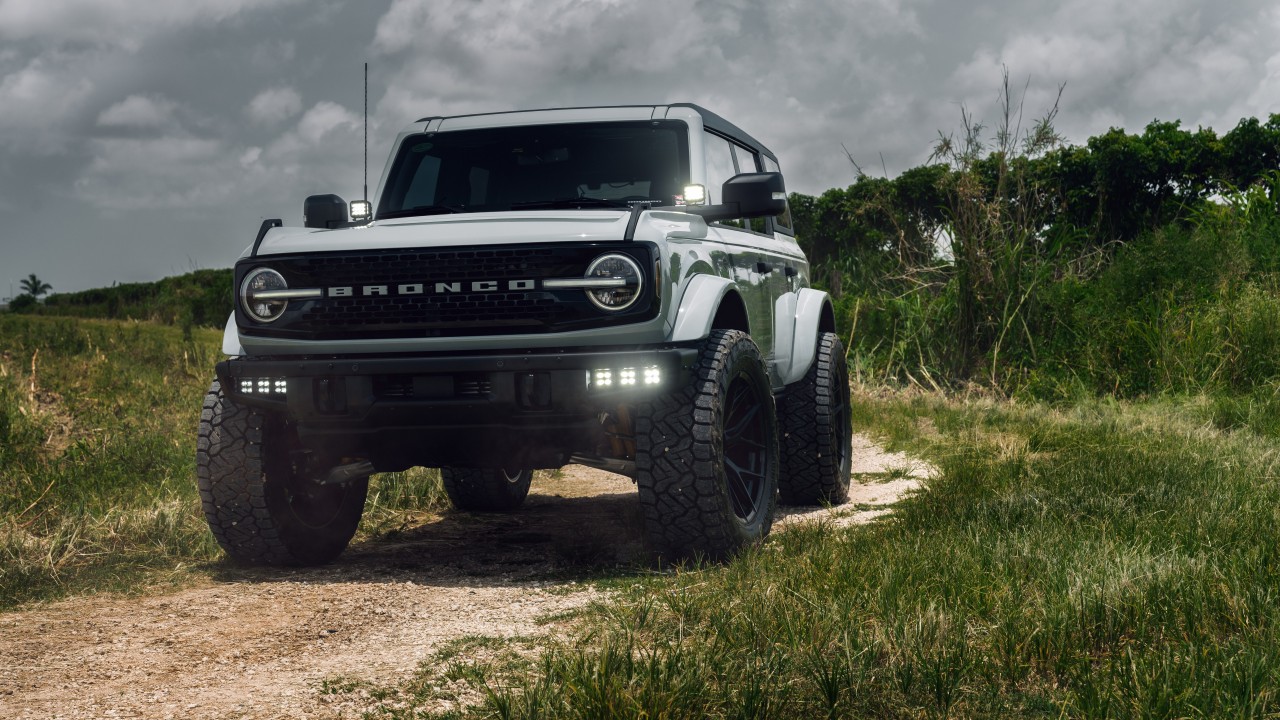
3. Ford Bronco
The Ford Bronco has made a strong comeback as a capable off-road SUV. Its modern design retains the classic ruggedness while integrating contemporary technology for driver assistance and safety.
The Bronco offers multiple off-road packages, which include enhanced suspension, off-road tires, and underbody protection.
High ground clearance and advanced four-wheel-drive systems allow it to handle rocky and muddy terrain effectively, making it suitable for rural areas with varied road conditions.
The SUV’s engines range from turbocharged four-cylinder options to V6s, providing sufficient torque for towing or climbing hills.
The interior combines durability with comfort, offering water-resistant materials, easy-to-clean surfaces, and user-friendly technology.
Cargo space is generous, and rear seats fold down to accommodate larger equipment or supplies, which is particularly useful for rural living. The Bronco’s approach and departure angles are optimized for off-road excursions, allowing it to manage steep inclines and declines safely.
In addition to physical capabilities, the Bronco incorporates digital tools for off-road and monitoring. Features like trail mapping, hill descent control, and drive mode selection enhance control and confidence on challenging surfaces.
Tires are designed to grip loose or uneven terrain, and the suspension absorbs shocks efficiently, reducing wear on the vehicle during extended off-road use.
Its versatility extends beyond off-road conditions. The Bronco handles daily driving comfortably, and its towing capabilities make it useful for hauling small trailers or supplies.
Reliability is generally high, as the vehicle is engineered for both rugged use and daily practicality. For those seeking an SUV that balances modern convenience with traditional off-road strength, the Bronco is an excellent choice for Sierra Vista and similar rural areas.
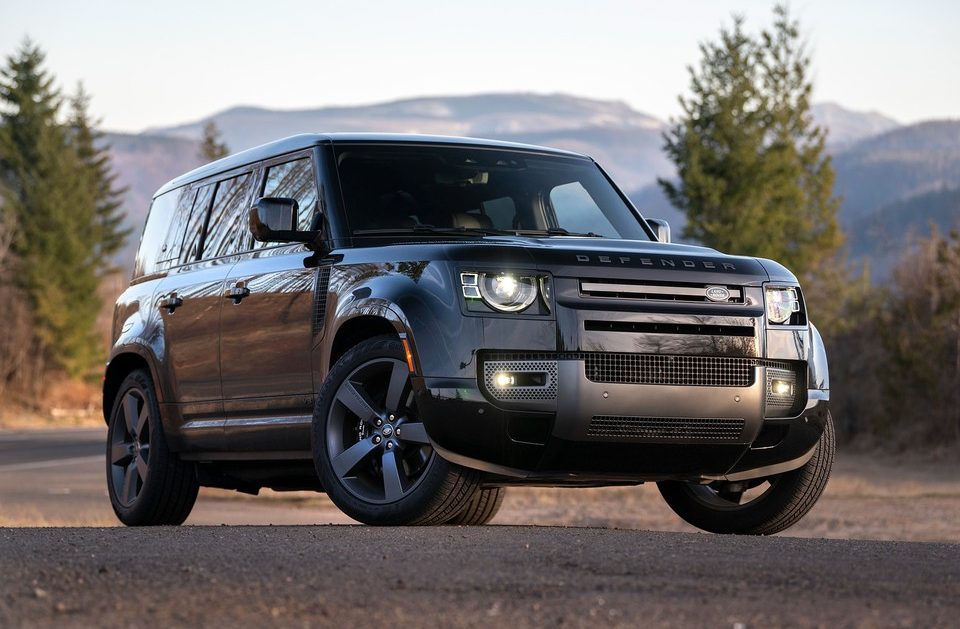
4. Land Rover Defender
The Land Rover Defender is designed to handle extreme terrain while providing luxury and comfort. It combines strong engineering with advanced technology to deliver performance on rough roads, rocky trails, and muddy tracks.
Its chassis and suspension are built for durability, allowing it to endure long-term use in rural conditions. The Defender’s high ground clearance, all-terrain tires, and multiple drive modes make it adaptable to a wide range of off-road challenges.
Inside, the Defender balances ruggedness with modern amenities. The seats are comfortable for extended drives, and the cabin is equipped with safety features and infotainment options.
Space for passengers and cargo is generous, making it suitable for families or people transporting equipment in rural areas. The engines are powerful and designed to maintain performance under load, whether towing or climbing steep inclines.
The Defender also includes technology to improve off-road handling. Terrain response systems adjust engine, transmission, and suspension settings automatically to match the road surface, providing confidence on dirt, gravel, or sand.
Skid plates and reinforced underbody components protect vital areas from damage, while hill descent control allows safe of steep slopes.
Despite its luxury appeal, the Defender is built for practical, everyday rural use. It can manage rugged terrain without compromising comfort, making it suitable for long drives across Sierra Vista’s rural roads.
Maintenance can be more complex than some simpler SUVs, but its durability and advanced design generally ensure long-term reliability. For those seeking a combination of strength, adaptability, and refinement, the Defender stands out as an exceptional choice.
5. Subaru Outback Wilderness
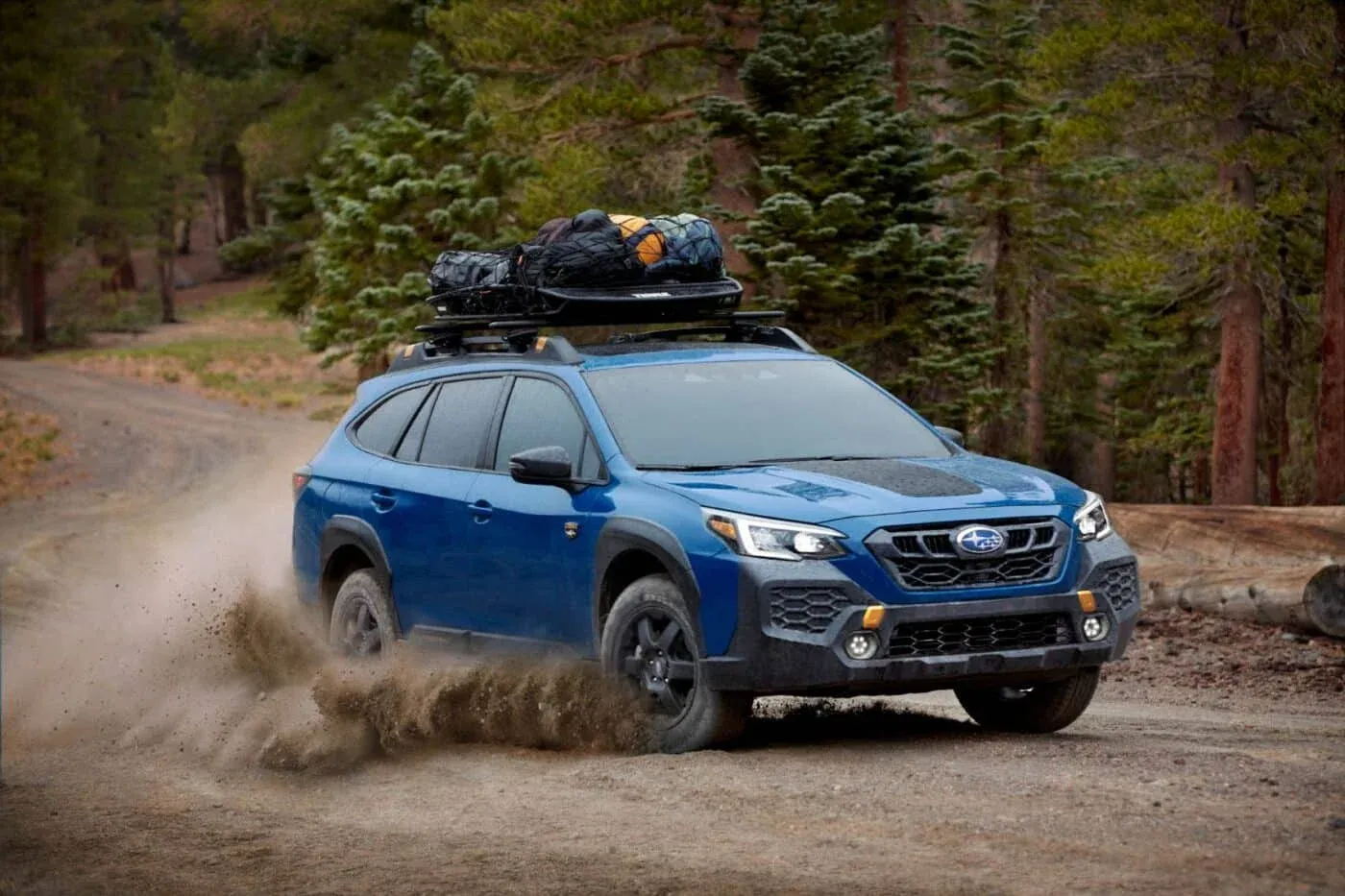
The Subaru Outback Wilderness is a smaller but highly capable SUV designed for off-road adventures. Its all-wheel-drive system and raised ground clearance make it suitable for dirt paths, gravel roads, and uneven terrain often found in rural areas.
The suspension is tuned to absorb bumps and shocks, which enhances comfort during longer drives across rough surfaces. Tires are optimized for both grip and durability, contributing to the vehicle’s stability.
Inside, the Outback balances utility and comfort. The interior is spacious, with seating and cargo arrangements that accommodate outdoor gear or supplies.
The materials are durable and easy to clean, which is helpful when driving through muddy or dusty conditions.
The engine provides sufficient power for moderate off-road use, while fuel efficiency remains higher than larger SUVs, reducing running costs for frequent rural driving.
Another strength of the Outback Wilderness is its maneuverability. Its size allows drivers to narrow or winding paths that may be challenging for larger SUVs.
Advanced safety systems, including driver-assist features and traction control, improve confidence on slippery or uneven surfaces. This makes the Outback suitable not only for recreational driving but also for practical rural transportation needs.
The vehicle’s versatility makes it appealing for a variety of users. It handles daily commuting, weekend adventures, and errands in rural areas efficiently.
Its reputation for reliability, combined with Subaru’s commitment to all-wheel-drive performance, ensures that the Outback Wilderness can endure long-term use on challenging roads without frequent maintenance issues. For Sierra Vista residents seeking a smaller, capable off-road SUV, this vehicle is a practical choice.
5 Off-Road SUVs That Wear Out Fast

1. Jeep Cherokee
The Jeep Cherokee, while appealing for its styling and moderate off-road features, tends to show weaknesses when subjected to extended rugged driving.
Its suspension is softer than heavier-duty SUVs, which makes it comfortable on paved roads but prone to faster wear on uneven terrain.
Repeated exposure to rocky trails, steep inclines, or loose gravel can stress the suspension components, leading to worn shocks and struts sooner than expected.
Additionally, the vehicle’s frame is lighter than traditional off-road SUVs, meaning that long-term durability may be compromised when used frequently in rural or challenging conditions.
The drivetrain and transmission of the Cherokee, though competent for light off-road adventures, are not engineered for continuous heavy-duty use. The CVT transmission in particular can overheat when used on steep hills or when towing, and its repair can be costly and time-consuming.
Engines in earlier models may also develop leaks or oil consumption issues when subjected to repeated high-stress conditions. While occasional dirt roads are manageable, continuous off-road use can quickly expose these weaknesses, making the vehicle less reliable than more rugged alternatives.
Inside the cabin, the Cherokee offers comfort and modern features, including infotainment systems and driver-assist technology. However, these interior components are not particularly resistant to dirt, mud, and moisture.
Rural driving often involves exposure to these elements, which can degrade electronics, upholstery, and trim over time.
Floor mats and carpets may accumulate debris that is difficult to clean, while water intrusion during muddy or rainy drives can cause long-term wear on sensitive interior parts.
Despite its popularity in suburban and urban areas, the Cherokee’s combination of lightweight construction and comfort-focused design means it is not ideal for demanding off-road conditions.
Drivers in rural areas who rely on their vehicle for frequent dirt road or outdoor work may find themselves facing higher maintenance costs and earlier replacement of critical components.
While it can handle occasional off-road use, it is not built for the consistent stress of rough terrain, making it a less dependable option for Sierra Vista rural driving.
2. Hyundai Santa Fe
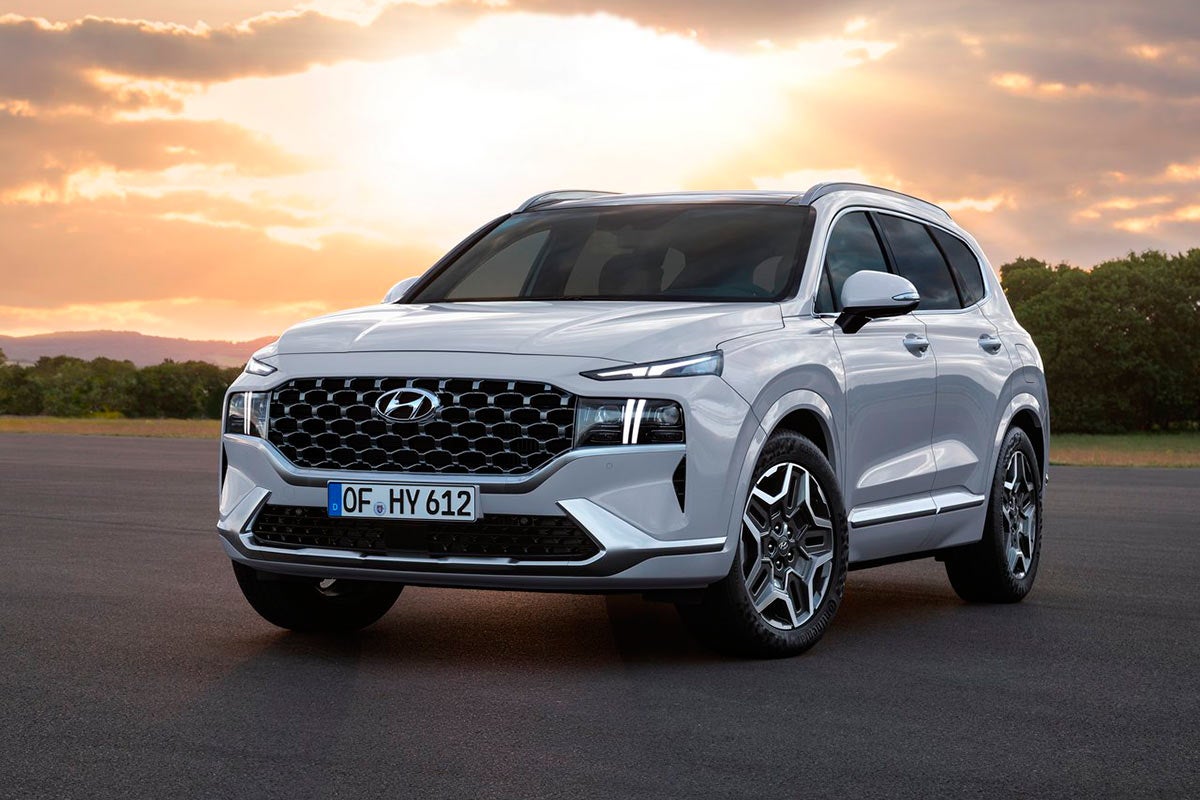
The Hyundai Santa Fe is a mid-size SUV that prioritizes comfort, technology, and fuel efficiency, but it is not engineered for rigorous off-road use.
Its suspension system is softer and tuned for smooth pavement rather than rocky trails, which can lead to faster deterioration when driven frequently on dirt roads or gravel paths.
Prolonged off-road use may result in worn bushings, failing shocks, and uneven tire wear, increasing repair frequency and long-term costs.
The Santa Fe’s chassis and drivetrain are also less robust compared to traditional off-road vehicles, limiting its capacity for steep climbs, mud, or heavy cargo loads on uneven terrain.
The interior, while spacious and modern, lacks the durability necessary for frequent exposure to harsh outdoor conditions. Seats, carpets, and trim materials are comfortable but not particularly resistant to water, dirt, or abrasions.
Electronic systems, including infotainment and climate controls, may be vulnerable to moisture and dust accumulation over time.
For drivers who frequently muddy tracks, forest roads, or rural fields, the Santa Fe’s cabin and interior materials can degrade faster than more rugged SUVs, adding to long-term maintenance concerns.
Engine and transmission systems in the Santa Fe are suitable for highway driving and occasional light off-road use.
However, heavy-duty off-road conditions, such as climbing steep hills with a loaded vehicle, can stress the engine and transmission, potentially causing overheating or premature component failure.
The SUV’s front-wheel-drive and all-wheel-drive configurations, while sufficient for light dirt roads, are not designed for aggressive off-road handling, further limiting its long-term reliability under rigorous rural use.
The Hyundai Santa Fe performs well in urban and suburban settings but shows its weaknesses in rural or challenging terrain.
Drivers who prioritize occasional adventure may find it sufficient, but for consistent off-road use or extended rural driving, the vehicle’s durability and maintenance requirements make it a less practical choice.
Its comfort-focused design and lack of reinforced components contribute to faster wear, highlighting the importance of matching SUV capabilities to driving conditions.
3. Nissan Rogue
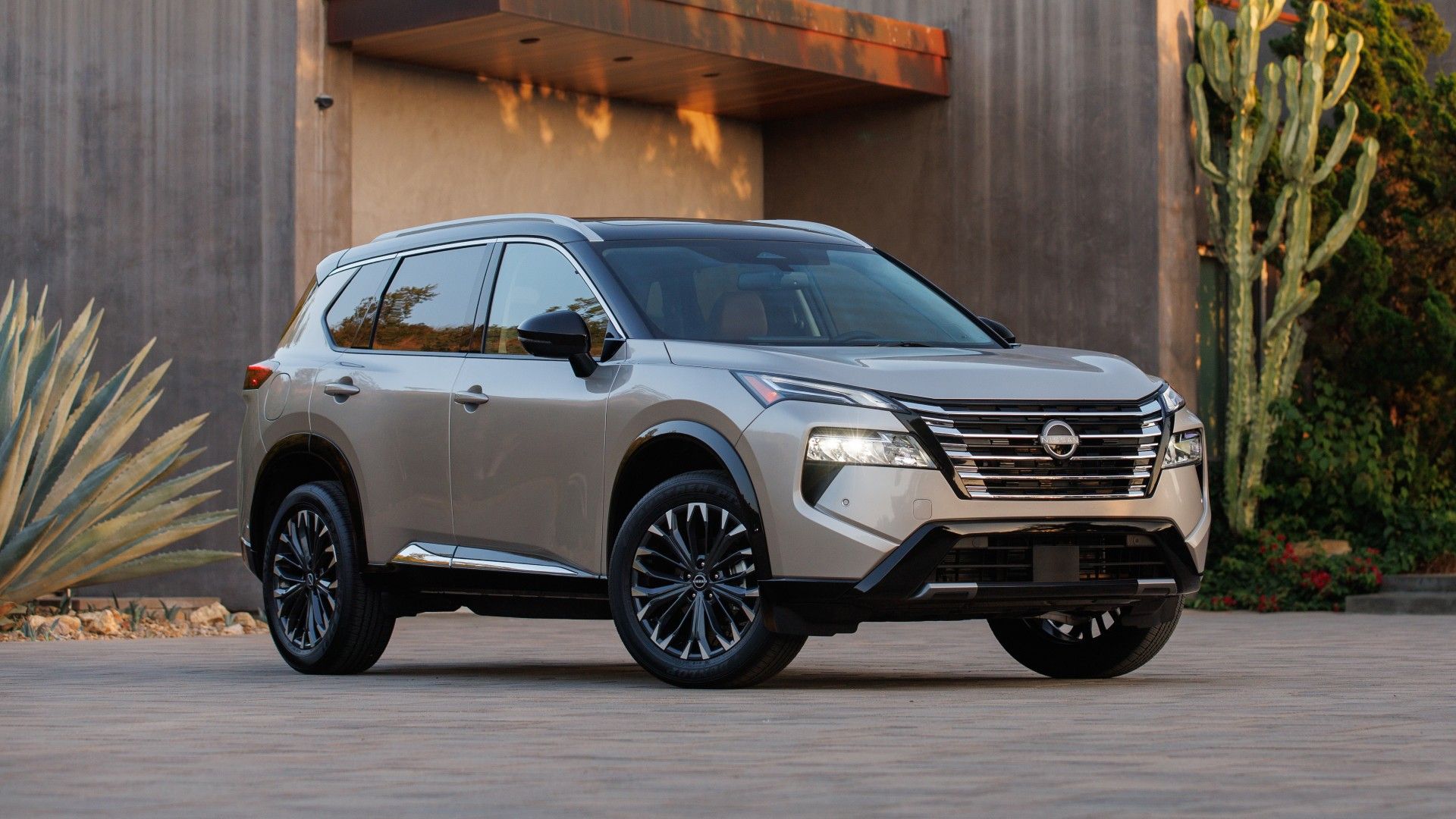
The Nissan Rogue is a compact SUV that delivers reliable performance for everyday commuting and light recreational driving. However, its off-road capabilities are limited, and frequent use on rough terrain can accelerate wear on many of its components.
The Rogue’s lighter frame and suspension are designed for comfort and efficiency rather than extended rugged use, which can result in worn suspension parts, uneven tire wear, and strain on the chassis.
Repeated exposure to rocky or muddy paths may reduce the lifespan of shocks, struts, and other underbody components.
Its CVT transmission, while providing smooth performance on highways, is particularly sensitive to repeated high-stress off-road driving. Steep climbs, uneven terrain, and towing under rough conditions can cause overheating and accelerated wear.
Engine performance, though adequate for moderate dirt road use, may also decline when subjected to prolonged rugged conditions. As a result, drivers attempting frequent rural off-road driving may encounter costly repairs and decreased vehicle reliability over time.
The Rogue’s interior offers comfort and modern features but is not optimized for heavy outdoor use. Materials such as upholstery, floor mats, and trim may show accelerated wear when exposed to mud, water, or dust.
Electronics, including touchscreens, climate controls, and driver-assist systems, can become less reliable when frequently subjected to harsh conditions. This makes the Rogue less suitable for drivers who require a vehicle that can withstand extended exposure to rough rural terrain.
While the Nissan Rogue is a solid choice for city and suburban driving, it is not built for consistent off-road stress. Those living in areas with gravel roads, trails, or uneven terrain may find that the vehicle’s durability is limited and that maintenance and repair costs increase significantly.
Its light-duty construction and comfort-focused design make it vulnerable to faster wear compared to more rugged, purpose-built SUVs, emphasizing the need to carefully consider the intended driving environment.
4. Chevrolet Equinox
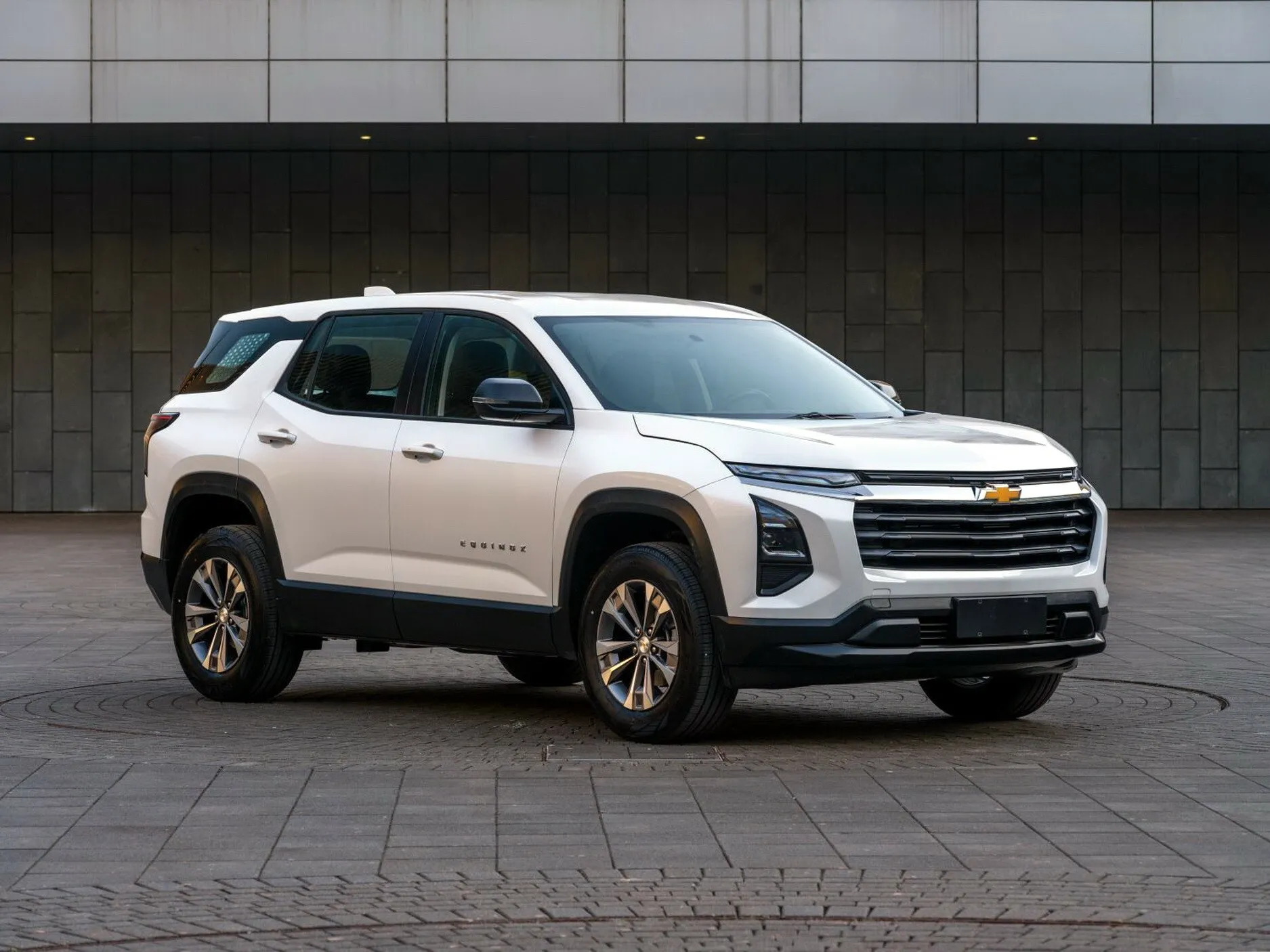
The Chevrolet Equinox is another SUV that prioritizes comfort and technology over off-road durability. Its suspension is soft, optimized for smooth pavement rather than dirt roads or rocky trails.
Prolonged off-road use can cause early wear on shocks, struts, and other suspension components.
The vehicle’s underbody and drivetrain are not reinforced for heavy-duty rural use, which increases the likelihood of component failure when rough terrain regularly.
Interior materials are designed for comfort, featuring cloth or leather seating, modern infotainment, and convenience-focused features. However, they are not built to withstand consistent exposure to mud, dirt, or moisture, making them more susceptible to wear over time.
Electronics and control systems, while convenient for daily driving, may be less reliable when exposed to harsh rural conditions. Tires, typically designed for road use, may also wear faster when driven over gravel, rocks, or uneven surfaces frequently.
Engine performance in the Equinox is adequate for highway driving and light dirt roads, but repeated heavy off-road use can put excessive strain on the drivetrain.
Towing or climbing hills with the vehicle loaded may lead to overheating, premature wear, or failure of critical components.
Repairs for suspension, transmission, or engine issues can be costly, further emphasizing that this SUV is better suited for urban or suburban environments rather than continuous rural driving.
The Chevrolet Equinox is an appealing option for those seeking a comfortable, modern SUV, but it lacks the durability needed for frequent or prolonged off-road use.
Rural drivers relying on it for challenging terrain may encounter early wear, higher maintenance costs, and reduced long-term reliability.
Its comfort-oriented design and lack of reinforced components make it vulnerable to faster degradation under the stress of rugged rural conditions.
5. Honda CR-V
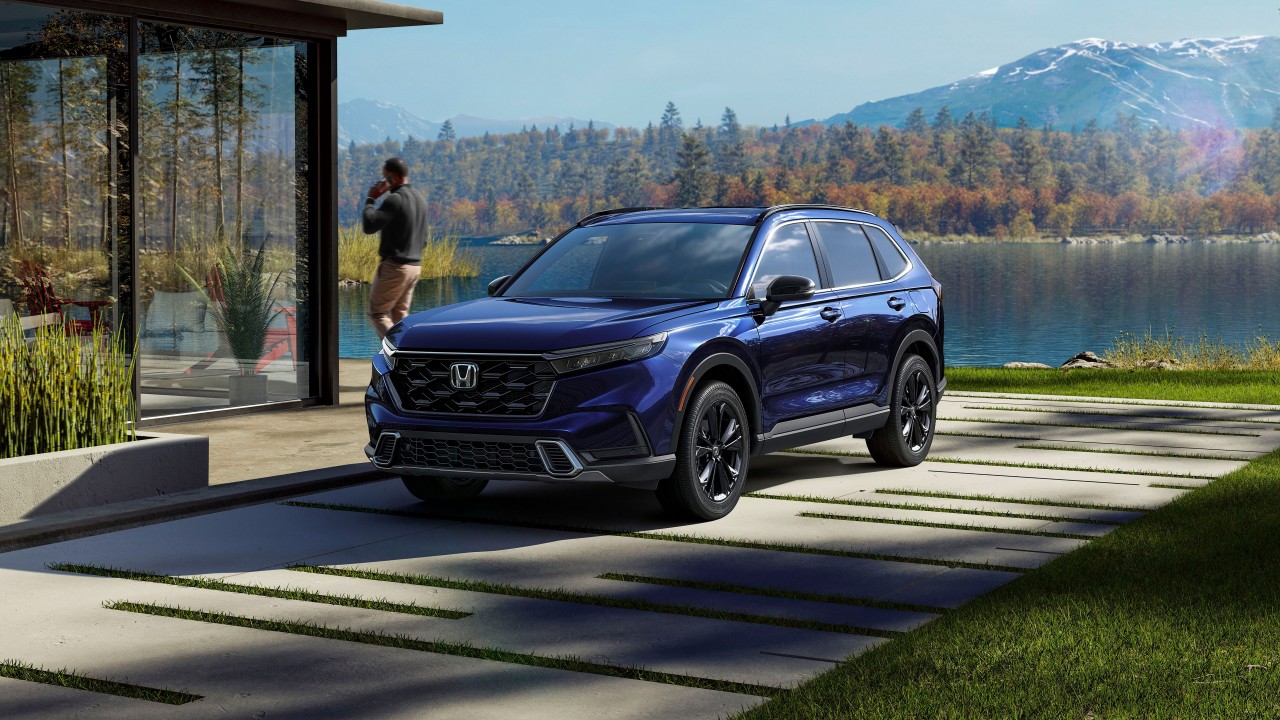
The Honda CR-V is a highly popular compact SUV known for its fuel efficiency, reliability, and smooth driving experience on paved roads. However, it is not engineered for sustained off-road use.
Its suspension and drivetrain systems are optimized for city and highway conditions, meaning that repeated exposure to uneven terrain can place stress on components, causing shocks, struts, and other suspension parts to wear faster than expected.
Extended use on dirt roads or trails may also strain the CVT transmission and engine, reducing longevity.
Inside the CR-V, the cabin is comfortable, spacious, and equipped with modern technology, but it is not built for rugged conditions. Seats, floor mats, and interior panels are prone to wear when exposed to mud, dirt, or water from rural driving.
Electronic systems, including climate control, and infotainment, may degrade faster when frequently subjected to dust, moisture, or vibrations from off-road use. This makes the CR-V less durable for drivers who require consistent performance on rough terrain.
The engine, while reliable for commuting, may struggle under continuous heavy loads, such as climbing steep hills or towing in challenging rural environments.
Prolonged exposure to these conditions can accelerate wear, reduce efficiency, and increase the likelihood of mechanical issues. The CR-V’s all-wheel-drive system provides some traction for light off-road driving but is not designed for aggressive or extended rugged use.
Although the Honda CR-V excels in urban and light rural driving, it is prone to faster wear under continuous off-road stress. Rural drivers who attempt frequent dirt road or trail use may face higher maintenance needs and decreased vehicle reliability over time.
While it remains a dependable SUV for moderate conditions, it cannot match the long-term durability and ruggedness of purpose-built off-road vehicles in challenging rural settings.
