
Charleston is a city where history and modern life intersect in unique ways. Its streets are lined with centuries-old buildings, cobblestone pathways, and narrow lanes that reflect the charm of a bygone era.
Driving through Charleston is not just about getting from one place to another; it is an experience that requires attention, patience, and sometimes a bit of strategy. Cars that may feel perfectly normal elsewhere can seem out of place on streets built for carriages and early automobiles.
Choosing the right vehicle for these historic streets is not just a matter of style but also of practicality. Classic cars, in particular, have a special appeal here.
They carry the sense of nostalgia that matches the city’s character while providing a driving experience that can handle uneven surfaces, tight turns, and the occasional crowd of tourists and cyclists. Charleston’s streets demand vehicles that can navigate with care, preserving both the car and the street’s historic charm.
Older cars, especially models produced before highways and wide suburban roads became common, often have dimensions and handling characteristics that are well-suited for these environments. Compact size, light steering, and slower acceleration allow drivers to enjoy the journey without struggling against the architecture of the city.
On the other hand, some classic cars, despite their charm and status, are simply too large or unwieldy for Charleston’s historic roads.
Long hoods, wide bodies, and heavy frames make parking, turning, and passing through narrow streets challenging and potentially hazardous. Knowing which cars fit the streets and which do not is a blend of understanding history, mechanics, and urban design.
This article will highlight ten old cars, divided into two categories: those that complement Charleston’s historic streets and those that struggle with narrow lanes. The selections are based on practical considerations like size, steering, and maneuverability, as well as aesthetic qualities that harmonize with the city’s ambiance.
Whether a resident, a collector, or a visitor, understanding which vehicles work best will enhance the driving experience while reducing stress and potential accidents.
By the end, readers will have a clear idea of which classic cars are best suited to Charleston and which are better admired from a distance. This guidance can help maintain the city’s historic integrity while enjoying the timeless pleasure of driving vintage automobiles.
5 Old Cars Perfect for Charleston Historic Streets
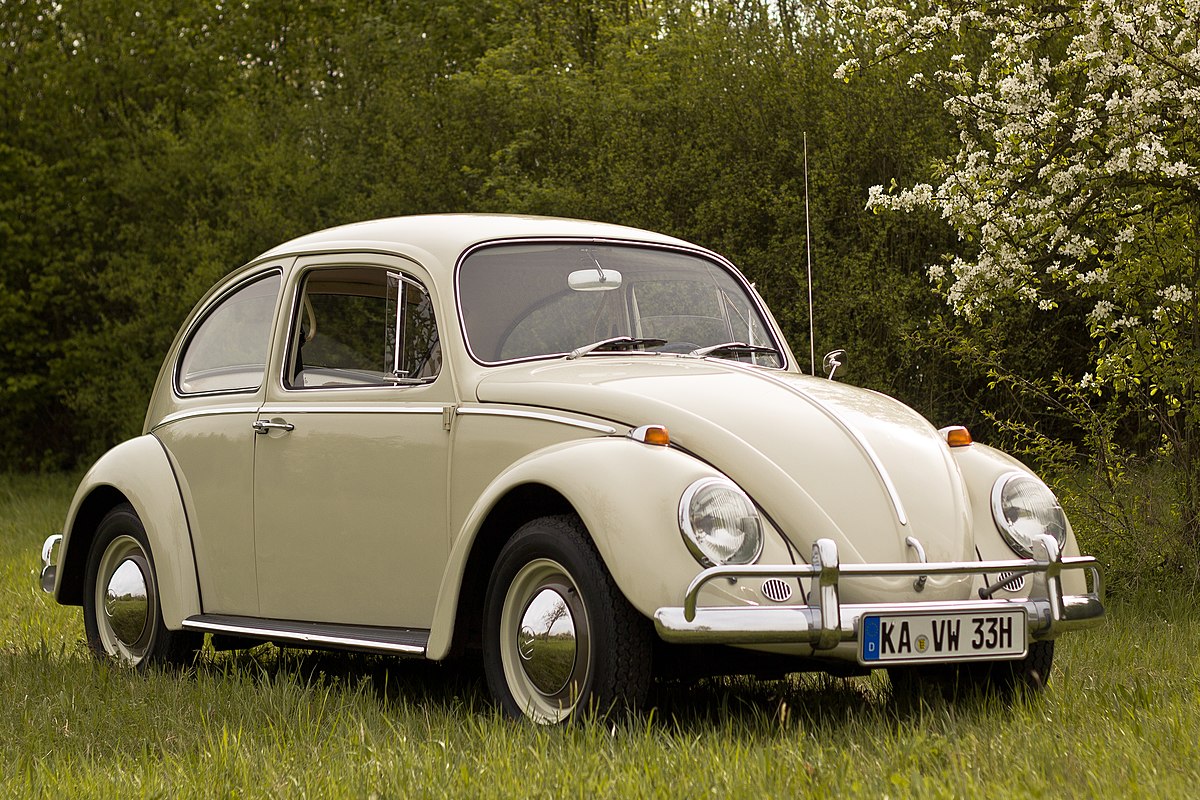
1. Volkswagen Beetle (Classic Models)
The classic Volkswagen Beetle is an iconic choice for navigating Charleston’s historic streets, primarily due to its small footprint and remarkable maneuverability.
Unlike many vintage cars that were designed with long highways in mind, the Beetle’s compact size allows it to slip comfortably between narrow lanes and tight corners that are common in older districts of the city.
Its short overhangs and rounded body make parallel parking much easier, even in spaces where modern compact cars might struggle.
Drivers appreciate that the Beetle’s simple suspension system is forgiving on uneven cobblestones, brick-paved streets, and small bumps often found in Charleston’s historic neighborhoods, making every ride smoother and less stressful.
In addition to its functionality, the Beetle’s design encourages slower, more deliberate driving, which naturally fits the pedestrian-heavy areas and the frequent tourist traffic in the city.
The Beetle’s charm extends beyond its practicality, as it has an aesthetic appeal that enhances the historic ambiance of Charleston. Its cheerful, rounded design has become synonymous with classic, mid-20th-century automobiles, and its small size allows it to blend into the streetscape rather than dominate it.
Driving a Beetle through areas like the French Quarter or along East Bay Street feels almost as if the car belongs there, reinforcing the sense of nostalgia and continuity with the past.
Its iconic silhouette harmonizes with the old brick buildings, wrought iron fences, and narrow streets, creating a scene reminiscent of the mid-century era while still being completely functional for modern driving. This makes it not only a practical choice but a visually complementary one.
Beyond aesthetics and handling, the Beetle is also known for its reliability and relative simplicity, making it easier to maintain compared with other classic vehicles. Its air-cooled engine is less prone to overheating, which is advantageous when slowly navigating city streets under the hot South Carolina sun.
Additionally, spare parts are widely available, making repairs less costly and less stressful for owners who want a car that is both charming and practical. This combination of low-maintenance engineering, ease of repair, and adaptability to urban driving conditions makes the Beetle highly suited to Charleston, where streets can be unpredictable and parking is limited.
Finally, the Beetle offers a driving experience that is both enjoyable and well-suited to Charleston’s character. Its responsive steering and compact frame allow drivers to focus on the surrounding scenery instead of worrying about tight turns or parked vehicles.
Its relatively quiet engine enhances the feeling of being part of the city, allowing drivers to hear the chatter of pedestrians, the clip-clop of horse-drawn carriages, and the ambient sounds of historic neighborhoods.
Driving a Beetle becomes more than simply moving from one location to another; it is an immersive experience that captures the charm, history, and unique pace of Charleston’s streets. Its combination of practicality, style, and timeless appeal makes it a top choice for those looking to enjoy the city in a way that feels both authentic and manageable.
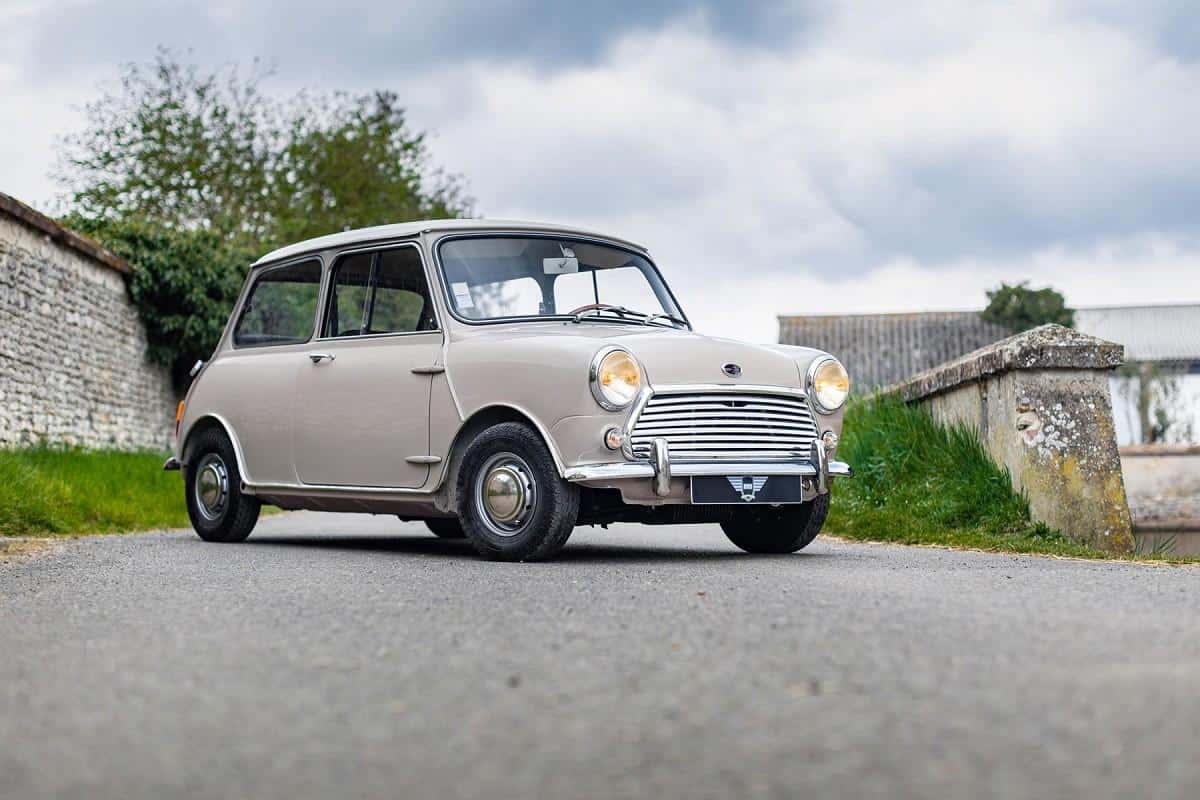
2. Mini Cooper (Classic 1960s–1970s Models)
The classic Mini Cooper, produced from the late 1950s through the 1970s, is another ideal candidate for Charleston’s historic streets, thanks to its revolutionary compact design.
The Mini was engineered to maximize interior space while keeping the vehicle extremely small, which makes it perfect for navigating narrow lanes where other vintage vehicles might feel cumbersome.
Its tight turning radius allows drivers to handle sharp corners and limited spaces with confidence, and the car’s light weight ensures it responds quickly to steering inputs, a necessity when maneuvering through alleys and streets lined with parked cars.
For drivers in Charleston, where historic districts often feature narrow, winding streets designed before modern traffic, the Mini offers unmatched practicality and ease of navigation, making it a stress-free choice for both daily driving and leisurely weekend excursions.
The Mini’s handling is particularly suitable for the city’s uneven and sometimes unpredictable surfaces. Cobbled streets, small potholes, and worn pavement are easier to manage due to the car’s low mass and responsive suspension. Drivers benefit from precise steering and a feeling of connection with the road, allowing them to navigate tricky areas with confidence.
Unlike larger vintage sedans that require multiple-point turns or complex maneuvers, the Mini encourages smooth, deliberate driving. Its ability to handle urban streets without fuss makes it particularly attractive to enthusiasts who want a classic car that is practical and enjoyable, rather than just a showpiece.
Aesthetic appeal is another strong reason the Mini works so well in Charleston. Its compact, boxy shape, combined with bright paint options and distinctive round headlights, gives it a playful yet classic look that enhances the city’s historic charm.
The Mini does not overwhelm the environment but rather complements it, fitting seamlessly alongside older buildings, brick streets, and period architecture.
Its presence is subtle yet noticeable, offering a sense of nostalgia without dominating the scene. Classic car enthusiasts often choose the Mini because it allows them to experience a vintage driving experience that aligns naturally with the character of historic cities like Charleston.
Finally, the Mini is practical in ways that modern drivers might overlook. Its small size makes parking simple even in areas with high demand, while fuel efficiency and straightforward mechanics reduce ongoing maintenance concerns.
The car’s lightweight engine and simple components mean that repairs are easier and less costly than those for larger vintage vehicles, an important consideration for anyone intending to use the car regularly.
For those looking for a classic automobile that is both iconic and suitable for tight, historic streets, the Mini Cooper delivers an experience that balances charm, maneuverability, and practicality, creating a driving experience that feels as appropriate today as it did decades ago.
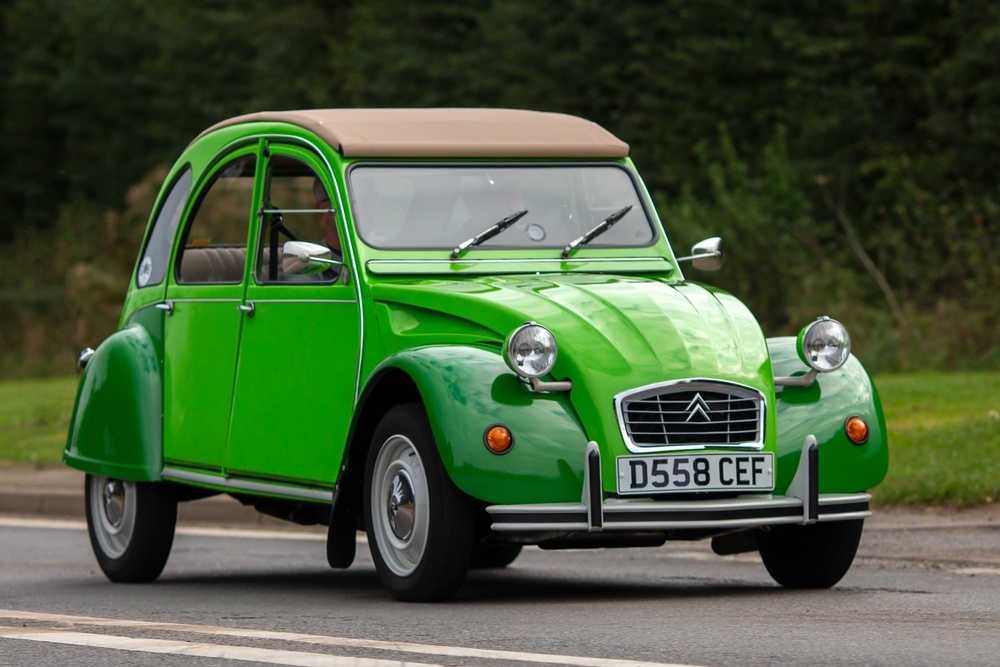
3. Citroën 2CV
The Citroën 2CV is a vehicle that offers an intriguing mix of practicality, charm, and historical significance, making it a perfect fit for Charleston’s historic streets. Originally designed to navigate rural French roads, the 2CV features a lightweight body, simple mechanics, and a soft, flexible suspension system that absorbs uneven surfaces exceptionally well.
This is particularly advantageous for streets that have retained their original paving, including cobblestones, bricks, and older asphalt that may have cracks or bumps. Its modest dimensions allow it to fit into narrow lanes and limited parking spots, while still providing enough interior space for drivers and passengers.
For a city like Charleston, where small streets and historic layouts dominate, the 2CV offers a driving experience that balances both comfort and functionality.
The car’s whimsical design is another reason it fits seamlessly into Charleston’s streets. Its rounded roof, curved fenders, and quirky appearance create a sense of lightness and playfulness that contrasts yet harmonizes with the stately brick homes and wrought iron balconies common in historic districts.
It draws attention without being overwhelming, offering a visual charm that complements the city’s ambiance. Tourists and residents alike are often drawn to the 2CV because it adds character to the streets without clashing with the historic surroundings.
Maneuverability is a major asset of the 2CV. Its short wheelbase allows for sharp turns and agile movements in tight corners, which is essential for streets that were never designed for large vehicles.
The car’s lightweight design also reduces the stress on older pavements, helping to preserve both the vehicle and the street. Parking is much simpler than with heavier or longer classic cars, which is an important consideration when navigating Charleston’s densely built neighborhoods.
Maintenance and durability further enhance the 2CV’s appeal. The car’s minimalistic design makes repairs straightforward, and replacement parts are often accessible due to the car’s long production history.
Additionally, its fuel-efficient engine and low weight reduce operational costs, making it suitable for both casual drives and regular use. The Citroën 2CV is more than a functional choice for historic streets; it is a car that blends heritage, charm, and practicality, providing a driving experience that feels both authentic and enjoyable.
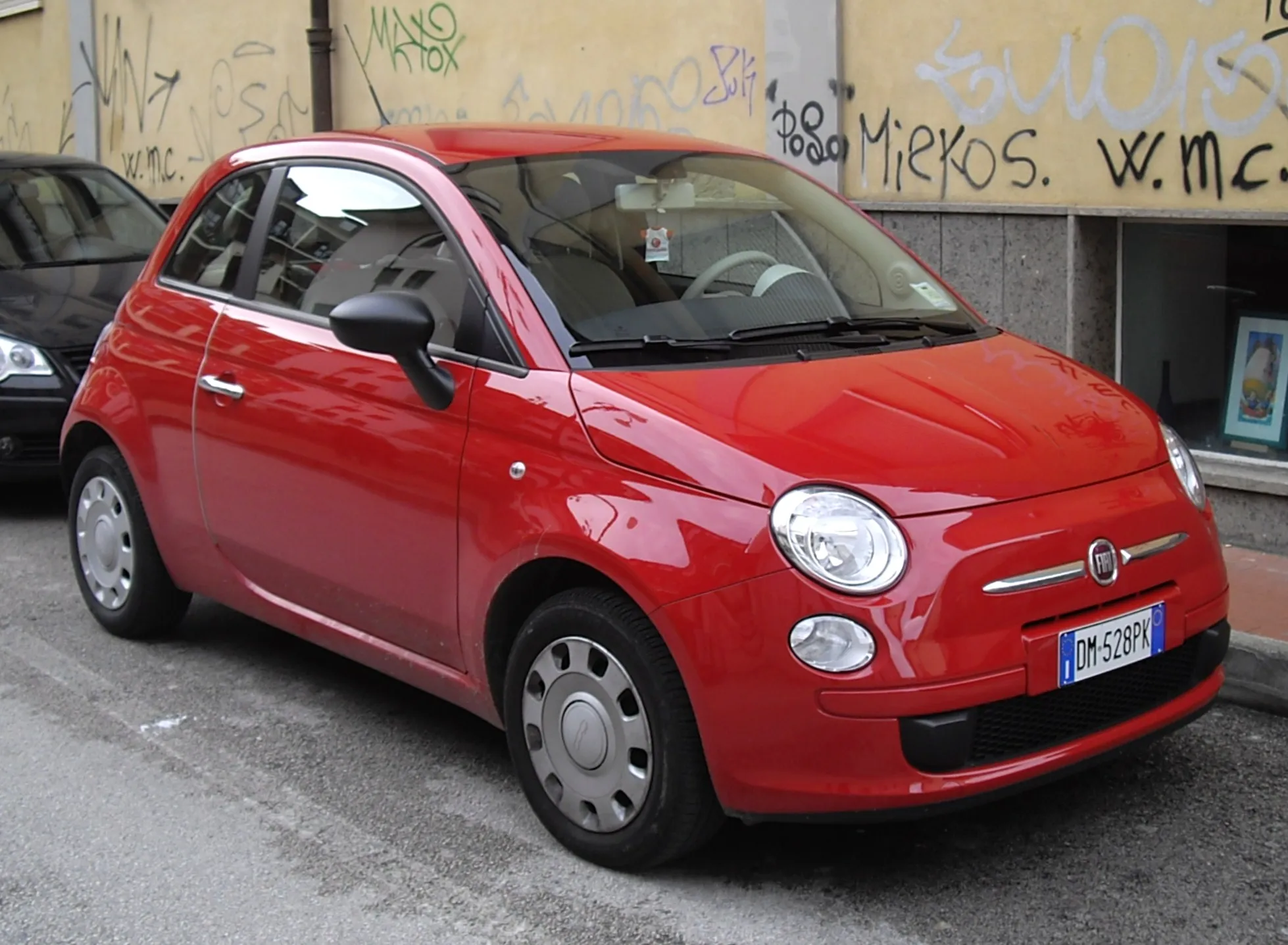
4. Fiat 500 (Classic Models)
The classic Fiat 500, produced from the late 1950s through the 1970s, is another vintage car perfectly suited for Charleston’s narrow streets. Its remarkably small dimensions allow it to navigate lanes and alleys that larger vehicles cannot manage, while the car’s lightweight construction ensures it remains nimble over uneven pavement.
Parking is much less of a concern for the Fiat 500, as it can squeeze into spaces that would be impossible for most modern or vintage cars. This makes it particularly appealing for residents and collectors who wish to enjoy a classic car without the stress of trying to maneuver a vehicle that is too large for historic urban streets.
In terms of driving, the Fiat 500 encourages slow, attentive navigation. Its small engine is sufficient for urban streets, and the car’s light steering ensures that tight corners and narrow passages are not a source of stress.
Unlike larger vintage sedans, the Fiat 500 can be driven with confidence in congested areas, making it ideal for streets where pedestrians, cyclists, and other cars share limited space. Its compact frame and responsive handling make it one of the most practical vintage cars for the city.
Finally, the Fiat 500 offers cultural and historical significance. Owning and driving one allows enthusiasts to connect with an era in which cars were designed for compact city living, reflecting both practicality and charm.
The car is reliable, relatively easy to maintain, and offers a driving experience that emphasizes connection with the surroundings. In Charleston, the Fiat 500 combines historical authenticity, aesthetic appeal, and practical maneuverability, making it one of the best choices for those looking to navigate historic streets in style.
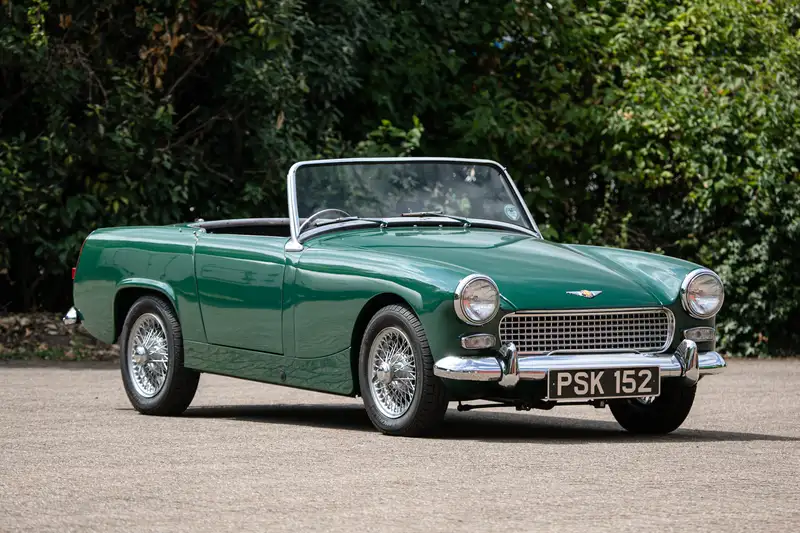
5. Austin-Healey Sprite (Mk I and Mk II)
The Austin-Healey Sprite, particularly early models like the Mk I and Mk II, is a classic roadster that pairs agility with vintage elegance, making it ideal for Charleston’s historic streets.
Its small size and low weight allow it to navigate tight lanes and narrow corners with ease, while its soft suspension ensures that uneven pavement does not compromise driving comfort.
Unlike larger sports cars, the Sprite is easy to control in low-speed urban conditions, which is particularly important for historic districts where streets are lined with pedestrians, parked vehicles, and other obstacles. The Sprite’s design encourages careful driving, making it suitable for areas where space is limited but charm is paramount.
Handling and maneuverability are key strengths of the Austin-Healey Sprite. Its responsive steering and short wheelbase make navigating sharp turns and avoiding obstacles relatively simple, even for drivers less experienced with classic cars.
The vehicle feels connected to the road, giving drivers confidence in their ability to manage Charleston’s tight streets. Parking is also far easier than with longer, heavier vintage cars, allowing drivers to take advantage of limited space in crowded historic areas.
Finally, maintenance and reliability make the Sprite practical as well as stylish. Its mechanical simplicity allows for straightforward repairs, while the car’s light construction reduces wear and tear on both vehicle and street.
Drivers benefit from a vintage sports car experience that does not compromise practicality, allowing them to enjoy both the thrill of classic motoring and the convenience of navigating urban streets comfortably. For anyone looking to combine charm, maneuverability, and historical authenticity, the Austin-Healey Sprite remains a top choice for Charleston’s historic districts.
5 Old Cars That Don’t Fit Narrow Lanes
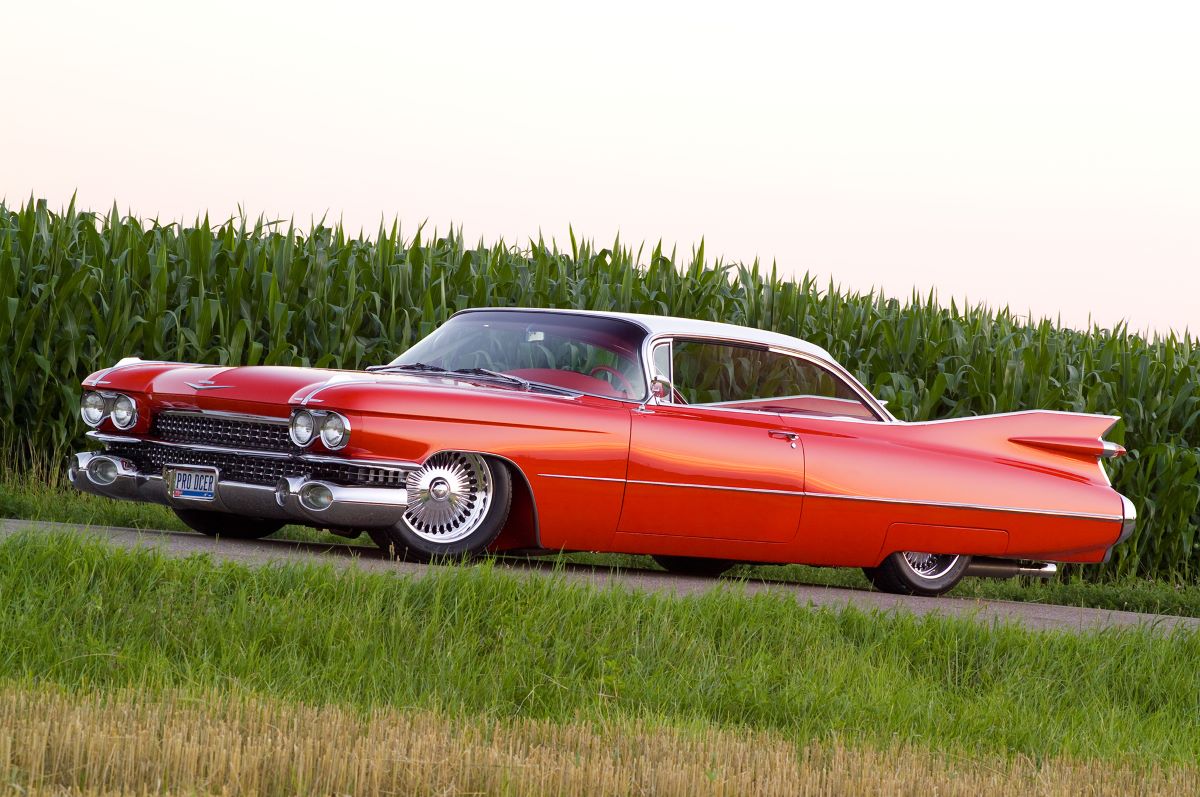
1. Cadillac Eldorado (1960s–1970s Models)
The Cadillac Eldorado from the 1960s and 1970s is a classic symbol of American luxury, but its grand size makes it a poor match for Charleston’s narrow historic streets. With a length often exceeding 19 feet and a wide, heavy body, the Eldorado requires careful maneuvering that can be exhausting on roads built long before such vehicles existed.
Turning into tight lanes, threading between parked cars, and navigating small intersections often demand multiple adjustments, and in some cases, it may be nearly impossible without risking contact with curbs or other vehicles.
The sheer size of the car increases the potential for accidents or scrapes, which is particularly concerning for classic cars where repair costs are high. For drivers accustomed to modern streets or spacious parking lots, operating an Eldorado in a historic district can feel restrictive and stressful.
Aesthetic considerations also highlight why the Eldorado feels out of place on narrow streets. Its bold, elongated body and prominent tail fins draw attention, but in Charleston’s intimate streetscapes, these features dominate rather than complement the surroundings.
The car’s presence can overshadow historic architecture, wrought iron fences, and brick streets, which are the defining elements of Charleston’s charm. While visually impressive in open spaces or highways, the Eldorado can appear cumbersome and intrusive in close quarters, making it less desirable for drivers who wish to blend style with historic context.
Finally, practical considerations such as parking and tight maneuvers make the Eldorado difficult to live with in the city. Finding a spot large enough for a car of this size is challenging, and turning around in a narrow street can become a time-consuming task.
Drivers must constantly judge distances carefully, and repeated use on tight streets increases the risk of cosmetic damage. For these reasons, despite its luxury appeal and classic status, the Cadillac Eldorado is one of the least practical old cars for Charleston’s historic lanes. Its size, weight, and street-handling characteristics make it a vehicle best suited for spacious areas rather than the winding, intimate streets of historic districts.
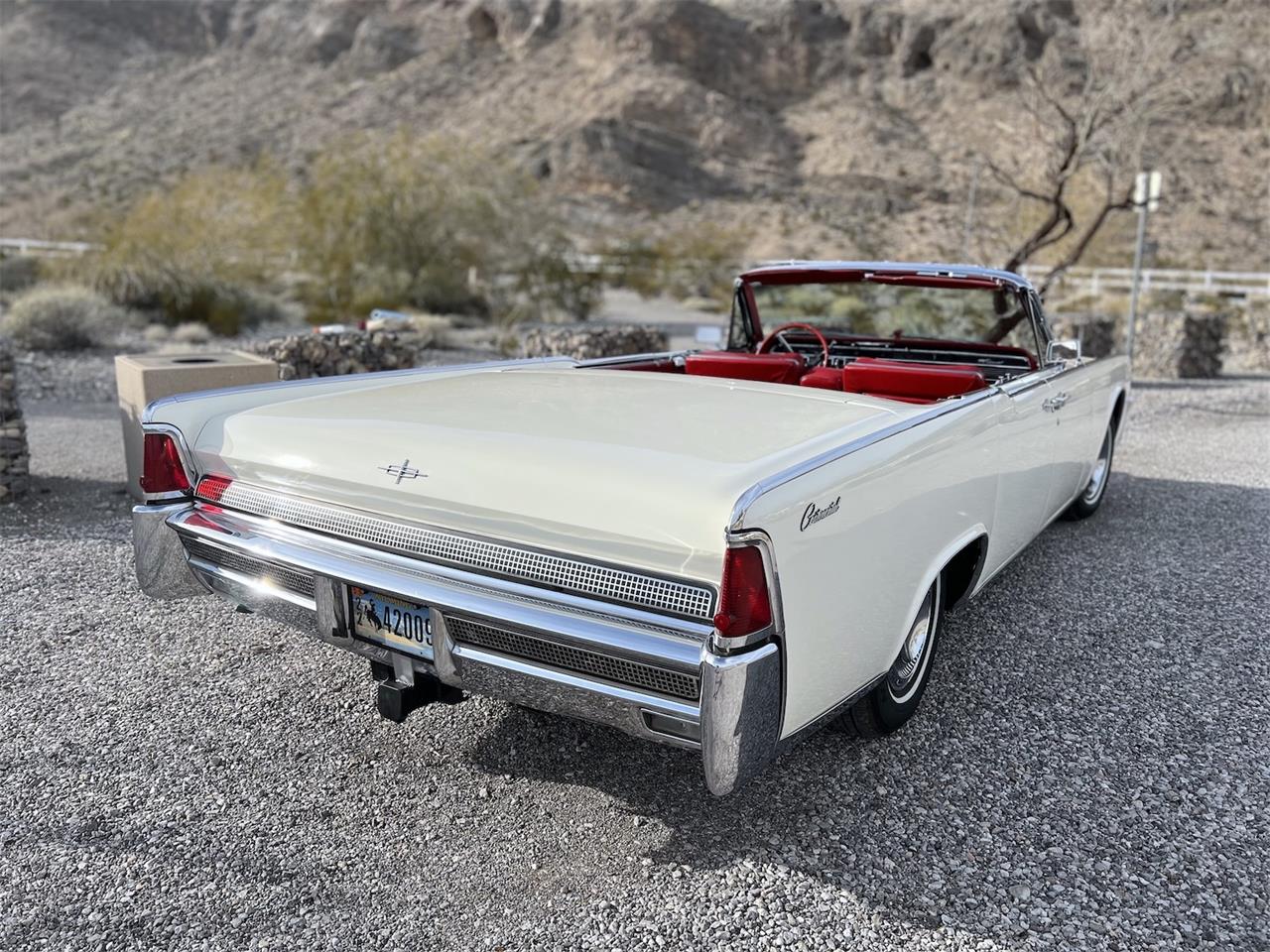
2. Lincoln Continental (1960s Four-Door Sedans)
The Lincoln Continental, particularly the four-door sedans from the 1960s, is a vehicle that epitomizes elegance and luxury but struggles with the constraints of narrow urban streets. With a wheelbase often over 120 inches, these cars require significant turning space, making it difficult to navigate Charleston’s historic neighborhoods, where streets were originally designed for horse-drawn carriages.
Maneuvering through tight alleys, side streets, and small intersections often demands extreme caution, and even experienced drivers may feel challenged by the vehicle’s size. The Lincoln’s long overhangs, heavy frame, and substantial turning radius make parallel parking a frustrating task, often requiring multiple adjustments or a skilled passenger to guide the driver.
Aesthetic factors also play a role in why the Continental feels out of place. Its commanding presence and wide, imposing frame can overwhelm the character of historic streets, overshadowing architectural details, small townhomes, and period brickwork.
While the vehicle’s styling is undeniably classic and elegant, it often contrasts sharply with Charleston’s intimate streets, creating a sense of imbalance in visual harmony. Rather than blending seamlessly into the historic environment, the Continental draws attention to itself in a way that may seem disproportionate for narrow alleys and small plazas.
Finally, practical considerations such as parking, street congestion, and risk of minor damage further diminish the Continental’s suitability. Its large size makes it harder to navigate around parked cars, street vendors, or pedestrians, increasing the likelihood of scrapes or minor collisions.
Maintaining such a vehicle in an environment where space is limited can be challenging and stressful, reducing the joy of classic driving. While the Lincoln Continental remains an admired and prestigious vintage car, it is one that functions far better on wide roads or open areas than on Charleston’s historic, compact streets.
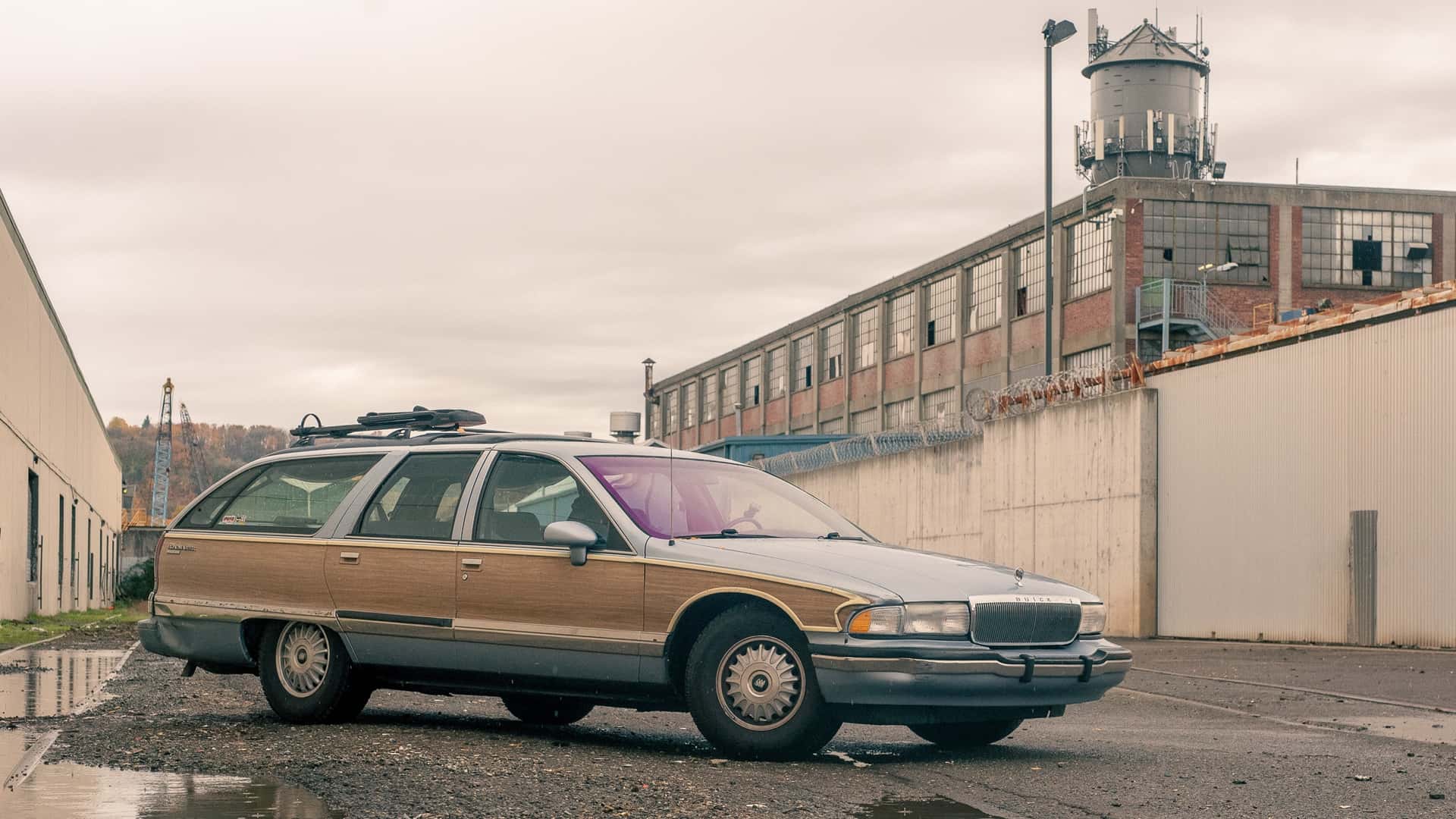
3. Buick Roadmaster (1950s Models)
The Buick Roadmaster from the 1950s is a full-size American sedan that represents the era’s love for large, luxurious vehicles, but it is ill-suited to Charleston’s narrow lanes. Measuring more than 18 feet in length with wide overhangs, this car struggles to navigate tight corners or squeeze between parked cars.
On streets originally designed for smaller vehicles or horse-drawn carriages, the Roadmaster often requires multiple maneuvers to avoid obstacles, increasing stress for the driver and posing potential hazards to pedestrians and cyclists. Even slow, cautious driving cannot fully compensate for the car’s dimensions, making it a poor choice for regular use in the city’s historic districts.
From an aesthetic perspective, the Roadmaster’s sheer size can dominate the streetscape. Its long, wide body and prominent chrome details attract attention, but in narrow streets lined with period architecture, it can appear overwhelming.
The car’s grandeur and visual dominance may contrast with the intimate, human-scale surroundings, making it feel out of place despite its classic appeal. While admired in open settings or for display purposes, it loses harmony when navigating narrow, historic areas.
Maintenance and practical considerations also contribute to its unsuitability. Parking is challenging due to its size, and minor scrapes or collisions are more likely when negotiating tight lanes, increasing the potential for costly repairs.
Owners must exercise extreme caution, and the vehicle may not be practical for daily use or short urban drives. The Buick Roadmaster is a car better suited to wide boulevards and highways rather than the compact, winding streets of Charleston’s historic core.
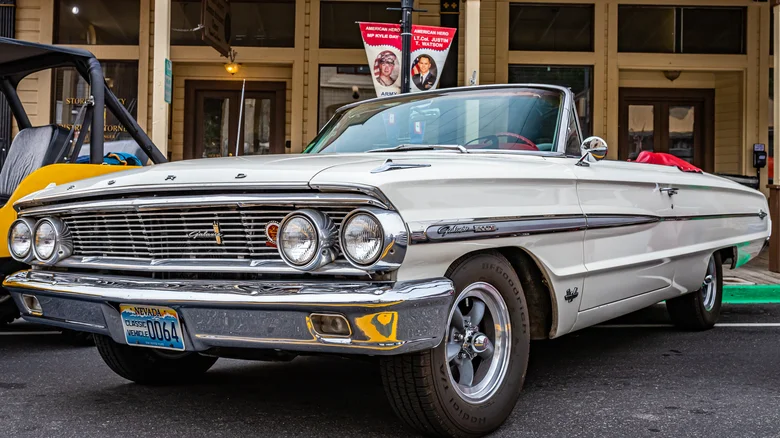
4. Ford Galaxie (1960s Models)
The Ford Galaxie, a full-size sedan popular in the 1960s, faces similar challenges on Charleston’s narrow streets. Its long body and wide frame make tight corners, narrow alleys, and limited parking spaces difficult to manage.
In streets where space is tight, the Galaxie often requires careful planning, multiple adjustments, or even backing up several times to complete simple maneuvers. Drivers who attempt to navigate historic lanes without significant experience may find the process stressful, reducing the enjoyment of driving this classic car.
Visually, the Galaxie is impressive, but its scale can dominate historic streets. Its long hood, wide stance, and prominent chrome accents can overshadow the architectural details and charm of Charleston’s period homes and narrow streets. While beautiful in its own right, the Galaxie often feels disproportionate in the context of small alleys, brick-paved roads, and intimate neighborhoods, making it appear more intrusive than complementary.
Practical concerns also limit its usability. Parking is a challenge, particularly on streets where spots are limited and vehicles must squeeze tightly between each other.
Maneuvering past pedestrians or cyclists requires constant vigilance, increasing the potential for accidents or cosmetic damage. While the Ford Galaxie remains a classic and desirable vintage car, its size, handling, and street suitability make it an impractical choice for Charleston’s narrow, historic streets.

5. Chevrolet Impala (1960s–1970s Models)
The Chevrolet Impala of the 1960s and 1970s, known for its long, elegant body and status as a symbol of American style, is poorly suited for Charleston’s narrow lanes. With a body length often exceeding 18 feet and a wide frame, the Impala struggles to fit into tight streets or make sharp turns without multiple maneuvers.
Parallel parking in historic districts is difficult, often requiring several attempts and assistance from passengers or other drivers. These challenges make driving the Impala in the city’s compact streets stressful and impractical, even for experienced drivers.
The vehicle’s weight and suspension are further disadvantages. Designed for open roads, the Impala prioritizes smooth cruising rather than agility, which can make navigating cobblestones, brick pavements, and uneven surfaces uncomfortable and less controlled.
Its longer stopping distance and less responsive steering reduce the driver’s ability to react quickly to obstacles such as pedestrians, bicycles, or slow-moving traffic. In contrast to smaller classic cars, the Impala requires much more space and attention to operate safely in Charleston’s historic streets.
Aesthetically, the Impala is undeniably attractive, but its size can overshadow the historic charm of the city’s architecture. Its long, low-slung frame dominates the streetscape, drawing attention away from period buildings and narrow alleys that define Charleston’s visual appeal. While impressive in open spaces or modern roads, it appears disproportionately large in older, tighter urban environments.
