
Living along the Mobile Gulf Coast comes with its unique set of demands when it comes to vehicles, especially large SUVs. The humid climate, frequent rain, occasional storms, and salty air make choosing the right SUV both a practical and long-term investment decision.
Many residents need vehicles that can comfortably handle long commutes, carry family and gear, and offer reliability in a coastal environment where corrosion can become a serious concern. Big SUVs are often chosen for their spacious interiors, powerful engines, and the sense of security they provide, but not all are equal in terms of performance, durability, or resilience to coastal conditions.
When considering SUVs for daily commuting along the Gulf, factors such as ride comfort, fuel efficiency, handling in traffic, and safety features are crucial. A large SUV may seem bulky for city streets, but modern designs often balance size with maneuverability, ensuring drivers can navigate busy roads without sacrificing stability or comfort.
Many vehicles also provide advanced suspension systems that make long drives smoother, while powerful engines ensure that even a fully loaded SUV can handle the occasional sudden acceleration or merge onto a highway without struggle. Interior space is another significant factor.
Gulf commutes often involve family members, pets, or equipment for outdoor activities. Vehicles with multiple rows of seating, adjustable cargo space, and technological amenities such as infotainment systems or climate controls make commuting a more pleasant experience.
Beyond everyday comfort, the Gulf region introduces environmental challenges. Humidity and salt air can accelerate corrosion on certain vehicle materials, making it essential for drivers to choose SUVs that are constructed with corrosion-resistant metals or treated finishes.
Some manufacturers apply advanced coatings or use stainless steel and aluminum parts in areas prone to rust, which can greatly extend a vehicle’s lifespan in coastal climates. This makes selecting the right SUV a balance between performance, comfort, and long-term durability.
Additionally, fuel economy and maintenance costs cannot be overlooked. Larger SUVs often consume more fuel, which can be a concern for daily commuting, so engines that offer efficiency without sacrificing power are highly valued. Regular maintenance schedules and the availability of parts also contribute to long-term reliability.
All of these considerations form the basis for selecting SUVs that are truly suited for Mobile Gulf commutes, while also highlighting models that might face challenges in salty coastal environments.
5 Big SUVs for Mobile Gulf Commutes
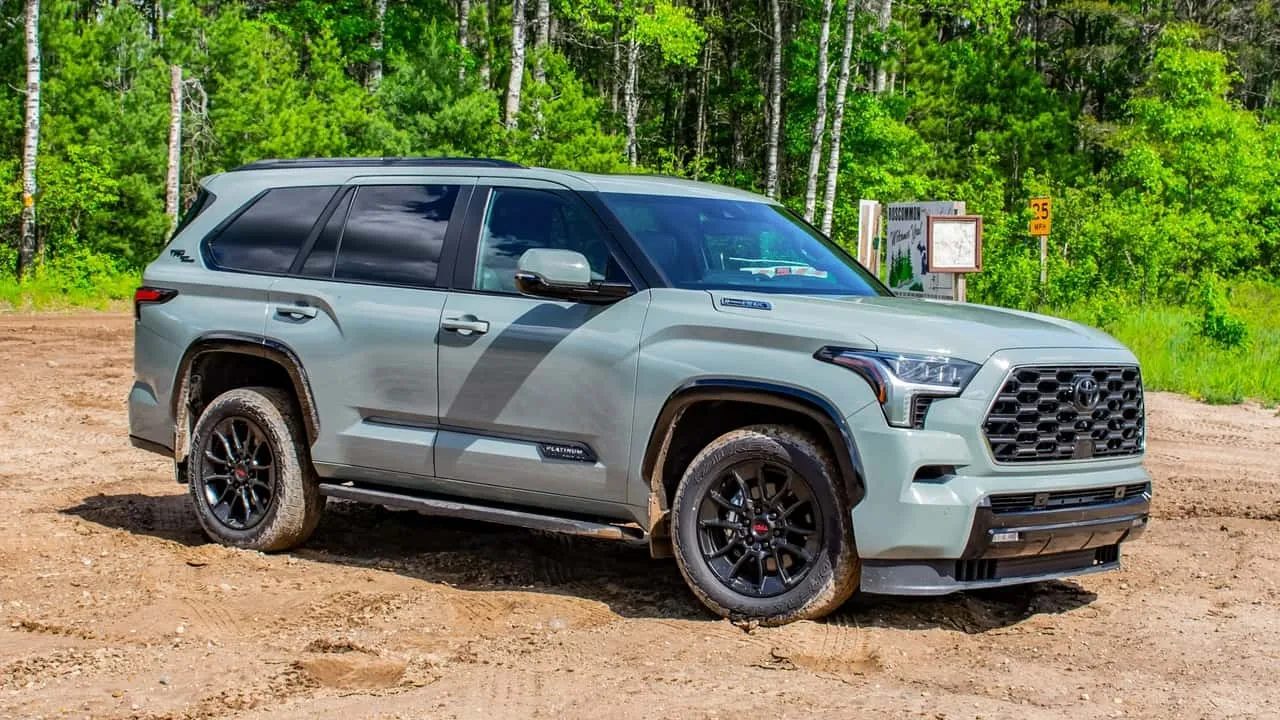
1. Toyota Sequoia
The Toyota Sequoia is widely recognized for its combination of reliability, durability, and spacious interior, making it an excellent choice for daily commuting along the Mobile Gulf Coast. With seating for up to eight passengers, the Sequoia comfortably accommodates large families, friends, or colleagues, which is especially useful for carpooling or transporting multiple passengers at once.
Its interior is thoughtfully designed, featuring supportive seats that reduce fatigue during longer drives, as well as high-quality materials that hold up well under humid Gulf conditions.
The cabin layout prioritizes accessibility and convenience, with easily adjustable seating, ample legroom, and sufficient cargo space for groceries, sports equipment, or luggage. This versatility allows drivers to adapt the Sequoia for both daily commutes and weekend excursions along the Gulf Coast.
Performance is a key strength of the Sequoia. Its V8 engine delivers strong acceleration, reliable towing capacity, and a smooth driving experience even when the vehicle is fully loaded. Whether merging onto Interstate 10, navigating city streets, or driving along coastal highways, the Sequoia maintains stability and power, ensuring drivers feel confident behind the wheel.
The suspension system is specifically designed to absorb bumps and uneven road surfaces, which are common in parts of Mobile and the surrounding Gulf areas. This makes the ride smoother, reduces passenger discomfort, and minimizes the stress on the vehicle’s structural components over time.
Technology and safety features further enhance the Sequoia’s appeal for Gulf Coast commuters. Modern models come equipped with large touchscreen displays, advanced audio systems, multiple USB ports, and smartphone integration, keeping passengers connected and entertained during long drives.
Safety features include adaptive cruise control, lane departure warnings, blind-spot monitoring, and parking assistance, which are particularly useful when maneuvering through traffic or tight parking spaces. These features contribute to both convenience and peace of mind, allowing drivers to focus on the road without being overwhelmed by distractions.
Although fuel economy is not the Sequoia’s strongest point, its long-term reliability and low maintenance costs often outweigh concerns about consumption. Toyota’s reputation for building vehicles that last for hundreds of thousands of miles is particularly important in coastal areas where humidity and occasional salt exposure can accelerate wear.
With proper care and regular maintenance, the Sequoia remains a dependable choice for daily commuting, weekend adventures, and occasional towing needs. Its combination of comfort, power, space, and durability makes it one of the most practical large SUVs for the Mobile Gulf region.
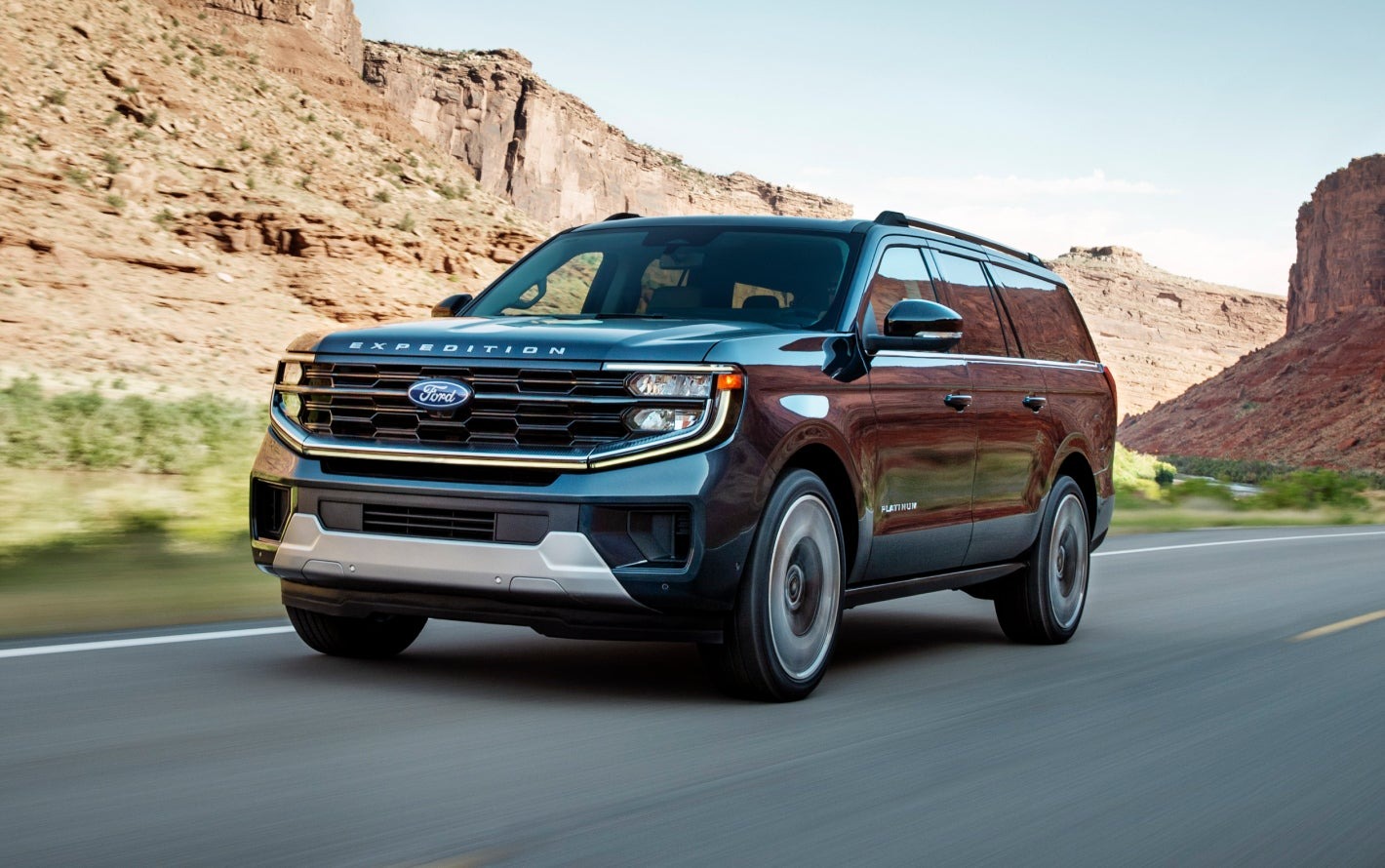
2. Ford Expedition
The Ford Expedition is a large SUV that successfully blends size, performance, and comfort, making it highly suitable for daily commutes along the Gulf Coast. Its spacious cabin offers generous legroom, headroom, and cargo capacity, providing a comfortable environment for families or professionals who spend significant time in their vehicles.
The interior design emphasizes convenience, with adjustable seating configurations, large storage compartments, and climate control systems that maintain consistent comfort during hot, humid days. For residents of Mobile, the Expedition’s interior makes commuting less stressful, especially during long drives or during periods of heavy traffic.
Performance is another area where the Expedition excels. Its turbocharged V6 engine provides sufficient power to handle both highway merging and urban stop-and-go traffic, making it versatile for different commuting conditions.
The vehicle’s suspension is engineered to deliver a smooth, stable ride even on uneven or poorly maintained roads, which can occasionally be found in suburban and coastal neighborhoods. Additionally, the Expedition has a reputation for towing capability, which helps transport boats, trailers, or recreational vehicles, a common requirement for residents enjoying Gulf Coast activities.
Safety and convenience features make the Expedition particularly appealing to commuters. Many models are equipped with blind-spot monitoring, lane-keeping assist, automatic emergency braking, and adaptive cruise control, which are essential tools for navigating busy roads.
The combination of driver assistance technology and a large, stable vehicle body provides enhanced safety for passengers, making it a reliable option for those concerned about traffic accidents or sudden stops. The Expedition’s safety systems work together to prevent collisions, alert drivers to potential hazards, and reduce stress while driving in congested areas.
Technology and entertainment amenities further enhance the daily commuting experience. Infotainment systems include large touchscreens, smartphone connectivity, and high-quality audio systems that keep passengers engaged on longer drives.
Rear-seat entertainment options are particularly beneficial for families traveling with children, ensuring that every journey remains enjoyable. The Ford Expedition’s size, comfort, performance, safety features, and technological offerings make it one of the most well-rounded large SUVs for Mobile Gulf commuters.
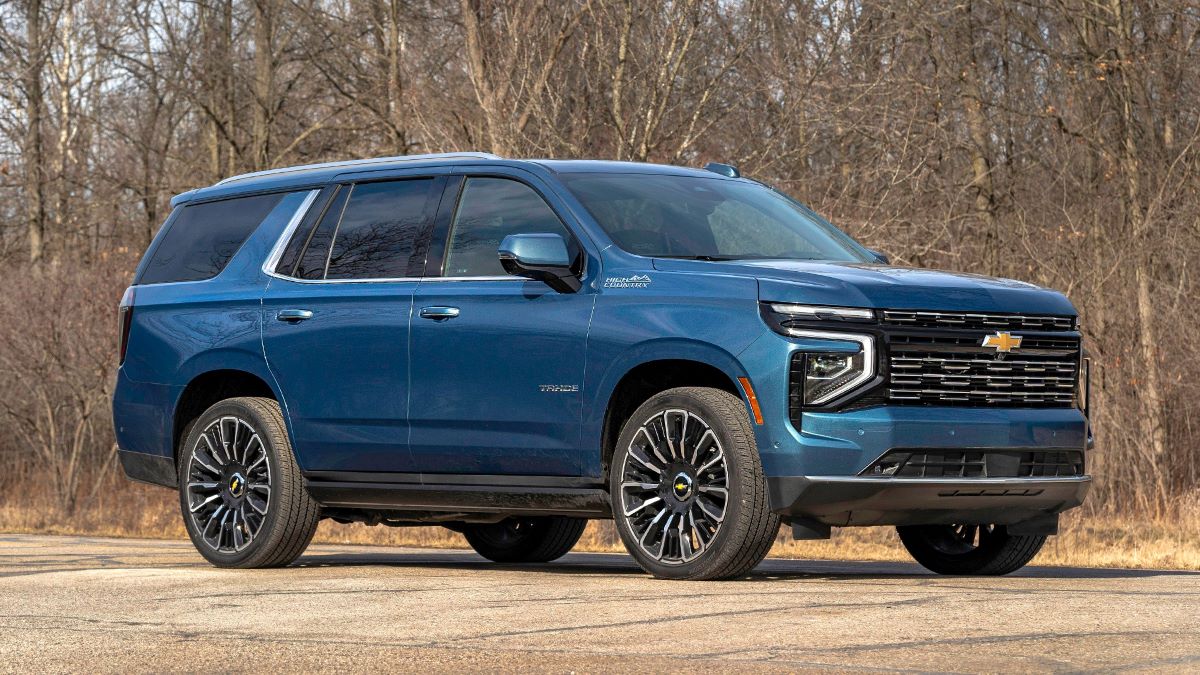
3. Chevrolet Tahoe
The Chevrolet Tahoe is a popular choice for drivers who require a large, reliable SUV capable of handling the demands of daily commuting along the Gulf Coast. Its interior is spacious, offering comfortable seating for seven to eight passengers and ample cargo space that can easily accommodate family outings, groceries, and recreational gear.
The cabin is designed for both functionality and comfort, featuring supportive seats, durable materials, and climate control systems that ensure passenger comfort during humid and hot Gulf days. The Tahoe’s interior also includes multiple storage compartments, cup holders, and charging ports, which help drivers and passengers stay organized and connected during daily commutes.
Performance is a key factor in the Tahoe’s appeal. Its V8 engine delivers strong acceleration, impressive towing capacity, and smooth handling even when fully loaded. This combination is particularly useful for Gulf Coast drivers who may need to transport boats, trailers, or other heavy items during weekends or holidays.
The Tahoe’s suspension is designed to absorb bumps and uneven road surfaces, providing a stable, comfortable ride even in areas where roads are affected by seasonal weather patterns or heavy traffic conditions.
Safety and driver-assistance features make the Tahoe a practical choice for commuting. Modern models are equipped with forward-collision warning, automatic emergency braking, blind-spot monitoring, and rear cross-traffic alert, which provide drivers with tools to navigate urban traffic safely.
These features are particularly valuable for commuting in the Mobile area, where stop-and-go traffic, heavy rain, and busy highways are common. The combination of large vehicle size and advanced safety systems provides added peace of mind for families and individuals alike.
Durability and reliability contribute to the Tahoe’s long-term appeal. Chevrolet has a reputation for building vehicles that last for many years with proper maintenance, and the Tahoe is no exception.
Regular servicing and attention to the vehicle’s mechanical and cosmetic components ensure that the SUV remains in good condition even with daily use. Its combination of powerful performance, comfort, safety, and durability makes the Chevrolet Tahoe one of the most practical and dependable large SUVs for Gulf Coast commuters.
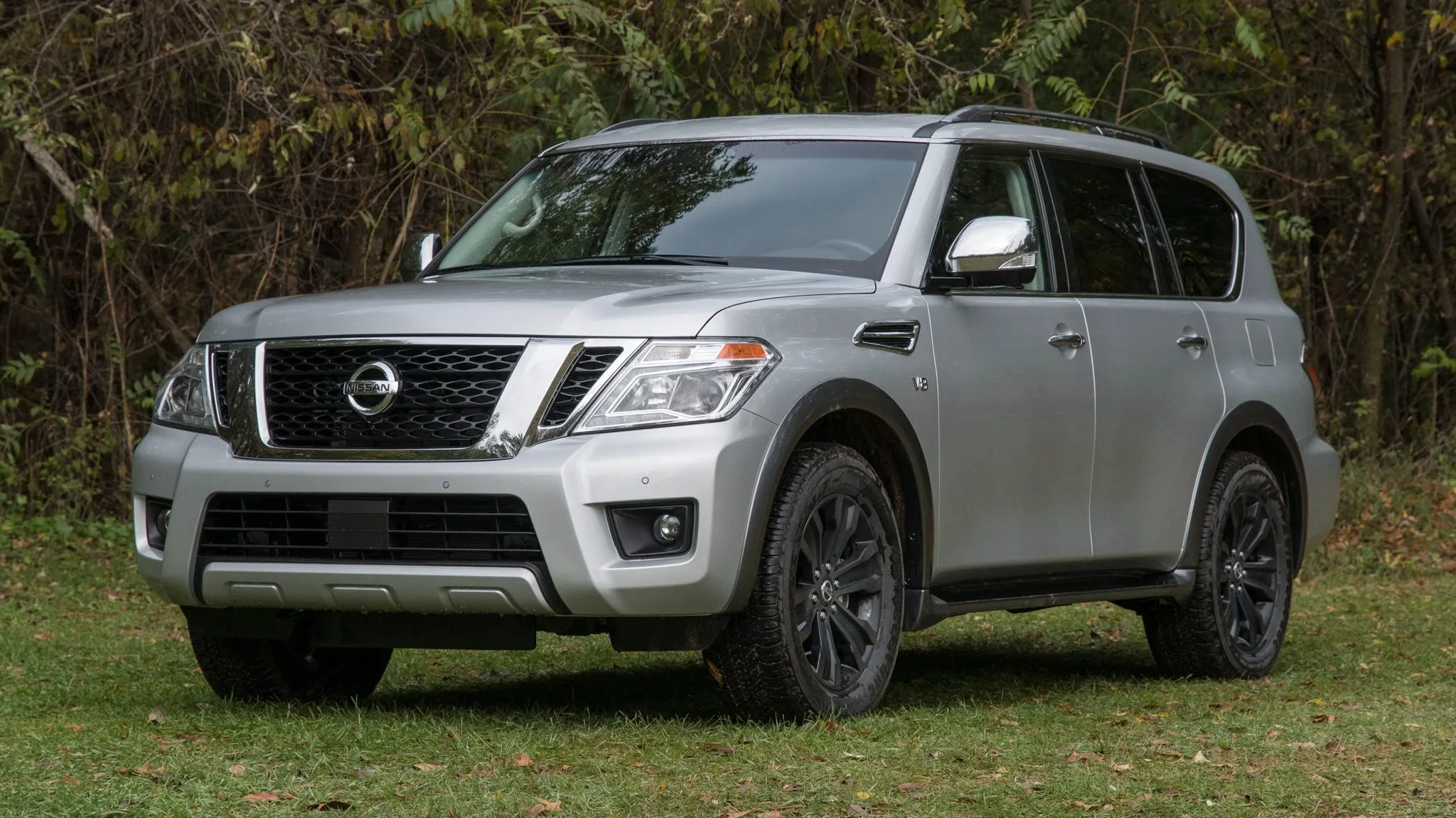
4. Nissan Armada
The Nissan Armada is a full-size SUV that combines power, comfort, and luxury, making it a strong candidate for Gulf Coast commuting. Its V8 engine delivers robust acceleration, towing capability, and strong performance under various driving conditions.
Whether navigating city streets, highways, or coastal roads, the Armada offers reliable handling and stability, which is particularly valuable in areas prone to sudden storms or rain. The suspension system is designed to provide a smooth ride even when the SUV is fully loaded, making long commutes less tiring for drivers and passengers.
Inside, the Armada offers a spacious, well-appointed cabin that prioritizes passenger comfort. Multiple rows of seating provide ample legroom and headroom for all occupants, while the cargo area can accommodate large amounts of luggage or recreational equipment.
Features such as leather upholstery, advanced climate control, and high-end audio systems contribute to a luxurious driving experience. Families, professionals, and outdoor enthusiasts alike will find the Armada’s interior practical, versatile, and comfortable for daily commuting needs along the Gulf Coast.
Technology and safety features further enhance the Armada’s suitability for commuting. Available systems include adaptive cruise control, lane-departure warning, blind-spot monitoring, and a 360-degree camera system, all of which help drivers manage traffic and maintain awareness of their surroundings.
Infotainment options include touchscreen displays, smartphone integration, Wi-Fi hotspot connectivity, and rear-seat entertainment, which are particularly helpful for keeping passengers engaged during long trips. These features provide convenience, security, and entertainment for all passengers.
Durability is another key consideration for Gulf Coast drivers. Nissan has designed the Armada with materials that withstand regular use and coastal conditions, although regular cleaning and maintenance are recommended to prevent potential corrosion from humidity or salty air.
While fuel efficiency is moderate due to the SUV’s size and powerful engine, the Armada’s combination of performance, interior comfort, safety, and technology make it an excellent choice for those seeking a large, dependable vehicle for daily commuting.
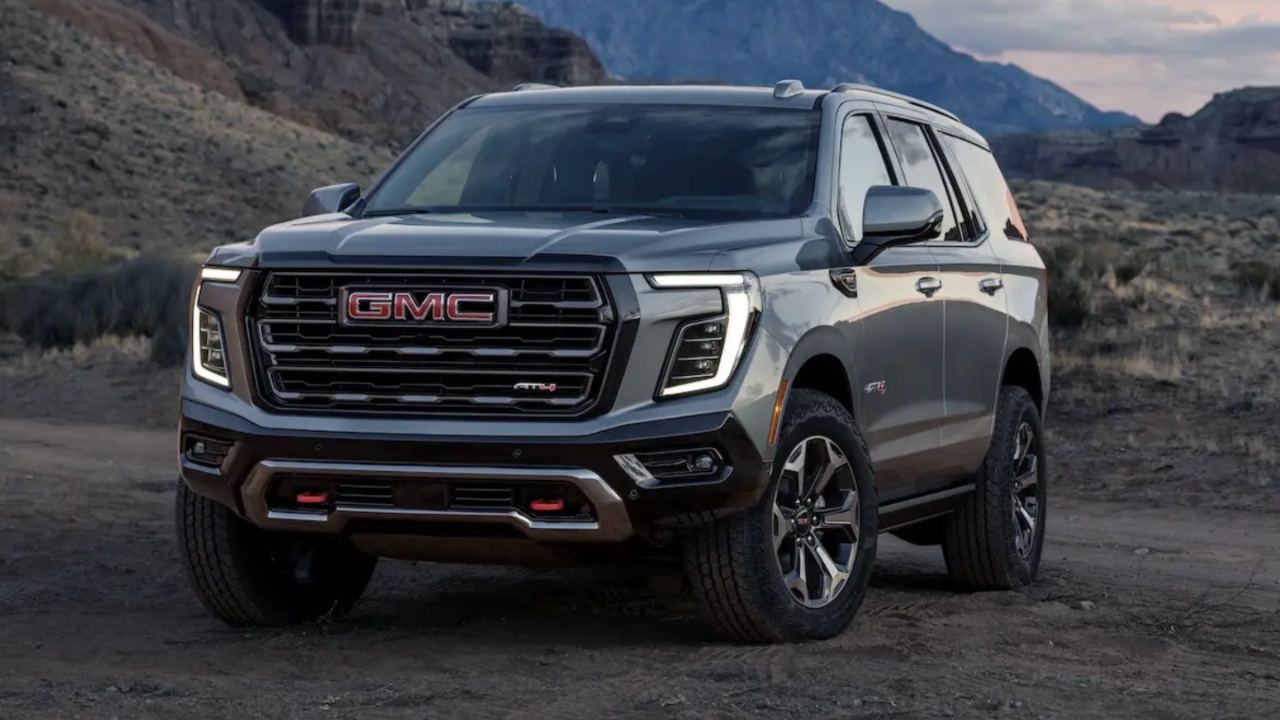
5. GMC Yukon
The GMC Yukon is a large SUV that balances power, luxury, and functionality, making it well-suited for Gulf Coast commuting. Its interior is spacious, with seating for seven to eight passengers and versatile cargo space for luggage, sports equipment, or groceries.
The cabin is equipped with high-quality materials, comfortable seats, and climate control systems that ensure passenger comfort during humid and hot Gulf Coast days. Multiple storage options, cup holders, and charging ports contribute to convenience, making commuting and long trips more manageable for families or groups of friends.
Performance is one of the Yukon’s strongest attributes. Its V8 engine delivers robust acceleration, smooth highway driving, and the ability to handle heavy loads with ease.
The SUV’s suspension system is designed to provide a stable and comfortable ride even on rougher road surfaces, which is common in coastal areas that may experience uneven roads, storm debris, or occasional flooding. Towing capacity is also significant, allowing residents to transport boats, trailers, or other recreational vehicles without difficulty.
Safety and technology features enhance the commuting experience. Yukon models are equipped with lane-keeping assist, adaptive cruise control, automatic emergency braking, blind-spot monitoring, and advanced infotainment systems that allow drivers to stay connected and informed.
Rear-seat entertainment systems are especially useful for families, ensuring that children and passengers remain engaged during longer drives. These features reduce driving stress and increase comfort and convenience.
Reliability and durability are essential factors for residents commuting in coastal areas, and the Yukon performs well in both aspects. With proper maintenance, this SUV can handle daily driving, family transport, and occasional recreational hauling without losing performance.
Its combination of comfort, space, technology, and robust performance makes the GMC Yukon one of the most suitable large SUVs for commuting along the Mobile Gulf Coast.
5 Big SUVs That Corrode in Salt Air
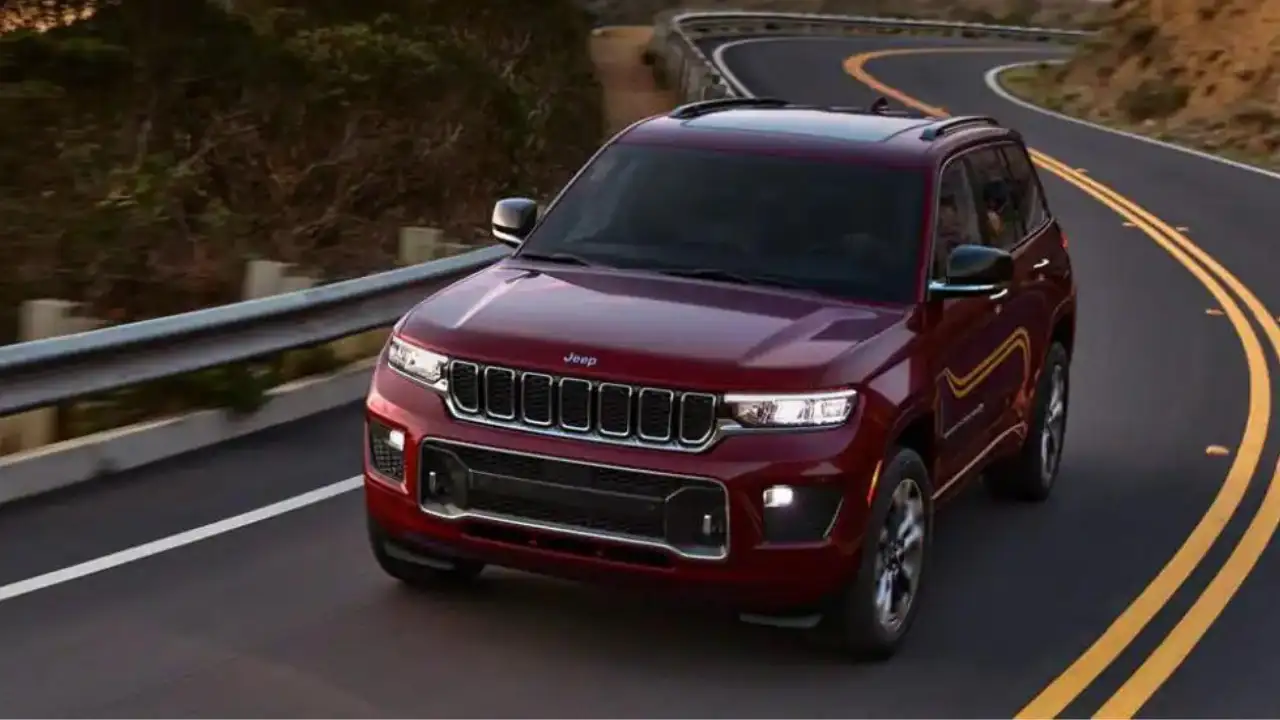
1. Jeep Grand Cherokee (Older Models)
Older Jeep Grand Cherokee models are well-known for their susceptibility to corrosion when exposed to coastal conditions over time. Salt air accelerates the natural oxidation process on metal surfaces, which means that exposed parts such as the undercarriage, wheel wells, and suspension components are particularly at risk.
The corrosion process is exacerbated by the high humidity and frequent rainfall typical of Gulf Coast environments, leading to rust forming more quickly than in inland regions. Without proper preventive measures, even a well-maintained Jeep can begin to show significant signs of wear within a few years of regular use near the coast.
The impact of corrosion on older Grand Cherokees goes beyond aesthetics. Rust on structural components, such as frame rails or suspension mounts, can compromise safety by weakening critical parts of the vehicle. Brake lines, fuel lines, and exhaust systems are also vulnerable, as corrosion can lead to leaks, reduced efficiency, or even mechanical failure.
This makes routine inspections and timely repairs essential for anyone considering an older Jeep in a coastal area. Additionally, rust can spread rapidly once it begins, making minor surface rust a potential precursor to more serious structural issues if ignored.
Maintenance for older Grand Cherokees in salt-heavy areas can be time-consuming and costly. Regular washing, especially of the undercarriage, is required to remove salt deposits, and rust-proofing treatments may need to be reapplied periodically.
Ignoring these preventive steps often results in the need for expensive bodywork, replacement of corroded components, and ongoing monitoring to ensure safety. For coastal residents, the balance between the Jeep’s strong off-road capabilities and its vulnerability to corrosion requires careful consideration.
Despite its susceptibility to rust, the Jeep Grand Cherokee still retains its appeal in many areas due to its robust performance, handling, and versatility. However, for Gulf Coast commuters who face constant exposure to salt air, older models present a significant risk in terms of long-term durability.
Prospective owners must be prepared for a higher level of maintenance and vigilance to preserve both safety and functionality over time. While the Grand Cherokee offers impressive capabilities, its age and exposure to salt make it less ideal for prolonged use in coastal climates.

2. Ford Explorer (Early 2010s Models)
Early 2010s Ford Explorers are another example of large SUVs that struggle with corrosion in salt-heavy environments. Salt air affects both the vehicle’s exterior and its structural components, leading to rust formation on wheel wells, undercarriage panels, and suspension elements.
Coastal humidity accelerates this process, making the vehicle more vulnerable than similar models used in drier inland areas. Without careful attention, surface rust can quickly progress into deeper structural issues that compromise the SUV’s longevity.
The consequences of corrosion for older Explorers extend beyond appearance. Rusted suspension mounts, brake lines, and exhaust components can affect driving performance, safety, and reliability.
Coastal residents often find that corrosion causes squeaks, vibrations, or difficulty with braking if the affected components are not repaired or replaced promptly. In some cases, body panels may warp or weaken, resulting in costly repairs and a reduced resale value. Regular inspections are essential to identify problem areas before they escalate into major safety hazards.
Maintaining early 2010s Explorers in salt air requires consistent effort. Frequent washing, especially the underside of the vehicle, along with rust-inhibiting sprays or undercoating treatments, can slow corrosion, but cannot entirely prevent it.
Owners must remain vigilant in monitoring problem areas, particularly around seams, joints, and metal surfaces that are more exposed to salt accumulation. Without this attention, corrosion can become extensive, making older Explorers a risky investment for coastal commuters.
Despite these challenges, the Explorer retains popularity due to its interior comfort, ample cargo space, and practical features for family use. Its powerful engine and handling make it appealing for daily commuting, but potential buyers in coastal regions must weigh these benefits against the ongoing maintenance challenges and the risk of accelerated rust.
Salt air poses a constant threat to older Explorers, making them a less ideal choice for those seeking a long-term, low-maintenance SUV in the Gulf region.

3. Dodge Durango (Pre-2015 Models)
Older Dodge Durangos, particularly models produced before 2015, are highly susceptible to corrosion when exposed to coastal environments. The combination of salt air, humidity, and rainfall common along the Gulf Coast accelerates rust formation on exposed metal surfaces.
The undercarriage, wheel arches, suspension mounts, and exhaust components are especially vulnerable, and corrosion can develop rapidly if the vehicle is not regularly washed and treated with protective coatings. These issues are particularly pronounced in regions where roads are often sprayed with salt during rare icy conditions or where salt accumulation from sea air is constant.
Corrosion in older Durangos affects both safety and performance. Rusted suspension components may impact ride quality and handling, while compromised brake lines or exhaust systems can lead to safety hazards. Even cosmetic damage caused by surface rust can affect the vehicle’s resale value and appearance.
Once corrosion begins, it spreads quickly, making preventive maintenance essential for any vehicle exposed to coastal conditions. Failure to address rust on time can result in structural weaknesses and expensive repairs that may outweigh the benefits of owning the SUV.
Maintaining a Dodge Durango in salt-prone regions requires dedication. Regular cleaning of the undercarriage, application of rust-proofing sprays, and inspections of vulnerable areas are necessary to prolong the vehicle’s life.
Coastal residents who neglect these preventive steps often encounter rapid deterioration, which can lead to costly bodywork and mechanical repairs. Salt exposure is an ongoing challenge that significantly affects older Durangos more than modern vehicles with advanced corrosion protection.
While the Dodge Durango offers strong performance, towing capacity, and spacious interiors, its susceptibility to corrosion reduces its practicality for coastal residents.
Owners must weigh the benefits of comfort, power, and versatility against the high maintenance demands imposed by constant salt exposure. In areas like the Gulf Coast, pre-2015 Durangos require consistent care to remain safe and functional over time.
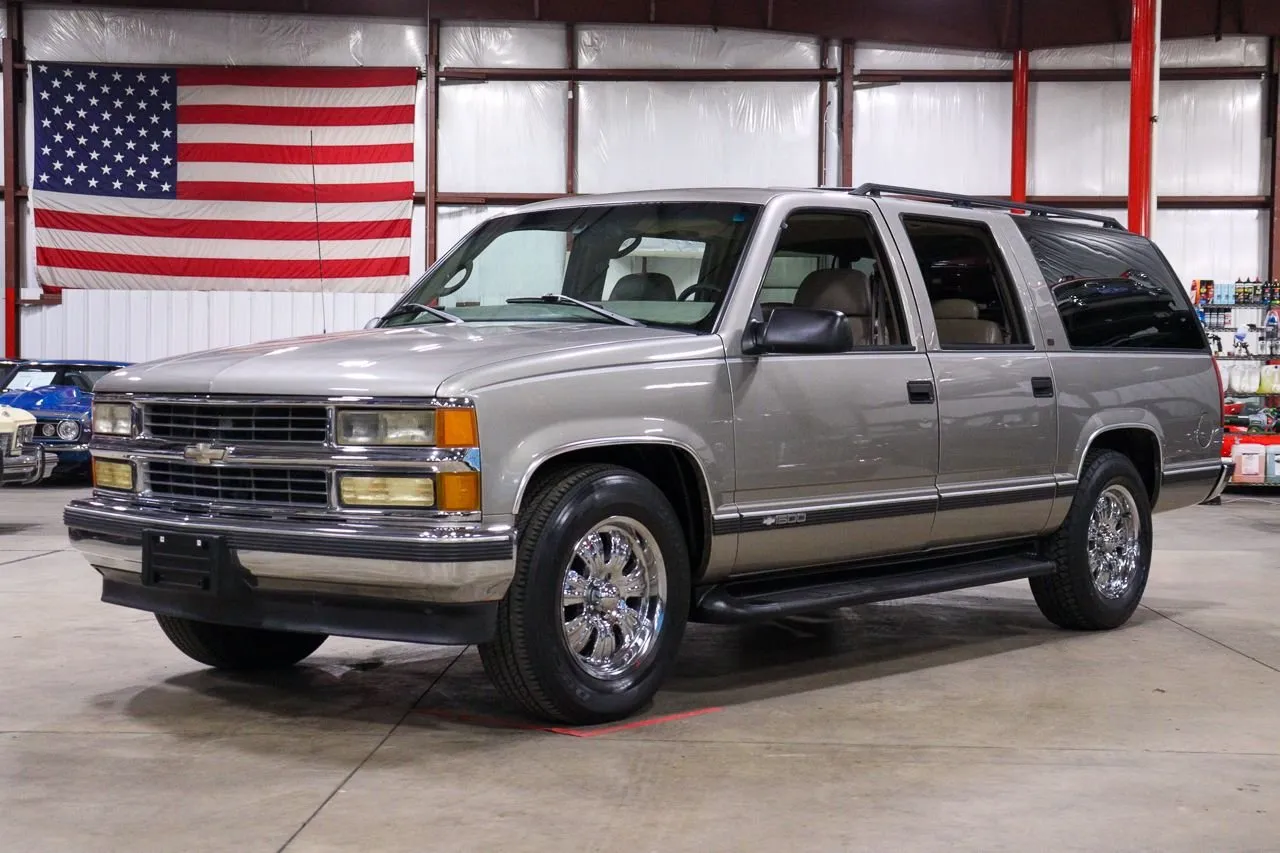
4. Chevrolet Suburban (Older Generations)
Older generations of the Chevrolet Suburban are also prone to corrosion in coastal climates. Salt-laden air and high humidity accelerate rust formation on undercarriage components, wheel wells, and suspension systems.
Surface rust often appears first around seams, joints, and metal areas that collect moisture, gradually spreading to more critical structural parts if untreated. The long lifespan and large size of Suburbans can be compromised when corrosion weakens the frame, suspension mounts, or brake lines, affecting both safety and reliability.
The consequences of corrosion in older Suburbans are significant. Rust can compromise handling, reduce braking efficiency, and lead to unexpected mechanical failures.
Exhaust systems and fuel lines are particularly vulnerable, and once rust forms, it spreads faster in humid, salty environments. Coastal owners must perform frequent inspections to detect early signs of corrosion and take immediate action to prevent further damage. Even cosmetic rust can reduce resale value and make the vehicle appear neglected.
Preventive maintenance is essential for older Suburbans in salt-heavy regions. Regular washing, including the undercarriage, is necessary to remove accumulated salt deposits.
Applying rust-proof coatings and addressing minor rust spots promptly can help extend the vehicle’s lifespan, though these measures cannot eliminate the risks associated with salt exposure. Ignoring preventive care often results in costly repairs, which can quickly outweigh the benefits of owning a large, durable SUV.
Despite these challenges, the Suburban remains a capable and comfortable SUV with ample interior space and towing capacity. Its popularity is understandable, but older models are not ideally suited for coastal conditions without vigilant maintenance. Potential buyers along the Gulf Coast should consider corrosion-resistant alternatives or newer Suburban models with advanced anti-rust treatments to ensure long-term reliability.
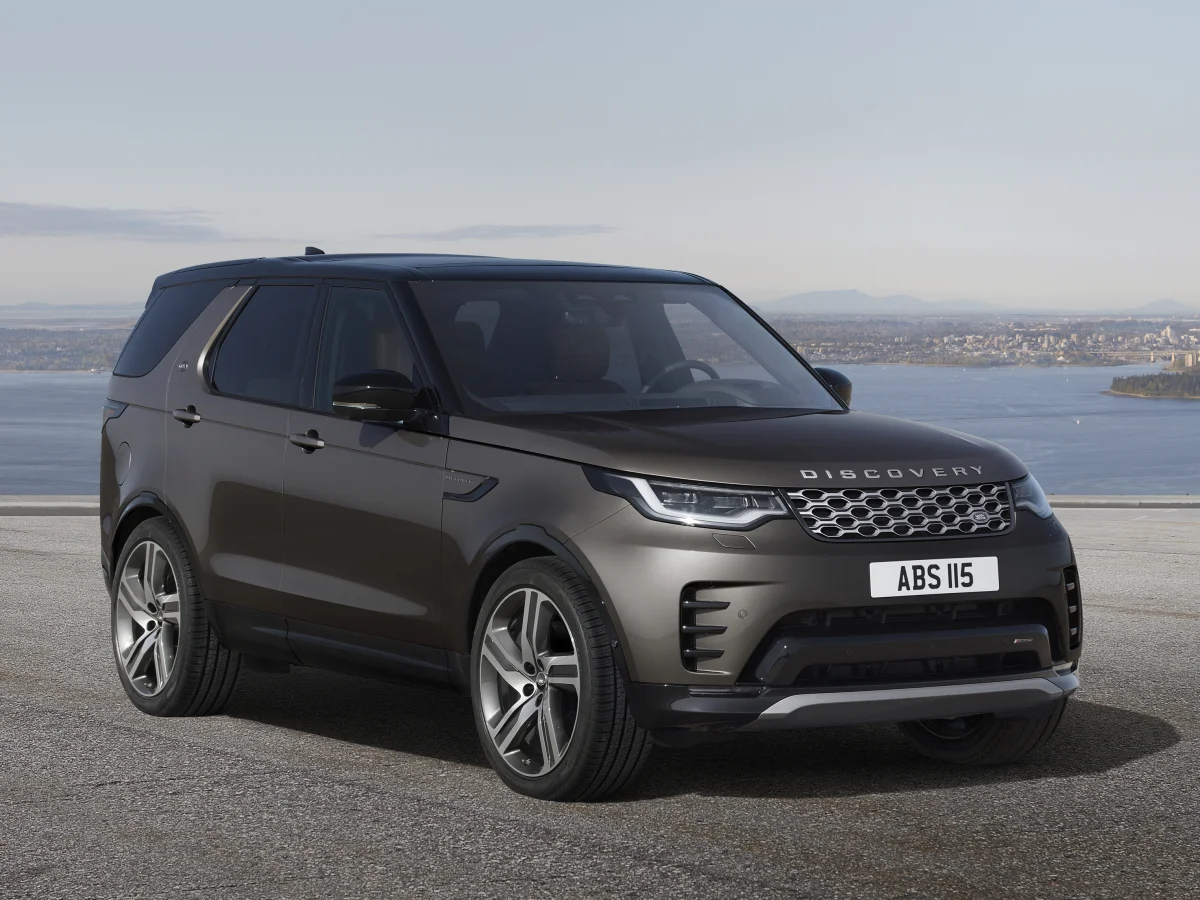
5. Land Rover Discovery (Pre-2017 Models)
Older Land Rover Discoveries, particularly those manufactured before 2017, are vulnerable to corrosion when exposed to salty coastal air. The combination of moisture, humidity, and salt accelerates oxidation on exposed metal surfaces, including the undercarriage, suspension components, wheel arches, and door edges.
Rust can develop quickly and spread, affecting the SUV’s structural integrity and long-term reliability. Coastal residents who use older Discoveries as daily commuters face higher maintenance demands to keep their vehicles safe and functional.
Corrosion can impact both performance and safety. Rusted suspension mounts, brake lines, and exhaust systems may compromise handling and reduce braking efficiency, while weakened frame components can present serious safety risks.
Cosmetic rust also diminishes the vehicle’s appearance and resale value, making it difficult to sell the SUV without addressing these issues. Once corrosion begins, it can accelerate, requiring ongoing attention and sometimes extensive repairs.
Maintaining a Land Rover Discovery in coastal conditions requires diligence. Frequent washing, undercoating, and inspections of vulnerable areas are necessary to prevent or slow the progression of rust.
Even with careful maintenance, older models may still show signs of corrosion due to their age and the limited corrosion-resistant treatments applied during manufacturing. Coastal owners should expect to invest both time and money to maintain the SUV properly.
Despite its elegance, off-road capabilities, and luxury features, the Land Rover Discovery is less practical for prolonged exposure to salt air. Coastal commuters must carefully weigh the vehicle’s comfort, performance, and versatility against the high maintenance demands and potential corrosion risks.
For long-term reliability in the Gulf region, newer models with improved anti-rust protection or alternative SUVs designed for coastal durability are generally a safer choice.
