
Owning a car comes with a range of responsibilities, from maintenance schedules to the costs of repairs and fuel. For drivers who put in a lot of miles each year, choosing the right vehicle can make a significant difference in comfort, reliability, and long-term cost.
High-mileage drivers, such as those commuting long distances to work or frequently traveling between towns, face unique challenges. Their vehicles endure more wear and tear than cars that are driven only occasionally, making durability and maintenance history critical factors.
A car that performs well under high mileage not only ensures safety but also minimizes the unexpected costs associated with frequent repairs. At the same time, some vehicles struggle to maintain their performance after crossing certain mileage thresholds, leading to frustration and higher expenses for owners.
Knowing which cars can endure high mileage and which are prone to early failure can save drivers substantial time and money. The right car can provide years of reliable service, smooth rides, and peace of mind, whereas the wrong choice can become a constant source of stress.
This article identifies five vehicles that are ideal for high-mileage drivers in Casper and five cars that are less reliable over time. It considers factors such as engine longevity, transmission durability, ease of maintenance, and resilience in diverse driving conditions.
Understanding the traits of these vehicles will help drivers make informed decisions based on the demands of their daily routes. While some cars are designed to handle hundreds of thousands of miles with routine maintenance, others may start showing significant problems once the odometer climbs past a certain point.
High-mileage drivers need to prioritize vehicles that balance comfort, efficiency, and dependability, ensuring that each journey is as trouble-free as possible. By evaluating these ten cars, readers will gain insight into which models provide long-term value and which are best avoided if the goal is enduring reliability.
5 Cars for Casper High-Mileage Drivers
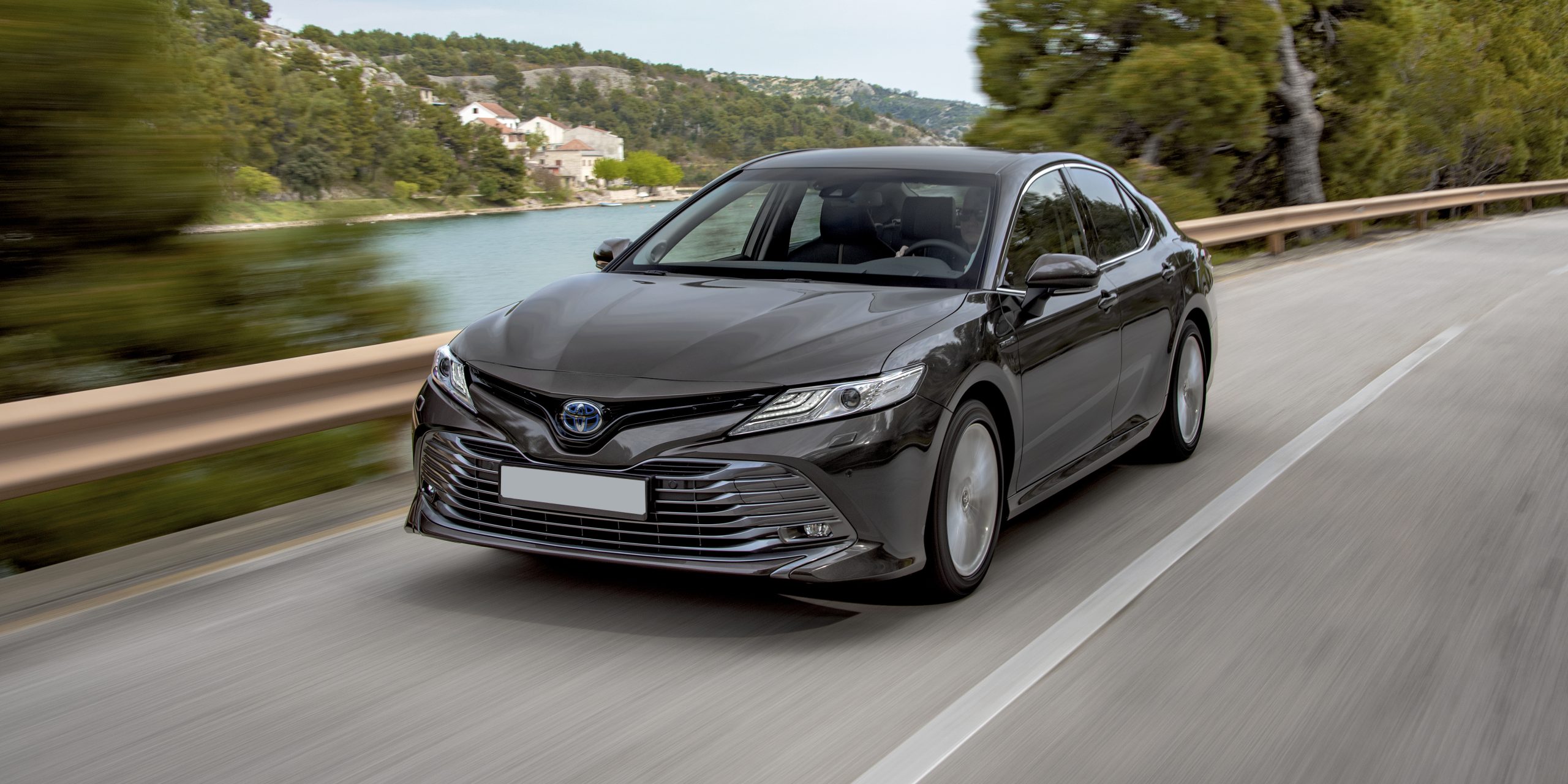
Toyota Camry
The Toyota Camry has earned a reputation as one of the most reliable mid-size sedans for drivers who cover extensive distances. Its engine design emphasizes durability, and with proper maintenance, it can easily surpass 200,000 miles without major issues.
Many Camry owners report that routine oil changes, timely belt replacements, and regular brake checks are sufficient to keep the car running smoothly over time. The car’s suspension system is also engineered to handle rough roads, which is particularly valuable for drivers in Casper, where winter conditions can take a toll on road surfaces.
Fuel efficiency is another advantage of the Camry, reducing the total cost of ownership for drivers who frequently commute long distances. The interior design balances comfort and practicality, allowing long drives to remain relatively fatigue-free.
Parts availability and the widespread knowledge of mechanics familiar with the Camry make repairs less stressful and more affordable. Additionally, Toyota offers engines and transmissions that have consistently proven resilient, making the Camry a dependable choice for drivers concerned about longevity.
Its resale value also remains strong, allowing high-mileage owners to transition to a new vehicle with a reasonable return. The combination of comfort, efficiency, and long-term reliability ensures that the Camry remains a top choice for high-mileage drivers who need a car that can withstand daily use over many years.
The Camry’s maintenance demands are manageable, but planning for preventive care is essential. Replacing timing belts and water pumps at recommended intervals prevents unexpected breakdowns that can derail long trips.
Tire rotation and alignment checks further contribute to the longevity of the suspension and drivetrain components. For high-mileage drivers, these preventive steps are cost-effective compared to dealing with major repairs caused by neglect.
Moreover, the Camry’s engine has a reputation for consistent performance under heavy use, reducing the likelihood of sudden power loss or mechanical failures during long commutes. In cities like Casper, where winter driving requires additional precautions, the Camry’s stable handling and responsive braking contribute to driver confidence.
Many older Camry models continue to perform well, highlighting the design philosophy focused on endurance. For families, solo commuters, and long-distance travelers alike, the Camry represents a balanced choice that merges efficiency, comfort, and reliability.
The combination of efficient four-cylinder and V6 options ensures that drivers can select the configuration that best suits their driving habits. The car also comes equipped with user-friendly technology that remains functional even as the vehicle ages. From simple climate control systems to reliable infotainment options, these features help maintain convenience during long drives.
For drivers worried about vehicle depreciation, the Camry maintains value better than many other sedans in its class. Even with extensive mileage, buyers often consider well-maintained Camrys a safe investment due to the model’s reputation for reliability.
Finally, the resale and trade-in value of the Camry are strong, reflecting the general market confidence in the model’s longevity. High-mileage owners can expect to receive reasonable offers when upgrading, provided the car has been properly maintained.
This factor is especially important for drivers who anticipate replacing their vehicles every several years while putting in significant mileage. With a consistent history of reliability, strong support from mechanics, and a practical balance of comfort and performance, the Camry consistently proves itself as one of the most suitable choices for drivers who spend substantial time on the road.
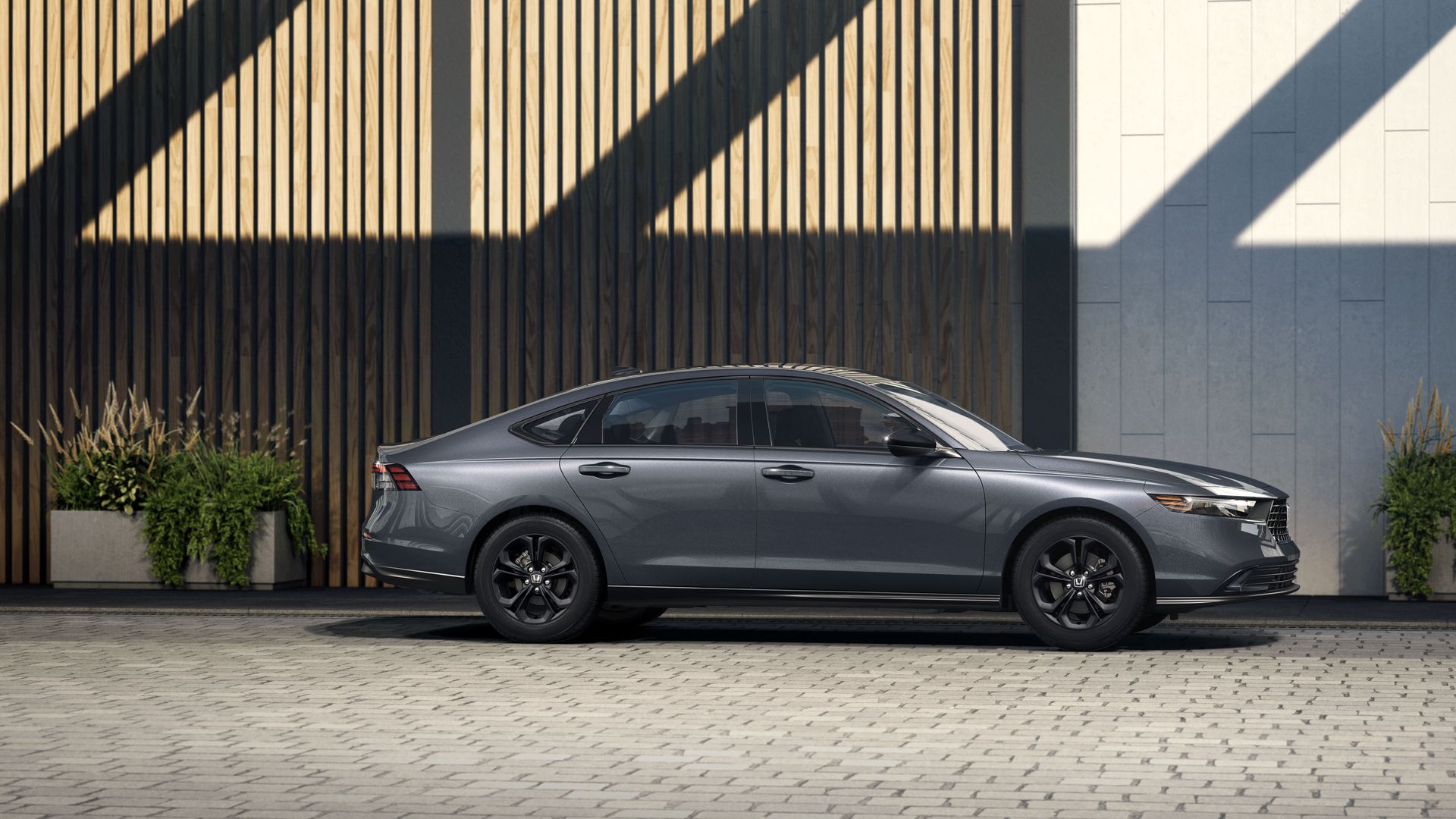
Honda Accord
The Honda Accord is another strong contender for high-mileage drivers, offering an excellent balance between reliability, comfort, and performance. Its engines, particularly the four-cylinder and V6 options from recent generations, are known to perform well beyond 200,000 miles with routine maintenance.
The Accord provides a smooth ride, even on less-than-ideal roads, which is critical for daily commuters and long-distance travelers. Its interior is spacious and ergonomically designed, allowing drivers to remain comfortable during extended drives. Routine maintenance for the Accord is straightforward, with parts widely available and relatively affordable.
Mechanics are familiar with the model, which makes diagnosing and addressing issues simpler than with less common vehicles. The Accord’s fuel efficiency complements its durability, helping high-mileage drivers reduce operational costs over time.
Its transmission systems, especially automatic variants, have a strong record of reliability, further supporting the car’s reputation for enduring high mileage. Many drivers report that their Accords continue to operate smoothly for over a decade, provided oil changes, fluid checks, and brake servicing are performed regularly.
In addition to its mechanical reliability, the Accord offers safety features that endure over time. Standard safety components like airbags, anti-lock brakes, and traction control systems remain dependable even after years of use.
This reliability is important for drivers who spend long hours on the road, as consistent safety performance helps reduce the risks associated with frequent travel.
Suspension components, including shocks and struts, also hold up well under heavy use, contributing to ride comfort and stability on rougher terrain. Honda’s commitment to engineering durable vehicles ensures that high-mileage owners do not encounter frequent or unexpected repairs.
The Accord’s fuel economy makes it particularly appealing for long-distance drivers. The combination of efficient engines and smooth transmission reduces fuel consumption, which is a key consideration when covering hundreds of miles each week. Regular monitoring of tire wear and fluid levels ensures that the car maintains optimal performance and longevity.
The Accord’s straightforward interior layout minimizes electronic failures, a common concern in aging vehicles with more complex technology systems. For high-mileage drivers, this simplicity translates to fewer distractions and a vehicle that is easier to maintain.
Finally, the resale value of the Honda Accord remains high, even with significant mileage. This factor is important for drivers who plan to upgrade vehicles while retaining some financial return.
Well-maintained Accords are attractive on the used car market due to their proven track record, reliable engines, and long-term durability. For drivers in Casper who need a dependable car for extensive daily travel, the Accord offers a combination of reliability, comfort, and efficiency that few other vehicles in its class can match.
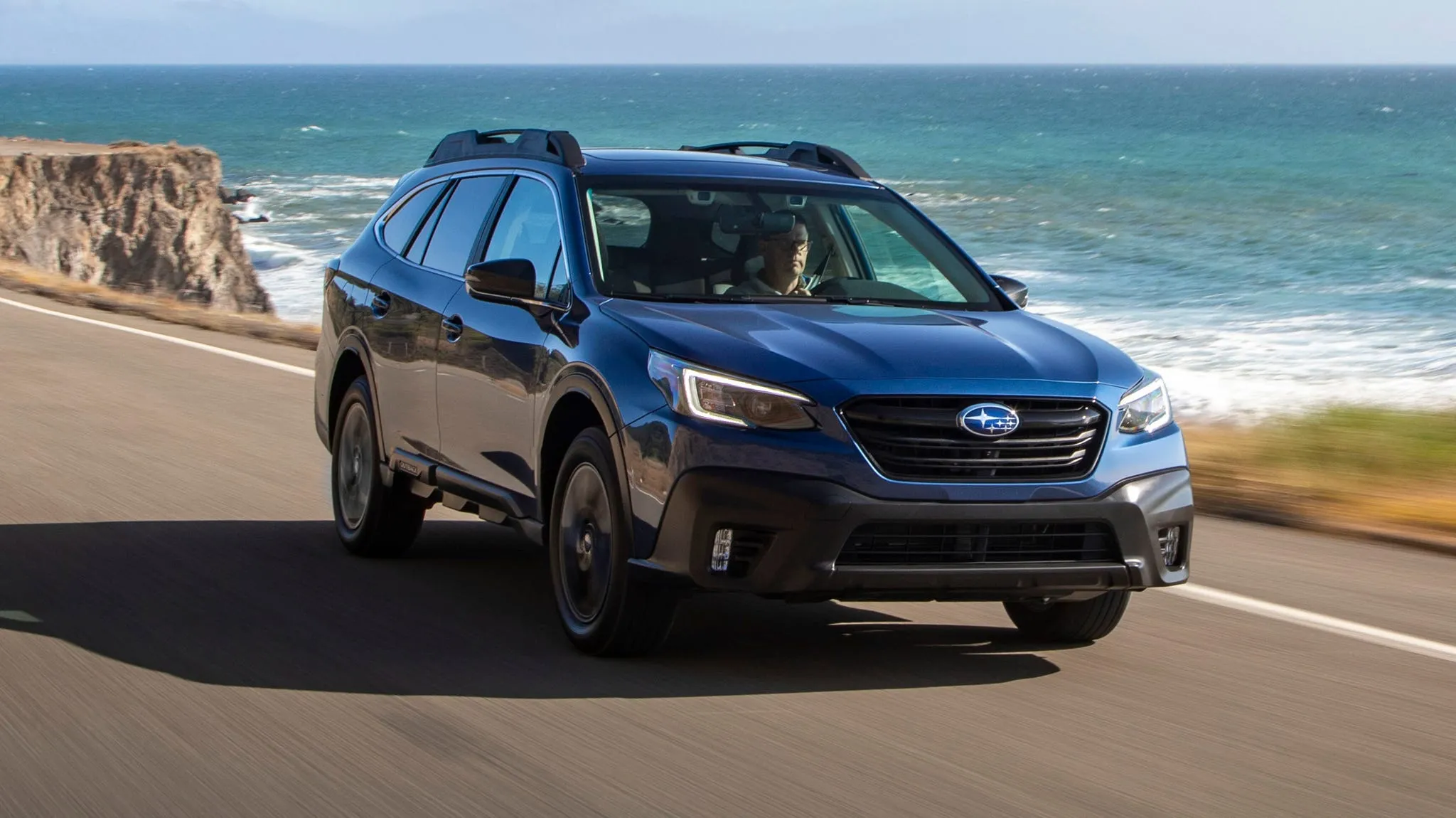
Subaru Outback
The Subaru Outback is widely recognized for its all-wheel-drive system and long-lasting performance, making it a solid choice for high-mileage drivers who face varying road conditions.
Its engines, particularly the four-cylinder and six-cylinder options, are known to hold up well when properly maintained, and Subaru’s emphasis on durable drivetrain components enhances the vehicle’s longevity.
The Outback’s rugged design, coupled with a comfortable interior, allows drivers to handle both daily commuting and longer road trips with ease. Fuel efficiency may be slightly lower than some sedans, but the trade-off is superior handling in snowy or uneven conditions, which is important for drivers in regions like Casper, where winter driving can be challenging.
Regular maintenance, including oil changes, timing belt replacements, and fluid checks, helps the Outback remain reliable well past 200,000 miles. Its suspension system is engineered to absorb road imperfections, reducing wear on other mechanical components and ensuring a smooth ride over extended periods of use.
The Outback’s interior is designed for comfort, with supportive seats and practical cargo space that appeals to long-distance drivers or those who carry equipment frequently. Ergonomic controls and simple instrument panels reduce driver fatigue on extended trips.
Subaru’s reputation for dependable engineering means fewer unexpected breakdowns, even under heavy use. The car’s all-wheel-drive system is particularly valuable for drivers who navigate winter roads or uneven terrain, providing added safety and confidence in variable conditions.
Maintenance is straightforward, with parts widely available and repair procedures familiar to most mechanics. This accessibility ensures that high-mileage drivers can keep the vehicle in good condition without excessive downtime or repair costs.
Fuel efficiency, though not the Outback’s strongest suit, remains reasonable considering its size and drivetrain. For drivers covering hundreds of miles weekly, the Outback balances fuel economy with the durability needed to endure repeated long drives.
Regularly rotating tires and monitoring brake wear contribute to longevity, as does keeping the drivetrain lubricated and components in good condition. Subaru’s focus on longevity and reliability ensures that these vehicles maintain their performance even with extensive use, giving high-mileage drivers confidence that they are investing in a car that will last.
Finally, the Outback retains strong resale value, particularly for models with well-documented maintenance records. Its reputation for reliability and ability to handle challenging road conditions keeps it attractive in the used car market.
High-mileage owners benefit from a vehicle that remains functional, safe, and comfortable for years, making it one of the best options for drivers who require both durability and versatility. The combination of a solid all-wheel-drive system, durable engine, and well-designed interior makes the Subaru Outback a dependable choice for those who spend significant time on the road.
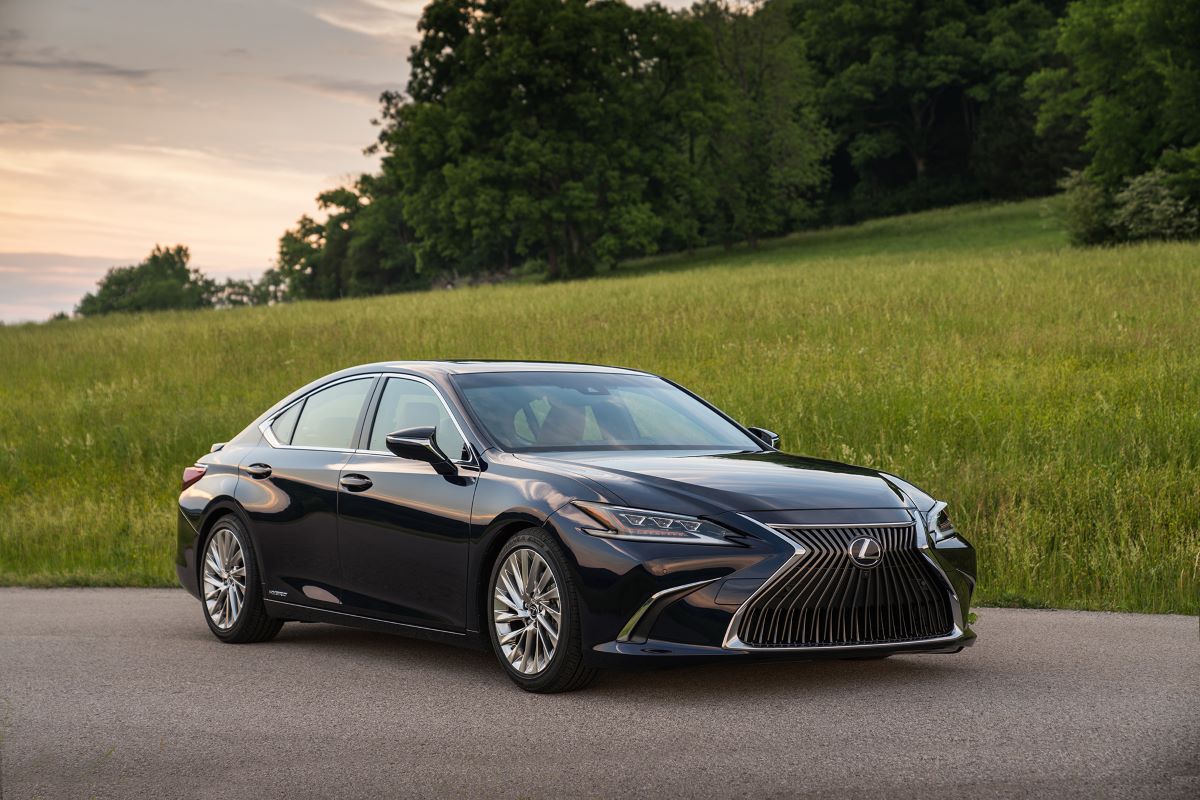
Lexus ES
The Lexus ES is a luxury sedan that offers more than just comfort; it is also renowned for its exceptional longevity. Many owners report surpassing 300,000 miles without major issues, highlighting the durability of Lexus engineering.
The car’s engines, especially the V6 options, are built to withstand extensive use, while transmissions are generally smooth and long-lasting. For high-mileage drivers, the ES combines a quiet and comfortable ride with mechanical reliability, reducing the strain of daily commuting or long-distance travel.
Maintenance, while slightly more expensive than mainstream brands, is manageable due to the high quality of parts and build standards. Suspension and chassis components are designed to endure heavy use, maintaining a smooth and controlled ride even as mileage accumulates.
The interior of the Lexus ES contributes to its appeal for high-mileage drivers. Supportive seats, noise insulation, and high-quality materials reduce fatigue on long trips. Infotainment systems and other electronic components are designed for durability, ensuring functionality even as the car ages.
Lexus’s focus on quality control means fewer mechanical failures, providing peace of mind to drivers who rely on their car daily. Accessibility to parts and service from certified dealerships ensures that maintenance is thorough and consistent, further enhancing long-term performance.
Fuel efficiency is moderate but acceptable for a vehicle of its class. High-mileage drivers benefit from the ES’s smooth power delivery and reliable engine performance, which reduces wear over time.
Regular preventive care, including fluid changes, brake inspections, and alignment checks, helps preserve the vehicle’s condition for hundreds of thousands of miles. The balance of comfort, reliability, and ease of maintenance makes the ES a practical choice despite its luxury status, especially for drivers focused on long-term use rather than flashy performance.
Finally, the Lexus ES holds its value well among luxury sedans, even with higher mileage. This resale potential, combined with a reputation for mechanical durability, makes it an excellent investment for drivers seeking a car that provides both comfort and longevity.
The combination of luxury, reliability, and practicality ensures that the Lexus ES remains a favorite for high-mileage owners who want a car that performs consistently over time.
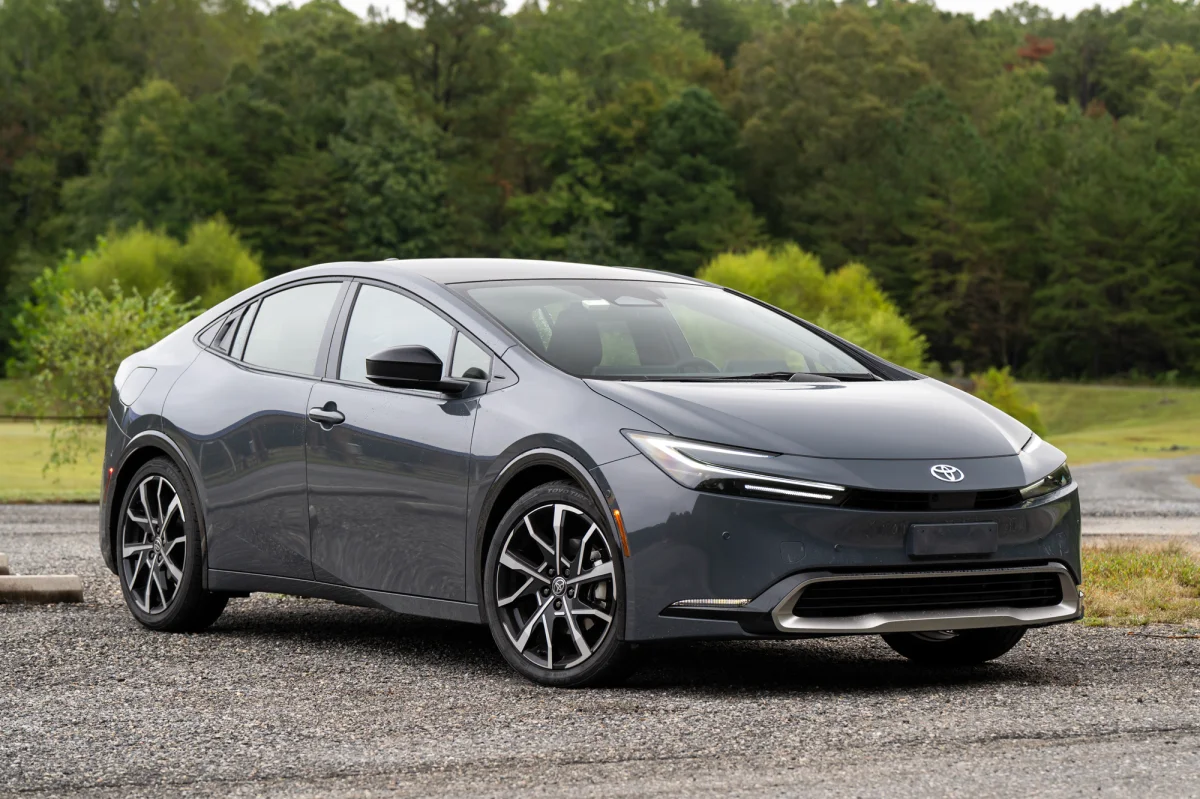
Toyota Prius
The Toyota Prius, known for its hybrid technology, is another excellent option for high-mileage drivers. Its hybrid drivetrain reduces fuel consumption while providing consistent performance over extended use. Prius engines and battery systems, when maintained properly, can last well beyond 200,000 miles.
The vehicle’s lightweight construction and efficient design reduce strain on mechanical components, while regenerative braking helps extend the life of brake systems. Fuel efficiency is a major advantage, particularly for drivers who spend hours commuting or traveling between towns.
Parts availability and widespread knowledge among mechanics make repairs relatively straightforward, even for hybrid systems, ensuring that the Prius remains a dependable choice for high-mileage drivers.
Another benefit for high-mileage drivers is the Prius’s low operating cost. Fuel savings accumulate significantly over long distances, offsetting the initial purchase price and maintenance costs. Toyota’s engineering ensures that critical components, including the battery and electric motors, are durable and designed for extended use.
Preventive care, combined with the vehicle’s efficient systems, allows drivers to focus on their daily routes without worrying about sudden mechanical problems.
Finally, the Prius retains reasonable resale value due to its reputation for fuel efficiency and durability. High-mileage owners can sell or trade in the vehicle with confidence, knowing that buyers recognize the hybrid system’s longevity and reliability. For drivers seeking a vehicle that combines long-term efficiency, low maintenance costs, and proven durability, the Toyota Prius stands out as a highly suitable choice for high-mileage driving conditions.
5 Cars That Don’t Last
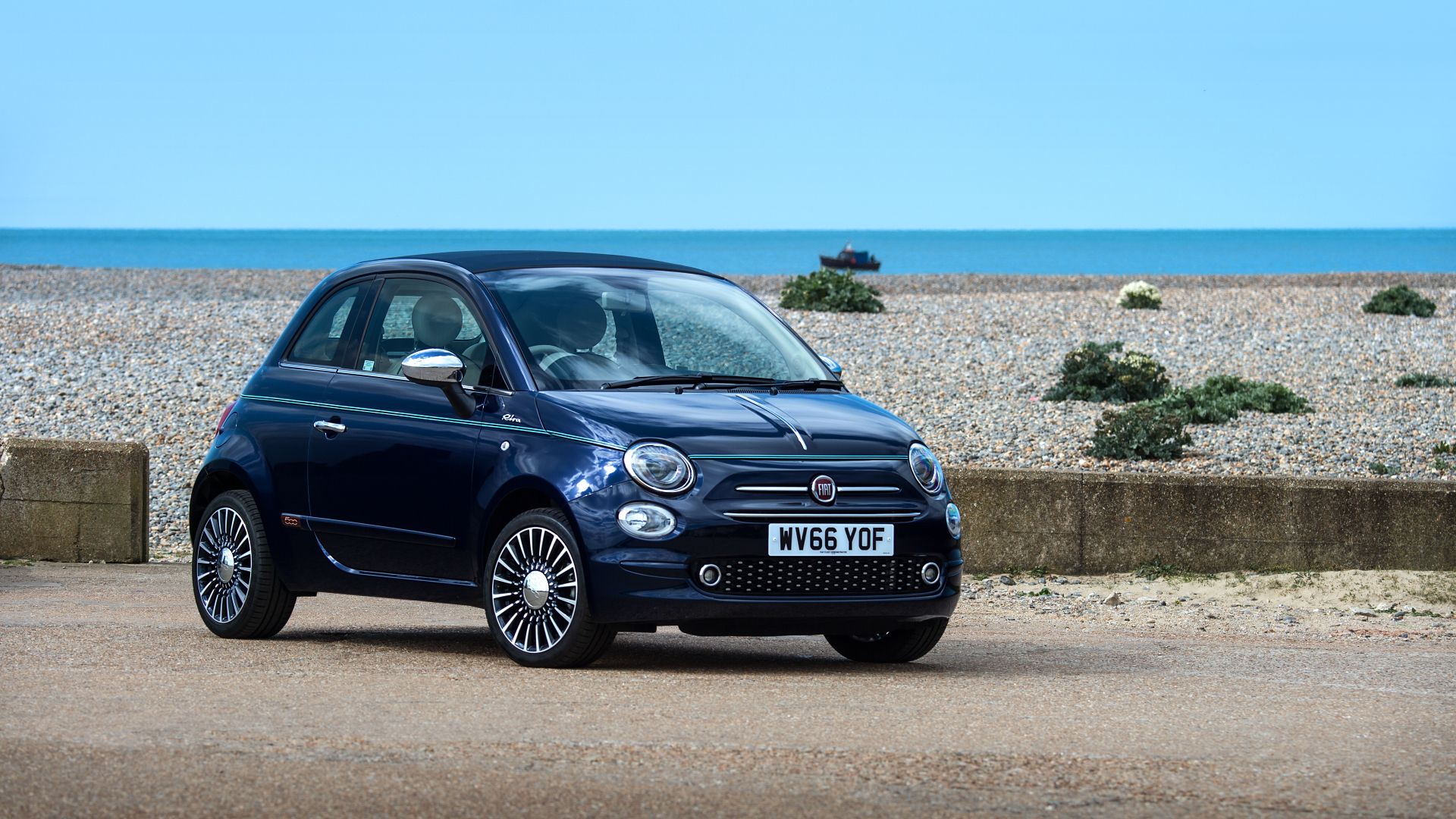
Fiat 500
The Fiat 500, while stylish and compact, has a reputation for mechanical issues and limited longevity. Its small engines are prone to overheating and component failures if not meticulously maintained. Transmission problems are also reported frequently, particularly in automatic models, which can fail prematurely compared to competitors.
High-mileage drivers often face increased repair costs, making the Fiat 500 a less practical option for extended use. The suspension is less robust than larger vehicles, leading to a rougher ride on uneven roads and increased wear over time. Parts availability can be limited, especially outside major cities, contributing to extended downtime when repairs are needed.
Fuel efficiency is one of the few advantages of the Fiat 500, but it does not offset the increased maintenance demands and frequent mechanical problems.
High-mileage drivers may find themselves spending more time and money on repairs than on fuel, reducing the practicality of the vehicle. The small engine size and limited durability mean that extended use often exposes weaknesses that compromise reliability.
Finally, resale value for the Fiat 500 is generally low, particularly for high-mileage models. Buyers are wary of mechanical problems and high repair costs, making it difficult to recover expenses when selling. For drivers seeking long-term dependability, the Fiat 500 presents numerous challenges that make it a poor choice for high-mileage use.
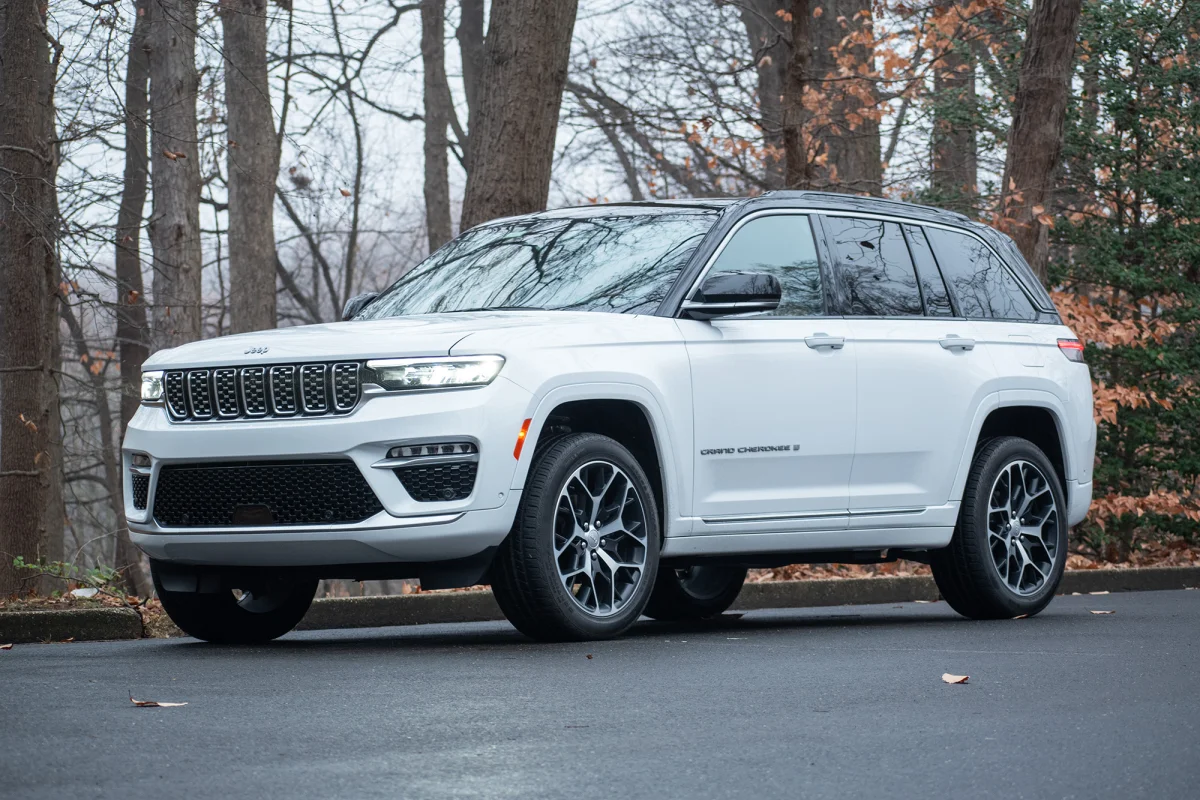
Jeep Cherokee (Older Models)
Older Jeep Cherokee models are notorious for transmission failures, engine issues, and suspension problems. While the vehicle offers off-road capability and rugged design, the mechanical reliability decreases significantly with high mileage. Engine overheating, timing chain failures, and electrical issues are common among Cherokees with extended use.
Parts are available but often expensive, and repairs can be labor-intensive. The suspension and steering components wear quickly, reducing comfort and stability during long drives. For drivers covering hundreds of miles regularly, these issues make the Cherokee a less practical option compared to more durable SUVs.
The interior of older Cherokees is functional but prone to wear. Seats and materials degrade faster than competitors, creating discomfort for drivers during long trips.
The electronic systems, including dashboard gauges and climate controls, frequently develop problems as mileage increases. Preventive maintenance is crucial but does not always prevent unexpected breakdowns, which can disrupt daily routines and increase repair costs.
Fuel efficiency is relatively low for these older models, further increasing the cost of ownership for high-mileage drivers. Combined with frequent mechanical issues, the vehicle becomes a financial burden over time. Reliability concerns make it challenging to depend on the Cherokee for consistent commuting or long-distance travel.
Finally, resale value is poor for high-mileage Cherokees. Buyers are cautious about purchasing vehicles with known mechanical weaknesses, leading to reduced market value. For drivers focused on long-term reliability, older Jeep Cherokee models are often a source of frustration rather than dependable service.
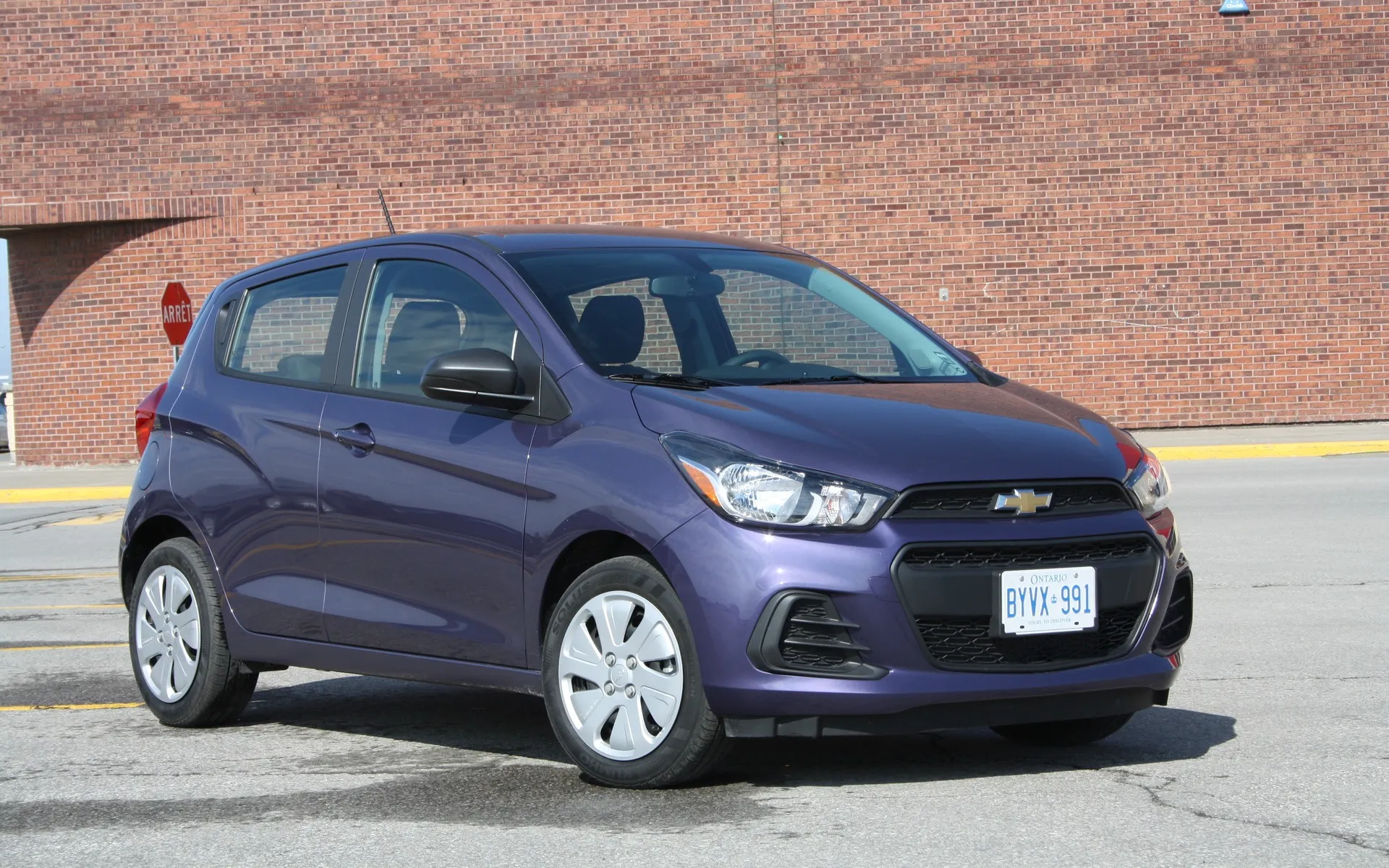
Chevrolet Spark
The Chevrolet Spark is a small, economical vehicle that struggles with durability when subjected to high mileage. Its engines are prone to overheating and premature wear, especially if maintenance is inconsistent. Transmission issues, particularly in automatic models, are common and can require costly repairs.
Suspension components are not built to endure heavy use, resulting in a rough ride and frequent need for replacement parts. For drivers who travel long distances regularly, these factors make the Spark a less reliable option compared to larger, more durable vehicles. Additionally, the compact design limits interior space, making extended drives uncomfortable for adults or for those carrying passengers or cargo.
The interior materials in the Spark are lightweight and budget-focused, which contributes to faster wear and tear over time. Seats, dashboards, and controls can become loose or damaged after prolonged use.
Electronic systems, including infotainment units and climate control, have a tendency to malfunction as mileage climbs, creating frustration for drivers who rely on them daily. Preventive maintenance helps, but it does not fully prevent the mechanical and electrical issues that high-mileage drivers are likely to encounter.
Resale value for the Spark is generally low, particularly for high-mileage vehicles. Buyers are cautious about purchasing used Sparks due to the history of engine, transmission, and electrical issues. As a result, recovering the initial investment is difficult, and the vehicle is not recommended for drivers who prioritize long-term reliability.
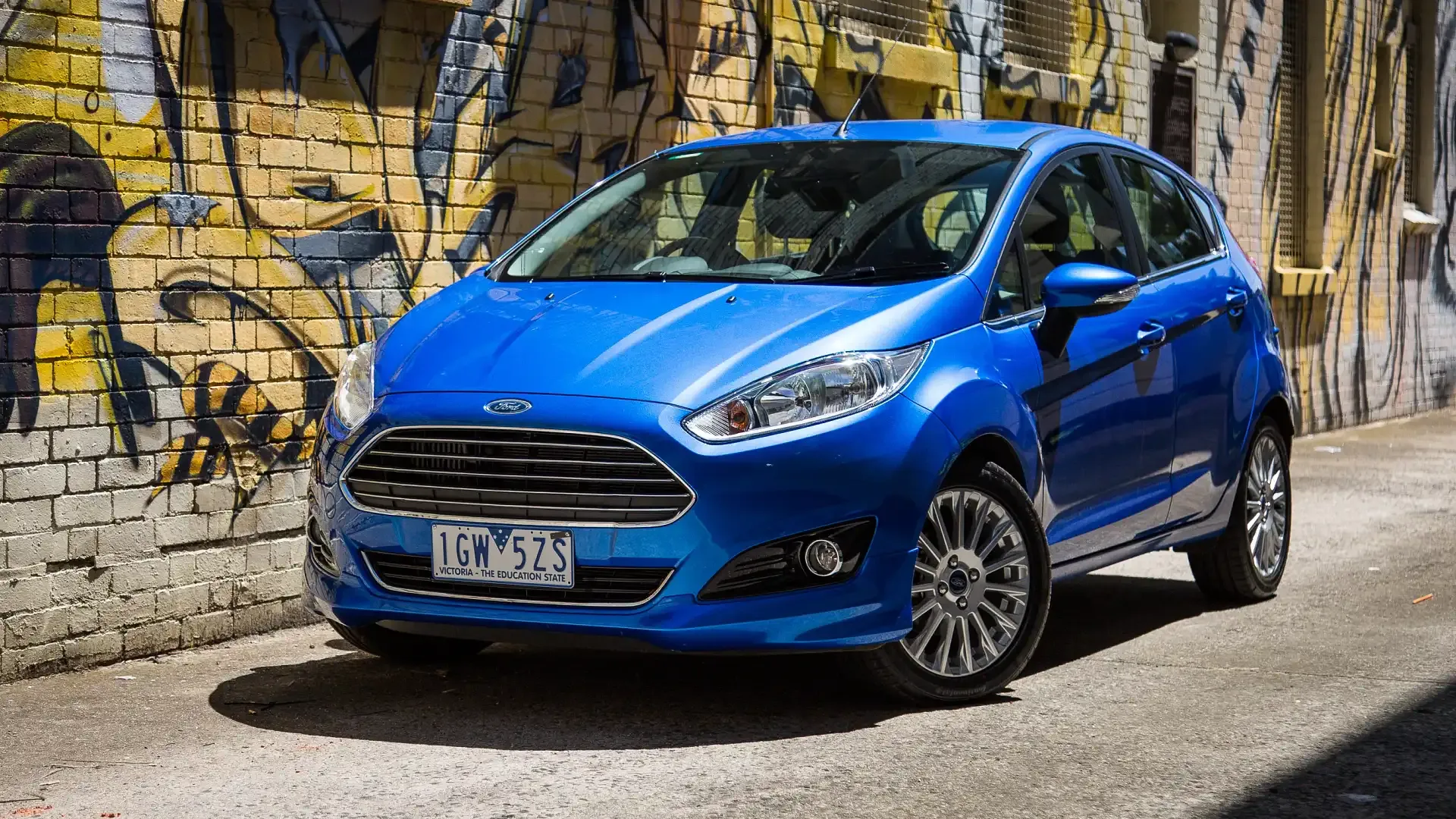
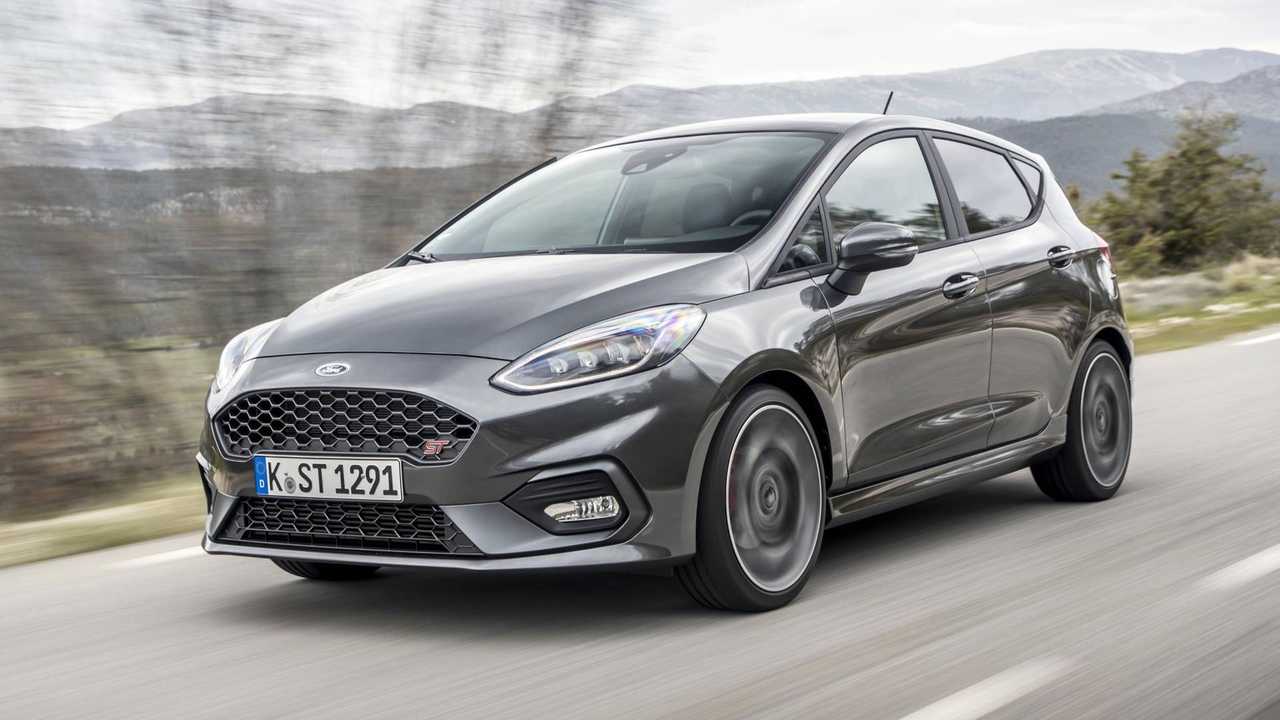
Ford Fiesta (Older Models)
Older Ford Fiesta models are known for a variety of mechanical problems that make them unsuitable for high-mileage drivers. Engine failures, transmission problems, and electrical malfunctions are common in vehicles with significant mileage.
The suspension and steering systems are not designed to endure prolonged use, resulting in a less comfortable ride and higher maintenance costs over time. For drivers who depend on a car for daily commuting or long trips, these weaknesses can become a constant source of frustration and expense. Additionally, parts for older models may be harder to find, and repairs can be labor-intensive.
Fuel economy is adequate, but it does not compensate for the high maintenance demands and frequent repairs associated with older Fiestas. Components such as the clutch, brakes, and suspension may require replacement sooner than in more durable vehicles. High-mileage drivers may face repeated costs that reduce the value of the car and make it difficult to justify extended use.
Resale value is typically low, especially for models with higher mileage. Buyers are wary of investing in a vehicle with known durability issues, and the cost of repairs often outweighs the resale benefit. For drivers seeking a long-lasting and dependable car, older Ford Fiesta models are generally not a suitable choice.
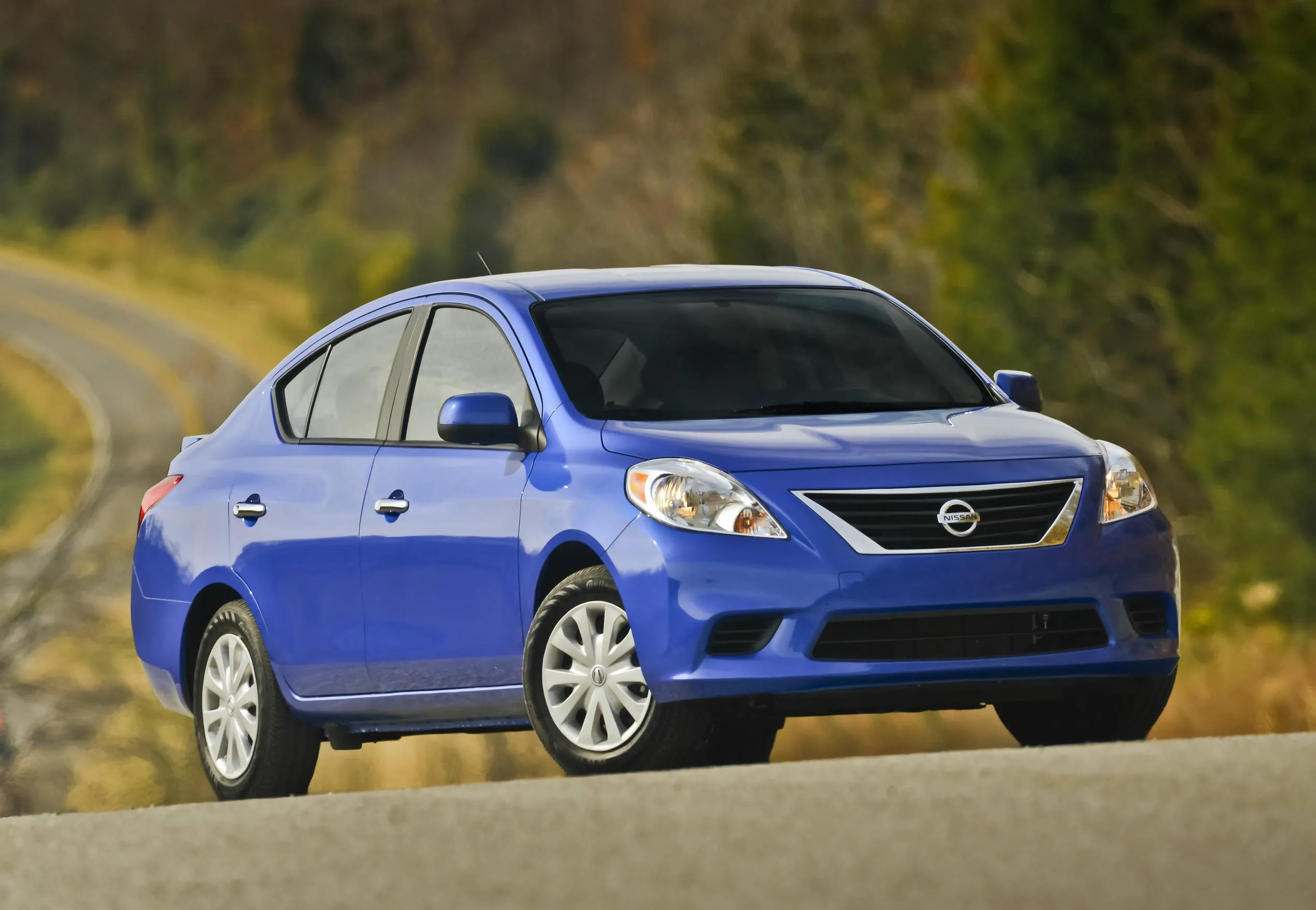
Nissan Versa
The Nissan Versa is a budget-friendly subcompact car, but its low-cost design often translates to reduced reliability for high-mileage drivers. Engine and transmission issues are common as mileage increases, and some owners report problems with overheating and excessive wear on internal components.
Suspension systems are basic and tend to degrade quickly, resulting in a less comfortable ride on longer trips. Parts availability is reasonable, but the labor costs associated with frequent repairs can accumulate over time. The combination of a small engine, lightweight frame, and limited structural durability makes the Versa a less-than-ideal option for drivers covering extensive distances.
Interior comfort and durability are limited in the Nissan Versa. Seats are less supportive, and materials tend to wear quickly under constant use. Electronic systems, including infotainment and climate controls, are prone to malfunction, particularly in older models.
High-mileage drivers often encounter repeated maintenance issues that can make the vehicle frustrating for daily commuting or extended travel. Preventive care is important, but it cannot fully prevent the structural and mechanical weaknesses inherent in the design.
Fuel efficiency is adequate, but it does not compensate for frequent repairs and the fragility of the car. Components such as brakes, suspension, and transmission may require replacement sooner than in more robust models, increasing the total cost of ownership. Drivers who cover long distances regularly may find themselves spending more time in repair shops than on the road, reducing the practicality of the Versa for high-mileage use.
Resale value for the Nissan Versa is generally low, particularly for vehicles with higher mileage. Buyers are hesitant to invest in a car with a history of mechanical issues, which makes it difficult to recover costs when selling. For drivers seeking a dependable and durable vehicle capable of handling extensive travel, the Nissan Versa is typically not recommended.
