
Living in Las Cruces comes with unique automotive challenges. The city sits in the heart of the desert, where temperatures can soar past 100 degrees Fahrenheit in the summer months. Daily commutes are often under blazing sun, and the roads, while generally well-maintained, can amplify the stress on a car’s engine and cooling system.
Residents of this region face a decision that goes beyond style or speed: choosing a car that can handle extreme heat while remaining comfortable and reliable. Fuel efficiency, engine durability, and cabin cooling all become priorities when a vehicle is exposed to intense sunlight for long periods.
In addition, desert air tends to be dry and dusty, which increases wear on air filters, suspension components, and paint finishes. Drivers who ignore these factors may find themselves facing frequent repairs, unexpected overheating, or a cabin environment that makes even a short commute unbearable.
Selecting the right vehicle for desert driving is about more than avoiding breakdowns. Comfort plays a major role, especially for those with longer commutes. Air conditioning systems must be robust and capable of keeping the interior cool under relentless heat.
Sunshades, reflective windows, and even seat materials can influence the driving experience in a desert climate. Reliability is another key factor. Vehicles with strong cooling systems, durable engines, and corrosion-resistant materials can withstand the long-term effects of heat and dust better than others.
The balance between fuel economy and engine performance is equally important, as drivers often prefer vehicles that do not overwork in high temperatures while maintaining efficiency for everyday commutes.
Maintenance habits also become more critical in a desert environment. Regular oil changes, coolant checks, and tire inspections are essential to prevent overheating or other heat-related issues.
Desert dust can clog air filters, reducing engine efficiency and potentially leading to overheating. Vehicles that are designed or well-suited for arid climates often have reinforced cooling systems and larger radiators to handle extreme conditions.
Even elements such as tire choice, battery durability, and brake performance can be affected by high temperatures, emphasizing the importance of selecting a car that matches the environment rather than simply a model chosen for aesthetics or general reliability.
With these considerations in mind, drivers in Las Cruces must approach car selection with both caution and planning. Not all vehicles are created equal under desert conditions, and choices that might seem ideal in milder climates can become problematic under intense heat.
The following sections highlight five vehicles well-suited for desert commuting, followed by five models known to struggle with overheating during heatwaves.
Five Cars Good for Las Cruces Desert Commuters
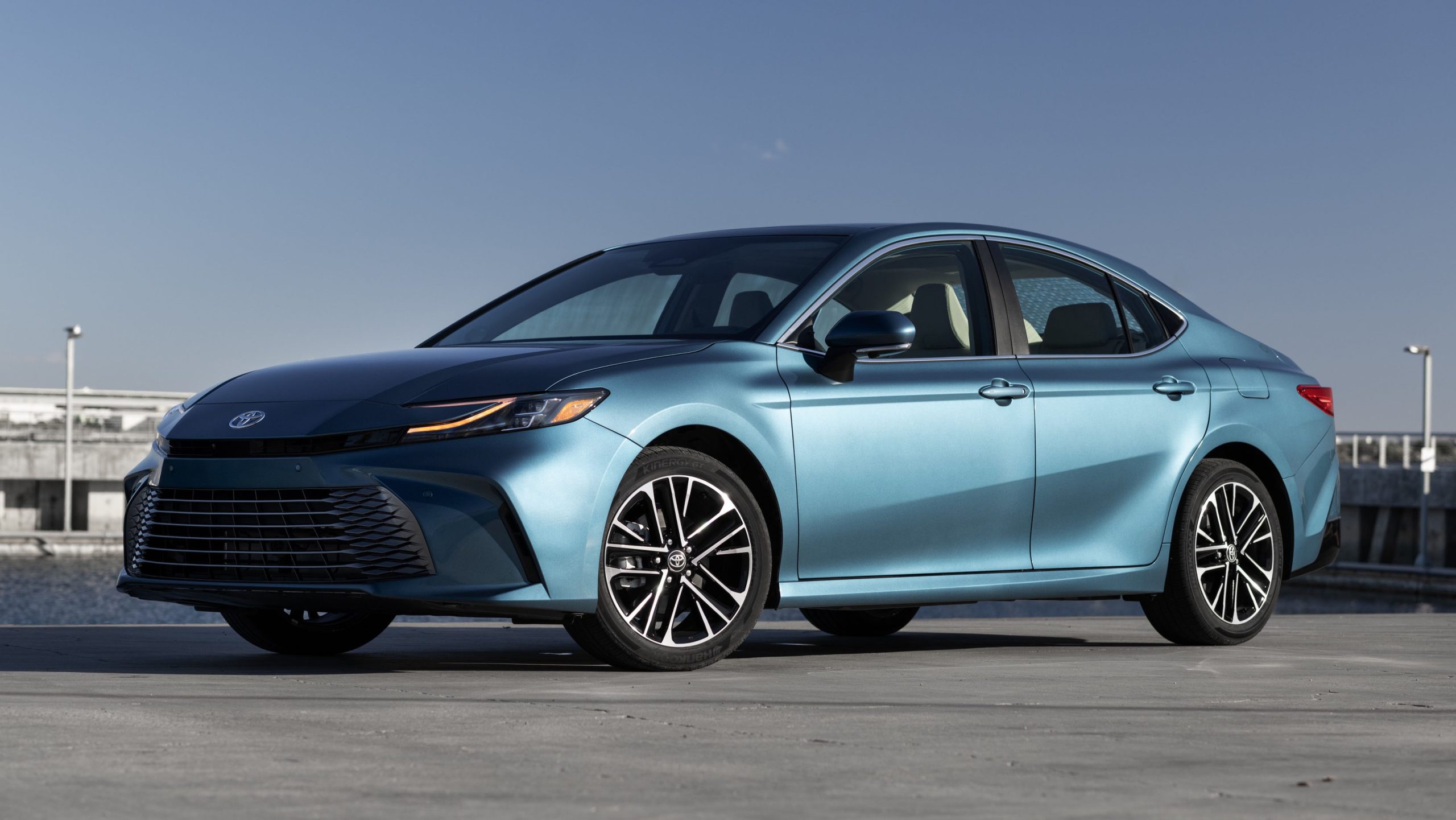
Toyota Camry
The Toyota Camry has long been recognized for its reliability, and this extends to extreme climates. Its engine is designed to handle prolonged use without excessive strain, making it ideal for long desert commutes.
The Camry’s cooling system is particularly robust, maintaining consistent engine temperatures even when exposed to high ambient heat. Many models also include advanced airflow designs in the radiator, which further prevent overheating under stop-and-go traffic conditions common in city commuting.
Drivers can count on a balance of fuel efficiency and performance, which becomes more noticeable when operating in hotter environments that can otherwise reduce a car’s miles per gallon.
Interior comfort is a significant advantage of the Camry in desert climates. Its air conditioning system is powerful, quickly cooling the cabin even during the hottest parts of the day. Seats made from durable fabrics or ventilated materials can help prevent discomfort from prolonged exposure to the sun, a feature many drivers appreciate during long summer drives.
The dashboard layout and climate control systems are designed for easy adjustments, allowing drivers to maintain a comfortable cabin temperature without distraction. This reliability in both performance and comfort has made the Camry a go-to choice for drivers seeking a dependable desert commuter.
The resale value of a Camry also remains strong in desert regions. Vehicles that survive prolonged exposure to heat without major engine or cooling system issues tend to retain their value better.
For residents of Las Cruces who may consider upgrading in the future, a Camry represents both a smart immediate choice and a long-term investment. Its balance of comfort, reliability, and maintenance simplicity ensures that drivers are prepared for the challenges of desert commuting without sacrificing everyday practicality.

Honda CR-V
The Honda CR-V combines the advantages of a compact SUV with impressive reliability. Its engine is designed to operate efficiently in a variety of conditions, including extreme heat. The CR-V’s cooling system, with a well-sized radiator and ventilation design, helps prevent overheating during extended periods of driving under the desert sun.
Compact SUVs are particularly popular in Las Cruces because they offer slightly higher ground clearance, which can be helpful on sandy or less-maintained roads while still maintaining fuel efficiency for daily commuting. The CR-V balances versatility with performance, making it a dependable option for those facing desert heat on a regular basis.
Honda’s attention to interior materials also makes a difference in desert environments. Heat-resistant plastics and fabric choices prevent surfaces from becoming uncomfortably hot, enhancing driver satisfaction during prolonged use. This combination of comfort and durability ensures that the CR-V performs well for daily commutes under high temperatures.
The CR-V’s reputation for reliability extends to its mechanical components. Regular maintenance, such as fluid changes and filter replacement, keeps the vehicle in good operating condition, reducing the likelihood of overheating or other heat-related issues.
Honda’s engineering emphasizes longevity, so the CR-V can remain dependable for many years in harsh climates. Its tires, suspension, and brakes are all designed to handle occasional desert conditions without accelerated wear, which is an important consideration for commuters who rely on their vehicle daily.
Fuel efficiency also remains competitive for a compact SUV. In desert conditions, engines often work harder to maintain performance, which can reduce fuel economy in many vehicles.
The CR-V, however, is engineered to maintain a reasonable balance between power and efficiency, allowing drivers to complete their commutes without excessive fuel consumption. Combined with low maintenance requirements and strong reliability, this makes the CR-V a practical and comfortable choice for desert commuters.
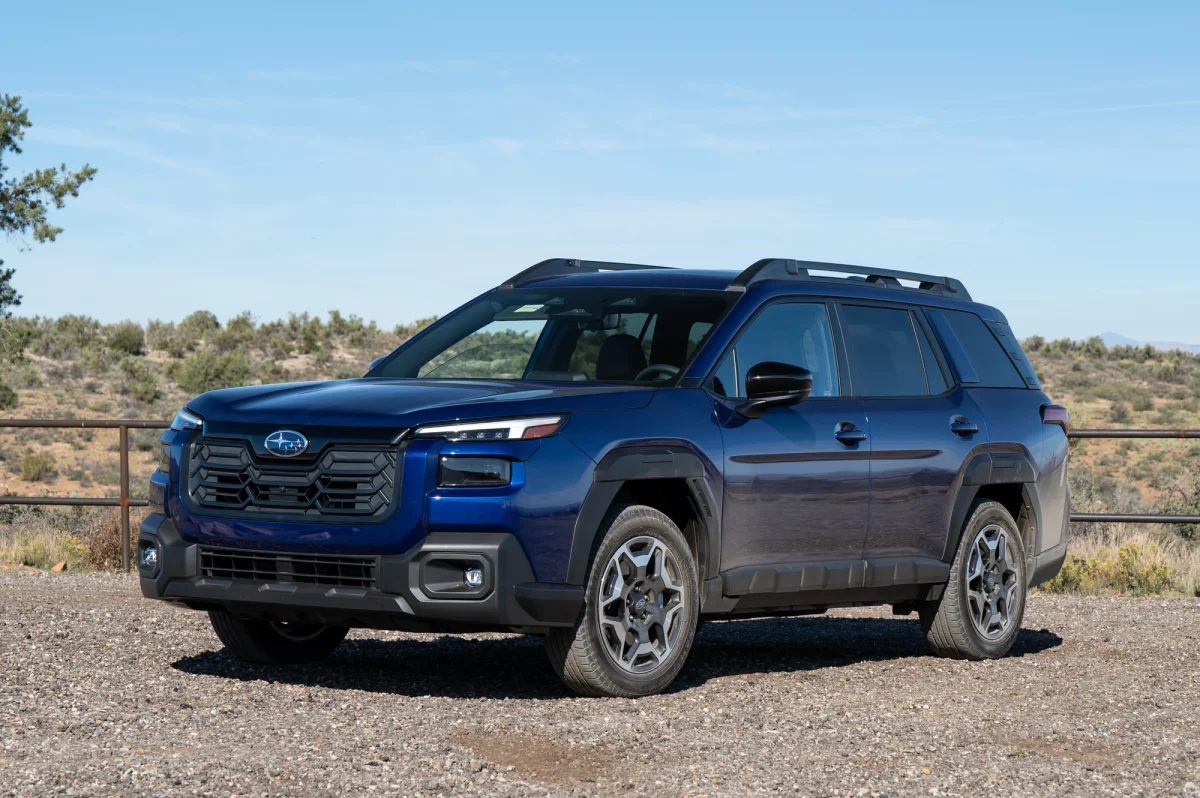
Subaru Outback
The Subaru Outback is well-suited for desert driving due to its durable engine and all-wheel-drive capability. While all-wheel-drive is often associated with snowy or muddy conditions, it also provides stability on sandy roads, which are common in desert environments.
The Outback’s cooling system is capable of sustaining engine temperatures under high heat, reducing the likelihood of overheating during long commutes or weekend trips into the surrounding desert areas. Subaru vehicles are known for their durability, and the Outback’s robust construction makes it a reliable option for those facing extreme daytime temperatures.
Maintenance of the Subaru Outback is manageable, even in high heat. Routine checks of the cooling system, oil, and filters are sufficient to prevent major issues, and Subaru’s engineering minimizes the risk of overheating when properly maintained.
The brand’s reputation for longevity in various climates gives desert drivers confidence in the vehicle’s durability. Tires and suspension are designed to handle varied terrain, which is especially helpful for roads affected by desert sand or heat-induced wear.
Fuel efficiency remains competitive despite the Outback’s all-wheel-drive system. Modern models are designed to operate efficiently even under stress, allowing drivers to maintain reasonable fuel consumption. Combined with reliability, cabin comfort, and mechanical durability, the Outback offers a practical solution for commuters who require a vehicle capable of handling desert conditions without sacrificing versatility or long-term value.
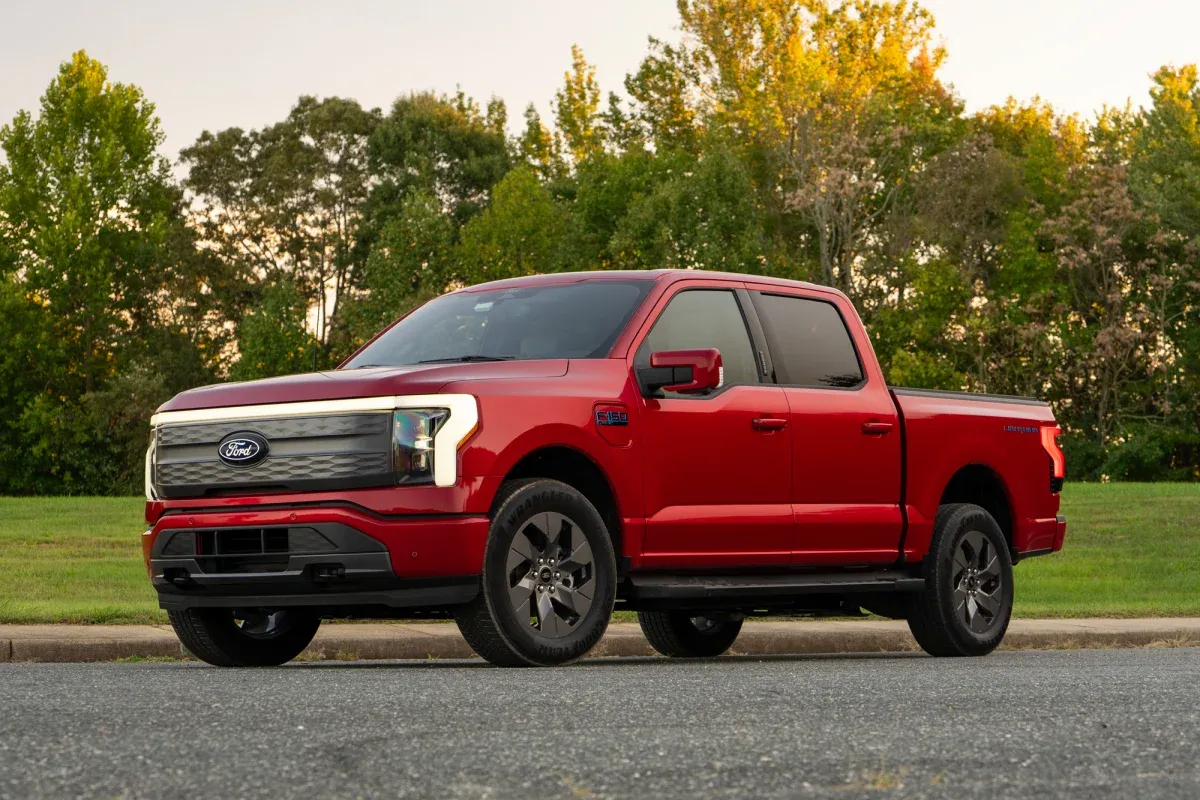
Ford F-150
The Ford F-150 is a full-size pickup that offers both power and reliability for desert commuting. Its engine options are capable of handling extreme heat without significant risk of overheating, making it a popular choice for drivers who may also use their vehicle for work or hauling.
The F-150’s cooling system is designed to endure prolonged use, even under heavy loads or in stop-and-go traffic. While fuel efficiency is lower than smaller vehicles, the truck’s durability and performance in high temperatures often outweigh this concern for desert drivers.
Cabin comfort in the F-150 is surprisingly good for a truck. Modern models include strong air conditioning systems and well-insulated interiors that protect against the desert heat. Seating materials are designed to minimize heat absorption, reducing discomfort during long commutes.
The interior layout ensures easy control of climate settings, allowing drivers to focus on the road without distraction. For those who value both capability and comfort, the F-150 provides a balance that few other vehicles in its class can match.
Maintenance is straightforward, with routine oil changes, coolant checks, and filter replacements keeping the truck in good working order. Ford’s reputation for engine durability in high-heat regions makes the F-150 a dependable option for desert residents.
The truck’s suspension and tires are designed to handle rugged terrain, including sandy or dusty roads, without compromising reliability. This durability extends to both daily commuting and occasional recreational use in the surrounding desert areas.
The F-150 also benefits from its versatility. Many drivers in Las Cruces appreciate a vehicle that can function as both a commuter car and a work vehicle. Its towing capacity and cargo space allow for practical use in addition to reliable performance in extreme temperatures.
The combination of comfort, reliability, and durability ensures that the F-150 remains a strong choice for desert commuters who require a larger, more capable vehicle without sacrificing everyday usability.
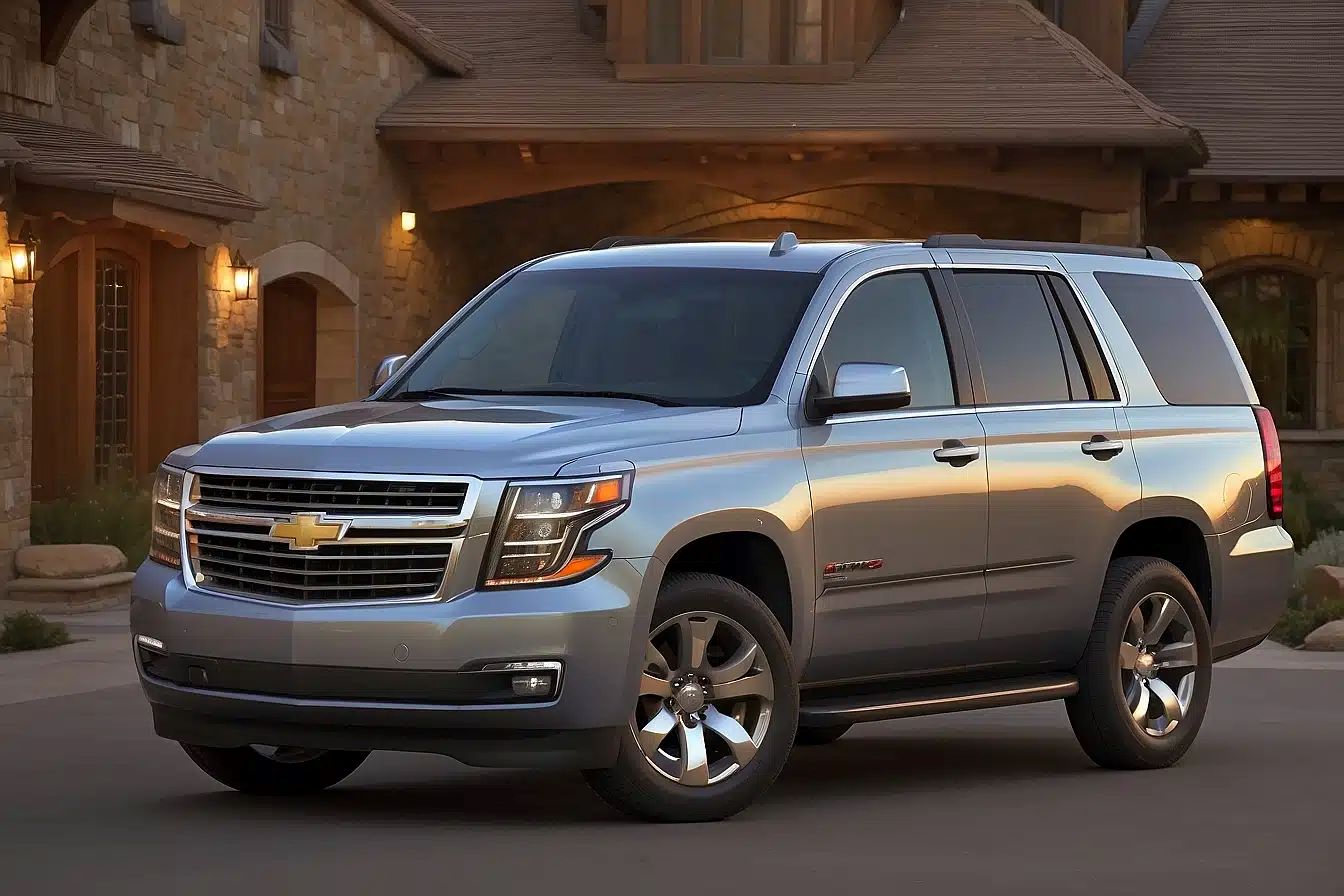
Chevrolet Tahoe
The Chevrolet Tahoe is a full-size SUV that excels in desert environments due to its powerful engine and robust cooling system. Its size allows for better airflow around the engine, reducing the risk of overheating even during extended commutes.
The Tahoe’s engine is built for endurance, and its radiator and cooling design are capable of sustaining high performance under intense heat. For desert commuters who prefer a larger vehicle with ample passenger and cargo space, the Tahoe represents a dependable and comfortable option.
Routine maintenance is relatively simple, though the size of the Tahoe requires attention to fluid levels and tire condition. Proper care ensures that the vehicle remains reliable in extreme heat.
Chevrolet’s engineering emphasizes durability, which is essential for desert climates where overheating and wear can be common problems. Suspension and braking systems are designed to handle heavy loads without excessive stress, adding to the vehicle’s reliability.
Fuel efficiency is lower than smaller vehicles, but for drivers who prioritize comfort, space, and durability over mileage, the Tahoe remains a strong choice. Its combination of performance, reliability, and interior comfort makes it a dependable option for desert commuting.
Drivers can navigate high temperatures and long distances without fear of engine failure or cabin discomfort, which is a critical consideration for those living in Las Cruces and surrounding desert regions.
Five Cars That Tend to Overheat in Heatwaves
Mini Cooper
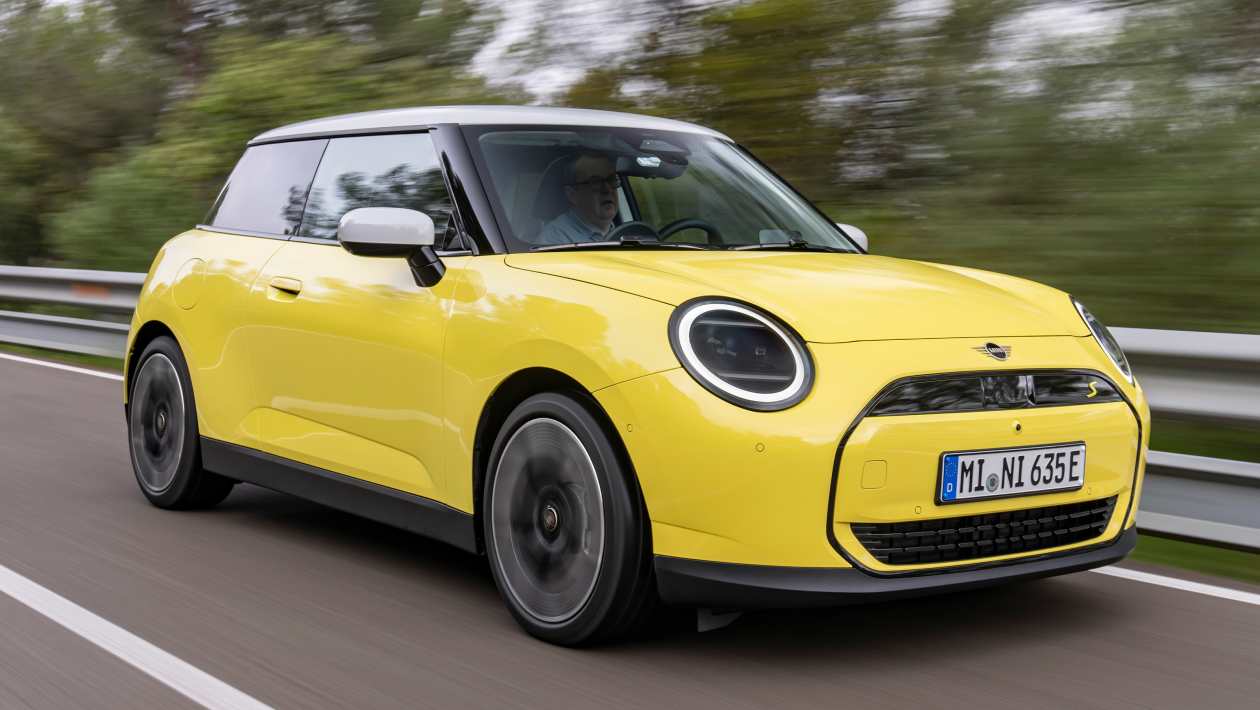
The Mini Cooper is a compact and stylish vehicle, but its small engine and tight engine bay can make it prone to overheating in extremely hot conditions. The turbocharged engines in some models generate significant heat, which can overwhelm the cooling system during prolonged desert driving or during stop-and-go traffic in high temperatures.
While the vehicle performs well in moderate climates, Las Cruces’ intense summer heat can place additional stress on its radiator and coolant system. Drivers who use their Mini Cooper for long commutes in such conditions may notice increased engine temperatures, requiring careful monitoring to avoid damage.
Cabin comfort in the Mini Cooper is also affected by its small size. Air conditioning systems are effective, but they must work harder to maintain a comfortable interior in extreme heat. The combination of a compact cabin and high ambient temperatures can result in quicker heat buildup, especially when parked in direct sunlight.
Sunshades and window tints may help, but the vehicle’s design means the interior can become uncomfortably hot faster than larger sedans or SUVs. This can make the vehicle less appealing for desert commuters who spend long hours in traffic or driving midday.
Maintenance for the Mini Cooper in desert conditions requires vigilance. Regular coolant checks and radiator inspections are essential, and neglecting these small details can result in engine overheating. Dust and sand from desert roads can accumulate more quickly due to the tight engine bay, potentially clogging radiators or air filters.
While the car’s European engineering emphasizes precision, its compact layout means that even minor overheating issues can escalate if not addressed promptly. Owners in high-temperature regions must be proactive in monitoring engine health.
Despite its charm and agility, the Mini Cooper’s combination of compact engine design, tight engine bay, and high heat output makes it less suited for desert commuting. Drivers in Las Cruces who are drawn to the car for its style and performance should be aware of its limitations in heatwaves.
Extra precautions, such as monitoring coolant levels and avoiding prolonged traffic in peak temperatures, are necessary to prevent damage. While it remains a fun and engaging vehicle in moderate conditions, desert commuters may find it less reliable compared to vehicles with larger, more robust cooling systems.
Mazda MX-5 Miata
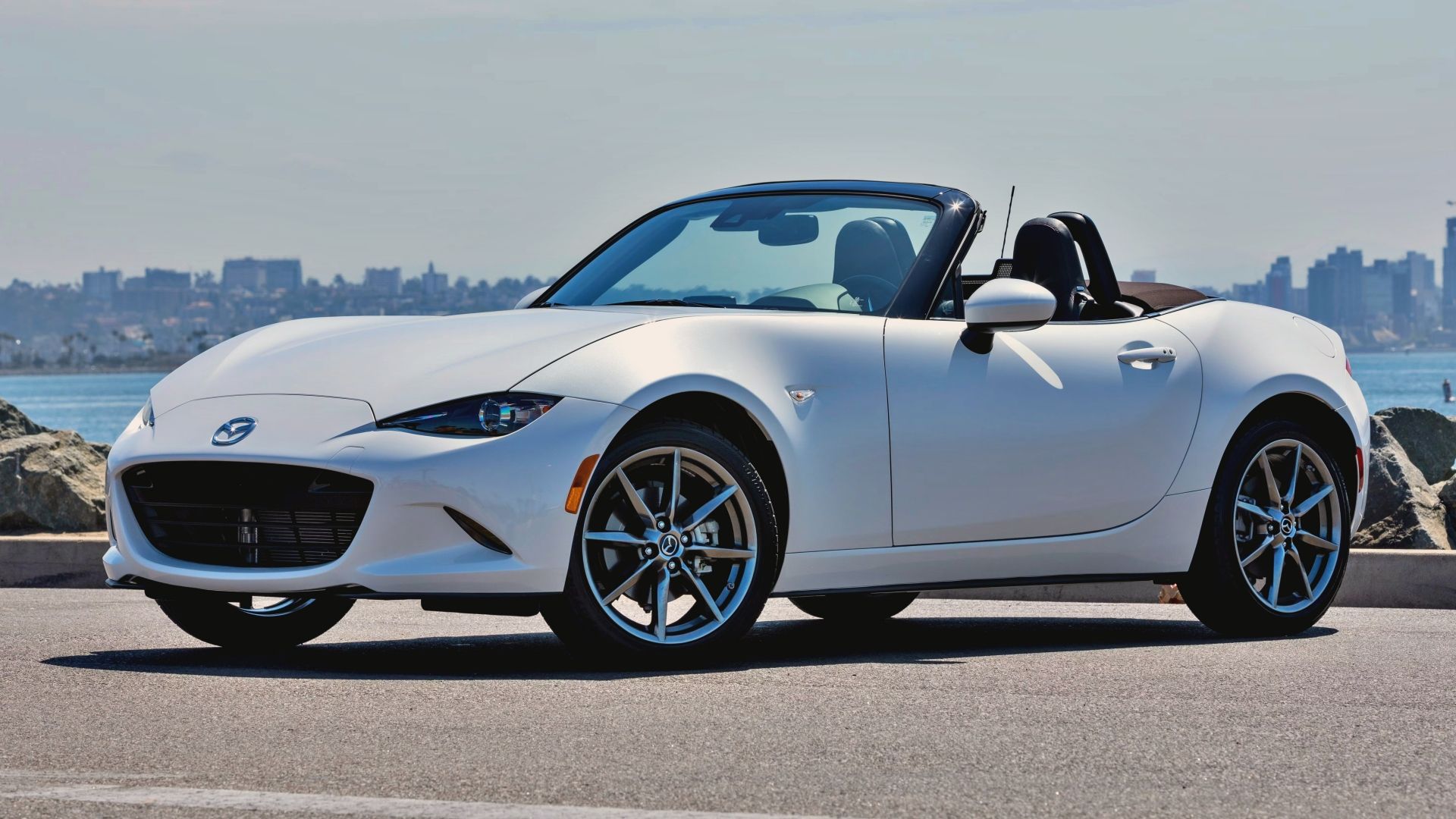
The Mazda MX-5 Miata is celebrated for its driving dynamics and lightweight design, but its small engine and tightly packaged components can struggle in extreme heat. The high-revving nature of the Miata’s engine means it produces significant heat during performance driving or extended highway trips in hot climates.
While it excels as a sporty weekend vehicle, daily desert commuting in temperatures above 100 degrees can stress the cooling system, particularly during stop-and-go traffic. Extended exposure to heat increases the risk of coolant evaporation and localized overheating in the engine bay.
Interior comfort in the Miata is also limited by its compact design. The air conditioning system is effective for short drives, but during prolonged exposure to desert heat, it must work continuously to maintain a comfortable cabin. The small cabin space amplifies the effects of external temperatures, and even with the top up, sunlight can quickly raise interior temperatures.
Drivers may experience heat accumulation in the seats, dashboard, and steering wheel, reducing comfort on long commutes. The convertible top also requires careful maintenance, as extreme heat can accelerate wear or fading of fabric materials.
Maintenance in the Miata is critical for desert operation. Coolant checks, radiator inspections, and timely oil changes are necessary to prevent overheating. Dust accumulation can impact air intake and radiator efficiency, and the small engine bay leaves less room for heat dissipation.
Owners must also monitor fan operation and belt conditions, as high temperatures place additional strain on components that may not be as stressed in moderate climates. These maintenance demands make the Miata less forgiving than larger sedans or SUVs when exposed to prolonged heat.
Despite its popularity as a fun, lightweight sports car, the MX-5 Miata is not ideally suited for desert commuting. Its small engine, compact engine bay, and high heat generation make it prone to overheating in heatwaves.
Drivers must remain attentive to engine temperature, avoid prolonged idling, and ensure cooling systems are in excellent condition. While the Miata offers excellent performance under moderate conditions, its limitations in extreme desert heat make it less practical for daily use in Las Cruces.

Volkswagen GTI
The Volkswagen GTI is known for combining sporty performance with a practical hatchback design, but its turbocharged engine can be vulnerable to overheating during high temperatures. Turbo systems generate more heat than naturally aspirated engines, and in extreme desert conditions, the cooling system can struggle to dissipate it effectively.
Extended periods of driving in stop-and-go traffic or under heavy sunlight increase the likelihood of engine temperature spikes, particularly in older models or those with less frequent maintenance. This makes the GTI a potentially risky choice for long summer commutes in Las Cruces.
Inside the GTI, cabin comfort is generally good, but prolonged exposure to desert heat can challenge the air conditioning system. The compact interior heats up quickly, and the vents must work at full capacity to maintain a comfortable temperature for occupants.
Seat and dashboard materials can become hot to the touch, increasing discomfort during longer drives. While reflective window tints and sunshades can help, the design is less forgiving in intense heat compared to larger sedans or SUVs with more robust climate systems.
Maintenance is essential for the GTI, particularly in desert environments. Turbocharged engines require careful monitoring of oil and coolant levels, as excessive heat can cause degradation of lubricants and potential engine stress. Radiator efficiency is critical, and dust accumulation can impede airflow.
Drivers who fail to maintain these systems regularly may face overheating, reduced engine performance, or even long-term damage. Preventive maintenance is more demanding in hot climates, making the GTI less convenient for daily desert commuting.
Despite its appeal as a sporty and versatile hatchback, the Volkswagen GTI faces challenges in extreme heat. Its turbocharged engine, compact engine bay, and smaller cooling system make it prone to overheating during prolonged desert commutes. Drivers must exercise caution, ensure regular maintenance, and avoid extended periods of high-load driving in intense heat. For residents of Las Cruces, the GTI’s heat sensitivity may outweigh its otherwise engaging performance and practicality.
Chevrolet Camaro
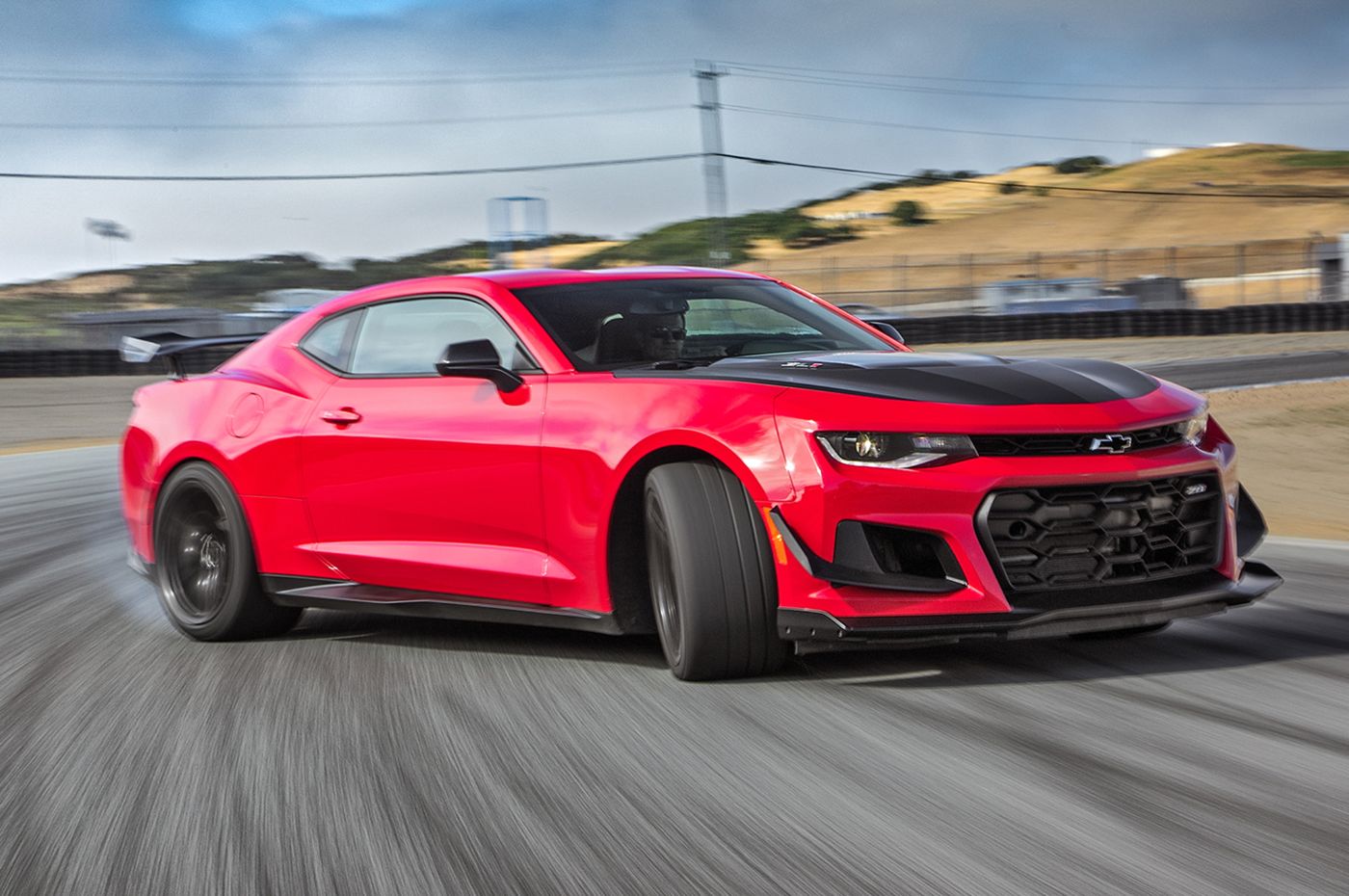
The Chevrolet Camaro is a high-performance sports car with a powerful V6 or V8 engine, but these engines can generate excessive heat during summer driving. Large engines require strong cooling systems, and while the Camaro performs well in moderate climates, desert conditions can push the system to its limits.
Extended idling, stop-and-go traffic, and high ambient temperatures can all contribute to engine overheating. Drivers in Las Cruces may find that the Camaro’s performance comes at the cost of additional vigilance and frequent coolant monitoring in heatwaves.
Cabin comfort is a secondary concern in many sports cars, and the Camaro is no exception. While it has air conditioning, the small interior and large windows allow sunlight to raise the cabin temperature quickly. Seats can become uncomfortably hot, and longer commutes may result in fatigue or discomfort for drivers and passengers.
The low seating position also exposes occupants to more radiant heat from the road and engine, increasing the reliance on a strong air conditioning system. This makes desert commuting less comfortable compared to sedans or SUVs designed for high heat.
Maintenance demands for the Camaro in desert conditions are significant. High-performance engines require frequent oil changes, coolant checks, and radiator inspections. Turbocharged or supercharged variants produce even more heat, and neglecting maintenance can lead to serious engine stress or overheating.
Dust and sand accumulation in radiators or air intakes can further reduce cooling efficiency. Drivers must stay attentive to all systems to avoid breakdowns, which adds an extra layer of responsibility in extreme climates.
Despite its power and appeal, the Chevrolet Camaro is not the ideal vehicle for desert commuting. Its large, high-heat engine and relatively small cabin cooling system make it prone to overheating during heatwaves.
Drivers must actively manage engine temperature, maintain cooling systems, and consider cabin comfort when using the Camaro in Las Cruces. While it remains an exciting sports car for occasional use, its limitations make it less practical for daily desert driving.

Nissan 370Z
The Nissan 370Z is another sports car that struggles in extreme heat due to its high-performance engine and compact design. The V6 engine generates significant heat, and the vehicle’s small radiator and tight engine bay can make it more susceptible to overheating in hot climates.
While it performs exceptionally well under moderate temperatures, extended desert commutes or high-speed driving under intense sun can place excessive stress on the cooling system, increasing the risk of engine damage.
Maintenance requirements in desert conditions are considerable. Coolant levels must be checked frequently, and the radiator should be monitored for dust or debris buildup.
The high-performance engine produces additional heat, which accelerates wear on belts, hoses, and other components. Without attentive maintenance, the 370Z is more prone to overheating or engine stress than larger sedans or SUVs. Owners must be diligent in monitoring the vehicle’s systems to ensure reliability.
Although the Nissan 370Z offers thrilling performance and a compact sporty design, it is not well-suited for desert commuting. Its high-heat engine, small radiator, and limited cabin comfort make it prone to overheating in heatwaves.
Drivers in Las Cruces should be cautious, monitor all cooling systems, and avoid prolonged exposure to extreme heat. While ideal for weekend drives or mild climates, the 370Z’s limitations reduce its practicality for everyday desert driving.
