
American Motors Corporation produced vehicles that often lived in the shadow of larger Detroit brands, yet many of those cars aged with surprising character and value. For buyers who enjoy distinctive styling, straightforward mechanical layouts, and a sense of history without paying collector-level prices, AMC models remain appealing choices.
These vehicles were designed for everyday drivers rather than excess, which makes them approachable even decades later. Parts availability is often better than expected, thanks to shared components with other American brands and an active enthusiast community that keeps knowledge circulating.
Used AMC cars also appeal to people who want something different at car meets or on the street. While Mustangs and Camaros dominate classic car conversations, an AMC parked nearby often attracts more genuine curiosity.
Many of these cars came with simple inline six engines or modest V8s that are easier to maintain than high output muscle era powerplants. Insurance costs and purchase prices tend to remain reasonable, which allows ownership without constant financial pressure.
Another advantage is design honesty. AMC engineers focused on function, durability, and comfort rather than chasing trends. That mindset created cars that feel solid and purposeful even today. Interiors were practical, visibility was usually good, and mechanical layouts favored ease of service. These qualities matter when buying used, especially if the car will be driven regularly rather than stored.
The following list highlights ten AMC models that still represent affordable opportunities on the used market. Each one offers its own personality, strengths, and quirks. None of them require massive budgets to enjoy, and each can serve as a rewarding entry point into classic American car ownership.
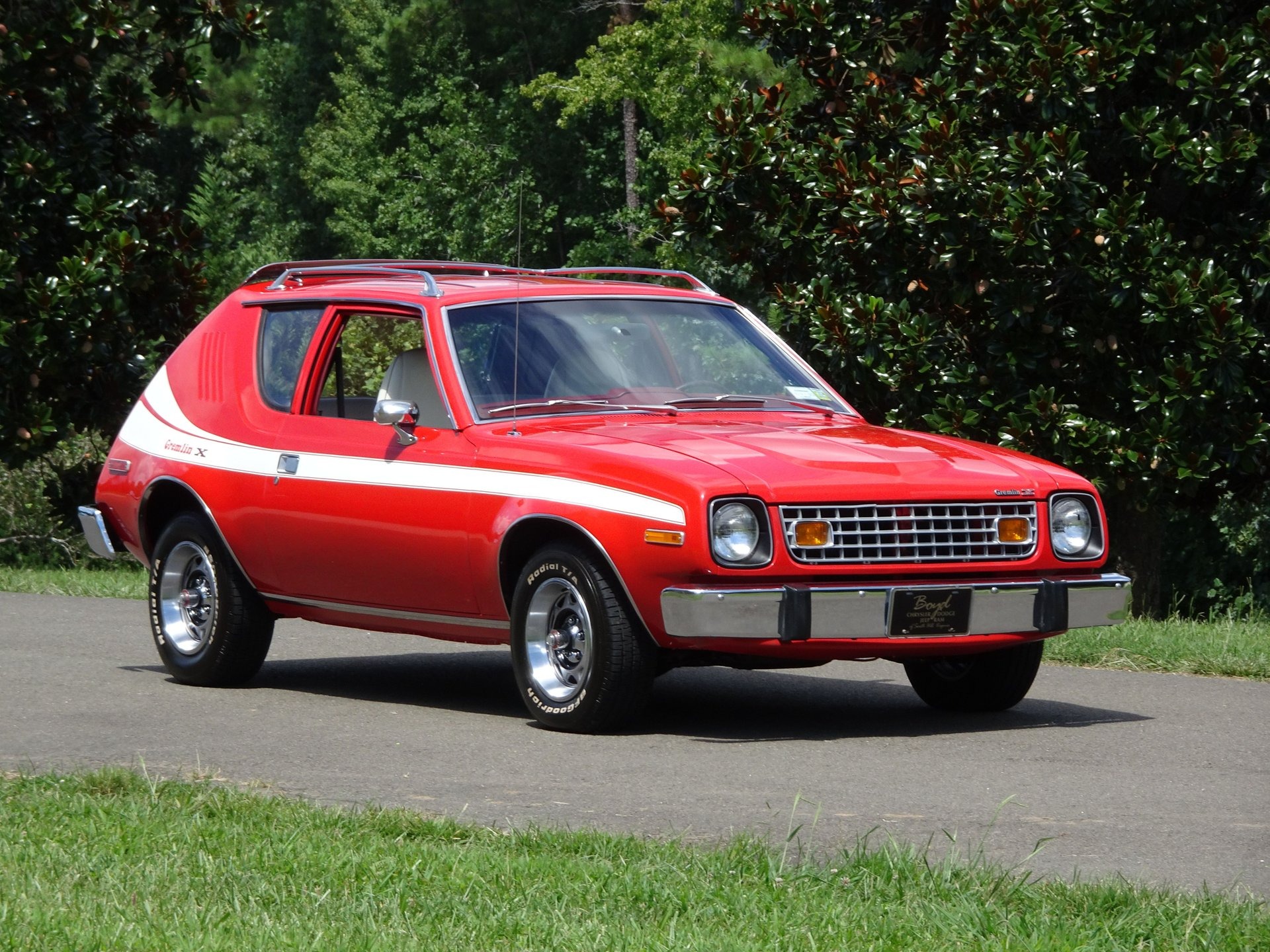
AMC Gremlin
The AMC Gremlin is often remembered for its unusual chopped rear design, but that same look makes it instantly recognizable even decades later. Introduced in the early 1970s as AMC’s entry into the subcompact market, the Gremlin was designed to compete with imports and domestic small cars, offering economy and practicality in a compact package.
Its short length allowed drivers to navigate tight city streets and congested parking lots with ease, a quality that modern drivers can still appreciate. Beyond its quirky appearance, the Gremlin represented AMC’s willingness to take risks, producing a car that was distinctly different from the boxy sedans and station wagons dominating the roads at the time.
From a driving perspective, the Gremlin feels light and responsive compared to larger cars of its era, giving the impression of a small sports car rather than a simple economy model. Steering is direct, suspension is firm enough to provide a stable ride, and the compact size makes maneuvering through curves and urban traffic feel effortless.
While it was never intended to be a performance vehicle, many Gremlins came with inline six engines that provided adequate acceleration for daily use. Over time, enthusiasts discovered that the simplicity of the drivetrain made minor modifications or maintenance straightforward, allowing owners to enhance performance without major mechanical overhauls.
Interior design focuses on practicality rather than luxury, offering a minimalist layout that prioritizes essential controls and visibility. Despite its modest nature, the cabin can feel surprisingly roomy, with adequate legroom for front passengers and reasonable comfort for the rear seats.
Replacement interior components are often easier to find than anticipated, as AMC shared many parts across its compact models. This cross-compatibility reduces costs for restorations and allows owners to maintain originality without overspending on custom or rare components, making ownership more practical.
Affordability remains one of the Gremlin’s strongest selling points, especially for collectors or first-time classic car buyers on a budget. Many clean examples can still be found for far less than comparable vehicles from larger brands, meaning enthusiasts can enjoy a distinct piece of American automotive history without spending a fortune.
Its unique styling ensures it stands out in a crowd, and the strong enthusiast network provides resources, advice, and replacement parts to keep it on the road. For those seeking something economical, mechanically approachable, and unconventional, the Gremlin is a rewarding choice.
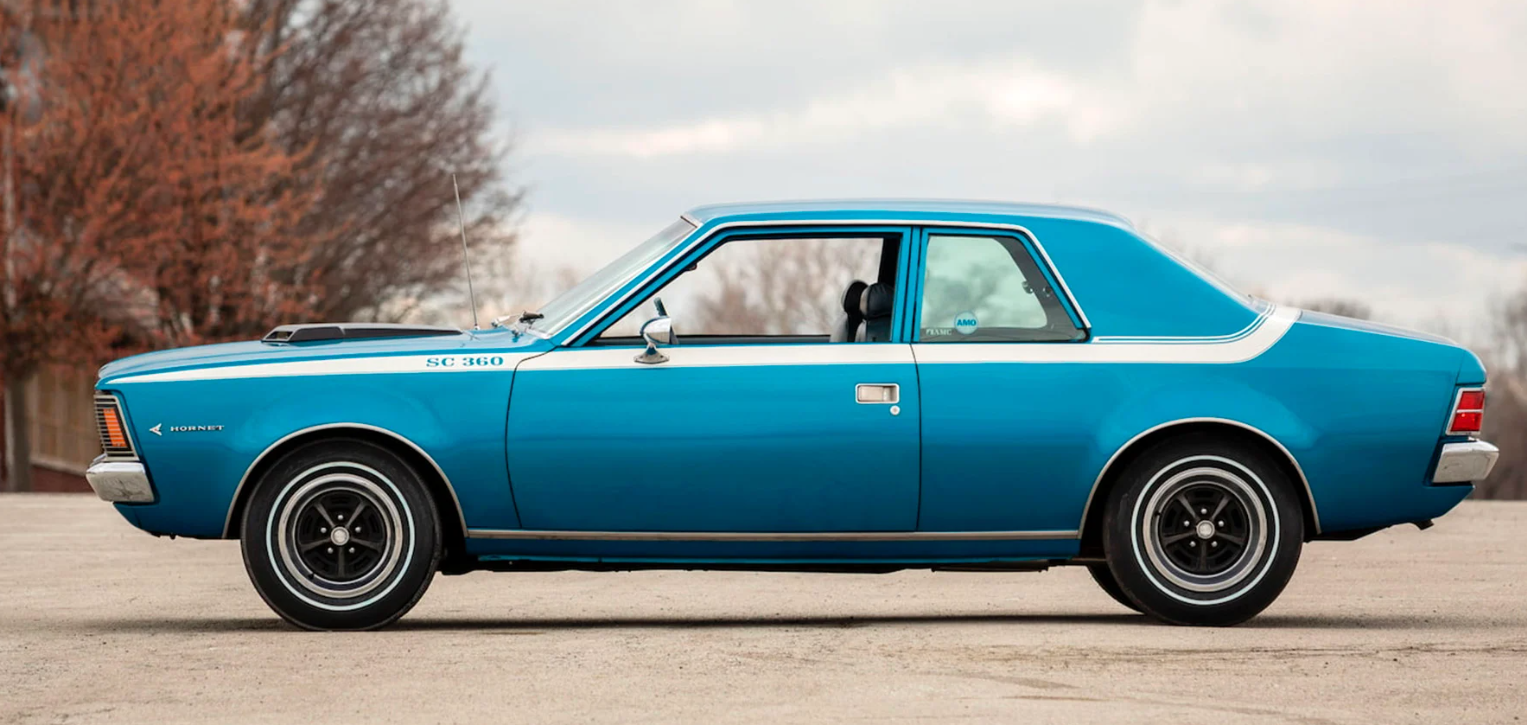
AMC Hornet
The AMC Hornet served as a versatile compact car that appealed to a wide range of drivers, from families to young professionals looking for reliability. Launched in the early 1970s, the Hornet came in several body styles, including a two-door coupe, four-door sedan, station wagon, and even a hatchback, making it one of AMC’s most adaptable offerings.
Its conservative yet balanced styling aged more gracefully than many competitors, providing a classic look that still feels approachable today. The Hornet’s design prioritized efficiency and utility, ensuring that it could meet the needs of everyday drivers without appearing flashy or overengineered.
Under the hood, buyers typically encounter AMC’s well-regarded inline six engines or optional small V8 units. Both choices prioritize durability over outright performance, offering smooth operation and dependable service over the long term.
The mechanical layout is straightforward, meaning that routine maintenance, such as oil changes, tune-ups, and minor repairs, is accessible even to novice enthusiasts. This simplicity makes the Hornet a practical option for those looking for a classic car that can be driven regularly without requiring a specialist mechanic for every adjustment.
Ride quality is another key advantage of the Hornet, often overlooked by casual observers. The suspension was tuned for comfort and stability, providing a compliant and composed ride over uneven pavement and long stretches of road. Handling remains predictable, making the Hornet suitable for both city driving and longer highway trips.
While not designed for spirited driving, it feels balanced and planted, offering a reassuring presence that makes it easy to enjoy daily driving or weekend excursions without fatigue.
Used Hornets remain highly affordable compared to other classic cars from the same era, largely due to their understated nature and lack of muscle car hype. However, their practicality, mechanical reliability, and solid design make them excellent candidates for restoration or preservation.
With active online forums and a dedicated community of AMC enthusiasts, finding advice, replacement parts, and performance upgrades is easier than many expect. For buyers who want a dependable, flexible, and characterful vehicle without breaking the bank, the Hornet offers exceptional value.
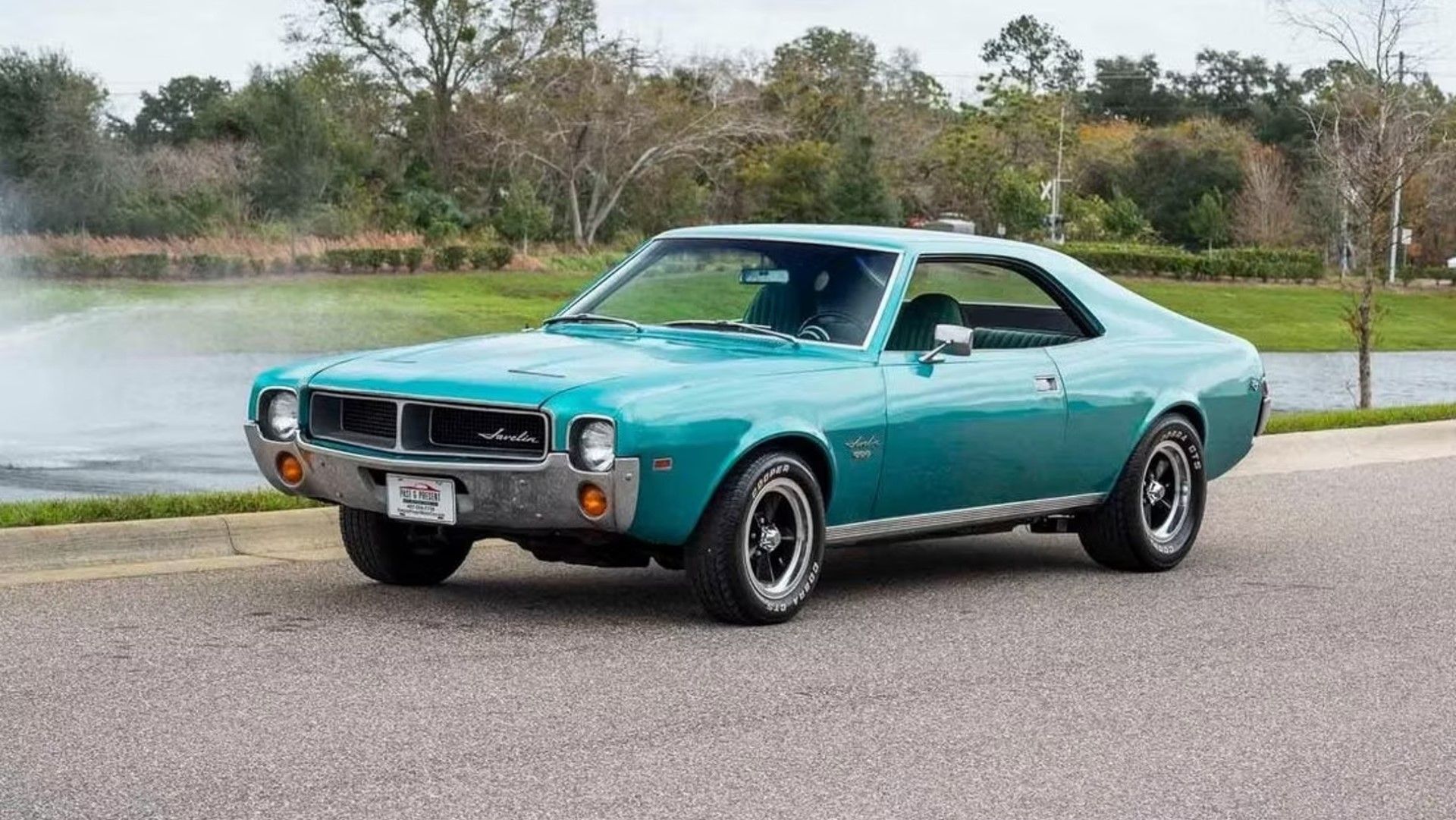
AMC Javelin
The AMC Javelin was AMC’s response to the growing popularity of the pony car segment, competing with the likes of Ford Mustang, Chevrolet Camaro, and Dodge Challenger. It was introduced in the late 1960s with bold styling that included a long hood, short rear deck, and aggressive lines, giving it a sporty and confident appearance.
Even base models possess a sense of presence that stands out on the road. AMC offered a range of engines, from modest inline sixes to larger V8s, allowing buyers to select a configuration suited to either economy or performance, depending on their needs.
Driving a Javelin offers an unexpectedly engaging experience for a vehicle of its size and age. Steering feels precise, suspension is tuned to balance comfort with responsiveness, and the car maintains composure through curves and corners.
Standard trims provide adequate acceleration for highway and city use, while higher performance versions deliver more thrilling capabilities. Even modestly powered Javelins reward careful driving and allow enthusiasts to enjoy a classic American sports coupe without the excessive costs associated with rare muscle cars.
Inside, the Javelin maintains a driver-focused layout, combining sportiness with functional comfort. Bucket seats provide support for longer drives, and gauge placement ensures visibility of vital information at a glance. Interior components, while not luxurious, were designed for durability and ease of use.
Replacement parts are readily available thanks to a strong enthusiast network, and many shared components reduce the difficulty of restoring or maintaining the car. This practical approach ensures that owning a Javelin is not only stylish but manageable in the long term.
Affordability is a significant advantage for the Javelin, particularly for standard or mid-range models that remain accessible to enthusiasts seeking a sporty classic. Rare high-performance trims command higher prices, but many drivers can find a clean, reliable example without exceeding a reasonable budget.
The combination of distinctive styling, approachable performance, and robust community support makes the Javelin an attractive option for buyers looking for a pony car alternative with unique American character.
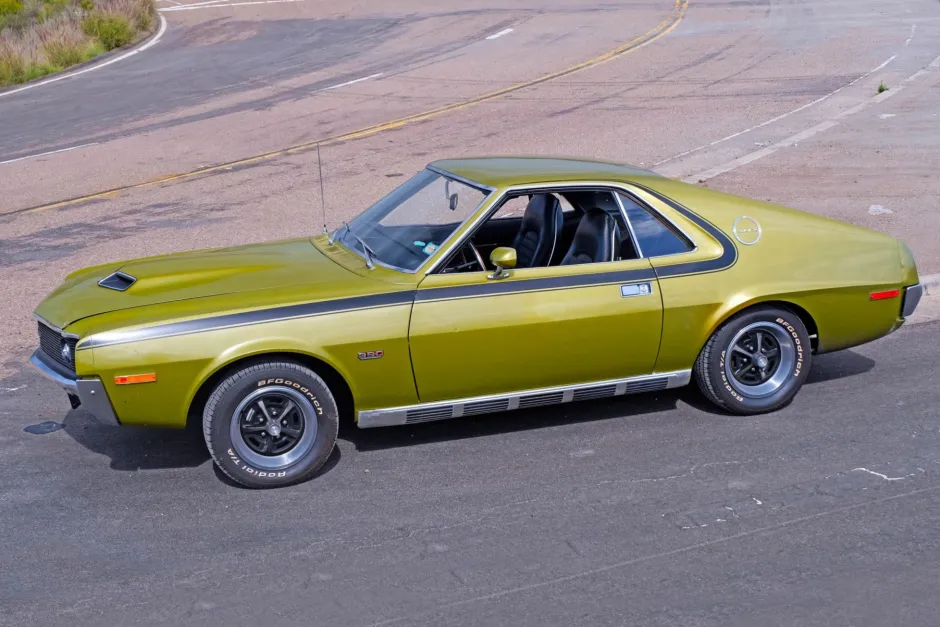
AMC AMX
The AMC AMX is a unique entry in AMC’s lineup, designed as a two-seat performance coupe that offered drivers a more compact and agile alternative to larger muscle cars. Its shorter wheelbase gave it a distinctive stance, contributing to a more nimble and responsive driving experience.
Launched in 1968, the AMX was AMC’s statement that the brand could compete in the performance market, offering V8 power, bold styling, and a no-compromise approach to sporty driving. The design appealed to enthusiasts who wanted a car that felt purposeful without the excess dimensions of typical muscle vehicles.
Performance was a primary consideration for the AMX, especially in V8-equipped versions that offered acceleration and highway speed capability. Despite this focus, the car remained approachable for a variety of drivers.
Its compact dimensions and well-balanced chassis created a confident feel on corners and straights alike, allowing drivers to enjoy spirited motoring without feeling overwhelmed. The combination of mechanical simplicity and performance potential makes the AMX highly desirable for those who like to work on their own vehicles or enhance them selectively over time.
The interior, though limited in space due to the two-seat layout, feels deliberate and driver-oriented. Seating is supportive, controls are intuitive, and visibility is sufficient for everyday driving. The cabin’s mechanical simplicity also makes it easier to maintain compared to larger, more complex vehicles of the muscle car era.
Enthusiasts appreciate that the AMX delivers a pure driving experience without unnecessary electronics or complicated systems, allowing focus on the connection between driver, machine, and road.
Price accessibility varies depending on condition and model, but many AMXs remain attainable for buyers willing to target less sought-after trims. Even lower-priced examples offer the charm, character, and engagement that define the model, making it a rewarding entry point into classic American performance cars. For those seeking something sporty, compact, and historically significant without entering extreme collector territory, the AMX represents an outstanding opportunity.
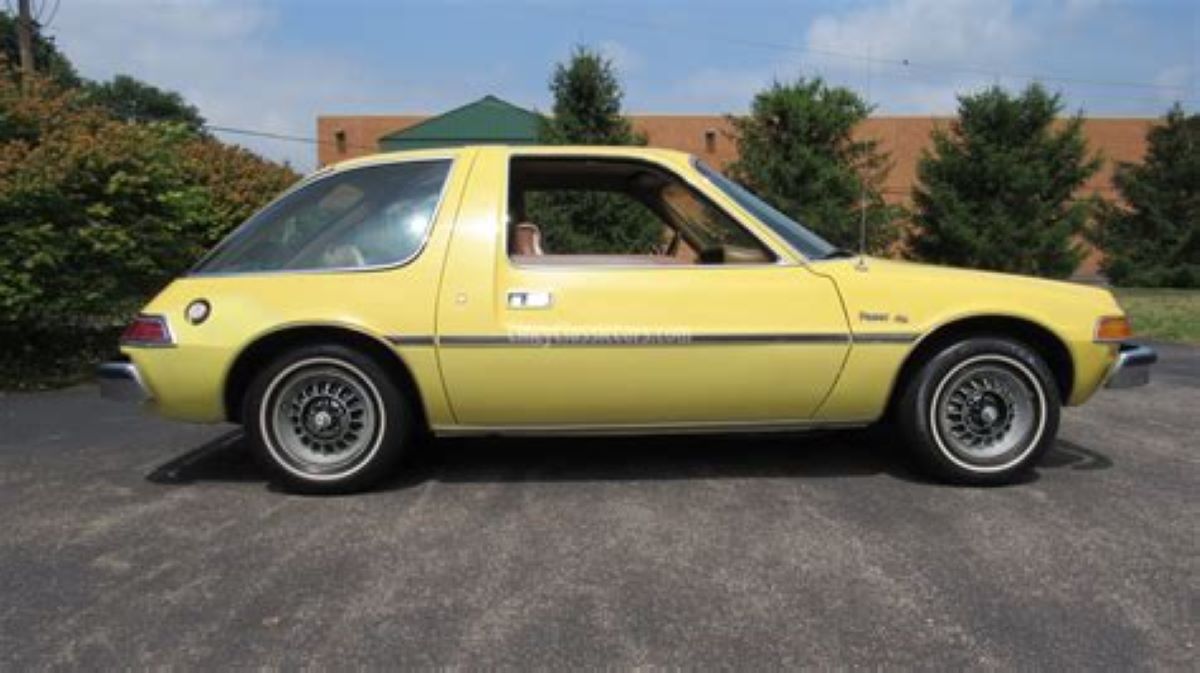
AMC Pacer
The AMC Pacer is perhaps one of the most visually distinctive cars of its era, remembered for its unusually wide stance and almost futuristic glass-dominated design. Introduced in the mid-1970s, the Pacer was intended to offer an innovative driving experience while maximizing interior space within a compact footprint.
Its large windows not only gave it a unique aesthetic but also improved outward visibility, enhancing practicality for everyday driving. While unconventional at the time, this bold styling now contributes to the vehicle’s enduring charm and recognizability.
Despite its distinctive appearance, the Pacer delivers a comfortable and composed ride. The wide track enhances stability, and the suspension absorbs road imperfections more effectively than many contemporaries.
Drivers experience a sense of security even at higher speeds, making longer trips and city commuting equally manageable. It was designed with urban usability in mind, which remains relevant today, as the compact dimensions and nimble handling allow drivers to navigate dense traffic with confidence.
Interior space is surprisingly generous for a car of its size, and passengers enjoy an airy and light-filled cabin thanks to the extensive glass. Seating is comfortable for front occupants, and the rear bench provides adequate space for smaller adults or children.
Practical touches, such as easy-to-read gauges and simple controls, add to its usability. Even after decades, the Pacer’s design demonstrates a thoughtful balance of innovation and comfort.
Affordability is one of the Pacer’s strongest selling points. Many collectors overlook it due to its unconventional styling, which keeps prices relatively low compared to more traditional classic cars. This allows buyers to acquire a car with unique character, practicality, and the potential for restoration without excessive expense. For enthusiasts who value originality, distinct design, and functional usability, the Pacer remains a compelling choice.
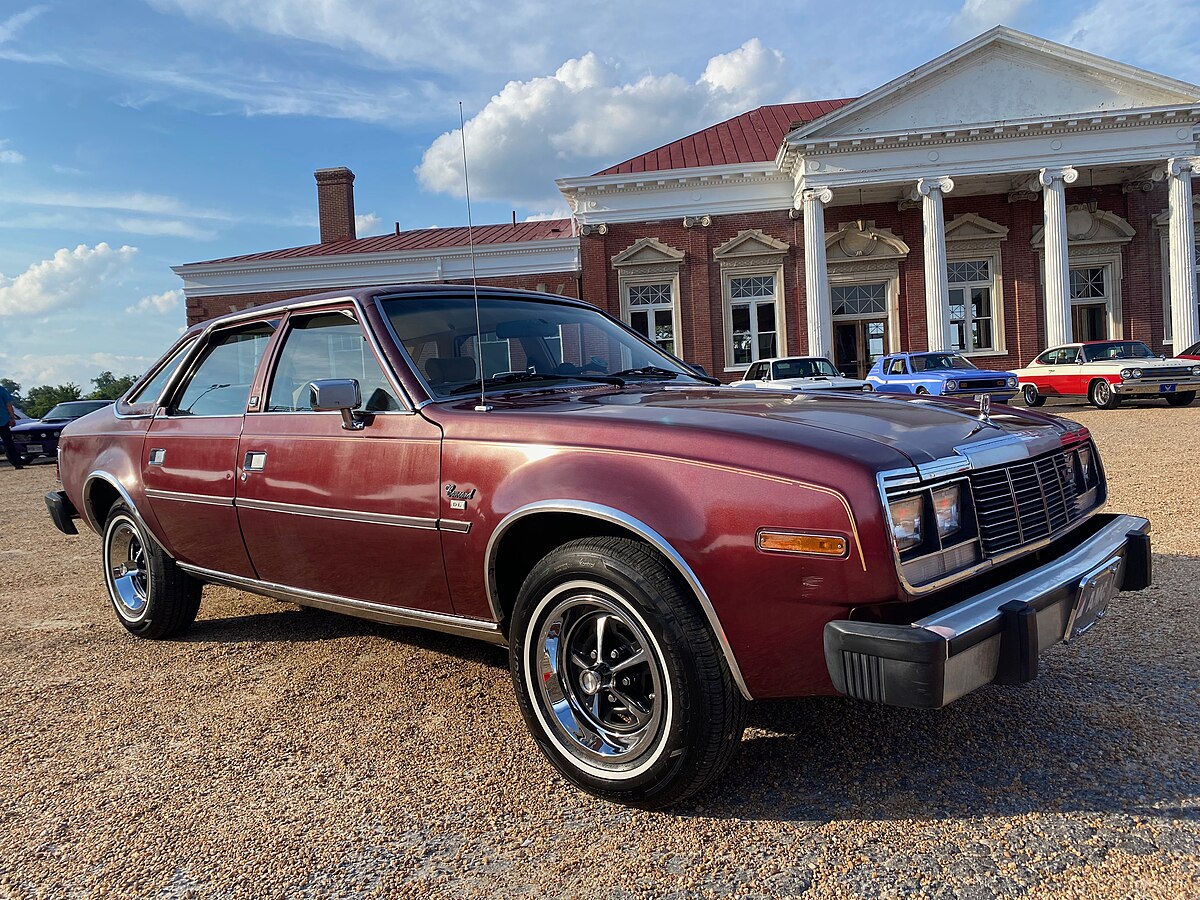
AMC Concord
The AMC Concord was introduced in the late 1970s as a compact car designed to offer refinement, comfort, and practicality without the bulk of larger sedans. Unlike some of AMC’s more playful or sporty models, the Concord focused on creating a reliable and smooth-driving vehicle that could meet the needs of everyday commuters and small families.
Its styling was conservative and understated, giving it a timeless look that allows it to blend easily into modern traffic while maintaining its classic identity. The car appealed to buyers who valued quality construction and a no-nonsense approach to design over flashiness or overtly sporty aesthetics.
On the road, the Concord emphasizes a calm and comfortable driving experience. Steering is light and predictable, making city driving and tight turns manageable even for less experienced drivers. The suspension was tuned for a soft, composed ride, which makes it ideal for long highway trips or weekend errands.
Engine options, generally modest inline sixes or small V8s, prioritize fuel efficiency and dependability over aggressive performance. This makes the Concord approachable for owners who want a classic car that can still serve as a functional daily driver.
Inside, the Concord features a practical and durable interior designed for comfort and ease of use. Controls are logically laid out and accessible, while seats provide adequate support for both short commutes and longer drives. Materials were chosen for resilience, meaning the interior has aged relatively well compared to some of its contemporaries. The cabin also benefits from thoughtful ergonomics, offering good visibility and a sense of stability that enhances driver confidence.
Used Concords remain highly affordable, often priced well below more glamorous AMC models or muscle cars from the same era.
Their understated nature, combined with reliable mechanics and low maintenance costs, makes them attractive options for buyers who want a practical classic without excessive investment. Enthusiast communities and resources for parts and advice further increase their appeal, allowing buyers to enjoy a comfortable, well-built vehicle with minimal stress and cost.
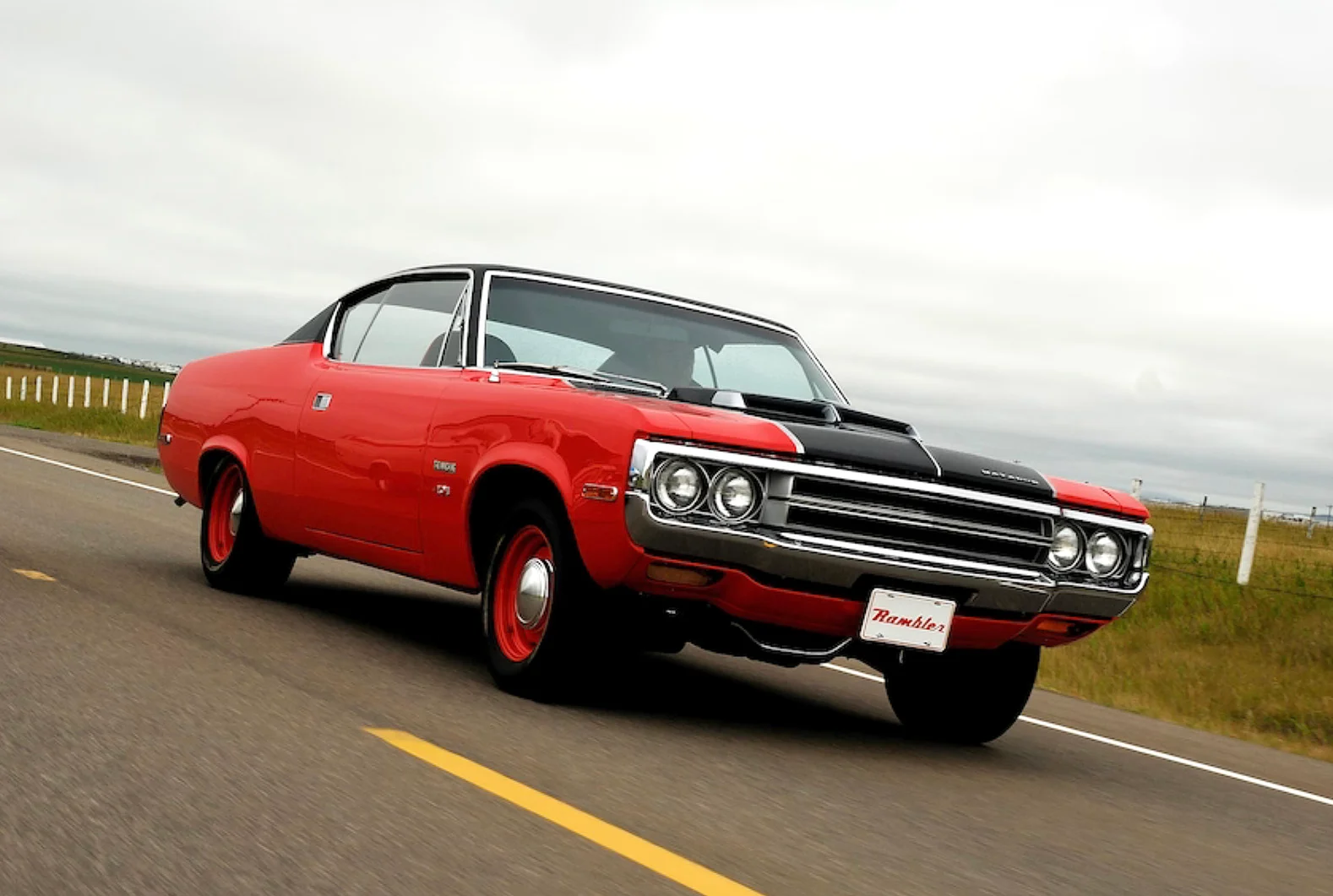
AMC Matador
The AMC Matador was AMC’s mid-size offering, produced in the 1970s, and it struck a balance between style, comfort, and everyday usability. Its design evolved throughout its production, ranging from conservative sedan styling to bold, more aggressive coupe lines.
This diversity allows buyers to select a Matador that suits their personal taste, whether they prefer understated elegance or a vehicle with noticeable presence on the road. Larger than AMC’s compact offerings, the Matador was designed to provide ample interior space while remaining manageable and practical for everyday use.
Driving the Matador delivers a sense of stability and reassurance, particularly on highways and long stretches of road. Its longer wheelbase and robust suspension absorb bumps effectively, providing a smooth and controlled ride.
V8 engine options give it enough power for effortless cruising and merging, though even the base inline six models offer adequate performance for normal driving conditions. The Matador handles predictably, making it a comfortable car for drivers seeking a classic that is practical and reliable rather than extreme in performance.
The interior of the Matador emphasizes passenger comfort and usability. Front and rear passengers benefit from generous legroom, and the seats are supportive for extended drives. The trunk is spacious, easily accommodating luggage, groceries, or other cargo.
Controls are simple and logical, reflecting AMC’s philosophy of functional design rather than extravagant embellishments. This practical approach ensures the Matador remains usable and enjoyable even decades after its production.
Used Matadors often remain reasonably priced, particularly for well-maintained sedans or coupes that have survived in good condition. While they do not enjoy the same collectible hype as some AMC performance models, their combination of comfort, size, and practicality makes them a strong value proposition for buyers. For those who want a classic car that is roomy, stable, and capable of regular driving, the Matador provides an appealing balance of quality and affordability.
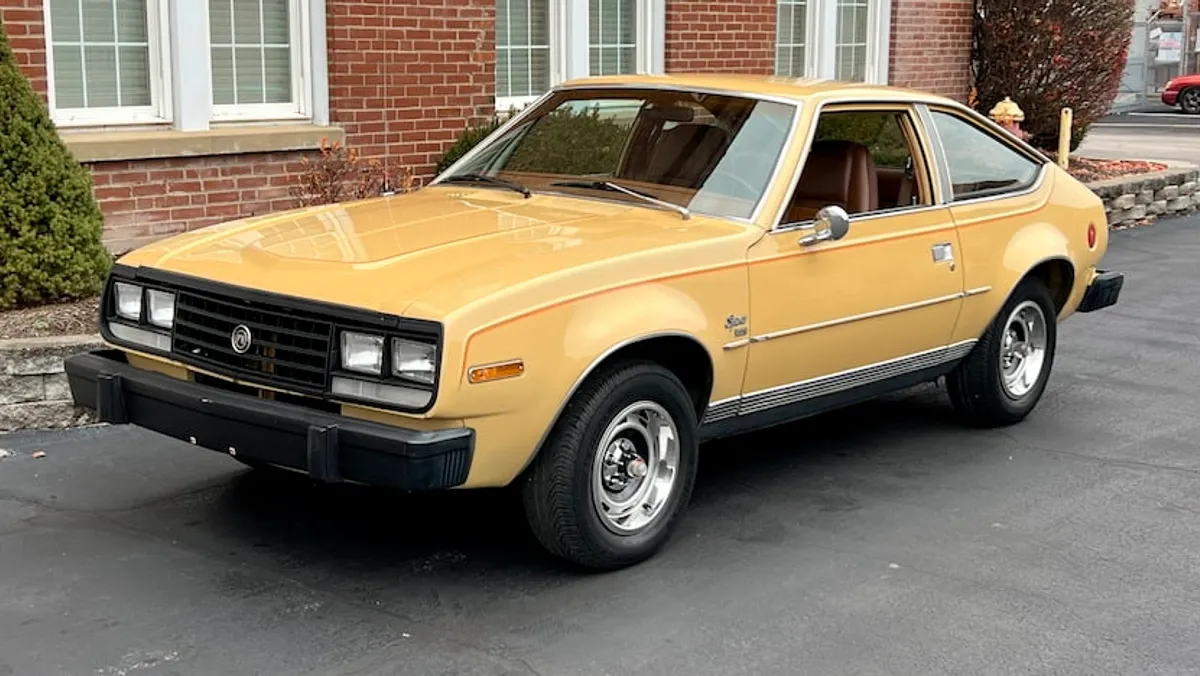
AMC Spirit
The AMC Spirit served as a compact, fun-to-drive vehicle introduced in the late 1970s and offered as a sedan, coupe, or hatchback. Its design emphasized simplicity, light weight, and maneuverability, making it particularly appealing to younger drivers or those looking for an economical classic.
While its styling may seem understated compared to more flamboyant AMC models, the Spirit’s clean lines and modest proportions give it a timeless charm. It remains an approachable classic for people who want something easy to maintain and enjoyable to drive.
Performance varies depending on engine choice, but even the base models feel responsive thanks to the car’s light weight. The Spirit handles nimbly on winding roads and feels agile in urban environments, giving it a lively character that belies its economy-focused design.
Suspension tuning prioritizes comfort and predictability while still allowing for enjoyable cornering and everyday spirited driving. Its mechanical simplicity also makes it a favorite among enthusiasts who like to work on their own vehicles, as most repairs are straightforward and cost-effective.
Inside, the Spirit is designed to maximize practicality. Controls are simple and intuitive, and seating is comfortable for its size, supporting both city commutes and longer trips. The cabin layout emphasizes visibility and accessibility, helping drivers feel confident behind the wheel.
Shared parts with other AMC compact models increase the ease of sourcing replacements and reduce maintenance costs, which is a significant advantage for anyone considering ownership of a used Spirit.
Affordability is one of the Spirit’s strongest points. Many examples remain overlooked by collectors, keeping prices low and attractive for budget-conscious buyers. Despite its modest status, it offers a genuine connection to AMC’s history and a driving experience that is both engaging and reliable. For those who value simplicity, practicality, and lighthearted fun, the Spirit is a rewarding classic that continues to provide strong value.
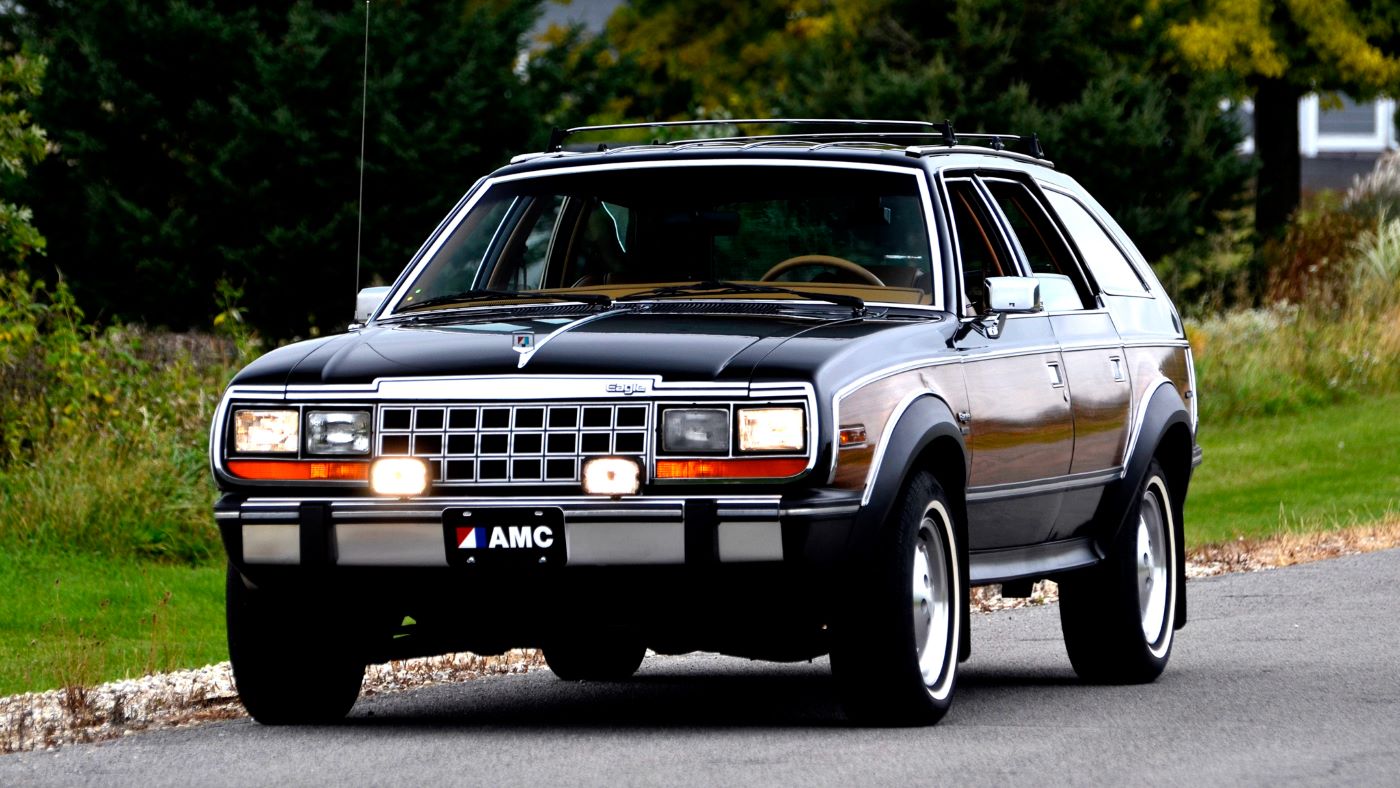
AMC Eagle
The AMC Eagle was a groundbreaking vehicle when it was introduced in the late 1970s, combining the comfort of a passenger car with the capability of all-wheel drive. Considered a precursor to modern crossover SUVs, the Eagle was designed to offer traction and stability in adverse conditions without sacrificing everyday usability.
Its elevated stance and rugged design made it versatile for snow, gravel, or uneven roads, yet it maintained the smooth ride and interior comfort of a traditional car. This combination of traits has kept it unique among AMC models and relevant to modern enthusiasts seeking early AWD innovation.
Driving the Eagle provides confidence in a variety of road conditions. All-wheel drive traction improves handling on slippery surfaces, while the suspension is tuned to balance ride comfort with control.
The elevated ride height contributes to improved visibility, making city driving and highway cruising more secure. Despite its off-road capability, it maintains a predictable and stable feel, proving that practicality and versatility can coexist with the traditional comfort of an AMC passenger car.
The interior mirrors AMC’s approach to practicality and simplicity. The cabin is functional, with adequate space for passengers and cargo, and controls remain intuitive and easy to use.
The higher seating position enhances comfort and road awareness, while materials were chosen for durability and ease of maintenance. Many Eagles came with features uncommon for their time, such as optional power accessories and modern conveniences, which adds to their appeal as both collector and functional daily driver vehicles.
Used AMC Eagles are increasingly appreciated by collectors, yet many remain affordable compared to other classic cars. Their combination of unique AWD capability, practicality, and distinctive styling makes them especially attractive for buyers seeking something different.
The strong enthusiast community also ensures parts and advice are available, helping to preserve the Eagle’s unique legacy. For those looking for a classic that blends comfort, utility, and historical significance, the Eagle represents a compelling option.
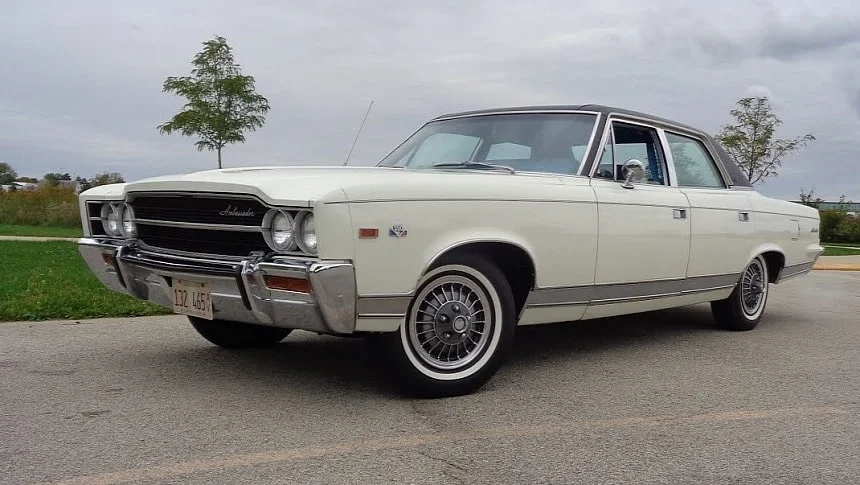
AMC Ambassador
The AMC Ambassador was the brand’s premium offering during the 1960s and 1970s, aimed at buyers seeking size, comfort, and traditional American sedan refinement. With its large dimensions and sophisticated styling, the Ambassador stood out in AMC’s lineup, providing a more luxurious experience without venturing into the high-cost territory of full-size luxury cars.
Its design reflected a commitment to practicality and elegance, combining spacious interiors with understated exterior styling that remains appealing to classic car enthusiasts.
Ride quality in the Ambassador is smooth, composed, and tailored for comfort. Suspension tuning emphasizes softness and stability, ensuring a relaxed driving experience even over rough roads or long distances.
V8 engine options offer effortless power, allowing for relaxed highway cruising and confident passing maneuvers. Unlike sport-focused models, the Ambassador prioritizes a stable and refined feel, making it particularly suitable for drivers who value comfort over performance extremes.
Inside, the Ambassador excels in passenger comfort and interior quality. Seats are generously sized and supportive, the cabin is quiet, and materials were selected to endure years of use. Controls are logical and accessible, and there is ample space for both front and rear passengers.
This attention to detail and practicality makes the Ambassador one of AMC’s most comfortable and livable vehicles, offering a traditional American sedan experience without unnecessary complications.
Despite its premium positioning, used Ambassadors remain reasonably priced, often below similar-sized sedans from competing brands. Their combination of comfort, size, and approachable maintenance makes them appealing to buyers who want a large, classic car without high costs.
For collectors or enthusiasts seeking a vehicle that delivers refinement, practicality, and enduring charm, the Ambassador continues to represent an excellent value within the AMC family.
