
Honda has been a respected name in the automotive world for decades, producing vehicles that balance performance, reliability, and style. Among its lineup, sports cars have always held a special place because they combine engineering excellence with driving excitement.
Over the years, Honda has created some of the fastest and most thrilling sports cars, earning a reputation for agility and efficiency. These vehicles are not just about raw speed; they represent the company’s commitment to precision engineering, lightweight construction, and innovative technology.
The appeal of Honda sports cars lies in their ability to deliver performance without compromising everyday usability. Models such as the NSX, S2000, and Civic Type R have become icons for car enthusiasts worldwide.
Each of these cars offers a unique driving experience, whether it is the high-revving thrill of a naturally aspirated engine or the controlled surge of a turbocharged powerplant.
Honda’s approach to performance emphasizes balance and driver engagement rather than relying solely on horsepower numbers. This philosophy has helped the brand create some of the most respected sports cars in history.
In addition to engineering, Honda sports cars have achieved impressive speed milestones. From their acceleration to top speed, these vehicles demonstrate how thoughtful design and lightweight materials can produce remarkable results.
The combination of aerodynamics, engine tuning, and suspension technology allows Honda to compete with much more expensive performance brands. Enthusiasts often praise these cars for their precise handling, responsive steering, and connection between driver and machine, which make every ride a memorable experience.
Understanding Honda’s fastest sports cars requires examining both production models and their contributions to automotive culture. Some vehicles have become legendary for their speed, while others are celebrated for their innovative features or racing heritage.
Each car in this list highlights Honda’s dedication to creating vehicles that inspire excitement while remaining practical for everyday use. By looking at these ten fastest sports cars, it is possible to appreciate the engineering milestones and design philosophy that have defined Honda over the years.
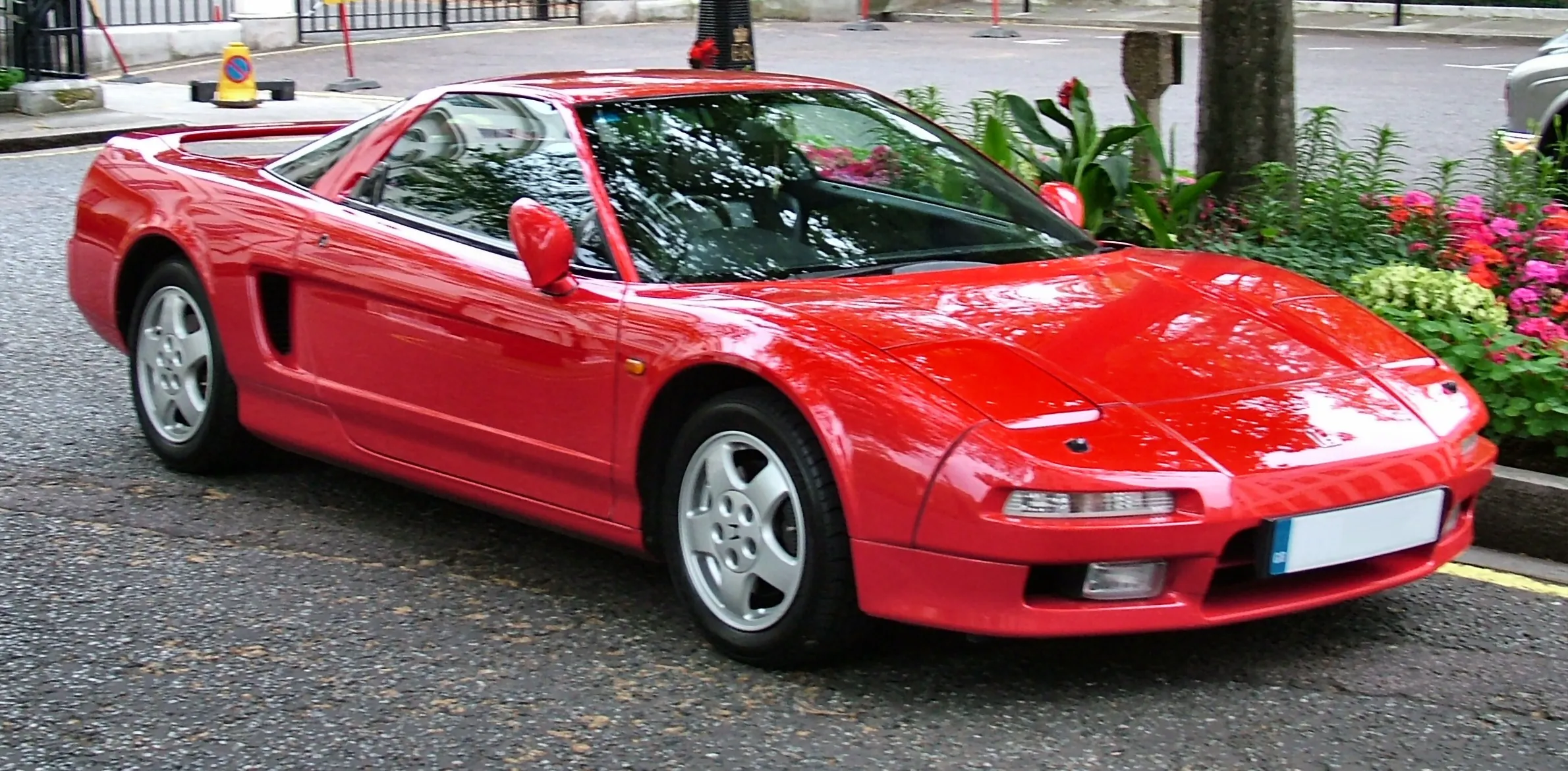
1. Honda NSX (First Generation)
The first-generation Honda NSX, launched in 1990, was a revolutionary sports car that redefined what a Japanese performance vehicle could achieve. Honda focused on creating a car that combined exceptional speed with precision handling, lightweight construction, and long-term reliability.
It featured a mid-mounted V6 engine with an all-aluminum body and chassis, allowing for a perfect balance of performance and control. The NSX’s top speed exceeded 170 miles per hour, which was remarkable at a time when many cars in its price range could not even approach that velocity.
It was clear from the beginning that Honda was aiming to create something more than just a fast car; they wanted a vehicle that delivered an engaging driving experience at every turn.
The engineering behind the NSX was groundbreaking. Honda consulted professional Formula One drivers to fine-tune the suspension, brakes, and steering. Every detail was considered to ensure that the car felt responsive and predictable at high speeds.
The car’s double-wishbone suspension provided excellent stability, allowing drivers to push the limits with confidence. Even in tight corners or during rapid directional changes, the NSX maintained composure, offering a level of control that rivaled more expensive European sports cars. This precision engineering helped cement the NSX’s reputation as a driver’s car that was both fast and refined.
Aerodynamics played a critical role in the NSX’s performance. Honda designed the car’s body to reduce drag while increasing downforce over the wheels and chassis. The smooth lines, integrated spoilers, and low profile contributed to high-speed stability, ensuring that the car remained planted even at maximum velocity.
Venting and airflow were carefully optimized to keep the engine and brakes cool, which was especially important for drivers taking the car to track settings. This careful consideration of both form and function ensured the NSX was fast, but also reliable and safe during aggressive driving.
Beyond performance, the NSX set new standards in driver comfort and usability. Unlike many supercars of its time, it offered an interior that was ergonomic, intuitive, and built with quality materials. Honda managed to balance exotic performance with everyday practicality, a combination that made the NSX accessible for more drivers than typical supercars.
The car also influenced future sports car design, inspiring Honda and other manufacturers to pursue lightweight, high-revving, and aerodynamically efficient vehicles. Today, the first-generation NSX remains a legendary example of how engineering excellence and driving pleasure can coexist in one exceptional sports car.
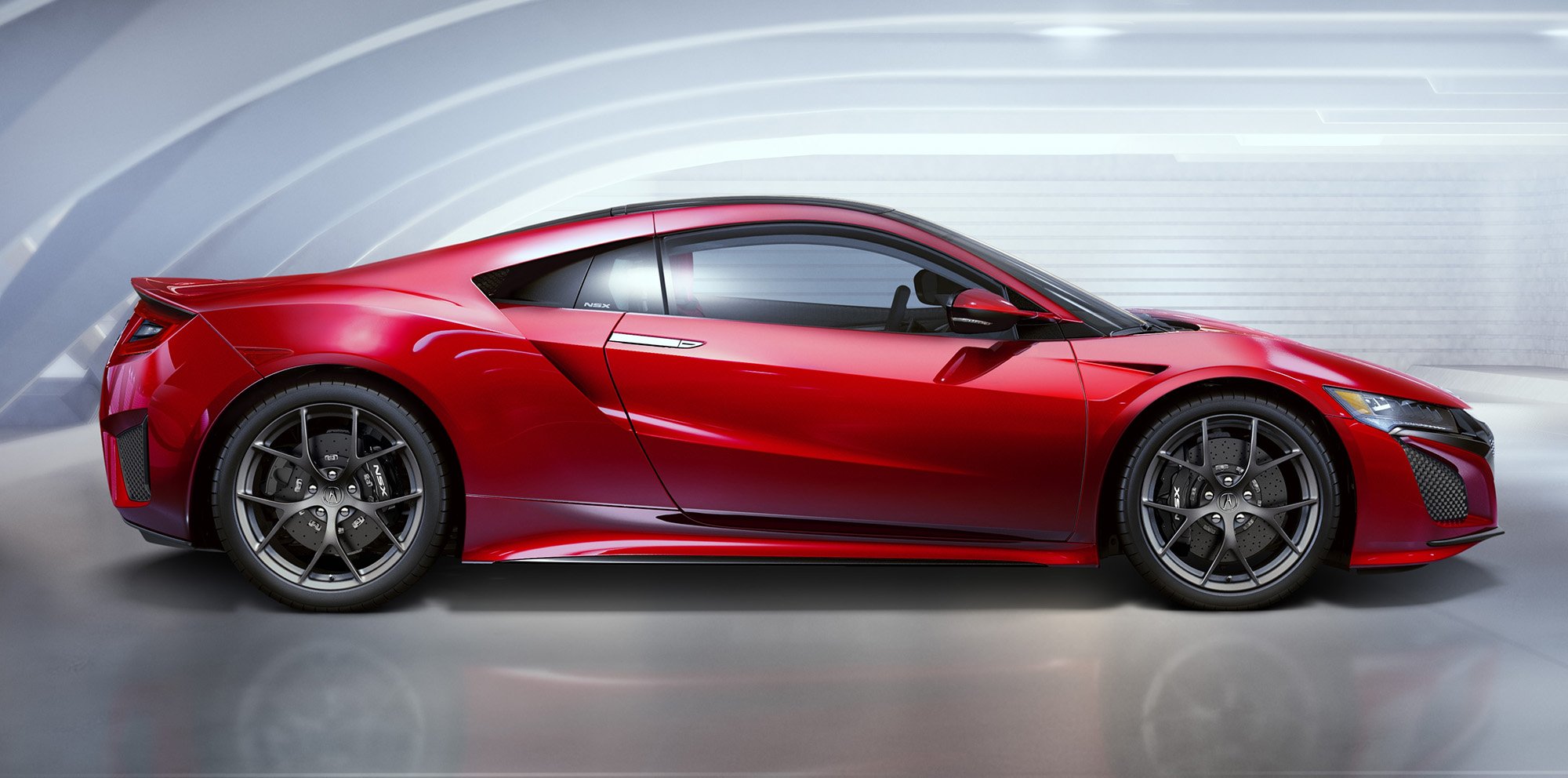
2. Honda NSX (Second Generation)
The second-generation Honda NSX marked a bold return for the iconic model, combining hybrid technology with extreme performance. Released in 2016, it featured a twin-turbo V6 engine coupled with three electric motors, producing over 570 horsepower.
This hybrid system allowed the car to accelerate from 0 to 60 miles per hour in under three seconds, while maintaining precise handling and remarkable stability.
The NSX’s design emphasized balance and agility, with lightweight materials like carbon fiber and aluminum contributing to reduced mass. It was clear that Honda aimed to create not just a fast car, but one capable of delivering an immersive, responsive driving experience.
Honda integrated advanced suspension and chassis technologies to complement the hybrid powertrain. The NSX featured a Sport Hybrid Super Handling All-Wheel Drive system, which distributed torque dynamically to the wheels for optimal traction.
The suspension adjusted in real time, responding to speed, steering input, and road conditions, allowing the car to corner aggressively without losing composure.
Drivers could feel a direct connection with the road, while the NSX provided stability even during high-speed maneuvers. This blend of hybrid technology and mechanical precision elevated the car’s performance beyond traditional expectations.
Aerodynamics were carefully refined to improve downforce, reduce drag, and enhance cooling for both the engine and electric components. The body design included sculpted air intakes, diffusers, and spoilers that guided airflow precisely where it was needed.
These features improved high-speed stability and braking efficiency, making the car feel planted even under extreme driving conditions. Every element of the NSX’s design served a purpose, contributing to performance, efficiency, and the driving experience.
The second-generation NSX also represented Honda’s vision of a modern sports car capable of combining speed, sustainability, and driver engagement. The hybrid system improved fuel efficiency while delivering instantaneous torque, a feature that enhanced both acceleration and handling.
Beyond raw performance, the car demonstrated how advanced technology could coexist with a driving experience that was fun, intuitive, and thrilling. Enthusiasts regard this NSX as one of Honda’s fastest and most technologically impressive sports cars ever, bridging the gap between classic driving excitement and modern innovation.
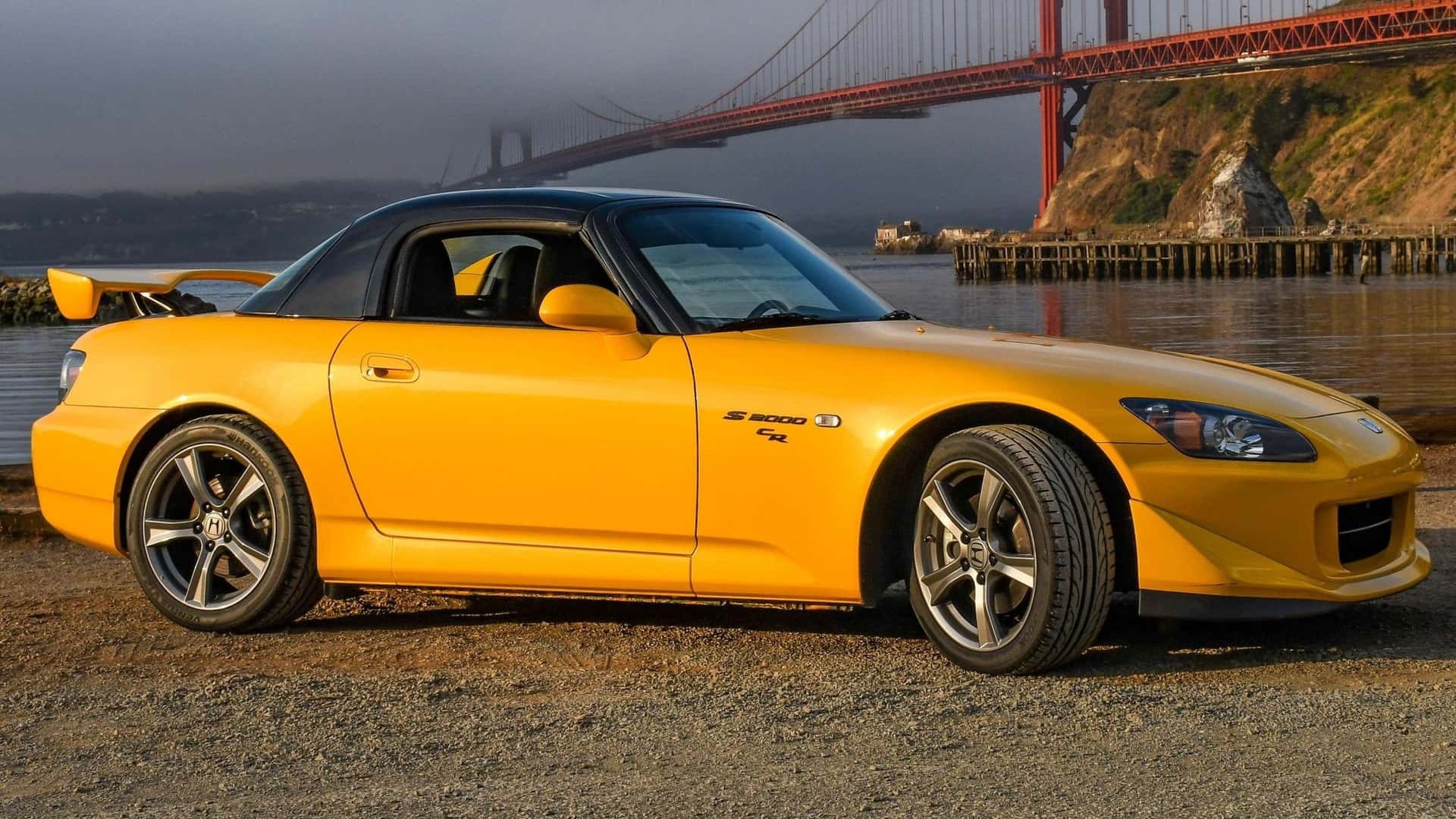
3. Honda S2000
The Honda S2000, introduced in 1999, was a celebration of high-revving performance and lightweight engineering. Equipped with a naturally aspirated 2.0-liter or 2.2-liter inline-four engine, the S2000 could reach top speeds around 150 miles per hour, with an engine that redlined above 9,000 RPM in earlier models.
This high-revving characteristic made driving the S2000 a thrilling experience, rewarding precise gear changes and aggressive throttle control. The car’s lightweight frame and minimalist design contributed to agility and responsiveness, creating one of the purest sports car experiences Honda had ever produced.
The S2000’s chassis was designed with a near-perfect weight distribution, which allowed for excellent handling on winding roads. Double-wishbone suspension front and rear provided sharp, precise control, while maintaining comfort during everyday driving.
Steering was direct and communicative, giving drivers a tangible sense of connection to the road. The combination of engine responsiveness, suspension tuning, and balance made the S2000 feel larger and more powerful than its modest displacement suggested.
Aerodynamics enhanced both performance and stability, with a low profile, smooth lines, and carefully shaped panels that reduced drag. The convertible soft top allowed for open-air driving while maintaining structural rigidity, contributing to the car’s handling precision.
Even at high speeds, the S2000 remained stable and predictable, allowing drivers to explore the limits of its capabilities with confidence. Its design demonstrated that thoughtful engineering could achieve remarkable speed and handling without excessive horsepower.
Beyond raw performance, the S2000 represented Honda’s commitment to affordability and driver engagement. Unlike supercars, it focused on precision, balance, and an exhilarating driving experience rather than sheer power.
Its lightweight design, responsive engine, and nimble handling made it a favorite among enthusiasts who wanted a sports car that was fast, fun, and highly rewarding to drive. The S2000 remains a benchmark for how engineering excellence can create a thrilling, driver-focused vehicle without relying on extreme horsepower.
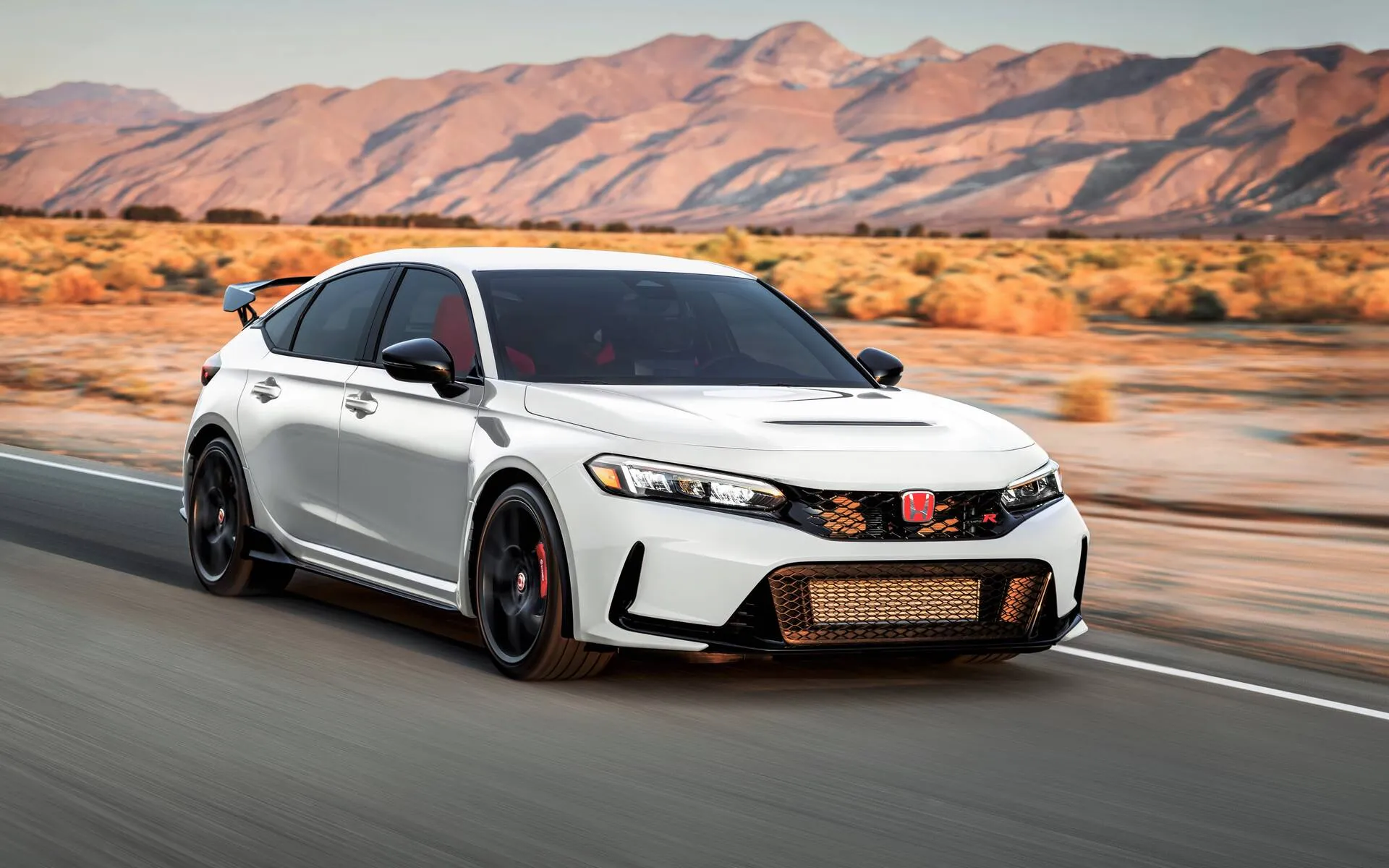
4. Honda Civic Type R (FK8)
The Civic Type R FK8, released in 2017, set new standards for Honda’s performance hatchbacks. Powered by a turbocharged 2.0-liter engine producing over 300 horsepower, it achieved top speeds exceeding 169 miles per hour.
The FK8 was built for both road and track, combining precise handling, aerodynamic efficiency, and raw power in a compact, practical form. Honda designed this car to deliver a fast, responsive, and engaging driving experience while maintaining usability for everyday driving.
Its combination of acceleration, stability, and agility made it one of the most formidable front-wheel-drive sports cars ever produced by the brand.
Honda engineered the FK8’s suspension and chassis for optimal handling performance. Adaptive dampers, reinforced subframes, and a rigid chassis allowed precise cornering and high-speed stability.
The car communicated clearly through the steering, giving drivers confidence during aggressive maneuvers. Braking performance was strong and predictable, enabling drivers to confidently push the car to its limits. These features made the FK8 highly respected among enthusiasts for its ability to combine extreme speed with remarkable precision.
Aerodynamics played a central role in the car’s design. The FK8 featured a large rear wing, front splitter, and sculpted side skirts, all aimed at increasing downforce and stability. Underbody panels reduced drag while enhancing airflow to the brakes and engine.
These enhancements allowed the car to remain planted at high speeds and corner aggressively without losing control. The aerodynamic efficiency contributed directly to the car’s exceptional lap times on circuits, demonstrating Honda’s engineering expertise.
The FK8 represented Honda’s modern approach to creating a complete performance vehicle. It balanced turbocharged power, handling precision, and aerodynamic efficiency to create a car that was fast, responsive, and enjoyable in various driving scenarios.
Its speed, cornering ability, and driver-focused engineering earned it a place among the fastest and most engaging Honda sports cars ever built. The FK8 continues to be celebrated for pushing the boundaries of what a front-wheel-drive sports car can achieve.
5. Honda Integra Type R (DC2)
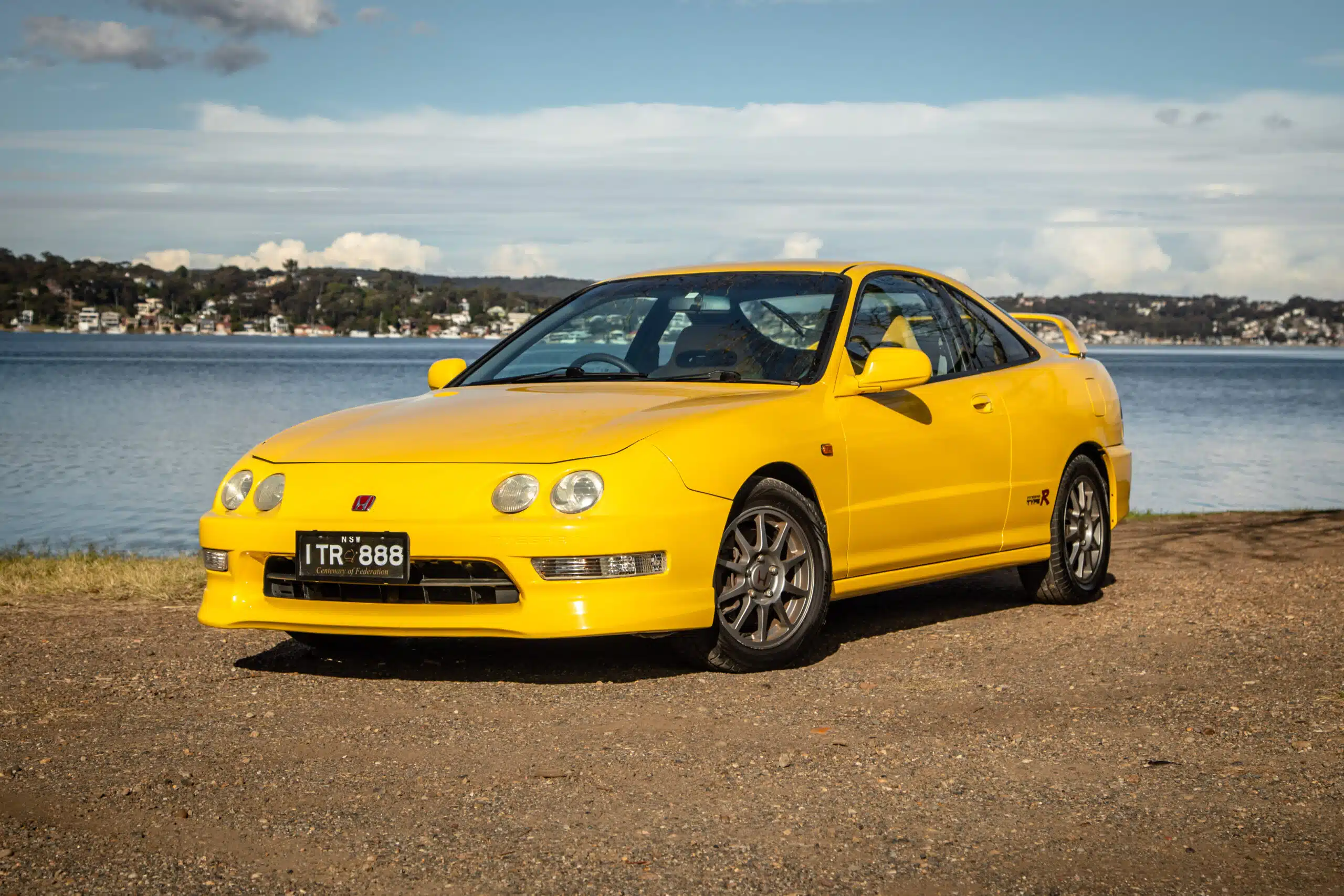
The Integra Type R DC2, introduced in the late 1990s, is often considered one of Honda’s finest driver-focused sports cars. It featured a lightweight chassis, high-revving 1.8-liter engine, and minimalistic interior design.
Producing around 197 horsepower, it achieved top speeds near 140 miles per hour, but its true strength lay in agility, balance, and precision. Honda focused on creating a car that rewarded skilled driving rather than relying solely on engine power, making the DC2 a favorite among enthusiasts who valued control and engagement above all else.
The suspension and chassis were engineered to provide sharp, precise handling. Double-wishbone suspension allowed the car to maintain stability in corners while giving drivers immediate feedback on road conditions. The reinforced subframe and rigid body minimized flex, creating a confident and communicative driving experience.
This attention to detail made the DC2 extremely responsive and predictable, even when pushed to its limits. It was a car designed for those who understood the importance of skill and timing in performance driving.
Weight reduction played a key role in the DC2’s speed and handling. Honda removed unnecessary components, including sound insulation and heavy interior features, to create a lighter, more agile vehicle. This allowed for quicker acceleration, sharper braking, and more precise cornering.
The combination of reduced weight and high-revving engine gave the DC2 a thrilling character, making it feel faster than its top speed might suggest. Its lightweight design also improved fuel efficiency, demonstrating Honda’s ability to combine performance with practicality.
Aerodynamic considerations were subtle but effective in the Integra Type R. Honda shaped the body to reduce drag and maintain stability at high speeds, incorporating elements such as a rear spoiler and side skirts. These features enhanced downforce and kept the car planted during aggressive maneuvers, allowing drivers to explore its capabilities safely.
The DC2 remains one of the most celebrated and collectible Honda sports cars, valued for its combination of speed, precision, and driver-focused design. It exemplifies Honda’s philosophy of building lightweight, balanced vehicles that reward skillful driving.
6. Honda NSX Type R (NA2)
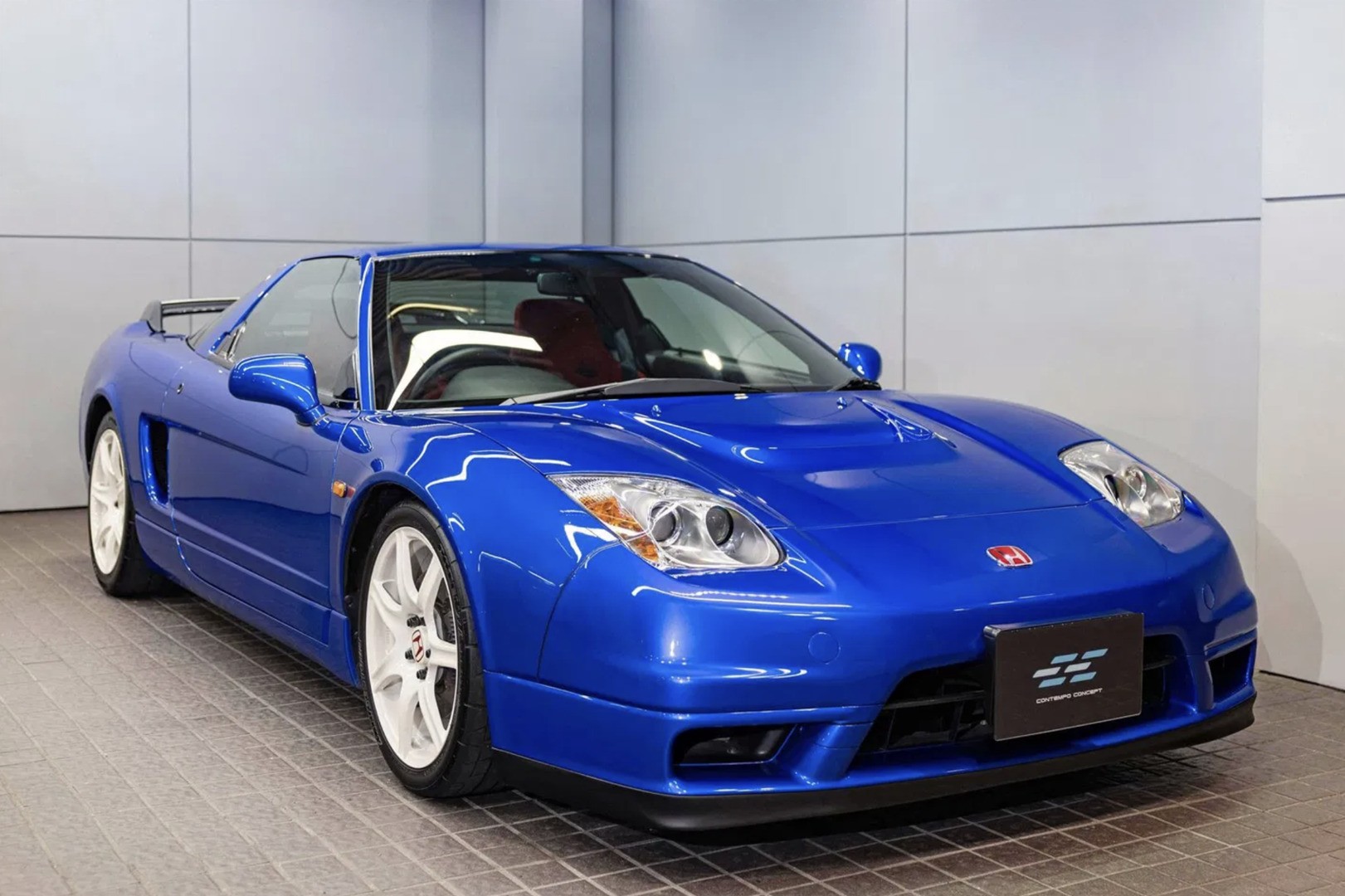
The NSX Type R NA2 was a lightweight, track-focused evolution of the original NSX, released in the late 1990s. Honda stripped out nearly all nonessential features, reducing weight significantly to improve performance and handling. It retained the mid-mounted V6 engine but tuned for maximum responsiveness rather than raw power alone.
This car reached top speeds over 170 miles per hour while delivering a driving experience that was exceptionally precise and engaging. The emphasis on weight reduction allowed the NSX Type R to corner faster, brake more efficiently, and accelerate more responsively, making it a favorite among enthusiasts who valued driver skill.
Honda refined the suspension, brakes, and steering for a more aggressive, track-oriented feel. Every component was chosen to improve feedback and minimize unnecessary body movement. The car had stiffer springs, upgraded dampers, and reinforced bushings, which allowed drivers to feel exactly what the tires were doing.
At high speeds, the NSX Type R remained balanced and composed, allowing for confident cornering that rivaled many modern sports cars. It became a benchmark for how Honda could blend precision engineering with performance under extreme conditions.
Aerodynamics were also enhanced to complement the NSX Type R’s lighter weight and track focus. The car featured subtle modifications, including a rear wing and front lip that improved downforce without creating excessive drag.
These improvements allowed the car to maintain stability at high speeds, giving drivers confidence when pushing the limits. Even small details, such as airflow under the car and cooling for the brakes, were carefully optimized to maintain consistent performance on the track.
The NSX Type R NA2 demonstrated Honda’s commitment to driver-focused performance. While it was not the most powerful NSX of its generation, its emphasis on balance, weight savings, and agility made it one of the fastest and most engaging cars to drive.
For collectors and enthusiasts, it remains a symbol of the company’s dedication to engineering excellence, blending speed with control in a way few cars of its era could match.
7. Honda Civic Type R (EP3)
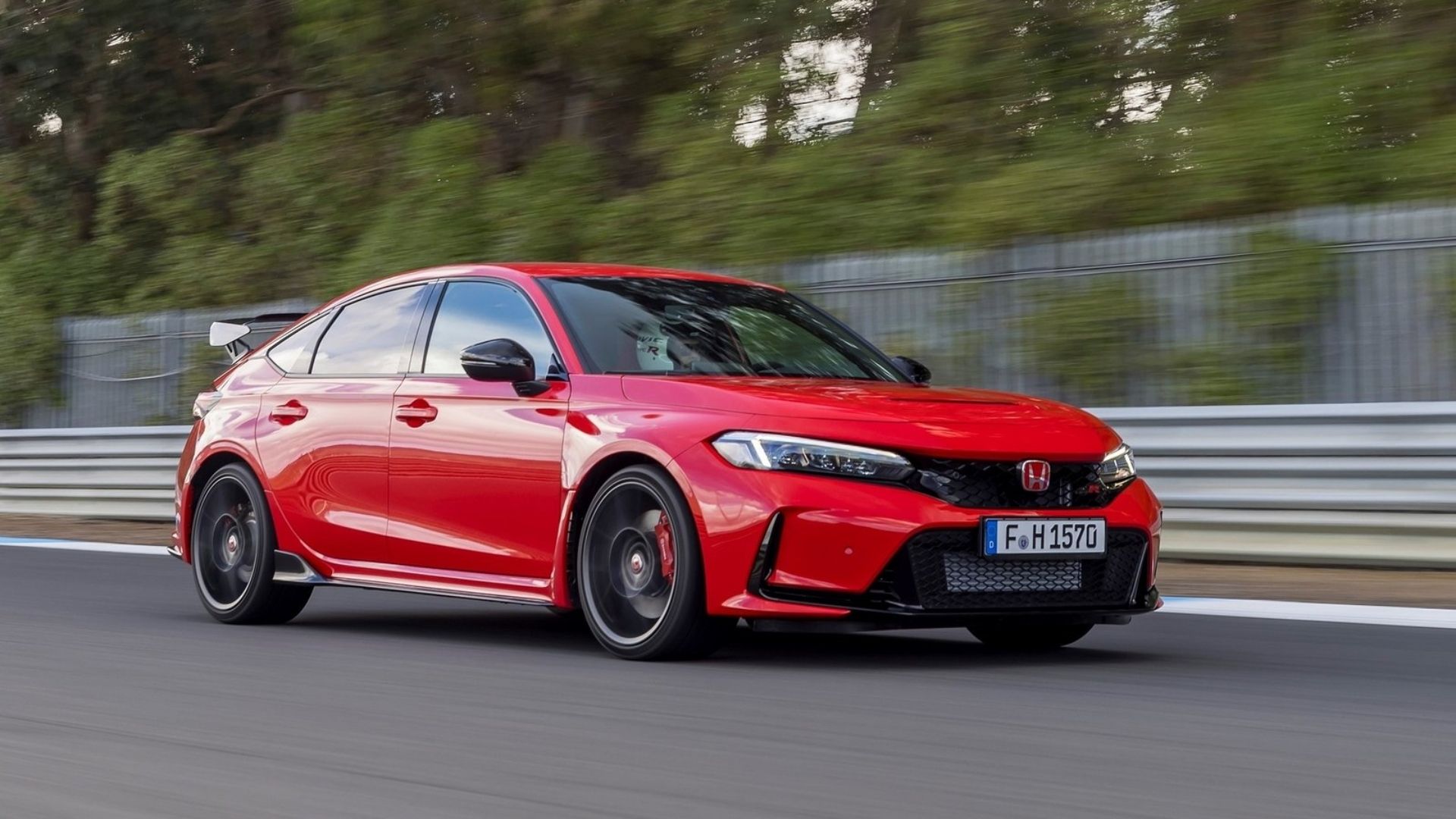
The EP3 Civic Type R, released in the early 2000s, marked an important step for Honda’s hot hatch philosophy. Powered by a naturally aspirated 2.0-liter engine, it produced around 200 horsepower, which was impressive for a front-wheel-drive vehicle at the time.
Its lightweight chassis and high-revving engine allowed it to achieve top speeds over 140 miles per hour, combining acceleration and handling in a highly satisfying package. This model demonstrated Honda’s ability to create a car that could excel both on the road and on the track, offering a precise driving experience without excessive complexity.
Honda focused heavily on chassis tuning and suspension setup for the EP3. The car’s independent suspension and reinforced subframe improved stability during hard cornering and high-speed maneuvers.
Steering was direct and communicative, allowing drivers to feel every nuance of the road. The result was a vehicle that rewarded skillful driving, as it responded predictably to inputs and provided a connection between driver and machine rarely found in front-wheel-drive cars of the time.
Aerodynamic improvements were subtle but effective. Honda shaped the body to reduce lift and increase stability without adding unnecessary drag.
Features such as side skirts, spoilers, and a rear diffuser helped keep the car planted at speed, while maintaining the practical dimensions of a compact hatchback. These enhancements contributed to the EP3’s reputation as one of the most capable and agile Civic Type R models ever built.
The EP3 Civic Type R also became a cultural icon among enthusiasts. Its combination of speed, handling, and affordability made it a popular choice for tuning and racing communities.
Despite being a relatively simple design compared to modern turbocharged Type Rs, it offered pure driving enjoyment. It highlighted Honda’s ability to produce fast, engaging sports cars that were accessible and reliable, proving that performance did not always require extreme horsepower.
8. Honda S660
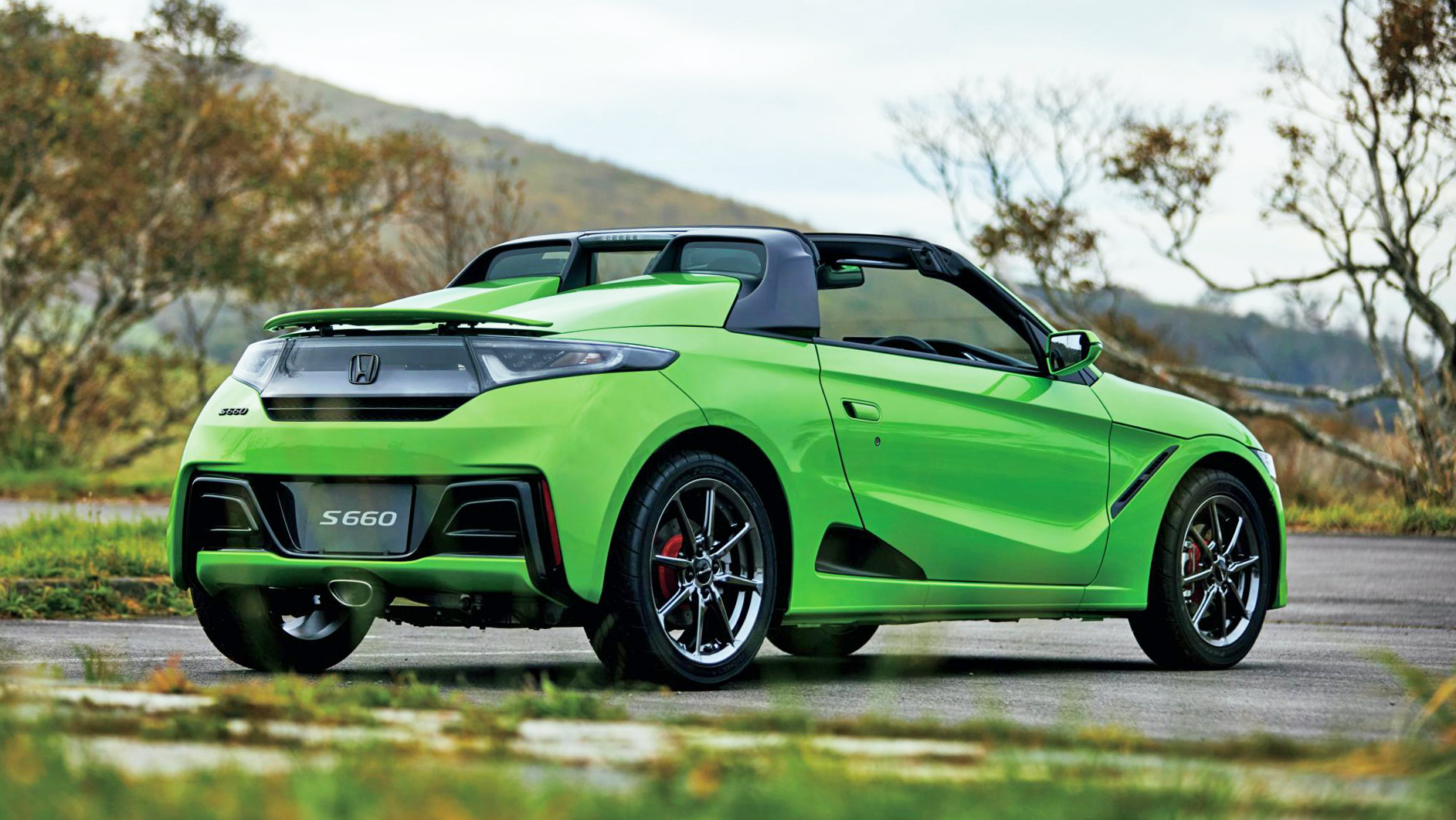
The Honda S660 is a small, lightweight sports car designed for nimble handling rather than raw speed. Introduced in the mid-2010s, it featured a turbocharged 660cc engine, producing around 63 horsepower. While its power output seems modest, the car’s tiny weight and precise suspension allowed it to accelerate quickly relative to its size.
Its design emphasized agility and driver engagement, making it one of the fastest and most enjoyable micro sports cars in Honda’s lineup. The S660 offered a rare combination of compact dimensions, speed, and responsiveness that appealed to enthusiasts looking for a fun, city-friendly sports car.
Honda optimized the chassis and suspension to maximize cornering ability. The car featured a mid-engine, rear-wheel-drive layout, which provided excellent weight distribution and balance.
Tight, twisty roads became the perfect environment for the S660, as it could navigate corners with incredible precision. Even at higher speeds, the car felt stable and controlled, allowing drivers to exploit its agility without fear of instability or oversteer.
Aerodynamics were carefully considered despite the car’s small size. Honda designed the S660 to reduce drag while improving downforce over the wheels and body, enhancing grip during high-speed maneuvers.
The lightweight body also contributed to efficiency and handling, allowing the car to respond quickly to driver inputs. These design choices made the S660 feel larger and more powerful than its engine size suggested.
The S660 demonstrates Honda’s willingness to innovate in the sports car segment. By focusing on weight, balance, and driver experience rather than sheer horsepower, the company created a unique vehicle that still delivers thrills. For enthusiasts who prioritize handling and engagement over top speed, the S660 represents one of the fastest and most fun-to-drive cars Honda has ever produced.
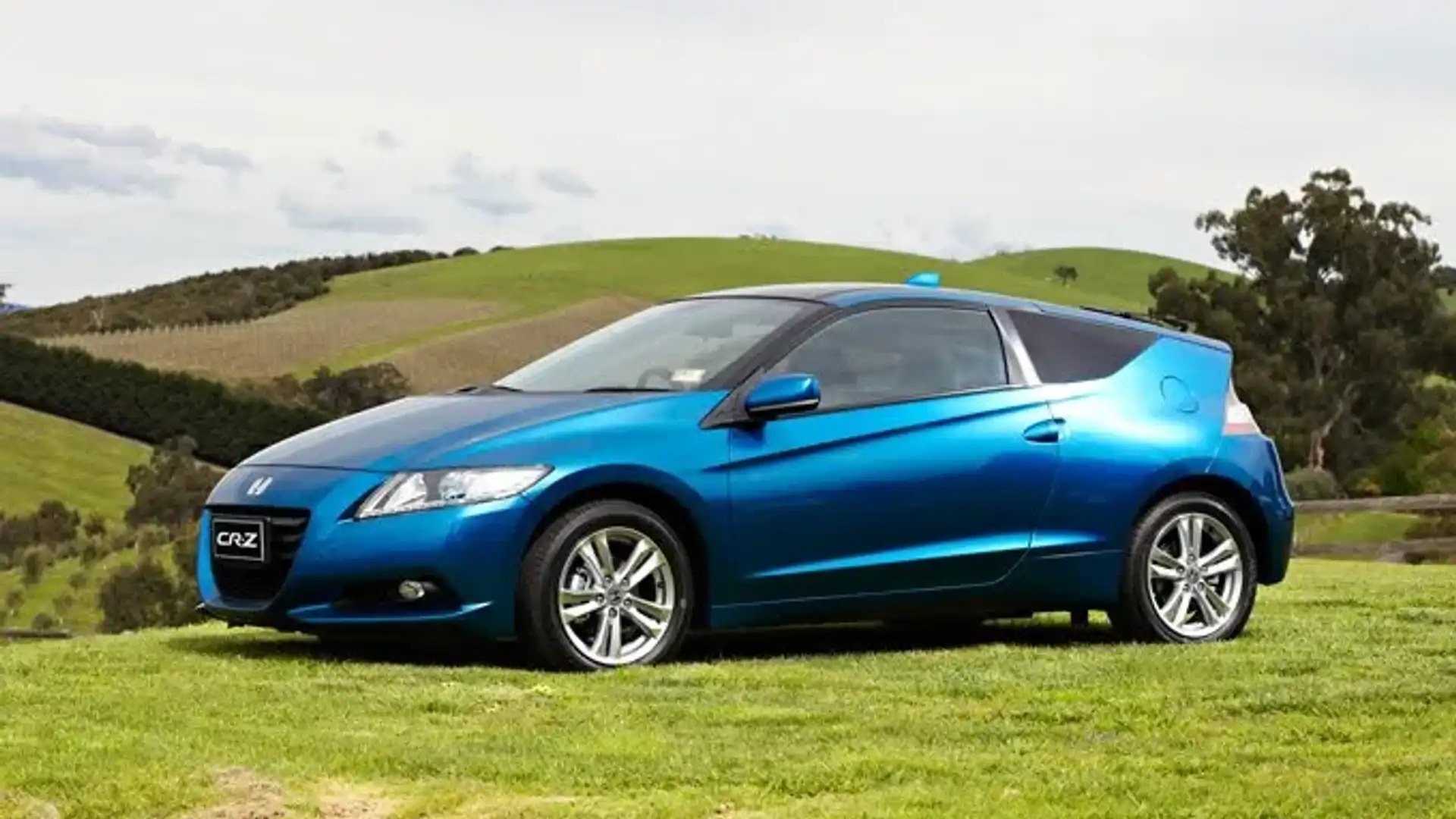
9. Honda CR-Z
The Honda CR-Z combined hybrid technology with sports car dynamics, offering a different approach to speed. Released in the early 2010s, it featured a 1.5-liter engine paired with an electric motor, producing around 130 horsepower.
While not a supercar in terms of acceleration, the CR-Z’s lightweight design and low center of gravity allowed it to handle corners with surprising agility. It reached top speeds near 125 miles per hour, making it one of Honda’s fastest hybrid sports cars and an interesting blend of efficiency and performance.
The suspension and chassis were tuned to emphasize stability and precision. Despite its hybrid drivetrain, the CR-Z provided responsive steering and a connected feel on the road.
The car’s weight distribution allowed it to maintain balance through tight turns, giving drivers confidence even at higher speeds. Honda’s engineering ensured that the hybrid system did not compromise handling, making the CR-Z enjoyable for spirited driving.
Aerodynamic design enhanced the car’s efficiency and performance. Features such as a sloping roofline, underbody panels, and carefully sculpted bumpers reduced drag while improving stability at speed. These improvements helped the CR-Z perform more like a conventional sports car despite its hybrid powertrain, ensuring that it remained fun to drive and capable in various conditions.
The CR-Z represents Honda’s experimentation with combining environmental responsibility and sports car performance. It offered a unique alternative to traditional gasoline-powered models, proving that a hybrid could be engaging and responsive. While its speed may not rival the NSX or Type R, the CR-Z still deserves recognition as one of the fastest and most innovative Honda sports cars in terms of balance and design philosophy.
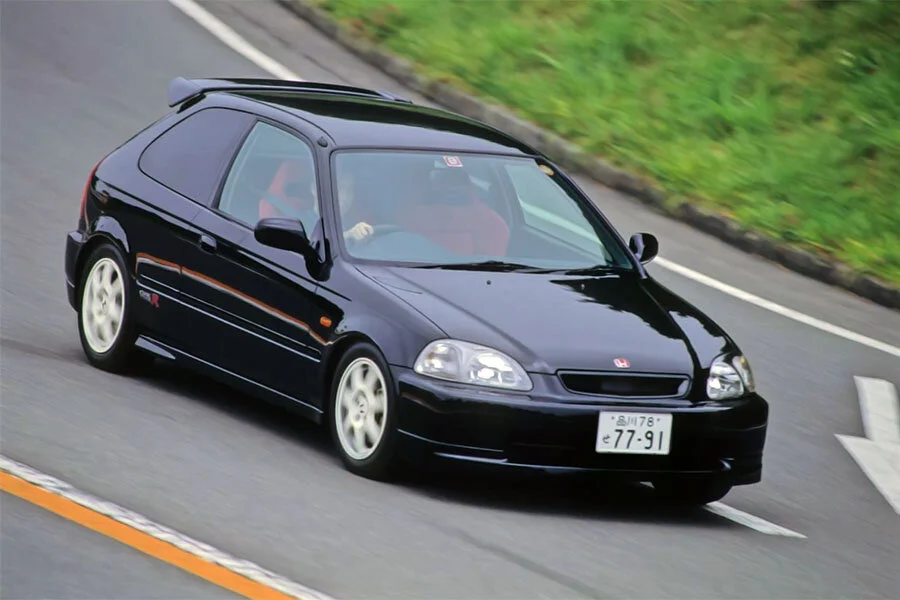
10. Honda Civic Type R (EK9)
The EK9 Civic Type R, introduced in the late 1990s, is considered one of the purest examples of a fast, driver-focused Honda sports car.
Powered by a 1.6-liter naturally aspirated engine, it produced around 185 horsepower, which was exceptional for a lightweight compact car.
Its top speed approached 140 miles per hour, but its true strength lay in cornering ability and handling precision. The EK9 emphasized skillful driving and high-revving excitement, making it an iconic model for enthusiasts worldwide.
The chassis and suspension were optimized for track performance. Honda reinforced the structure and tuned the suspension to minimize body roll while maximizing responsiveness.
Steering was direct, and braking performance was sharp, allowing drivers to confidently attack corners and maintain high speeds on twisty roads. The EK9 rewarded careful driving with a sense of control and engagement rarely found in front-wheel-drive vehicles of its era.
Weight reduction played a crucial role in the EK9’s performance. Honda removed unnecessary components and used lightweight materials wherever possible, creating a car that could accelerate, brake, and corner efficiently.
This focus on weight and balance allowed the EK9 to feel agile and nimble, amplifying the driver’s connection to the car. Its simplicity and focus on fundamentals made it highly respected among collectors and performance enthusiasts.
Aerodynamic considerations were subtle but effective. Honda designed the EK9 to reduce drag and improve stability at high speeds without sacrificing practicality.
The car’s low stance, front lip, and rear wing contributed to improved grip and confidence during aggressive driving. For many, the EK9 Civic Type R remains a benchmark for what a lightweight, fast, and precise Honda sports car can achieve, blending speed with driving purity.
