
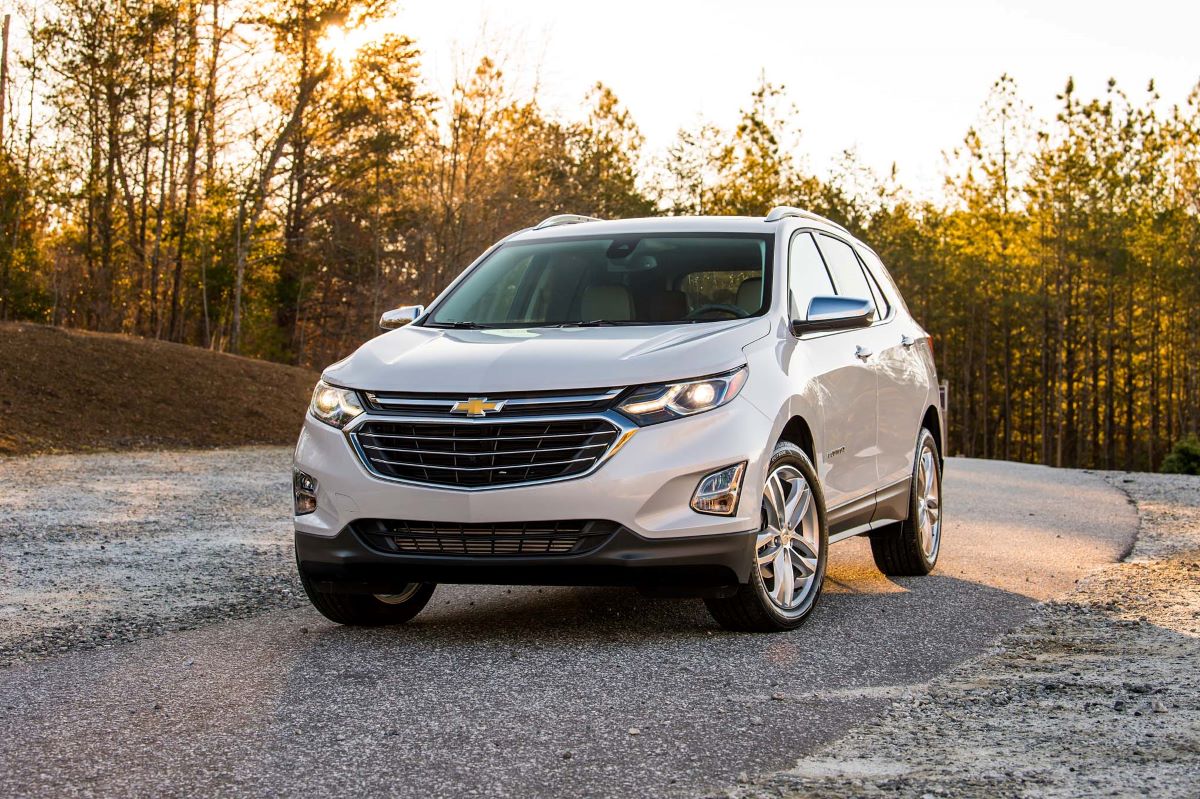
The terrain around Taos Mountain in New Mexico is as beautiful as it is challenging. Rocky paths, steep inclines, and occasional muddy trails make it necessary for drivers to choose vehicles that can handle extreme conditions. Off-road vehicles are not all built the same.
While some SUVs are engineered with powerful engines, advanced traction control, and high ground clearance, others are designed more for comfort and urban use.
Choosing the right vehicle for off-road adventures requires understanding the capabilities of each SUV, including how well it can manage uneven surfaces, sharp inclines, and the unpredictable weather conditions of mountainous areas.
In addition to performance, reliability and safety are essential, as a vehicle that struggles with steep grades or loose surfaces can quickly turn an exciting adventure into a dangerous situation.
Taos Mountain is particularly demanding because it combines high elevation with rocky terrain, which can put stress on engines and brakes, and require precise handling from the driver. Factors such as torque, suspension travel, and wheel articulation play a significant role in determining which SUVs are suited for this kind of terrain.
Another aspect to consider is fuel efficiency and the ability to carry necessary supplies for longer trips without sacrificing maneuverability. Some SUVs are equipped with locking differentials, skid plates, and advanced four-wheel-drive systems that allow them to maintain traction and control even when the surface is loose or slippery.
Others may struggle in these situations due to limited traction or insufficient power, making them better suited for city roads or light trails rather than demanding mountain paths. Understanding the strengths and weaknesses of each vehicle can save both time and potential damage to the SUV.
In this article, we will focus on two categories: five SUVs that are particularly capable of accessing Taos Mountain terrain, and five SUVs that tend to struggle on steep grades and demanding off-road conditions. By examining these options, drivers can make informed choices that enhance safety and enjoyment while exploring mountainous areas.
5 Offroad SUVs for Taos Mountain Access

1. Jeep Wrangler
The Jeep Wrangler is renowned for its legendary off-road capability, making it a top choice for accessing mountainous regions like Taos. Its solid axles and high ground clearance allow it to handle rocky terrain, uneven paths, and steep inclines with remarkable ease.
The Wrangler’s short wheelbase and narrow track make it particularly agile in tight areas where larger SUVs might struggle. This agility allows drivers to navigate winding trails, narrow ledges, and switchbacks without difficulty.
The vehicle’s suspension system provides excellent articulation, ensuring that all four wheels maintain contact with the ground for maximum traction, even on challenging surfaces.
Additionally, the Wrangler offers multiple four-wheel-drive systems and terrain selection modes, including Rock, Mud, and Sand, which adjust throttle response, traction control, and braking to optimize performance for specific conditions.
Durability is one of the Wrangler’s strongest attributes. Its rugged frame can endure repeated impacts from rocks and uneven trails, while underbody skid plates protect vital components like the fuel tank, transfer case, and differential from damage.
Drivers can confidently tackle steep climbs without worrying about scraping or mechanical damage. The Wrangler’s braking system is also designed to provide control on descents, with engine braking and low-range gearing assisting in maintaining stability.
Optional locking differentials allow power to be distributed evenly across wheels, preventing situations where a single spinning tire could leave the vehicle stranded. This feature is particularly useful on loose gravel or rocky slopes, which are common on Taos Mountain trails.
Another advantage of the Wrangler is its modular design. Drivers can remove the doors, roof, and even the windshield for enhanced visibility and a closer connection to the environment. This flexibility is useful when navigating tight or complex obstacles, as it allows drivers to see precisely where to place each tire.
In addition to its off-road performance, the Wrangler is capable of carrying passengers and gear, making it suitable for extended mountain trips. The interior, while simple compared to luxury SUVs, is durable and easy to clean after muddy or dusty excursions.
Finally, the Wrangler’s reputation for reliability and its widespread availability of aftermarket parts make it a practical choice for adventurers. Repairing or upgrading the vehicle in remote areas is relatively straightforward, giving owners peace of mind during long trips.
Combined with its advanced traction technology, powerful engines, and off-road-specific features, the Jeep Wrangler remains one of the most trusted SUVs for tackling the rugged and unpredictable terrain of Taos Mountain.
Its combination of mechanical strength, versatility, and off-road engineering ensures it can handle a variety of mountain conditions while maintaining driver confidence and control.
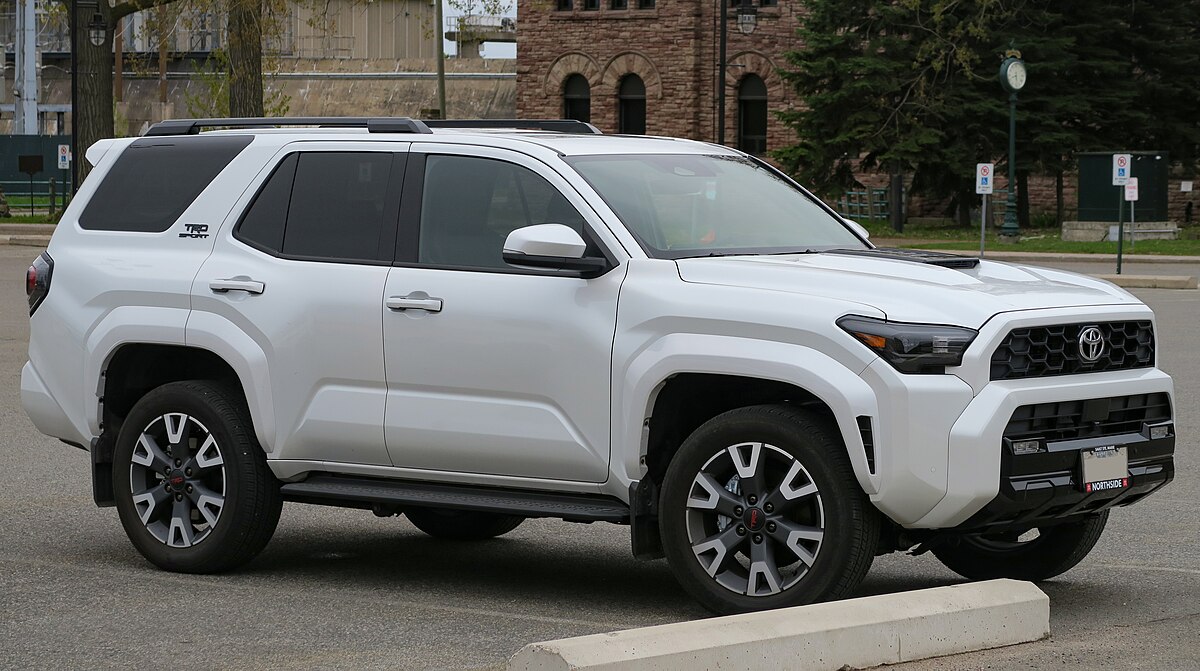
2. Toyota 4Runner
The Toyota 4Runner is a classic SUV with a long history of off-road capability. Its body-on-frame construction provides the structural integrity needed to endure rocky trails, steep inclines, and rugged terrain.
This construction also allows for better towing and cargo capacity, which is important for long mountain trips that require camping gear, supplies, or recovery equipment.
The 4Runner’s available four-wheel-drive system, combined with high ground clearance, ensures that it can traverse loose gravel, deep sand, and uneven trails without losing traction. Additionally, its suspension is designed to handle impacts from obstacles while keeping passengers comfortable, allowing for long drives across challenging terrain.
One of the 4Runner’s standout features is its Crawl Control system. This system automatically modulates throttle and braking on low-speed climbs, allowing the driver to focus on steering while the vehicle maintains traction.
On steep or uneven trails, this feature can prevent wheel spin and reduce the risk of damage to both the vehicle and the environment.
Approach and departure angles are also generous, enabling the 4Runner to climb rocks and descend slopes safely without scraping bumpers. Locking differentials are available on certain trims, providing extra traction when a wheel loses contact with the ground, which is particularly useful on Taos Mountain’s rocky paths.
Another important aspect of the 4Runner is reliability. Toyota’s reputation for durable engineering means that the SUV can withstand long trips in remote areas without frequent maintenance.
Drivers can confidently navigate backcountry roads knowing that the vehicle’s engine, transmission, and drivetrain are built to endure harsh conditions.
In addition, the 4Runner’s engine provides sufficient torque to maintain momentum on steep inclines, ensuring it can climb grades that would challenge less capable SUVs. Its combination of power, traction, and suspension flexibility makes it suitable for both technical trails and longer exploratory drives.
Finally, the 4Runner balances off-road ability with interior practicality. The cabin provides ample cargo space for outdoor gear, while passenger comfort remains high on long trips. Water-resistant materials on some trims allow the vehicle to endure muddy or wet conditions without long-term damage.
The Toyota 4Runner’s combination of mechanical strength, advanced off-road systems, and practical design makes it a reliable and capable choice for anyone seeking to explore the trails and peaks of Taos Mountain. It is a vehicle designed to handle both the challenges of mountain driving and the logistical needs of extended trips.
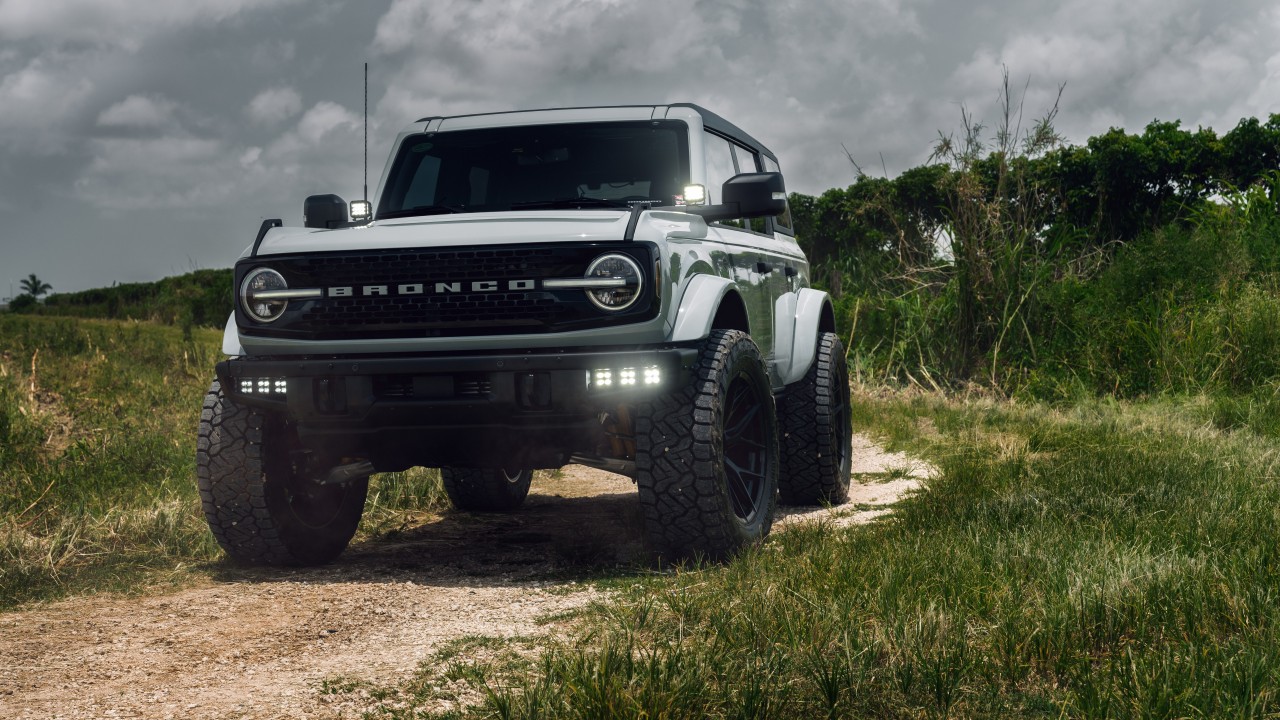
3. Ford Bronco
The modern Ford Bronco has been engineered specifically for off-road adventures, making it well-suited for mountainous terrain. The vehicle features advanced four-wheel-drive systems and multiple terrain management modes, which allow drivers to optimize traction and handling for different surfaces such as rocks, mud, or sand.
High ground clearance, short overhangs, and reinforced bumpers enable the Bronco to climb steep inclines and descend slopes without risk of damage. Independent front suspension on some models provides a smoother ride on uneven trails, while solid rear axles on other trims offer superior traction when climbing or maneuvering over rocks.
The Bronco can be equipped with locking differentials and disconnectable sway bars, both of which improve wheel articulation. This allows the tires to maintain contact with uneven surfaces, maximizing traction on challenging trails.
The vehicle’s powerful engine options deliver ample torque, enabling it to climb steep slopes with ease while carrying passengers or gear.
Protective skid plates shield critical components from rocks and debris, which is essential for long-term reliability in remote mountain environments. Drivers benefit from features like hill descent control, which helps maintain a controlled speed on declines without over-relying on the brakes.
Another strength of the Bronco is its driver-focused design. Visibility is enhanced through large windows and modular roof options, allowing the driver to judge obstacles and line up tires accurately. The interior is designed to handle mud, water, and dirt, with durable materials that are easy to clean after a long day on the trails.
Cargo capacity is generous, making it possible to carry camping gear, tools, and recovery equipment for extended adventures. The combination of rugged construction, off-road technology, and practical interior design makes the Bronco a reliable vehicle for exploring mountainous terrain.
Finally, the Bronco reflects a balance between modern engineering and rugged mechanical design. While it provides the driver with sophisticated off-road aids, it also retains the mechanical simplicity necessary for remote trail reliability.
Its power, traction, and suspension systems work together to ensure that drivers can tackle challenging grades and maintain control on difficult surfaces. This makes the Bronco a versatile and highly capable option for those seeking to navigate Taos Mountain safely and confidently.

4. Land Rover Defender
The Land Rover Defender combines luxury and advanced off-road capability, making it a unique choice for challenging mountain terrain. Its air suspension can raise or lower the vehicle’s height depending on conditions, providing extra ground clearance when needed. This adaptability allows the Defender to navigate rocks, ruts, and uneven trails without damaging the undercarriage.
The terrain response system adjusts throttle, braking, and transmission settings automatically to match the driving surface, whether climbing a loose gravel incline or descending a steep slope. This system ensures that the driver can maintain control and traction without manually adjusting complex settings.
The Defender’s robust construction allows it to withstand harsh off-road environments. Its chassis and bodywork are designed to endure repeated impacts, while skid plates protect key components from damage.
Locking differentials improve traction when wheels lose contact with uneven surfaces, allowing the vehicle to maintain momentum on trails that would immobilize less capable SUVs. Its crawl mode is especially useful when negotiating steep inclines or rocky sections, providing low-speed control to navigate safely over obstacles.
Comfort and practicality are also emphasized in the Defender. Its interior is designed with durable materials, including water-resistant surfaces that can handle mud, dirt, and other off-road conditions.
The cabin provides space for gear, passengers, and supplies, which is crucial for extended mountain trips. Visibility is enhanced through large windows, providing the driver with a clear view of obstacles and trail lines. The Defender balances advanced electronics with mechanical strength, ensuring reliability and confidence on difficult terrain.
Finally, the Defender’s combination of engineering, traction control, and adaptive systems make it a versatile vehicle for challenging environments. Drivers can rely on its power and suspension to climb steep grades while its interior accommodates passengers and equipment comfortably.
It is a vehicle that delivers both luxury and rugged capability, allowing adventurers to confidently explore Taos Mountain and other challenging scapes without compromising safety or performance.
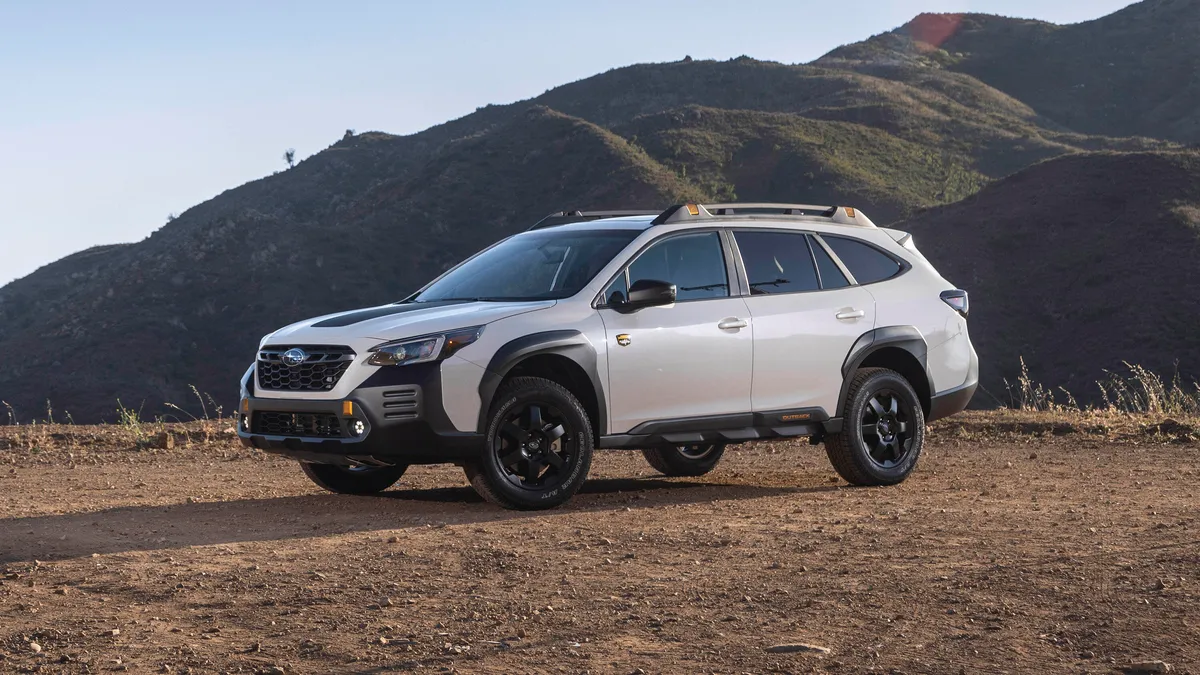
5. Subaru Outback Wilderness
The Subaru Outback Wilderness is a rugged version of the popular Outback, designed with off-road capability in mind. It features increased ground clearance, reinforced suspension, and underbody protection, allowing it to tackle rocky trails and uneven terrain with confidence.
The all-wheel-drive system ensures balanced power delivery to all wheels, improving traction on loose or slippery surfaces. Despite its lighter weight compared to larger SUVs, the Outback Wilderness maintains stability and control on moderate inclines, making it a practical choice for trails that require agility rather than brute strength.
Its engine provides sufficient torque for climbing hills and maintaining momentum on uneven terrain. While it may not match the raw power of larger off-road SUVs, it is more efficient and easier to handle on narrow trails where larger vehicles could struggle.
Underbody protection shields vital components from rocks and debris, and the reinforced suspension allows for better wheel articulation on uneven surfaces. The Outback Wilderness is particularly useful for trails where high maneuverability and reliability are required rather than extreme climbing ability.
Driver comfort and visibility are also key features of the Outback Wilderness. The cabin is designed with practicality in mind, offering storage for gear and supplies while maintaining a comfortable environment for passengers.
Large windows enhance trail visibility, helping drivers navigate obstacles with precision. Its combination of practical off-road features, traction control, and durable design allows it to handle a variety of mountainous conditions effectively.
Finally, the Outback Wilderness offers a balance between off-road performance and everyday usability. Its compact size, efficient engine, and all-wheel-drive system allow drivers to explore trails with confidence, while the reinforced suspension and protection features ensure reliability in remote areas.
For adventurers seeking a capable SUV that can navigate Taos Mountain without sacrificing comfort or efficiency, the Outback Wilderness is a strong contender.
5 Offroad SUVs That Don’t Handle Grades
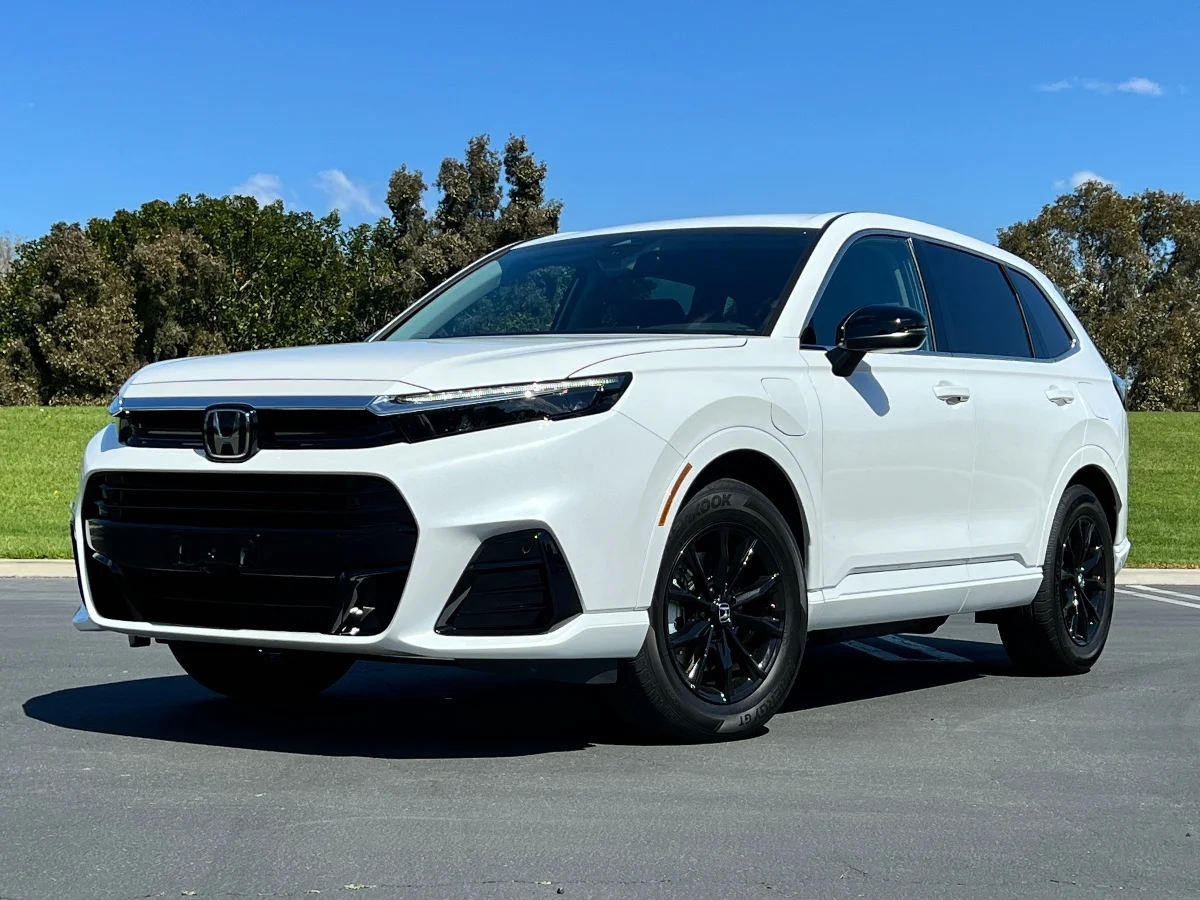
1. Honda CR-V
The Honda CR-V is one of the most popular compact SUVs for everyday driving, but it is not built for steep grades or challenging off-road terrain. Its all-wheel-drive system provides only basic traction assistance, which is suitable for wet roads, light snow, or gravel driveways, but it struggles on steep inclines or rocky paths.
Ground clearance is limited, so obstacles like rocks, roots, or uneven trails can easily come into contact with the undercarriage, increasing the risk of damage. Additionally, the CR-V’s relatively soft suspension prioritizes comfort over off-road capability, meaning wheel articulation is insufficient to maintain traction on uneven surfaces.
Drivers attempting trails with elevation changes often notice the vehicle hesitating or losing traction, particularly when momentum is necessary to climb slopes.
Another factor that limits the CR-V’s off-road performance is its traction control system. While it improves stability on pavement, it can actually reduce power to wheels when trying to climb a steep or uneven surface, making it more challenging to ascend hills. This technology works well in everyday driving but is not optimized for off-road scenarios.
Tire size and design also contribute to limitations, as the CR-V comes with road-oriented tires that provide less grip on loose rocks, mud, or sand. Combined with limited ground clearance and low suspension travel, these factors make steep grades and technical trails difficult for the CR-V to handle.
Finally, although the Honda CR-V excels in comfort, interior space, fuel efficiency, and reliability for city or highway driving, its off-road shortcomings are significant. Drivers attempting to explore mountainous trails will quickly notice that the vehicle is better suited for paved or light dirt roads rather than steep or rocky conditions.
It lacks the mechanical robustness, low-range gearing, and suspension flexibility that are essential for safely tackling rugged terrain. In short, the CR-V is a dependable and comfortable vehicle for daily commuting but is poorly equipped for demanding off-road adventures.
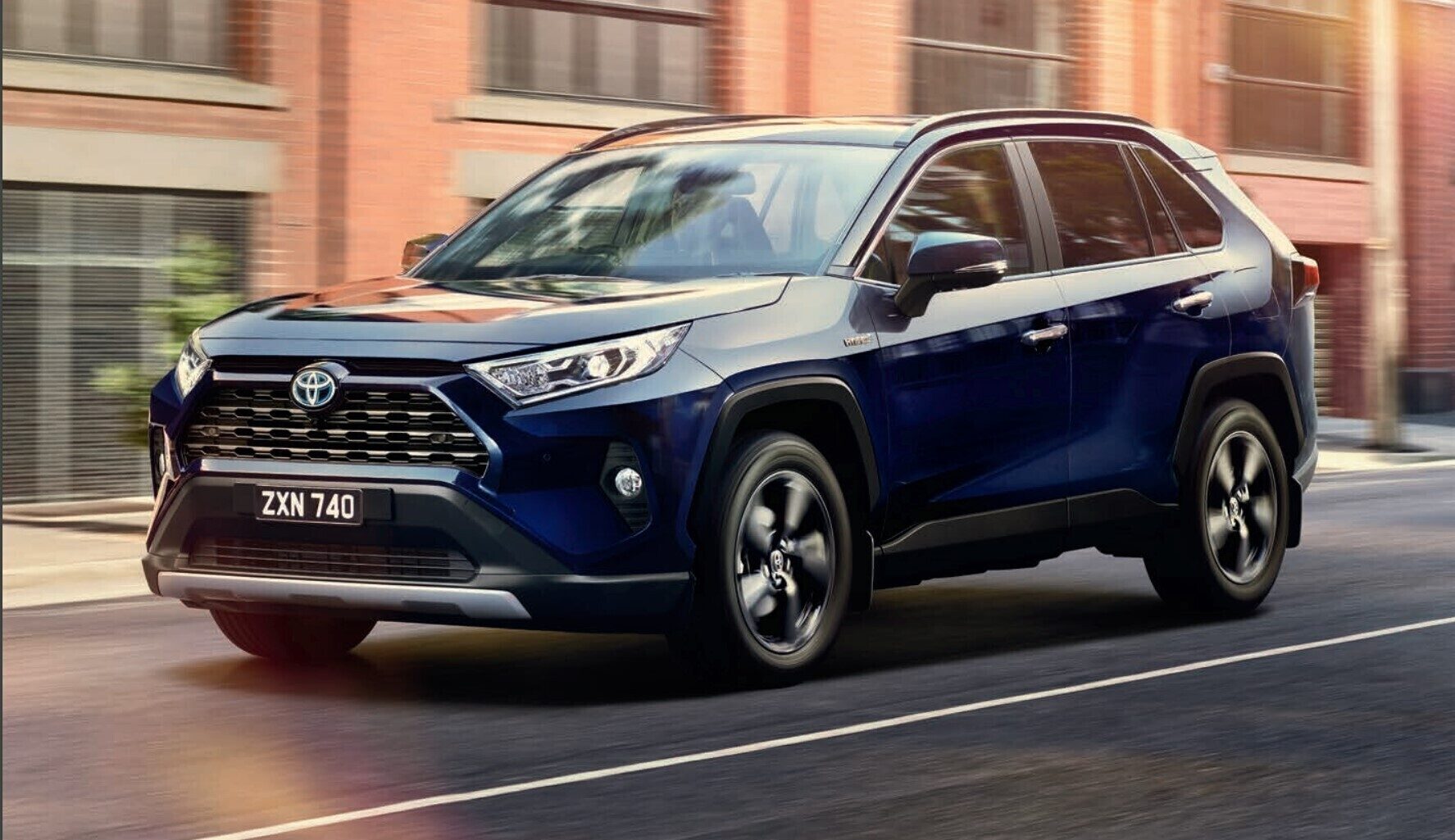
2. Toyota RAV4
The Toyota RAV4 is a versatile SUV, often praised for reliability and safety, but it is not well-suited for steep grades or technical off-road conditions.
While trims like the Adventure or TRD Off-Road offer slightly improved suspension and traction, the RAV4’s basic all-wheel-drive system is designed more for handling wet roads and mild dirt trails rather than rocky or steep mountainous terrain.
Ground clearance is modest, making it prone to scraping or getting stuck on rocks, tree roots, or uneven surfaces. Its approach and departure angles are limited, which reduces its ability to climb or descend steep inclines safely.
Drivers may find themselves needing to backtrack when encountering obstacles that require higher clearance or more aggressive traction control.
The RAV4’s engine is tuned primarily for efficiency, not raw torque or low-end power. On steep grades, this can result in sluggish performance and difficulty maintaining forward momentum.
Unlike dedicated off-road vehicles, it does not include low-range gearing, which is critical for climbing and descending safely on rugged terrain.
Suspension travel is also limited, reducing the vehicle’s ability to keep tires in contact with uneven surfaces. This limitation affects both traction and stability, making steep or technical trails risky for drivers who are not prepared.
Despite its many strengths in comfort, interior space, and fuel economy, the Toyota RAV4’s off-road limitations are significant. While it can handle light trails or uneven rural roads, steep grades and technical mountain paths, like those near Taos Mountain, are beyond its design capabilities.
Drivers relying on the RAV4 for serious off-road adventures are likely to encounter difficulties maintaining traction, avoiding undercarriage damage, and managing steep inclines safely. For true off-road performance, a vehicle with stronger suspension, higher clearance, and off-road-specific traction systems is necessary.
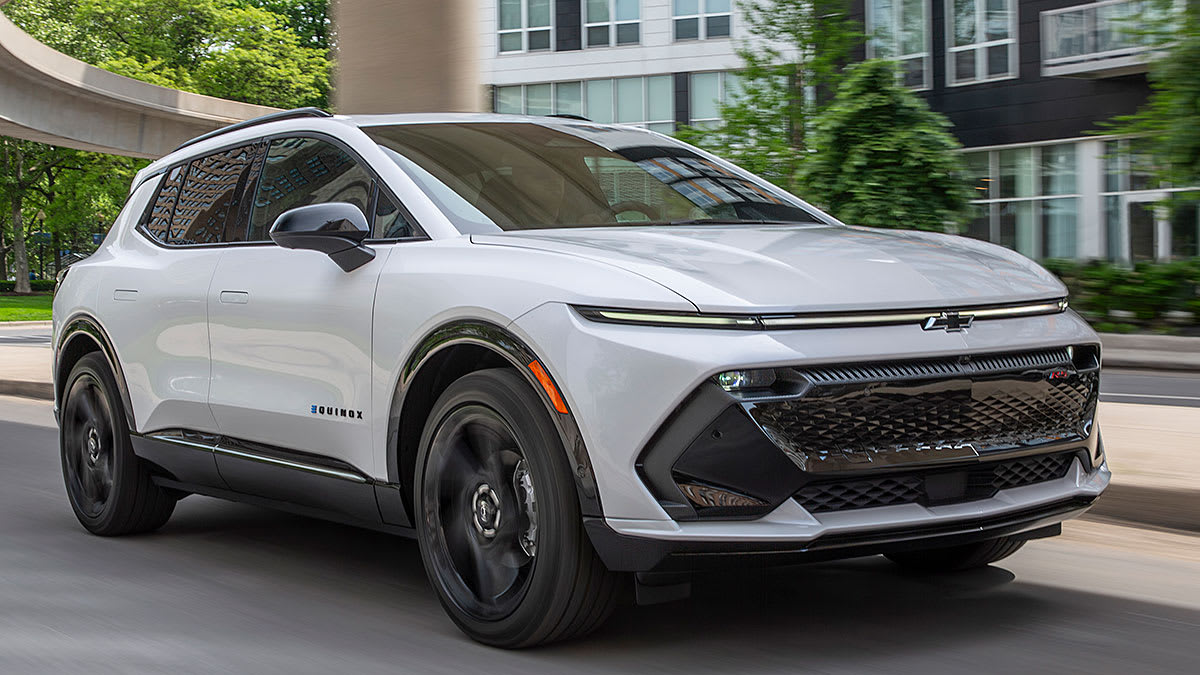
3. Chevrolet Equinox
The Chevrolet Equinox is a compact SUV focused on comfort, fuel efficiency, and everyday usability rather than off-road performance. Its all-wheel-drive system is intended to assist in rain, snow, or minor dirt roads but does not provide the torque distribution or low-speed control required for climbing steep grades.
The Equinox’s ground clearance is modest, leaving it susceptible to scraping the underbody on rocky or uneven terrain. Suspension travel is limited, reducing wheel contact with irregular surfaces and creating traction challenges on steep or rugged trails. For mountain driving, these limitations can make it difficult to maintain momentum and vehicle stability, even on moderately inclined paths.
Another limiting factor is the Equinox’s traction management system. While it helps maintain stability on paved or mildly uneven surfaces, it is not optimized for off-road climbs or descents.
Tires designed for road use also reduce grip on loose rocks, mud, or sand, which are common on steep mountain trails. Even relatively small obstacles, such as rocks or ruts, can become significant challenges due to low clearance and limited articulation, requiring the driver to proceed cautiously or avoid certain paths entirely.
The Chevrolet Equinox is a reliable, comfortable SUV for city, highway, and light dirt road use, but it is not designed for climbing steep grades or handling challenging off-road trails.
Drivers attempting technical mountain terrain will encounter frequent traction issues, limited control, and the risk of undercarriage damage. For demanding off-road environments like Taos Mountain, the Equinox falls short in mechanical robustness, suspension capability, and off-road-specific systems.
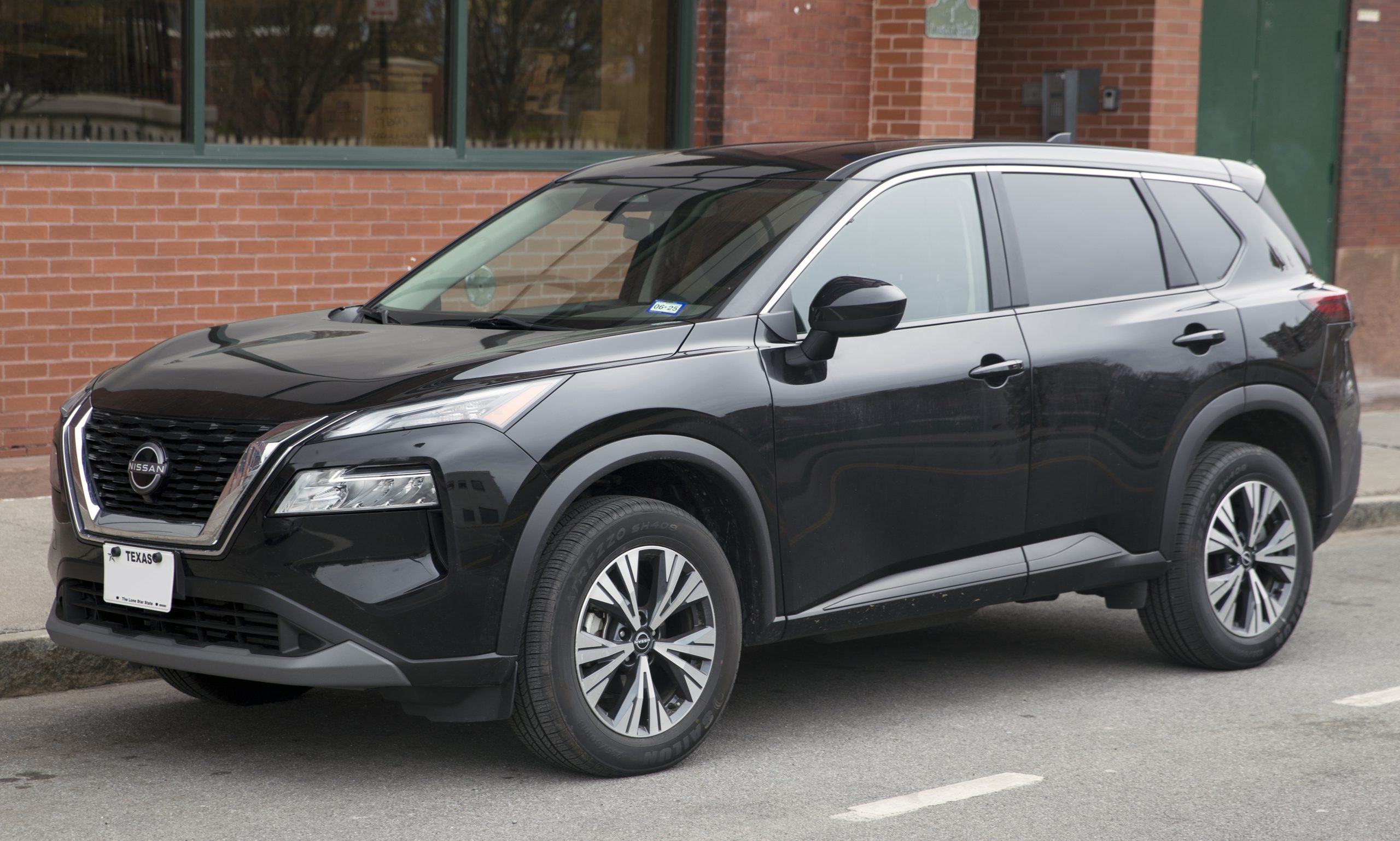
4. Nissan Rogue
The Nissan Rogue is a compact SUV that excels in comfort, fuel efficiency, and everyday usability, but it is not built to handle steep grades or rugged mountain trails. Its all-wheel-drive system is designed primarily to enhance stability on wet roads or light snow rather than for off-road climbing.
Ground clearance is low compared to SUVs built for off-road use, which limits its ability to navigate rocks, ruts, or uneven terrain without scraping the undercarriage.
Limited suspension travel further reduces wheel contact with the ground, which decreases traction and stability when ascending or descending inclines. Drivers often find the vehicle hesitant when attempting to climb steeper sections of trail.
The Rogue’s engine is tuned for smooth city and highway acceleration rather than low-end torque for off-road climbs. On steeper slopes, the vehicle can struggle to maintain momentum, especially when carrying passengers or cargo.
Lack of low-range gearing makes controlling speed on both climbs and descents challenging, requiring excessive brake use on downhill stretches. These limitations can make even moderate off-road paths dangerous, as traction loss or wheel spin may occur unexpectedly.
Traction control and stability management systems in the Rogue are designed for paved or lightly uneven surfaces. When applied to rocky or loose terrain, these systems can sometimes reduce power at critical moments, making climbing grades more difficult.
Road-oriented tires further limit grip on off-road surfaces, reducing the vehicle’s ability to climb, descend, or maneuver safely on technical trails. The combination of low clearance, limited torque, and traction limitations restricts its off-road potential significantly.
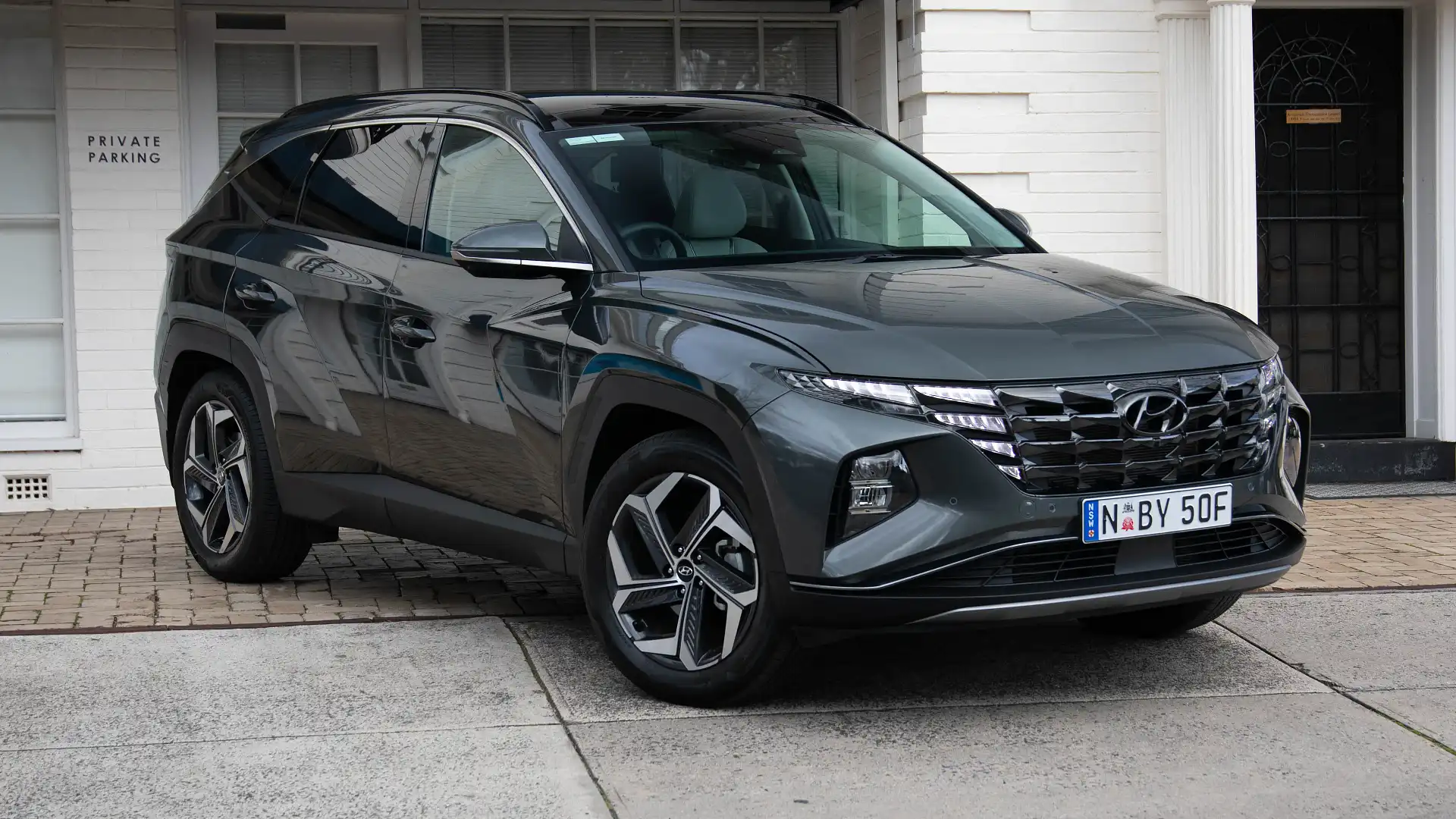
5. Hyundai Tucson
The Hyundai Tucson is a modern, efficient, and comfortable SUV designed primarily for city and highway use. Its all-wheel-drive system provides basic assistance in wet or snowy conditions but lacks the torque distribution, low-range gearing, and off-road-focused features needed to handle steep grades.
Ground clearance is relatively low, which increases the likelihood of scraping the undercarriage on rocky or uneven trails. Suspension travel is limited, so wheel articulation is insufficient to maintain traction on irregular surfaces. Drivers may notice hesitation or instability when attempting steep inclines, making the vehicle poorly suited for mountainous terrain.
Traction control and stability management systems on the Tucson help maintain safety on paved roads but are not tuned for off-road climbing.
On loose surfaces, these systems can reduce engine power at critical moments, causing wheel spin and difficulty ascending steep grades. Tires designed for road use further limit traction on dirt, rocks, or mud, making technical mountain trails a significant challenge for the vehicle.
Despite being comfortable, fuel-efficient, and technologically advanced, the Hyundai Tucson’s off-road limitations are clear. It is excellent for commuting, suburban errands, and light gravel roads but is not suitable for steep or technical off-road terrain.
Drivers attempting to explore trails in mountainous areas will find that it struggles to maintain traction, avoid undercarriage contact, and climb inclines safely, making it one of the least capable SUVs for off-road grading.
