
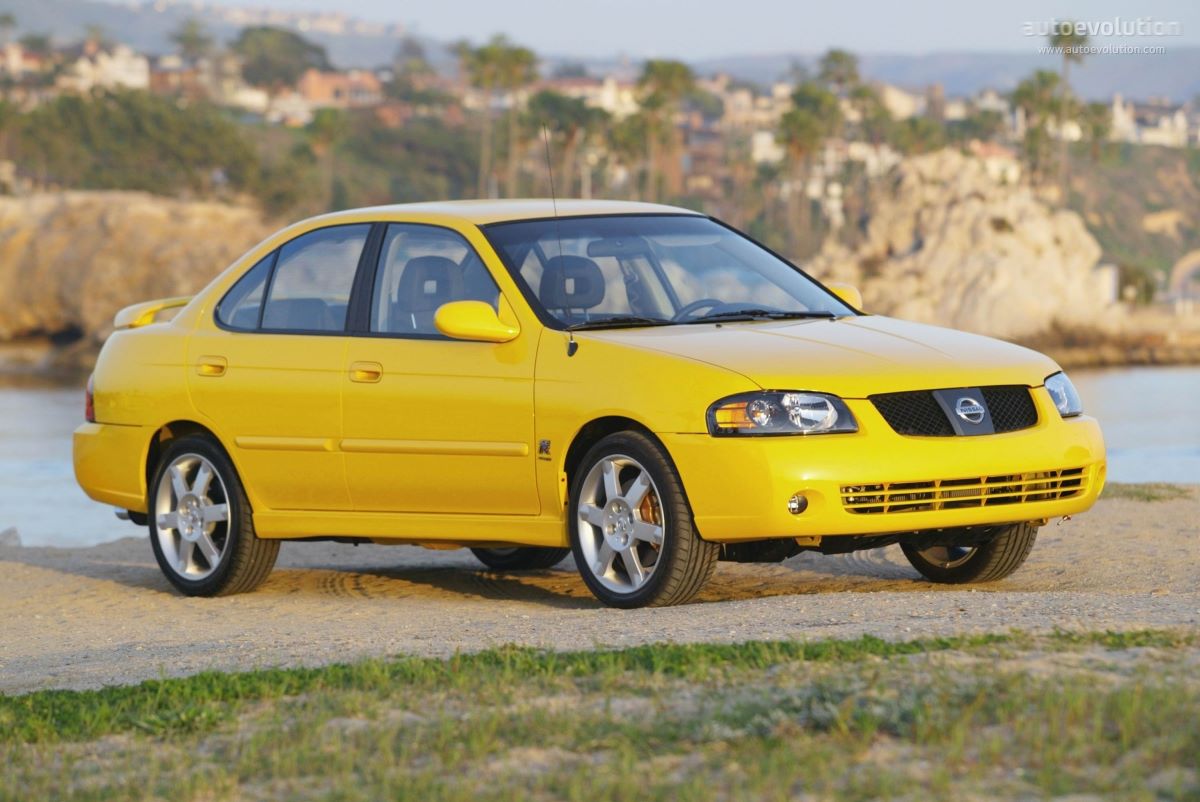
Sedans are among the most practical and versatile vehicles for daily life, especially for short trips around towns like Manhattan, Kansas. The city’s mix of residential streets, small highways, and college-town traffic makes certain sedans more suitable than others.
People often look for cars that combine comfort, fuel efficiency, and maneuverability, especially when trips are short and frequent. Compact and mid-size sedans are usually easier to park, cheaper to maintain, and provide enough space for passengers and small cargo.
Short trips require cars that can handle stop-and-go traffic without burning excessive fuel or wearing down quickly. For drivers in Manhattan, sedans are often chosen for reliability, affordability, and moderate size, as they can handle local streets as well as occasional highway drives.
Some sedans are known for lasting many years with minimal issues, while others tend to experience mechanical problems sooner, particularly if they are older models or have less robust engineering.
Choosing the right sedan can save time, money, and frustration while offering a smooth ride. In this article, we will focus on two categories: sedans that are well-suited for short trips around Manhattan, Kansas, and sedans that are prone to wearing out faster than average.
Each category provides insights for drivers who want to make practical choices when purchasing a vehicle. Fuel efficiency, maintenance costs, comfort, and reliability are key factors considered in these recommendations.
By looking closely at these categories, drivers can find vehicles that fit their lifestyle and avoid ones that may lead to early repairs.
This guide aims to help readers make informed decisions based on common performance patterns, rather than marketing claims or trends.
Short trips and city driving require sedans that remain efficient even under frequent starts and stops. By focusing on these characteristics, drivers can enjoy a smoother experience and fewer unexpected repair costs over time.
5 Sedans for Manhattan KS Short Trips
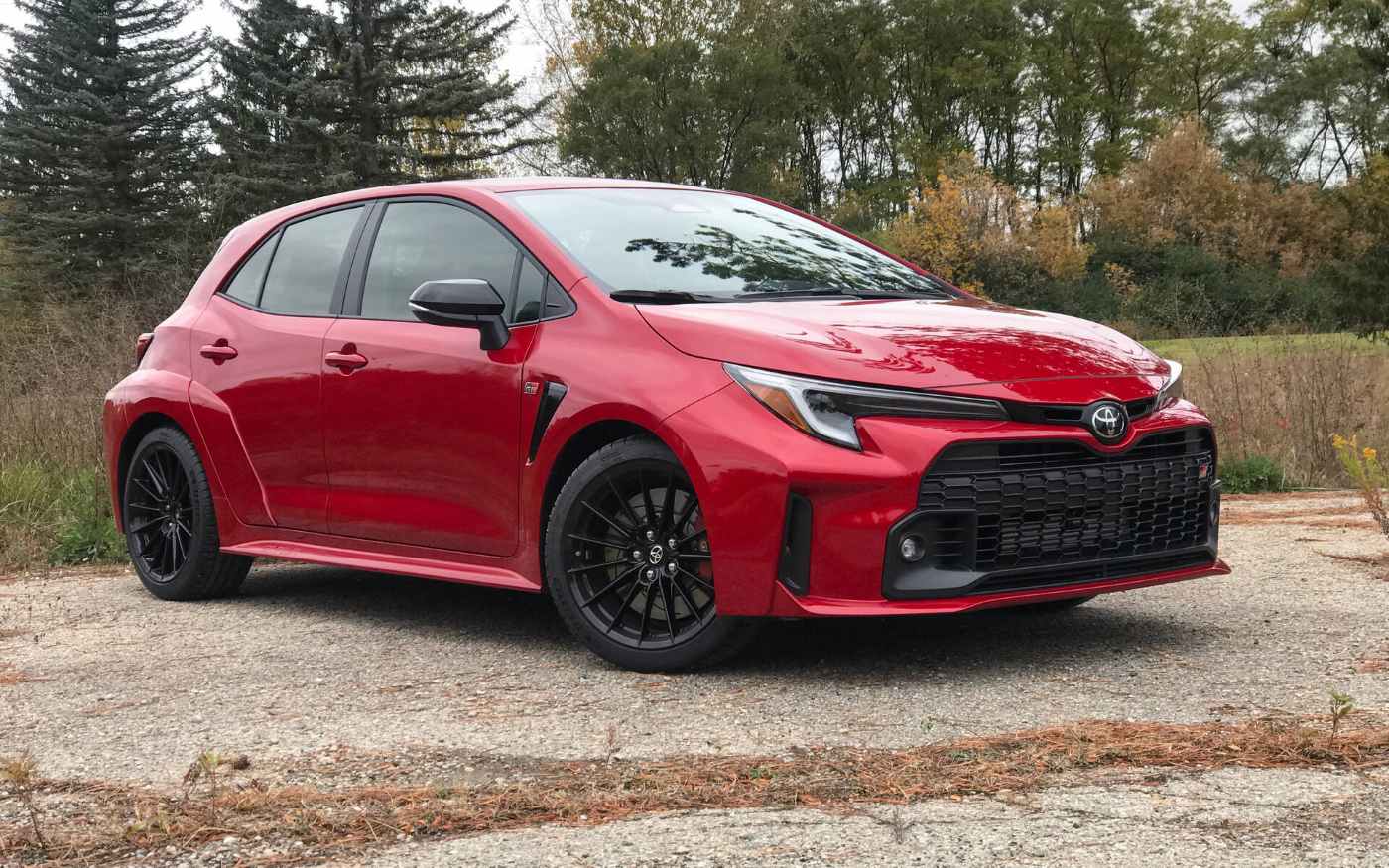
Toyota Corolla
The Toyota Corolla is a compact sedan that has earned a reputation for reliability and long-term value. It is easy to drive in city traffic, making it ideal for the short trips often required in Manhattan, Kansas.
Its fuel-efficient engines save money, especially during frequent starts and stops in town. The Corolla’s low maintenance needs mean fewer visits to the shop and more time on the road.
Inside, the Corolla provides a quiet and comfortable cabin with seating that accommodates adults and children without feeling cramped. Infotainment options include a touchscreen, Bluetooth connectivity, and smartphone integration.
Its safety systems, including lane-keeping assist and automatic emergency braking, offer extra peace of mind for city commutes. The materials used in the interior are durable, maintaining their quality over years of use.
The Corolla’s suspension is tuned to provide a smooth ride even on rough or uneven streets. Drivers do not feel every bump, which is especially useful for frequent short drives where comfort matters most.
Steering and handling are responsive, making turns and parking simple even in tight spots. The car is compact enough to navigate narrow streets but still offers enough space for groceries, backpacks, or small cargo.
Long-term reliability is one of the Corolla’s strongest features. Many owners report driving well past 200,000 miles with only basic maintenance.
Parts are inexpensive and widely available, making repairs simple and affordable. The combination of fuel efficiency, comfort, and durability makes the Corolla a dependable option for everyday short trips in Manhattan.
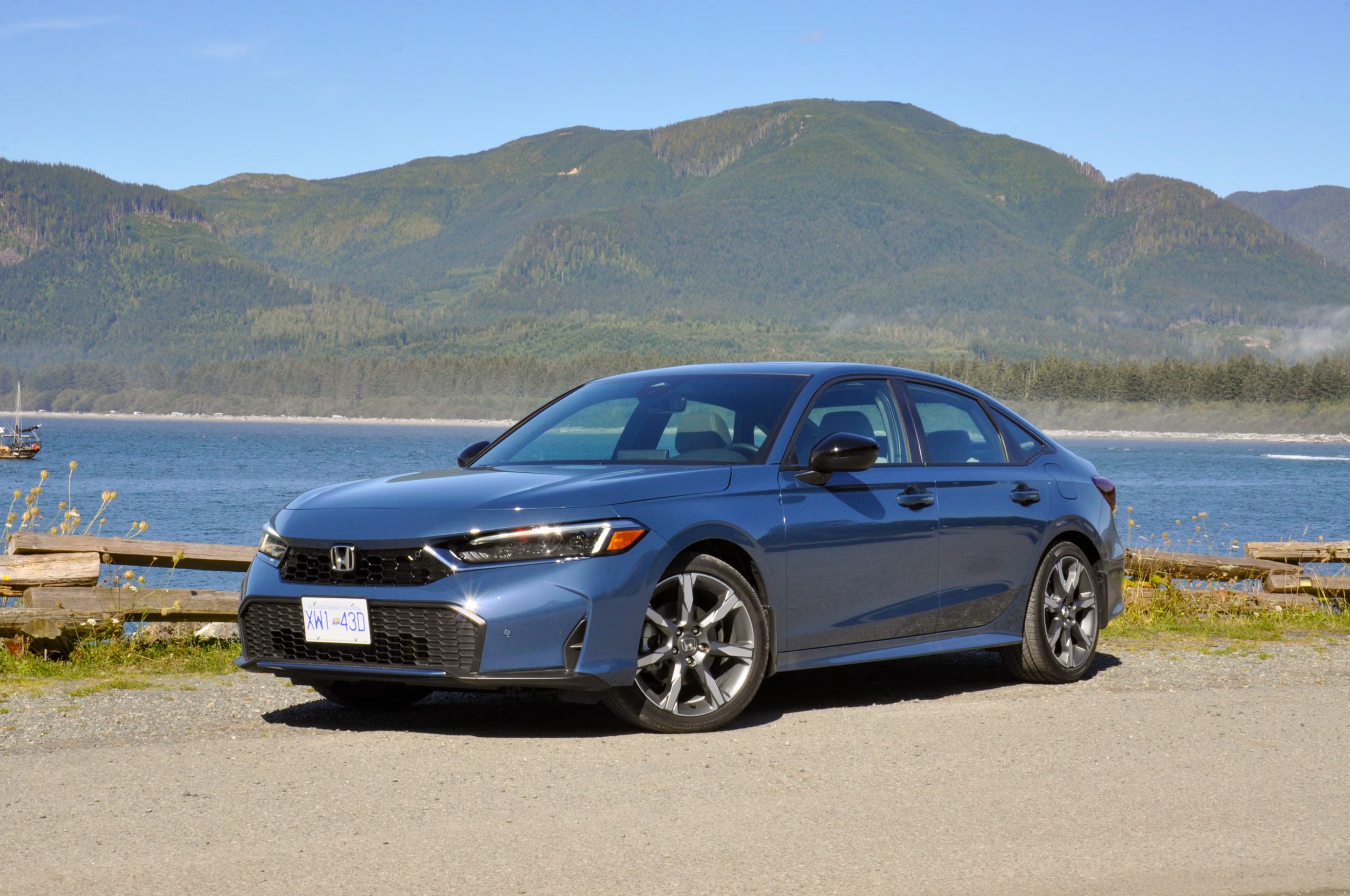
Honda Civic
The Honda Civic is another excellent choice for city driving, known for its blend of reliability, efficiency, and style. Its compact dimensions make it easy to park in tight city spaces, while its engines remain economical during frequent stop-and-go driving.
The Civic’s smooth ride ensures that passengers remain comfortable on short trips, even over rough patches of road. Its high resale value also makes it a smart investment for long-term ownership.
Inside, the Civic offers a thoughtfully designed cabin with supportive seats and user-friendly controls. Infotainment features like a touchscreen display, Apple CarPlay, and Android Auto provide convenience and entertainment during short drives.
Safety features include adaptive cruise control, collision mitigation, and lane departure warning. The ergonomics reduce driver fatigue and enhance the commuting experience.
The Civic is also highly reliable, with many models exceeding 200,000 miles when properly maintained. Its engines and transmissions require minimal upkeep, and replacement parts are affordable and widely available.
The ride quality is smooth, and handling is responsive, making driving in city traffic a stress-free experience. Maintenance is predictable, which helps owners budget for ongoing costs.
Fuel efficiency is a significant advantage of the Civic, particularly for short urban trips where acceleration and braking are frequent. Its compact size, combined with responsive steering, allows for easy maneuvering and tight parking.
Cabin comfort, durability, and low operating costs make it an ideal choice for Manhattan residents. The Civic balances practicality and enjoyment for city travel.
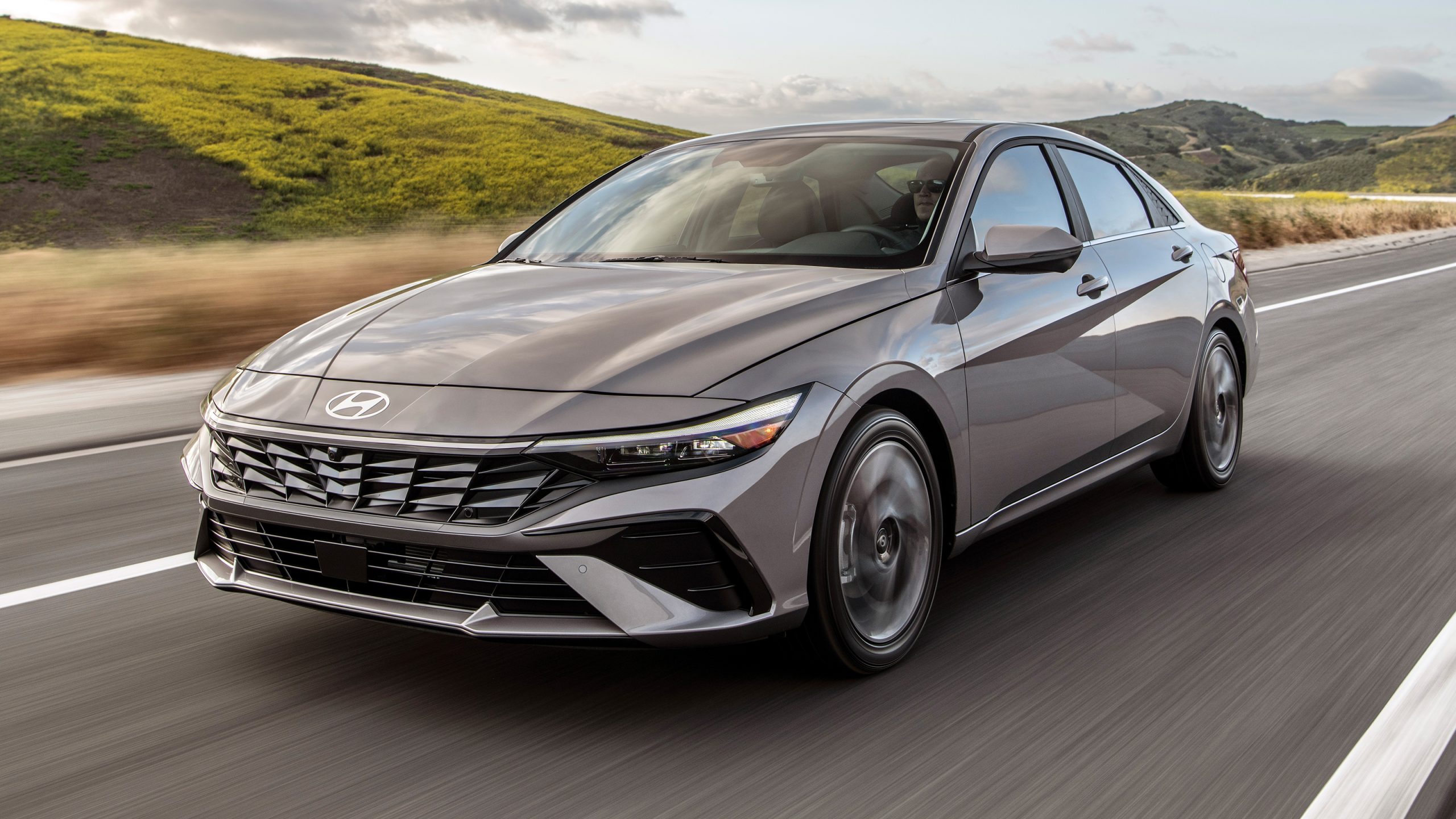
Hyundai Elantra
The Hyundai Elantra is a stylish and practical sedan that provides excellent value for city driving. Its compact size makes it easy to maneuver through crowded streets, and its fuel-efficient engines are perfect for short, frequent trips.
The Elantra also includes a range of modern features, such as advanced safety technology and touchscreen infotainment, which add convenience for everyday commuting.
The interior of the Elantra is spacious and comfortable, providing ample legroom for both front and rear passengers. Seats are supportive, and the cabin is quiet, making short trips more relaxing.
Hyundai also provides a strong warranty, which reduces long-term concerns about repairs or maintenance. Controls are straightforward, allowing drivers to focus on the road rather than complicated technology.
The car’s suspension strikes a balance between comfort and stability, absorbing bumps and imperfections in the road. Handling remains predictable even during quick maneuvers or turns.
Fuel efficiency is competitive, reducing costs for frequent short drives in the city. Maintenance is reasonable, and parts are readily available, making the Elantra an economical choice for daily use.
Elantras are also known for their long-term reliability and durability. Paint and interior materials hold up well over time, which is important for vehicles exposed to frequent trips and weather changes.
Its combination of comfort, affordability, and low running costs makes the Hyundai Elantra a solid choice for drivers in Manhattan. Daily driving is easier and less stressful with this dependable sedan.
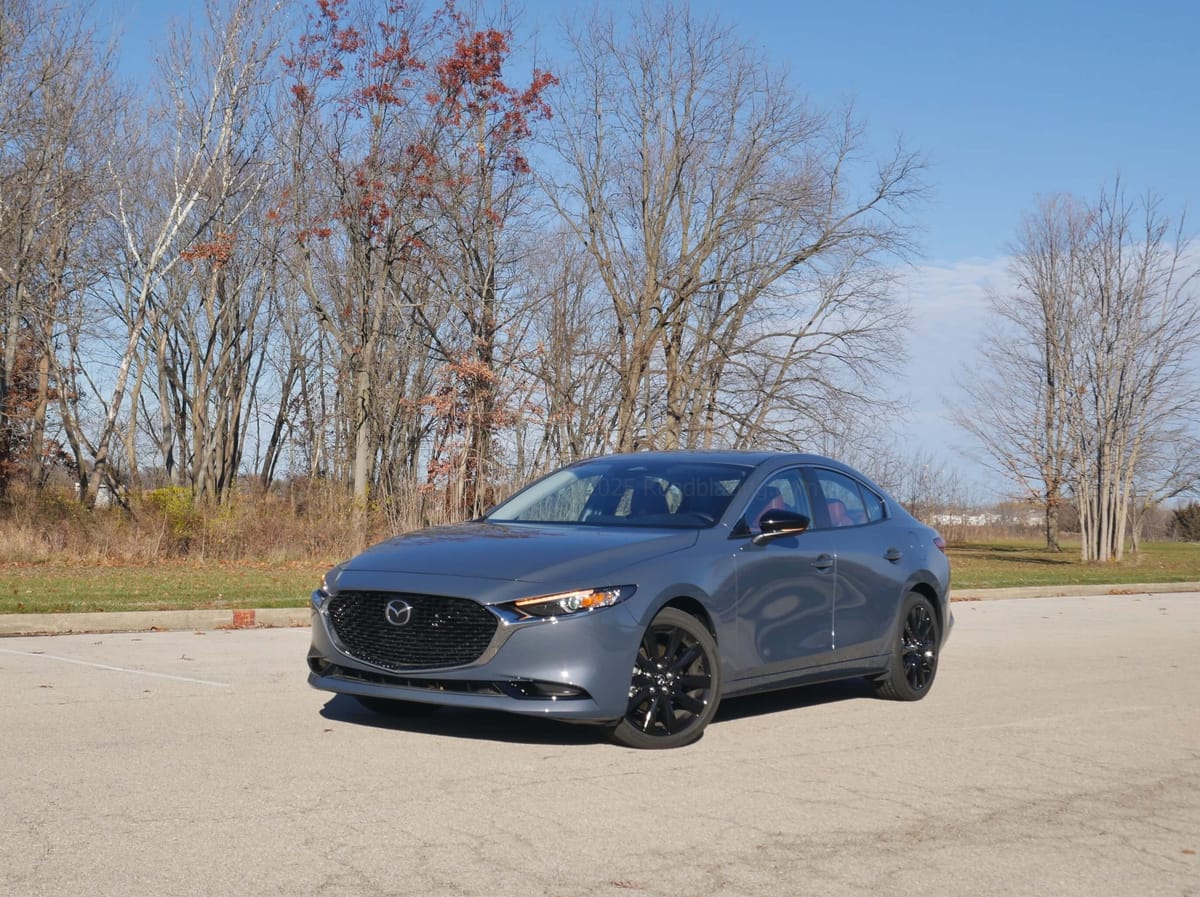
Mazda3
The Mazda3 is a compact sedan that is appreciated for its sporty handling and refined driving experience. Its responsive steering and well-tuned suspension make city trips enjoyable and controlled.
Fuel efficiency is strong, particularly in newer models, which helps save money during frequent stops and starts. The Mazda3 provides a balance between performance and comfort, making it suitable for short urban drives.
The cabin is modern and stylish, with high-quality materials that enhance the sense of refinement. Seats are comfortable for both drivers and passengers, while infotainment systems are intuitive and easy to use.
Safety features such as blind-spot monitoring and stability control are included in most models, adding protection during city driving. The interior layout reduces distraction, keeping the focus on driving safely.
Mechanical components, including the engine and transmission, are durable and built to last. Many owners report driving well beyond 150,000 miles without major repairs. Brake and tire wear are moderate, meaning routine maintenance is manageable. Mazda3 combines reliability with an engaging driving experience, making it ideal for short trips.
The Mazda3 also offers a premium feel without excessive costs. Its design and interior materials create a sense of comfort and quality uncommon in its class. Compact dimensions allow for easy parking in tight spots while maintaining enough space for passengers. This combination of efficiency, durability, and enjoyment makes the Mazda3 an excellent option for Manhattan commuters.
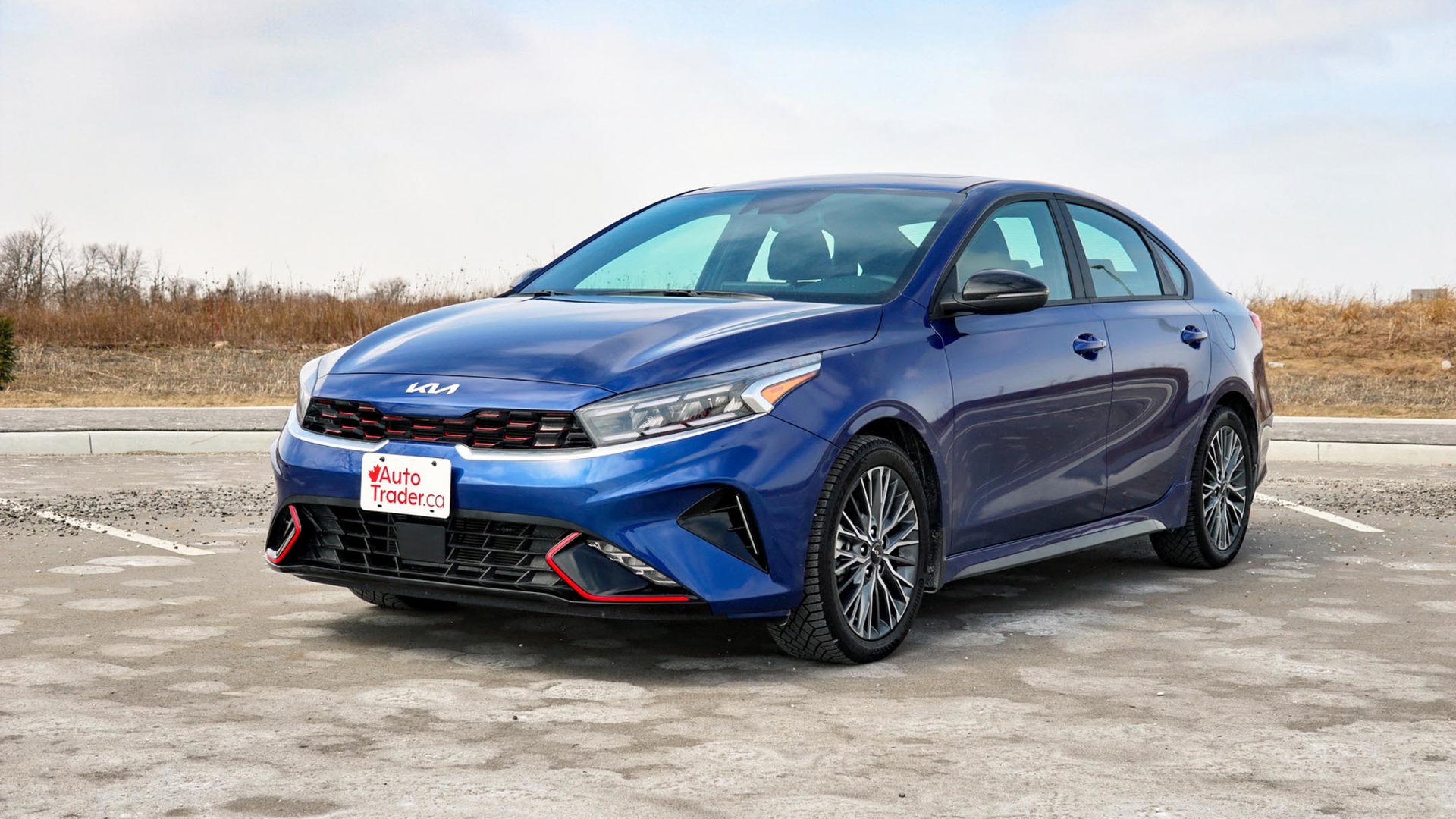
Kia Forte
The Kia Forte is an economical and comfortable compact sedan suitable for short urban trips. Its fuel-efficient engines provide reliable performance during frequent city driving.
Compact dimensions make parking and maneuvering simple, while the interior is spacious enough to accommodate passengers and cargo comfortably. Modern features like infotainment systems and safety technology increase convenience.
The cabin is quiet, with seats designed to reduce fatigue during short commutes. Controls are simple and easy to use, allowing drivers to focus on traffic conditions.
Safety systems, including forward collision warning and lane departure alerts, are standard on many models. Ride quality is smooth, absorbing most bumps and imperfections in the road.
Reliability ratings for the Kia Forte are solid, with minimal major mechanical issues reported. Regular maintenance keeps it running efficiently for many years.
Replacement parts are generally affordable and widely available, which reduces repair costs. The Forte offers a dependable solution for frequent short trips in city environments.
The Forte also delivers a comfortable driving experience with precise steering and responsive handling. Suspension and ride quality combine to make urban streets more manageable.
Its combination of efficiency, affordability, and comfort makes the Forte a practical choice for Manhattan drivers. This sedan offers value and reliability without sacrificing convenience.
5 Sedans That Wear Out Fast
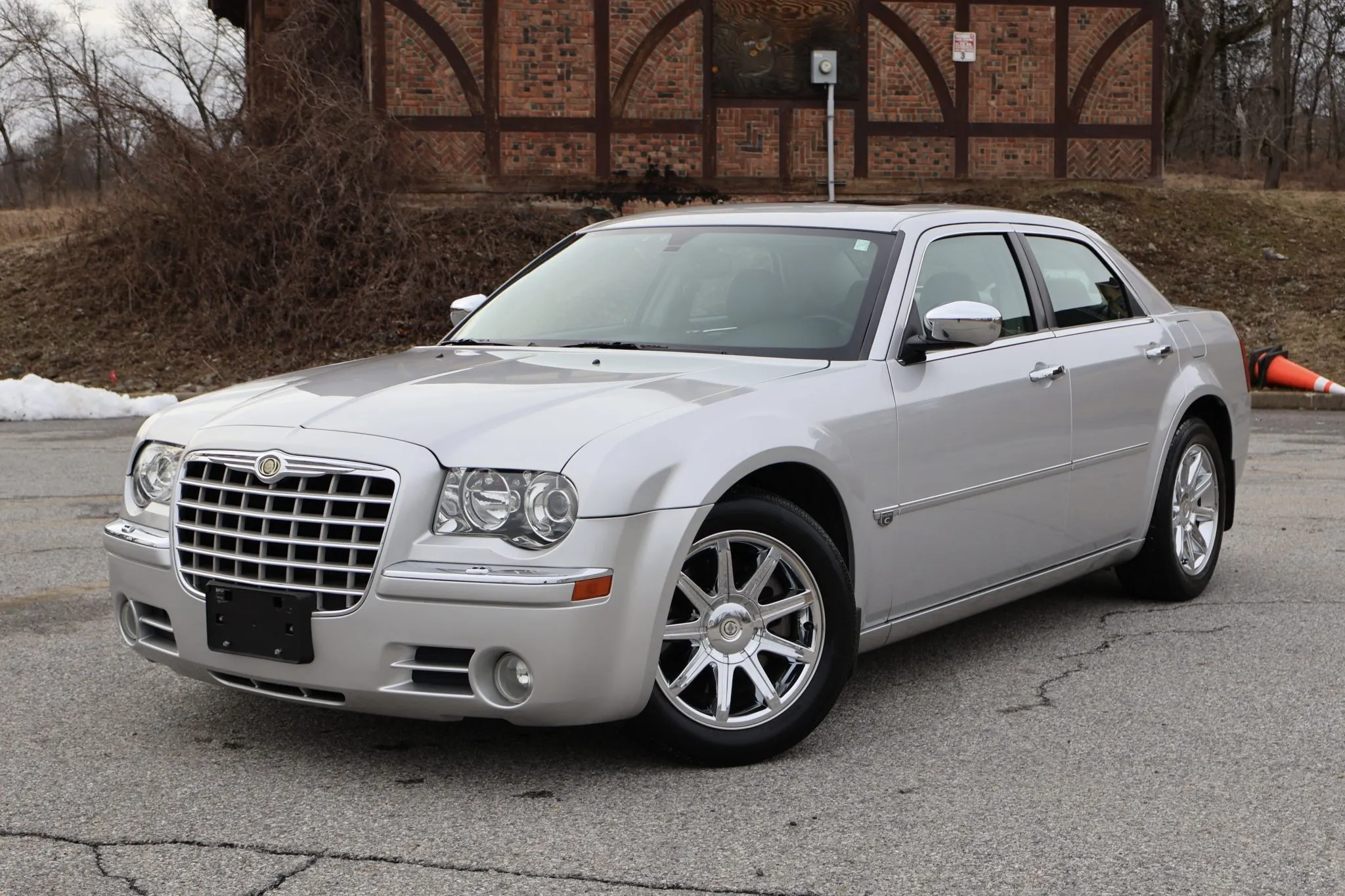
Chrysler 200
The Chrysler 200 is often criticized for mechanical issues that appear earlier than expected. Its engines and transmissions can fail sooner, especially under frequent city driving.
Electrical problems such as dashboard malfunctions and sensor errors are also common in older models. These issues make the car expensive to maintain and less dependable for daily use.
Suspension and steering parts on the Chrysler 200 tend to wear out quickly, which affects ride quality and handling. Drivers often report rough rides over bumps or potholes, which can make short trips stressful.
Interior materials, including seats and dashboard surfaces, also show signs of wear in a short time. Repair costs for this sedan can add up, discouraging long-term ownership.
Owners frequently experience problems with the air conditioning, infotainment, and power window systems. Even minor electrical faults can require costly trips to a mechanic.
Reliability ratings are generally below average compared to competitors in the same class. Frequent repairs and maintenance issues make it challenging to keep this sedan running smoothly.
Despite its exterior styling, the Chrysler 200 struggles with durability and long-term reliability. Short trips and stop-and-go traffic increase strain on the drivetrain. Many owners report needing major repairs within a few years of ownership. This combination of mechanical and electrical issues makes the Chrysler 200 less suitable for regular urban driving.
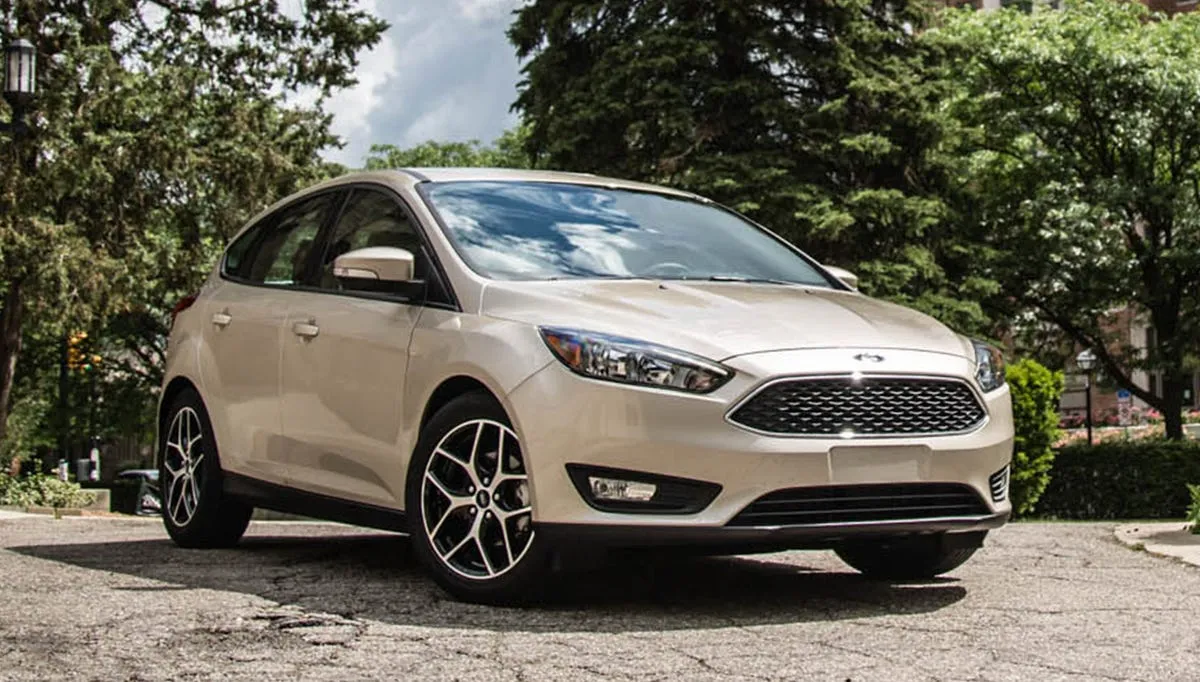
Ford Focus (older models)
Older Ford Focus sedans, particularly models made before 2015, are known for transmission problems that appear early. The dual-clutch transmission in these vehicles can fail unpredictably, leading to expensive repairs.
Engines may also develop issues with timing components, and electrical systems are prone to faults. Frequent short trips increase wear on these components, reducing the vehicle’s lifespan.
Suspension components wear out faster in city driving, affecting ride comfort and stability. Owners often experience premature brake wear, and steering components can degrade sooner than expected.
Interior materials, such as seat fabric and dashboard plastics, may show damage or fading quickly. These factors make maintenance more demanding and costly over time.
Older Focus models can also develop rust in areas exposed to moisture or road salt. Electrical glitches, including malfunctioning sensors, are reported across multiple model years.
Fuel system issues, such as clogged injectors, can appear earlier than usual. These problems impact reliability and can make the car less practical for daily short trips.
While the Focus is generally fun to drive with responsive handling, frequent repairs reduce its practicality. Owners may find themselves spending more time in service centers than behind the wheel. For those in Manhattan seeking a dependable short-trip sedan, older Focus models can be a risky investment.
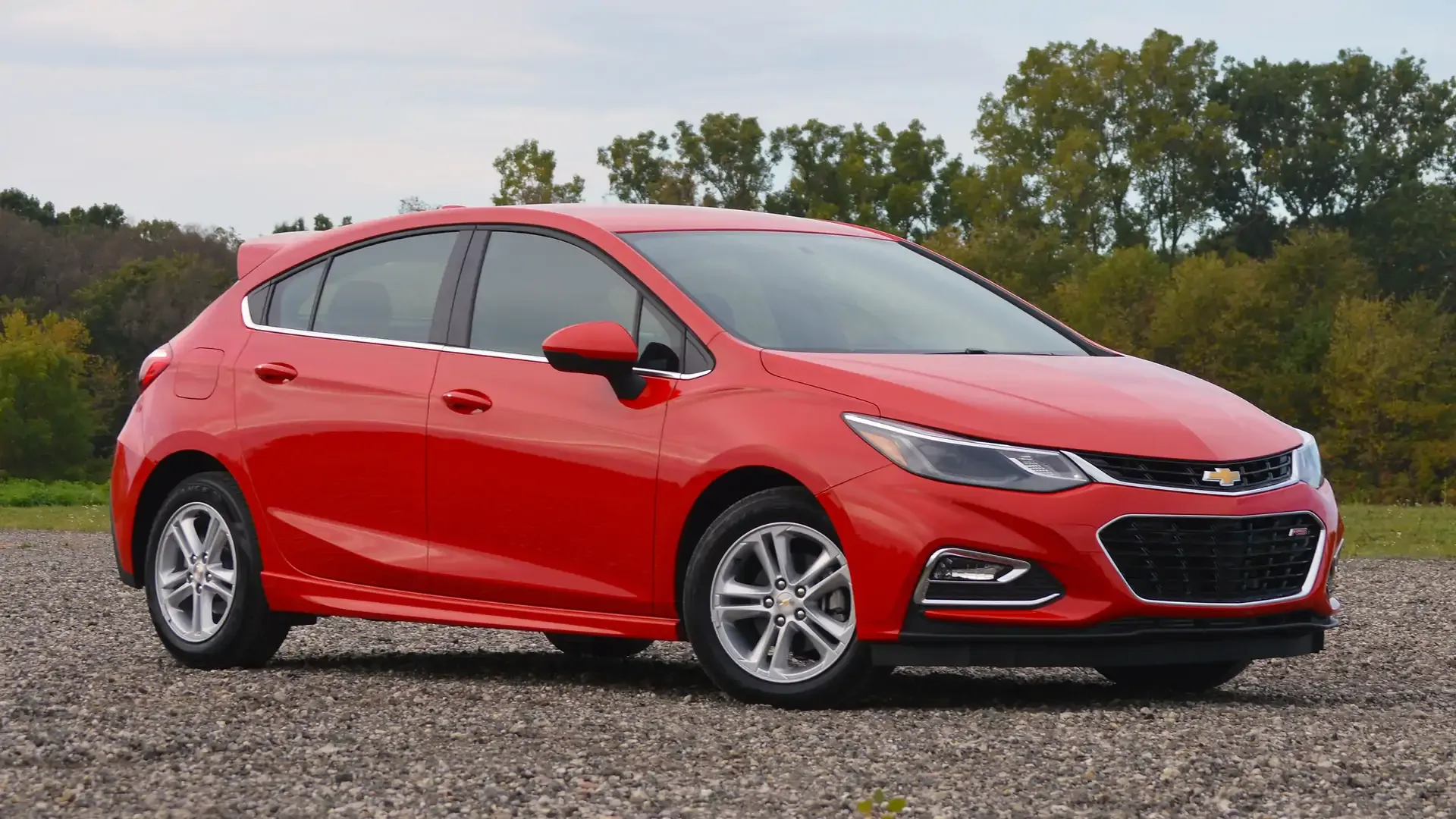
Chevrolet Cruze
The Chevrolet Cruze is prone to early engine and transmission problems, particularly in turbocharged models. Electrical issues, including malfunctioning warning lights and sensors, are frequent.
Suspension components may also fail sooner than expected, affecting ride comfort. Repairs for the Cruze are often complicated and costly, making it less suitable for long-term city driving.
Brake components on the Cruze tend to wear unevenly, and fuel system problems can appear in vehicles used primarily for short trips. Interior materials may deteriorate quickly, and cabin noise can increase with age.
These factors combine to raise maintenance costs over the life of the vehicle. Drivers may feel frustrated with frequent repair needs.
Turbocharged engines in the Cruze require careful attention, especially if used for frequent stop-and-go trips. Short drives without proper warm-up can strain components, accelerating wear.
Owners often report higher fuel consumption over time as engine efficiency declines. The combination of mechanical and electrical problems affects reliability and driver confidence.
Although the Cruze offers an appealing design and interior features, its long-term durability is limited. Many vehicles experience multiple repairs before reaching 100,000 miles. The car is less practical for drivers who rely on a dependable daily vehicle. Frequent service visits can turn short trips into costly experiences.
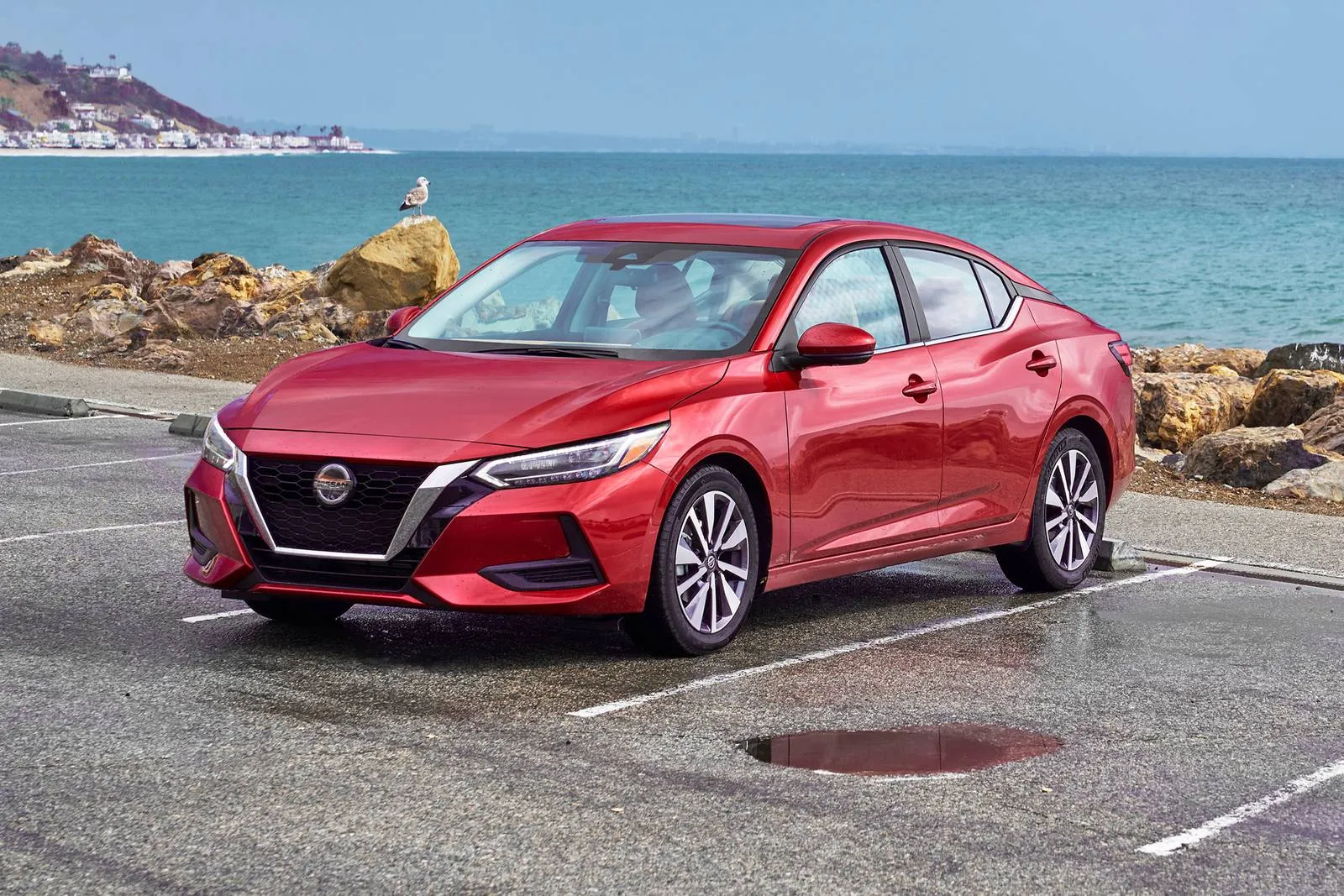
Nissan Sentra (older models)
Older Nissan Sentras face issues with CVT transmissions, which can fail unexpectedly under city driving conditions. Engines may develop early timing or fuel system problems.
Electrical faults, including malfunctioning sensors and warning lights, are also common. Frequent short trips exacerbate these issues, leading to higher maintenance needs and potential breakdowns.
Brake components may require replacement sooner than expected, and suspension parts can wear unevenly. Interior materials such as seats, panels, and knobs often degrade quickly, making the cabin feel worn.
Reliability ratings for older Sentras are generally lower than competitors in the compact sedan segment. Regular repairs may become a significant part of ownership costs.
Frequent short trips place additional strain on engines and transmissions, particularly CVTs, which are sensitive to stop-and-go driving.
Cold starts in winter months can also increase wear on mechanical components. Parts are available, but labor and repairs remain costly. This reduces the value and practicality of older Sentras for city commuters.
Even though the Sentra is initially affordable, long-term ownership can be expensive. Frequent repairs and replacement parts decrease reliability. Drivers may experience repeated issues before reaching 100,000 miles. For someone who relies on dependable short-distance transportation, older Sentras can be a risky choice.
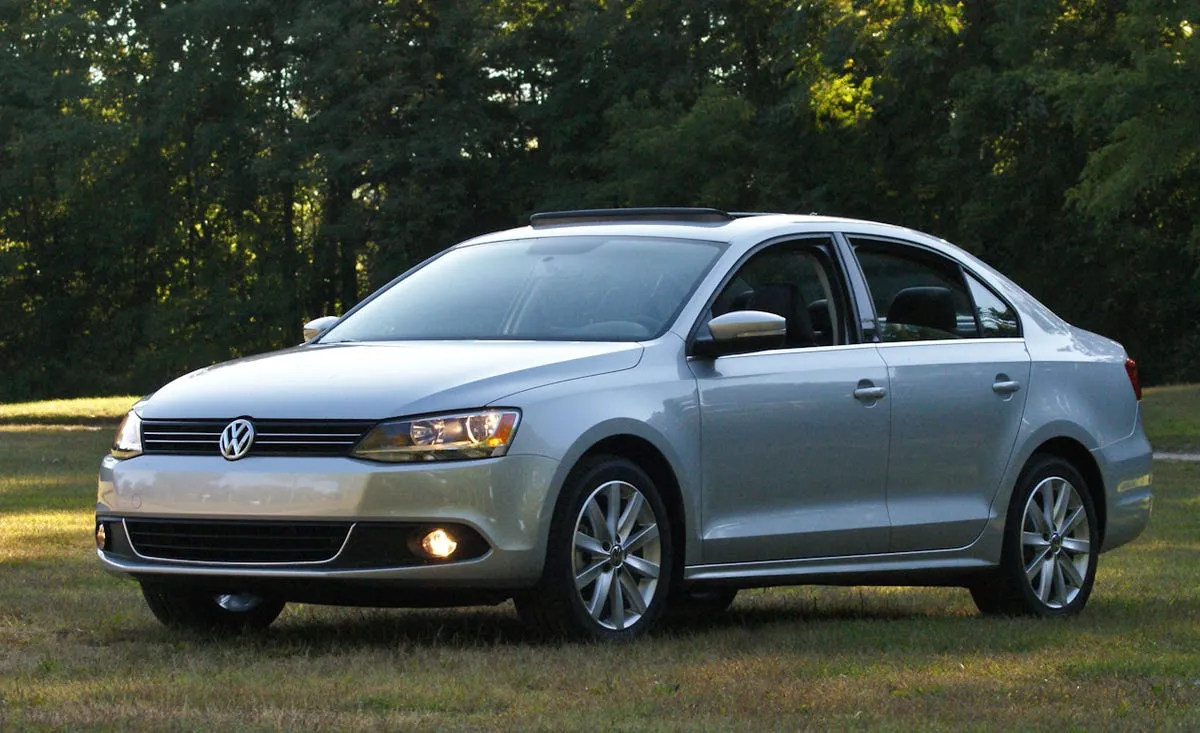
Volkswagen Jetta (older models)
Older Volkswagen Jettas often experience problems with electrical systems, including infotainment failures and dashboard malfunctions. Turbocharged engines may consume oil or develop early wear in engine components.
Suspension parts can fail sooner than expected, affecting handling and comfort. Interior electronics, such as climate control and lighting, are also prone to faults.
Brake systems and fuel components may require attention more often than in other sedans. Rust and corrosion affect certain model years, especially in regions with snow or rain.
Repairs are usually expensive due to the cost of European parts and specialized service requirements. These factors reduce the practicality of older Jettas for frequent short trips.
City driving, with frequent starts and stops, puts additional stress on transmissions and engine components. Short trips can accelerate wear, particularly in turbocharged versions.
Owners often report multiple small repairs that collectively increase the cost of ownership. The drivetrain may feel less reliable over time, especially in vehicles over ten years old.
Despite offering a comfortable and stylish interior, older Jettas struggle with long-term mechanical reliability. Maintenance and repair costs can exceed expectations, making them less practical for urban commuting.
For drivers who need a dependable vehicle for short trips, older Jettas are often not the best choice. Frequent service visits may outweigh the benefits of style and comfort.
