
Colorado Springs sits at the edge of the Rocky Mountains, offering breathtaking views and access to some of the most scenic mountain drives in the United States. For residents and visitors alike, commuting in this area presents unique challenges that require careful attention to vehicle performance.
The combination of steep inclines, thin air at higher elevations, and unpredictable weather can choose car a critical factor in daily convenience and safety. While many vehicles handle city streets without issue, mountain routes expose weaknesses in engine power, braking, and handling.
Drivers often notice that some cars struggle with acceleration on inclines, while others maintain consistent performance regardless of altitude. This makes understanding which vehicles thrive in Colorado Springs’ environment a practical necessity rather than a luxury.
When considering mountain commutes, it is important to account for several key factors. Engine type, transmission, and drivetrain configuration all influence how a car performs under stress from elevation changes. Turbocharged engines, for example, tend to maintain power more effectively than naturally aspirated engines when climbing steep grades.
Similarly, all-wheel drive provides added stability on winding roads, particularly during winter months when snow and ice are common. Fuel efficiency can also vary greatly in mountainous terrain, as cars are forced to work harder to maintain speed. Beyond performance, reliability is critical since breakdowns in remote areas can lead to delays and safety concerns.
The variety of vehicles suitable for mountain commutes spans multiple categories, from compact crossovers to larger SUVs. Some cars are equipped with advanced traction control systems that improve grip on uneven surfaces, while others feature hill assist technologies to prevent rolling backwards on steep inclines.
These features, combined with proper braking systems and suspension, enhance driver confidence. Conversely, some vehicles are more vulnerable to altitude-related power loss, especially those with naturally aspirated engines.
Understanding which cars maintain performance and which do not allows drivers to make informed decisions for daily commuting, weekend trips, and emergencies.
This article provides a guide for drivers in Colorado Springs who face mountain commutes and for those considering vehicles that may lose power at higher elevations. By identifying cars that perform reliably under these conditions, as well as those that struggle, drivers can save time, reduce frustration, and ensure safer travel.
The goal is to offer practical advice based on general automotive principles, focusing on engine performance, drivetrain capabilities, and suitability for mountain driving. By the end, readers will have a clearer idea of which cars meet the demands of elevation changes and which might leave them struggling on steep inclines.
5 Cars for Colorado Springs Mountain Commutes
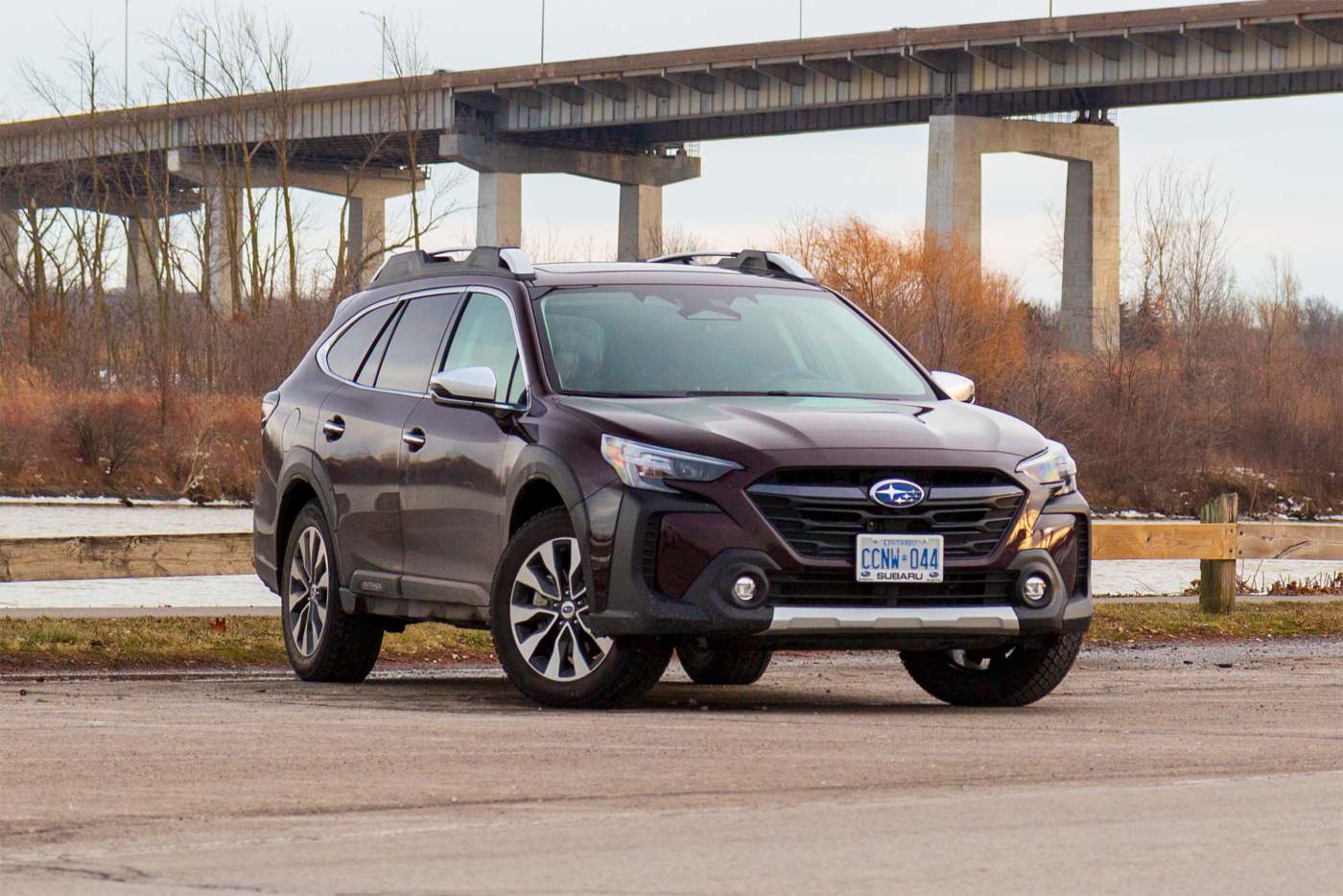
1. Subaru Outback
The Subaru Outback has long been favored for mountain driving due to its standard all-wheel drive system. This drivetrain allows the vehicle to maintain traction on snow-covered or uneven roads, which are common around Colorado Springs.
Its suspension is tuned to handle rough surfaces comfortably, giving drivers confidence when navigating winding routes. Additionally, the Outback’s turbocharged engine options provide sufficient torque for climbing steep hills without straining, ensuring smooth acceleration even with a full load of passengers or gear.
Inside the cabin, the Outback combines utility and comfort seamlessly. Ample cargo space allows for equipment like skis, snowboards, or hiking gear, while modern infotainment systems keep drivers connected and entertained during longer commutes.
Heated seats and dual-zone climate control enhance comfort during cold mornings or snowy drives, helping drivers focus on the road without distraction. The ergonomically designed interior also reduces fatigue on longer mountain trips, making every ride more pleasant and controlled.
Fuel efficiency is an advantage for commuters who face frequent elevation changes. While larger SUVs consume more fuel when climbing grades, the Outback balances power and economy effectively thanks to its lightweight design and efficient turbocharged engine.
Drivers can expect steady performance without frequent stops for refueling, which is especially useful on longer routes that pass through rural or mountainous areas. The combination of power and efficiency makes it ideal for both daily commuting and weekend adventures in the Rockies.
Safety features are another strength of the Outback, giving drivers confidence in unpredictable mountain conditions. Subaru’s EyeSight driver assist technology includes adaptive cruise control, lane-keeping support, and pre-collision braking to help prevent accidents.
Traction control and braking systems work together to manage downhill descents and slippery surfaces effectively. This combination of stability, power, and safety makes the Subaru Outback a dependable choice for Colorado Springs commuters, especially for those who face steep grades or harsh weather conditions regularly.
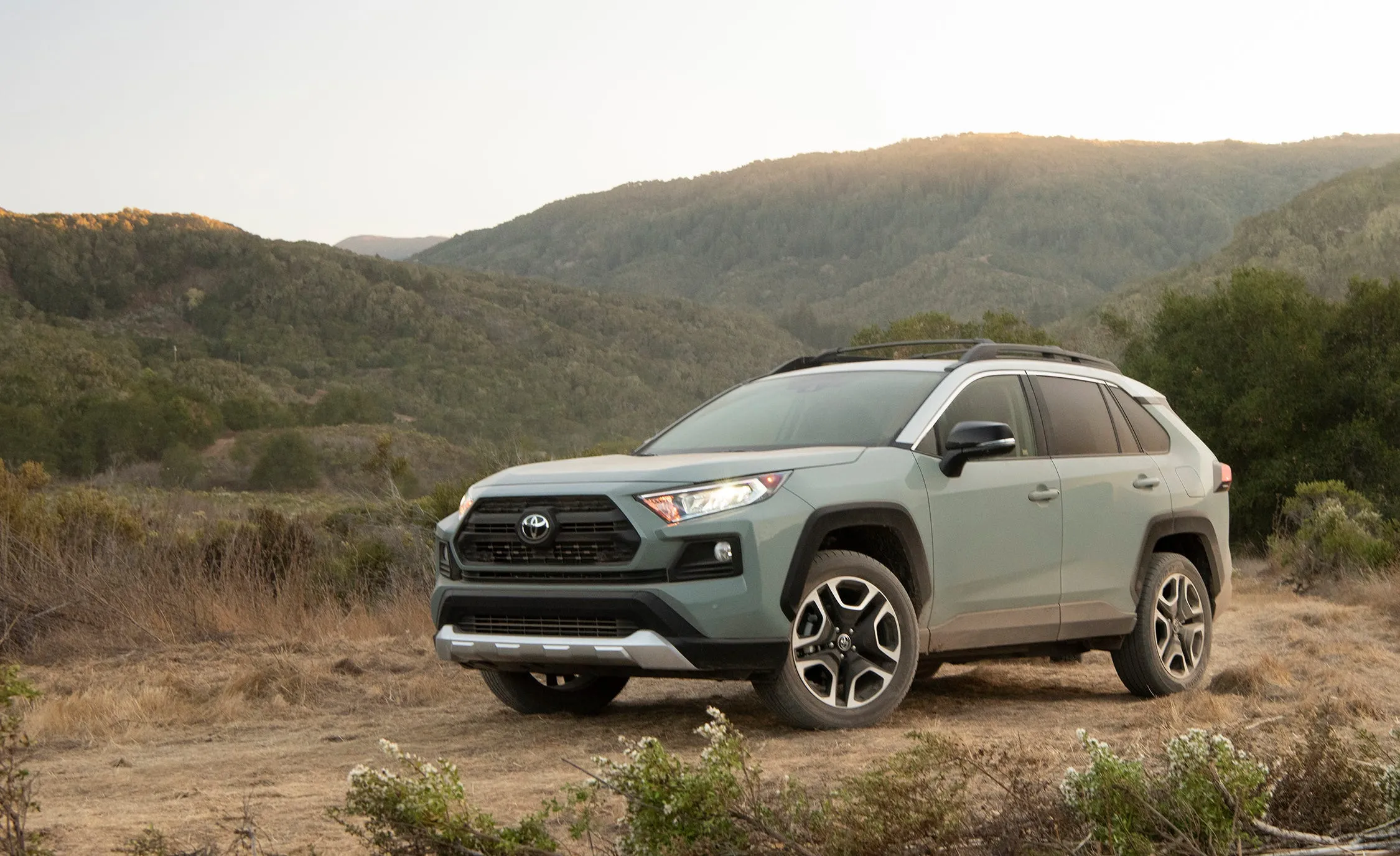
2. Toyota RAV4
The Toyota RAV4 offers versatility for both city and mountain driving, balancing comfort, efficiency, and power. Its available all-wheel drive and lightweight design make it responsive on winding roads, giving drivers confidence when tackling sharp curves or sudden inclines.
Higher-trim turbocharged engine options allow the RAV4 to maintain speed on steep grades without struggling, which is especially important during winter months when snow or ice can reduce traction. Drivers appreciate the smooth handling and predictable behavior, even on narrow mountain passes.
Inside, the RAV4 provides a spacious and functional interior that enhances the driving experience. Adjustable seating positions, ample legroom, and modern infotainment systems keep both drivers and passengers comfortable during long mountain commutes.
Cargo space is generous, allowing for outdoor gear or groceries, while thoughtful interior storage ensures everything remains organized. Noise reduction technology keeps road and engine sounds to a minimum, creating a quieter cabin during uphill drives and improving driving comfort.
Reliability is one of the RAV4’s strongest selling points, as Toyota engines are designed to handle elevation changes consistently. Drivers rarely notice a drop in power on inclines, making it easier to maintain momentum on steep mountain roads.
The vehicle’s braking system, coupled with stability control, ensures safety during descents or emergency stops. This combination of performance, durability, and dependability makes the RAV4 an excellent choice for commuters who need a car that can handle both urban streets and mountainous terrain.
Safety technology further enhances the RAV4’s suitability for Colorado Springs mountain driving. Features like automatic emergency braking, blind-spot monitoring, and hill start assist provide additional confidence when navigating challenging inclines or curvy roads.
These systems work alongside the vehicle’s all-wheel drive and suspension to maintain control in varied conditions. Whether commuting during snowy winters or summer thunderstorms, the RAV4 ensures that drivers can reach their destinations safely and comfortably.
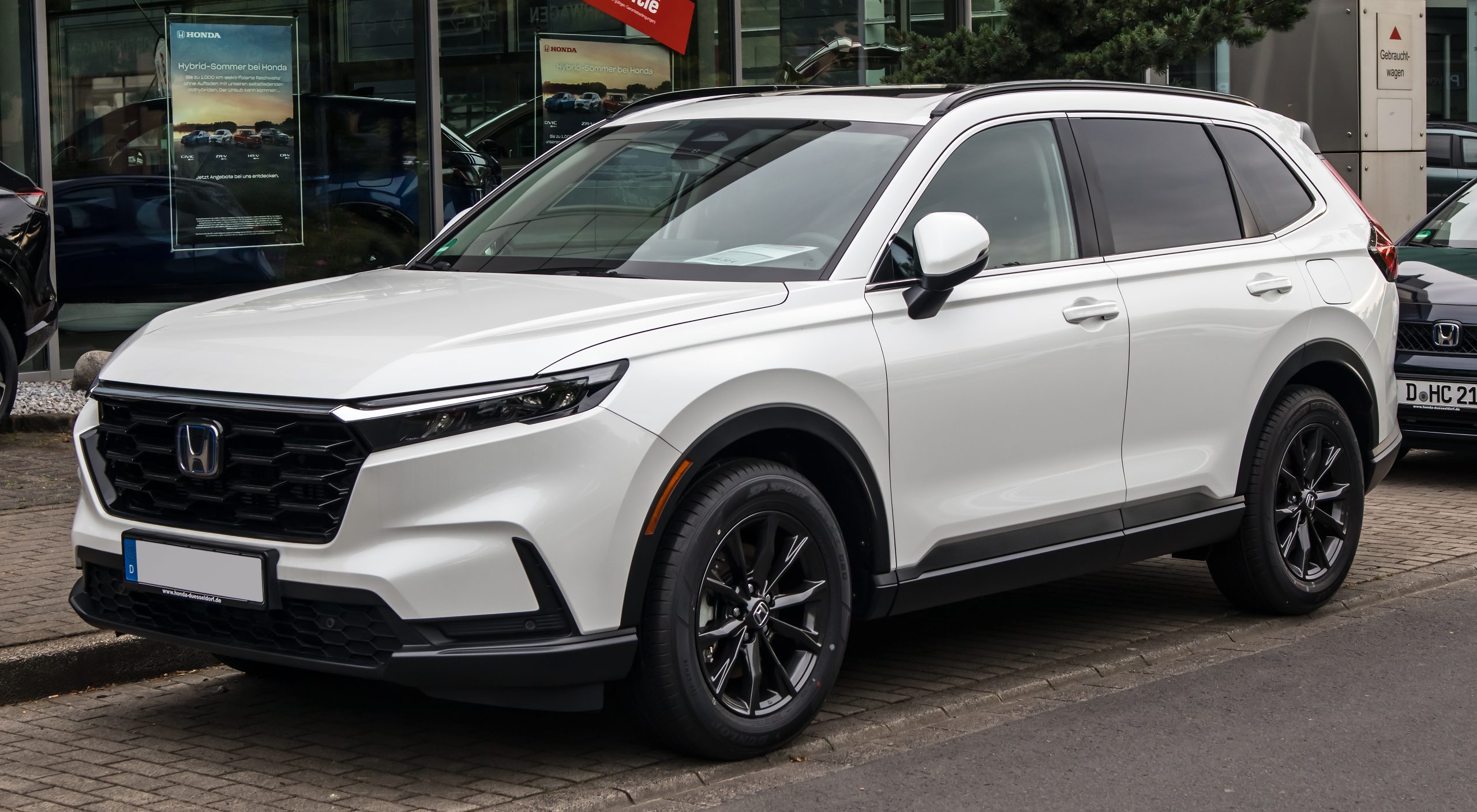
3. Honda CR-V
The Honda CR-V is a practical choice for mountain commuting, offering a blend of efficiency, comfort, and performance. Its efficient turbocharged engine delivers smooth acceleration on steep grades, while optional all-wheel drive ensures stability on snow, ice, or loose gravel.
The suspension system is tuned to handle uneven surfaces, providing a comfortable ride without sacrificing control. Drivers benefit from predictable handling on winding roads, making the CR-V a versatile option for daily mountain travel.
The interior is spacious and thoughtfully designed, enhancing comfort during long trips. Seats provide good support, and the cabin layout ensures that all controls are easily accessible.
Flexible cargo space allows for hiking equipment, groceries, or larger items, while noise reduction features minimize distractions from engine and road sounds. The combination of comfort and utility makes the CR-V suitable for both solo commuters and families who travel frequently to mountainous areas.
Fuel efficiency remains steady even in challenging terrain, making the CR-V cost-effective for daily use. Its turbocharged engine allows drivers to maintain consistent speeds without placing excessive strain on the vehicle, which is important during uphill climbs.
Regular maintenance ensures long-term reliability, particularly at higher altitudes where engine performance can sometimes be affected by thinner air. This balance of performance and efficiency is a major reason why the CR-V is popular among mountain commuters.
Safety systems are robust and well-suited for mountain driving conditions. Features such as lane-keeping assist, adaptive cruise control, and stability management work together to enhance driver confidence on steep and winding roads.
The combination of these technologies with reliable engine performance and all-wheel drive ensures that the CR-V can handle a variety of mountain conditions safely. Drivers can focus on the road while the vehicle assists with control and stability, reducing stress during daily commutes.
4. Jeep Cherokee
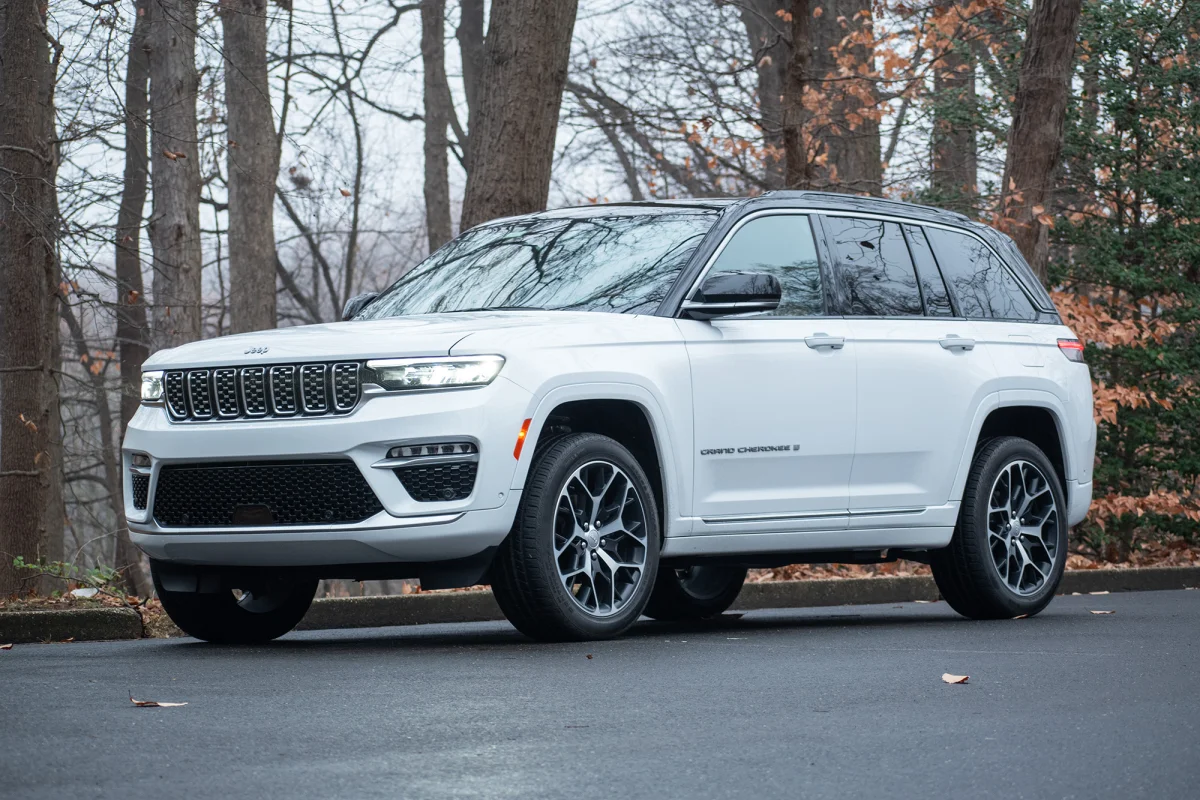
The Jeep Cherokee is built for rugged terrain, making it ideal for mountain driving in Colorado Springs. Its available four-wheel drive systems provide excellent control on steep and winding roads, while engine options offer enough torque for uphill climbs without straining.
The suspension is designed to absorb shocks from uneven surfaces, delivering a smooth ride even on challenging terrain. Drivers appreciate the Cherokee’s ability to tackle both paved and unpaved roads comfortably, making it versatile for commuting and recreational trips.
The cabin offers a balance of utility and modern amenities. Infotainment systems, adjustable seating, and practical storage space ensure comfort and convenience for passengers. Interior materials are durable, designed to handle outdoor gear and frequent use without showing wear.
High seating positions and good visibility improve confidence when navigating tight curves and steep inclines, making it easier to anticipate road hazards.
Performance at high altitude is consistent due to the availability of turbocharged engine options. Drivers experience minimal loss of power when ascending, allowing for confident and safe driving on mountainous roads.
While fuel efficiency is moderate compared to smaller vehicles, the Cherokee’s reliability and rugged design compensate for increased consumption. It can manage long trips without overheating or mechanical stress, even in thin mountain air.
Safety features are comprehensive, supporting the Cherokee’s mountain driving capabilities. Traction control, hill start assist, and stability management all work together to maintain vehicle control on slopes and slippery roads.
These systems provide extra confidence when conditions become challenging, making the Cherokee a dependable option for Colorado Springs residents who encounter steep grades or harsh winter conditions regularly.
5. Ford Bronco Sport
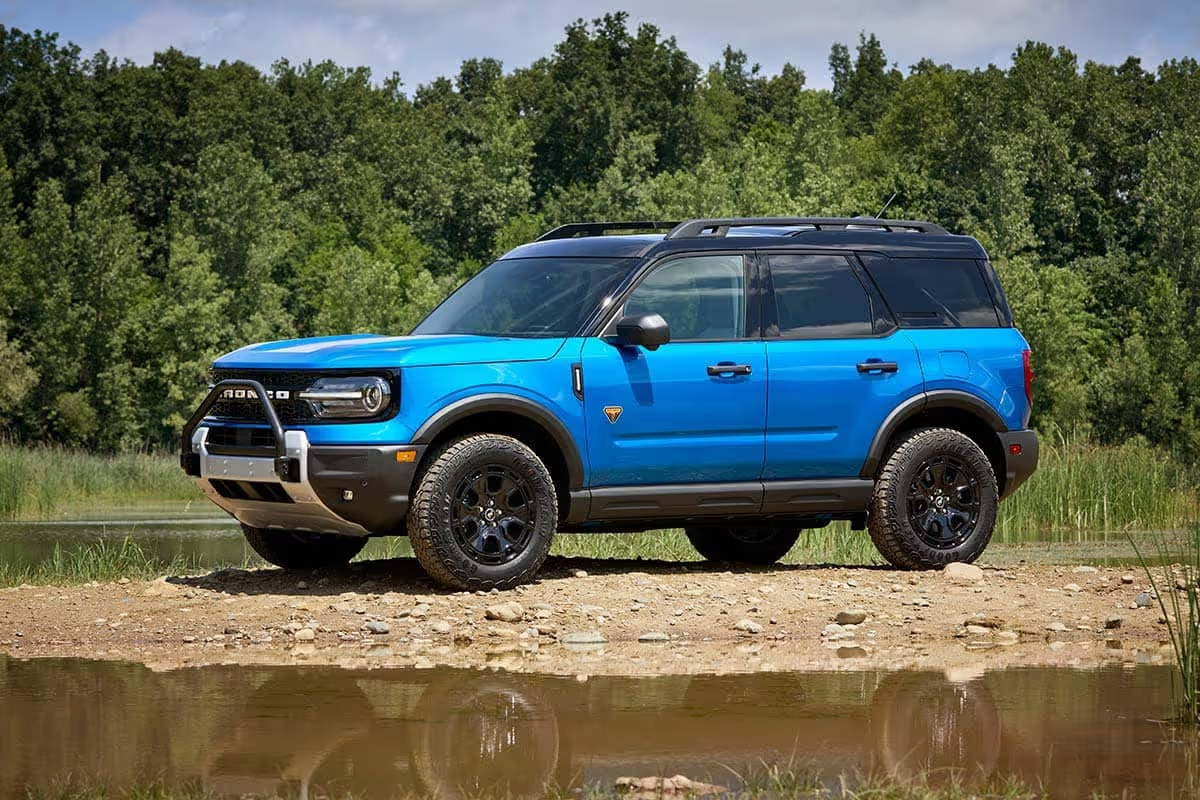
The Ford Bronco Sport combines off-road capability with urban practicality, making it a solid choice for mountain commuters. Its four-wheel drive system ensures traction on steep and winding roads, while the turbocharged engine delivers consistent torque for climbing inclines.
The suspension manages uneven terrain effectively, reducing fatigue and maintaining stability during longer mountain drives. Drivers value the Bronco Sport’s balance between power, maneuverability, and ride comfort on both paved and rough roads.
The interior is durable and functional, supporting both everyday commuting and outdoor adventures. Ample cargo space and flexible seating accommodate hiking gear, groceries, or sports equipment, while infotainment systems keep drivers connected and entertained.
Visibility is optimized for mountainous conditions, and durable materials ensure the cabin withstands frequent use. Comfort and practicality combine to create an enjoyable driving experience for long trips in the Rockies.
High-altitude performance is reliable due to turbocharged engines that compensate for thinner air. Drivers notice minimal loss of power when climbing steep inclines, ensuring safe acceleration and passing capability. Fuel consumption remains reasonable considering the vehicle’s off-road design, and routine maintenance is straightforward, allowing drivers to focus on the journey rather than vehicle performance issues.
Safety systems are a key strength for the Bronco Sport. Hill descent control, traction management, and electronic stability control provide additional confidence on steep or slippery roads.
These technologies, combined with the vehicle’s engine power and all-wheel drive, make the Bronco Sport well-suited for Colorado Springs mountain commutes. Drivers benefit from a reliable, capable vehicle that performs consistently across challenging terrain.
5 Cars That Lose Power at Altitude
1. Mazda MX-5 Miata
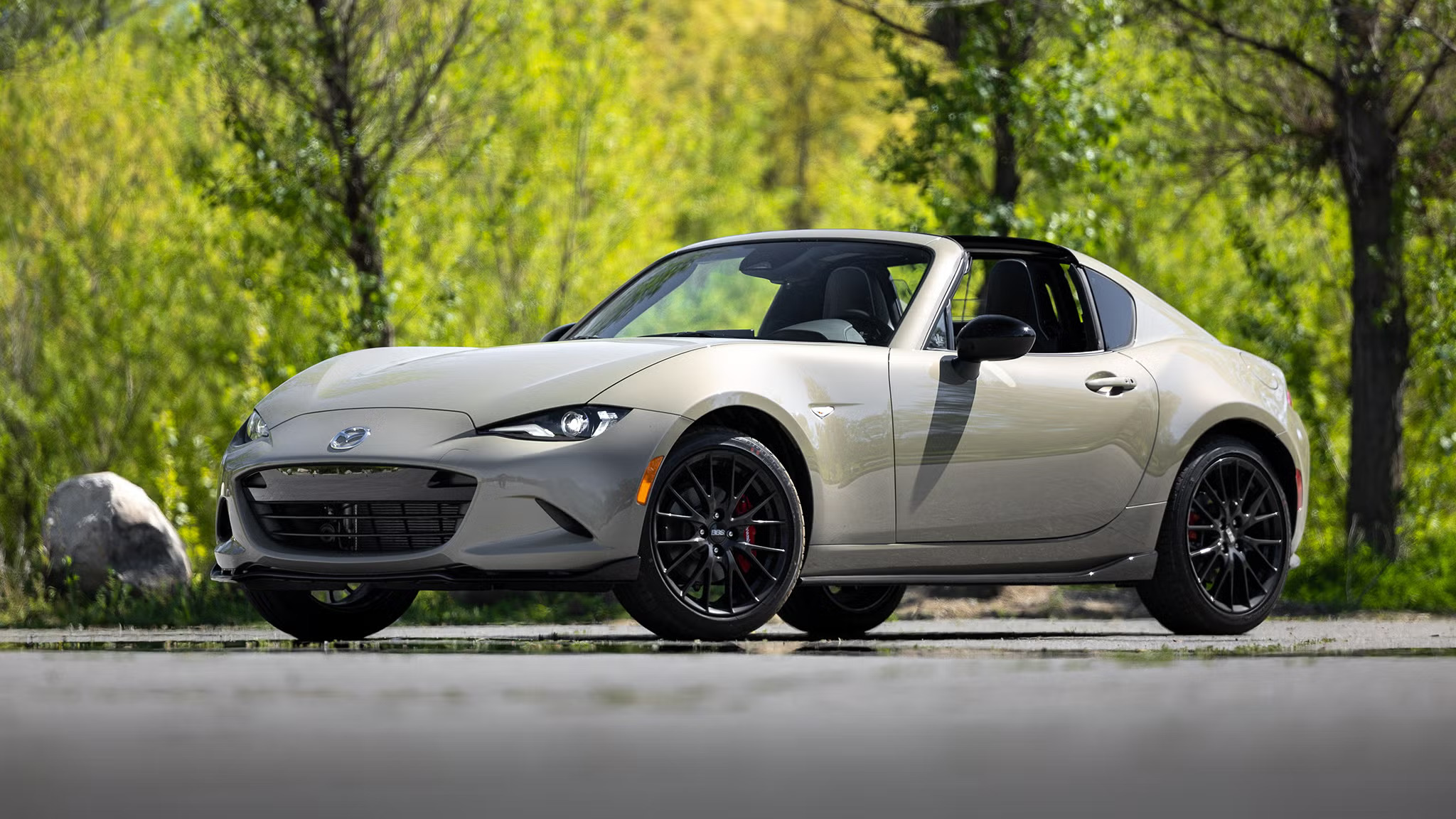
The Mazda MX-5 Miata is a lightweight sports car that shines on flat, open roads but struggles on mountain climbs due to its naturally aspirated engine. Thinner air at higher elevations reduces oxygen intake, limiting engine output and causing noticeable power loss.
Drivers often find that acceleration feels sluggish on steep grades, and the car requires frequent gear changes to maintain momentum. Long inclines can feel exhausting for the driver, especially when carrying passengers or cargo, making it less practical for daily mountain com
Handling remains sharp and responsive, which makes the Miata enjoyable on curves, but engine limitations reduce driving confidence on steep slopes. Drivers must pay close attention to RPMs and avoid situations that demand rapid acceleration.
While it corners well, merging onto highways or overtaking slower vehicles on uphill sections can be challenging. Mountain commuters may find that driving this car requires extra planning to avoid unexpected slowdowns.
Fuel efficiency also drops when the engine is pushed harder to compensate for altitude. The car’s small displacement engine cannot generate extra torque when needed, causing it to work harder and consume more fuel than at sea level.
Long trips up the Rockies can require more frequent stops for refueling, reducing convenience and practicality. The Miata is still fun to drive, but mountain terrain highlights its limitations.
Safety is generally sufficient for casual driving, but the lack of engine power can create hazards in certain situations. Insufficient acceleration on inclines or during overtaking maneuvers could put drivers at risk if they cannot maintain speed relative to traffic.
Drivers must plan routes carefully and remain aware of slower acceleration, which makes the Miata a better option for scenic drives at lower altitudes rather than regular mountain commutes.
2. Honda Civic (non-turbo models)
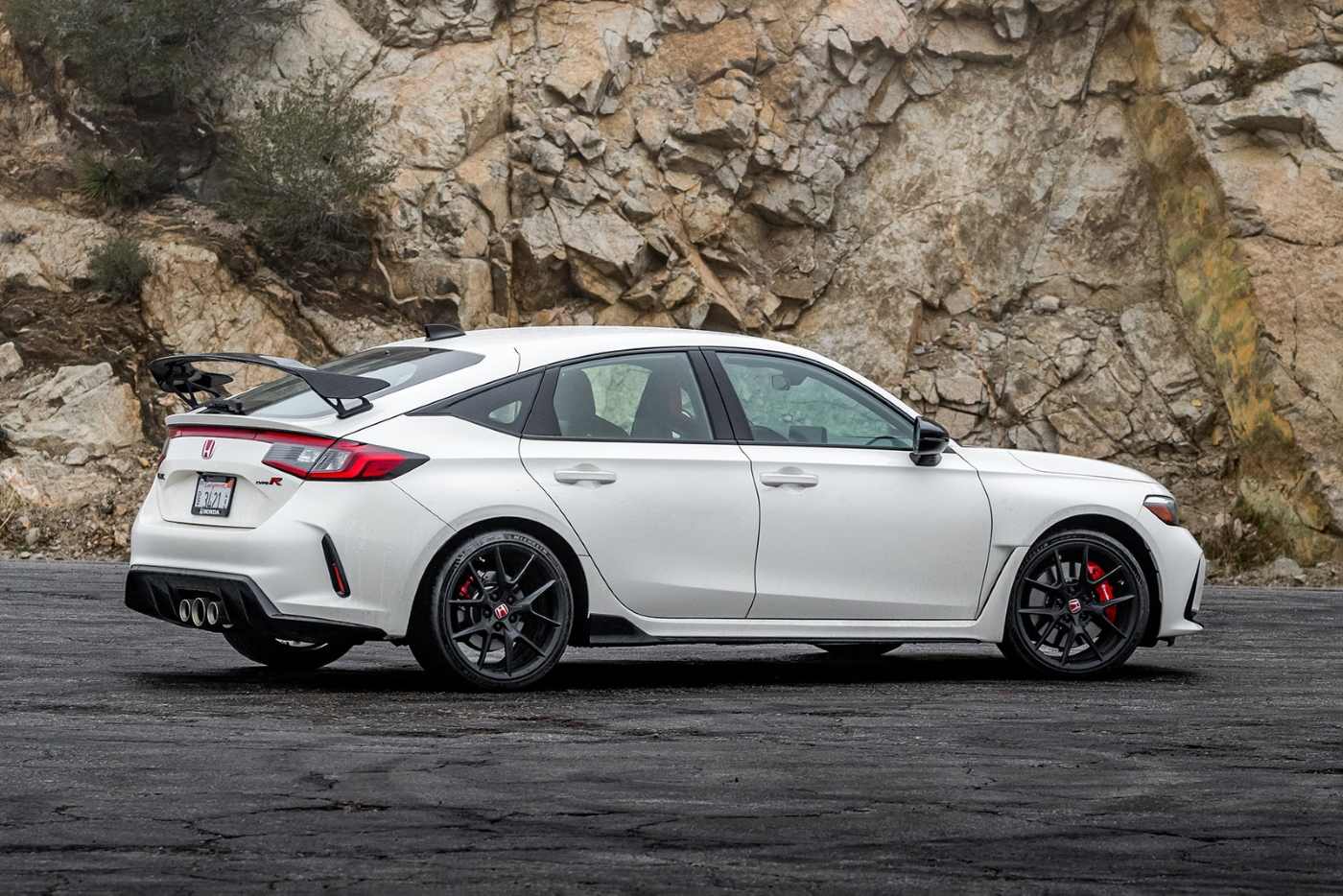
Non-turbo Honda Civics rely on naturally aspirated engines, which are more sensitive to thinner air at higher elevations. On mountain roads, acceleration can feel sluggish, and steep inclines often require frequent downshifting to maintain speed.
Drivers may notice slower response times, particularly when carrying passengers or additional cargo, which can be frustrating during long commutes. Despite its reliable reputation, this model struggles to deliver the power needed for consistent uphill performance.
Handling is precise, but reduced engine output limits the Civic’s ability to perform confidently on mountain routes. Drivers must manage gear changes carefully and anticipate inclines to avoid losing momentum.
On winding roads, it can feel strained, particularly in situations that demand rapid acceleration, such as merging onto highways or passing slower vehicles. This requires more attention and can make long trips more tiring.
Fuel efficiency may worsen as the engine compensates for the reduced oxygen levels at altitude. The Civic’s naturally aspirated engine consumes more fuel when working harder to maintain performance, offsetting the efficiency typically expected in city or highway driving. Drivers may notice that commuting times increase due to slower speeds on hills, affecting convenience and practicality.
Safety features such as braking, traction control, and lane assist remain effective, but engine limitations introduce unique risks. Slower acceleration on inclines may require earlier planning when merging or overtaking, and in emergencies, reduced power can limit options. While safe in standard conditions, the Civic is less suited for areas with steep elevation changes, making it more appropriate for flatter commuting routes.
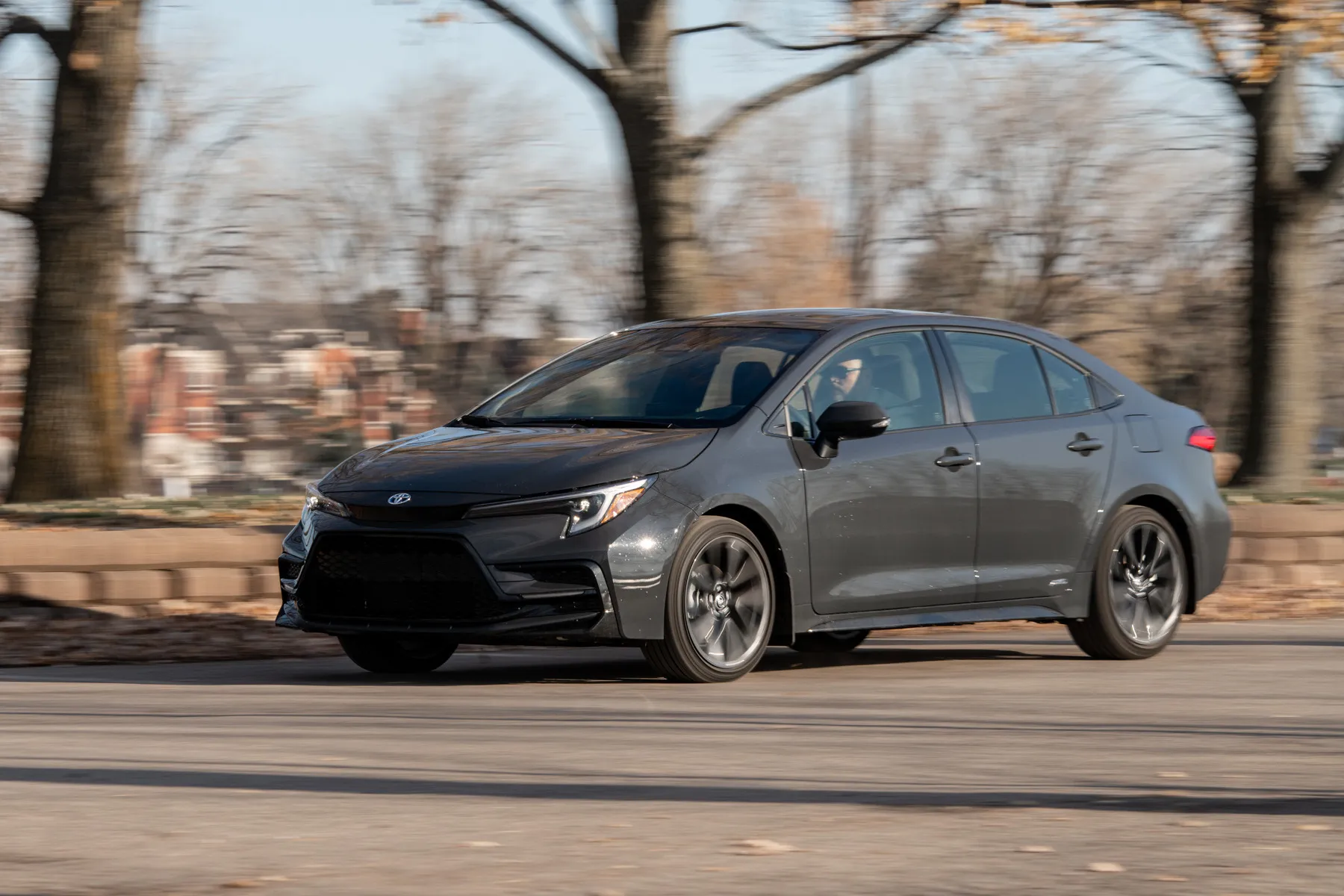
3. Toyota Corolla (base engine)
The Toyota Corolla with the base engine is a naturally aspirated compact car that struggles to maintain performance at high altitudes. Its small engine loses power as oxygen levels drop, making steep climbs slower and more laborious.
Drivers often notice that it requires heavier throttle input and frequent gear adjustments to maintain highway speeds on uphill stretches. While reliable for city driving, mountain roads expose the engine’s limited capability.
Handling remains smooth and comfortable, but engine strain becomes apparent during long uphill drives. Drivers may need to downshift often to keep speed steady, which can reduce confidence during passing maneuvers. On tight curves or when accelerating to merge, the Corolla may feel underpowered, forcing the driver to anticipate performance limits ahead of time.
Fuel efficiency can also decline at higher altitudes, as the engine works harder to compensate for thinner air. Long commutes on mountainous terrain can see noticeable drops in MPG, which affects practicality for drivers who travel frequently between elevations. Even small inclines may require more fuel than expected, reducing efficiency.
Safety remains standard, but insufficient power on steep grades can create hazards if acceleration is needed quickly. Drivers must plan for slower uphill speeds and avoid situations where overtaking is necessary. While it is reliable and economical at lower elevations, the Corolla’s naturally aspirated base engine is less suited to mountainous or high-altitude conditions.
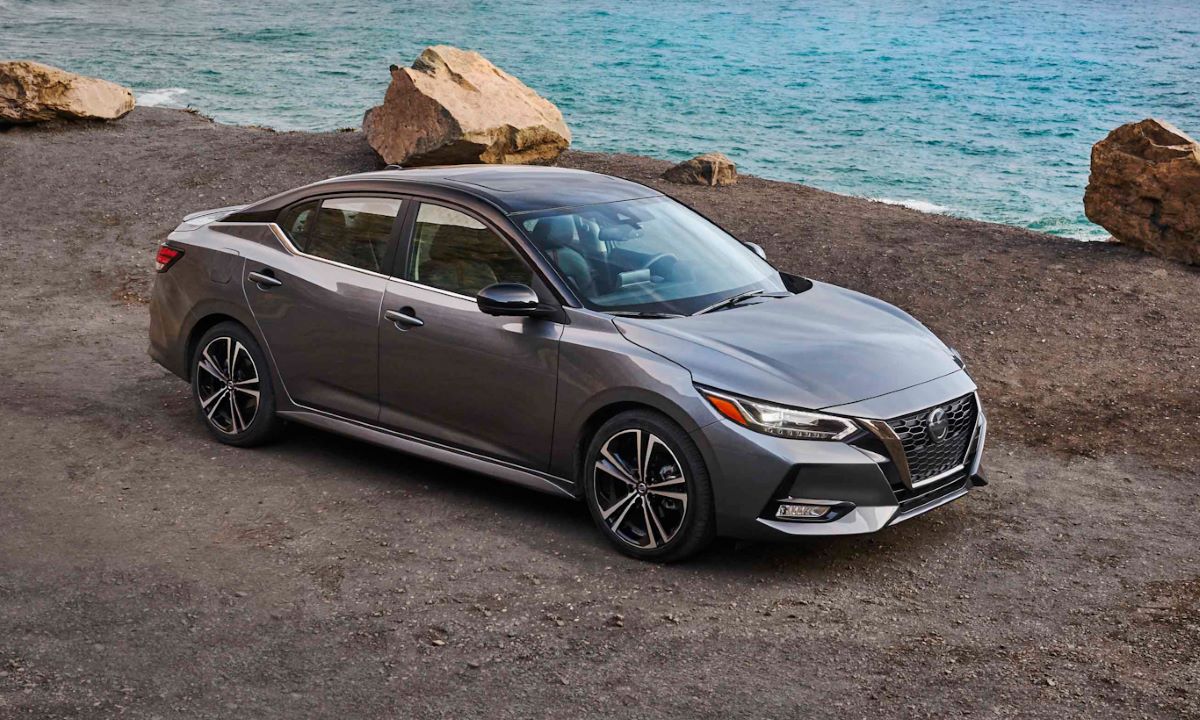
4. Nissan Sentra (non-turbo engine)
The Nissan Sentra’s base engine performs well in city and highway conditions but loses significant power at higher altitudes. Naturally aspirated engines struggle to maintain torque and acceleration on steep inclines, which is noticeable when driving through mountainous regions.
Drivers may experience slower uphill speeds and frequent gear changes, especially when carrying passengers or cargo. While the Sentra is comfortable, its engine limitations make it less practical for daily mountain commuting.
Handling is predictable and stable, but performance struggles can reduce driver confidence. Mountain roads often demand rapid responses to traffic, inclines, and curves, and the Sentra’s engine may not always provide the necessary power.
This requires the driver to plan more carefully and avoid relying on acceleration in critical situations, especially when merging onto highways or passing slower vehicles.
Fuel economy is affected as the engine works harder to maintain performance at altitude. Trips that are smooth at sea level may see reduced efficiency in the mountains, requiring more fuel for the same distance.
Drivers may notice engine strain and reduced responsiveness during extended climbs, which can affect the convenience and comfort of mountain commutes.
Safety features remain functional, but reduced engine output can create risks on steep inclines or winding roads. Slower acceleration may limit the ability to respond quickly to traffic, and merging onto highways may require extra caution. The Sentra is more suitable for flat commuting areas and short city drives rather than prolonged high-altitude routes.
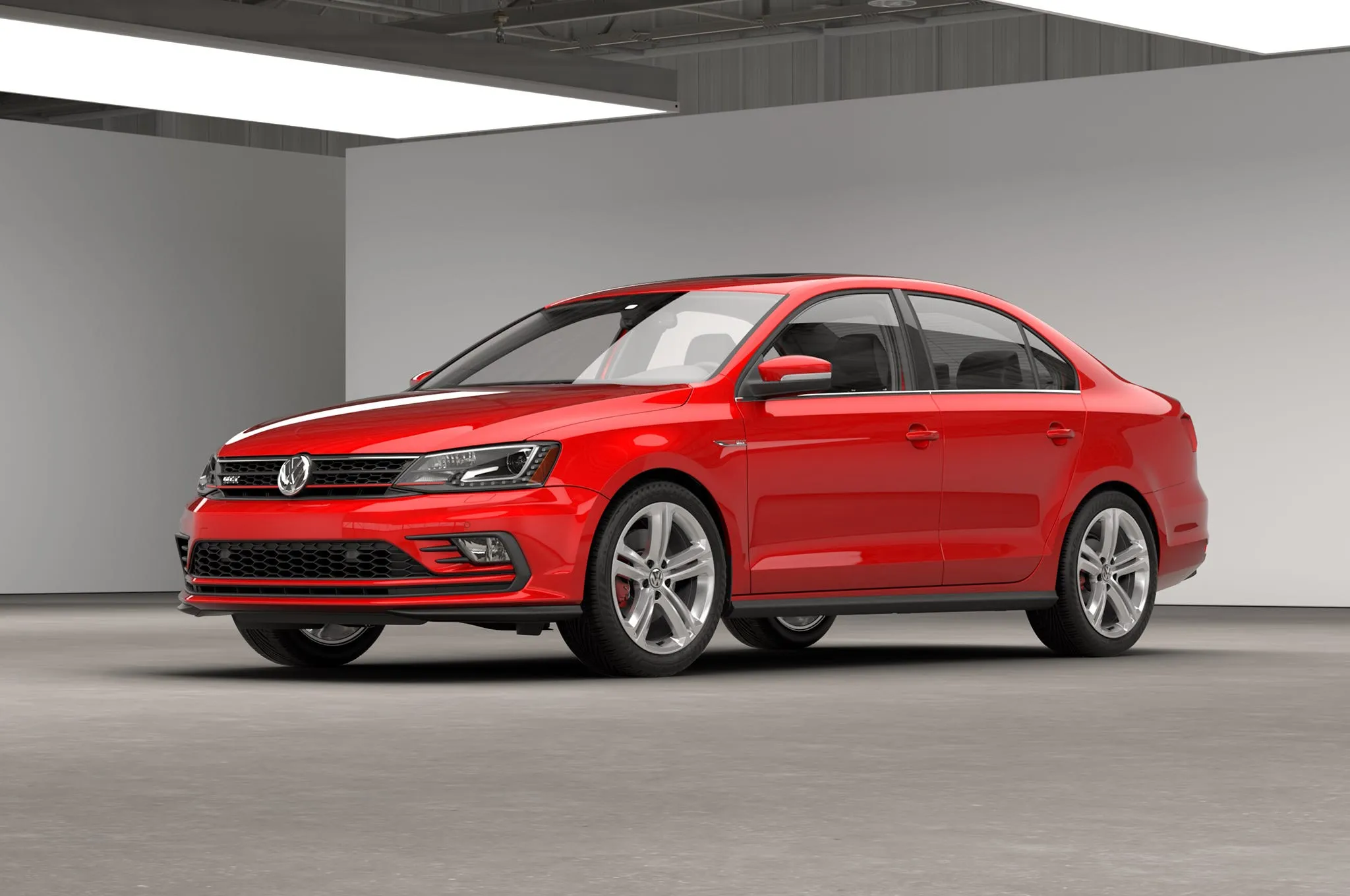
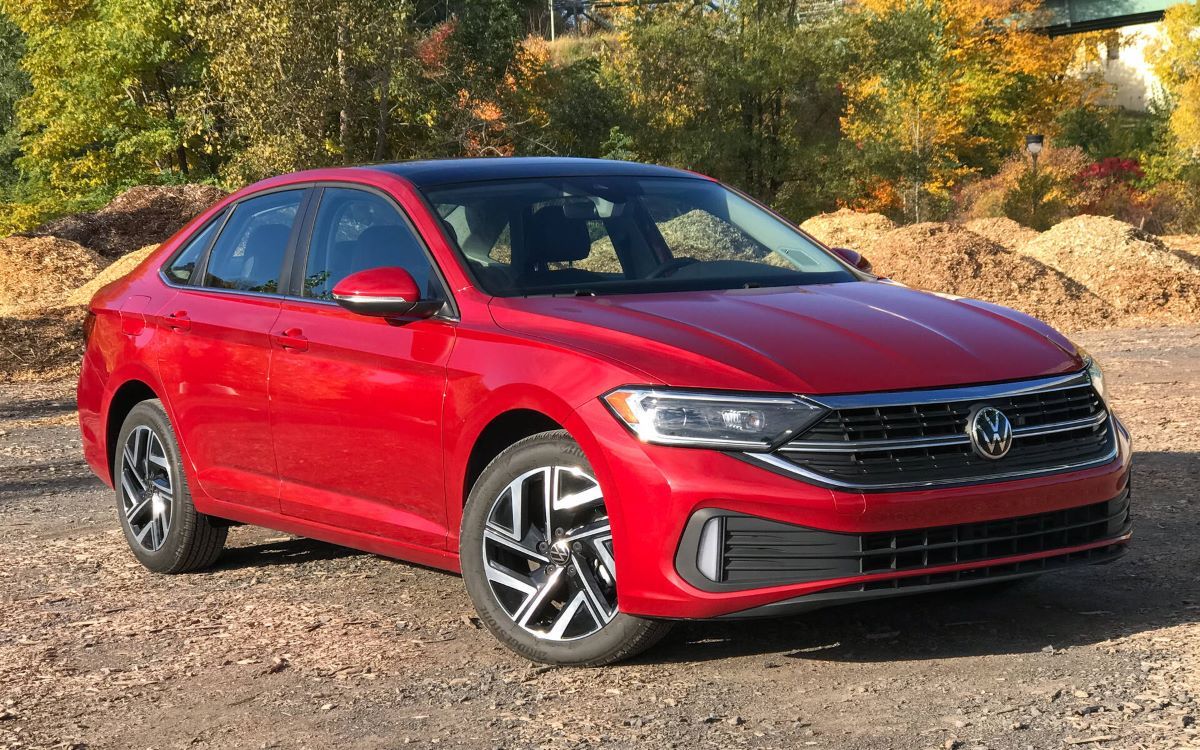
5. Volkswagen Jetta (base engine)
The Volkswagen Jetta with its base naturally aspirated engine experiences noticeable power loss at high elevation. Steep inclines require heavier throttle input, and the vehicle’s acceleration slows significantly compared to lower altitudes.
Drivers may need to frequently downshift to maintain highway speeds, which can become tiring over longer mountain drives. While the Jetta offers a comfortable ride, engine limitations make it less practical for daily mountain commuting.
Handling and steering remain precise, but the lack of power affects driving confidence. On uphill sections or winding mountain roads, the Jetta may feel strained and less responsive, particularly when overtaking slower vehicles.
Drivers must anticipate reduced acceleration and adjust their driving accordingly, which can be inconvenient for long commutes or emergency situations.
Fuel efficiency declines as the engine works harder to compensate for thinner air. Mountain driving may require more frequent refueling than expected, and the increased engine effort can reduce comfort.
Drivers who rely on the base Jetta for daily mountain routes may find performance inconsistent compared to turbocharged alternatives.
Safety features such as traction control, braking systems, and lane-keeping assist remain operational, but reduced engine output can create hazards.
Drivers may struggle with merging onto highways or maintaining speed on inclines, which requires careful planning. The base Jetta is better suited for low-altitude or city driving rather than frequent mountainous commuting.
