
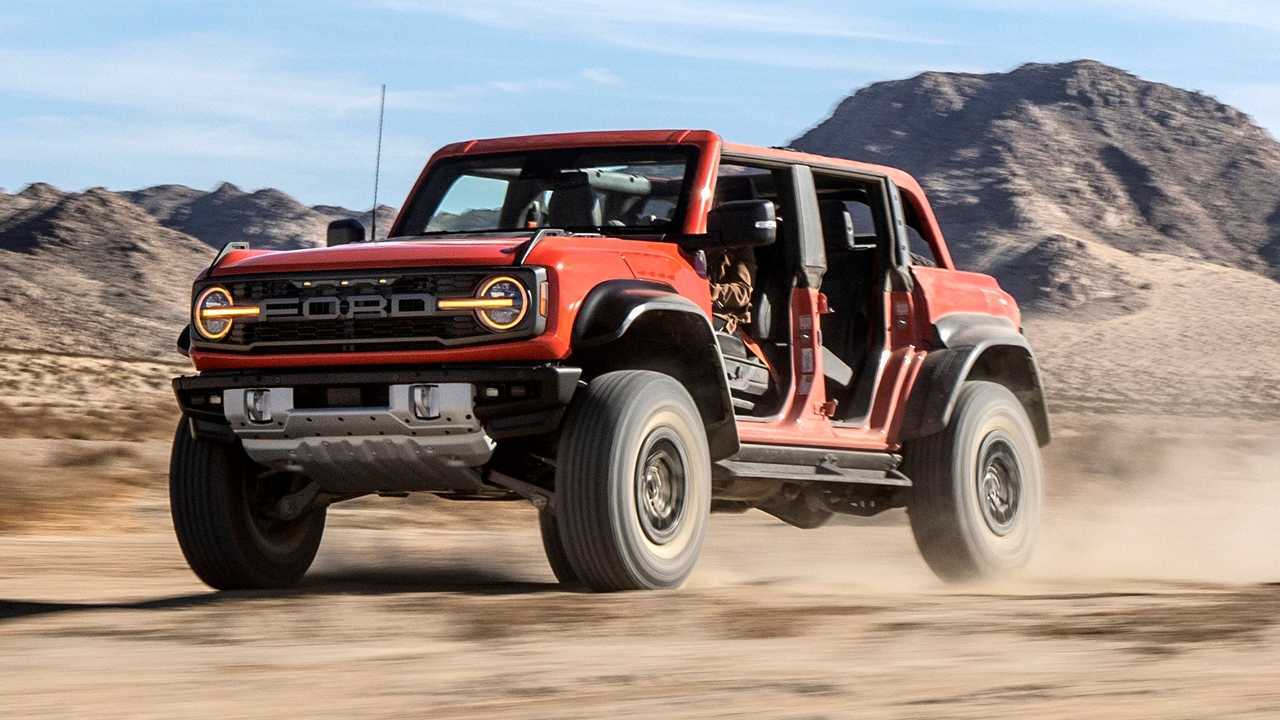
Chattanooga is known for its scenic mountain roads, winding curves, and elevation changes that challenge both drivers and vehicles.
For people who enjoy outdoor adventures, weekend getaways, or simply navigating the steep roads around Lookout Mountain, having the right SUV can make the difference between a smooth ride and a stressful drive.
Vehicles need not only strong engines but also reliable cooling systems, capable suspension, and handling that adapts to steep inclines and tight turns. The right SUV can manage uphill climbs, rocky paths, and unpredictable weather, while also providing comfort for passengers and cargo space for gear.
Choosing the right SUV is not just about power. It is also about weight distribution, tire grip, and drivetrain configuration. Four-wheel drive or all-wheel drive systems are often essential for mountain driving, as they provide extra traction on wet or uneven surfaces.
Cooling systems become crucial when driving uphill, because engines work harder and temperatures rise more quickly. Some vehicles, despite being powerful on flat roads, struggle under prolonged steep climbs or heavy loads. Knowing which SUVs handle these conditions well and which ones are prone to overheating can save money, prevent mechanical issues, and increase safety.
Another factor to consider is braking performance and transmission durability. Downhill descents can strain brakes, while long climbs can strain automatic transmissions if they overheat.
SUVs designed for mountainous terrain often include features like hill descent control, engine braking modes, and reinforced transmission cooling. In contrast, vehicles that are not engineered for heavy-duty uphill driving may experience frequent overheating, reduced acceleration, or even engine damage.
This article will focus on five SUVs that perform reliably on Chattanooga mountain roads and five SUVs known to overheat when driving uphill.
By understanding the strengths and weaknesses of each vehicle, drivers can make informed choices for mountain travel. These recommendations consider engine performance, cooling efficiency, suspension stability, and reliability. Choosing the right SUV ensures a safer and more enjoyable driving experience in challenging conditions.
5 SUVs for Chattanooga Mountain Roads
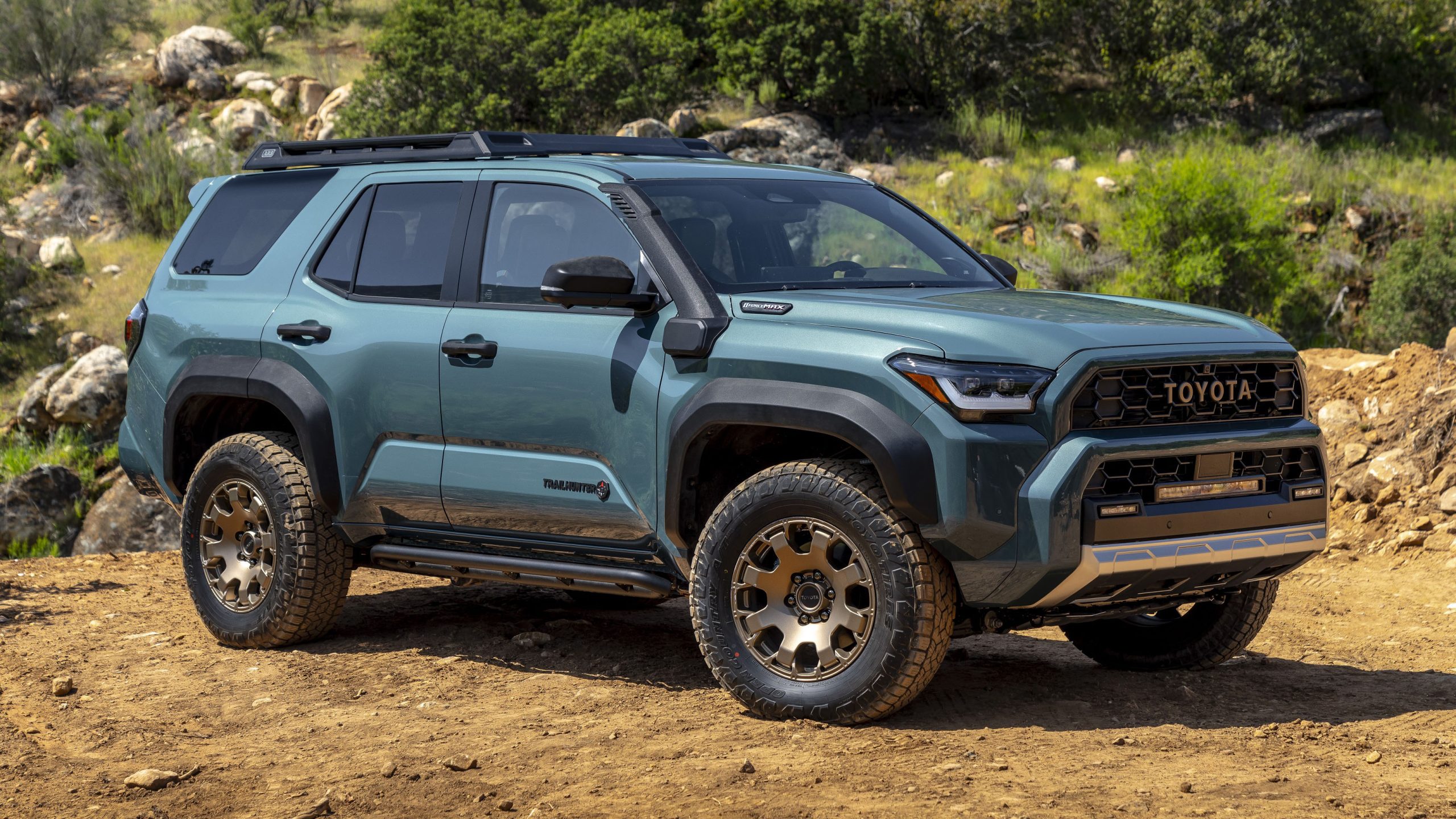
1. Toyota 4Runner
The Toyota 4Runner has long been regarded as one of the most reliable SUVs for off-road and mountainous driving. Its body-on-frame design gives it superior durability compared to unibody SUVs, allowing it to handle rocky terrain, potholes, and uneven surfaces without compromising structural integrity.
High ground clearance helps prevent damage to the undercarriage when driving over large rocks or tree roots. Its four-wheel-drive system, combined with locking differentials, ensures that traction is maintained even in slippery conditions, which is critical on wet or steep mountain paths.
Engine performance is a standout feature of the 4Runner. Its V6 engine delivers strong torque at low and mid-range RPMs, which allows it to climb steep hills smoothly without causing excessive strain on the transmission.
The cooling system is designed to dissipate heat efficiently, preventing engine overheating during extended uphill drives or when towing heavy loads. Additionally, reinforced suspension components, skid plates, and high-quality tires provide stability and protection on rough terrain, giving the driver confidence in challenging conditions.
Comfort and convenience are also considered in the 4Runner’s design. The interior offers spacious seating with supportive cushions, reducing fatigue on long mountain drives. Ample cargo space allows for storage of outdoor equipment such as tents, bikes, or kayaks.
Modern safety features like hill-start assist, traction control, and multi-terrain select modes further enhance reliability and control, ensuring that the vehicle remains stable even under sudden or difficult driving conditions.
Another advantage is the 4Runner’s long-term reliability. This SUV has a proven history of minimal mechanical issues, making it suitable for both daily commuting and adventurous mountain trips.
Its combination of performance, safety, and durability makes it a preferred choice among those who regularly navigate mountainous terrain. Owners can expect dependable uphill performance without the stress of frequent maintenance, making the 4Runner a practical and capable option.
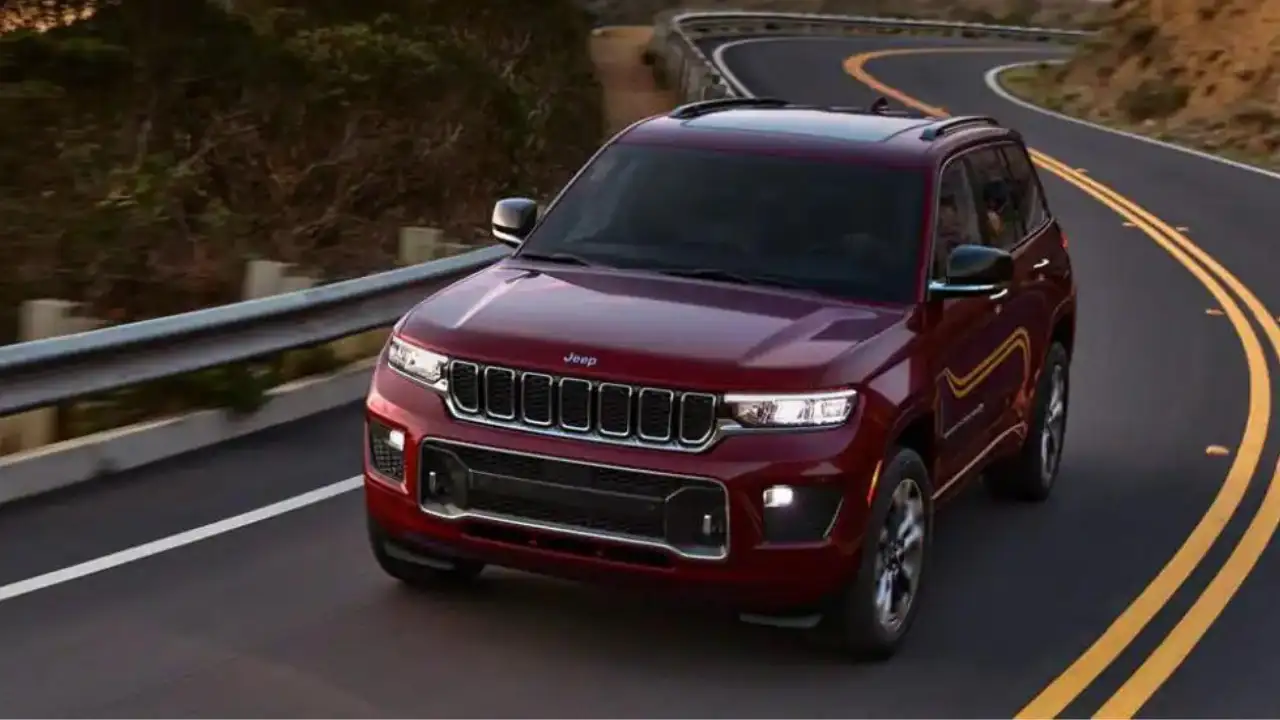
2. Jeep Grand Cherokee
The Jeep Grand Cherokee is a well-known SUV that blends luxury with strong off-road capabilities. Its all-wheel-drive system, combined with selectable terrain modes, allows the vehicle to adjust to a variety of surfaces including mud, gravel, snow, and rocky paths.
Suspension is engineered to absorb shocks from uneven terrain while maintaining driver and passenger comfort. High ground clearance and large tires further enhance stability and allow safe navigation through steep curves and rough sections of mountain roads.
The Grand Cherokee offers a range of engines, including efficient V6 and powerful V8 options. These engines produce significant torque, which is vital for climbing hills or towing heavy loads without overworking the powertrain.
Cooling and transmission systems are robust, preventing overheating during sustained uphill climbs. Features such as hill descent control and electronic stability management allow drivers to maintain control on declines and tricky turns, adding an extra layer of safety for mountainous driving.
Inside, the Grand Cherokee provides a spacious and refined cabin. Seats are well-cushioned for long trips, and passenger comfort is enhanced through climate control and advanced infotainment systems.
Ample cargo space ensures that recreational equipment and luggage can be carried without reducing interior comfort. Safety features like blind-spot monitoring, adaptive cruise control, and anti-lock brakes provide confidence when navigating winding mountain roads.
Durability and maintenance reliability make the Grand Cherokee a dependable choice for mountain terrain. While the SUV is more expensive than some competitors, its combination of engine power, off-road capability, and comfort justify the price for drivers who regularly face challenging driving conditions. Its consistent performance in both urban and rugged environments demonstrates why it is favored for mountainous adventures.
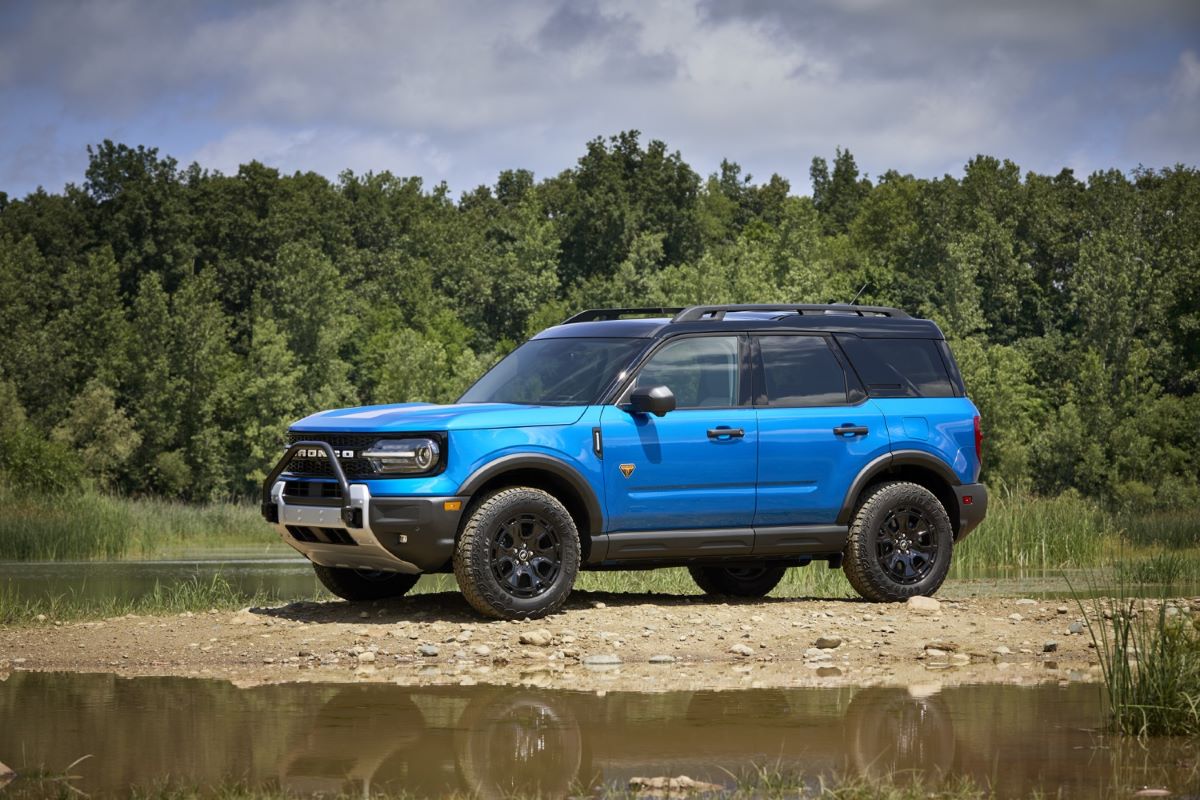
3. Ford Bronco
The Ford Bronco is built to tackle rugged terrains, including mountainous areas with steep inclines and rough roads. Its four-wheel-drive system, electronic locking differentials, and terrain management modes enhance traction and control.
Ground clearance is generous, and underbody protection helps the vehicle withstand rocky or uneven terrain. These features ensure that drivers can confidently navigate areas that smaller or less capable SUVs would struggle to manage.
The Bronco’s engines provide strong torque at low RPMs, which is ideal for climbing steep inclines. Both the standard V6 and turbocharged options maintain consistent power during extended uphill driving.
Cooling systems are efficient, and the vehicle’s transmission is designed for endurance, reducing the likelihood of overheating during prolonged use. This ensures that performance is maintained even when carrying passengers or gear on mountain trips.
Interior comfort is practical and adaptable, with supportive seats designed for long journeys. Removable doors and roof options allow for an open-air driving experience while maintaining safety.
Technology features such as navigation aids, trail mapping, and terrain monitoring assist drivers in unfamiliar or challenging areas. The cabin is designed to be easy to clean after off-road trips, reflecting a balance between rugged utility and modern convenience.
Durability and repairability are strong points for the Bronco. Components are built to withstand high stress and demanding conditions, and replacement parts are widely available.
The combination of off-road capability, engine performance, and practical features makes the Bronco a strong choice for mountain roads. Drivers can trust this SUV to handle demanding terrain with minimal stress on mechanical systems.
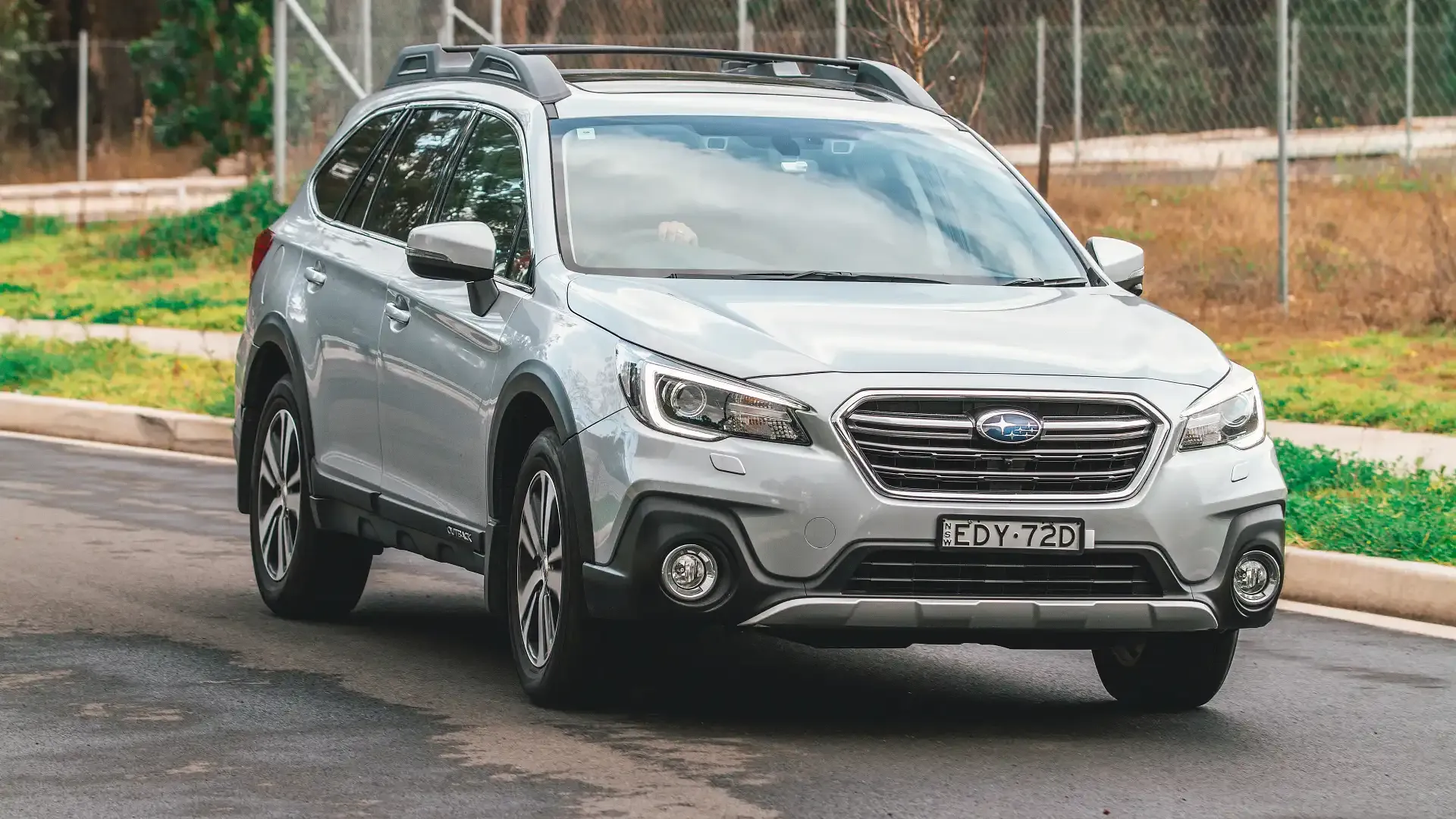
4. Subaru Outback
The Subaru Outback is smaller than some traditional SUVs but is highly capable on mountain roads. Its standard all-wheel-drive system provides consistent traction on slippery or uneven surfaces.
With a relatively low center of gravity compared to larger SUVs, the Outback handles curves and turns with stability. Suspension is balanced for both comfort and control, absorbing bumps while maintaining road contact, which is essential for maintaining traction on loose or rocky mountain roads.
Engines are designed for efficiency while still providing enough power for uphill driving. Turbocharged variants offer additional torque, which helps maintain speed on inclines without overworking the engine.
Cooling and transmission systems are designed to manage heat effectively, ensuring reliability during prolonged uphill driving. Transmission responsiveness allows drivers to maintain smooth acceleration and avoid engine strain.
Passenger comfort is excellent for long trips, with ample legroom and seating that minimizes fatigue. Interior features such as climate control, heated seats, and infotainment systems enhance the driving experience.
Safety technologies like adaptive cruise control, lane departure warning, and stability control assist drivers in navigating curves and inclines safely, reducing the risk of accidents.
Reliability is one of the Outback’s key advantages. Routine maintenance keeps it performing well even under strenuous conditions, and its AWD system ensures that traction is maintained on both paved and unpaved mountain roads. Its combination of practical size, efficient engine performance, and capable drivetrain makes it a versatile option for those who frequently navigate mountain terrain.
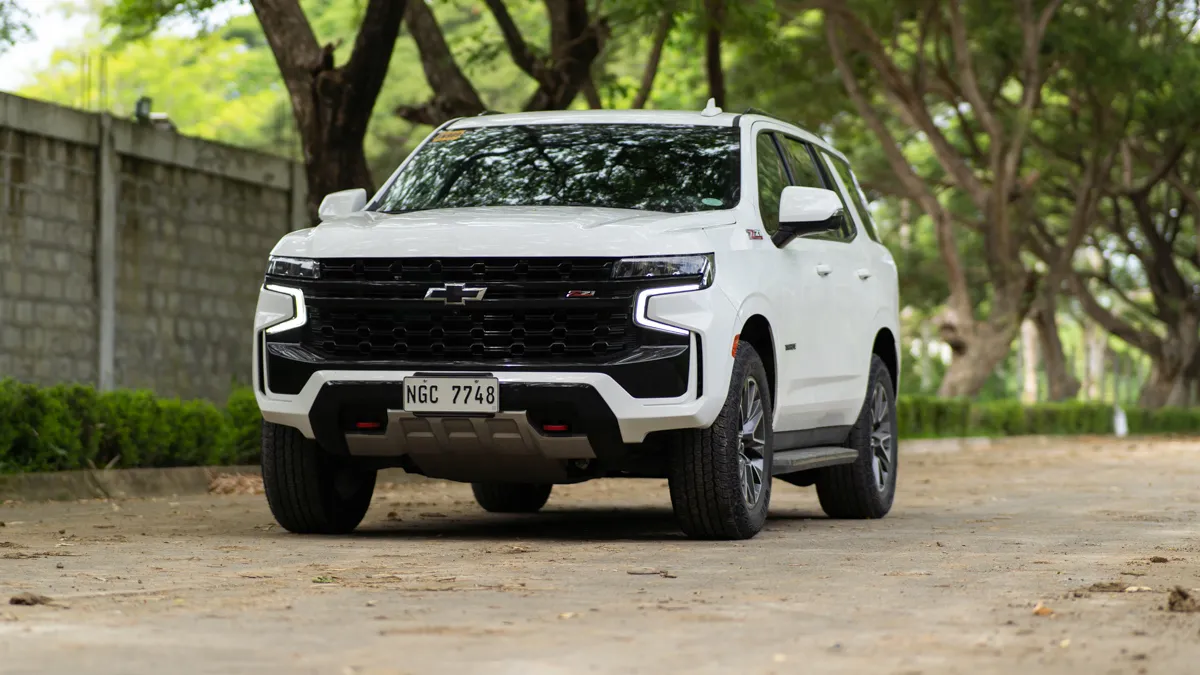
5. Chevrolet Tahoe
The Chevrolet Tahoe is a full-size SUV known for its strong performance and ability to handle heavy loads on mountain roads. V8 engine options provide ample torque, which is essential for climbing steep inclines without straining the engine.
The four-wheel-drive system increases traction on slippery or uneven surfaces, and its weight adds stability on sharp turns or challenging curves. Suspension is robust, capable of absorbing bumps and maintaining comfort for passengers.
Cooling and transmission systems are designed for endurance, allowing the engine to maintain consistent performance during long uphill climbs.
Features like hill-start assist and stability control help manage steep ascents and descents, providing drivers with confidence on difficult terrain. Advanced braking systems help control momentum on declines, reducing the risk of brake overheating.
The Tahoe’s cabin is spacious and comfortable, offering generous legroom and seating for multiple passengers. Cargo space is abundant, allowing storage of gear, luggage, or recreational equipment without compromising comfort.
Technology features enhance convenience and entertainment for long trips, ensuring passengers remain comfortable throughout extended drives.
Durability and reliability make the Tahoe a strong choice for mountainous terrain. Its powerful engine, reinforced cooling system, and off-road capability allow it to handle heavy loads while climbing hills safely. Drivers seeking a large, dependable SUV for challenging roads frequently choose the Tahoe for its combination of comfort, strength, and performance.
5 SUVs That Overheat Uphill

1. Mini Cooper Countryman
The Mini Cooper Countryman is a small SUV primarily designed for city streets and suburban driving rather than steep mountain terrain. Its compact engine is excellent for fuel efficiency and short commutes but tends to struggle when faced with long, continuous uphill climbs.
Prolonged driving under heavy load, such as multiple passengers or luggage, can cause the engine temperature to rise rapidly. In addition, the cooling system is not built to handle sustained stress from steep inclines, making overheating a realistic concern during extended mountain trips.
Transmission performance can also be affected during uphill climbs. The gearbox may shift frequently to compensate for the limited torque, which generates additional heat and puts stress on the drivetrain.
On prolonged slopes, drivers may notice slower acceleration, occasional engine strain, and a reduction in responsiveness. Braking systems, while sufficient for urban driving, can also experience extra stress when controlling downhill speed after an uphill climb.
The Countryman’s compact size and lightweight design, while convenient in urban environments, reduce stability and traction on steep, curvy roads. Handling may feel jittery when navigating tight turns, especially if the SUV is fully loaded.
Tires designed for street use rather than mountain terrain can also reduce grip, further increasing stress on the engine and brakes. Drivers often need to downshift frequently to maintain speed, which adds heat to the transmission and engine.
While the Mini Cooper Countryman is stylish and offers a comfortable cabin for city use, it is not suited for sustained mountain driving. Drivers should be cautious of engine temperature warnings and avoid pushing the vehicle on long uphill stretches.
For those who frequently drive on steep terrain, a larger SUV with reinforced cooling systems and more torque is recommended. Without careful management, frequent uphill climbs may shorten engine life and reduce reliability over time.
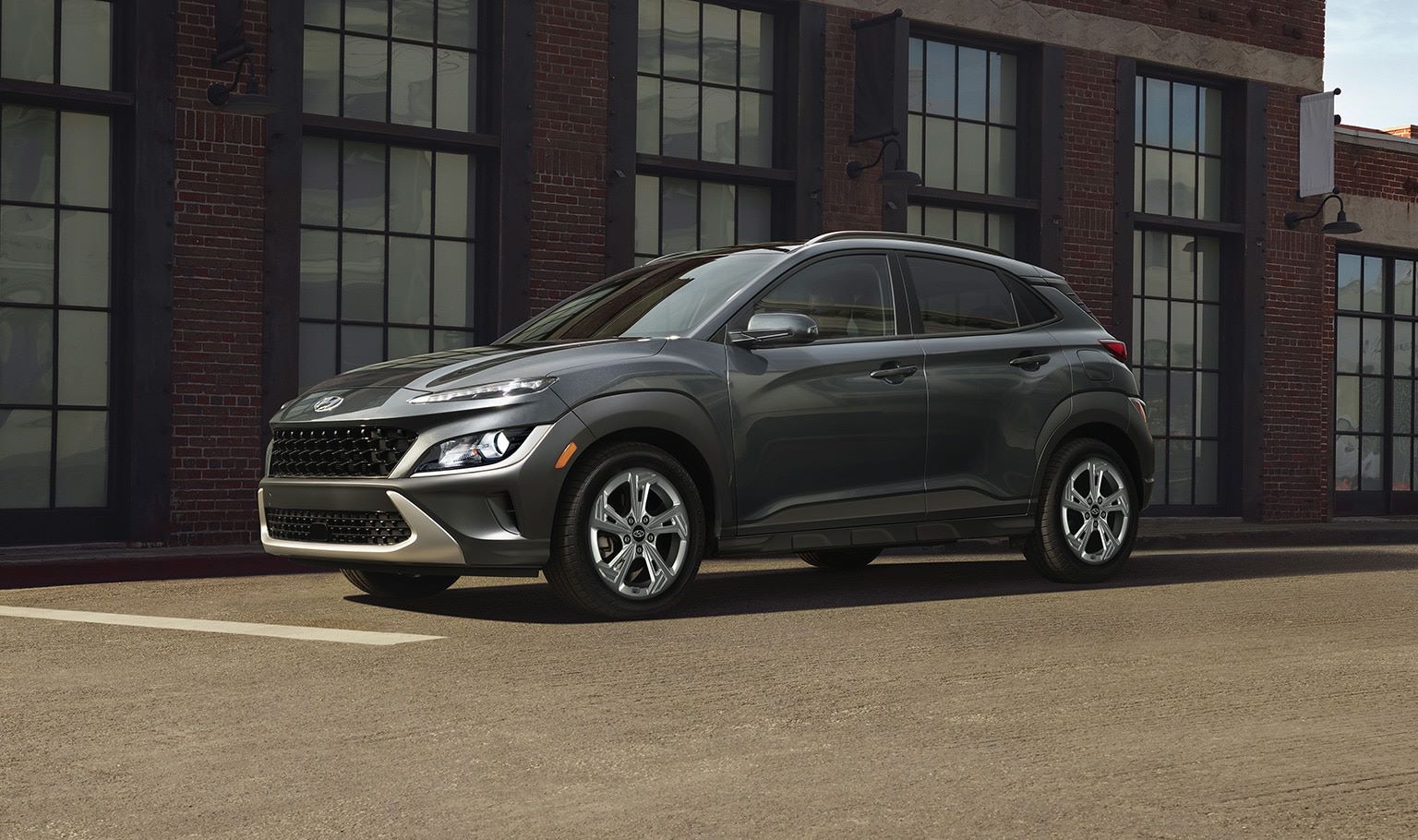
2. Hyundai Kona
The Hyundai Kona is a compact SUV built mainly for efficiency and daily commuting, with small engines that are not optimized for prolonged uphill driving. When navigating steep inclines or carrying a full load of passengers and gear, the Kona’s engine can overheat more quickly than larger SUVs designed for rugged terrain.
The cooling system, while adequate for city or highway use, may struggle to maintain safe engine temperatures under sustained heavy loads.
The transmission system in the Kona can also become a limiting factor during mountain driving. Gear shifts may become more frequent under stress, producing additional heat and reducing fuel efficiency.
Drivers may notice the SUV losing acceleration when attempting to climb steep roads, making overtaking or merging on mountainous highways more difficult. Heat buildup in the engine compartment can trigger performance limitations, forcing drivers to slow down or stop frequently.
Suspension and handling are tuned for comfort and efficiency on city streets rather than the rugged conditions of mountainous roads. Long uphill drives with sharp curves place extra strain on tires and brakes, increasing the likelihood of component wear.
Road grip may be inconsistent on gravel or uneven surfaces, which forces the engine to work harder to maintain momentum. Passengers may feel the SUV’s limitations when attempting steep climbs, as performance can fluctuate noticeably.
The Hyundai Kona remains a reliable and fuel-efficient choice for urban and suburban environments, but it is not designed for long mountain drives. For drivers who frequently tackle hills, especially in summer heat or heavy traffic, the Kona may require breaks to prevent engine overheating. Choosing a larger SUV with more torque, advanced cooling, and off-road suspension would be more suitable for demanding uphill conditions.
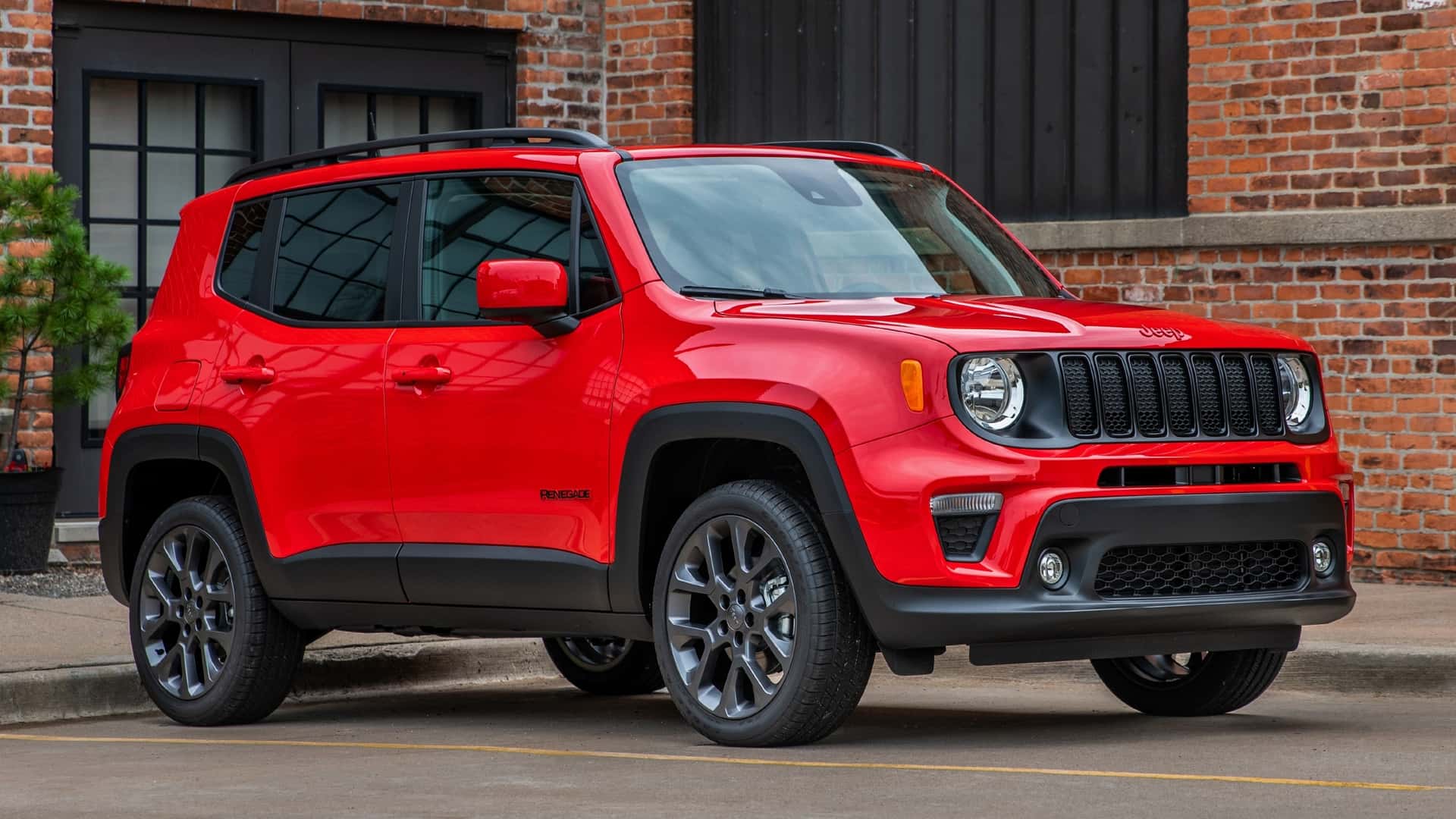
3. Jeep Renegade
The Jeep Renegade is a compact SUV marketed with light off-road capability, but it is not intended for challenging mountain driving. Its small engine produces limited torque, which becomes evident during long, continuous uphill climbs.
Cooling systems are basic and are designed for moderate workloads, so steep, sustained inclines can quickly cause engine temperatures to rise, particularly when carrying passengers or heavy gear. Transmission performance is also challenged under prolonged stress.
While four-wheel-drive is available, it is geared toward mild trails rather than steep mountain inclines. Continuous uphill driving forces the engine to work harder, leading to overheating and decreased acceleration.
Braking systems are adequate for short descents, but repeated uphill and downhill cycles can overheat the brakes as well. Drivers may notice a combination of reduced engine performance, throttle lag, and occasional engine noise during extended climbs.
The compact size and light weight of the Renegade, while advantageous for maneuverability in cities, reduce stability on uneven or curvy mountain roads. Suspension components are designed for comfort on smooth streets and mild off-road conditions, meaning passengers may experience a rougher ride on rocks or uneven paths. Tires designed for urban terrain further limit traction, which can cause additional strain on the engine as it compensates for loss of grip.
Despite being stylish and convenient for daily driving, the Jeep Renegade is not suitable for heavy uphill use. Frequent or prolonged mountain driving may cause overheating, reduce performance, and increase wear on drivetrain components. Drivers planning extended trips into mountainous terrain should opt for larger, more powerful SUVs with reinforced cooling systems and higher torque capacity.
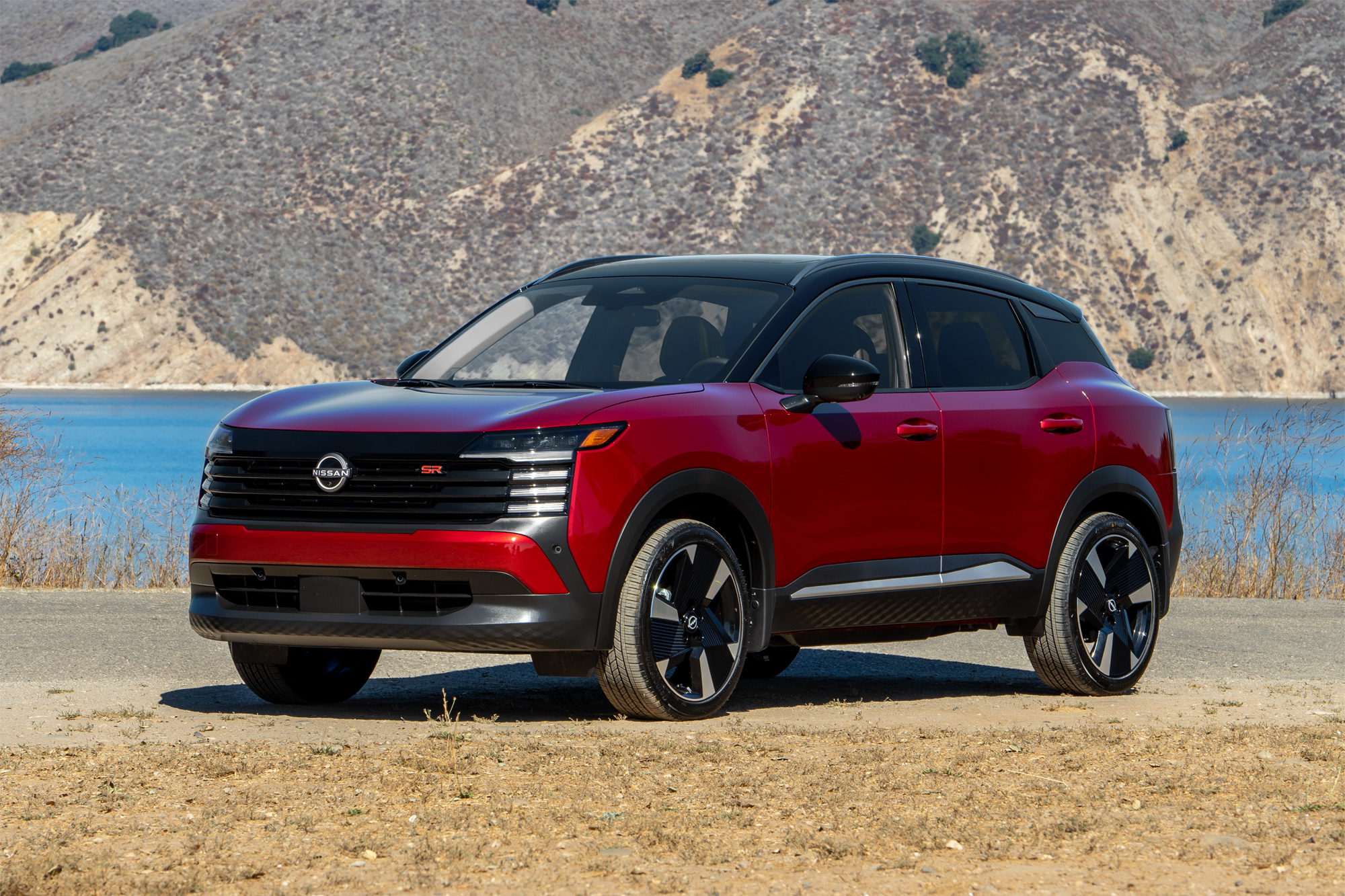
4. Nissan Kicks
The Nissan Kicks is an urban-focused compact SUV that prioritizes fuel efficiency and maneuverability over engine power. Its small engine makes it prone to overheating on long or steep uphill roads, especially if the vehicle is fully loaded with passengers or cargo. The cooling system is adequate for city driving but lacks the robustness needed for prolonged stress, making the vehicle vulnerable to engine overheating under continuous uphill conditions.
Transmission performance is affected when the SUV climbs steep grades. Gear shifting occurs more frequently, producing additional heat and reducing efficiency.
Drivers may notice slower acceleration and a gradual decline in engine responsiveness during long climbs. Braking and suspension systems are designed for lighter, smoother driving, which means repeated uphill and downhill cycles increase mechanical stress.
Handling and traction are limited by the small tires and lightweight body. On curvy, uneven mountain roads, the Nissan Kicks may feel unstable, requiring drivers to adjust speed and take turns cautiously. Repeated effort to maintain momentum uphill further stresses the engine, increasing the chance of overheating. Interior comfort remains sufficient for short trips, but extended mountain driving reveals the vehicle’s limitations.
The Nissan Kicks performs well in urban or suburban settings but is ill-suited for sustained uphill drives. Drivers should take extra precautions when climbing hills and avoid pushing the engine for long stretches. For frequent mountain travel, a larger SUV with reinforced cooling, more torque, and advanced drivetrain systems is highly recommended.
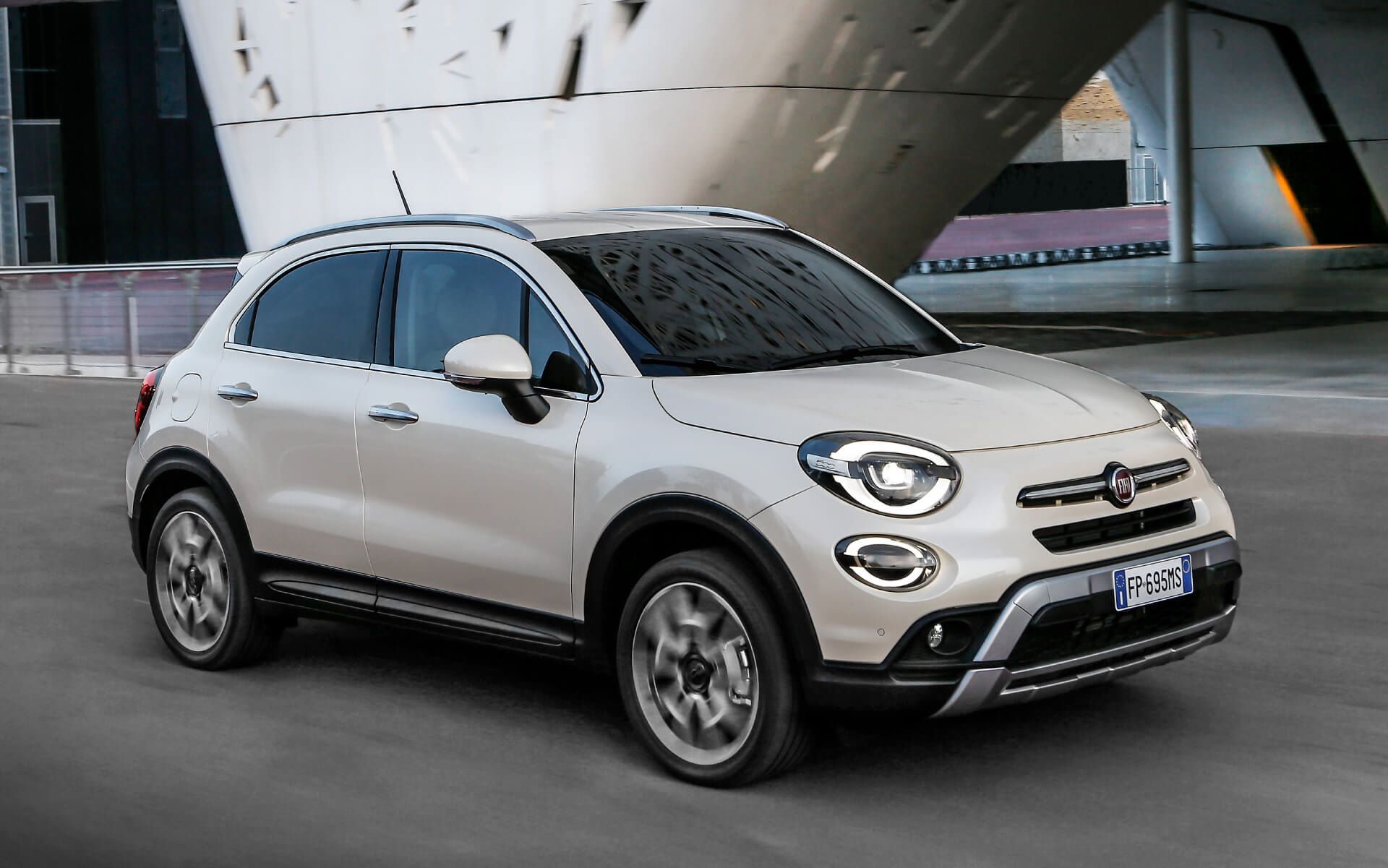
5. Fiat 500X
The Fiat 500X is a small crossover designed for city and suburban driving, with limited engine power that can struggle on steep, continuous inclines.
Prolonged uphill driving increases engine load, causing heat to build up quickly. Its cooling system is adequate for everyday driving but not designed to handle the prolonged stress of mountain roads, making overheating a frequent concern under such conditions.
Transmission behavior can exacerbate the problem. The vehicle may shift excessively to compensate for insufficient torque, generating additional heat and reducing engine efficiency.
Drivers may notice a drop in acceleration, engine strain, and occasional lag during long climbs. Braking and suspension systems, while sufficient for urban environments, can also experience extra stress when navigating winding mountain roads repeatedly.
The compact design and small tires reduce stability and traction on steep or uneven surfaces. Road grip may be inconsistent, forcing the engine to work harder to maintain momentum. Long trips with full passengers or gear can significantly strain both the engine and drivetrain, leading to overheating alerts or even temporary performance restrictions.
While the Fiat 500X offers style, comfort, and convenience for city use, it is not recommended for sustained uphill or mountainous driving. Drivers should monitor engine temperature closely and limit extended climbs. For regular mountain travel, a larger SUV with a stronger engine, advanced cooling, and more torque is far more reliable, ensuring safer and more consistent performance.
