
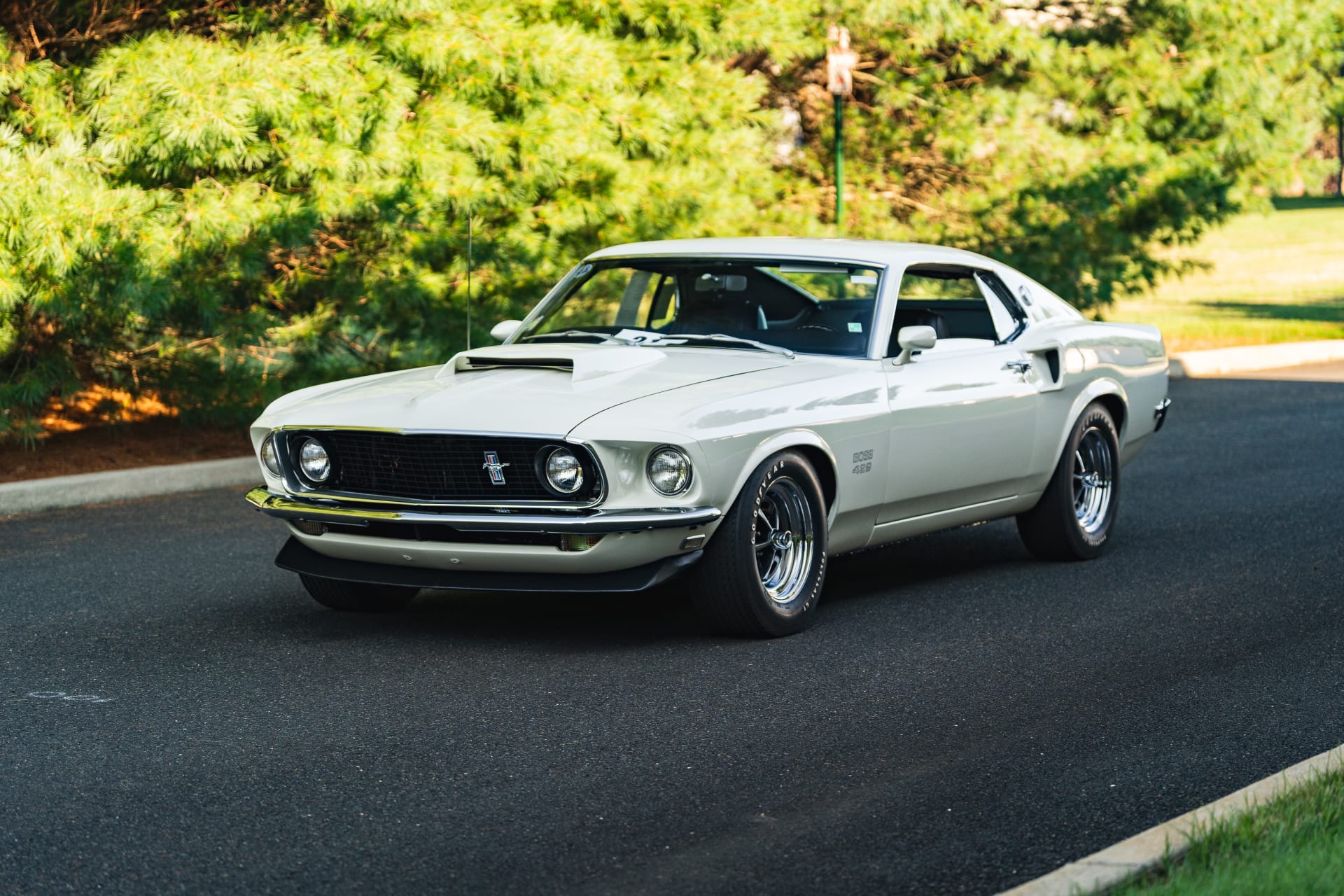
American muscle cars have always held a special place in the hearts of car enthusiasts. These vehicles are celebrated not only for their aggressive designs but also for their unmatched performance on the road.
Over the decades, the muscle car industry saw a peak during the 1960s and 1970s, a time when horsepower and speed were prioritized above all else.
These cars became symbols of freedom, rebellion, and sheer American engineering. While modern vehicles focus on technology, efficiency, and safety, many car fans still long for the raw power and character of these classic machines.
The roar of a V8 engine, the thrill of shifting through gears manually, and the feeling of unrestrained acceleration remain experiences that today’s cars often fail to replicate.
Even though some muscle cars were discontinued due to changing regulations, rising insurance costs, and fuel crises, their legacy continues.
The models that no longer roll off assembly lines are still cherished at car shows, in private collections, and in popular culture. For many, owning or even seeing one of these machines evokes a sense of nostalgia and admiration.
The combination of timeless design, engine performance, and cultural significance ensures that these cars remain highly desirable. Fans appreciate them not only for their speed but also for the stories they represent, whether it is a father passing down memories of a first road trip or enthusiasts competing in drag races during the golden era of American muscle.
The appeal of discontinued muscle cars is multi-layered. Their engines often delivered power that was straightforward and unfiltered, providing a tactile connection between the driver and the road.
Unlike modern cars, which rely heavily on electronics to manage performance, these classic machines depended on mechanical engineering and skillful handling.
Every curve and acceleration required the driver’s full attention, making the experience more engaging and personal. Collectors and fans often remark that the imperfections of these cars, such as their weight distribution or manual steering, only enhance their character.
This article highlights ten discontinued American muscle cars that fans continue to celebrate for their incredible power. Each of these vehicles represents a chapter in the history of muscle cars, capturing the essence of a time when speed and design defined automotive culture.
From the screaming V8s of the 1970s to the unique styling of early 2000s models, these cars continue to inspire admiration. While they may no longer be produced, their influence on modern muscle cars remains undeniable, reminding enthusiasts of the golden age of American horsepower.
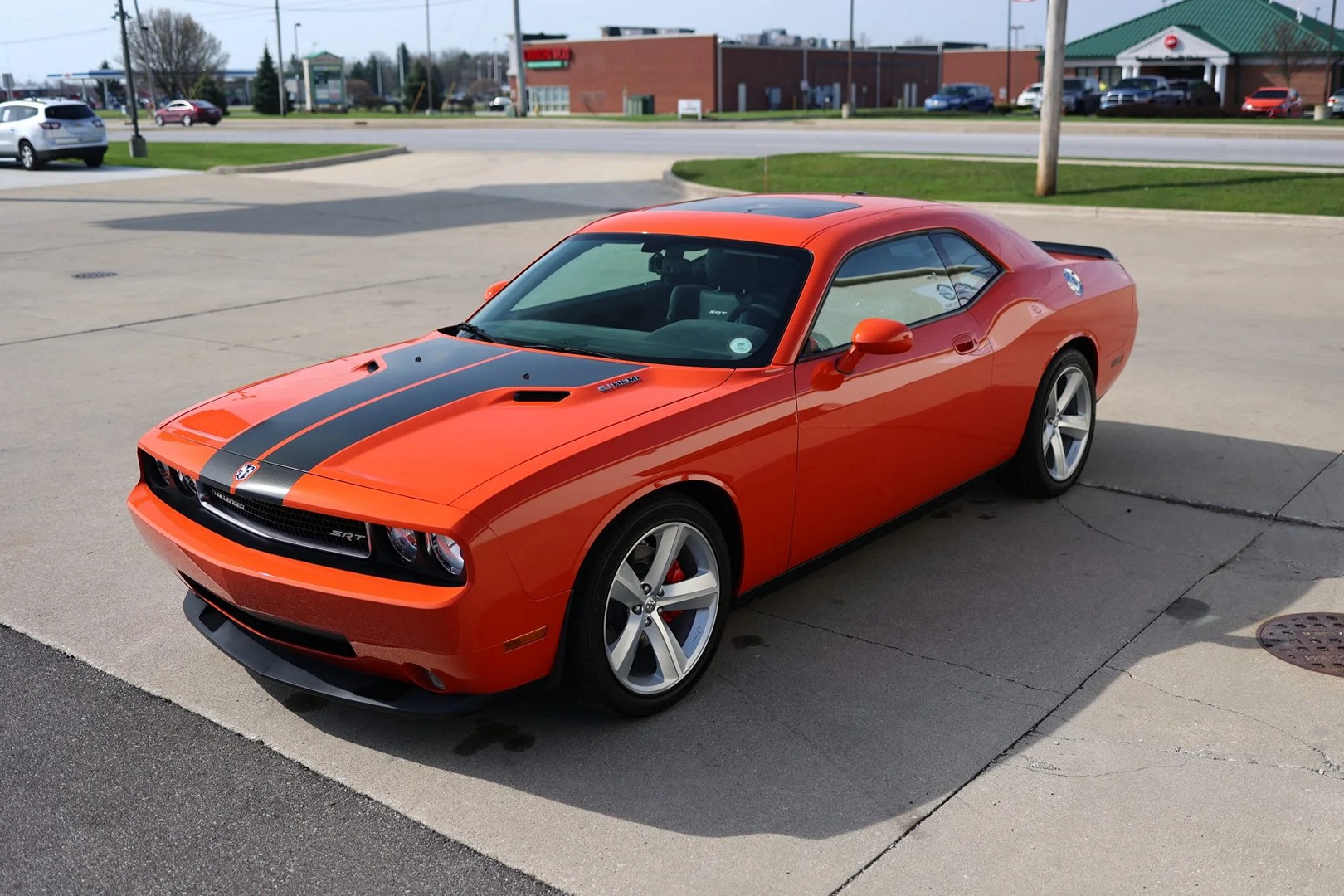
1. Dodge Challenger SRT8 (2008–2014)
The Dodge Challenger SRT8 was designed to combine classic muscle car styling with modern performance. Its retro design drew inspiration from the original 1970s Challenger, appealing to fans who valued nostalgia and aggressive looks.
The wide stance, bold grille, and sweeping lines made it an instant head-turner on highways and at car events. Inside, the car balanced comfort and sportiness, offering supportive seats and a driver-focused layout that complemented its raw power.
Under the hood, the SRT8 packed a 6.1-liter HEMI V8 engine capable of producing over 425 horsepower. Acceleration was instantaneous, and the exhaust note became a defining characteristic that fans loved.
Shifting through its five-speed manual transmission or optional automatic gave drivers control over a car that could dominate both straightaways and winding roads. The combination of engine output and chassis tuning ensured a thrilling driving experience for enthusiasts.
Collectors appreciate the SRT8 for its rarity and performance. Although Dodge reintroduced the Challenger later, earlier SRT8 models remain highly sought after for their original specifications.
These cars continue to feature prominently in muscle car communities and auctions. Their value has remained stable due to a combination of nostalgia, performance, and overall design quality.
Even after its discontinuation, the Challenger SRT8 influences modern muscle car design. Many of its design cues and engine philosophies carried over to newer Dodge models.
Fans often regard the SRT8 as a bridge between classic muscle aesthetics and contemporary engineering. Its combination of retro style and uncompromising power ensures it will be remembered long after it left production lines.
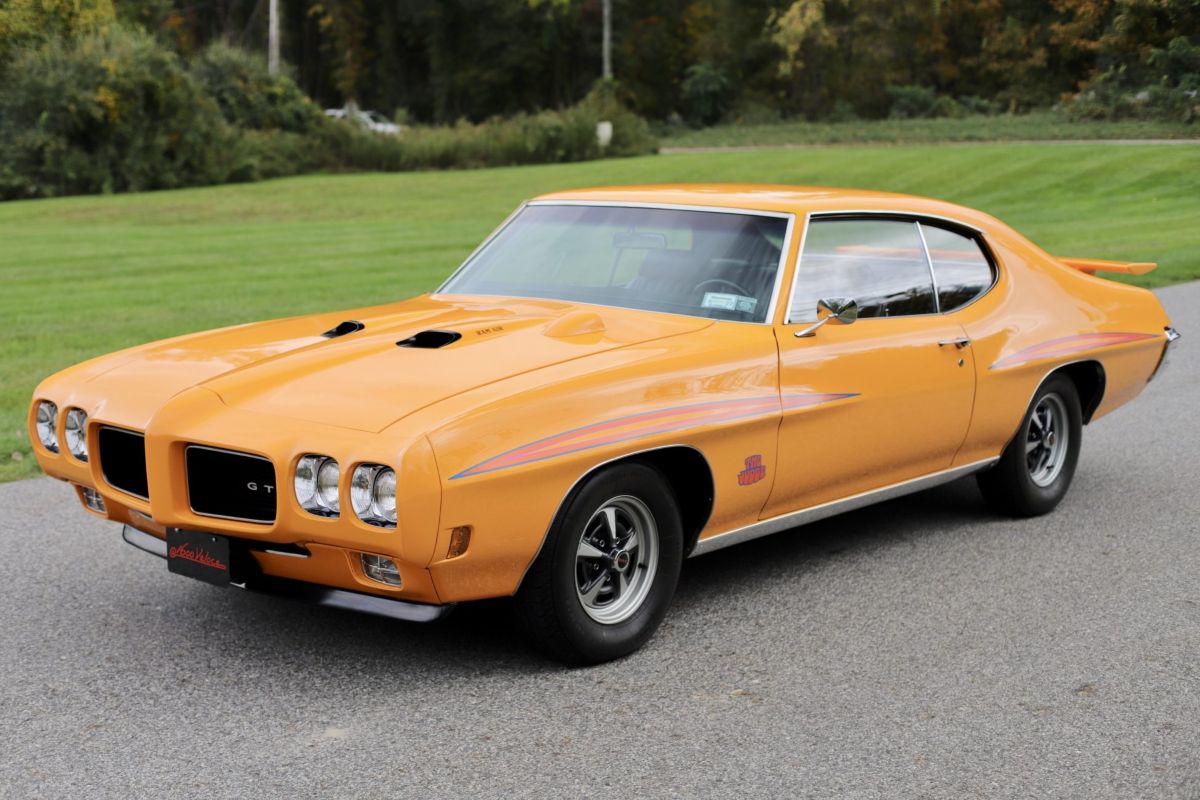
2. Pontiac GTO (2004–2006)
The Pontiac GTO returned to the market in the early 2000s as a modern interpretation of the original 1960s classic. Its design incorporated sharp lines, a wide stance, and a muscular presence that honored its heritage.
Enthusiasts immediately recognized the balance between modern comfort and traditional muscle car appeal. The interior offered high-quality materials, supportive seating, and controls oriented toward performance driving.
Power came from a 6.0-liter V8 producing 350 horsepower, with a later 6.2-liter LS2 engine pushing output to 400 horsepower. The acceleration was impressive for its era, allowing the car to compete with European sports cars on the road.
Its rear-wheel-drive layout ensured dynamic handling while retaining the classic muscle feel. The GTO became a favorite for those who wanted modern reliability without sacrificing raw American power.
Despite its short production run, the Pontiac GTO left a lasting impression. Its discontinuation was influenced by brand restructuring and declining sales, yet fans continued to celebrate its capabilities.
Collectors often consider this model a hidden gem, with performance comparable to many larger, more expensive sports cars. Its V8 engine and balanced handling make it ideal for weekend drives or track days.
The GTO’s legacy remains intact due to its combination of power and exclusivity. Fans admire the car for staying true to the muscle car formula while adapting to modern automotive standards.
Its place in the history of American performance cars ensures that the Pontiac GTO continues to capture the imagination of enthusiasts worldwide.
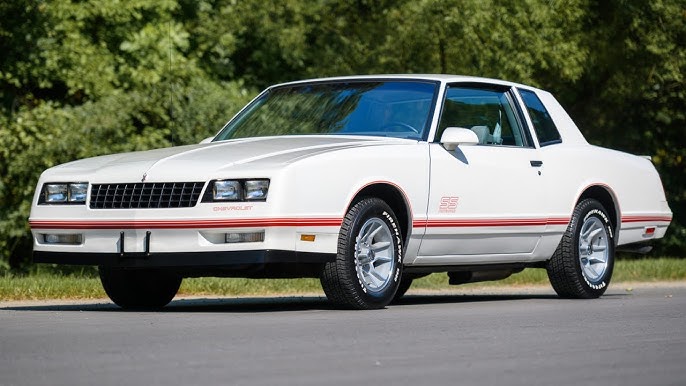
3. Chevrolet Monte Carlo SS (1970–1988, later 1995–1999)
The Chevrolet Monte Carlo SS was a unique blend of luxury and muscle car performance. Its early models in the 1970s showcased long, sleek lines combined with powerful engines that defined the era.
The design gave a sense of elegance while remaining aggressive enough to convey speed. Inside, the Monte Carlo offered comfortable seating and a focus on driver experience, making it a versatile choice for enthusiasts.
Performance models featured big-block V8 engines capable of exceeding 350 horsepower. The car excelled in straight-line acceleration while maintaining sufficient handling for casual cornering.
Its suspension and braking systems were tuned to balance comfort with sportiness. Many drivers appreciated the Monte Carlo SS as a daily driver that could deliver thrills when needed.
The 1990s revival of the SS model maintained its performance-oriented character. Updated engines and modern amenities allowed the car to stay relevant in a changing automotive industry.
Collectors today admire both classic and later models, valuing them for their power, reliability, and unique place in Chevrolet history. The SS badge remains a symbol of muscle car performance and tradition.
Fans continue to celebrate the Monte Carlo SS for its style and versatility. Its ability to combine comfort, power, and nostalgia ensures that it remains a favorite among enthusiasts.
Even decades after production ceased, the car’s presence in car shows and racing events keeps its legacy alive.
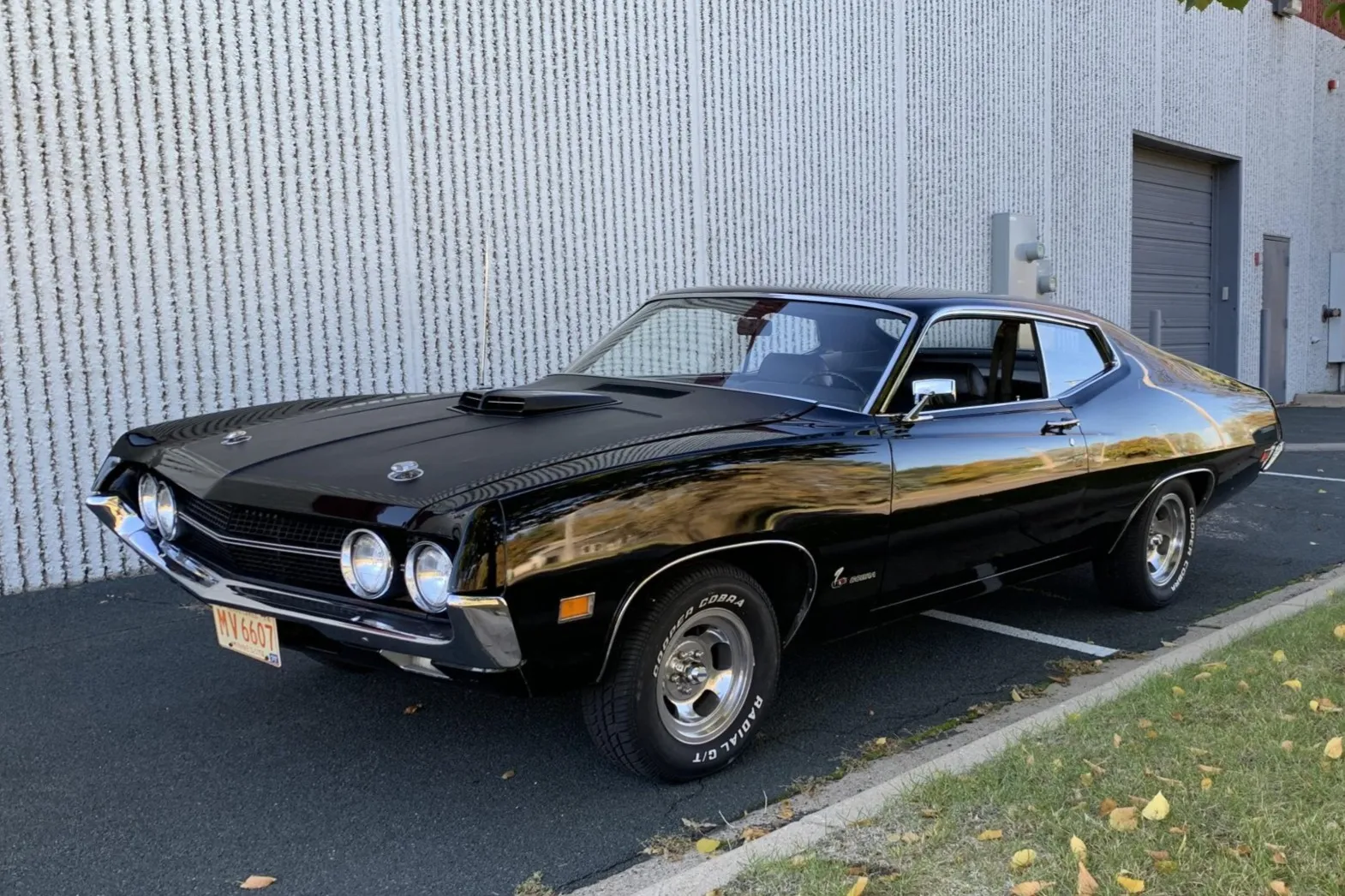
4. Ford Torino Cobra (1968–1976)
The Ford Torino Cobra was Ford’s answer to the growing demand for powerful muscle cars in the late 1960s. Its design featured long hoods, bold grilles, and aerodynamic profiles that emphasized speed and aggression.
The interior maintained driver-focused layouts with supportive seats and clear instrumentation. Enthusiasts were drawn to its combination of size, style, and performance potential.
Engines ranged from big-block V8s producing over 400 horsepower to highly tuned variants designed for racing.
The Cobra could dominate drag strips while maintaining comfortable highway driving characteristics. Its rear-wheel-drive platform allowed drivers to control its immense power with skill, rewarding those who appreciated a more mechanical driving experience.
Collectors today value the Torino Cobra for its rarity and historical significance. Limited production numbers and powerful engine options make it a standout model among Ford muscle cars.
Its blend of design, performance, and collectibility has maintained high interest among car enthusiasts and investors alike.
The Torino Cobra’s influence extends beyond its production years. Many modern Ford performance cars borrow design elements and engineering philosophies from this classic. Its balance of style and power ensures that it remains a defining example of American muscle car heritage.
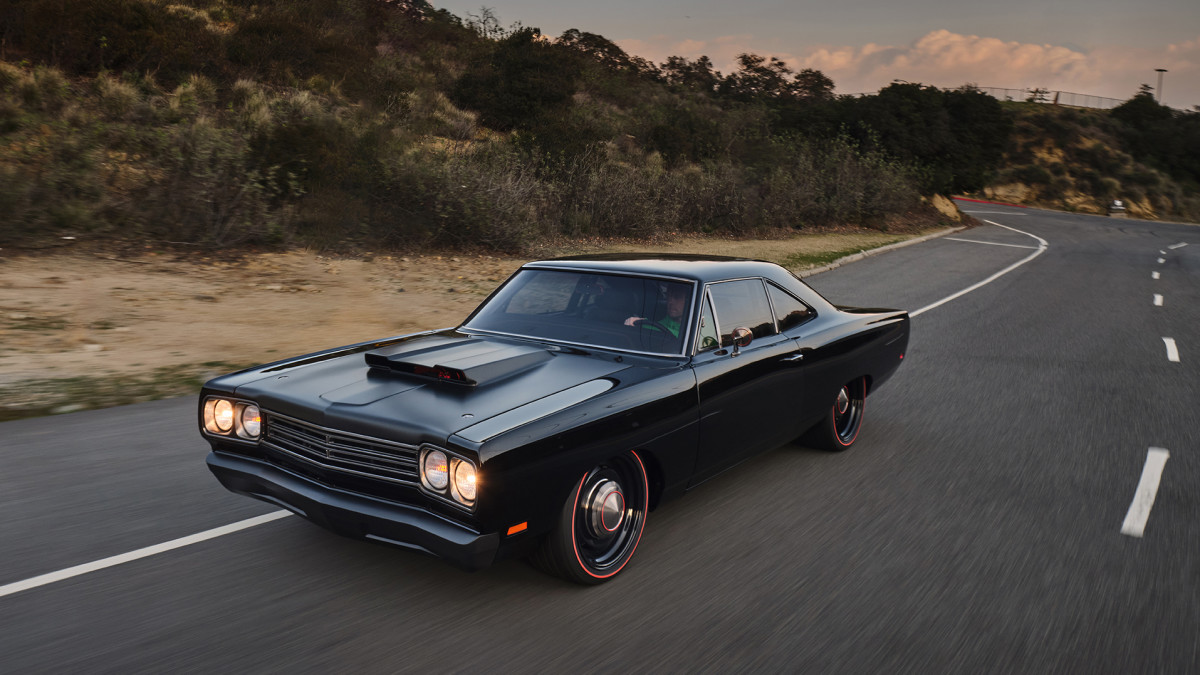
5. Plymouth Barracuda (1964–1974)
The Plymouth Barracuda was one of the earliest American muscle cars, offering a combination of compact size and high-performance potential. Its fastback design and wide stance gave it a distinctive look that set it apart from competitors.
The interior focused on driver engagement, with comfortable seating and straightforward controls that allowed full focus on performance. Enthusiasts appreciated its balance of style and power.
High-performance models featured engines exceeding 400 horsepower, with some rare variants pushing toward extreme outputs for their time. The Barracuda could handle both city streets and racing circuits with ease.
Its lightweight frame and responsive suspension contributed to an enjoyable driving experience. The car became a favorite for drag racing and performance tuning communities.
Despite being discontinued in the mid-1970s, the Barracuda remains a symbol of early muscle car innovation.
Its design, performance, and historical significance continue to attract collectors. Auction prices for well-preserved models often reflect the high demand and appreciation for this iconic car.
The Barracuda’s legacy endures because of its combination of compact design and raw power. Its influence can be seen in later muscle car styling and engineering approaches.
Fans celebrate it not just for performance but also for its pioneering role in shaping the muscle car era.
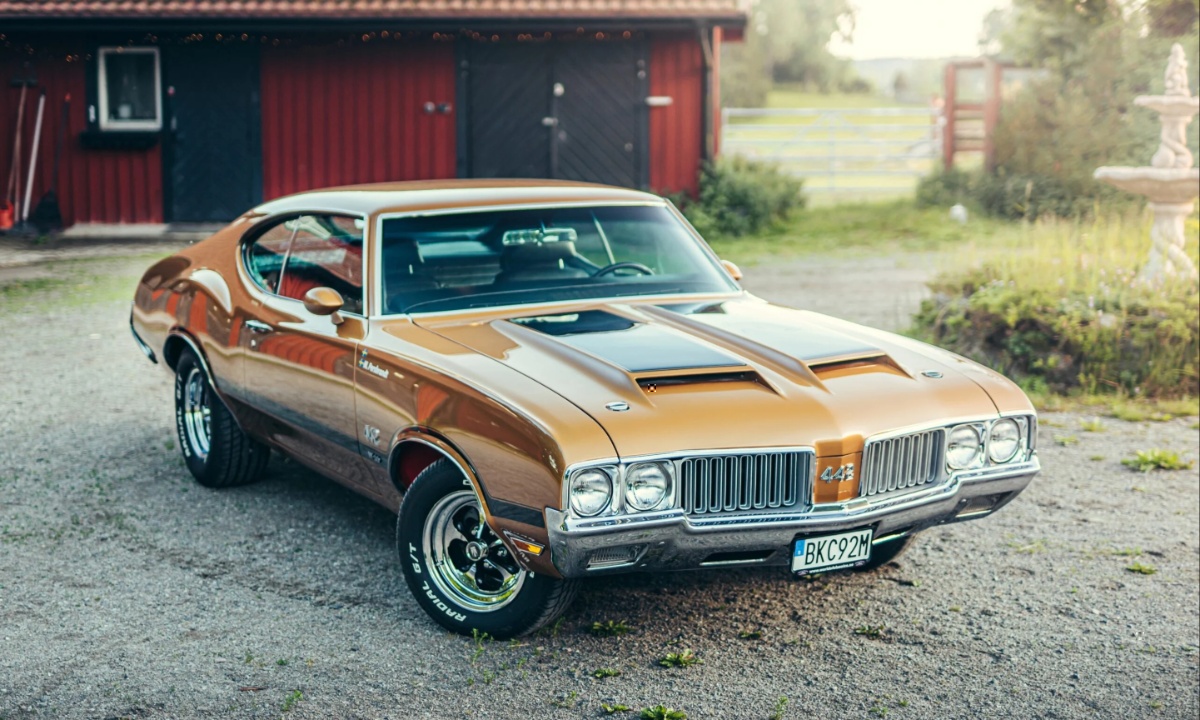
6. Oldsmobile 442 (1964–1987)
The Oldsmobile 442 became one of the most iconic muscle cars of the late 1960s and 1970s. Its name stood for four-barrel carburetor, four-speed manual transmission, and dual exhaust, immediately signaling performance.
The car’s design combined elegance with aggression, featuring a long hood, wide grille, and sleek lines that emphasized power without excessive flash.
The interior focused on comfort while maintaining a sporty feel, giving drivers an engaging experience for both daily drives and spirited runs. Enthusiasts quickly recognized the 442 as a balanced performance car that could compete with bigger names in the muscle car world.
Engine options included big-block V8s producing between 350 and 400 horsepower, depending on the year and trim. These engines delivered instant throttle response, creating a visceral connection between driver and road. The Oldsmobile 442 excelled in both straight-line acceleration and cornering thanks to a well-tuned suspension.
Its exhaust note became a defining characteristic, providing a sound that enthusiasts could identify instantly. For many, the 442 represented the perfect combination of power, reliability, and style during the golden muscle car era.
Collectors continue to value the 442 for its rarity and engineering excellence. Limited production numbers and high-performance specifications make certain years highly sought after. Well-maintained examples often sell for premium prices, and their popularity remains high at car shows and auctions.
The car’s blend of historical significance, engine performance, and design elegance ensures its lasting appeal. Fans admire the 442 not only as a collector’s item but as a reminder of a time when muscle cars prioritized pure driving excitement over convenience or technology.
The 442’s influence on muscle car culture remains strong, with many enthusiasts citing it as one of the most refined examples of American performance engineering. Its combination of speed, comfort, and style allowed it to stand out in a crowded field of high-powered vehicles.
Even decades after its production ended, the Oldsmobile 442 continues to inspire admiration from car fans who value both technical excellence and emotional connection to classic muscle cars. Its legacy has endured as a benchmark for what a balanced, powerful, and collectible muscle car can be.

7. Buick GNX (1987)
The Buick GNX was a high-performance powerhouse that emerged in the late 1980s as a limited-edition model. Unlike most muscle cars of its time, which focused purely on size and displacement, the GNX relied on turbocharging and precise engineering to deliver staggering power.
Its compact yet aggressive styling combined blacked-out trim, bold wheels, and subtle aerodynamic features that emphasized speed.
Inside, the car provided a driver-centric layout with comfortable seating and controls designed to complement its extraordinary performance, appealing to enthusiasts seeking modern muscle innovation.
Under the hood, the GNX’s turbocharged V6 engine produced 276 horsepower, a number that might seem modest today but translated to extreme performance in its lightweight frame. The car could accelerate from zero to sixty in just under five seconds, making it faster than many contemporary V8 models.
Handling was precise for its time, and the turbocharger added a unique character to its acceleration curve.
The combination of forced induction and rear-wheel drive created an experience that differed significantly from traditional big-block muscle cars while still delivering thrilling performance.
The GNX’s rarity makes it highly desirable among collectors. Only 547 units were produced, each with unique identification numbers and performance tweaks that distinguished it from regular Grand Nationals.
Its limited production ensured that every car retained exclusivity, making it a valuable asset for enthusiasts and investors alike.
Beyond performance, the GNX represents a period in American automotive history when muscle car design adapted to emissions regulations and fuel efficiency while still delivering excitement.
Even decades later, the Buick GNX is celebrated as a pinnacle of late-era American muscle innovation. Its combination of turbocharged power, sleek design, and collectible status ensures it remains relevant in the modern car scene.
Fans remember it not only for its performance but for proving that muscle cars could evolve technologically without losing their thrilling appeal. The GNX remains a testament to creativity and engineering excellence during a time of transition in the muscle car market.
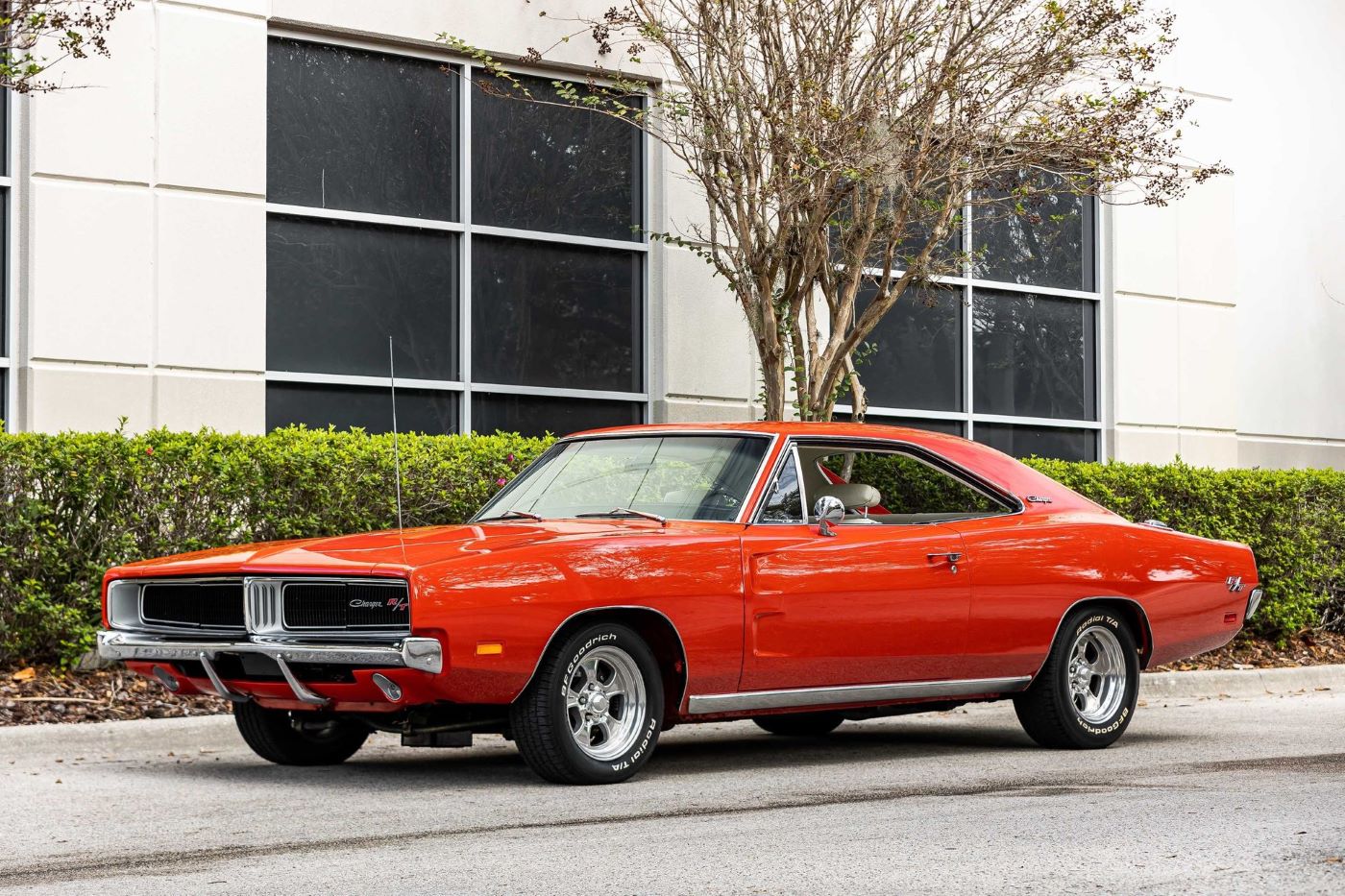
8. Dodge Charger R/T (1966–1978)
The Dodge Charger R/T quickly became one of the most recognizable muscle cars in American history. Its design featured a long hood, fastback roofline, and aggressive front grille that made it instantly identifiable.
The R/T models added performance-oriented enhancements like heavy-duty suspensions, upgraded brakes, and sportier interiors to create a balanced driving experience.
Inside, the car maintained a combination of style and driver-focused ergonomics, with bucket seats and intuitive controls that made long drives as comfortable as fast runs.
Powerful V8 engines defined the Charger R/T, with options ranging from 375 to over 425 horsepower in high-performance variants.
The car’s rear-wheel-drive setup allowed for thrilling straight-line acceleration, while its suspension system provided surprisingly good handling for its size.
Enthusiasts appreciated the Charger for its ability to combine raw power with a sense of stability and control. Its exhaust note, often loud and aggressive, became a signature feature that drew attention wherever the car went.
Collectors prize the Charger R/T for both its performance and cultural impact. The car gained fame in films, television, and racing, making it an icon of American automotive history.
Limited production numbers, especially for rare engine options, further elevated its status among muscle car aficionados. Well-preserved models continue to command high prices at auctions, reflecting enduring demand from fans worldwide.
The Charger R/T remains a symbol of American muscle car excellence, representing an era when style, speed, and personality were inseparable.
Its influence can be seen in later Dodge muscle cars, which borrow design cues and performance philosophies from this classic. Enthusiasts continue to celebrate the Charger R/T not only for what it offered on the road but for its place in the broader history of high-powered, aspirational American vehicles.
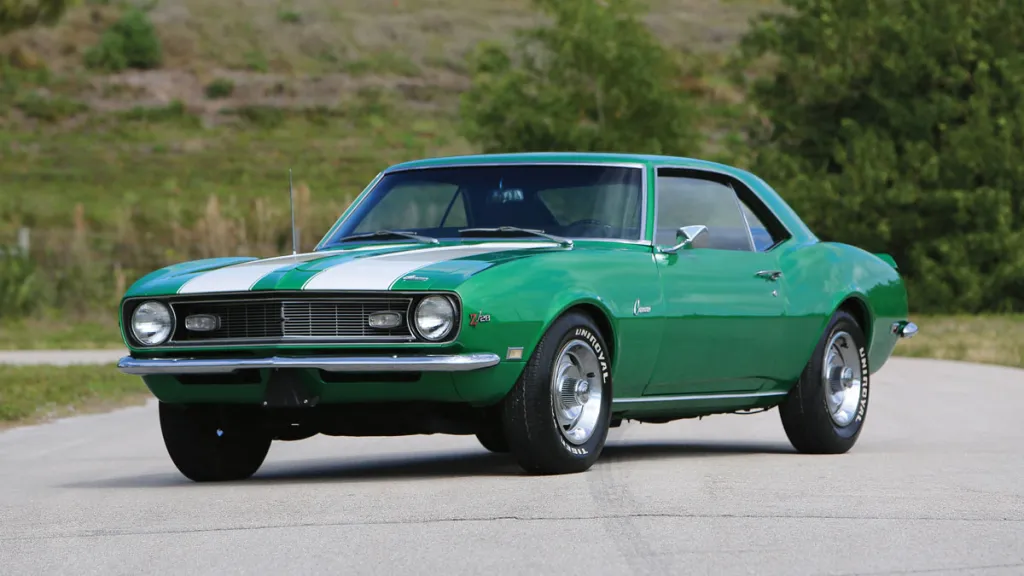
9. Chevrolet Camaro Z28 (1967–2002)
The Chevrolet Camaro Z28 stood out as one of the most versatile muscle cars in history. Its first-generation design combined compact proportions with aggressive styling, making it lighter and more nimble than many competitors.
Fans were drawn to its combination of straight-line performance and road handling, along with interior features that prioritized both comfort and driver engagement. The Z28 became a benchmark for what a balanced muscle car could achieve.
High-performance engines, including small-block V8s, delivered outputs ranging from 290 to over 375 horsepower in early models. These engines provided instant response and acceleration, making the Z28 a popular choice for drag racing and spirited street driving.
Suspension tuning and rear-wheel drive ensured precise handling, giving drivers confidence even at high speeds. The car’s overall balance made it a favorite among enthusiasts who valued both speed and control.
Collectors continue to prize the Camaro Z28 for its legacy and versatility. Its production spanned several decades, creating multiple generations with distinct designs and performance characteristics.
Each generation has its enthusiasts, ensuring consistent demand for well-maintained examples. Auction values for first-generation Z28s remain particularly high due to their rarity and historical significance.
The Camaro Z28’s reputation as a performance icon continues to inspire admiration today. Its combination of power, handling, and design set standards for muscle cars that followed.
Even as newer models appear, fans remember the Z28 for its ability to deliver raw driving excitement while maintaining the elegance and style that defined American muscle. Its enduring legacy highlights the timeless appeal of well-engineered high-performance vehicles.
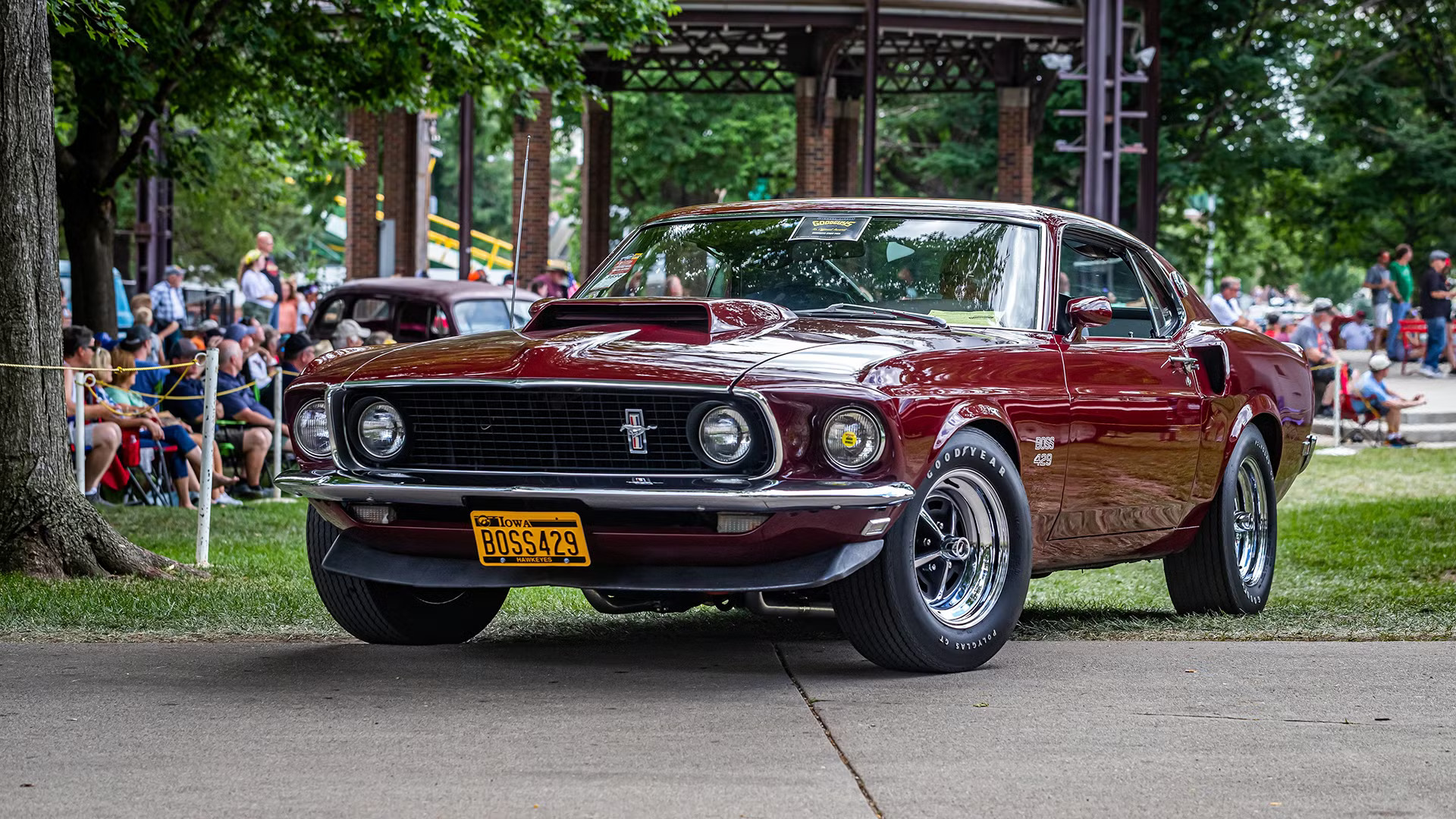
10. Ford Mustang Boss 429 (1969–1970)
The Ford Mustang Boss 429 was created to dominate both the drag strip and the streets, representing the pinnacle of Mustang performance.
Its design was muscular and purposeful, with a wide stance, pronounced hood scoop, and aerodynamic styling to complement its powertrain.
The interior was driver-focused, with bucket seats and gauges that emphasized performance monitoring. Fans quickly recognized the Boss 429 as a rare and elite Mustang variant, blending style and capability seamlessly.
Its massive 429-cubic-inch V8 engine produced 375 to 410 horsepower, making it one of the most powerful Mustangs of its era. The engine required careful handling, and the car rewarded skilled drivers with incredible straight-line acceleration and a commanding presence on the road.
The combination of high displacement, rear-wheel drive, and specialized suspension tuning created a driving experience that was both thrilling and demanding. Enthusiasts admired the car for its ability to combine raw performance with Mustang heritage.
Collectors consider the Boss 429 among the most coveted muscle cars ever produced. Limited production numbers, combined with its racing pedigree, have made it a highly sought-after collector’s item.
Well-preserved models often sell for prices far above their original MSRP, reflecting their historical and performance value. Its exclusivity and engineering sophistication cement its status as a true legend in the muscle car community.
The Boss 429’s impact continues to influence modern Mustangs and performance cars in general. Its combination of size, power, and engineering innovation demonstrated what a muscle car could achieve when performance was prioritized above all else.
Even decades after production ended, the Mustang Boss 429 remains a symbol of raw American horsepower, capturing the imagination of enthusiasts and collectors alike.
