
Choosing a family sedan for long daily drives is a serious decision, especially for drivers in Jacksonville where commutes can stretch across highways, bridges, and suburban corridors. A reliable sedan must handle heat, humidity, stop and go traffic, and extended highway cruising without creating stress for the driver or passengers.
Families also depend on comfort, predictable maintenance, and durability that holds up well past the early ownership years. When mileage climbs quickly, small weaknesses in engineering or build quality tend to show themselves in expensive ways. This makes the difference between a dependable long term vehicle and one that becomes a financial burden very clear.
Jacksonville drivers often rack up miles faster than the national average due to sprawling neighborhoods and limited public transit. A family sedan here needs efficient engines, transmissions that shift smoothly over time, and cooling systems that tolerate warm weather without constant attention.
Interior comfort also matters since children, groceries, and daily routines demand space that stays functional even after years of use. Safety technology, ride quality, and noise control play a large role in making long commutes manageable instead of exhausting. A sedan that feels fine during short trips can become frustrating when driven hundreds of miles each week.
Not all sedans are built with longevity as a core priority. Some models perform well when new but struggle once odometers cross high mileage thresholds. Issues like premature transmission wear, weak suspension components, or electronics that fail under constant use can shorten a car’s practical lifespan.
These problems often appear after warranties expire, leaving families with repair bills that outweigh the value of the car. Knowing which sedans are more likely to hold together under pressure helps buyers make smarter long term choices.
This article separates family sedans into two clear groups based on real world durability patterns and ownership experiences. The first group focuses on five sedans that suit Jacksonville long commutes and remain dependable over many years.
The second group highlights five sedans that tend to struggle as mileage increases, especially for families who drive frequently. Each model is discussed with attention to comfort, reliability tendencies, and ownership practicality. The goal is to help families choose vehicles that support daily life rather than complicate it.
5 Family Sedans for Jacksonville Long Commutes

Toyota Camry
The Toyota Camry has earned a reputation for consistent performance over long distances because it balances power, efficiency, and durability. Its engines are tuned for smooth acceleration rather than aggressive speed, which reduces stress on components during extended highway driving.
The Camry’s cooling system is designed to handle warm climates without overheating, which is especially useful in Jacksonville’s hot, humid summers. Reliability is a hallmark of this sedan, making it a low-maintenance choice for families who put a lot of miles on their cars each week.
Interior comfort is another major strength for families who spend hours in the car. The seats are supportive and retain their shape even after years of use, and the cabin remains quiet at highway speeds, reducing driver fatigue. Rear seat space is sufficient for teenagers or younger children, while the trunk provides ample room for groceries, sports gear, or luggage. Materials inside the cabin are durable, so families don’t need to worry about scratches or fading during long-term ownership.
From a maintenance perspective, the Camry is forgiving and easy to service. Parts are widely available and relatively affordable, and most repairs do not require specialized tools or expertise.
This predictability reduces the stress of unexpected repair costs and makes it easier for families to budget for regular upkeep. Additionally, the Camry tends to perform well well past 200,000 miles if properly maintained, which makes it a dependable vehicle for long commutes.
The Camry also retains its resale value better than many competitors, which is a practical benefit for families who may want to sell or trade the car later. The combination of reliability, comfort, and moderate operating costs makes it a strong choice for Jacksonville drivers who spend significant time in their vehicles.
Camry delivers consistency and stability, providing peace of mind for families that rely on a car for both everyday errands and long stretches of highway driving.
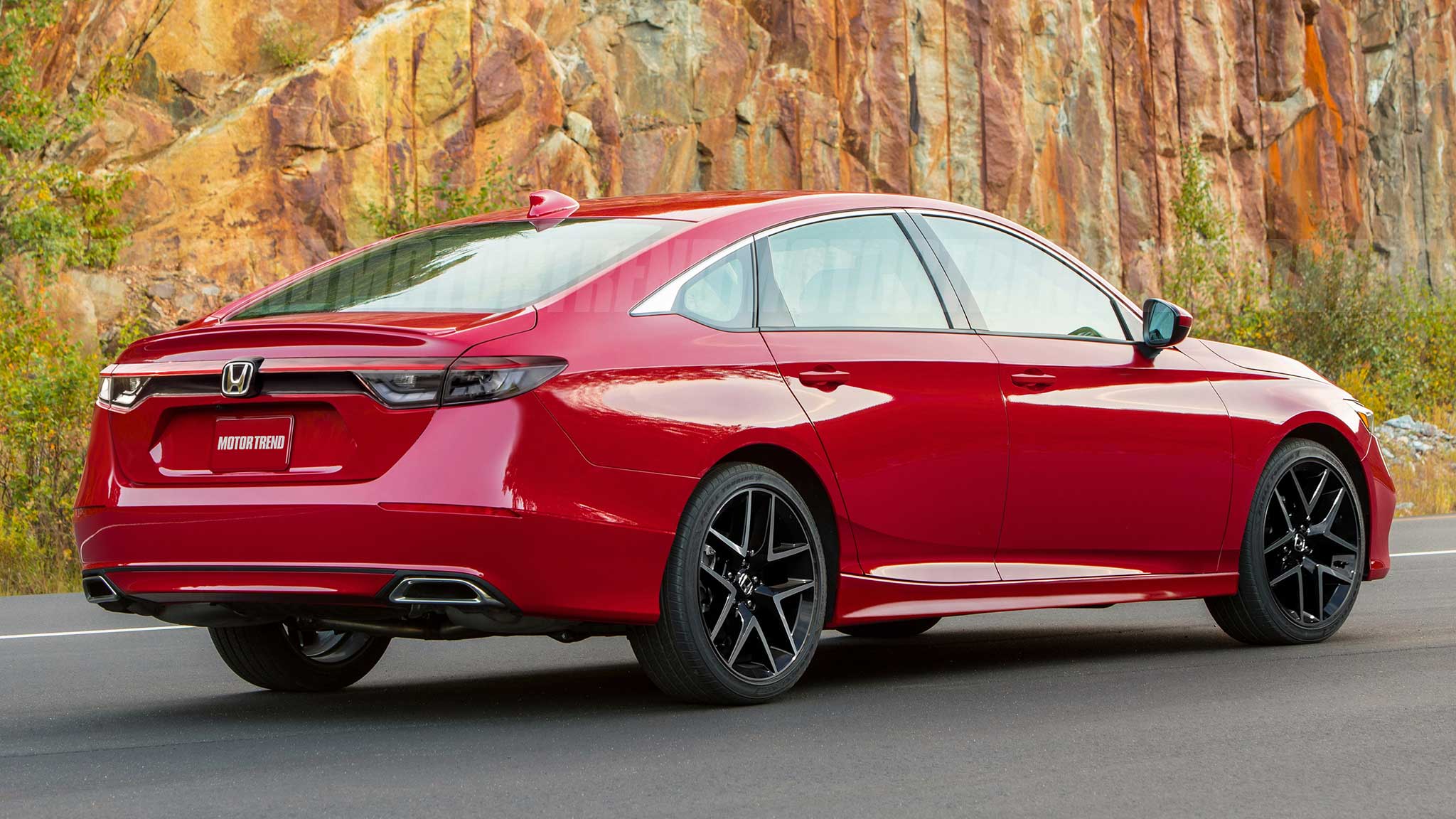
Honda Accord
The Honda Accord has long been recognized for its ability to handle extended driving without compromising comfort or reliability. Its engines provide smooth and predictable power, making it easy to maintain control during long trips and stop-and-go traffic.
Highway stability is excellent, which reduces driver fatigue on longer routes and allows passengers to enjoy a consistent, steady ride. The Accord’s balance between power and efficiency makes it ideal for families who often cover a lot of miles each week.
Cabin design emphasizes usability and spaciousness, which is important for families. Rear seat legroom is generous, and children or adults can sit comfortably without feeling cramped.
Controls and infotainment systems are placed thoughtfully to reduce distractions for the driver. High-quality interior materials ensure that the cabin remains pleasant even after years of heavy use, and soft-touch surfaces and durable plastics minimize wear over time.
Mechanical reliability is one of the Accord’s most significant advantages. Its engine and transmission are capable of high mileage performance, often reaching 200,000 miles or more with regular maintenance. The simplicity and robustness of its drivetrain help prevent unexpected breakdowns.
Routine maintenance tasks such as oil changes, tire rotations, and brake service are straightforward, which allows families to manage service costs easily and avoid unplanned expenses.
Fuel efficiency is also a major advantage for families who rely on their vehicles for long commutes. The Accord’s engines balance power and economy, reducing the frequency of fuel stops and saving money over time. Handling and braking remain consistent even after high mileage use, which enhances safety on highways and busy city streets. Its combination of comfort, efficiency, and longevity makes the Accord a reliable long-term option for Jacksonville families.
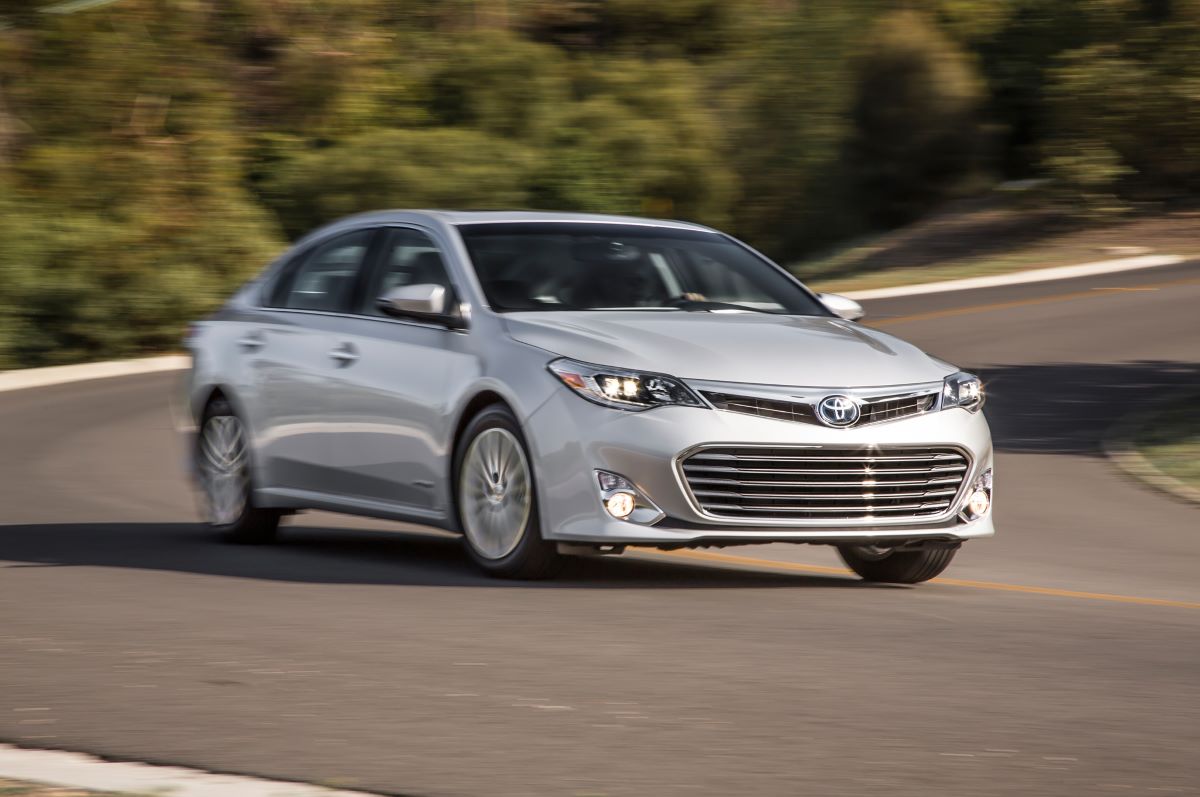
Toyota Avalon
The Toyota Avalon provides a larger, more spacious option for families who value comfort during long drives. Its smooth ride is achieved through soft suspension tuning and thoughtful noise insulation, which minimizes road and wind noise.
These qualities make commuting or weekend trips more comfortable and less tiring for both drivers and passengers. The Avalon’s engine is designed for longevity, providing reliable power without excessive stress, which is essential for high-mileage ownership.
Interior space is generous, making it an attractive choice for families who need room for both passengers and cargo. Rear seats are comfortable for long distances, and legroom is ample for taller passengers. The trunk can hold groceries, sports equipment, and luggage without requiring creative packing. Materials used throughout the cabin are durable and resistant to wear, ensuring that the vehicle maintains a clean, polished appearance even after years of daily use.
Reliability is consistent with other Toyota sedans, with powertrains built to handle long-term commuting demands. Cooling systems and transmissions are designed to endure extended use, reducing the likelihood of costly breakdowns. The Avalon’s components are engineered for a long service life, allowing families to drive confidently without worrying about mechanical failures. This makes it a practical choice for households that spend many hours in traffic each week.
Owning a Toyota Avalon is generally cost-effective, especially given its balance of premium features and low maintenance needs. Parts are readily available, and routine servicing is manageable. Its smooth ride, quiet cabin, and durability provide a relaxing driving experience, which is important for Jacksonville drivers dealing with traffic or long highway stretches.
Families benefit from a dependable sedan that remains comfortable and capable even after years of extensive use.
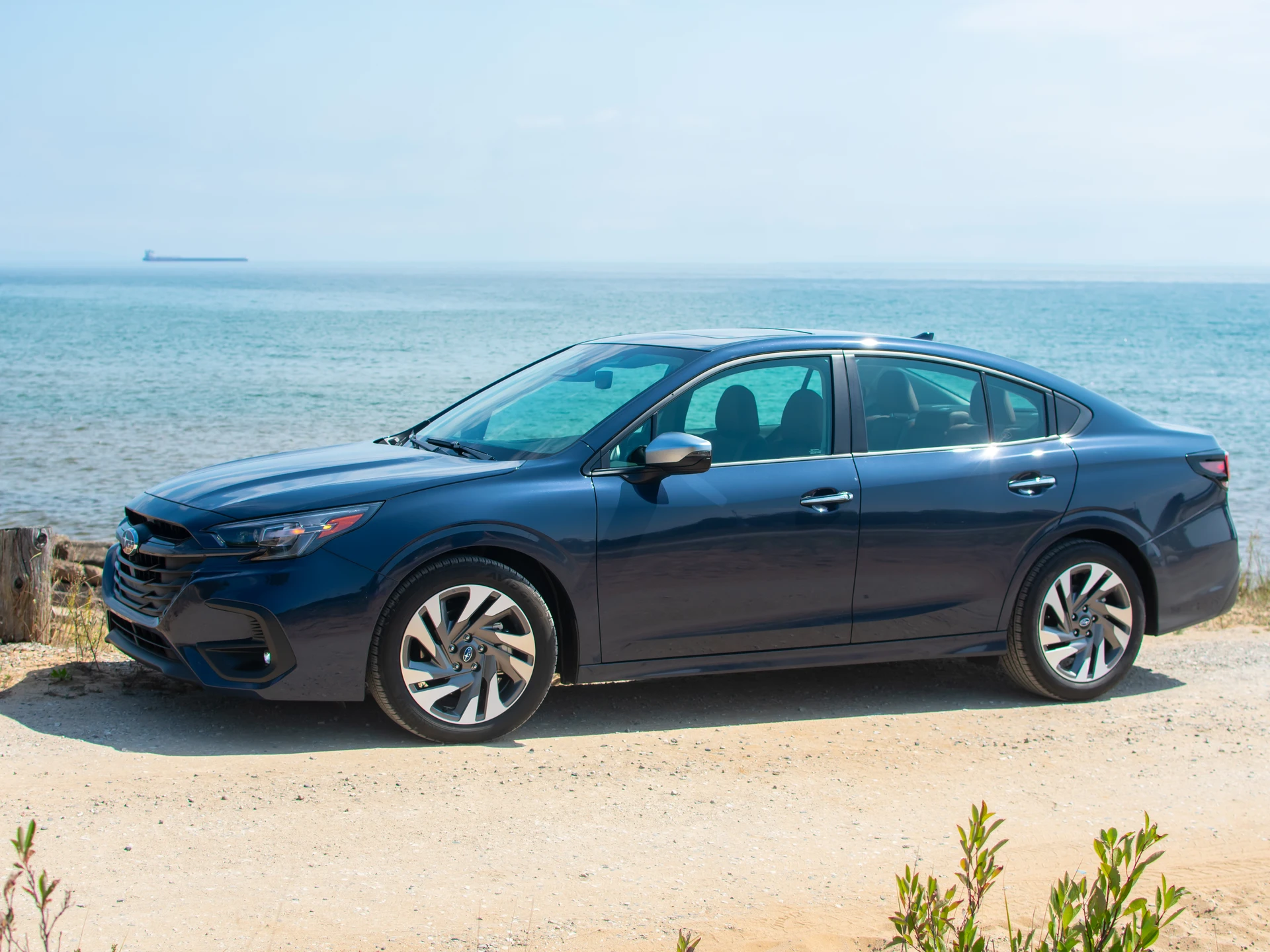
Subaru Legacy
The Subaru Legacy stands out for its standard all wheel drive system, which adds stability and traction during wet or stormy weather.
While Jacksonville rarely sees snow, heavy rain and occasional flooding are common, making AWD a valuable feature for safety and confidence. The Legacy’s suspension is designed to balance comfort and handling, providing a smooth and controlled ride over long distances while maintaining predictable road manners.
Interior design focuses on practicality and long-term usability. Front and rear seats offer ample support for extended commutes, reducing fatigue for drivers and passengers alike.
Visibility is strong, which improves safety on congested streets and highways. The cabin layout is intuitive, and storage areas are thoughtfully positioned to accommodate family needs, such as backpacks, groceries, or sports equipment.
Engine reliability has improved significantly in recent models, making the Legacy capable of handling high mileage with routine maintenance. Proper oil changes, coolant management, and scheduled inspections help maintain performance and avoid expensive repairs. Families who adhere to service intervals usually find that the vehicle remains dependable even with frequent long-distance travel.
Fuel economy is competitive for a sedan with all wheel drive, reducing the impact of long commutes on the family budget. Combined with stability and passenger comfort, the Legacy offers a balanced driving experience. It is well suited to families who prioritize safety and consistent performance in everyday use, making it a strong contender for Jacksonville commuters who need a reliable vehicle for daily travel.
Hyundai Sonata
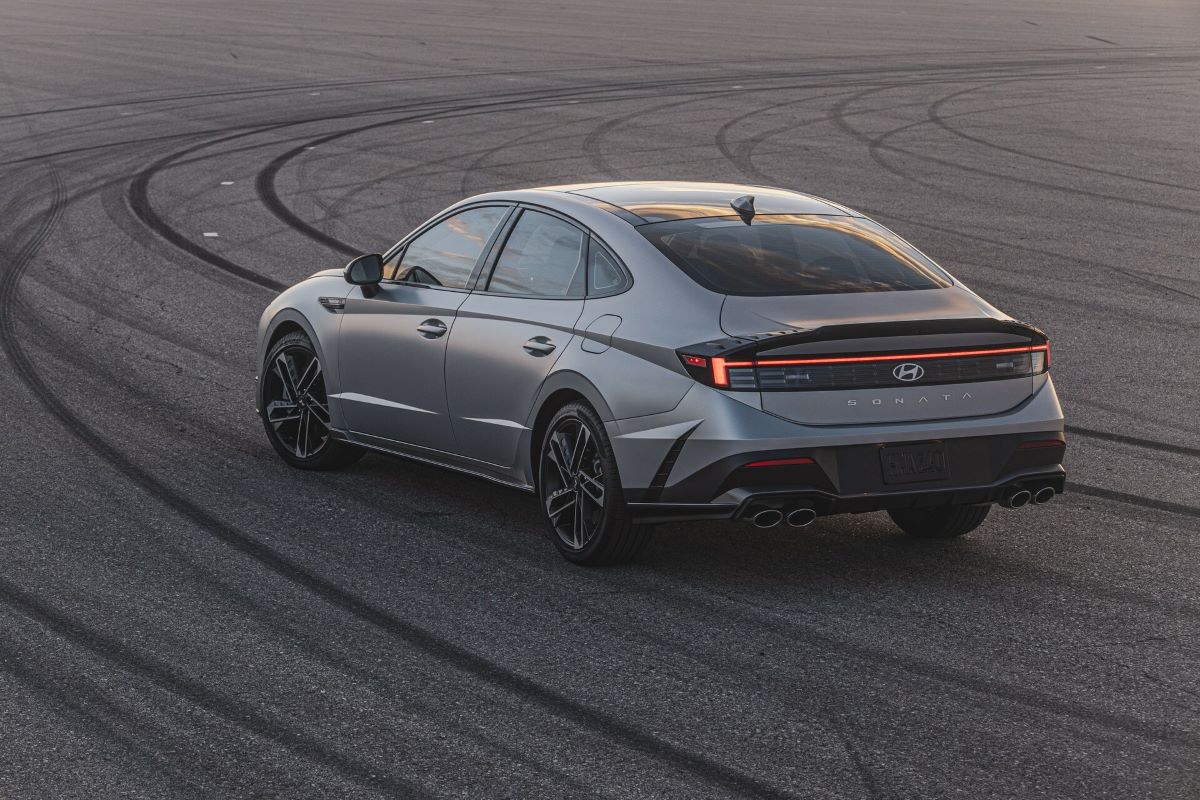
The Hyundai Sonata has evolved into a family sedan that performs well for frequent, long-distance driving. Its modern engines focus on efficiency and smooth operation, which makes highway driving comfortable and stress-free.
Suspension tuning strikes a balance between comfort and control, allowing the car to handle both urban streets and longer highway stretches without feeling harsh or unstable.
Interior features are designed to support extended commuting. Seats are cushioned adequately to reduce fatigue, and cabin technology is straightforward and intuitive for drivers who want convenience without distraction.
Rear seat space accommodates children or teens comfortably, and storage compartments are versatile enough for daily errands or larger items. Materials remain durable under consistent use.
Reliability has steadily improved, with recent models showing strong performance under higher mileage. Routine maintenance is straightforward and affordable, which makes the Sonata practical for families looking for long-term ownership without unexpected costs. It is engineered to endure regular commuting, offering a dependable driving experience over time.
Warranty support provides additional reassurance in the early years, but even after coverage expires, the Sonata’s build quality ensures continued performance.
Its combination of fuel efficiency, comfort, and low operating costs makes it an attractive option for families in Jacksonville. Consistent performance and a smooth, quiet ride help make daily commutes more manageable, especially for households with multiple passengers or heavy cargo needs.
5 That Break Under High Mileage

Dodge Dart
The Dodge Dart initially attracts buyers with its stylish exterior and user-friendly features. However, once mileage climbs, the car often shows weaknesses that affect long-term reliability.
One common issue is transmission problems, particularly with dual-clutch or automatic models, which can fail under frequent stop-and-go commuting. These failures often appear after the warranty period ends, leading to costly repairs that families may not anticipate.
Interior durability is another concern with the Dart. Seats can lose support and cushioning after extended use, making long drives less comfortable. Plastic trim and switches may loosen or rattle over time, contributing to cabin noise. This can make the car feel older than its actual age and reduce enjoyment during daily commutes, especially with children or passengers in the back seats.
Mechanical reliability tends to decline as the mileage increases. Electrical systems, including sensors and infotainment features, may start to malfunction unexpectedly. The engine and other components may develop minor issues that compound into more serious problems if not addressed promptly. Families often find that repair costs quickly rise, sometimes surpassing the car’s value.
While the Dart can function adequately during short-term ownership, its performance under high mileage conditions is questionable. Long commutes in Jacksonville can exacerbate existing weaknesses, increasing the risk of breakdowns. Families who drive significant distances may find that the Dart fails to provide the consistency and reliability needed for daily life, making it a less practical choice compared to more durable sedans.
Ford Focus
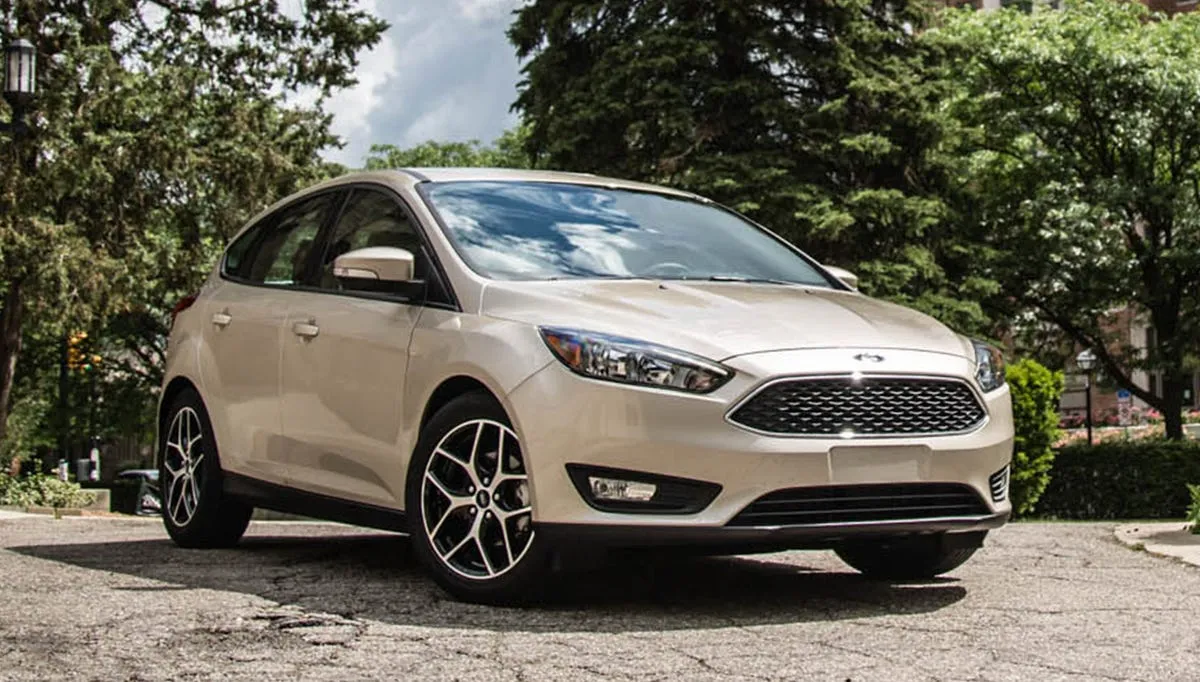
The Ford Focus is appealing at first due to its compact size, sporty handling, and fuel efficiency. Unfortunately, its long-term durability is often problematic, particularly for families who rely on it for frequent commuting.
Transmission problems are especially common, with both automatic and dual-clutch units prone to wear under heavy daily use. These issues can create unsafe driving conditions if not addressed promptly, and repair bills can become substantial.
Stop-and-go commuting places additional strain on the Focus. The transmission may shift irregularly as mileage increases, which affects the car’s drivability. Suspension components can also wear prematurely, leading to a rougher ride and reduced stability. Families who spend hours in traffic daily may notice that what felt smooth at first now becomes uncomfortable and tiring.
Interior materials are not built for long-term endurance. Seats may flatten and lose support after a few years of frequent use, while plastics and trim panels can show signs of early wear. Cabin noise may increase over time, reducing comfort during long highway drives or extended city trips. Children and passengers may feel cramped or uncomfortable during extended journeys.
Repair frequency tends to rise quickly after the first few years of ownership. Electrical components and other mechanical parts may fail intermittently, requiring multiple service visits. Families who depend on reliable transportation may find the Focus frustrating over time, especially for high-mileage commuting. Its lower durability compared to competitors makes it a less ideal option for long-term family use.
Chevrolet Malibu
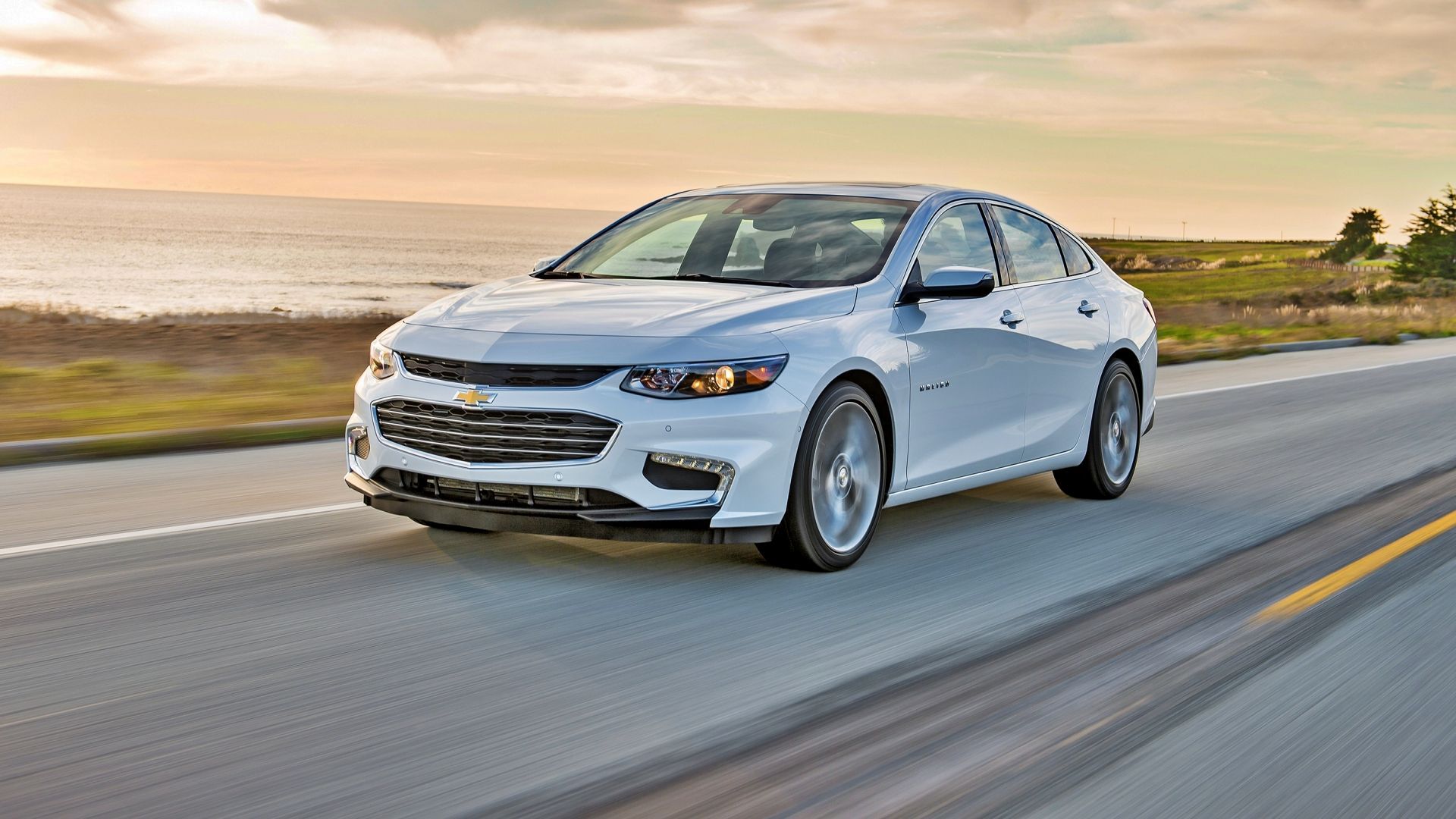
The Chevrolet Malibu delivers smooth ride quality and a comfortable cabin when new, making it appealing for family driving. However, long-term durability concerns often emerge once mileage accumulates.
Engine and transmission combinations may struggle under extended daily use, particularly in stop-and-go traffic common in Jacksonville. Repairs for these components can be costly, and failures often occur after the warranty period.
Cabin comfort may also decline over time. Seats can lose firmness, and interior trim and upholstery may show accelerated wear. Noise insulation may degrade, allowing road and wind noise to become more noticeable during long drives. These changes can make commuting less enjoyable and increase driver fatigue on lengthy trips.
Electrical systems are another area of concern for high-mileage Malibus. Sensors, infotainment, and power accessories may fail intermittently, leading to inconvenience and frustration for families. Diagnosing these problems can require repeated trips to the mechanic, increasing both time and expense. Families who rely heavily on their vehicle may find this particularly challenging.
While the Malibu is adequate for short-term ownership, high-mileage use often reveals weaknesses that can interfere with daily commuting. Extended drives in warm climates and heavy traffic can stress sensitive components.
Families seeking a sedan with long-term reliability may find the Malibu less suitable, especially compared to more durable alternatives that handle extended use more effectively.
Nissan Altima
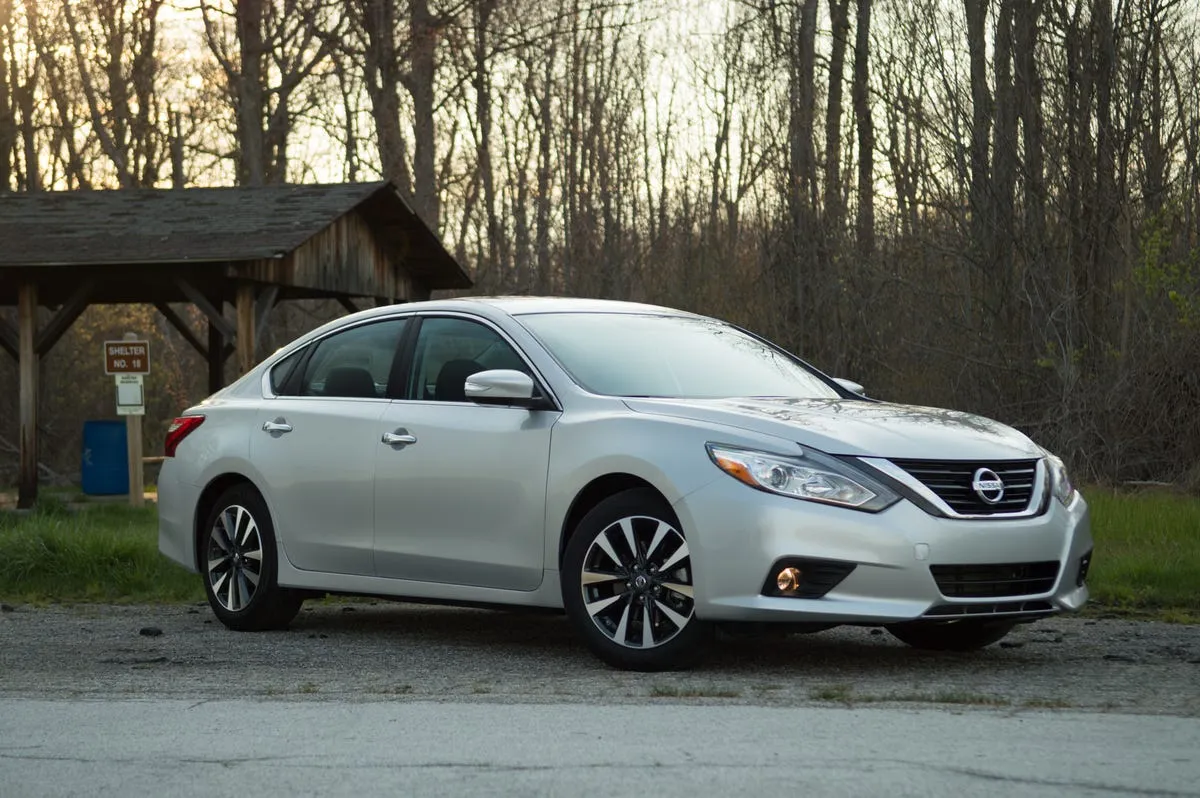
The Nissan Altima is popular for its stylish design, smooth ride, and fuel efficiency. However, extended high-mileage driving often exposes critical weaknesses, particularly with its continuously variable transmission (CVT).
These transmissions are prone to early wear and can fail unexpectedly under frequent highway or city commuting, creating a costly repair scenario for families who drive significant distances.
Once transmission issues appear, vehicle performance becomes inconsistent. Shifting may feel hesitant or irregular, affecting both comfort and safety during long drives. Families depend on reliable operation for commuting and errands, and the Altima’s performance under high mileage can fall short of these expectations. This unpredictability often undermines confidence in the vehicle.
Interior comfort is another area where the Altima can show its age. Seats may flatten and lose support, while cabin noise can increase over time, making long trips less comfortable. Rear seat space, while adequate for short trips, may feel tight for taller passengers on extended drives. Daily commuting magnifies these issues and affects satisfaction.
For families with heavy mileage needs, the Altima’s reliability challenges can become pronounced. High-mileage commuting in Jacksonville accelerates transmission wear and exposes other potential weaknesses. Ownership costs may rise unexpectedly, reducing the car’s practicality for long-term family use. This makes it a riskier choice compared to more durable sedans.
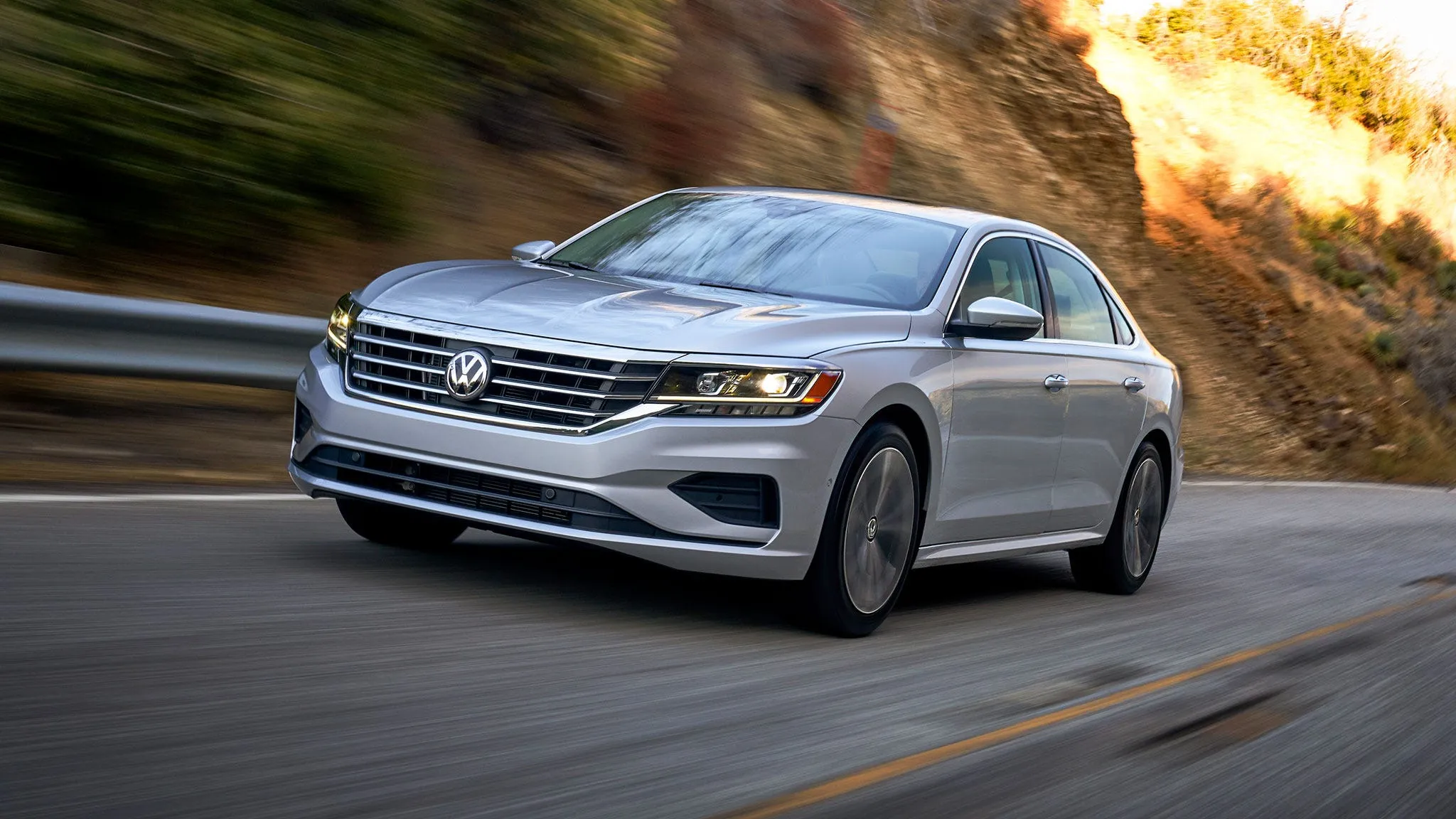
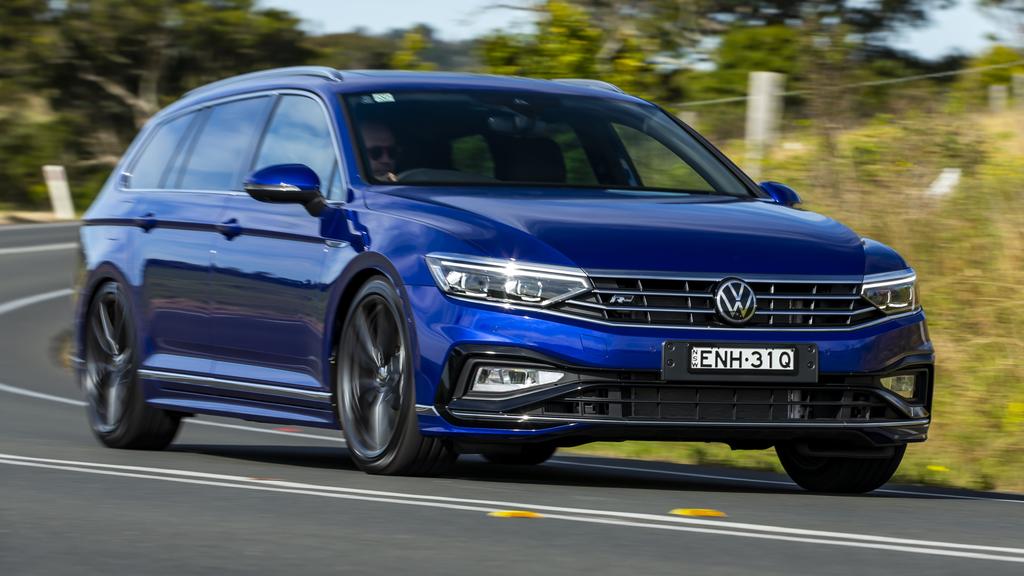
Volkswagen Passat
The Volkswagen Passat provides a refined driving experience when new, with smooth handling and a comfortable cabin. However, high-mileage ownership often reveals maintenance and reliability challenges.
Engine components and electrical systems require specialized attention, which increases both cost and complexity as the vehicle ages. Families may find themselves spending more on upkeep than anticipated.
Extended commuting places additional stress on the Passat’s sensitive components. Minor issues can escalate into major repairs if not addressed promptly.
Mechanical problems, such as engine sensor failures or transmission issues, often appear as mileage rises, making the vehicle less predictable for daily use. Long drives can highlight these weaknesses, especially in humid or hot climates.
Interior materials and electronics may not age well under consistent use. Infotainment systems, power windows, and other electronics can glitch, creating inconvenience during commuting. Cabin comfort may also decline as seats and trim show wear. These factors reduce the satisfaction of long-term ownership and can make commuting less pleasant for families.
For families who drive long distances frequently, the Passat can become demanding. Jacksonville commuting accelerates wear on already sensitive systems, making maintenance a more pressing concern.
Long-term reliability is inconsistent, and ownership may require higher budgets and patience compared to more robust alternatives. This makes it a less practical choice for high-mileage family sedans.
