
Cape Girardeau river roads present a unique driving environment where surface quality, weather shifts, and winding stretches test vehicle capability. Vehicles that handle these roads smoothly can make travel productive and stress-free.
These roads, while often scenic, include stretches with uneven pavement, occasional gravel shoulders, and changing conditions after rainfall. A good choice of car for these conditions means balanced performance, confident braking, and composure in varied terrain.
Drivers in this region value traction that keeps the car steady through blind curves and along the riverbank. Reliable suspension helps settle bumps without harsh jolts to passengers or cargo. Cars that remain nimble permit confident lane positioning on narrower stretches.
While many drivers focus on horsepower alone, the real test lies in controlled response and steady power delivery across speeds that vary with traffic and road changes.
This list looks at vehicles known for balanced dynamics, comfort, and predictable handling. It focuses on models with chassis tuning that inspires confidence at moderate speeds. Attention to visibility, seat comfort, and responsive steering support long drives on river roads. These are qualities that matter equally at dawn and dusk under shifting light and humidity conditions common in the region.
Separately, some vehicles struggle when tasked with towing, especially on routes with rolling terrain and mixed surfaces. Towing poorly can compromise safety, reduce control, and heighten driver stress. This article also profiles five such cars that are best kept away from tow duties on Cape Girardeau roadways.
Recommendations are based on general performance patterns across road types similar to this region. They reflect a mix of everyday usability and capability where drivers spend significant time on varying surfaces.
After the introduction, you will find detailed coverage of vehicles that perform well and those to avoid for towing. This guide aims to inform enthusiasts and practical owners alike about sensible choices for local driving expectations.
5 Cars for Cape Girardeau River Roads
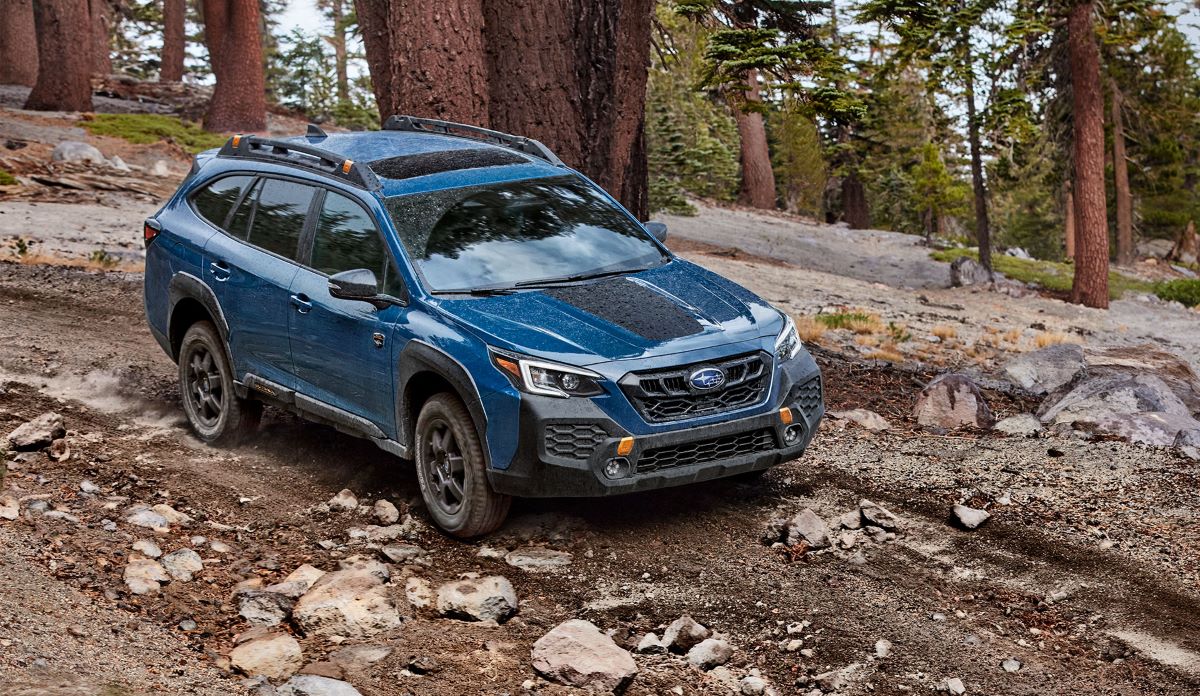
1. Subaru Outback
The Outback offers a controlled ride that helps maintain composure on rough patches common around river corridors. Its all wheel traction system moves more assured when weather changes abruptly, and the car adjusts power between wheels seamlessly for stable handling.
Suspension travel is balanced to absorb surface imperfections while keeping occupants comfortable over long journeys. The elevated ride height helps clear minor obstacles typical on secondary back roads and allows drivers to feel more confident approaching uneven stretches.
Interior ergonomics add to the confidence of driving on varied surfaces, with intuitive controls, a clear dashboard layout, and supportive seating for both driver and passengers. Fuel efficiency remains respectable for its class, making longer trips less stressful and more economical.
Steering feel is direct and communicative, rewarding steady cornering with predictable behavior even on tight curves. Braking is strong and stable with minimal fade over repeated stops, which is essential on roads with rolling hills and river bends.
The Outback’s engine delivers torque at lower speeds, which helps maintain momentum when climbing soft grades near river valleys or exiting turns. All wheel traction adapts power distribution without noticeable delay, assisting when traction varies across sections, including wet patches after rainfall.
The cabin remains quiet and relaxed even at highway speeds, supporting driver focus and comfort. Safety features, including traction and stability aids, work consistently, making it easier to navigate challenging stretches with confidence.
Reliability and low ownership cost support frequent use on challenging surfaces where minor knocks and bumps are common. Visibility from the driver seat is broad, helping anticipate road changes ahead, especially when approaching river curves or narrow bridges.
The Outback’s safety suite includes proactive alerts that enhance driver awareness, from blind-spot monitoring to automatic emergency braking. These qualities make it a balanced and versatile choice for local drivers who value capability and comfort on mixed terrain.
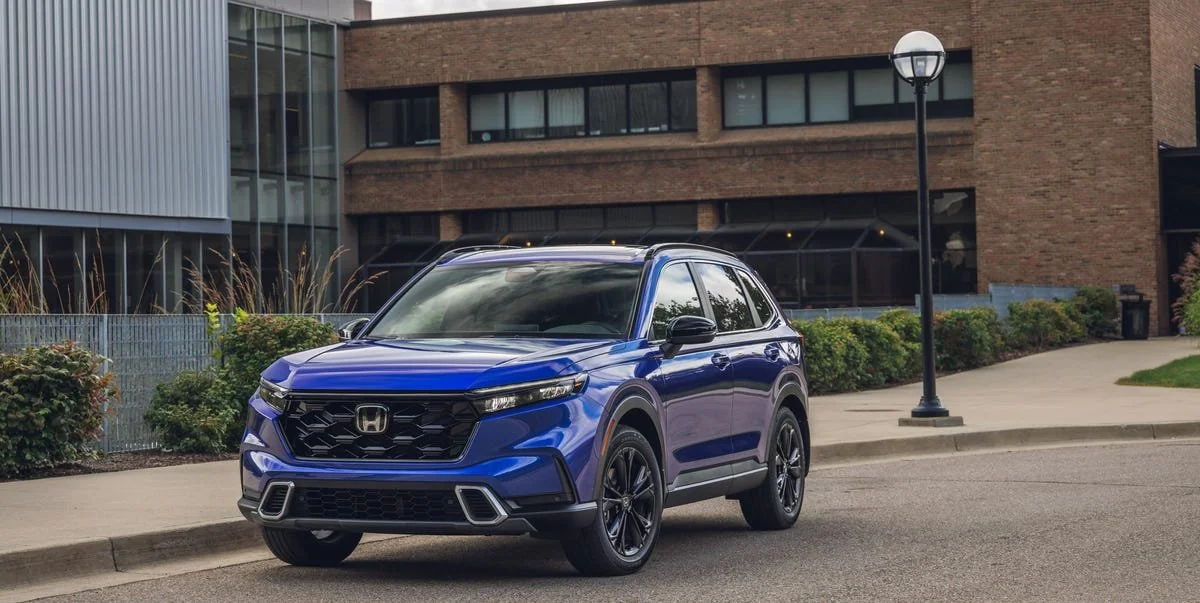
2. Honda CR-V
The CR-V’s refined suspension soaks up uneven pavement while minimizing body motion that can make long drives tiring. Its wheelbase and track width provide a stable, composed ride when pavement quality fluctuates, while shock absorbers dampen road irregularities efficiently.
The powertrain offers smooth acceleration that keeps pace with traffic without abrupt transitions, and engine torque helps maintain steady progress over small hills and gravel patches. Cabin comfort is consistently good for drivers and passengers alike, with supportive seating and plenty of legroom.
Cargo space is generous without impeding ride quality, making it easy to carry gear for weekend trips or outdoor adventures along river roads. The seating position places drivers at a comfortable height, improving visibility over dips, curves, and other traffic. Steering response remains predictable and linear, reassuring drivers when navigating twisty stretches or narrow lanes. Its braking system delivers consistent stops without harshness, even when stopping suddenly on wet or uneven surfaces.
Fuel consumption is competitive in its segment, which matters on routes that lack frequent fueling points outside urban areas. Climate control operates effectively in summer humidity common to the region, keeping the interior comfortable and passengers relaxed.
The CR-V’s sound insulation reduces road noise, making long drives along riversides or hilly areas more pleasant. Controls are logically placed, which reduces distraction and lets the driver focus on road conditions.
Active safety features support attentive drivers by monitoring blind spots and lane position when roads narrow, adding reassurance during extended trips. Stability systems work quietly to maintain directional control during sudden surface changes, such as after rainfall or on loose gravel patches.
The CR-V holds its line through moderate curves without drama, making cornering predictable. These strengths make it a strong candidate for drivers navigating mixed surfaces while prioritizing comfort, visibility, and control.
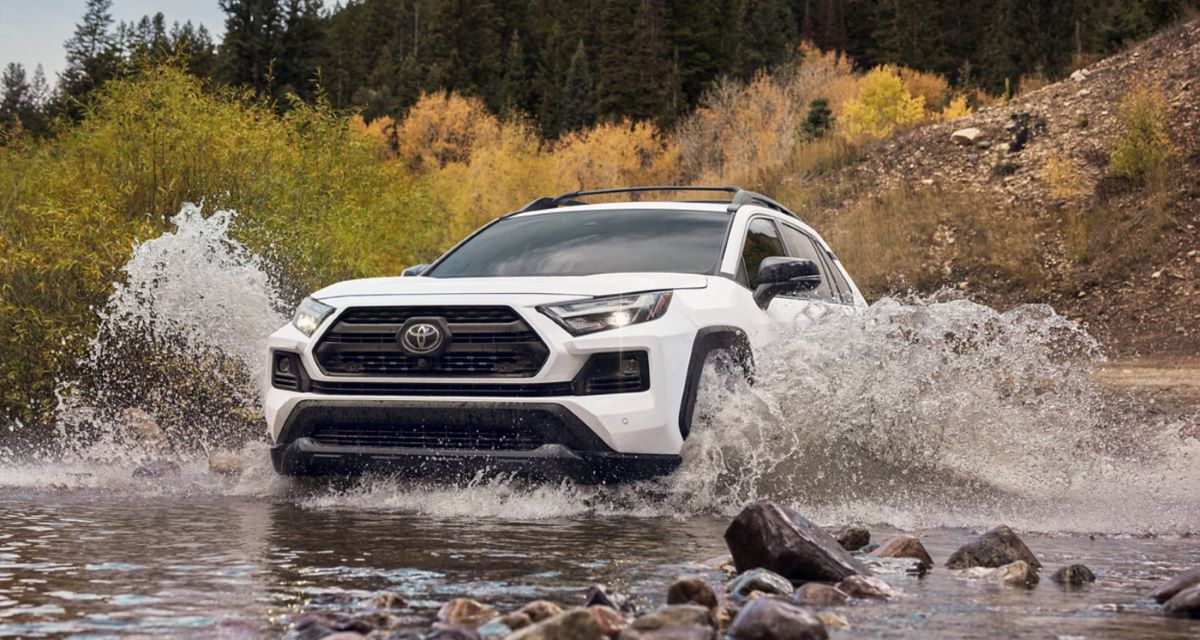
3. Toyota RAV4
The Toyota RAV4 blends traction, refinement, and versatility that benefit those confronting mixed route conditions. Its traction control system allows confident starts on slippery surfaces, while the suspension absorbs minor impacts without excessive rebound, providing a smooth ride over potholes and uneven stretches.
The RAV4’s chassis communicates enough feedback to maintain driver awareness, ensuring that handling feels natural even at moderate speeds. Engine performance is balanced, providing sufficient torque for climbs without sacrificing fuel efficiency.
Cabin ergonomics support long stints behind the wheel, with comfortable seating, large windows for visibility, and controls positioned to reduce driver fatigue.
The powertrain balances performance and efficiency, offering smooth response during acceleration and deceleration on rolling terrain. Visibility around the vehicle helps situational awareness on narrow rural stretches and along riverside roads. Steering input translates to predictable handling, letting drivers approach corners with confidence.
Road noise at cruising speeds is subdued, which reduces fatigue and supports long-distance comfort. Braking feel is firm and proportional, providing reassurance when approaching tight bends or intersections.
Ride height is sufficient to clear minor obstacles, which adds flexibility for gravel surfaces and occasional debris on secondary roads. Climate control adjusts effectively, keeping drivers and passengers comfortable through varying temperatures and humidity levels.
Safety assists monitor cross traffic and help maintain lane position, enhancing confidence when focusing on navigation and road conditions. The RAV4’s build quality contributes to long-term durability, even with frequent driving on secondary roads with bumps and potholes. Passenger space is generous without compromising comfort or visibility. These attributes combine to make the RAV4 a well-rounded and dependable option for drivers on Cape Girardeau river roads.
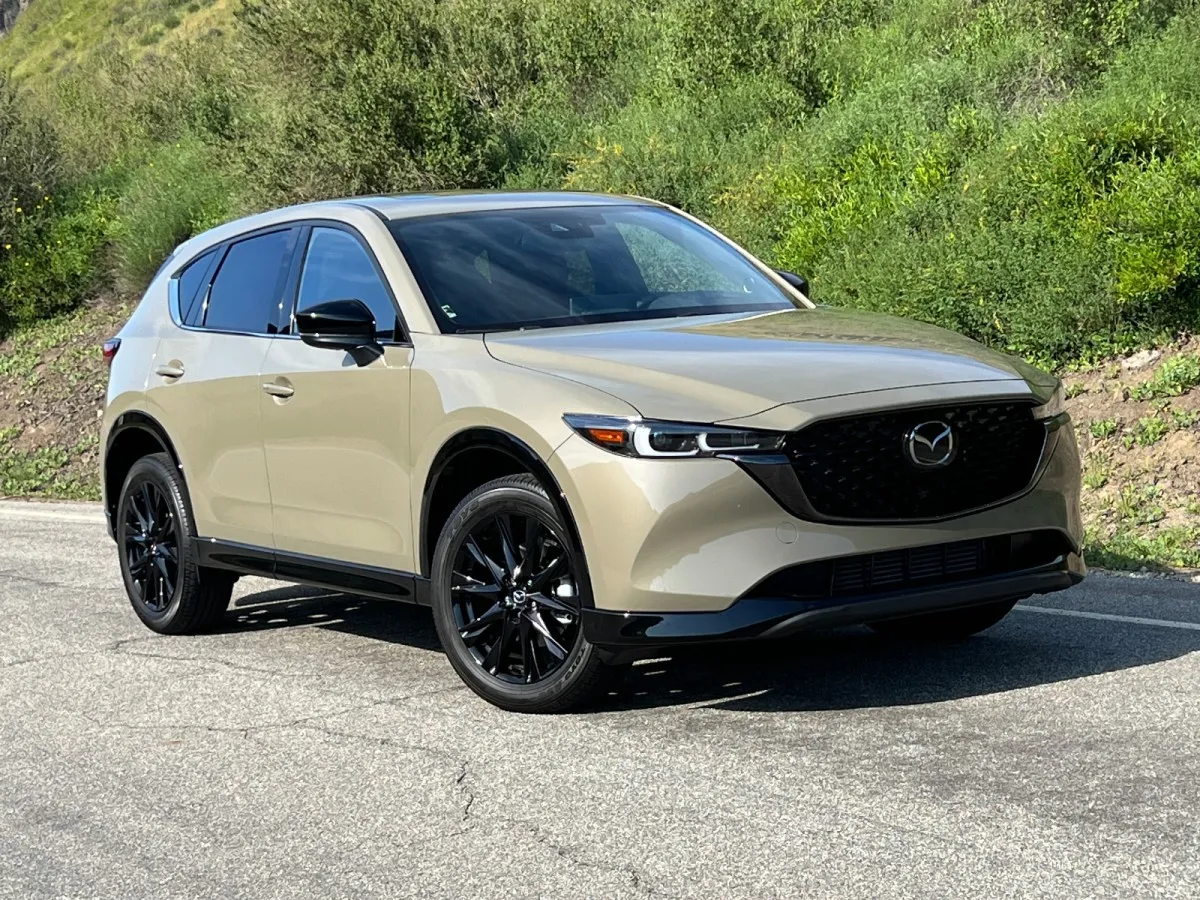
4. Mazda CX-5
The Mazda CX-5 emphasizes refined handling dynamics that align well with drivers seeking a connected feel on paved surfaces. Suspension tuning delivers a smooth balance between absorbing road irregularities and maintaining composure through bends.
Steering provides clear feedback, enhancing confidence when negotiating uneven pavement, while engine response is smooth and linear, helping drivers modulate speed on rolling terrain. The CX-5 communicates reliability and precision.
Inside the cabin, material quality feels upscale for its class, helping reduce fatigue on long drives along scenic corridors. Seat comfort and support remain strong even after extended periods, allowing drivers to stay focused and passengers to remain comfortable. Sound insulation blocks ambient noise, creating a calm interior during extended trips. Visibility remains broad, aiding quick recognition of upcoming road changes and river curves.
Fuel economy is competitive among compact utility vehicles, enabling longer distances between stops and minimizing inconvenience. Climate control performs reliably, ensuring consistent comfort as outdoor temperatures vary.
The braking system offers linear and reliable performance, supporting controlled stops when approaching tight curves or hills. Advanced alerts assist by monitoring lanes and proximity to surrounding vehicles, improving situational awareness.
Chassis balance and composure make the CX-5 rewarding for drivers who value engagement alongside practicality. Suspension travel remains compliant without feeling soft, handling roads that alternate between smooth and rough surfaces. The package helps drivers feel prepared and responsive to changing conditions encountered on regional routes. Reliability and comfort make the CX-5 an appealing choice for diverse road conditions.
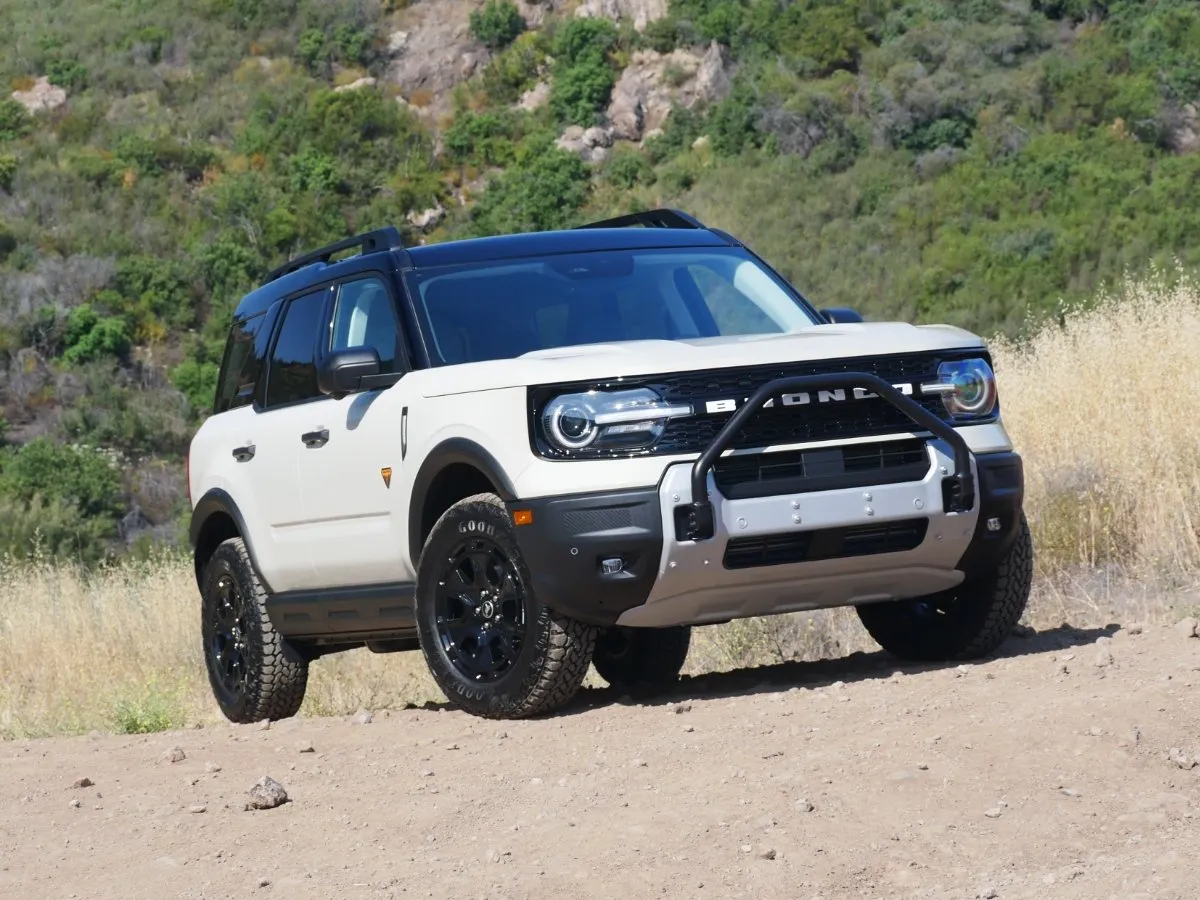
5. Ford Bronco Sport
The Ford Bronco Sport blends rugged capability with refined features suited for river road conditions, which often include intermittent rough patches and changes in traction. Its all wheel traction system adapts confidently to traction variations, helping maintain stability on wet or gravel sections.
Suspension travel is ample, smoothing out bumps while maintaining driver control and passenger comfort. Engine power is sufficient to manage rolling terrain without undue strain, making it practical for longer drives in hilly areas.
Inside, seat comfort and layout support extended time behind the wheel, while controls remain intuitive and within easy reach. Steering feel is communicative, enhancing confidence when negotiating variable pavement contours.
Interior noise is well-managed, keeping the cabin relaxed and focused during long trips. Visibility is robust in multiple directions, helping drivers respond quickly to upcoming curves or obstacles.
Fuel economy is reasonable for its class and supports longer excursions in rural areas where refueling points may be limited. Climate control systems adjust quickly, maintaining comfort in both warm and cool weather.
Braking feel is firm and reliable, allowing confident stops on rolling or uneven terrain. Active safety systems, including blind-spot monitoring and lane-keeping assistance, add another layer of control for cautious drivers.
These characteristics combine to create a balanced vehicle for varied surfaces without feeling overwhelmed by minor obstacles or uneven stretches.
The Bronco Sport’s design supports practicality without sacrificing comfort or control, making it ideal for drivers who want confidence and capability on Cape Girardeau river roads. Its versatility ensures that both daily commuting and recreational trips remain smooth and manageable.
5 Cars That Don’t Tow Well
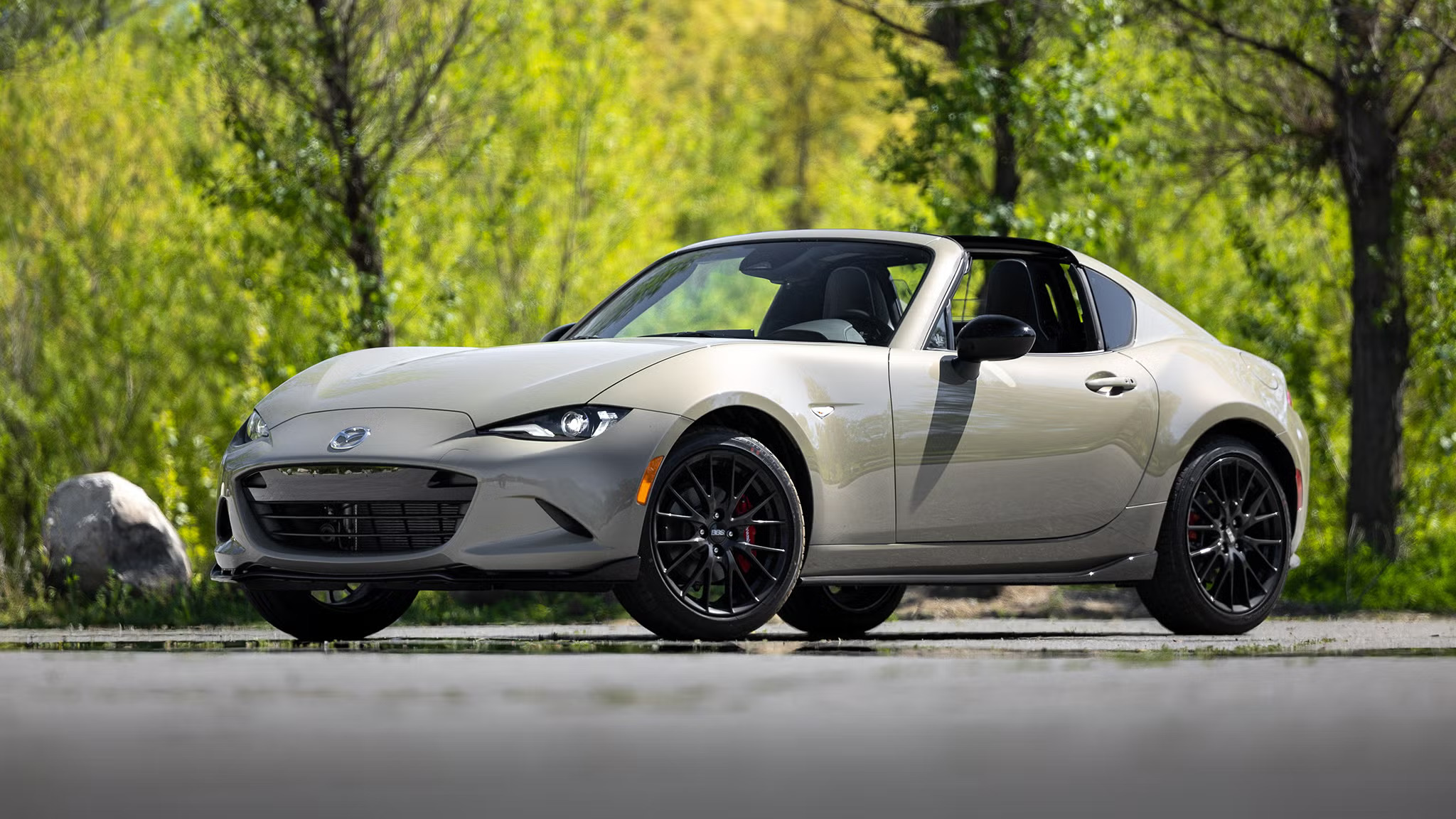
1. Mazda MX-5 Miata
The Mazda MX-5 Miata excels as a light roadster, but it is not suited for towing tasks where significant weight is involved. Its compact engine and chassis provide nimble dynamics for spirited driving, but they lack the capacity to manage added loads safely or maintain stability.
With minimal torque and a design focused on low weight, applying towing responsibilities could strain the powertrain and reduce driving confidence. Prolonged stress from towing could accelerate wear on brakes, transmission, and cooling systems.
Minimal ground clearance and a small footprint contribute to potential instability when connected to a trailer on uneven terrain. Suspension stiffness optimized for agile handling can make controlling additional mass unpredictable, especially on rolling hills or gravel surfaces.
These factors increase the difficulty of maintaining steady momentum when gradients vary. Drivers may experience unexpected swaying or loss of traction when towing heavier loads.
Towing performance is further limited by cooling capacity and drivetrain design that are calibrated for lightweight operation rather than heavy loads. Braking systems designed for the car’s low mass may overheat under sustained braking with a trailer attached, reducing effectiveness.
Steering effort optimized for responsive cornering does not provide sufficient feedback under tow. These traits make it a weak candidate for towing, even on short or level roads.
Consumers and reviewers often highlight the Miata’s excellence in spirited driving scenarios, yet none of that translates into towing capability.
The car performs best in conditions that emphasize agility, lightness, and precision, not hauling. Safety margins diminish when towing demands exceed the limits of the vehicle’s engineering. Its strengths lie in enjoyment and handling rather than pulling cargo or trailers, making it unsuitable for towing needs.
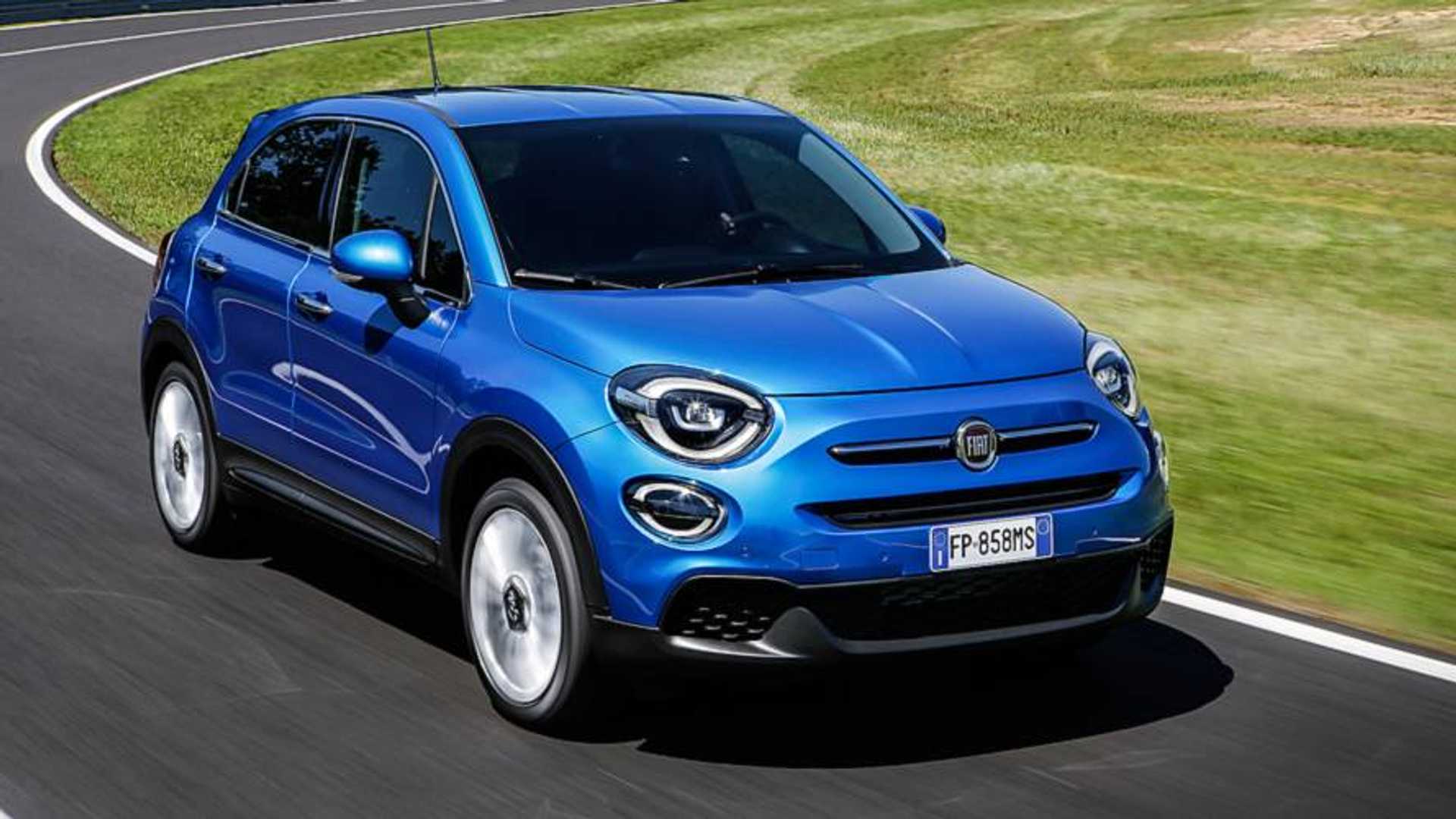
2. Fiat 500
The Fiat 500 is a small urban car that prioritizes maneuverability and efficiency over heavy-duty performance, making towing an ill-suited role. Its modest engine output is tailored for city traffic rather than pulling trailers along roads with elevation changes or mixed surfaces.
Limited torque and short gearing reduce confidence when attempting to maintain consistent speeds under load. The compact frame does not inspire stability when extra weight is added, especially on winding or narrow roads.
Fuel system and cooling are engineered for short, city-oriented trips, so using the vehicle for towing may create thermal strain and accelerate wear. Brakes designed for light city driving tend to overheat with sustained load-induced deceleration.
Steering in the Fiat 500 is optimized for quick, light turns and tight corners, which does not translate into controlling a trailer. Additionally, the small wheelbase and narrow track increase susceptibility to sway and reduced directional control.
Interior space and payload capacity are restrictive, further complicating towing with additional gear. The suspension is tuned for comfort and efficiency at low speeds, not for managing the forces generated by towing.
Drivers may experience nervous movement and frequent corrections when trying to maintain lane position or negotiate turns. Confidence drops when the vehicle is tasked with tasks beyond its intended design.
For these reasons, the Fiat 500 is best kept in urban and suburban settings where its strengths shine. Its charm and easy handling in tight spaces do not offset compromised safety and performance in towing contexts. The vehicle lacks the foundational strength and stability necessary for consistent or safe towing, especially on roads with rolling terrain or curves.
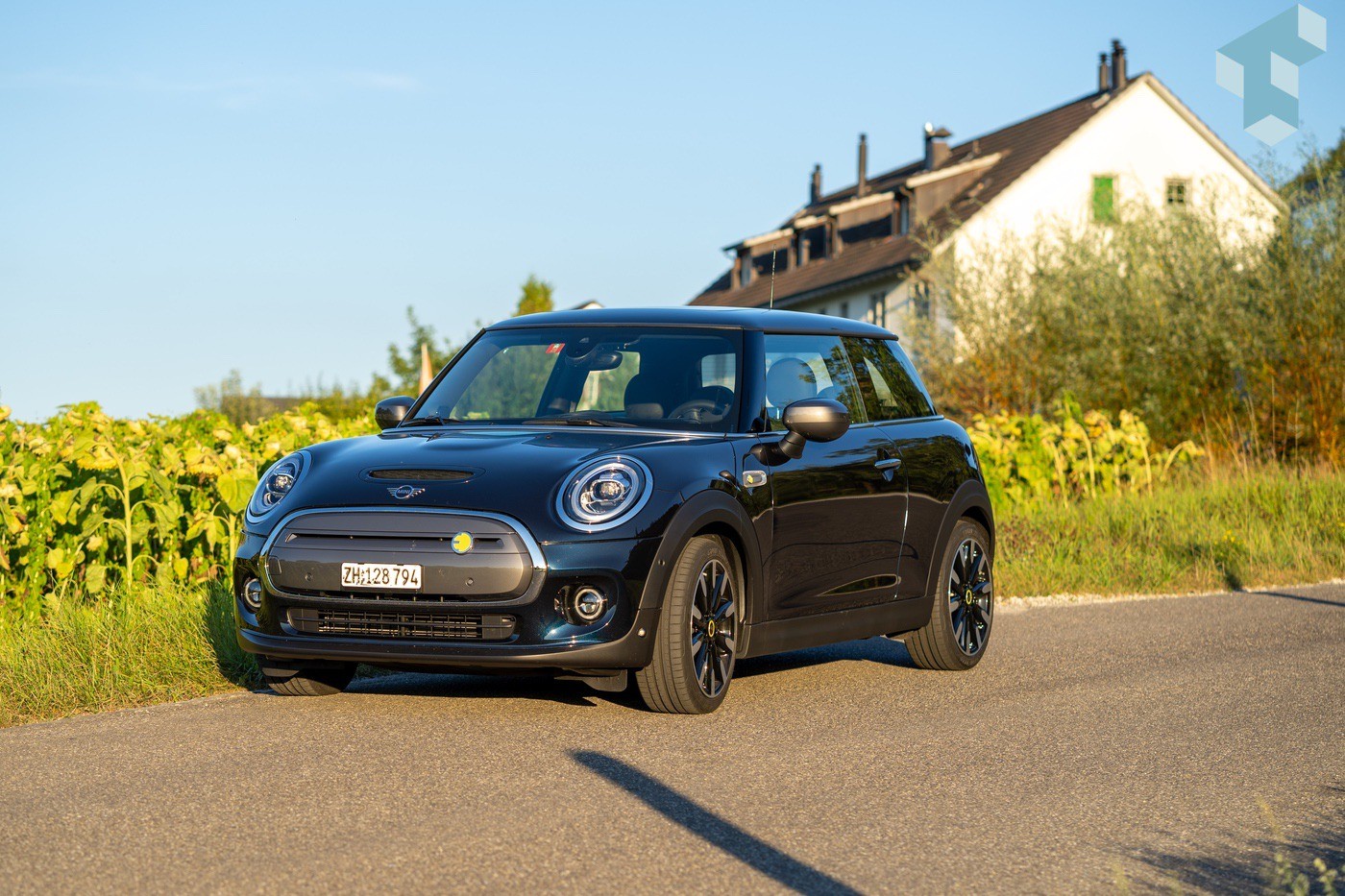
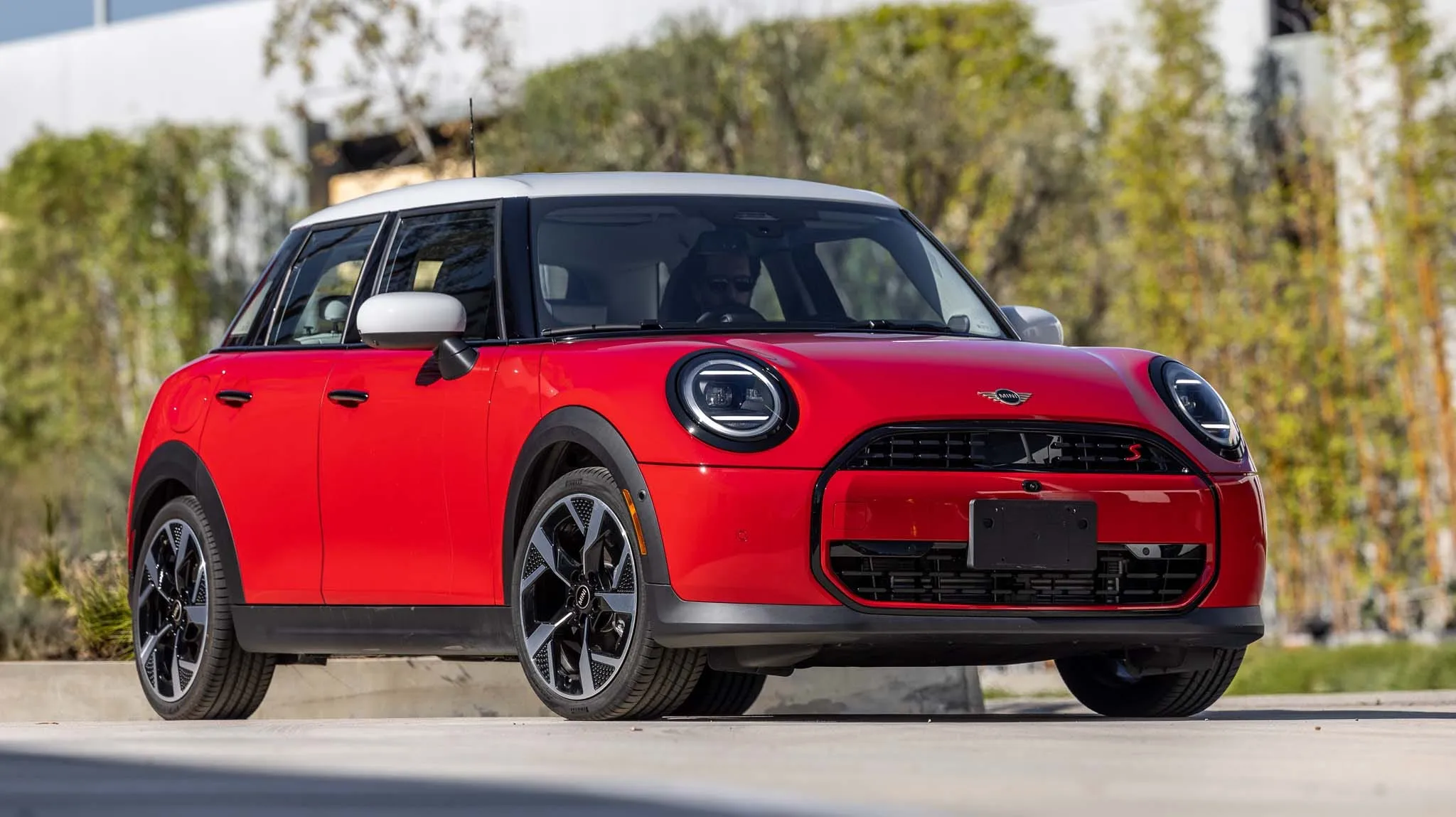
3. Mini Cooper
The Mini Cooper is known for agility, style, and compact design, but these same traits undermine its suitability for towing. Its smaller powertrain, designed for peppy city and highway driving, lacks the torque needed to move heavier loads confidently.
Towing requires sustained low-end torque that the Cooper cannot reliably deliver, reducing effectiveness on roads with hills or frequent speed changes. Attempting to tow compromises engine performance and drivability.
Chassis tuning focused on sharp handling can conflict with the added mass and inertia of a trailer. Suspension and steering systems optimized for responsiveness do not lend themselves to stable towing, especially during sudden corrections or uneven road surfaces.
Under load, unpredictable movements may arise, making control more difficult and increasing driver effort. Steering may feel overly sensitive or disconnected when managing a trailer.
Brake components designed for standard vehicle weight can reach thermal stress quickly under the added load of a trailer, decreasing stopping power and increasing risk during repeated braking.
The compact frame and limited payload capacity further reduce towing effectiveness. Combined, these factors make maintaining a steady line challenging and can compromise driver confidence, particularly on winding roads.
The Mini Cooper excels in its niche of dynamic, everyday driving, but adding a trailer pushes it beyond its safe operating range. Drivers seeking towing capability are better served by vehicles with dedicated chassis strength and robust drivetrain options. The Cooper’s appeal lies in its agility, style, and handling, not in hauling weight.
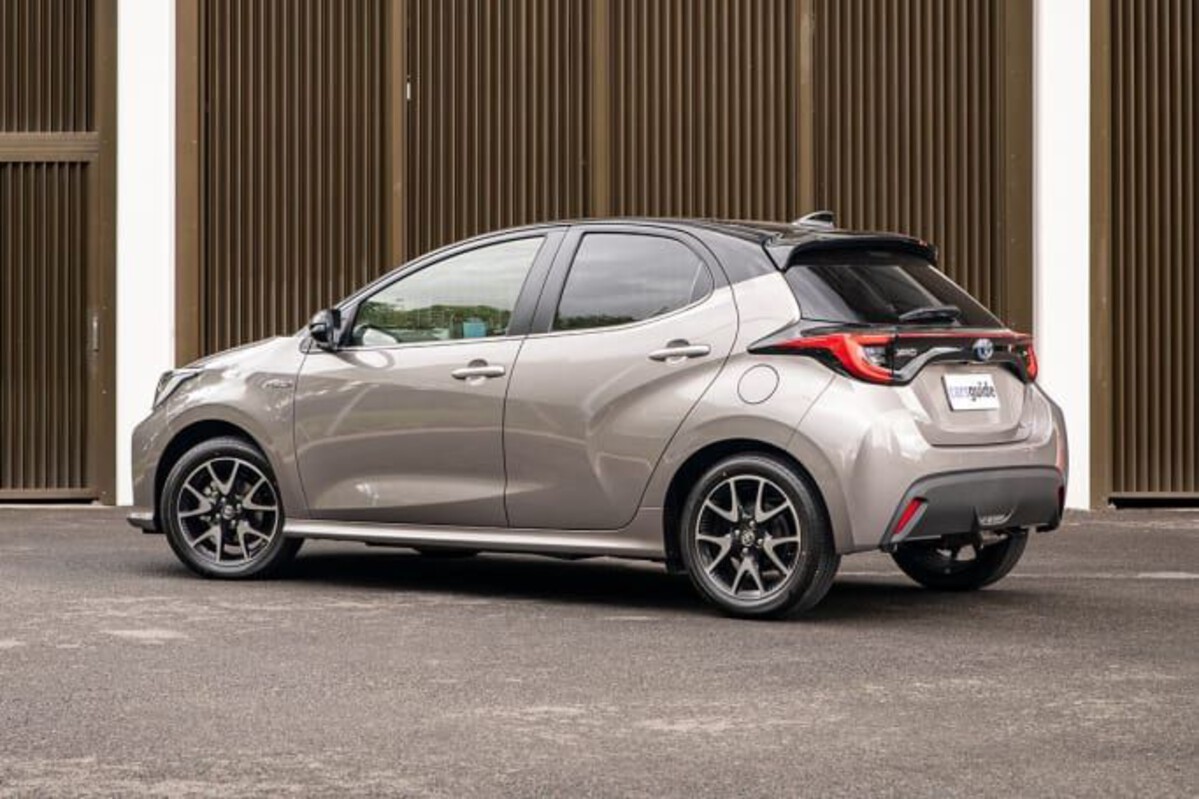
4. Toyota Yaris
The Toyota Yaris, renowned for economical urban driving, is not built to tow, especially in challenging conditions. Its modest engine output and lightweight construction make it efficient for city commutes but incapable of managing significant additional weight.
Towing with the Yaris places undue stress on the drivetrain, brakes, and suspension. The lack of low-end torque and limited transmission strength reduce the ability to maintain control on inclines or rolling terrain.
Small brakes designed for standard vehicle weight may fade quickly when slowing a trailer, compromising safety on hilly or uneven surfaces.
The lightweight frame offers little resistance to trailer sway or instability when extra load is applied. Suspension travel designed for comfort on city streets does not accommodate the forces generated by towing, leading to unpredictable behavior. Maintaining steady speed or controlling lateral movement becomes more challenging.
Steering systems optimized for light urban control do not provide sufficient feedback under towing conditions. Drivers may need to make frequent corrections to compensate for trailer sway or uneven terrain.
Cooling systems are sized for the base vehicle, increasing the risk of overheating when towing for extended periods. Limited interior and cargo space further reduce the practicality of adding towing duties.
These combined issues make the Yaris an unwise choice for towing. While it excels in urban efficiency, reliability, and maneuverability, adding a trailer undermines the strengths of the vehicle. For anyone needing to tow regularly, larger and more robust vehicles are necessary to ensure safety, control, and long-term durability.
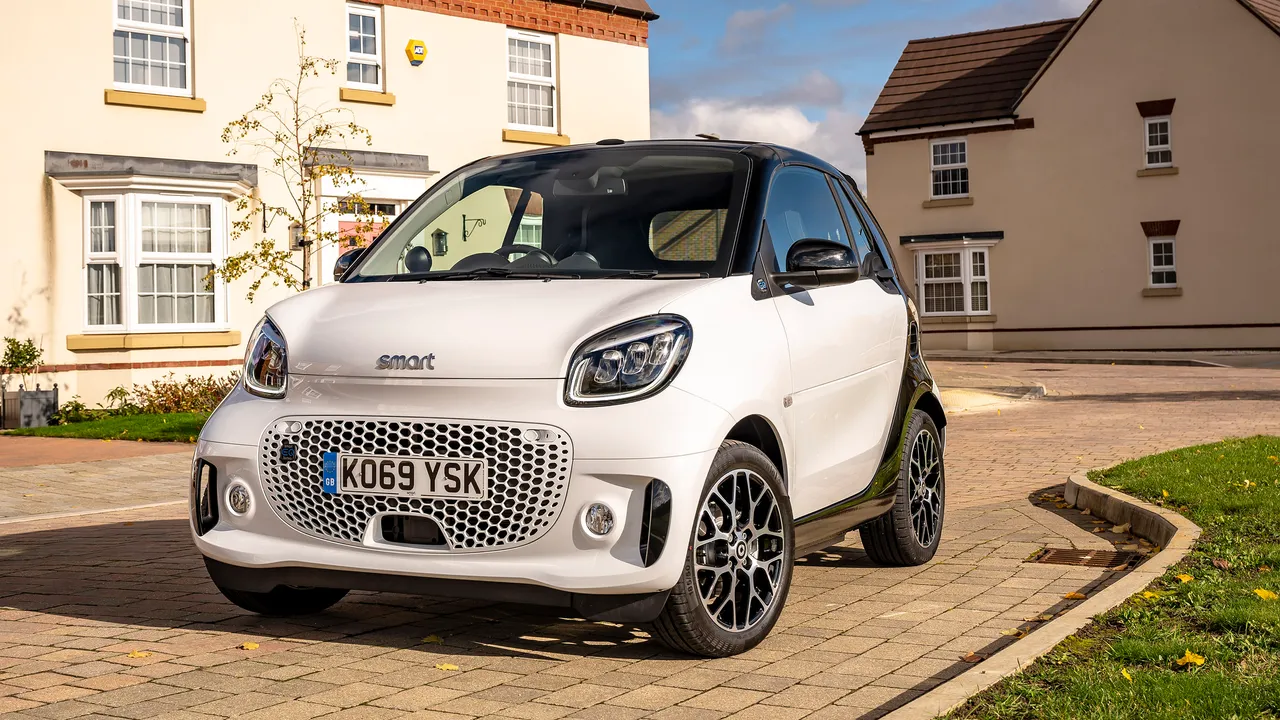
5. Smart Fortwo
The Smart Fortwo is celebrated for city agility, ease of parking, and efficiency, yet it is fundamentally unsuitable for towing. Its extremely compact design and small engine focus on maneuverability, not hauling or sustained load management.
Torque output is minimal, making it difficult to move a trailer confidently. Stability is compromised when extra weight is added, especially on uneven or rolling surfaces, increasing the risk of sway and loss of control.
The short wheelbase exaggerates instability when towing, with even minor trailer movements affecting the vehicle’s balance. Suspension and steering systems optimized for sharp urban handling do not provide predictable behavior under load.
Controlling the vehicle while towing becomes physically and mentally demanding, particularly on curves or uneven terrain. Steering effort may not translate effectively, leaving the driver with reduced feedback.
Heat management systems in the Fortwo are intended for intermittent urban use, not sustained towing stress, making engine or transmission overheating more likely.
Brakes designed for the vehicle’s light weight can degrade rapidly under towing conditions, reducing stopping performance. Minimal cabin and cargo space mean there is limited room for gear alongside a trailer, reducing practicality even for short hauls.
Given these limitations, the Smart Fortwo is best used in settings that emphasize its agility and compactness. Its design ethos prioritizes maneuverability and efficiency, which is incompatible with towing tasks. Any attempt to use it for hauling puts undue strain on the vehicle and can compromise safety. Towing should be avoided entirely with this model.
