
For many automotive enthusiasts and long‑distance drivers, the idea of a vehicle lasting beyond half a million miles is not just a dream but a testament to engineering and build quality. Mercedes‑Benz has long had a reputation for crafting cars that withstand the test of time, offering a blend of durability, comfort, and performance that few other brands can match.
Through decades of innovation and refinement, certain Mercedes models have developed a legacy for reaching high mileage figures while remaining reliable companions for daily commuting, road trips, and heavy usage.
These vehicles earned their reputations not only due to robust mechanical components but also because of the availability of parts, strong service networks, and the loyalty of owners who understand how to maintain them properly.
Many of the models discussed here come from eras where overengineered components were standard, and where simplicity combined with quality materials made ownership less stressful for drivers aiming for longevity. It is important to recognize that reaching 500,000 miles requires dedication to regular maintenance, timely replacement of consumables, and occasional repairs that are part of long‑term ownership.
Still, these models have proven resilient, with countless examples on roads around the world logging extraordinary mileage. Enthusiasts often share stories of clutch replacements, rebuilt engines, and refreshed interiors that keep these cars going far beyond what typical vehicles achieve.
This article highlights twelve Mercedes‑Benz models that are known among owners and mechanics to be capable of crossing the 500,000‑mile threshold. Each entry explores why these cars have earned their reputations, what features and engineering choices contributed to their longevity, and how they continue to serve as examples of enduring automotive design.
Whether you are considering buying a used Mercedes with high mileage aspirations or you simply want to appreciate exceptional engineering, the following pages offer insight into vehicles that have stood the test of time with style and substance.
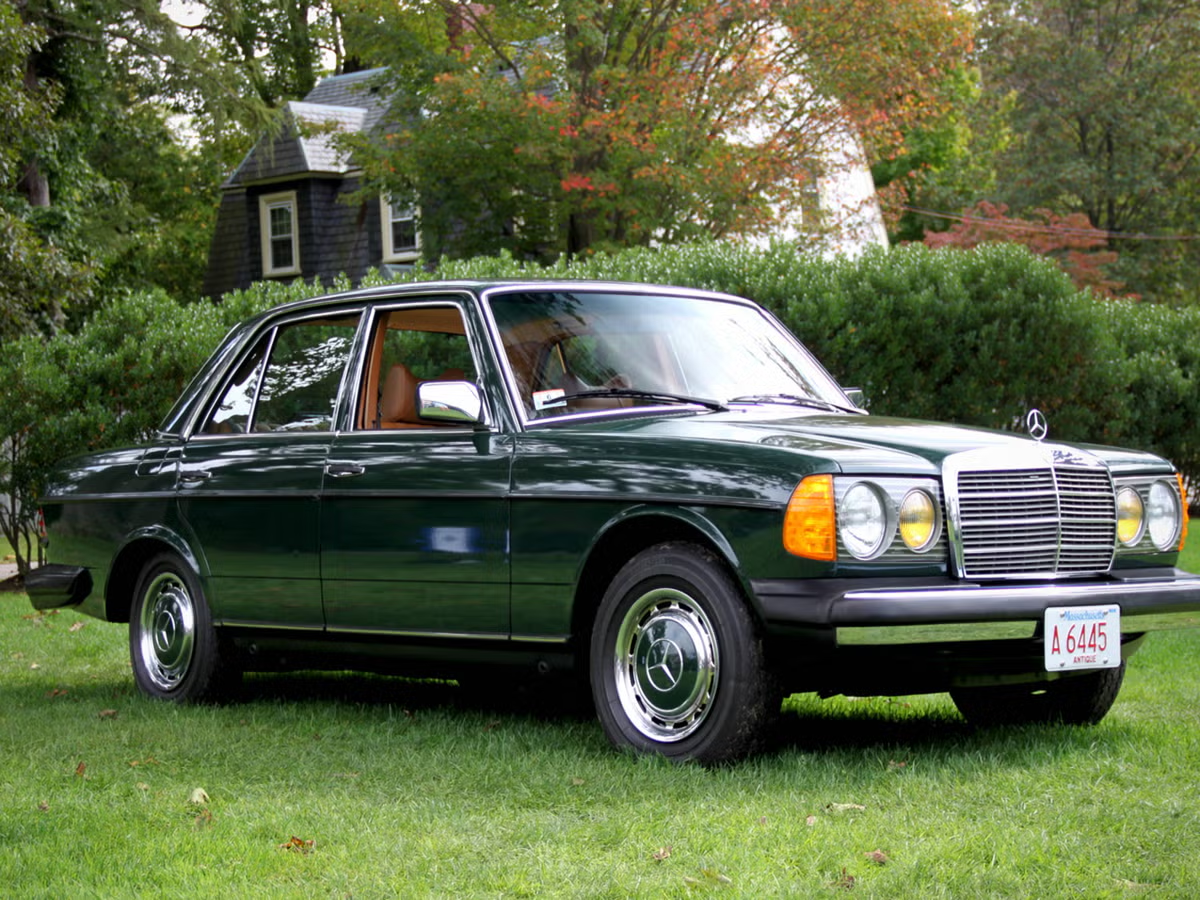
1. Mercedes‑Benz 300D (W123)
The Mercedes‑Benz 300D from the W123 series is one of the most respected classic cars when it comes to durability and longevity. Introduced in the late 1970s, this diesel‑powered sedan quickly gained a reputation for solid construction, simple mechanicals, and an engine that could keep running with minimal fuss.
Many owners report hitting 300,000 miles in the first decade of use and then continuing on to 500,000 with attentive care. The combination of a robust OM617 engine and a well‑built chassis made it a favorite among taxi drivers and long‑haul travelers.
Part of what made the 300D special was its straightforward engineering, which allowed mechanics to maintain and repair these cars easily in many parts of the world. Replacement parts were plentiful, and the diesel engine’s conservative tuning prioritized reliability over outright performance.
This meant that owners rarely saw catastrophic failures when regular oil changes and filters were observed as scheduled. As a result, these cars often became multi‑generation family vehicles.
The interior of the W123 was also built to endure, with durable materials that could handle years of use without significant degradation. While not as luxurious as later models, the cabin offered comfort and practicality that encouraged daily use and long trips alike. Many enthusiasts prize these cars not for their features, but for their ability to remain functional and comfortable after years of hard service.
Finally, the W123’s reputation for high mileage is backed by countless community stories and documented cases where examples have exceeded 500,000 miles. Some have even approached 1,000,000 miles with original engines intact, a testament to the thoughtful engineering that went into these vehicles. For anyone seeking a classic Mercedes that can continue giving reliable service decade after decade, the 300D is a model that stands out clearly.
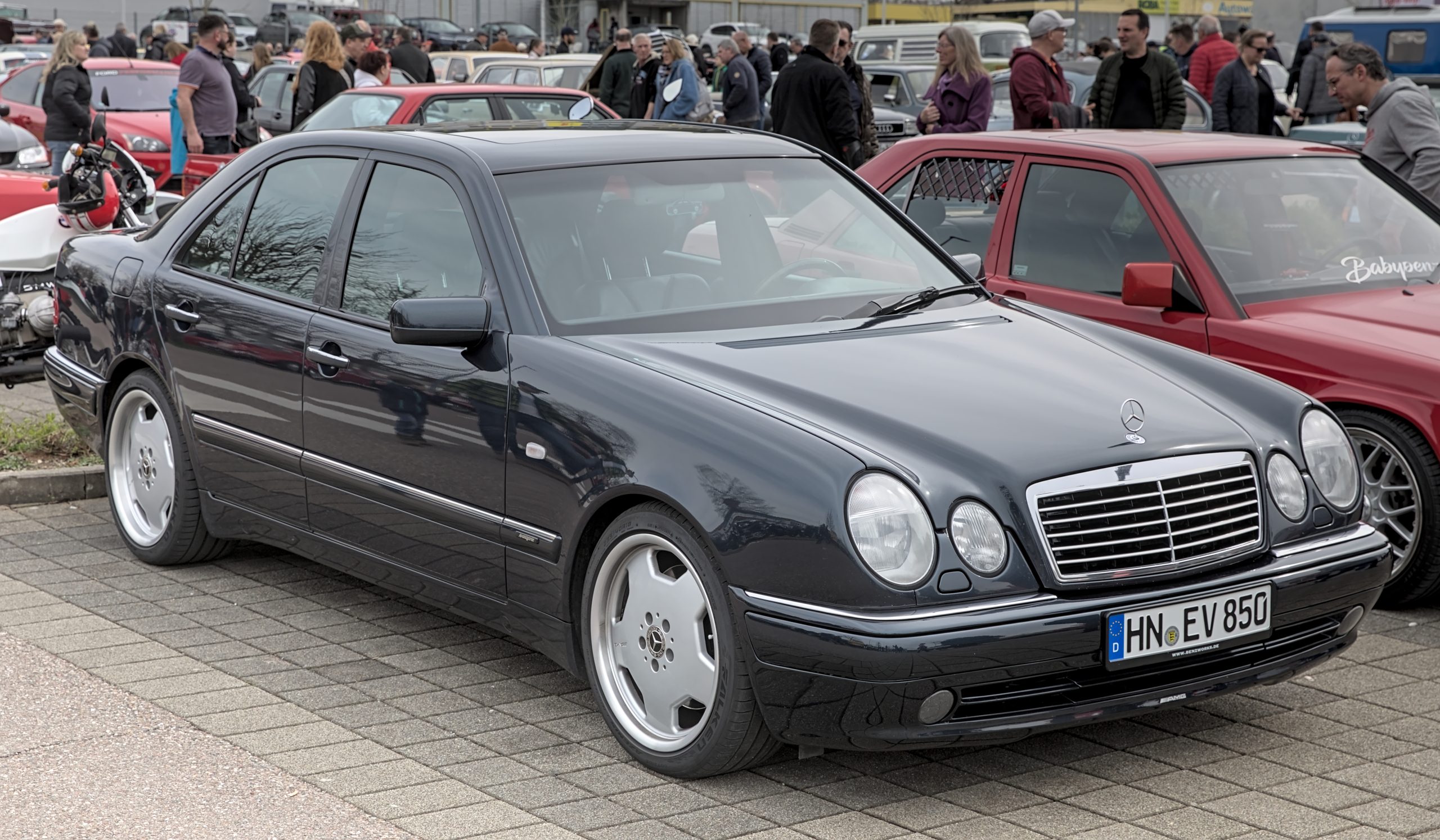
2. Mercedes‑Benz E‑Class (W210)
The Mercedes‑Benz E‑Class W210 emerged in the mid‑1990s as a successor to earlier midsize sedans, quickly becoming known for its mix of comfort and durability. This generation introduced a design that appealed to a broader audience, yet retained the strong mechanical foundation that allowed many examples to endure extensive use.
With engines ranging from efficient diesels to robust gasoline units, the W210 offered a variety of options for drivers seeking longevity. Those who prioritized maintenance often found that their cars continued running well past typical automotive lifespans.
One significant factor in the W210’s ability to survive high mileage was its use of proven engine families, many of which had roots in earlier, well‑regarded Mercedes designs. The diesel variants, in particular, were known for resilience under heavy use, capable of logging extensive service intervals when cared for properly.
Routine tasks like timely timing belt changes, cooling system maintenance, and suspension refurbishments kept these cars on the road for years beyond what many expected. Owners also benefited from a strong aftermarket for parts and knowledgeable mechanics in many regions.
In addition to mechanical strength, the W210’s build quality helped it resist the effects of daily wear and tear. Corrosion protection on many examples held up well, especially in climates that did not expose the car to excessive road salt.
The interior trim and seats often remained serviceable long after equivalent vehicles from other brands showed heavy wear, allowing owners to retain comfort through long journeys and many seasons of use. This combination of durability and usability contributed to the W210’s reputation among high‑mileage enthusiasts.
Community forums and owner clubs frequently highlight cases where W210 E‑Classes have reached remarkable mileages with original engines and transmissions.
These journeys often involve regular servicing, careful driving habits, and a willingness to refurbish suspension and other wear items as needed. The stories of cars persisting well into the 300,000 and beyond marker underscore the strength of Mercedes’ engineering during this era, making the W210 a respected choice for those seeking vehicles capable of long life.
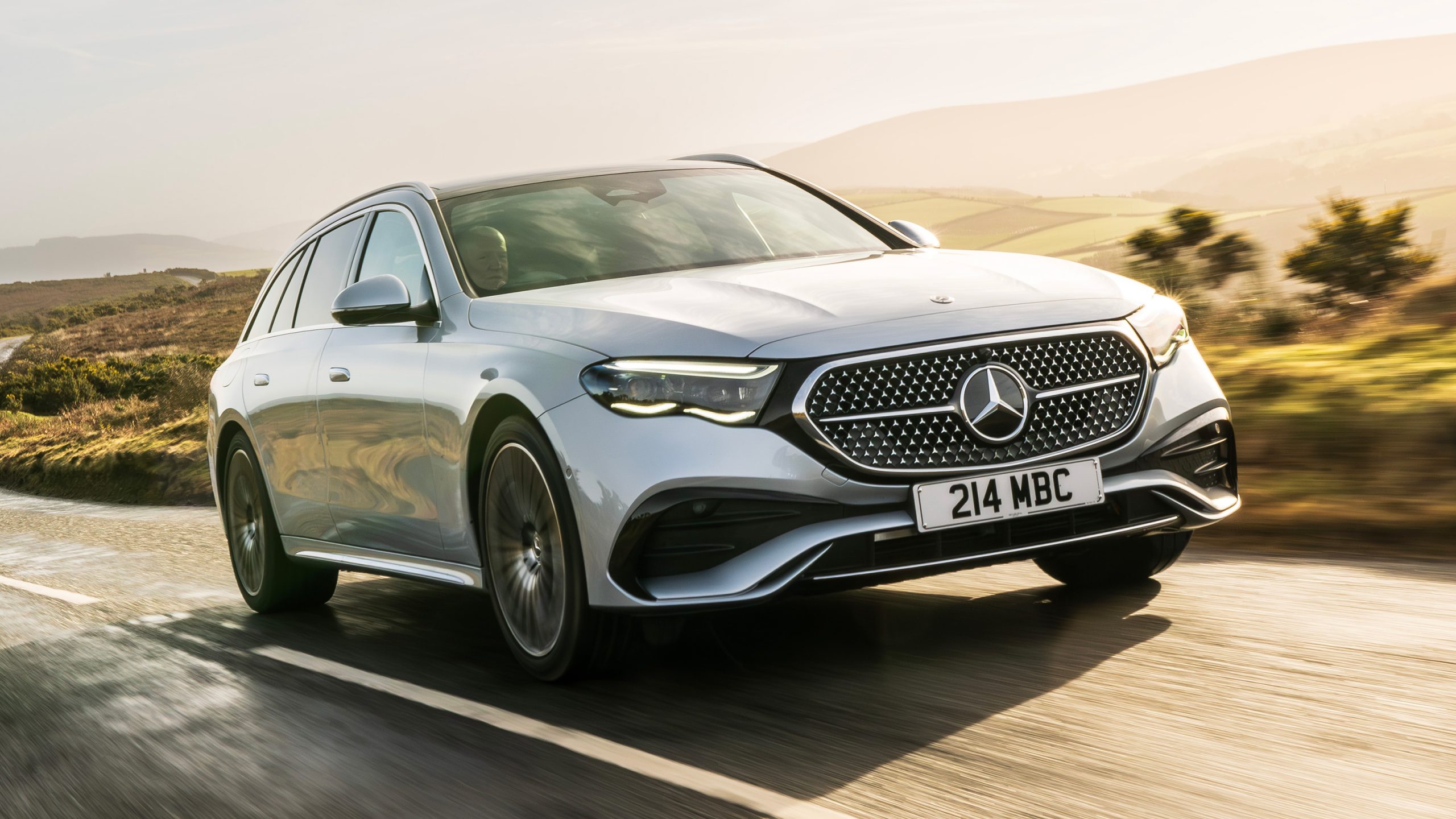
3. Mercedes‑Benz E‑Class (W211)
When the Mercedes‑Benz E‑Class W211 debuted in the early 2000s, it continued the legacy of its predecessors with strong engineering and practical design. Owners quickly found that with proper care, these vehicles could deliver years of reliable performance and cross high mileage marks with ease.
The W211 featured improvements in comfort and safety, yet did not sacrifice the robustness that enthusiasts valued in earlier models. With meticulous maintenance, many examples have continued well past 200,000 miles and approached or exceeded the 500,000‑mile milestone.
The engines available in the W211 lineup included a range of gasoline and diesel powerplants, many of which built upon established designs known for resilience. Diesel variants, in particular, became favorites for long‑distance drivers who appreciated the combination of torque, fuel economy, and longevity.
Ensuring scheduled servicing, including fuel system care and timely timing chain inspections, helped owners preserve engine health over hundreds of thousands of miles. Transmission longevity was also for automatic units that received regular fluid changes and avoiding overheating.
Comfort and build quality in the W211 contributed to its appeal as a long‑lasting vehicle for daily use and extended trips. The cabin space remained comfortable through years of use, and components tended to wear gracefully without excessive noise or failure.
Owners often noted that maintaining the climate control and electrical systems could be worthwhile investments, as these added to the vehicle’s utility and enjoyment over time. Taking a holistic approach to care helped many W211s stay on the road far longer than average sedans from competing brands.
Perhaps most importantly, the W211 benefited from a large community of owners and technicians familiar with common service needs and longevity practices. This network helped preserve vehicles through parts availability and shared knowledge about preventive care.
Stories of W211s logging extraordinary mileage are common enough that they form part of the model’s identity among enthusiasts, reinforcing the idea that this generation of E‑Class was built to endure, provided owners committed to ongoing maintenance and respect for the vehicle’s needs.
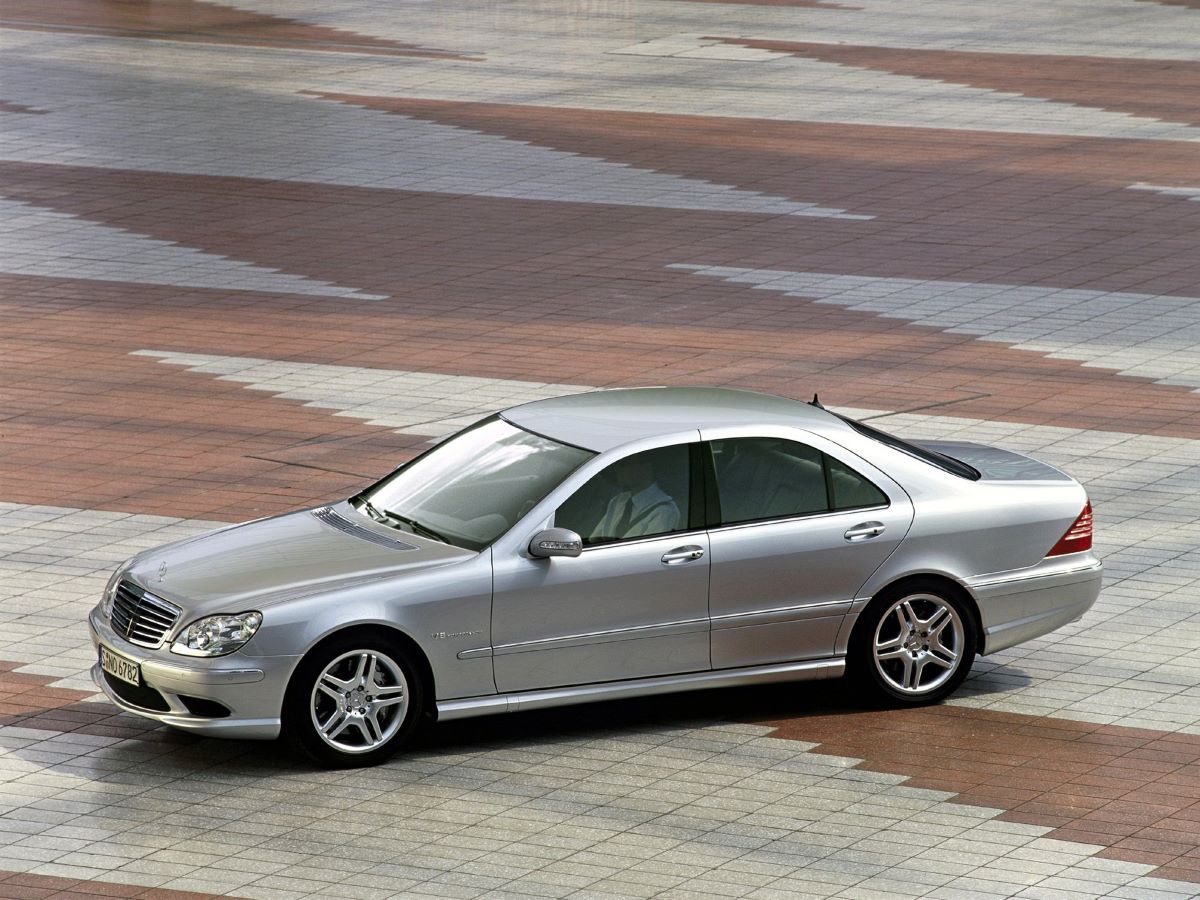
4. Mercedes‑Benz S‑Class (W220)
The Mercedes‑Benz S‑Class W220 represented a blend of luxury and engineering sophistication when it arrived on the market, yet it also developed a reputation for longevity among dedicated owners.
This flagship sedan offered advanced technology and premium comfort, while its core mechanical components maintained the strong foundation that allowed high mileage achievements.
Many drivers who prioritized consistent maintenance found that their W220s continued to provide smooth performance well into the high‑mileage range, a testament to the platform’s solid engineering. It was not uncommon for these sedans to serve as dependable daily drivers for a decade or more.
Under the hood, the W220 featured a variety of engine options, including powerful V8s and smooth inline units that were built with durability in mind. Routine oil and filter changes, careful attention to cooling systems, and preventive suspension care helped these cars remain reliable through demanding use.
The automatic transmissions paired with these engines responded well to fluid servicing practices, contributing to extended service life for drivetrains. Owners who respected these maintenance needs often reported trouble‑free operation far beyond the typical life cycle of luxury sedans.
Inside the W220, the interior materials and craftsmanship contributed to a sense of longevity that many competitors struggled to match. Seats, controls, and trim components were designed to withstand frequent use without deteriorating rapidly, maintaining a pleasant experience for drivers and passengers alike.
Climate control systems and infotainment units, when cared for, added to the usability of the vehicle through extended ownership. Mercedes’ attention to detail in the cabin helped reinforce owner confidence in the car’s endurance.
Stories of W220 S‑Classes reaching high mileage figures with original powertrains and minimal major repairs are shared among enthusiast groups, highlighting the model’s potential when serviced appropriately.
While no car is immune to wear and tear, the W220’s combination of robust engineering and premium build quality offered a platform capable of enduring years of use. For drivers seeking a luxury sedan that could stand up to extensive mileage expectations, the W220 earned its place among long‑lasting Mercedes models.
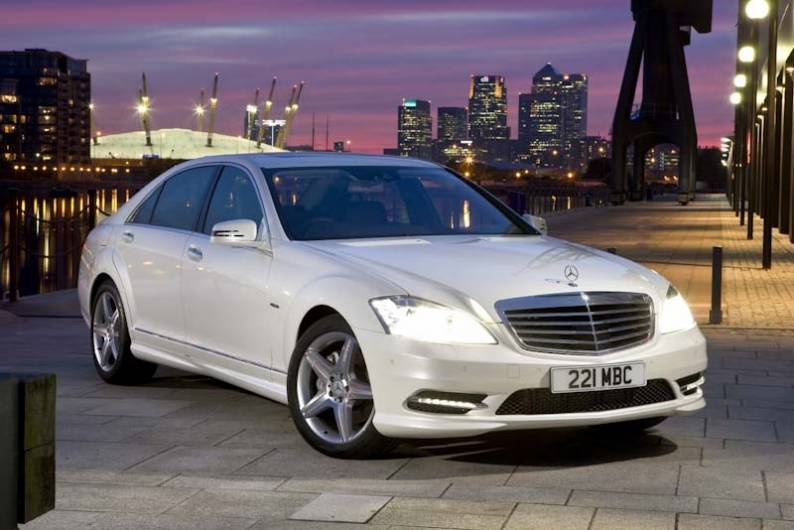
5. Mercedes‑Benz S‑Class (W221)
Following its predecessor, the Mercedes‑Benz S‑Class W221 continued the tradition of building large luxury sedans capable of enduring substantial mileage when maintained properly. Launched in the mid‑2000s, the W221 introduced modern refinements while still prioritizing core mechanical robustness that Mercedes owners valued.
Many enthusiasts and owners alike found that with regular servicing, attention to engine health, and care for electronic systems, the W221 could maintain smooth operation far beyond typical drivers’ expectations. This blend of technology and proven engineering contributed to its enduring reputation.
The range of engines offered in the W221 included efficient diesels and powerful gasoline units, each designed with longevity in mind when operated within service recommendations. Preventive care, such as timely spark plug and filter replacements, cooling system checks, and careful attention to suspension wear points, helped these sedans manage high mileage with relatively few major failures.
Automatic transmissions paired with these engines responded well to consistent fluid changes and avoiding excessive heat, which can degrade components prematurely. Owners who respected these practices often experienced dependable performance year after year.
Comfort features and build quality in the W221 reinforced the sense that this model was built for extended use, not just short‑term luxury. Seats retained support over long distances, and interior materials resisted wear that might plague lesser vehicles.
Climate control, audio systems, and other amenities remained functional well into high mileage when serviced and calibrated as needed. This combination of comfort and durability made the W221 a favorite among those who logged significant highway miles.
Reports from long‑time Mercedes owners often highlight W221 examples crossing 300,000 and approaching or surpassing 500,000 miles with original engines and transmissions intact. These accounts reflect a commitment to preventive maintenance, respect for service intervals, and readiness to address wear items before they become critical.
Such examples underscore the potential for the W221 S‑Class to serve as a long‑lasting flagship sedan that could meet the demands of drivers seeking longevity and sophistication in equal measure.
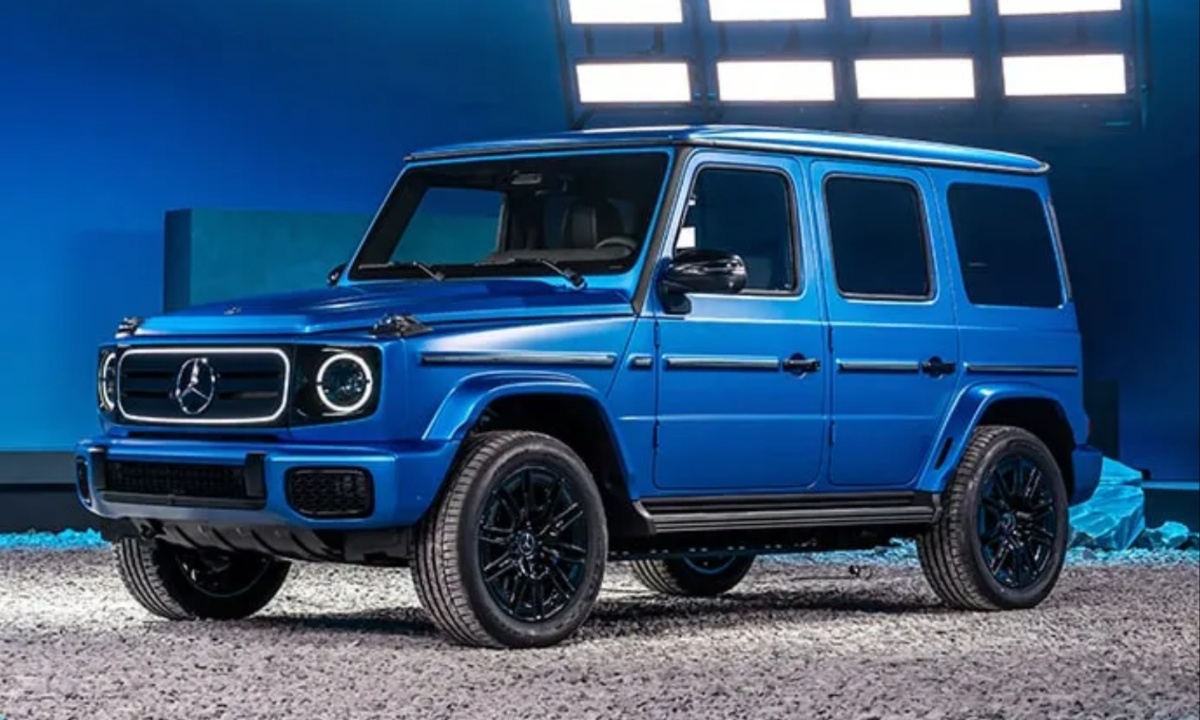
6. Mercedes‑Benz G‑Class (Geländewagen)
The Mercedes‑Benz G‑Class, also known as the Geländewagen, has a storied history as a rugged off‑road vehicle that also transitioned into a luxury SUV celebrated for its durability. Originally developed for military and utility purposes, the G‑Class gained a reputation for mechanical toughness that translated well into civilian use.
Many owners of these boxy SUVs report exceptional longevity, with examples logging hundreds of thousands of miles on and off paved roads. The combination of a sturdy ladder frame, robust drivetrain, and simple yet effective engineering principles made this SUV capable of high mileage achievements.
Engines offered in various G‑Class generations combined torque and reliability, making them suitable for towing, off‑road adventures, and extended highway travel alike. Diesel variants in particular became known for coping well with heavy use, provided that owners adhered to maintenance schedules and kept an eye on critical systems.
Four‑wheel drive components, when serviced appropriately, also endured the rigors of demanding terrain and daily driving without frequent failure. As a result, many G‑Class vehicles remained in active service far longer than typical luxury SUVs.
Interior build quality and design in the G‑Class also contributed to its longevity, with materials selected for durability under challenging conditions. Seats, trim, and control surfaces often withstood years of use without excessive wear, and the straightforward layout made servicing easier in remote locations or independent shops.
Owners appreciated that the vehicle’s rugged nature did not compromise comfort, allowing for long trips with confidence in the SUV’s ability to deliver consistent performance. This balance between toughness and usability further cemented the model’s reputation for lasting power.
Stories from G‑Class owners around the world frequently include examples that have surpassed 500,000 miles with original powertrains, continuing to provide reliable service across continents and terrains. While responsible maintenance played a key role in these achievements, the inherent strength of the vehicle’s design cannot be overlooked.
The G‑Class stands out as a Mercedes capable of reaching high mileage and doing so in environments that test its limits, making it a remarkable example of enduring automotive engineering.
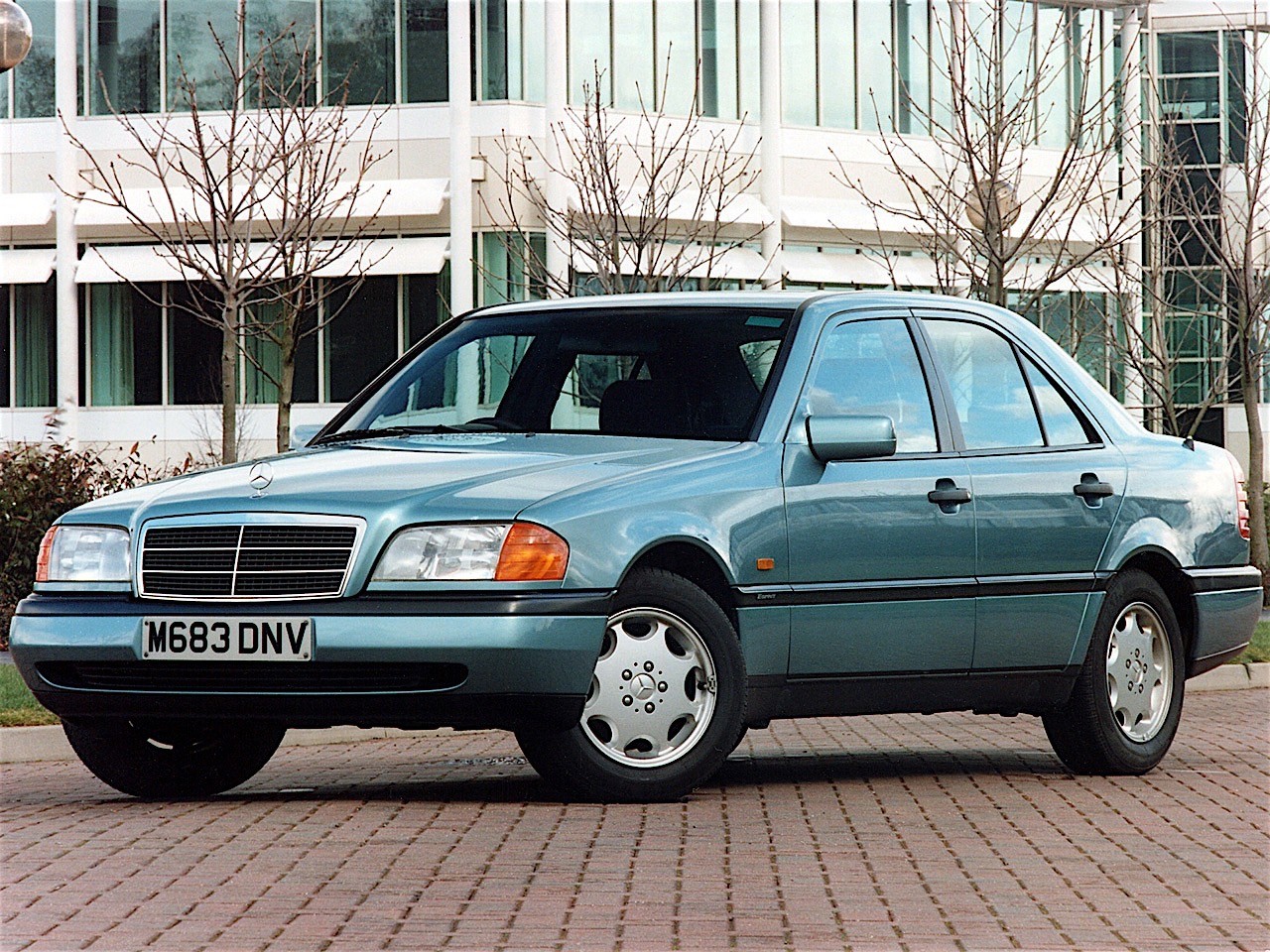
7. Mercedes‑Benz C‑Class (W202)
The Mercedes‑Benz C‑Class W202 marked the brand’s entry into a more compact luxury segment, yet it retained the durability expected from a Mercedes chassis and powertrain. Introduced in the early 1990s, this model quickly gained a following among buyers who wanted a smaller sedan without compromising build quality or mechanical dependability.
Owners who maintained their vehicles routinely often found that these cars continued serving reliably well beyond typical life spans for compact luxury cars. With attention to service intervals and careful care of engine and suspension components, many W202 examples logged substantial mileage.
One of the keys to the W202’s longevity was the use of established engine platforms shared with larger Mercedes models, which benefited from tried‑and‑true engineering and widespread parts availability.
Whether equipped with four‑cylinder, six‑cylinder, gasoline, or diesel powerplants, the focus on reliability allowed owners to trust these vehicles for daily driving and extended trips alike.
Timing belt replacements, cooling system care, and regular tune‑ups kept engines healthy through heavy use, while transmission service helped maintain smooth shifting over time. This practical approach to upkeep allowed the C‑Class to remain a dependable companion through many miles.
In terms of structural quality, the W202 exhibited solid corrosion resistance and a chassis that resisted fatigue with normal care. Interior materials also stood up reasonably well to frequent use, ensuring that daily driving did not quickly degrade the cabin environment. By avoiding overly complex systems and focusing on functional design, Mercedes created a compact luxury sedan that emphasized substance over fleeting trends. Owners appreciated this straightforwardness, especially as it translated into fewer unexpected issues over the years.
Many W202s have been documented reaching high mileage milestones with original engines and drivetrains, thanks to diligent maintenance and the inherent strength of their engineering.
These examples often become cherished vehicles for enthusiasts who appreciate how a smaller Mercedes can endure alongside larger models in terms of longevity. The W202 C‑Class thus occupies a respected place among Mercedes vehicles known for achieving significant mileage goals with proper care and attention.
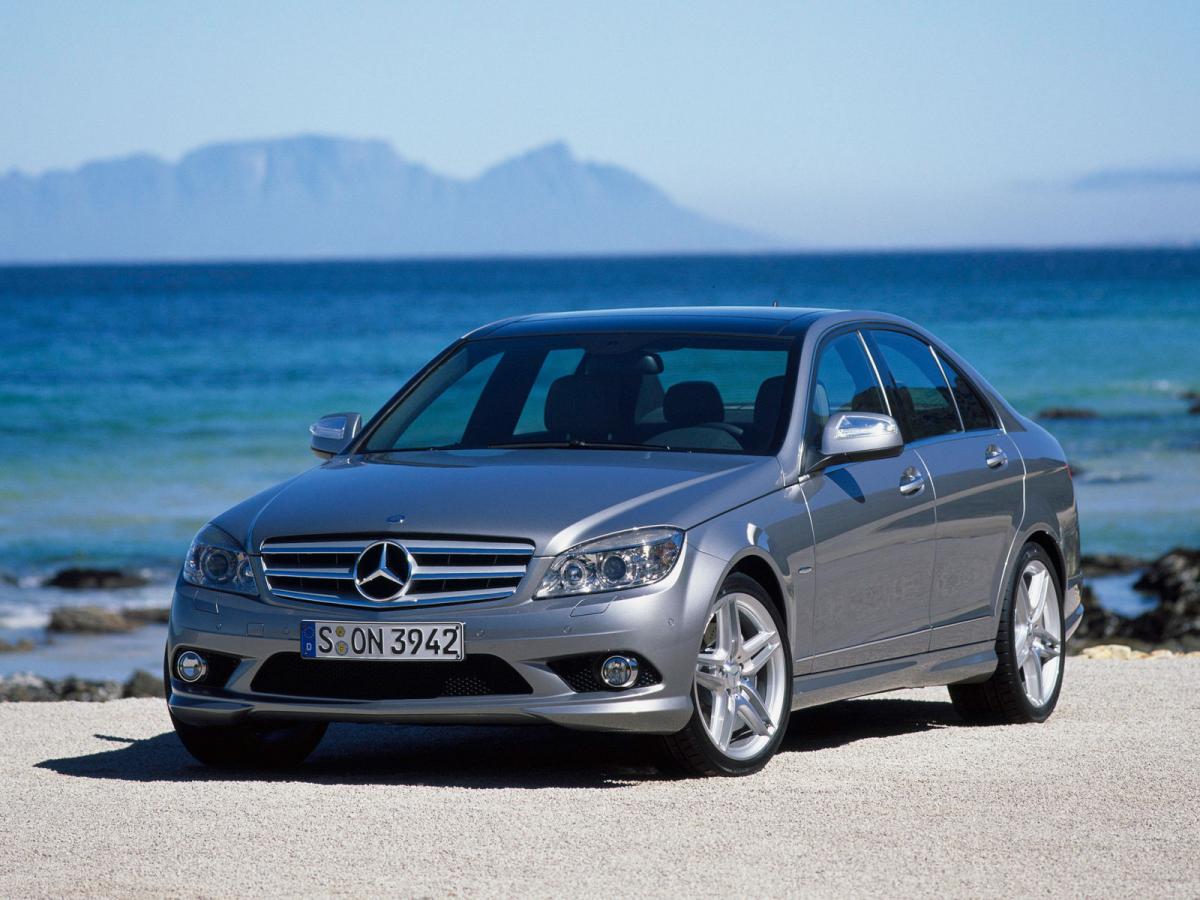
8. Mercedes‑Benz C‑Class (W204)
The Mercedes‑Benz C‑Class W204 continued the tradition of combining compact dimensions with Mercedes‑grade engineering, delivering a vehicle that many owners found capable of long‑term use and significant mileage. Launched in the late 2000s, this generation brought refined styling and modern amenities while maintaining a focus on mechanical robustness.
Those who embraced regular maintenance and addressed wear items before they became critical often saw their W204s continue running smoothly well past average automotive life spans. Engines and transmissions in this series proved resilient in many real‑world cases.
A variety of powertrains in the W204 lineup, including efficient diesel options and balanced gasoline units, offered choices for drivers with different priorities. Diesel engines, in particular, attracted drivers who valued torque and fuel economy for frequent highway travel, contributing to durability over extended miles.
Owners who followed careful service routines, including timing chain or belt checks and regular fluid changes, found that these engines could remain healthy through heavy use. Likewise, automatic transmissions that received scheduled maintenance tended to avoid premature wear that plagues units neglected over time.
The chassis and body of the W204 also played roles in the model’s longevity, with solid construction that resisted excessive corrosion and structural fatigue. Interior cabins, while more modern in design, used quality materials that stood up to years of use.
Features like climate control, audio systems, and seating adjustments often remained functional with proper care, encouraging drivers to keep their vehicles longer and enjoy consistent performance. This reliability contributed to the W204’s appeal among drivers seeking a long‑lasting compact luxury car.
Accounts from owners and independent garages include W204 examples reaching impressive mileage milestones with original engines and transmissions intact, reflecting both the strength of Mercedes’ engineering and the discipline of dedicated owners.
Stories of vehicles crossing 300,000 and moving toward or beyond 500,000 miles highlight how consistent care can unlock the full potential of this model. The W204 thus stands as another example of a Mercedes‑Benz capable of enduring high mileage demands when respected and maintained thoroughly.
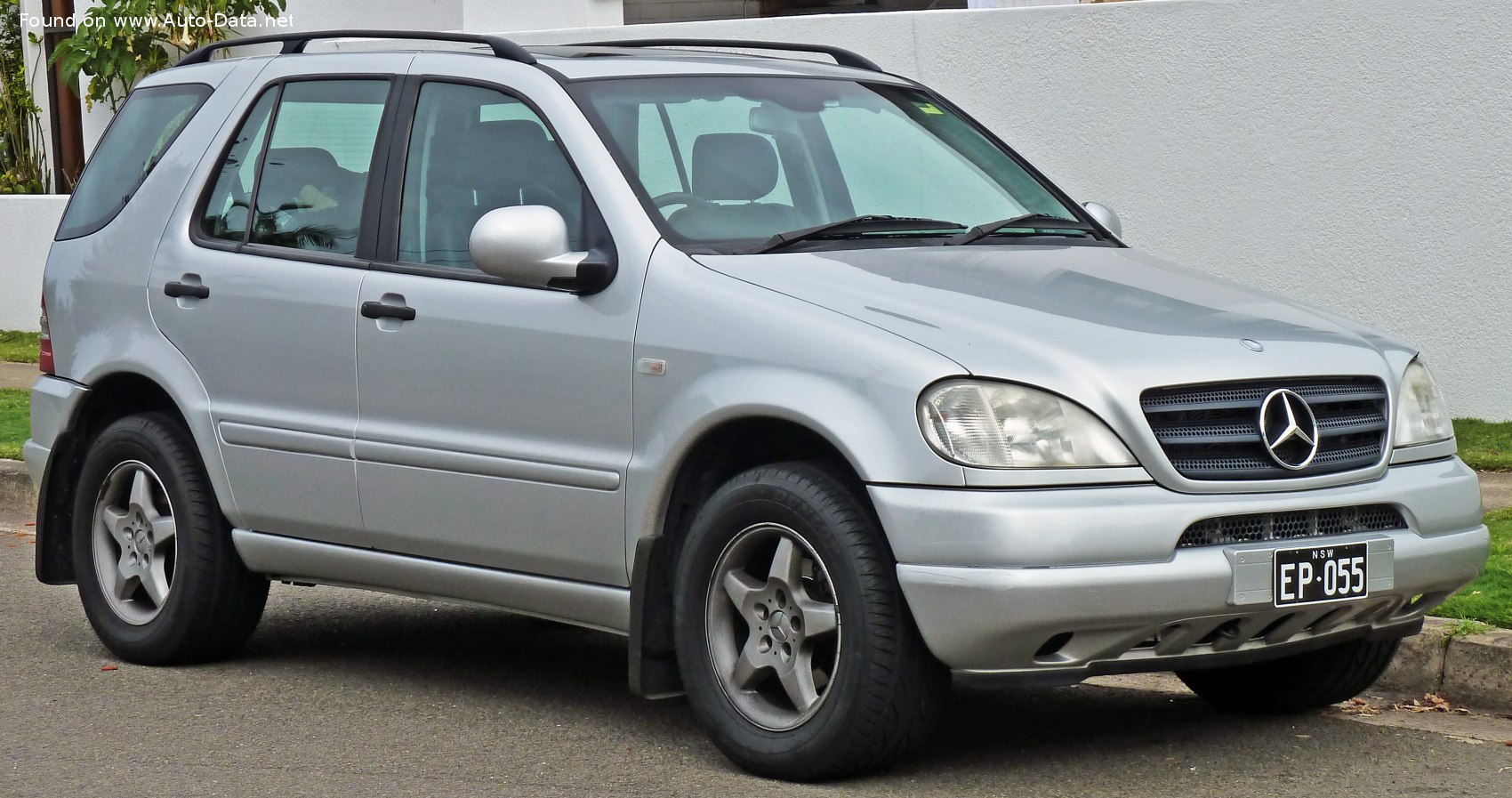
9. Mercedes‑Benz M‑Class (W163/W164)
The Mercedes‑Benz M‑Class SUVs, beginning with the W163 and followed by the W164, brought Mercedes durability into the growing SUV market with vehicles that many owners used extensively for daily driving and long trips. These SUVs combined robust engineering with ample interior space, making them attractive choices for families and adventurers alike.
With proper care and maintenance, numerous M‑Class examples have continued performing well into high mileage ranges, proving that Mercedes longevity was not limited to sedans and coupes. Owners who paid attention to service intervals and replaced wear parts as needed often found their SUVs lasting for years on end.
Both the W163 and W164 generations offered a range of engines, including reliable diesel variants that excelled in torque and fuel efficiency for heavy use. Regular servicing, including attention to timing components, cooling systems, and transmission fluids, helped maintain engine health over demanding mileage.
The four‑wheel drive systems in these SUVs also demonstrated durability when used responsibly and serviced appropriately, as owners took care to lubricate and inspect related components. This made the M‑Class capable not only on paved roads but also in challenging conditions without sacrificing longevity.
Interior build quality and comfort in the M‑Class contributed to the SUVs’ appeal for long‑term ownership, with seats and controls designed to withstand years of use without significant wear. While modern infotainment and electronic systems added complexity, many owners found that addressing minor issues early prevented larger problems from developing.
The spacious cabins and versatile cargo areas encouraged continued use for family trips and hauling needs, reinforcing the value these SUVs offered over time. Mercedes’ emphasis on both comfort and practicality paid dividends in extended ownership scenarios.
Reports from owners who have maintained their M‑Class vehicles through rigorous attention to service intervals often include examples that have reached high mileage marks with original engines and drivetrains still in place.
While SUVs in general face different challenges than sedans, the W163 and W164 showed that with respect and care, they could handle extensive road time without giving up reliability. These Mercedes SUVs deserve recognition for their ability to endure heavy use and reward owners who invested in their vehicles’ long‑term health.
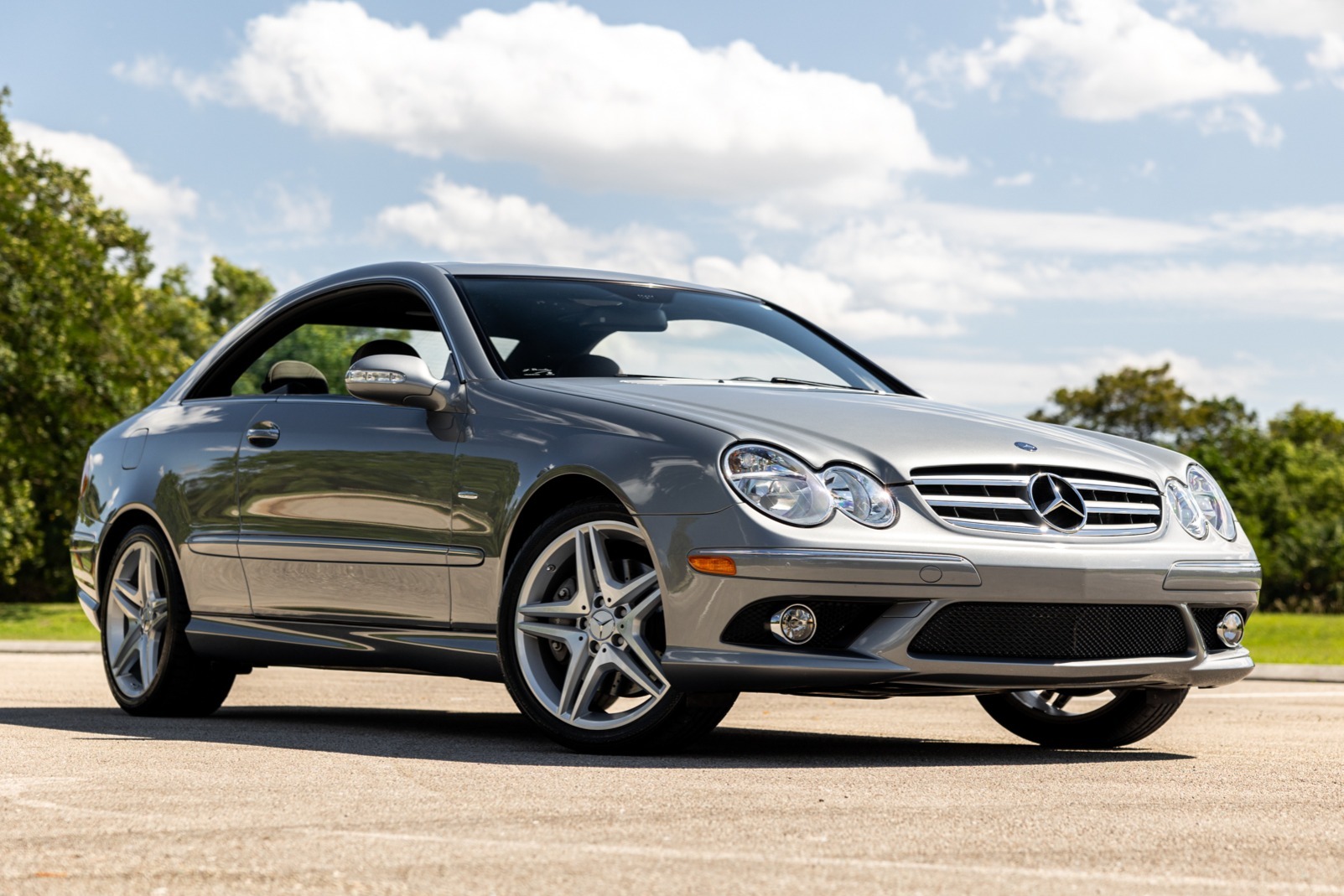
10. Mercedes‑Benz CLK‑Class (C209/A209)
The Mercedes‑Benz CLK‑Class, particularly the C209 coupe and A209 convertible generations, offered a compelling blend of style, performance, and Mercedes‑grade engineering that helped many owners enjoy long‑lasting service. These vehicles combined elegant lines with mechanical components rooted in proven Mercedes platforms, allowing them to achieve impressive mileage figures when maintained diligently.
Drivers who followed service schedules and addressed wear items routinely found that their CLK‑Class cars could continue performing well beyond typical life spans for mid‑size coupes and convertibles. This made them appealing to those seeking both driving pleasure and practical longevity.
Underneath their stylish exteriors, CLK‑Class models shared many drivetrain components with other Mercedes sedans known for durability, which contributed to confidence among owners about their long‑term prospects.
Engines in this series ranged from efficient V6 units to more powerful V8s, each designed to deliver smooth performance while lasting through extensive use.
Keeping up with tune‑ups, fluid changes, and inspections allowed these engines to remain healthy across many miles, while automatic and manual transmissions responded well to consistent care. This foundation of reliable mechanicals made it possible for owners to log extensive road time with fewer major issues.
The CLK‑Class interiors, while focused on comfort and driver engagement, also utilized quality materials that resisted wear, maintaining a pleasant cabin environment even as miles accumulated. Seats, dashboard components, and controls were engineered to withstand regular use, reducing the urgency for early interior refurbishment.
Climate control systems and audio units remained functional with care, enhancing the experience of daily driving and long journeys alike. The sense of build quality reinforced confidence in the vehicles’ ability to endure many seasons of use.
Owner communities often share accounts of CLK‑Class examples reaching high mileage thresholds with original engines and transmissions still performing reliably, reflecting both Mercedes engineering and owner dedication to upkeep.
These stories underscore how a combination of style, performance, and careful maintenance can result in a long‑lasting vehicle that defies ordinary mileage expectations. The CLK‑Class thus holds a special place among Mercedes models capable of providing enduring service.
