
The fascination with classic motorcycles often centers on machines that were visibly ahead of their time, machines that blended performance with style and attitude, and motorcycles that created a lasting emotional connection with their riders.
Among these, a select group from Kawasaki stands out because of the way its prices have soared over recent years, transforming humble old bikes into highly sought examples of rolling history. Collectors around the world now jockey for rare Kawasaki models, sometimes paying sums that would have been unimaginable just a decade ago.
This surge in value does not come solely from nostalgia or brand loyalty, but from the enduring design, engineering ambition, and cultural significance that these bikes carry with them.
For many enthusiasts, Kawasaki’s reputation was forged in the heat of competition, whether on the streets, on race tracks, or in dealer showrooms. Early big-bore machines challenged conventions by offering raw power that invited both admiration and respect.
Riders today seek these bikes not just to own a piece of metal and rubber, but to connect with a chapter of motorcycling history when manufacturers were testing the edges of performance and style. Each classic Kawasaki with an exploding price tag represents a story, a legacy, and a community of passionate owners and admirers.
In tracking the models whose prices have escalated dramatically, certain patterns emerge. Some of these motorcycles were iconic because they introduced new performance standards. Others burned themselves into memory through association with film, racing success, or a distinctive appearance that still turns heads.
Whatever the reason for their popularity, the fact remains that these Kawasaki motorcycles have become valuable both as machines to ride and as collectible investments. The following sections identify ten such models, each with a description of their appeal, their role in motorcycle culture, and why collectors are willing to pay increasingly high prices to secure them.
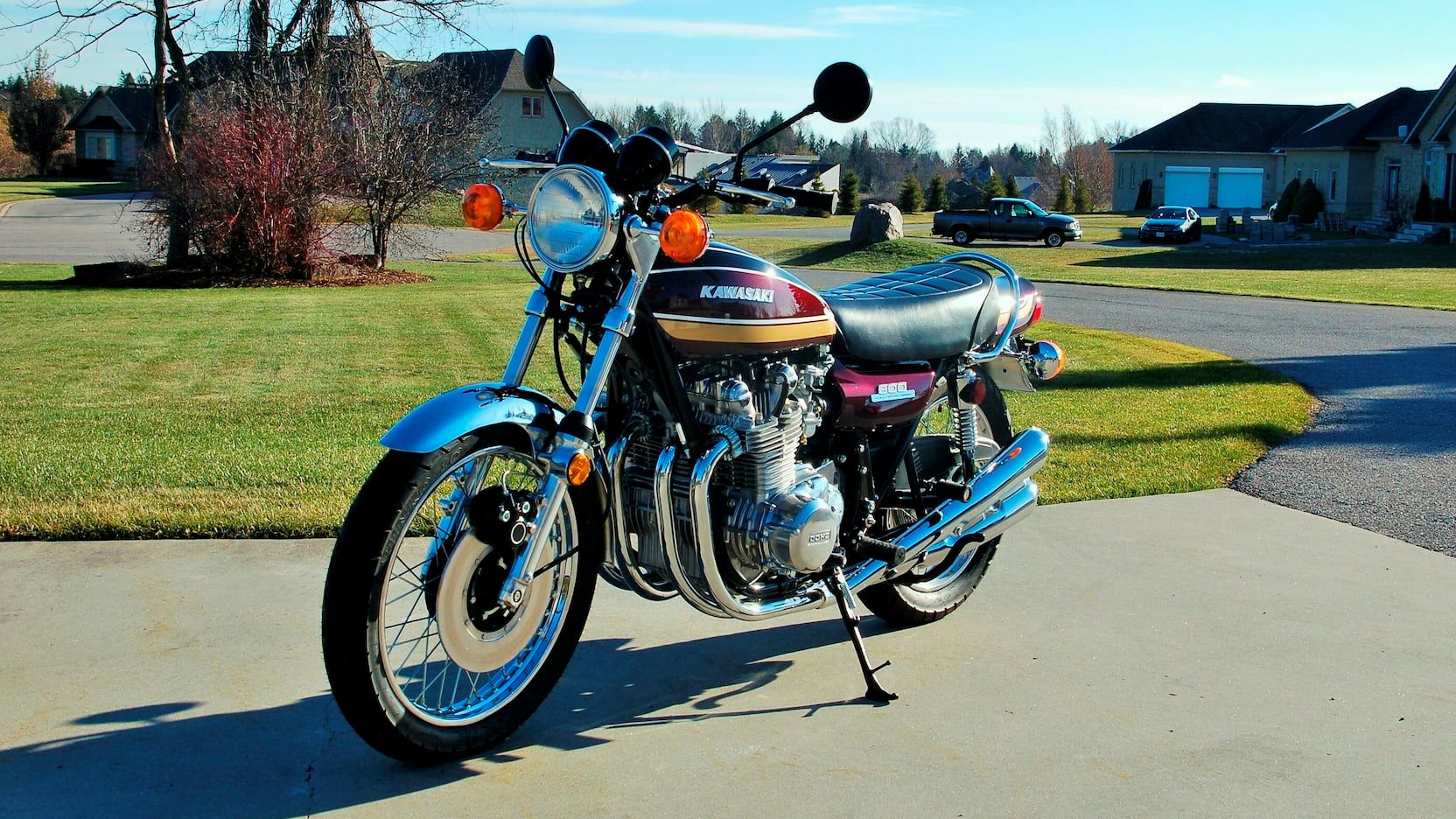
1. Kawasaki Z1 (1972–1975)
The Kawasaki Z1 was one of the first Japanese superbikes that captured global attention with its combination of power, refinement, and reliability unmatched by many competitors. Riding this bike in its day felt like commanding a thoroughbred athletic machine, with a smooth inline four engine that delivered potent acceleration without sacrificing touring comfort or street usability.
Early examples in good condition are virtually priceless today, sought after for their historical importance as one of the machines that defined the high performance motorcycle segment. Riders who experience the Z1 often remark on its charismatic blend of period aesthetics and mechanical presence that feels alive under throttle.
Collectors prize the Z1 not just for its engine and performance, but for the way it influenced the motorcycle industry into the 1970s and beyond, sparking a power race among manufacturers. The bike’s design language remains recognizable, with its muscular tank, broad stance, and restrained but purposeful chrome accents conveying strength without flashiness.
Auctions featuring original specimens often draw fervent bidding, pushing prices well above what most comparable classic bikes command, cementing the Z1’s status as a blue chip collectible. Enthusiasts appreciate that owning one is like possessing a landmark in motorcycling history, a machine that helped shift expectations of what a production motorcycle could be.
Restoration of a Z1 to concours condition requires meticulous attention to detail, with original parts often commanding their own premium because authenticity matters to serious collectors. Even unrestored bikes in good mechanical order can fetch high valuations because riders want to enjoy the full sensory experience of classic Kawasaki engineering.
For those who ride them, the Z1 remains engaging and potent, not merely a showpiece relegated to a display stand. Its continued popularity in classic racing and vintage riding events further maintains its visibility and desirability.
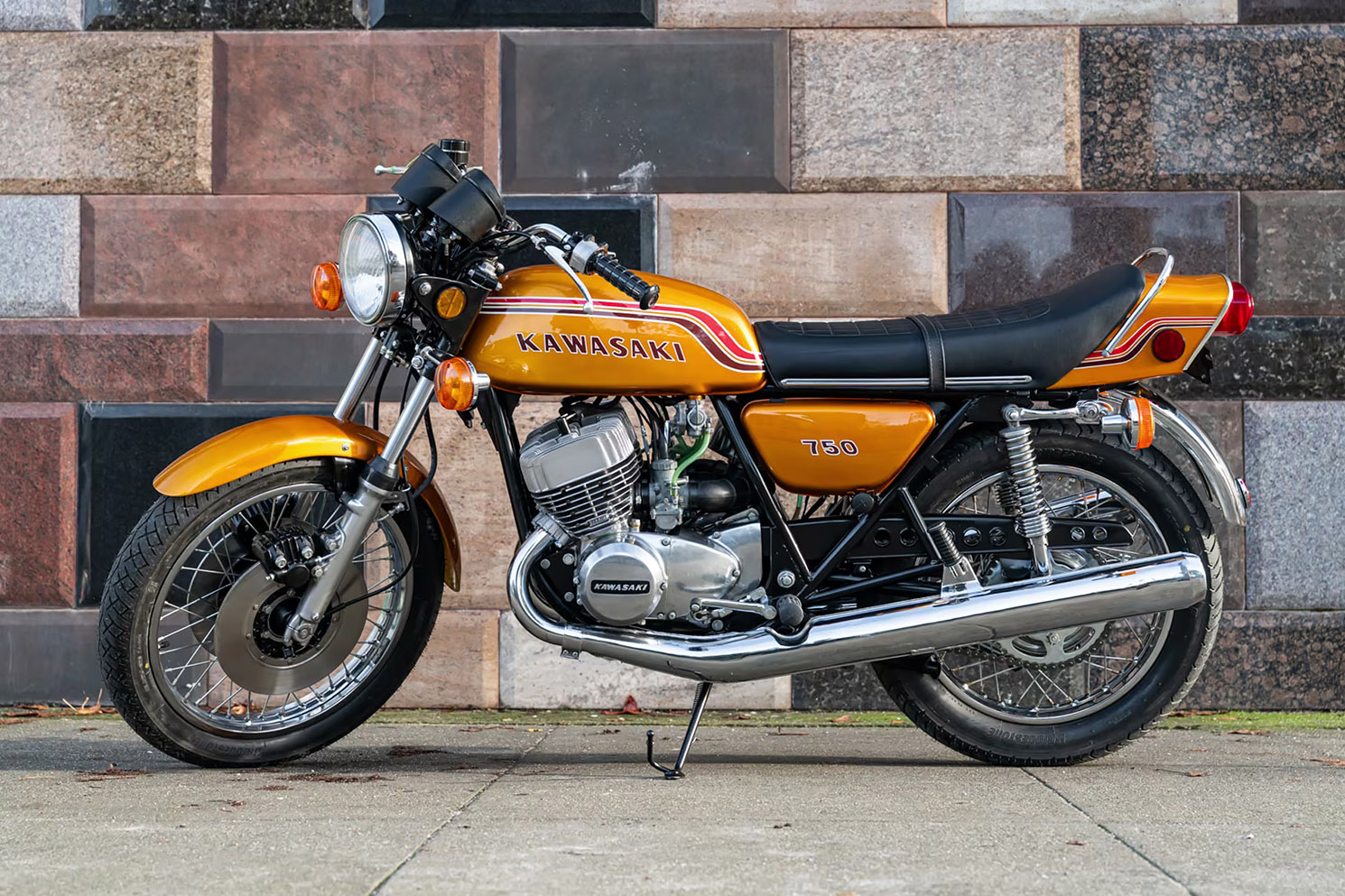
2. Kawasaki H2 Mach IV (1972–1975)
The Kawasaki H2 Mach IV was an unmistakable force when it debuted, turning heads with its aggressive performance and distinctive exhaust bark that became its signature sound on the open road. Dubbed a “widowmaker” by some due to its strong acceleration and challenging handling characteristics, the H2 created an almost mythic reputation that now feeds collector interest decades later.
Enthusiasts who seek an authentic piece of two-stroke power find the H2’s triple engine exhilarating in a way that defies simple description, evoking an emotional response each time the starter is pressed. Today the value of well kept H2 machines has climbed steadily as riders and collectors pursue these iconic symbols of raw vintage performance.
Collectors value the H2 as a representation of an era when motorcycle manufacturers aimed to exceed expectations, offering performance levels that startled riders and sparked spirited discussions in garages worldwide. The engine, with its thundering triple configuration, remains distinctive and engaging, rewarding riders with a visceral connection to its throttle and gear changes.
Classic motorcycle shows often feature pristine examples that draw crowds, reinforcing the perception of the H2 as not just a bike but a legend among machines of its time. As interest in vintage motorcycles broadens, the H2 stands out for its unmistakable character and the way it embodies unfiltered motorcycling excitement.
The Kawasaki H2 Mach IV’s continued rise in value underscores its enduring appeal among collectors who cherish its performance history and distinctive character. For many, owning a properly sorted H2 is a milestone achievement in classic motorcycle collecting, a testament to passion rather than mere investment.
The climb in values demonstrates that exceptional machines with strong identities can transcend generations, resonating with enthusiasts far beyond their original production era. In this way, the H2 remains an icon of Kawasaki’s bold engineering spirit.
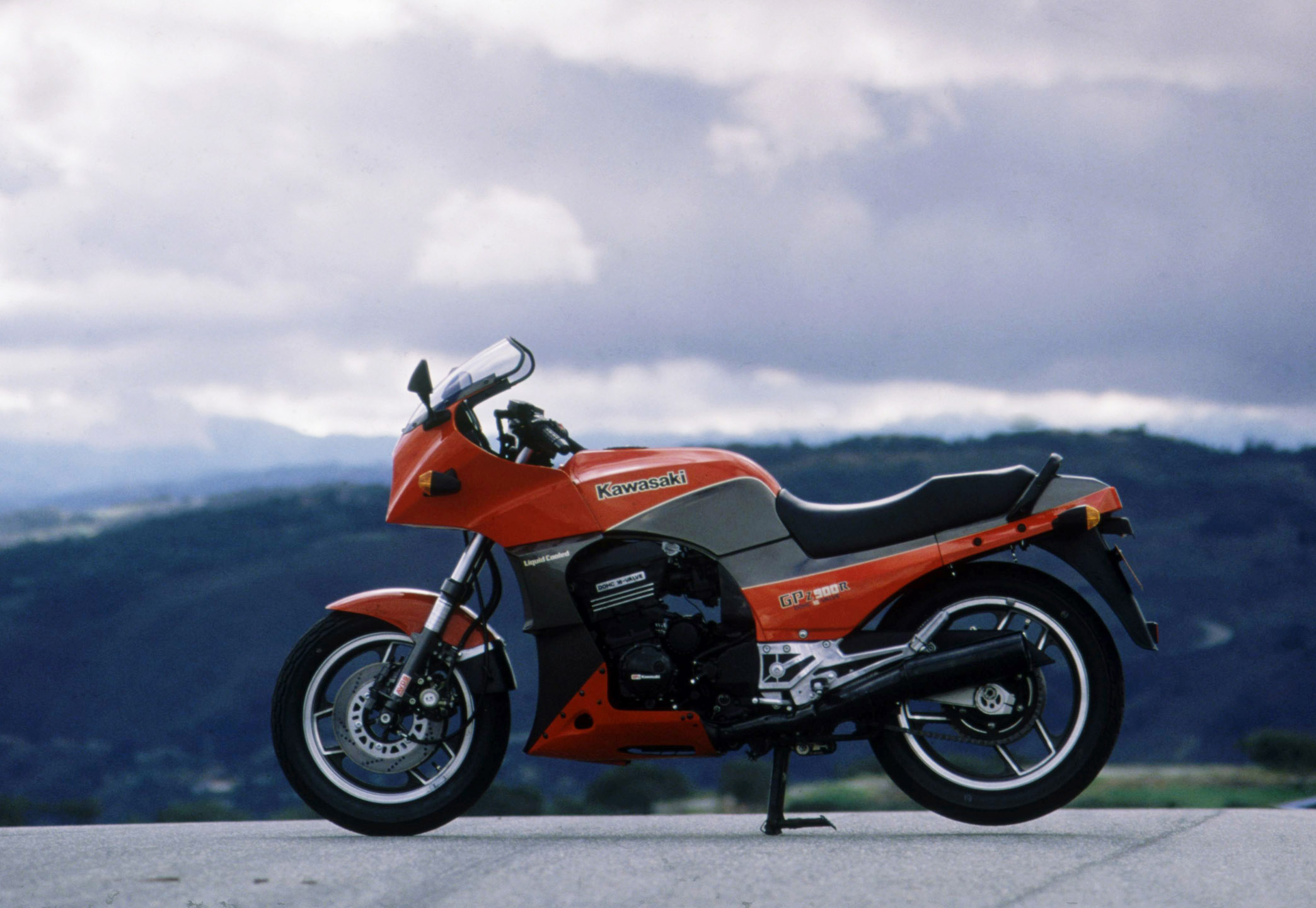
3. Kawasaki GPz900R (1984–1989)
When the Kawasaki GPz900R arrived in the mid-1980s it ushered in a new level of sport motorcycle performance, blending blistering speed with surprising everyday usability that challenged expectations of what road bikes could achieve. With its liquid cooled engine, sleek aerodynamic bodywork, and advanced engineering for its time, the GPz900R commanded attention from riders and critics alike.
Its role in shaping the future of sport bikes makes it a standout collector machine today, especially original unmodified examples that capture the purity of the early design. Reflecting this esteem, prices for well preserved GPz900Rs have climbed significantly, attracting interest from both riders and investors.
The GPz900R was engineered to balance sensuous performance with refined behavior, delivering power that riders could exploit without extreme risk, a revolutionary attribute during its release period. Handling improvements, frame design advances, and technological upgrades positioned this model as a benchmark for the next generation of sport bikes.
Riding one now still offers a compelling experience that connects past innovations with present sensitivity, making it desirable not just for display but for active use. Collectors find that the emotional connection created by the GPz900R’s performance heritage adds intangible value beyond its mechanical specifications.
Preserving an original GPz900R means honoring its distinctive character, including its engine response and chassis dynamics that influenced later sport bike development across brands. The market for original components remains competitive, as riders and restorers seek correct parts to maintain authenticity and appeal.
Whether kept in pristine original form or modestly refreshed for safe street riding, GPz900R examples draw interest because they represent a key evolution point for Kawasaki and for sport bikes in general. This historical context supports the upward trend in prices as more collectors recognize the model’s significance.
Collectors also credit the GPz900R for its influence on popular culture and motorsport, associations that consistently drive desirability and investment appeal. Classic motorcycle events often showcase well preserved GPz900Rs, reinforcing their position as a beloved piece of two-wheeled history.
The ongoing demand for these machines reflects a blend of nostalgia and appreciation for a design that helped define an era. As a result, GPz900Rs in excellent condition continue to command values that reward those who preserved them through the years.
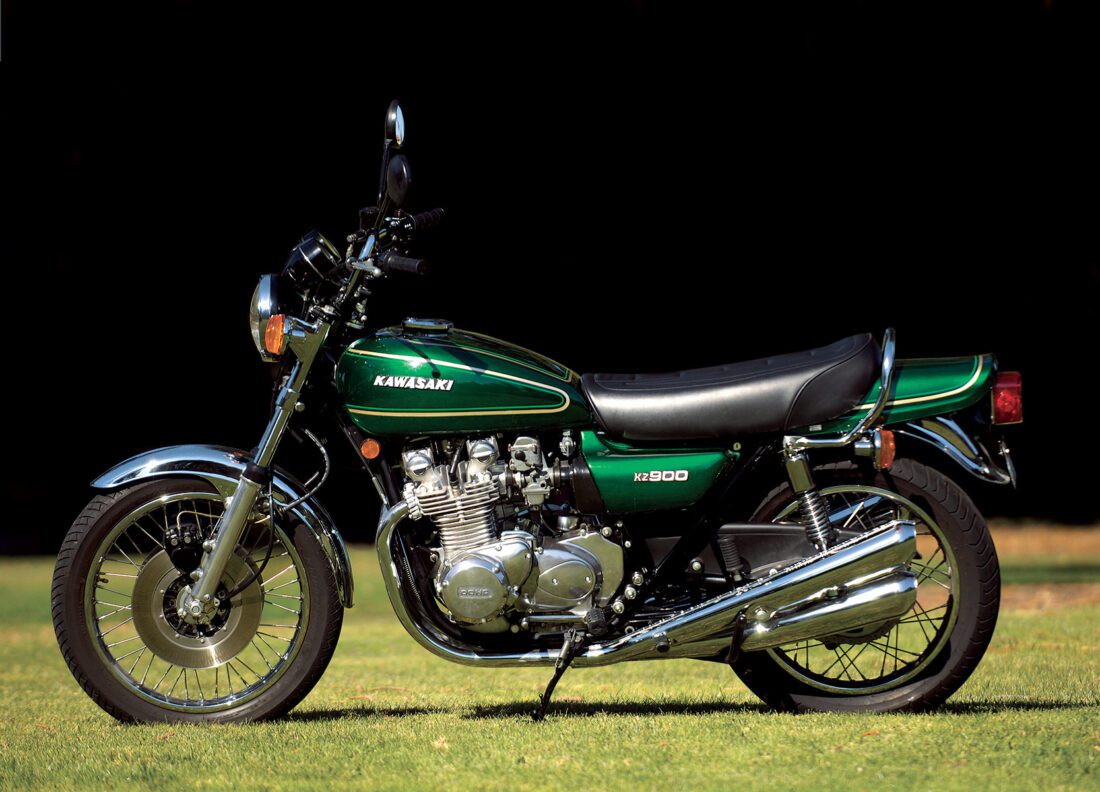
4. Kawasaki KZ1000 (1976–1983)
The Kawasaki KZ1000 was a large displacement road bike that offered riders substantial torque and effortless cruising capability combined with respectable handling for its class. It quickly became popular among enthusiasts who appreciated its versatility, whether on highways or backroads, and its broad power band delivered usable performance across a range of riding conditions.
Over time the KZ1000 gained a reputation not only for rugged reliability but also as a platform for aftermarket customization and vintage racing. Today the model’s values have risen steeply as collectors seek out clean, original examples with documented history.
A key component of the KZ1000’s appeal lies in its comfortable ergonomics and predictable performance, traits that broadened its base of admirers beyond hardcore sport riders of the era.
Many owners enjoyed long journeys and daily commuting duties with equal confidence, a flexibility that contributed to its widespread use during its production run. Collectors now appreciate these qualities as markers of a well rounded classic motorcycle, one that delivers not only performance but also usability rooted in solid engineering. As a result, strong examples steadily gain value within classic bike markets.
Restoring or maintaining a KZ1000 requires attention to detail, particularly with original engine components and correct bodywork finishes that reflect the bike’s period aesthetics. Enthusiasts often seek to preserve the machine’s early character, favoring authenticity over modern upgrades that could detract from its collectible status.
Clean, low mileage bikes command premiums because they offer a window into the past that is increasingly rare. The connection between preservation and price becomes clear when considering how many original KZ1000s were ridden hard and modified, leaving few survivors in untouched condition.
Collectors value the KZ1000 for its contribution to the development of large road bikes that balanced power and everyday capability without extreme focus on sport or touring alone. This versatility makes it a compelling addition to any classic motorcycle collection, establishing historical context and broad appeal.
As interest in vintage motorcycles grows among new generations, the KZ1000 stands out as a machine that can be appreciated on multiple levels. Its rising prices reflect enduring respect from riders and collectors who recognize its significance in Kawasaki’s lineage.
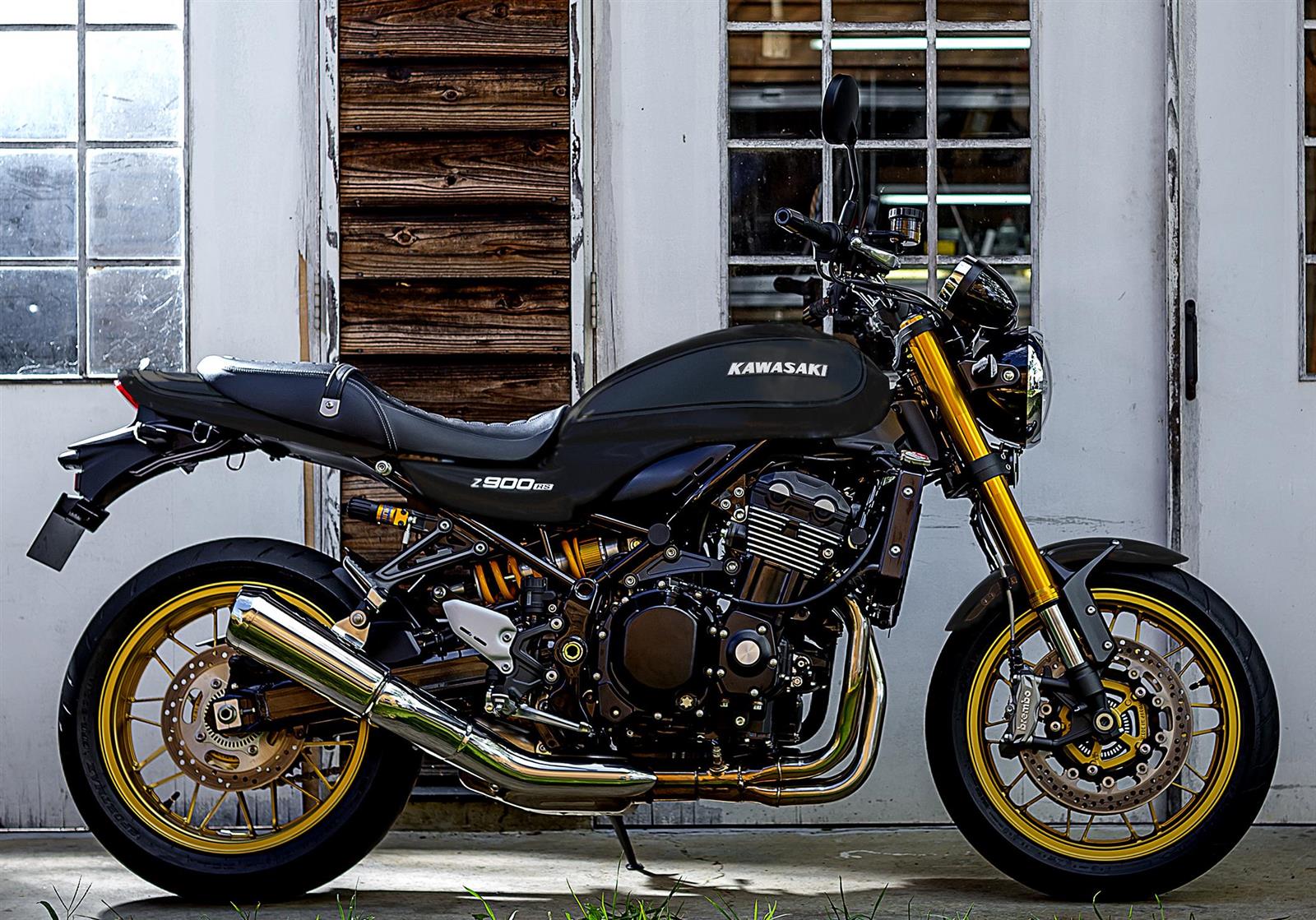
5. Kawasaki Z900RS (2017–Present as a Classic Appeal)
The Kawasaki Z900RS pays tribute to the original Z1 with neo retro styling married to modern mechanical refinement that appeals to riders seeking classic looks with contemporary performance. Although newer than other classics on this list, the Z900RS has swiftly found itself in high demand among collectors who admire its respectful nod to heritage combined with reliable modern engineering.
Striking lacquered paint, flowing lines, and period inspired design cues give this motorcycle an aesthetic that resonates far beyond simple nostalgia. Prices for well kept Z900RS examples have escalated as enthusiasts clamor for machines that embody both past style and present capability.
Riders find that the Z900RS offers an engaging experience matched to a wider range of skill levels, encouraging spirited riding without the intimidation factor of some vintage machines. Its balance of torque, chassis stability, and responsive controls brings timeless appeal that transcends specific eras, making it attractive to purists and modern riders alike.
The resurgence of interest in retro styled bikes over the past decade has boosted the Z900RS’s visibility, and as supply becomes constrained relative to demand, values reflect this market reality. Collectors who appreciate continuity in design from the Z1 to the contemporary era often place a premium on owning a Z900RS.
Unlike older classics that may require extensive maintenance or mechanical attention, the Z900RS benefits from modern manufacturing standards that support reliability and daily usability. This appeal broadens its collector base, attracting riders who want to enjoy their machines actively rather than limiting them to occasional shows or storage.
Enthusiasts often gather around this model, sharing experiences that celebrate its unique positioning at the intersection of legacy and innovation. Its growing popularity ensures that values remain strong and continue trending upward in many markets.
The Z900RS shows how a modern homage can become collectible when it genuinely reflects the spirit of its predecessors without compromising contemporary expectations of performance and comfort. This balance gives it unique staying power, as both riders and collectors find reasons to appreciate its design and execution.
Its price trajectory illustrates that classics are no longer defined solely by age, but by connection to heritage and influence on culture. The Z900RS stands as a compelling example of how modern motorcycles can rapidly gain collectible status in enthusiastic communities.
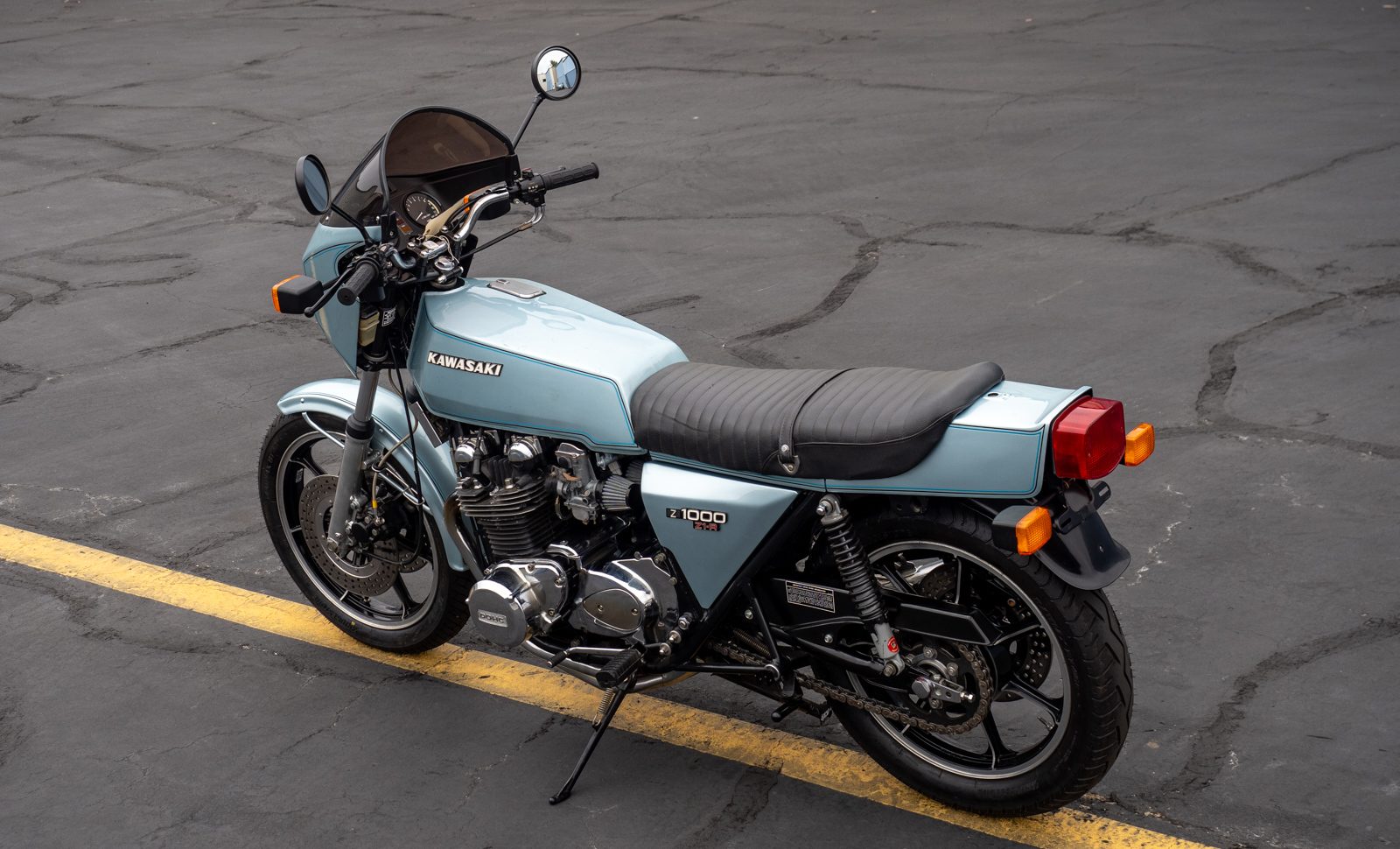
6. Kawasaki Z1-R (1978–1980)
The Kawasaki Z1-R sought to refine the original Z1 formula by adding a more aerodynamic fairing, improved brakes, and a slightly more sophisticated image aimed at sport touring riders who wanted a blend of speed and comfort. It represented an evolution of the basic superbike concept with a focus on usability and touring capability, appealing to riders who valued both performance and longer miles.
Original examples that survive today in good condition have become prized among collectors, often retrieving values once considered reserved for rarer machines. The combination of distinct styling and performance history positions the Z1-R as a standout bicycle among vintage Kawasaki offerings.
Preserving a Z1-R requires attention to period correct details, including original fairing hardware, correct paint schemes, and engine components that demonstrate its lineage. Authentic examples that have not been overly modified typically command higher sale prices than heavily altered machines, reinforcing the premium placed on originality.
Collectors often seek bikes with documented ownership history and evidence of careful maintenance, further driving competitive bidding at auctions and private sales. This combination of rarity and authenticity contributes to the model’s rising value over time.
The Z1-R remains a compelling choice for enthusiasts who want a classic machine with a distinct identity that stands apart from its contemporaries. Its role in bridging early superbike design with emerging sport touring sensibilities gives it a special place in Kawasaki’s history.
Rising prices reflect a broad recognition of this significance, as well as appreciation for the model’s engaging performance and comfortable touring capabilities. Today’s classic motorcycle community regards the Z1-R as both a historical touchstone and a rewarding machine to own and ride.
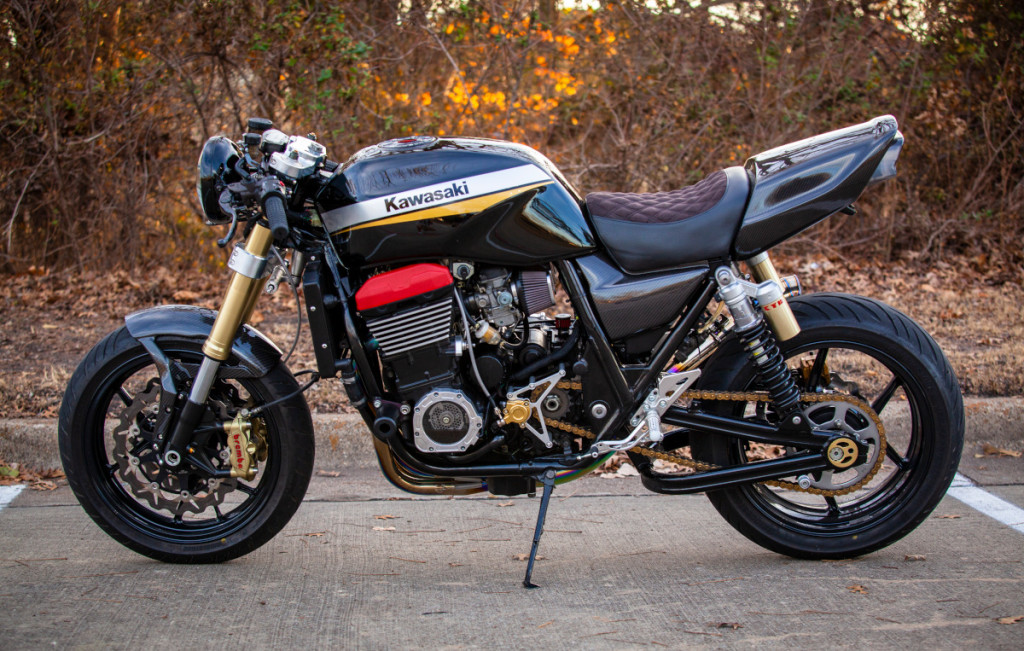
7. Kawasaki ZRX1200R (2001–2007)
The Kawasaki ZRX1200R tapped into retro styling cues while delivering modern power and chassis dynamics that appealed to riders who loved classic looks without wanting dated technology. Influenced by legendary 1980s superbikes, the ZRX1200R offered a torquey engine and confident handling that made it enjoyable for both spirited rides and everyday commuting duties.
Over time the model developed a solid following among riders who valued its character and practicality, creating a dedicated community that now helps sustain strong resale and collector values. Well maintained examples of the ZRX1200R often fetch prices that outpace similar motorcycles of the same era.
Maintaining an original ZRX1200R includes ensuring that its distinctive components, such as the dual shocks, classic tank shape, and period correct instrumentation, are preserved or restored with attention to correct details. Enthusiasts often favor keeping cosmetic and mechanical elements close to factory condition to enhance the machine’s vintage appeal.
Bikes that have been altered extensively can suffer in valuation compared to those that maintain authenticity, particularly for collectors focused on original expression. This trend pushes prices upward for unmodified machines as market demand remains robust.
The Kawasaki ZRX1200R’s rising values reflect its unique position in motorcycle history as both a tribute and a performance machine in its own right. The community that supports and celebrates this model contributes to its continued prominence among used and classic motorcycle listings.
As interest in retro styled bikes continues, the ZRX1200R stands tall as a practical classic that balances past and present in a way that feels natural and rewarding. Its enthusiastic reception ensures that prices will likely remain strong in the foreseeable future.

8. Kawasaki ZX-7R (1989–2003)
The Kawasaki ZX-7R earned its reputation as a capable sport bike through years of competition and refinement, offering riders a potent combination of power, handling, and reliability that made it competitive on both road and track environments. Its performance credentials drew attention from sport riders who appreciated its responsiveness and confidence-inspiring dynamics, fueling a loyal fan base that continued to grow long after production ended.
Today, the ZX-7R’s value has climbed as collectors seek out unmodified examples that showcase its sporting heritage and mechanical purity. Well preserved ZX-7Rs often command higher prices relative to other bikes from the same era because of this strong enthusiast following.
Riders who experienced the ZX-7R in its heyday often speak about its balance, acceleration, and chassis feel with fondness, recalling how it made challenging roads feel controlled and enjoyable.
The bike’s success in amateur and semi-professional racing further solidified its reputation as a serious performance machine that could deliver excitement without excessive complexity. These attributes have become part of its collectible appeal, as enthusiasts look for machines that offer authentic engagement rather than fleeting novelty. As a result, prices for desirable condition examples continue to grow.
Proper restoration and preservation of a ZX-7R involve sourcing correct components and honoring its original performance intent, including suspension setup and engine tuning that reflect factory specifications.
Enthusiasts aiming for authenticity avoid aftermarket modifications that could dilute the bike’s historical significance, instead opting for correct parts that support original performance characteristics. Examples kept in stock condition consistently earn more interest and higher valuations than heavily altered counterparts. This focus on preserving authenticity helps explain the ZX-7R’s steady appreciation in value.
The Kawasaki ZX-7R stands out as a collector favorite among sport bike aficionados who value genuine performance heritage. Its blend of engineering quality, riding excitement, and connection to racing culture makes it more than just another vintage motorcycle.
Collectors often describe owning a well kept ZX-7R as a rewarding experience that connects them with a vibrant era of sport bike evolution. Consequently, its price trajectory reflects a sustained demand for machines that marry performance credibility with lasting appeal.
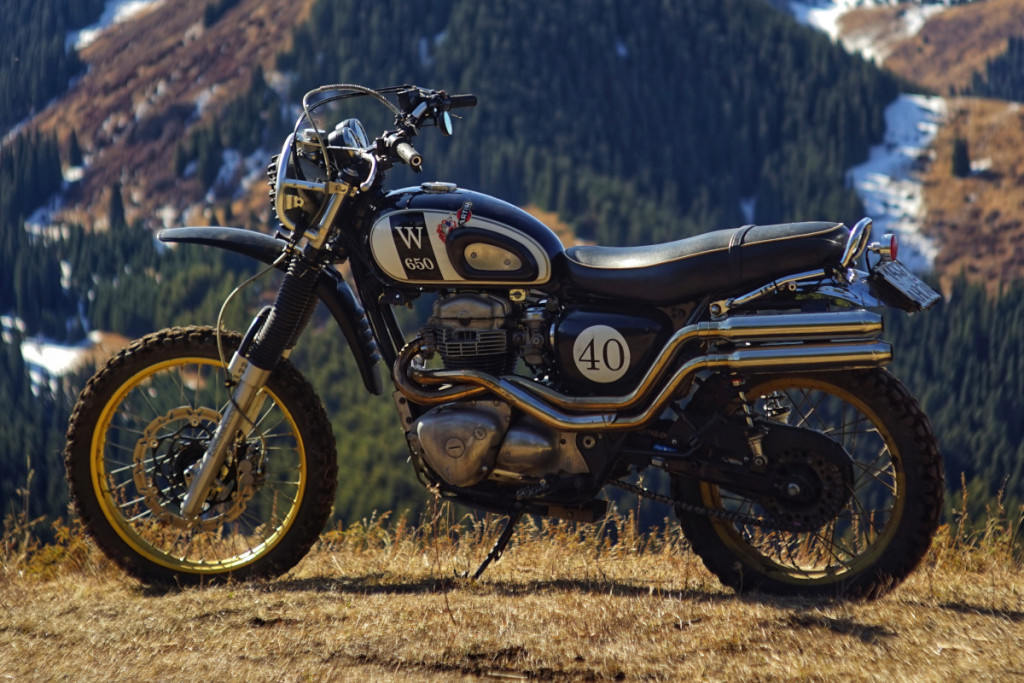
9. Kawasaki W650 (1999–2007)
The Kawasaki W650 was designed to evoke the classic British motorcycles of the past, featuring a parallel twin engine, spoked wheels, and retro charm that appealed to riders yearning for simpler aesthetics paired with reliable modern functionality. Its smooth torque delivery and relaxed riding posture made it an attractive choice for those seeking a motorcycle with character rather than purely aggressive performance.
Over time the W650 developed a cult following as both riders and collectors appreciated its idiosyncratic appeal and nostalgic design, pushing prices upward for well maintained examples. The machine’s ability to evoke a timeless feel has helped sustain interest and valuation within classic motorcycle circles.
Collectors often point to the W650’s unique positioning as a reason for its collectible status, noting how it stands apart from typical contemporary designs by embracing a design philosophy rooted in earlier decades. This approach resonated with riders tired of hyper aggressive styling, seeking to enjoy a calming yet engaging ride that harkened back to simpler times.
Keeping the W650 in original form enhances its appeal, particularly when period correct finishes and components remain intact. These authentic bikes garner interest from buyers who appreciate both form and function balanced in a classic package.
Maintaining or restoring a W650 to factory condition includes attention to details such as correct wheel lacing, period appropriate paint schemes, and unobtrusive modern upgrades that support use without sacrificing vintage character.
Enthusiasts who undertake such projects often find that careful preservation yields bikes that are highly desirable among collectors, thus driving values upward as authentic examples become harder to find. The W650’s charming design and approachable performance continue to inspire admiration in both new riders and seasoned collectors alike. Its unique place in Kawasaki’s lineup supports its position as an appreciated classic.
The Kawasaki W650’s sustained rise in value reflects its rarity and the emotional attachment riders develop with its nostalgic design. It occupies a distinctive niche within the broader world of classic motorcycles, offering a blend of heritage appeal and dependable contemporary engineering.
Collectors prize these machines partly for their aesthetic resonance and partly for the way they encourage relaxed, pleasurable riding experiences. This combination ensures that the W650 remains a desirable and valued classic on the used market.
10. Kawasaki KLR 650 Early Models (1987–1996)
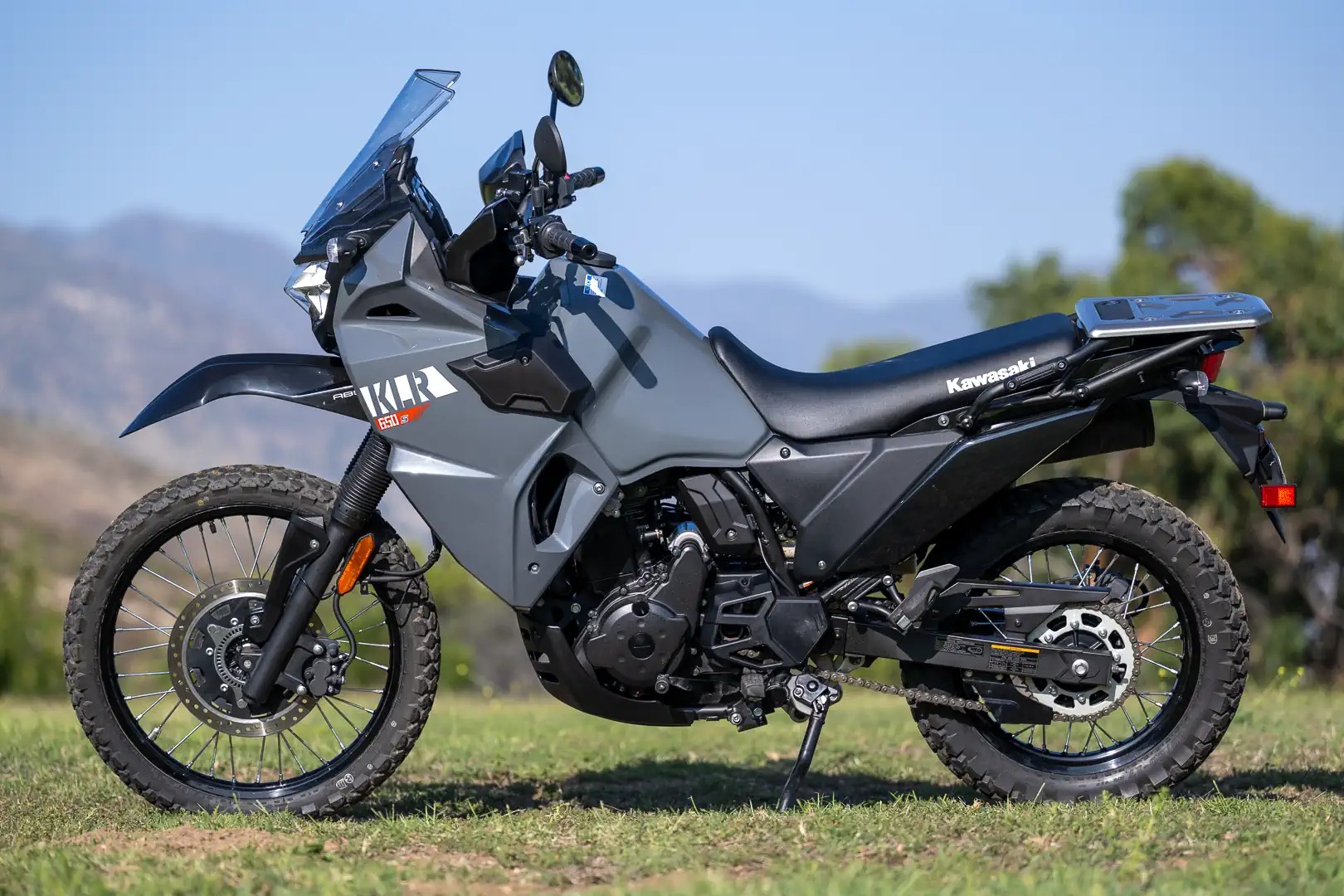
The Kawasaki KLR 650 became renowned as a rugged dual sport machine capable of handling both paved roads and rough trails with surprising competence, earning it a devoted following among adventure oriented riders. Early models built in the late 1980s and early 1990s gained particular popularity due to their simplicity, robustness, and flexibility, making them an ideal choice for long-distance travel and exploration.
As more riders discovered and celebrated the legacy of these machines, demand for original examples in good condition rose sharply, contributing to increased valuations. Collectors and adventure enthusiasts now view early KLR 650s as iconic machines that helped shape the dual sport category’s identity.
Part of the KLR 650’s enduring appeal lies in its straightforward mechanical design that is easy to maintain in remote locations, giving riders confidence to travel where others might hesitate. This practical capability, combined with a strong enthusiast community sharing stories of cross-country journeys, beach runs, and dirt road adventures, cemented its status as more than just a motorcycle.
Well kept early models reflect years of careful ownership, often showing signs of thoughtful upgrades and attentive maintenance that add to their desirability. As a result, these original KLR 650s have appreciated in value relative to many other dual sport bikes from the same era.
Collectors seeking early KLR 650s often prioritize machines with documented service history and evidence of sympathetic care over the years, as these traits signal longevity and authenticity. Proper preservation includes maintaining original frame components, engine features, and period-specific accessories that enhance collector interest without overwhelming originality.
Enthusiasts enjoy the opportunity to showcase these bikes at gatherings and share stories that capture the adventurous spirit that made the model famous. This shared culture of respect and admiration contributes to a vibrant market for these classic dual sport machines.
