
Sports cars have always carried a reputation for excess, noise, stiffness, and impractical design, yet modern engineering has blurred the line between weekend thrill machines and vehicles that can realistically handle everyday urban life.
City driving introduces unique challenges that are often ignored when people dream about sports cars, including tight parking spaces, traffic congestion, uneven road surfaces, speed bumps, and constant stop-and-go movement.
A car that feels incredible on an open highway or racetrack can quickly become exhausting when forced into daily commutes, grocery runs, and cramped city streets. At the same time, not every sports car is doomed to fail in an urban setting, as some manufacturers have quietly engineered models that balance performance with livability, comfort, and reliability.
These cars may still deliver sharp acceleration and engaging handling, but they also offer usable ride quality, decent visibility, manageable dimensions, and technology that reduces daily stress. On the opposite side, there are sports cars that simply refuse to adapt to city life, no matter how exciting they look or sound.
These vehicles punish their drivers with harsh suspensions, limited visibility, constant scraping, impractical cabins, and maintenance demands that turn simple errands into calculated risks. This article separates fantasy from practicality by highlighting five sports cars that can realistically be driven every day in urban environments and five that struggle to function outside open roads and controlled conditions.
The focus remains on real ownership experience rather than raw performance numbers, emphasizing how each car behaves during normal city routines. From ride comfort and cabin usability to drivability and durability, each example shows why some sports cars fit into daily city life while others remain better suited for special occasions only.
Sports Cars That Can Be Daily Driven in Cities
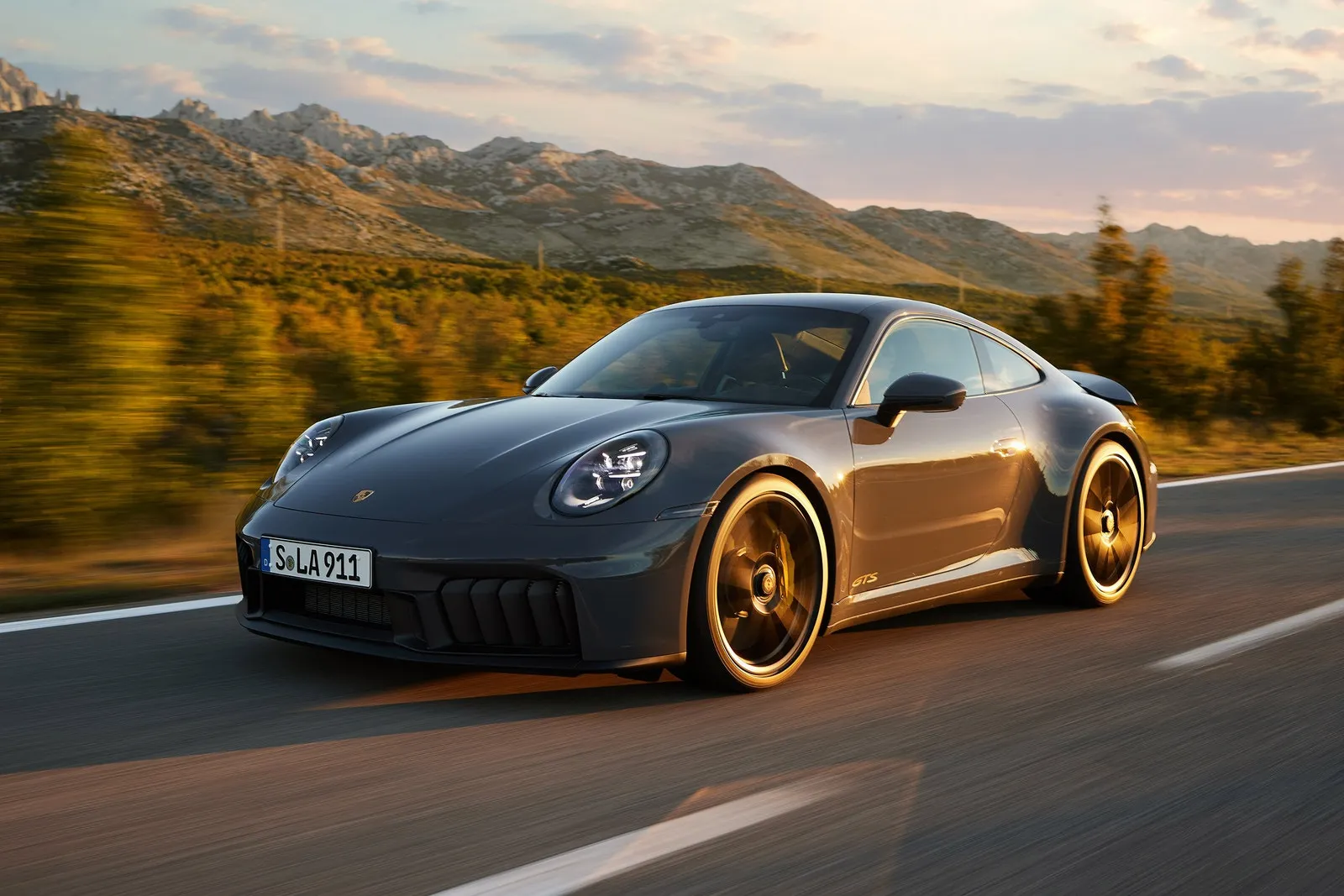
Porsche 911 Carrera
The Porsche 911 Carrera stands out as one of the rare sports cars that balances performance with everyday usability. Its compact dimensions make it easy to maneuver through narrow streets, crowded parking lots, and tight city corners.
Unlike many sports cars that feel intimidating in urban environments, the 911 Carrera offers predictable handling at low speeds, helping drivers feel confident and in control. Its responsive steering provides precision without excessive effort, making daily commuting less stressful and more enjoyable.
Ride comfort in the Carrera is surprisingly good given its sports car lineage. Adaptive suspension systems soften bumps, potholes, and rough pavement without compromising its cornering abilities. Speed bumps and ramps are manageable with careful navigation, and the car’s ground clearance is generous enough to prevent constant scraping.
This suspension balance makes it feel less like a weekend-only car and more like a practical tool for daily mobility, even when roads are imperfect.
Inside, Porsche prioritizes functionality without sacrificing style. The cabin layout is intuitive, with well-placed controls, clear displays, and supportive seats that provide comfort for both short trips and longer commutes.
Storage space may not rival sedans, but the front trunk can accommodate groceries, bags, or small luggage, making everyday errands feasible. Ergonomics are thoughtfully designed, ensuring the car feels natural to drive even after hours in traffic.
Reliability and refinement further reinforce its suitability as a daily driver. The engine responds smoothly in stop-and-go traffic, delivering power only when needed and remaining manageable in urban situations. Maintenance schedules are predictable, and the car’s build quality minimizes daily stress from mechanical concerns. The Porsche 911 Carrera demonstrates that a sports car can retain its thrilling essence while remaining highly functional for city life.
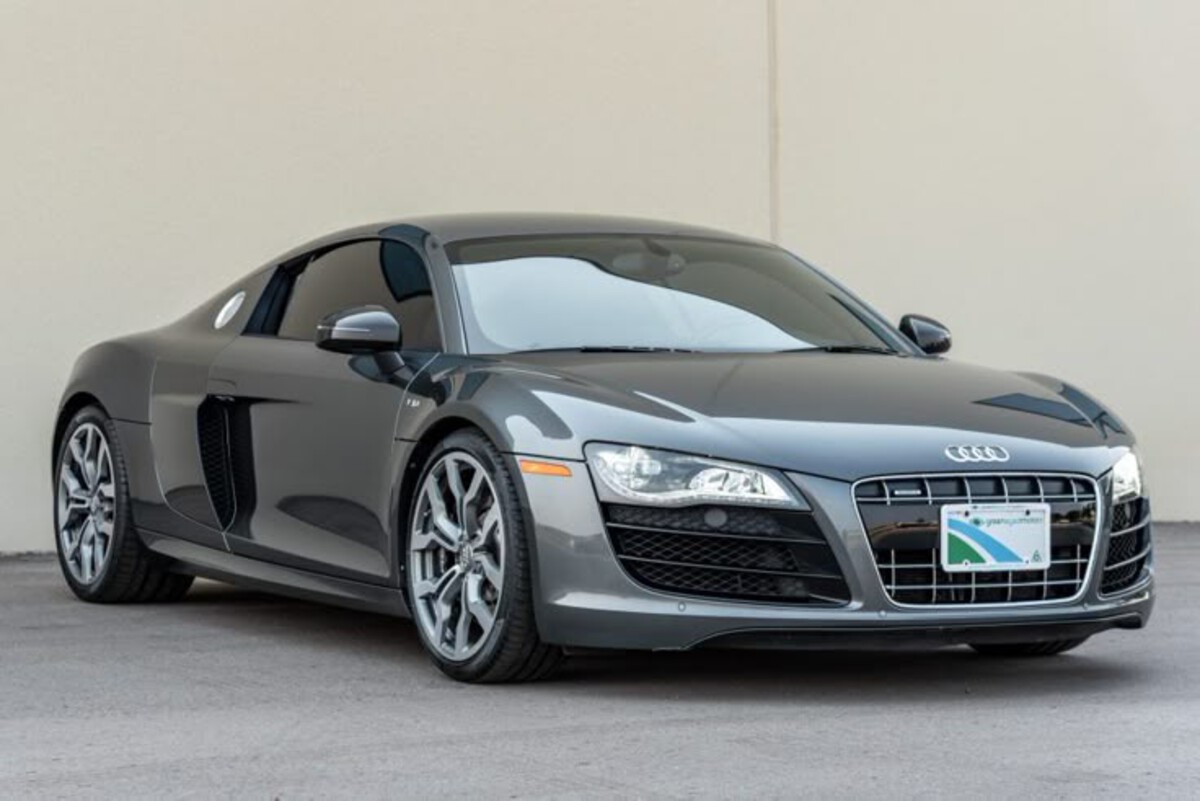
Audi R8 V10
The Audi R8 V10 combines exotic styling with practical urban usability, making it surprisingly suitable for city driving. Its all wheel drive system ensures stability even in stop-and-go traffic, and the dual-clutch transmission provides smooth and predictable gear changes.
While it may appear intimidating on the outside, the R8’s low-speed handling is intuitive, making tight turns, narrow streets, and congested areas manageable. Drivers benefit from a strong sense of control that reduces stress during daily commuting.
Suspension tuning in the R8 is designed for a balance of performance and comfort. Adaptive dampers adjust to road conditions, softening rough pavement and uneven surfaces without sacrificing handling precision.
Speed bumps and driveway inclines are easier to tackle than in more extreme supercars, and the car’s solid construction helps it feel stable and planted even in less-than-ideal conditions. City roads feel less punishing thanks to this thoughtful engineering.
The interior of the R8 emphasizes both quality and usability. Premium materials, well-contoured seats, and driver-focused design make it comfortable for long commutes and urban errands alike.
The digital cockpit displays essential information clearly, helping drivers navigate traffic without distraction. Although cargo space is limited, the trunk is practical enough for groceries, laptops, or small shopping trips, adding to the car’s day-to-day versatility.
Performance and reliability also enhance the R8’s appeal as a daily driver. The V10 engine delivers linear power, avoiding sudden surges that could be problematic in city traffic. The car remains manageable in stop-and-go conditions, while mechanical durability and predictable maintenance ensure fewer worries for owners. The R8 proves that an exotic sports car can blend supercar excitement with real-world practicality.
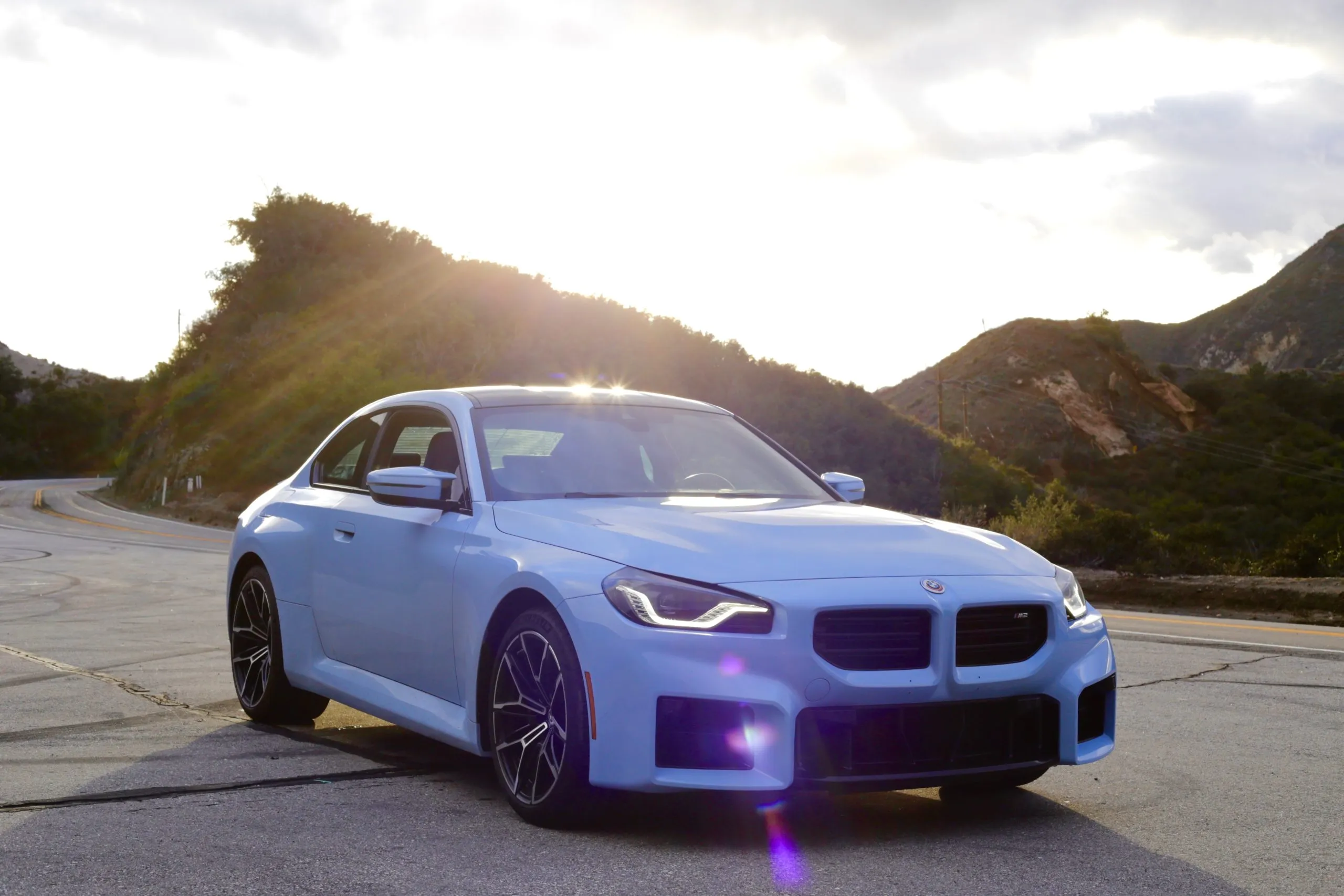
BMW M2
The BMW M2 demonstrates how compact size and sharp engineering can make a performance car highly practical in urban environments. Its smaller footprint allows it to navigate tight streets, parallel park with ease, and feel agile even in heavy traffic.
Steering feedback is precise but not overly heavy, offering a connection to the road without causing fatigue. For drivers who want excitement without daily stress, the M2 strikes a rare balance between accessibility and performance.
Suspension tuning provides a middle ground between sportiness and comfort, making city roads less punishing. While the ride remains firm to maintain responsive handling, it absorbs bumps and uneven surfaces without excessive harshness.
Speed bumps, potholes, and driveway inclines are manageable, and ground clearance allows drivers to approach city obstacles without constant worry. This combination ensures the M2 remains a viable daily vehicle.
Inside, the BMW M2 continues its practical approach. The cabin is thoughtfully arranged for comfort and functionality, with supportive seats suitable for longer commutes.
Rear seats provide occasional passenger accommodation or extra storage when necessary, and the trunk is large enough for groceries or weekend luggage. The layout remains familiar to BMW enthusiasts, ensuring that drivers feel at home in urban settings.
Engine performance enhances the M2’s daily usability. Power delivery is smooth and predictable, allowing drivers to handle traffic calmly without excessive acceleration or sudden jumps in speed.
Maintenance costs remain manageable compared to more exotic alternatives, while reliability ensures fewer interruptions in daily life. The M2 proves that high performance does not require sacrificing the convenience needed for regular city driving.
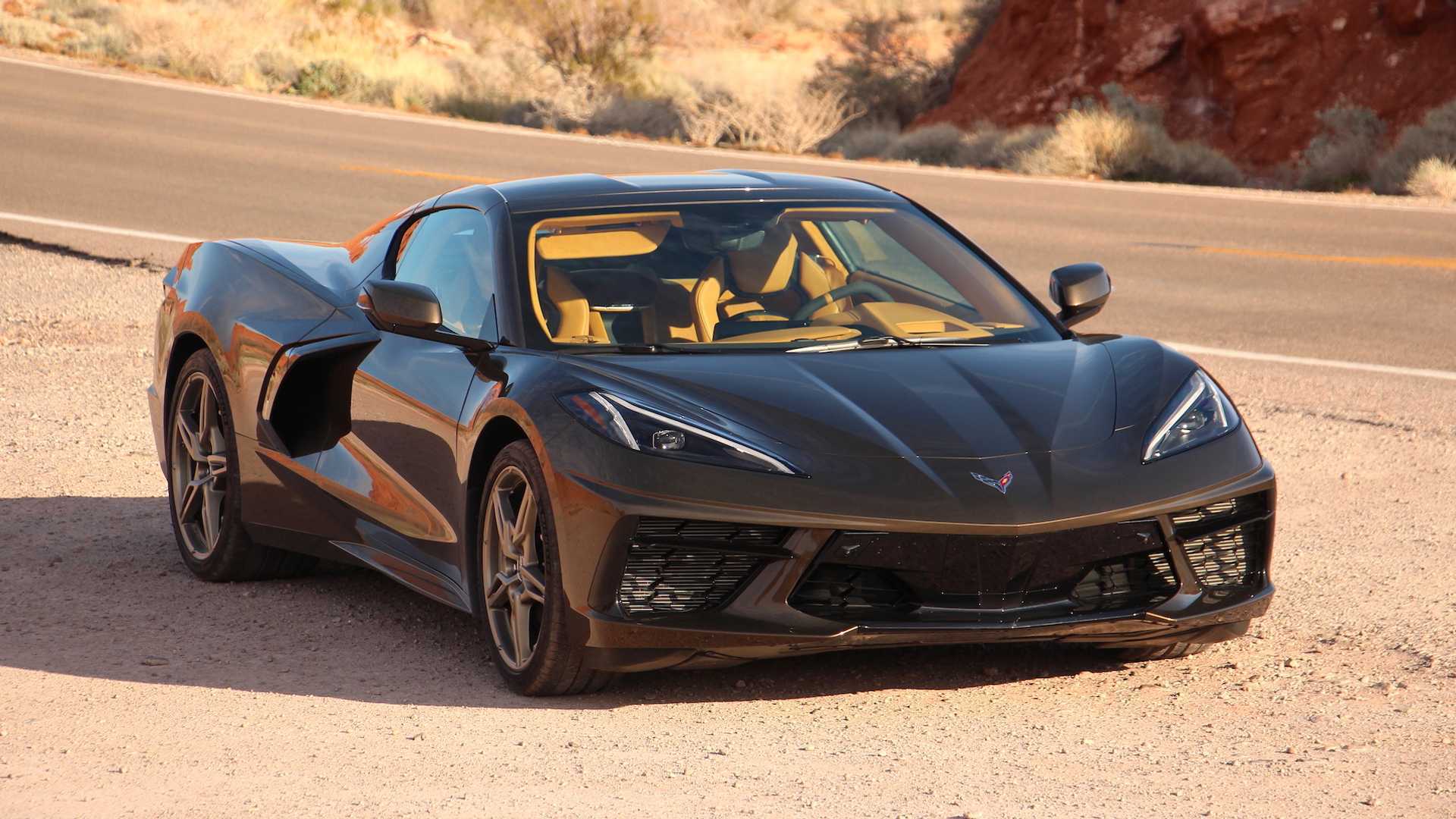
Chevrolet Corvette C8
The Chevrolet Corvette C8 redefined what American sports cars could be, offering a mid-engine layout without compromising urban practicality. Its modern transmission operates smoothly, reducing fatigue in stop-and-go traffic.
Despite its aggressive appearance, the Corvette maintains good visibility for city driving, helping drivers feel controlling their surroundings. Its low center of gravity provides stability while maneuvering, making crowded streets less intimidating.
Ride quality benefits from contemporary suspension technology, which combines stiffness for handling with adaptability for city surfaces. Potholes and uneven pavement feel less severe than in previous generations, and speed bumps can be approached with caution.
The Corvette feels composed rather than harsh, providing confidence for everyday commutes and short errands without excessive discomfort. Inside, the C8 focuses on driver comfort and functionality. Seats offer support and cushioning for longer drives, and the interior technology supports convenience and efficiency.
Storage includes front and rear compartments, which is rare for mid-engine cars, making groceries, bags, or small luggage manageable. The cockpit design ensures the driver remains connected to the car without feeling overwhelmed in daily situations.
Reliability and maintenance considerations further enhance the Corvette’s practicality. The engine responds predictably in traffic, avoiding sudden bursts of power, while the car’s build quality ensures durability under daily stress.
Fuel consumption is higher than conventional sedans, but mechanical reliability remains strong, allowing owners to enjoy supercar performance without excessive daily compromise.
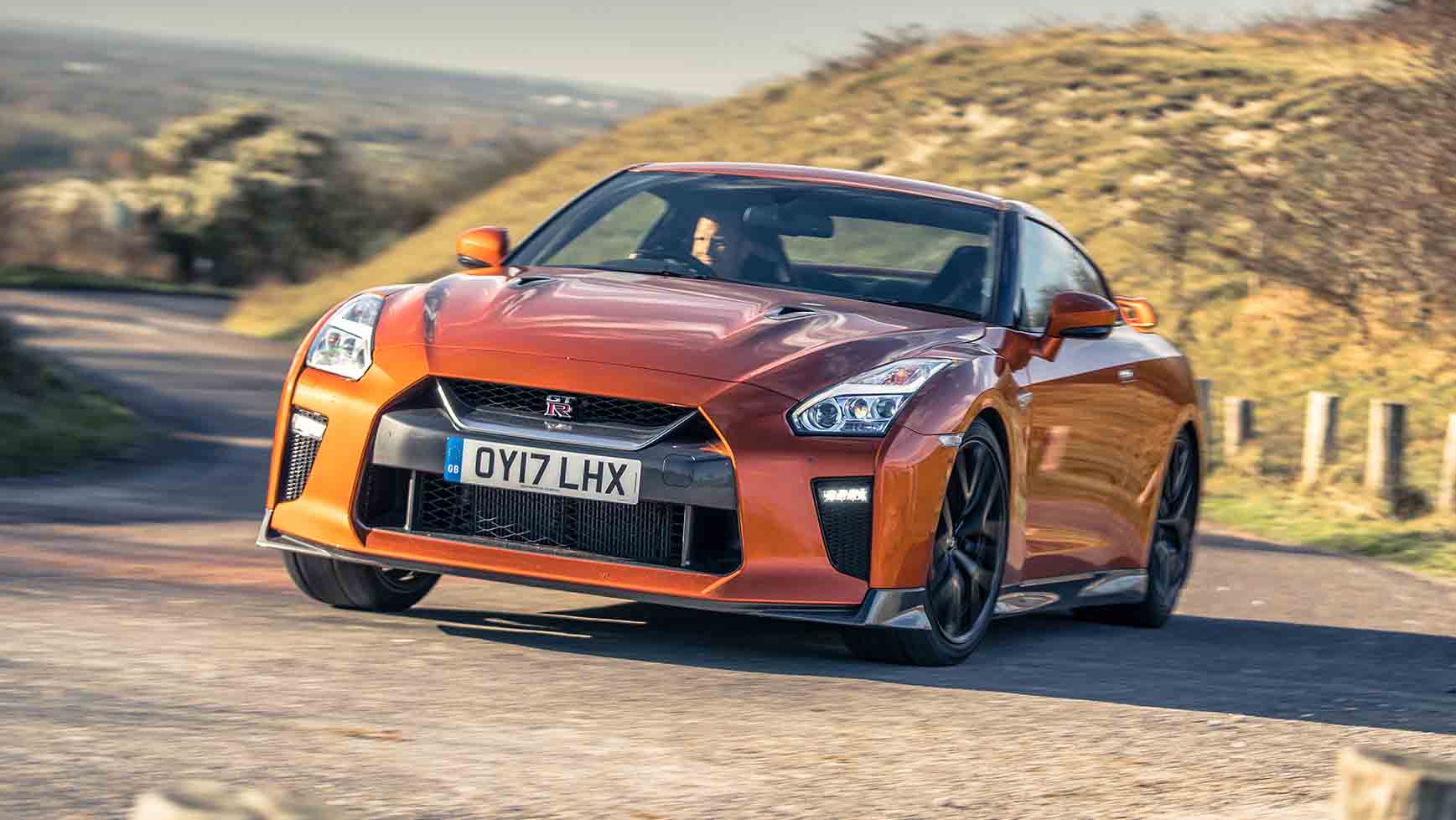
Nissan GT R
The Nissan GT R is often seen as a brute force supercar, yet it offers real-world usability in urban environments. Its all wheel drive system provides remarkable stability, particularly in congested traffic or on slippery surfaces.
Steering remains precise and predictable at low speeds, and the car feels responsive without being overwhelming. Drivers can enjoy performance without sacrificing confidence in tight spaces or busy streets.
Suspension settings allow for adaptable ride quality, softening harsh city surfaces while maintaining handling integrity. Uneven roads, potholes, and speed bumps are more manageable than in other high-performance vehicles.
The GT R’s ground clearance, though low, allows careful navigation over common urban obstacles without frequent scraping, making it feasible for daily commutes.
The interior combines functionality with comfort. Seats are supportive for spirited driving yet remain cushioned for city errands. Infotainment and climate controls are simple to operate, reducing distraction in traffic. Rear seating is limited but usable for extra storage or occasional passengers, while the trunk provides additional capacity for groceries or bags, increasing practicality.
Mechanical reliability contributes to the GT R’s urban usability. The engine remains calm during stop-and-go traffic, avoiding overheating or excessive wear.
Maintenance and durability are well-documented, and while fuel consumption is significant, the car’s robustness makes it suitable for regular use. The GT R demonstrates that extreme performance and city practicality can coexist when engineering priorities are balanced.
Sports Cars That Struggle in City Driving
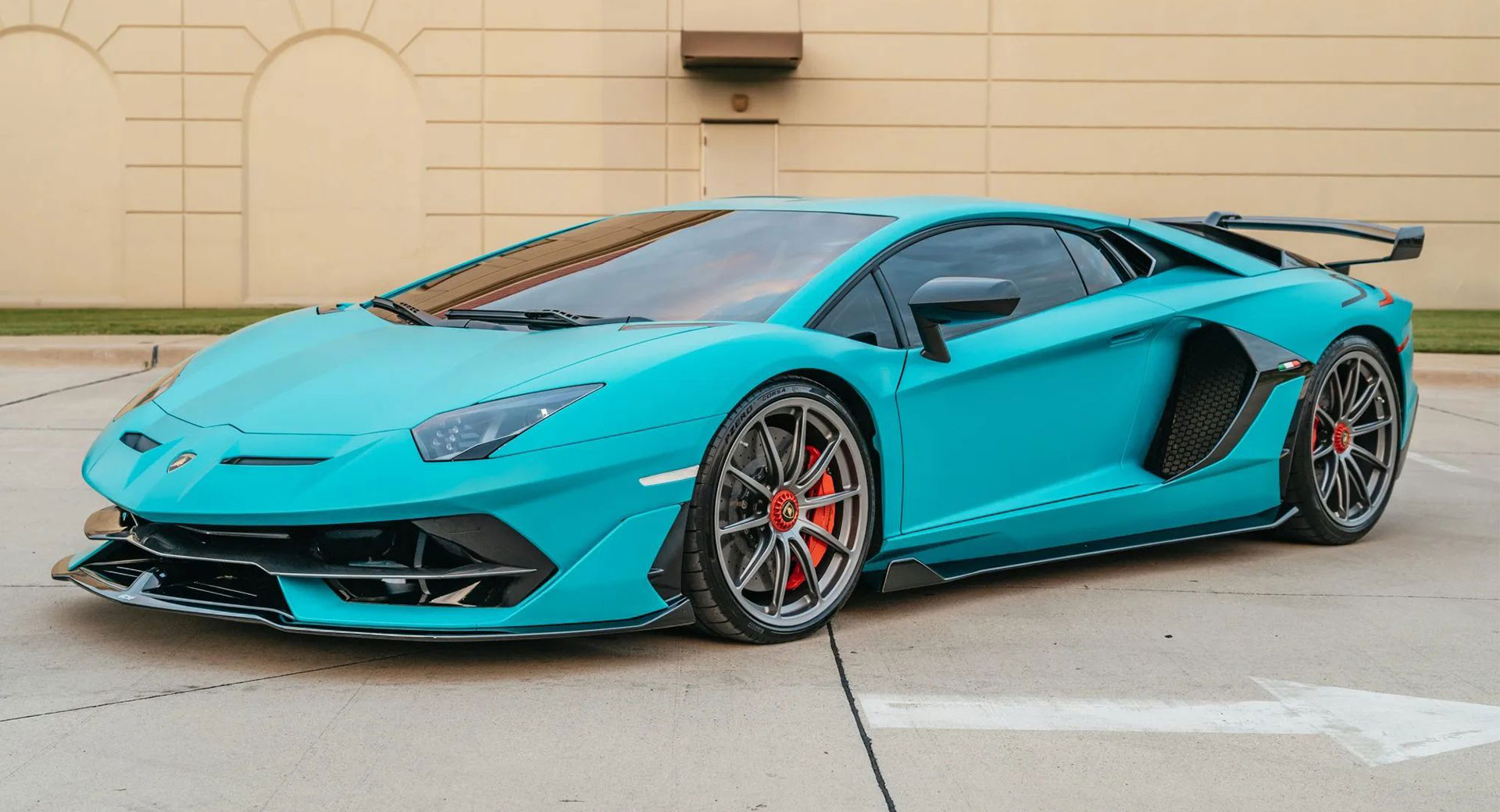
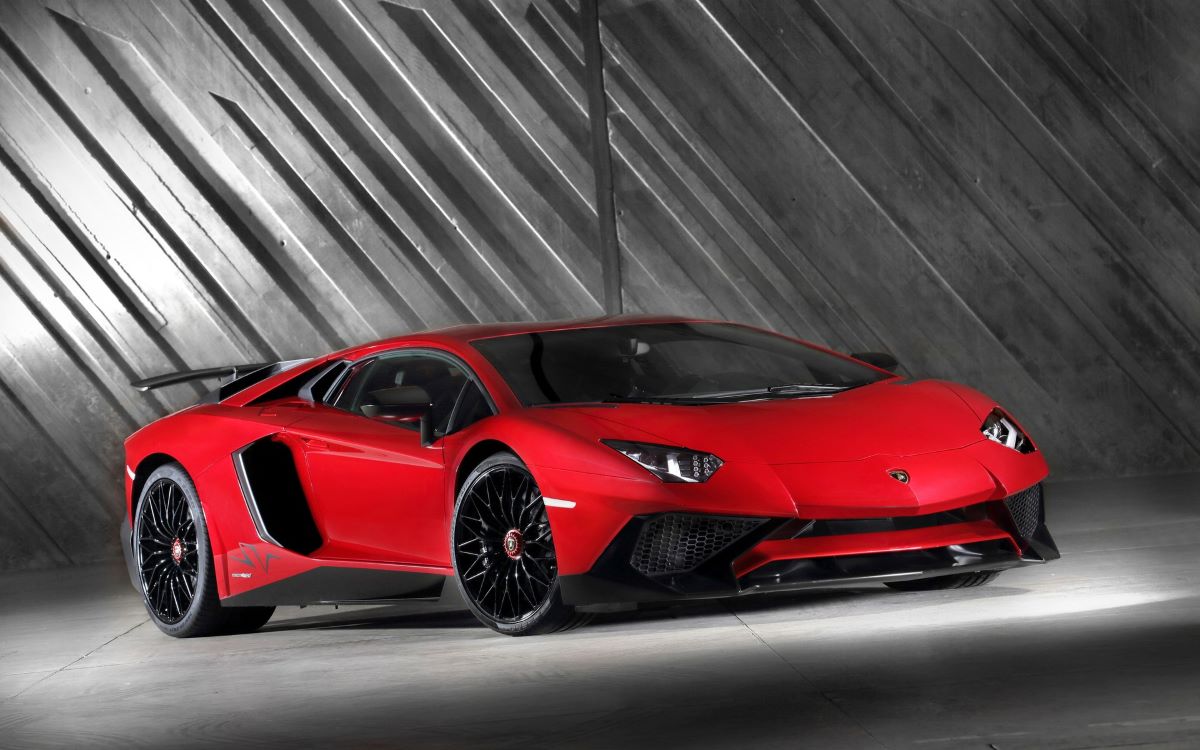
Lamborghini Aventador
The Lamborghini Aventador is an extreme supercar built for performance rather than practicality, making city driving a serious challenge. Its wide and low-slung body complicates tight turns and parking, often requiring multiple adjustments to avoid scraping or hitting curbs.
Visibility is severely limited by the sharp angles of its bodywork and small windows, forcing drivers to rely heavily on mirrors or cameras in crowded streets. Even seemingly simple tasks, like entering driveways or navigating intersections, require constant attention and planning.
Suspension stiffness in the Aventador amplifies every imperfection in urban roads. Potholes, speed bumps, and uneven pavement translate directly into harsh vibrations felt throughout the cabin.
The car’s extremely low ground clearance adds further risk, making any incline or curb a potential hazard. Drivers must constantly scan the road ahead to avoid damaging the underside, which makes city driving exhausting rather than enjoyable.
The interior, while luxurious, is designed for performance and visual impact rather than convenience. Cabin space is cramped, particularly in the rear, and storage is almost nonexistent, limiting the car’s utility for errands or carrying even small luggage.
Controls prioritize dramatic flair over functionality, meaning that simple operations can feel cumbersome in routine situations. Long commutes can quickly become tiresome due to these design compromises.
Maintenance and operational demands make the Aventador even less suited to urban life. Its naturally aspirated V12 engine produces extreme heat, particularly in traffic, and fuel consumption is excessive for everyday driving. Routine maintenance is costly and complex, and mechanical components are vulnerable to the frequent stop-and-go and uneven surfaces typical of city streets.
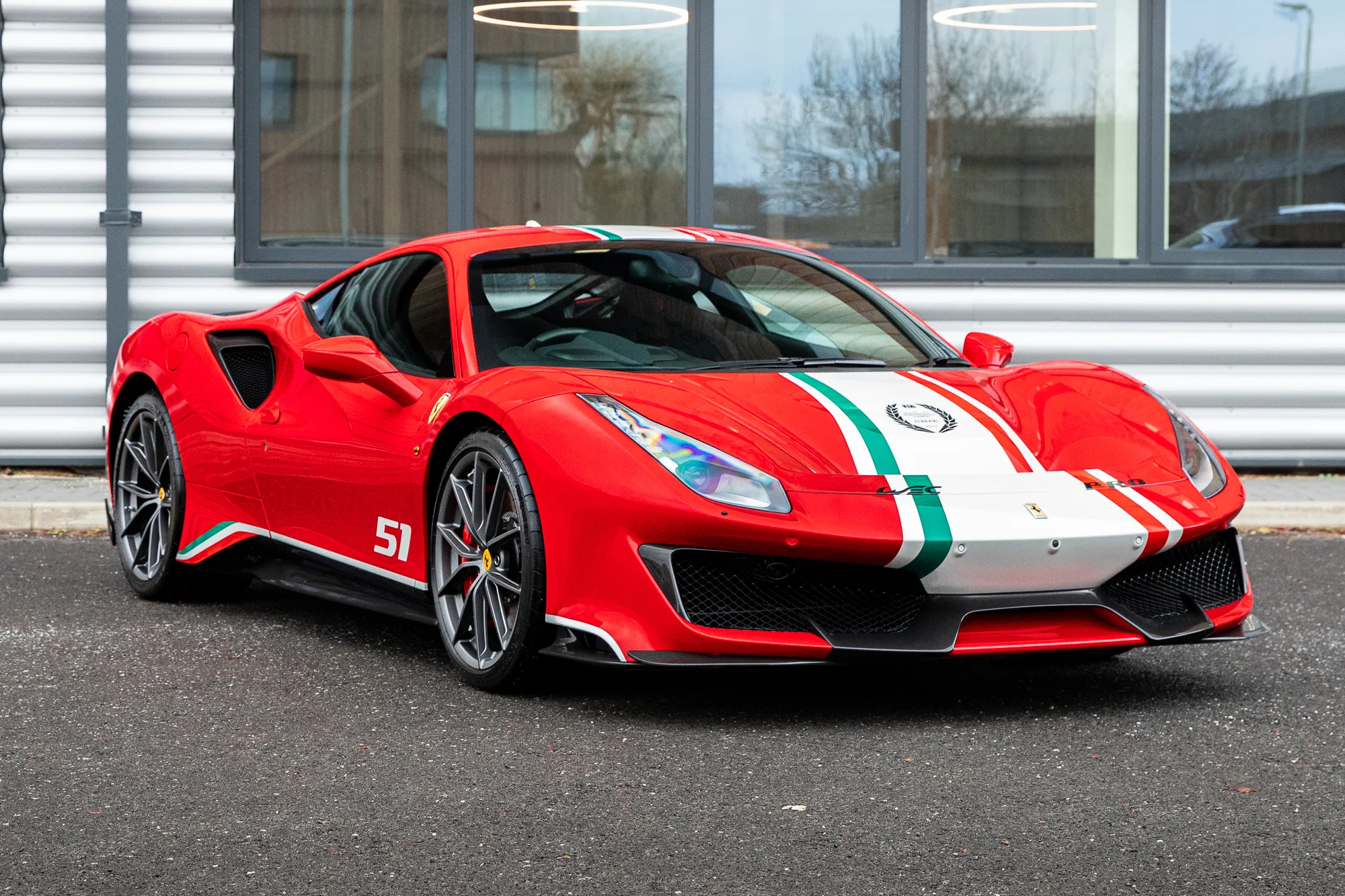
Ferrari 488 Pista
The Ferrari 488 Pista is a track-focused machine that struggles with the demands of city driving. Its suspension is extremely stiff and unforgiving, designed to maximize cornering performance rather than absorb road imperfections.
Even minor bumps or potholes are transmitted directly into the cabin, making short trips stressful and fatiguing. This extreme setup discourages daily use, especially on roads with uneven surfaces.
Visibility is another major concern in the 488 Pista. Aggressive bodywork and a low seating position reduce outward sightlines, creating blind spots that complicate parking and lane changes.
Drivers must exercise constant vigilance to avoid obstacles, and minor misjudgments can result in scratches or more serious damage. The low ground clearance further increases the likelihood of scraping on speed bumps or ramps, adding a layer of anxiety to every city journey.
The interior prioritizes lightweight performance over comfort or practicality. Minimal storage space makes it difficult to carry groceries, bags, or other essentials, and the racing-style seats, while supportive during spirited driving, are less comfortable for extended commutes.
Cabin ergonomics emphasize driving engagement over convenience, leaving little room for ordinary urban tasks. Even short errands can feel restrictive and inconvenient in this setup.
Mechanical and operational demands further reduce the Pista’s usability in cities. The twin-turbo V8 engine produces immense heat, which becomes problematic during traffic congestion.
Fuel consumption and maintenance requirements are high, and any minor mechanical issue can become an expensive and disruptive burden. The Ferrari 488 Pista is designed for the track and performance roads, not stop-and-go city streets.
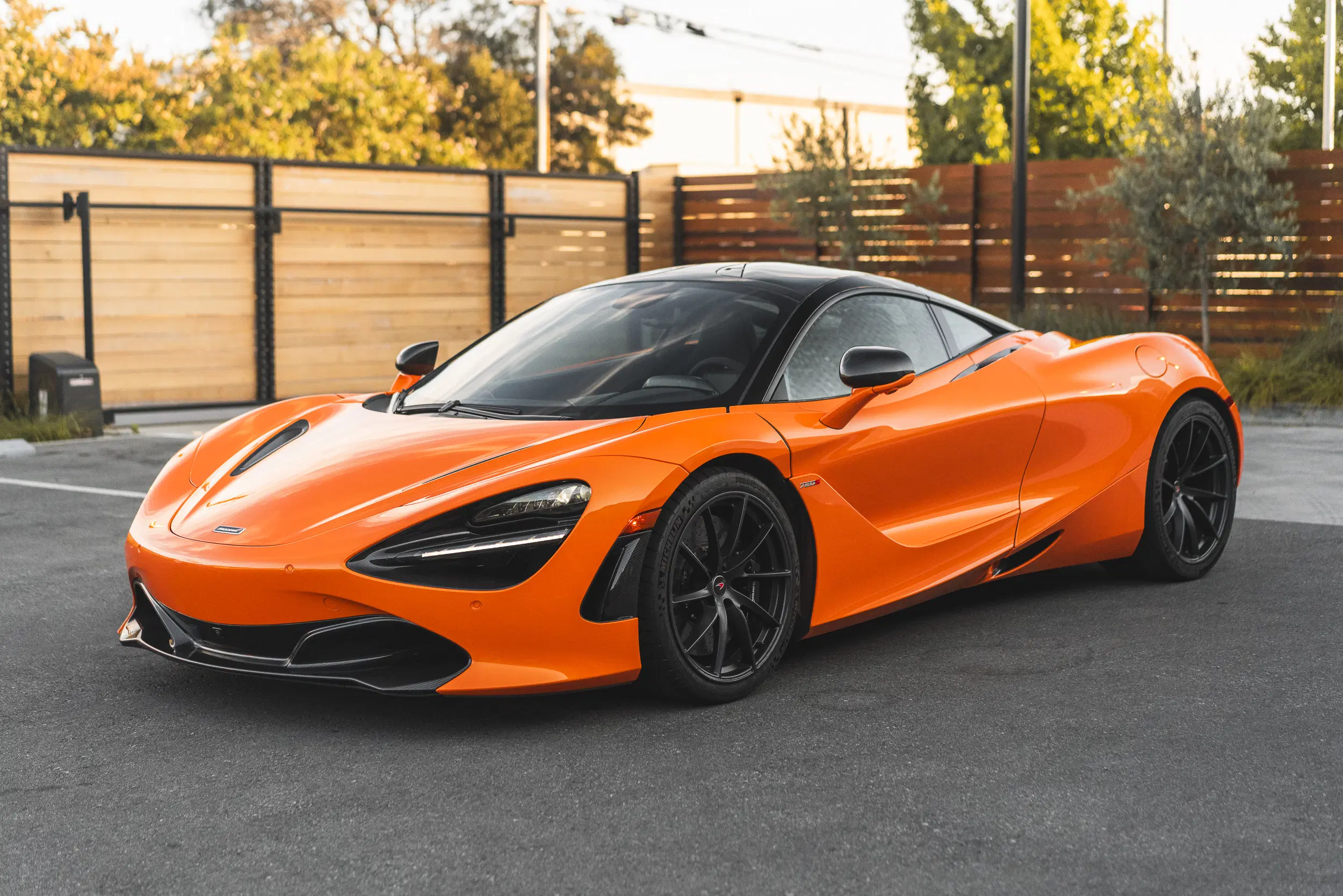
McLaren 720S
The McLaren 720S is a high-performance supercar that excels on open roads but struggles in urban environments. Its wide, low stance makes navigating narrow streets, tight corners, and crowded parking spaces stressful.
While visibility is better than some competitors, the driver’s view remains limited, requiring constant attention to surroundings. The sheer size and low ride height make city maneuvers tense and demanding.
The 720S’s suspension is tuned for performance, prioritizing handling and precision over comfort. Urban imperfections, such as potholes, bumps, or uneven pavement, are harshly transmitted to the cabin, making slow city driving uncomfortable.
Speed bumps and ramps must be approached cautiously, and scraping is a constant concern, adding mental stress to what should be a routine commute.
Inside, McLaren emphasizes driver engagement rather than practicality. The cabin is minimalistic, with storage space almost nonexistent, and controls are designed for racing precision rather than convenience.
Daily errands such as grocery shopping or carrying luggage become impractical, and even short trips may feel restrictive and uncomfortable. Comfort is secondary to performance in this environment.
The car’s mechanical requirements further limit its urban usability. The twin-turbo V8 engine generates significant heat in slow-moving traffic, and fuel consumption is extremely high.
Maintenance and repairs are expensive, and city driving can accelerate wear on tires, brakes, and other components. The 720S is an extraordinary car for performance enthusiasts, but it is not suited to everyday urban life.
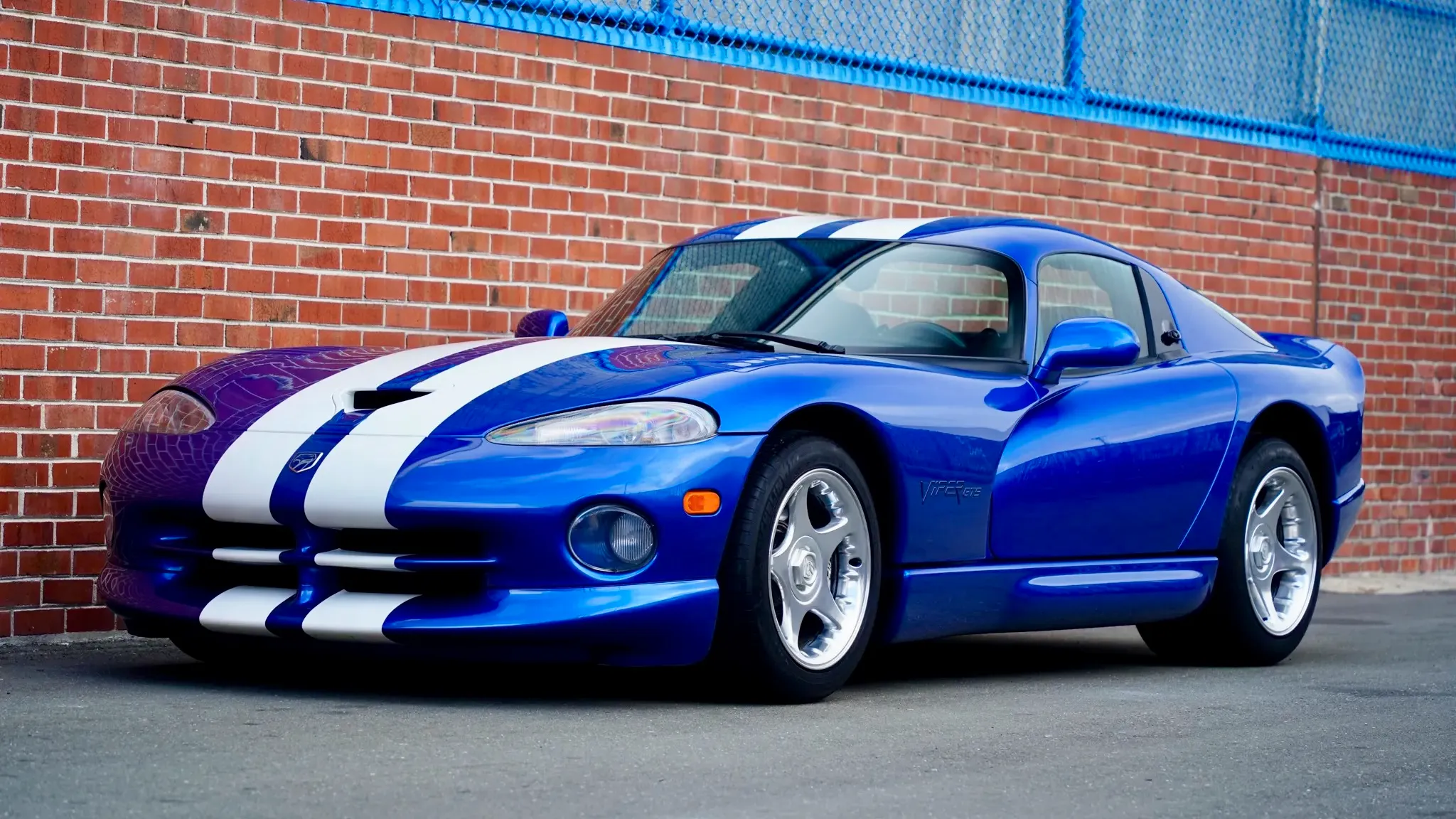
Dodge Viper
The Dodge Viper is a raw and uncompromising sports car that makes city driving a challenging experience. Its heavy manual clutch and high-revving engine require constant attention, making stop-and-go traffic physically demanding.
Steering is heavy at low speeds, and the car feels cumbersome in tight areas, leaving little margin for error. Urban streets expose the Viper’s lack of refinement, highlighting its extreme design priorities.
The suspension in the Viper is extremely firm, transmitting road imperfections directly to the driver. Uneven surfaces, potholes, and speed bumps are uncomfortable, and low ground clearance requires careful navigation to avoid scraping.
The ride quality is tiring over short distances, turning simple city commutes into a physically stressful experience. Daily usability is heavily compromised by this stiffness.
Interior design emphasizes raw performance over comfort. Cabin space is limited, seats are minimally cushioned, and storage is almost nonexistent. Daily tasks such as grocery runs or transporting passengers are inconvenient at best and impossible at worst. The Viper’s layout and ergonomics favor spirited driving rather than practical city mobility, reducing its everyday appeal.
Mechanical and operational concerns further limit practicality. The Viper’s V10 engine produces excessive heat during idle or slow traffic, and fuel consumption is very high. Maintenance is demanding and often costly, and the car’s aggressive nature makes it sensitive to urban conditions. While thrilling on open roads, the Dodge Viper is far from a practical daily urban car.

Lotus Exige
The Lotus Exige is built for precision, lightness, and track performance, which makes it extremely difficult to use in city environments. Its suspension is extremely stiff, offering virtually no comfort on uneven pavement or through potholes.
Speed bumps, ramps, and curbs must be approached cautiously to avoid damage. Even brief commutes can feel physically demanding due to the lack of ride compliance.
Entry and exit are also challenging in the Exige due to its low-slung design. Cabin space is cramped, and visibility is limited, making it hard to judge distances or monitor other vehicles. Tight parking and city maneuvering require extreme care, turning even simple errands into tense tasks. The car’s dimensions and aggressive stance amplify these difficulties.
Interior amenities are minimal by design. Storage space is virtually nonexistent, and there are few convenience features that support everyday usability. The cabin prioritizes lightweight performance over comfort, leaving little room for groceries, luggage, or passengers. This minimalism reinforces the Exige’s unsuitability for daily urban use.
The mechanical and operational realities further restrict practicality. The Exige’s engine produces significant heat during low-speed driving, and maintenance is frequent and costly. Tires and brakes are track-focused and wear quickly under city conditions. While extraordinary on a track, the Lotus Exige is almost impossible to use comfortably or efficiently in a city setting.
