
Sports cars are often admired for their speed, design, and engineering, but they are not always practical for everyday roads. Some models handle potholes, bumps, and uneven surfaces with surprising ease, while others punish drivers with scraping underbodies and constant worry.
The difference usually comes down to suspension design, ground clearance, and build quality. Enthusiasts often focus on performance statistics, but the comfort and survivability of a sports car on real roads can make or break the ownership experience.
Many modern sports cars are designed primarily for smooth tracks, which means they sit low and stiff. While this improves cornering and stability at high speeds, it also makes them vulnerable to uneven asphalt.
Drivers in cities or rural areas with imperfect roads often discover that a car can’t handle everyday obstacles. Cracked pavement, speed bumps, and hidden dips in the road test the limits of both the suspension and the driver’s patience.
Conversely, some sports cars manage to combine performance with surprising toughness. They may not be the fastest cars on the track, but their suspension systems, chassis design, and higher ground clearance allow them to cope with roads that would otherwise punish low-slung vehicles.
These cars give owners confidence that they can enjoy speed and handling without constant concern about scraping or damage. Choosing the right car for your driving conditions is as important as choosing a car for style or speed.
This article identifies ten sports cars based on their ability to survive bad roads or scrape constantly. Five of them are built tough enough to handle urban potholes, gravel streets, and occasional off-road bumps. The other five are primarily for enthusiasts willing to accept a low ride height and stiff suspension as the price of performance.
By understanding which models fit each category, buyers can make informed decisions. Knowing how a car performs on rough surfaces can prevent frustration and expensive repairs while still allowing drivers to enjoy the thrill of a sports car.
5 Sports Cars That Survive Bad Roads

1. Porsche 911 Carrera
The Porsche 911 Carrera is renowned for its unique combination of speed, precision, and comfort. Unlike many other sports cars that punish drivers on uneven surfaces, the Carrera is designed to adapt to various conditions. Its adaptive suspension system allows the car to adjust the damping based on road quality, softening impacts from potholes and uneven asphalt while maintaining impressive handling.
Owners often find that the car glides smoothly even on streets with cracks, bumps, or minor debris, making it one of the rare sports cars that balances daily usability with performance.
Ground clearance plays a critical role in the 911’s road survivability. While still lower than a typical sedan, it is higher than many track-focused vehicles, giving the car the ability to pass over speed bumps, curbs, and dips in the road without scraping the underbody.
This feature is particularly appreciated by drivers in urban areas or older neighborhoods where road maintenance is inconsistent. The Carrera’s suspension absorbs shocks effectively, so impacts do not transfer harshly into the cabin. This balance ensures that owners can enjoy spirited drives without worrying about frequent repairs.
The all-wheel-drive variants of the 911 further enhance confidence on bad roads. The system distributes torque efficiently between the front and rear wheels, providing stability on slippery or uneven surfaces.
Drivers experience a sense of control even when encountering patches of gravel, potholes, or uneven asphalt. The car’s precise weight distribution, combined with responsive steering, allows it to maintain composure without sacrificing performance. This makes the 911 a rare sports car capable of performing both on smooth racetracks and imperfect roads.
Finally, Porsche’s meticulous engineering ensures long-term durability. The chassis and body structure are designed to absorb and distribute impacts while remaining rigid enough for aggressive driving. Even older models retain much of their resilience, showing that the 911 is not just a performance machine but also a practical sports car.
For owners who want excitement without constant concern over scraping or damage, the Carrera provides a well-rounded solution. The combination of ride comfort, adaptive suspension, and intelligent engineering makes it a standout for those who encounter bad roads frequently.
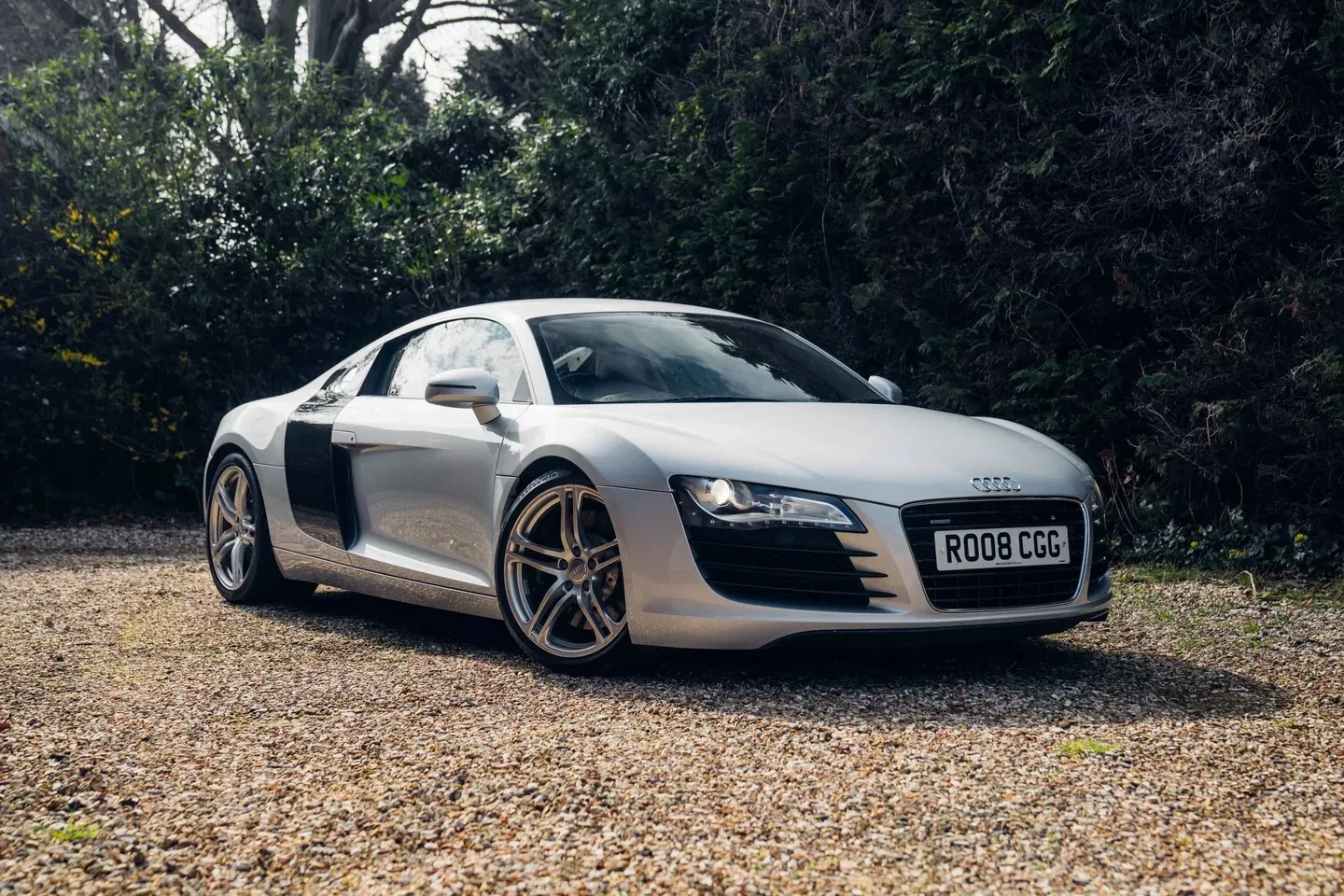
2. Audi R8
The Audi R8 blends extreme performance with surprising practicality for daily driving. Its suspension is tuned to provide both comfort and control, allowing the car to handle bumps and cracks in the road without transmitting harsh shocks into the cabin.
Drivers often remark on how the car feels planted and stable, even when navigating streets that would unsettle other mid-engine sports cars. The adaptive damping system adjusts dynamically, softening the ride when required while still providing the firmness necessary for cornering and high-speed driving.
The R8’s ground clearance is more generous than expected for a supercar. While it still sits low for aerodynamic efficiency, the car rarely scrapes under normal urban conditions. Driveways, speed bumps, and uneven streets can be navigated with caution, avoiding costly damage to the front splitter or undercarriage.
This practicality makes the R8 an attractive choice for owners who want a high-performance vehicle without sacrificing usability. Its balance of comfort and capability is especially important for those who drive daily in areas with rougher roads.
The quattro all-wheel-drive system contributes significantly to the R8’s ability to handle poor surfaces. It provides excellent traction, even when encountering uneven patches, gravel, or wet pavement.
Drivers can take corners with confidence, knowing that the car maintains grip and composure. The combination of adaptive suspension and all-wheel-drive ensures that the R8 remains enjoyable on both smooth highways and rougher streets, a balance few other sports cars achieve.
Interior comfort also enhances the road survivability of the R8. The seats are supportive yet cushioned, reducing fatigue from long drives on imperfect roads. Noise and vibration are well-controlled within the cabin, allowing occupants to remain comfortable even when the surface is rough.
While it remains a high-performance sports car, the R8 proves that extreme speed and daily usability can coexist, making it a rare example of a supercar that is practical in real-world conditions.
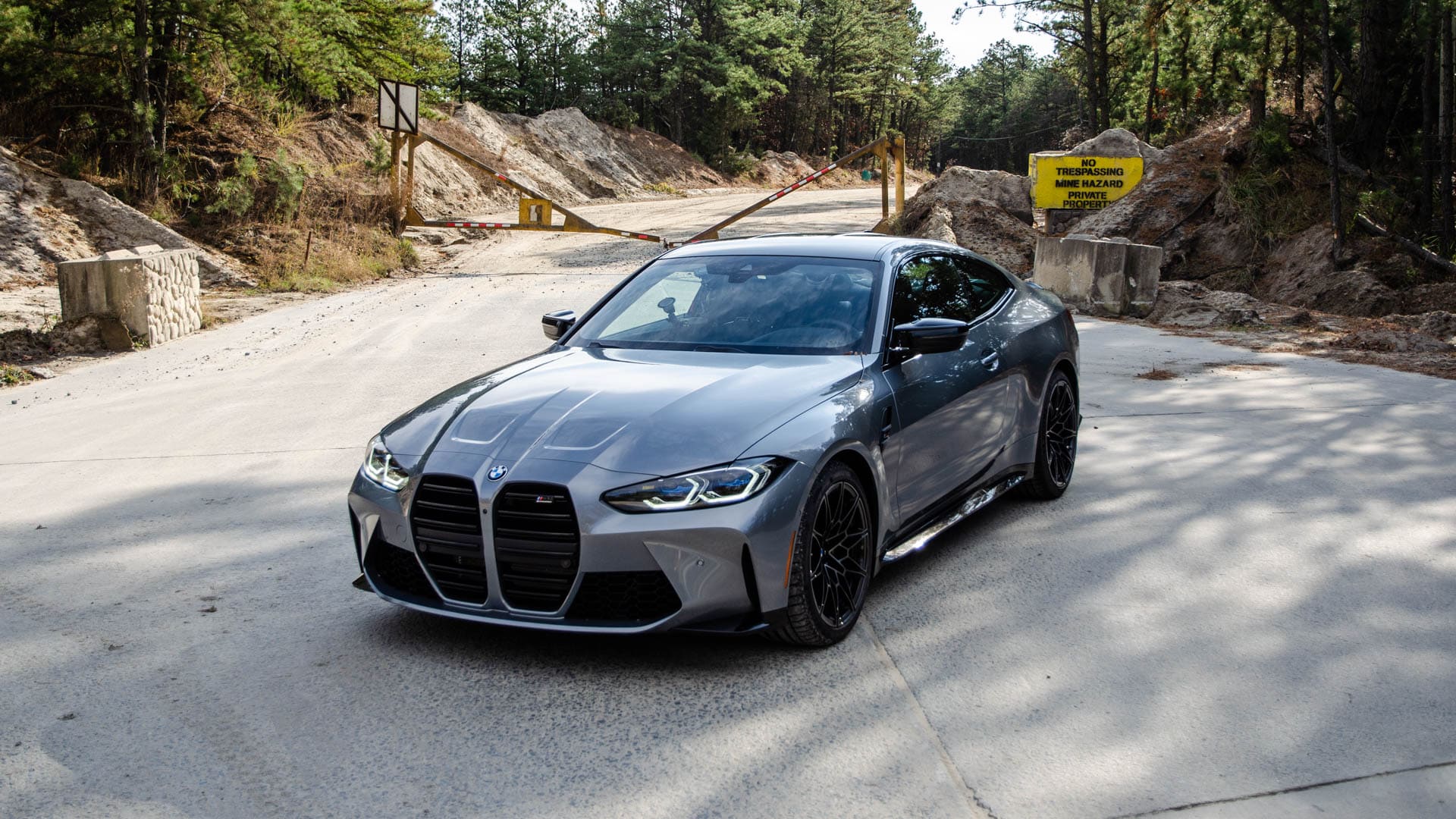
3. BMW M4
The BMW M4 offers a compelling mix of performance and everyday usability, making it one of the sports cars that can handle bad roads effectively. Its adaptive M suspension allows drivers to choose between a softer setup for comfort or a firmer setup for aggressive driving.
This flexibility enables the M4 to absorb road imperfections without compromising control, allowing owners to enjoy sporty driving even on streets with potholes, dips, or uneven asphalt. The car’s ride quality strikes a balance that few competitors manage, making it an excellent choice for both daily use and spirited outings.
Ride height is another factor that contributes to the M4’s survivability on rough roads. Slightly elevated compared to track-focused models, it avoids scraping over driveways, speed bumps, and small obstacles. The chassis is engineered to distribute impact forces efficiently, minimizing damage to both the suspension and the underbody. This makes the M4 a reliable option for urban driving, where streets are rarely perfectly maintained, and bumps and dips are unavoidable.
The steering and stability systems are tuned to complement the adaptive suspension, ensuring that the car remains composed even when encountering irregular road surfaces.
Drivers benefit from responsive handling that does not become twitchy or unpredictable, providing confidence over rough terrain. The M4 proves that a high-performance sports car can be agile and controlled while still forgiving on imperfect roads. This combination appeals to enthusiasts who want excitement without daily inconvenience.
Finally, the interior enhances the driving experience on bad roads. Well-cushioned seats, thoughtful ergonomics, and noise insulation reduce fatigue, allowing the driver to remain comfortable even during longer drives over imperfect surfaces.
Combined with the structural strength of the chassis, the M4 demonstrates that a sports car does not need to sacrifice practicality to deliver thrilling performance. It is an example of a vehicle that balances speed, handling, and durability for real-world conditions.
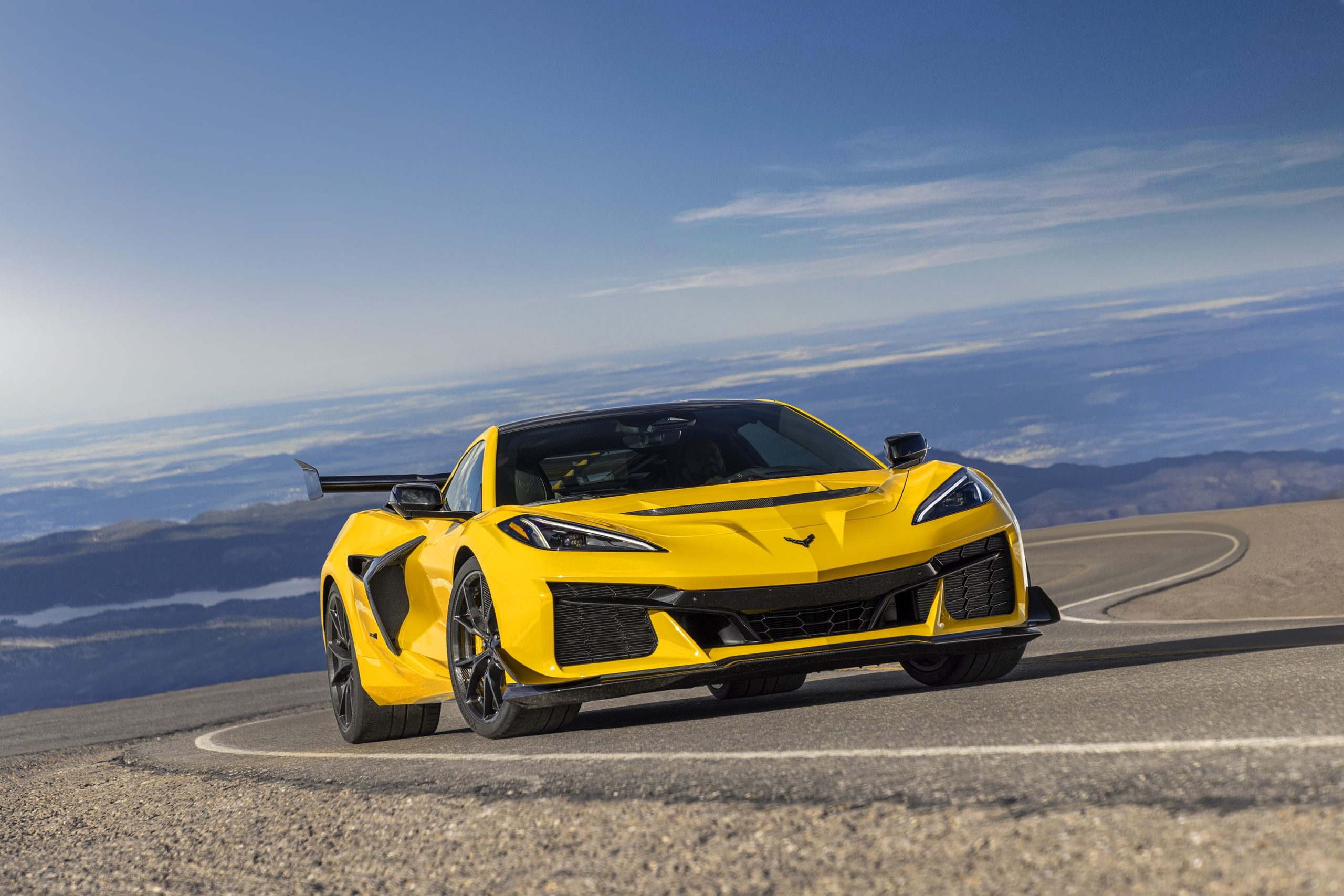
4. Chevrolet Corvette C8
The Chevrolet Corvette C8 offers an unexpected combination of performance and resilience on rough roads. Its suspension is designed to absorb shocks from bumps and potholes without compromising handling or stability.
While mid-engine cars are often low and delicate, the C8’s design allows drivers to navigate uneven surfaces with confidence. Many owners report that the ride remains smooth even when roads are less than ideal, making the Corvette surprisingly practical for daily driving.
Ground clearance is a key advantage of the C8. The front and rear sections are designed to avoid scraping under normal urban conditions, and the suspension geometry helps prevent contact with raised pavement edges or dips in the road.
This allows the car to handle city streets, suburban roads, and uneven surfaces without the constant concern that plagues many other mid-engine sports cars. The Corvette strikes a balance between aggressive performance and everyday usability, making it an appealing choice for enthusiasts who drive regularly.
Tires and wheels also play a role in the C8’s ability to handle rough surfaces. Wider tires with flexible sidewalls help absorb shocks and maintain composure over bumps and cracks. This setup ensures that the car remains planted while providing a more forgiving ride than track-focused supercars. Drivers benefit from both performance and comfort, making the Corvette a versatile option for those who enjoy driving on imperfect roads as well as smooth highways.
Finally, build quality and structural engineering contribute to the C8’s endurance. Reinforced panels and a strong chassis allow the car to withstand stress from uneven surfaces while maintaining performance integrity.
Owners can enjoy spirited driving without worrying about constant damage to the underbody or suspension components. The C8 demonstrates that American sports cars can combine high-speed thrills with real-world practicality, offering a well-rounded experience for daily drivers.
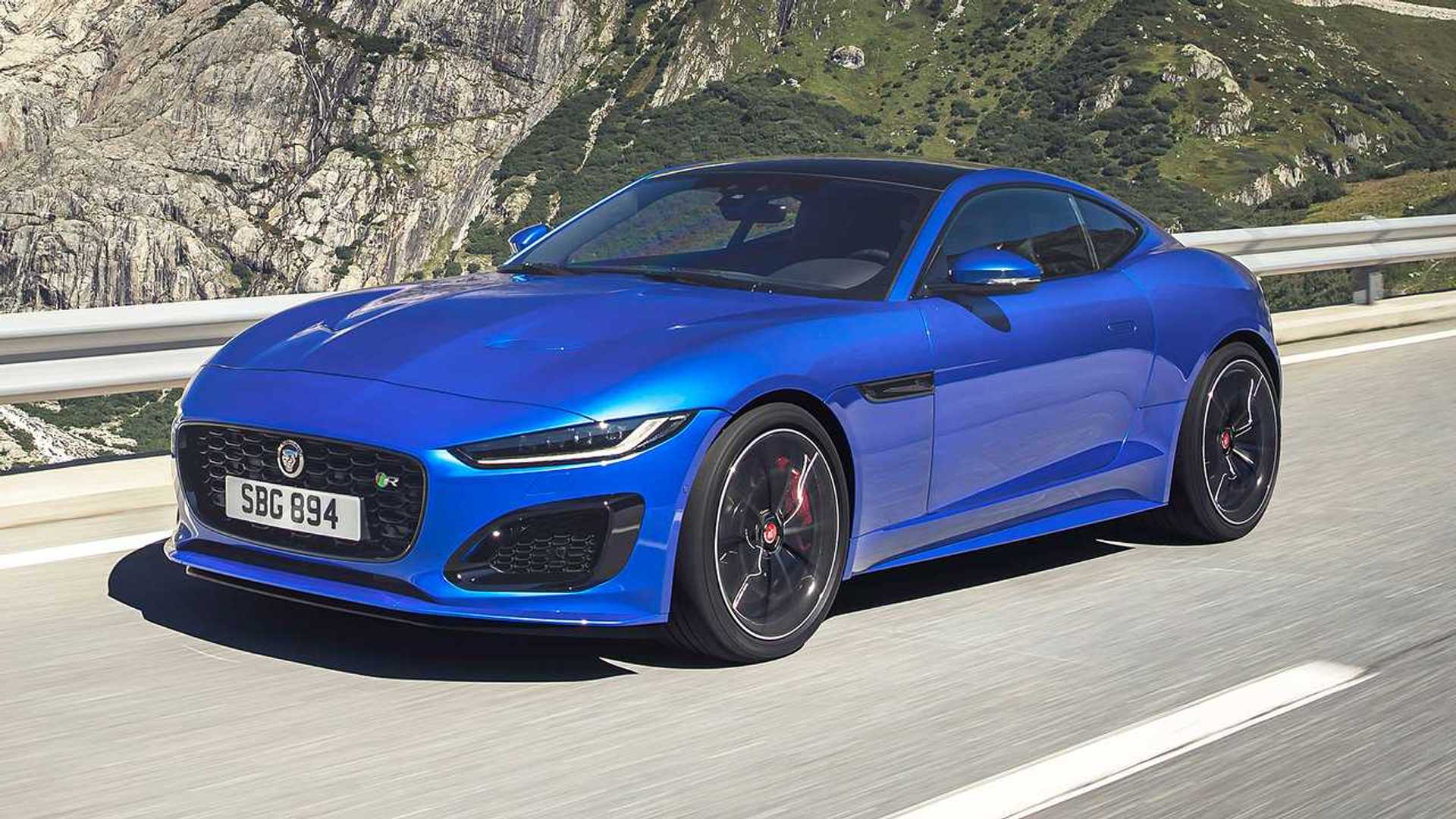
5. Jaguar F-Type
The Jaguar F-Type blends style, performance, and comfort, making it a sports car that survives bad roads effectively. Its adaptive suspension softens harsh impacts while retaining stability and responsiveness, allowing the car to handle uneven pavement with confidence.
Drivers find that the F-Type remains composed over bumps, cracks, and minor debris, offering a level of comfort unusual for a performance-focused vehicle. Its design makes it both elegant and practical, a rare combination in the sports car segment.
Moderate ground clearance adds to the F-Type’s survivability. The car can clear speed bumps, dips, and slightly raised obstacles without scraping, a feature that urban and suburban drivers find particularly useful.
The suspension is designed to maintain composure while adjusting to various road conditions, ensuring that the car can be driven daily without constant concern about damage to the underbody or splitter. This balance allows owners to enjoy both performance and practicality.
All-wheel-drive versions of the F-Type enhance stability further, particularly on uneven or slippery roads. Traction is maintained, and the car’s handling remains predictable even when the pavement is inconsistent. Drivers can confidently push the car through corners and curves without worrying about losing control or bottoming out. The F-Type proves that it is possible to have an agile sports car capable of handling imperfect surfaces without sacrificing driving enjoyment.
Finally, the interior contributes to comfort and durability over bad roads. Well-cushioned seats and effective noise insulation reduce fatigue on long drives, while structural integrity keeps shocks from causing damage.
The F-Type demonstrates that a sports car can be both luxurious and tough, capable of surviving rough streets while still delivering an engaging driving experience. Its combination of suspension, ground clearance, and build quality makes it a strong choice for enthusiasts who value both style and practicality.
5 Sports Cars That Scrape Constantly
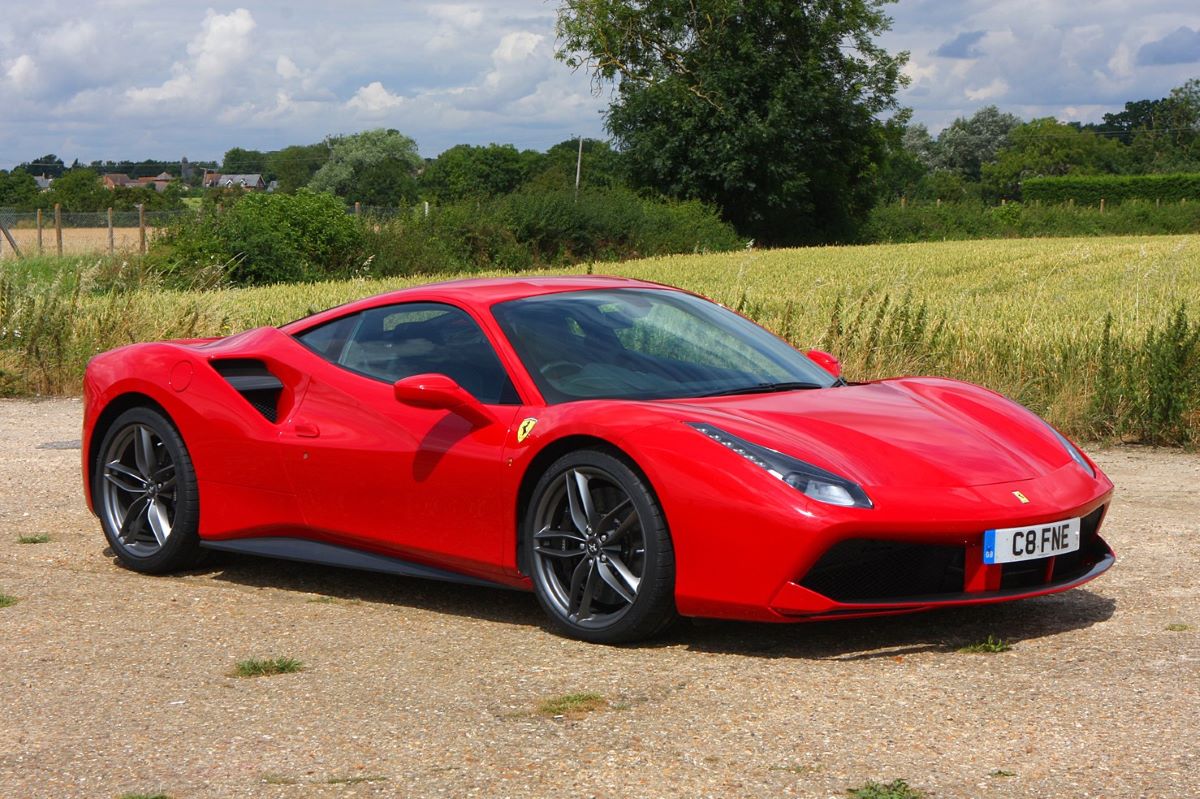
1. Ferrari 488
The Ferrari 488 is designed with track performance in mind, and that often comes at the cost of practicality on normal roads. Its extremely low stance and stiff suspension make it highly susceptible to scraping over speed bumps, dips, and uneven pavement.
Drivers quickly notice that even minor obstacles can result in contact with the front splitter or underbody. Urban streets or older suburban roads become a constant source of caution, and owners must often slow down or angle the car carefully to avoid damage.
Ground clearance in the 488 is minimal to enhance aerodynamics and high-speed stability. While this improves cornering and reduces lift at high speeds, it makes navigating everyday roads a challenge. Driveways, raised crosswalks, and cracked asphalt frequently require careful maneuvering. Many owners install protective plates or skid guards to help prevent costly repairs, as the risk of scraping is high even with cautious driving.
The stiff chassis, while perfect for precision and handling, amplifies the sensation of every bump and crack. Every pothole is felt through the cabin, and prolonged driving on rough roads can become uncomfortable.
The ride focuses on transmitting road feedback directly to the driver, enhancing control but punishing the body and the undercarriage. Owners who prioritize daily usability often find the car demanding in real-world conditions.
Finally, the combination of low-profile tires and wide wheels increases vulnerability. The tires offer minimal cushioning, and the large rims are prone to curb or road-edge contact. While the Ferrari 488 excels in acceleration, cornering, and track performance, it demonstrates the downside of prioritizing speed above practical usability. Driving it on imperfect roads requires patience and careful attention at all times.
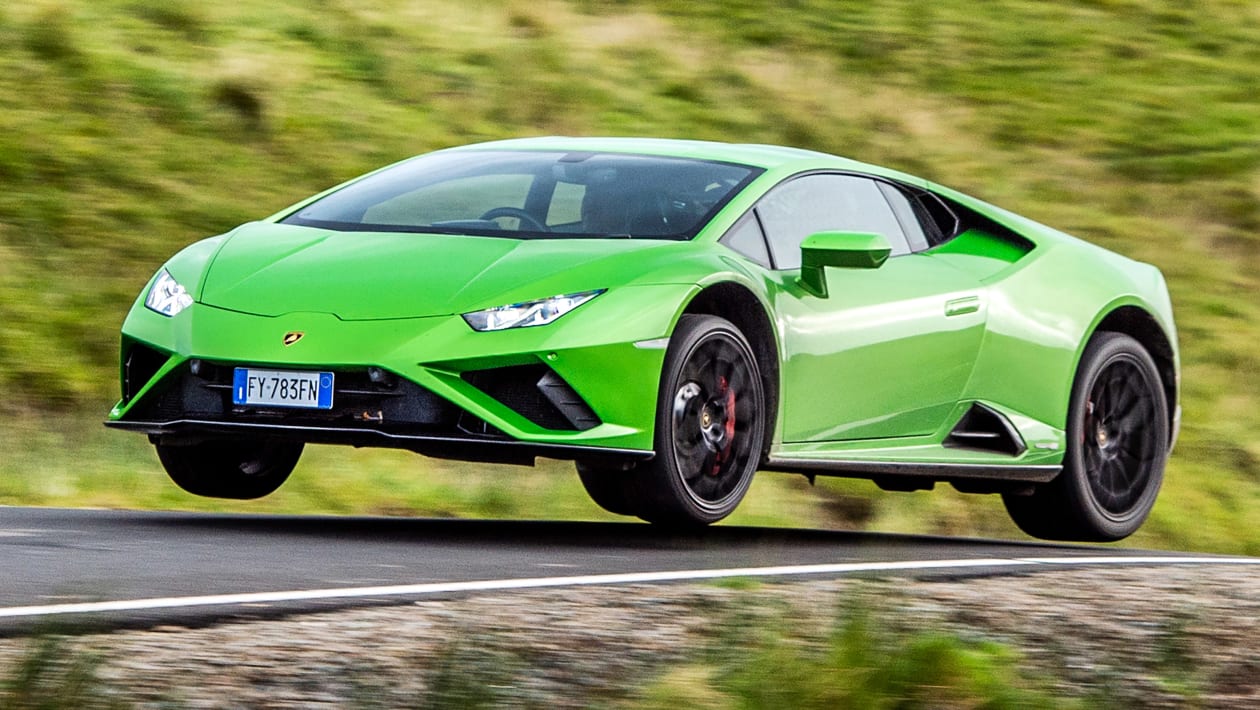
2. Lamborghini Huracan
The Lamborghini Huracan is another supercar that demands smooth surfaces to shine. Its aggressive design and low ride height make it prone to scraping underbody components, even on minor bumps. While thrilling to drive at high speed, navigating city streets, uneven driveways, or streets with cracks often forces the driver to slow down significantly. The car’s low front splitter is particularly vulnerable to contact with raised surfaces.
The Huracan’s suspension is stiff and tuned for track precision rather than absorbing imperfections. While this ensures exceptional handling in corners, it makes rough roads feel harsh and unforgiving. Potholes, dips, and uneven pavement transmit strong shocks directly into the cabin. Drivers often report needing to pick their routes carefully to avoid damage, limiting the car’s practicality in daily urban driving.
Minimal ground clearance compounds the problem. The car sits extremely close to the pavement, making scraping nearly unavoidable in many real-world situations.
Even a slight incline on a driveway or a small dip in the road can result in contact with the underbody. Owners frequently have to adjust approach angles or use protective modifications, which are almost a necessity for anyone driving the car regularly outside of race tracks.
Tires and wheels also contribute to scraping risks. Low-profile tires provide minimal absorption of bumps, while wide rims increase the likelihood of contact with curbs or uneven pavement. The Huracan rewards daring drivers on smooth surfaces but requires extreme caution on imperfect roads. This supercar excels in speed and style but demonstrates how low stance and stiff suspension can make daily driving challenging.

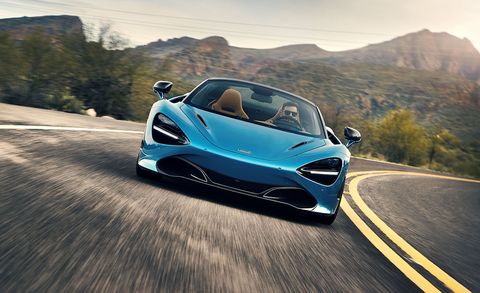
3. McLaren 720S
The McLaren 720S is engineered for speed, precision, and aerodynamics, but these qualities make it extremely prone to scraping. Its low ground clearance and stiff suspension result in frequent underbody contact over minor road imperfections.
Even carefully navigating city streets can be stressful, as driveway inclines, speed bumps, and potholes become potential hazards. Owners must be constantly vigilant when driving outside smooth surfaces.
The extremely low ride height is designed to reduce drag and improve handling at high speeds, but it makes everyday roads unforgiving.
Even small rises in the pavement or uneven asphalt can cause the splitter or chassis components to touch the road. Protective modifications can help, but the car’s performance-focused design inherently limits practical usability. Drivers often need to adjust speed and angle with extreme care to avoid damage.
The 720S’s stiff chassis provides exceptional feedback and cornering performance, but it also transmits every bump directly to the driver. Long trips on roads with uneven surfaces can become uncomfortable quickly.
Unlike cars designed to balance comfort and performance, the 720S prioritizes track-level precision, leaving little room for road forgiveness. Drivers must accept this trade-off to enjoy its incredible acceleration and handling.
Tires and wheel setups further increase the risk of scraping. Low-profile tires offer minimal cushioning, while large wheels raise the likelihood of curb contact. While the McLaren 720S excels in speed, agility, and aerodynamics, it is not suitable for drivers who encounter rough or irregular roads frequently. Its design shows that peak performance can come at the cost of everyday practicality.

4. Aston Martin Vantage
The Aston Martin Vantage is a luxurious sports car, but its low stance and performance-oriented suspension make it prone to scraping. Roads that are slightly uneven, cracked, or inclined often force drivers to proceed cautiously.
Even small obstacles can result in contact with the underbody, which can be a concern for owners who value both aesthetics and functionality. The Vantage requires careful navigation to avoid damage in regular urban or suburban driving.
Ground clearance is minimal, prioritizing aerodynamics and sharp handling over practicality. Driveways, parking ramps, and speed bumps present recurring hazards.
Owners often find themselves adjusting angles and reducing speed to prevent scraping, especially in areas with older or damaged roads. This low ride height enhances performance but limits usability in everyday conditions.
The suspension is stiff, optimized for cornering and road feel rather than comfort over imperfections. Bumps and uneven surfaces transmit strongly into the cabin, making longer drives on rough roads uncomfortable. While the car delivers responsive handling and excellent performance, it demands respect for surface conditions that more forgiving vehicles would absorb with ease.
Low-profile tires and wide rims increase the likelihood of damage from curbs or uneven pavement. Minimal cushioning from the tires amplifies the sensation of rough surfaces. While the Aston Martin Vantage provides thrilling performance and an engaging driving experience, it demonstrates the challenge of balancing luxury, performance, and practicality in a low-slung sports car.

5. Nissan GT-R Nismo
The Nissan GT-R Nismo is built for speed, cornering, and track precision, but its low ride height and stiff suspension make it prone to scraping on normal roads. Speed bumps, dips, and uneven streets are common sources of underbody contact. Even cautious drivers must plan their routes carefully and approach obstacles at precise angles to avoid damage, which can make everyday driving more stressful than with more forgiving cars.
Ground clearance is especially minimal in the Nismo model to enhance performance and aerodynamics. While this contributes to exceptional stability and cornering ability at high speeds, it makes navigating ordinary streets challenging. Driveways, crosswalks, and cracked asphalt frequently test the driver’s caution. Protective modifications are often necessary for owners who wish to avoid costly repairs to the underbody or splitter.
The suspension is stiff for handling precision, leaving little room for absorbing road imperfections. Bumps, potholes, and uneven surfaces are felt harshly in the cabin, and extended driving on imperfect roads can become fatiguing. Unlike more adaptable sports cars, the GT-R Nismo prioritizes track performance over comfort, forcing owners to compromise on everyday usability for the sake of speed and handling.
Finally, the combination of low-profile tires and wide rims increases scraping risks further. The tires offer minimal absorption, while the wide wheels make curb contact a frequent concern.
While the Nissan GT-R Nismo is exhilarating to drive on smooth surfaces or racetracks, it demonstrates the practical challenges of driving a car designed for performance on rough streets. Owners must balance enjoyment with caution at all times.
