
Los Angeles traffic has a personality of its own, shaped by endless freeways, unpredictable congestion, aggressive lane changes, and a strange mix of stop and go crawling followed by sudden bursts of open road.
Owning a sports car in this environment is not about lap times or bragging rights, but about how well a machine handles daily frustration, heat, low speeds, and the reality of spending more time staring at brake lights than apexes. The idea of a sports car in LA can feel contradictory, yet many drivers still crave excitement, design, and performance even when the commute moves slower than walking pace.
What makes a sports car workable in this city often comes down to comfort, visibility, transmission behavior, cooling efficiency, and the ability to handle potholes, ramps, and uneven pavement without punishment.
LA streets demand patience from both driver and machine, and cars that thrive here tend to balance performance with practicality rather than chase extremes. Noise levels, clutch weight, ride height, and reliability under constant heat matter more than top speed numbers that will never be reached.
On the flip side, some sports cars simply clash with the reality of Los Angeles driving. Cars built for track dominance or weekend blasts can turn daily traffic into a chore, amplifying stress rather than joy. Stiff suspensions, heavy clutches, poor visibility, and excessive heat buildup can make even short drives exhausting.
The glamour of owning a wild performance machine fades quickly when it becomes uncomfortable, frustrating, or constantly on the edge of overheating.
This article breaks down five sports cars that surprisingly fit into LA traffic without ruining the experience, followed by five that struggle badly in this environment. The focus is not on status or hype, but on livability, comfort, and how each car behaves when the road stops being fun. Some choices may surprise you, while others confirm what frustrated owners already know after sitting on the 405 at sunset.
5 Sports Cars That Make Sense in LA Traffic
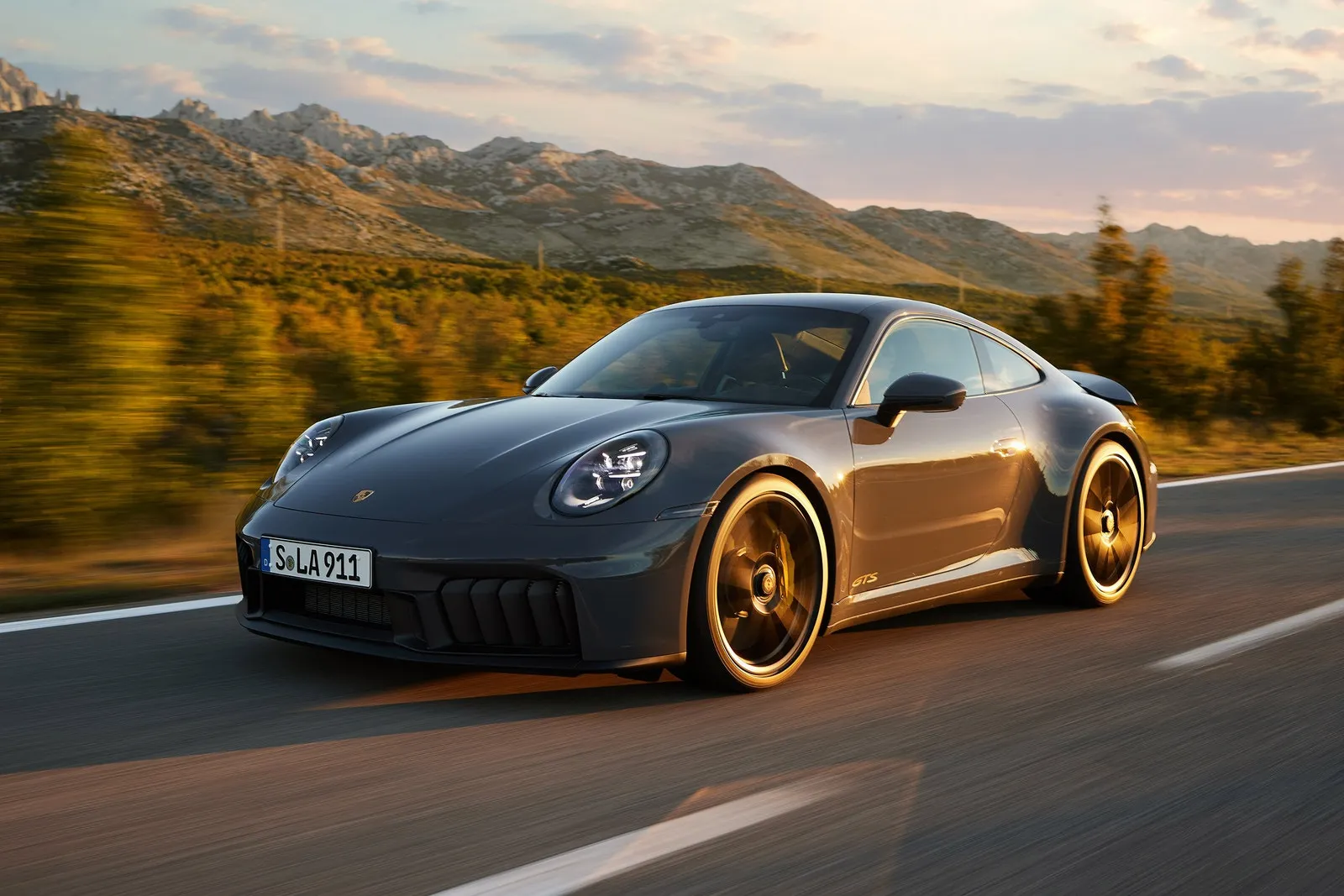
Porsche 911 Carrera
The Porsche 911 Carrera works in LA traffic because it balances performance with daily usability in a way few sports cars can match. Its steering remains light at low speeds, allowing the driver to weave through crowded streets without strain.
The car is compact enough to fit into tighter lanes while maintaining a sense of composure. Even during long periods of crawling on freeways, the engine stays cool, preventing any sense of overheating or stress on components.
Its automatic transmission behaves smoothly in stop-and-go traffic, avoiding the jerky shifts that make other high-performance cars exhausting to drive. The suspension is tuned to absorb broken pavement and uneven ramps without transmitting harsh jolts to the cabin.
Even on less-than-perfect roads, the car maintains its poise and keeps occupants comfortable, creating a sense of calm during otherwise frustrating traffic conditions. The ride is firm but not punishing, striking a balance between sportiness and usability.
The seating position in the 911 Carrera is another key reason it works in the city. The seats are supportive and adjustable, making long periods behind the wheel manageable.
Controls are logically placed and easy to reach, minimizing distraction during the constant stop-and-go of LA freeways. Visibility, often a challenge in low-slung sports cars, is sufficient to handle tight merges, intersections, and parking situations without stress.
Despite its performance credentials, the 911 Carrera does not demand extreme attention or sacrifice comfort for speed. It provides excitement when roads open up but remains composed and predictable in congestion.
The car rewards thoughtful driving and ensures that urban commutes are less taxing than in other high-strung sports cars. Its adaptability and balance are why it is widely considered one of the few sports cars that genuinely fit into Los Angeles traffic.
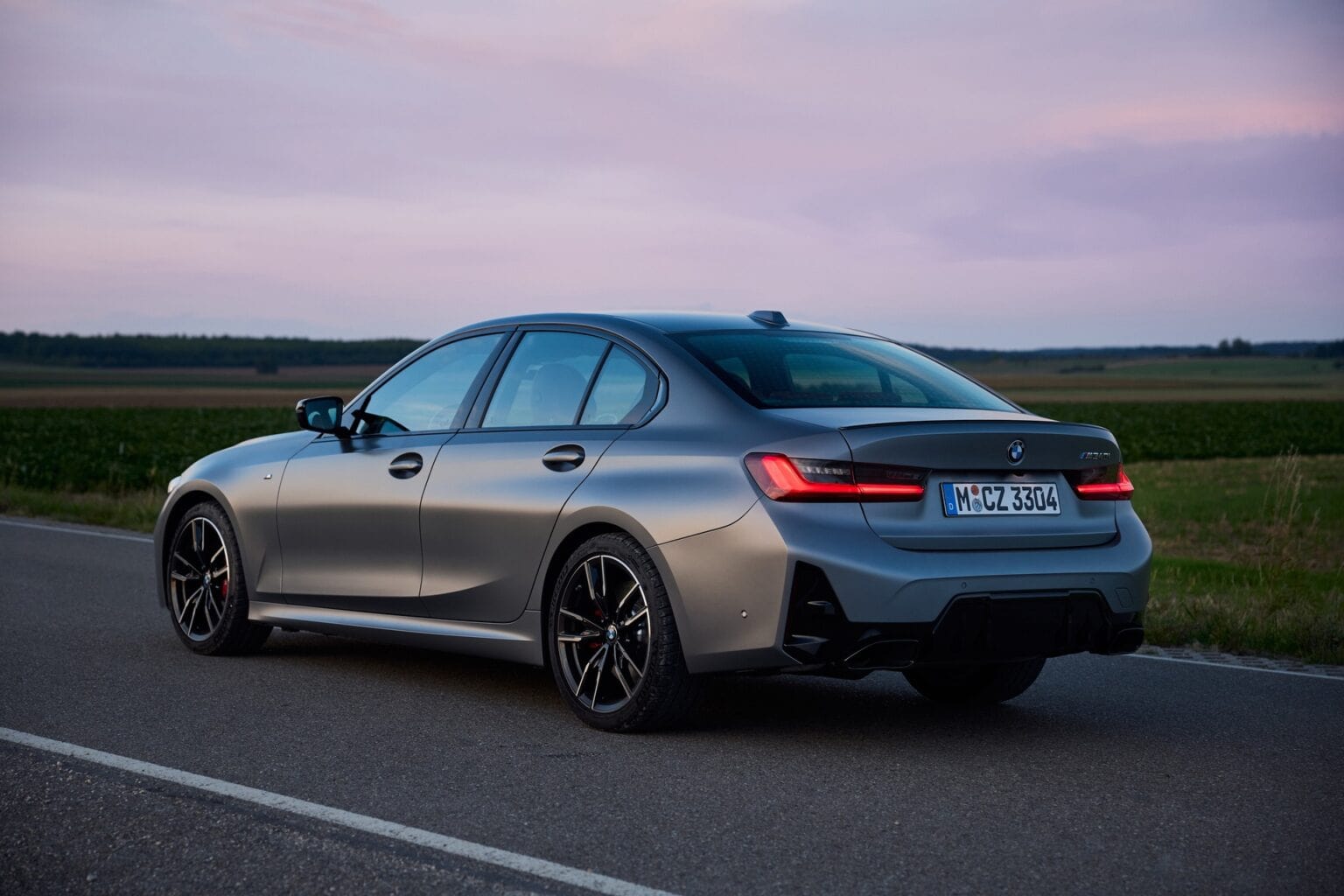
BMW M340i
The BMW M340i thrives in LA traffic because it delivers a perfect mix of performance, luxury, and daily practicality. Its suspension is firm enough to provide confidence at speed yet compliant enough to smooth out rough city streets and freeway ramps.
Drivers benefit from a composed ride, even during long commutes or when hitting potholes. Noise insulation is excellent, ensuring that engine and road sounds do not overwhelm the cabin during heavy congestion.
The transmission plays a significant role in making the M340i traffic-friendly. Shifts are quick when needed but gentle during crawling conditions, allowing the car to adapt to varying traffic without jolting the passengers. Steering is precise but light at low speeds, which eases the stress of lane changes and merges. The turbocharged engine remains cool and responsive, even after hours in LA’s slow-moving traffic.
Interior comfort is another strong point. The seats provide ample support without feeling stiff or cramped, allowing longer commutes to remain comfortable. Visibility is excellent, with large windows and well-positioned mirrors reducing blind spots. Driver assistance features such as lane-keeping and adaptive cruise control reduce mental fatigue and make prolonged freeway crawling more tolerable.
Although it is not a traditional two-door sports car, the M340i delivers performance without compromising practicality. It allows drivers to enjoy the thrill of acceleration on open roads while remaining calm and controlled in stop-and-go traffic. This dual personality is exactly what makes the M340i suitable for Los Angeles’s unique driving conditions, blending excitement with everyday usability.
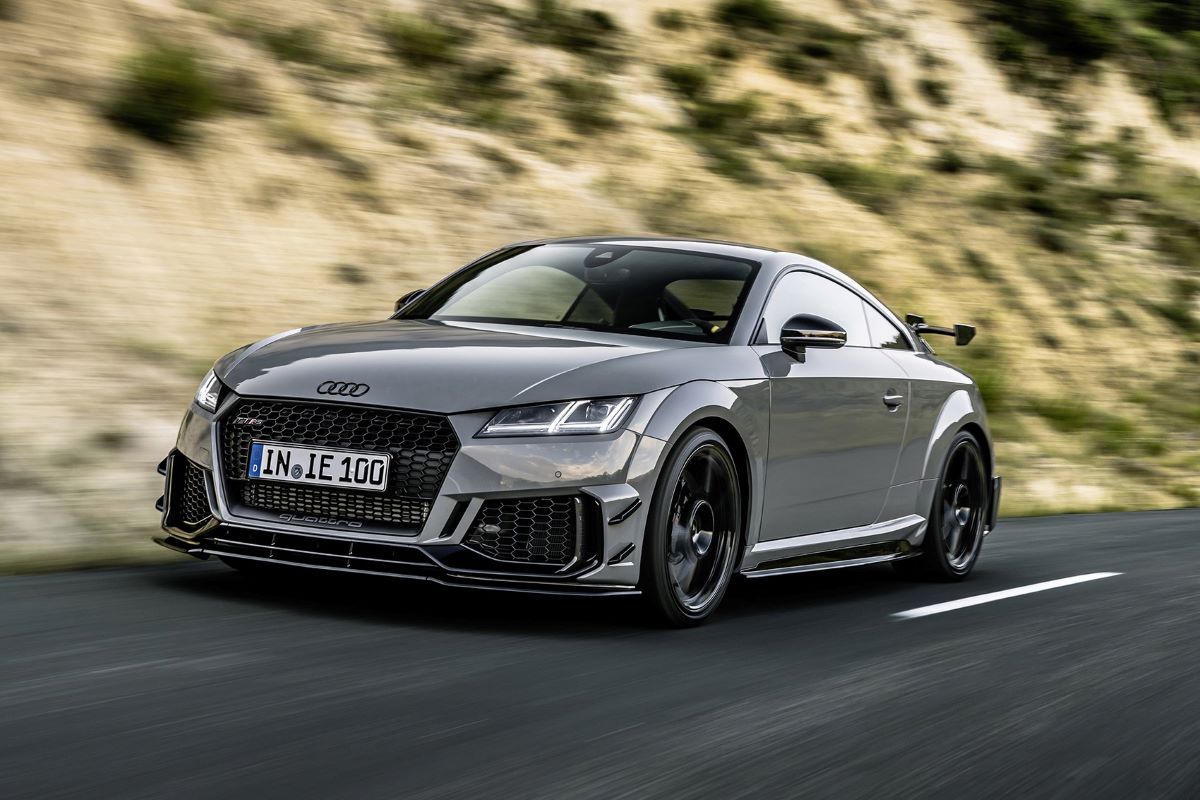
Audi TT RS
The Audi TT RS makes sense in LA due to its compact size, responsive handling, and surprisingly livable interior. Its smaller footprint allows drivers to navigate crowded streets, parking garages, and narrow lanes with confidence.
Despite its firm suspension, it absorbs bumps and uneven pavement in a manner that prevents the car from feeling punishing or uncomfortable. The design manages to be sporty while still being practical for city driving.
The all-wheel-drive system contributes significantly to its ease in traffic. Power is distributed smoothly, reducing sudden lurches or wheel spin when accelerating from stoplights.
The dual-clutch transmission shifts quickly but without the harshness that can make other sports cars exhausting in slow-moving traffic. Engine cooling and airflow are sufficient to prevent heat buildup, even during extended idle periods, ensuring reliability in LA’s summer heat.
Inside, the TT RS feels modern, organized, and driver-focused. Seats are supportive yet comfortable, providing good posture for long commutes. Visibility is above average for a coupe, helping to alleviate blind spots during lane changes. Noise levels are reasonable, preventing fatigue during lengthy periods on congested freeways.
The TT RS balances excitement and practicality in a city where both are needed. It provides enough performance to feel fun when the roads open up, but it never becomes a burden during slow traffic. Its size, handling, and comfort all contribute to a stress-free daily driving experience, making it one of the more sensible sports cars for Los Angeles.
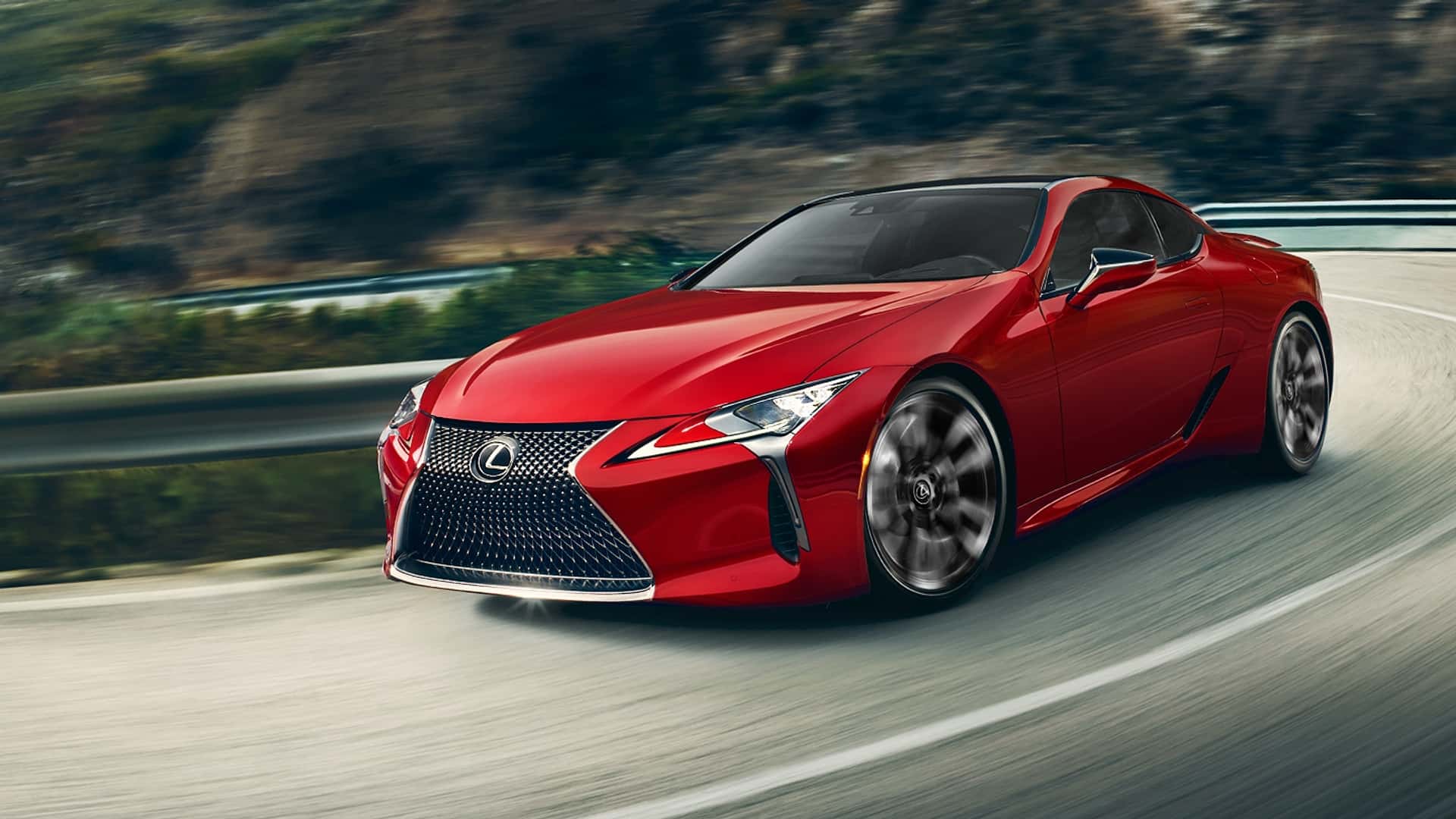
Lexus LC 500
The Lexus LC 500 fits LA traffic due to its grand touring focus and smooth driving dynamics. Its suspension is designed for comfort without sacrificing the feeling of connection to the road.
Even on streets with uneven surfaces, ramps, and potholes, the car glides over imperfections with minimal impact on the cabin. This refinement makes daily commutes less tiring than they would be in more aggressive sports cars.
The naturally aspirated V8 engine responds smoothly at low speeds, avoiding the jerky throttle behavior that frustrates drivers in congested conditions.
Its automatic transmission is easy to manage in stop-and-go traffic, shifting with precision and grace. Cooling systems are robust, ensuring that even in heavy summer congestion, the car does not overheat or require constant monitoring.
Inside, the LC 500 is luxurious and comfortable, with high-quality materials and thoughtfully designed ergonomics. Seats are supportive for long drives while remaining soft enough to prevent discomfort during slower city travel.
Noise levels are kept under control, and the cabin remains insulated from the chaotic sounds of traffic outside. Visibility is sufficient, helping the driver navigate tight intersections and crowded streets safely.
This car succeeds in Los Angeles because it delivers a presence and driving experience that feels relaxed rather than aggressive. It allows owners to enjoy sporty performance when opportunities arise while keeping daily commutes manageable. The LC 500 proves that a visually striking and powerful sports car can still be highly livable in urban traffic conditions.
Tesla Model S Plaid
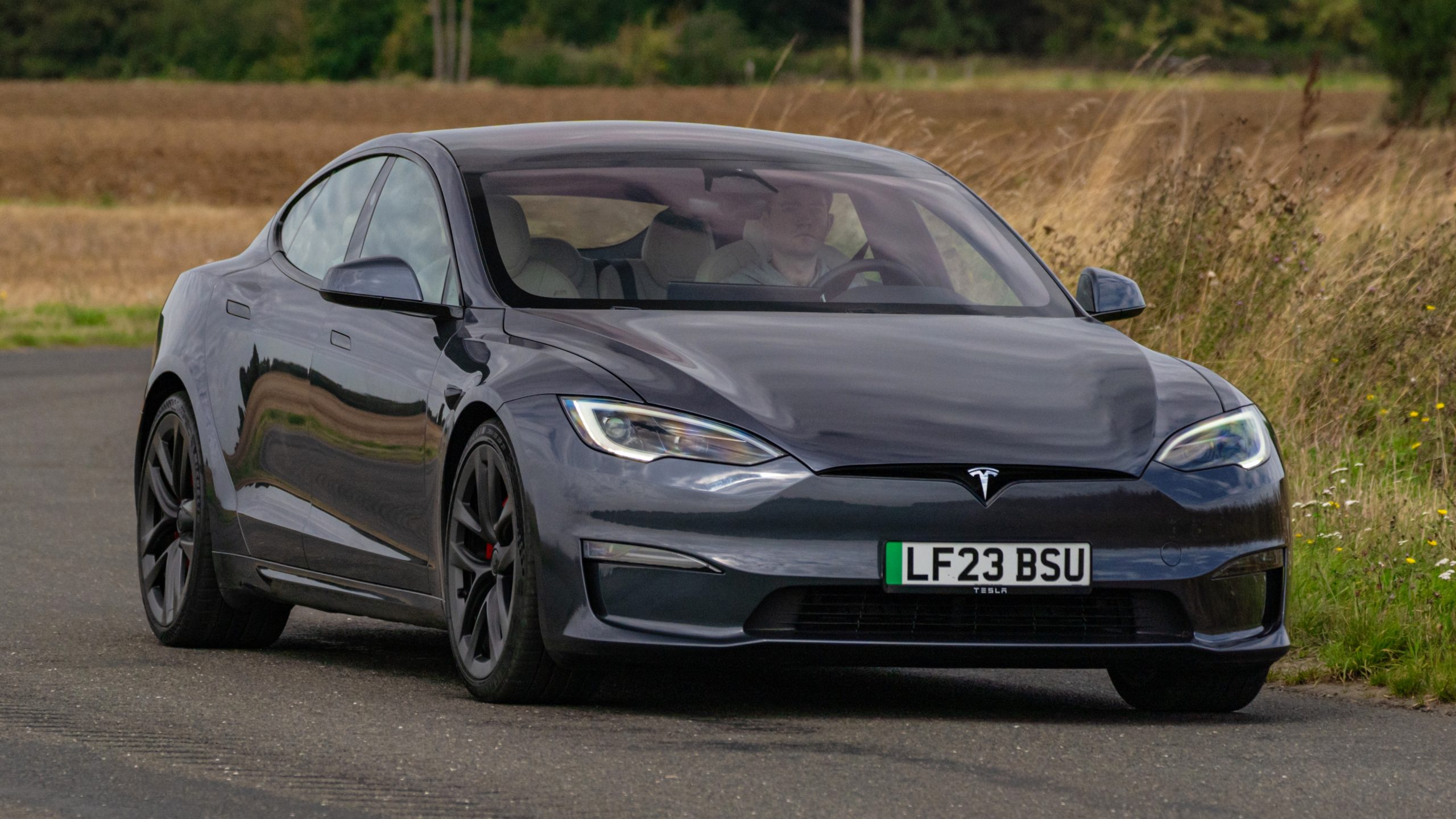
The Tesla Model S Plaid makes sense in LA traffic because of its effortless acceleration and user-friendly features. The electric powertrain delivers instant torque smoothly, eliminating the need for clutch work or frequent gear changes. Stop-and-go traffic becomes far less stressful since the driver can manage speed with a single pedal, minimizing fatigue during long commutes.
The cabin is quiet, spacious, and insulated from the noise of the road and surrounding traffic. The suspension absorbs bumps and uneven pavement effectively, keeping the ride composed even on rough city streets. Regenerative braking reduces the strain of constant stopping, and heat management remains consistent because the electric powertrain generates less excess heat than traditional engines.
Interior space and visibility make the Model S practical for city driving. The high-tech interface provides intuitive controls, while driver assistance features such as adaptive cruise control and lane-keeping make congested freeway travel easier. Long stops and slow moving traffic feel less draining than in traditional sports cars.
Although it has extreme performance potential, the Plaid remains calm and composed in traffic, allowing drivers to maintain comfort without sacrificing excitement. Its combination of electric power, advanced technology, and thoughtful design makes it uniquely suited to the realities of Los Angeles traffic, where efficiency and comfort matter as much as speed.
5 That Don’t
Lamborghini Huracan
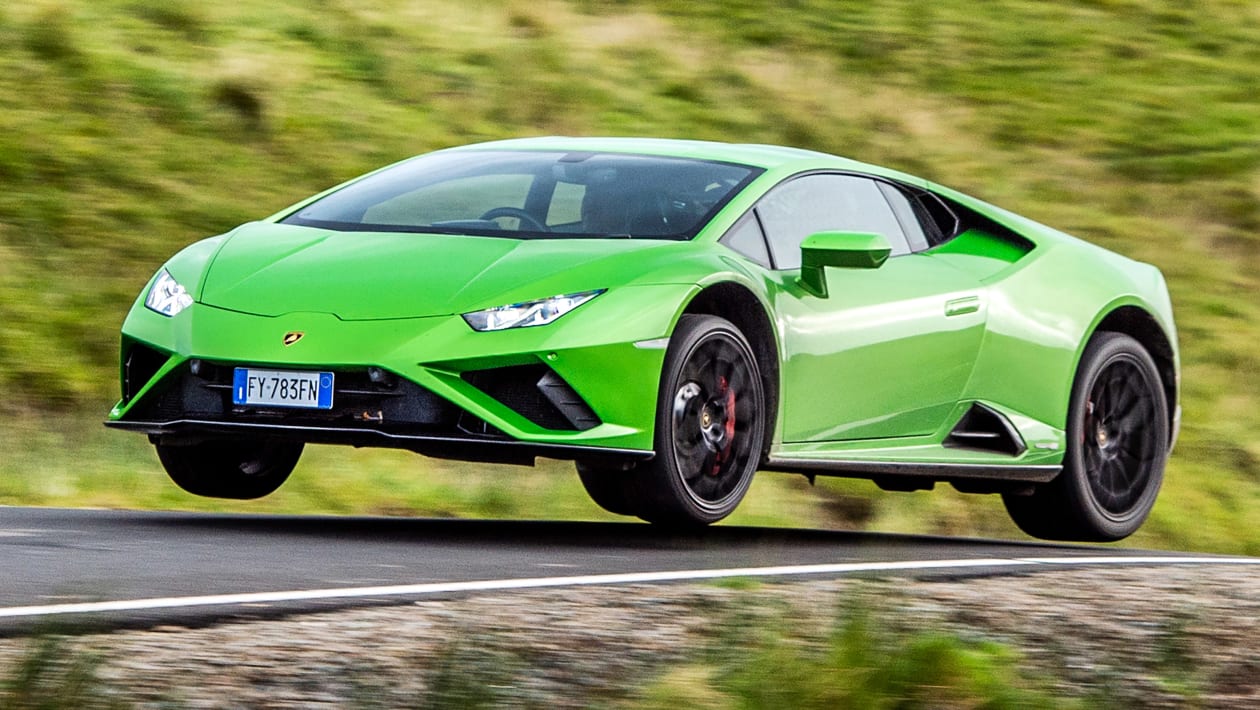
The Lamborghini Huracan struggles badly in LA traffic because its extreme focus on performance makes everyday driving exhausting. Its very low ride height creates constant concern when approaching speed bumps, ramps, and uneven road surfaces, forcing drivers to creep forward carefully or risk scraping the underbody.
Even minor imperfections in the road can be uncomfortable, turning what should be a short drive into a physically stressful experience. The stiff suspension adds to the problem, transmitting almost every bump directly into the cabin.
The transmission, designed for rapid shifts on open roads, can feel overly aggressive in stop-and-go conditions. Gear changes may jerk the car forward unexpectedly, requiring constant attention from the driver to avoid abrupt movements.
Engine heat builds quickly during long idling sessions, and the cooling system struggles when airflow is restricted at low speeds. This makes extended traffic stops uncomfortable for both driver and passengers, undermining the car’s daily usability.
Visibility is another major issue in the Huracan. Its low seating position, wide body, and aggressive styling make lane changes, parking, and merging far more difficult than in more practical vehicles. Maneuvering through tight streets becomes stressful, and drivers often feel like they are constantly judging distances and angles to avoid collisions. Combined with its heavy curb weight, the car feels awkward in urban settings.
While the Huracan is thrilling on open roads, Los Angeles traffic exposes its weaknesses immediately. The car becomes fatiguing and impractical in stop-and-go conditions, and the sense of danger at every ramp or pothole reduces enjoyment. Its extreme nature, which makes it an incredible track or weekend car, is exactly what makes it a poor choice for daily commuting in dense city traffic.
McLaren 720S
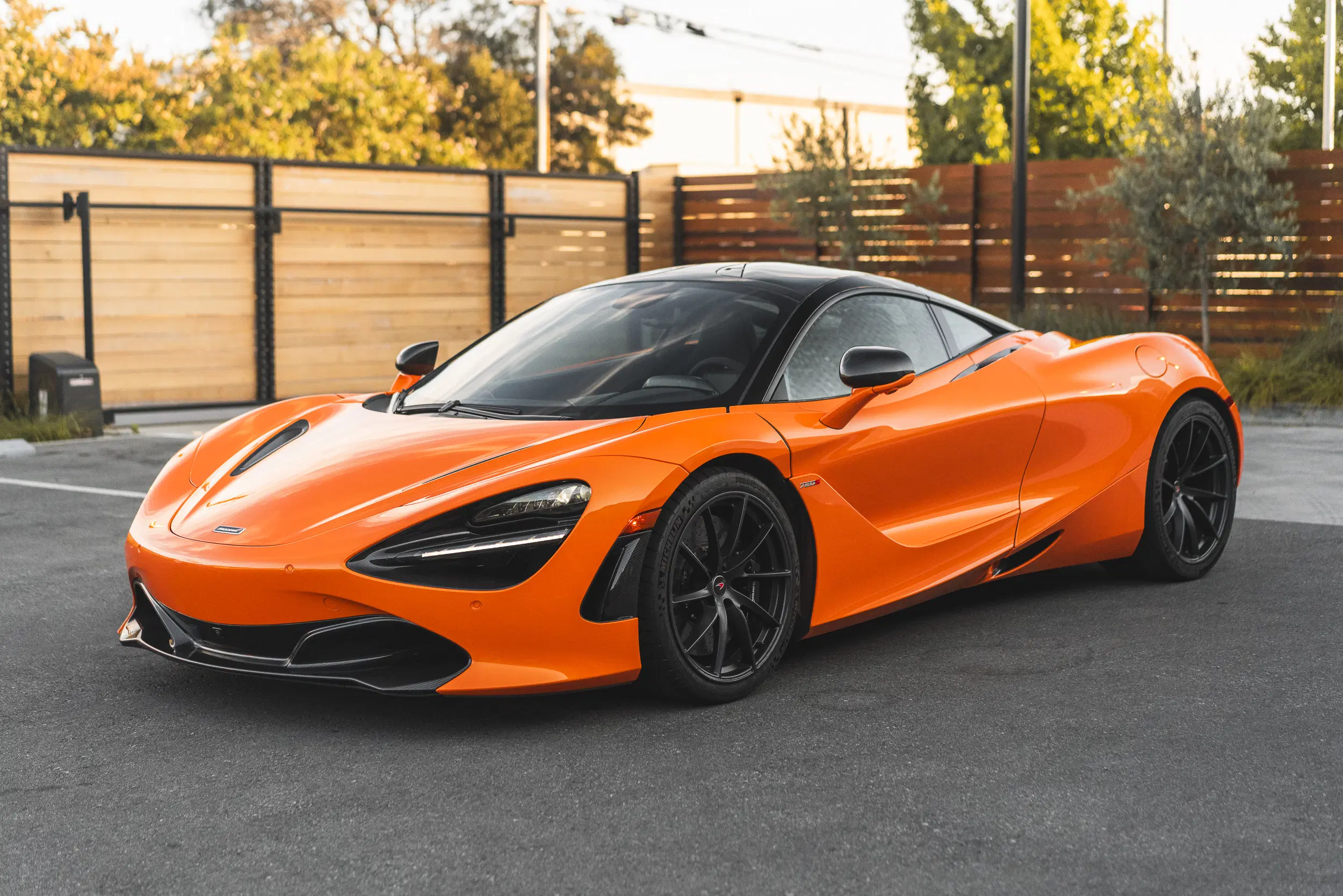
The McLaren 720S is ill suited for LA traffic because it is engineered primarily for high-performance driving rather than daily practicality. Its suspension is stiff and highly tuned for track responsiveness, which makes crawling over potholes, freeway ramps, and rough pavement an uncomfortable experience.
Even minor imperfections in the road surface are transmitted directly into the cabin, making short drives tiring and stressful. The car feels much more at home on open roads than in congested city streets.
Its low-speed throttle response can also be tricky to manage. The powerful engine reacts instantly, which can cause the car to lurch forward unexpectedly in stop-and-go traffic.
Combined with a transmission designed for quick performance shifts rather than smooth crawling, this requires constant attention and careful modulation by the driver. Long periods of idling can also cause heat buildup in the engine compartment, forcing frequent caution in warm conditions.
Inside, the McLaren 720S offers minimal storage and tight seating, making daily commuting less comfortable. The cabin is designed for performance first, which sacrifices comfort for long drives in urban traffic. Visibility is limited due to the car’s low profile and curving body panels, which complicates lane changes and parking maneuvers. Stress levels rise quickly when navigating congested streets.
While the 720S is extraordinary on highways or race tracks, city traffic turns its strengths into weaknesses. It becomes tiring, difficult to manage, and less enjoyable during everyday driving. The car demands space, smooth surfaces, and high speeds to shine, none of which are present in Los Angeles congestion.
Dodge Viper
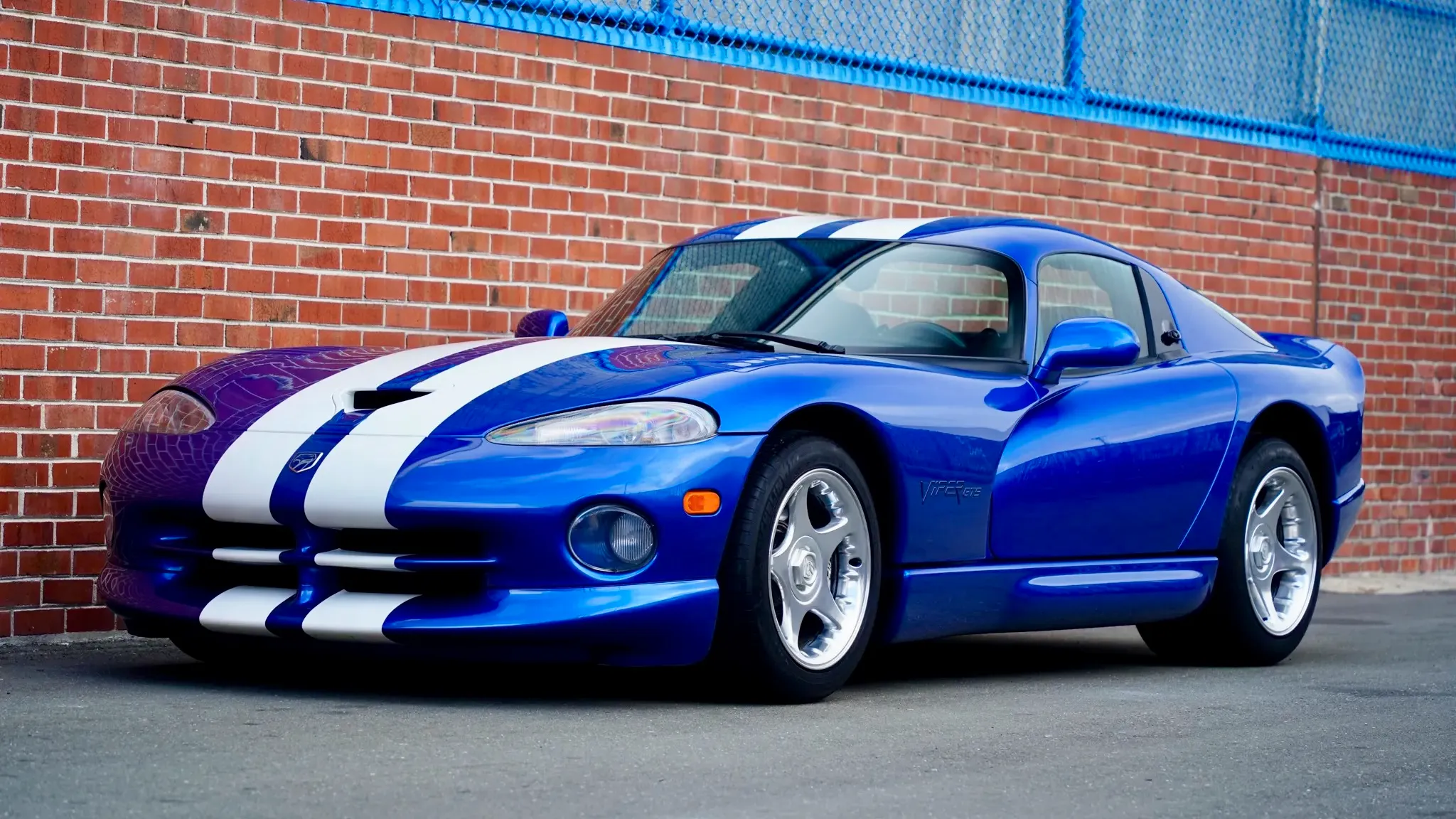
The Dodge Viper is a poor match for LA traffic because it prioritizes raw power and aggression over comfort or convenience. Its heavy clutch and manual-only transmission make stop-and-go traffic exhausting, requiring constant physical effort from the driver.
Even short commutes can feel physically demanding, which quickly turns the thrill of driving into a chore. The engine produces tremendous torque that can be difficult to modulate at low speeds, resulting in jerky starts and constant attention to throttle control.
The suspension is stiff and unforgiving, transmitting every bump and crack in the pavement into the cabin. Combined with the low seating position, rough roads become uncomfortable, even painful over extended periods.
Heat buildup in the cabin and engine compartment is another concern during prolonged idling, especially in the hot Los Angeles climate. The Viper was designed for raw driving experience, not urban congestion.
Visibility and maneuverability are also major issues. The car is wide, low, and lacks modern driver aids, making lane changes, merging, and parking extremely challenging. The driver must constantly judge distances carefully to avoid scraping or collisions, adding mental strain to the already tiring physical effort. Storage space is nearly nonexistent, so practical errands or daily use are compromised.
While the Viper shines on open roads or tracks, the realities of Los Angeles traffic reveal its impracticality. The combination of heavy clutch, powerful engine, stiff suspension, and poor visibility turns city driving into a struggle. It is an excellent weekend toy but a terrible daily companion in urban congestion.
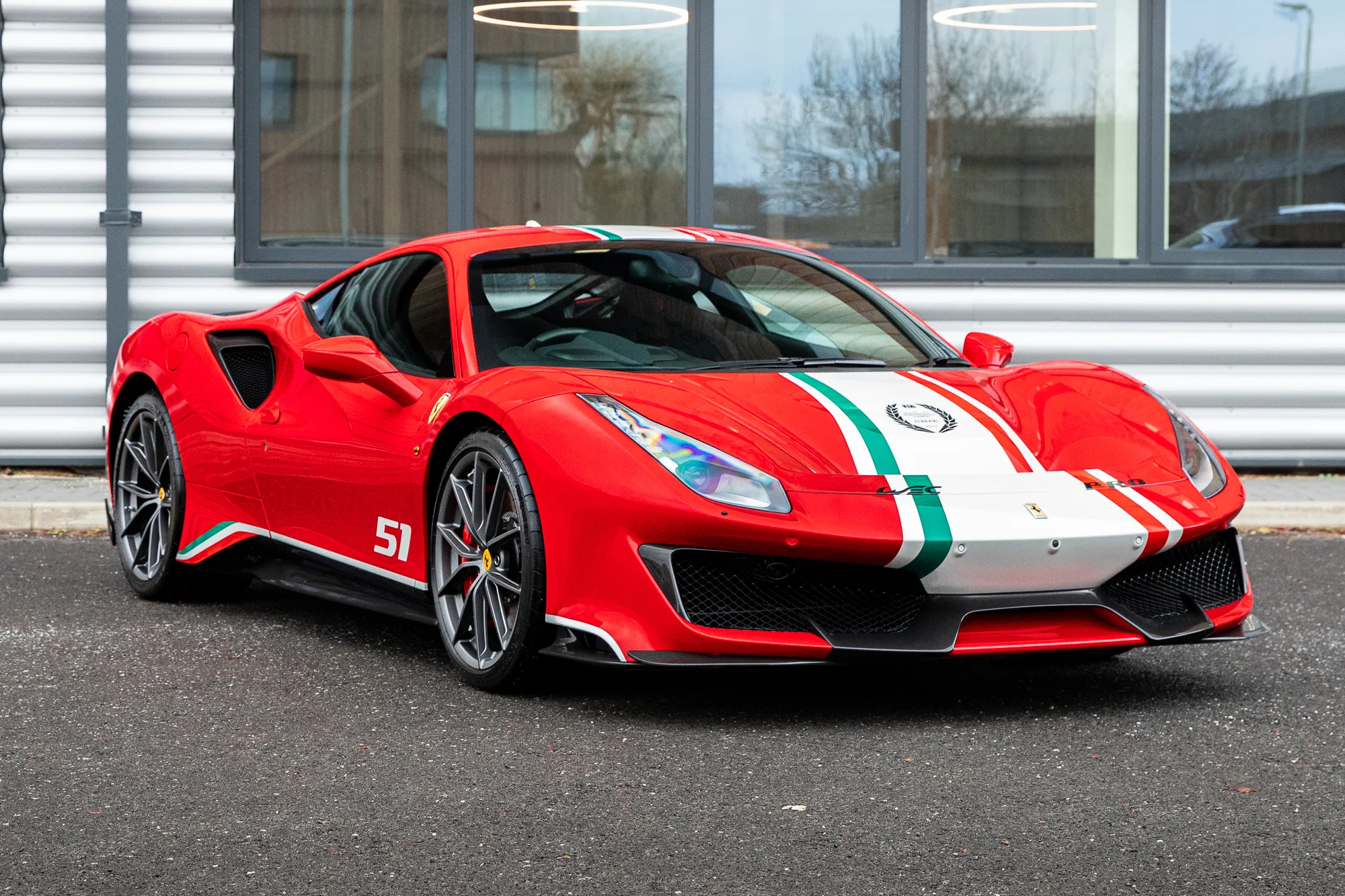
Ferrari 488 Pista
The Ferrari 488 Pista struggles in traffic due to its extreme focus on high-performance driving. Its suspension is stiff and track-oriented, which makes navigating uneven city streets uncomfortable and jarring. Small bumps, potholes, or speed bumps feel magnified inside the cabin, quickly wearing on the driver’s patience. The low ride height adds another layer of stress, requiring constant caution over urban obstacles to avoid damage to the underbody.
The car’s transmission and throttle are tuned for precision at high speeds, which makes low-speed traffic a challenge. Shifts can feel aggressive, and the engine responds sharply even with light throttle input.
Heat can build quickly when idling, and the cooling system requires attention to avoid overheating in stop-and-go conditions. Urban traffic, with its constant starts and stops, exposes the Pista’s limitations immediately.
Inside, the cabin is designed for focus and performance rather than comfort. Noise levels and vibration are high, seats are stiff, and visibility is limited due to the car’s low-slung profile. Maneuvering in tight spaces or congested streets becomes stressful, and long commutes can feel physically exhausting. Practicality is minimal, with little room for personal items or daily errands.
The Ferrari 488 Pista excels on track or open highways, but urban traffic highlights its shortcomings. In Los Angeles, every stoplight, speed bump, and pothole turns driving into a challenge. While exhilarating in the right conditions, the Pista’s extreme nature makes it unsuitable for the daily grind of city driving.
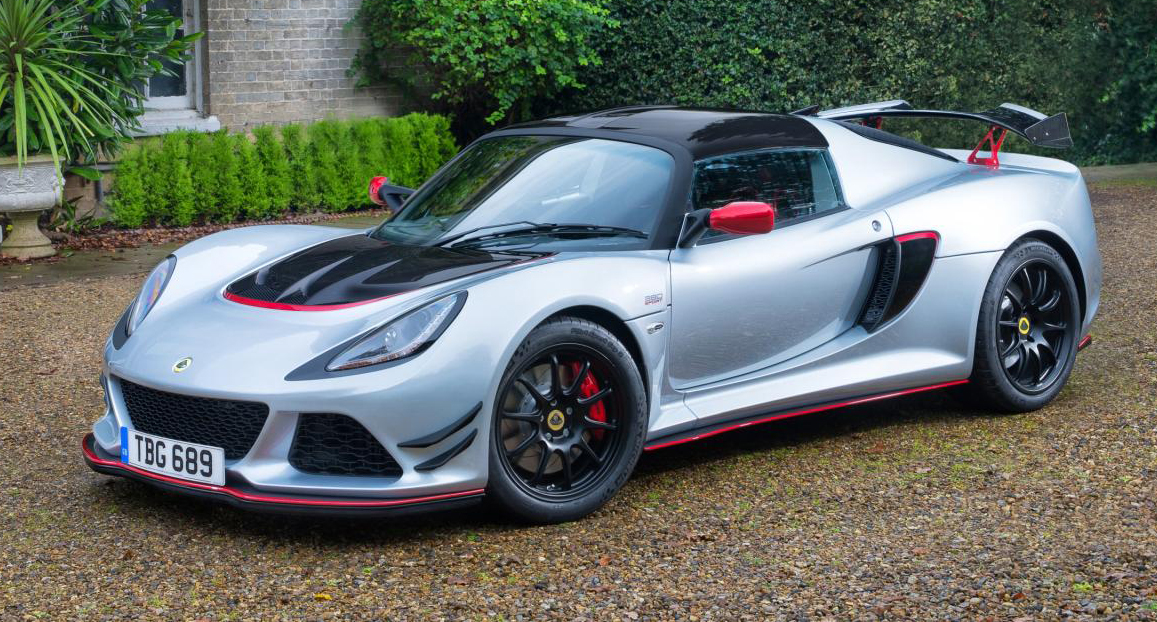
Lotus Exige
The Lotus Exige is one of the least suitable sports cars for city driving because it sacrifices comfort entirely for performance. Its suspension is extremely stiff, transmitting every crack and bump in the road directly to the driver. Low ground clearance makes ramps, speed bumps, and uneven pavement constant obstacles. A simple city commute becomes a test of patience and careful maneuvering rather than a pleasurable drive.
Inside, the cabin is minimal and focused solely on driving, with little regard for comfort or noise insulation. The seats are firm, storage is almost nonexistent, and prolonged exposure to traffic vibrations can be exhausting. Heat can build quickly in the cabin during slow stops, making short drives unpleasant. The interior is functional for performance but unsuitable for daily commuting.
Visibility and maneuverability further limit the Exige’s practicality. Its low stance and compact dimensions require careful navigation through tight lanes and intersections. Lane changes and parking require constant attention, and there are no driver aids to assist with urban challenges. Even simple errands can feel like an ordeal in this car.
The Lotus Exige is brilliant on tracks or smooth country roads, but LA traffic exposes its weaknesses fully. Every aspect of city driving highlights compromises in comfort, usability, and stress management. It remains one of the purest driving machines, yet its extreme focus on performance makes it almost impossible to use comfortably in congested urban conditions.
