
Living in New York City changes the way people think about cars more than almost anywhere else in the United States. Streets are narrow, traffic is constant, and parking is a daily mental calculation rather than a casual afterthought.
For residents who are lucky enough to have access to a private garage or a residential parking structure, the challenge does not end there. Many NYC garages were built decades ago, long before modern vehicles grew wider, taller, and longer.
Ceiling heights, ramp angles, turning radii, and stall widths all impose limits that can turn owning the wrong vehicle into a frustrating experience. A car that fits perfectly on paper may scrape mirrors, bump sensors, or refuse to clear the entrance ramp. This reality forces city drivers to think less about horsepower and more about inches.
Every measurement matters, from curb weight to door swing clearance. At the same time, New Yorkers still want comfort, safety, reliability, and style in their vehicles. The ideal car for the city must balance compact dimensions with everyday usability, all while navigating tight garages without drama.
On the opposite end of the spectrum are vehicles that simply have no place in most NYC garages. These models may shine on highways, job sites, or open suburban roads, but in the city they become liabilities. Their size, height, or turning limitations make them impractical and sometimes impossible to store safely.
This article breaks down five vehicles that fit NYC garages comfortably and five that almost certainly never will. Each example highlights why size matters in urban living and how smart choices can save drivers time, money, and stress.
Whether someone is a long time resident or new to city life, understanding these differences can make vehicle ownership far more manageable in one of the tightest driving environments in the country.
Vehicles That Fit NYC Garages
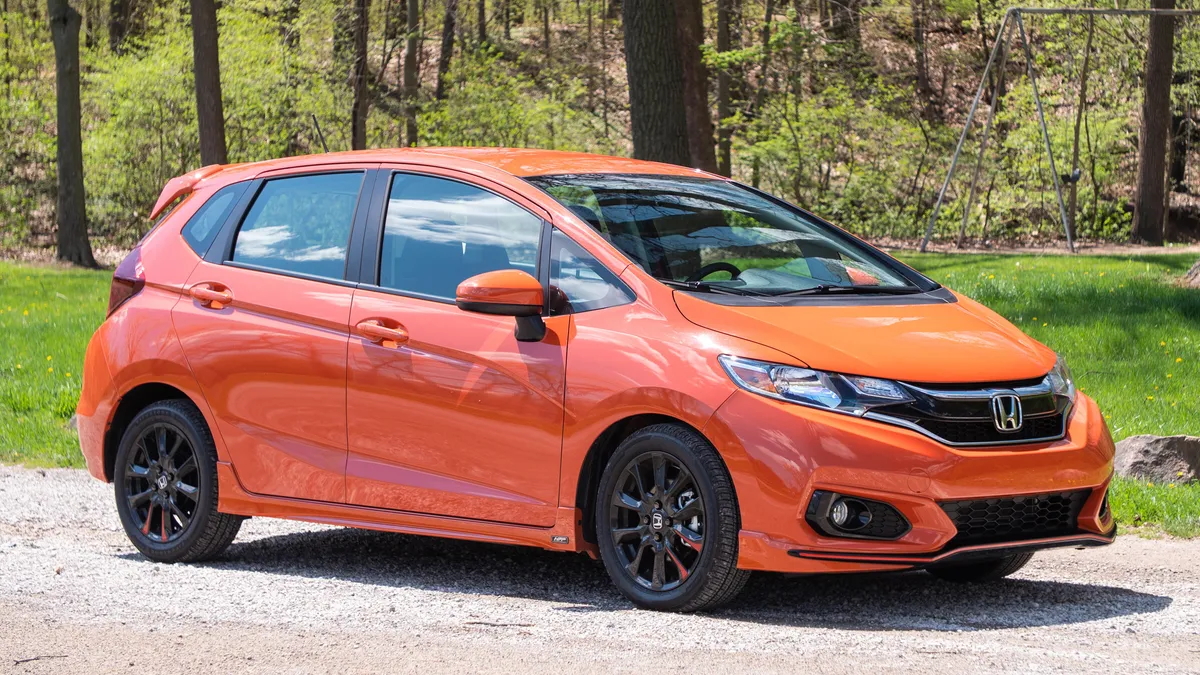
Honda Fit
The Honda Fit has long been appreciated for its compact footprint and smart interior design. Its short length and narrow width make it especially friendly for older NYC garages with tight entry ramps.
Drivers can maneuver it into narrow stalls without constant mirror adjustments or repeated corrections. The low roof height also reduces concerns about scraping ceilings or clearance bars, making entry less stressful.
Despite its small exterior, the interior feels surprisingly open and usable. Honda’s seating layout allows for flexible cargo configurations that suit grocery runs or weekend trips.
Even taller passengers often find headroom adequate, and the rear Magic Seat folds to accommodate larger items. The steering radius is tight, which helps when navigating sharp turns inside parking structures, giving city drivers confidence in every maneuver.
Fuel efficiency is another advantage that aligns well with urban driving. Stop and go traffic becomes less painful when the car consumes minimal fuel.
The Fit’s lightweight design also makes it easier to handle in congested streets, reducing stress during rush hour. Additionally, its reliability means fewer unexpected trips to the mechanic, a real benefit in a city where every errand counts.
Maintenance costs tend to stay reasonable, which matters in a city where vehicle expenses add up quickly. Replacement parts are easy to find, and repairs are straightforward and affordable.
Insurance rates are typically lower than larger cars, which further reduces ownership burdens. All of this contributes to why the Honda Fit feels almost tailor-made for garage-constrained urban living, offering a practical combination of economy, usability, and size.
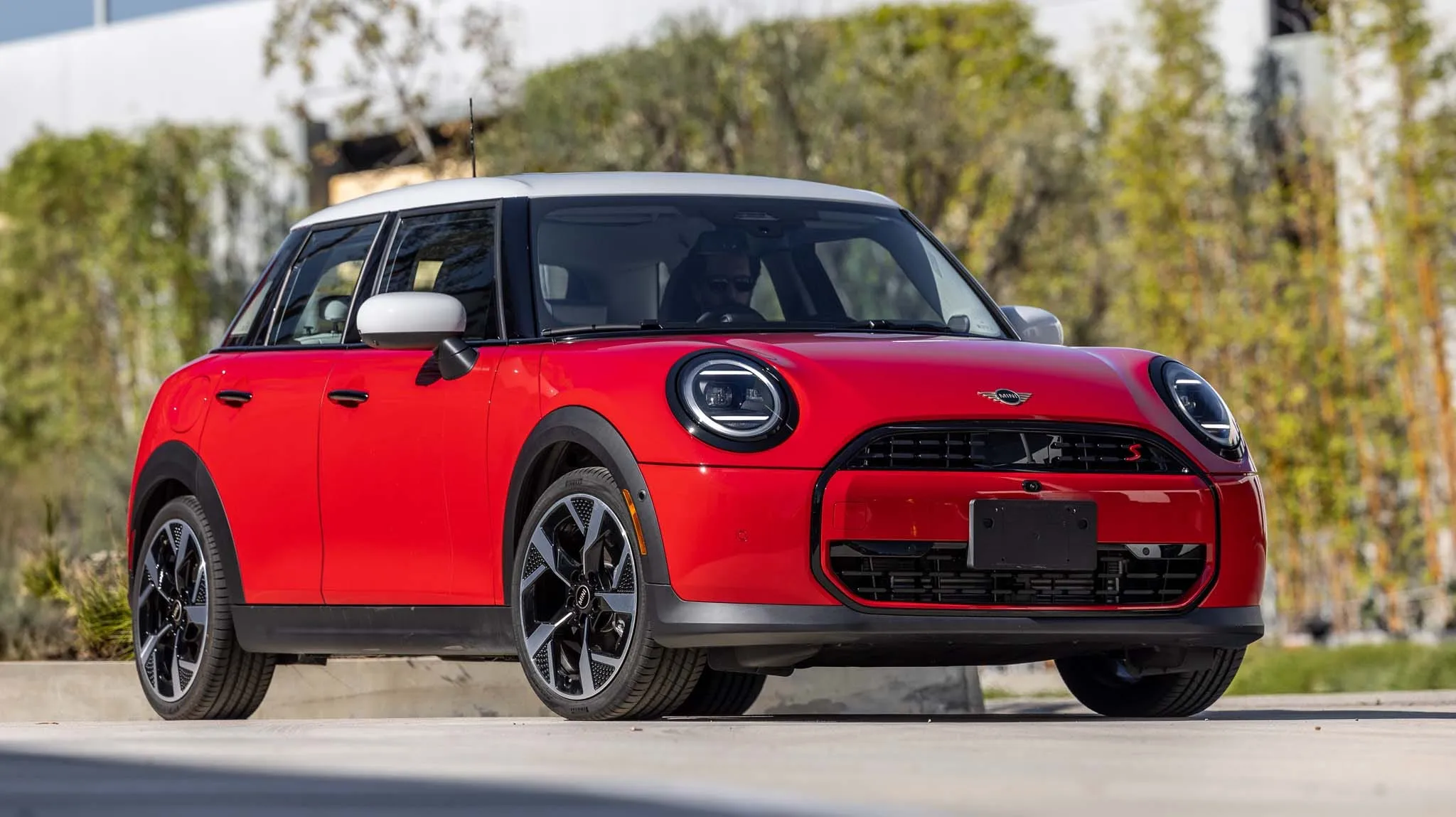
Mini Cooper Hardtop
The Mini Cooper Hardtop is one of the most recognizable small cars on city streets. Its compact dimensions allow it to slip into garage spaces that would intimidate larger sedans. Tight ramps and narrow entrances are far less of an issue with this vehicle. Its low height and short wheelbase allow it to fit in areas where many other cars cannot, saving time and frustration.
One of its biggest strengths is its short wheelbase. This gives the Mini exceptional turning ability, making spiral garage ramps and sharp corners easier to handle. Drivers can park confidently even in older buildings with awkward layouts. Blind spots are minimized, and the responsive steering adds precision in confined areas.
Inside, the Mini balances style with function. While it is not designed for large families, it comfortably serves singles or couples. The cabin is ergonomically designed, and controls are intuitive, reducing the learning curve for new city drivers. The seating position provides excellent visibility, which is helpful when lining up with garage stalls and making tight turns.
The Mini Cooper also appeals to drivers who want personality in a small package. It proves that fitting into an NYC garage does not mean sacrificing character. The car’s design exudes charm, and its compactness does not compromise safety features. For many urban drivers, it represents a smart compromise between fun, comfort, and practicality.
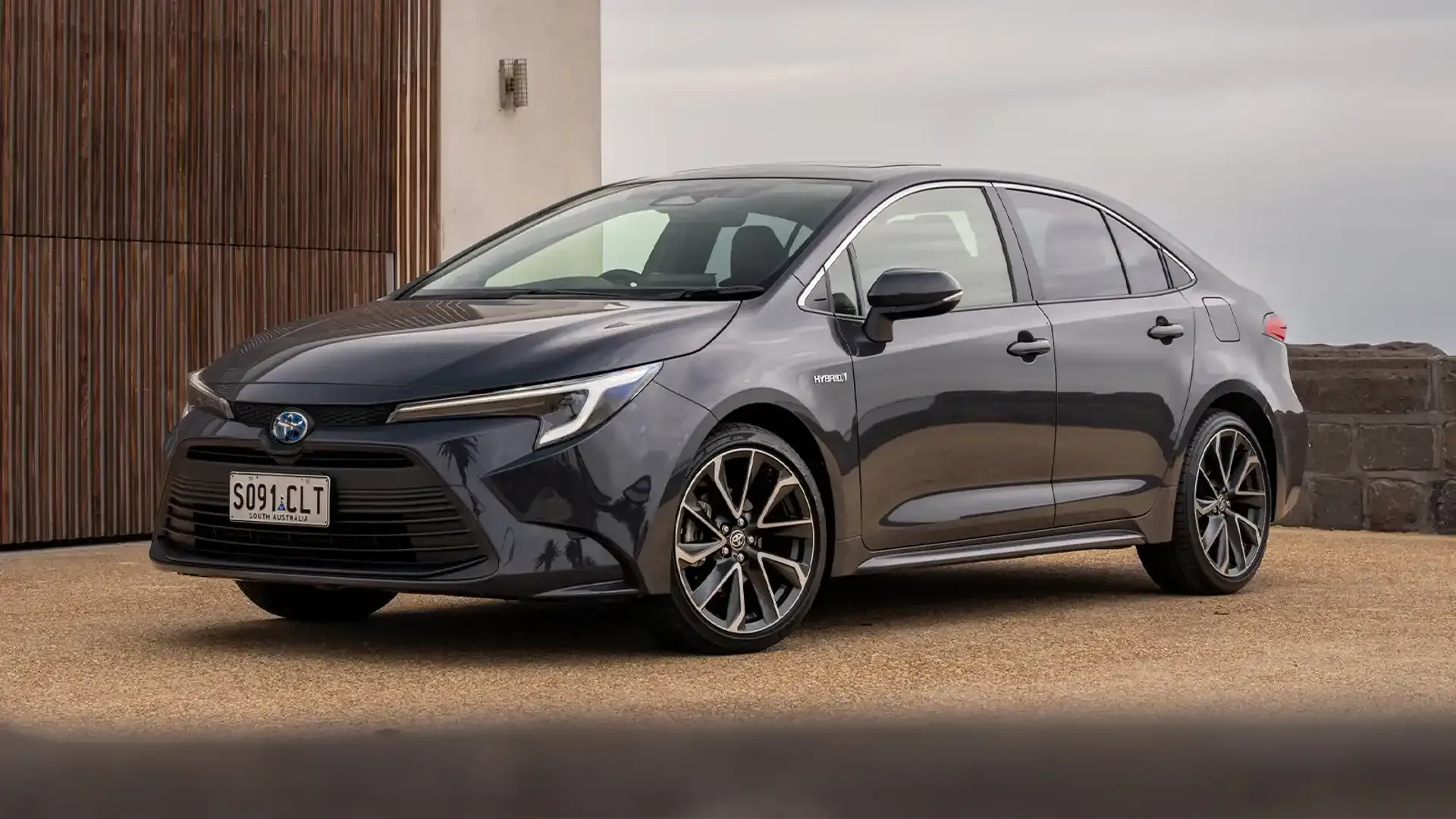
Toyota Corolla
The Toyota Corolla continues to be a dependable choice for city drivers. Its size falls right in the sweet spot for most NYC garages. It is compact enough to fit comfortably while still offering the familiarity of a traditional sedan. Its predictable dimensions make it suitable for both residential garages and commercial parking facilities, reducing the stress of daily urban driving.
The Corolla’s predictable handling makes it easy to drive in tight spaces. Steering inputs feel natural, which helps during slow speed maneuvers, ramps, and sharp turns. The moderate height ensures it clears most garage entrances without concern. Its visibility, combined with well-calibrated mirrors, enhances confidence when approaching tricky spots.
Interior space is adequate without being excessive. Passengers have enough room without the car becoming bulky, and the trunk remains practical for shopping, luggage, or small furniture items. Its ergonomics are well suited to urban living, providing both comfort and accessibility for drivers of all sizes. Cargo management options make everyday tasks manageable without exceeding garage constraints.
Long-term ownership also favors the Corolla. Its reputation for reliability means fewer unexpected issues, which is essential in cities where service centers can be crowded. Fuel efficiency is excellent for stop-and-go traffic, and routine maintenance is affordable. For NYC residents who want a low stress ownership experience, it remains a sensible and garage-friendly option with a track record of dependability.
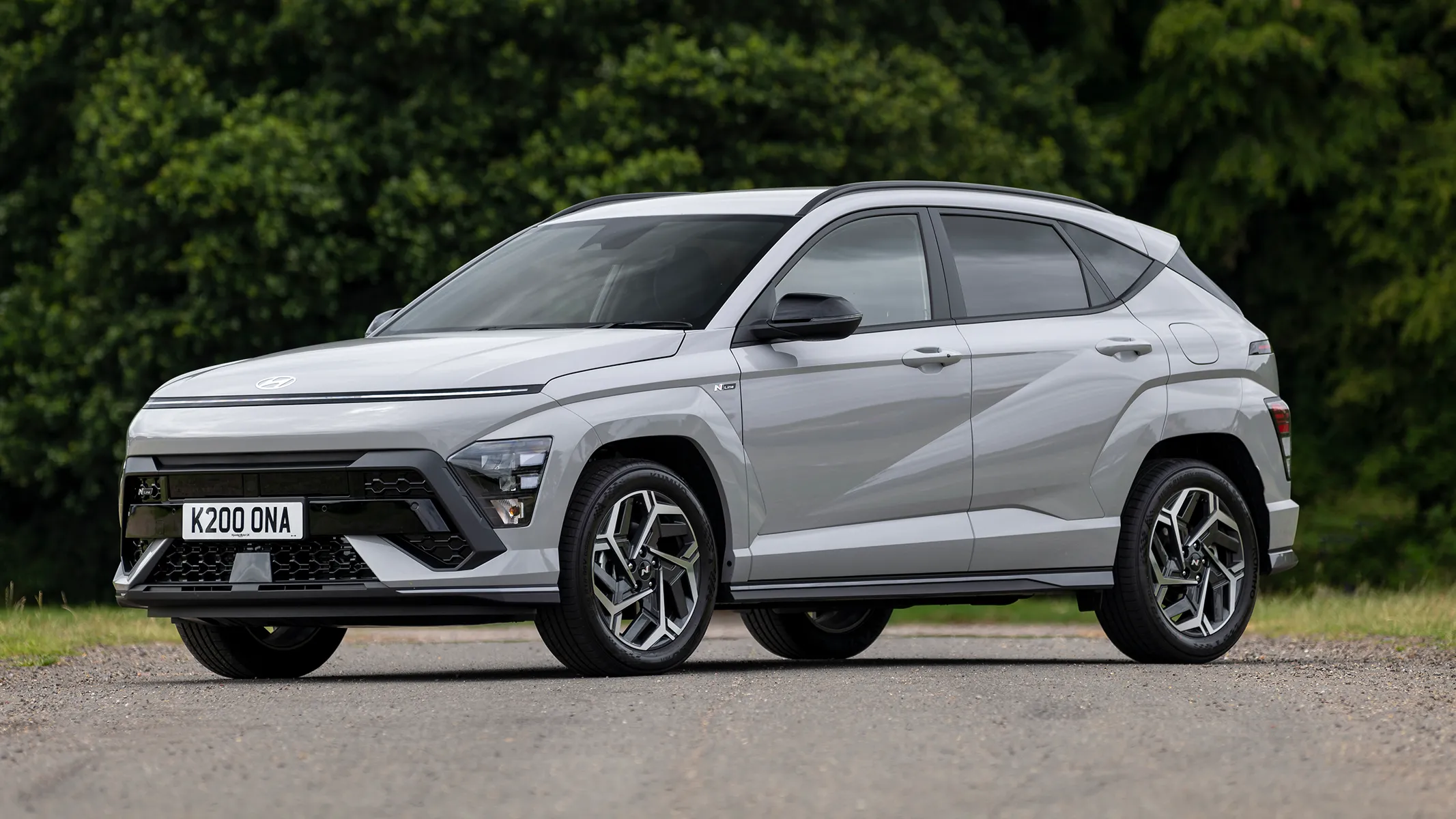
Hyundai Kona
The Hyundai Kona offers a compact crossover design that works surprisingly well in NYC garages. While taller than a sedan, it stays within height limits for most residential parking structures. Its relatively short length makes it easier to park than many SUVs. For drivers who enjoy a higher seating position without bulk, the Kona balances urban practicality with utility.
The Kona’s steering and visibility are well suited for tight urban environments. Drivers benefit from modern safety features such as rearview cameras, parking sensors, and lane assistance. These technologies help avoid accidental bumps in narrow spaces. Its tight turning radius and responsive handling provide extra confidence in garages that test larger vehicles.
Cargo space is practical without being oversized. The rear seats fold easily for occasional larger items, and the hatch design ensures easy access. Even with small cargo loads, the interior layout maximizes usable volume. This makes it versatile for grocery trips, luggage, or small furniture purchases without compromising garage suitability.
The Kona proves that not all SUVs are incompatible with NYC garages. When designed thoughtfully, a small crossover can fit comfortably. Its styling and features appeal to urban residents who want elevated seating and modern amenities without sacrificing practicality. The Kona bridges the gap between compact cars and larger SUVs while staying garage-friendly.
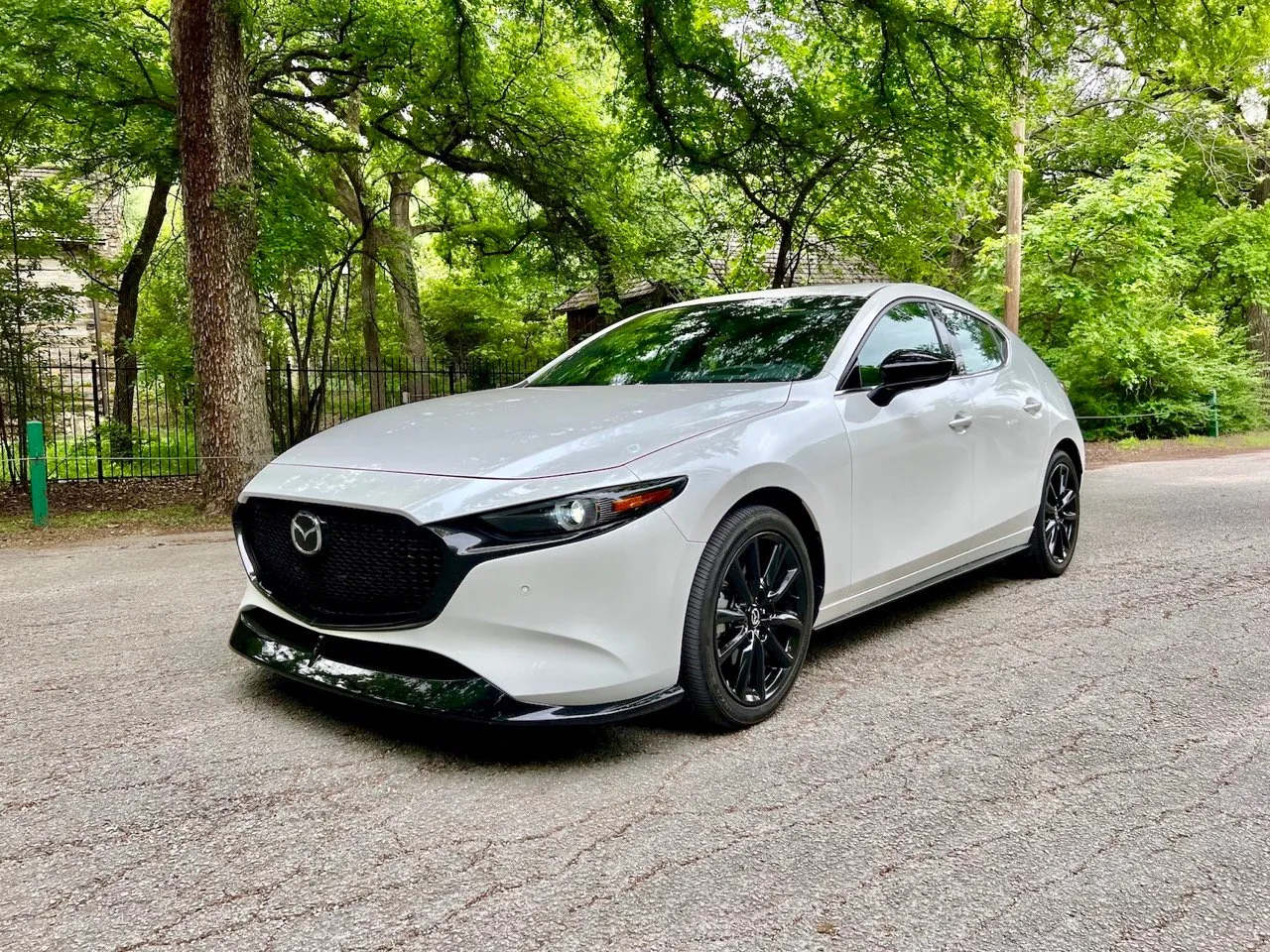
Mazda3 Hatchback
The Mazda3 Hatchback blends compact dimensions with refined styling. Its length and width align well with standard NYC garage stalls. The smooth exterior lines also reduce the risk of scraping against walls or pillars. Its carefully engineered proportions provide a balance between sporty design and urban practicality, making it easy to handle in tight spaces.
Driving dynamics play a key role in its suitability. The Mazda3 offers precise steering that helps in parking situations. Low-speed responsiveness and predictable braking contribute to stress-free maneuvering in multi-level garages. Its suspension absorbs minor bumps from ramps or uneven floors, making urban driving smoother.
The hatchback design adds practicality without increasing size. Cargo access is convenient for urban errands, and rear seats fold flat for extra storage when needed. Interior space is efficiently utilized, providing comfort for passengers and easy reach for controls. Every inch of the cabin reflects thoughtful design for real-world city living.
For drivers who want something slightly more upscale without growing larger, the Mazda3 Hatchback fits the bill. It combines refined interior materials with a compact exterior that respects the physical limits of city garages. This car demonstrates that style, functionality, and urban practicality can coexist, offering a premium-feeling driving experience while remaining manageable in tight spaces.
Vehicles That Never Will Fit NYC Garages
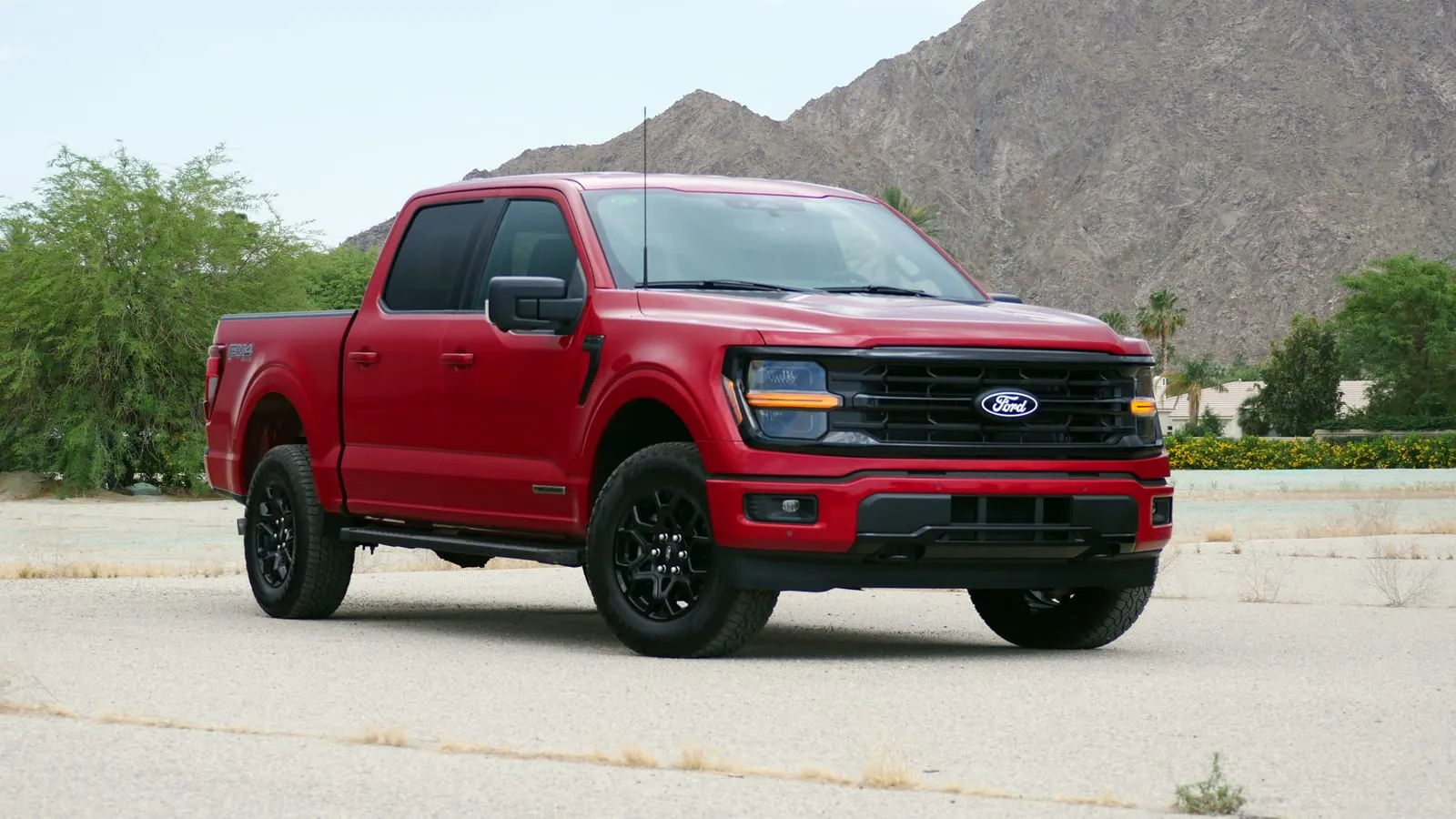
Ford F 150
The Ford F 150 is one of the most popular trucks in the country, but it struggles badly in NYC garages. Its width alone often exceeds the limits of older parking structures. Tight turns and narrow ramps make maneuvering nearly impossible without repeated adjustments. Many drivers face scraping mirrors or bumpers even before entering the garage.
Height is another major issue. Clearance bars and low ceilings make entry risky or impossible in many residential garages. Even if the truck fits inside, opening doors fully becomes a daily frustration. This constant concern about scraping or hitting overhead fixtures adds stress to urban parking routines.
Length also works against it. Pulling into tight spots often requires multiple adjustments, and some stalls are simply too short to accommodate the bed. Trucks extending beyond stall lines may block neighboring cars or violate garage regulations. Daily urban driving becomes more about negotiating space than enjoying the vehicle.
While the F 150 excels in utility, towing, and off-road performance, those strengths are irrelevant in dense urban garages. Its size turns parking into a challenge, storage into a risk, and city ownership into a series of compromises. It is far better suited to open highways or suburban lots than to New York City streets.
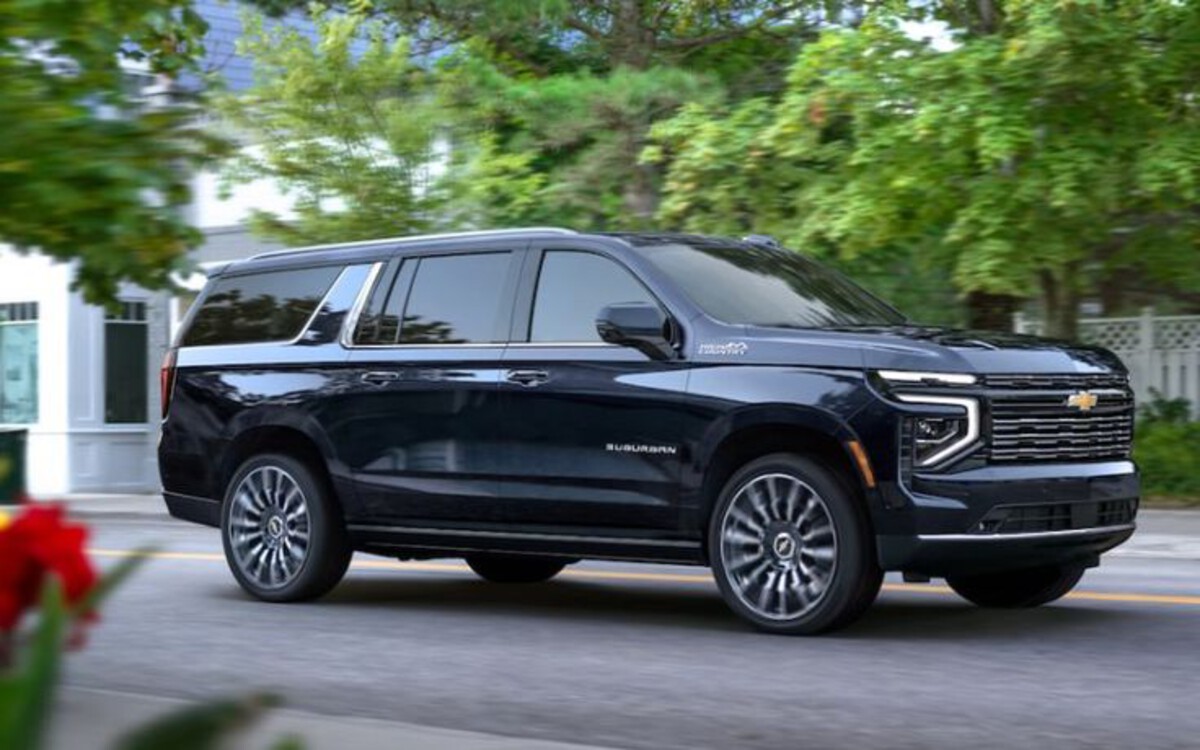
Chevrolet Suburban
The Chevrolet Suburban is built for space, not restraint, making it almost impossible to fit in NYC garages. Its massive length extends beyond many older parking stalls. Narrow ramps and tight corners quickly become impassable obstacles. Drivers often discover this only after attempting entry, which can lead to repeated adjustments or blocked lanes.
The width of the Suburban further complicates matters. Most residential parking structures were not designed for vehicles this wide. Even garages that allow entry leave minimal room on either side, increasing the risk of scratching walls or other cars. Maneuvering becomes stressful and time-consuming, even for experienced drivers.
Height also poses problems. Low ceiling garages often cannot accommodate the Suburban at all, and garages that do allow entry feel restrictive. Overhead clearance bars, pipes, or sprinklers frequently pose hazards. Drivers must proceed cautiously, slowing down to avoid accidental damage.
While ideal for large families or long road trips, the Suburban’s extreme dimensions make it impractical for city parking. In NYC garages, it represents excess size without benefit, causing stress, limiting mobility, and reducing access to typical urban storage facilities. It is a vehicle designed for space, not city streets.
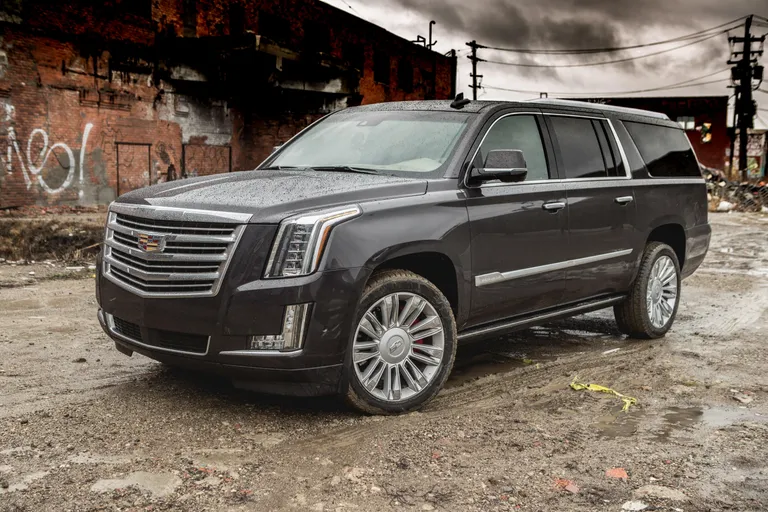
Cadillac Escalade
The Cadillac Escalade emphasizes luxury and presence above all else. Unfortunately, that presence comes with dimensions that overwhelm NYC garages. Its wide stance makes navigating narrow ramps extremely difficult. Many garages, especially older ones, were never designed to handle a vehicle of this scale.
The Escalade’s height adds another layer of concern. Clearance issues are common, especially in buildings with ceilings under standard heights. Drivers must constantly watch for overhead pipes, garage doors, or hanging lights. Entering and exiting garages requires careful positioning to prevent damage to the vehicle and surroundings.
Length also limits maneuverability. Tight parking spaces demand precision that the Escalade does not easily provide. Even in larger garages, the vehicle may block access to neighboring stalls or reduce walking space for pedestrians. This can lead to conflicts with management or other residents.
While impressive on highways or in suburban settings, the Escalade clashes with the realities of city infrastructure. Its luxurious size becomes a liability, turning routine tasks like grocery runs or garage parking into tense, high-stakes operations. Urban life exposes its impracticality.
Ram 2500
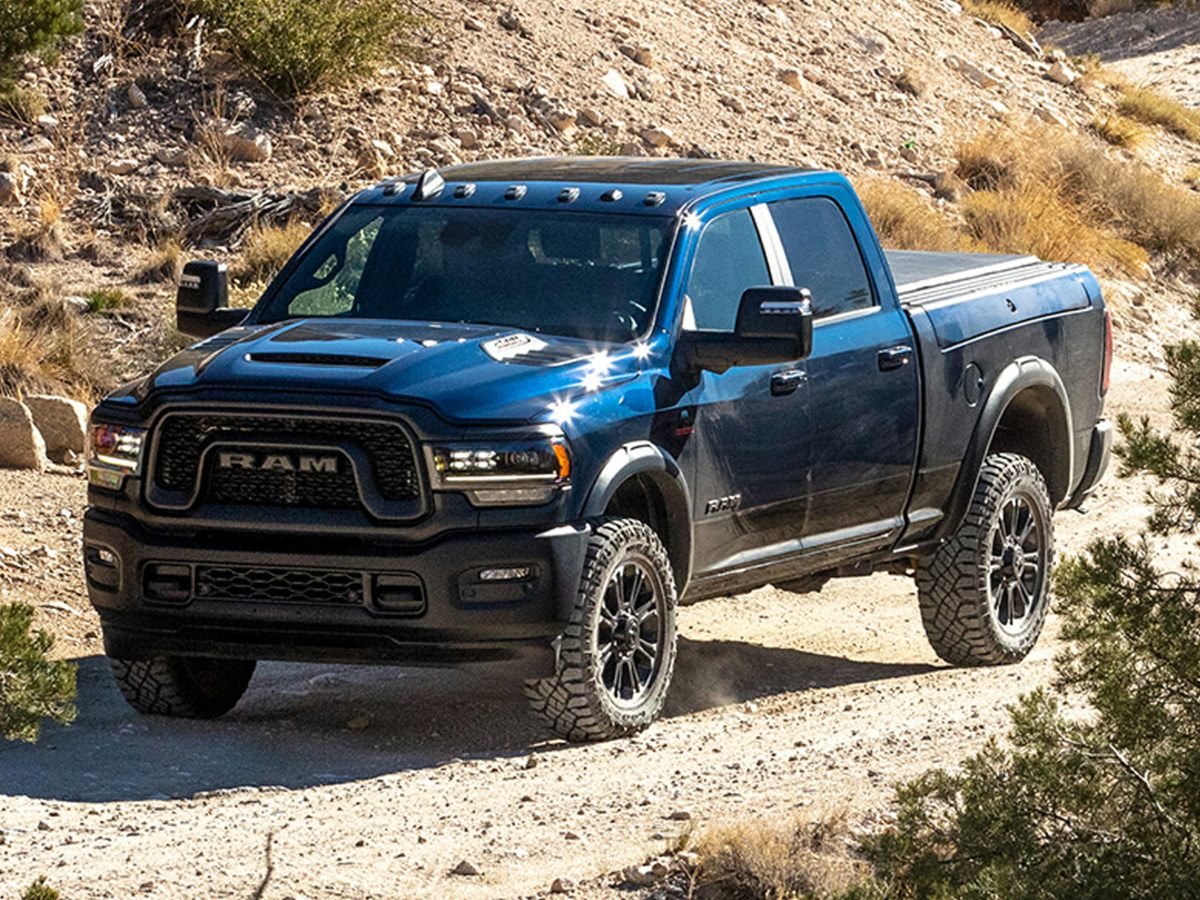
The Ram 2500 is built for heavy-duty work, hauling, and towing, not city garages. Its sheer size immediately disqualifies it from most NYC parking structures. Entry ramps cannot accommodate its turning radius, making access virtually impossible in narrow or spiral garages. Parking becomes a challenge that often requires multiple attempts.
Weight is another concern. Older garages may have load limits that the Ram 2500 approaches or exceeds. This raises both safety and liability issues for garage operators. Drivers may face denial of access, creating logistical problems for those who rely on a vehicle daily in the city.
The truck’s height and width compound the problem. Clearance bars, garage ceilings, and adjacent vehicles leave little room for error. Even skilled drivers struggle to open doors safely, and collisions with walls or neighboring cars become a real possibility. Maneuvering in confined spaces is stressful and time-consuming.
For urban residents, the Ram 2500 offers little advantage. Its capabilities for towing and hauling are largely wasted in a city environment, while its size creates constant obstacles. It is far better suited to rural, industrial, or suburban settings where space is abundant.
Hummer H2
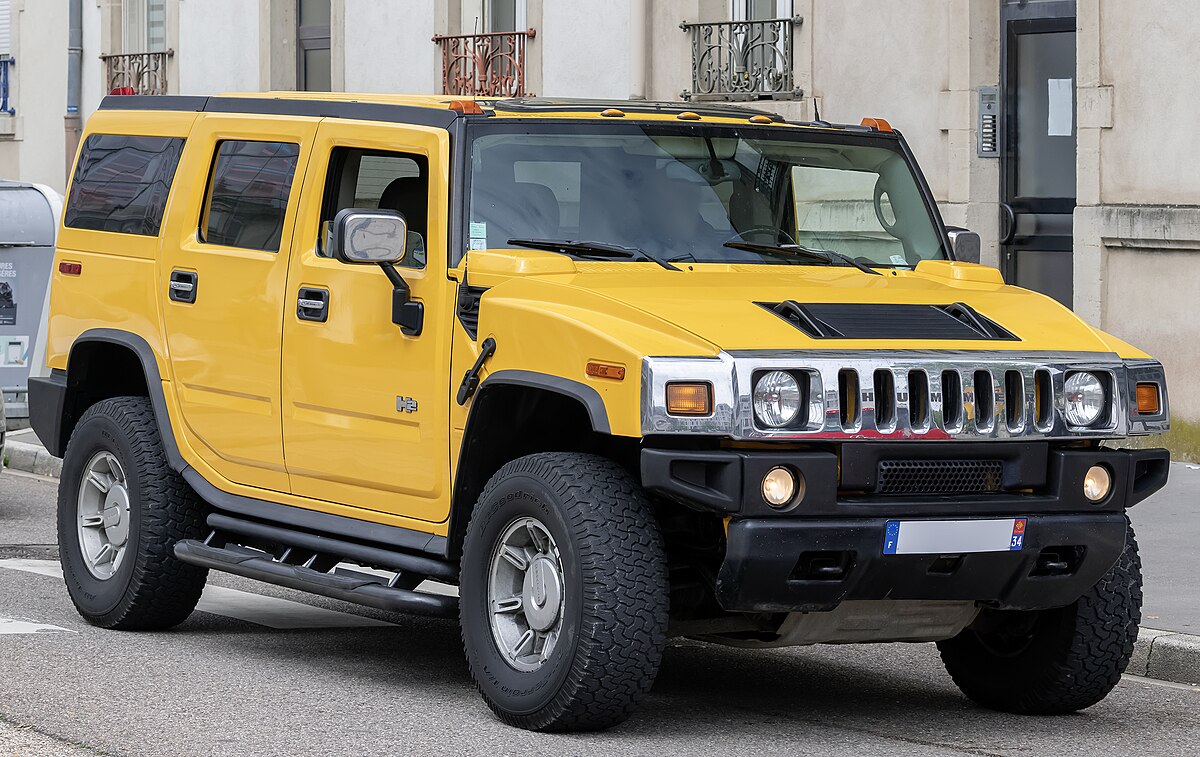
The Hummer H2 was designed to stand out, not blend in, and its extreme dimensions make it one of the worst matches for NYC garages. Its boxy shape, massive width, and extreme height overwhelm older parking structures. Narrow ramps feel claustrophobic, and negotiating turns can feel like a high-risk exercise.
The height of the H2 creates clearance issues in many garages. Even garages with seemingly high ceilings may not provide enough space for its roof, lights, or attachments. Drivers must be constantly aware of pipes, sprinklers, or hanging barriers. The risk of accidental damage is high, turning garage entry into a tense operation.
Width also limits usability. Tight stalls leave little room to maneuver, and opening doors without hitting walls or neighboring vehicles is extremely difficult. This limitation makes daily errands more stressful and time-consuming, reducing convenience and increasing the chance of costly damage.
The Hummer H2 symbolizes excessive size in an urban context. While visually striking and powerful off-road, it is impractical for city streets or garages. It highlights that in dense urban environments, bigger is rarely better, and extreme vehicles often create more problems than they solve.
