
Urban driving has always presented a unique challenge for performance cars. While these vehicles are built to excel on open highways and race tracks, navigating crowded streets, tight corners, and constant stop-and-go traffic requires a different set of skills from both the car and the driver.
A high-powered engine, sophisticated suspension, and responsive steering are not enough on their own; maneuverability, visibility, and comfort are equally crucial. Cars that perform well in urban environments must balance performance with practicality, allowing drivers to enjoy the thrill of speed without compromising safety or convenience.
Traffic congestion, narrow lanes, and uneven road surfaces demand that a vehicle be agile, responsive, and easy to control at low speeds. For urban commuters who enjoy driving fast cars, the right vehicle can make a significant difference in reducing stress, improving confidence, and making daily travel more enjoyable.
At the same time, a poorly suited performance car can turn city driving into a frustrating experience, where every turn, stop, and lane change becomes a test of patience. Understanding which cars thrive in urban conditions and which struggle can help buyers make informed decisions.
It is not only about acceleration and horsepower but also about suspension tuning, ground clearance, turning radius, and ease of handling. Urban-friendly performance cars combine sporty characteristics with comfort and practicality, while others remain better suited for highways, racetracks, or open country roads.
The following sections highlight five performance cars that handle city streets effectively, as well as five that tend to struggle in urban environments. Each selection demonstrates how design, engineering, and thoughtful features can either complement or complicate city driving, giving enthusiasts a clear picture of what to expect behind the wheel.
5 Performance Cars That Handle Urban Roads
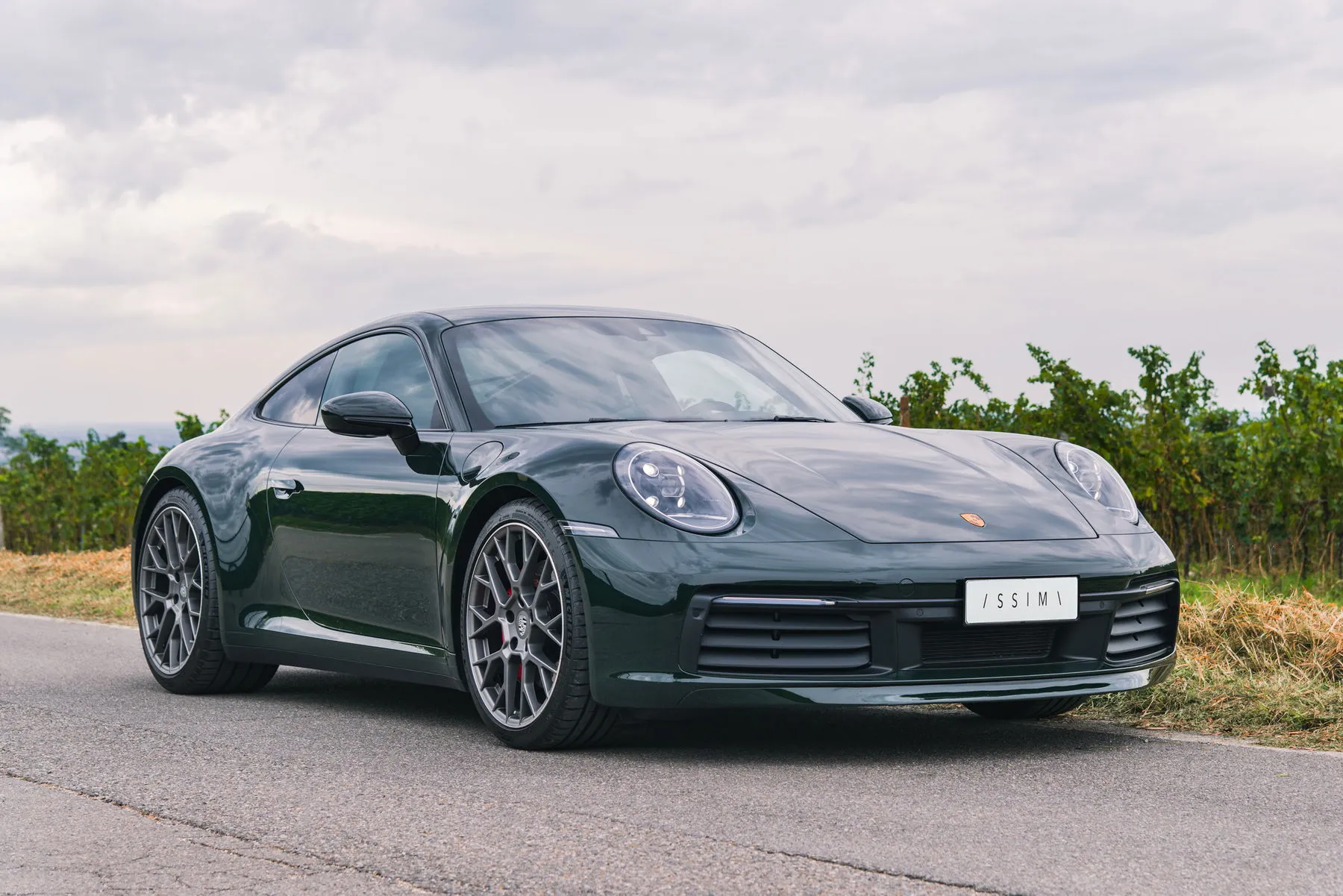
1. Porsche 911 Carrera
The Porsche 911 Carrera has long been celebrated for its precision engineering, balance, and timeless design, which make it exceptionally suited for both spirited drives and everyday commuting. Its compact body allows it to maneuver tight city corners with ease, while the rear-engine layout gives it impressive traction and stability at low speeds.
Traffic lights, roundabouts, and stop signs do not overwhelm its capabilities, as the engine responds smoothly to gradual acceleration. Even in slow-moving traffic, the steering remains highly responsive, giving drivers confidence that every movement of the wheel will produce predictable and precise results.
The Carrera’s suspension strikes an impressive balance between sporty handling and comfort. On urban roads, where potholes, speed bumps, and uneven asphalt are common, the car maintains poise without transferring harsh shocks into the cabin.
Adaptive suspension technology ensures that sudden dips or raised surfaces do not compromise stability, making the daily commute far more pleasant than in traditional high-performance sports cars. This combination of control and comfort allows drivers to maintain composure in challenging traffic situations without feeling fatigued.
Visibility and ergonomics are equally strong points for the Carrera. Drivers benefit from a seating position that provides a clear view of the road ahead, complemented by thoughtfully designed mirrors that reduce blind spots.
Navigating narrow streets, tight parking areas, and intersections becomes much more manageable due to this awareness. The combination of precise engineering, agility, and driver-focused design means the Porsche feels like an extension of the driver, which is essential when negotiating unpredictable city conditions.
Even fuel efficiency is surprisingly practical for urban use, considering the Carrera’s performance pedigree. Its turbocharged engine delivers instant power when needed but can also idle smoothly in stop-and-go traffic without excessive fuel consumption.
Transmission responsiveness ensures that gear changes feel natural at low speeds, while acceleration remains accessible for when drivers want to move quickly through open gaps in traffic. The Carrera’s blend of agility, comfort, and usability makes it one of the most urban-friendly performance cars on the market.
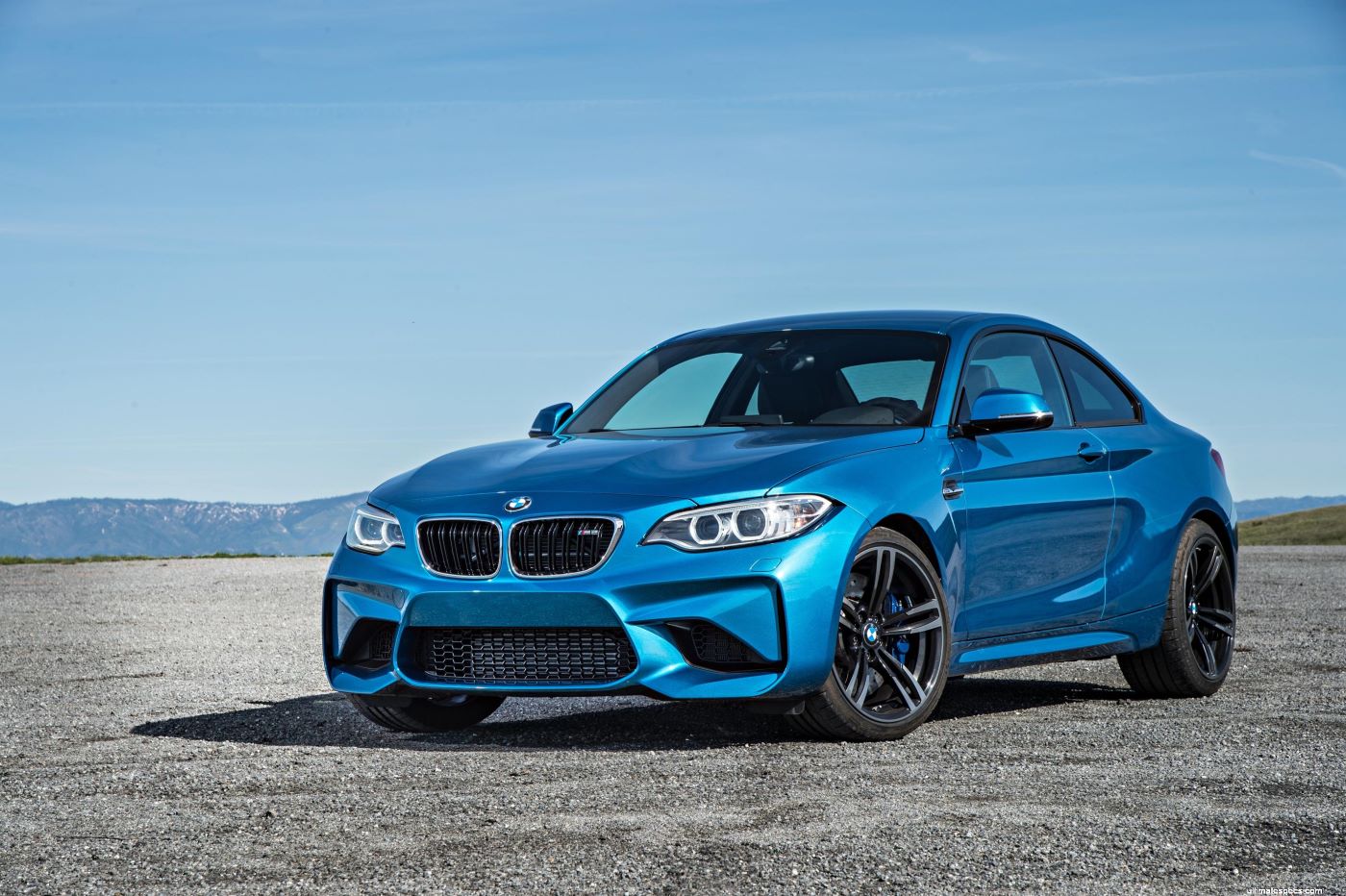
2. BMW M2
The BMW M2 combines compact dimensions with a muscular presence, making it perfect for urban environments where space and maneuverability are at a premium. Its shorter wheelbase allows for sharp turns and confident navigation through congested streets, while the rear-wheel-drive layout with optional all-wheel-drive ensures traction in wet or slippery conditions.
Despite its performance credentials, the car’s handling is predictable and easy to control at low speeds, which is vital for city driving. Its responsive steering makes lane changes, roundabouts, and parking lot maneuvers intuitive and stress-free.
Suspension and weight distribution contribute significantly to the M2’s urban competence. The car remains stable during sudden turns, quick lane changes, and stop-start driving scenarios, even when traffic is heavy.
Unlike many sports cars with harsh, track-oriented setups, the M2 maintains a level of comfort that protects passengers from road irregularities. This makes it an excellent choice for drivers who want performance without constantly battling bumps, potholes, or uneven pavement.
The M2’s interior is designed with both ergonomics and visibility in mind. Drivers can easily see surrounding vehicles, pedestrians, and obstacles, reducing the stress of city navigation. Controls are logically arranged, ensuring that adjustments to climate, entertainment, or driving modes can be made quickly without distraction.
The car feels responsive and intuitive, allowing drivers to focus on the road rather than adapting to awkward or cramped controls.
Engine performance is tuned for both excitement and practicality. Its turbocharged inline-six delivers substantial power, yet remains controllable in slow-moving traffic. Throttle response is smooth, preventing abrupt surges that could be dangerous in tight urban environments. Combined with a precise gearbox, this ensures that drivers can enjoy spirited driving when conditions allow while still navigating city streets safely and comfortably.
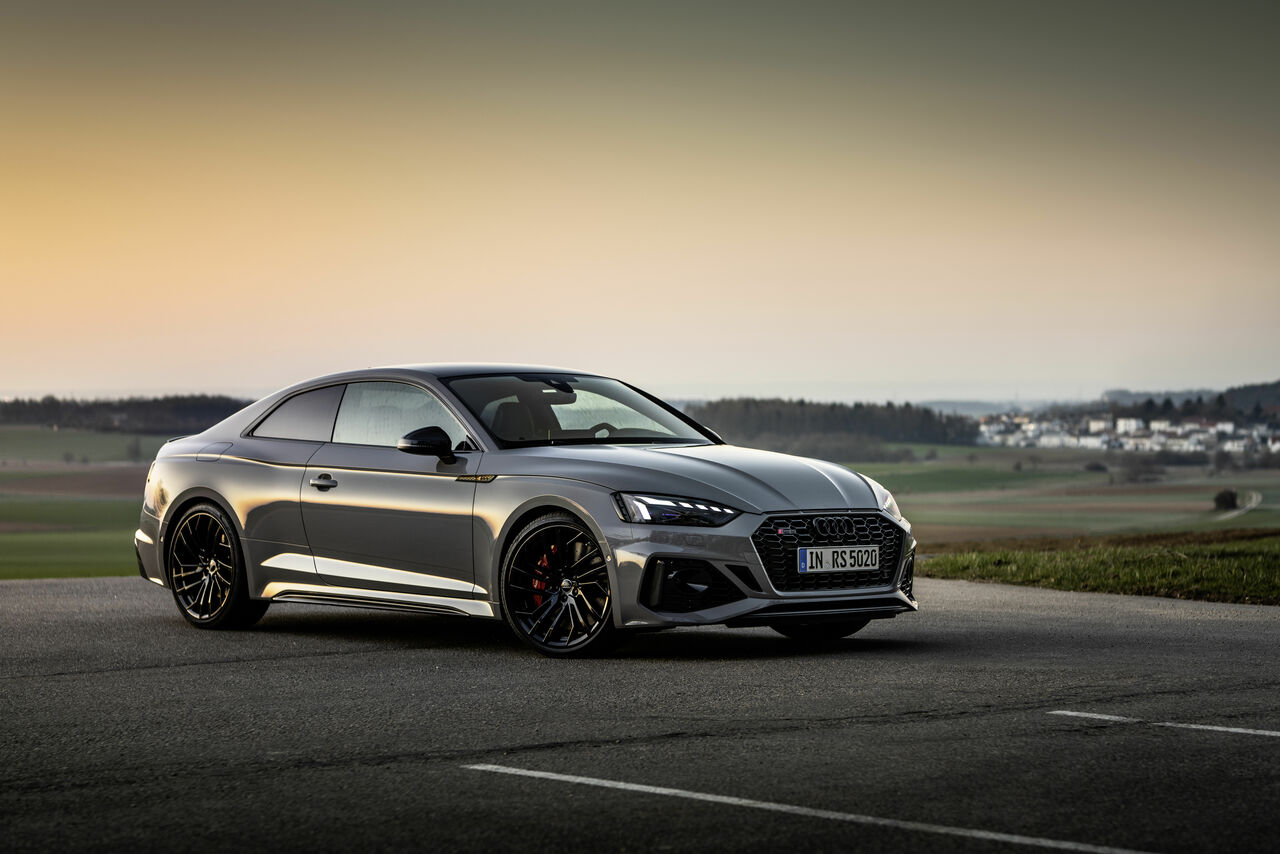
3. Audi RS5
The Audi RS5 is a remarkable combination of style, performance, and usability, making it a standout in urban settings. Its quattro all-wheel-drive system provides excellent traction under various conditions, from wet streets to light rain, which is a common challenge in city driving.
The vehicle handles tight corners with remarkable composure, making sudden maneuvers around pedestrians or cyclists safer and easier. Its relatively compact dimensions for a high-performance coupe allow it to weave through traffic more effectively than larger supercars.
Comfort plays a crucial role in the RS5’s city driving ability. Its suspension absorbs imperfections in the road while maintaining precise handling characteristics, allowing drivers to move confidently over bumps, potholes, and uneven surfaces. Noise insulation further enhances comfort, keeping engine, road, and wind noise to a minimum. This combination ensures that drivers and passengers enjoy a calm, composed ride without feeling every minor irregularity on city streets.
Modern technology in the RS5 complements its driving dynamics and improves urban usability. Features such as adaptive cruise control, parking sensors, and advanced cameras assist in congested areas, making parking, reversing, and lane management significantly easier. These systems reduce the mental load on drivers while maintaining the feeling of connection with the car, creating a blend of convenience and sportiness that few cars achieve.
Despite its performance-focused engine, the RS5 remains practical for city use. Acceleration is smooth and controllable, allowing drivers to manage stop-and-go traffic efficiently.
The engine’s responsiveness ensures that gaps in traffic can be exploited without the car feeling overpowering, while fuel consumption is manageable for a vehicle in its class. The RS5 demonstrates that a powerful performance car can thrive in urban environments when engineering and technology are thoughtfully applied.
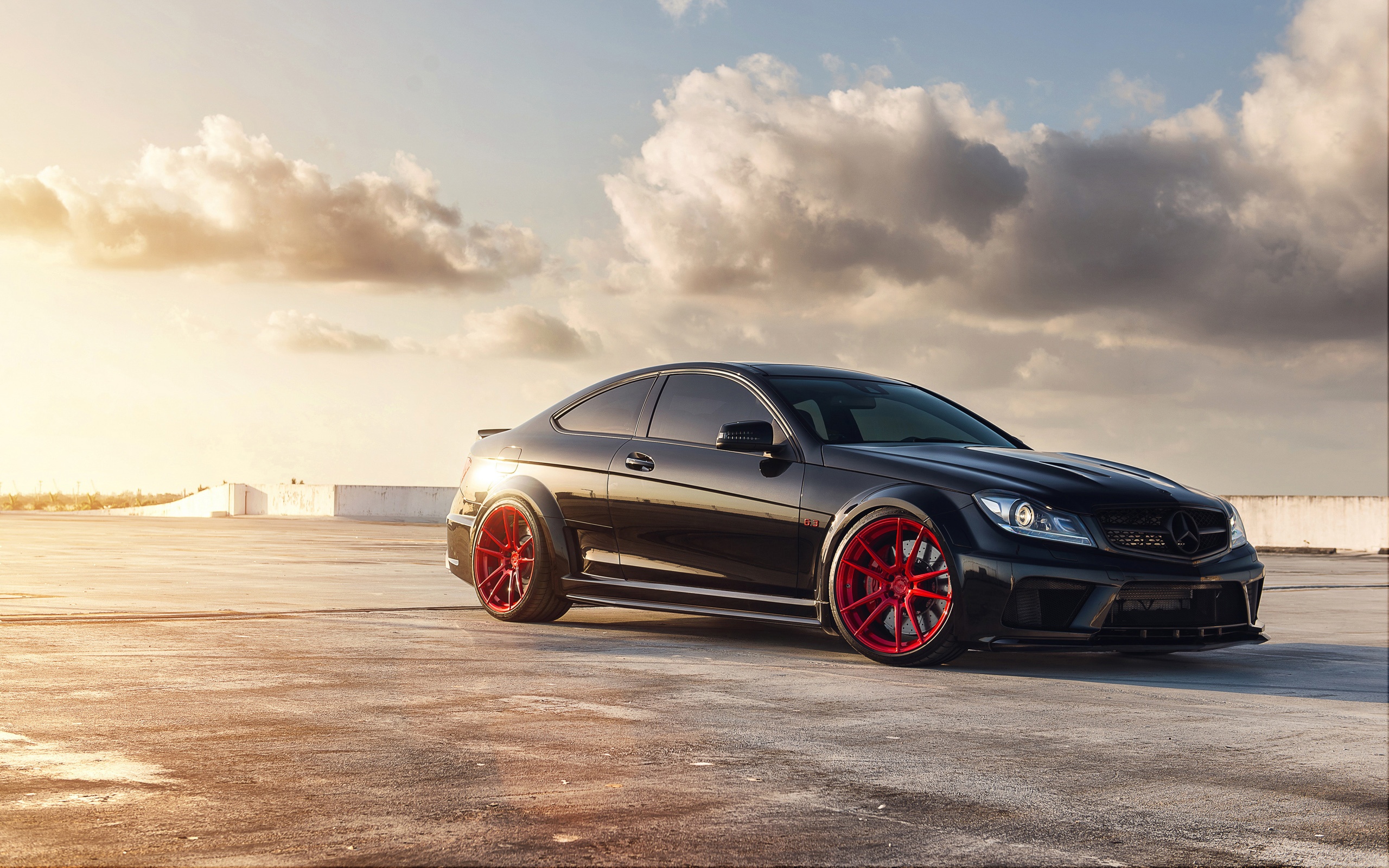
4. Mercedes-AMG C63
The Mercedes-AMG C63 combines raw power with remarkable control, making it a rare high-performance car that thrives in city conditions. Its engine produces substantial output, yet throttle modulation allows drivers to navigate tight corners and traffic smoothly.
Steering is precise and communicative, which is critical when negotiating busy streets. Even with a wide track and muscular stance, the C63 feels composed, allowing the driver to handle urban driving confidently and safely.
The adaptive suspension system contributes significantly to the car’s urban performance. While capable of aggressive handling at high speeds, it adapts to city road imperfections, smoothing bumps and uneven surfaces.
Passengers experience comfort that is rare in cars with similar performance credentials. This combination of sportiness and daily usability allows the C63 to function as both an exhilarating weekend vehicle and a practical daily driver.
The cabin is designed with ergonomics and visibility in mind. The driver enjoys a commanding view of the road, while controls are logically placed for minimal distraction. Parking is simplified with electronic assistance systems, and the wide body is managed through careful design and driver aids. These elements reduce stress in stop-and-go traffic or when navigating confined urban spaces.
The C63’s transmission allows for versatility in driving conditions. Its gearbox shifts smoothly, providing both fast response and precise control at low speeds. Engine power is accessible but not overwhelming, allowing drivers to feel confident in city traffic. This combination of raw performance, refined control, and thoughtful design makes the C63 one of the most practical high-performance cars for urban driving.
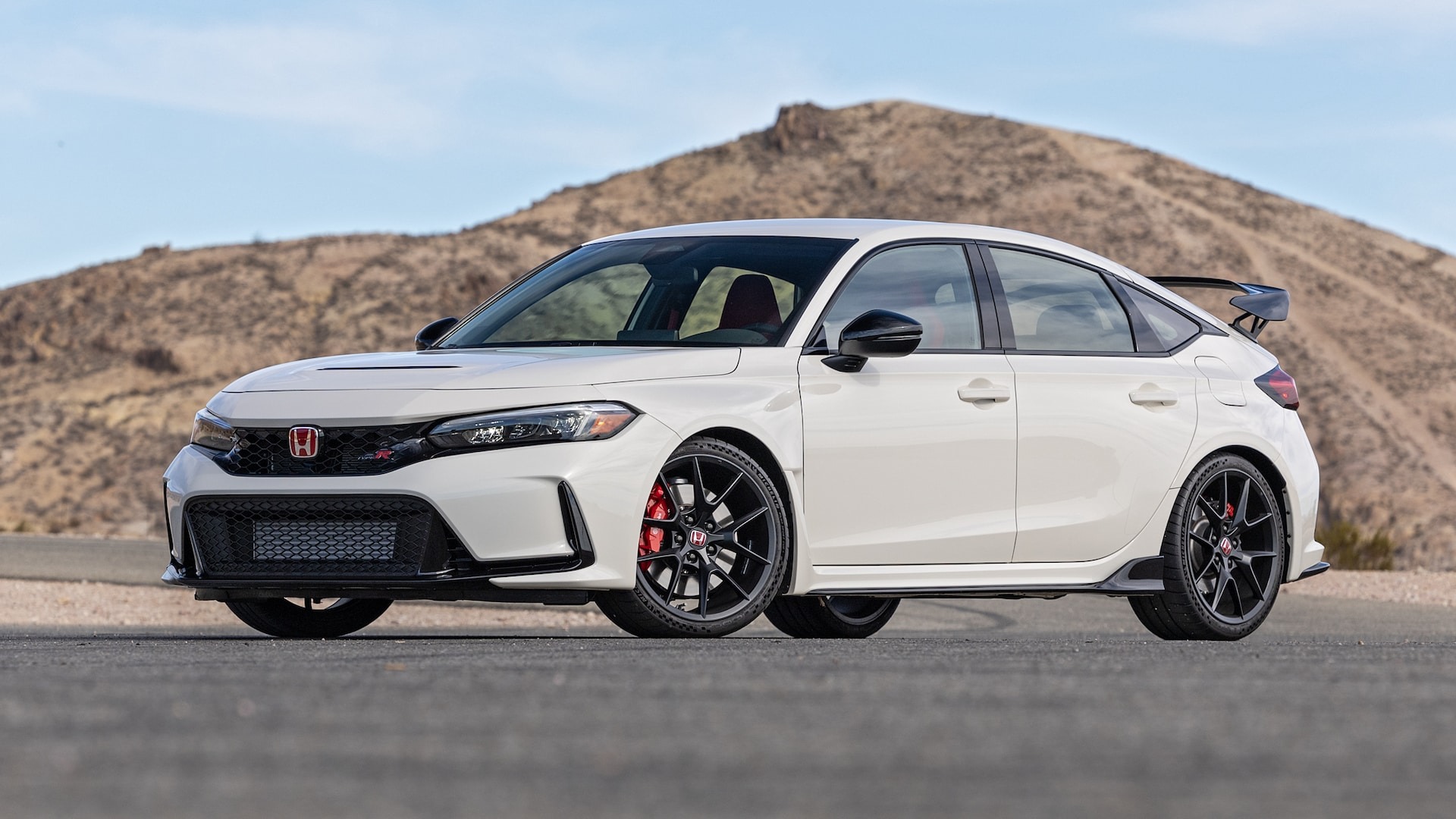
5. Honda Civic Type R
The Honda Civic Type R is a performance hatchback that balances excitement with practicality, making it highly suitable for city environments. Its compact size and responsive steering allow for precise navigation through congested streets and narrow lanes.
Drivers benefit from a low turning radius, which simplifies U-turns, roundabouts, and parallel parking. Despite being a high-performance vehicle, the Type R feels manageable, confident, and composed in urban traffic.
Suspension tuning in the Type R provides both sportiness and comfort. The car absorbs bumps, potholes, and road irregularities without causing excessive discomfort, which is vital for city commuting. Its firm yet forgiving ride ensures that daily driving remains enjoyable, even when roads are far from ideal. Passengers experience comfort while the driver enjoys a sense of control and connection with the road.
Visibility and interior design are practical for urban use. Drivers can easily judge distances, navigate tight spaces, and monitor surrounding traffic. Features like parking sensors, a rearview camera, and intuitive controls further enhance ease of use. The Type R shows that a performance-oriented car can incorporate practical elements to make city driving safer and more convenient.
The turbocharged engine delivers a balance between exhilarating acceleration and urban usability. Throttle response is immediate yet controllable, making traffic situations less stressful. Stop-and-go driving does not overwhelm the car, and gear changes are smooth and predictable.
This combination of compact agility, suspension tuning, and responsive engine makes the Civic Type R one of the few high-performance vehicles designed with city conditions in mind.
5 Performance Cars That Struggle on Urban Roads
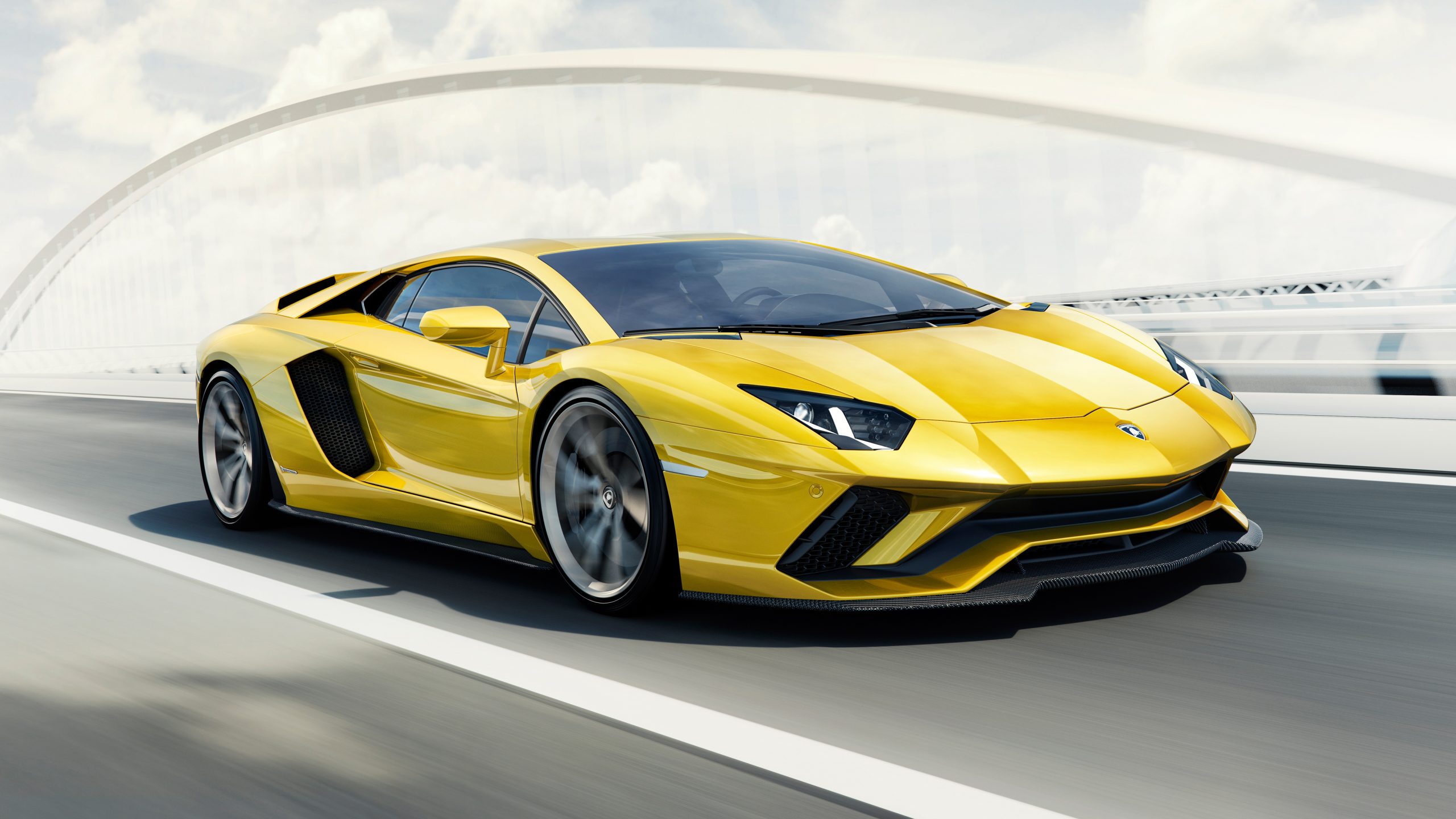
1. Lamborghini Aventador
The Lamborghini Aventador is a supercar built for speed and dramatic performance rather than city maneuverability. Its extremely low ground clearance makes navigating potholes, speed bumps, and uneven pavement a constant concern.
Even minor imperfections in the road can scrape the underbody, forcing drivers to slow excessively in urban environments. Its wide body also complicates tight turns and narrow streets, which can make daily commuting stressful rather than enjoyable.
The Aventador’s suspension is optimized for high-speed stability on highways or tracks, meaning it offers little comfort on slow-moving city roads. Bumps, dips, and irregular asphalt are transmitted harshly into the cabin, creating a jarring ride.
Passengers are likely to feel fatigued quickly in stop-and-go traffic, which further reduces the car’s suitability for daily urban use. Its stiffness and lack of adaptability make city navigation challenging.
Parking and tight maneuvers are particularly difficult for the Aventador. Its length and width exceed typical urban parking spaces, and its limited turning radius requires extreme care when attempting U-turns or tight corners. Maneuvering in congested streets becomes stressful, especially when combined with the need to constantly monitor clearance and curb proximity to avoid damage.
Fuel efficiency is another urban drawback. The Aventador’s V12 engine consumes a large amount of fuel even at low speeds, making frequent refueling inevitable in city traffic. While exhilarating on highways or open roads, its combination of low clearance, poor visibility, stiff suspension, and high fuel consumption makes it impractical for everyday urban driving.
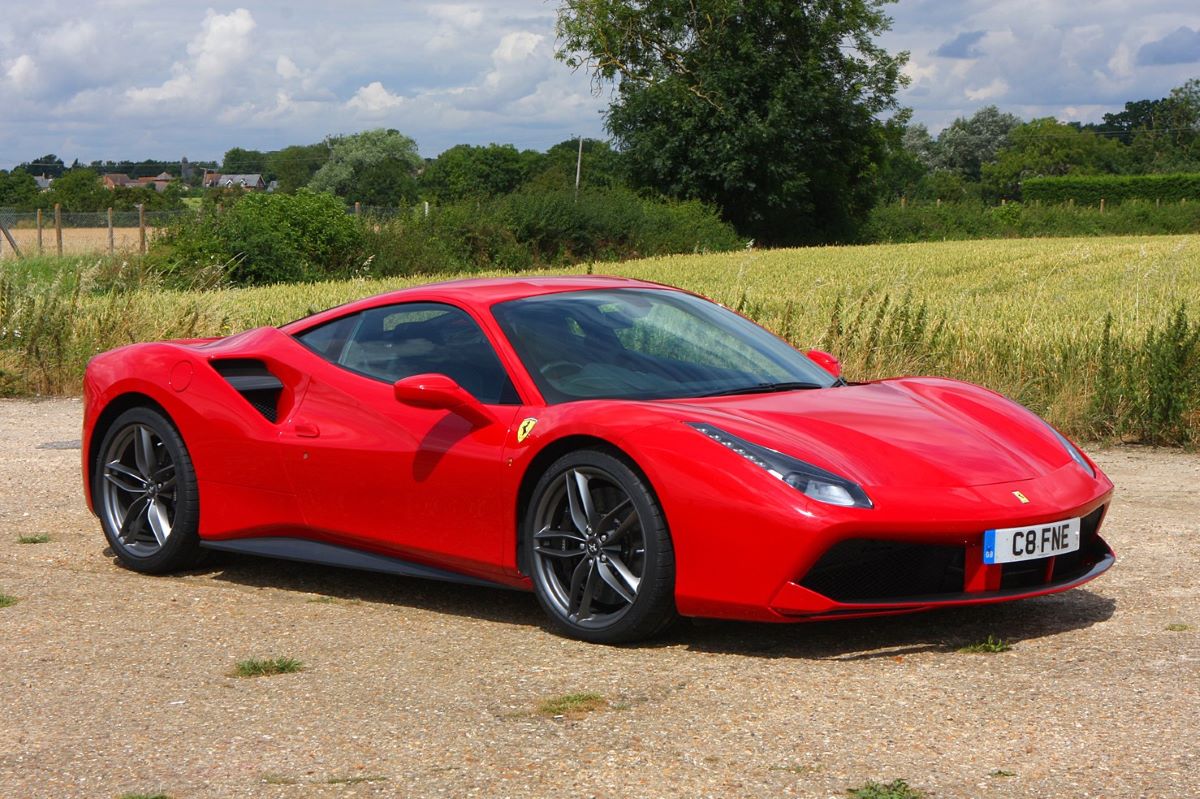
2. Ferrari 488 GTB
The Ferrari 488 GTB is designed for performance and precision at high speeds, but urban streets expose its limitations. Its low stance and aggressive aerodynamic body increase the risk of scraping on speed bumps, raised crosswalks, or uneven pavement.
Narrow lanes and tightly spaced obstacles require constant vigilance, and any misjudgment can result in costly damage. Its wide footprint further limits maneuverability in congested areas.
The 488 GTB’s suspension favors sharp handling and track-like responsiveness rather than city comfort. Stop-and-go traffic amplifies the stiffness, making even short trips uncomfortable. Road imperfections such as potholes or poorly paved streets are transmitted harshly into the cabin, leaving passengers and drivers less relaxed during daily urban driving.
Visibility is another challenge in the 488 GTB. Its low seating position and narrow window lines create significant blind spots, complicating lane changes, turns, and parking. Drivers must constantly compensate by moving their heads and monitoring mirrors, which can be tiring during long commutes or in heavy traffic.
The engine, while responsive and thrilling at high speeds, can feel overpowered in stop-and-go traffic. Its turbocharged V8 reacts quickly to throttle inputs, requiring careful modulation in urban settings to prevent sudden surges. Combined with high fuel consumption, the car becomes impractical for city life despite its unmatched performance on open roads.
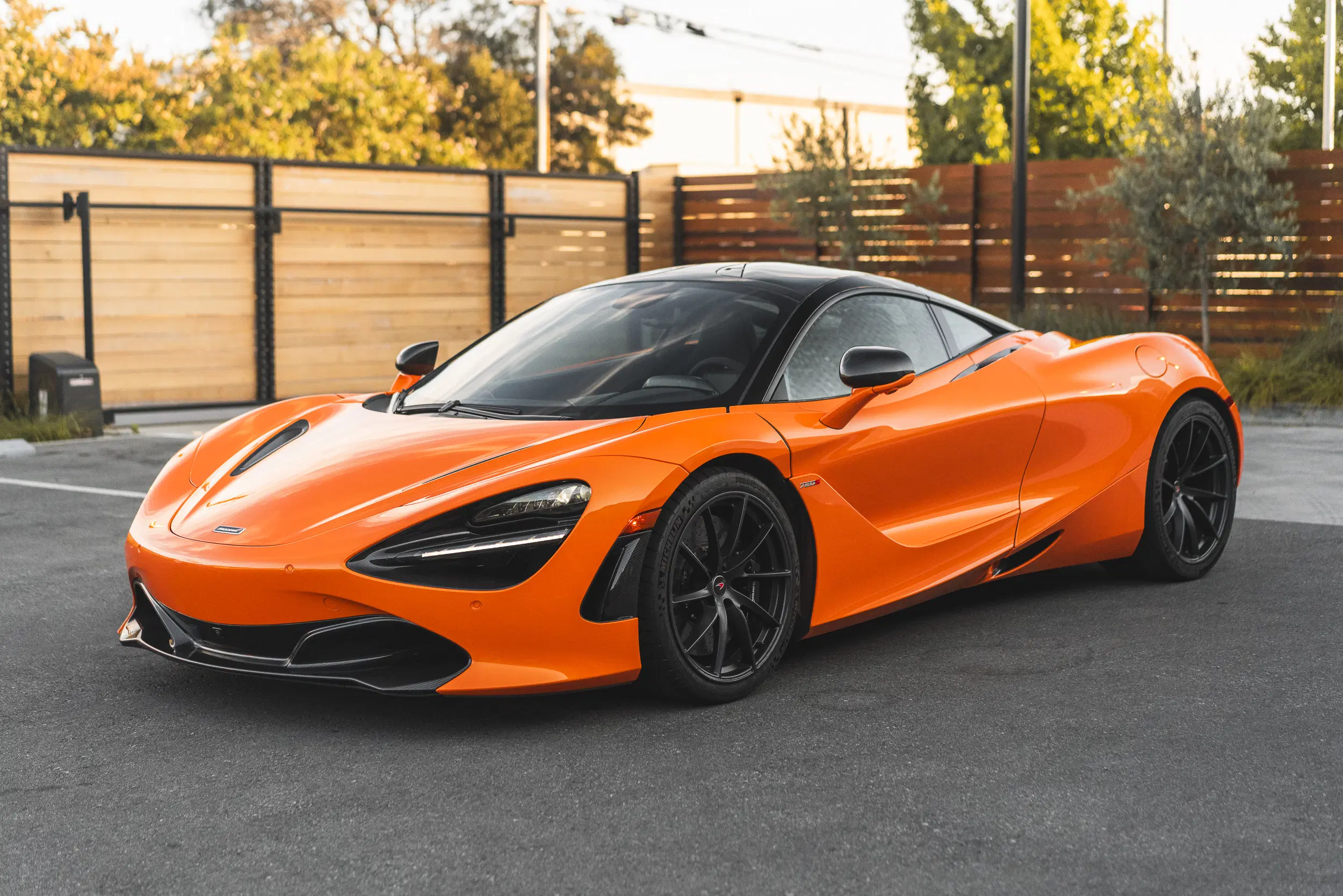
3. McLaren 720S
The McLaren 720S is a marvel of engineering for speed, but urban roads highlight its shortcomings. The car sits very low, with minimal ground clearance, making potholes, uneven pavement, and speed bumps frequent hazards. Its wide body and long length further limit maneuverability in tight streets and small parking spaces, requiring constant attention from the driver.
The suspension system is stiff and designed for stability at high speeds. In city traffic, this translates to a harsh ride, as every bump and crack is transmitted into the cabin. Passengers experience discomfort during short trips, and the driver may feel fatigued navigating stop-and-go conditions. This track-focused design prioritizes speed over comfort.
Maneuvering the 720S in crowded urban environments is also challenging. Its low seating position reduces visibility, and its wide body increases the risk of scraping parked vehicles or curbs. Lane changes, turns, and tight parking situations require extreme precision, which makes daily driving more stressful than enjoyable.
Fuel efficiency further reduces its practicality. The 720S’s twin-turbo V8 consumes fuel quickly in city traffic, where constant acceleration and deceleration are common. While exceptional on highways and tracks, the car’s low clearance, narrow visibility, and high maintenance demands make it impractical for regular urban use.
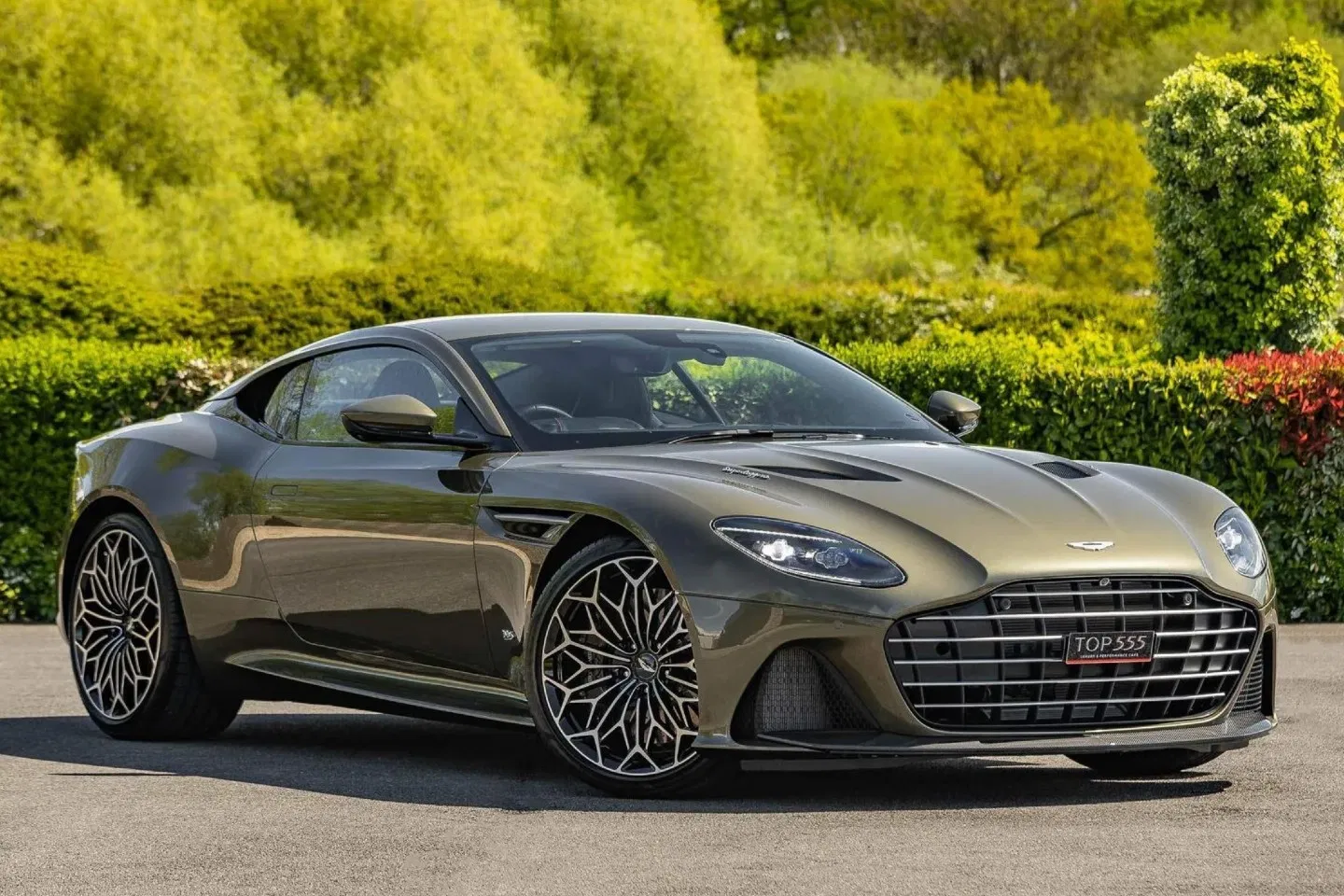
4. Aston Martin DBS Superleggera
The Aston Martin DBS Superleggera is a grand tourer designed for high-speed cruising rather than city streets. Its long wheelbase and low clearance make navigating speed bumps, potholes, and raised intersections difficult. Tight turns and narrow lanes exacerbate its lack of agility, turning simple maneuvers into careful, slow processes. Daily urban driving can become taxing rather than enjoyable.
The suspension is tuned for high-speed comfort and road stability, not for the imperfections of city roads. When driven slowly over uneven surfaces, the ride becomes stiff and less responsive. Even small bumps transmit into the cabin, making short trips less comfortable for both driver and passengers. Its focus on smoothness at speed works against its usability in stop-and-go traffic.
Visibility is limited due to the long hood, low seating position, and sleek design. Parking and maneuvering through dense streets require constant attention, which can be stressful during daily commutes. Its size and weight make lane changes and tight cornering more difficult than in smaller urban-friendly performance cars.
Fuel consumption is another drawback for city driving. The DBS’s twin-turbo V12 engine is extremely thirsty in low-speed, stop-and-go traffic. Despite its comfort and luxury features, the combination of high fuel consumption, low ground clearance, limited visibility, and poor maneuverability makes it far less practical for urban roads.
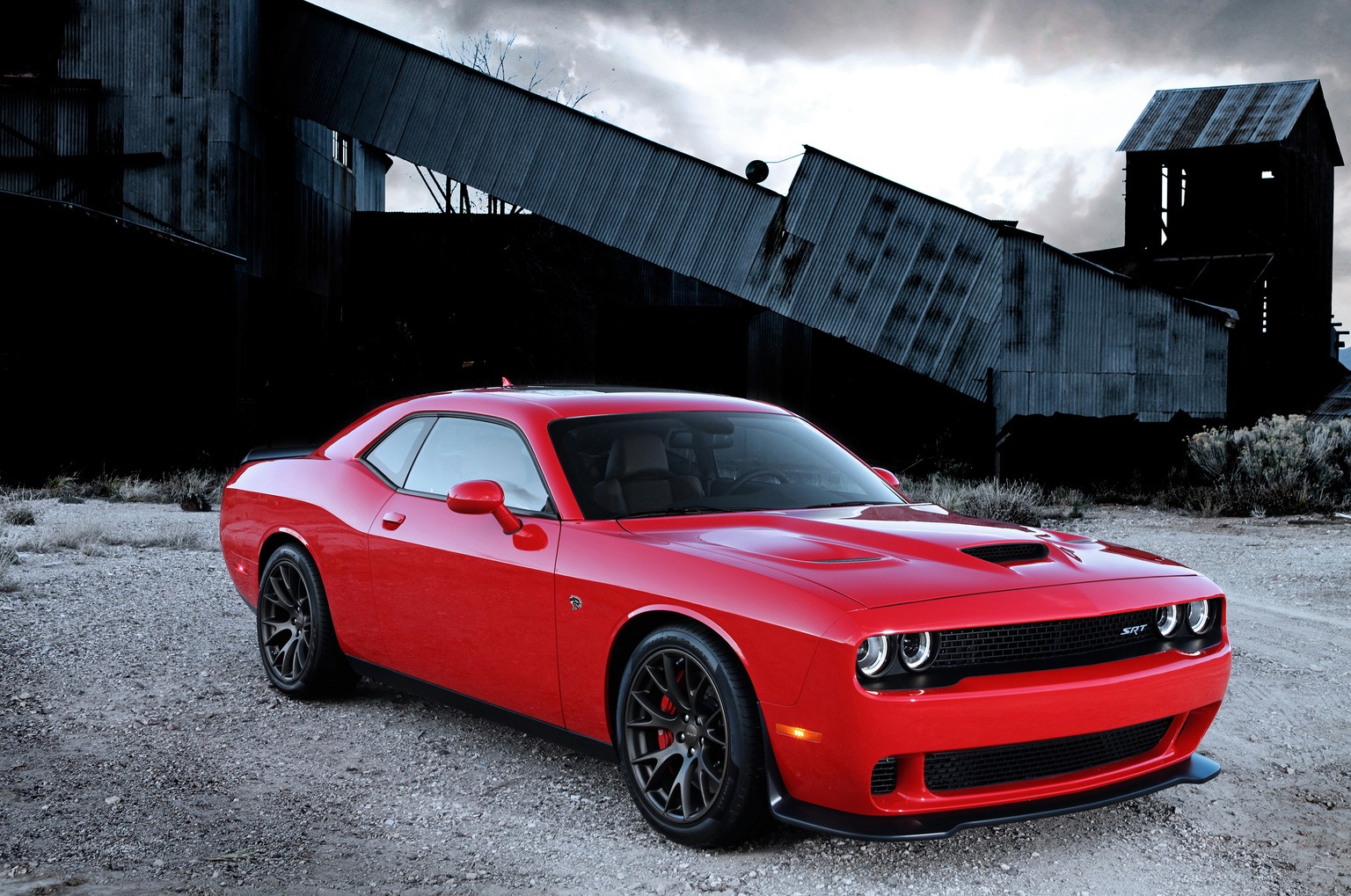
5. Dodge Challenger SRT Hellcat
The Dodge Challenger SRT Hellcat is a muscle car built for straight-line performance rather than city agility. Its wide and heavy body makes maneuvering through narrow streets difficult. While acceleration is thrilling on highways, stop-and-go traffic becomes awkward, as the car’s size and weight reduce responsiveness at low speeds. Parking and tight corners require extreme care.
Suspension tuning favors high-speed stability rather than city agility. Potholes, raised crosswalks, and uneven pavement are transmitted harshly into the cabin, creating an uncomfortable ride. Its bulkiness and heavy steering at low speeds increase the effort required to navigate congested urban streets. Long trips in city traffic can be exhausting for both driver and passengers.
Parking in dense urban areas is particularly challenging due to the Hellcat’s width and length. Standard spaces are tight, and navigating tight turns requires careful judgment to avoid scraping the sides. Blind spots are also significant, making lane changes and parallel parking more stressful than in smaller, more compact vehicles.
Fuel consumption is extremely high during city driving, where stop-and-go traffic prevents the engine from operating efficiently. The supercharged V8 demands frequent refueling, adding to the inconvenience of urban driving. Despite its raw power and thrilling performance, the Hellcat is best suited for highways or open roads, where its full capabilities can be safely enjoyed.
