
City driving is unlike any other kind of driving. Narrow streets, frequent traffic lights, pedestrian crossings, and the constant start-and-stop rhythm make it a unique challenge. Vehicles that perform well in these conditions offer not just reliability but also comfort, efficiency, and durability.
They handle repeated braking, acceleration, and low-speed maneuvering without excessive wear on their engines or transmissions. On the other hand, some vehicles struggle in these environments, prone to overheating, stalling, or suffering from accelerated wear.
Choosing the right vehicle for city driving requires understanding the demands placed on the engine, cooling system, and drivetrain. Traffic jams are not just a minor inconvenience, they test a vehicle’s ability to maintain optimal performance under constant stress.
The engine must remain cool despite idling, the transmission must handle frequent gear changes smoothly, and the brakes must endure repeated stops without fading. Fuel efficiency also becomes a concern because stop-and-go driving tends to consume more fuel than steady cruising.
This article highlights five vehicles well-suited for urban traffic, followed by five that are more likely to struggle under these conditions. Knowing these differences can help drivers make informed choices when selecting a car for daily commuting in cities where traffic congestion is unavoidable.
5 Vehicles That Overheat in Stop-and-Go Cities
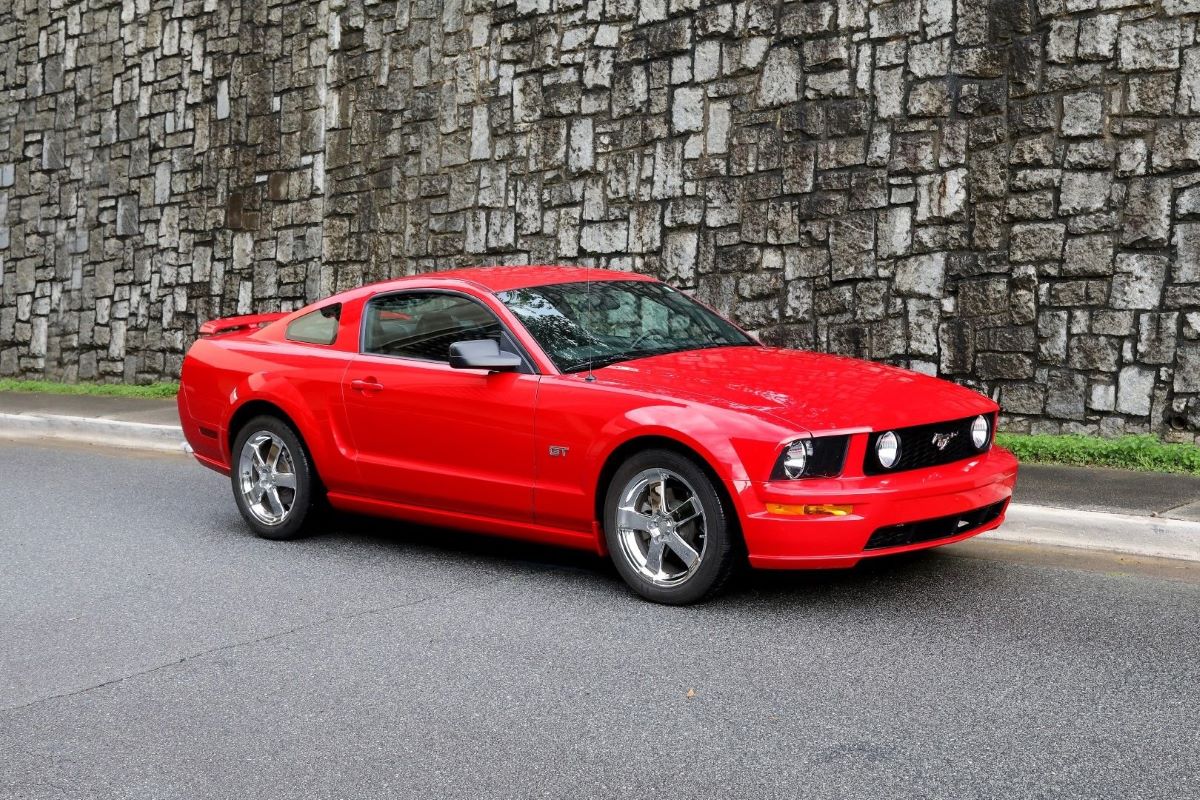
1. Ford Mustang
The Ford Mustang is designed primarily for performance rather than frequent city driving. Its large, high-output engine generates considerable heat during extended periods of idling.
In stop-and-go traffic, this heat can build quickly, putting stress on the cooling system. Overheating becomes more likely during hot weather or congested traffic jams, increasing the risk of engine strain.
The transmission also struggles with repeated low-speed shifts. Its performance-oriented tuning favors highway acceleration, making city crawling inefficient.
Brakes are tested constantly in heavy traffic, which can lead to faster wear or reduced responsiveness over time. Drivers may notice that the Mustang feels heavier to control in crowded streets, adding to urban fatigue.
Fuel efficiency is another concern in dense traffic. The engine consumes significantly more gasoline during constant acceleration and deceleration. Cabin heat can rise rapidly, particularly when the air conditioning is in use to counter external temperatures. Comfort diminishes as the engine works harder to maintain performance in these conditions.
Maintenance costs for a vehicle like the Mustang are higher than average. Components such as the cooling system, transmission, and brakes may require attention sooner under constant city stress. The combination of high fuel consumption and wear can make daily urban commuting less practical. Its design clearly favors performance over city reliability.
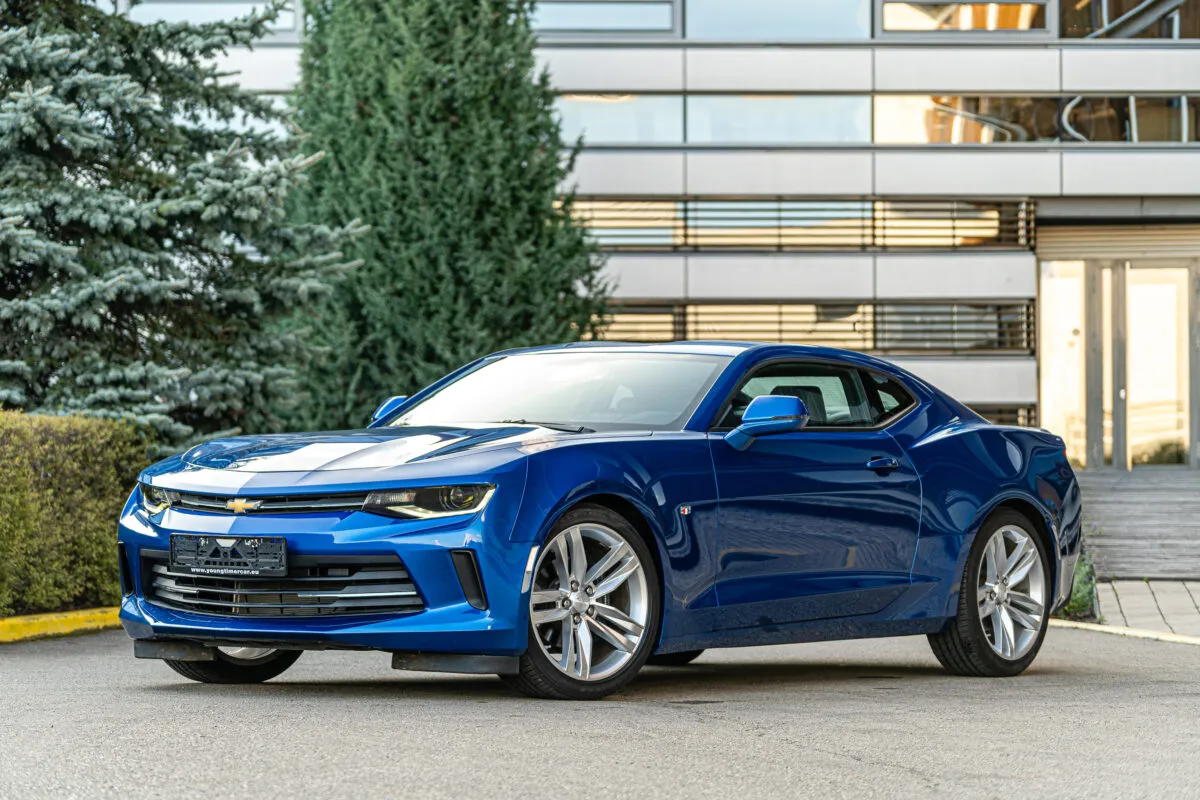
2. Chevrolet Camaro
The Chevrolet Camaro faces similar challenges in stop-and-go environments. Its powerful V6 or V8 engines produce substantial heat when the vehicle is frequently idling. Extended periods of low-speed traffic push the cooling system close to its limits, which can lead to engine overheating over time. The transmission is also under constant stress during repeated starts and stops.
Fuel economy decreases dramatically in dense traffic. The engine’s need for high power output at low speeds results in more frequent refueling. The suspension is tuned for performance, which can make rough urban streets uncomfortable. Steering can also feel heavy in tight spaces, making maneuvering through narrow city streets difficult.
Brakes experience accelerated wear due to constant stopping, especially during peak traffic hours. Cabin temperatures may rise quickly, particularly on sunny days when the vehicle is stationary. Limited rear visibility and wide blind spots make parking and lane changes more challenging in congested areas.
Long-term reliability may be affected if the vehicle is consistently driven in stop-and-go conditions. Engine and transmission components face more stress than in highway driving, requiring more frequent maintenance. While the Camaro excels on open roads, daily urban commuting exposes its weaknesses.
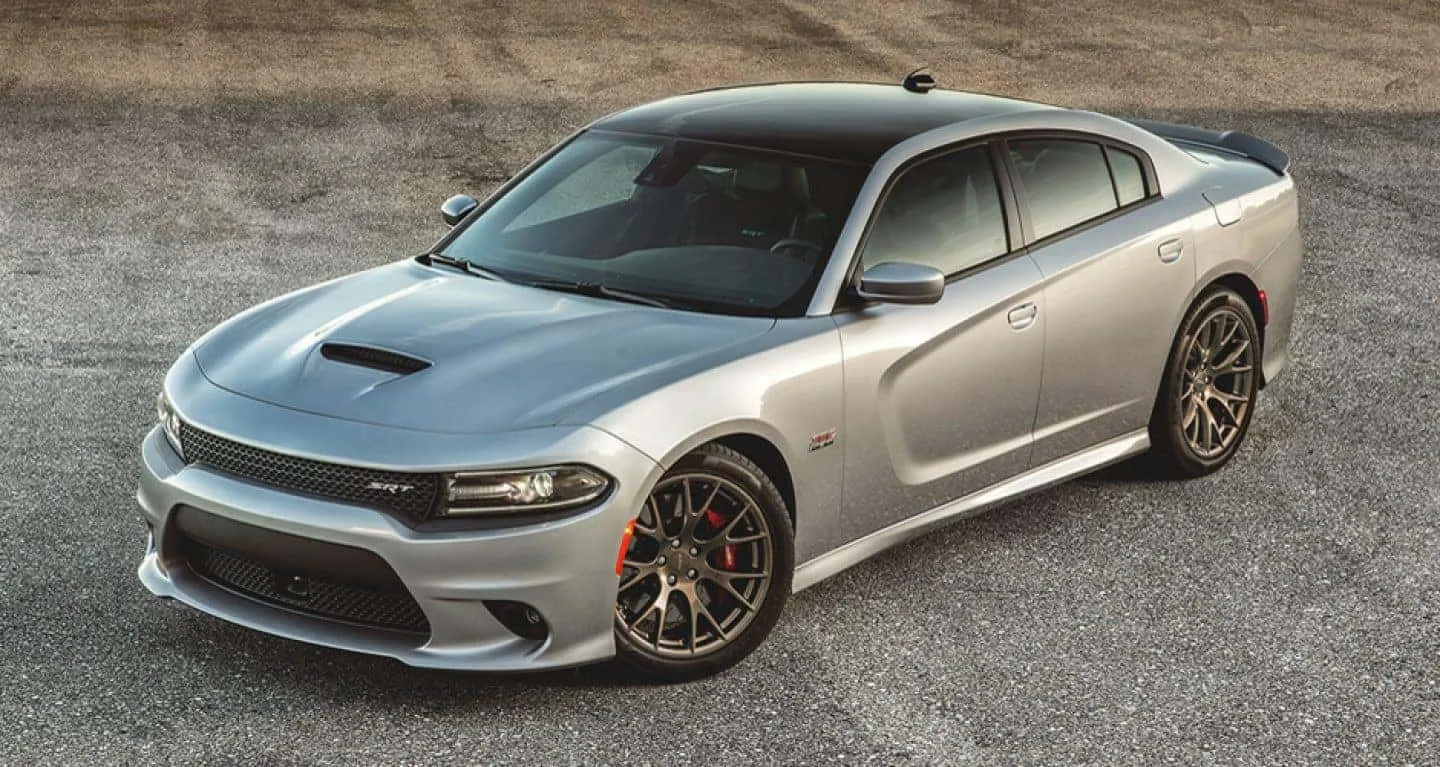
3. Dodge Charger
The Dodge Charger is a powerful sedan built for speed, not slow city driving. Its large engine produces substantial heat during prolonged idling, which can overwhelm the cooling system in congested traffic. Repeated braking and acceleration place additional stress on both the engine and transmission. Drivers may notice sluggish responsiveness when forced to crawl in traffic.
Fuel consumption increases dramatically in stop-and-go conditions. The large vehicle weight adds to braking demands and can cause brake fade more quickly than in smaller cars. Suspension is optimized for highway handling, so rough streets and potholes are less forgiving. Steering may feel less responsive at low speeds, which reduces maneuverability in urban environments.
Cabin comfort is affected by heat buildup from the engine and reduced airflow during congestion. Parking in tight areas is challenging due to the Charger’s length and width. Repeated stress on mechanical components may accelerate wear, resulting in higher maintenance costs over time.
Safety features such as lane assist and automatic braking are optimized for higher-speed driving rather than constant city stops. Visibility is restricted in crowded streets, and the wide body increases blind spots. Stop-and-go city driving exposes the Charger’s limitations more than open-road conditions.
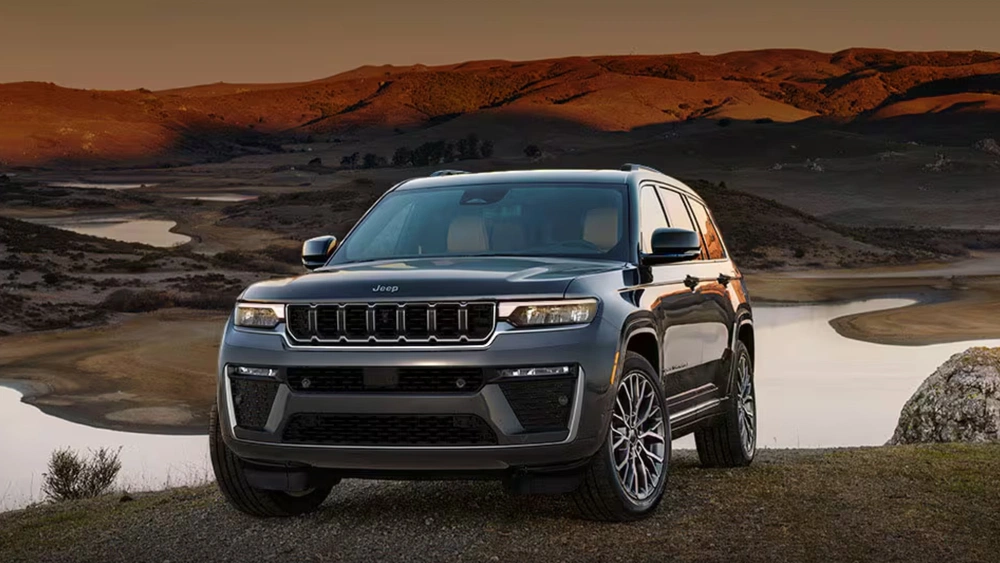
4. Jeep Grand Cherokee
The Jeep Grand Cherokee is a large SUV with a high-performance engine designed for power and off-road use. In stop-and-go traffic, the engine generates substantial heat, which can strain the cooling system. Hot weather or prolonged idling intensifies the problem, raising the likelihood of overheating in urban environments.
Fuel efficiency drops sharply in city traffic due to the vehicle’s weight and engine size. Braking systems wear faster from repeated stops, and steering requires extra effort to navigate tight corners. Suspension, tuned for off-road stability, may feel stiff and unrefined on uneven city streets.
Cabin space is generous, but comfort suffers when heat from the engine radiates through the floor or dashboard. Parking is more difficult in crowded areas due to the SUV’s size. Engine and transmission components may require more frequent attention to prevent premature wear.
Advanced safety technology is helpful but cannot fully offset the challenges of city traffic. Visibility remains limited, and maneuverability suffers in tight lanes or narrow streets. For daily urban commuting, the Grand Cherokee is less efficient, as it is built more for open roads and rugged terrain.
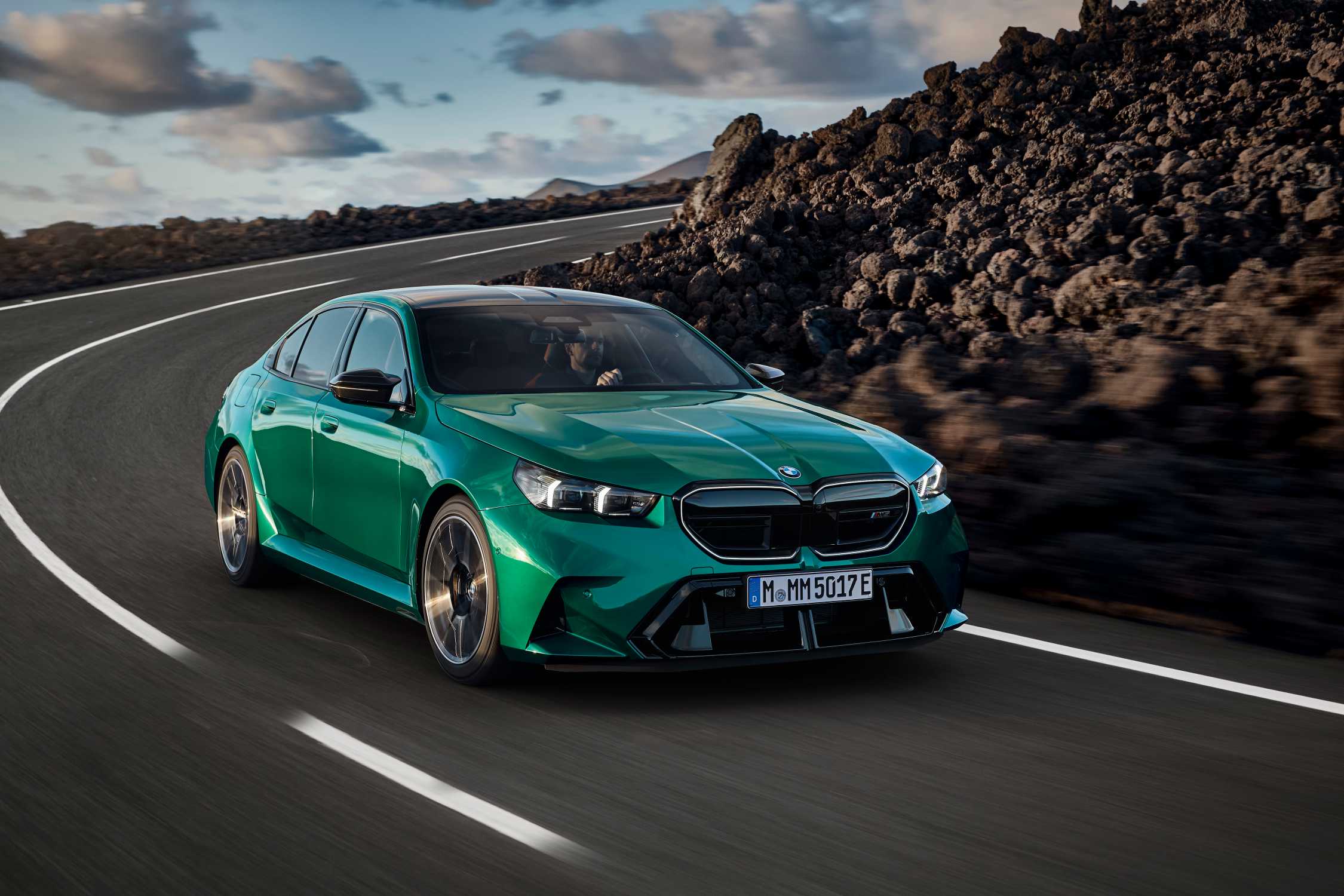
5. BMW M5
The BMW M5 is a high-performance luxury sedan that prioritizes speed and power over city efficiency. Its engine generates excessive heat during long periods of idling, which can put stress on the cooling system. Stop-and-go traffic pushes the transmission to work harder, increasing the risk of mechanical strain.
Fuel consumption is extremely high in urban driving. Repeated braking and acceleration increase wear on brake components. The suspension is performance-oriented, making rough city roads less comfortable. Steering at low speeds can feel heavy, reducing ease of maneuvering in traffic.
Interior luxury features do little to mitigate overheating problems. Cabin temperatures may rise quickly if the air conditioning struggles to compensate for engine heat. Parking and low-speed maneuvers are challenging due to the car’s size and weight. Engine and cooling systems may need more attention to maintain reliability.
Safety and technology features are optimized for high-speed driving rather than slow, congested conditions. Limited visibility and tight turning radius can make city streets stressful. The BMW M5 performs best outside urban environments, while city congestion can compromise both efficiency and longevity.
5 Vehicles That Overheat in Stop-and-Go Cities
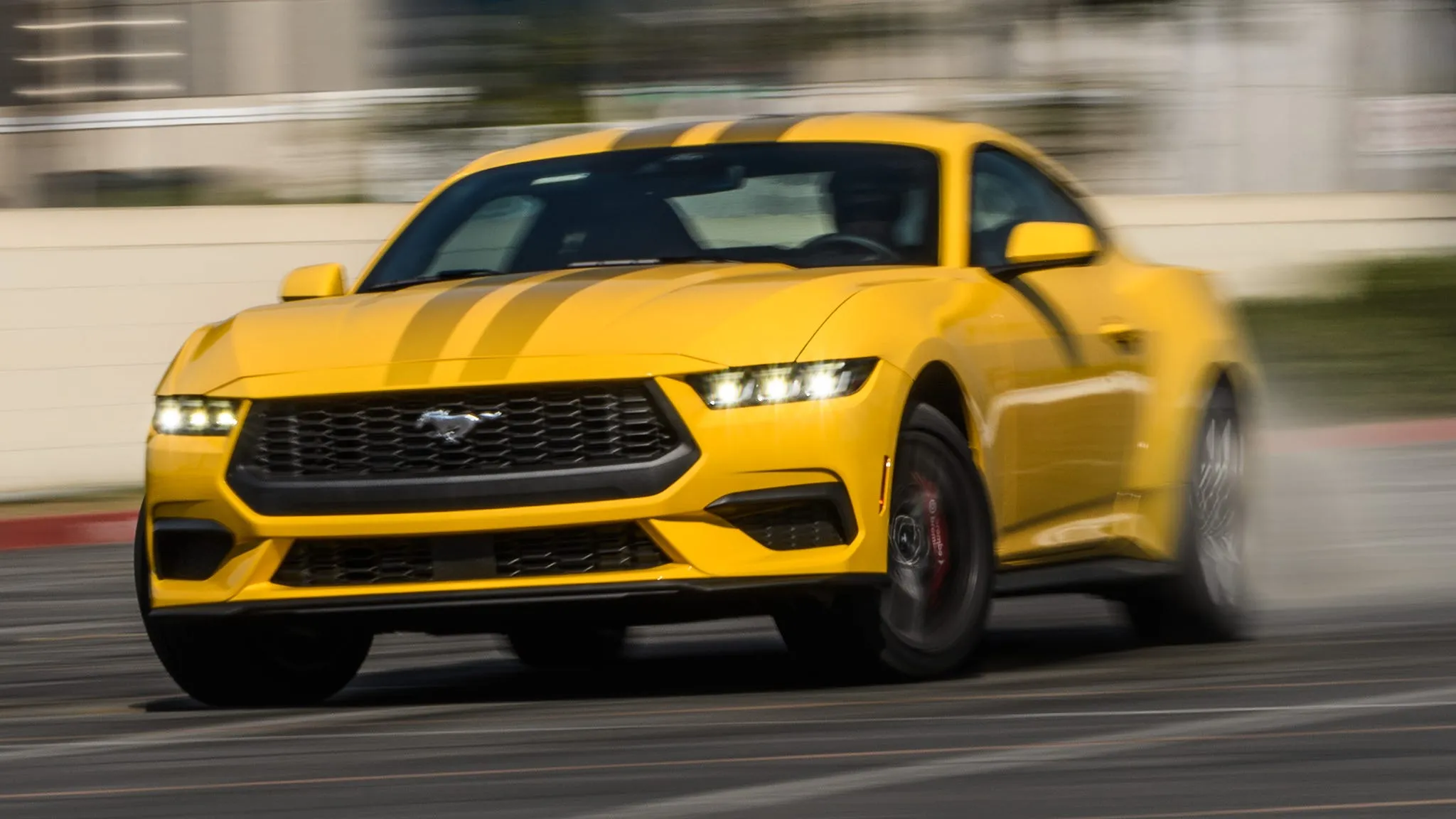
1. Ford Mustang
The Ford Mustang is a performance-focused vehicle, built for acceleration and speed rather than city crawling. Its large, high-output engine produces significant heat when idling for long periods, and prolonged stops in traffic can push the cooling system close to its limits. The engine can run hotter than intended, especially on hot days, increasing the risk of wear or mechanical stress over time.
The transmission is designed for smooth highway shifts, not constant low-speed stop-and-go patterns. In heavy traffic, repeated gear changes can accelerate wear and reduce responsiveness. Brakes also face extra strain during frequent stops, which can lead to quicker pad and rotor deterioration. Maneuvering in crowded streets may feel heavier compared to smaller, city-focused cars.
Fuel efficiency suffers dramatically in dense urban traffic, as the Mustang’s large engine consumes more gasoline during repeated acceleration and deceleration. Cabin temperatures may rise quickly when the air conditioning is working hard to counter engine heat. Comfort can be compromised during long commutes due to the engine’s constant workload and road vibrations.
Maintenance costs for city use increase compared to highway driving. Components like the radiator, transmission, and brakes may require more frequent attention to prevent overheating or accelerated wear. While the Mustang excels on open roads, it is less practical as a daily urban commuter because its design prioritizes performance over efficiency.
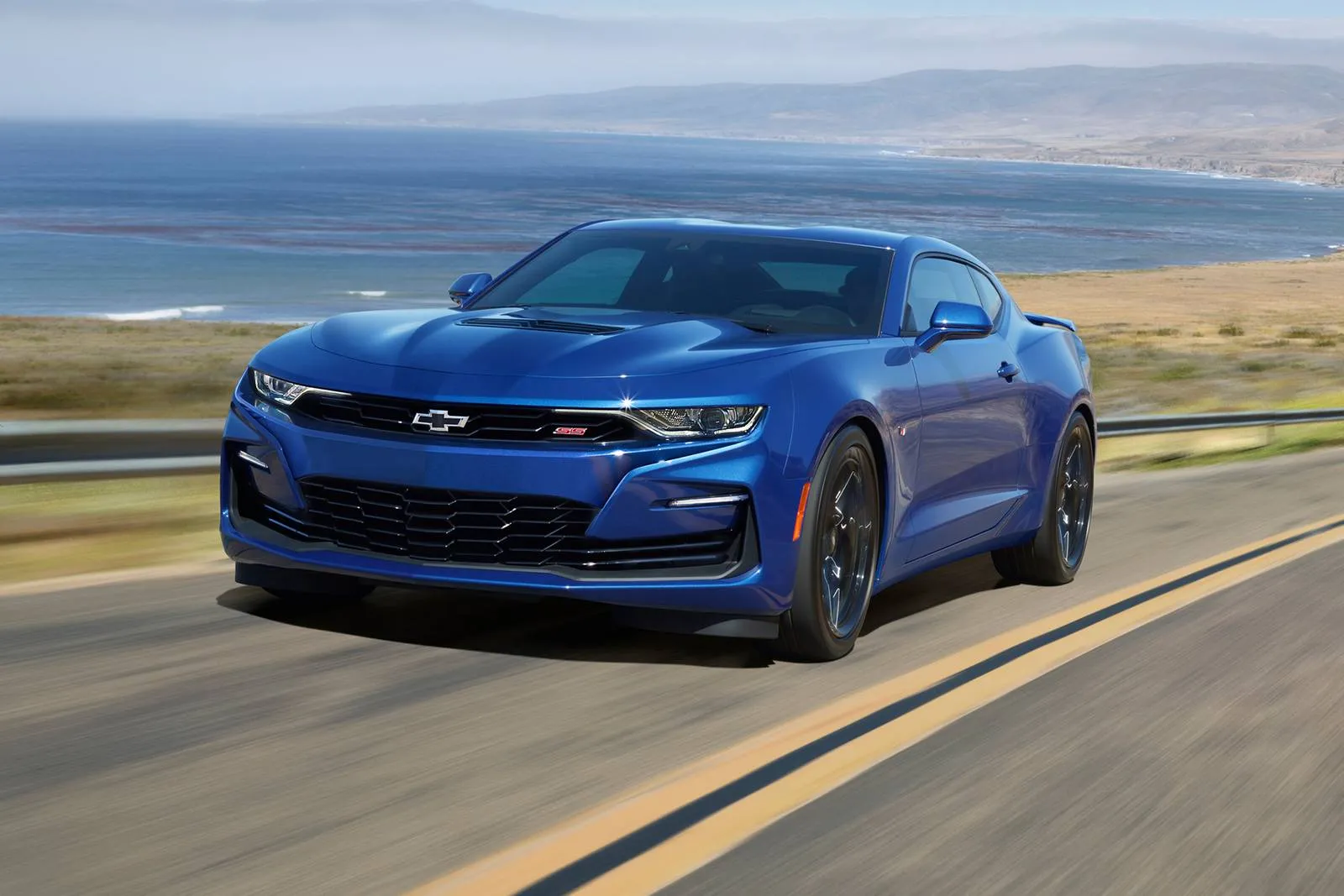
2. Chevrolet Camaro
The Chevrolet Camaro also struggles with heavy urban traffic. Its high-performance engine generates excessive heat during prolonged idling, which can strain the cooling system. Stop-and-go traffic forces repeated transmission shifts, which increases wear and can reduce responsiveness. Drivers may notice the engine temperature rising quickly during long periods of congestion.
Fuel economy decreases dramatically in city conditions, as the engine requires more fuel to deliver adequate power at low speeds. Suspension is tuned for high-speed stability rather than comfort, causing rough streets to feel stiff and uncomfortable. Steering can feel heavy in tight spaces, making lane changes and turns more difficult for urban maneuvering.
Brakes heat up faster than in smaller vehicles due to the Camaro’s weight and performance-oriented design. Cabin comfort suffers from engine heat, especially in summer when air conditioning is working harder to maintain a stable temperature. Visibility is limited compared to compact cars, making tight parking and crowded streets more challenging.
Long-term reliability may be affected if the vehicle is used consistently in stop-and-go conditions. The cooling system, transmission, and engine components endure more stress than they would on highways, potentially requiring more frequent maintenance. Urban traffic exposes the Camaro’s weaknesses, highlighting its preference for open-road driving.
3. Dodge Charger
The Dodge Charger is a large, powerful sedan optimized for performance rather than urban efficiency. Its engine produces significant heat during prolonged idling, straining the cooling system. Frequent stops and starts in heavy traffic can exacerbate engine stress, increasing the risk of overheating. Low-speed crawling can feel less responsive, reducing the car’s drivability in city settings.
Fuel consumption increases sharply during stop-and-go traffic, making trips more expensive. Braking systems are tested constantly in traffic, and heavy vehicle weight can lead to faster brake fade. Suspension is tuned for stability and high-speed handling rather than comfort, making potholes and uneven streets less tolerable. Steering responsiveness can diminish at low speeds, reducing maneuverability.
Cabin comfort is affected by heat from the engine and reduced airflow during congestion. Parking in tight city spaces can be difficult due to the Charger’s size and length. Repeated stress on the engine, transmission, and brakes may accelerate wear, increasing maintenance frequency and costs over time.
Safety features such as lane assist and automatic braking are optimized for higher-speed conditions rather than continuous stop-and-go driving. Visibility can be limited in crowded urban streets, and wide body dimensions create blind spots. The Dodge Charger struggles in urban environments and performs better on highways.
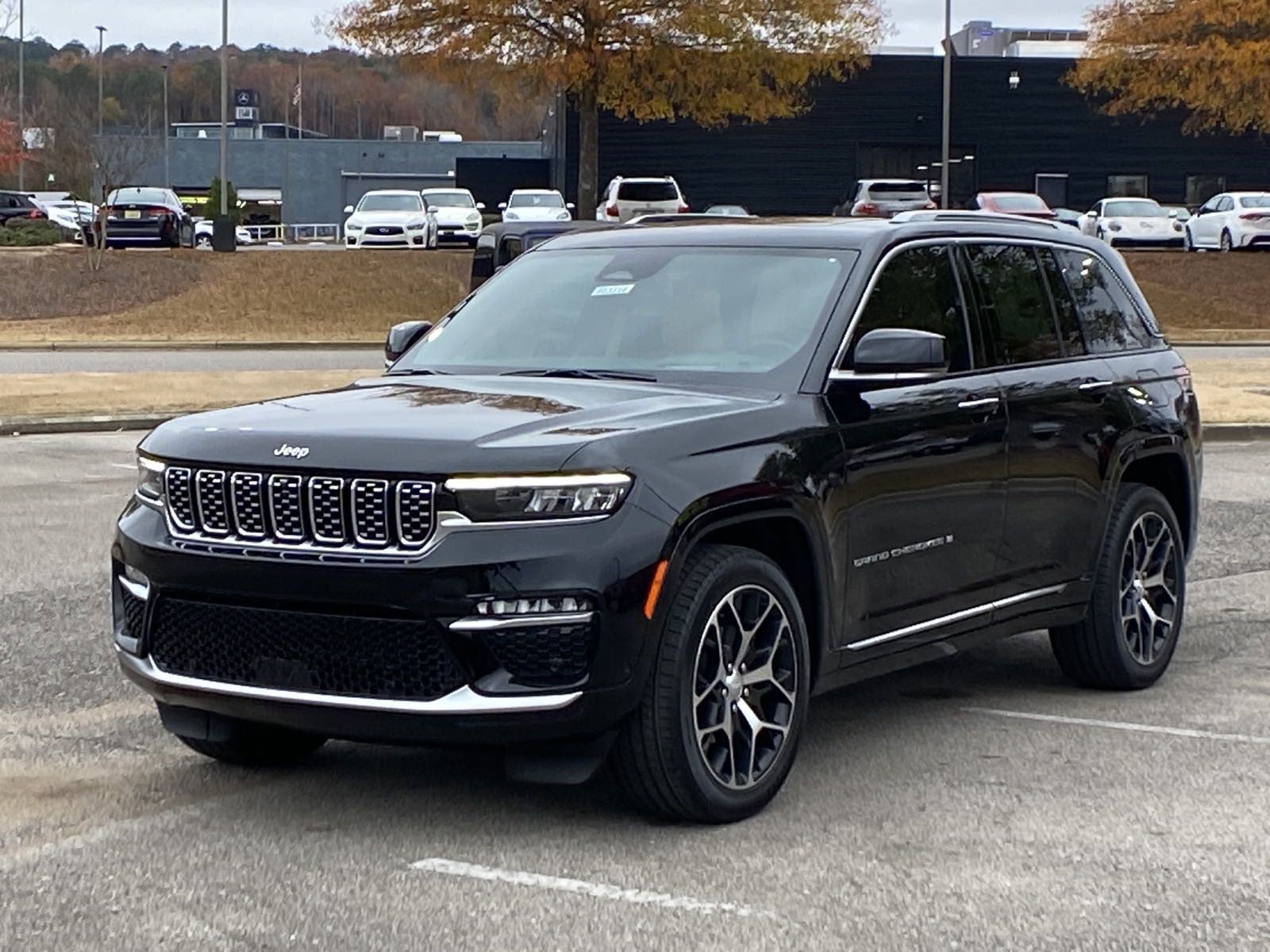
4. Jeep Grand Cherokee
The Jeep Grand Cherokee is a large SUV built for off-road and highway performance rather than dense city driving. In stop-and-go traffic, its powerful engine generates excessive heat, which can put strain on the cooling system. Long periods of idling, combined with hot weather, make the vehicle more prone to overheating during traffic jams.
Fuel efficiency drops sharply in urban conditions due to its heavy weight and engine size. Brakes experience increased wear from frequent stops, and steering requires more effort to maneuver in tight streets. The suspension is designed for off-road handling, which can feel stiff or harsh on rough city roads.
Cabin space is generous, but interior comfort can be compromised when engine heat radiates through the cabin. Parking becomes challenging in congested streets due to its size. Engine and transmission components may require more frequent attention, as city driving puts stress on systems designed for higher-speed or off-road use.
Technology features like safety alerts and parking assistance provide some help in traffic, but cannot fully mitigate the challenges of city driving. Visibility is limited, and maneuverability suffers in narrow lanes. The Grand Cherokee is better suited to highways or rough terrain, while stop-and-go traffic exposes its urban weaknesses.
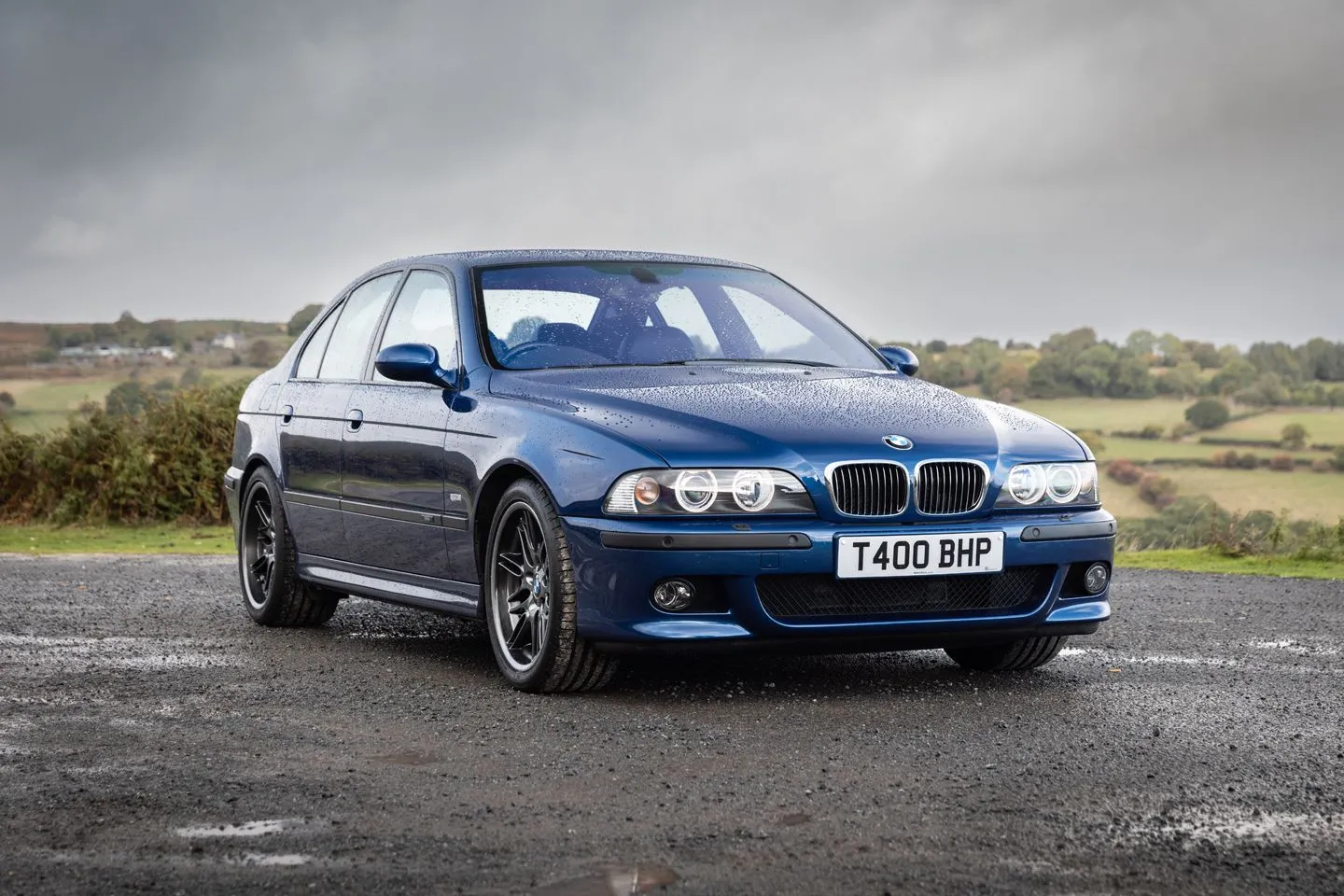
5. BMW M5
The BMW M5 is a high-performance luxury sedan built for speed and precision rather than city efficiency. Its engine produces significant heat during prolonged idling, which can strain the cooling system. Frequent stops in urban traffic increase the workload on both the engine and transmission, raising the risk of overheating or mechanical wear.
Fuel consumption is extremely high during city driving. Brakes and rotors heat quickly due to repeated stopping, especially in dense traffic. Suspension is tuned for high-speed performance, making rough streets uncomfortable, and steering requires more effort at low speeds, reducing maneuverability in tight city lanes.
Interior luxury features provide comfort but cannot offset overheating or mechanical strain. Cabin temperatures can rise quickly when the air conditioning struggles to compensate for engine heat. Parking and low-speed maneuvering are challenging due to the car’s weight and size, which makes it less practical for crowded urban streets.
Safety systems and technology features are optimized for high-speed driving, not constant stop-and-go conditions. Limited visibility and wide turning radius add stress during city driving. The BMW M5 performs best outside urban areas, and heavy traffic exposes its vulnerabilities, reducing efficiency, comfort, and long-term reliability.
