

Finding the right vehicle for apartment living can be more complicated than many people realize. Limited parking spaces, narrow garages, and strict apartment regulations can all influence which cars are practical. In many complexes, parking areas are tight, and large vehicles can create challenges not only for the owner but also for neighbors.
Choosing the wrong vehicle can lead to constant stress, repeated damage, or even fines, making it essential to consider size, maneuverability, and efficiency. Small and compact vehicles often provide an advantage because they are easier to park in tight spaces and can fit into standard parking spots without difficulty.
Fuel efficiency is another important factor, as residents may need to drive short distances frequently, making a gas-guzzling SUV less appealing. At the same time, some larger vehicles offer safety and storage benefits, which can be valuable if the driver frequently carries passengers or large items.
However, the trade-offs for size and fuel must always be weighed against parking convenience and apartment rules. In addition, technology features such as rear cameras, parking sensors, and automatic braking systems have made many vehicles easier to handle in confined spaces.
Despite these advances, the shape and dimensions of the car remain crucial for everyday practicality. Residents living in apartments also need to think about shared spaces, as blocking other cars or sidewalks can create conflict with neighbors.
The choice of vehicle requires careful consideration of dimensions, features, and personal needs, making some models clearly better suited for apartment living than others. Understanding which vehicles work and which do not can save time, money, and stress, ensuring a smoother daily routine and a more harmonious living environment.
5 Vehicles That Work for Apartment Parking
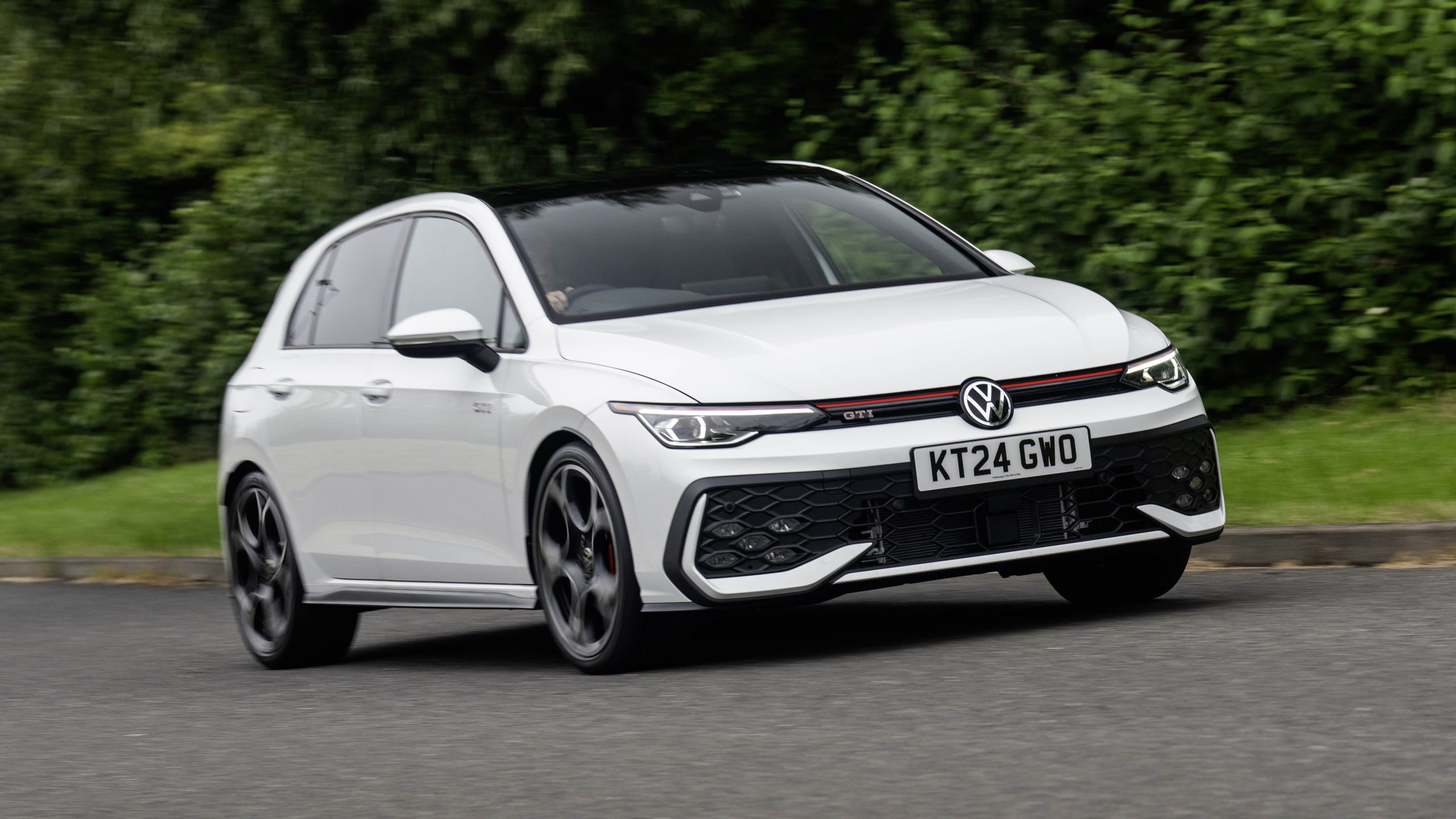
1. Volkswagen Golf GTI
Compact hatchbacks are some of the most practical choices for apartment residents because their small dimensions make them easy to park in crowded lots. They can slide into tight spaces where mid-size sedans or larger SUVs would struggle, which reduces the stress of searching for an available spot.
Their short turning radius makes them especially suitable for navigating narrow streets, underground garages, or older parking structures with cramped layouts. Hatchbacks are also lighter, which allows for smoother handling in tight corners and makes them less intimidating for new drivers.
Modern hatchbacks often come equipped with technology specifically designed for parking, including rearview cameras, parking sensors, and even automated parking systems in higher-end models. These features help drivers avoid minor collisions and allow for easier parallel parking in city environments.
The wide rear openings also give better visibility when reversing, which reduces the risk of hitting obstacles. Drivers in busy apartment complexes will appreciate the combination of compact size and advanced aids when maneuvering in tight spaces.
Another advantage of hatchbacks is cost-effectiveness. They are generally more affordable than larger sedans or SUVs, both in terms of purchase price and ongoing maintenance.
Tires, brakes, and fuel costs are typically lower because of the lighter weight and smaller engines. Insurance premiums for hatchbacks are also often more reasonable, which makes them a practical choice for young professionals, students, or anyone looking to balance convenience with budget constraints.
Hatchbacks offer flexibility and versatility as well. Many models have foldable rear seats that create a surprisingly large cargo space for carrying groceries, luggage, or even small furniture items. Hybrid or electric versions further enhance their efficiency in city settings.
Hatchbacks combine affordability, maneuverability, and functional interior space, making them highly suitable for residents living in apartments where parking is limited and space is at a premium.
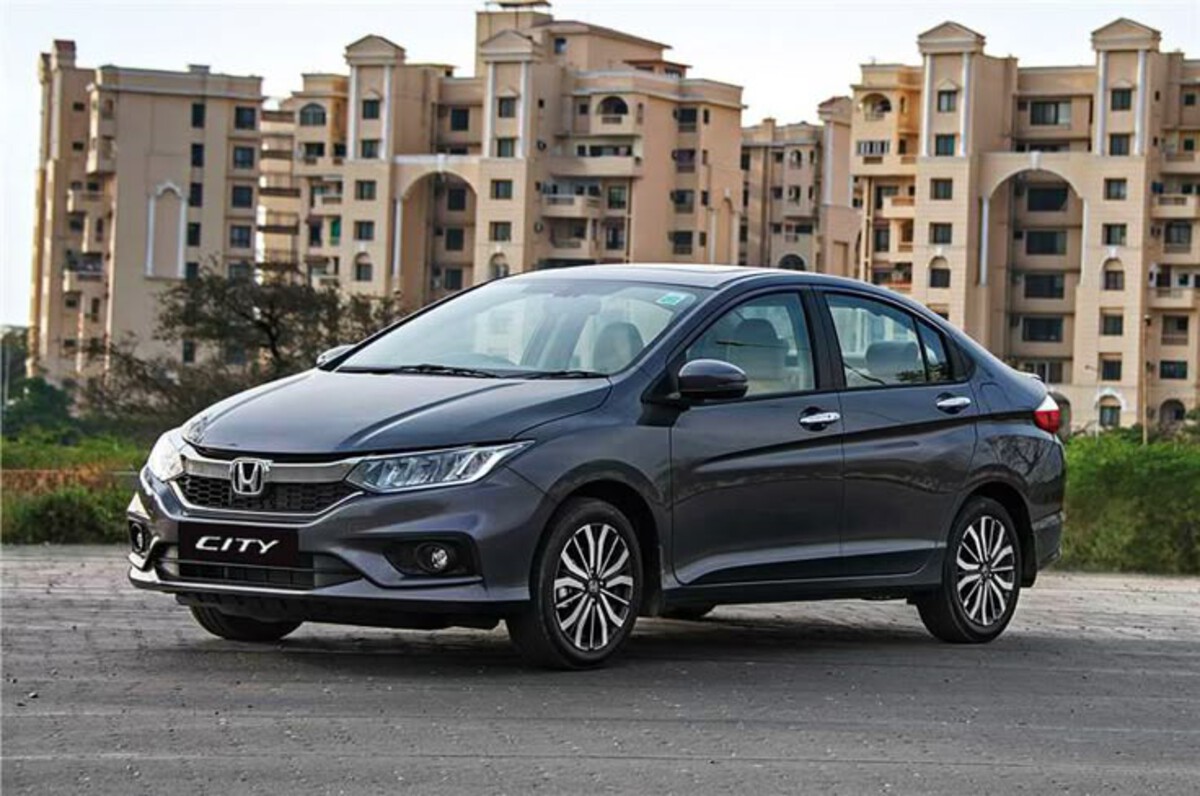
2. Honda City
Subcompact sedans are another excellent choice for apartment residents because their compact footprint allows them to fit comfortably into standard parking spaces. These vehicles are smaller than mid-size or full-size sedans, making them easier to maneuver in underground garages or tight surface lots.
Despite their small size, they typically accommodate four passengers and provide enough trunk space for everyday errands, making them practical for urban living without sacrificing basic utility.
The handling and responsiveness of subcompact sedans make them particularly well-suited for navigating tight parking lots. Drivers can easily back into spaces without multiple adjustments, which reduces stress in crowded areas.
These cars are also lightweight, which improves agility in slow-speed maneuvers and allows drivers to make sharper turns in constrained spaces. For apartment residents who often deal with small lots and busy streets, these features are invaluable.
Safety and convenience features are another benefit of subcompact sedans. Rearview cameras, parking sensors, and lane assist technologies help prevent minor accidents and make parallel parking much easier.
Some models even include automated braking systems that stop the car if an obstacle is detected while parking. These features provide added confidence for drivers, especially in complex parking situations that are common in apartment complexes.
Affordability and fuel efficiency make subcompact sedans even more appealing. They are inexpensive to buy, maintain, and insure, and many models offer excellent gas mileage, which is important for city driving or short daily trips. Their combination of size, maneuverability, and economy ensures they remain a top choice for residents who need a practical and low-stress vehicle in an apartment environment.
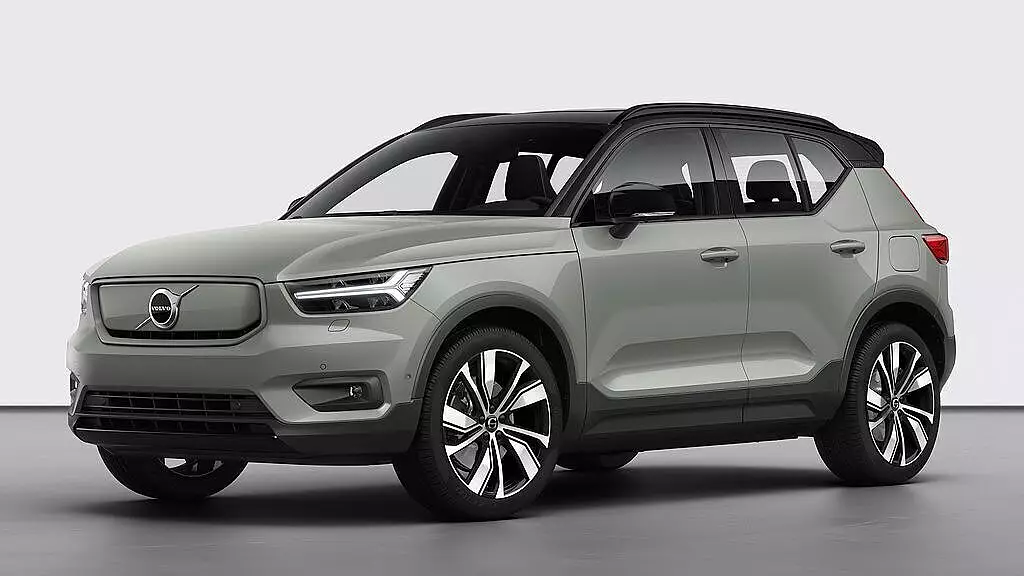
3. Volvo EX40
Small SUVs are ideal for apartment residents who want more space without the drawbacks of a full-size vehicle. They are larger than sedans but remain compact enough to fit into standard parking spots.
Their higher seating position gives drivers better visibility over traffic and other vehicles in crowded lots. This extra height can help spot pedestrians or obstacles while backing into tight spaces, making everyday parking safer and easier.
Many compact SUVs come with advanced driver-assist features, including 360-degree cameras, parking sensors, and automated parking aids.
These tools significantly reduce the effort required to maneuver in narrow garages or tight lots. Even if a space seems difficult at first glance, the combination of small SUV size and technology allows most drivers to park confidently. This makes them highly practical for apartment residents who occasionally need extra cargo or passenger space.
The interior versatility of small SUVs is another advantage. Foldable rear seats and configurable storage compartments allow residents to transport groceries, luggage, or small furniture items without difficulty.
Fuel economy is generally reasonable, especially for hybrid or smaller engine models, which is an important consideration for urban commuters. This balance between cargo space and efficiency makes them suitable for residents who occasionally need the utility of a larger vehicle.
Small SUVs are also durable, with slightly elevated ride heights and reinforced suspension systems. These features help navigate uneven ramps, potholes, or concrete lips often found in apartment garages.
They are compact enough to fit in city parking areas but large enough to provide comfort for passengers and practicality for cargo, offering an ideal compromise for apartment residents who need a mix of utility and convenience.
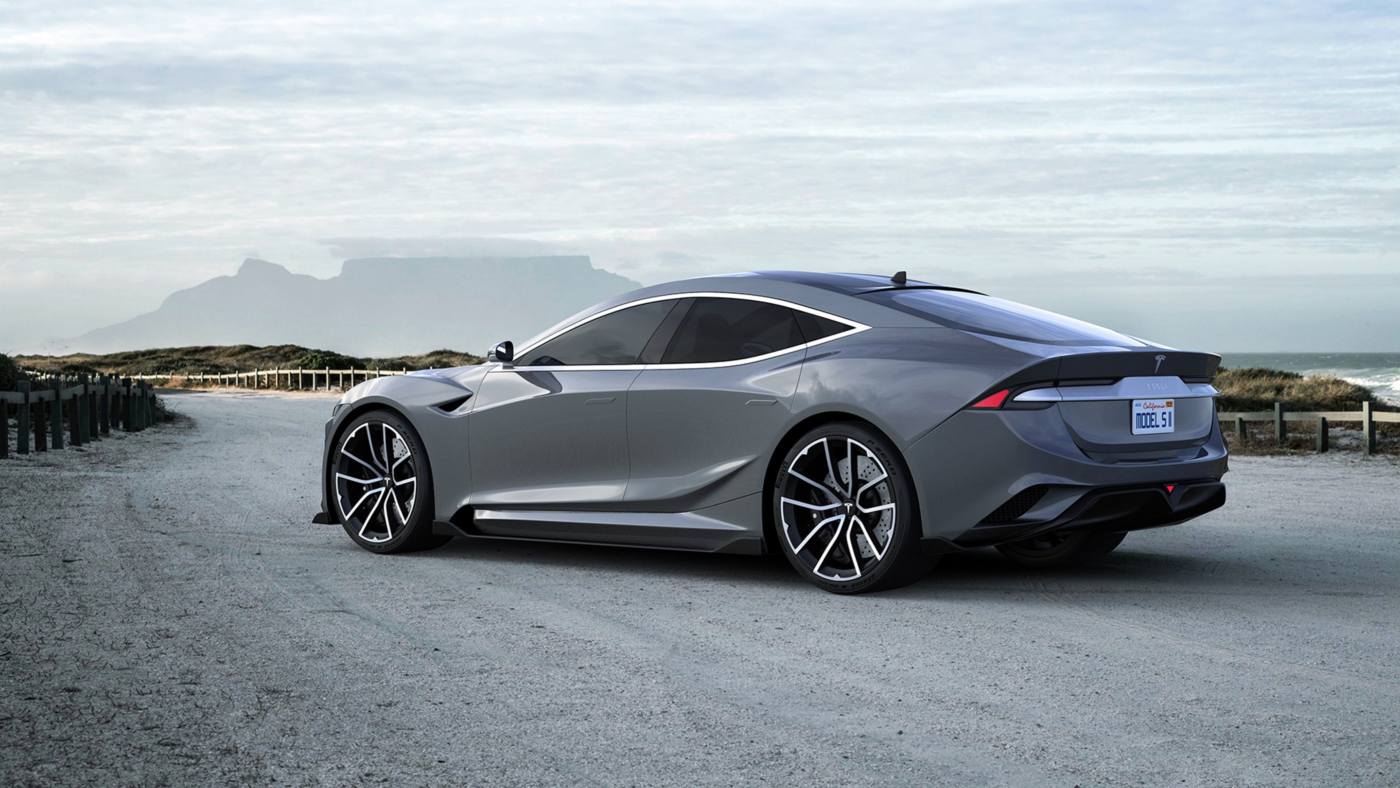
4. Tesla Model S
Electric vehicles are highly compatible with apartment living, especially in urban areas with limited parking. Many EVs are compact in size, making them easier to maneuver and park than traditional sedans or SUVs.
Their quiet and smooth operation is ideal for residential areas, where noise restrictions and shared walls may make loud engines undesirable. EVs also have fewer moving parts than internal combustion vehicles, which can reduce maintenance needs and costs over time.
Parking technology is a major advantage of electric vehicles. Many EVs come equipped with rearview cameras, parking sensors, and automated parking features, which make tight garages and parallel parking much easier.
Some models even provide parking guidance or automatic braking if obstacles are detected, reducing the risk of minor collisions. This technology allows drivers to park efficiently in spaces that might otherwise seem too small for a vehicle.
Interior space and adaptability in EVs is also worth noting. Many models have foldable rear seats, flat cargo floors, and adjustable storage compartments. Apartment residents can easily transport groceries, luggage, or small furniture without needing a larger vehicle.
Hybrid or electric variants offer significant efficiency benefits, helping to minimize charging costs and environmental impact while still providing enough space for everyday needs.
The low operating cost and urban practicality of EVs make them an excellent choice for city living. Charging at home or public stations is often cheaper than fueling a gas-powered vehicle. Their compact design, maneuverability, and advanced technology combine to create a vehicle that is both convenient and forward-looking.
Electric vehicles represent an ideal solution for apartment residents who want efficiency, convenience, and modern design in a parking-friendly package.
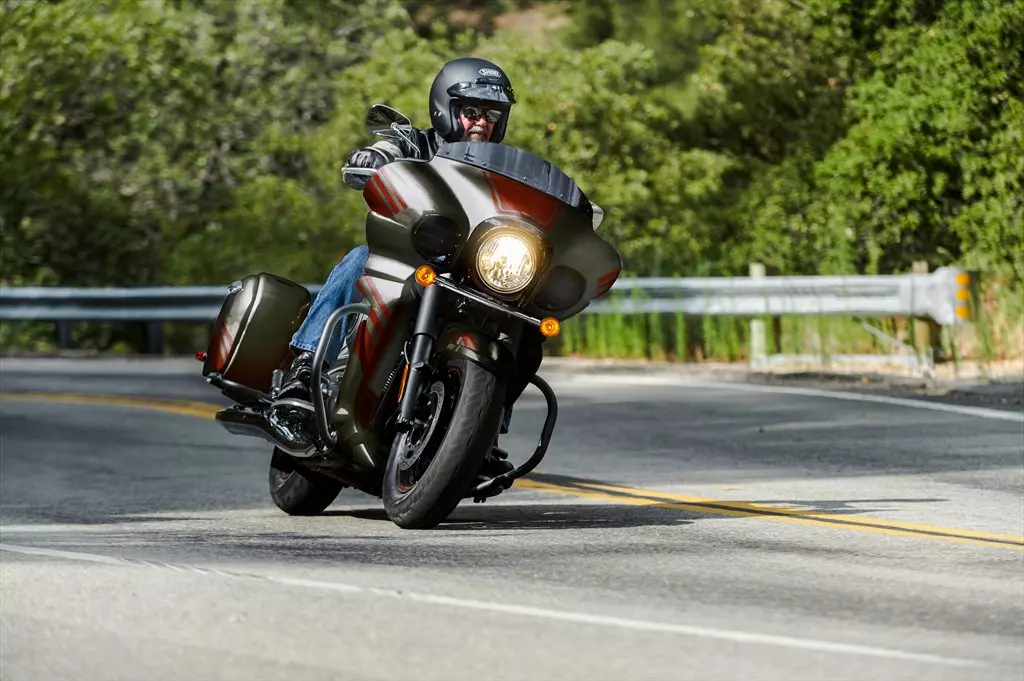
5. Kawasaki Vulcan 1700 Vaquero
Motorcycles and scooters are extremely practical for apartment residents because they take up very little space. They can fit into corners of parking lots or small designated areas that are inaccessible to cars.
This small footprint allows residents to park closer to their building or in areas that would otherwise be unusable for cars. In addition, motorcycles and scooters are generally more fuel-efficient and cheaper to maintain than cars, making them ideal for short daily commutes.
Many apartment complexes provide dedicated parking spots for motorcycles and scooters, and some even allow indoor storage.
Their compact design makes it easy to park perpendicular to curbs or between cars, which saves space for other residents. This flexibility is particularly valuable in older or highly populated complexes where car parking is limited or tightly regulated.
Motorcycles and scooters also excel in urban mobility. Riders can navigate congested streets more easily than cars, saving time and reducing stress in traffic-heavy areas.
They are highly maneuverable, which is useful for avoiding obstacles, making tight turns, and accessing parking areas that would be impossible for larger vehicles. This makes them not only a convenient choice for daily travel but also a time-saving option in dense urban environments.
The variety of motorcycles and scooters available allows residents to choose models suited to their specific needs. Options range from small, lightweight commuter scooters to more powerful motorcycles for longer trips.
Proper safety gear, helmets, and secure storage are important considerations, but their compact nature and efficiency make them highly compatible with apartment living. For those who prioritize ease of parking, affordability, and convenience, motorcycles and scooters are often the best solution.
5 Vehicles That Don’t Work for Apartment Parking
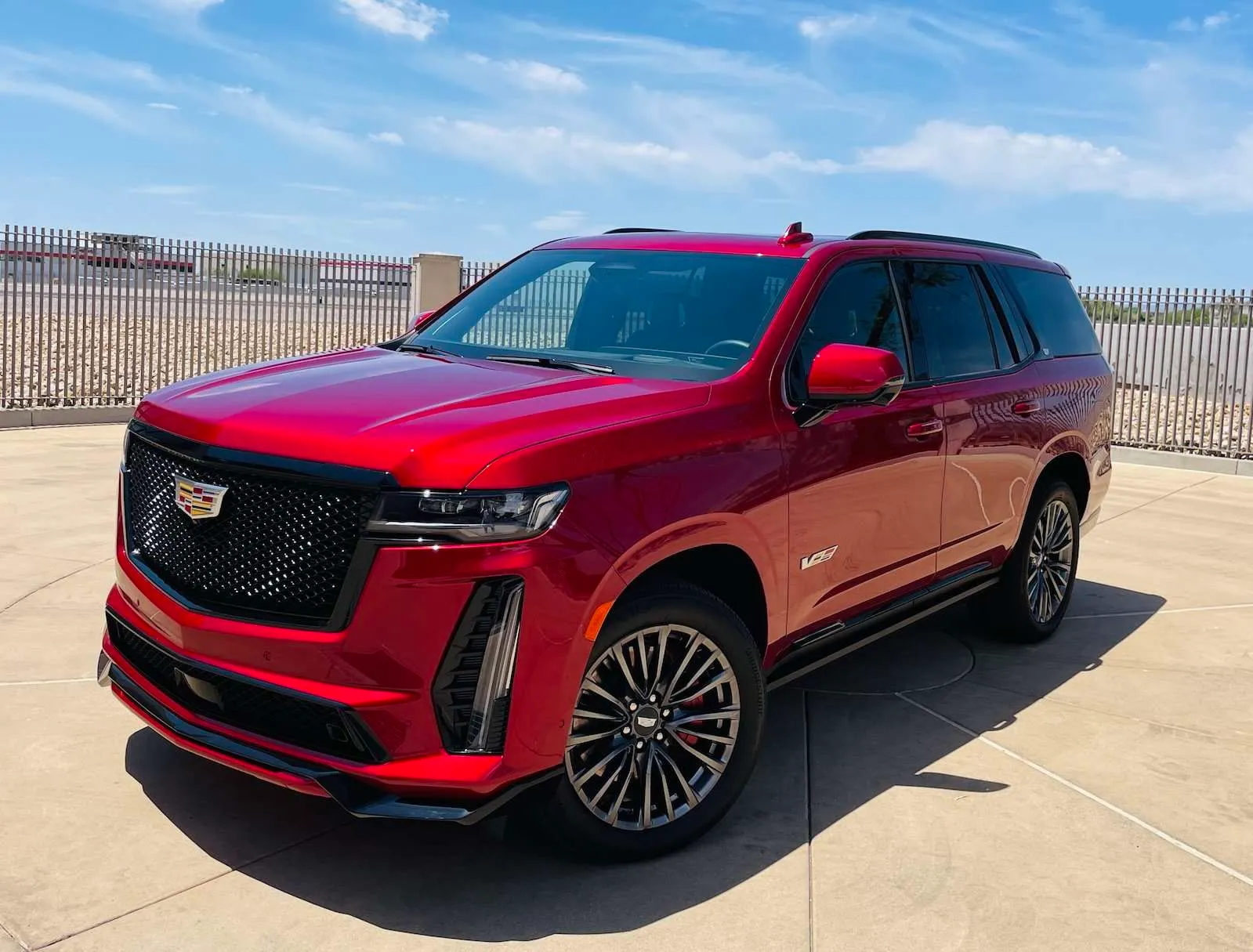
1. Cadillac Escalade
Full-size SUVs are often impractical for apartment living due to their large dimensions. Their length and width make fitting into standard parking spaces challenging, and drivers may need to make multiple adjustments to avoid hitting walls, curbs, or neighboring vehicles.
Even with advanced parking sensors or cameras, their size creates a higher likelihood of minor scrapes or dents. Apartment lots are often crowded, and these vehicles can dominate a space, making it difficult for others to park safely.
The high turning radius of full-size SUVs makes parallel parking a stressful task. Underground garages and tight corners in older apartment complexes may be nearly impossible to navigate without extreme caution.
Drivers often need to spend extra time lining up the vehicle, which increases frustration in daily routines. Maneuvering in confined spaces can also lead to accidental contact with other cars or structures, potentially resulting in costly repairs.
Full-size SUVs are not only difficult to park but also less fuel-efficient. Their larger engines consume more fuel, which is inconvenient for residents who mainly drive short distances or commute in the city.
Maintenance costs for these vehicles, including tires and brakes, are also higher due to their size and weight. Apartment dwellers often find that the extra storage or passenger space is outweighed by the practical challenges of urban parking.
Parking restrictions and fees can further complicate ownership. Some apartment complexes have size limits or charge extra for larger vehicles. In addition, the vehicle’s bulk may prevent it from fitting in covered garages or designated compact spaces, forcing residents to park farther away. These factors make full-size SUVs a less practical choice for apartment residents, despite their comfort and capacity.
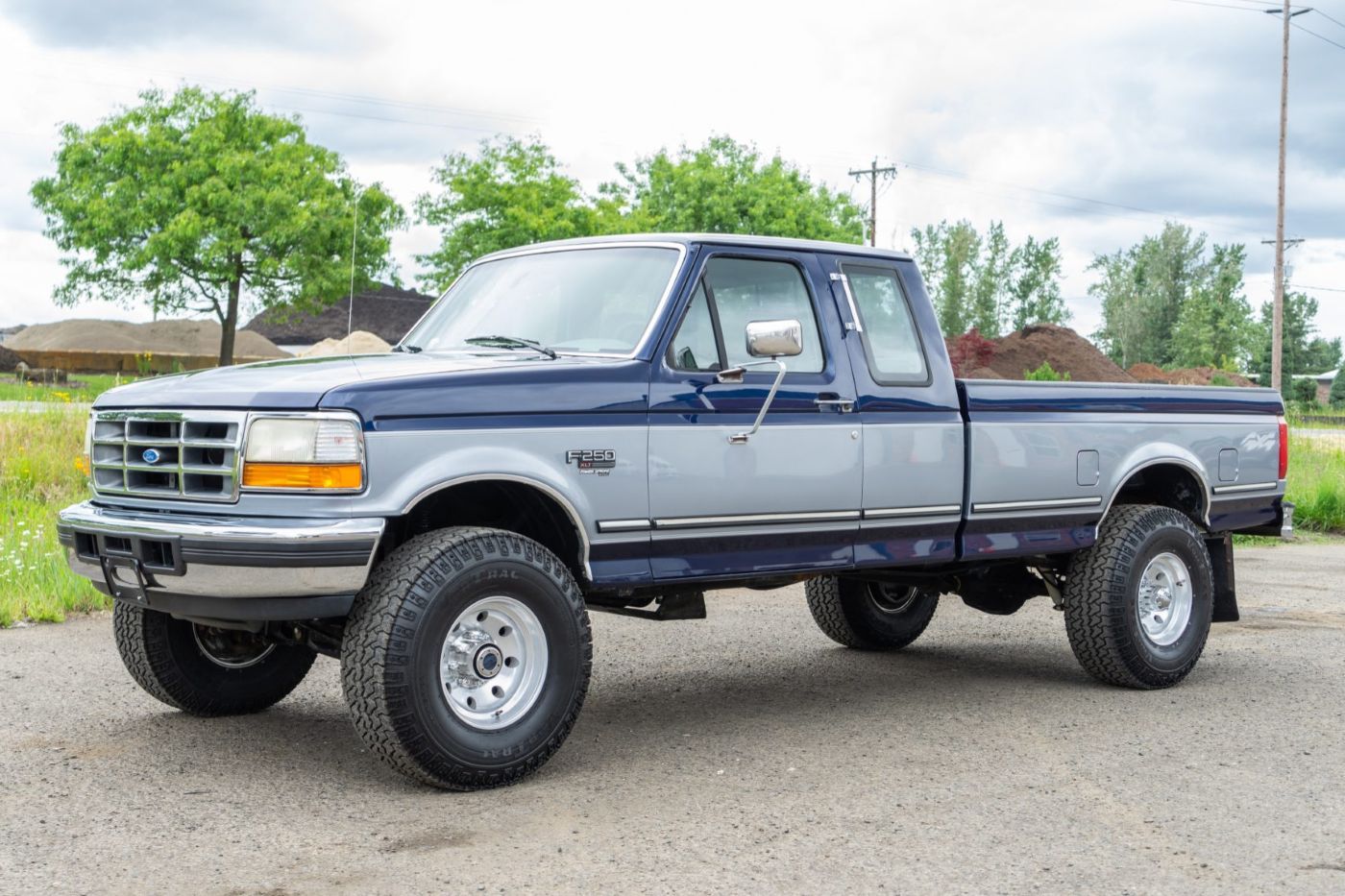
2. Ford F‑150
Pickup trucks present several challenges for apartment residents due to their length and extended bed. While they offer excellent cargo capacity for hauling large items, finding a space that can accommodate the full length of the vehicle is often difficult.
Tight parking spaces or narrow garage entrances make everyday parking a stressful and time-consuming task. Many older apartment complexes are simply not designed to handle large trucks.
Parallel parking can be particularly tricky for pickups. Their extended wheelbase often requires multiple maneuvers to avoid curbs, poles, or neighboring cars.
Even with parking sensors, it is easy for the rear or corners of the truck to scrape obstacles. These vehicles are less maneuverable than smaller cars, making them cumbersome in tight lots or underground garages. Residents who drive a truck may need to avoid certain parking areas entirely.
Height can also be an issue for apartment parking. Trucks with taller cabins or lifted suspensions may hit low ceilings in underground garages. Narrow ramps or sloped entryways can increase the risk of undercarriage or bumper damage. Apartment residents must be highly cautious and often spend extra time navigating these areas, which can make daily driving inconvenient.
Fuel efficiency is another drawback of pickup trucks. Their larger engines consume more fuel, which is inefficient for short urban commutes.
Maintenance costs are also higher than for smaller vehicles, including tires, brakes, and suspension repairs. While pickups offer utility and cargo space, these benefits rarely outweigh the daily difficulties they create in apartment parking scenarios.
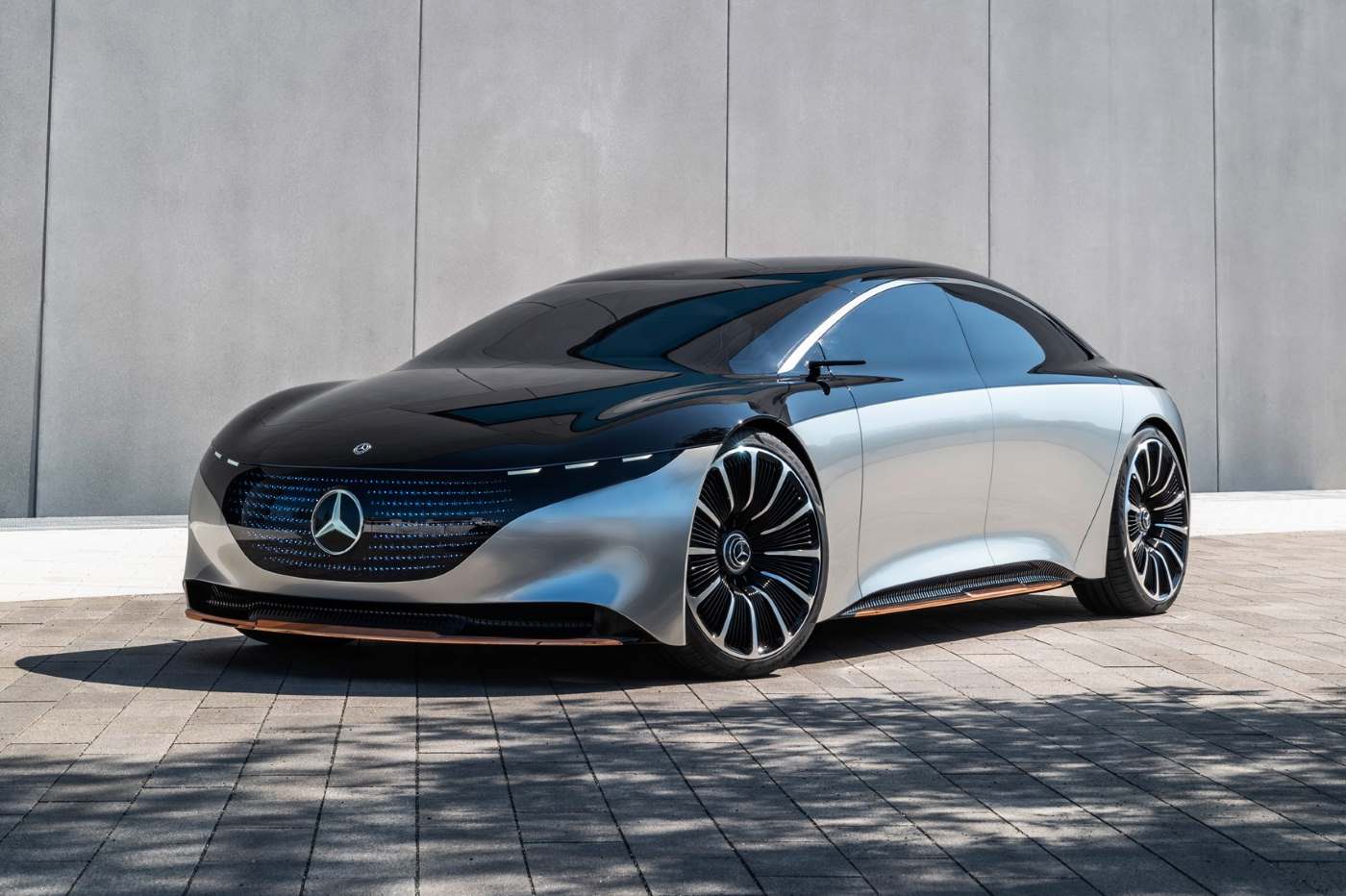
3. Mercedes Benz EQS
Luxury sedans with wide bodies can create challenges for apartment parking because they often exceed the width of standard spaces.
Drivers must be careful when opening doors, as the risk of scratching neighboring vehicles is high. Even slight misalignment while parking can lead to costly cosmetic damage. Tight garages or parking lots make these vehicles less practical for daily use, especially when spaces are shared.
The long wheelbase of many luxury sedans adds to parking difficulty. Backing into spaces requires extra room and careful attention to avoid hitting obstacles.
Tight angles in underground or street-level parking can make simple maneuvers frustrating, and repeated stress on the driver can make apartment parking a negative experience. Even with rearview cameras, the combination of width and length limits their practicality in confined areas.
Insurance and maintenance costs further complicate ownership. Repairs from minor bumps or scrapes are often expensive, and luxury vehicles may require specialized services for even minor bodywork. In crowded apartment garages, the potential for accidental damage is higher, which can increase insurance claims or repair costs. These financial factors are a key consideration for residents.
Another concern is fuel efficiency and everyday usability. Many wide luxury sedans have powerful engines that are less suited for stop-and-go urban driving. Their combination of size, expense, and potential for damage makes them less compatible with apartment living. Residents often find smaller, more maneuverable vehicles provide a better balance of comfort, safety, and practicality.
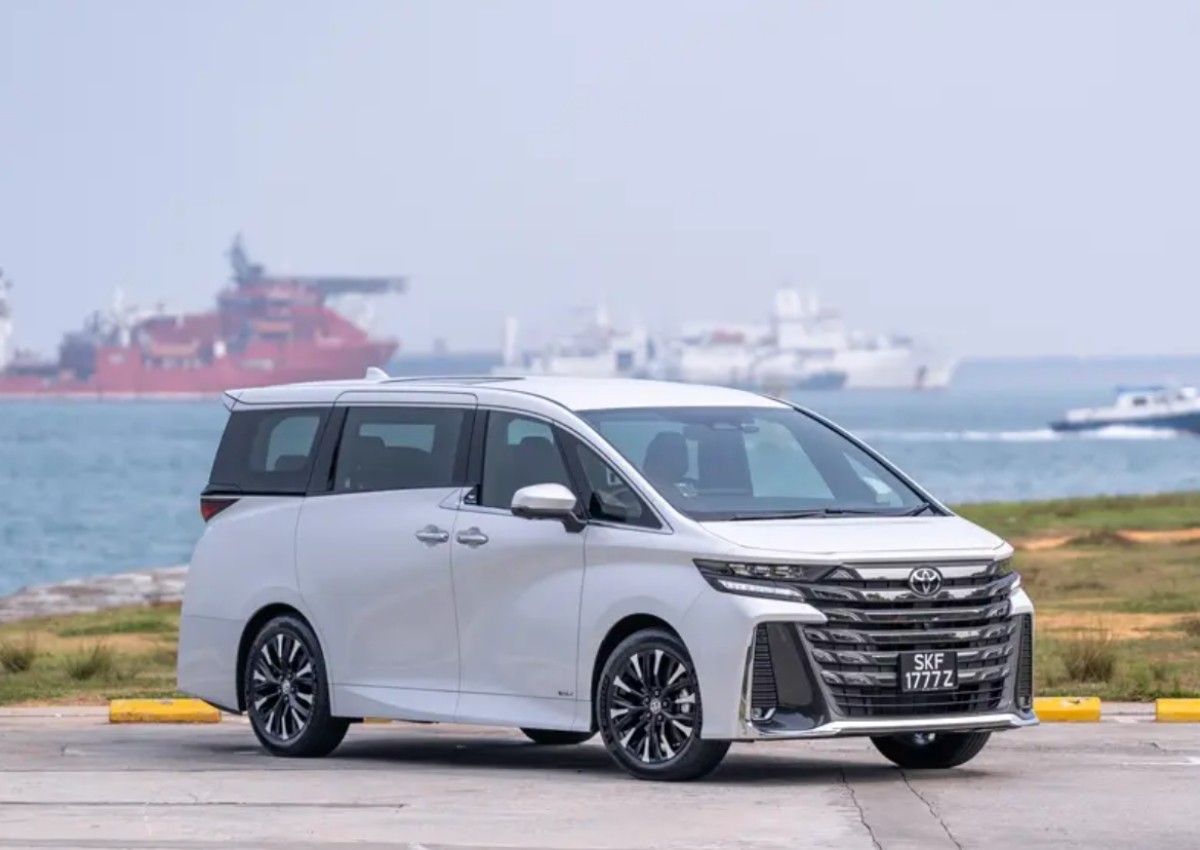
4. Toyota Vellfire Hybrid
Large vans are difficult to park in apartment complexes because of their considerable height, width, and length. Underground garages or older parking lots often have clearance limitations that make it impossible to fit a van safely.
Even surface parking can be tricky, as their bulk may block neighboring vehicles or create hazards for pedestrians. The sheer size of these vehicles makes daily parking stressful and inconvenient.
Maneuverability is another challenge. Tight turns, sloped ramps, and narrow entries can be difficult to navigate. Blind spots are larger, and backing into spaces requires extreme caution. Even with parking sensors or cameras, the size of the vehicle makes it harder to fit into standard spots. Drivers often need to plan ahead for suitable parking, which reduces flexibility.
Large vans are also less fuel-efficient, which can be a disadvantage for residents who only drive short distances or city routes. The higher maintenance costs and increased wear on tires and brakes are additional drawbacks. While vans provide excellent cargo space, the difficulties in daily parking often outweigh the benefits in an apartment setting.
Finally, storage and accessibility issues arise with large vans. Many apartment complexes restrict oversized vehicles, forcing residents to park farther from their building or pay extra fees. The inconvenience of locating appropriate parking consistently makes these vehicles less practical for apartment residents who require regular and convenient access.
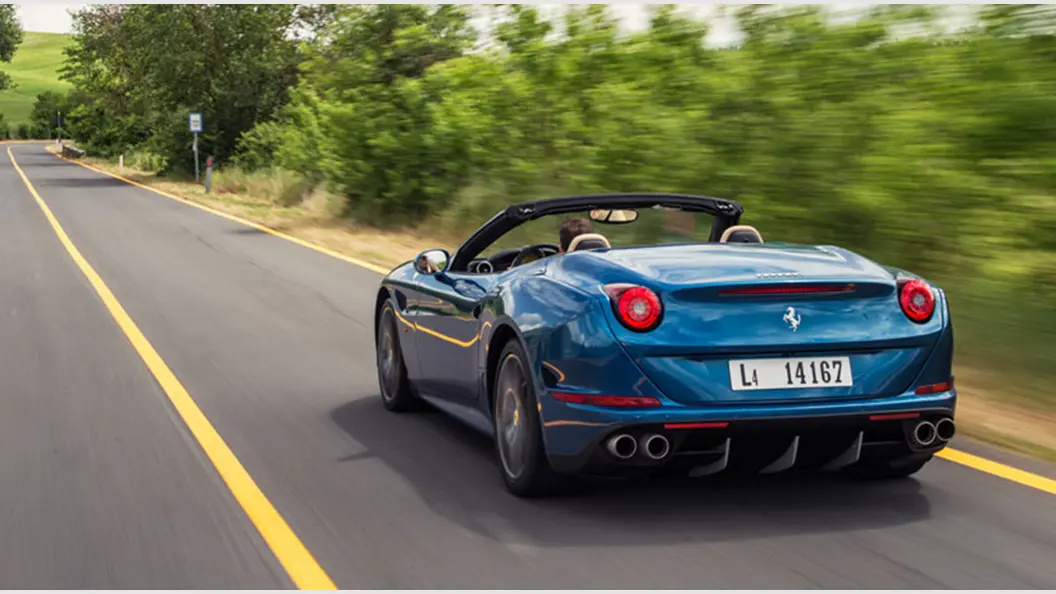
5. Ferrari California T
Sports cars with low ground clearance present unique challenges for apartment parking. Their sleek, low-slung design makes them prone to scraping on ramps, curbs, or uneven surfaces often found in parking garages.
Underground garages with speed bumps, sloped entries, or concrete lips are particularly risky, increasing the chance of damage. Drivers must take extra care, which adds stress to daily routines.
The wide stance and long wheelbase of many sports cars can make parking in standard spaces difficult. Tight turns, angled parking, and parallel parking maneuvers require more skill and time than most drivers are comfortable with. The low profile does not provide a good view of obstacles, which increases the likelihood of minor accidents or scrapes while maneuvering.
Insurance and repair costs are also higher for sports cars. Minor damage from parking incidents, such as scratches or dents, can be expensive to fix. Low clearance and expensive bodywork make daily apartment parking riskier compared to compact or standard vehicles. Drivers often avoid garages altogether, preferring street parking or other alternatives that may not be convenient.
Limited storage space is another drawback. Sports cars rarely have trunk capacity sufficient for groceries, luggage, or furniture. For apartment residents who need practicality alongside style, these vehicles often fail to meet everyday needs. While visually appealing and fun to drive, sports cars with low clearance are generally incompatible with apartment parking and urban practicality.
