
City driving presents a unique set of challenges for motorists. Constant stop-and-go traffic, narrow lanes, limited parking, and frequent intersections test the patience and skills of even experienced drivers. Some vehicles handle these conditions effortlessly, providing comfort, efficiency, and maneuverability.
Others struggle, feeling cumbersome, slow to respond, or inefficient in stop-start conditions. Choosing the right daily driver for urban life can significantly affect a person’s commuting experience, fuel expenses, and stress levels. Urban environments demand cars that are nimble, compact, and responsive, yet reliable enough to endure frequent braking, idling, and short trips.
Efficiency is another crucial factor. Vehicles that consume large amounts of fuel or require constant attention in traffic become burdensome over time. On the other hand, some cars adapt naturally to city life, offering smooth acceleration, tight turning radii, and excellent visibility. Comfort also plays a role, as drivers spend considerable time behind the wheel in congested areas.
Seat ergonomics, quiet cabins, and user-friendly technology can make a substantial difference in the daily experience. Beyond practical considerations, safety is paramount, especially in urban environments where pedestrians, cyclists, and motorcycles share the road. Cars that respond quickly and predictably under these conditions provide a sense of confidence to the driver.
The design and performance of a car determine how it interacts with dense traffic. Vehicles built for speed or open highways may feel awkward on city streets. Conversely, models designed with urban mobility in mind excel in these conditions. Compact dimensions, responsive steering, and low-speed agility are valuable traits for navigating tight spaces.
Automatic transmissions with smooth shifting, hybrid or electric powertrains, and advanced braking systems are additional advantages for city commuters. As urban areas continue to grow and traffic congestion worsens, selecting the right vehicle becomes increasingly important.
In this article, we will examine ten vehicles in total. Five are ideal daily drivers for urban traffic, demonstrating agility, efficiency, and ease of use. Five are less suited for city life, revealing the drawbacks that make driving stressful or costly. Understanding these differences can help drivers make informed choices.
By assessing practical performance, comfort, and adaptability, potential buyers can identify cars that suit their lifestyle and minimize the frustrations associated with urban commuting. Each vehicle discussed will provide insight into the factors that allow some cars to thrive while others falter under city conditions.
5 Daily Drivers That Thrive in Urban Traffic
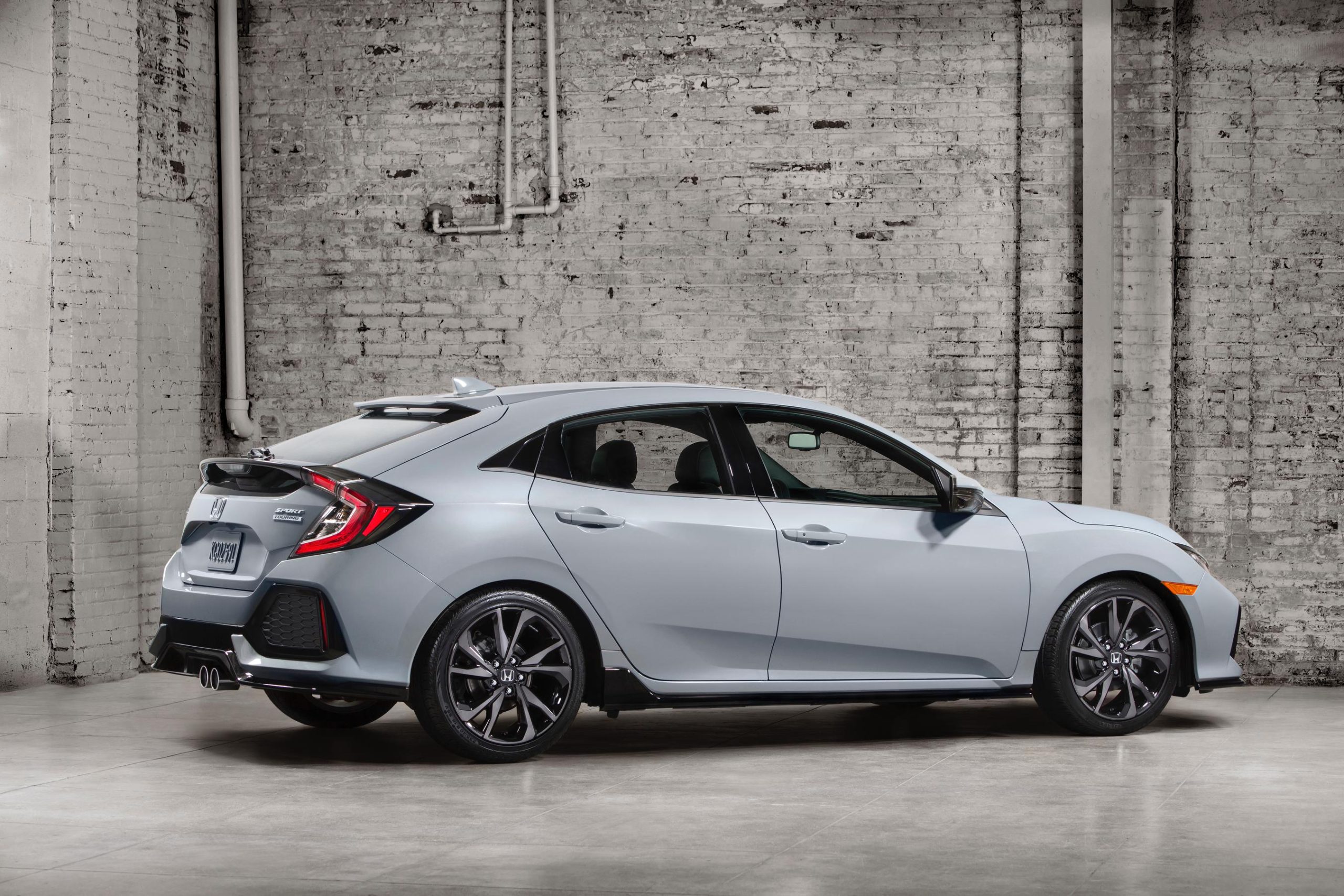
1. Honda Civic
The Honda Civic has long been a favorite among city drivers for its compact size and reliable performance. Its nimble handling allows drivers to maneuver through tight lanes with minimal effort, making congested streets less stressful.
The steering is responsive, and braking is precise, which helps in stop-and-go traffic. Drivers often report that parking is simpler than with larger sedans, reducing stress in urban environments.
Fuel efficiency is another strong point of the Civic. It consumes relatively little gasoline, even in heavy traffic, which keeps running costs manageable for daily commuters. Models with CVT transmissions provide smooth acceleration without the jerky feeling some automatic cars experience.
This makes frequent stopping and starting less frustrating during daily commutes. Small but functional interior space balances passenger comfort with practicality, making it ideal for small families or solo drivers.
Technology inside the Civic complements its urban capabilities. Modern infotainment systems, smartphone connectivity, and driver-assist features enhance safety and convenience. Lane-keeping assist and adaptive cruise control allow for a more relaxed experience in congested traffic.
The visibility from the driver’s seat is excellent, reducing blind spots in city streets while improving confidence in tight situations.
Reliability is key for any daily driver, and the Civic excels here. Minimal maintenance issues and durable engineering ensure that the car withstands frequent use. Parts are widely available and affordable, making repairs straightforward. The combination of reliability, efficiency, and agility makes the Civic a top choice for urban commuters who want a car that performs consistently day after day.
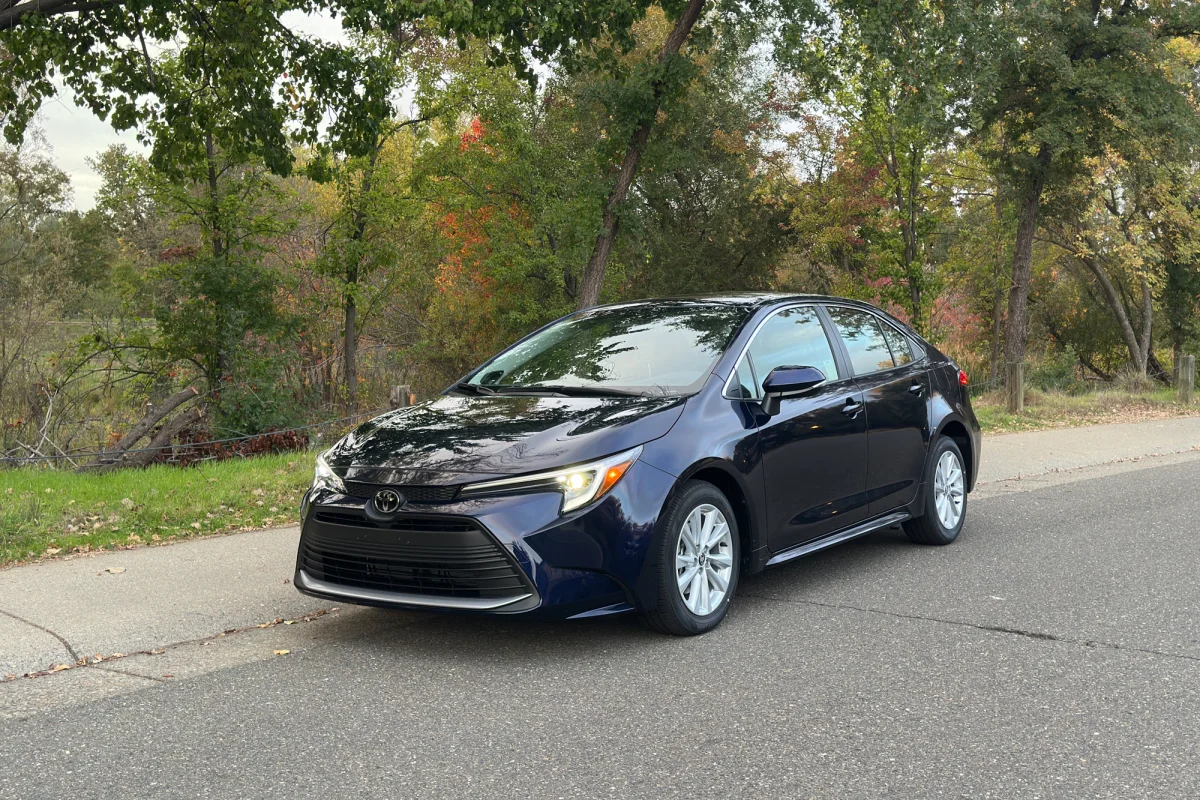
2. Toyota Corolla
The Toyota Corolla has a reputation for being both practical and dependable in city driving conditions. Its small footprint allows it to slip through traffic with ease, while its tight turning radius helps in congested areas.
Smooth handling and responsive brakes give the driver confidence at low speeds. The cabin design prioritizes visibility, which is essential for navigating crowded intersections safely.
Efficiency is a hallmark of the Corolla. It offers excellent fuel economy, particularly in hybrid versions that maximize energy recovery during frequent braking.
Automatic transmissions are smooth, minimizing stress in heavy traffic. The engine performs well for city speeds, providing enough power for merging and accelerating without feeling overpowered or cumbersome during daily driving.
Comfort is surprisingly strong in the Corolla despite its compact size. Seats are supportive, and cabin noise is minimized, which makes long traffic jams less tiring. Infotainment systems are intuitive and easy to operate while driving. Additional driver-assist features, including automatic emergency braking, help prevent minor accidents in busy urban streets while enhancing driver confidence.
Maintenance costs are low, and Toyota’s reputation for reliability ensures minimal unexpected issues. Parts are widely available, and the vehicle maintains strong resale value. The combination of low running costs, comfort, and urban-friendly handling has made the Corolla a popular choice for city commuters who need efficiency and practicality every day.
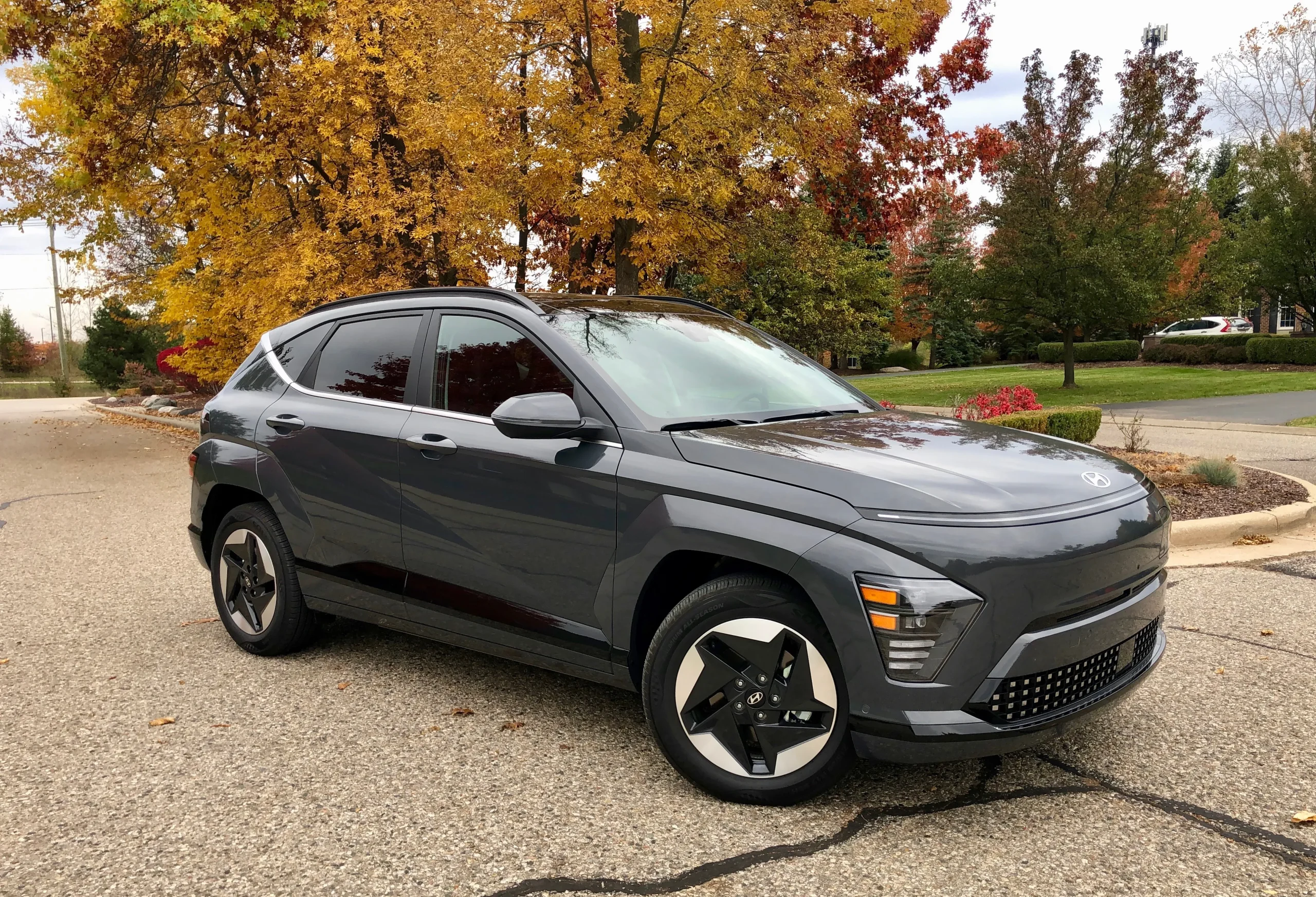
3. Hyundai Kona
The Hyundai Kona is a subcompact SUV that balances agility with a higher driving position. The elevated seating improves visibility, which is crucial in heavy traffic where anticipating movement from other vehicles is essential.
Its small size and tight turning radius allow drivers to navigate narrow streets with ease. Steering is precise, and braking is confident, making sudden stops more manageable and reducing driver stress.
Fuel efficiency is respectable for a vehicle of its class, especially in turbocharged or hybrid versions. Smooth acceleration helps reduce driver fatigue during stop-and-go driving.
Electric models, in particular, offer quiet operation and instant torque, which enhances the city driving experience. Its powertrain options ensure that drivers can select a version that suits their fuel consumption preferences and traffic conditions.
Inside, the Kona’s cabin is comfortable and user-friendly. Controls are straightforward, and seats are supportive for long periods spent in traffic.
Infotainment systems are responsive, while driver-assist features like blind-spot monitoring improve safety in congested streets. The compact size does not compromise storage, providing adequate space for daily errands or groceries without sacrificing passenger comfort.
Reliability and low maintenance costs make the Kona a practical urban choice. Hyundai’s warranty and widespread service network add peace of mind. Its combination of agility, technology, and efficiency ensures that the Kona is well-suited for daily commuting in cities of any size. Drivers looking for a small SUV that blends practicality with modern features often find it ideal for urban life.
4. Volkswagen Golf
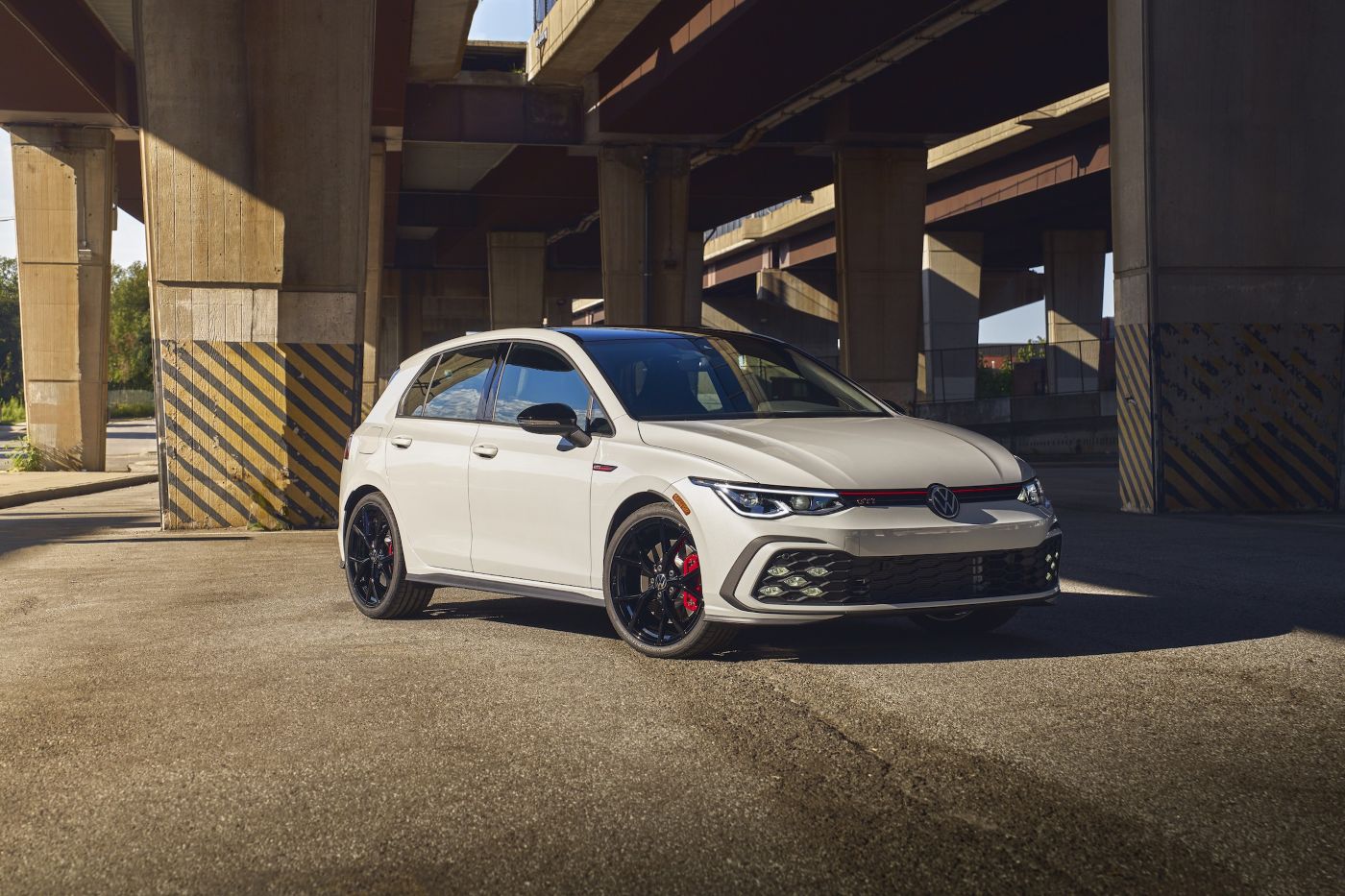
The Volkswagen Golf has earned praise for its balance of performance and practicality in city settings. Its compact hatchback design allows it to maneuver through tight streets effortlessly.
Steering and suspension provide a confident feel, while braking is responsive and predictable. The Golf’s dimensions make parallel parking less stressful than with larger vehicles, and its hatchback layout adds flexibility for carrying items.
Fuel efficiency is competitive in its class, particularly with diesel or hybrid options. The transmission options are smooth and well-suited for urban stop-and-go traffic.
Engine responsiveness provides enough power to merge safely onto busier roads without feeling sluggish. This makes the Golf ideal for drivers who need a car that performs efficiently while remaining comfortable during extended urban trips.
Inside, the Golf emphasizes comfort and usability. Seats provide support during long traffic waits, and cabin noise is well-controlled. Controls are logically placed and easy to operate while driving.
Advanced driver-assist features such as park assist and adaptive cruise control add convenience in congested urban environments, helping drivers feel safer and more confident behind the wheel.
Volkswagen’s engineering ensures a high level of reliability for city driving. Parts are generally accessible, and the Golf’s durability allows it to withstand frequent use. Its combination of efficiency, maneuverability, and comfort makes it a standout choice for urban commuters who value a refined driving experience and practical design.
5. Ford Fiesta
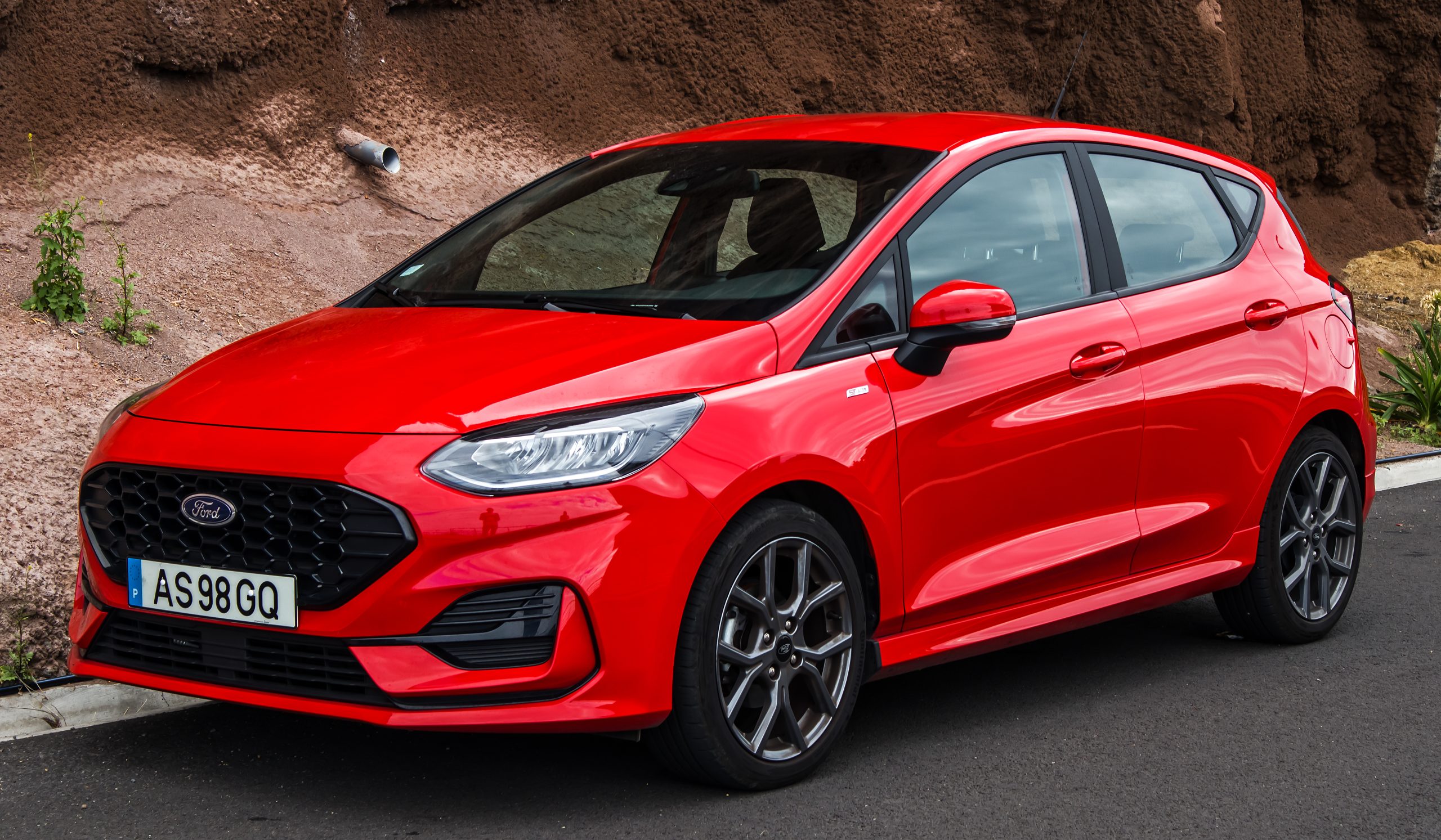
The Ford Fiesta is a small, nimble car ideal for city streets. Its compact dimensions and light steering allow drivers to navigate traffic easily. Parking in tight spots is less of a challenge, and its tight turning circle provides exceptional maneuverability.
The Fiesta’s suspension handles bumps and potholes in urban areas without compromising comfort, ensuring a smooth ride for both driver and passengers.
Fuel efficiency is excellent, particularly with modern EcoBoost engines. Smooth power delivery ensures minimal frustration during stop-and-go conditions. Automatic or dual-clutch transmissions enhance drivability, allowing for quick acceleration when needed. Frequent urban braking and acceleration have minimal impact on efficiency, making it cost-effective for daily commuting.
Interior design focuses on driver comfort and convenience. Seats provide adequate support for long periods, while controls are accessible and intuitive. Infotainment options allow for seamless connectivity during commutes, and small cabin dimensions do not feel cramped for daily use. The Fiesta’s practical storage compartments and flexible seating add to its urban-friendly appeal.
Reliability and affordability make the Fiesta a smart choice for urban driving. Maintenance costs are generally low, and spare parts are widely available. The combination of compact size, efficiency, and responsive handling makes the Fiesta a vehicle that thrives in busy city environments. Its balance of comfort, technology, and agility ensures that drivers face fewer obstacles in urban traffic.
5 Daily Drivers That Suffer in Urban Traffic
1. Ford F-150
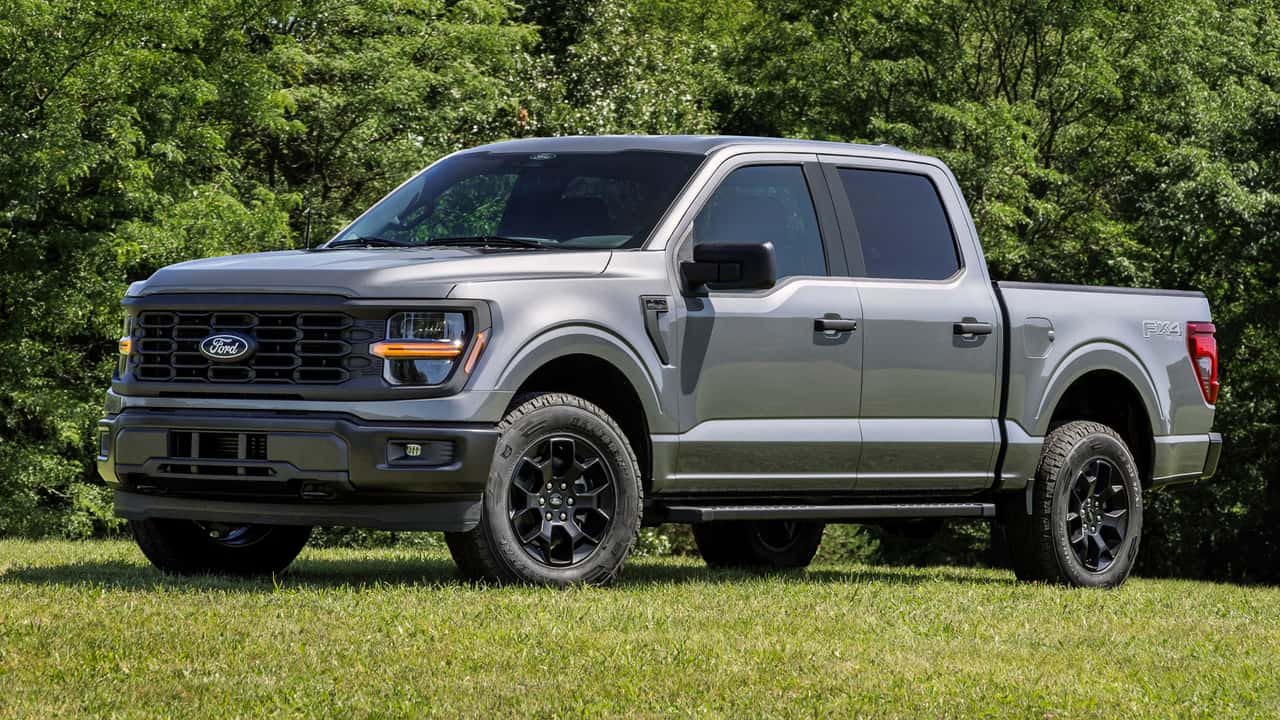
The Ford F-150 is a large pickup truck that excels on highways and work sites but struggles in dense city traffic. Its sheer size makes lane changes and tight corners difficult, creating stress during congested commutes.
Drivers often find themselves constantly adjusting their positioning to avoid other vehicles or obstacles. Parallel parking is a serious challenge, often requiring multiple attempts or additional assistance to avoid scraping the sides.
Fuel consumption is high, especially in stop-and-go city conditions. Frequent braking and idling drastically reduce efficiency, making it expensive to operate daily. The engine is designed for towing and power, rather than smooth low-speed acceleration, making the driving experience feel cumbersome in urban traffic. Even short trips can feel inefficient, as fuel economy drops rapidly in crowded streets.
Maneuverability is another major issue. The F-150’s large turning radius makes U-turns or navigating tight intersections tricky, forcing drivers to take longer, less direct routes.
Steering is heavy at low speeds, which can become tiring during extended commutes. Additionally, city drivers often need to plan routes carefully to avoid narrow streets or obstacles that the truck cannot easily clear.
While interior comfort and technology are reasonable, they do not compensate for the truck’s urban challenges. Its weight and size make braking slower and parking in tight urban spaces nearly impossible. For daily commuting in a city, the F-150 feels bulky and inefficient compared to smaller, more agile alternatives. Drivers may enjoy its highway performance but struggle significantly in stop-and-go traffic.
2. Chevrolet Suburban
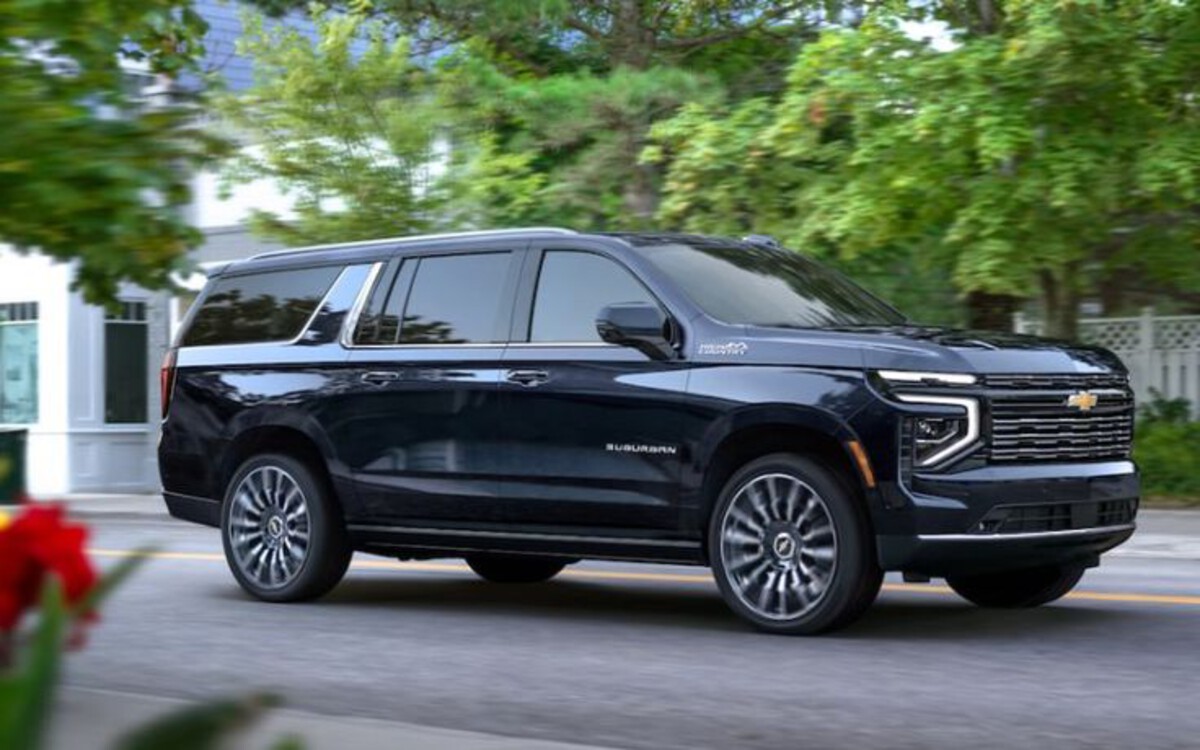
The Chevrolet Suburban is a full-size SUV built for towing capacity and passenger space rather than city streets. Its massive length and wide body make navigating heavy traffic slow and stressful.
Tight corners, narrow lanes, and roundabouts often require multiple corrections, forcing drivers to concentrate intensely. Parking in urban areas is extremely difficult, as most spaces are too small to accommodate the vehicle without careful maneuvering.
Fuel economy suffers greatly in stop-and-go traffic, increasing daily commuting costs. The large V8 engine is optimized for open-road performance and heavy payloads, not short, slow-moving trips. Acceleration at low speeds feels sluggish, requiring careful throttle control to prevent jerky starts or stalling. City driving exposes the Suburban’s inefficiencies in fuel consumption and handling.
Visibility from the driver’s seat is high, but blind spots are extensive due to the vehicle’s length and design. Merging onto busy streets or changing lanes requires extra caution, which slows commuting. Maneuverability is limited, and making U-turns may require unusually large spaces, which are often unavailable in city centers.
Even with luxurious interiors and advanced technology, the Suburban’s size makes it a poor urban commuter. Daily usability is restricted to large parking lots or suburban roads, while congested streets turn driving into a constant battle. Its combination of poor efficiency, limited agility, and overbuilt design makes it one of the least practical vehicles for city driving.
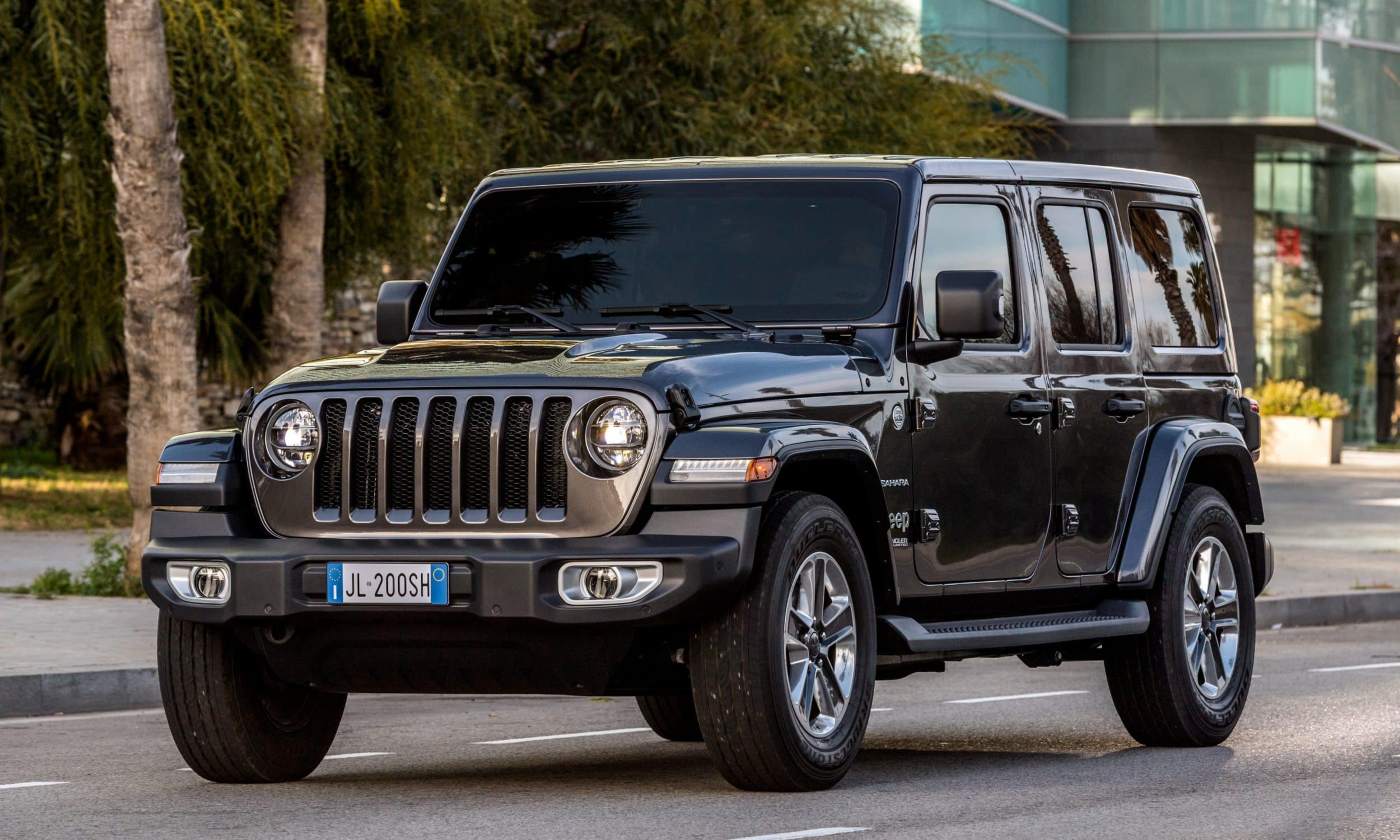
3. Jeep Wrangler
The Jeep Wrangler is designed for off-road adventures and rugged terrain, not urban commuting. Its boxy design and tall profile make it cumbersome in stop-and-go traffic.
Steering responsiveness is limited at low speeds, and suspension systems optimized for off-road durability make the ride stiff and uncomfortable on paved city streets. Tight corners and narrow lanes often require slow, deliberate maneuvers to avoid scraping or hitting obstacles.
Fuel efficiency is extremely low, particularly in city driving conditions. Manual transmission versions increase the stress of stop-and-go traffic, requiring frequent clutch work and gear changes. Even automatic versions do not provide the smooth acceleration expected in urban environments. Frequent braking, idling, and constant gear adjustments significantly reduce efficiency.
Interior comfort is minimal for daily commuting. Cabin noise is high due to upright design and rugged tires, while seats provide limited support for long traffic waits. Storage is constrained, and modern infotainment systems are often basic, lacking the seamless connectivity and convenience of vehicles built for city life.
While excellent off-road, the Wrangler’s design makes it highly impractical for daily city driving. Slow acceleration, wide turning radius, and poor fuel efficiency combine to make commuting a tiring and expensive experience. Drivers may enjoy it occasionally, but it becomes frustrating as a primary urban vehicle.
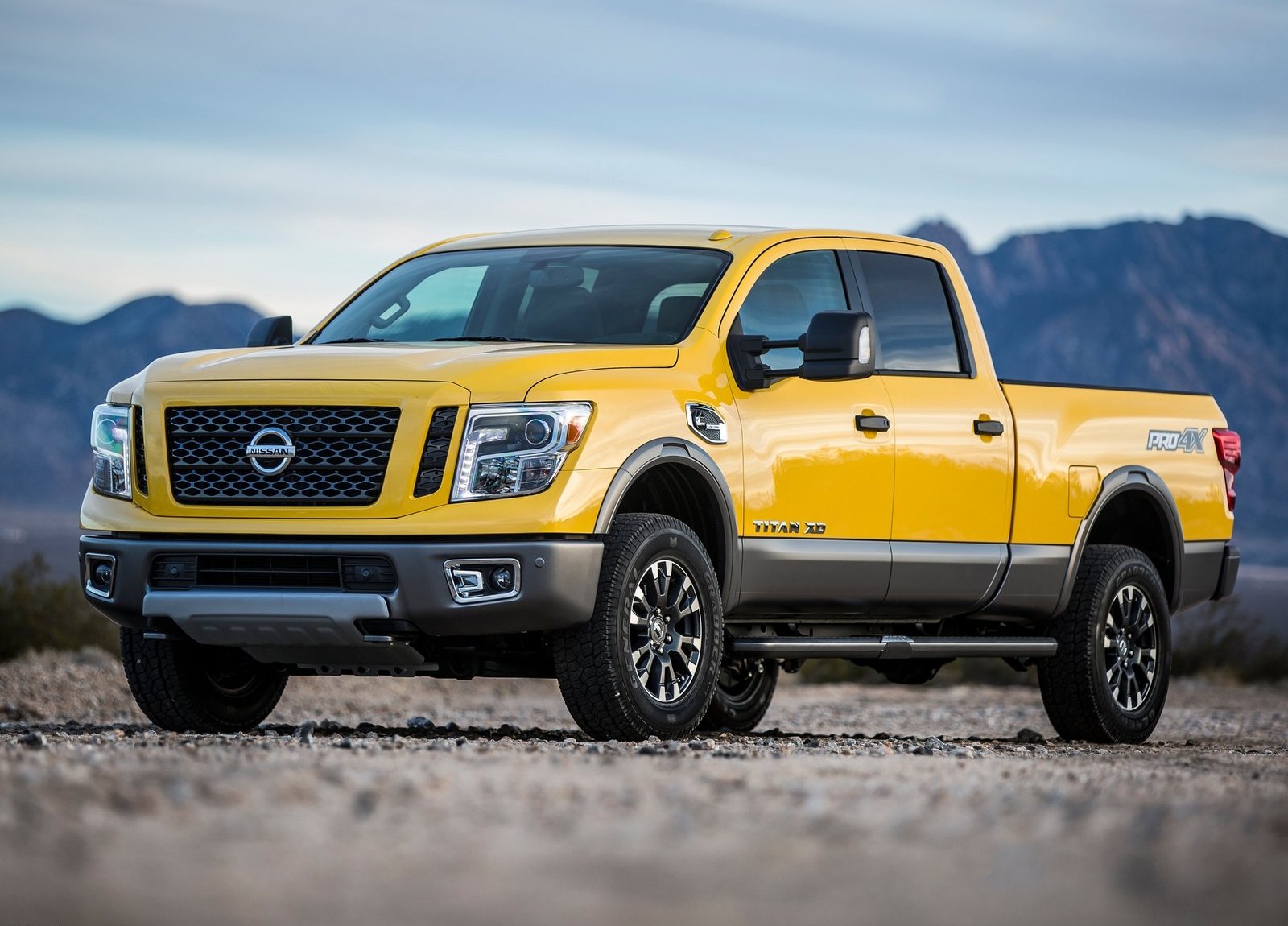
4. Nissan Titan
The Nissan Titan is a full-size pickup truck that is built for hauling and long-distance work, not navigating urban streets. Its length and width make city maneuvering challenging, requiring constant awareness of nearby vehicles, curbs, and obstacles.
Lane changes and tight intersections can feel stressful, forcing drivers to slow down and overcompensate to avoid collisions. Parallel parking is often impossible without significant assistance.
Fuel economy is extremely poor, particularly in heavy traffic. The powerful V8 engine consumes large amounts of gasoline during frequent starts and stops. Acceleration at low speeds is awkward, and the vehicle feels sluggish in traffic, making city driving stressful. Even brief trips in congested areas feel inefficient and costly.
Maneuverability is a major drawback due to the Titan’s size and weight. Steering responsiveness is limited, and tight turns require careful planning. Urban driving demands constant attention to avoid collisions or scraping obstacles, which increases driver fatigue. Frequent lane changes or narrow street navigation is far more difficult than in smaller, more nimble cars.
While the Titan offers interior space and comfort for long trips, these features do not offset its urban inefficiency. Its bulk makes daily commuting inconvenient and exhausting. For drivers in cities, it is less practical than smaller vehicles that can handle tight traffic, parking, and frequent stops.
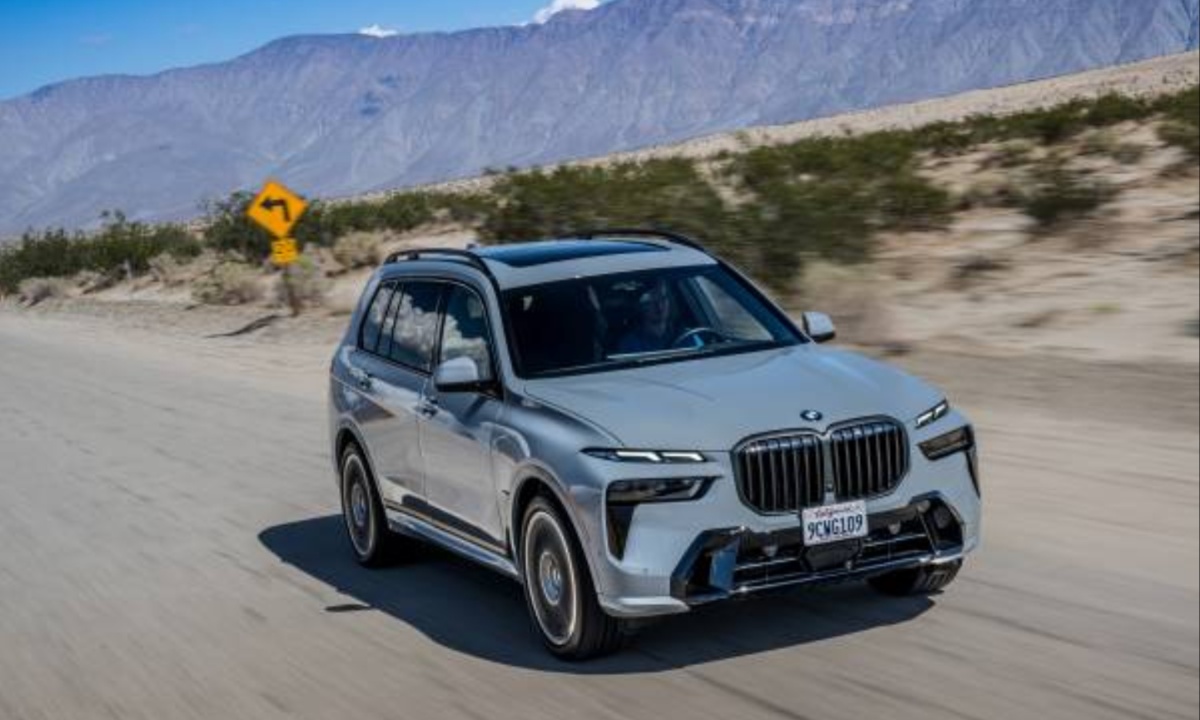
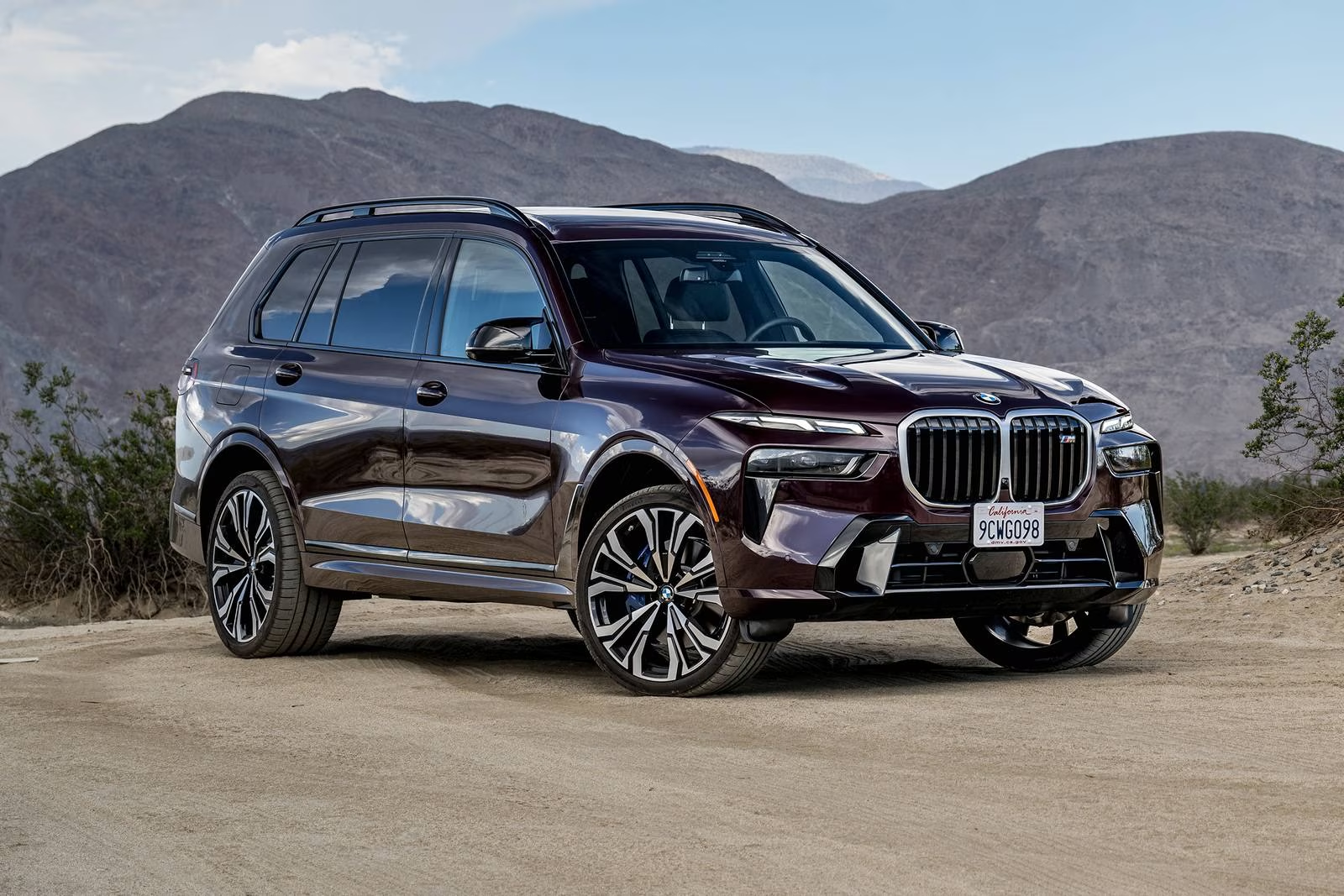
5. BMW X7
The BMW X7 is a large luxury SUV designed for highway performance and long-distance comfort rather than city driving. Its substantial size and weight make maneuvering in traffic stressful. Steering and braking are tuned for higher speeds, which can feel cumbersome in stop-and-go traffic. Tight parking spaces and narrow city streets require extra attention, sometimes requiring multiple adjustments.
Fuel efficiency is low in urban settings. Stop-and-go traffic significantly reduces the benefits of its high-performance engine, increasing operating costs. Frequent idling, acceleration, and braking diminish efficiency, making city commuting expensive compared to smaller, lighter vehicles designed for urban environments.
Maneuverability suffers due to the X7’s dimensions. Blind spots remain significant despite modern sensors, and navigating tight corners or crowded intersections requires constant vigilance. City driving demands extra mental effort, which can be tiring for daily commuters who spend extended time in traffic.
Although interior comfort and technology are exceptional, they cannot overcome the vehicle’s urban inefficiency. Its large size, poor fuel economy, and limited agility make the X7 ideal for highways and open roads but highly impractical for daily city driving. Drivers may enjoy luxury, but they face compromises in convenience and maneuverability.
